Last Signal
A narrative survival game played in real time through in-game messages and signals, where players must coordinate choices to save a collapsing digital world.
Understanding the vision behind Last Signal
Last Signal is a narrative-driven survival game played in real time through in‑game messages, fragmented signals, and collaborative decision-making. Players are dropped into a collapsing digital world where information is incomplete, time is limited, and survival depends on how well they interpret and respond to messages from the system and other players.
From an SEO and product strategy perspective, the primary keyword naturally becomes “real-time narrative survival game”, supported by semantic keywords such as:
- interactive narrative game
- multiplayer survival storytelling
- real-time choice-based game
- asynchronous multiplayer narrative
- signal-based storytelling game
Search intent around this space is typically exploratory and evaluative. Users are looking to understand:
- What makes this type of game unique
- Whether it’s single-player or multiplayer
- How real-time mechanics work
- Why it’s different from traditional narrative games
This article is written to fully satisfy that intent while also serving founders, developers, and investors evaluating the opportunity behind Last Signal as a scalable game product.
What problem does Last Signal solve in the narrative game market?
The fatigue of static narrative games
Traditional narrative games often suffer from predictable structures:
- Dialogue trees that reset on reload
- Choices that feel impactful but lead to the same outcome
- Worlds that wait patiently for the player
Players increasingly crave consequences, urgency, and permanence. According to multiple industry reports (for example, Steam player engagement analyses and GDC talks on emergent storytelling), retention improves when players feel their choices genuinely matter over time.
Last Signal directly addresses this gap by introducing:
- Real-time progression (the world evolves whether you’re online or not)
- Signal-based storytelling instead of exposition-heavy dialogue
- Collective outcomes, where the actions of others shape your experience
The gap between narrative depth and social gameplay
Multiplayer games are often mechanically deep but narratively shallow. Narrative games are emotionally rich but socially isolated.
Last Signal sits at the intersection:
| Dimension | Typical narrative games | Typical multiplayer games | Last Signal |
|---|---|---|---|
| Story depth | ✅ High | ❌ Low | ✅ High |
| Real-time urgency | ❌ Low | ✅ High | ✅ High |
| Meaningful collaboration | ❌ Limited | ✅ High | ✅ High |
| Persistent world | ❌ Often static | ✅ Dynamic | ✅ Dynamic |
This positioning is not accidental—it’s a deliberate response to unmet player expectations.
Target audience analysis: who is Last Signal really for?
Understanding the target audience is critical both for SEO clarity and for product-market fit.
Primary audience: narrative-driven core gamers
These players:
- Enjoy games like Disco Elysium, Oxenfree, Kentucky Route Zero, and Lifeline
- Value atmosphere, moral ambiguity, and emotional weight
- Are comfortable with slower pacing, text-based mechanics, and ambiguity
They search for:
- “interactive narrative games”
- “story-driven survival games”
- “games where choices matter”
Last Signal appeals to them by replacing static dialogue with diegetic messages and signals that feel organic and unsettling.
Secondary audience: socially motivated multiplayer players
This group:
- Enjoys ARGs, social deduction games, and collaborative puzzles
- Likes the idea of shared consequences and collective failure
- Is active on Discord, Reddit, and community-driven platforms
For them, Last Signal becomes a shared psychological experience, not just a game.
Tertiary audience: mobile and casual-core players
Because Last Signal is message-driven and asynchronous-friendly:
- Sessions can be short
- Gameplay can happen via notifications
- The barrier to entry is low
This opens doors to players who might not identify as “gamers” but enjoy interactive fiction and social apps.
Audience insight
Games that blend narrative depth with asynchronous social mechanics often see stronger long-term retention because players feel socially accountable, not just mechanically challenged.
Core gameplay mechanics: how Last Signal actually works
Real-time narrative progression
Unlike turn-based or session-based games, Last Signal operates on real-world time:
- Events trigger at specific times
- Signals decay or disappear if ignored
- Delays have consequences
This creates tension without requiring constant attention.
Signal-based communication system
Instead of explicit exposition, players receive:
- Fragmented messages
- Distorted system alerts
- Incomplete data packets
- Messages from other players
Interpreting these signals becomes the core gameplay loop.
// Example of a signal object in a real-time narrative system
type Signal = {
  id: string
  source: "system" | "player" | "unknown"
  urgencyLevel: 1 | 2 | 3 | 4 | 5
  expiresAt: number
  payload: {
    text?: string
    encrypted?: boolean
    metadata?: Record<string, unknown>
  }
}
Collective choice architecture
Some decisions are personal. Others are global.
- Individual choices affect your local storyline
- Collective thresholds determine world-state changes
- Silence or inaction is also a choice
This design encourages:
- Discussion outside the game
- Theory crafting
- Emergent leadership and conflict
Why real-time storytelling is a powerful differentiator
Emotional realism through time pressure
Real-time mechanics introduce:
- Anxiety
- Anticipation
- Regret
These emotions are difficult to replicate in paused environments. When players miss a signal because they were asleep or at work, the loss feels real.
Asynchronous collaboration without friction
Unlike real-time co-op that requires coordination:
- Players contribute when they can
- The world persists regardless
- No one player blocks progress entirely
This makes Last Signal highly compatible with modern lifestyles.
Replayability through temporal variance
Because events are time-bound:
- No two playthroughs are identical
- Community-driven timelines emerge
- Players return to see alternate realities
Competitive landscape and positioning
Direct and indirect competitors
Last Signal does not compete with mainstream AAA titles. Its competition includes:
- Interactive fiction platforms
- Narrative mobile games
- ARG-style community experiences
Below is a simplified comparison:
| Feature | Traditional IF | Mobile story games | Last Signal | ARGs |
|---|---|---|---|---|
| Real-time progression | ❌ | ❌ | ✅ | ✅ |
| Persistent world | ❌ | ❌ | ✅ | ✅ |
Unique selling proposition (USP)
Last Signal’s USP is clear:
A real-time, message-driven survival narrative where player silence is as impactful as player action.
No reloads. No waiting for you. The world moves on.
Recommended tech stack for building Last Signal
Frontend: immersive but lightweight
- Framework: React
- Styling: TailwindCSS
Why:
React enables modular UI for message feeds and signal layers. Tailwind allows rapid iteration on atmospheric UI without bloated CSS.
Backend: real-time and event-driven
- Runtime: Node.js
- Communication: WebSockets or server-sent events
- Data: Event-sourced architecture
Trade-offs:
- WebSockets increase complexity
- Event sourcing requires careful debugging
- The payoff is narrative flexibility and scalability
Infrastructure considerations
- Time-zone aware scheduling
- Fail-safe message delivery
- Graceful degradation for offline users
Technical caution
Real-time narrative systems are less forgiving than traditional games. Logging, observability, and replay tools are essential from day one.
Monetization strategies for a narrative survival game
Last Signal is not suited for aggressive monetization. Trust is part of the experience.
Viable monetization models
Premium access
One-time purchase for full narrative arcs and world events.
Season-based narratives
Time-limited story seasons with new signals and endings.
Cosmetic personalization
Non-intrusive UI themes, signal effects, or message styles.
What to avoid
- Pay-to-win mechanics
- Paid choices that affect outcomes
- Ads that break immersion
Narrative trust is fragile. Once broken, retention collapses.
Risks and mitigation strategies
Use progressive disclosure. Early signals should be simple, with complexity increasing gradually.
Build reusable narrative templates and systemic story logic rather than fully bespoke content.
Design meaningful catch-up mechanics without erasing consequences.
Implementation roadmap: from idea to playable world
For indie teams and founders, starting with a lean but scalable foundation is critical. Tools like TurboStarter can significantly reduce setup time for authentication, infrastructure, and deployment, allowing teams to focus on narrative and gameplay rather than boilerplate.
Why Last Signal has long-term potential
Cultural alignment with modern play patterns
Players already live in:
- Notifications
- Group chats
- Asynchronous collaboration
Last Signal doesn’t fight this behavior—it embraces it.
Community-driven longevity
As theories, alliances, and shared failures emerge:
- The game becomes a social artifact
- Content spreads organically
- Replay value increases without linear content scaling
Expandability beyond games
The underlying system could evolve into:
- Educational simulations
- Experimental storytelling platforms
- Brand-driven narrative experiences
The technology is genre-agnostic. The design philosophy is not.
Final thoughts and next steps
Last Signal is not just another narrative game. It is an experiment in shared responsibility, time-bound storytelling, and collective survival.
For players, it offers:
- Emotional weight
- Social connection
- Meaningful consequence
For builders, it represents:
- A defensible niche
- A scalable narrative architecture
- A product aligned with modern digital behavior
If executed with care, clarity, and respect for player trust, Last Signal has the potential to become a defining example of what real-time narrative games can be.
More 🎮 Game SaaS ideas
Discover more innovative game SaaS ideas that are trending in 2026. Each idea is AI-generated with market validation and growth potential to help you find your next profitable venture faster than competitors.
Your competitors are building with TurboStarter
Below are some of the SaaS ideas that have been generated and built with our starter kit.
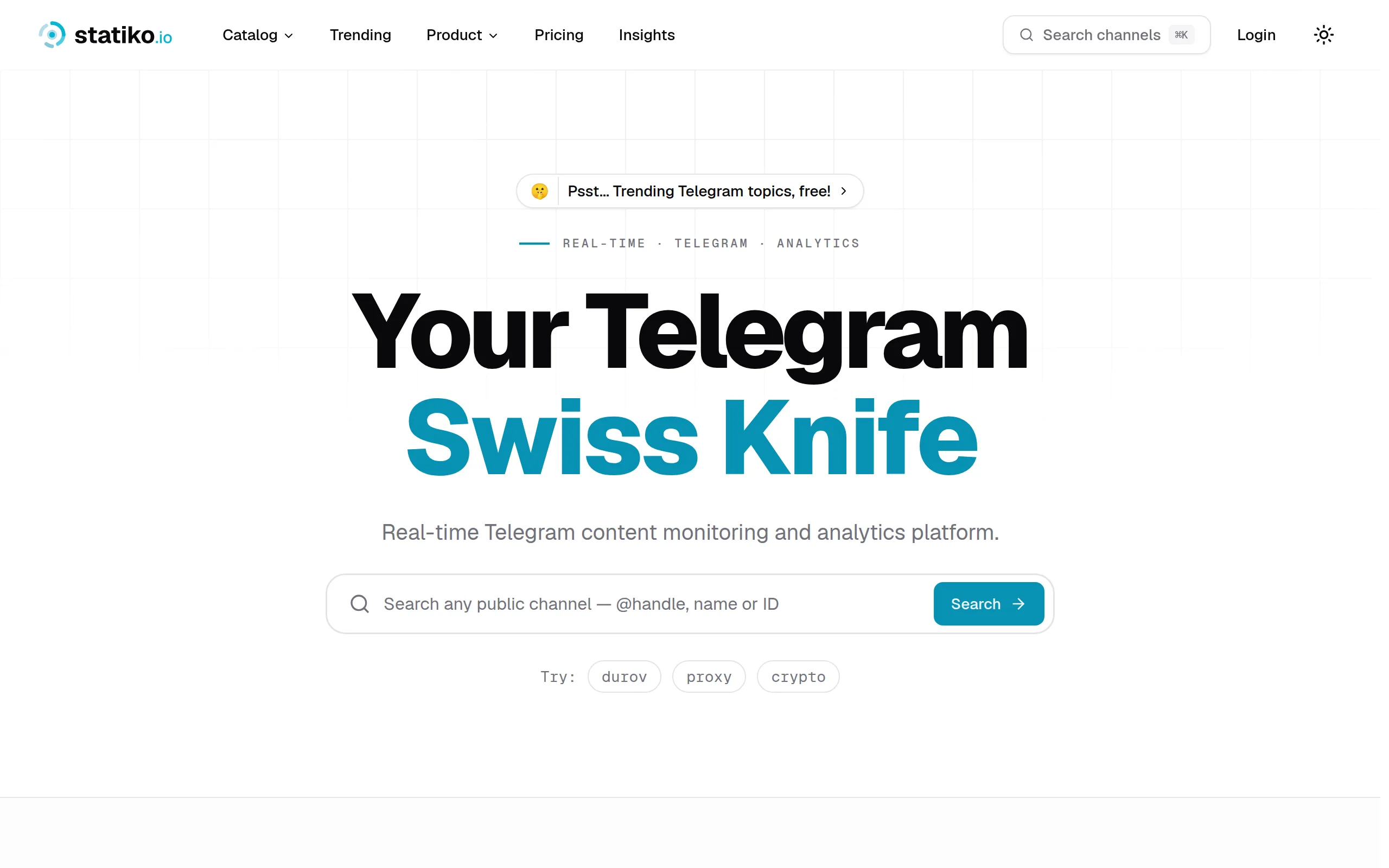
Statiko
Monitor any Telegram channel in real time - track posts, edits, deletions, and growth with AI recaps 📡

Shibui
AI website builder - describe your business, pick a niche template, edit by chatting, and publish instantly ✨

Pro Service
Find verified home service professionals, compare quotes, and pay securely through escrow - built for Brazilians across the US 🏠

RankGrow
Fix your SEO with AI agents - connect Search Console, get prioritized tasks, and grow organic traffic 📈
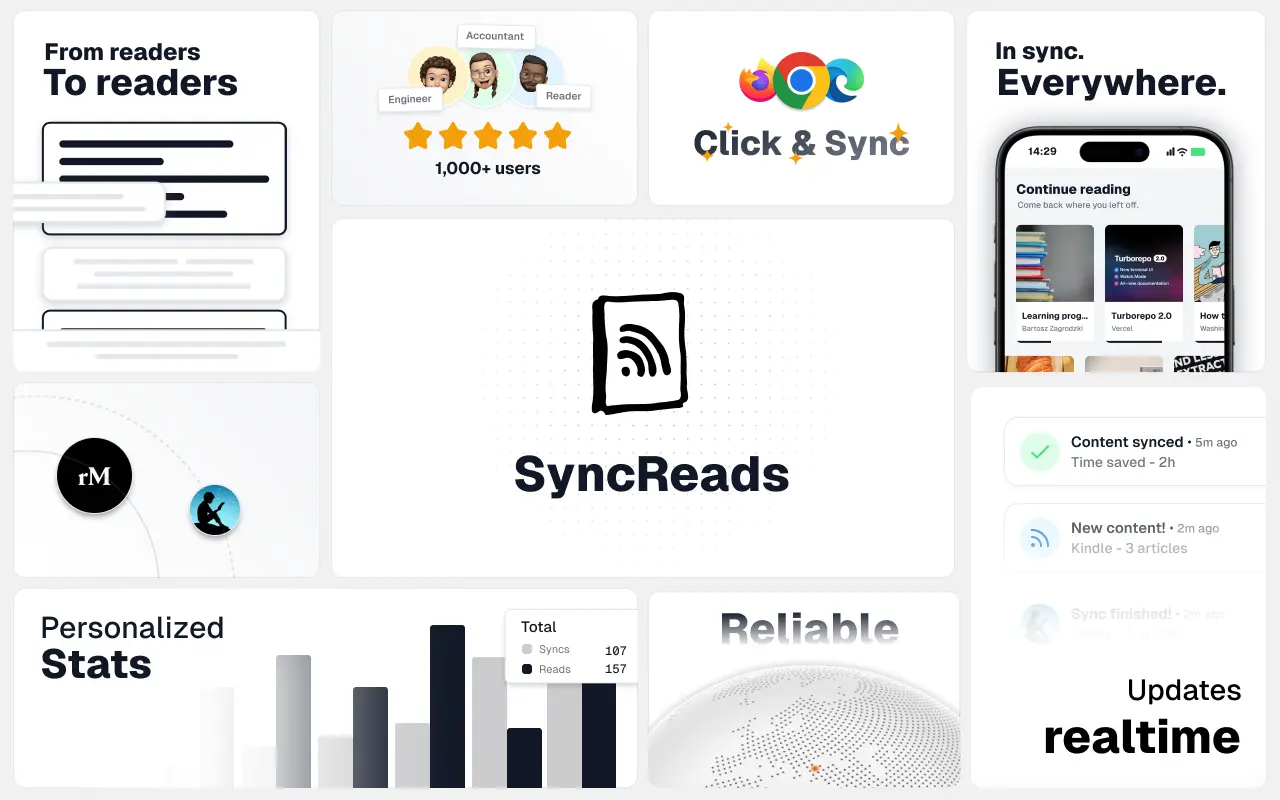
SyncReads
Sync your favorite content for distraction-free reading, save time and replace multiple apps. Anytime, anywhere 🔄
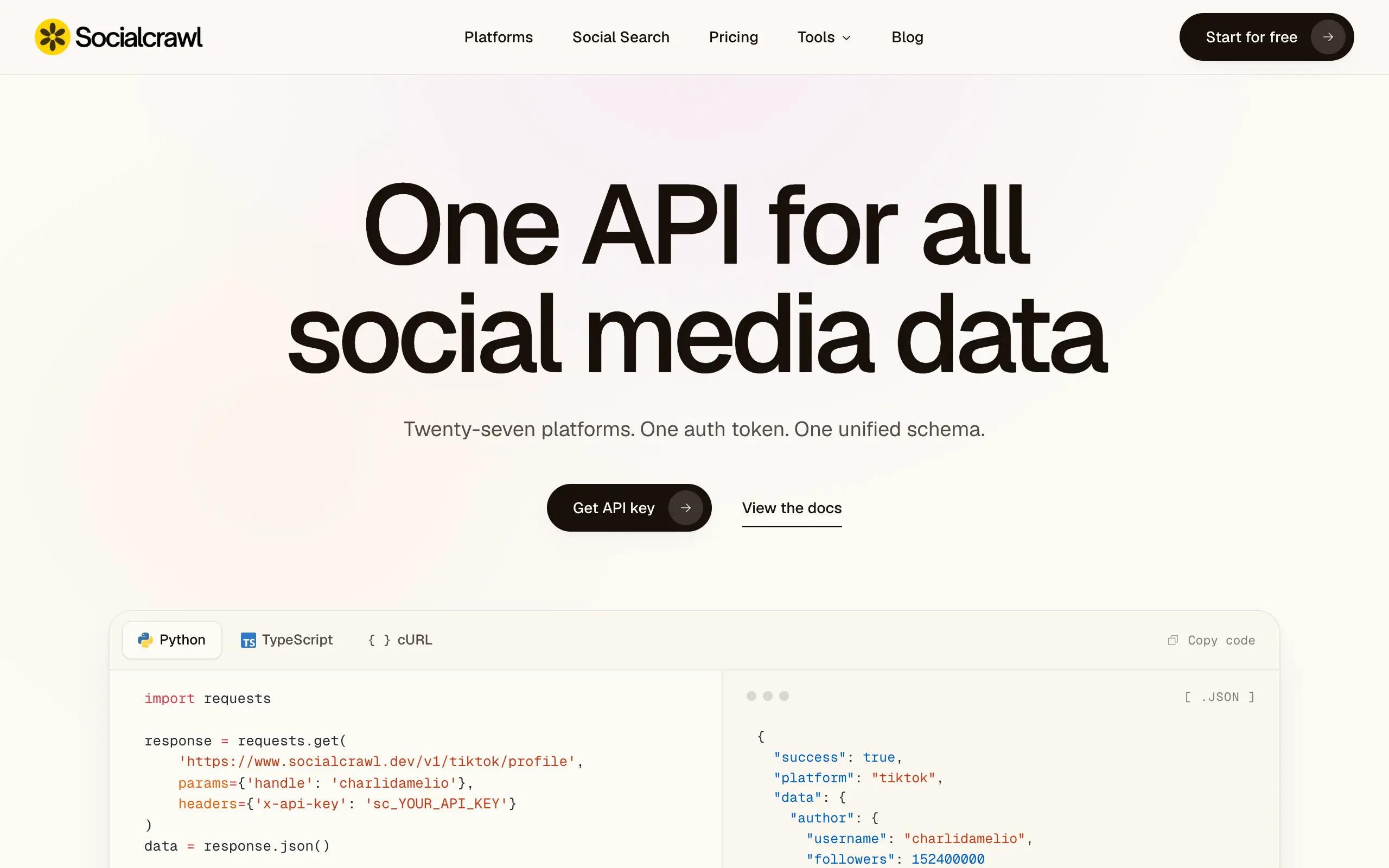
Socialcrawl
Get clean, structured data from 21 platforms like TikTok, Instagram, and YouTube with a single request 📊
Statiko
Monitor any Telegram channel in real time - track posts, edits, deletions, and growth with AI recaps 📡
Shibui
AI website builder - describe your business, pick a niche template, edit by chatting, and publish instantly ✨
Pro Service
Find verified home service professionals, compare quotes, and pay securely through escrow - built for Brazilians across the US 🏠
RankGrow
Fix your SEO with AI agents - connect Search Console, get prioritized tasks, and grow organic traffic 📈
SyncReads
Sync your favorite content for distraction-free reading, save time and replace multiple apps. Anytime, anywhere 🔄
Socialcrawl
Get clean, structured data from 21 platforms like TikTok, Instagram, and YouTube with a single request 📊
Statiko
Monitor any Telegram channel in real time - track posts, edits, deletions, and growth with AI recaps 📡
Shibui
AI website builder - describe your business, pick a niche template, edit by chatting, and publish instantly ✨
Pro Service
Find verified home service professionals, compare quotes, and pay securely through escrow - built for Brazilians across the US 🏠
RankGrow
Fix your SEO with AI agents - connect Search Console, get prioritized tasks, and grow organic traffic 📈
SyncReads
Sync your favorite content for distraction-free reading, save time and replace multiple apps. Anytime, anywhere 🔄
Socialcrawl
Get clean, structured data from 21 platforms like TikTok, Instagram, and YouTube with a single request 📊
Statiko
Monitor any Telegram channel in real time - track posts, edits, deletions, and growth with AI recaps 📡
Shibui
AI website builder - describe your business, pick a niche template, edit by chatting, and publish instantly ✨
Pro Service
Find verified home service professionals, compare quotes, and pay securely through escrow - built for Brazilians across the US 🏠
RankGrow
Fix your SEO with AI agents - connect Search Console, get prioritized tasks, and grow organic traffic 📈
SyncReads
Sync your favorite content for distraction-free reading, save time and replace multiple apps. Anytime, anywhere 🔄
Socialcrawl
Get clean, structured data from 21 platforms like TikTok, Instagram, and YouTube with a single request 📊
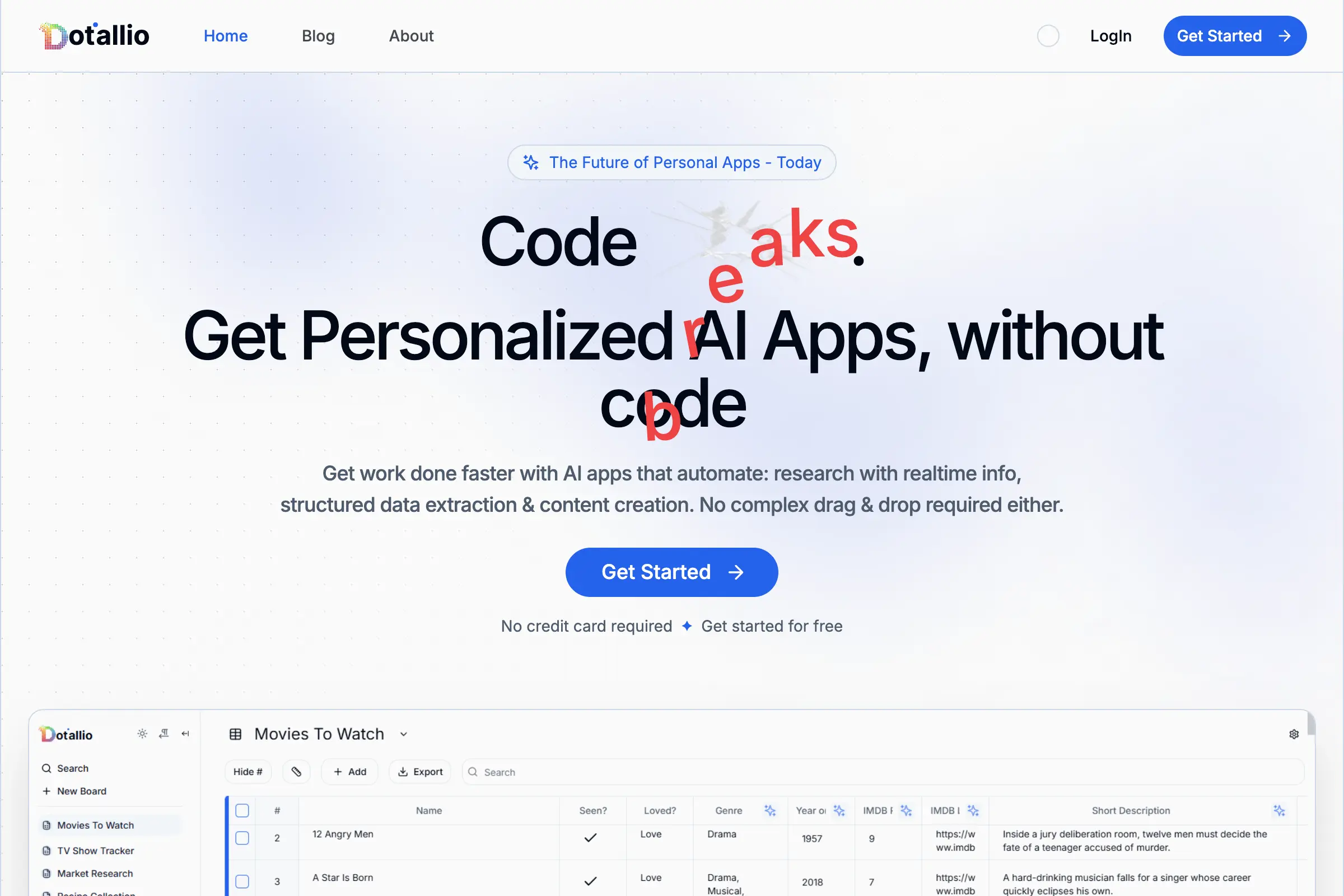
Dotallio
Personalized AI apps that automate research, data extraction, and content creation without code 🤖
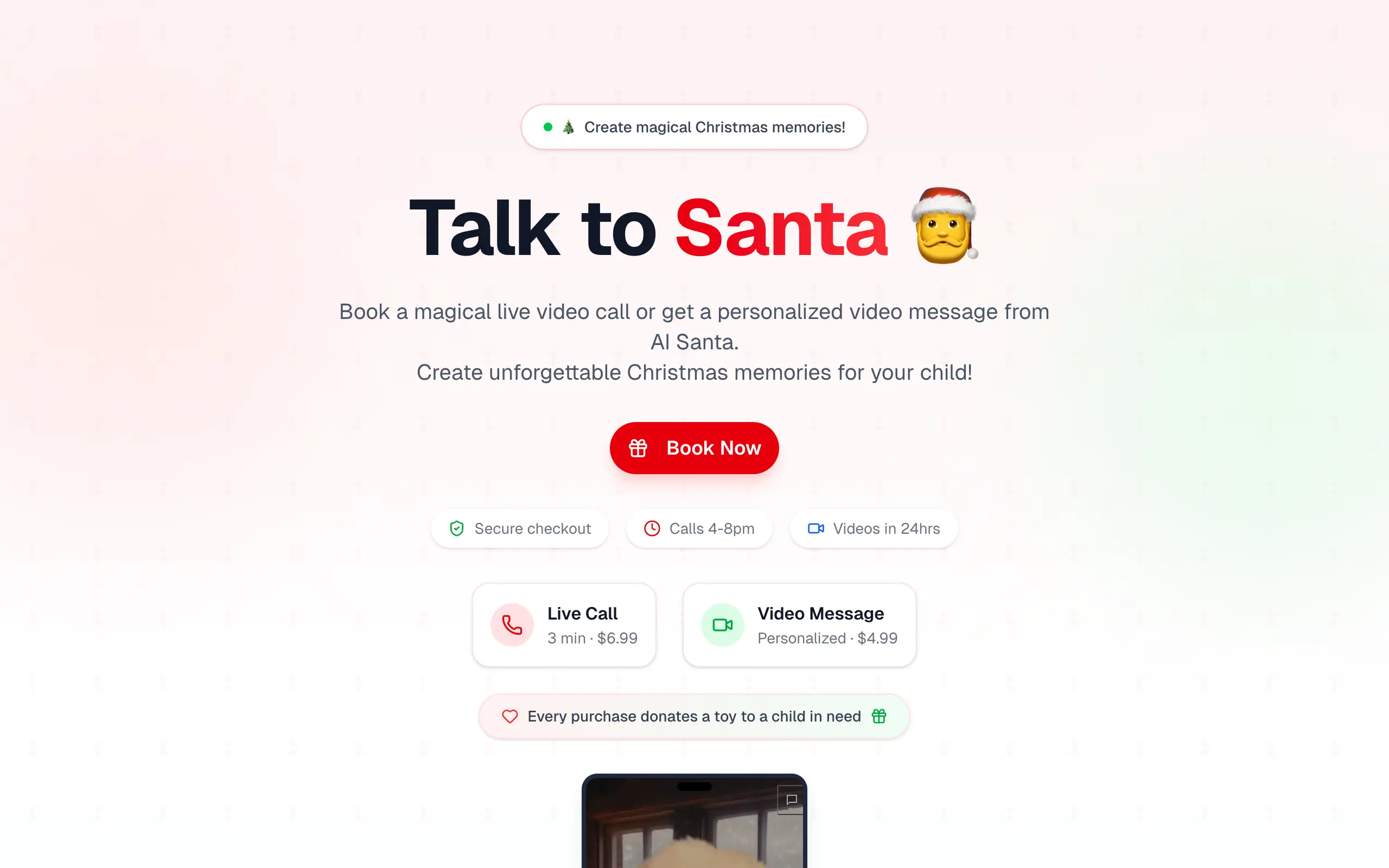
Talk to Santa
Enjoy a magical live video chat or receive a unique AI-generated video greeting from Santa Claus 🎅

pozywka.pl
Scalable blog for food journalist, focused on performance and user experience 🌭
zagrodzki.me
Personal blog and portfolio of Bart Zagrodzki, where he shares his knowledge and work 💼
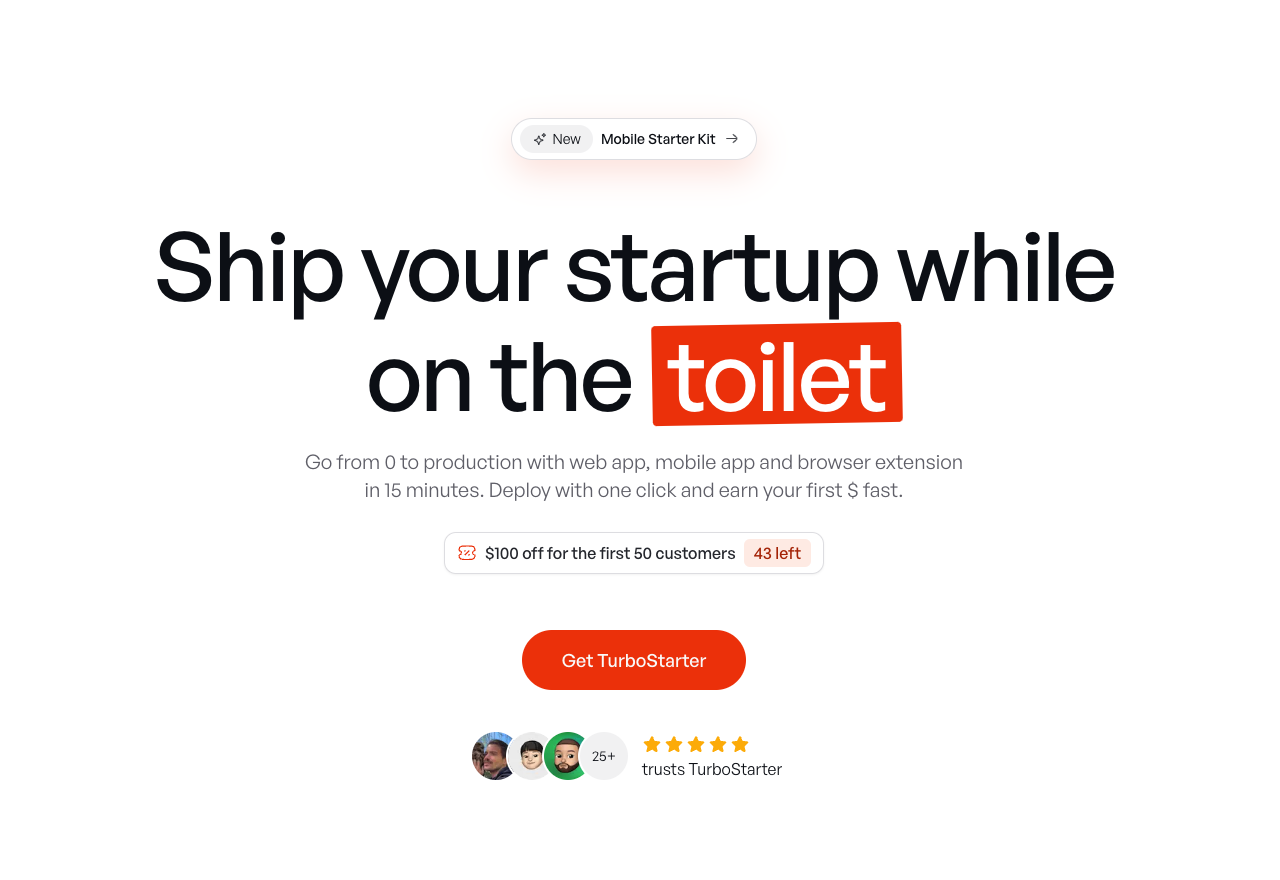
TurboStarter
Ship your startup everywhere. In minutes.
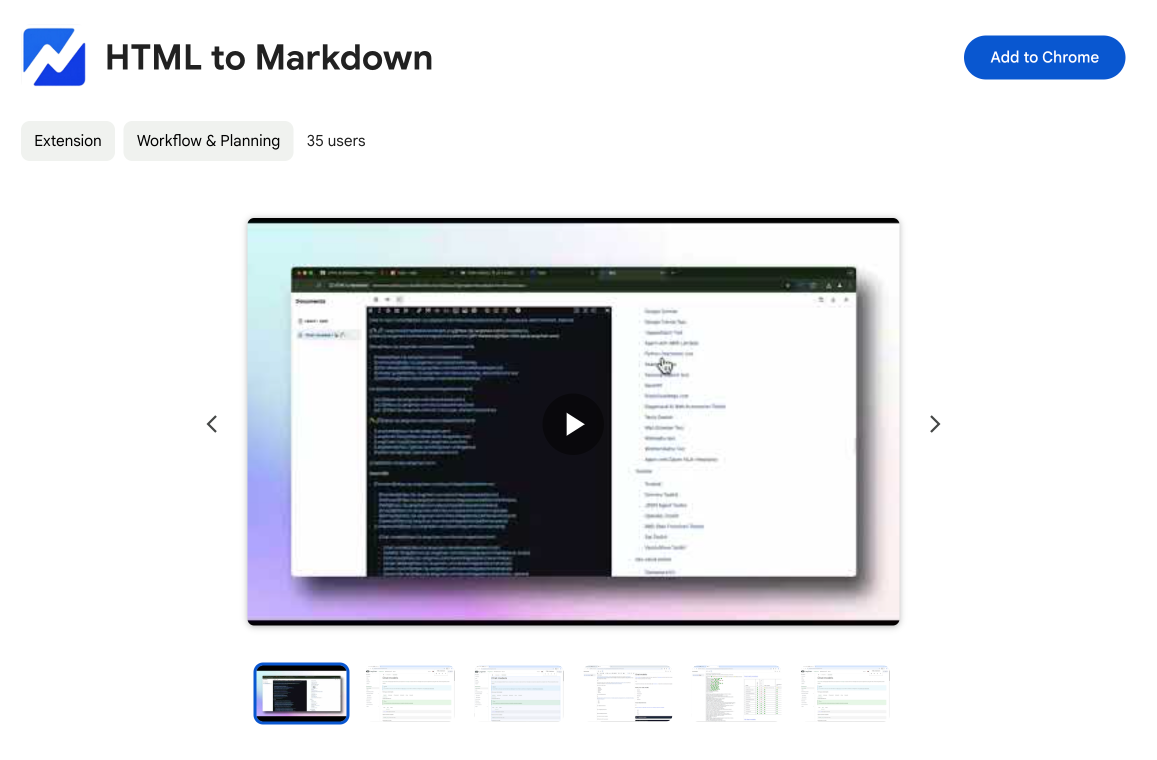
HTML to Markdown
Convert HTML to Markdown with ease, directly in your browser 📄
Dotallio
Personalized AI apps that automate research, data extraction, and content creation without code 🤖
Talk to Santa
Enjoy a magical live video chat or receive a unique AI-generated video greeting from Santa Claus 🎅
pozywka.pl
Scalable blog for food journalist, focused on performance and user experience 🌭
zagrodzki.me
Personal blog and portfolio of Bart Zagrodzki, where he shares his knowledge and work 💼
TurboStarter
Ship your startup everywhere. In minutes.
HTML to Markdown
Convert HTML to Markdown with ease, directly in your browser 📄
Dotallio
Personalized AI apps that automate research, data extraction, and content creation without code 🤖
Talk to Santa
Enjoy a magical live video chat or receive a unique AI-generated video greeting from Santa Claus 🎅
pozywka.pl
Scalable blog for food journalist, focused on performance and user experience 🌭
zagrodzki.me
Personal blog and portfolio of Bart Zagrodzki, where he shares his knowledge and work 💼
TurboStarter
Ship your startup everywhere. In minutes.
HTML to Markdown
Convert HTML to Markdown with ease, directly in your browser 📄
Dotallio
Personalized AI apps that automate research, data extraction, and content creation without code 🤖
Talk to Santa
Enjoy a magical live video chat or receive a unique AI-generated video greeting from Santa Claus 🎅
pozywka.pl
Scalable blog for food journalist, focused on performance and user experience 🌭
zagrodzki.me
Personal blog and portfolio of Bart Zagrodzki, where he shares his knowledge and work 💼
TurboStarter
Ship your startup everywhere. In minutes.
HTML to Markdown
Convert HTML to Markdown with ease, directly in your browser 📄
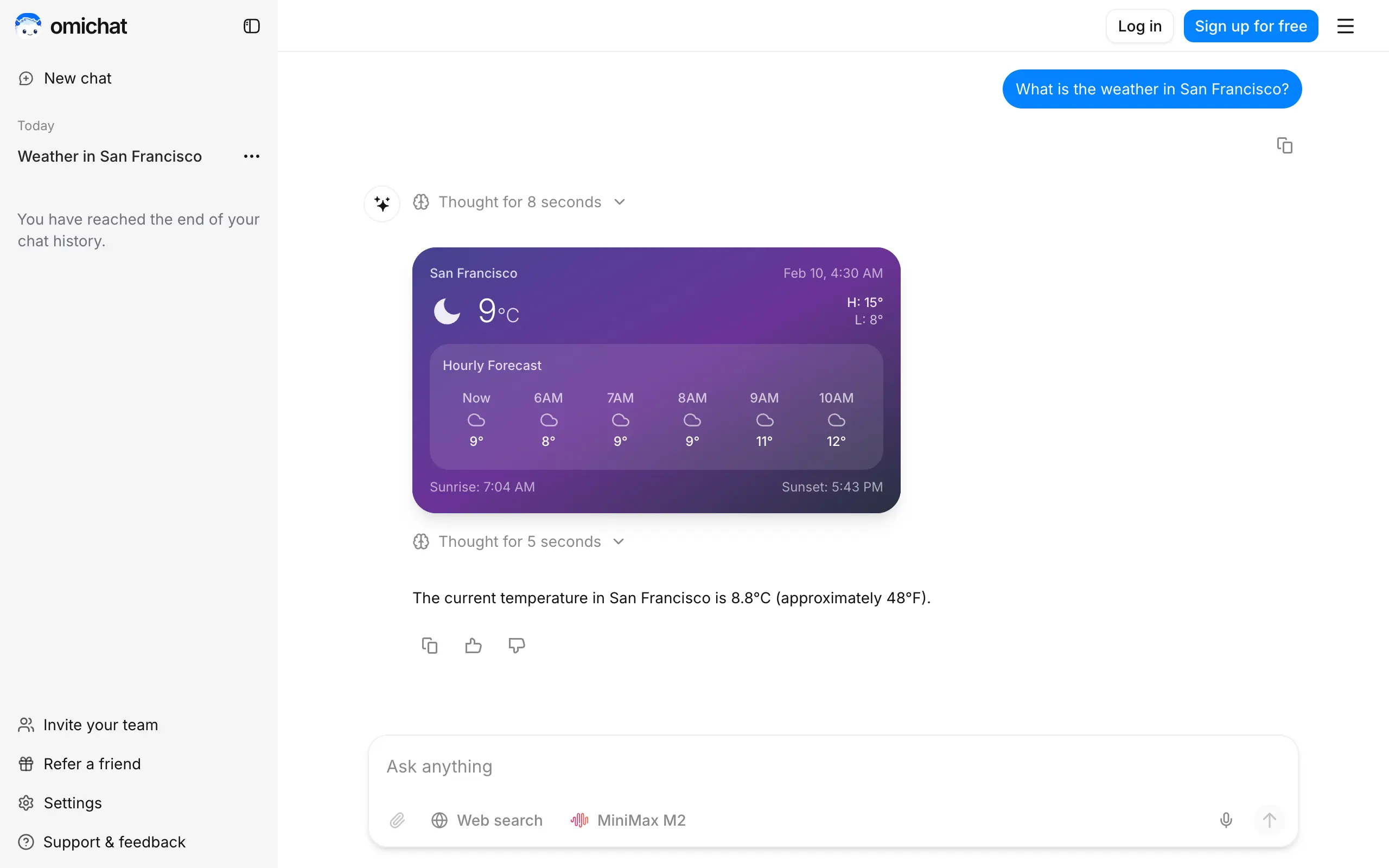
Omichat
Chat with 50+ AI models, including ChatGPT and Claude, in one place - switch models anytime without losing context 🤖
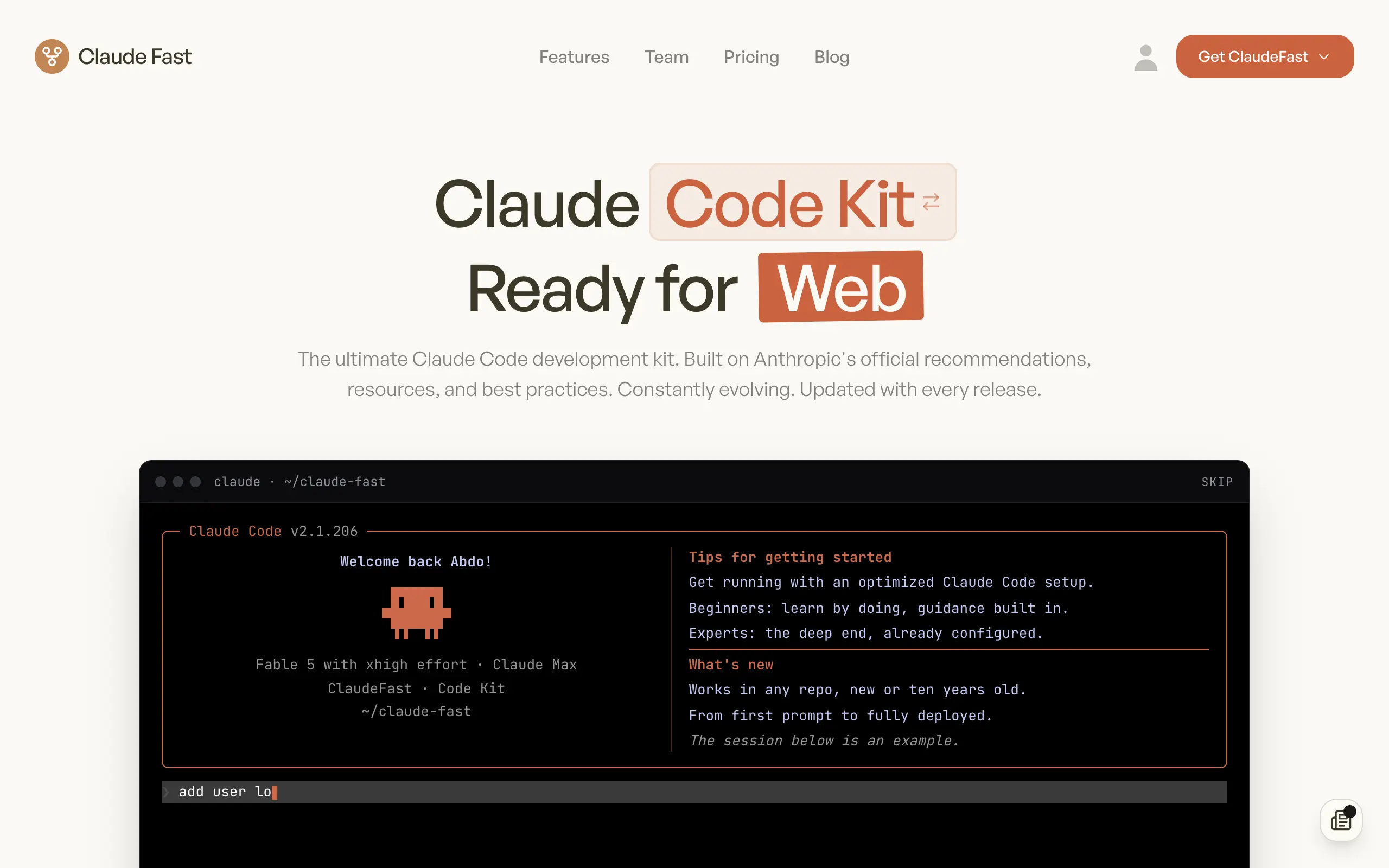
Claude Fast
Supercharge your Claude Code with 6x effective context window and specialized AI agents 🤖
EmojAI
AI-powered emoji picker with smart, context-aware suggestions 🤖

Solohacker
Autonomous company launcher - AI agents work 24/7, escalate what matters, and you stay in control 🤖
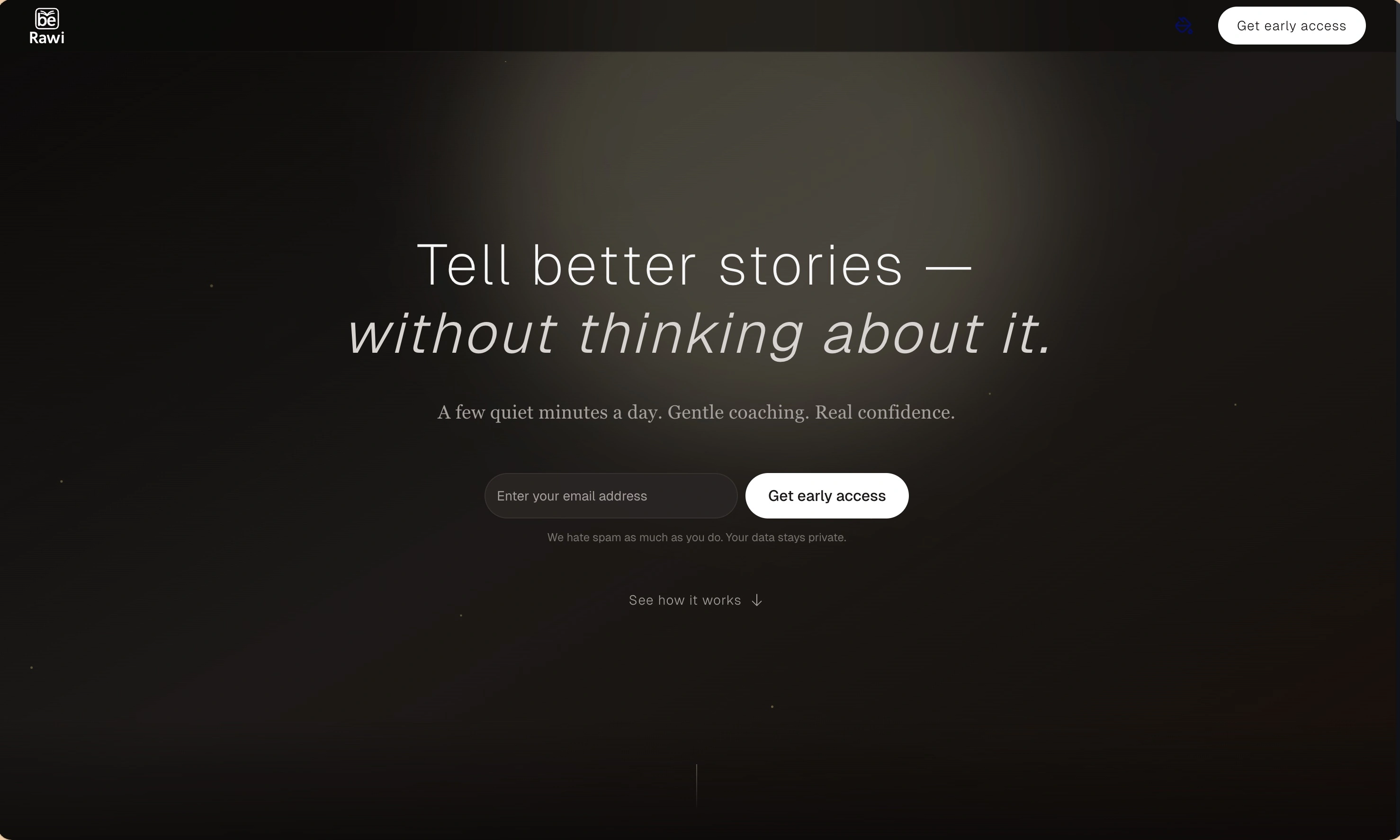
BeRawi: Storytelling Coach
Practice storytelling daily with instant feedback to sound clearer, more engaging, and confident 🎤
Omichat
Chat with 50+ AI models, including ChatGPT and Claude, in one place - switch models anytime without losing context 🤖
Claude Fast
Supercharge your Claude Code with 6x effective context window and specialized AI agents 🤖
EmojAI
AI-powered emoji picker with smart, context-aware suggestions 🤖
Solohacker
Autonomous company launcher - AI agents work 24/7, escalate what matters, and you stay in control 🤖
BeRawi: Storytelling Coach
Practice storytelling daily with instant feedback to sound clearer, more engaging, and confident 🎤
Omichat
Chat with 50+ AI models, including ChatGPT and Claude, in one place - switch models anytime without losing context 🤖
Claude Fast
Supercharge your Claude Code with 6x effective context window and specialized AI agents 🤖
EmojAI
AI-powered emoji picker with smart, context-aware suggestions 🤖
Solohacker
Autonomous company launcher - AI agents work 24/7, escalate what matters, and you stay in control 🤖
BeRawi: Storytelling Coach
Practice storytelling daily with instant feedback to sound clearer, more engaging, and confident 🎤
Omichat
Chat with 50+ AI models, including ChatGPT and Claude, in one place - switch models anytime without losing context 🤖
Claude Fast
Supercharge your Claude Code with 6x effective context window and specialized AI agents 🤖
EmojAI
AI-powered emoji picker with smart, context-aware suggestions 🤖
Solohacker
Autonomous company launcher - AI agents work 24/7, escalate what matters, and you stay in control 🤖
BeRawi: Storytelling Coach
Practice storytelling daily with instant feedback to sound clearer, more engaging, and confident 🎤

Connect with like-minded people
Join our community to get feedback, support, and grow together with 1,000+ builders on board, let's ship it!
Join usShip your startup everywhere. In minutes.
Don't burn tokens on setup and start building features on day one.