LoreQuest
A narrative-driven RPG that learns from user decisions, dynamically evolving its world and quests using generative AI for infinite replayability and unique story outcomes.
Understanding LoreQuest: A Generative AI RPG for Infinite Replayability
LoreQuest is a pioneering narrative-driven RPG (role-playing game) that harnesses the power of generative AI to revolutionize how players experience story, decisions, and character progression. This SaaS gaming platform learns from user decisions, dynamically evolving its world and quests for endless replayability and truly unique outcomes every session.
As an expert in SaaS, gaming innovation, and AI, this comprehensive guide will walk you through LoreQuest's market fit, audience, core features, technology recommendations, business potential, risk mitigation, competitive advantage, and practical steps to bring it to life.
Target audience analysis: Who will play LoreQuest?
Identifying the right audience is central to the success of any gaming SaaS, especially one innovating with cutting-edge generative AI and procedural narrative. LoreQuest's primary and secondary target audiences include:
1. Core RPG gamers
- Seek deep, replayable worlds (think: Skyrim, Divinity: Original Sin, Disco Elysium)
- Value complex branching narratives and meaningful player choice
- Eager for emergent, non-linear storytelling
- Both solo and co-op players
2. Interactive fiction & narrative game enthusiasts
- Fans of text-based games (e.g., AI Dungeon, 80 Days)
- Players who appreciate adaptive stories that change with every playthrough
- Those looking for creativity, surprises, and agency in gaming
3. Dungeon masters & tabletop RPG hobbyists
- Game masters seeking inspiration or automated content for campaigns
- Hobbyists interested in AI-powered world and quest generation
4. Streamers and content creators
- Interested in “let’s play” sessions with unpredictable, audience-driven stories
- Benefit from infinite replayability for sustained content creation
5. Casual, tech-curious gamers
- Drawn by buzz around generative AI and new gameplay paradigms
- Willing to try accessible, browser-based or cross-platform experiences
Uncovering the market opportunity and industry gap
The SaaS gaming sector is booming, and demand for “games as a service” continues to rise. But even amidst giants, LoreQuest addresses a distinct gap:
Traditional RPG limitations:
- Finite content: Scripted RPGs (even sprawling ones) eventually repeat scenarios after enough playthroughs.
- Static questlines: New decisions rarely “surprise” veterans after content is exhausted.
- Limited agency: Branching narratives have constraints due to production scope and budget.
Current AI narrative engines:
- AI Dungeon popularized free-form AI storytelling, but often lacks game structure, progression, and meaningful consequence.
- Most procedural generation is focused on terrain or loot, not deep plot, NPC personality, or cross-session world evolutions.
Where does LoreQuest fit?
- Delivers the structure, systems, and stakes of a classic RPG—with quests, stats, combat, inventories—plus AI-driven narrative improvisation and learning.
- Learns from player actions: The world isn’t just randomized; it’s shaped by what the player has done across multiple sessions, with reputation, lore, and world state evolving dynamically.
- Infinite replayability: There’s always something new, with no “end of unique content” point.
- Bridges the gap between sandbox world-building and directed, narrative-driven gameplay.
Market insight
Emerging statistics show player demand for adaptive narratives, with interactive fiction and generative AI games seeing a 30% YoY growth ([source: suggest checking Newzoo's 2024 industry report]).
Core features: Building blocks of the LoreQuest platform
Delivering an impactful SaaS RPG rests on a blend of technical innovation and genre best practices. Key LoreQuest features (optimized for user intent and search visibility):
1. AI-driven procedural narrative engine
- Utilizes generative AI (LLMs and transformer architectures) to craft dynamic quests, lore, and character dialogue.
- Adapts narrative tone, branching paths, and consequences based on user decision history.
2. Persistent, evolving world state
- The world tracks player reputations, alliances, recurring factions, and environmental changes.
- Player actions have lasting, cross-session impact (e.g., toppled governments remain toppled!).
- Supports cloud saves, account-based progression, and world-sharing.
3. Dynamic quest generation
- Quests are not pre-scripted but synthesized via AI, ensuring unique objectives and resolutions each time.
- Balances randomization with narrative coherence using advanced prompt engineering and context management.
4. Customizable protagonist and NPCs
- AI-powered character creation adapts appearance, backstory, and even personality in response to player identity and early-game choices.
- NPCs learn and develop through interaction, creating emergent relationships and social consequences.
5. Advanced dialogue and consequence system
- Players enjoy freeform or menu-driven conversations, with the AI ensuring character consistency and logical world responses.
- Decisions are never “one and done”—they ripple forward across story arcs and consequences.
6. Rich, interactive world UI
- Web-based, desktop, and (optionally) mobile client
- Text-driven, with stylized visuals, maps, and stat blocks
- Supports cross-device play, keeping audiences engaged on their platform of choice.
7. Community and extensibility features
- World exports, “replay this tale” links, or shareable seeds
- Mod support and prompts for community-driven content (subject to moderation)
- API endpoints for integrating with stream overlays, Discord bots, or campaign managers
Generative AI quests
Never play the same scenario twice—quests are generated on-the-fly, tailored to your playstyle.
Persistent dynamic world
Your choices leave a permanent mark. Factions, environments, and NPCs evolve based on your actions.
Adaptive dialogue
Converse freely with characters who remember, react, and adapt to your unique journey.
Recommended technical stack for a generative AI SaaS game
Building a complex, scalable, and cost-effective platform like LoreQuest requires a technical stack tailored for performance, flexibility, and the unique needs of generative AI.
Core tech components
| Domain | Recommended Tech | Notes / Trade-offs |
|---|---|---|
| Frontend (Web/Desktop/Mobile) | React, Next.js, TailwindCSS | Fast, modern UI. TailwindCSS for rapid theming. Cross-platform with Electron or React Native. |
| Generative AI / LLM | OpenAI GPT-4 API, Open Source (e.g., Llama 2), Custom-tuned models | SaaS costs vs. latency. Open source models can offer privacy/control, require more ops. |
| Game logic backend | Node.js, Python (FastAPI or Flask) | Node best for real-time, Python for AI integrations. Docker for portability. |
| Database / Persistence | PostgreSQL, Redis (for sessions/storage), S3 (media assets) | Strong relational DB for state, Redis for game session speed. |
| Cloud hosting & scaling | AWS, GCP, Azure (Kubernetes, serverless, auto-scaling) | Managed cloud to scale with playerbase. |
| Authentication & account management | Auth0 or Firebase Auth | Security and ease of login/social integration. |
| CI/CD & DevOps | GitHub Actions, Docker, Terraform | Standard DevOps for SaaS, adds rapid iteration & rollbacks. |
Tech stack trade-offs
- Proprietary AI vs. open-source: OpenAI is easy but expensive and may restrict mature content. Open-source (Llama 2, Mistral) gives more freedom/extensibility, but requires infrastructure and expertise.
- Web vs. native: Web-first is most inclusive; native (Electron, React Native) adds richer UI capabilities for desktop/mobile power users.
- Storage: Persistent, ever-evolving worlds require careful data modeling to avoid heavy costs and performance bottlenecks.
React and Next.js drive responsive, component-driven UIs that scale. Next.js SSR improves performance and SEO for web discoverability—a major plus for SaaS games.
Open-source models let you fine-tune content moderation and world rules directly, which is key for audience safety and unique game tone.
LoreQuest monetization strategy for SaaS gaming
Sustainable revenue is vital for game SaaS longevity. LoreQuest can leverage several proven and innovative models:
1. Subscription model (SaaS-first)
- Monthly or annual access plans unlock premium features: advanced AI, cosmetic options, deeper world persistence, exclusive scenarios.
- Free tier could limit playtime, quest variety, or save slots.
2. In-game marketplace and microtransactions
- Cosmetic upgrades (character skins, world themes)
- Community-generated content packs or replayable story seeds
3. Group licensing
- Special packs for tabletop RPG groups or educators wanting collaborative sessions.
4. API and integration sales
- Premium access for developers or Dungeon Masters integrating LoreQuest’s AI story engine into external tools.
5. Affiliate and partnership revenue
- Collaborations with streamers, game masters, or content creators.
Example monetization table
| Model | Recurring | One-time | Community | Customizable |
|---|---|---|---|---|
| ✅ | ❌ | ❌ | ✅ | ❌ |
| ✅ | ❌ | ✅ | ✅ | ❌ |
Potential risks and mitigation strategies
Groundbreaking platforms face unique challenges, especially in the generative AI space. Here’s how to proactively approach them:
1. AI bias and content safety
- Risk: Offensive, inconsistent, or inappropriate story content generated by AI.
- Mitigation:
- Use content moderation layers (e.g., OpenAI Moderation endpoints or custom filters)
- Continuous human review for community submissions
- User reporting tools and clear code of conduct
2. Scaling operational costs
- Risk: Generative AI calls are expensive, especially with growing player bases.
- Mitigation:
- Implement AI caching for repeated narrative responses
- Use deterministic world “seeds” so the same prompt doesn’t require a new API call
- Optimize model usage (e.g., mix local inference for simpler tasks with API calls for complex plot generation)
3. Player overwhelm or “AI randomness”
- Risk: AI-generated plots can sometimes feel incoherent, unsatisfying, or lose narrative stakes.
- Mitigation:
- Layer AI output with fixed narrative “rails” at key plot points
- Prompt engineering to ensure story arcs, recurring motifs, and character consistency
- Player feedback loops help refine plot generation and maintain quality
4. Data privacy and user trust
- Risk: Players may be wary of sharing decisions, sensitive data, or engaging with AI.
- Mitigation:
- Transparent privacy policy and opt-in data usage
- Let users delete or export their world/progression data easily
- Partner only with reputable cloud/AI providers
Competitive advantage analysis: How LoreQuest leads the future of AI RPGs
Despite rapid advances in both SaaS gaming and generative AI, LoreQuest offers several unique selling points that position it ahead of the competition.
What sets LoreQuest apart?
1. Real persistent evolution (not just procedural)
- The world and narrative adaptively “remember” key player decisions, meaning no two worlds or stories are ever truly the same—even for the same player, across playthroughs.
2. Blend of classic RPG structure and AI improv
- Combines the depth of classic RPG mechanics—stats, inventories, consequential quests—with fluid, AI-driven storylines, unlike “sandbox only” AI games.
3. Infinite, yet curated content
- No “filler” or incoherent quests; AI is constantly evaluated and improved for story stakes and emotional resonance.
4. Community-powered extensions
- Players can contribute prompts, NPC traits, or world lore (with moderation), expanding the universe exponentially while keeping core quality.
5. Advanced replay system
- Players can export, share, or “replay” exact story seeds—perfect for creators, DMs, and social engagement.
Competition comparison (vs. typical multiplayer RPGs and AI-driven text games)
- Infinite, persistent worlds
- Choices matter across multiple sessions
- Community and creator tools
- Cloud-based, cross-platform
- Finite quest and story content
- Branching but ultimately limited narrative
- Longer development cycles for new content
- AI-generated narrative flexibility
- Often lacks RPG mechanics, world evolution
- Less persistent memory of user decisions
How to implement LoreQuest: Actionable steps for SaaS founders and developers
Ready to take the leap? Here’s a practical, expert-driven framework to build and scale LoreQuest:
Conclusion: Pioneering the future of adaptive storytelling in SaaS gaming
LoreQuest is primed to define a new generation of RPGs—games where worlds remember, stories adapt, and every playthrough is truly your own. By uniting generative AI advances with genre wisdom, it directly answers the growing appetite for agency, creativity, and endless replay value in SaaS gaming.
If you’re passionate about building the next evolution of narrative games—or seeking an advanced SaaS opportunity at the intersection of AI, gaming, and community—LoreQuest represents both the blueprint and benchmark.
To supercharge your project velocity, consider leveraging TurboStarter for rapid SaaS scaffolding—turbocharging your development and market entry.
Frequently asked questions
LoreQuest offers structured game mechanics, persistent worlds, and advanced consequence tracking, going well beyond free-form text adventure generators. Player actions leave lasting changes in the game world across sessions—blending deep RPG systems with generative storytelling.
Yes, a key LoreQuest advantage is community extensibility. Players can share worlds, create custom encounters, and (with moderation) expand the shared universe.
All persistent game data is stored securely, with modern encryption and user-controlled privacy options. Players can export, delete, or share world seeds as they wish.
Multiplayer and co-op experiences are a natural extension of the platform, allowing friends or tabletop groups to explore AI-powered worlds together.
For SaaS founders, developers, and gaming visionaries: The fusion of generative AI and RPG design in LoreQuest offers an unprecedented canvas for creativity, engagement, and replay value. Infinite adventures await—will you write the next chapter?
More 🎮 Game SaaS ideas
Discover more innovative game SaaS ideas that are trending in 2026. Each idea is AI-generated with market validation and growth potential to help you find your next profitable venture faster than competitors.
Your competitors are building with TurboStarter
Below are some of the SaaS ideas that have been generated and built with our starter kit.
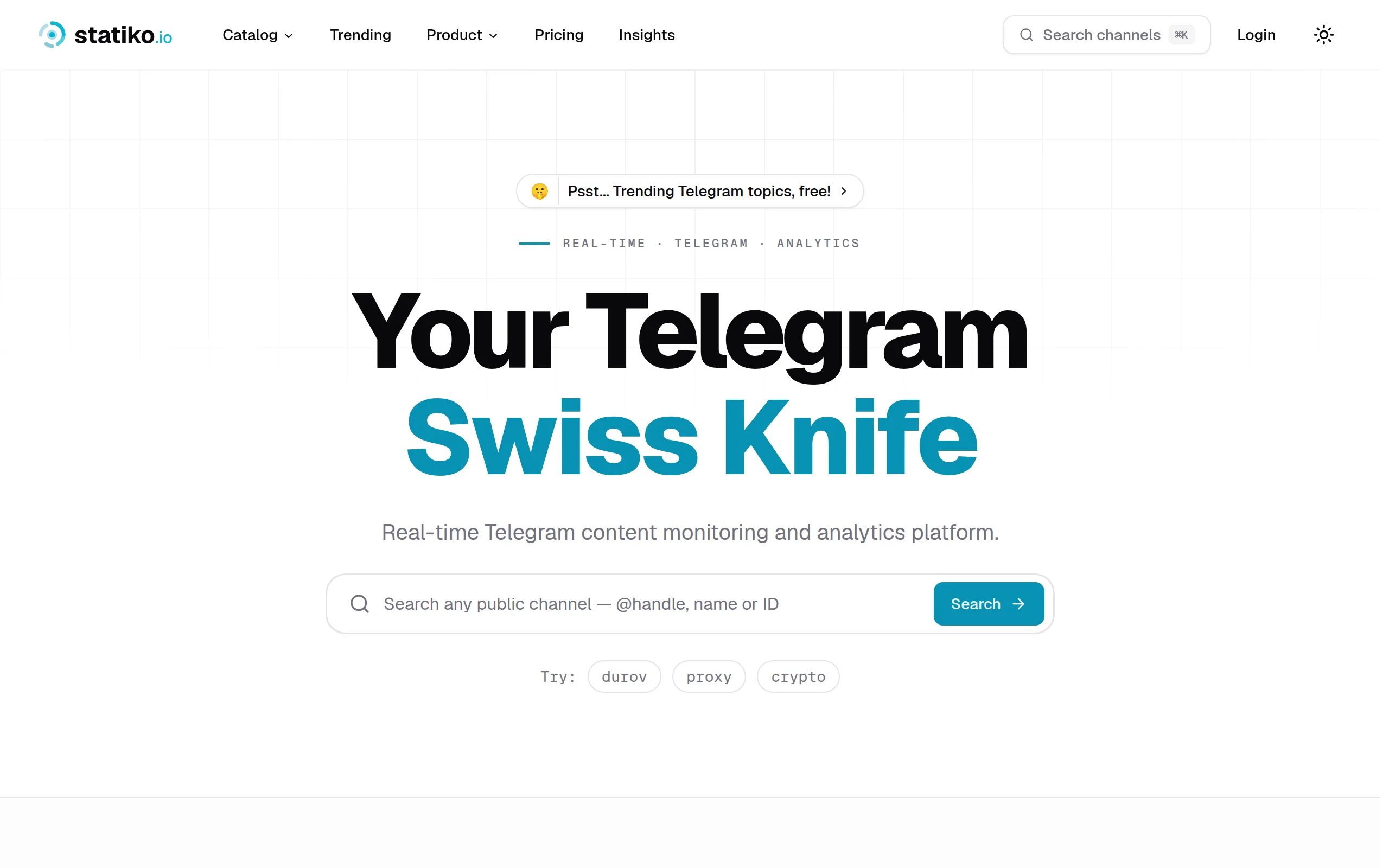
Statiko
Monitor any Telegram channel in real time - track posts, edits, deletions, and growth with AI recaps 📡

Shibui
AI website builder - describe your business, pick a niche template, edit by chatting, and publish instantly ✨

Pro Service
Find verified home service professionals, compare quotes, and pay securely through escrow - built for Brazilians across the US 🏠
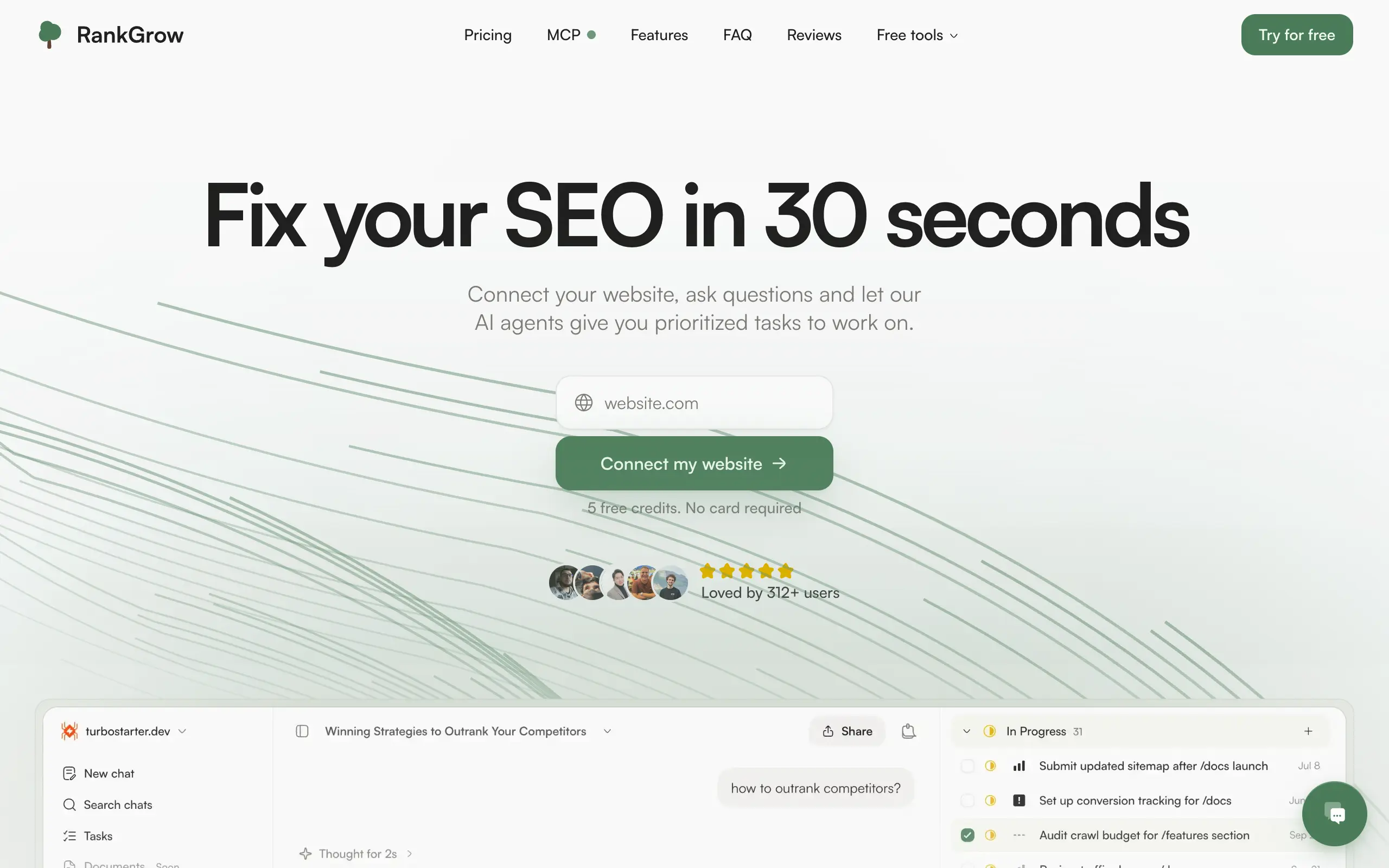
RankGrow
Fix your SEO with AI agents - connect Search Console, get prioritized tasks, and grow organic traffic 📈
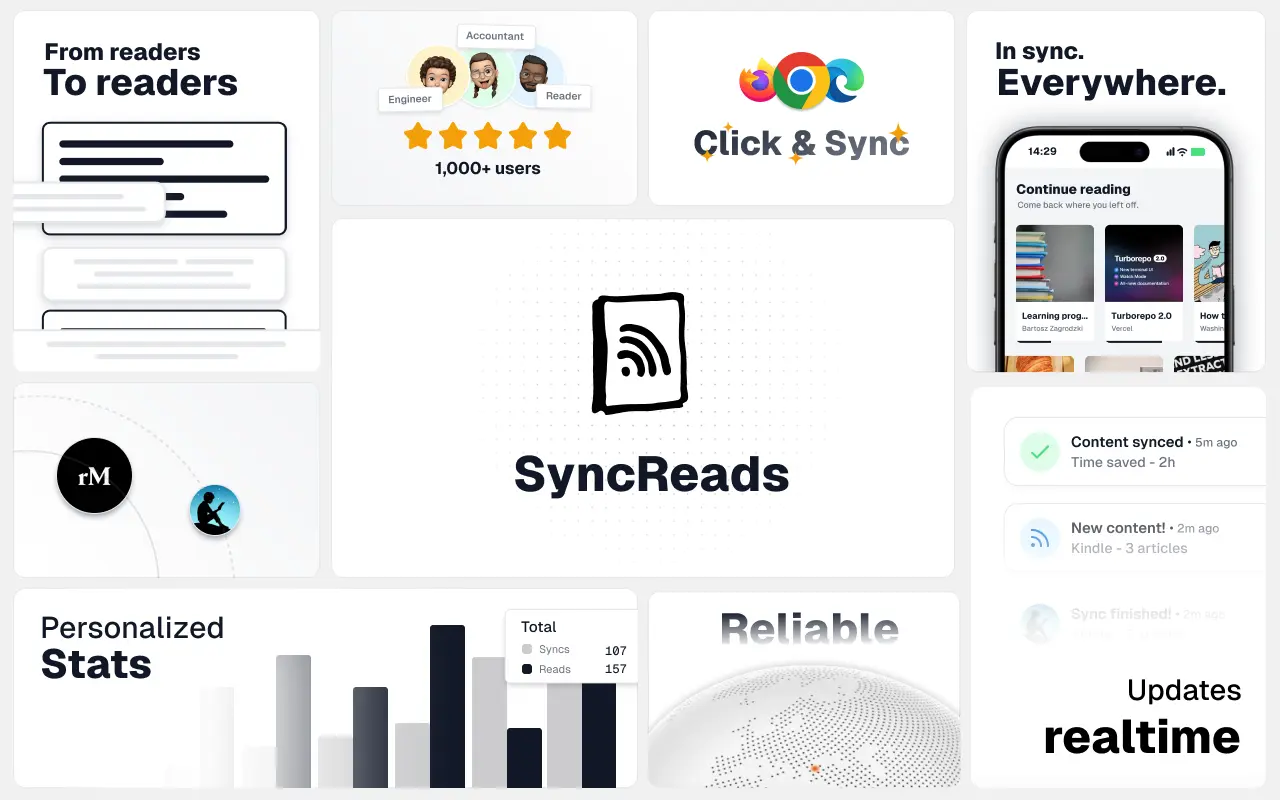
SyncReads
Sync your favorite content for distraction-free reading, save time and replace multiple apps. Anytime, anywhere 🔄
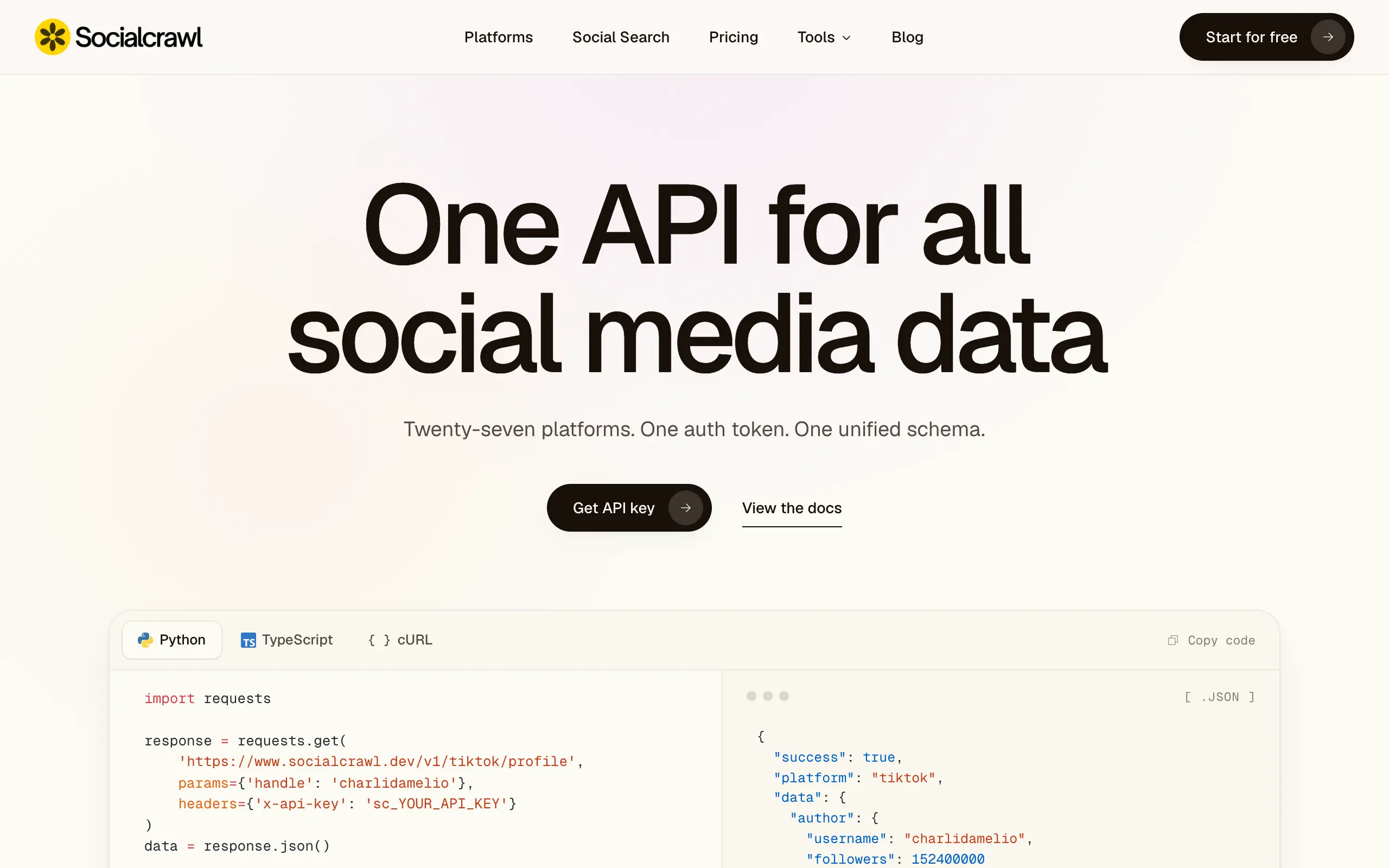
Socialcrawl
Get clean, structured data from 21 platforms like TikTok, Instagram, and YouTube with a single request 📊
Statiko
Monitor any Telegram channel in real time - track posts, edits, deletions, and growth with AI recaps 📡
Shibui
AI website builder - describe your business, pick a niche template, edit by chatting, and publish instantly ✨
Pro Service
Find verified home service professionals, compare quotes, and pay securely through escrow - built for Brazilians across the US 🏠
RankGrow
Fix your SEO with AI agents - connect Search Console, get prioritized tasks, and grow organic traffic 📈
SyncReads
Sync your favorite content for distraction-free reading, save time and replace multiple apps. Anytime, anywhere 🔄
Socialcrawl
Get clean, structured data from 21 platforms like TikTok, Instagram, and YouTube with a single request 📊
Statiko
Monitor any Telegram channel in real time - track posts, edits, deletions, and growth with AI recaps 📡
Shibui
AI website builder - describe your business, pick a niche template, edit by chatting, and publish instantly ✨
Pro Service
Find verified home service professionals, compare quotes, and pay securely through escrow - built for Brazilians across the US 🏠
RankGrow
Fix your SEO with AI agents - connect Search Console, get prioritized tasks, and grow organic traffic 📈
SyncReads
Sync your favorite content for distraction-free reading, save time and replace multiple apps. Anytime, anywhere 🔄
Socialcrawl
Get clean, structured data from 21 platforms like TikTok, Instagram, and YouTube with a single request 📊
Statiko
Monitor any Telegram channel in real time - track posts, edits, deletions, and growth with AI recaps 📡
Shibui
AI website builder - describe your business, pick a niche template, edit by chatting, and publish instantly ✨
Pro Service
Find verified home service professionals, compare quotes, and pay securely through escrow - built for Brazilians across the US 🏠
RankGrow
Fix your SEO with AI agents - connect Search Console, get prioritized tasks, and grow organic traffic 📈
SyncReads
Sync your favorite content for distraction-free reading, save time and replace multiple apps. Anytime, anywhere 🔄
Socialcrawl
Get clean, structured data from 21 platforms like TikTok, Instagram, and YouTube with a single request 📊
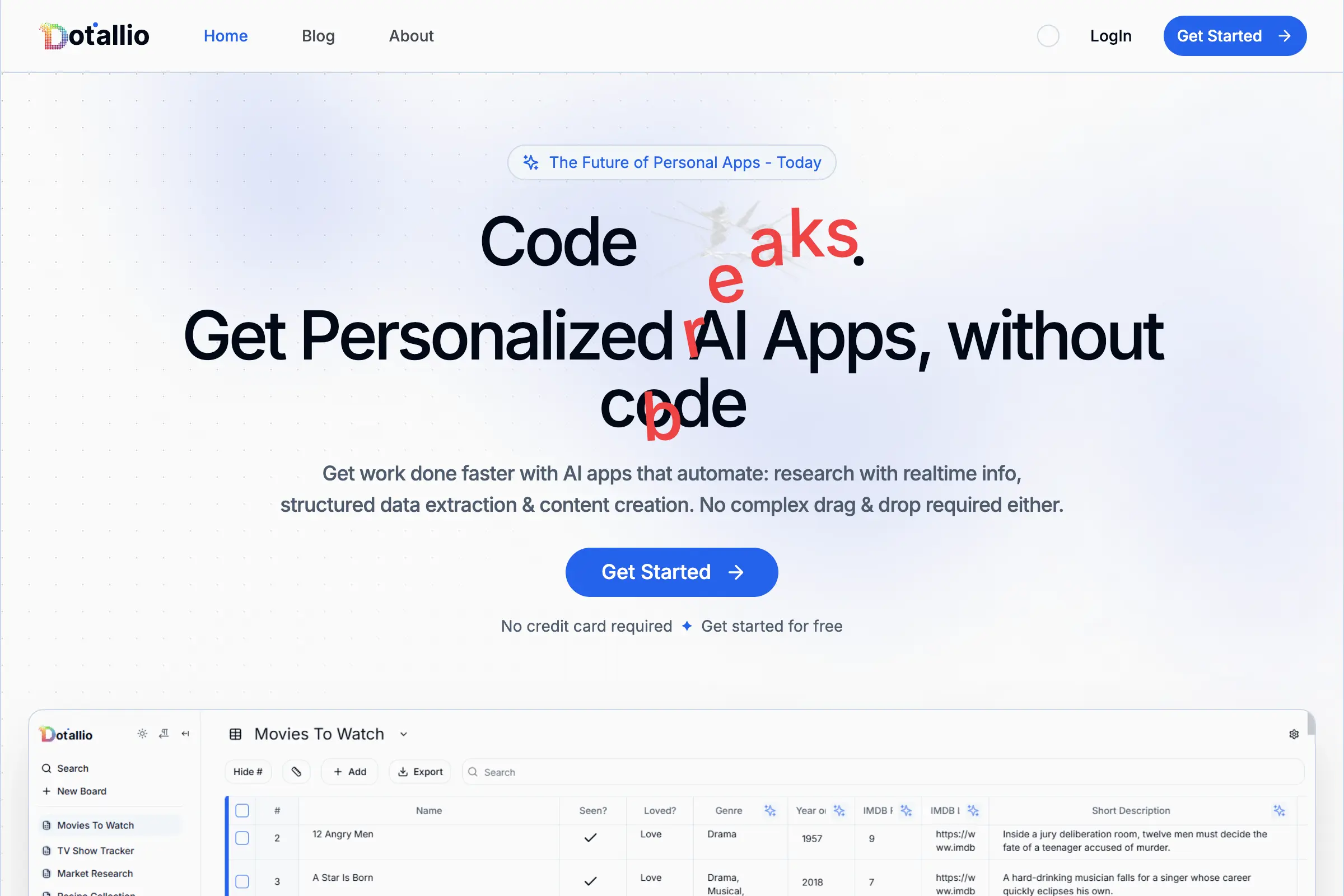
Dotallio
Personalized AI apps that automate research, data extraction, and content creation without code 🤖

Talk to Santa
Enjoy a magical live video chat or receive a unique AI-generated video greeting from Santa Claus 🎅

pozywka.pl
Scalable blog for food journalist, focused on performance and user experience 🌭
zagrodzki.me
Personal blog and portfolio of Bart Zagrodzki, where he shares his knowledge and work 💼
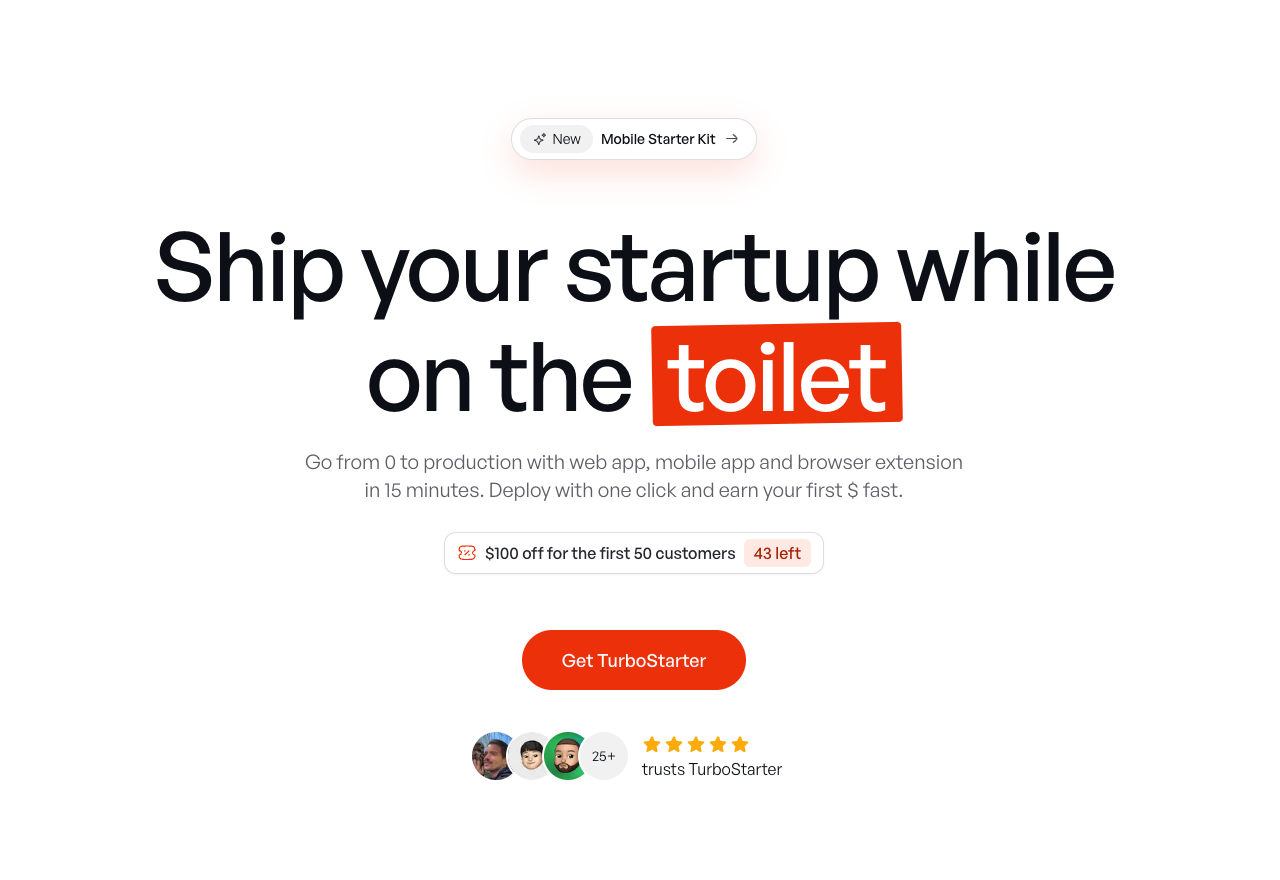
TurboStarter
Ship your startup everywhere. In minutes.
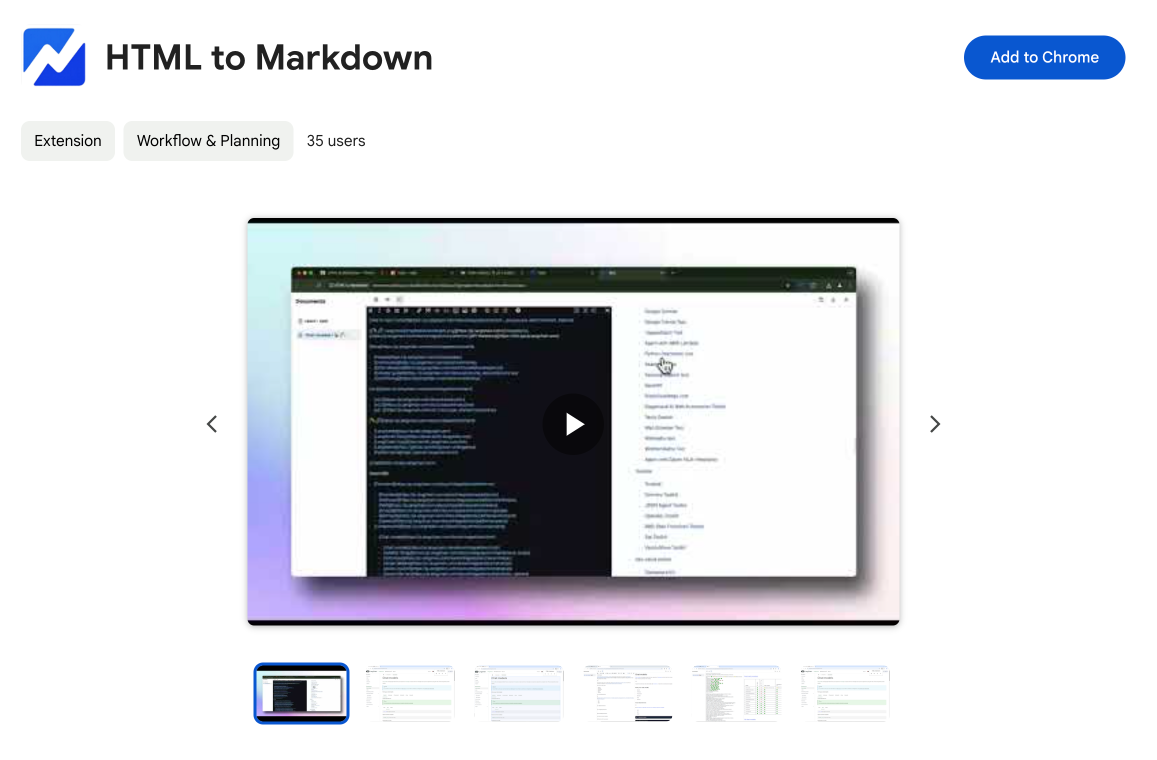
HTML to Markdown
Convert HTML to Markdown with ease, directly in your browser 📄
Dotallio
Personalized AI apps that automate research, data extraction, and content creation without code 🤖
Talk to Santa
Enjoy a magical live video chat or receive a unique AI-generated video greeting from Santa Claus 🎅
pozywka.pl
Scalable blog for food journalist, focused on performance and user experience 🌭
zagrodzki.me
Personal blog and portfolio of Bart Zagrodzki, where he shares his knowledge and work 💼
TurboStarter
Ship your startup everywhere. In minutes.
HTML to Markdown
Convert HTML to Markdown with ease, directly in your browser 📄
Dotallio
Personalized AI apps that automate research, data extraction, and content creation without code 🤖
Talk to Santa
Enjoy a magical live video chat or receive a unique AI-generated video greeting from Santa Claus 🎅
pozywka.pl
Scalable blog for food journalist, focused on performance and user experience 🌭
zagrodzki.me
Personal blog and portfolio of Bart Zagrodzki, where he shares his knowledge and work 💼
TurboStarter
Ship your startup everywhere. In minutes.
HTML to Markdown
Convert HTML to Markdown with ease, directly in your browser 📄
Dotallio
Personalized AI apps that automate research, data extraction, and content creation without code 🤖
Talk to Santa
Enjoy a magical live video chat or receive a unique AI-generated video greeting from Santa Claus 🎅
pozywka.pl
Scalable blog for food journalist, focused on performance and user experience 🌭
zagrodzki.me
Personal blog and portfolio of Bart Zagrodzki, where he shares his knowledge and work 💼
TurboStarter
Ship your startup everywhere. In minutes.
HTML to Markdown
Convert HTML to Markdown with ease, directly in your browser 📄
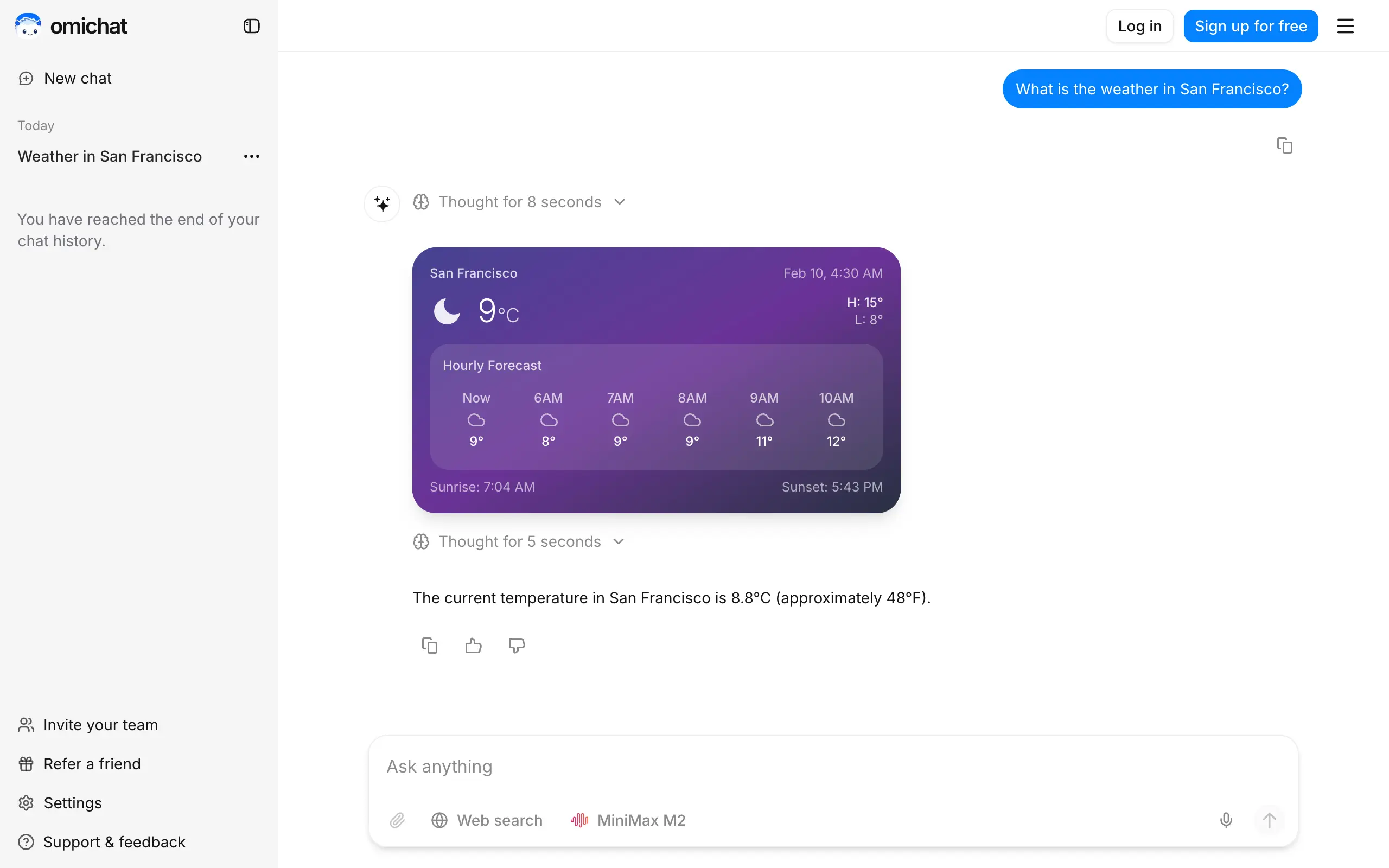
Omichat
Chat with 50+ AI models, including ChatGPT and Claude, in one place - switch models anytime without losing context 🤖
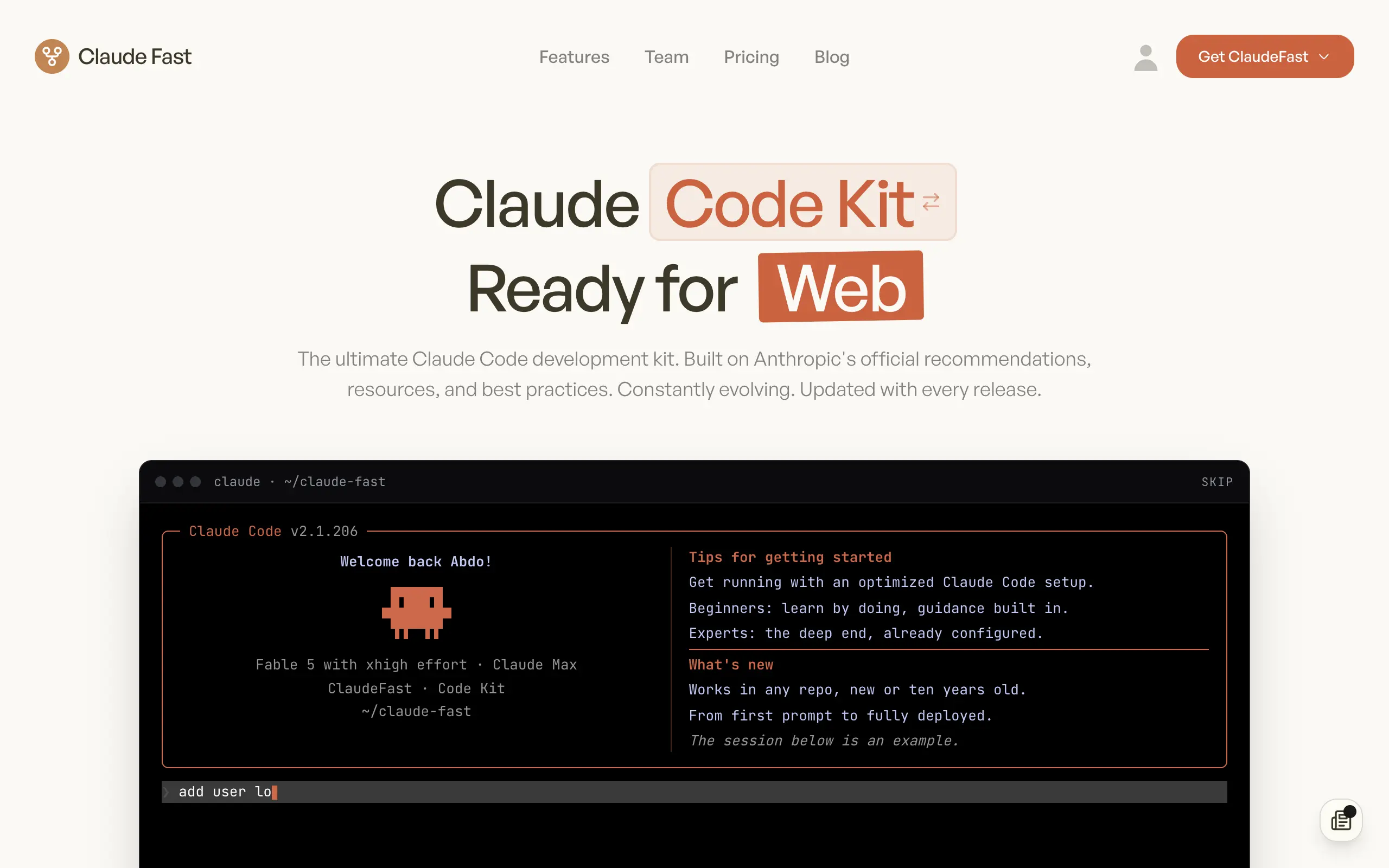
Claude Fast
Supercharge your Claude Code with 6x effective context window and specialized AI agents 🤖
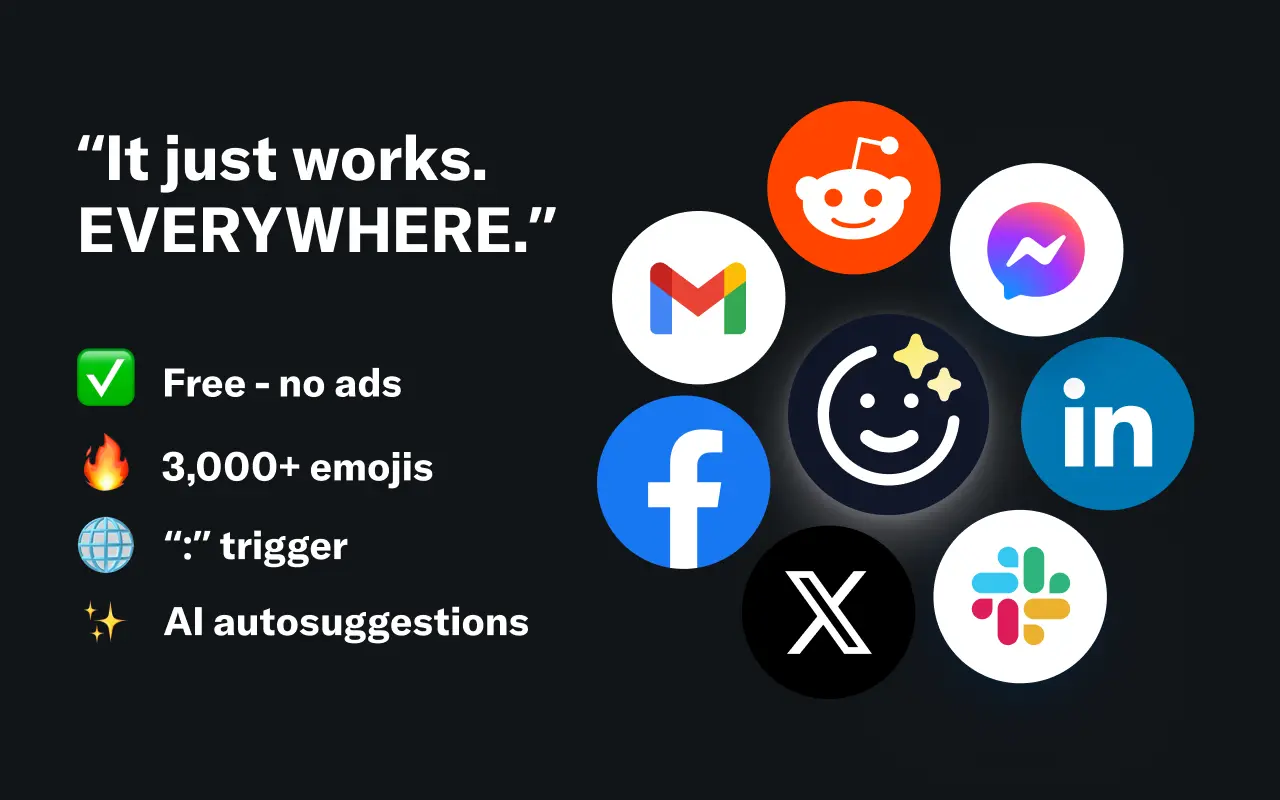
EmojAI
AI-powered emoji picker with smart, context-aware suggestions 🤖
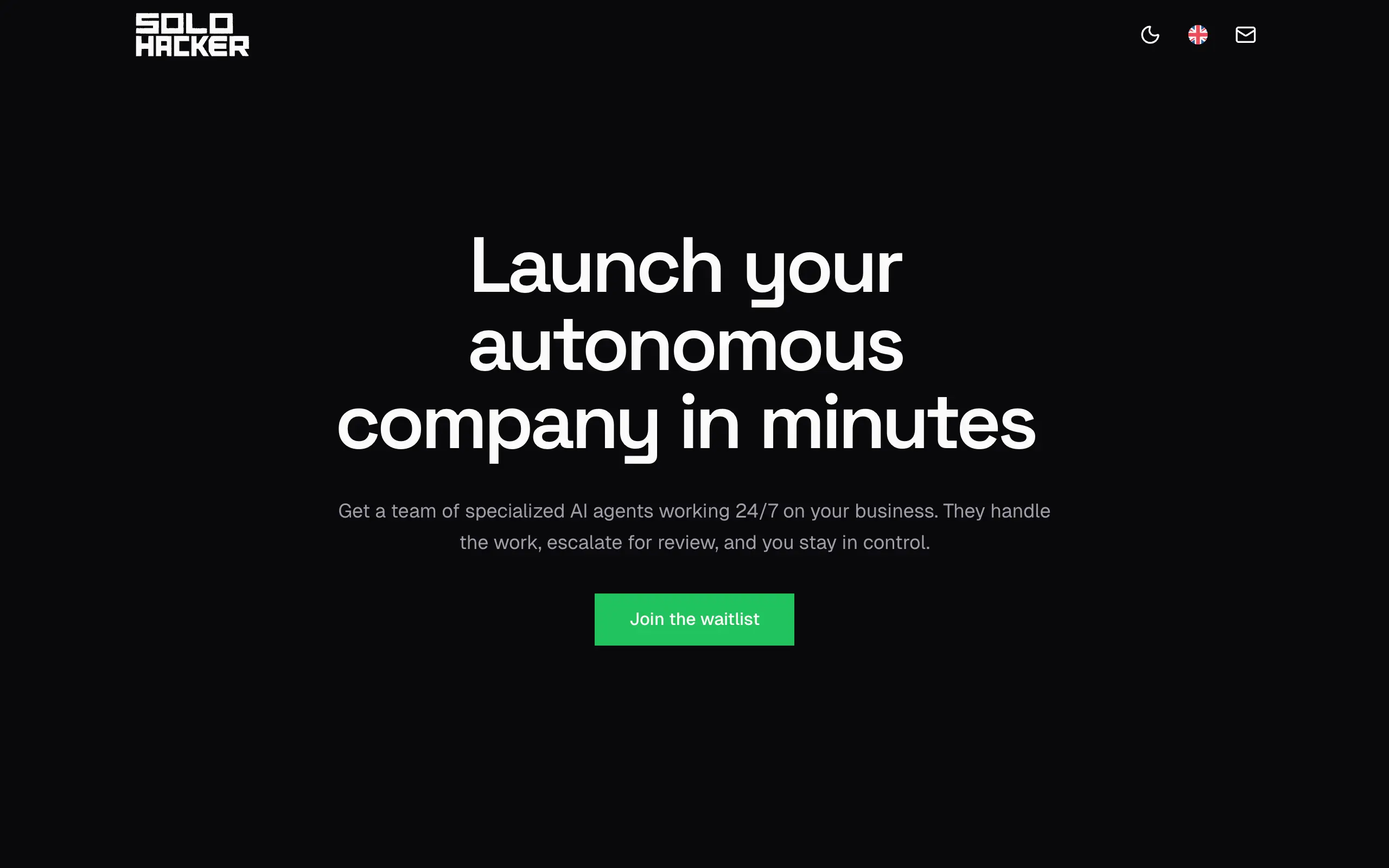
Solohacker
Autonomous company launcher - AI agents work 24/7, escalate what matters, and you stay in control 🤖
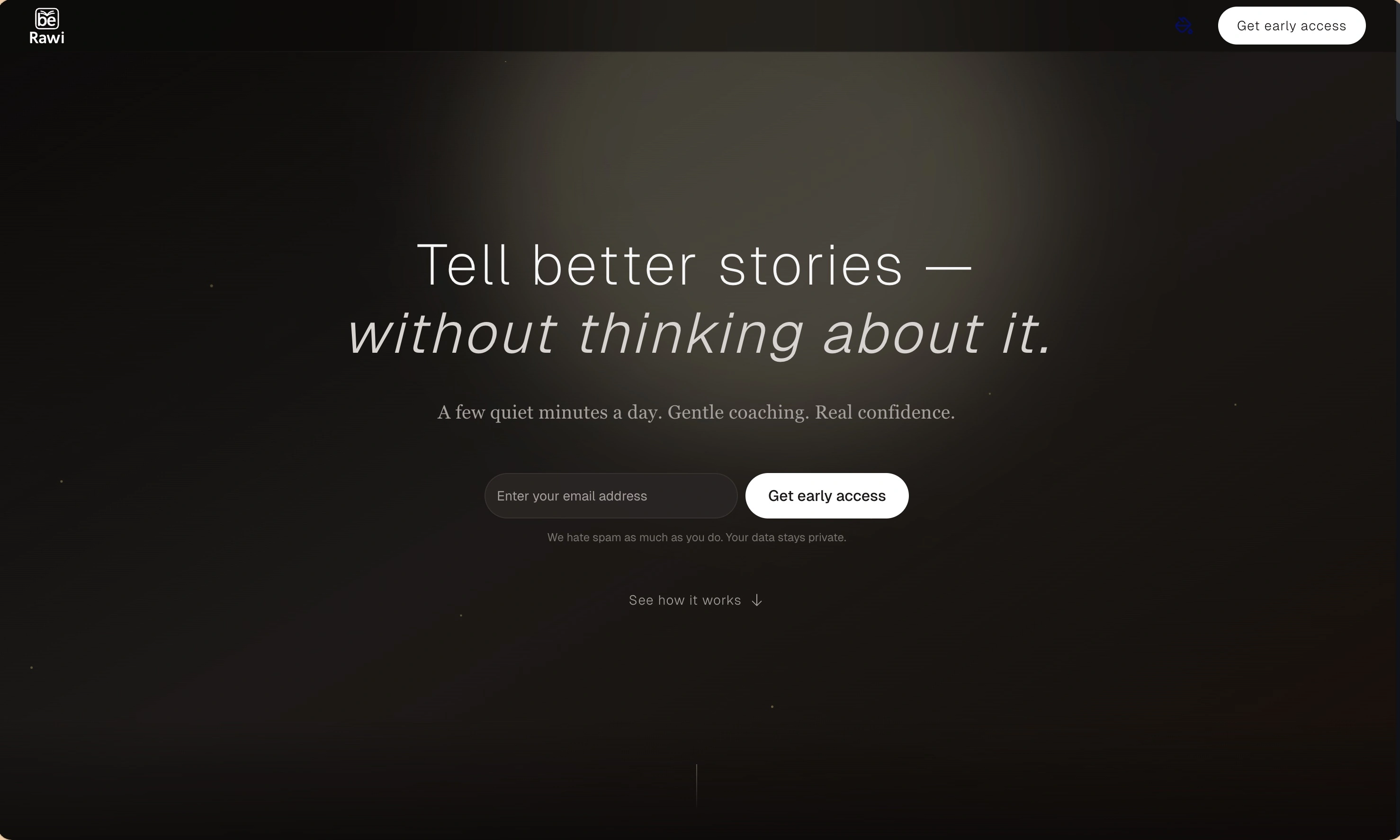
BeRawi: Storytelling Coach
Practice storytelling daily with instant feedback to sound clearer, more engaging, and confident 🎤
Omichat
Chat with 50+ AI models, including ChatGPT and Claude, in one place - switch models anytime without losing context 🤖
Claude Fast
Supercharge your Claude Code with 6x effective context window and specialized AI agents 🤖
EmojAI
AI-powered emoji picker with smart, context-aware suggestions 🤖
Solohacker
Autonomous company launcher - AI agents work 24/7, escalate what matters, and you stay in control 🤖
BeRawi: Storytelling Coach
Practice storytelling daily with instant feedback to sound clearer, more engaging, and confident 🎤
Omichat
Chat with 50+ AI models, including ChatGPT and Claude, in one place - switch models anytime without losing context 🤖
Claude Fast
Supercharge your Claude Code with 6x effective context window and specialized AI agents 🤖
EmojAI
AI-powered emoji picker with smart, context-aware suggestions 🤖
Solohacker
Autonomous company launcher - AI agents work 24/7, escalate what matters, and you stay in control 🤖
BeRawi: Storytelling Coach
Practice storytelling daily with instant feedback to sound clearer, more engaging, and confident 🎤
Omichat
Chat with 50+ AI models, including ChatGPT and Claude, in one place - switch models anytime without losing context 🤖
Claude Fast
Supercharge your Claude Code with 6x effective context window and specialized AI agents 🤖
EmojAI
AI-powered emoji picker with smart, context-aware suggestions 🤖
Solohacker
Autonomous company launcher - AI agents work 24/7, escalate what matters, and you stay in control 🤖
BeRawi: Storytelling Coach
Practice storytelling daily with instant feedback to sound clearer, more engaging, and confident 🎤

Connect with like-minded people
Join our community to get feedback, support, and grow together with 1,000+ builders on board, let's ship it!
Join usShip your startup everywhere. In minutes.
Don't burn tokens on setup and start building features on day one.