MythForge Arena
A competitive strategy game where players create unique mythological heroes by forging abilities from different cultures, then battle in short tactical matches.
Understanding the vision behind MythForge Arena
MythForge Arena is a competitive strategy game built around a powerful creative fantasy: what if players could forge their own mythological heroes by combining abilities, archetypes, and legends from different cultures? Instead of playing pre-defined characters, players actively craft unique champions and test them in short, tactical matches designed for both depth and accessibility.
From an SEO and product strategy perspective, the primary keyword naturally emerging from this idea is mythological strategy game, with closely related semantic keywords such as:
- competitive strategy game
- mythological heroes game
- tactical PvP arena game
- hero forging game
- mythology-based multiplayer game
The search intent behind these keywords is mixed but clear. Users are typically looking for:
- Innovative competitive games with high replayability
- Strategy games that reward creativity and tactical decision-making
- PvP experiences that respect player time with shorter sessions
- Games inspired by mythology without being locked into one pantheon
This article explores MythForge Arena as a complete product concept: market opportunity, gameplay systems, technical architecture, monetization strategies, risks, and a clear roadmap for execution.
Target audience analysis: who MythForge Arena is built for
Understanding the audience is critical for both SEO relevance and product-market fit. MythForge Arena targets a well-defined but expansive intersection of player types.
Core player segments
1. Competitive strategy gamers
These players already enjoy games that emphasize decision-making over reflexes.
Characteristics:
- Familiar with turn-based or tactical systems
- Interested in ranked ladders, skill expression, and meta evolution
- Likely players of digital card games, auto-battlers, or tactical RPGs
What they want:
- Clear rules with deep interactions
- Balance patches and transparent design philosophy
- Meaningful choices that impact outcomes
2. Mythology and fantasy enthusiasts
This segment is driven by theme and world-building.
Characteristics:
- Interest in Greek, Norse, Egyptian, Asian, and lesser-known mythologies
- Enjoys lore, hero backstories, and symbolic abilities
- Active in fantasy communities, tabletop RPGs, and lore discussions
What they want:
- Respectful and creative interpretations of myths
- Cross-cultural combinations that feel intentional, not gimmicky
- Narrative depth alongside mechanics
3. Time-conscious modern gamers
A crucial segment often overlooked by traditional strategy games.
Characteristics:
- Limited time for long sessions
- Prefers games playable in 10–20 minute bursts
- Often plays on multiple devices
What they want:
- Short, satisfying matches
- Minimal grind for core enjoyment
- Systems that reward skill rather than hours invested
Why this matters
Designing for all three segments simultaneously is difficult, but it is also MythForge Arena’s greatest opportunity. Short tactical matches paired with deep hero customization create a rare balance between accessibility and mastery.
Market opportunity and gap in the competitive strategy game space
Current landscape overview
The competitive strategy and PvP market is crowded, but highly fragmented. Existing games tend to fall into one of the following categories:
- Digital card games – deep but RNG-heavy, often monetization-driven
- MOBA-style games – skill-intensive but time-consuming and mechanically demanding
- Auto-battlers – accessible but often shallow after meta stabilization
- Tactical RPGs – rich systems but long match durations
What’s missing is a mythology-based strategy game that emphasizes player-created heroes and short tactical matches without relying on collectible randomness or mechanical overload.
Identifying the gap
MythForge Arena fills several unmet needs simultaneously:
- Creative ownership over heroes instead of pre-defined characters
- Tactical depth without real-time execution barriers
- Cross-cultural mythology as a system, not just a theme
- Competitive play that respects limited player time
| Feature | Traditional MOBA | Card Game | Auto-battler | MythForge Arena | Rarity-based RNG |
|---|---|---|---|---|---|
| Short matches | ❌ | ✅ | ✅ | ✅ | ❌ |
| Custom hero creation | ❌ | ❌ | ❌ | ✅ | ❌ |
The gap is not just mechanical—it’s philosophical. MythForge Arena shifts power from collection to creation.
Core gameplay concept: forging mythological heroes
At the heart of MythForge Arena is the hero forging system, which replaces static characters with modular design.
Ability forging explained
Players construct heroes by selecting components such as:
- Cultural origin (e.g., Norse, Greek, Egyptian, Mesoamerican)
- Core archetype (warrior, trickster, mage, guardian)
- Active abilities
- Passive traits
- Ultimate power tied to mythic themes
Instead of locking abilities to one culture, MythForge Arena encourages cross-pollination. A hero might combine:
- Norse resilience mechanics
- Greek tactical positioning bonuses
- African myth-inspired trickery effects
This system ensures:
- High replayability
- Endless theorycrafting
- Rapid meta evolution
Tactical match structure
Matches are designed to be short but intense, typically lasting 8–15 minutes.
Key characteristics:
- Turn-based or semi-turn-based combat
- Small arenas emphasizing positioning
- Limited unit counts to reduce complexity
- Clear win conditions (elimination, control, or objective-based)
Short matches reduce fatigue, encourage experimentation, and make competitive play accessible to players who cannot commit to long sessions. This directly improves daily active users and session frequency.
Competitive systems and progression design
Ranked and unranked play
To support different motivations, MythForge Arena should offer:
- Ranked mode for competitive players
- Unranked or casual mode for experimentation
- Custom lobbies for community tournaments
Ranked progression should emphasize:
- Skill-based matchmaking
- Seasonal resets
- Cosmetic rewards instead of power advantages
Meta evolution without power creep
One of the biggest risks in competitive games is uncontrolled power creep. MythForge Arena mitigates this through:
- Horizontal expansion (new abilities, not stronger ones)
- Rotating ability pools for ranked seasons
- Soft constraints on overused combinations
A healthy meta encourages multiple viable strategies, frequent adaptation, and creative experimentation without invalidating past player knowledge.
An unhealthy meta funnels players into a few dominant builds, discouraging creativity and accelerating player churn.
Technical architecture and recommended tech stack
Building MythForge Arena requires balancing real-time performance, scalability, and rapid iteration.
Frontend technologies
For a modern, scalable game platform:
- React for UI and state-driven interfaces (React)
- TypeScript for safety and maintainability
- TailwindCSS for rapid UI development (TailwindCSS)
These tools enable:
- Fast iteration on UI/UX
- Clear separation of game logic and presentation
- Cross-platform readiness for web and desktop wrappers
Backend and game logic
Depending on real-time needs:
- Node.js for matchmaking and APIs
- WebSockets or WebRTC for real-time communication
- Deterministic game simulation to prevent cheating
Trade-offs:
- Server-authoritative logic increases cost but improves fairness
- Client-authoritative logic is cheaper but riskier
Infrastructure considerations
- Cloud hosting with autoscaling
- Region-based matchmaking servers
- Observability for balance metrics and player behavior
Scalability note
Competitive games experience unpredictable concurrency spikes. Infrastructure must be designed for peak loads, not averages.
Monetization strategies that preserve competitive integrity
Monetization is one of the most sensitive aspects of competitive game design. MythForge Arena benefits from a cosmetics-first philosophy.
Recommended monetization options
1. Cosmetic skins and visual effects
- Hero appearance variations
- Ability animations themed by mythology
- Arena skins and banners
2. Seasonal battle passes
- Purely cosmetic rewards
- Lore content and visual progression
- Encourages consistent engagement without pay-to-win
3. Founder or supporter packs
- Early access cosmetics
- Profile badges
- Community recognition
What to avoid
Selling power, abilities, or statistically superior options will undermine trust and long-term competitive viability.
Competitive advantage and unique selling proposition
MythForge Arena stands out through a combination of design decisions rarely seen together.
Clear USP pillars
- Player-created mythological heroes
- Cross-cultural ability fusion
- Short, high-stakes tactical matches
- Competitive integrity without pay-to-win
This positioning allows MythForge Arena to compete not by scale, but by depth and originality.
Defensibility
- Complex forging system creates high switching costs
- Community-driven meta knowledge strengthens retention
- Lore expansion supports long-term content creation
Risks, challenges, and mitigation strategies
Balance complexity
Risk:
- Exponential combinations create balance challenges
Mitigation:
- Internal simulation tools
- Public test environments
- Data-driven balance patches
Cultural sensitivity
Risk:
- Misrepresentation of mythological traditions
Mitigation:
- Research-driven design
- Cultural consultants
- Transparent design philosophy communicated to players
Community toxicity
Risk:
- Competitive environments can breed negative behavior
Mitigation:
- Clear codes of conduct
- Reporting tools
- Positive reinforcement systems
Strong community management is as important as good game mechanics for long-term success.
Go-to-market and early traction strategy
Pre-launch validation
- Closed alpha with strategy-focused players
- Discord-first community building
- Public devlogs explaining design choices
Content and SEO strategy
To rank organically and build authority:
- Developer blogs on balance philosophy
- Articles about mythology in games
- Patch notes with design reasoning
Primary keyword integration should focus on:
- mythological strategy game
- competitive hero forging game
- tactical PvP arena
Implementation roadmap: from idea to live product
Using a structured SaaS-style approach to development can significantly reduce risk. Platforms like TurboStarter can accelerate early-stage setup, authentication, payments, and operational tooling so the team can focus on gameplay innovation.
Long-term vision for MythForge Arena
In the long term, MythForge Arena can evolve beyond a single competitive game into a mythological strategy platform.
Potential expansions:
- New mythologies and cultural packs
- PvE challenge modes
- Spectator tools and esports integration
- Community-created hero blueprints
The core idea—forging legends instead of selecting them—is powerful enough to sustain years of content without losing its identity.
Final thoughts and next steps
MythForge Arena is more than a game concept. It is a response to clear gaps in the competitive strategy genre, combining creativity, mythology, and tactical depth in a way that respects modern player behavior.
By focusing on:
- Player agency over heroes
- Fair competitive systems
- Short, meaningful matches
- Strong technical and community foundations
MythForge Arena has the potential to carve out a defensible and memorable position in a crowded market.
If you are serious about building a competitive mythological strategy game with long-term viability, the next step is execution—starting small, validating fast, and scaling with intention.
More 🎮 Game SaaS ideas
Discover more innovative game SaaS ideas that are trending in 2026. Each idea is AI-generated with market validation and growth potential to help you find your next profitable venture faster than competitors.
Your competitors are building with TurboStarter
Below are some of the SaaS ideas that have been generated and built with our starter kit.
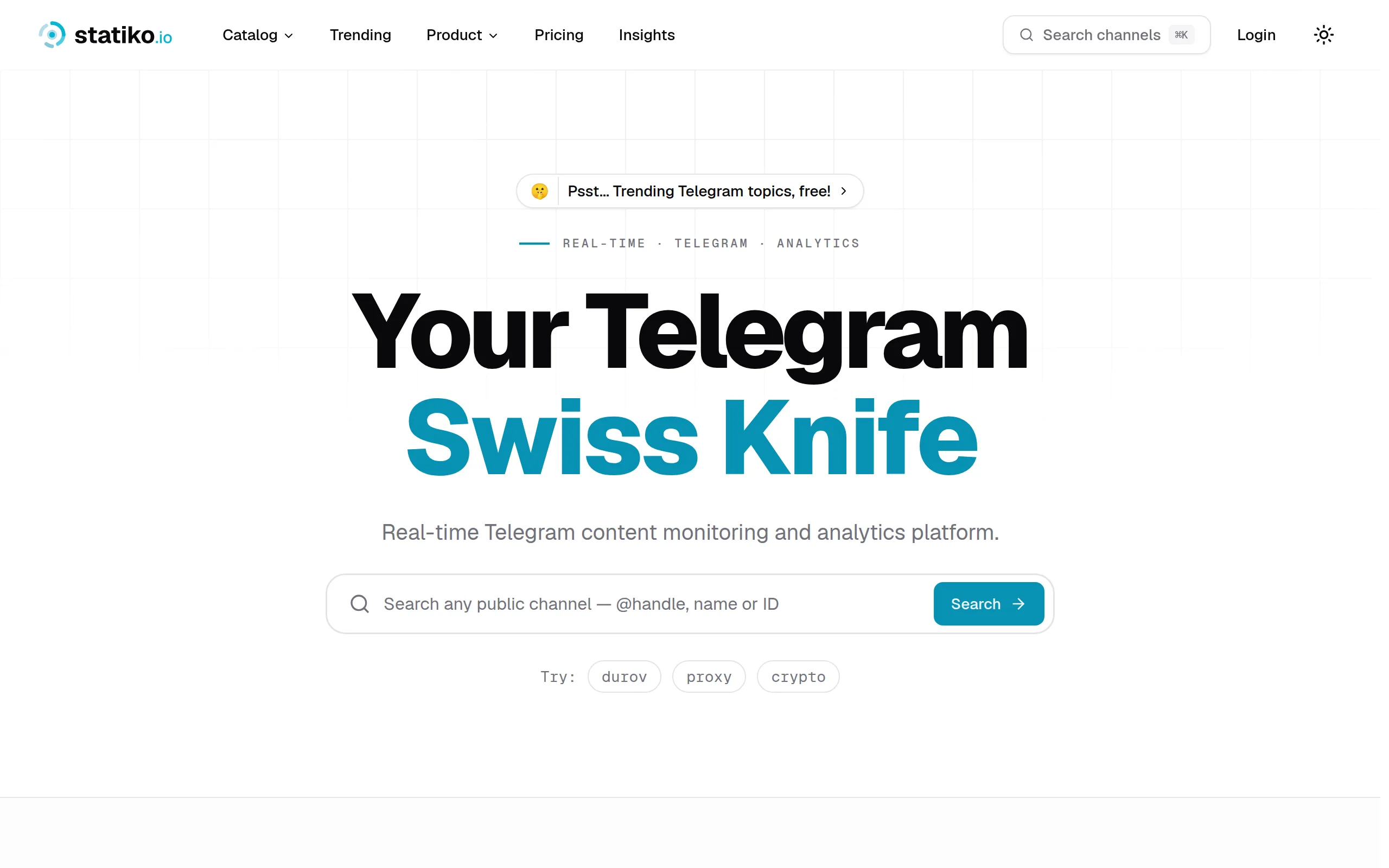
Statiko
Monitor any Telegram channel in real time - track posts, edits, deletions, and growth with AI recaps 📡

Shibui
AI website builder - describe your business, pick a niche template, edit by chatting, and publish instantly ✨

Pro Service
Find verified home service professionals, compare quotes, and pay securely through escrow - built for Brazilians across the US 🏠
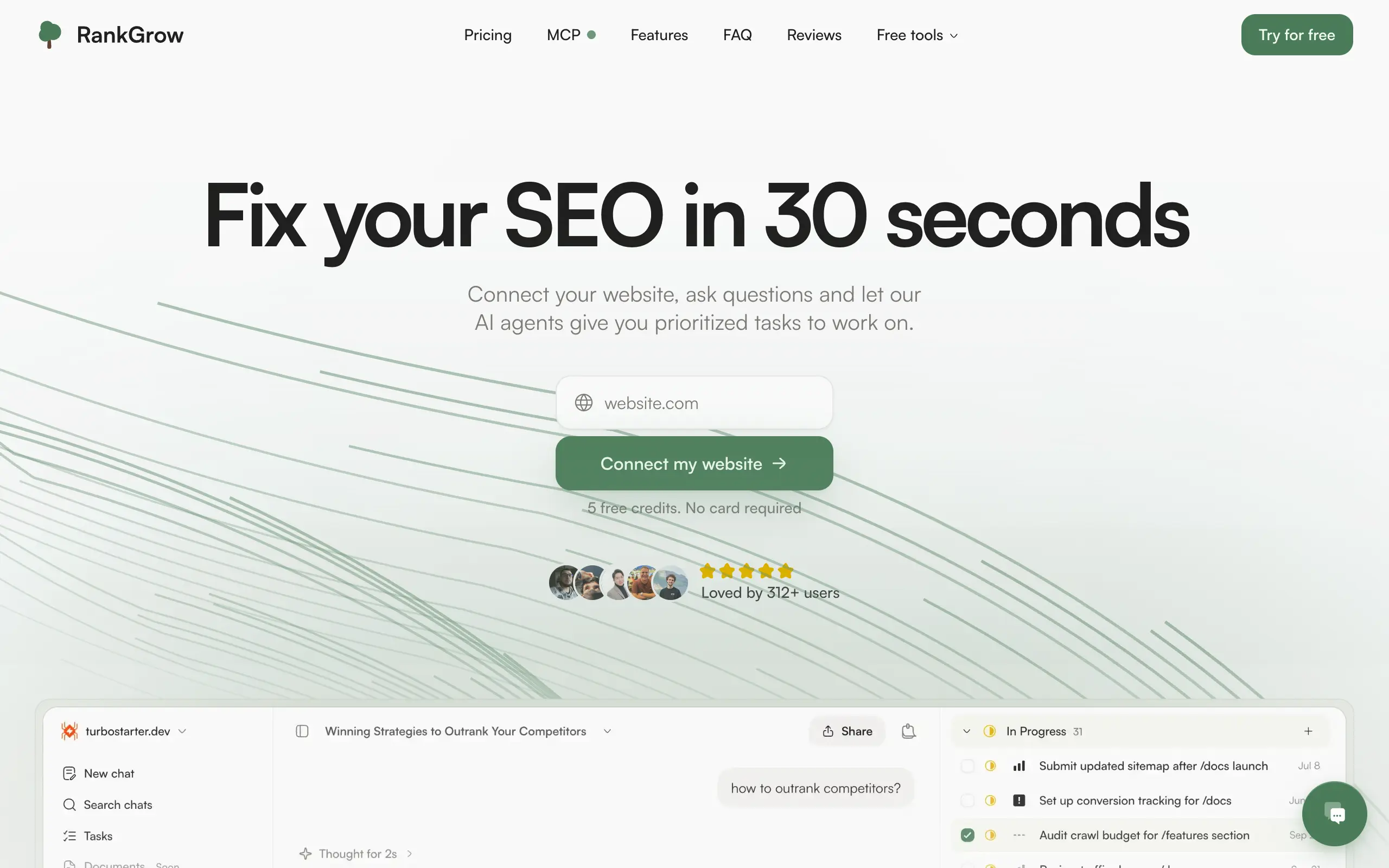
RankGrow
Fix your SEO with AI agents - connect Search Console, get prioritized tasks, and grow organic traffic 📈
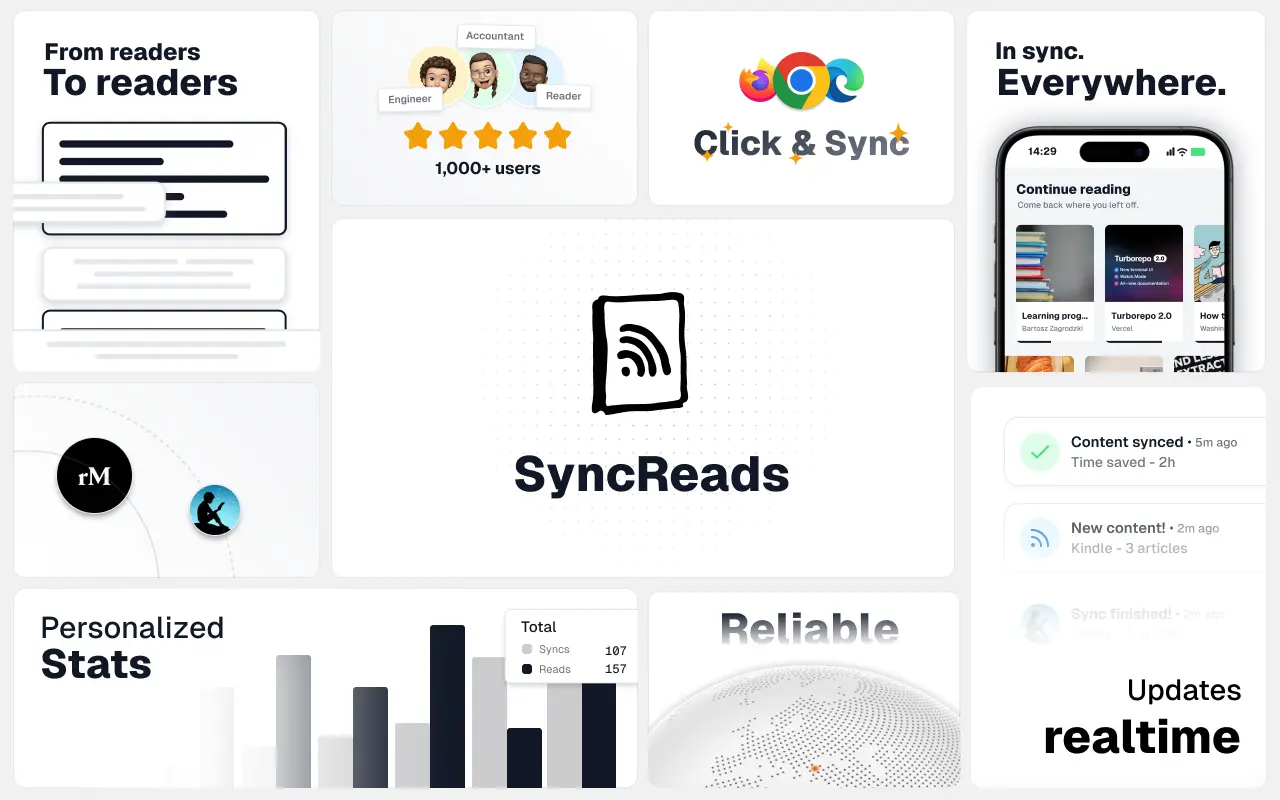
SyncReads
Sync your favorite content for distraction-free reading, save time and replace multiple apps. Anytime, anywhere 🔄
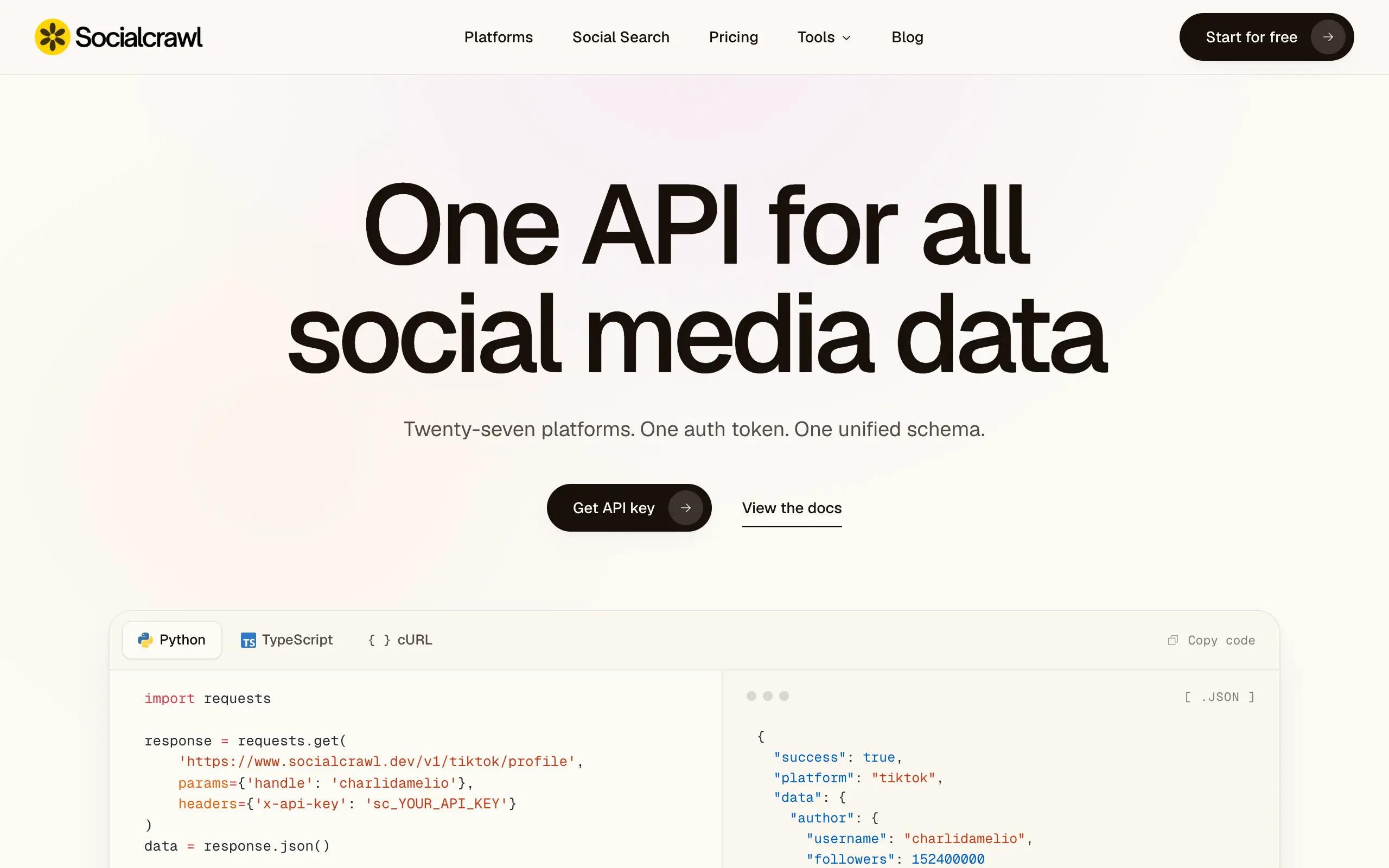
Socialcrawl
Get clean, structured data from 21 platforms like TikTok, Instagram, and YouTube with a single request 📊
Statiko
Monitor any Telegram channel in real time - track posts, edits, deletions, and growth with AI recaps 📡
Shibui
AI website builder - describe your business, pick a niche template, edit by chatting, and publish instantly ✨
Pro Service
Find verified home service professionals, compare quotes, and pay securely through escrow - built for Brazilians across the US 🏠
RankGrow
Fix your SEO with AI agents - connect Search Console, get prioritized tasks, and grow organic traffic 📈
SyncReads
Sync your favorite content for distraction-free reading, save time and replace multiple apps. Anytime, anywhere 🔄
Socialcrawl
Get clean, structured data from 21 platforms like TikTok, Instagram, and YouTube with a single request 📊
Statiko
Monitor any Telegram channel in real time - track posts, edits, deletions, and growth with AI recaps 📡
Shibui
AI website builder - describe your business, pick a niche template, edit by chatting, and publish instantly ✨
Pro Service
Find verified home service professionals, compare quotes, and pay securely through escrow - built for Brazilians across the US 🏠
RankGrow
Fix your SEO with AI agents - connect Search Console, get prioritized tasks, and grow organic traffic 📈
SyncReads
Sync your favorite content for distraction-free reading, save time and replace multiple apps. Anytime, anywhere 🔄
Socialcrawl
Get clean, structured data from 21 platforms like TikTok, Instagram, and YouTube with a single request 📊
Statiko
Monitor any Telegram channel in real time - track posts, edits, deletions, and growth with AI recaps 📡
Shibui
AI website builder - describe your business, pick a niche template, edit by chatting, and publish instantly ✨
Pro Service
Find verified home service professionals, compare quotes, and pay securely through escrow - built for Brazilians across the US 🏠
RankGrow
Fix your SEO with AI agents - connect Search Console, get prioritized tasks, and grow organic traffic 📈
SyncReads
Sync your favorite content for distraction-free reading, save time and replace multiple apps. Anytime, anywhere 🔄
Socialcrawl
Get clean, structured data from 21 platforms like TikTok, Instagram, and YouTube with a single request 📊
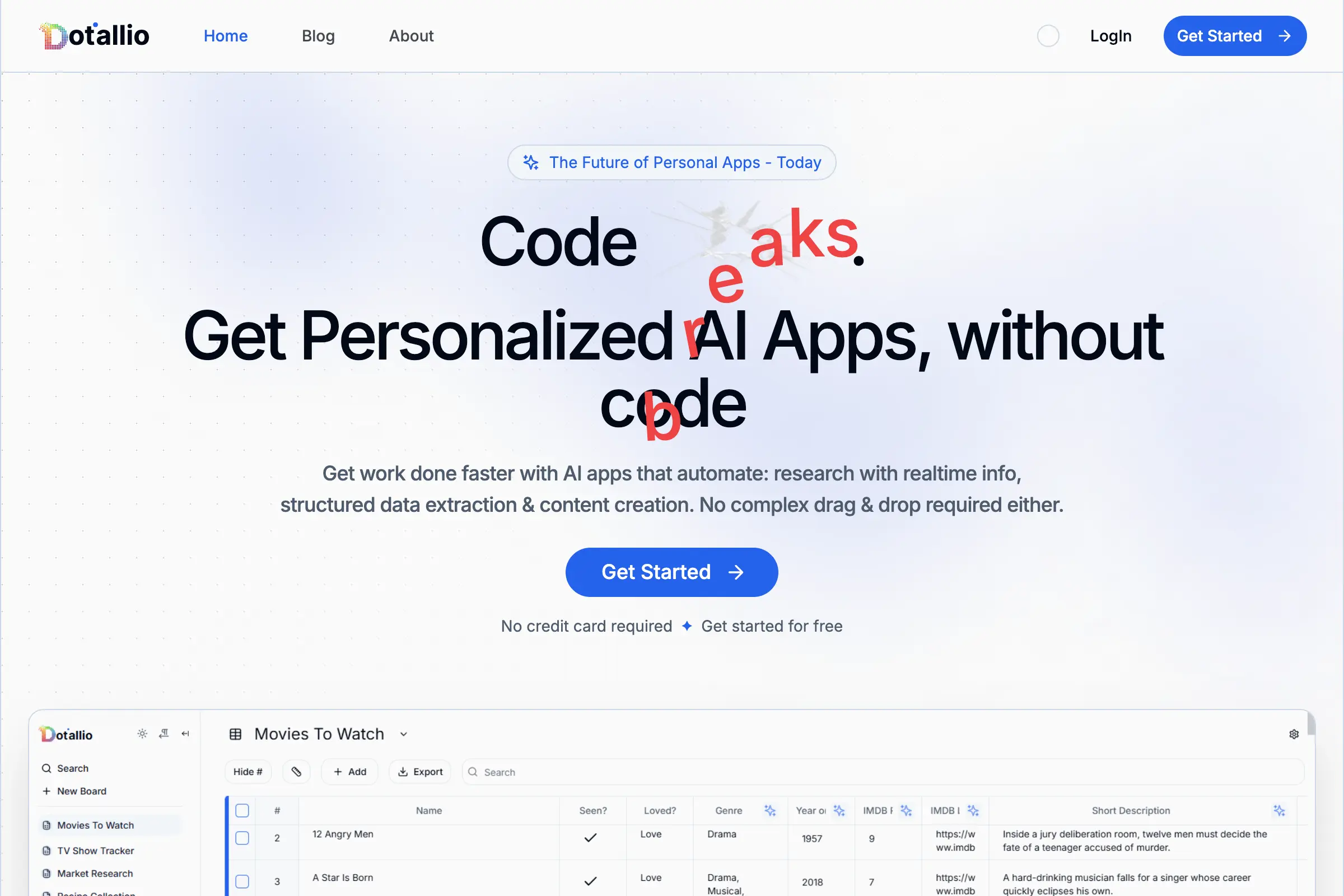
Dotallio
Personalized AI apps that automate research, data extraction, and content creation without code 🤖

Talk to Santa
Enjoy a magical live video chat or receive a unique AI-generated video greeting from Santa Claus 🎅
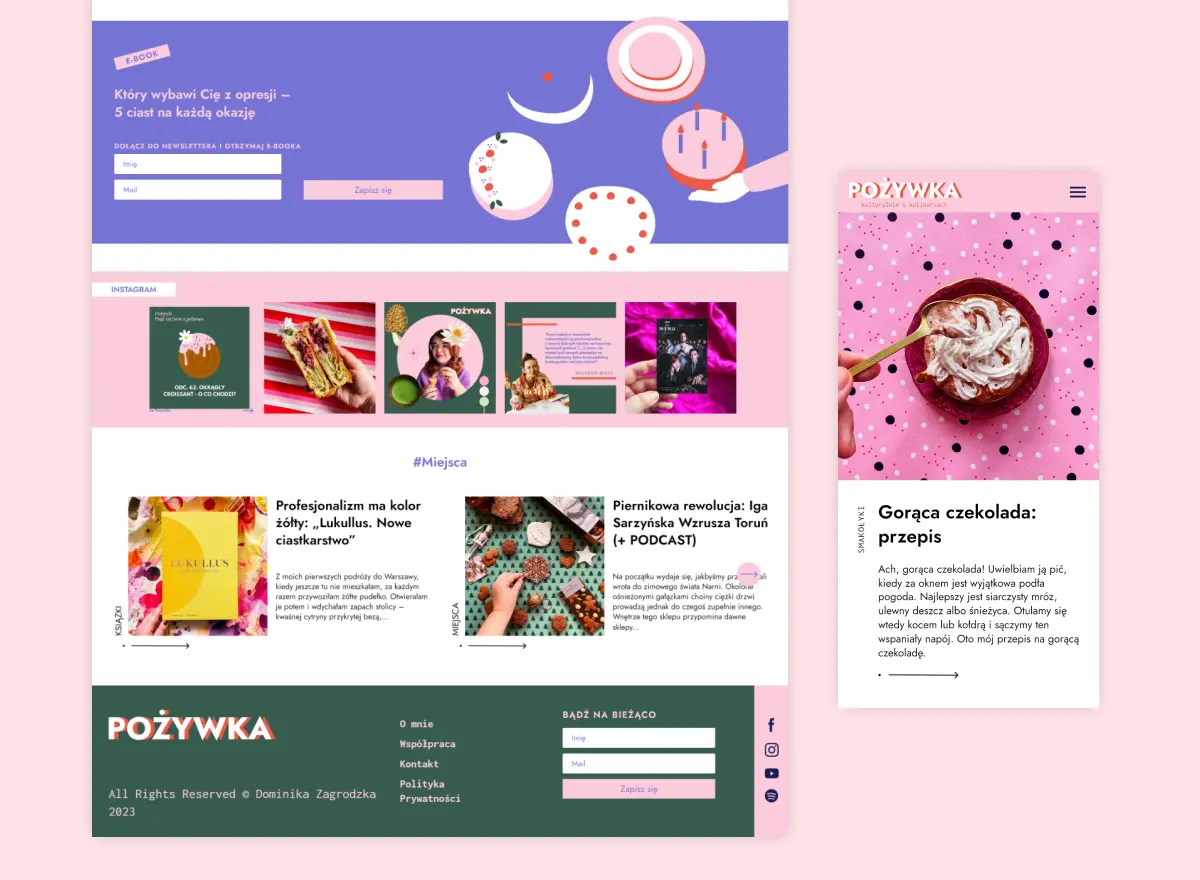
pozywka.pl
Scalable blog for food journalist, focused on performance and user experience 🌭
zagrodzki.me
Personal blog and portfolio of Bart Zagrodzki, where he shares his knowledge and work 💼
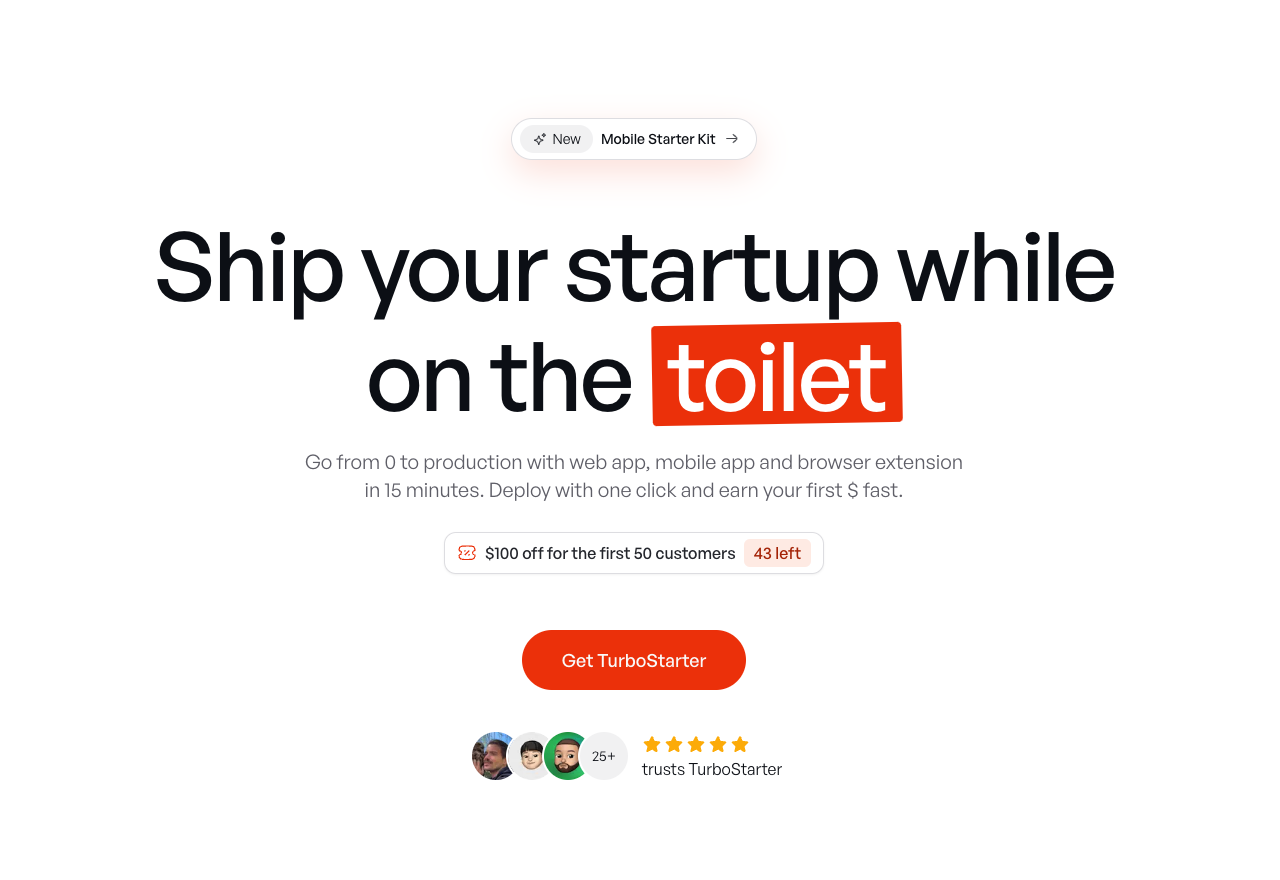
TurboStarter
Ship your startup everywhere. In minutes.
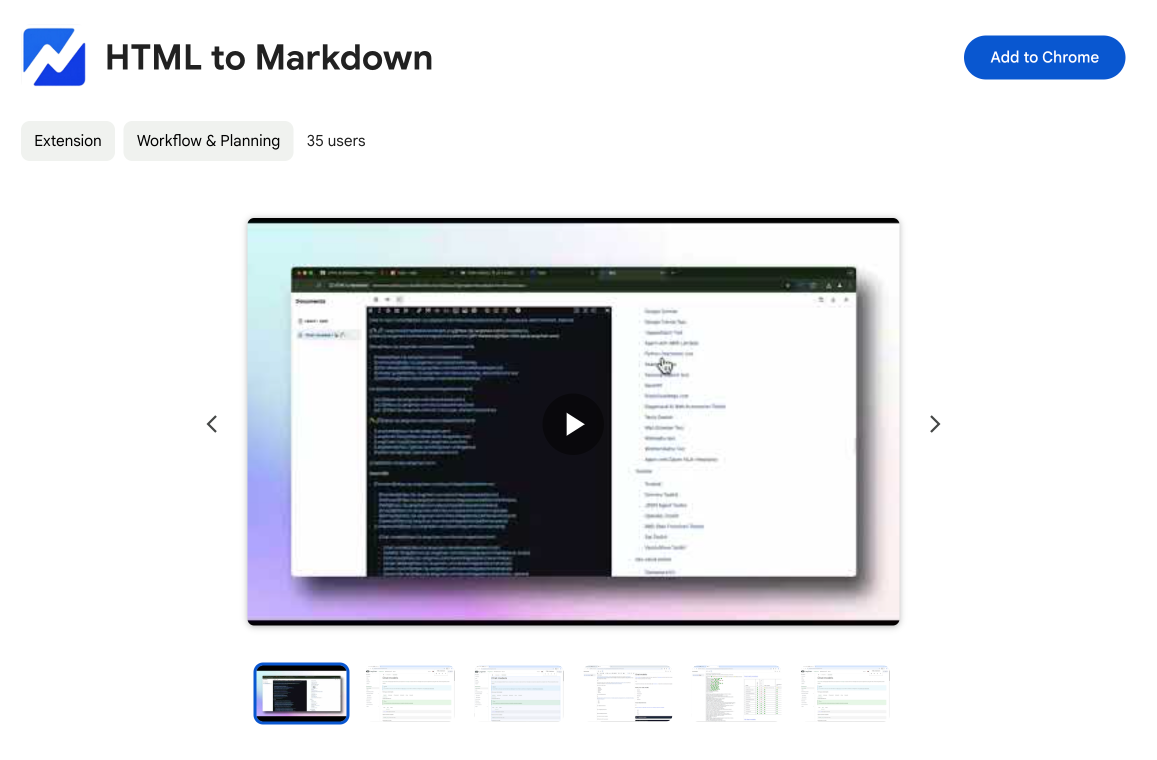
HTML to Markdown
Convert HTML to Markdown with ease, directly in your browser 📄
Dotallio
Personalized AI apps that automate research, data extraction, and content creation without code 🤖
Talk to Santa
Enjoy a magical live video chat or receive a unique AI-generated video greeting from Santa Claus 🎅
pozywka.pl
Scalable blog for food journalist, focused on performance and user experience 🌭
zagrodzki.me
Personal blog and portfolio of Bart Zagrodzki, where he shares his knowledge and work 💼
TurboStarter
Ship your startup everywhere. In minutes.
HTML to Markdown
Convert HTML to Markdown with ease, directly in your browser 📄
Dotallio
Personalized AI apps that automate research, data extraction, and content creation without code 🤖
Talk to Santa
Enjoy a magical live video chat or receive a unique AI-generated video greeting from Santa Claus 🎅
pozywka.pl
Scalable blog for food journalist, focused on performance and user experience 🌭
zagrodzki.me
Personal blog and portfolio of Bart Zagrodzki, where he shares his knowledge and work 💼
TurboStarter
Ship your startup everywhere. In minutes.
HTML to Markdown
Convert HTML to Markdown with ease, directly in your browser 📄
Dotallio
Personalized AI apps that automate research, data extraction, and content creation without code 🤖
Talk to Santa
Enjoy a magical live video chat or receive a unique AI-generated video greeting from Santa Claus 🎅
pozywka.pl
Scalable blog for food journalist, focused on performance and user experience 🌭
zagrodzki.me
Personal blog and portfolio of Bart Zagrodzki, where he shares his knowledge and work 💼
TurboStarter
Ship your startup everywhere. In minutes.
HTML to Markdown
Convert HTML to Markdown with ease, directly in your browser 📄
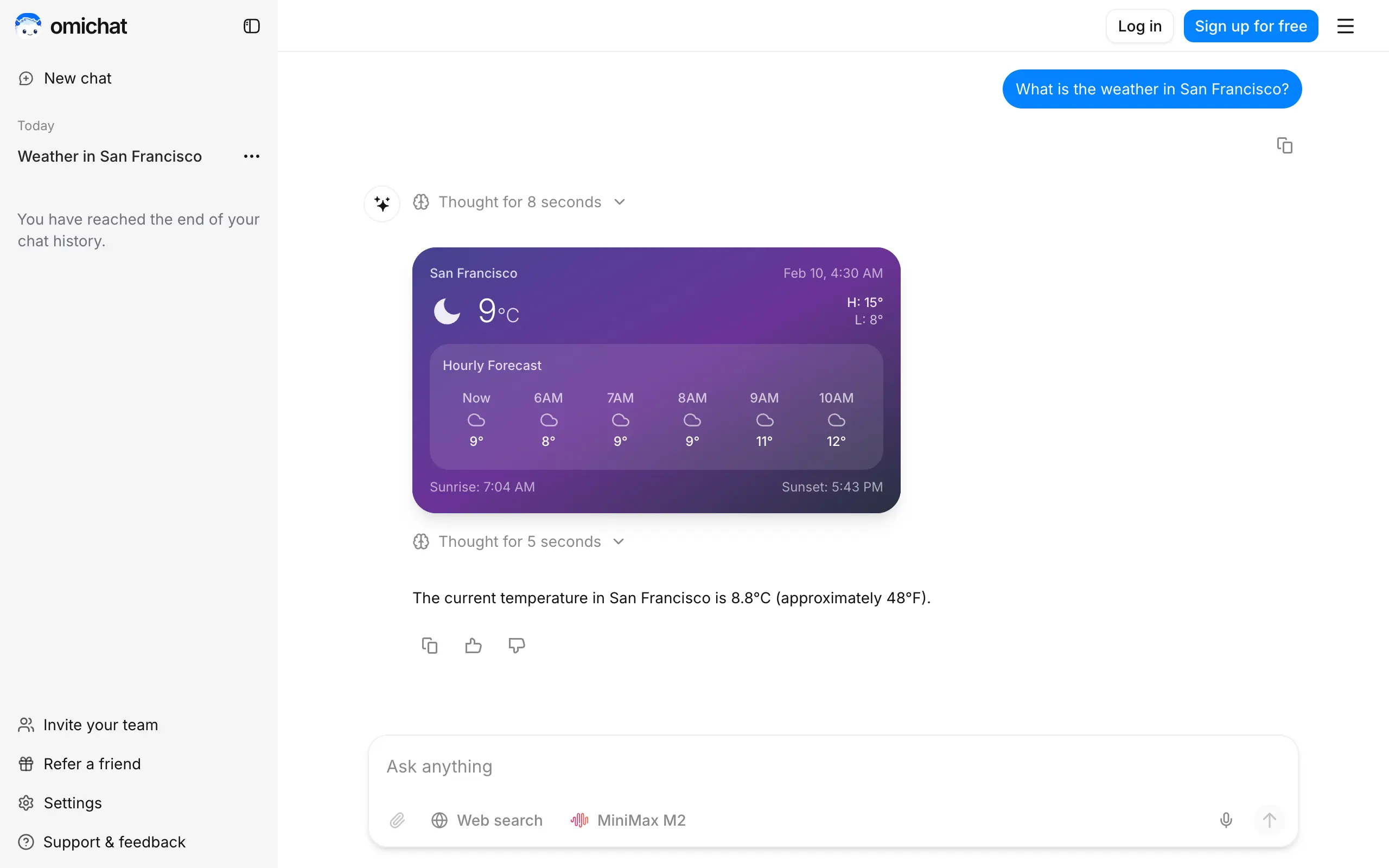
Omichat
Chat with 50+ AI models, including ChatGPT and Claude, in one place - switch models anytime without losing context 🤖
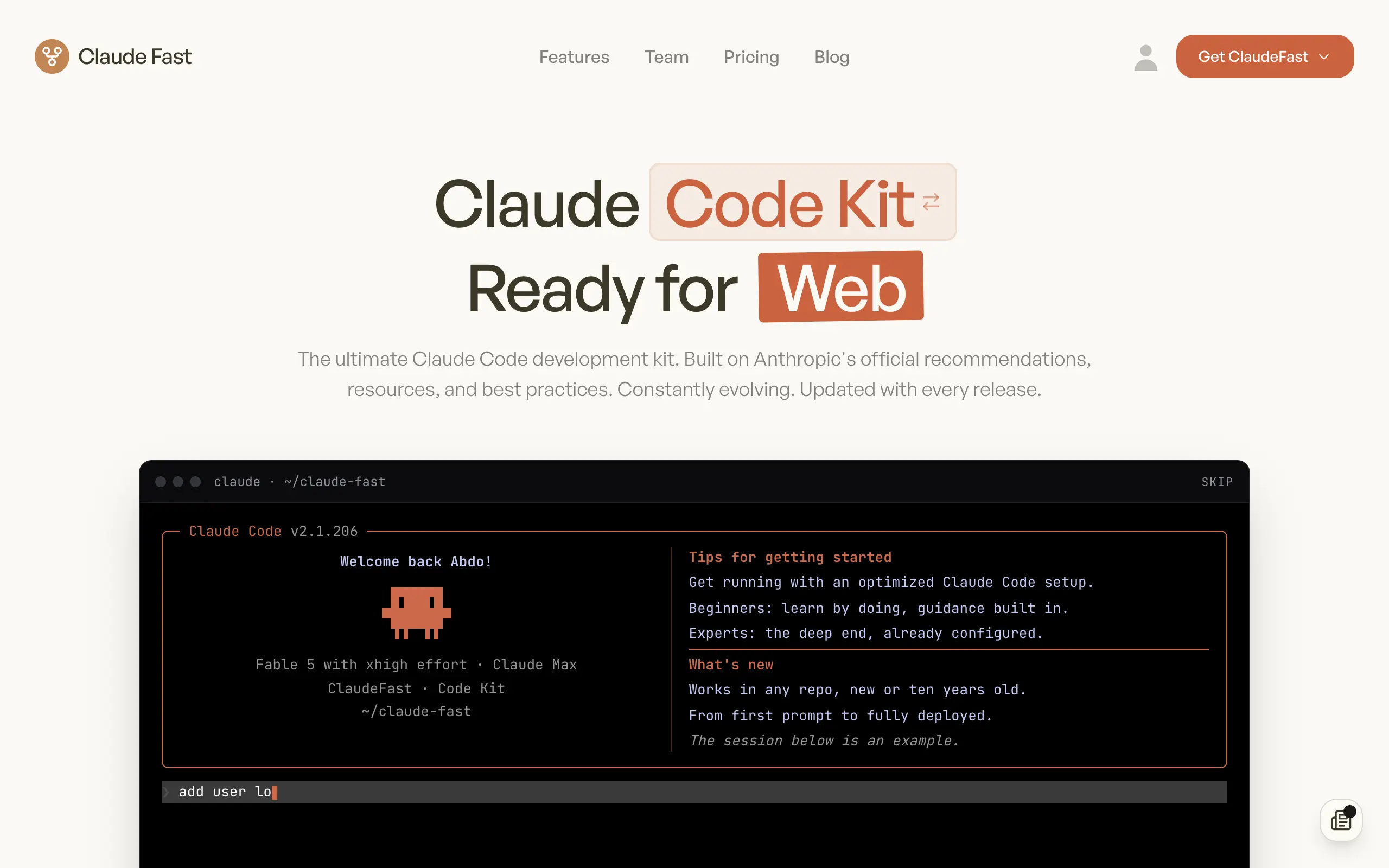
Claude Fast
Supercharge your Claude Code with 6x effective context window and specialized AI agents 🤖
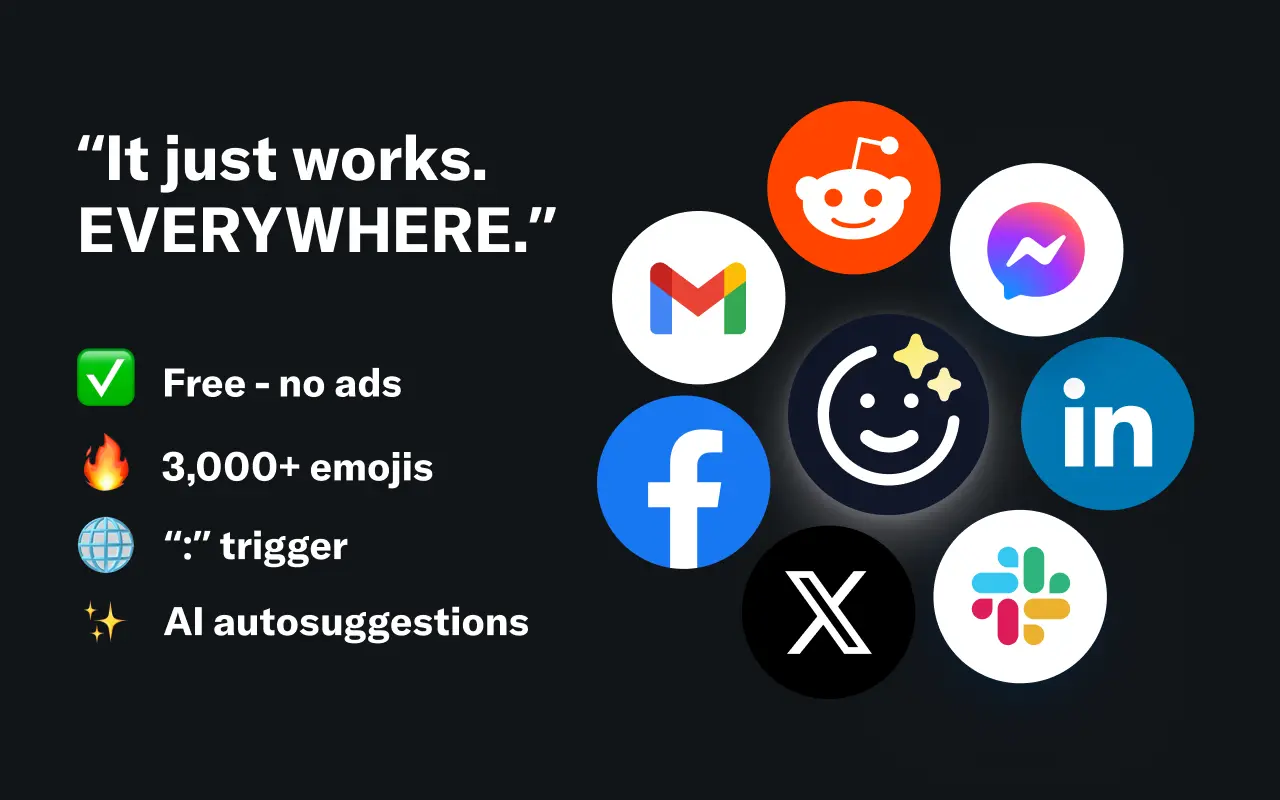
EmojAI
AI-powered emoji picker with smart, context-aware suggestions 🤖
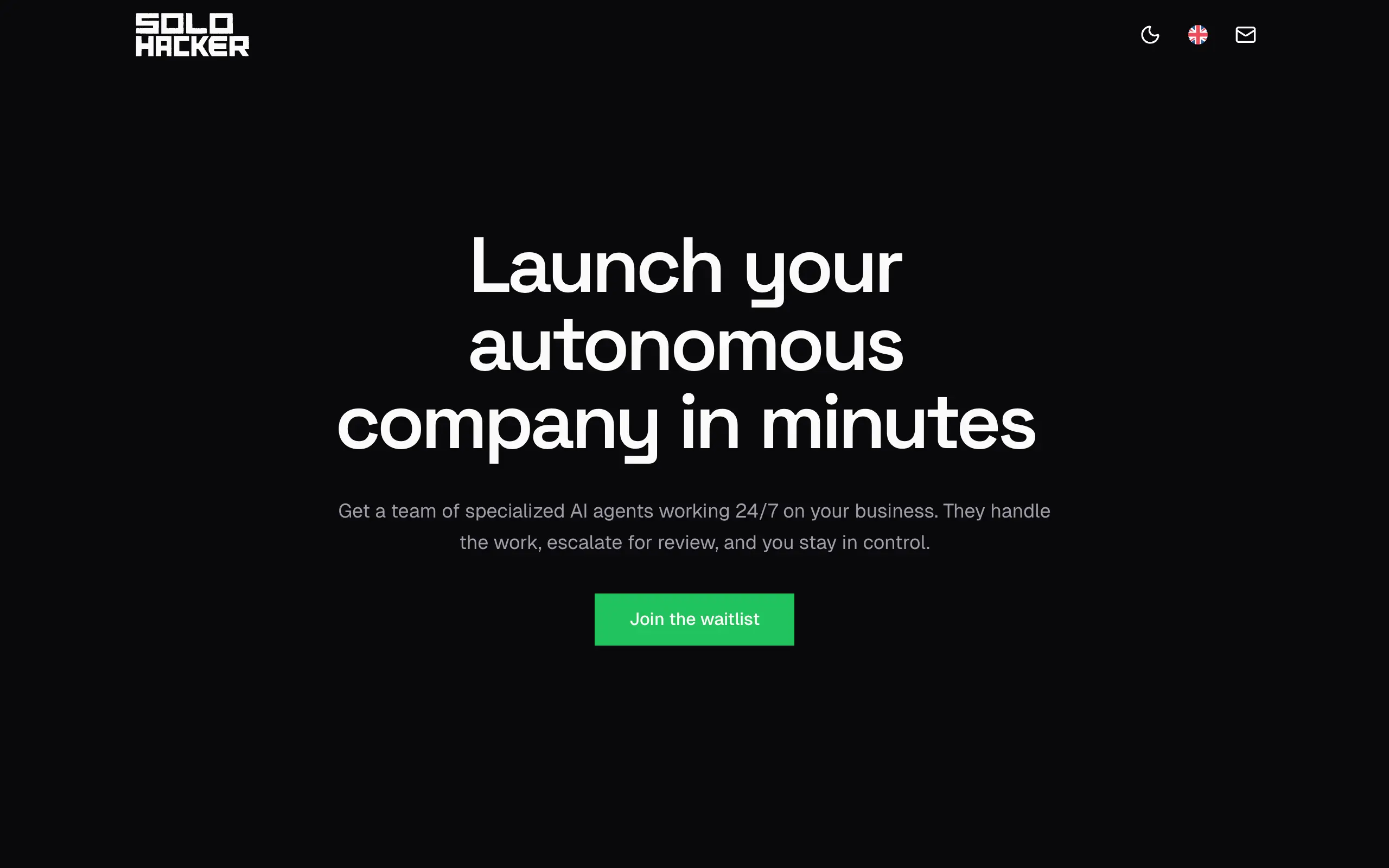
Solohacker
Autonomous company launcher - AI agents work 24/7, escalate what matters, and you stay in control 🤖
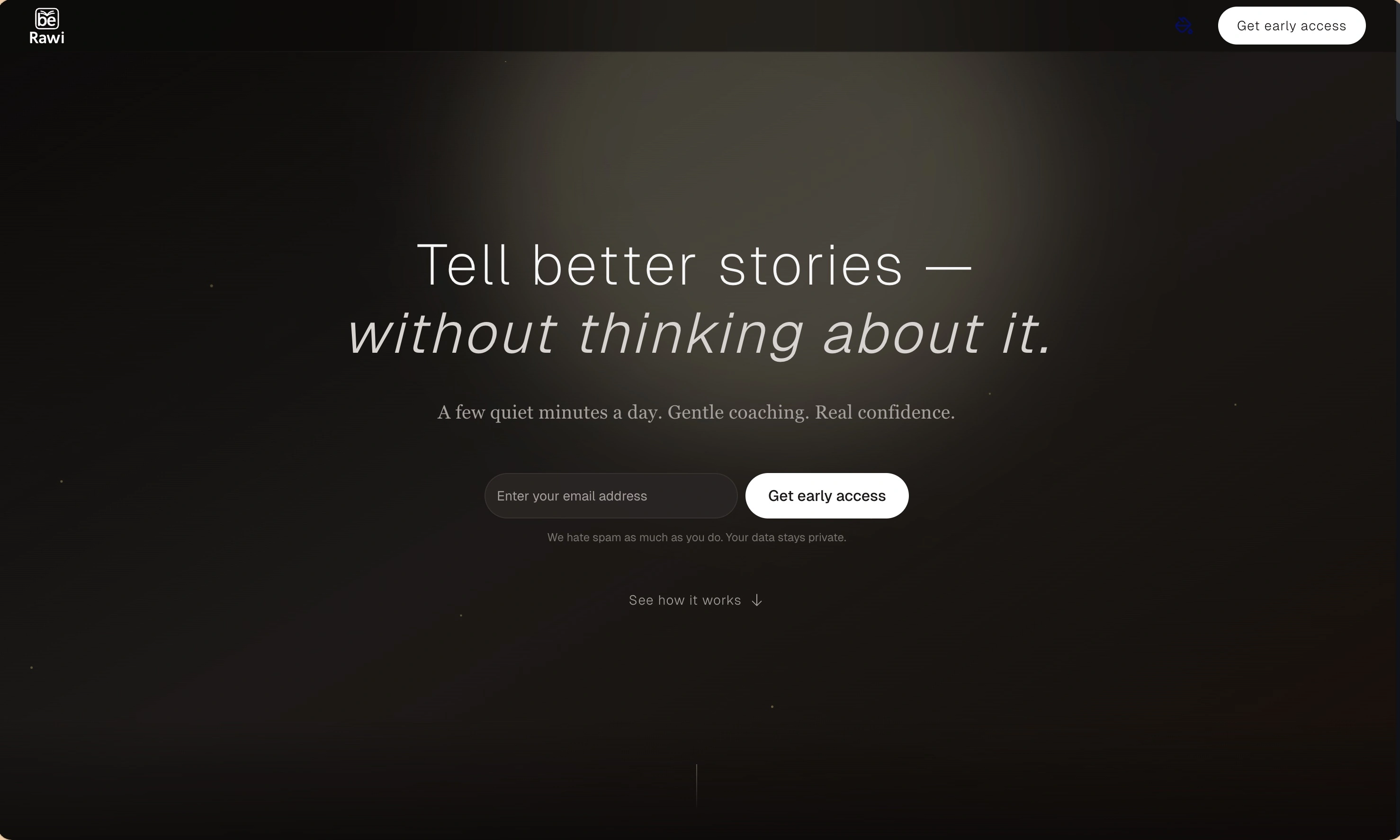
BeRawi: Storytelling Coach
Practice storytelling daily with instant feedback to sound clearer, more engaging, and confident 🎤
Omichat
Chat with 50+ AI models, including ChatGPT and Claude, in one place - switch models anytime without losing context 🤖
Claude Fast
Supercharge your Claude Code with 6x effective context window and specialized AI agents 🤖
EmojAI
AI-powered emoji picker with smart, context-aware suggestions 🤖
Solohacker
Autonomous company launcher - AI agents work 24/7, escalate what matters, and you stay in control 🤖
BeRawi: Storytelling Coach
Practice storytelling daily with instant feedback to sound clearer, more engaging, and confident 🎤
Omichat
Chat with 50+ AI models, including ChatGPT and Claude, in one place - switch models anytime without losing context 🤖
Claude Fast
Supercharge your Claude Code with 6x effective context window and specialized AI agents 🤖
EmojAI
AI-powered emoji picker with smart, context-aware suggestions 🤖
Solohacker
Autonomous company launcher - AI agents work 24/7, escalate what matters, and you stay in control 🤖
BeRawi: Storytelling Coach
Practice storytelling daily with instant feedback to sound clearer, more engaging, and confident 🎤
Omichat
Chat with 50+ AI models, including ChatGPT and Claude, in one place - switch models anytime without losing context 🤖
Claude Fast
Supercharge your Claude Code with 6x effective context window and specialized AI agents 🤖
EmojAI
AI-powered emoji picker with smart, context-aware suggestions 🤖
Solohacker
Autonomous company launcher - AI agents work 24/7, escalate what matters, and you stay in control 🤖
BeRawi: Storytelling Coach
Practice storytelling daily with instant feedback to sound clearer, more engaging, and confident 🎤

Connect with like-minded people
Join our community to get feedback, support, and grow together with 1,000+ builders on board, let's ship it!
Join usShip your startup everywhere. In minutes.
Don't burn tokens on setup and start building features on day one.