Night Shift Dispatch
A bite-size emergency dispatch game where players route crews through escalating city crises in tense 90-second shifts.
Night Shift Dispatch is a strong concept for the growing audience that wants high-pressure strategy gameplay without a 30-minute commitment. The core experience is simple to understand but difficult to master: players receive incoming emergencies, assign limited crews, manage travel time, and prevent a citywide crisis from escalating during intense 90-second shifts.
The primary opportunity is to position Night Shift Dispatch as a bite-size emergency dispatch game that combines the tension of real-time crisis management with the accessibility of mobile-first sessions. Instead of asking players to learn a complex simulation before they can have fun, the game can deliver immediate decisions, clear consequences, and replayable escalation loops from the first shift.
Why a bite-size emergency dispatch game can stand out
The strategy game market contains many deep city builders, management simulators, and tactical games. However, there is a meaningful gap between highly casual tap-based games and time-heavy simulation titles. Players increasingly want experiences that feel strategic, emotionally engaging, and rewarding while still fitting into short breaks.
Night Shift Dispatch can occupy this space by making each session feel like a compressed emergency operations center.
The fantasy is immediately recognizable:
- A building fire is spreading across several blocks.
- An ambulance is needed across town, but the closest crew is already on another call.
- A power outage disables traffic signals and slows every response vehicle.
- A suspicious incident may be harmless, or it may become a citywide threat if ignored.
- A crew can save one neighborhood now but leave another vulnerable minutes later.
That decision pressure is the product. The game does not need massive maps, photorealistic assets, or endless tutorial systems to create tension. It needs a clear operational loop where every choice affects survival, public confidence, crew fatigue, city damage, and the player’s final shift score.
Core positioning
Night Shift Dispatch should be marketed as a fast emergency dispatch strategy game where every 90-second shift tests prioritization, routing, and crisis management under pressure.
The concept also benefits from broad thematic appeal. Emergency response is understandable across cultures and does not require prior knowledge of fantasy lore, military units, or complicated economic systems. Players know instinctively why sending the wrong vehicle to the wrong crisis matters.
Target audience for Night Shift Dispatch
The ideal audience is not one monolithic group. A successful emergency dispatch game can appeal to multiple player segments, as long as onboarding and difficulty are designed around their needs.
Time-constrained strategy players
This is the highest-priority audience. These players enjoy tactical thinking but often avoid complex management games because they cannot reliably commit to long sessions.
They may play during:
- Morning commutes
- Work breaks
- Waiting rooms
- Evening wind-down routines
- Short gaps between other activities
For this segment, the 90-second shift is a powerful differentiator. It promises a complete strategic experience in less time than it takes to start many simulation games.
Their expectations include:
- Immediate gameplay with minimal setup
- Clear objectives and visible stakes
- A fair learning curve
- Fast restarts after failure
- Meaningful progression across short sessions
Fans of crisis management and simulation games
A second segment includes players who enjoy dispatching units, managing limited resources, and responding to unpredictable events. These users may already be interested in city management, rescue simulations, tower defense, roguelites, or emergency services games.
They are likely to value deeper systems such as:
- Crew specialties
- Vehicle upgrades
- District-specific risks
- Dynamic weather
- Incident chains
- Difficulty modifiers
- Long-term city restoration
This audience gives Night Shift Dispatch a path beyond casual gameplay. The game can remain approachable while offering expert players more demanding scenarios and optimization challenges.
Mobile puzzle and score-chasing players
The game can also attract players who enjoy quick decision-making and repeatable score loops. For them, dispatching is effectively a real-time optimization puzzle.
They may be motivated by:
- High scores
- Daily challenge streaks
- Global leaderboards
- Unlockable city maps
- Perfect-shift medals
- Event-based challenges
- Faster response-time records
This audience is especially relevant for free-to-play distribution, provided monetization does not interfere with fairness or create pay-to-win competitive advantages.
Streamers and social video creators
Night Shift Dispatch has potential as a highly watchable game because its dramatic moments are easy to understand. A creator does not need to explain a complex combat system when the audience can immediately see that a fire truck is too far away, a hospital is overwhelmed, or a traffic jam has trapped an ambulance.
The game should support shareable moments such as:
- “Impossible shift” replays
- Last-second saves
- Catastrophic chain reactions
- Daily community challenges
- Seeded crisis scenarios
- End-of-shift performance reports
Short-form video platforms reward readable, high-stakes gameplay. A 90-second dispatch shift naturally fits this format.
The market gap for emergency dispatch games
Many management games focus on building systems over long periods. They ask players to place roads, balance budgets, construct buildings, and gradually grow a city. Those loops can be satisfying, but they often lack immediate urgency.
Meanwhile, many action games create intensity through combat reflexes. Night Shift Dispatch can create intensity through operational judgment instead.
That distinction is important. The player is not personally fighting the fire or driving the ambulance. They are deciding what matters most when not everything can be saved.
The market opportunity comes from combining four proven engagement patterns:
- Short-session mobile game design
- Real-time strategy prioritization
- Roguelite-style unpredictability
- Simulation-inspired consequence systems
The result is a game loop that can feel fresh over hundreds of runs without needing hundreds of handcrafted levels.
| Player need | Typical casual game | Deep simulation | Night Shift Dispatch approach | Strategic value |
|---|---|---|---|---|
| Fast sessions | Strong | Often weak | 90-second shifts | High |
| Meaningful choices | Often limited | Strong | Limited crews and escalating events | High |
| Easy onboarding | Strong | Often difficult | Visual routing and guided first shifts | High |
| Replayability | Variable | Strong | Dynamic incidents and city modifiers | High |
A good validation strategy should test whether prospective players respond more strongly to the “emergency dispatcher” fantasy, the “90-second strategy challenge” hook, or the “save the city from escalating disasters” promise. Landing page copy, gameplay clips, and prototype playtests can answer this before a large content investment.
The core gameplay loop for Night Shift Dispatch
The best version of Night Shift Dispatch should have a loop that is easy to explain in one sentence: spot emergencies, assign the right crews, route them efficiently, and survive the shift before your city reaches a breaking point.
A shift can begin with a calm city map and a small number of available units. As the timer runs down, incidents arrive, existing incidents escalate, roads become blocked, and resources become strained.
The essential 90-second shift structure
Each shift should have a predictable emotional arc, even when individual incidents are procedurally generated.
The player should rarely feel that failure came from unclear rules. Tough decisions are good. Hidden systems are not. A strong dispatch strategy game makes causes and effects visible through iconography, route previews, urgency meters, crew status, and clear incident descriptions.
Dispatch units and specialties
The initial version should avoid overwhelming the player with too many unit types. Start with a compact roster that creates meaningful trade-offs.
Possible emergency response units include:
- Fire engines for fires, hazardous materials, and structural threats
- Ambulances for medical emergencies and civilian rescue
- Police units for crowd control, traffic incidents, and public safety events
- Utility crews for power failures, water leaks, and infrastructure damage
- Tow vehicles for blocked roads and traffic recovery
- Specialist units for late-game incidents such as chemical hazards or major storms
Each crew should be differentiated by more than its target category. The most interesting choices emerge when a unit has strengths, weaknesses, cooldowns, and operational limits.
For example, a fire engine may contain a fire quickly but travel slowly through dense traffic. A rapid response motorcycle may reach incidents faster but cannot resolve severe cases alone. A utility crew may prevent a cascading power failure but leave a medical emergency unattended.
Incident escalation and consequence chains
Incident escalation is the system that turns a simple routing game into a compelling emergency dispatch game.
A single event should be manageable. The tension comes from what happens when it is ignored.
Examples include:
- A small kitchen fire can spread to adjacent buildings.
- A traffic collision can block a road and increase travel times.
- A power outage can disable traffic lights, creating additional accidents.
- A protest can become a public safety incident if not monitored.
- Heavy rain can flood low-lying districts and limit route availability.
- A hospital overload can reduce ambulance turnaround speed.
The key is restraint. If every event creates three more events, the game becomes chaotic rather than strategic. Escalation should be legible, gradual, and tied to choices the player can understand.
Increase complexity before increasing raw speed. Add district hazards, specialized incidents, route disruptions, and mixed-priority calls. Players should lose because they made a difficult trade-off, not because the game flooded the map with unreadable alerts.
A satisfying incident has a clear threat, an understandable response, visible progress, and a noticeable outcome. The player should see the crew arrive, watch the danger stabilize, and understand what further damage was prevented.
No. Controlled loss is central to the emotional premise. Some shifts should require players to minimize harm rather than achieve perfection, as long as scoring and feedback explain the consequences fairly.
Core features that create a durable strategy game
The minimum viable product should prove that dispatch decisions are fun before expanding into broader city simulation systems. A polished core loop is more valuable than a large but shallow feature list.
Real-time city map and route planning
The map is the game’s primary interface. It should communicate urgency at a glance.
A strong map design includes:
- Distinct districts with recognizable visual identities
- Color-coded incident categories that remain accessible for color-blind players
- Travel-time previews before confirming a dispatch
- Road closures and congestion indicators
- Clear crew availability states
- Zoom levels that preserve readability on smaller screens
- A pause option for accessibility-focused modes, if the design supports it
Route planning should be deep enough to reward knowledge but simple enough to operate under time pressure. The player does not need to manually draw every path. Instead, they should make meaningful routing choices when roads are blocked or when they need to decide which crew can arrive soonest.
Crew progression and loadout decisions
Long-term progression should increase options, not merely inflate statistics. Players should unlock new dispatch strategies rather than simply gaining stronger units.
Useful unlock categories include:
- Faster turnaround equipment
- Specialized emergency vehicles
- District-specific upgrades
- Crew perks
- Alternative dispatch protocols
- Limited-use shift abilities
- New city scenarios
- Challenge modifiers
A progression system can also deepen the narrative. Crews can gain reputations, develop strengths, or carry fatigue from repeated high-risk shifts. However, permanent penalties should be used carefully in a game designed around short sessions.
Daily challenges and seeded scenarios
Daily challenges are particularly well suited to Night Shift Dispatch. Every player can face the same city, weather condition, starting crews, and emergency sequence.
This creates fair competition around:
- Highest city stability score
- Fastest total response time
- Lowest civilian impact
- Fewest unresolved incidents
- Most efficient crew deployment
Seeded scenarios also make community sharing easier. Players can compare strategies because they are responding to the same crisis pattern rather than completely random events.
After-action reports that teach the player
The end-of-shift report is not just a reward screen. It is a retention system and a learning tool.
A useful report should show:
- Incidents resolved
- Incidents lost or escalated
- Average response time
- Crew utilization
- District damage
- Civilian safety rating
- Bonuses earned
- One or two actionable recommendations
For example, the game might explain that the player lost time because too many crews were positioned in the north district, or because a power outage was ignored until traffic disruption increased. This makes failure feel educational rather than arbitrary.
Competitive advantage and unique selling proposition
The unique selling proposition for Night Shift Dispatch is its ability to deliver the emotional intensity of emergency management in a compact, replayable 90-second format.
Most emergency simulation games lean toward realism and complexity. Most short-session games lean toward simple reflex challenges. Night Shift Dispatch can bridge those categories by making strategic prioritization the main skill.
Its competitive advantage rests on five pillars:
Compressed strategic tension
Every shift reaches a meaningful decision point in roughly 90 seconds, making the game ideal for modern short-session play.
Readable consequences
Players can see how traffic, crew location, and delayed action create cascading citywide consequences.
High replayability
Dynamic incidents, districts, weather, and modifier combinations keep shifts from feeling scripted.
Broad thematic appeal
Emergency response is intuitive, emotionally resonant, and understandable without genre-specific knowledge.
Creator-friendly moments
Last-second saves, impossible dilemmas, and dramatic failures naturally generate shareable content.
The strongest differentiation is not merely that players dispatch emergency vehicles. It is that the game respects their time while preserving meaningful depth.
Recommended technology stack for Night Shift Dispatch
The right game technology stack depends on target platforms, team experience, art direction, and desired performance profile. For a fast-paced 2D or lightweight isometric dispatch game, a web-first or cross-platform strategy can reduce development and testing costs.
Frontend and game engine options
Unity is a strong choice for teams targeting iOS, Android, desktop, and potentially console platforms. Its mature tooling, asset ecosystem, and broad platform support are valuable for a commercial game with ambitions beyond the browser.
Godot is an excellent alternative for a 2D-first game. It is lightweight, open source, and well suited to teams that want greater engine transparency and lower licensing uncertainty. Its trade-off is a smaller ecosystem than Unity in some areas.
For a web-native playable prototype, Phaser is a practical choice. It supports rapid development of HTML5 games and can help validate the core dispatch loop quickly through browser-based playtests.
Use Phaser with TypeScript and a simple backend. This is ideal for proving that route selection, incident escalation, and 90-second session pacing are enjoyable before investing in native builds.
Use Unity or Godot for mobile and desktop deployment. Unity offers mature commercial tooling, while Godot can be especially attractive for focused 2D production and open-source workflows.
Backend, analytics, and live operations
Night Shift Dispatch does not need a complex backend for its earliest version. The initial product can store local progress and use a lightweight cloud save layer. As daily challenges, leaderboards, events, and account systems are added, backend requirements become more substantial.
A practical architecture may include:
- Supabase for authentication, cloud saves, leaderboards, and relational data
- PostgreSQL for structured player progression and challenge records
- Sentry for crash monitoring and production error visibility
- PostHog for product analytics, funnels, and feature-flag experiments
- Tailwind CSS for a fast internal dashboard or marketing site
- Vercel for deploying a web landing page, waitlist, and browser prototype
The trade-off is operational complexity. A small team should resist building a large live-service platform before retention data justifies it. Begin with the minimum infrastructure needed to measure the most important behaviors: tutorial completion, first-shift success, replay rate, session length, and return rate.
For a polished product site, waitlist flow, player account experience, and internal SaaS-style tooling, TurboStarter can accelerate the non-game foundation so the team can focus more resources on gameplay.
Monetization strategies for an emergency dispatch game
Monetization should protect the central promise of fair decision-making under pressure. If players can buy stronger crews or pay to prevent failure, the strategic integrity of the game weakens.
The best monetization model depends on platform and audience, but several approaches are viable.
Premium game model
A premium model works well if Night Shift Dispatch launches on PC, console, or as a polished mobile title with no ads. Players pay once for a complete experience and may later purchase optional expansion packs.
This approach supports trust because all strategic content is earned through play. It is especially appropriate if the game emphasizes curated scenarios, campaign progression, and high-quality presentation.
Free-to-play with cosmetic and expansion content
For mobile distribution, a free-to-play model can work when monetization focuses on non-competitive value.
Potential purchases include:
- Vehicle skins
- Dispatch center themes
- Cosmetic crew uniforms
- City map visual packs
- Seasonal scenario packs
- Optional campaign expansions
- Soundtrack bundles
Avoid selling direct power advantages in leaderboards or daily challenges. Players should not question whether a high score came from superior judgment or a purchased operational boost.
Subscription or battle pass considerations
A recurring pass can work only if the game has a reliable cadence of new scenarios, events, cosmetics, and progression goals. It should never feel mandatory to enjoy the core loop.
A seasonal pass might include themed crisis events, such as winter storms, summer festival crowds, or severe weather operations. The free track should remain valuable enough to preserve goodwill and support a healthy player community.
Key risks and mitigation strategies
Every game concept has execution risks. The good news is that Night Shift Dispatch can reduce many of them through a focused prototype and disciplined scope management.
Risk: the gameplay becomes stressful rather than satisfying
The game’s tension is its strength, but relentless alarms and unavoidable failure can exhaust players.
Mitigation approaches include:
- Start with calm onboarding shifts
- Use clear visual hierarchy for incident severity
- Offer difficulty settings and accessibility modes
- Give players recovery tools without removing challenge
- Balance losses so they feel preventable in hindsight
- Include satisfying moments of stabilization and relief
Risk: mobile controls become too crowded
Dispatch games can quickly become interface-heavy, especially on phones.
Mitigation approaches include:
- Use tap-first crew assignment
- Limit visible controls during active shifts
- Add contextual action menus instead of permanent buttons
- Test on small screens from the earliest prototype
- Use strong iconography and readable text sizes
- Avoid requiring precise dragging under time pressure
Risk: content repetition reduces retention
A 90-second game loop can become repetitive if every shift feels like the same sequence of fires, accidents, and medical calls.
Mitigation approaches include:
- Introduce district traits
- Rotate weather and time-of-night modifiers
- Create incident chains with multiple possible outcomes
- Add new unit combinations gradually
- Use daily seeded scenarios
- Build challenge modes around constraints rather than only higher difficulty
Risk: realism creates ethical or tonal problems
Emergency scenarios involve real human stakes. A game can feel insensitive if it treats tragedy as a joke or uses exploitative imagery.
Mitigation approaches include:
- Use a respectful, stylized presentation
- Focus on prevention, rescue, and recovery
- Avoid graphic outcomes
- Consult emergency response professionals during development
- Clearly distinguish fictionalized gameplay from real-world operational training
For credibility, the team can seek review from retired dispatchers, EMTs, firefighters, or crisis-management professionals. Their feedback can improve terminology, pacing, and scenario logic while helping the game avoid obvious inaccuracies.
How to validate the idea before full development
Before building dozens of maps or commissioning extensive art, validate the core emotion: does assigning crews under time pressure feel compelling?
A low-cost prototype should include only:
- One small city map
- Three crew types
- Five to eight incident categories
- Basic travel times
- One escalation mechanic
- A 90-second timer
- A simple end-of-shift score
Recruit playtesters who enjoy casual mobile games, strategy games, and management simulations. Watch them play without explaining the optimal strategy. Their confusion points will reveal more than a survey alone.
Measure these signals:
- How quickly players understand the objective
- Whether they replay immediately after losing
- Whether they can explain why they failed
- Which incidents create the strongest emotional reactions
- Whether the timer feels exciting or frustrating
- Whether players ask for deeper systems on their own
When presenting market assumptions, cite trusted primary sources or established industry reports. For example, use a reference format such as “Source: Newzoo Global Games Market Report, year” or “Source: Sensor Tower mobile gaming market analysis, year” after independently verifying the data and licensing terms.
Actionable implementation roadmap
The smartest path is to prove the dispatch loop first, then add progression, content, and live operations only after early retention supports the investment.
Final takeaways
Night Shift Dispatch has the ingredients of a differentiated strategy game because it makes a familiar emergency response fantasy playable in short, intense sessions. The strongest version is not a sprawling city simulator and not a shallow tap game. It is a focused emergency dispatch game where players repeatedly face understandable, high-stakes trade-offs.
The product should prioritize:
- Fast onboarding
- Clear operational decisions
- Fair but escalating consequences
- Strong replayability through dynamic incidents
- Respectful emergency-response themes
- Monetization that protects competitive integrity
- Analytics-driven iteration after launch
If the first prototype can make players say, “I need one more shift because I know I can save that district next time,” the concept has validated its most important promise.
More 🎮 Game SaaS ideas
Discover more innovative game SaaS ideas that are trending in 2026. Each idea is AI-generated with market validation and growth potential to help you find your next profitable venture faster than competitors.
Your competitors are building with TurboStarter
Below are some of the SaaS ideas that have been generated and built with our starter kit.
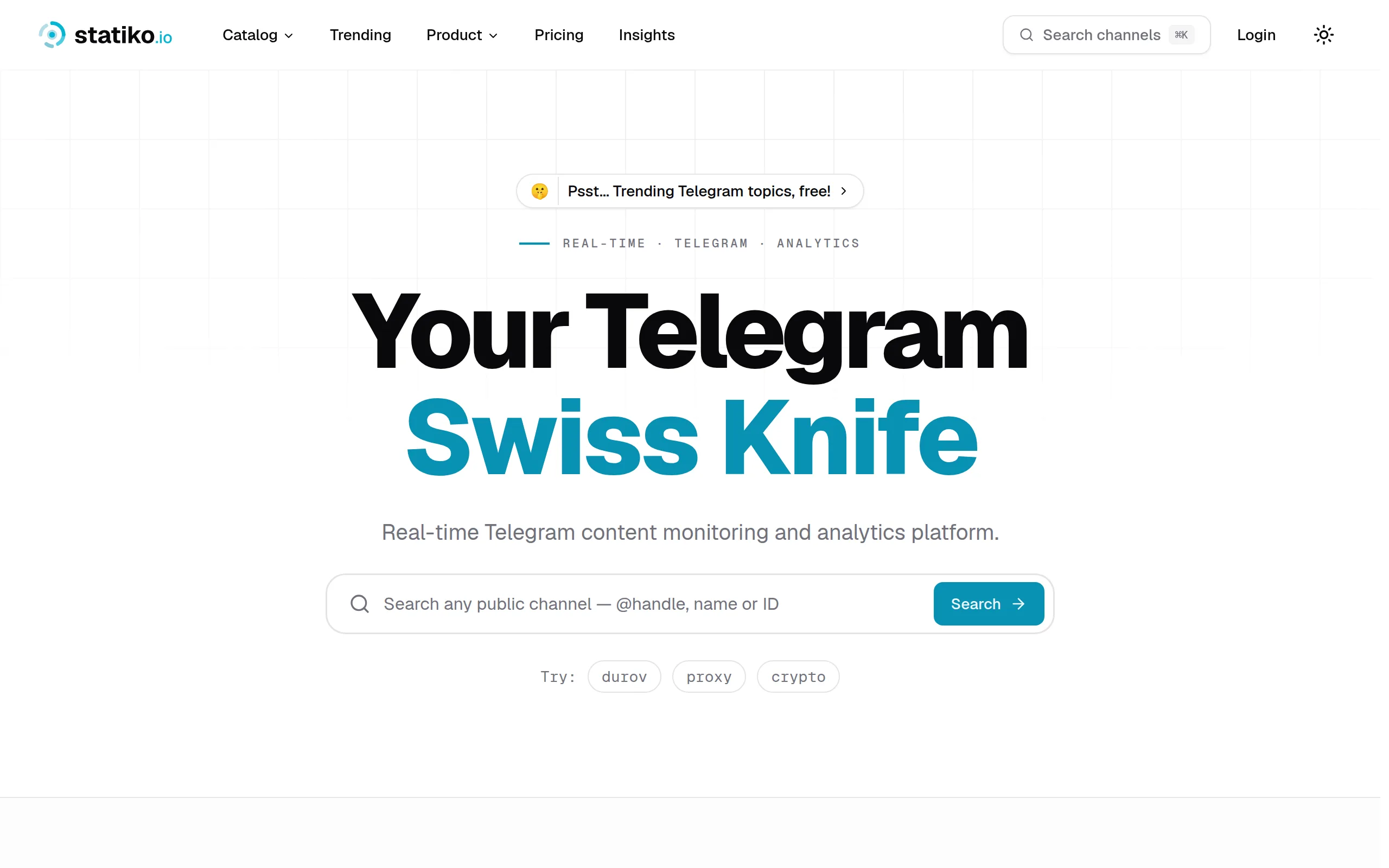
Statiko
Monitor any Telegram channel in real time - track posts, edits, deletions, and growth with AI recaps 📡

Shibui
AI website builder - describe your business, pick a niche template, edit by chatting, and publish instantly ✨

Pro Service
Find verified home service professionals, compare quotes, and pay securely through escrow - built for Brazilians across the US 🏠

RankGrow
Fix your SEO with AI agents - connect Search Console, get prioritized tasks, and grow organic traffic 📈
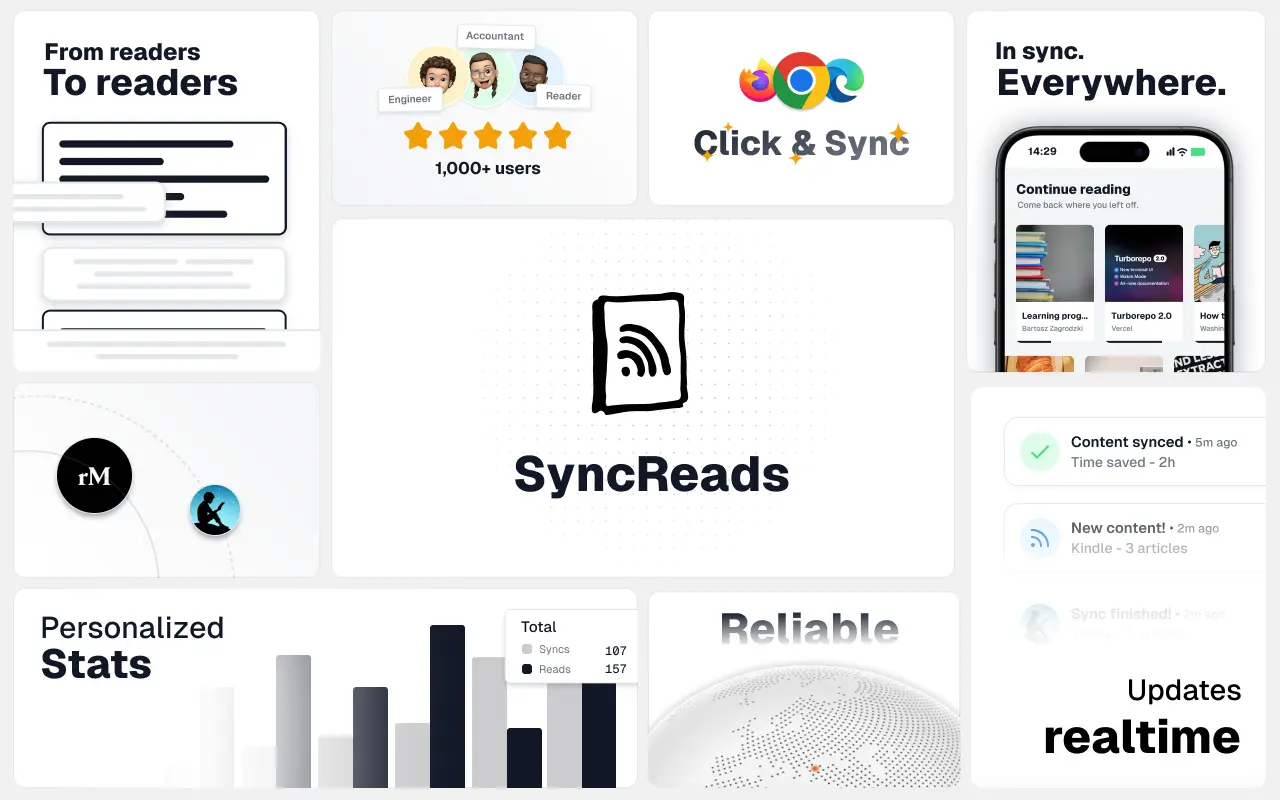
SyncReads
Sync your favorite content for distraction-free reading, save time and replace multiple apps. Anytime, anywhere 🔄
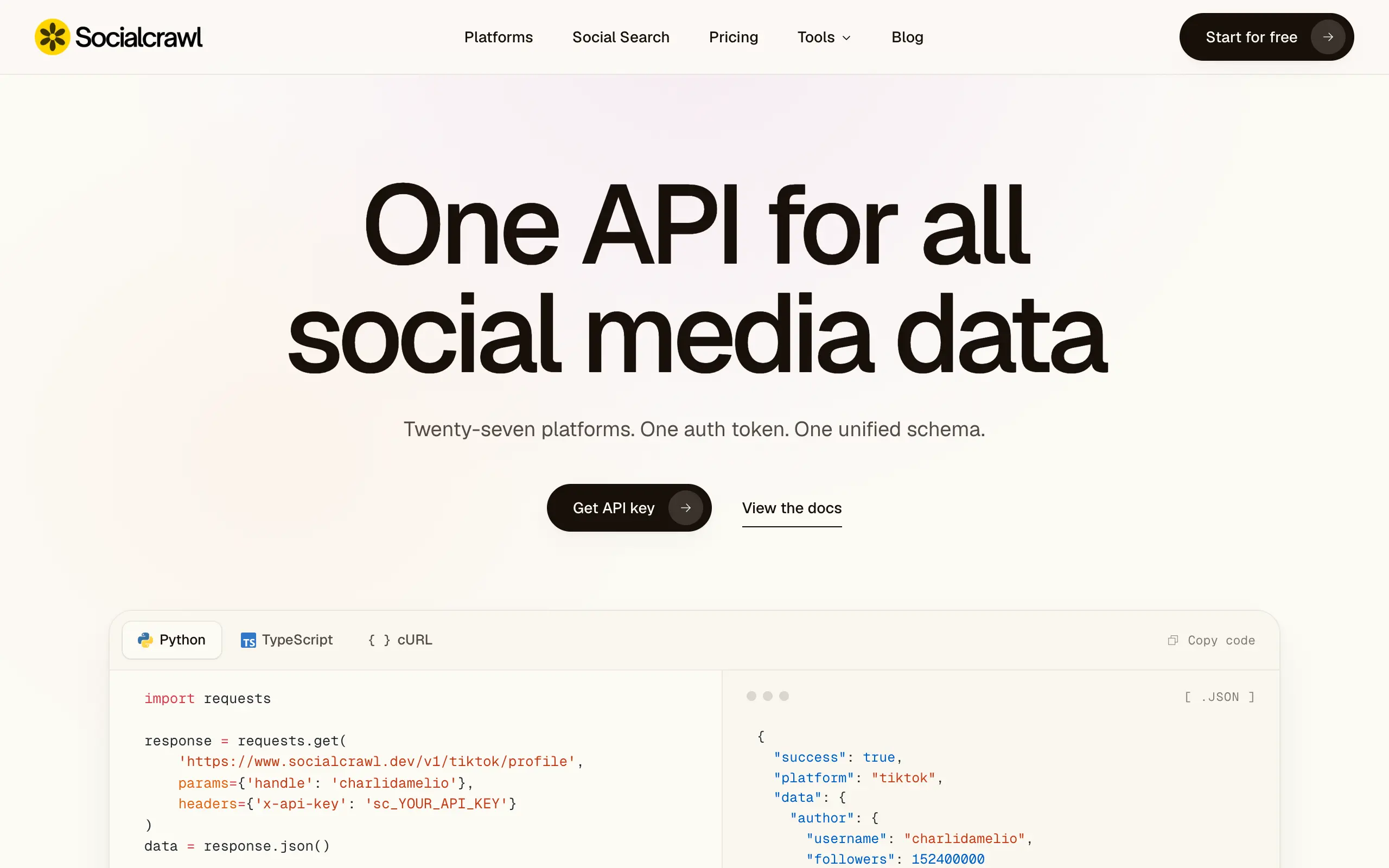
Socialcrawl
Get clean, structured data from 21 platforms like TikTok, Instagram, and YouTube with a single request 📊
Statiko
Monitor any Telegram channel in real time - track posts, edits, deletions, and growth with AI recaps 📡
Shibui
AI website builder - describe your business, pick a niche template, edit by chatting, and publish instantly ✨
Pro Service
Find verified home service professionals, compare quotes, and pay securely through escrow - built for Brazilians across the US 🏠
RankGrow
Fix your SEO with AI agents - connect Search Console, get prioritized tasks, and grow organic traffic 📈
SyncReads
Sync your favorite content for distraction-free reading, save time and replace multiple apps. Anytime, anywhere 🔄
Socialcrawl
Get clean, structured data from 21 platforms like TikTok, Instagram, and YouTube with a single request 📊
Statiko
Monitor any Telegram channel in real time - track posts, edits, deletions, and growth with AI recaps 📡
Shibui
AI website builder - describe your business, pick a niche template, edit by chatting, and publish instantly ✨
Pro Service
Find verified home service professionals, compare quotes, and pay securely through escrow - built for Brazilians across the US 🏠
RankGrow
Fix your SEO with AI agents - connect Search Console, get prioritized tasks, and grow organic traffic 📈
SyncReads
Sync your favorite content for distraction-free reading, save time and replace multiple apps. Anytime, anywhere 🔄
Socialcrawl
Get clean, structured data from 21 platforms like TikTok, Instagram, and YouTube with a single request 📊
Statiko
Monitor any Telegram channel in real time - track posts, edits, deletions, and growth with AI recaps 📡
Shibui
AI website builder - describe your business, pick a niche template, edit by chatting, and publish instantly ✨
Pro Service
Find verified home service professionals, compare quotes, and pay securely through escrow - built for Brazilians across the US 🏠
RankGrow
Fix your SEO with AI agents - connect Search Console, get prioritized tasks, and grow organic traffic 📈
SyncReads
Sync your favorite content for distraction-free reading, save time and replace multiple apps. Anytime, anywhere 🔄
Socialcrawl
Get clean, structured data from 21 platforms like TikTok, Instagram, and YouTube with a single request 📊
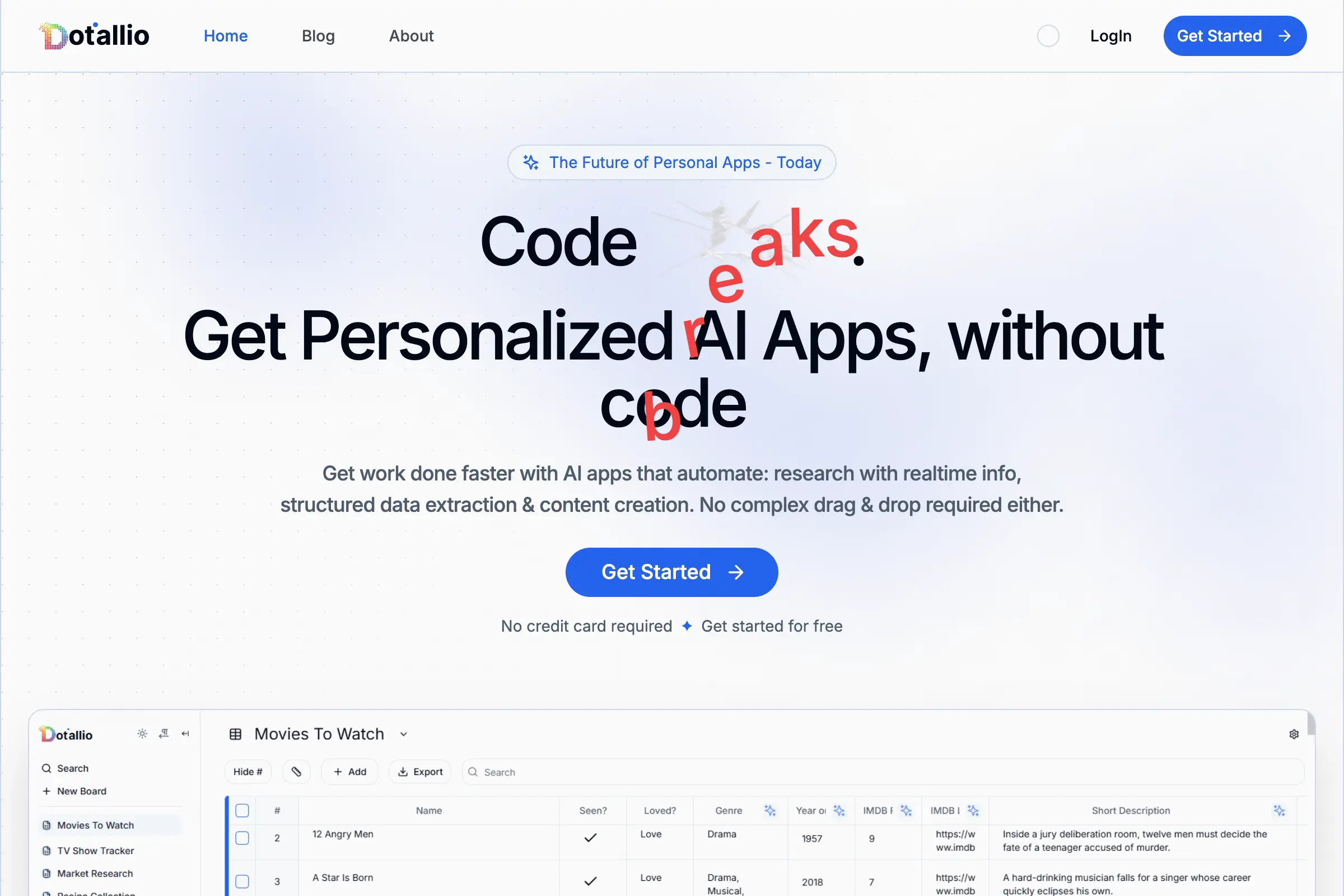
Dotallio
Personalized AI apps that automate research, data extraction, and content creation without code 🤖

Talk to Santa
Enjoy a magical live video chat or receive a unique AI-generated video greeting from Santa Claus 🎅
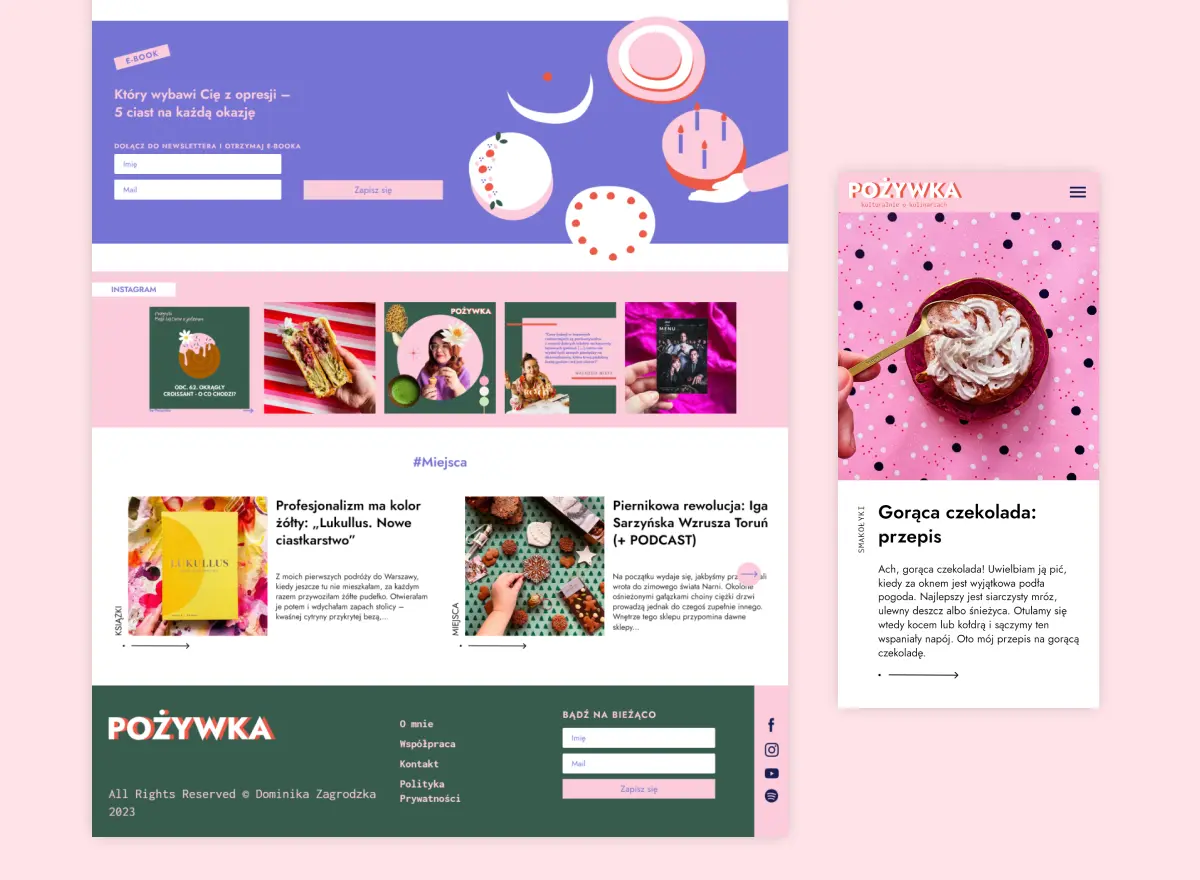
pozywka.pl
Scalable blog for food journalist, focused on performance and user experience 🌭
zagrodzki.me
Personal blog and portfolio of Bart Zagrodzki, where he shares his knowledge and work 💼
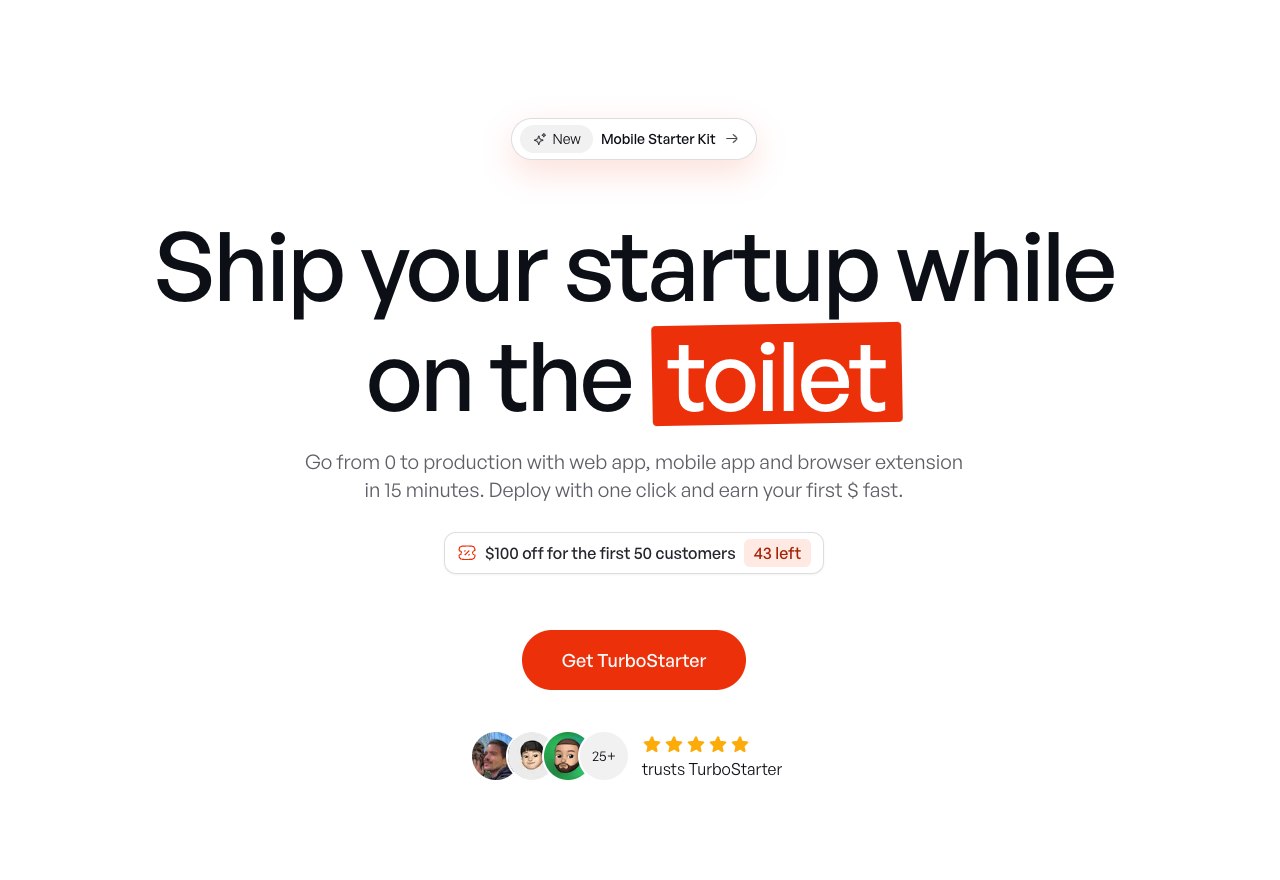
TurboStarter
Ship your startup everywhere. In minutes.
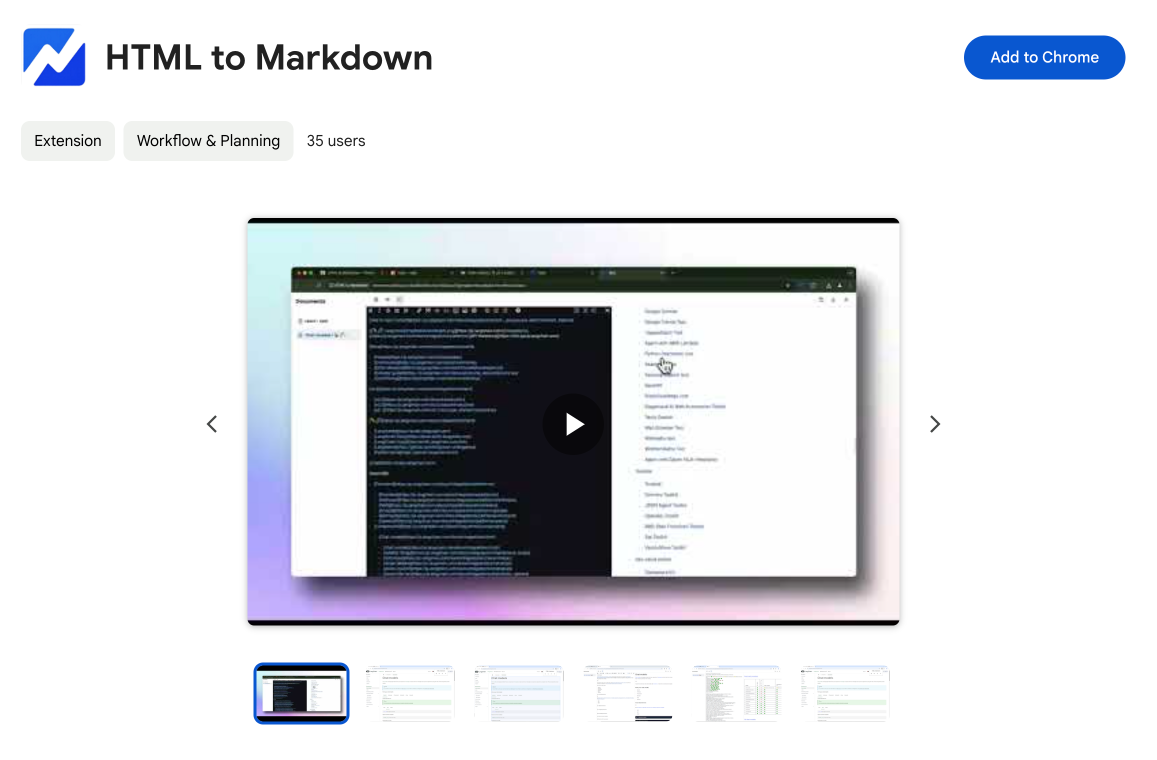
HTML to Markdown
Convert HTML to Markdown with ease, directly in your browser 📄
Dotallio
Personalized AI apps that automate research, data extraction, and content creation without code 🤖
Talk to Santa
Enjoy a magical live video chat or receive a unique AI-generated video greeting from Santa Claus 🎅
pozywka.pl
Scalable blog for food journalist, focused on performance and user experience 🌭
zagrodzki.me
Personal blog and portfolio of Bart Zagrodzki, where he shares his knowledge and work 💼
TurboStarter
Ship your startup everywhere. In minutes.
HTML to Markdown
Convert HTML to Markdown with ease, directly in your browser 📄
Dotallio
Personalized AI apps that automate research, data extraction, and content creation without code 🤖
Talk to Santa
Enjoy a magical live video chat or receive a unique AI-generated video greeting from Santa Claus 🎅
pozywka.pl
Scalable blog for food journalist, focused on performance and user experience 🌭
zagrodzki.me
Personal blog and portfolio of Bart Zagrodzki, where he shares his knowledge and work 💼
TurboStarter
Ship your startup everywhere. In minutes.
HTML to Markdown
Convert HTML to Markdown with ease, directly in your browser 📄
Dotallio
Personalized AI apps that automate research, data extraction, and content creation without code 🤖
Talk to Santa
Enjoy a magical live video chat or receive a unique AI-generated video greeting from Santa Claus 🎅
pozywka.pl
Scalable blog for food journalist, focused on performance and user experience 🌭
zagrodzki.me
Personal blog and portfolio of Bart Zagrodzki, where he shares his knowledge and work 💼
TurboStarter
Ship your startup everywhere. In minutes.
HTML to Markdown
Convert HTML to Markdown with ease, directly in your browser 📄
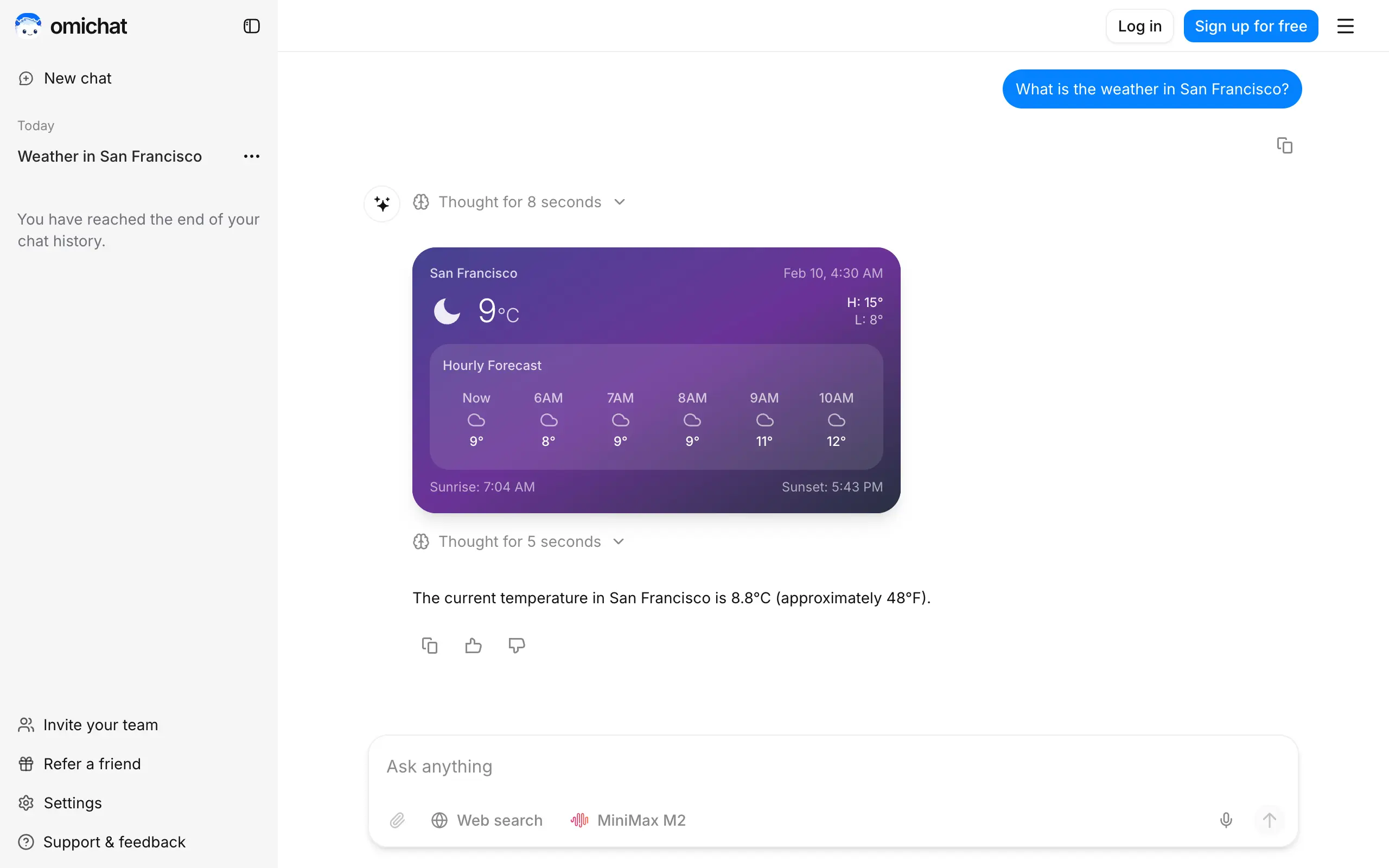
Omichat
Chat with 50+ AI models, including ChatGPT and Claude, in one place - switch models anytime without losing context 🤖
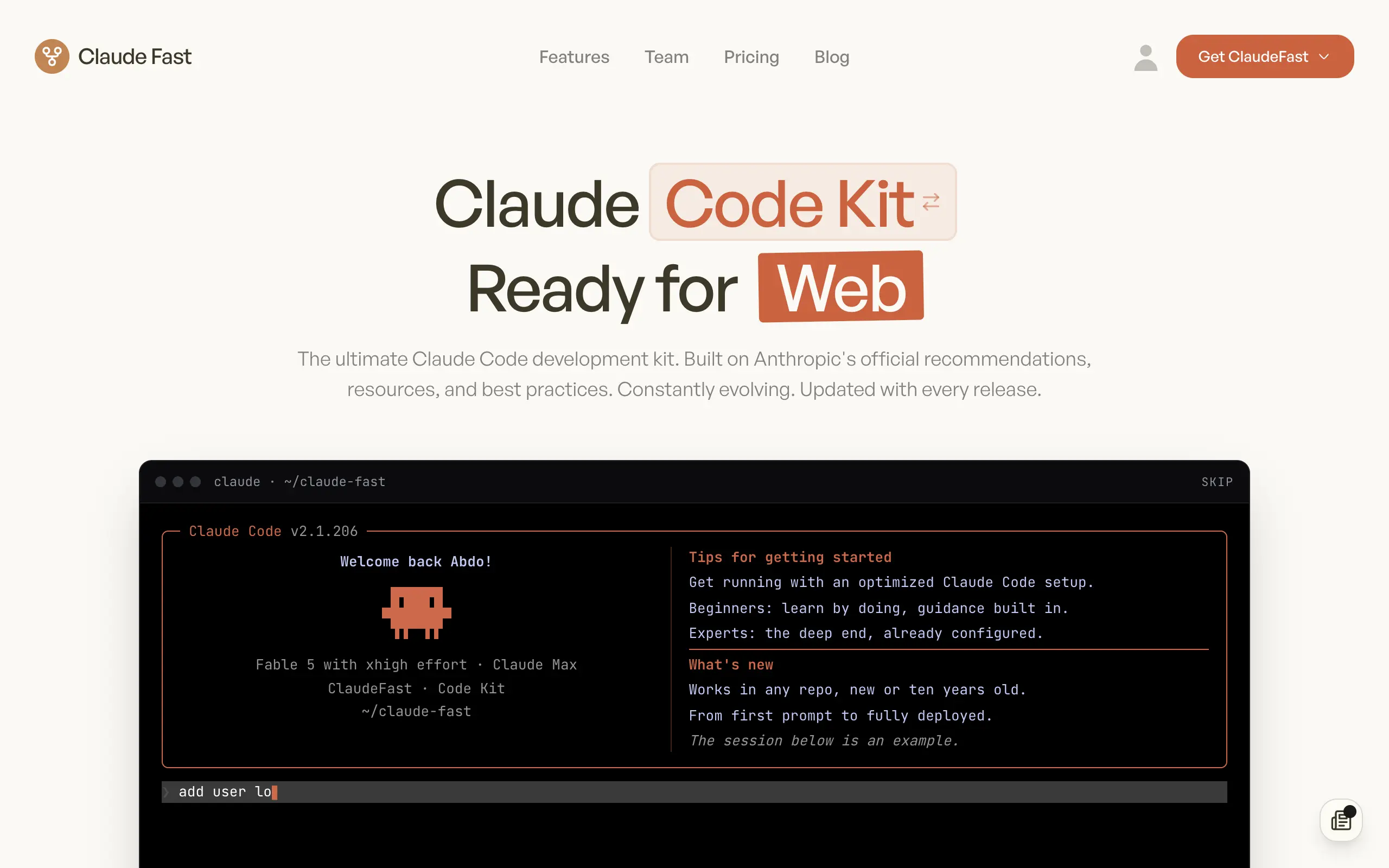
Claude Fast
Supercharge your Claude Code with 6x effective context window and specialized AI agents 🤖
EmojAI
AI-powered emoji picker with smart, context-aware suggestions 🤖
Solohacker
Autonomous company launcher - AI agents work 24/7, escalate what matters, and you stay in control 🤖
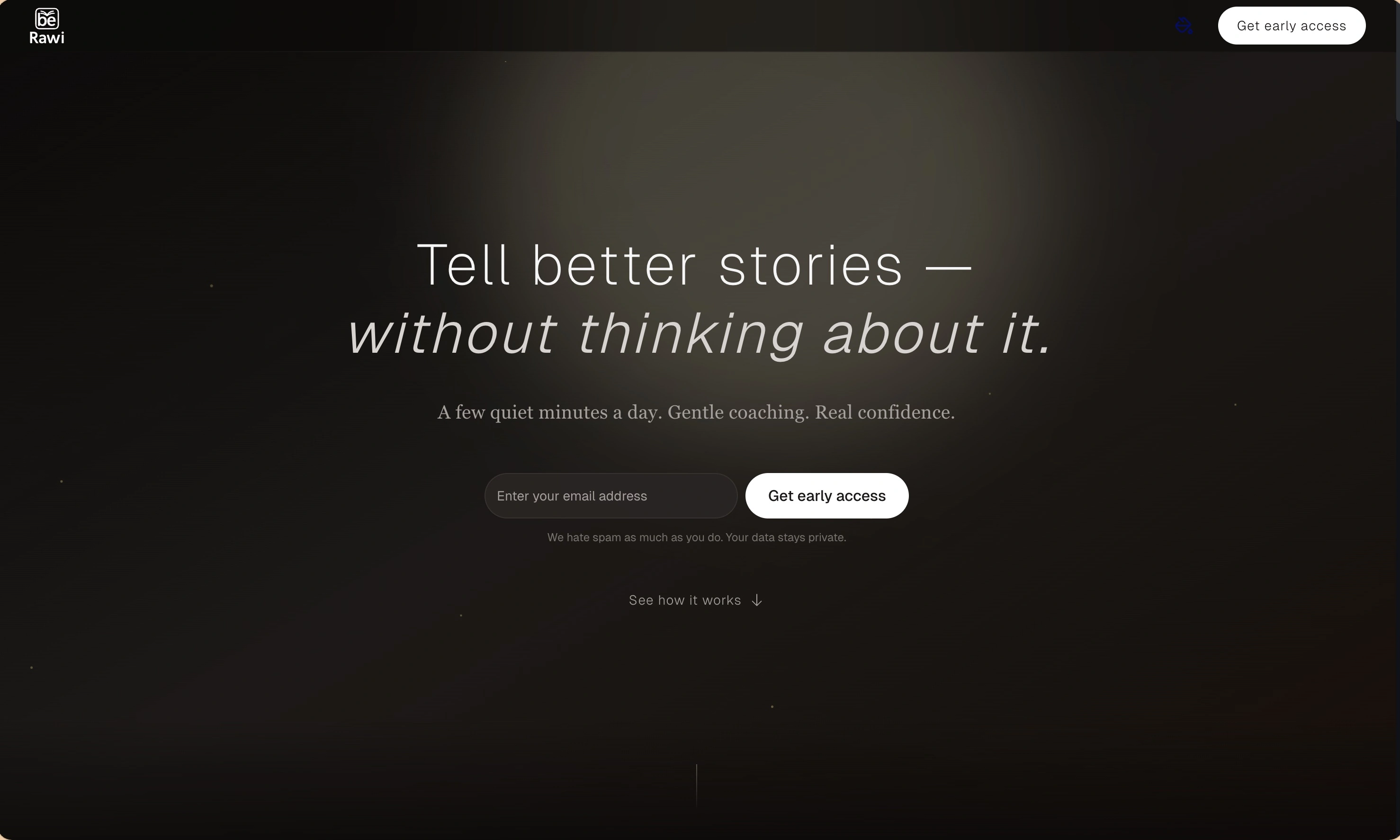
BeRawi: Storytelling Coach
Practice storytelling daily with instant feedback to sound clearer, more engaging, and confident 🎤
Omichat
Chat with 50+ AI models, including ChatGPT and Claude, in one place - switch models anytime without losing context 🤖
Claude Fast
Supercharge your Claude Code with 6x effective context window and specialized AI agents 🤖
EmojAI
AI-powered emoji picker with smart, context-aware suggestions 🤖
Solohacker
Autonomous company launcher - AI agents work 24/7, escalate what matters, and you stay in control 🤖
BeRawi: Storytelling Coach
Practice storytelling daily with instant feedback to sound clearer, more engaging, and confident 🎤
Omichat
Chat with 50+ AI models, including ChatGPT and Claude, in one place - switch models anytime without losing context 🤖
Claude Fast
Supercharge your Claude Code with 6x effective context window and specialized AI agents 🤖
EmojAI
AI-powered emoji picker with smart, context-aware suggestions 🤖
Solohacker
Autonomous company launcher - AI agents work 24/7, escalate what matters, and you stay in control 🤖
BeRawi: Storytelling Coach
Practice storytelling daily with instant feedback to sound clearer, more engaging, and confident 🎤
Omichat
Chat with 50+ AI models, including ChatGPT and Claude, in one place - switch models anytime without losing context 🤖
Claude Fast
Supercharge your Claude Code with 6x effective context window and specialized AI agents 🤖
EmojAI
AI-powered emoji picker with smart, context-aware suggestions 🤖
Solohacker
Autonomous company launcher - AI agents work 24/7, escalate what matters, and you stay in control 🤖
BeRawi: Storytelling Coach
Practice storytelling daily with instant feedback to sound clearer, more engaging, and confident 🎤

Connect with like-minded people
Join our community to get feedback, support, and grow together with 1,000+ builders on board, let's ship it!
Join usShip your startup everywhere. In minutes.
Don't burn tokens on setup and start building features on day one.