PatchCraft
Help players create safe AI-generated mods, skins, and custom quests for supported games, with one-click sharing and creator rewards.
What PatchCraft solves for modern game creators
PatchCraft is an AI game mod creator platform designed to help players build safer, shareable mods, skins, and custom quests for supported games. Its core promise is simple: turn creative ideas into game-ready content without forcing users to learn a game engine, write scripts from scratch, or navigate fragmented modding tools.
The opportunity is larger than “make mods with AI.” Players already want to personalize their games. They create cosmetic skins, role-playing quests, balance adjustments, maps, dialogue packs, and quality-of-life improvements. The friction comes from the path between an idea and a working release.
For many players, traditional mod creation requires some combination of:
- Learning a game-specific editor
- Understanding scripting languages
- Managing asset formats and folder structures
- Reading inconsistent documentation
- Troubleshooting compatibility conflicts
- Navigating publisher rules and intellectual property restrictions
- Finding a trustworthy place to publish and monetize work
PatchCraft can act as the guided layer between player imagination and approved modding workflows. A creator might describe a quest in plain language, choose approved content templates, review generated assets and logic, validate the result against a game profile, and share it with a single click.
The key differentiator is not merely generative AI. It is safe, constrained, game-aware AI creation. That distinction matters because a generic image generator or code assistant cannot reliably produce compliant, installable, balanced content for a live game ecosystem.
The strongest product position
PatchCraft should be positioned as a creator platform for supported games, not as a universal tool that can modify any game. Game-specific support, validated templates, rights-aware assets, and automated compatibility checks create the trust that broad AI tools lack.
Who needs an AI game mod creator like PatchCraft
The most valuable PatchCraft users are not a single homogenous “gamer” audience. The product should serve creators with different skill levels, motivations, and willingness to pay.
Casual players who want personalization without technical setup
This segment includes players who have ideas but no modding experience. They may want to create a companion skin, a themed item collection, a small village quest, or a challenge mode for friends.
Their primary needs include:
- Fast creation from plain-language prompts
- Clear limitations and supported content types
- No-code or low-code workflows
- A preview before publishing
- Easy installation and sharing
- Safety checks that prevent broken content
These users are likely to start with free creation credits or a freemium plan. They are valuable because they can create viral content, invite friends, and become future marketplace buyers.
Aspiring mod creators and community builders
This audience already participates in Discord servers, modding communities, role-play groups, streaming communities, or fan art spaces. They may understand the basics of modding but want to work faster.
PatchCraft can help them:
- Prototype quest ideas in minutes
- Generate structured dialogue trees
- Create item descriptions and lore consistently
- Build variant skins from approved style presets
- Produce updates more efficiently
- Collaborate with writers, artists, and testers
- Share projects with an audience
These creators are more likely to pay for advanced exports, premium generation credits, analytics, private projects, team workspaces, and higher revenue-share tiers.
Experienced modders who need acceleration, not replacement
Experienced creators can be skeptical of AI-generated game mods, especially when tools generate messy code, unoptimized assets, or content that disregards existing game conventions. PatchCraft should not attempt to replace their expertise.
Instead, it should offer a professional workflow that accelerates repetitive work:
- Schema-aware quest scaffolding
- Dialogue and localization drafts
- Asset metadata generation
- Balance suggestions with manual controls
- Automated test cases
- Changelog drafting
- Compatibility reporting
- Version management
For this segment, transparent outputs and exportability matter more than “magic.” They should be able to inspect, edit, and override every generated component.
Game studios and publisher-approved creator programs
A business-to-business extension could serve studios that want user-generated content without exposing their game to unsafe scripts, copyrighted uploads, or fragmented community tooling.
Studios may use PatchCraft as a white-label or co-branded creator suite with:
- Approved content templates
- Moderation workflows
- Asset libraries
- Creator dashboards
- Official marketplace controls
- Revenue-sharing rules
- Brand and lore restrictions
- Platform-specific publishing policies
This segment has longer sales cycles but can become the strongest moat because official integrations are difficult for competitors to replicate.
The market gap for safe AI-generated game mods
The creator economy increasingly rewards platforms that help users make, distribute, and monetize content. Games have long benefited from user-generated content, but modding remains inaccessible in many communities.
Existing options often leave a gap between creativity and safe implementation.
| Approach | Easy for beginners | Game-aware validation | Creator monetization | Publishing workflow |
|---|---|---|---|---|
| Traditional modding tools | ❌ | ✅ | Varies | Varies |
| Generic AI tools | ✅ | ❌ | ❌ | ❌ |
| PatchCraft | ✅ | ✅ | ✅ | ✅ |
The market gap is especially clear in games with active communities but high technical barriers. Players may have the demand for custom campaigns, visual customization, and social content, yet lack tools that turn their ideas into game-compatible packages.
PatchCraft should focus on a narrow initial category of supported games rather than spreading itself across every genre. Good early candidates share several traits:
- Official mod support or well-documented creator policies
- A substantial and active player community
- Content formats that can be safely templated
- Strong demand for cosmetics, quests, or role-play content
- An established sharing ecosystem
- A publisher environment where integrations are possible
The platform must avoid implying support for games that prohibit modifications, restrict user-generated content, or treat game files as protected assets. “Safe” is both a product promise and a legal operating discipline.
PatchCraft’s unique value proposition
PatchCraft’s unique selling proposition is:
A game-aware AI creator studio that turns player ideas into validated, policy-aligned mods, skins, and quests for supported games, then helps creators share and earn from their work.
That positioning includes five connected advantages.
It generates within constraints
A broad AI assistant can generate a fantasy quest concept, but it does not know whether a target game supports branching dialogue, custom NPC behavior, quest triggers, or new textures. PatchCraft should use game-specific schemas and content templates.
For example, a quest generator should understand fields such as:
- Quest title and summary
- Prerequisite conditions
- Objectives and completion rules
- Dialogue branches
- Reward tables
- NPC placement
- Difficulty settings
- Localization keys
- Approved asset references
The product should expose these controls in friendly language while maintaining a structured data model underneath.
It prioritizes safety and rights
PatchCraft should provide a content rights layer that identifies high-risk requests before generation or publication. It can flag requests that appear to include:
- Unlicensed copyrighted characters or logos
- Real-world brands without authorization
- Offensive or prohibited content
- Attempts to bypass multiplayer or anti-cheat systems
- Unsupported executable code
- Game-breaking assets or scripts
- Personal data in user-created content
The platform should not promise perfect legal compliance. It should provide practical guardrails, transparent policy enforcement, escalation paths, and publisher-specific restrictions.
It provides a complete creator workflow
A creator does not only need generation. They need ideation, iteration, testing, packaging, sharing, feedback, versioning, and a way to earn.
PatchCraft should unify those steps in one workspace.
Create
Turn prompts, templates, and approved assets into structured game content.
Validate
Check compatibility, restricted content, dependencies, and publishing readiness.
Publish
Package content for supported destinations with clear metadata and release notes.
Earn
Offer paid packs, tips, subscriptions, and creator rewards where game policies allow.
It makes sharing social
One-click sharing should not mean blindly pushing content live. It should mean a streamlined, controlled release flow where creators choose visibility, licenses, price, supported game versions, and community tags.
Social features can create organic growth:
- Creator profiles
- Follow feeds
- Remix permissions
- Collections and themed bundles
- Ratings and constructive reviews
- Co-creator credits
- Seasonal challenges
- Featured creations
- Referral rewards
It treats creators as economic participants
Many mod platforms help users publish but do not provide a clear, accessible path to creator rewards. PatchCraft can differentiate by making monetization an intentional part of the product, while preserving player trust through clear pricing, refund policies, and quality standards.
Core PatchCraft features and product workflow
The minimum viable product should not begin with every possible content category. A focused first release might support one or two creation modes, such as cosmetic skin packs and template-driven quests, for a small number of approved games.
AI-guided mod and quest generation
The main workflow starts with a conversational prompt, but it should quickly transition into structured editing.
A user could enter:
Create a beginner-friendly forest rescue quest with three objectives, light humor, no combat required, and a rare cosmetic reward.
PatchCraft should then return a structured project with editable sections, rather than a single opaque blob of text.
type QuestProject = {
  title: string;
  targetGame: string;
  objectives: Array<{
    id: string;
    description: string;
    completionRule: string;
  }>;
  dialogue: string[];
  rewardId: string;
  status: "draft" | "validated" | "published";
};
This structured approach makes validation, previews, collaboration, localization, versioning, and exports much more reliable.
Skin and cosmetic creation studio
For supported titles, PatchCraft can offer a constrained cosmetic builder with:
- Publisher-approved base templates
- Color palette controls
- Pattern and decal libraries
- AI-assisted concept exploration
- Style consistency controls
- Asset size and format validation
- Preview renders
- Rights and similarity checks
- Variant generation for themed collections
The safest approach is to generate within a licensed or publisher-approved asset system. Users should not upload or generate arbitrary third-party intellectual property and expect it to be commercially usable.
Compatibility and safety validator
The validator is the trust engine of PatchCraft. It should run before publishing and whenever a game profile changes.
Validation checks can include:
- Required fields are present
- Data follows the target game schema
- Asset dimensions and file sizes meet requirements
- Dependencies are declared
- Unsupported game versions are identified
- Conflicting packages are detected where feasible
- Content policy rules are evaluated
- The project includes appropriate creator and license metadata
A validation report should prioritize clarity over technical jargon. Creators need to know what failed, why it matters, and how to fix it.
Use plain-language feedback such as “This quest references an item that is not available in the selected game version.” Pair each warning with a direct fix action.
Show detailed schema paths, dependency identifiers, validation logs, and export diagnostics for experienced modders and studio partners.
Preview and playtest tools
Generated content must be previewable before it reaches players. Depending on the supported game and available APIs, PatchCraft can offer:
- Visual previews for skins and cosmetic packs
- Quest flow diagrams
- Dialogue previews
- Reward and balance summaries
- Simulated validation tests
- Private beta links
- Tester feedback forms
- Bug reporting with reproduction steps
For quest content, a “playthrough map” can show objective dependencies and dead-end branches. This is valuable because AI-generated narratives may seem coherent on the surface while containing unreachable objectives or inconsistent rewards.
One-click sharing and version management
The sharing experience should support draft, unlisted, public, and paid release states. Creators should be able to choose whether their work is remixable and under which license terms.
Version management needs to be part of the first serious release. Mods evolve as games update, and creators need a way to maintain trust.
Essential capabilities include:
- Semantic version labels
- Compatibility declarations
- Release notes
- Rollback support
- Update notifications
- Change comparison
- Archived versions
- Dependency updates
- User reports tied to a specific version
Creator rewards and marketplace tools
Creator rewards can include more than direct sales. PatchCraft can support multiple reward models based on game policies and payment compliance:
- Paid mod packs
- Cosmetic bundle sales
- Tips from players
- Subscriptions for ongoing creator content
- Revenue share from marketplace purchases
- Seasonal challenge prizes
- Affiliate rewards for new creators
- Studio-funded creator pools
- Payout bonuses for quality and retention metrics
Any rewards system must carefully separate platform policy from publisher policy. PatchCraft should only monetize content where it has the legal and contractual ability to do so.
Recommended tech stack for an AI game mod platform
PatchCraft needs a stack that supports fast iteration, secure multi-tenant data, asynchronous AI jobs, marketplace transactions, and structured validation. The right stack depends on the founding team’s strengths, but a TypeScript-first approach is practical for an early SaaS product.
Frontend and application framework
A strong baseline includes:
- React for component-driven interfaces
- Next.js for full-stack rendering, routing, and application delivery
- TypeScript for safer schemas and shared types
- Tailwind CSS for fast, consistent interface development
The main trade-off is that a full-stack JavaScript framework can become complex when background jobs, file processing, and real-time collaboration grow. Start with a modular monolith, then separate workloads when usage justifies it.
Data, authentication, and storage
The data layer should support relational structures because projects, versions, dependencies, creator profiles, entitlements, payouts, and moderation records all have strong relationships.
A practical foundation includes:
- PostgreSQL for relational application data
- Prisma for type-safe database access
- Stripe for subscriptions, checkout, and marketplace payment flows
- Cloudflare R2 or Amazon S3 for asset storage
Object storage should use private-by-default access. Signed upload and download URLs, file scanning, quotas, and immutable release artifacts help reduce security and moderation risks.
AI orchestration and content pipelines
The AI layer should not be a single model call. It should be an orchestrated pipeline that combines templates, retrieval, structured outputs, policy checks, and post-generation validation.
A reliable pipeline can follow this sequence:
For early-stage development, use managed model APIs rather than training a proprietary model. This reduces time to market and allows the team to compare quality, latency, safety behavior, and cost across providers. Later, PatchCraft may fine-tune smaller specialized models or use retrieval-augmented generation for game-specific knowledge.
Background jobs and observability
Asset processing, content generation, scanning, previews, exports, and payout calculations should run outside request-response cycles.
Recommended capabilities include:
- A durable job queue
- Retry logic with idempotency keys
- Dead-letter queues for failed jobs
- Audit logs for publishing actions
- Error monitoring
- Performance tracing
- Usage and cost tracking per generation
AI costs can become unpredictable. Track generation tokens, image jobs, storage bandwidth, and processing time by user, project, and feature. Those metrics are essential for designing sustainable pricing.
Monetization strategy for PatchCraft
The strongest monetization strategy is likely a hybrid of SaaS subscriptions, usage-based AI credits, and marketplace revenue.
Freemium plans for creator acquisition
A free plan should let users discover value before paying. It might include limited projects, watermarked previews, restricted sharing, or a small monthly credit allowance.
The free tier should be generous enough to let a creator complete one meaningful project. If users cannot reach a “wow” moment, conversion will suffer.
Pro subscriptions for serious creators
A paid creator plan can unlock:
- More AI generation credits
- Private projects
- High-resolution assets
- Advanced exports
- Expanded version history
- Analytics dashboards
- Priority validation
- Team collaboration
- Commercial licensing features where applicable
- Reduced marketplace fees
Avoid pricing only by “number of mods.” AI and storage usage vary widely. A blended model with included credits and paid overages is usually more resilient.
Marketplace transaction fees
PatchCraft can earn a percentage of paid sales, tips, subscriptions, and bundle purchases. Marketplace fees align platform revenue with creator success, but they also increase expectations around discovery, moderation, refunds, fraud prevention, and payout reliability.
A clear fee structure is critical. Creators should understand exactly what they earn after processing fees, platform fees, refunds, taxes, and publisher revenue shares.
Studio and enterprise licensing
Official partnerships can unlock recurring business revenue through:
- White-label creator portals
- Custom moderation rules
- Official asset libraries
- Analytics for game teams
- Managed creator programs
- Private deployment options
- API access
- Custom game adapters
This is a high-value path, but it should not distract from finding product-market fit with creators first.
Risks and mitigation for AI-generated game mods
PatchCraft operates in a category with meaningful legal, technical, and community risks. Addressing them early is part of the competitive advantage.
Do not assume that user prompts, generated assets, or game-adjacent content are safe to commercialize. Use supported-game agreements, approved asset sources, content policy enforcement, takedown processes, creator attestations, and clear license terms. Seek counsel before launching marketplace payouts.
A supported game can change its modding rules, APIs, or monetization permissions. Build each game integration as an isolated adapter, maintain a policy registry, and clearly communicate support status to users.
AI can create content that looks plausible while failing in the game. Constrain generation through schemas, run automated tests, require previews, collect tester feedback, and label experimental features honestly.
Never allow arbitrary executable code in the initial product. Scan files, limit export formats, use allowlists, prohibit anti-cheat bypass attempts, and introduce manual review for high-risk submissions.
Use identity and payout verification where required, transparent refunds, moderation queues, review integrity controls, purchase anomaly detection, and an appeal process for creators.
A particularly important principle is to keep the first supported formats constrained. Cosmetic variations, narrative templates, data-driven quests, and approved configuration packs are generally easier to validate than unrestricted scripting or binary modification.
Competitive advantage and defensibility
PatchCraft will face competition from generic AI tools, established mod hubs, game-specific editors, and future features built directly by publishers. Its moat cannot rely on AI access alone.
The defensible advantages come from accumulated product knowledge.
Game-specific content schemas
A high-quality schema library for supported games is difficult to build. It requires understanding not only file formats, but gameplay constraints, update cycles, creator expectations, policy restrictions, and common failure modes.
Every validated project can improve templates, test cases, warnings, and generation quality.
Trust and safety infrastructure
Moderation policies, approval workflows, rights-aware asset libraries, version scanning, and creator reputation systems are expensive to develop. They become more valuable as the marketplace grows.
PatchCraft should make trust visible. Show validation status, compatibility labels, update history, creator reputation, and content provenance in ways players can understand.
Official distribution relationships
Publisher partnerships are a major strategic asset. A platform with approved distribution, official assets, and shared creator economics is much harder to displace than a tool that merely generates files.
Creator network effects
Creators attract players, players attract creators, and high-quality content makes the marketplace more valuable. Features such as remix attribution, co-creator splits, collections, and discovery rankings can reinforce this loop.
Data-driven quality improvements
PatchCraft can learn from non-sensitive product signals:
- Which templates lead to successful publication
- Which warnings prevent failures
- Which game versions trigger compatibility issues
- Which content styles have high engagement
- Which creators retain subscribers
- Which project steps cause abandonment
Use this data responsibly. Creators should understand how their projects are handled, and private projects should never become training data without explicit permission.
Go-to-market strategy for PatchCraft
The launch strategy should prioritize a small, opinionated audience over a broad gaming claim.
Start with a single creator community where the content format is well understood. For example, choose a supported game category with a strong appetite for custom quests or cosmetics and an ecosystem that permits creator tools.
A focused launch plan can include:
- Recruit 20 to 50 design partners from relevant creator communities.
- Interview them about their current workflow, pain points, tools, and publishing barriers.
- Build only the highest-frequency workflows into the initial version.
- Offer early creators a featured profile, discounted plans, or elevated marketplace terms.
- Publish creator case studies showing time saved and project outcomes.
- Run themed creation challenges that produce shareable content.
- Use feedback to improve templates before expanding game support.
Do not lead with claims that AI can replace modders. Lead with the result creators care about: more time for ideas, less time fighting tools, and safer publishing for their audience.
For factual market sizing, publisher policy, and creator-economy statistics, cite primary sources whenever possible. Good sources include official game developer documentation, platform terms, earnings reports, and credible industry research. Avoid relying on uncited social media estimates for core business assumptions.
How to build the PatchCraft MVP
The first version should prove three things:
- Players can create something they genuinely want to share.
- The content is safer and easier to publish than traditional alternatives.
- Creators will pay for speed, quality, reach, or rewards.
A practical MVP scope could include one supported game, one cosmetic format, one quest template family, private projects, validation reports, and a simple publishing page.
Phase one: validate the problem before building deeply
Conduct structured interviews with creators and players. Ask for their latest project rather than hypothetical opinions.
Useful questions include:
- What was the last mod, skin, or quest you wanted to create?
- Where did you get stuck?
- How long did it take from idea to release?
- What tools did you use?
- What content would you never trust AI to create?
- What would make you comfortable publishing through a new platform?
- Would you pay for faster creation, better discovery, or monetization support?
Phase two: build a constrained creation loop
Create a prompt-to-project flow with structured templates and manual editing. Do not start with unrestricted generation.
Success metrics should include:
- Time to first completed project
- Percentage of projects that pass validation
- Percentage of projects shared
- Creator return rate after seven and 30 days
- Average generation cost per active creator
- Number of projects requiring manual support
- Player engagement with published content
Phase three: introduce trusted sharing
Once content quality is consistently acceptable, add public discovery, creator profiles, ratings, and basic reward mechanics. Marketplace payments should follow only after legal review, tax planning, fraud controls, and publisher permissions are ready.
Phase four: expand through reusable game adapters
Build a game adapter framework that separates shared PatchCraft capabilities from game-specific rules. This makes future support more manageable.
A game adapter can define:
- Allowed content types
- Schema definitions
- Asset rules
- Validation rules
- Export formats
- Version compatibility
- Distribution destinations
- Monetization permissions
- Restricted terms and assets
For founders who want to move faster on the SaaS foundation, TurboStarter can reduce time spent assembling common application infrastructure such as authentication, billing, dashboards, and production-ready SaaS patterns.
Final perspective on the PatchCraft opportunity
PatchCraft can become more than an AI mod generator. It can be the trusted operating system for player creativity in supported game ecosystems.
The winning version of this product will not promise that anyone can alter any game with a text prompt. It will make a more credible promise: creators can turn ideas into high-quality, policy-aware, game-compatible content with dramatically less friction.
That promise requires excellent product design, strong game integrations, thoughtful moderation, transparent creator economics, and respect for the communities that made modding valuable long before generative AI arrived.
If PatchCraft starts narrow, earns trust with creators, and builds safety into every stage of the workflow, it can create a durable platform at the intersection of AI creation, user-generated content, game personalization, and the creator economy.
More 🎮 Game SaaS ideas
Discover more innovative game SaaS ideas that are trending in 2026. Each idea is AI-generated with market validation and growth potential to help you find your next profitable venture faster than competitors.
Your competitors are building with TurboStarter
Below are some of the SaaS ideas that have been generated and built with our starter kit.
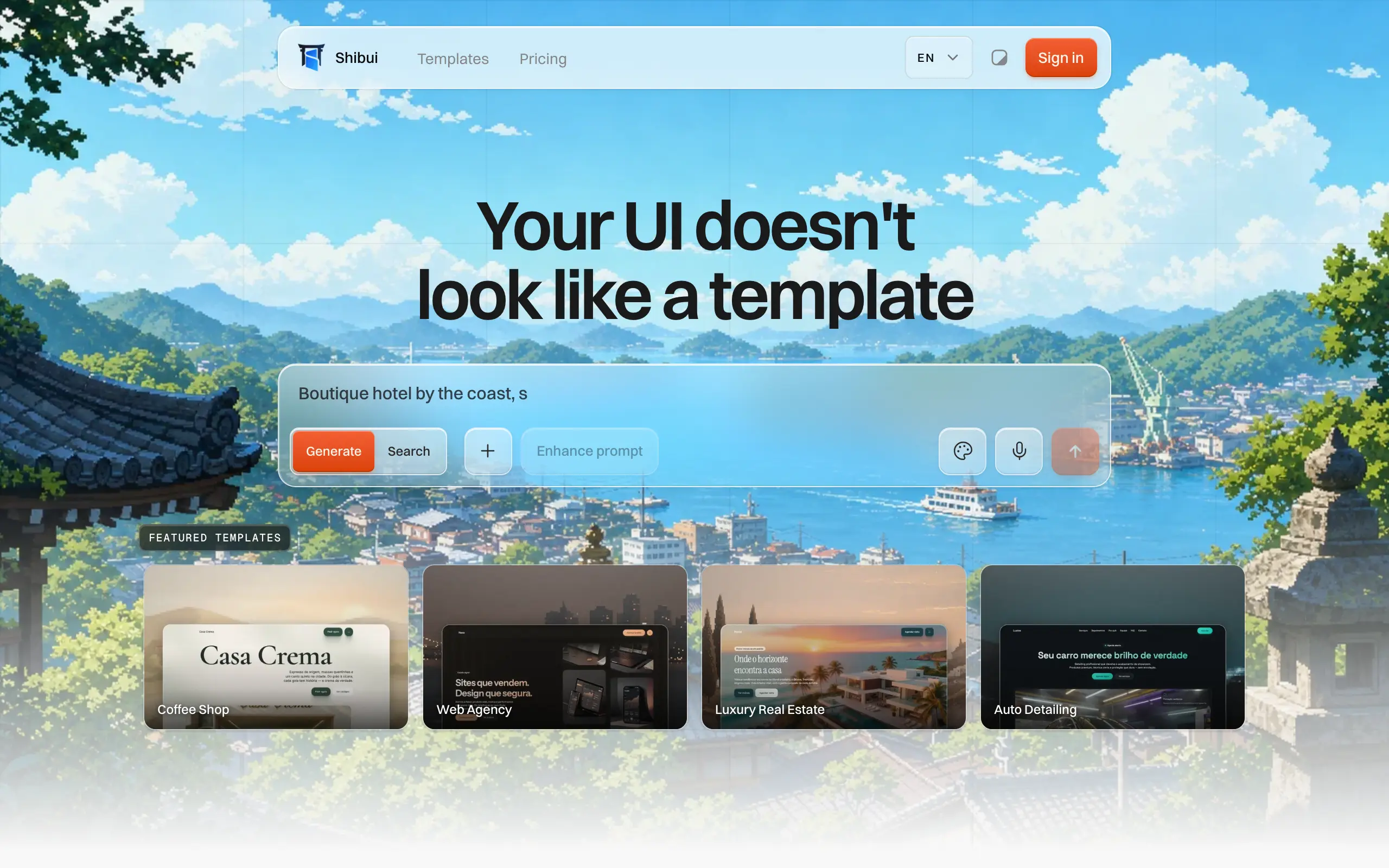
Shibui
AI website builder - describe your business, pick a niche template, edit by chatting, and publish instantly ✨

Pro Service
Find verified home service professionals, compare quotes, and pay securely through escrow - built for Brazilians across the US 🏠
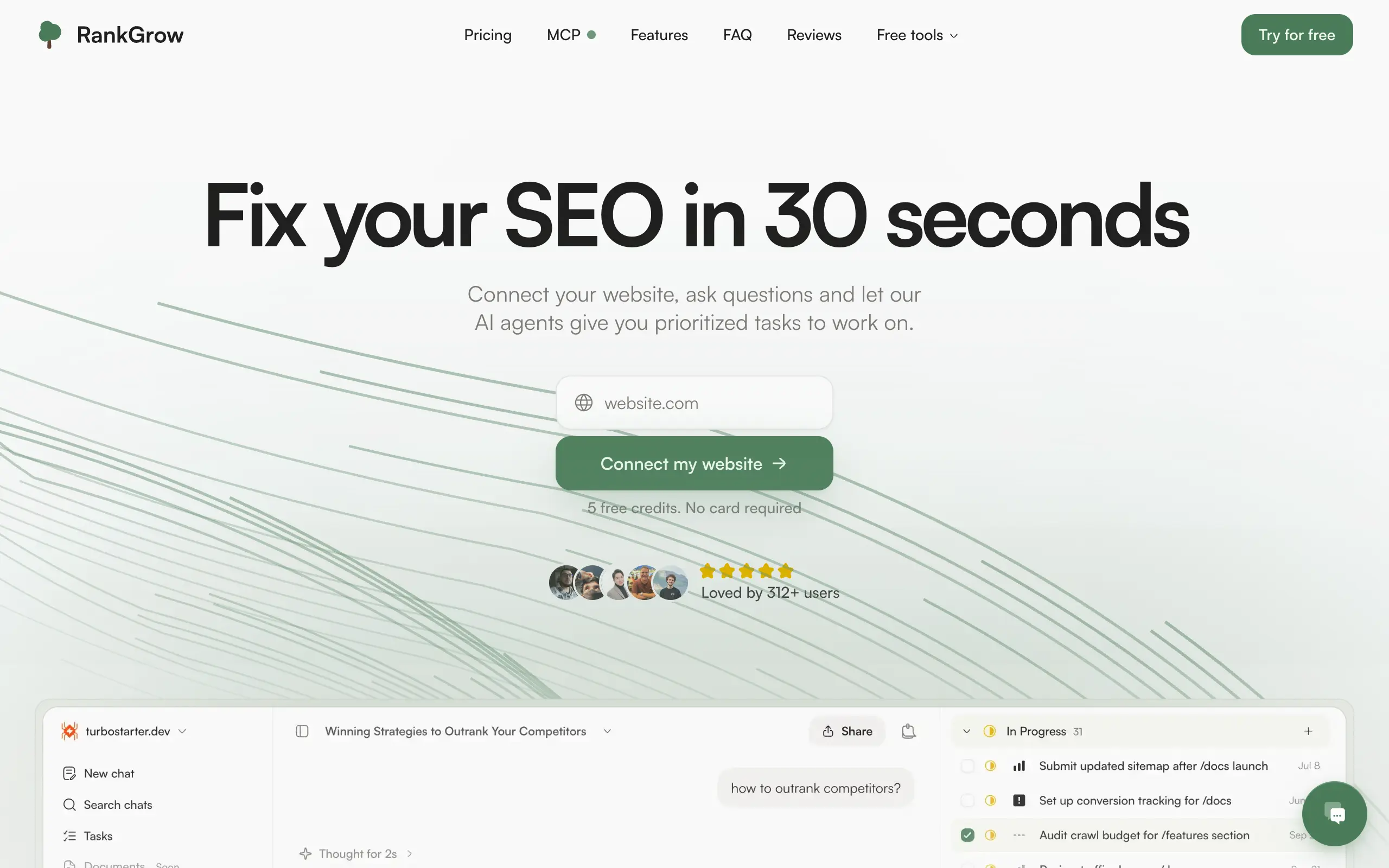
RankGrow
Fix your SEO with AI agents - connect Search Console, get prioritized tasks, and grow organic traffic 📈
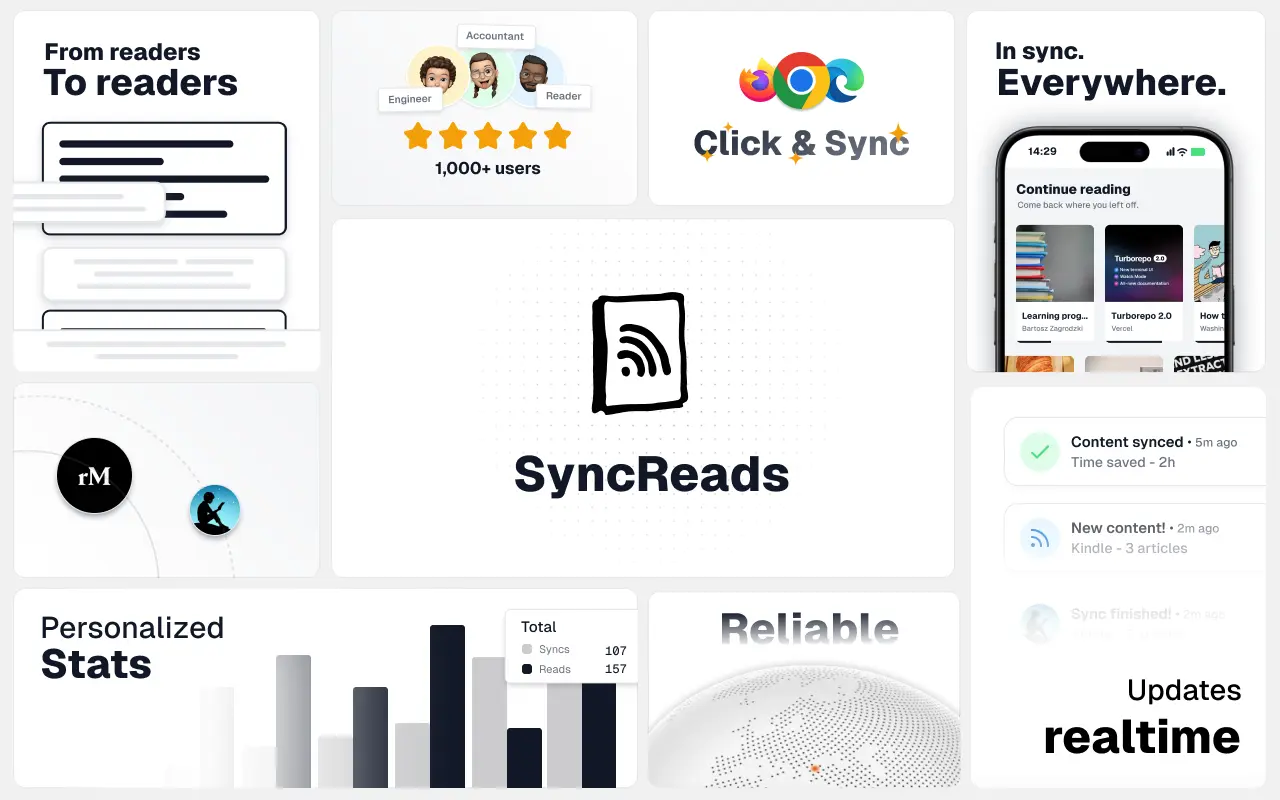
SyncReads
Sync your favorite content for distraction-free reading, save time and replace multiple apps. Anytime, anywhere 🔄
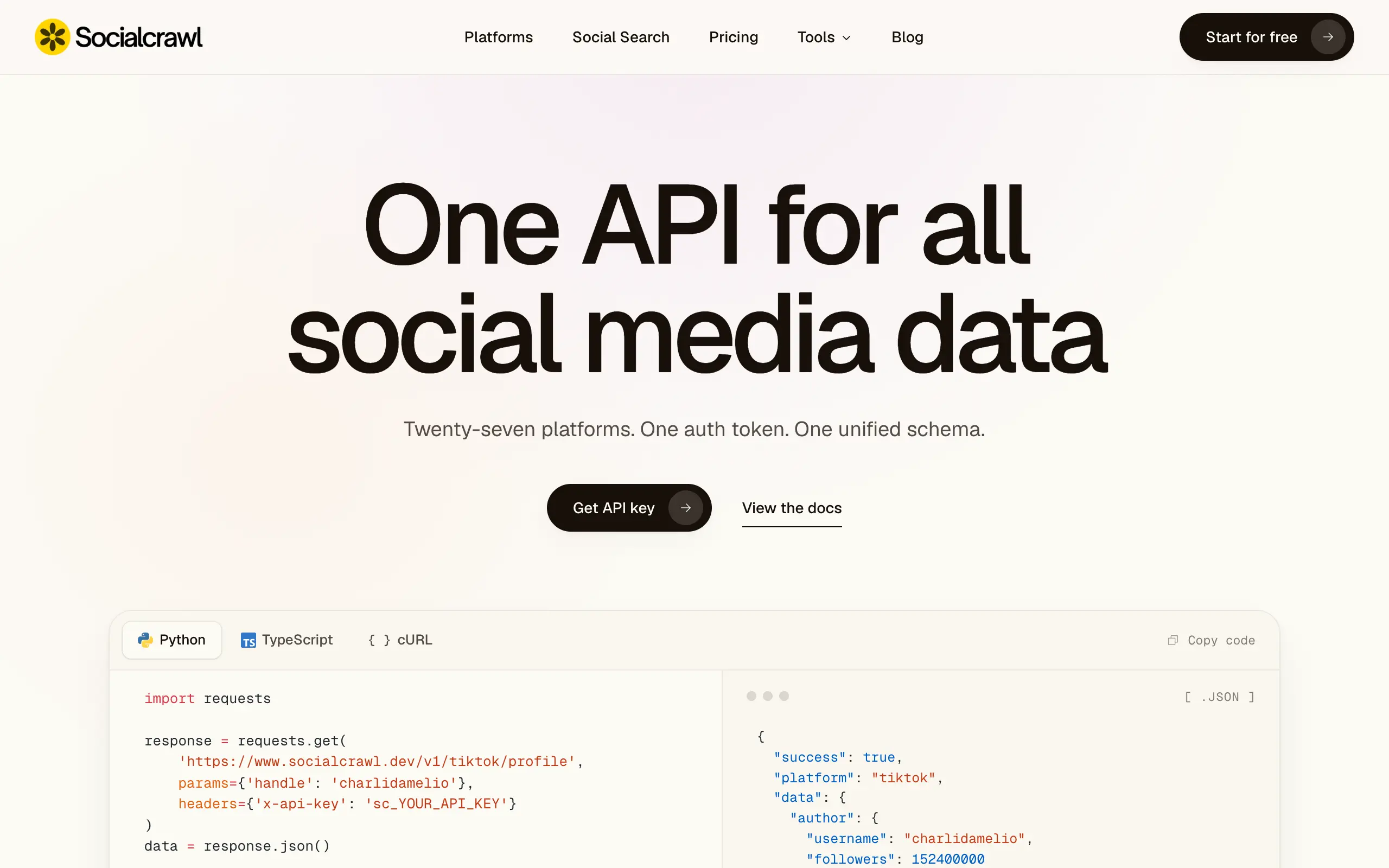
Socialcrawl
Get clean, structured data from 21 platforms like TikTok, Instagram, and YouTube with a single request 📊
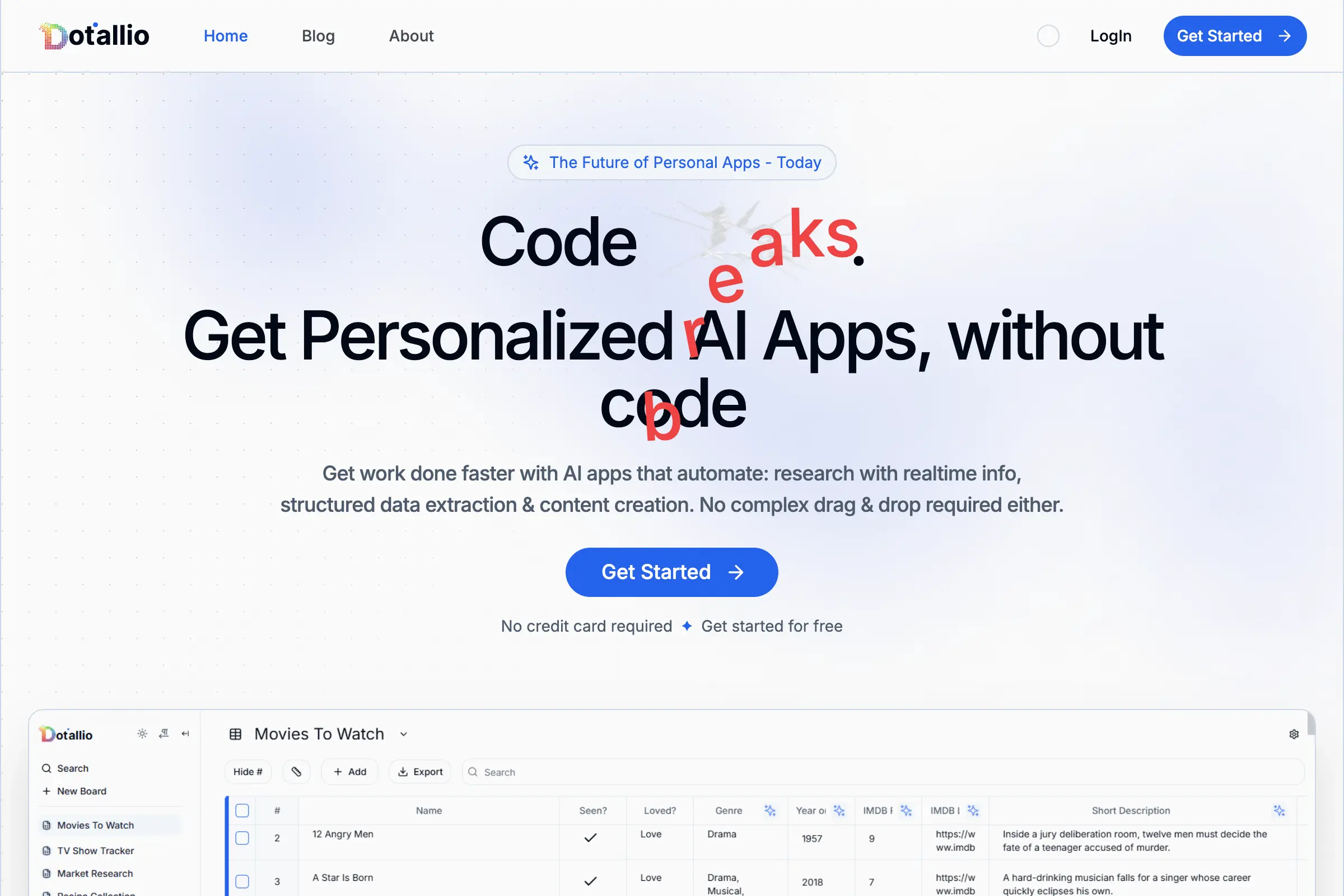
Dotallio
Personalized AI apps that automate research, data extraction, and content creation without code 🤖
Shibui
AI website builder - describe your business, pick a niche template, edit by chatting, and publish instantly ✨
Pro Service
Find verified home service professionals, compare quotes, and pay securely through escrow - built for Brazilians across the US 🏠
RankGrow
Fix your SEO with AI agents - connect Search Console, get prioritized tasks, and grow organic traffic 📈
SyncReads
Sync your favorite content for distraction-free reading, save time and replace multiple apps. Anytime, anywhere 🔄
Socialcrawl
Get clean, structured data from 21 platforms like TikTok, Instagram, and YouTube with a single request 📊
Dotallio
Personalized AI apps that automate research, data extraction, and content creation without code 🤖
Shibui
AI website builder - describe your business, pick a niche template, edit by chatting, and publish instantly ✨
Pro Service
Find verified home service professionals, compare quotes, and pay securely through escrow - built for Brazilians across the US 🏠
RankGrow
Fix your SEO with AI agents - connect Search Console, get prioritized tasks, and grow organic traffic 📈
SyncReads
Sync your favorite content for distraction-free reading, save time and replace multiple apps. Anytime, anywhere 🔄
Socialcrawl
Get clean, structured data from 21 platforms like TikTok, Instagram, and YouTube with a single request 📊
Dotallio
Personalized AI apps that automate research, data extraction, and content creation without code 🤖
Shibui
AI website builder - describe your business, pick a niche template, edit by chatting, and publish instantly ✨
Pro Service
Find verified home service professionals, compare quotes, and pay securely through escrow - built for Brazilians across the US 🏠
RankGrow
Fix your SEO with AI agents - connect Search Console, get prioritized tasks, and grow organic traffic 📈
SyncReads
Sync your favorite content for distraction-free reading, save time and replace multiple apps. Anytime, anywhere 🔄
Socialcrawl
Get clean, structured data from 21 platforms like TikTok, Instagram, and YouTube with a single request 📊
Dotallio
Personalized AI apps that automate research, data extraction, and content creation without code 🤖

Talk to Santa
Enjoy a magical live video chat or receive a unique AI-generated video greeting from Santa Claus 🎅
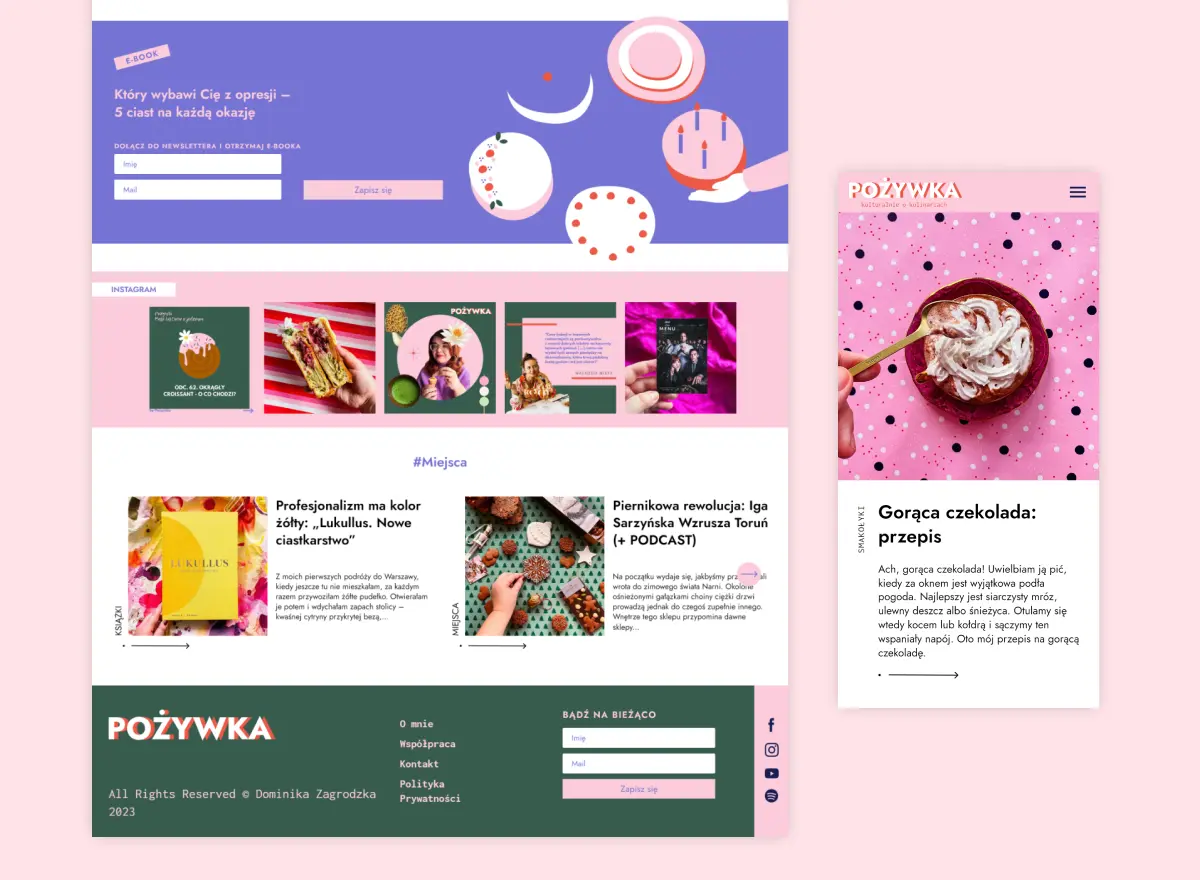
pozywka.pl
Scalable blog for food journalist, focused on performance and user experience 🌭
zagrodzki.me
Personal blog and portfolio of Bart Zagrodzki, where he shares his knowledge and work 💼
TurboStarter
Ship your startup everywhere. In minutes.
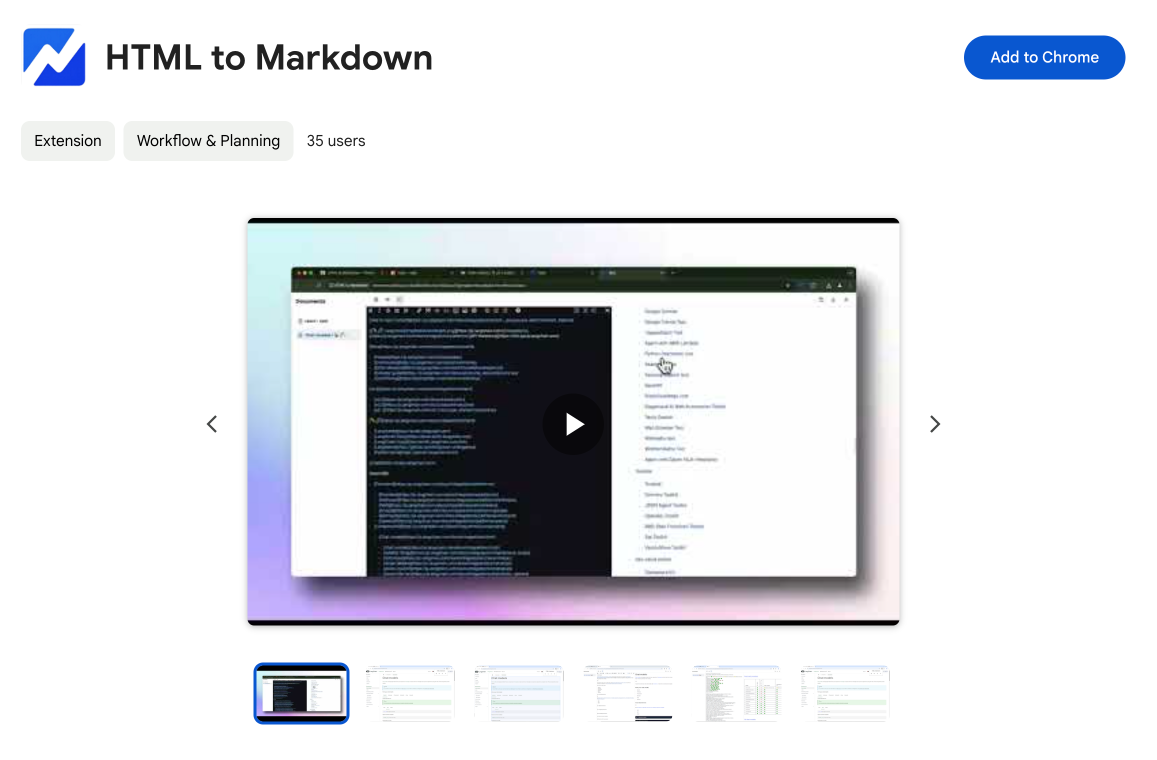
HTML to Markdown
Convert HTML to Markdown with ease, directly in your browser 📄
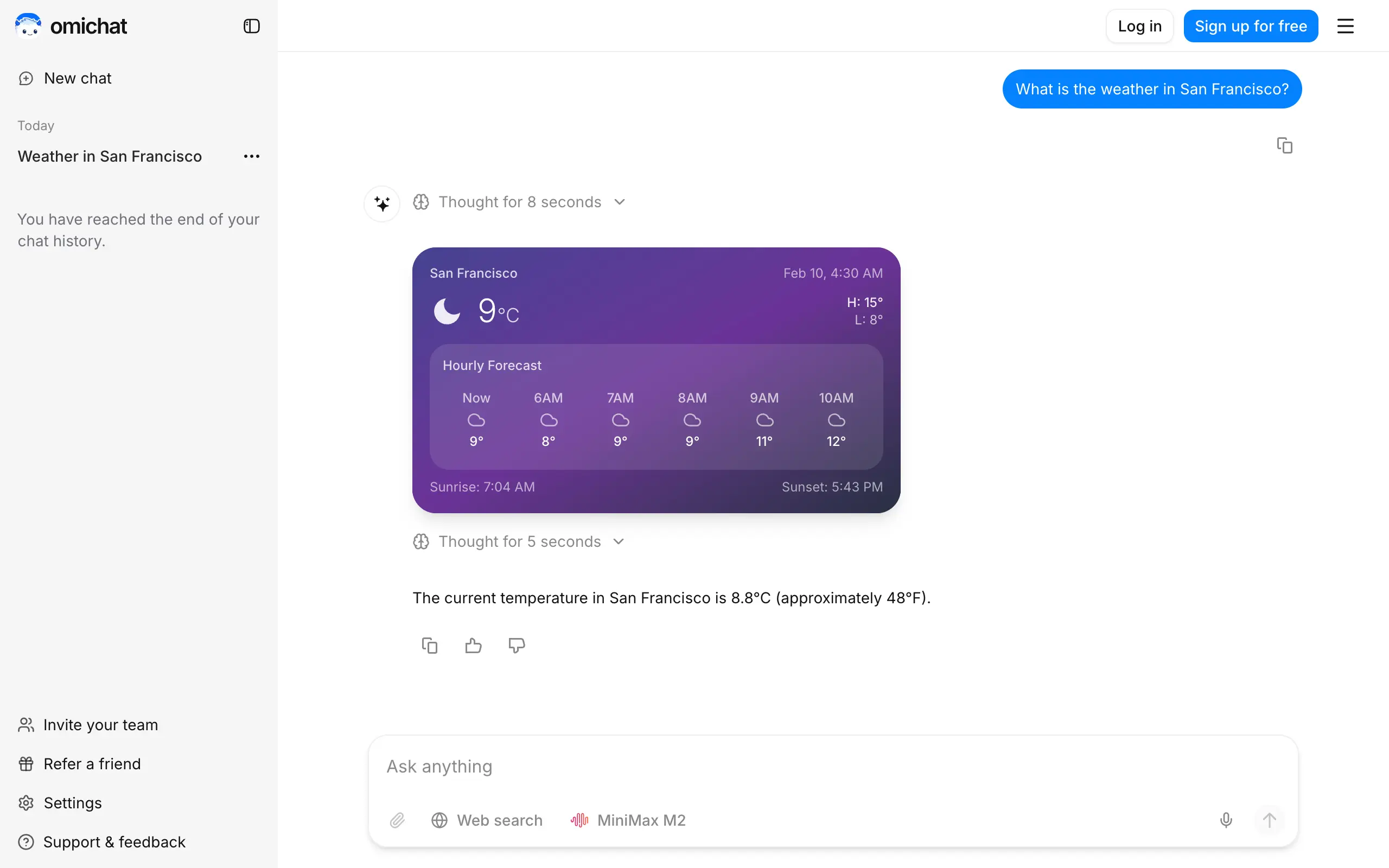
Omichat
Chat with 50+ AI models, including ChatGPT and Claude, in one place - switch models anytime without losing context 🤖
Talk to Santa
Enjoy a magical live video chat or receive a unique AI-generated video greeting from Santa Claus 🎅
pozywka.pl
Scalable blog for food journalist, focused on performance and user experience 🌭
zagrodzki.me
Personal blog and portfolio of Bart Zagrodzki, where he shares his knowledge and work 💼
TurboStarter
Ship your startup everywhere. In minutes.
HTML to Markdown
Convert HTML to Markdown with ease, directly in your browser 📄
Omichat
Chat with 50+ AI models, including ChatGPT and Claude, in one place - switch models anytime without losing context 🤖
Talk to Santa
Enjoy a magical live video chat or receive a unique AI-generated video greeting from Santa Claus 🎅
pozywka.pl
Scalable blog for food journalist, focused on performance and user experience 🌭
zagrodzki.me
Personal blog and portfolio of Bart Zagrodzki, where he shares his knowledge and work 💼
TurboStarter
Ship your startup everywhere. In minutes.
HTML to Markdown
Convert HTML to Markdown with ease, directly in your browser 📄
Omichat
Chat with 50+ AI models, including ChatGPT and Claude, in one place - switch models anytime without losing context 🤖
Talk to Santa
Enjoy a magical live video chat or receive a unique AI-generated video greeting from Santa Claus 🎅
pozywka.pl
Scalable blog for food journalist, focused on performance and user experience 🌭
zagrodzki.me
Personal blog and portfolio of Bart Zagrodzki, where he shares his knowledge and work 💼
TurboStarter
Ship your startup everywhere. In minutes.
HTML to Markdown
Convert HTML to Markdown with ease, directly in your browser 📄
Omichat
Chat with 50+ AI models, including ChatGPT and Claude, in one place - switch models anytime without losing context 🤖
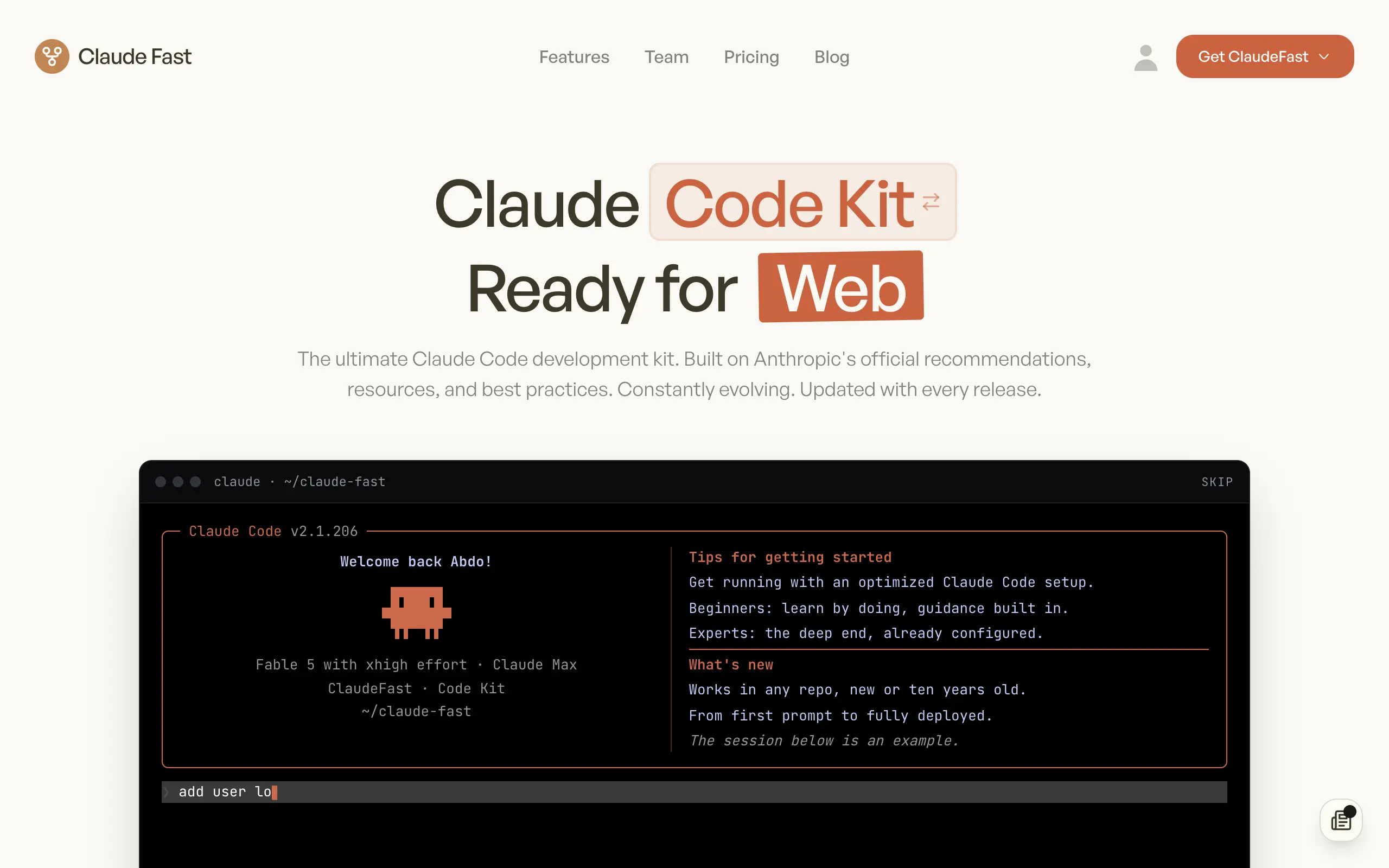
Claude Fast
Supercharge your Claude Code with 6x effective context window and specialized AI agents 🤖
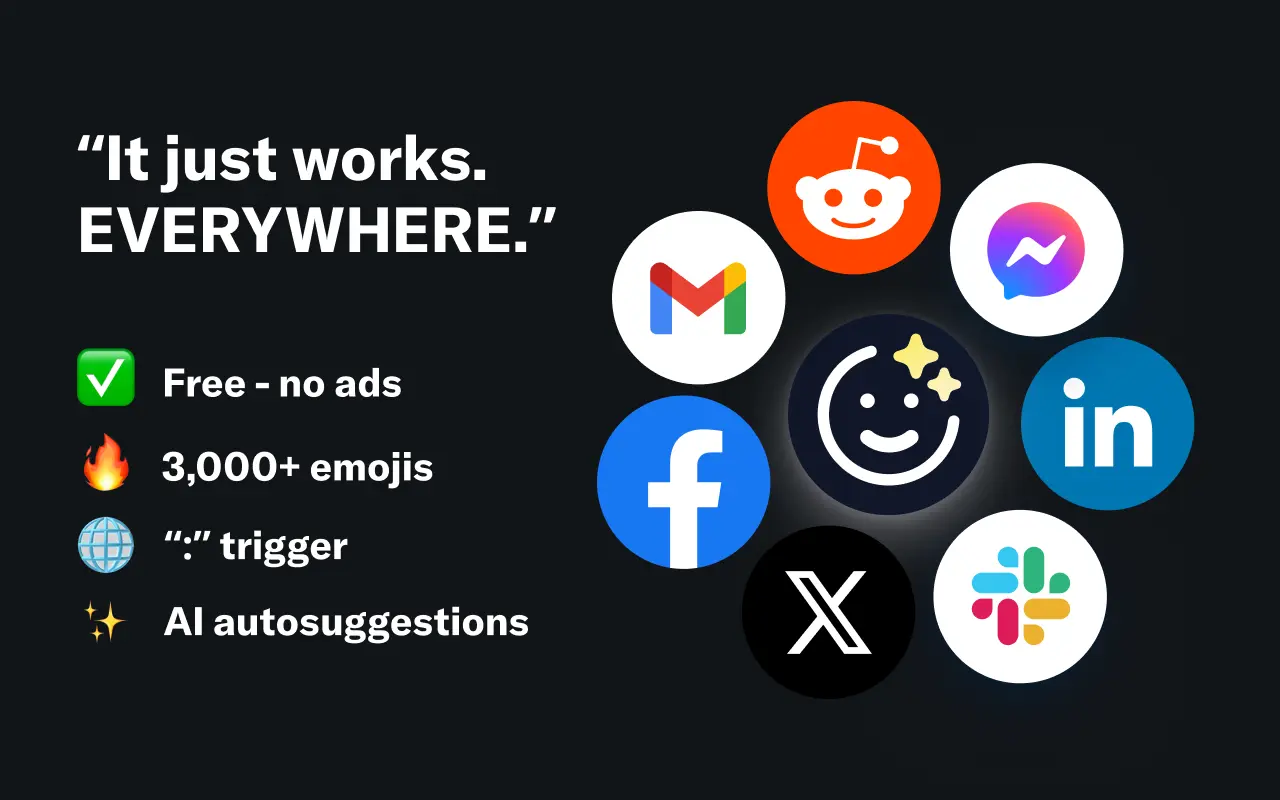
EmojAI
AI-powered emoji picker with smart, context-aware suggestions 🤖
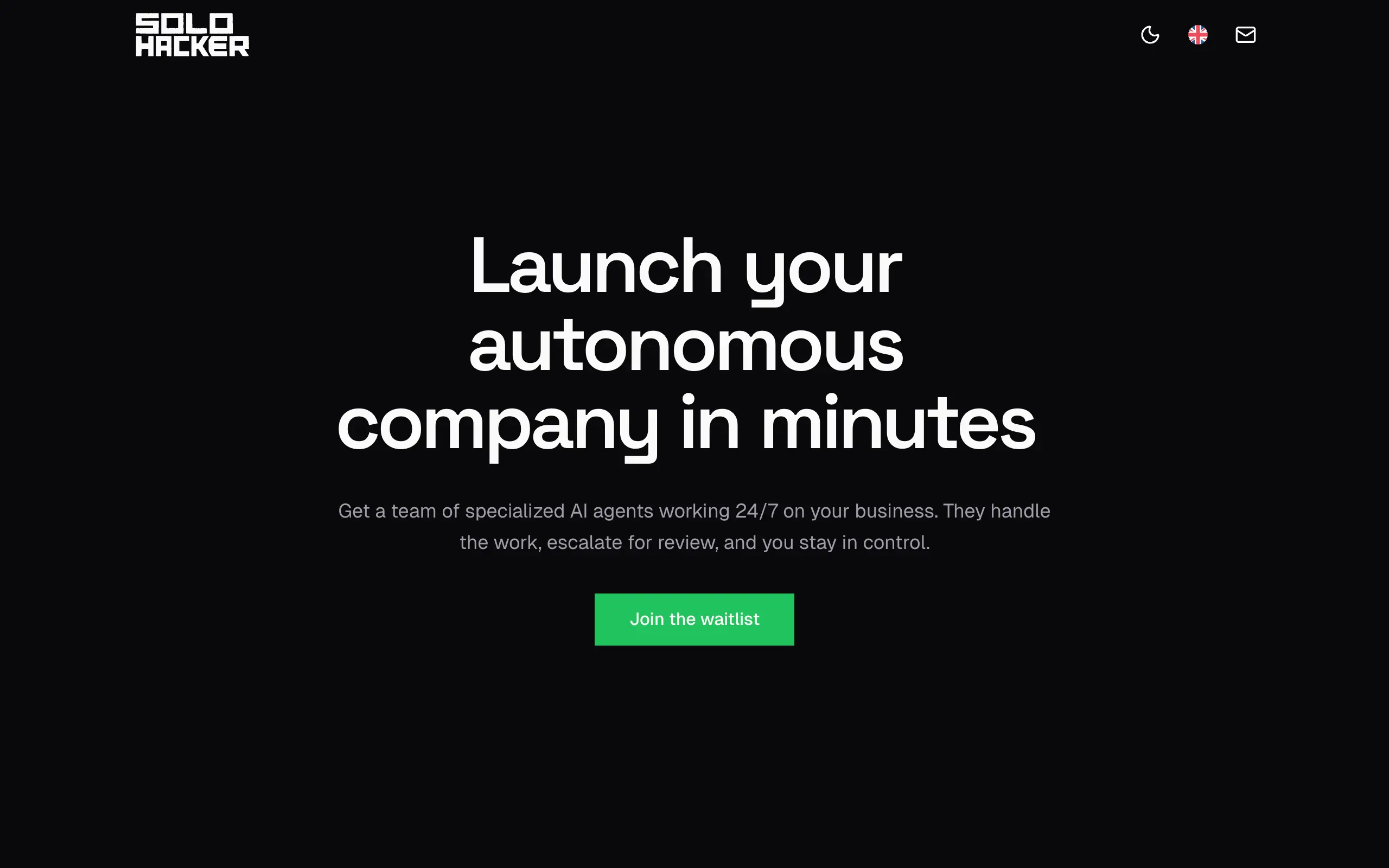
Solohacker
Autonomous company launcher - AI agents work 24/7, escalate what matters, and you stay in control 🤖
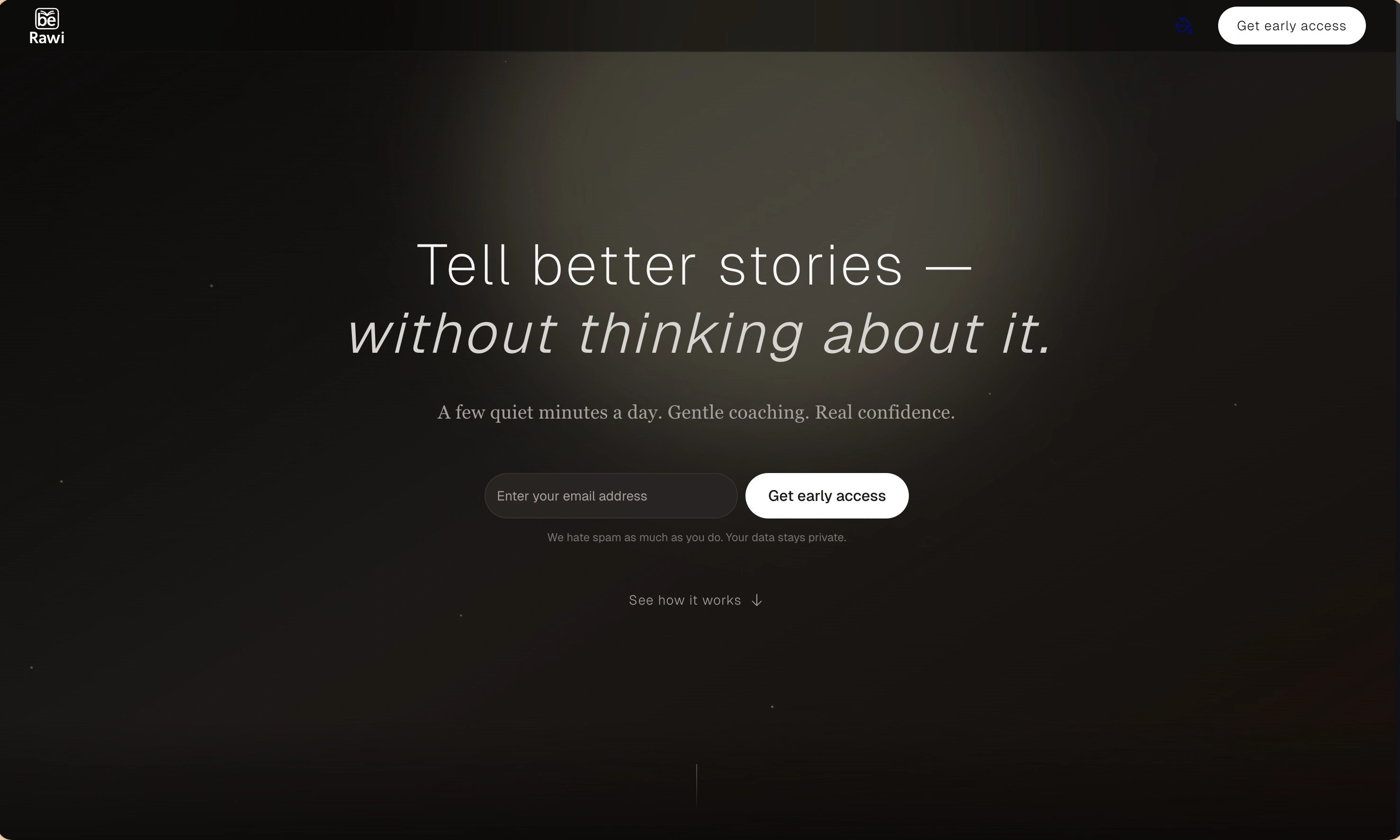
BeRawi: Storytelling Coach
Practice storytelling daily with instant feedback to sound clearer, more engaging, and confident 🎤
Claude Fast
Supercharge your Claude Code with 6x effective context window and specialized AI agents 🤖
EmojAI
AI-powered emoji picker with smart, context-aware suggestions 🤖
Solohacker
Autonomous company launcher - AI agents work 24/7, escalate what matters, and you stay in control 🤖
BeRawi: Storytelling Coach
Practice storytelling daily with instant feedback to sound clearer, more engaging, and confident 🎤
Claude Fast
Supercharge your Claude Code with 6x effective context window and specialized AI agents 🤖
EmojAI
AI-powered emoji picker with smart, context-aware suggestions 🤖
Solohacker
Autonomous company launcher - AI agents work 24/7, escalate what matters, and you stay in control 🤖
BeRawi: Storytelling Coach
Practice storytelling daily with instant feedback to sound clearer, more engaging, and confident 🎤
Claude Fast
Supercharge your Claude Code with 6x effective context window and specialized AI agents 🤖
EmojAI
AI-powered emoji picker with smart, context-aware suggestions 🤖
Solohacker
Autonomous company launcher - AI agents work 24/7, escalate what matters, and you stay in control 🤖
BeRawi: Storytelling Coach
Practice storytelling daily with instant feedback to sound clearer, more engaging, and confident 🎤

Connect with like-minded people
Join our community to get feedback, support, and grow together with 1,000+ builders on board, let's ship it!
Join usShip your startup everywhere. In minutes.
Don't burn tokens on setup and start building features on day one.