PhishHunt League
A multiplayer learning game that trains employees to detect phishing and social engineering attacks through fast-paced challenges, leaderboards, and evolving threat scenarios.
Why phishing awareness training needs a game-first approach
Phishing and social engineering attacks remain the number one initial attack vector for most data breaches worldwide. Despite years of mandatory security awareness training, employees still click malicious links, share credentials, or fall for well-crafted impersonation attempts. The problem is not a lack of information — it’s how that information is delivered and reinforced.
Traditional phishing awareness programs rely on:
- Annual or quarterly slide-based training
- Passive video modules
- Generic simulated phishing emails with limited feedback
These methods often fail to create lasting behavioral change. Employees treat them as compliance checkboxes rather than skill-building exercises.
This is where PhishHunt League, a multiplayer phishing detection game, introduces a fundamentally different approach: competitive, experiential learning that mirrors real-world threat conditions.
By turning phishing awareness into a fast-paced multiplayer game with evolving threat scenarios and leaderboards, PhishHunt League aligns with modern learning science and the realities of today’s cyber threat landscape.
What is PhishHunt League?
PhishHunt League is a multiplayer learning game designed to train employees to recognize and respond to phishing and social engineering attacks. Instead of static lessons, users engage in timed challenges, head-to-head matches, and team-based competitions that simulate real attack techniques used by modern threat actors.
At its core, PhishHunt League combines:
- Gamification (points, leagues, ranks, rewards)
- Realistic phishing scenarios (email, SMS, voice, internal chat)
- Multiplayer competition (individual and team leaderboards)
- Adaptive difficulty based on user performance
- Continuous content updates reflecting emerging threats
The result is a phishing awareness platform that feels less like training and more like a game employees actually want to play.
Primary keyword focus and search intent
Primary keyword: phishing awareness training game
Related semantic keywords (LSI):
- phishing simulation software
- security awareness training platform
- social engineering training
- employee cybersecurity training
- gamified security awareness
- phishing detection training
User search intent:
Most users searching for a phishing awareness training game are:
- Security leaders evaluating new training solutions
- IT managers seeking better employee engagement
- CISOs looking to reduce human risk
- HR or L&D teams exploring gamified learning platforms
This article is designed to help them:
- Validate the business case
- Understand feature requirements
- Compare alternatives
- Assess risks and ROI
- Plan implementation
Target audience analysis
1. Mid-market and enterprise organizations
PhishHunt League is best suited for organizations with 50–5,000+ employees, where phishing risk scales quickly and manual training becomes ineffective.
Common pain points:
- High phishing click-through rates
- Training fatigue and low completion rates
- Lack of measurable improvement
- Poor retention of security concepts
2. CISOs and security leaders
Security leaders are under constant pressure to reduce risk while demonstrating measurable outcomes.
They care about:
- Behavioral change, not just completion
- Metrics tied to reduced incidents
- Audit-friendly reporting
- Alignment with frameworks like NIST and ISO 27001
3. IT and security operations teams
These teams need solutions that:
- Integrate easily with existing systems
- Require minimal ongoing administration
- Automatically update threat scenarios
4. HR and learning & development teams
Gamified training appeals strongly to L&D professionals focused on:
- Engagement
- Knowledge retention
- Positive employee experience
Market opportunity and gap analysis
The current phishing training market
The phishing awareness and security training market is crowded, but heavily skewed toward simulation-based platforms rather than skill-based learning.
Most tools focus on:
- Sending simulated phishing emails
- Measuring who clicks
- Assigning remedial training afterward
While useful, this approach is reactive, not proactive.
The gap PhishHunt League fills
PhishHunt League addresses several unmet needs:
- Active skill development rather than passive learning
- Real-time decision-making under pressure
- Peer competition that drives repeated engagement
- Scenario diversity beyond email-only attacks
- Positive reinforcement, not just failure-based learning
Key insight
Behavioral psychology shows that skills learned through repeated, emotionally engaging experiences are far more likely to stick than information consumed passively.
Core features of PhishHunt League
Multiplayer phishing challenges
Players compete in real-time or asynchronous matches where they must identify phishing attempts quickly and accurately.
Challenge formats can include:
- Email inbox triage
- SMS and messaging app simulations
- Fake login pages
- Voice phishing (vishing) transcripts
- Internal impersonation scenarios
Dynamic leaderboards and leagues
Leaderboards are segmented by:
- Individual
- Team
- Department
- Company-wide
This creates friendly competition while allowing organizations to avoid unhealthy comparisons.
Evolving threat scenarios
Scenarios are continuously updated to reflect:
- New phishing kits
- Emerging social engineering tactics
- Seasonal scams (tax season, holidays, crises)
- AI-generated phishing content
Adaptive difficulty engine
As players improve, the game:
- Increases complexity
- Introduces subtle cues
- Reduces obvious red flags
This prevents plateauing and keeps advanced users challenged.
Learning feedback loops
After each round, users receive:
- Immediate explanations
- Visual indicators of missed cues
- Best-practice recommendations
This ensures learning happens in context, not afterward.
How PhishHunt League compares to traditional solutions
| Feature | PhishHunt League | Traditional training | Phishing simulations | One-time courses |
|---|---|---|---|---|
| Gamified learning | ✅ | ❌ | ❌ | ❌ |
| Multiplayer competition | ✅ | ❌ | ❌ | ❌ |
| Continuous engagement | ✅ | ❌ | ⚠️ | ❌ |
| Skill-based assessment | ✅ | ⚠️ | ✅ | ❌ |
Recommended tech stack and architecture
Frontend
- React – component-based UI and performance
React - TypeScript – type safety for complex game logic
- Tailwind CSS – rapid UI iteration and consistent design
TailwindCSS
Backend
- Node.js with a modular framework for scalability
- WebSockets for real-time multiplayer interactions
- PostgreSQL for relational user and scoring data
- Redis for session state and leaderboards
Game logic and AI
- Rule-based engines for phishing indicators
- Optional AI-assisted content generation for new scenarios
- Deterministic scoring to ensure fairness and auditability
Trade-offs to consider
- Real-time multiplayer increases infrastructure complexity
- AI-generated scenarios require strong human review pipelines
- Leaderboards must be carefully designed to avoid shaming
Monetization strategy options
1. Per-user subscription
The most common and predictable model.
- Monthly or annual pricing
- Tiered by features and analytics depth
- Discounts for volume
2. Per-organization licensing
Flat pricing based on:
- Employee count ranges
- Feature bundles
- Support levels
3. Add-on revenue streams
- Custom scenario packs
- Industry-specific threat modules
- Advanced compliance reporting
- White-labeling for MSPs
Pricing caution
Avoid pricing that discourages participation. If organizations limit seats to save costs, the effectiveness of the training drops.
Competitive advantage and differentiation
Why PhishHunt League stands out
Most competitors simulate failure. PhishHunt League trains success.
Key differentiators include:
- True multiplayer gameplay
- Positive reinforcement and mastery loops
- Rapid scenario evolution
- Cross-channel phishing coverage
- Engagement-first design philosophy
Defensibility over time
- Network effects through team competition
- Proprietary scenario libraries
- Behavioral performance data insights
- Brand positioning as a “league,” not a tool
Potential risks and mitigation strategies
Risk: Gamification fatigue
Mitigation:
- Seasonal leagues
- Limited-time events
- Rotating challenge formats
Risk: Oversimplification of threats
Mitigation:
- Expert-reviewed scenarios
- Increasing realism at higher levels
- Integration with real incident data
Risk: Security skepticism
Mitigation:
- Transparent scoring logic
- Clear learning objectives
- Alignment with recognized frameworks
Metrics that matter
To prove ROI and effectiveness, PhishHunt League should track:
- Reduction in phishing click rates
- Improvement in detection accuracy over time
- Engagement frequency
- Time-to-detection metrics
- Department-level risk trends
These metrics help security leaders justify continued investment.
Implementation roadmap
Why TurboStarter accelerates development
Building a SaaS game with real-time features, authentication, billing, and analytics can take months before delivering value. Using a production-ready starter like TurboStarter significantly reduces time-to-market by providing:
- Authentication and user management
- Subscription billing infrastructure
- Scalable backend patterns
- Production-grade frontend setup
This allows teams to focus on game design and content quality, not boilerplate.
Long-term vision for PhishHunt League
Over time, PhishHunt League can evolve into:
- An industry benchmark for phishing readiness
- A skills-based security certification platform
- A data-driven human risk intelligence tool
- A community-driven threat knowledge hub
With cyber threats growing more sophisticated — especially with AI-generated phishing — organizations need training that evolves just as fast.
Final thoughts
PhishHunt League addresses one of the most persistent problems in cybersecurity: human vulnerability. By transforming phishing awareness into an engaging multiplayer experience, it aligns employee behavior with real-world threats in a way traditional training never could.
For organizations serious about reducing risk — not just checking compliance boxes — a phishing awareness training game like PhishHunt League represents a powerful next step.
More 🎮 Game SaaS ideas
Discover more innovative game SaaS ideas that are trending in 2026. Each idea is AI-generated with market validation and growth potential to help you find your next profitable venture faster than competitors.
Your competitors are building with TurboStarter
Below are some of the SaaS ideas that have been generated and built with our starter kit.
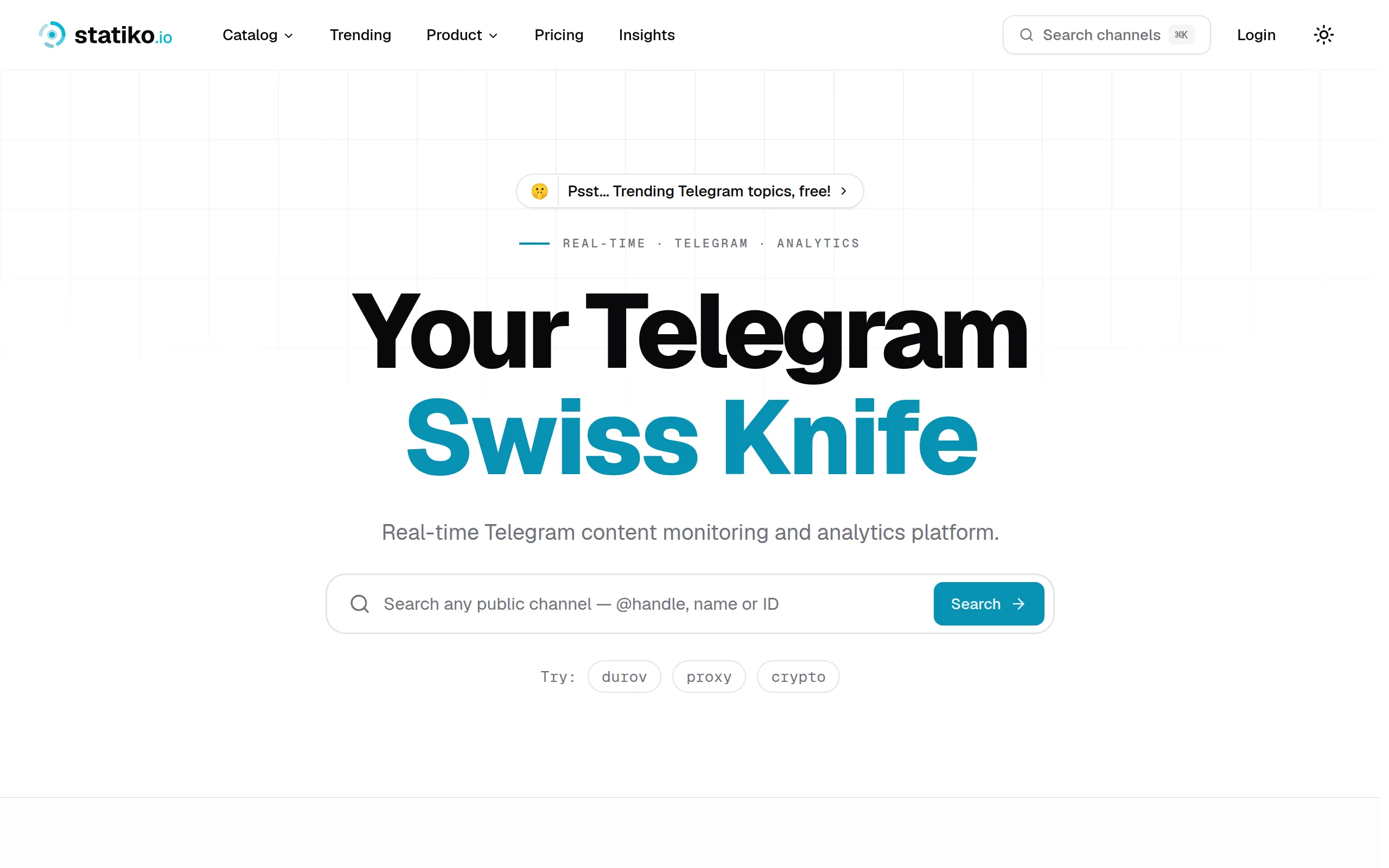
Statiko
Monitor any Telegram channel in real time - track posts, edits, deletions, and growth with AI recaps 📡

Shibui
AI website builder - describe your business, pick a niche template, edit by chatting, and publish instantly ✨

Pro Service
Find verified home service professionals, compare quotes, and pay securely through escrow - built for Brazilians across the US 🏠

RankGrow
Fix your SEO with AI agents - connect Search Console, get prioritized tasks, and grow organic traffic 📈
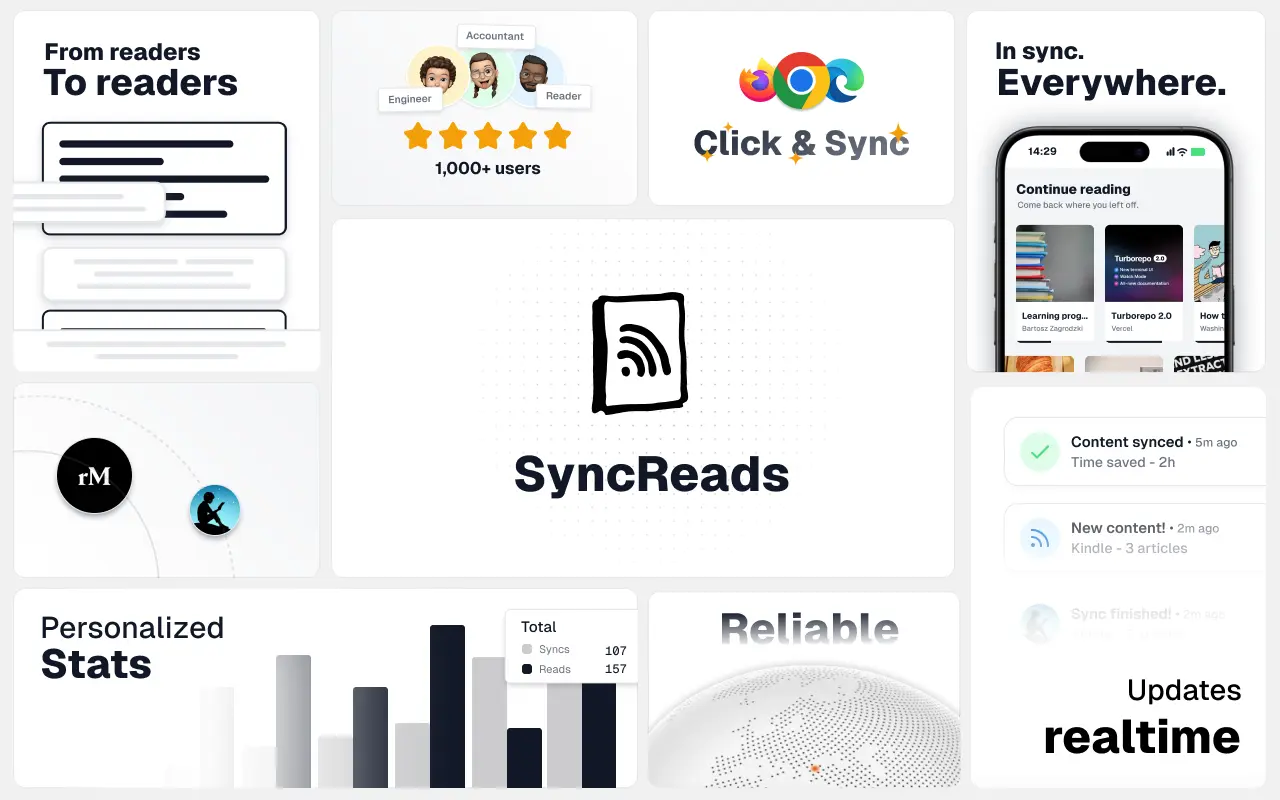
SyncReads
Sync your favorite content for distraction-free reading, save time and replace multiple apps. Anytime, anywhere 🔄
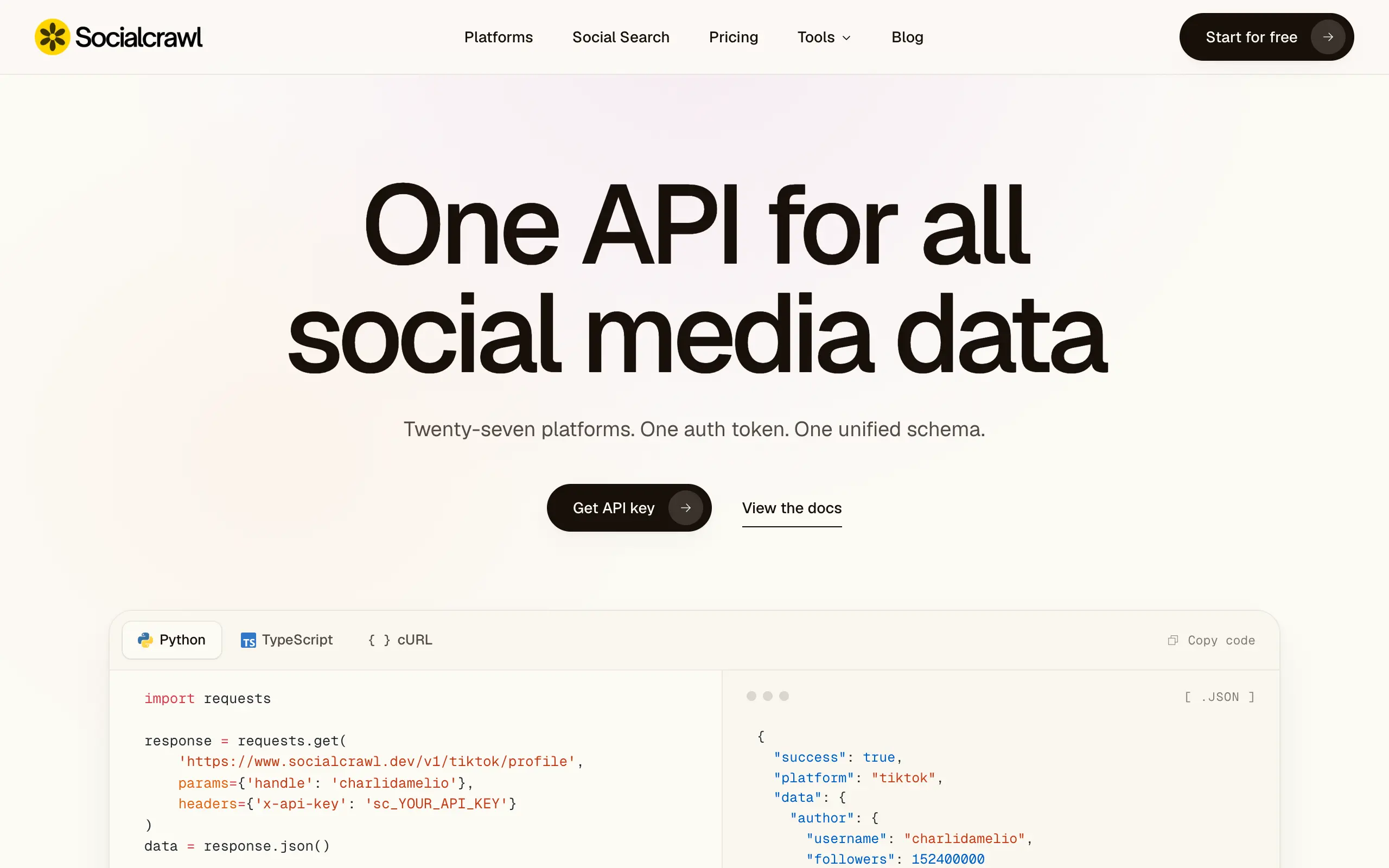
Socialcrawl
Get clean, structured data from 21 platforms like TikTok, Instagram, and YouTube with a single request 📊
Statiko
Monitor any Telegram channel in real time - track posts, edits, deletions, and growth with AI recaps 📡
Shibui
AI website builder - describe your business, pick a niche template, edit by chatting, and publish instantly ✨
Pro Service
Find verified home service professionals, compare quotes, and pay securely through escrow - built for Brazilians across the US 🏠
RankGrow
Fix your SEO with AI agents - connect Search Console, get prioritized tasks, and grow organic traffic 📈
SyncReads
Sync your favorite content for distraction-free reading, save time and replace multiple apps. Anytime, anywhere 🔄
Socialcrawl
Get clean, structured data from 21 platforms like TikTok, Instagram, and YouTube with a single request 📊
Statiko
Monitor any Telegram channel in real time - track posts, edits, deletions, and growth with AI recaps 📡
Shibui
AI website builder - describe your business, pick a niche template, edit by chatting, and publish instantly ✨
Pro Service
Find verified home service professionals, compare quotes, and pay securely through escrow - built for Brazilians across the US 🏠
RankGrow
Fix your SEO with AI agents - connect Search Console, get prioritized tasks, and grow organic traffic 📈
SyncReads
Sync your favorite content for distraction-free reading, save time and replace multiple apps. Anytime, anywhere 🔄
Socialcrawl
Get clean, structured data from 21 platforms like TikTok, Instagram, and YouTube with a single request 📊
Statiko
Monitor any Telegram channel in real time - track posts, edits, deletions, and growth with AI recaps 📡
Shibui
AI website builder - describe your business, pick a niche template, edit by chatting, and publish instantly ✨
Pro Service
Find verified home service professionals, compare quotes, and pay securely through escrow - built for Brazilians across the US 🏠
RankGrow
Fix your SEO with AI agents - connect Search Console, get prioritized tasks, and grow organic traffic 📈
SyncReads
Sync your favorite content for distraction-free reading, save time and replace multiple apps. Anytime, anywhere 🔄
Socialcrawl
Get clean, structured data from 21 platforms like TikTok, Instagram, and YouTube with a single request 📊
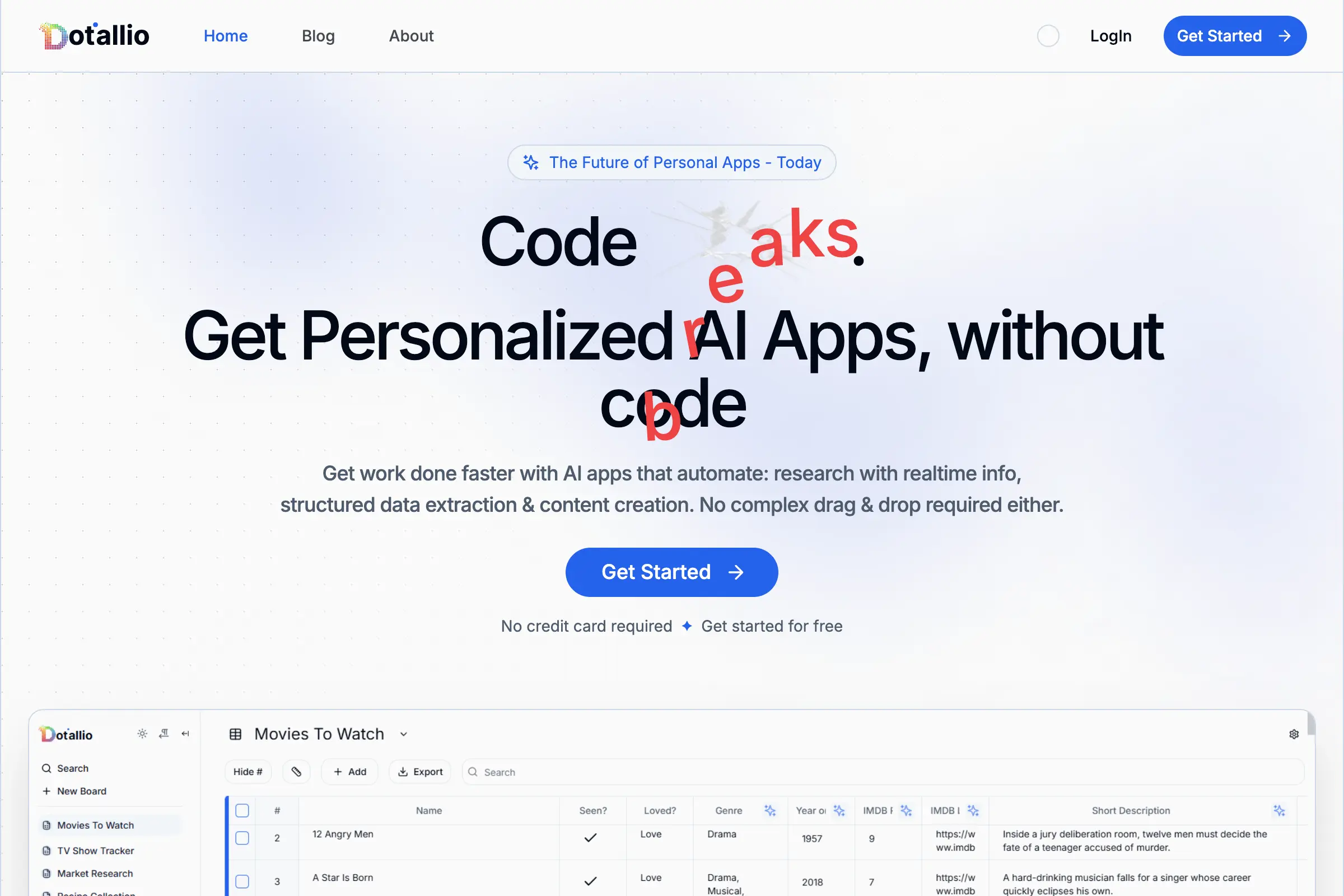
Dotallio
Personalized AI apps that automate research, data extraction, and content creation without code 🤖
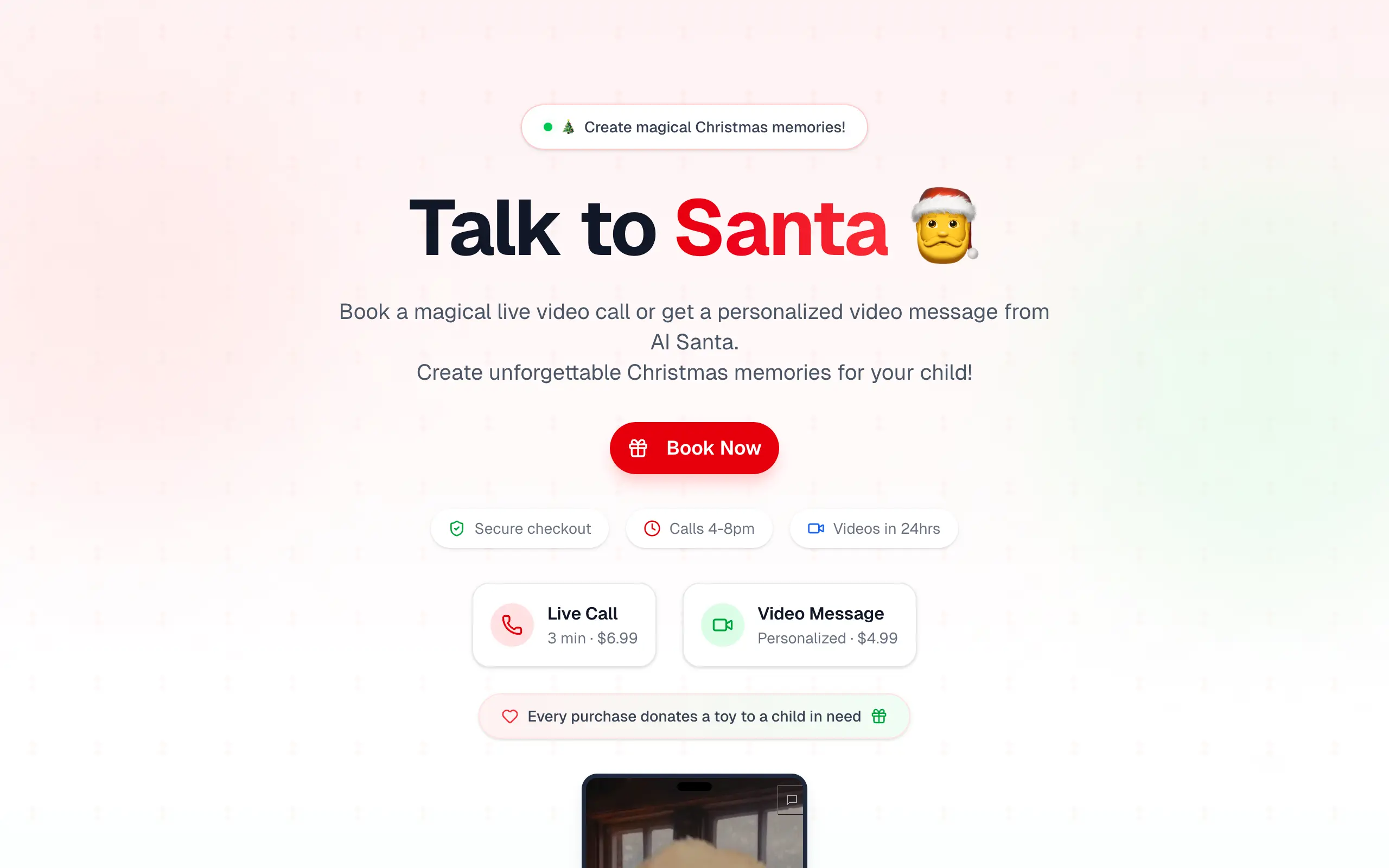
Talk to Santa
Enjoy a magical live video chat or receive a unique AI-generated video greeting from Santa Claus 🎅

pozywka.pl
Scalable blog for food journalist, focused on performance and user experience 🌭
zagrodzki.me
Personal blog and portfolio of Bart Zagrodzki, where he shares his knowledge and work 💼
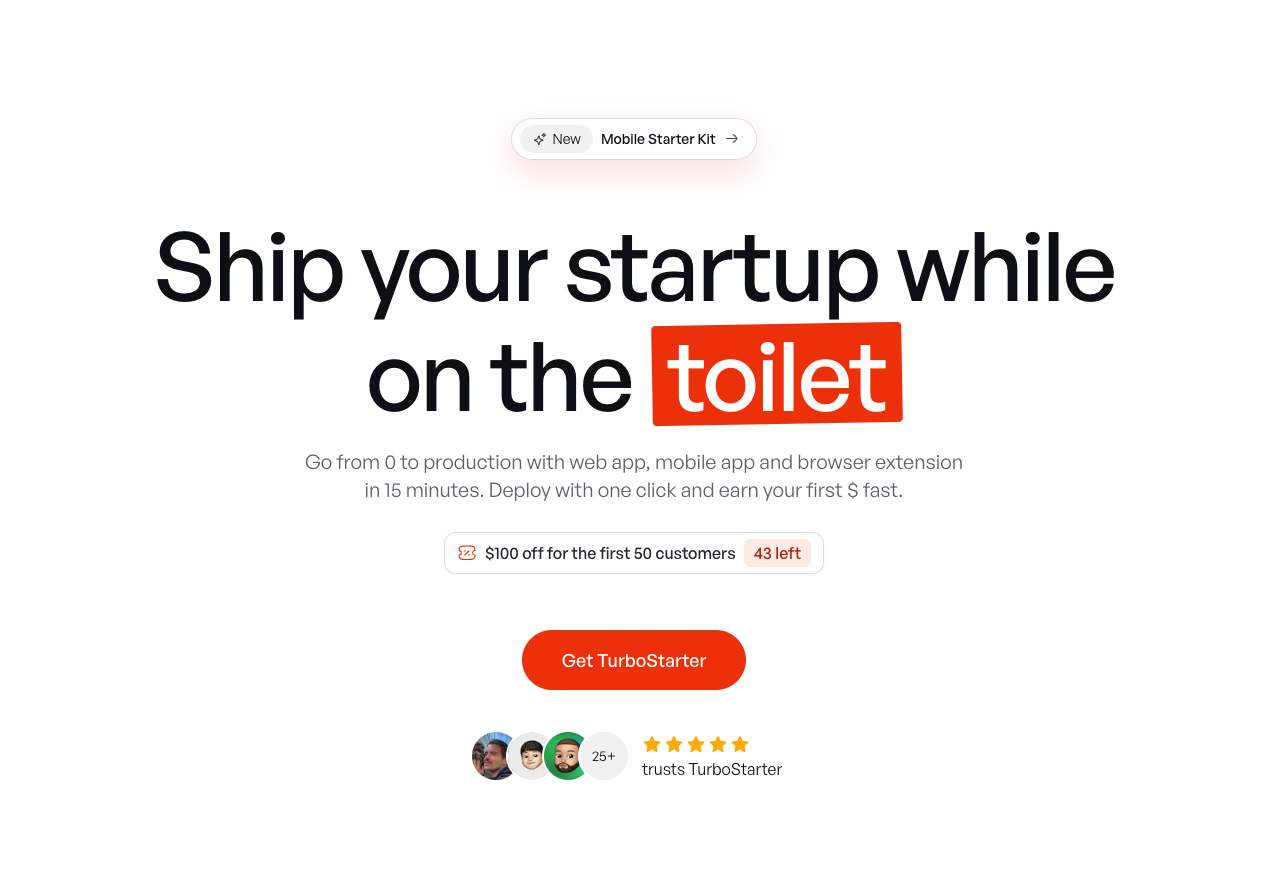
TurboStarter
Ship your startup everywhere. In minutes.
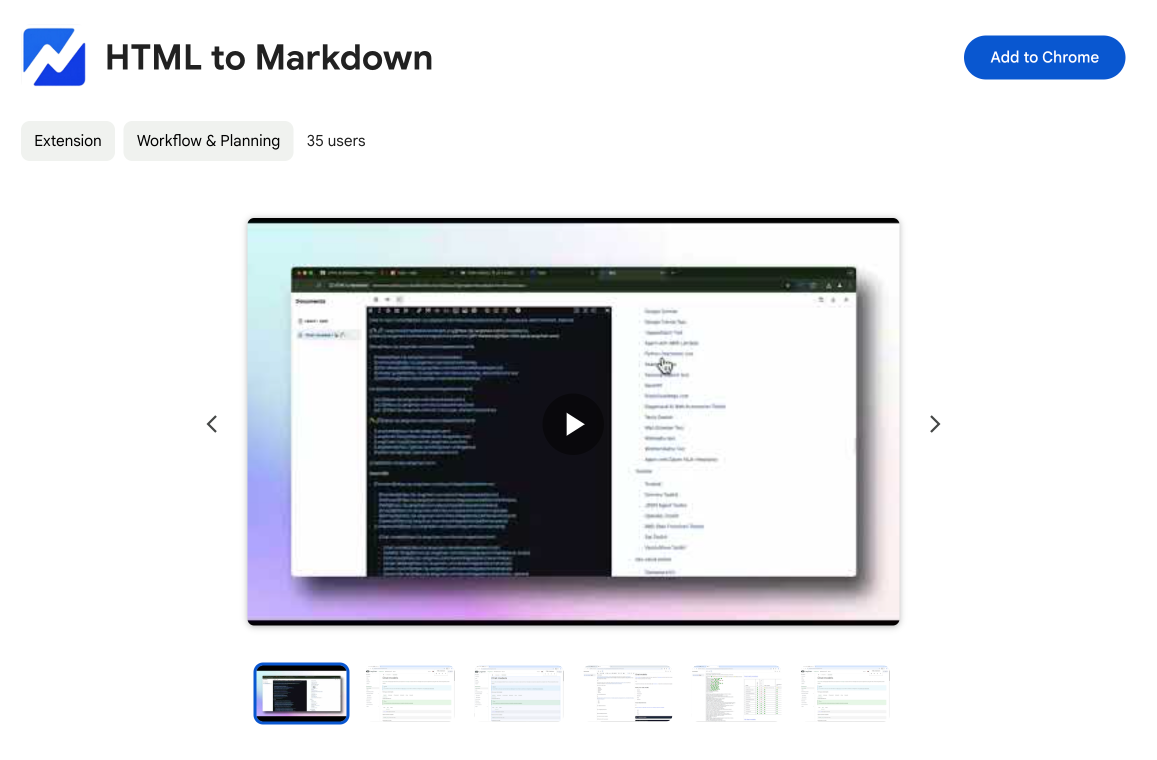
HTML to Markdown
Convert HTML to Markdown with ease, directly in your browser 📄
Dotallio
Personalized AI apps that automate research, data extraction, and content creation without code 🤖
Talk to Santa
Enjoy a magical live video chat or receive a unique AI-generated video greeting from Santa Claus 🎅
pozywka.pl
Scalable blog for food journalist, focused on performance and user experience 🌭
zagrodzki.me
Personal blog and portfolio of Bart Zagrodzki, where he shares his knowledge and work 💼
TurboStarter
Ship your startup everywhere. In minutes.
HTML to Markdown
Convert HTML to Markdown with ease, directly in your browser 📄
Dotallio
Personalized AI apps that automate research, data extraction, and content creation without code 🤖
Talk to Santa
Enjoy a magical live video chat or receive a unique AI-generated video greeting from Santa Claus 🎅
pozywka.pl
Scalable blog for food journalist, focused on performance and user experience 🌭
zagrodzki.me
Personal blog and portfolio of Bart Zagrodzki, where he shares his knowledge and work 💼
TurboStarter
Ship your startup everywhere. In minutes.
HTML to Markdown
Convert HTML to Markdown with ease, directly in your browser 📄
Dotallio
Personalized AI apps that automate research, data extraction, and content creation without code 🤖
Talk to Santa
Enjoy a magical live video chat or receive a unique AI-generated video greeting from Santa Claus 🎅
pozywka.pl
Scalable blog for food journalist, focused on performance and user experience 🌭
zagrodzki.me
Personal blog and portfolio of Bart Zagrodzki, where he shares his knowledge and work 💼
TurboStarter
Ship your startup everywhere. In minutes.
HTML to Markdown
Convert HTML to Markdown with ease, directly in your browser 📄
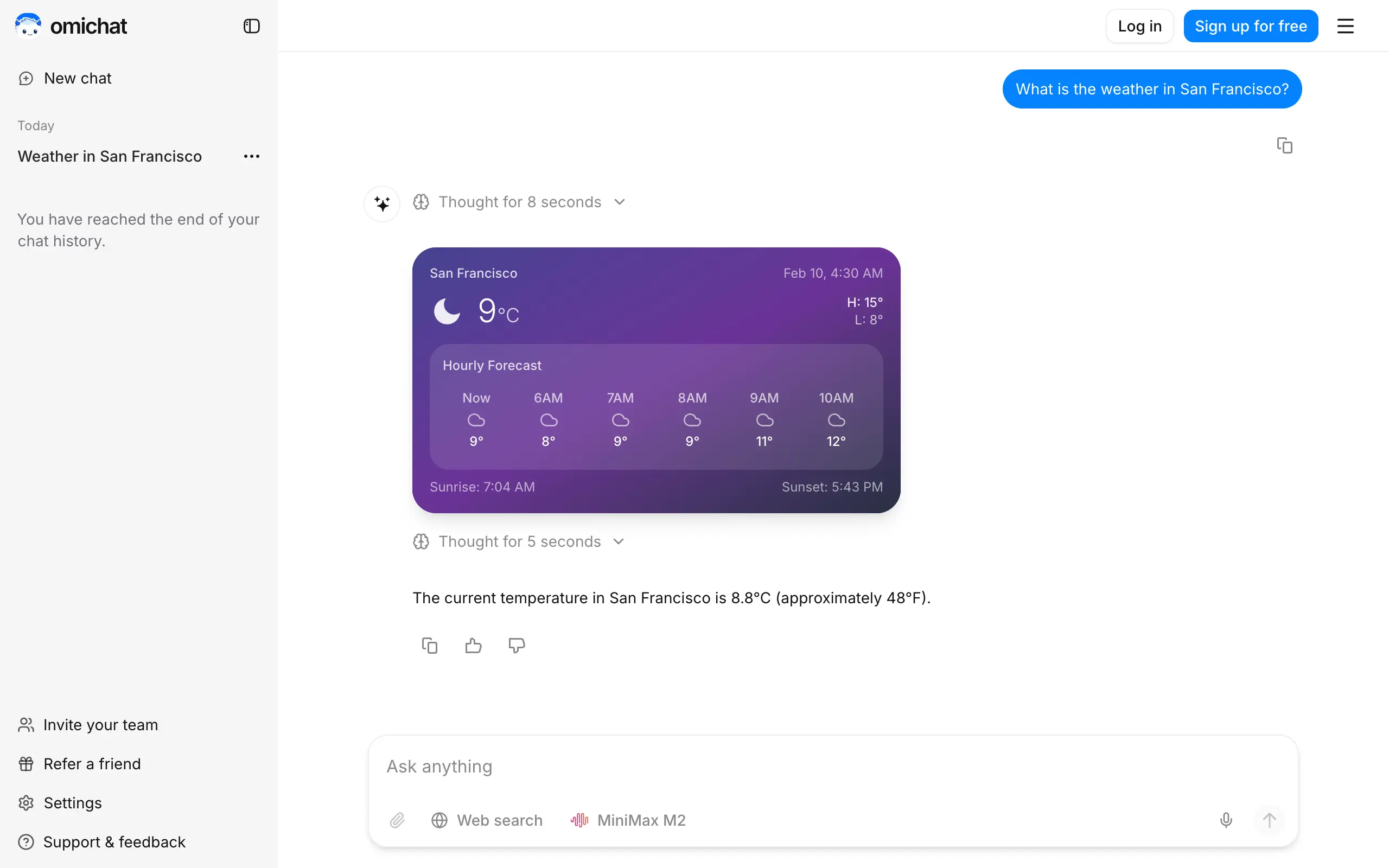
Omichat
Chat with 50+ AI models, including ChatGPT and Claude, in one place - switch models anytime without losing context 🤖
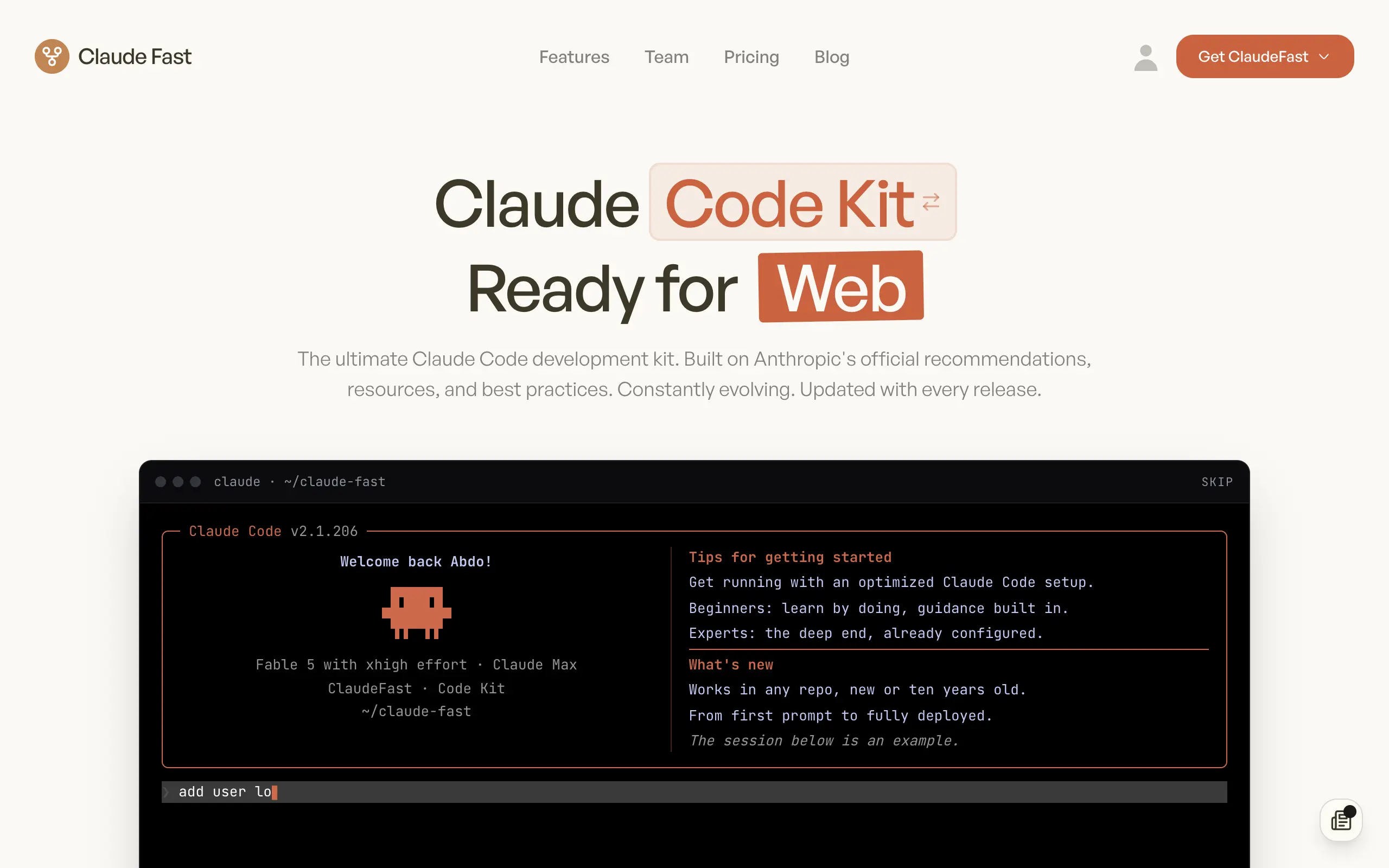
Claude Fast
Supercharge your Claude Code with 6x effective context window and specialized AI agents 🤖
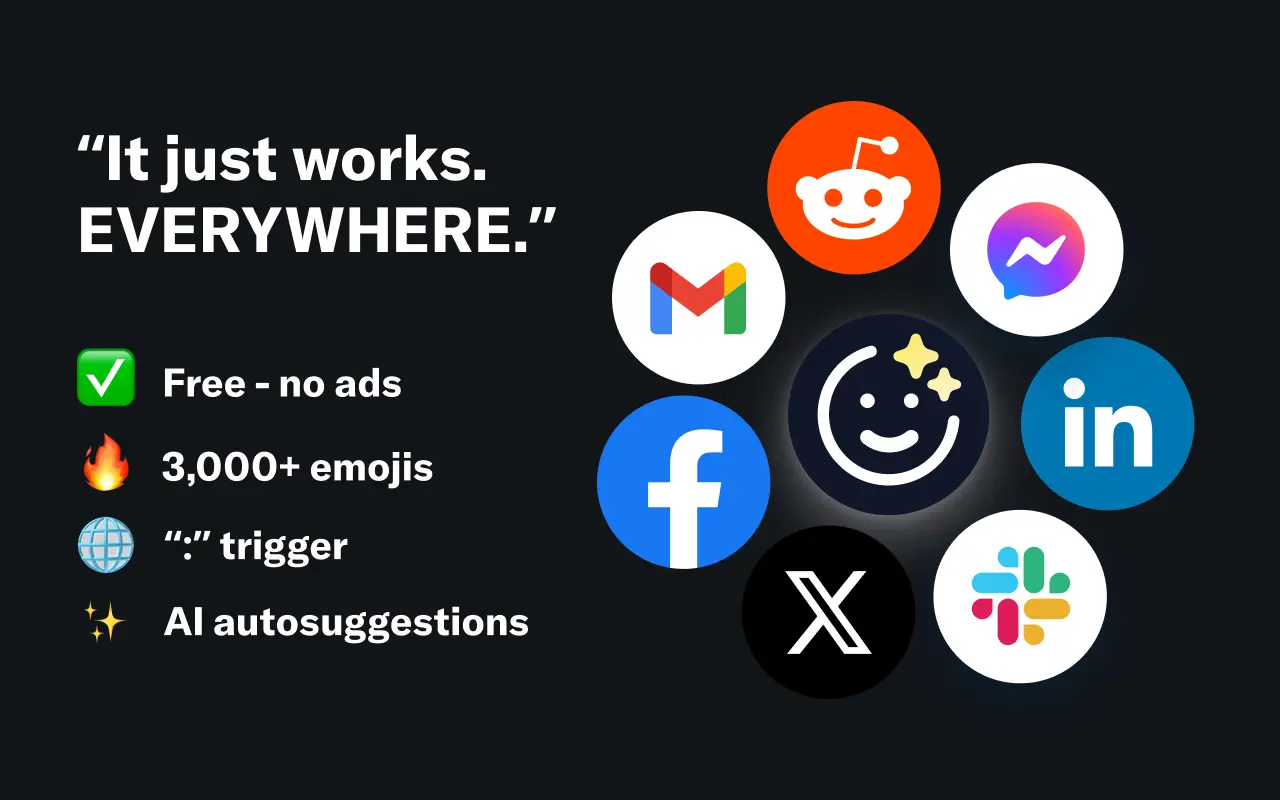
EmojAI
AI-powered emoji picker with smart, context-aware suggestions 🤖
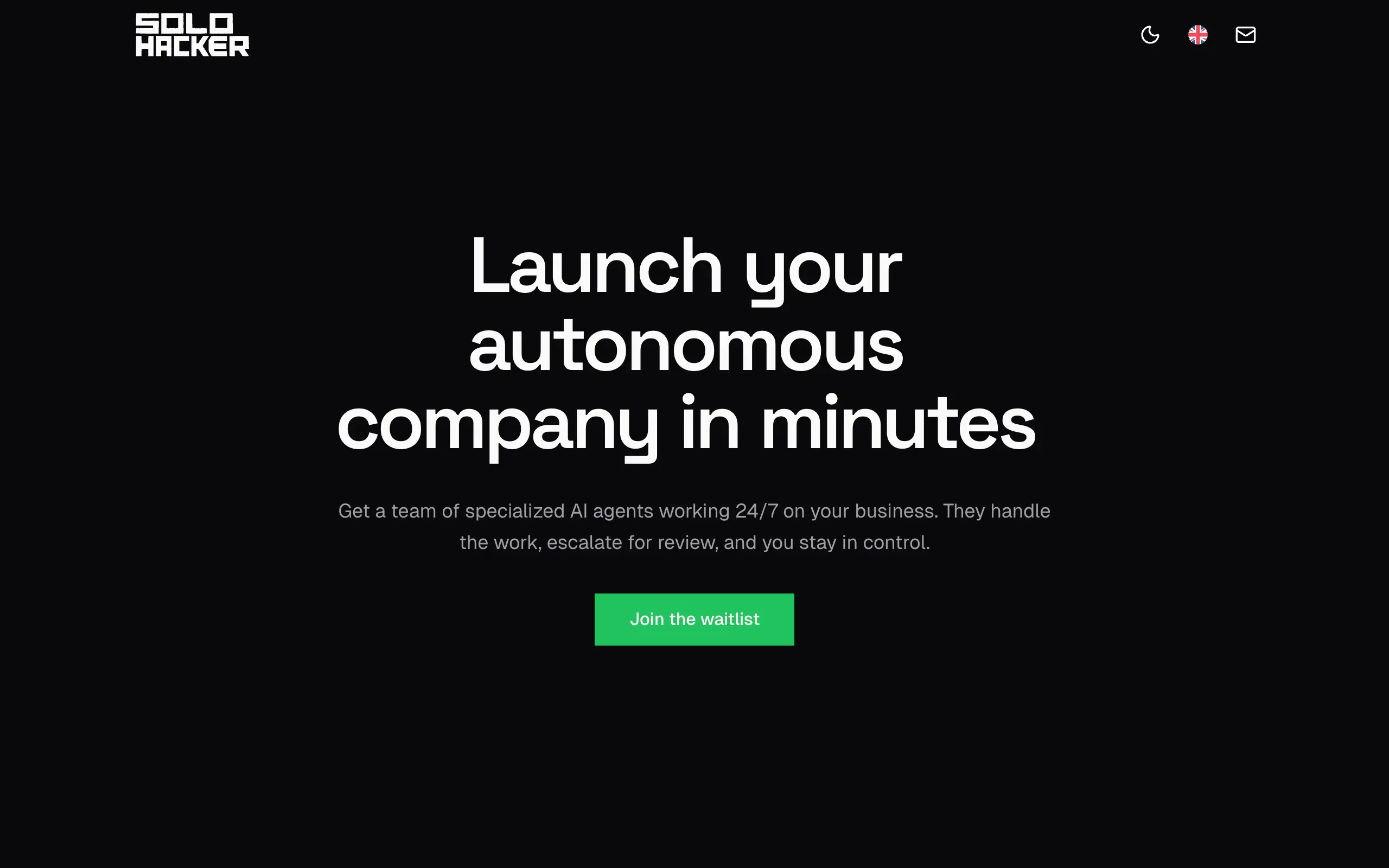
Solohacker
Autonomous company launcher - AI agents work 24/7, escalate what matters, and you stay in control 🤖
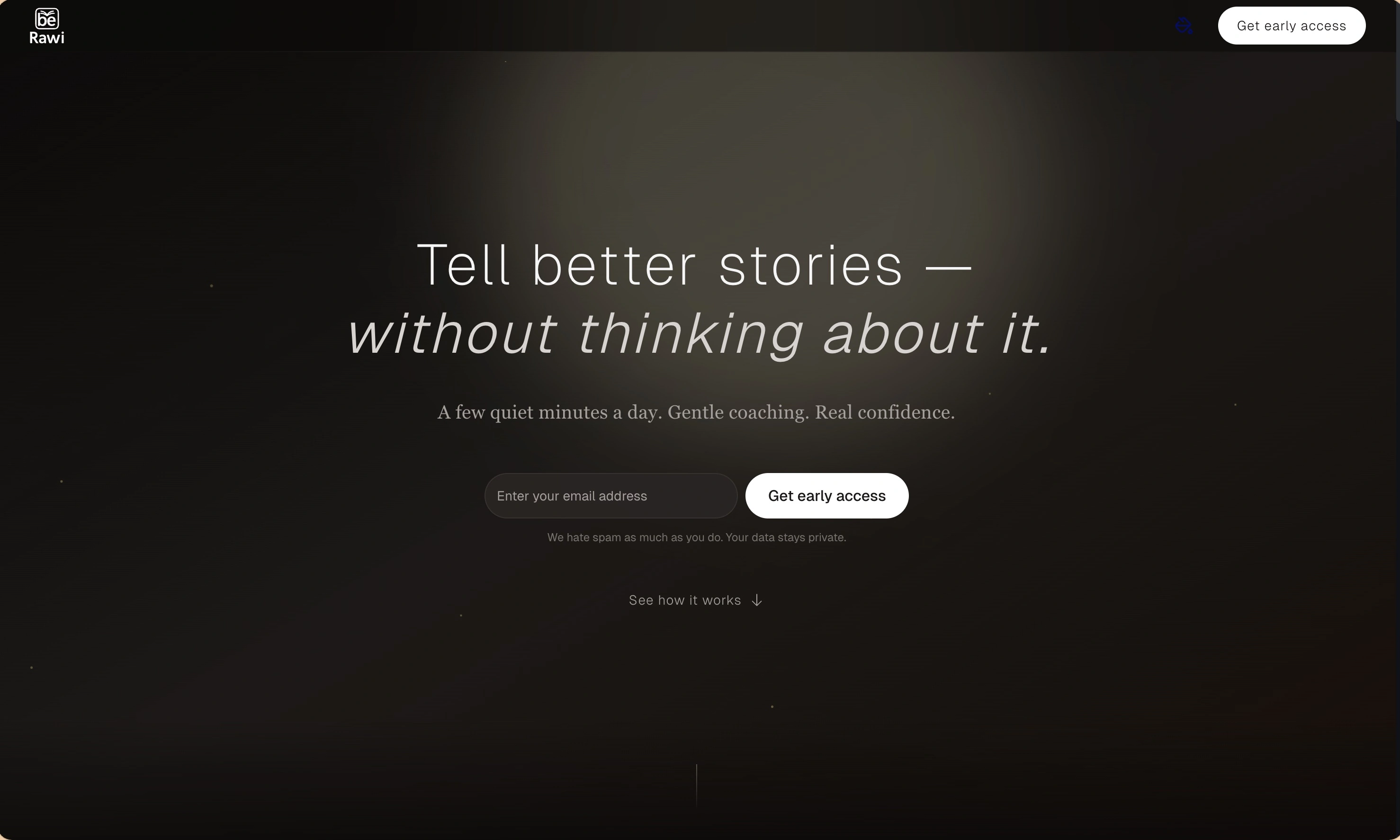
BeRawi: Storytelling Coach
Practice storytelling daily with instant feedback to sound clearer, more engaging, and confident 🎤
Omichat
Chat with 50+ AI models, including ChatGPT and Claude, in one place - switch models anytime without losing context 🤖
Claude Fast
Supercharge your Claude Code with 6x effective context window and specialized AI agents 🤖
EmojAI
AI-powered emoji picker with smart, context-aware suggestions 🤖
Solohacker
Autonomous company launcher - AI agents work 24/7, escalate what matters, and you stay in control 🤖
BeRawi: Storytelling Coach
Practice storytelling daily with instant feedback to sound clearer, more engaging, and confident 🎤
Omichat
Chat with 50+ AI models, including ChatGPT and Claude, in one place - switch models anytime without losing context 🤖
Claude Fast
Supercharge your Claude Code with 6x effective context window and specialized AI agents 🤖
EmojAI
AI-powered emoji picker with smart, context-aware suggestions 🤖
Solohacker
Autonomous company launcher - AI agents work 24/7, escalate what matters, and you stay in control 🤖
BeRawi: Storytelling Coach
Practice storytelling daily with instant feedback to sound clearer, more engaging, and confident 🎤
Omichat
Chat with 50+ AI models, including ChatGPT and Claude, in one place - switch models anytime without losing context 🤖
Claude Fast
Supercharge your Claude Code with 6x effective context window and specialized AI agents 🤖
EmojAI
AI-powered emoji picker with smart, context-aware suggestions 🤖
Solohacker
Autonomous company launcher - AI agents work 24/7, escalate what matters, and you stay in control 🤖
BeRawi: Storytelling Coach
Practice storytelling daily with instant feedback to sound clearer, more engaging, and confident 🎤

Connect with like-minded people
Join our community to get feedback, support, and grow together with 1,000+ builders on board, let's ship it!
Join usShip your startup everywhere. In minutes.
Don't burn tokens on setup and start building features on day one.