PixelChef
A fast-paced cooking simulation game where players compete in real-time to create virtual dishes, unlock recipes, and climb global leaderboards.
Understanding the PixelChef SaaS game concept
PixelChef is a fast-paced cooking simulation game designed for real-time competition. Players create virtual dishes, unlock new recipes, and strive to climb global leaderboards. As a SaaS game, PixelChef leverages cloud-based delivery, enabling seamless updates, cross-device play, and a vibrant, always-on community.
This article provides a comprehensive, expert-level analysis of PixelChef’s market opportunity, target audience, core features, technology stack, monetization strategies, risks, and competitive advantages. Whether you’re seeking inspiration, validation, or a roadmap for implementation, you’ll find actionable insights and authoritative guidance here.
Who is PixelChef for? Target audience analysis
Understanding the target audience is crucial for any SaaS game’s success. PixelChef’s appeal spans several key demographics and psychographics:
1. Casual gamers
- Profile: Individuals seeking quick, engaging gameplay sessions.
- Motivation: Enjoyment, stress relief, and social interaction.
- Platforms: Mobile devices, web browsers, and tablets.
2. Cooking enthusiasts
- Profile: Fans of cooking shows, recipe apps, and food-themed games.
- Motivation: Experimenting with virtual recipes, learning new dishes, and expressing creativity.
3. Competitive players
- Profile: Gamers who thrive on real-time competition and leaderboards.
- Motivation: Climbing rankings, earning achievements, and showcasing skills.
4. Social and community-driven users
- Profile: Players who value multiplayer experiences and community events.
- Motivation: Forming teams, participating in tournaments, and sharing creations.
5. Younger audiences and families
- Profile: Children, teens, and families looking for safe, fun, and educational entertainment.
- Motivation: Cooperative play, learning about food, and family bonding.
Key insight: PixelChef’s SaaS model allows for broad accessibility, making it ideal for both solo and social play across devices.
Market opportunity and gap analysis
The online gaming market, especially in the simulation and casual genres, has seen explosive growth. According to industry reports (suggest referencing Newzoo or Statista for up-to-date data), the global gaming market is projected to surpass $200 billion by 2025, with mobile and browser-based games leading the charge.
Why is there a gap for PixelChef?
- Limited real-time cooking competition: While cooking games exist (e.g., Cooking Mama, Overcooked), few offer real-time, competitive SaaS experiences with global leaderboards.
- Under-served cross-platform play: Many cooking games are single-player or local multiplayer, lacking persistent online communities and cross-device progress.
- Recipe unlocking and progression: Most games focus on repetitive tasks rather than meaningful progression, recipe discovery, and skill-based competition.
Trends supporting PixelChef’s opportunity
- Rise of social and competitive gaming: Players increasingly seek games that blend social interaction with competition.
- Growth of SaaS gaming platforms: Cloud-based delivery enables rapid updates, live events, and scalable multiplayer infrastructure.
- Gamification of learning: Cooking games can educate while entertaining, appealing to parents and educators.
Industry trend
The intersection of casual gaming, real-time competition, and SaaS delivery is a rapidly growing niche, with few direct competitors offering all three.
Core features and solution details
PixelChef’s unique value lies in its blend of fast-paced gameplay, real-time competition, and SaaS-driven community features. Here’s a breakdown of the essential features:
Real-time cooking simulation
- Dynamic kitchen environments: Players manage time, ingredients, and cooking stations under pressure.
- Skill-based mechanics: Quick reflexes, memory, and strategy are rewarded.
Competitive multiplayer modes
- Head-to-head cook-offs: Players compete in real-time to prepare dishes faster and with higher quality.
- Global leaderboards: Rankings update live, fostering ongoing competition.
- Seasonal tournaments: Special events with unique recipes and rewards.
Recipe unlocking and progression
- Recipe discovery: Players unlock new dishes by mastering existing ones or completing challenges.
- Skill trees: Specializations (e.g., baking, grilling) allow for personalized progression.
- Achievements and badges: Milestones encourage continued play.
Social and community features
- Team play: Form or join teams to compete in group events.
- In-game chat and emotes: Foster communication and friendly rivalry.
- User-generated content: Share custom recipes or kitchen designs.
Cross-platform accessibility
- Cloud saves: Seamless progress across devices.
- Web, mobile, and desktop support: Play anywhere, anytime.
Live events and content updates
- Weekly challenges: New recipes, ingredients, or kitchen tools.
- Limited-time events: Themed competitions tied to holidays or real-world trends.
Real-time multiplayer
Compete with players worldwide in fast-paced cook-offs.
Recipe progression
Unlock and master hundreds of unique dishes.
Global leaderboards
Climb the ranks and earn exclusive rewards.
Cross-device play
Continue your culinary journey on any device.
Recommended tech stack for PixelChef
Choosing the right technology stack is critical for delivering a smooth, scalable, and engaging SaaS gaming experience. Here’s an expert breakdown:
Frontend
- React: For building a responsive, component-driven UI.
- TailwindCSS: Rapid, utility-first styling for consistent design.
- PixiJS: High-performance 2D rendering for game visuals.
- Redux: State management for complex game logic.
Backend
- Node.js: Scalable, event-driven server for real-time gameplay.
- Socket.IO: Real-time communication for multiplayer features.
- PostgreSQL: Robust relational database for user data, recipes, and leaderboards.
- Redis: Caching and session management for low-latency gameplay.
Cloud and DevOps
- AWS or Google Cloud: Scalable infrastructure, managed databases, and CDN.
- Docker: Containerization for consistent deployment.
- Kubernetes: Orchestration for scaling multiplayer servers.
Trade-offs and considerations
- WebAssembly (Wasm): For performance-critical game logic, but increases complexity.
- Unity or Unreal Engine: Powerful, but may be overkill for 2D browser-based games.
- Firebase: Rapid prototyping, but may have cost and scaling limitations for real-time multiplayer.
While Unity and Unreal Engine are industry standards for 3D and complex games, PixelChef’s focus on 2D, browser-based play makes lighter frameworks like React and PixiJS more efficient and cost-effective.
Serverless architectures (e.g., AWS Lambda) can handle some backend tasks, but real-time multiplayer benefits from persistent connections and low-latency servers.
Monetization strategy options
A successful SaaS game must balance revenue generation with player satisfaction. Here are proven monetization models for PixelChef:
1. Freemium with cosmetic microtransactions
- Free core gameplay: Attracts a large user base.
- Paid cosmetics: Skins, kitchen themes, avatar outfits, and emotes.
2. Season passes and battle passes
- Time-limited progression tracks: Unlock exclusive recipes, badges, and cosmetics.
- Recurring revenue: Encourages ongoing engagement.
3. Subscription model
- Premium membership: Ad-free experience, early access to new content, and bonus rewards.
- Family plans: Multiple accounts under one subscription.
4. In-game currency
- Earned or purchased: Used for unlocking recipes, kitchen upgrades, or event entries.
5. Sponsored events and partnerships
- Brand collaborations: Themed events with real-world food brands or chefs.
- Cross-promotion: Drives user acquisition and engagement.
| Freemium | Ads | Subscription | Season Pass | Brand Events |
|---|---|---|---|---|
| ✅ | ❌ | ❌ | ✅ | ❌ |
| ✅ | ❌ | ✅ | ✅ | ❌ |
Best practice
Avoid pay-to-win mechanics. Focus on cosmetic and progression-based monetization to maintain fairness and player trust.
Potential risks and mitigation strategies
Launching a SaaS game like PixelChef involves several risks. Here’s how to anticipate and address them:
1. Server scalability and downtime
- Risk: Spikes in player activity can overload servers, causing lag or outages.
- Mitigation: Use auto-scaling cloud infrastructure and load balancing. Monitor performance and have a rapid incident response plan.
2. Cheating and leaderboard manipulation
- Risk: Unfair play can erode trust and damage the community.
- Mitigation: Implement robust anti-cheat systems, server-side validation, and regular audits of leaderboard activity.
3. Player churn and engagement drop-off
- Risk: Players may lose interest if content becomes stale.
- Mitigation: Schedule regular content updates, live events, and community challenges. Use analytics to identify and address drop-off points.
4. Monetization backlash
- Risk: Aggressive monetization can alienate players.
- Mitigation: Prioritize player experience, offer value-driven purchases, and communicate transparently about monetization.
5. Data privacy and security
- Risk: Breaches can compromise user data and reputation.
- Mitigation: Follow best practices for encryption, authentication, and compliance (e.g., GDPR).
Competitive advantage analysis
PixelChef’s unique selling proposition (USP) is its combination of real-time, competitive cooking gameplay with SaaS-driven community features. Here’s how it stands out:
What sets PixelChef apart?
- Real-time global competition: Most cooking games are asynchronous or local multiplayer.
- Persistent SaaS platform: Enables live events, cross-device play, and rapid content updates.
- Deep progression and customization: Recipe unlocking, skill trees, and cosmetic personalization.
- Community-driven features: Teams, tournaments, and user-generated content foster long-term engagement.
How does PixelChef compare to existing games?
- Cooking Mama: Focuses on single-player, lacks real-time competition.
- Overcooked: Local co-op, not SaaS or persistent online.
- Casual mobile cooking games: Often limited in depth, progression, and community features.
PixelChef
Real-time, SaaS-based, competitive, and community-driven.
Traditional cooking games
Single-player or local, limited progression, no persistent online features.
Actionable implementation steps
Ready to bring PixelChef to life? Here’s a step-by-step roadmap for building and launching a SaaS cooking simulation game:
Conclusion: Why PixelChef is a winning SaaS game concept
PixelChef is uniquely positioned to capture the growing demand for real-time, competitive, and community-driven gaming experiences. By leveraging a SaaS model, it offers:
- Seamless cross-device play
- Persistent progression and live events
- A fair, engaging monetization strategy
- Robust community and social features
With the right technology stack, thoughtful design, and a player-first approach, PixelChef can stand out in a crowded market and build a loyal, global player base.
For rapid prototyping, scalable deployment, and SaaS best practices, consider leveraging TurboStarter to accelerate your PixelChef journey.
Frequently asked questions
PixelChef is designed as a SaaS game, so an internet connection is required for real-time multiplayer and progression syncing.
The game uses server-side validation, anti-cheat systems, and regular leaderboard audits to maintain fairness.
PixelChef supports web browsers, iOS, Android, and desktop platforms, with seamless cloud saves.
Yes! PixelChef can teach time management, recipe knowledge, and teamwork, making it appealing for families and educators.
By following this expert roadmap, you can turn the PixelChef SaaS game idea into a thriving, innovative product that delights players and stands out in the global gaming market.
More 🎮 Game SaaS ideas
Discover more innovative game SaaS ideas that are trending in 2026. Each idea is AI-generated with market validation and growth potential to help you find your next profitable venture faster than competitors.
Your competitors are building with TurboStarter
Below are some of the SaaS ideas that have been generated and built with our starter kit.
Statiko
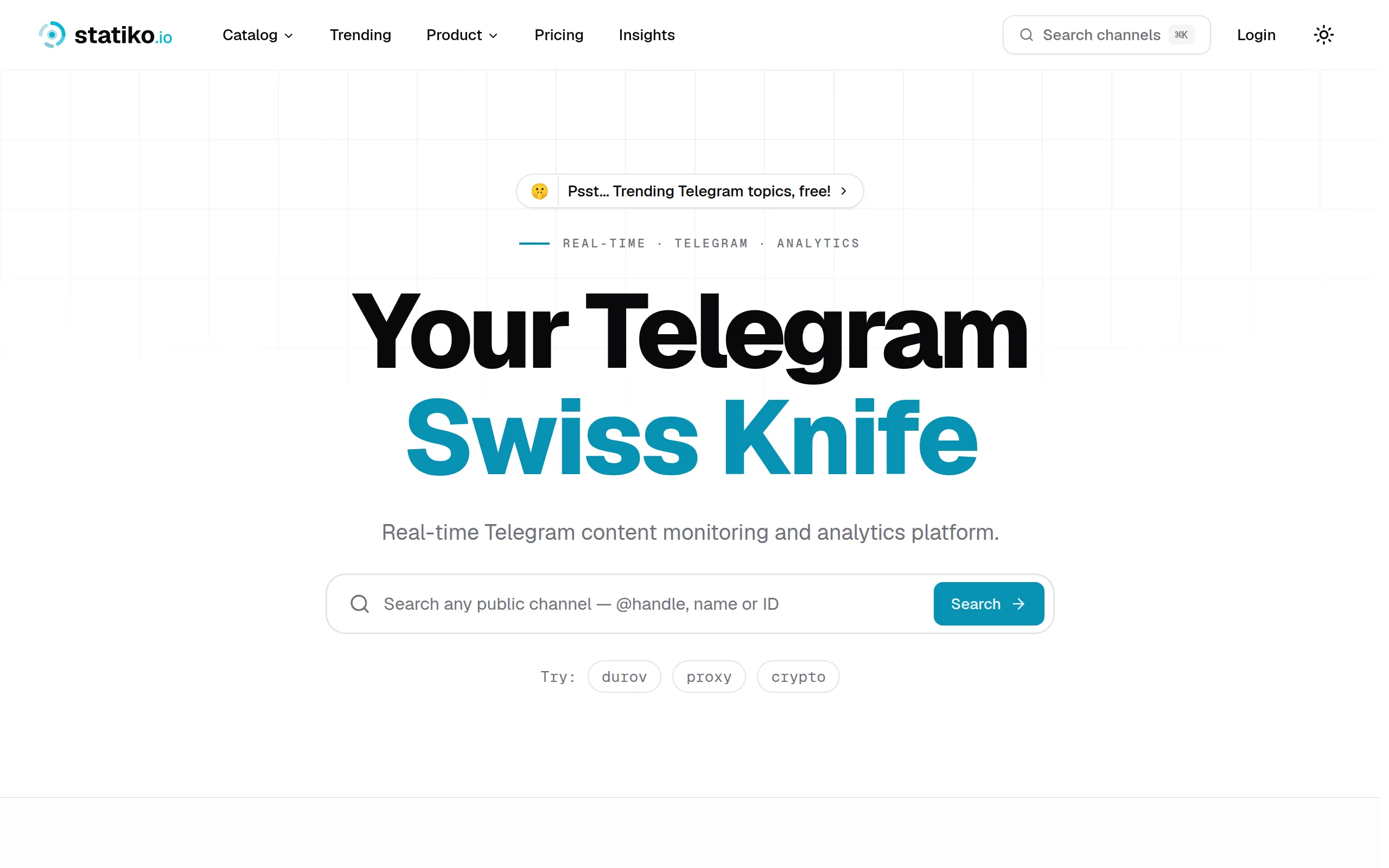
Monitor any Telegram channel in real time - track posts, edits, deletions, and growth with AI recaps 📡

Shibui
AI website builder - describe your business, pick a niche template, edit by chatting, and publish instantly ✨

Pro Service
Find verified home service professionals, compare quotes, and pay securely through escrow - built for Brazilians across the US 🏠
RankGrow
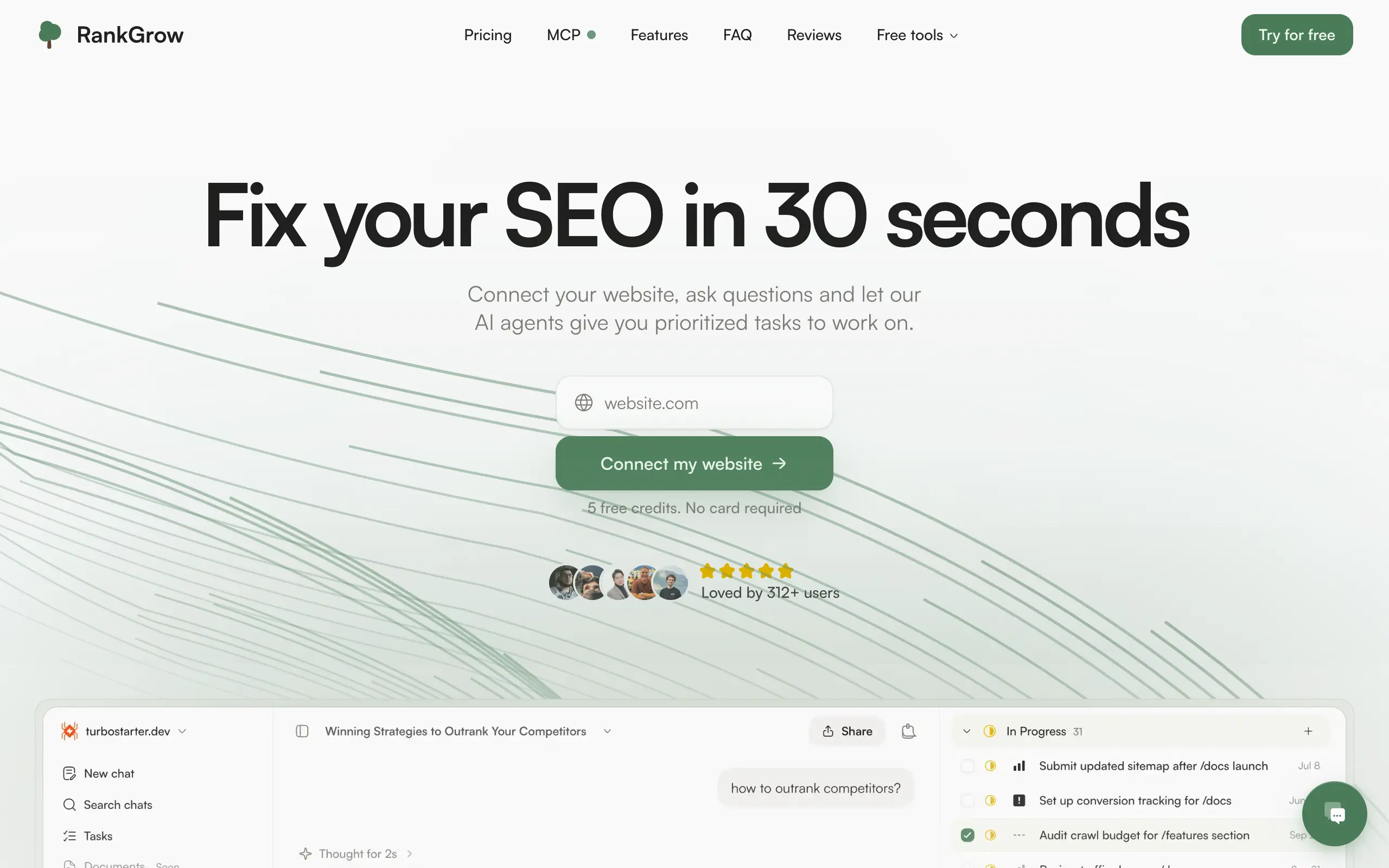
Fix your SEO with AI agents - connect Search Console, get prioritized tasks, and grow organic traffic 📈
SyncReads
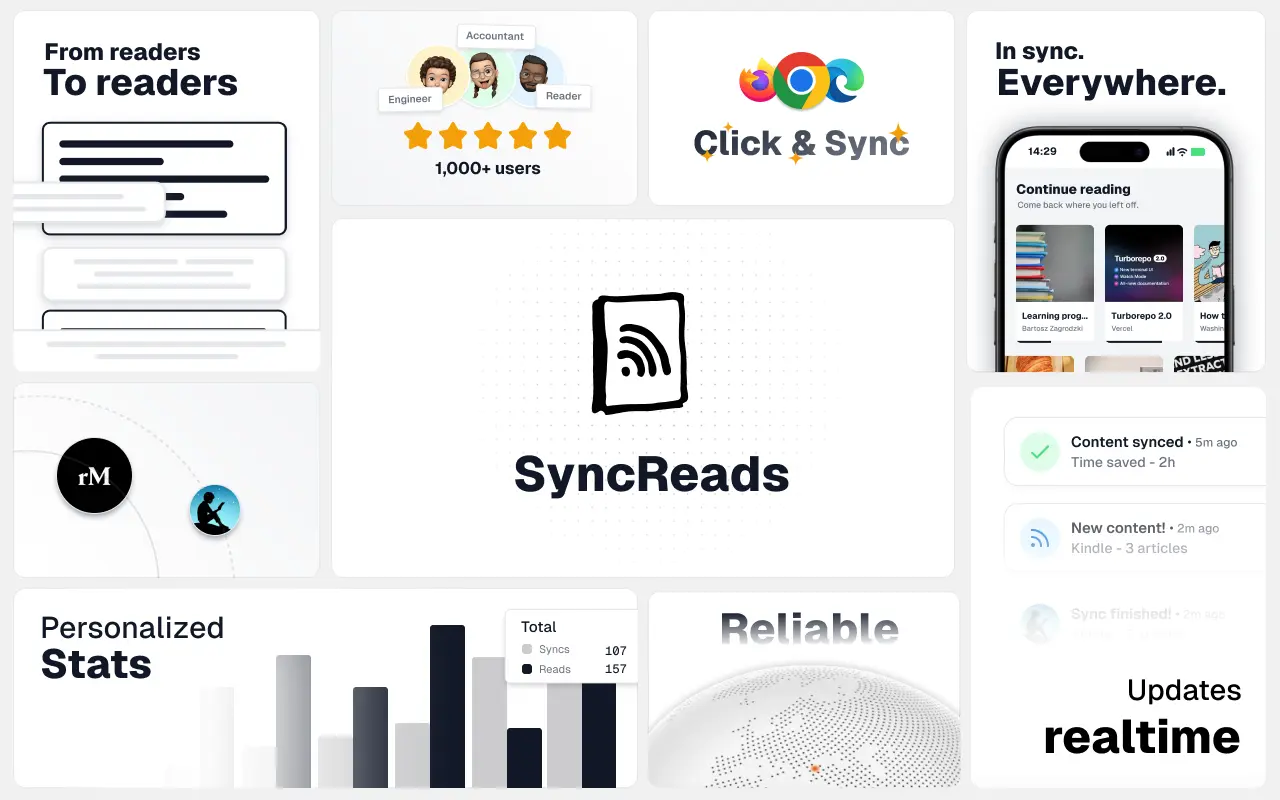
Sync your favorite content for distraction-free reading, save time and replace multiple apps. Anytime, anywhere 🔄
Socialcrawl
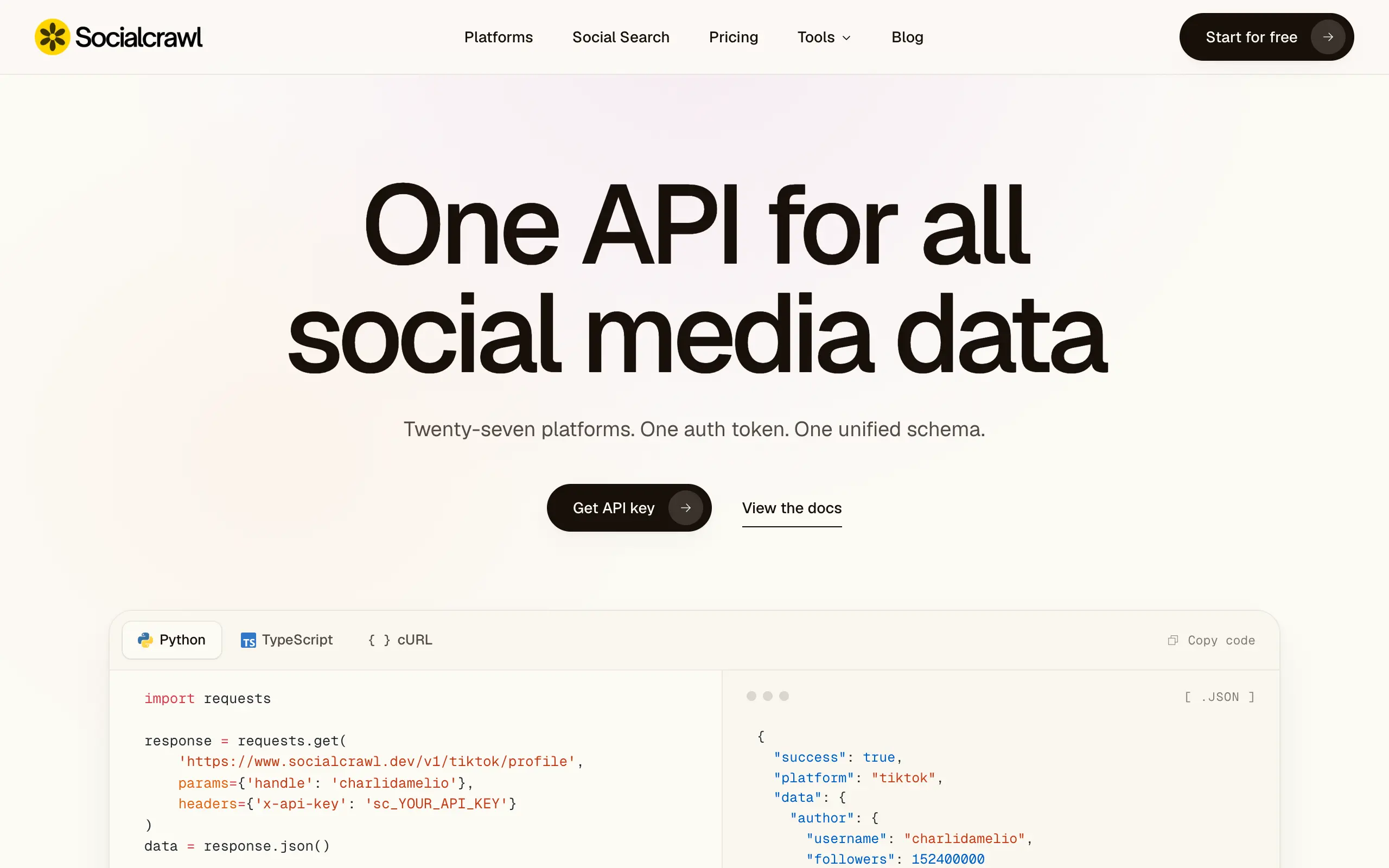
Get clean, structured data from 21 platforms like TikTok, Instagram, and YouTube with a single request 📊
Statiko
Monitor any Telegram channel in real time - track posts, edits, deletions, and growth with AI recaps 📡
Shibui
AI website builder - describe your business, pick a niche template, edit by chatting, and publish instantly ✨
Pro Service
Find verified home service professionals, compare quotes, and pay securely through escrow - built for Brazilians across the US 🏠
RankGrow
Fix your SEO with AI agents - connect Search Console, get prioritized tasks, and grow organic traffic 📈
SyncReads
Sync your favorite content for distraction-free reading, save time and replace multiple apps. Anytime, anywhere 🔄
Socialcrawl
Get clean, structured data from 21 platforms like TikTok, Instagram, and YouTube with a single request 📊
Statiko
Monitor any Telegram channel in real time - track posts, edits, deletions, and growth with AI recaps 📡
Shibui
AI website builder - describe your business, pick a niche template, edit by chatting, and publish instantly ✨
Pro Service
Find verified home service professionals, compare quotes, and pay securely through escrow - built for Brazilians across the US 🏠
RankGrow
Fix your SEO with AI agents - connect Search Console, get prioritized tasks, and grow organic traffic 📈
SyncReads
Sync your favorite content for distraction-free reading, save time and replace multiple apps. Anytime, anywhere 🔄
Socialcrawl
Get clean, structured data from 21 platforms like TikTok, Instagram, and YouTube with a single request 📊
Statiko
Monitor any Telegram channel in real time - track posts, edits, deletions, and growth with AI recaps 📡
Shibui
AI website builder - describe your business, pick a niche template, edit by chatting, and publish instantly ✨
Pro Service
Find verified home service professionals, compare quotes, and pay securely through escrow - built for Brazilians across the US 🏠
RankGrow
Fix your SEO with AI agents - connect Search Console, get prioritized tasks, and grow organic traffic 📈
SyncReads
Sync your favorite content for distraction-free reading, save time and replace multiple apps. Anytime, anywhere 🔄
Socialcrawl
Get clean, structured data from 21 platforms like TikTok, Instagram, and YouTube with a single request 📊
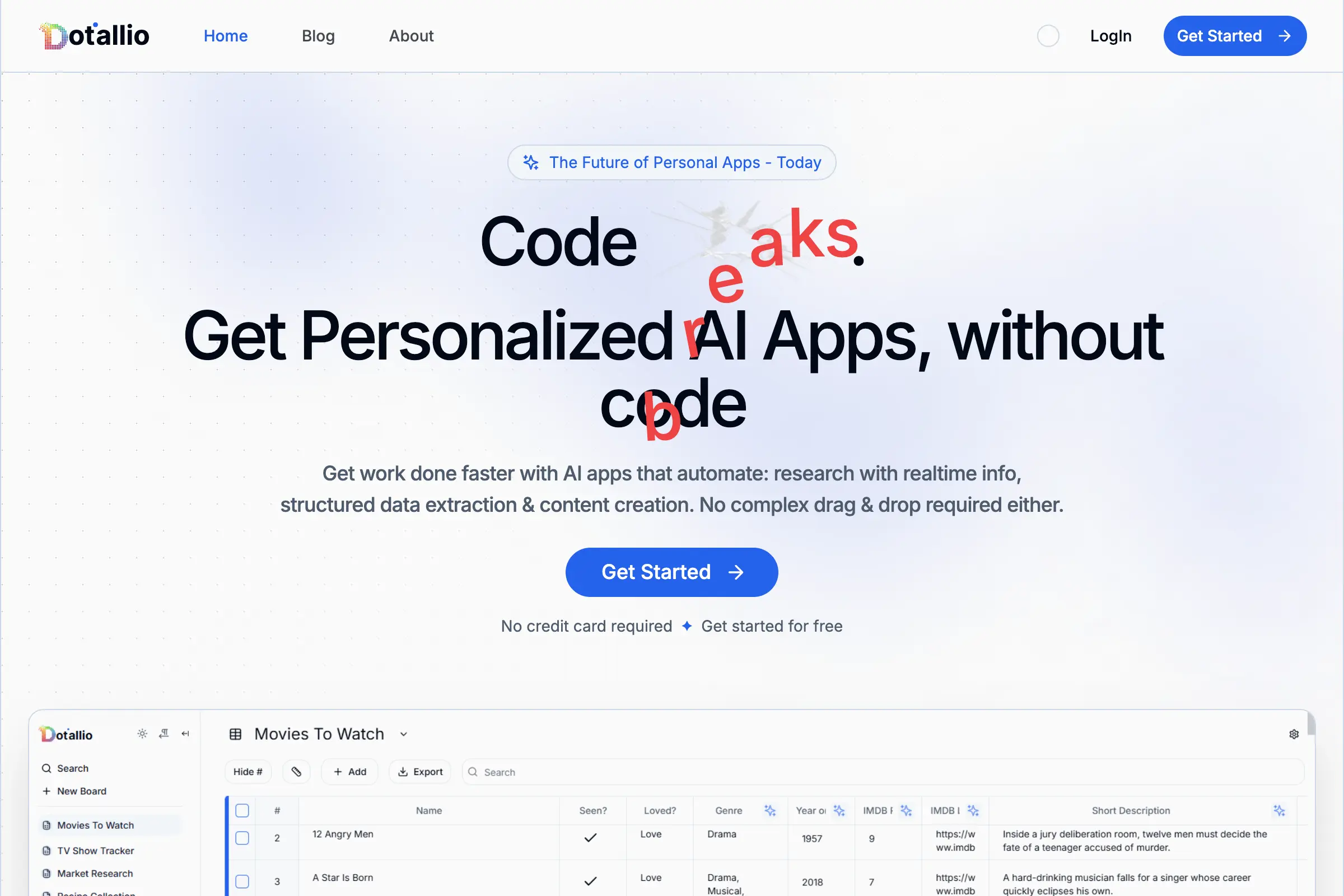
Dotallio
Personalized AI apps that automate research, data extraction, and content creation without code 🤖

Talk to Santa
Enjoy a magical live video chat or receive a unique AI-generated video greeting from Santa Claus 🎅

pozywka.pl
Scalable blog for food journalist, focused on performance and user experience 🌭
zagrodzki.me
Personal blog and portfolio of Bart Zagrodzki, where he shares his knowledge and work 💼
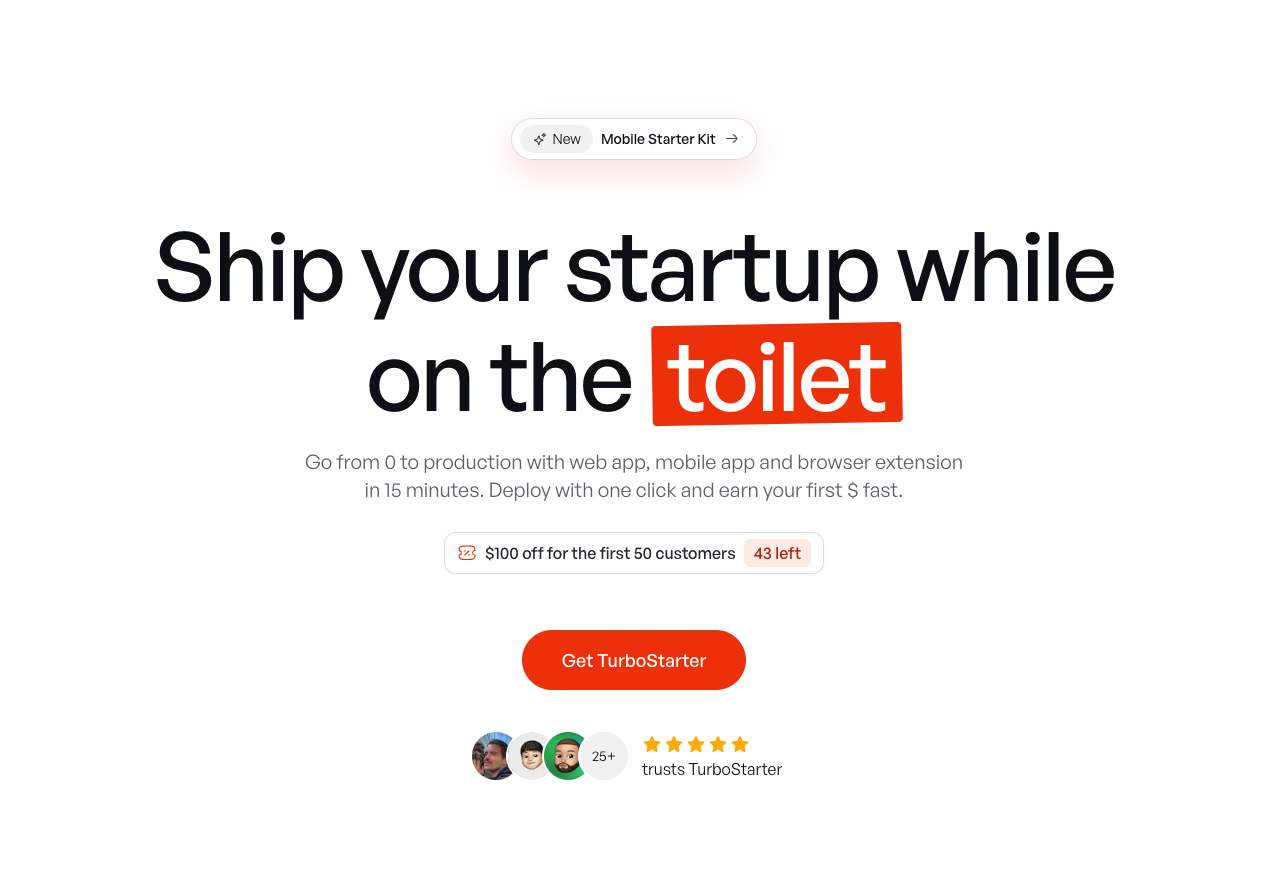
TurboStarter
Ship your startup everywhere. In minutes.
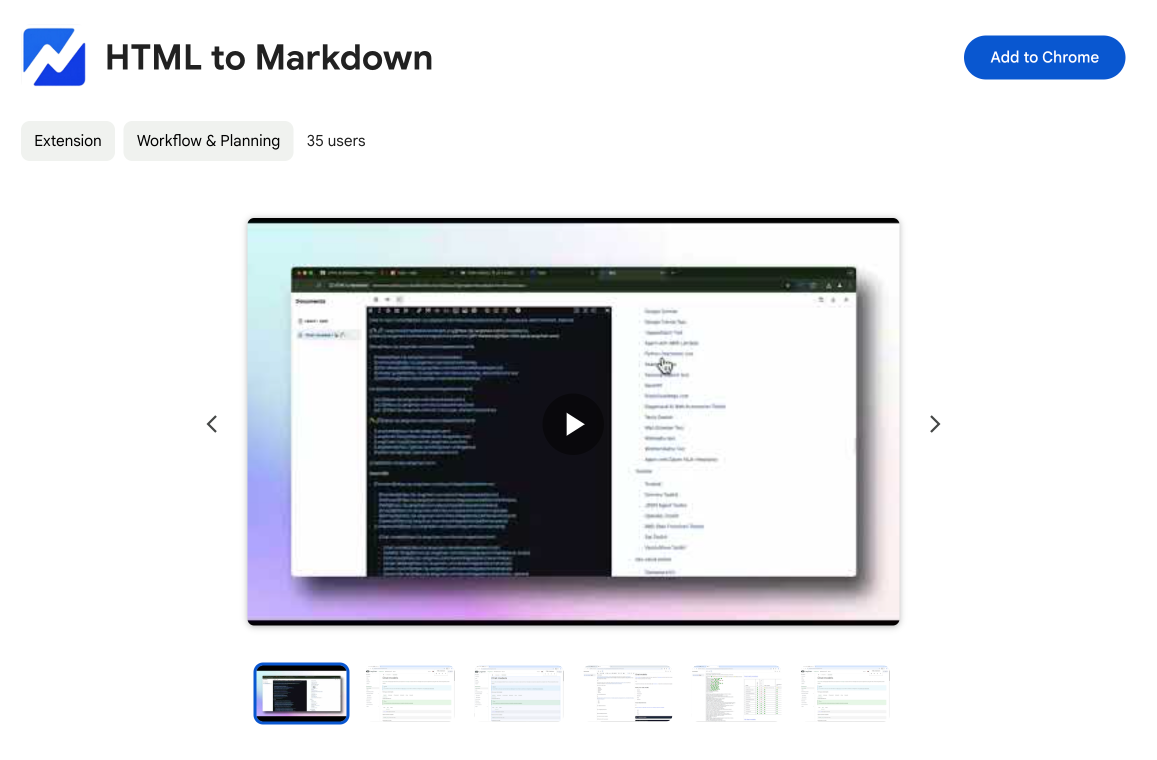
HTML to Markdown
Convert HTML to Markdown with ease, directly in your browser 📄
Dotallio
Personalized AI apps that automate research, data extraction, and content creation without code 🤖
Talk to Santa
Enjoy a magical live video chat or receive a unique AI-generated video greeting from Santa Claus 🎅
pozywka.pl
Scalable blog for food journalist, focused on performance and user experience 🌭
zagrodzki.me
Personal blog and portfolio of Bart Zagrodzki, where he shares his knowledge and work 💼
TurboStarter
Ship your startup everywhere. In minutes.
HTML to Markdown
Convert HTML to Markdown with ease, directly in your browser 📄
Dotallio
Personalized AI apps that automate research, data extraction, and content creation without code 🤖
Talk to Santa
Enjoy a magical live video chat or receive a unique AI-generated video greeting from Santa Claus 🎅
pozywka.pl
Scalable blog for food journalist, focused on performance and user experience 🌭
zagrodzki.me
Personal blog and portfolio of Bart Zagrodzki, where he shares his knowledge and work 💼
TurboStarter
Ship your startup everywhere. In minutes.
HTML to Markdown
Convert HTML to Markdown with ease, directly in your browser 📄
Dotallio
Personalized AI apps that automate research, data extraction, and content creation without code 🤖
Talk to Santa
Enjoy a magical live video chat or receive a unique AI-generated video greeting from Santa Claus 🎅
pozywka.pl
Scalable blog for food journalist, focused on performance and user experience 🌭
zagrodzki.me
Personal blog and portfolio of Bart Zagrodzki, where he shares his knowledge and work 💼
TurboStarter
Ship your startup everywhere. In minutes.
HTML to Markdown
Convert HTML to Markdown with ease, directly in your browser 📄
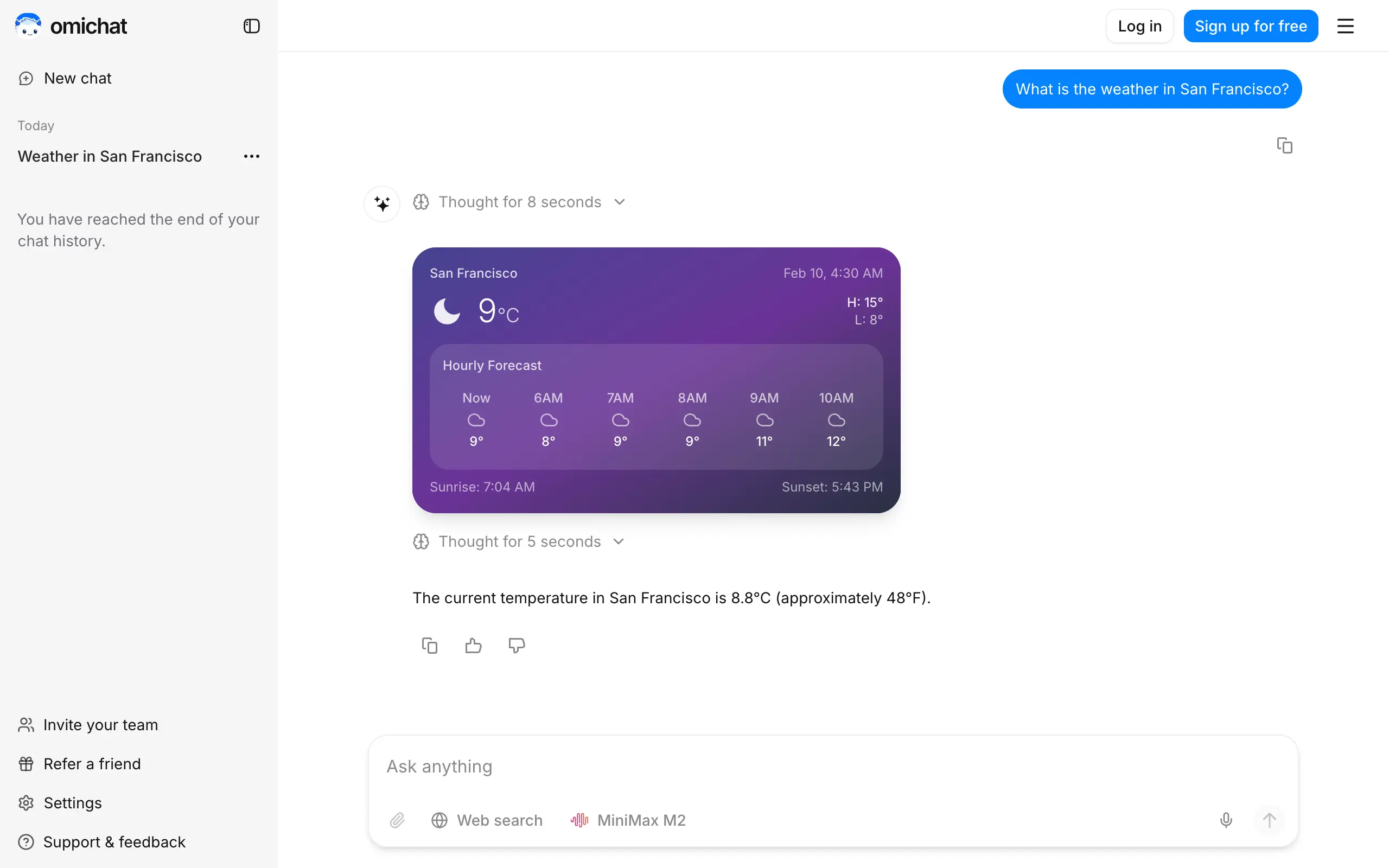
Omichat
Chat with 50+ AI models, including ChatGPT and Claude, in one place - switch models anytime without losing context 🤖
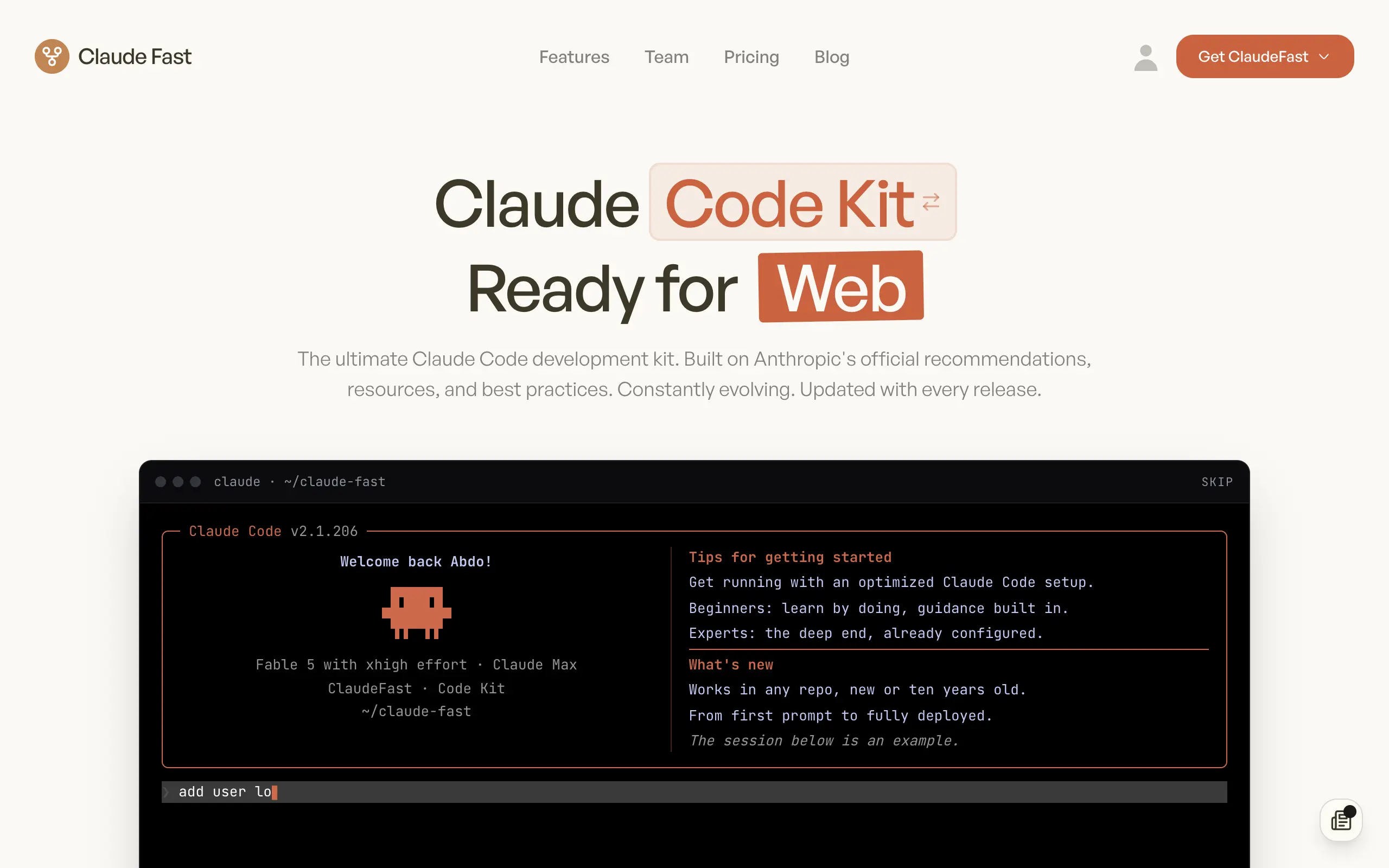
Claude Fast
Supercharge your Claude Code with 6x effective context window and specialized AI agents 🤖
EmojAI
AI-powered emoji picker with smart, context-aware suggestions 🤖

Solohacker
Autonomous company launcher - AI agents work 24/7, escalate what matters, and you stay in control 🤖

BeRawi: Storytelling Coach
Practice storytelling daily with instant feedback to sound clearer, more engaging, and confident 🎤
Omichat
Chat with 50+ AI models, including ChatGPT and Claude, in one place - switch models anytime without losing context 🤖
Claude Fast
Supercharge your Claude Code with 6x effective context window and specialized AI agents 🤖
EmojAI
AI-powered emoji picker with smart, context-aware suggestions 🤖
Solohacker
Autonomous company launcher - AI agents work 24/7, escalate what matters, and you stay in control 🤖
BeRawi: Storytelling Coach
Practice storytelling daily with instant feedback to sound clearer, more engaging, and confident 🎤
Omichat
Chat with 50+ AI models, including ChatGPT and Claude, in one place - switch models anytime without losing context 🤖
Claude Fast
Supercharge your Claude Code with 6x effective context window and specialized AI agents 🤖
EmojAI
AI-powered emoji picker with smart, context-aware suggestions 🤖
Solohacker
Autonomous company launcher - AI agents work 24/7, escalate what matters, and you stay in control 🤖
BeRawi: Storytelling Coach
Practice storytelling daily with instant feedback to sound clearer, more engaging, and confident 🎤
Omichat
Chat with 50+ AI models, including ChatGPT and Claude, in one place - switch models anytime without losing context 🤖
Claude Fast
Supercharge your Claude Code with 6x effective context window and specialized AI agents 🤖
EmojAI
AI-powered emoji picker with smart, context-aware suggestions 🤖
Solohacker
Autonomous company launcher - AI agents work 24/7, escalate what matters, and you stay in control 🤖
BeRawi: Storytelling Coach
Practice storytelling daily with instant feedback to sound clearer, more engaging, and confident 🎤

Connect with like-minded people
Join our community to get feedback, support, and grow together with 1,000+ builders on board, let's ship it!
Join usShip your startup everywhere. In minutes.
Don't burn tokens on setup and start building features on day one.