Pocket Greenhouse
A cozy idle puzzle game about breeding strange micro-plants, balancing humidity, and trading rare seeds with friends.
A cozy idle puzzle game can succeed when it delivers more than passive timers and decorative plants. Players want a calming daily ritual, meaningful discovery, and enough strategy to make each thriving greenhouse feel earned. Pocket Greenhouse combines these motivations through strange micro-plant breeding, humidity balancing, puzzle-like environmental optimization, and social rare-seed trading.
The opportunity is to build a game that sits between relaxing gardening simulators, idle management games, and light social collection experiences. It should be approachable in a two-minute session yet rewarding enough for collectors and optimizers to return for months.
This guide explores how to position, validate, build, monetize, and grow Pocket Greenhouse as a differentiated cozy idle puzzle game.
Core positioning
Pocket Greenhouse is a cozy idle puzzle game where players discover unusual micro-plants, engineer ideal greenhouse conditions, complete low-pressure environmental puzzles, and trade collectible seeds with friends.
Why a cozy idle puzzle game is a strong market opportunity
The idle game genre has historically performed well because it works around fragmented attention. Players can make progress in short sessions, return later to collect rewards, and feel a visible sense of growth without a large time commitment. However, many idle games rely heavily on repetitive upgrade loops, aggressive monetization, or visual themes that fail to create an emotional attachment.
A greenhouse setting offers a meaningful alternative.
Plants naturally map to idle progression systems. They grow over time, respond to environmental conditions, evolve into rare variants, and create a satisfying visual record of player progress. The puzzle layer prevents the experience from becoming a pure timer-based clicker. Meanwhile, seed trading gives players a reason to build relationships and participate in a longer-term economy.
Pocket Greenhouse can appeal to users who enjoy:
- Cozy games with soothing visuals and low-stress progression
- Idle management games with asynchronous rewards
- Collection games centered on rare discoveries
- Light puzzle games with understandable systems
- Virtual gardening, terrariums, and plant care
- Casual social games that avoid real-time competitive pressure
- Games that can be played in short daily sessions
The strongest strategic angle is not simply “an idle gardening game.” It is a collectible ecosystem puzzle game where players gradually become better greenhouse keepers.
The target audience for Pocket Greenhouse
A successful cozy mobile or web game must have clear audience segments, even if the onboarding experience feels universal. Each segment has different motivations, spending behavior, and retention triggers.
Primary audience: cozy game players and collectors
The primary audience includes players who enjoy slow, comforting progression and personal expression. They are likely familiar with games involving farming, decorating, creature collecting, or daily-care loops.
Their motivations often include:
- Building a visually pleasing personal space
- Discovering rare plants or mutations
- Completing collections
- Receiving gentle daily rewards
- Sharing unusual finds with friends
- Playing without intense competition or punishment
This group responds well to delightful animations, seasonal content, accessible systems, and customization. They may spend on cosmetic greenhouse themes, extra display space, limited-edition seed packs, and quality-of-life upgrades.
Secondary audience: idle strategy and optimization players
These players want systems to understand and improve. They do not necessarily need difficult puzzles, but they enjoy experimenting with inputs and observing outcomes.
For Pocket Greenhouse, they may optimize:
- Humidity and temperature ranges
- Light placement and lamp timing
- Soil substrate combinations
- Watering schedules
- Cross-pollination pairings
- Greenhouse layout efficiency
- Seed rarity probabilities
- Trading values and collection gaps
This audience is valuable because it can become highly engaged with a deeper progression layer. The game should offer optional optimization without making casual players feel that they are playing incorrectly.
Tertiary audience: social collectors
Social collectors are motivated by rarity, exchange, and recognition. Their main goal is not necessarily to solve every environmental puzzle themselves. Instead, they want to own, showcase, trade, and discuss unusual items.
For this audience, rare micro-plants need lore, clear provenance, limited traits, and visible social value. A rare seed becomes more meaningful when players can see where it originated, what conditions caused its mutation, and how many exist in the player community.
Audience needs and product implications
| Audience | Primary motivation | Retention trigger | Best monetization fit | Product priority |
|---|---|---|---|---|
| Cozy players | Relaxation and expression | Daily garden progress | Cosmetics and decor | Atmosphere |
| Optimizers | Mastery and discovery | New breeding combinations | Convenience upgrades | System depth |
| Collectors | Rarity and completion | Seasonal seed releases | Seed bundles and passes | Catalog depth |
| Social players | Trading and sharing | Friend activity | Gifting and social cosmetics | Safe exchange tools |
The market gap: idle games need more meaningful interaction
The biggest gap in many idle games is the absence of player agency after the first few sessions. When every interaction becomes “claim currency, buy upgrade, wait longer,” the loop loses emotional texture.
Pocket Greenhouse can stand out by connecting idle progression to meaningful environmental decisions.
Instead of simply waiting for a plant to grow, the player decides:
- Which plants belong in each microclimate
- When to adjust humidity
- Which seeds to cross-pollinate
- How to solve a greenhouse imbalance
- Whether to harvest, preserve, breed, or trade a specimen
- Which rare traits are worth pursuing
- How to arrange a greenhouse for beauty, productivity, or experimentation
This transforms the idle loop from passive accumulation into an evolving puzzle.
The unique selling proposition
Pocket Greenhouse should be positioned around a clear and memorable promise:
Grow impossible tiny plants by balancing living greenhouse ecosystems, then trade the rarest discoveries with friends.
Its USP combines four proven engagement drivers:
- Cozy sensory satisfaction through tiny plants, glass rooms, condensation, soft lighting, and gentle sound design.
- Idle progression through asynchronous growth and greenhouse expansion.
- Puzzle-based agency through humidity, light, soil, and breeding interactions.
- Social collecting through rare seed trading, gifting, and visible plant provenance.
The key is that these systems reinforce one another. Humidity is not an isolated puzzle mechanic; it changes breeding outcomes. Breeding outcomes create rare seeds. Rare seeds become social assets. Social trading encourages players to maintain and improve their greenhouses.
Core gameplay loop for an idle plant breeding game
The core gameplay loop should be easy to explain in one sentence but broad enough to support long-term progression.
Place seeds, tune the environment, return to observe growth, discover traits, and use those discoveries to unlock new experiments.
A strong loop can be organized into five connected phases.
1. Collect and plant seeds
Players begin with simple seed types that teach basic requirements. Early plants should have highly legible needs, such as medium moisture and indirect light.
As players progress, they unlock stranger species with more specific behavior:
- A moss that only blooms during high humidity
- A vine that grows toward a particular light source
- A fungal flower that changes color based on soil minerals
- A tiny cactus that stores water and protects nearby plants
- A luminous fern that only mutates beside a compatible species
The early experience should give players successful outcomes quickly. Failure should feel like an invitation to experiment rather than a hard punishment.
2. Balance greenhouse conditions
Humidity should be the game’s signature environmental mechanic because it is intuitive, visible, and closely tied to greenhouse fantasy.
Players can interact with tools such as:
- Misters
- Vents
- Pebble trays
- Shade cloths
- Heat lamps
- Water reservoirs
- Air circulation fans
- Soil additives
- Humidity sensors
The system should avoid requiring real horticultural expertise. It can take inspiration from real plant care while prioritizing readable, game-friendly rules.
A good design principle is simple inputs, surprising combinations. Players should understand each tool independently, then discover richer outcomes when tools and plant traits interact.
3. Solve environmental puzzles
Puzzle objectives add short-term goals to the idle loop. These can be spatial, temporal, or resource-based.
Examples include:
- Create a foggy microclimate without overwatering neighboring plants.
- Bloom three light-sensitive specimens before sunset.
- Keep a fragile orchid stable during a heatwave event.
- Route condensation from a misting unit into a thirsty moss chamber.
- Pair two plants whose pollen only activates at different humidity levels.
- Restore a neglected community greenhouse using limited tools.
These puzzles should be forgiving. A cozy idle puzzle game benefits from retry-friendly design, clear feedback, and multiple valid solutions.
4. Breed and discover micro-plants
Breeding is the long-term collection engine. It must feel mysterious enough to encourage experimentation but transparent enough to avoid frustration.
A useful breeding system combines:
- Species identity such as moss, fern, cactus, flower, fungus, or vine
- Visible traits such as color, leaf shape, glow, pattern, and pot behavior
- Environmental traits such as drought tolerance or high-humidity preference
- Hidden mutation rules that players gradually discover
- Rarity tiers that make exceptional outcomes exciting
- Lineage data that proves an unusual specimen is authentic
Players should be able to log their discoveries in a greenhouse journal. This journal becomes both a collection interface and a retention system.
5. Trade, gift, and display rare seeds
Social systems should be optional but compelling. Players who never trade should still be able to make meaningful progress. Players who love community interaction should gain a richer experience, not an unfair power advantage.
A healthy trading system can include:
- Friend-to-friend seed exchanges
- Limited daily trade slots
- Seed wishlists
- Gifting without mandatory reciprocity
- Verified rarity and lineage information
- Trade histories for fraud prevention
- Community market listings with price boundaries
- Seasonal exchange events
Avoid allowing premium spending to create an unlimited supply of rare seeds. If the social economy becomes pay-to-win, collectors may stop trusting the rarity system.
Cozy foundation
Use calming visuals, gentle feedback, and low-pressure daily goals to create an emotionally safe routine.
Puzzle layer
Make each greenhouse feel like an experiment players can improve rather than a timer they only wait on.
Collection engine
Give every rare plant visible traits, lore, and a place in a persistent discovery journal.
Designing humidity mechanics that feel fun, not scientific
Humidity balancing is central to Pocket Greenhouse, so it must be understandable at a glance. The player should rarely need to inspect a spreadsheet to know what to do.
Make the greenhouse state visible
Show environmental conditions through visual language:
- Condensation on glass for high humidity
- Dry soil texture for low moisture
- Gentle mist particles around humid zones
- Leaf posture changes when plants are stressed
- Color-coded but subtle condition meters
- Clear icons for plant preferences
- A small animated hygrometer for players who enjoy precision
The important distinction is between ambient mood and actionable information. A greenhouse can feel atmospheric while still clearly telling the player why a plant is unhappy.
Use zones rather than one global meter
A single global humidity meter is easy to implement, but it limits strategic depth. A zone-based system lets players build microclimates.
For example, each greenhouse could have a grid where nearby objects influence local conditions. A mister raises humidity in adjacent tiles, a fan disperses moisture, and a heat lamp dries a small area.
This creates spatial puzzles without requiring an overly complex simulation.
type ClimateZone = {
  humidity: number;
  temperature: number;
  light: number;
  airflow: number;
};

function calculatePlantHealth(zone: ClimateZone, idealHumidity: number) {
  const humidityDifference = Math.abs(zone.humidity - idealHumidity);
  const humidityScore = Math.max(0, 100 - humidityDifference * 2);

  return {
    humidityScore,
    isThriving: humidityScore >= 85,
  };
}
This type of model is intentionally simple. The game can add hidden modifiers and trait-based exceptions later, but the player-facing rules should remain comprehensible.
Build player confidence before introducing complexity
A reliable progression sequence looks like this:
This sequencing supports both casual players and system-focused players. Beginners learn through play, while advanced users eventually gain enough variables to experiment meaningfully.
Essential features for Pocket Greenhouse
The MVP should focus on the smallest set of features that prove players enjoy the loop. It is tempting to launch with a huge plant catalog, a full player marketplace, and dozens of decorative items. That can delay validation and obscure what actually drives retention.
Minimum viable product features
The initial version should include:
- A single greenhouse with a visually appealing grid layout
- Ten to twenty distinct base plant species
- Humidity, light, and watering as primary variables
- Simple asynchronous growth timers
- A plant journal with discovered traits
- Basic breeding or cross-pollination
- A small set of environmental puzzle objectives
- Cosmetic pot and greenhouse customization
- Friend codes or lightweight social connections
- Controlled seed gifting rather than an open market
- Analytics for onboarding, session behavior, and progression
The MVP must answer a few business-critical questions:
- Do players understand the greenhouse systems?
- Do they return after the first session?
- Do they enjoy discovering new plants?
- Do they care about visual customization?
- Does social sharing increase retention?
- Which puzzle types create delight rather than frustration?
Features to add after validation
Once the core loop is working, consider expanding into:
- Seasonal plant collections
- Community greenhouse events
- Seed trading with safety controls
- Limited-time weather systems
- Plant photo mode
- Achievements and collection milestones
- Greenhouse expansions
- Plant lore and illustrated field guides
- Optional asynchronous co-op challenges
- Creator-friendly sharing tools
- Accessibility settings for color, motion, and text size
Avoid feature overload
Do not launch an open player-to-player marketplace before validating seed supply, rarity design, moderation requirements, and anti-exploit systems. Start with gifting and tightly constrained direct trades.
Recommended tech stack for a web-based cozy idle game
The best tech stack depends on whether Pocket Greenhouse is browser-first, mobile-first, or cross-platform. For a SaaS-style startup approach, a responsive web game is often the fastest way to validate demand, iterate on the economy, and build an owned player community.
A modern web stack can support the first version effectively.
Frontend and game interface
React is a strong choice for menus, journals, profile interfaces, inventory management, and account flows. It works especially well for data-driven UI.
For the interactive greenhouse itself, consider one of two approaches:
- Use React with CSS and SVG for a lighter, interface-first game.
- Use a 2D game framework such as Phaser for richer animations, tile interactions, and scene management.
A hybrid approach is often ideal. React can handle the application shell, while Phaser renders the greenhouse scene.
Tailwind CSS is useful for building fast, consistent UI systems. Its utility-based workflow helps teams create responsive layouts for desktop and mobile screens without maintaining a large custom stylesheet.
Backend and persistence
A managed PostgreSQL database is a practical choice for persistent player data, inventories, plant lineage, trade records, and analytics events.
Supabase is attractive for early-stage teams because it offers PostgreSQL, authentication, storage, and real-time capabilities in one platform. It is particularly useful for prototypes that need player accounts and social interactions quickly.
Alternative backend options include:
- Firebase for fast real-time development and managed infrastructure
- Node.js with a custom API for greater backend flexibility
- Next.js for a full-stack React application with server-rendered pages and API routes
- Cloudflare services for edge delivery and serverless workloads
Suggested architecture
| Layer | Recommended option | Why it fits | Trade-off | Priority |
|---|---|---|---|---|
| App UI | React and Next.js | Strong account and dashboard experience | Needs game rendering support | High |
| Game scene | Phaser | Good 2D interaction and animation tools | Separate scene logic from UI | High |
| Styling | Tailwind CSS | Fast responsive product design | Requires design token discipline | High |
| Database | PostgreSQL | Excellent for inventory and trade records | Schema planning matters | High |
| Authentication | Supabase Auth | Quick player account setup | Vendor workflow considerations | High |
Why server authority matters
Idle games are vulnerable to clock manipulation, duplicate-item exploits, and unauthorized inventory changes. The server should be the source of truth for:
- Growth completion timestamps
- Seed generation
- Breeding outcomes
- Currency balances
- Trade eligibility
- Inventory transfers
- Seasonal event rewards
The client can render predicted progress for a smooth experience, but it should not be trusted to grant rare plants or complete time-based tasks.
A reliable pattern is to store a growth start timestamp, the growth duration, plant modifiers, and server-generated random seeds. When the player returns, the backend calculates the outcome consistently.
Monetization strategy for a cozy idle puzzle game
The monetization model should protect the game’s calm tone and collection integrity. A player who feels pressured, punished, or manipulated is less likely to build a long-term relationship with a cozy game.
The best monetization is usually based on expression, convenience, and optional content rather than hard progression walls.
Cosmetic-first monetization
Cosmetics are a natural fit for Pocket Greenhouse because players are building a visible personal space.
Potential cosmetic products include:
- Glasshouse themes
- Pot collections
- Shelving and furniture
- Seasonal decorations
- Ambient lighting packs
- Background landscapes
- Water feature skins
- Plant nameplate styles
- Photo mode frames
- Gentle soundscape packs
Cosmetics should be high quality and easy to preview. The player needs to see how a theme changes the feeling of their greenhouse before purchasing it.
Premium currency and seed packs
Premium seed packs can work, but they require careful design. If premium packs can generate exclusive gameplay power, the game risks becoming a rarity arms race.
A safer approach is to sell:
- Decorative seed capsules with cosmetic plant variants
- Theme-specific but mechanically balanced seeds
- Seasonal discovery bundles with transparent odds
- Starter packs for new players
- Optional experimentation tokens
- Limited greenhouse expansion visuals
If randomized rewards are used, disclose probabilities and consider regional regulations. For trust and long-term retention, direct-purchase bundles are often safer than opaque loot-box mechanics.
Subscription or membership
A gentle membership can appeal to dedicated players if it provides value without creating a competitive divide.
Possible membership benefits include:
- Additional cosmetic storage
- A monthly decor collection
- Extra journal customization
- More saved greenhouse layouts
- A small daily quality-of-life bonus
- Early access to non-exclusive seasonal puzzles
- Expanded photo mode options
Avoid making core breeding odds or trade access exclusive to subscribers. Social systems must remain fair enough that free players feel welcome.
Rewarded ads
Rewarded ads can be appropriate for a free-to-play cozy game if they are entirely opt-in.
Good rewarded-ad placements might offer:
- A short acceleration for one plant
- An extra daily seed sample
- A temporary weather forecast
- A bonus decorative item
- A one-time puzzle retry
Never interrupt a calming session with aggressive interstitial ads. It directly conflicts with the product promise.
Competitive advantage and differentiation
Pocket Greenhouse competes indirectly with cozy farming games, mobile idle games, collection games, and digital plant-care apps. Its advantage comes from combining familiar systems into a more focused emotional experience.
How Pocket Greenhouse can stand apart
- It makes idle progress tactile. Plants visibly respond to the player’s environment rather than simply producing abstract currency.
- It turns resource management into atmosphere. Humidity, light, and condensation are not dry statistics; they shape the look and mood of the greenhouse.
- It rewards curiosity. Breeding discoveries create stories and encourage players to test combinations.
- It makes social trading contextual. Seeds have lineage, traits, and origin stories instead of acting like generic collectible cards.
- It can remain low pressure. There is no need for leaderboards, combat, or high-stakes competition to create engagement.
- It supports creator-friendly sharing. Beautiful greenhouse snapshots and rare plant reveals are naturally shareable content.
A particularly strong differentiator is traceable plant lineage. If a rare Moonspore Fern is bred from two named player plants under a particular humidity event, it feels like a genuine artifact of the game world. This can make the collection system more emotionally resonant than a standard random drop.
Risks and mitigation strategies
Every social idle game has product, technical, and economic risks. Identifying them early helps the team avoid expensive redesigns.
Risk: the game feels too passive
If growth timers dominate and players have little meaningful agency, retention can decline after the novelty period.
Mitigation
- Add environmental puzzles with short completion windows.
- Give plants behavior that changes based on placement.
- Make breeding outcomes responsive to player choices.
- Introduce rotating goals that reward experimentation.
Risk: systems become too complex for casual players
Environmental simulation can overwhelm players if too many variables appear at once.
Mitigation
- Introduce mechanics gradually.
- Use visual explanations before numerical dashboards.
- Keep early plants forgiving.
- Offer a “suggested care” mode without removing advanced controls.
- Make failure reversible and inexpensive.
Risk: seed trading enables fraud or exploitation
Trading systems can attract scams, duplicate-item exploits, and abusive behavior.
Mitigation
- Keep valuable inventory changes server-authoritative.
- Use confirmed two-sided trade screens.
- Display item rarity, traits, and lineage clearly.
- Add trade cooldowns and account-level restrictions.
- Log all transfers for support review.
- Restrict new accounts until they complete onboarding milestones.
Risk: rarity loses meaning
If rare plants become too common, collectors lose interest. If they are too inaccessible, players become frustrated.
Mitigation
- Use transparent rarity tiers.
- Ensure every player can earn desirable plants through play.
- Reserve ultra-rare variants for prestige rather than essential gameplay.
- Add repeatable paths toward missing collection entries.
- Monitor generation rates and market behavior.
Risk: monetization harms the cozy brand
Aggressive prompts and unfair premium mechanics can undermine trust.
Mitigation
- Center monetization on cosmetics and convenience.
- Avoid forced advertisements.
- Clearly explain purchase value.
- Keep free players viable in social and collection systems.
- Measure sentiment, refund rates, and retention after every pricing change.
No. A server-authoritative inventory system is simpler, safer, and more accessible for the target audience. Players care about meaningful rarity, provenance, and safe trading. Those outcomes can be achieved with standard databases without introducing wallet setup, transaction fees, or unnecessary technical friction.
Only if they support the cozy tone. Consider opt-in community goals, seasonal collection showcases, or greenhouse design spotlights instead of rankings based on spending or daily grind.
Track whether players return after experiencing one completed growth cycle and one meaningful discovery. Day-one and day-seven retention remain useful, but event-level behavior reveals why players come back.
Validation plan before building the full game
Before investing deeply in content production, test the product’s core assumptions. Validation should be qualitative and quantitative.
Build a focused prototype
The first prototype does not need a full economy. It needs a satisfying greenhouse interaction.
Include:
- One small greenhouse room
- Three plant types with distinct humidity needs
- A misting tool and ventilation tool
- A simple time-lapse growth system
- One breeding experiment
- A basic plant journal
- A shareable screenshot or plant card
Recruit testers who enjoy cozy games, idle games, or plant-related experiences. Watch them play rather than only asking what they think.
Key questions include:
- Do they understand why a plant is thriving or struggling?
- Do they want to return after leaving the game?
- Do they experiment voluntarily?
- Do they care about rare traits?
- Do they show their discoveries to someone else?
- Do they find timers calming or frustrating?
Measure the right events
Instrument the prototype from the beginning. Useful events include:
- First seed planted
- First healthy plant grown
- First plant failure
- First humidity adjustment
- First puzzle completed
- First breeding attempt
- First rare trait discovered
- First greenhouse customization action
- First social share or gift
- Session length
- Return interval
A product analytics platform can help, but the key is to define metrics based on decisions you need to make. Avoid collecting large volumes of data without a clear question.
For public-facing claims about game market size, player behavior, or mobile revenue, cite current research from established sources such as industry reports, platform reports, or recognized market intelligence firms. Validate publication dates and methodology before using statistics in investor materials or landing page copy.
Actionable implementation roadmap
A staged roadmap reduces risk and gives Pocket Greenhouse the best chance of reaching product-market fit.
Phase one: define the game economy
Document the core systems before building content at scale.
- Define plant species categories.
- Set initial environmental variables.
- Create rarity rules.
- Decide how breeding works.
- Map the early progression curve.
- Establish a currency philosophy.
- Write clear principles for fair trading and monetization.
Phase two: create a playable vertical slice
Build one polished greenhouse experience instead of many incomplete features.
The vertical slice should demonstrate:
- Beautiful plant growth
- Humidity adjustment
- Clear player feedback
- One puzzle challenge
- One breeding outcome
- A memorable rare discovery
Phase three: test with real players
Run moderated sessions first, then a small closed beta.
Review:
- Onboarding completion
- Confusion points
- First-session delight
- Repeat sessions
- Plant collection behavior
- Reactions to wait times
- Interest in sharing and trading
Phase four: expand content carefully
Add new species, decor, puzzles, and seasonal events only after the core systems demonstrate retention. Content can amplify a working loop, but it cannot repair a loop that lacks emotional or strategic value.
Phase five: launch community systems
Start with friend codes, gifting, wishlists, and controlled exchanges. Introduce broader trading after proving that the item economy is secure, understandable, and enjoyable.
For founders who want a production-ready starting point for account flows, billing, landing pages, dashboards, and core SaaS infrastructure around a game companion platform, TurboStarter can reduce time spent rebuilding standard product foundations.
Final perspective on building Pocket Greenhouse
Pocket Greenhouse has the ingredients for a compelling cozy idle puzzle game because its theme and mechanics naturally support one another. Plants create visual attachment. Greenhouse care makes idle waiting feel intentional. Humidity balancing creates approachable strategy. Breeding adds long-term discovery. Trading turns rare seeds into social stories.
The winning version will not try to outcompete every idle game through endless currencies or overwhelming complexity. Instead, it will create a small world players want to visit: a warm glass greenhouse full of strange life, gentle mysteries, and discoveries that feel personally earned.
Prioritize clarity, calmness, and curiosity. Build a prototype that makes one tiny plant feel magical. If players return to check on it, rearrange its environment, and proudly show a rare offspring to a friend, Pocket Greenhouse has a strong foundation for sustainable growth.
More 🎮 Game SaaS ideas
Discover more innovative game SaaS ideas that are trending in 2026. Each idea is AI-generated with market validation and growth potential to help you find your next profitable venture faster than competitors.
Your competitors are building with TurboStarter
Below are some of the SaaS ideas that have been generated and built with our starter kit.
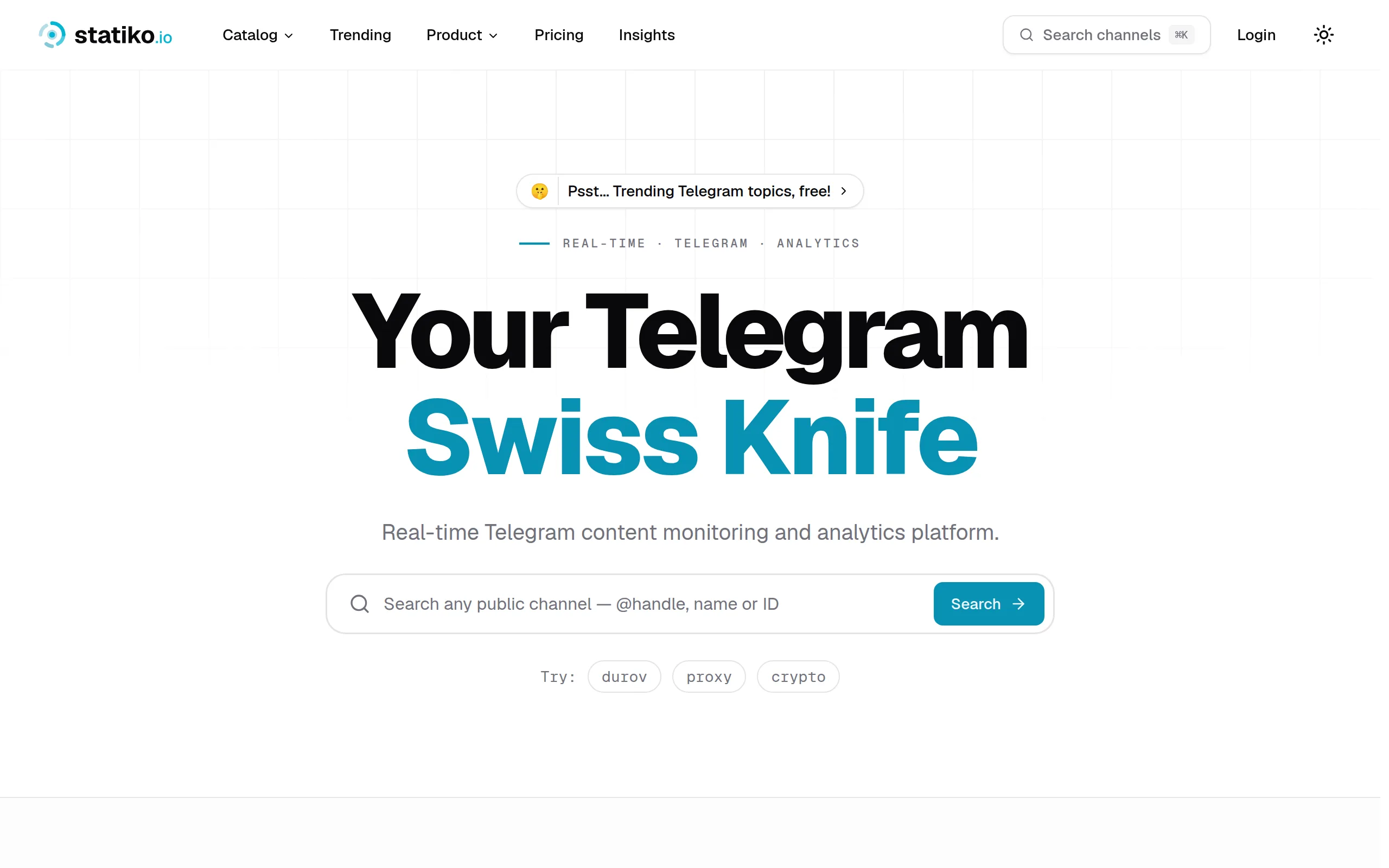
Statiko
Monitor any Telegram channel in real time - track posts, edits, deletions, and growth with AI recaps 📡

Shibui
AI website builder - describe your business, pick a niche template, edit by chatting, and publish instantly ✨

Pro Service
Find verified home service professionals, compare quotes, and pay securely through escrow - built for Brazilians across the US 🏠

RankGrow
Fix your SEO with AI agents - connect Search Console, get prioritized tasks, and grow organic traffic 📈
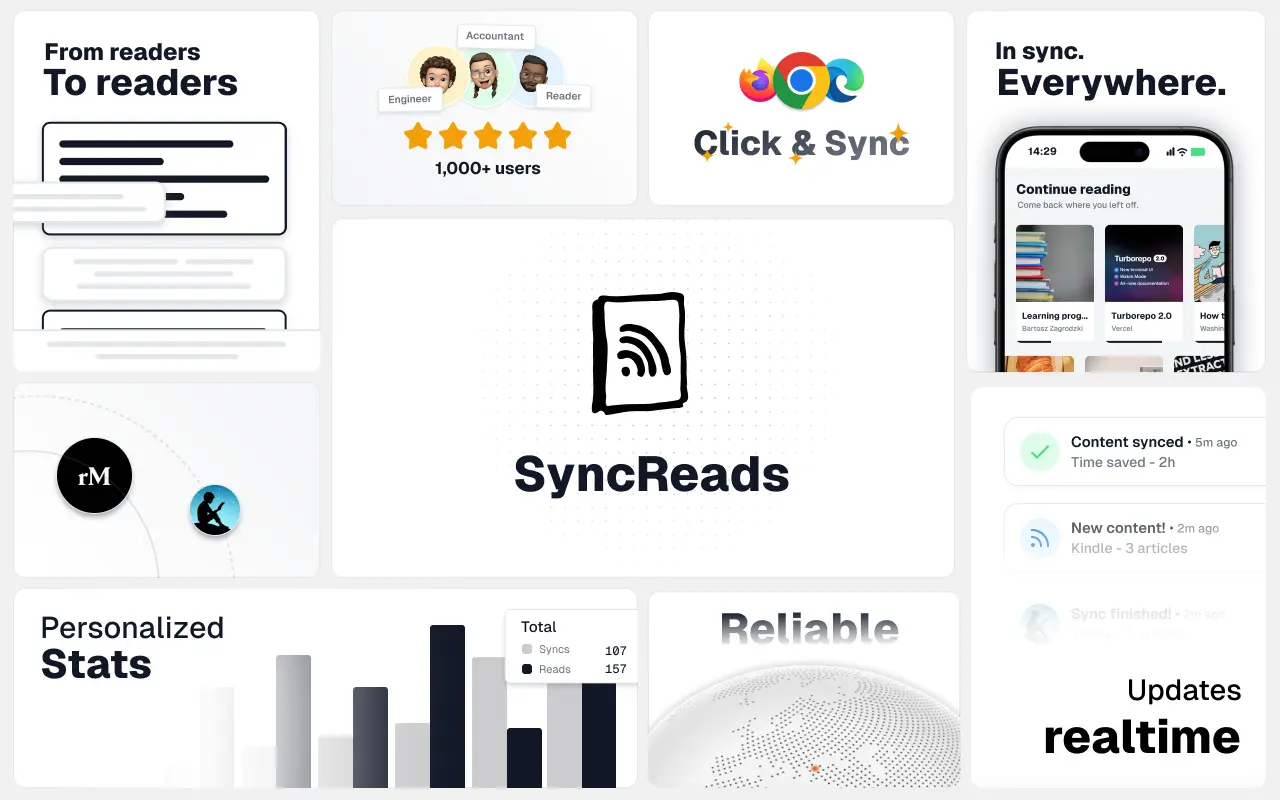
SyncReads
Sync your favorite content for distraction-free reading, save time and replace multiple apps. Anytime, anywhere 🔄
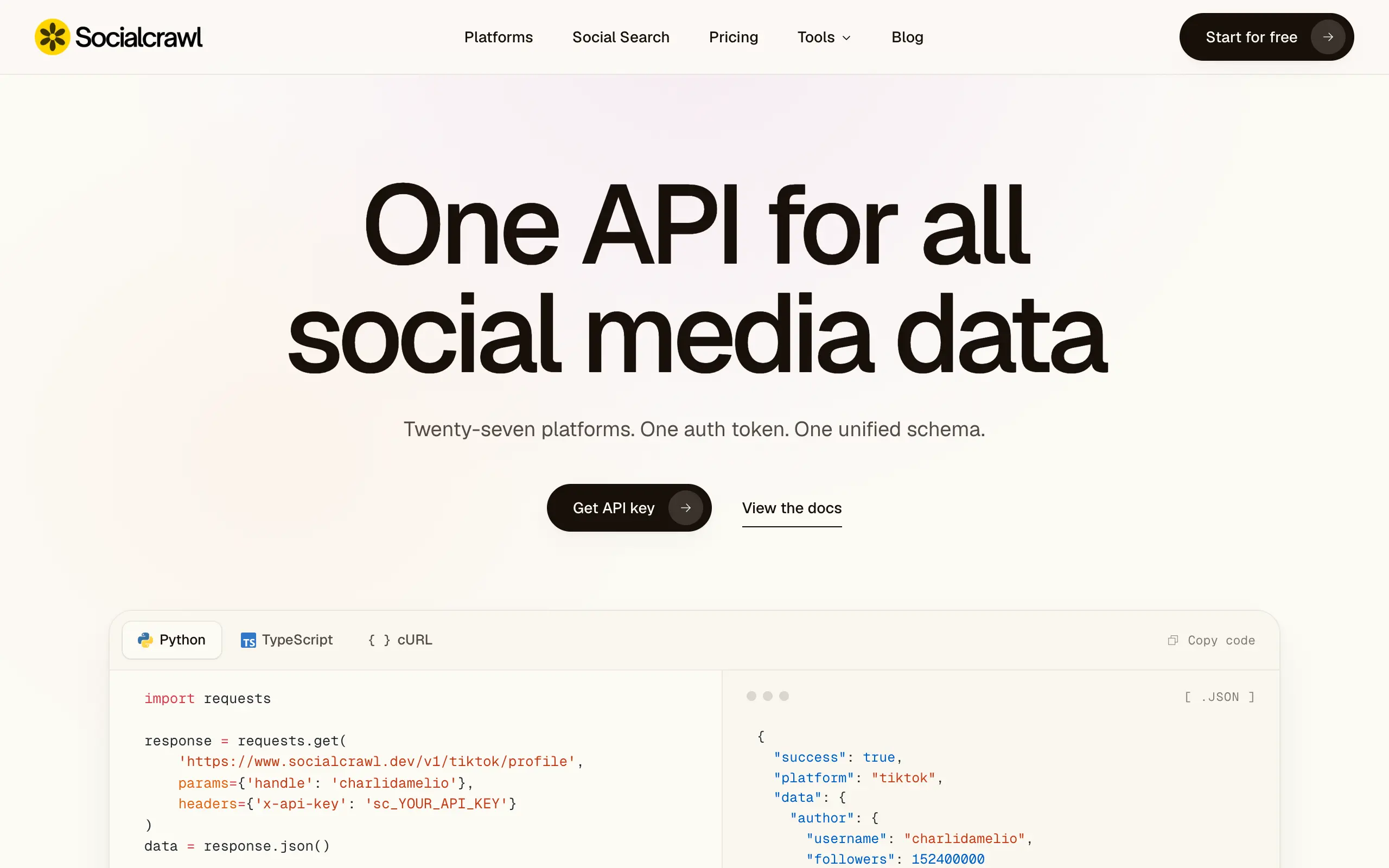
Socialcrawl
Get clean, structured data from 21 platforms like TikTok, Instagram, and YouTube with a single request 📊
Statiko
Monitor any Telegram channel in real time - track posts, edits, deletions, and growth with AI recaps 📡
Shibui
AI website builder - describe your business, pick a niche template, edit by chatting, and publish instantly ✨
Pro Service
Find verified home service professionals, compare quotes, and pay securely through escrow - built for Brazilians across the US 🏠
RankGrow
Fix your SEO with AI agents - connect Search Console, get prioritized tasks, and grow organic traffic 📈
SyncReads
Sync your favorite content for distraction-free reading, save time and replace multiple apps. Anytime, anywhere 🔄
Socialcrawl
Get clean, structured data from 21 platforms like TikTok, Instagram, and YouTube with a single request 📊
Statiko
Monitor any Telegram channel in real time - track posts, edits, deletions, and growth with AI recaps 📡
Shibui
AI website builder - describe your business, pick a niche template, edit by chatting, and publish instantly ✨
Pro Service
Find verified home service professionals, compare quotes, and pay securely through escrow - built for Brazilians across the US 🏠
RankGrow
Fix your SEO with AI agents - connect Search Console, get prioritized tasks, and grow organic traffic 📈
SyncReads
Sync your favorite content for distraction-free reading, save time and replace multiple apps. Anytime, anywhere 🔄
Socialcrawl
Get clean, structured data from 21 platforms like TikTok, Instagram, and YouTube with a single request 📊
Statiko
Monitor any Telegram channel in real time - track posts, edits, deletions, and growth with AI recaps 📡
Shibui
AI website builder - describe your business, pick a niche template, edit by chatting, and publish instantly ✨
Pro Service
Find verified home service professionals, compare quotes, and pay securely through escrow - built for Brazilians across the US 🏠
RankGrow
Fix your SEO with AI agents - connect Search Console, get prioritized tasks, and grow organic traffic 📈
SyncReads
Sync your favorite content for distraction-free reading, save time and replace multiple apps. Anytime, anywhere 🔄
Socialcrawl
Get clean, structured data from 21 platforms like TikTok, Instagram, and YouTube with a single request 📊

Dotallio
Personalized AI apps that automate research, data extraction, and content creation without code 🤖

Talk to Santa
Enjoy a magical live video chat or receive a unique AI-generated video greeting from Santa Claus 🎅
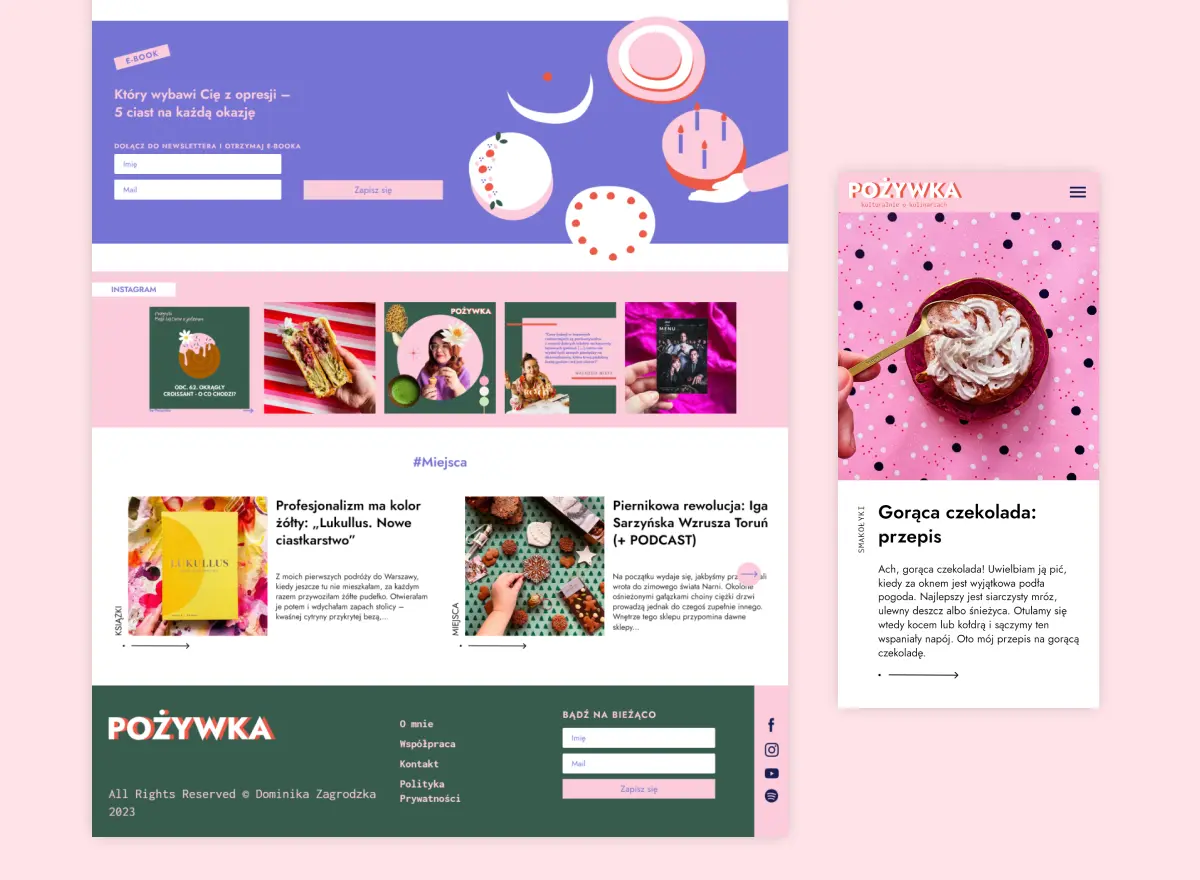
pozywka.pl
Scalable blog for food journalist, focused on performance and user experience 🌭
zagrodzki.me
Personal blog and portfolio of Bart Zagrodzki, where he shares his knowledge and work 💼
TurboStarter
Ship your startup everywhere. In minutes.
HTML to Markdown
Convert HTML to Markdown with ease, directly in your browser 📄
Dotallio
Personalized AI apps that automate research, data extraction, and content creation without code 🤖
Talk to Santa
Enjoy a magical live video chat or receive a unique AI-generated video greeting from Santa Claus 🎅
pozywka.pl
Scalable blog for food journalist, focused on performance and user experience 🌭
zagrodzki.me
Personal blog and portfolio of Bart Zagrodzki, where he shares his knowledge and work 💼
TurboStarter
Ship your startup everywhere. In minutes.
HTML to Markdown
Convert HTML to Markdown with ease, directly in your browser 📄
Dotallio
Personalized AI apps that automate research, data extraction, and content creation without code 🤖
Talk to Santa
Enjoy a magical live video chat or receive a unique AI-generated video greeting from Santa Claus 🎅
pozywka.pl
Scalable blog for food journalist, focused on performance and user experience 🌭
zagrodzki.me
Personal blog and portfolio of Bart Zagrodzki, where he shares his knowledge and work 💼
TurboStarter
Ship your startup everywhere. In minutes.
HTML to Markdown
Convert HTML to Markdown with ease, directly in your browser 📄
Dotallio
Personalized AI apps that automate research, data extraction, and content creation without code 🤖
Talk to Santa
Enjoy a magical live video chat or receive a unique AI-generated video greeting from Santa Claus 🎅
pozywka.pl
Scalable blog for food journalist, focused on performance and user experience 🌭
zagrodzki.me
Personal blog and portfolio of Bart Zagrodzki, where he shares his knowledge and work 💼
TurboStarter
Ship your startup everywhere. In minutes.
HTML to Markdown
Convert HTML to Markdown with ease, directly in your browser 📄
Omichat
Chat with 50+ AI models, including ChatGPT and Claude, in one place - switch models anytime without losing context 🤖
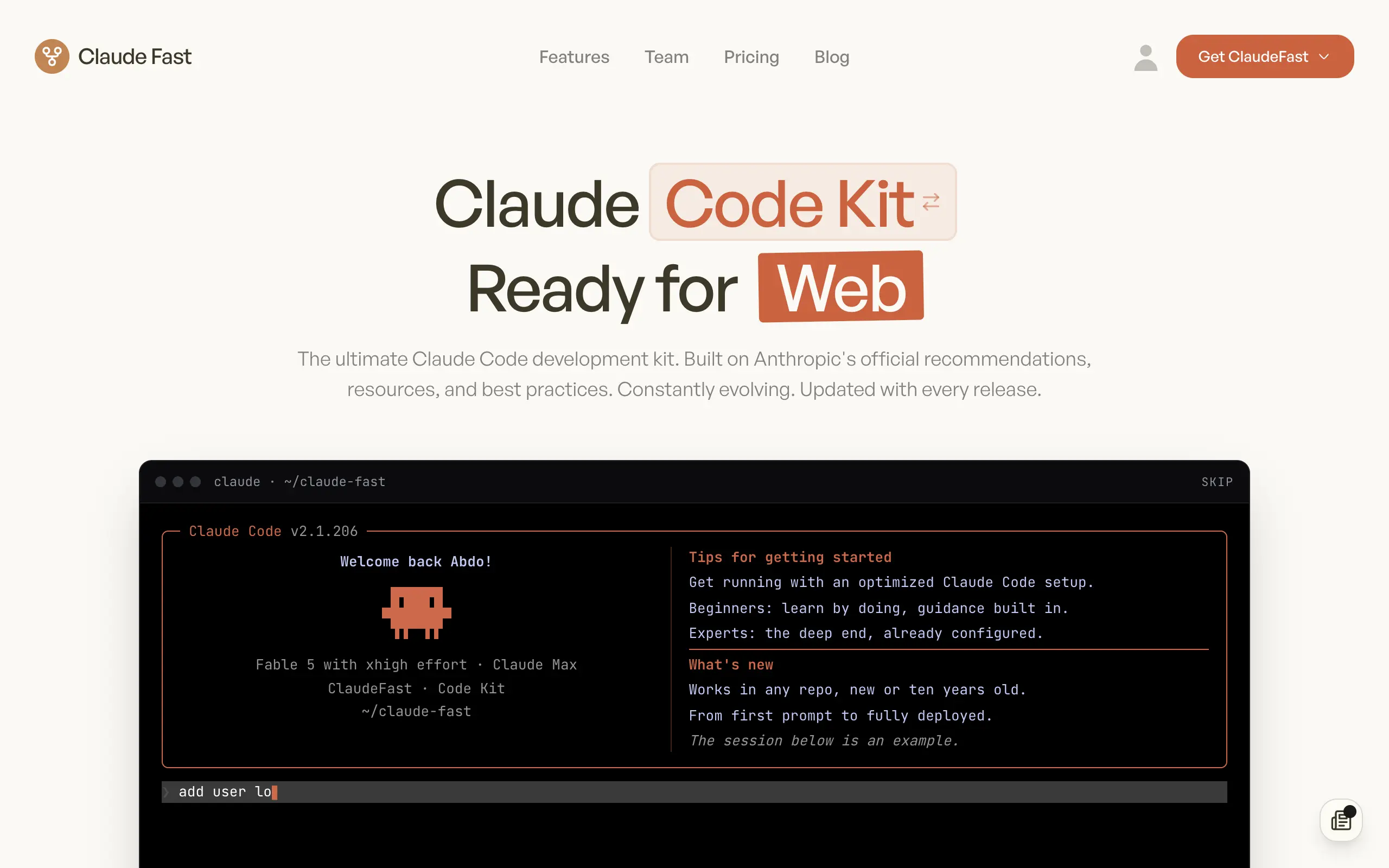
Claude Fast
Supercharge your Claude Code with 6x effective context window and specialized AI agents 🤖
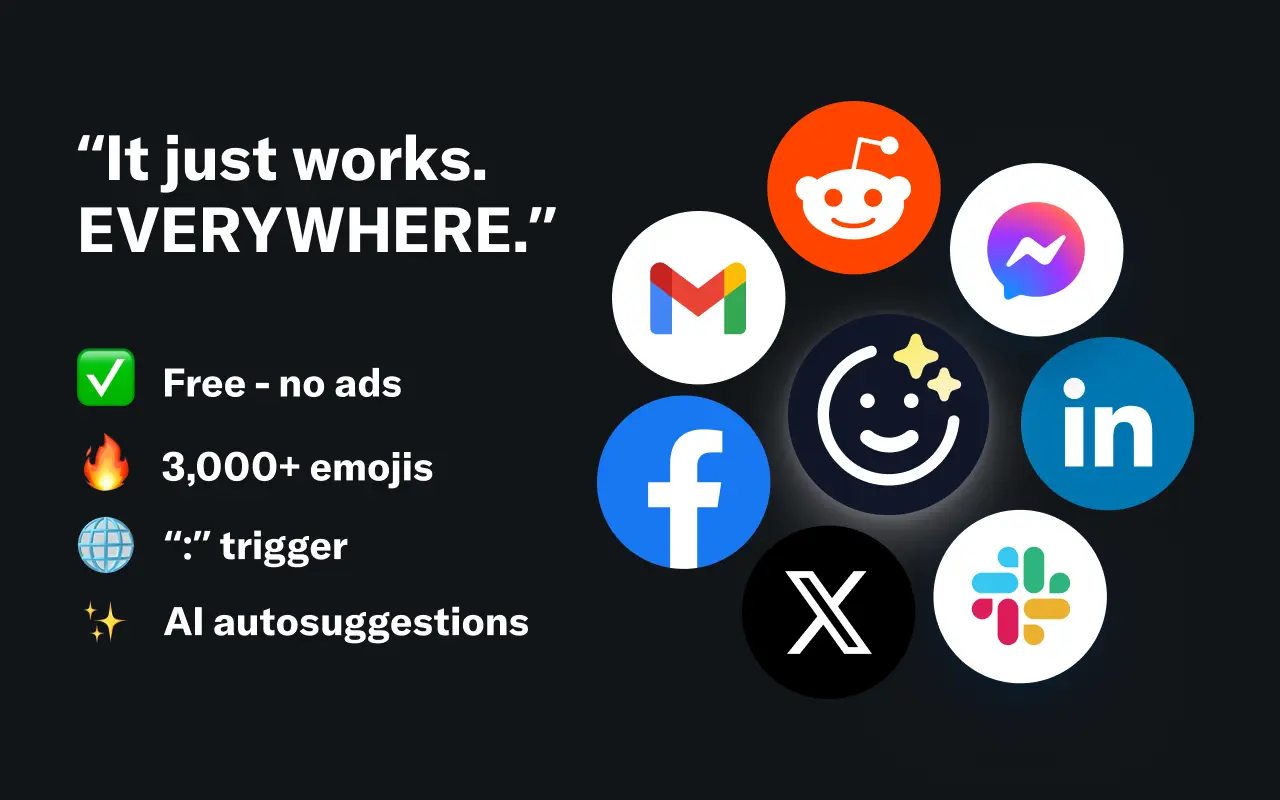
EmojAI
AI-powered emoji picker with smart, context-aware suggestions 🤖

Solohacker
Autonomous company launcher - AI agents work 24/7, escalate what matters, and you stay in control 🤖
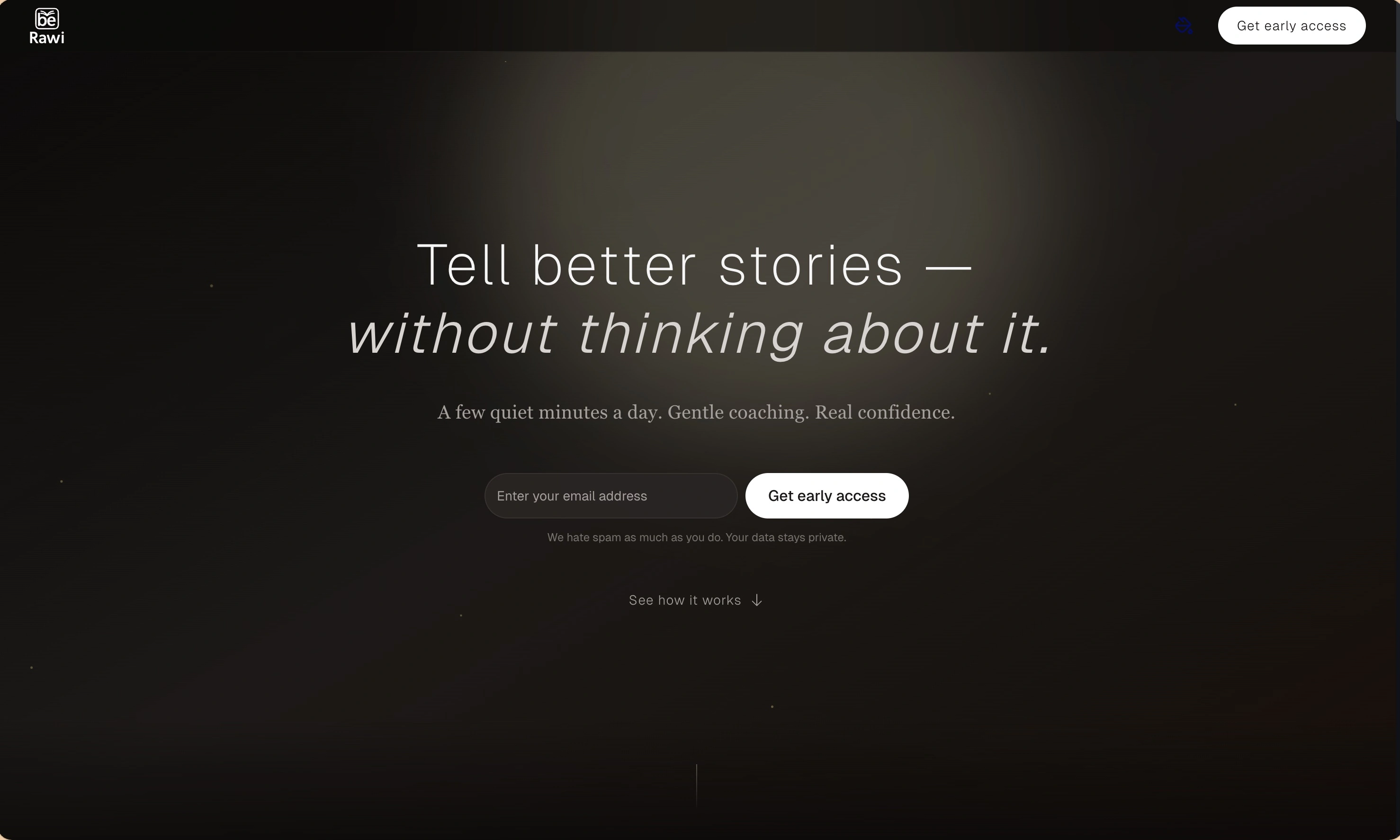
BeRawi: Storytelling Coach
Practice storytelling daily with instant feedback to sound clearer, more engaging, and confident 🎤
Omichat
Chat with 50+ AI models, including ChatGPT and Claude, in one place - switch models anytime without losing context 🤖
Claude Fast
Supercharge your Claude Code with 6x effective context window and specialized AI agents 🤖
EmojAI
AI-powered emoji picker with smart, context-aware suggestions 🤖
Solohacker
Autonomous company launcher - AI agents work 24/7, escalate what matters, and you stay in control 🤖
BeRawi: Storytelling Coach
Practice storytelling daily with instant feedback to sound clearer, more engaging, and confident 🎤
Omichat
Chat with 50+ AI models, including ChatGPT and Claude, in one place - switch models anytime without losing context 🤖
Claude Fast
Supercharge your Claude Code with 6x effective context window and specialized AI agents 🤖
EmojAI
AI-powered emoji picker with smart, context-aware suggestions 🤖
Solohacker
Autonomous company launcher - AI agents work 24/7, escalate what matters, and you stay in control 🤖
BeRawi: Storytelling Coach
Practice storytelling daily with instant feedback to sound clearer, more engaging, and confident 🎤
Omichat
Chat with 50+ AI models, including ChatGPT and Claude, in one place - switch models anytime without losing context 🤖
Claude Fast
Supercharge your Claude Code with 6x effective context window and specialized AI agents 🤖
EmojAI
AI-powered emoji picker with smart, context-aware suggestions 🤖
Solohacker
Autonomous company launcher - AI agents work 24/7, escalate what matters, and you stay in control 🤖
BeRawi: Storytelling Coach
Practice storytelling daily with instant feedback to sound clearer, more engaging, and confident 🎤

Connect with like-minded people
Join our community to get feedback, support, and grow together with 1,000+ builders on board, let's ship it!
Join usShip your startup everywhere. In minutes.
Don't burn tokens on setup and start building features on day one.