Promptbound
Learn vibe-coding by guiding a game hero through prompt challenges, bug hunts, and app-building levels, with new coding worlds to unlock.
What Promptbound could become
Promptbound is a game-based learning platform for people who want to learn vibe coding by building software through natural-language prompts and AI tools. Instead of presenting coding as a sequence of lessons, it turns the learning process into a series of interactive challenges: guide a hero through coding worlds, solve bugs, improve prompts, and build small apps to unlock new levels.
The idea addresses a real learning tension. AI coding assistants can help a beginner produce working code quickly, but generating an app is not the same as understanding how to build, test, and improve one. A learner still needs to describe what they want, interpret errors, recognize when an AI-generated change is wrong, and decide what to try next. Promptbound can make those skills easier to practice by giving learners a safe, structured environment in which to experiment.
The opportunity is not simply to make coding lessons more entertaining. It is to create a vibe coding game that teaches the judgment behind AI-assisted building. If the product combines meaningful challenges, immediate feedback, and increasingly realistic projects, it can help beginners move from “I can get an AI to write code” to “I can guide, evaluate, and improve an application.”
What is vibe coding, and what should a learning game teach?
Vibe coding generally describes building software with AI assistance by explaining goals in natural language, reviewing generated output, and iterating. The exact tools and workflows vary. Some people work in an AI-enabled code editor; others use a browser-based app builder or chatbot. The common skill is not merely writing a good first prompt. It is managing a cycle of intent, generation, testing, and refinement.
A useful educational product should therefore teach more than prompt templates. Learners should practice:
- Turning an idea into a clear specification. A vague request such as “make a nice dashboard” leaves important details undefined. A stronger request describes the user, the screen, the needed behavior, and any constraints.
- Breaking a large goal into smaller tasks. Asking an AI to build an entire product in one step makes it harder to assess what went wrong. Incremental requests make changes easier to verify.
- Reading and acting on errors. Beginners need to know how to reproduce a bug, identify what changed, and describe the problem with useful context.
- Evaluating generated code and interfaces. A page that renders successfully can still be inaccessible, confusing, insecure, or inconsistent with the request.
- Testing assumptions. Learners should check whether a feature works for realistic inputs, not just the happy path.
- Knowing when to ask for help. A good builder can provide relevant context, narrow the question, and recognize when a generated answer needs further validation.
Promptbound can teach these habits through play. For example, a level might ask the learner to guide a character across a “bug bridge” by diagnosing a broken form. The player must inspect the symptoms, choose a useful prompt, apply a change, and confirm that the fix works. The story gives the task a memorable frame, while the underlying activity develops a practical skill.
Who is Promptbound for?
A clear initial audience will help Promptbound choose the right difficulty, language, and product design. “Everyone who wants to learn coding” is too broad for a first release. The strongest initial users are likely to be people who want to build with AI but lack confidence in the steps surrounding the prompt.
Beginners curious about AI-assisted app building
These learners may have an app idea but no programming background. They want to see progress quickly and may feel intimidated by traditional tutorials that start with syntax before showing a useful outcome.
Promptbound can give them a low-pressure introduction to software concepts through achievable tasks. The key is to avoid pretending that a few game levels make someone a production-ready developer. A credible promise is narrower: learners can practice communicating requirements, iterating on software, and understanding common building blocks.
Students and self-directed learners
Students often benefit from short activities with clear goals and visible feedback. A game format can help create a reason to return between longer lessons or projects. Self-directed learners may also value a path that shows what to practice next instead of leaving them to search through disconnected tutorials.
For this audience, progress should reflect demonstrated skills, not simply time spent or levels completed. A learner who can explain a bug and verify a fix has made more meaningful progress than one who has only clicked through a story.
Educators, bootcamps, and coding clubs
Instructors may use Promptbound as a warm-up, practice environment, or supplement to a broader curriculum. They need more than an engaging game. They need to know what each activity teaches, how learners are assessed, and how to support different ability levels.
Potential education features include class groups, instructor-assigned worlds, a view of common sticking points, and exportable progress summaries. These features should follow evidence of demand rather than being built before the individual learning experience works.
Nontechnical founders and creators
People with product ideas may use AI tools to prototype without becoming professional programmers. They still need practical skills to express requirements, evaluate AI output, and distinguish a working demo from a reliable product.
Promptbound could serve this group by using project scenarios drawn from everyday product work, such as improving a signup flow or building a simple tracker. The game should make the limits of prototypes visible, too. Authentication, privacy, payments, and deployment require care beyond getting a feature to appear on screen.
Parents and younger learners
A game-based coding experience may also appeal to younger users, but this audience adds important product responsibilities. The experience should use age-appropriate language, protect personal data, provide safe social features, and avoid manipulative engagement mechanics. If children are a target market, privacy and child-safety requirements should be reviewed with qualified legal and product specialists before launch.
The market opportunity and the gap
Interest in AI-assisted software creation has expanded the number of people who can attempt to build an app. Yet easier generation does not automatically create a good learning experience. Beginners can still struggle to understand why a request failed, whether an AI-generated fix is safe, or how to turn a broad idea into a sequence of manageable changes.
That creates an opportunity for a product positioned between two familiar categories:
- Traditional coding education, which teaches programming concepts through lessons, exercises, and projects.
- AI coding and app-building tools, which help users generate or modify software but may not be designed as structured learning environments.
Promptbound can occupy a useful middle ground. It can let learners practice realistic AI-assisted workflows while providing the guidance, pacing, and feedback associated with educational products.
A learning gap, not just a content gap
There is no shortage of coding tutorials or prompt examples. The deeper gap is guided practice with feedback. A list of prompts can show what to type, but it cannot necessarily teach a learner how to adapt when the first attempt produces the wrong result.
A well-designed level can model a complete learning loop:
- Read the goal and constraints.
- Decide what information is missing.
- Write or select a prompt.
- Inspect the result.
- Test the behavior.
- Improve the request or implementation.
- Explain why the final change solves the problem.
This loop is the product’s educational foundation. The game world should make it motivating, not distract from it.
Validate demand before building a large game
The product concept should be tested with the intended users before investing in a large collection of worlds, characters, and levels. Interviews and lightweight prototypes can reveal whether learners want a browser-based game, an AI-powered coding sandbox, guided prompt challenges, or a combination.
Useful questions include:
- What did the learner last try to build with an AI tool?
- Where did they get stuck?
- What did they do when the generated result was wrong?
- Which part of the process felt confusing or frustrating?
- Would they prefer short standalone challenges or a connected project?
- What would make them trust the educational feedback?
- Would they use the product alone, with a class, or alongside another course?
For market sizing or adoption claims, use current research from credible sources and make the methodology clear. A publishable claim should specify the population, geography, date, and definition used. Avoid using broad estimates about AI adoption as proof that learners will pay for this particular product.
The core Promptbound experience
Promptbound’s most important design choice is how it connects game mechanics to learning outcomes. If the game rewards speed, learners may rush through prompts without understanding them. If it rewards experimentation, explanation, and verification, the mechanics can reinforce useful habits.
A progression of coding worlds
Each world can introduce a different part of the AI-assisted building process. A possible progression might look like this:
- Prompt Harbor teaches how to turn an idea into a clear request.
- Interface Grove focuses on layouts, navigation, and user feedback.
- Bug Caverns teaches debugging, error reproduction, and incremental fixes.
- Data Dunes introduces data models, forms, and state.
- Launch Summit explores testing, accessibility, deployment, and responsible release.
The names are flexible. What matters is that each world has a clear skill focus and that later challenges build on earlier learning. Unlocking a new location should signal readiness to take on a more demanding task, rather than simply reward repeated logins.
Prompt challenges with meaningful choices
A prompt challenge should ask learners to do something more substantive than select a polished sentence from a multiple-choice list. Early levels can offer hints and structured options, while later levels can ask learners to write and revise their own prompts.
For example, a challenge may ask the player to improve a request for a task-tracking app. The learner might need to specify:
- Who will use the app.
- Which information a task contains.
- What happens when a task is completed.
- How the interface should respond to an empty list.
- What should remain unchanged during the requested update.
The game can then compare the request against a transparent rubric. Instead of labeling a prompt “bad,” feedback can explain which requirement was missing and why that omission could lead to an unexpected result.
Bug hunts that teach a repeatable method
Bug hunts are a natural fit for a game because they already contain discovery, clues, and a goal. A strong bug hunt should teach a process, not just ask the player to guess the hidden answer.
One level might present a form that appears to submit but does not display a confirmation. The learner could be prompted to:
- Reproduce the issue.
- Identify what they expected to happen.
- Gather relevant details from the interface or error message.
- Ask the AI to investigate the specific behavior.
- Test the suggested change with multiple inputs.
Hints can become more explicit as needed. A learner who struggles might receive a hint about checking the submit handler; a more advanced player could be asked to diagnose the problem without being told where to look.
App-building levels with visible outcomes
The most engaging challenges should produce something learners can see and interact with. A small app, interface, or feature gives the learner a concrete sense of accomplishment.
Early project examples could include:
- A responsive profile card.
- A searchable list of books or recipes.
- A simple habit tracker.
- A form with input validation.
- A small dashboard with realistic sample data.
Projects should grow in complexity gradually. Each one should introduce a limited number of new concepts so learners can connect cause and effect. Avoid making the first experience depend on external API keys, complicated setup, or a production deployment.
Feedback that explains the reasoning
Instant feedback is useful only when it helps a learner decide what to do next. Promptbound should explain why a result meets or misses a goal, show what evidence was considered, and encourage verification.
Useful feedback might say that a prompt describes the visual layout but does not state what should happen after a user submits the form. That is more actionable than a generic score of 72%.
A balanced feedback system can combine:
- Automated checks for objective requirements.
- AI-generated coaching for open-ended responses.
- Model answers that show one effective approach.
- Rubrics that explain how responses are assessed.
- Human review for high-stakes curriculum or educator materials.
AI-generated feedback should be tested for consistency and accuracy. It should not claim that code is secure or production-ready just because it passes a small exercise.
A skill map instead of a simple level counter
Learners benefit from knowing what they can do and what they should practice next. A progress view might track abilities such as:
- Clarifying requirements.
- Writing iterative prompts.
- Understanding errors.
- Testing user flows.
- Reviewing interface quality.
- Recognizing privacy and security concerns.
This is more informative than a level number alone. It also gives instructors a clearer picture of learning than a generic completion badge.
Recommended product features
Promptbound should distinguish its essential learning loop from features that can wait until the product has evidence of retention and demand.
MVP features
An initial version should include:
- A short onboarding assessment to understand the learner’s experience and goals.
- One complete world with a small set of progressive challenges.
- Prompt-writing and debugging activities that teach distinct skills.
- A simple project sandbox with predictable behavior and reset options.
- Hints and explanations that respond to common mistakes.
- Progress tracking tied to skills and completed tasks.
- Accessibility essentials, including keyboard support, readable text, clear focus states, and reduced-motion options.
- Basic analytics for learning outcomes and product performance, collected with appropriate privacy controls.
The MVP should test whether learners return, improve, and understand the feedback. It does not need a huge narrative, a marketplace, multiplayer features, or dozens of worlds.
Features for later releases
Once the core loop is validated, Promptbound could explore:
- Class and cohort management.
- Teacher-assigned challenges.
- Custom learning paths by age or experience.
- Collaborative bug hunts.
- Project portfolios that learners can share.
- Additional AI providers or coding environments.
- Community-authored challenges with editorial review.
- Challenge creation tools for instructors.
- Adaptive hints based on recurring mistakes.
Each addition should support a defined user need. A social leaderboard, for instance, may increase competition without improving learning. If rankings are used, consider rewarding mastery, creativity, or collaboration instead of raw speed.
A practical example of a challenge flow
A challenge could follow a consistent structure:
- Mission briefing: The learner sees the user need and success criteria.
- Plan: The learner identifies missing details or chooses an approach.
- Prompt: The learner writes a request or selects a hint.
- Build: A sandbox generates or updates the project.
- Test: The learner checks the result against required scenarios.
- Reflect: The learner summarizes what changed and what they would improve.
This makes the game loop legible and repeatable. It also creates a natural way to measure progress without relying solely on an opaque AI score.
Technology stack and architecture
The right stack depends on how much code execution and AI interaction Promptbound supports. A browser-based MVP can be relatively straightforward if it uses curated challenges and controlled project templates. A platform that executes arbitrary user code needs a much more serious security and infrastructure plan.
Frontend and game interface
A practical web product could use React for its component-based interface and TypeScript to make data models and challenge logic easier to maintain. React is a strong fit for dashboards, interactive lessons, and application-like interfaces. TypeScript adds setup overhead, but that cost can pay off as the challenge system grows.
For styling, a utility-first framework such as Tailwind CSS can help a small team build consistent interfaces quickly. The trade-off is that teams need conventions to keep utility-heavy markup readable and accessible.
If the game uses a highly animated 2D world, a dedicated game framework such as Phaser may be appropriate. A full game engine can offer richer interactions, but it also introduces complexity. For a product whose primary purpose is learning rather than action gameplay, a web interface with light animation may be easier to maintain and more accessible.
Backend and data
A backend can store accounts, challenge progress, content versions, feedback, and subscription status. A relational database is useful for structured learning data, such as users, worlds, challenges, attempts, and rubric results.
Supabase can provide managed database, authentication, and storage capabilities for an early product. Its speed of setup is useful for a small team, while a more customized backend may offer greater control as the product’s requirements grow. Whatever the choice, access controls and data-retention policies should be designed deliberately rather than added after launch.
AI integration
The AI layer should sit behind a server-side service, not expose provider credentials in the browser. This layer can handle prompt construction, request limits, model selection, safety checks, logging rules, and error handling.
The product team should consider:
- Whether model responses need structured formats.
- How to handle slow or failed requests.
- How to keep the model within the challenge’s teaching goals.
- Whether learner content is stored, and for how long.
- How to prevent sensitive data from being included in prompts.
- How to evaluate feedback quality across different learner answers.
For predictable learning experiences, use AI selectively. A challenge can rely on deterministic checks for clear requirements and reserve an AI model for open-ended feedback. This usually makes evaluation easier to test and can help manage cost.
Code execution and sandboxing
Running user-generated code is one of the most important architectural decisions. Executing untrusted code directly on an application server can expose the product to security risks. An MVP can reduce this risk by using constrained templates, simulated outputs, or a carefully isolated execution environment.
If the product eventually supports arbitrary code execution, treat sandboxing, resource limits, network access, filesystem isolation, and abuse monitoring as core infrastructure requirements. Get specialist security review before opening the feature broadly.
Analytics and experimentation
Analytics should answer product questions, not collect data simply because it is available. Useful events might include challenge starts, attempts, hint usage, completion, return visits, and whether a learner can apply a skill in a later task.
Avoid using completion rate alone as a measure of educational effectiveness. A challenge may be popular but too easy; another may produce learning but require better scaffolding. Combine behavioral signals with learner interviews, performance on later challenges, and educator feedback.
Monetization strategies for Promptbound
A viable business model should support ongoing content development without undermining trust or learning quality. Promptbound can test several options, but it should begin with a simple offer that makes the value clear.
Freemium subscription
A free tier could provide an introductory world and a limited number of challenges. A paid plan might unlock complete learning paths, additional projects, progress insights, or more frequent AI coaching.
The free experience should be useful on its own. If it is only a teaser, learners may not trust that the paid version provides lasting value. Subscription pricing should be tested with the intended audience rather than inferred from unrelated education products.
Classroom and cohort licensing
Schools, bootcamps, libraries, and coding clubs may pay for instructor tools and group access. This model can support larger contracts but often requires sales conversations, procurement processes, privacy reviews, and reliable classroom administration.
Before building an institutional package, interview educators and test a small pilot. Learn whether they need lesson plans, roster management, reporting, or integration with existing systems.
One-time course or world purchases
Selling a focused learning path as a one-time purchase can suit learners who prefer a clear, bounded commitment. It may also make sense for themed worlds or project-based courses. The challenge is that new content and ongoing AI costs may make a one-time fee difficult to sustain.
Sponsorships and partnerships
A coding platform, educational organization, or developer community could sponsor a world or challenge series. Sponsorship should be clearly disclosed, and educational recommendations should remain editorially independent. Avoid designing lessons around a sponsor’s product unless the partnership is transparent and genuinely useful to learners.
Monetization principles
Whatever model Promptbound chooses, it should:
- Explain what is included before asking for payment.
- Avoid paywalls that interrupt a learner midway through a challenge.
- Keep privacy and educational quality separate from advertising incentives.
- Make cancellation and renewal terms clear.
- Track whether paid features improve outcomes, not just engagement.
Competitive advantage and positioning
Promptbound will likely be compared with coding courses, AI coding assistants, educational games, and app-building platforms. Its strongest position is not that it does all of these things at once. It is that it can make AI-assisted building a structured skill game with feedback and progression.
| Category | Typical strength | Common limitation | Promptbound opportunity | Proof to establish |
|---|---|---|---|---|
| Coding courses | Structured instruction | Practice may feel disconnected from AI workflows | Teach prompting, testing, and iteration through missions | Learners transfer skills to new tasks |
| AI coding tools | Fast generation and editing | May not provide a beginner learning path | Explain why a change works and what to verify | Feedback is accurate and useful |
| Educational games | Motivation and progression | Game mechanics can overshadow real practice | Connect rewards to demonstrated skills | Players improve beyond the game |
| App builders | Accessible product creation | May prioritize output over understanding | Make iteration and evaluation part of the experience | Users can explain and improve their projects |
A defensible advantage would come from the quality of the curriculum, challenge design, learner feedback, and progression system—not merely from having AI in the product. AI tools and game mechanics can be copied. A trusted library of carefully tested challenges, clear learning evidence, and a strong understanding of beginner failure points is harder to reproduce.
A concise unique selling proposition
A possible positioning statement is:
Promptbound is a game-based way to learn how to build with AI by practicing the prompts, debugging, and testing skills behind real app projects.
This promise is specific enough to guide product decisions. It also avoids overclaiming that learners will become expert developers or build secure production software after completing a short game.
Risks and how to mitigate them
Risk of teaching shallow prompt tricks
Prompt examples can become outdated as AI tools change. If the curriculum depends on specific magic phrases, it may lose value quickly.
Mitigation: Teach durable practices such as clarifying requirements, providing context, making small changes, testing outcomes, and asking focused follow-up questions. Treat prompt templates as examples, not universal formulas.
Risk of confusing entertainment with learning
A game can generate high engagement while teaching little. Completion badges and streaks are not evidence that a learner can apply a skill.
Mitigation: Include transfer challenges that use unfamiliar scenarios. Ask learners to explain decisions, test edge cases, and solve a new task without identical step-by-step instructions.
Risk of unreliable AI feedback
An AI model may praise a weak answer, miss an important issue, or give contradictory guidance. This can damage trust, especially when learners are still building basic mental models.
Mitigation: Use explicit rubrics, deterministic checks where possible, and curated examples. Test the feedback system with diverse answers and clearly communicate uncertainty. Provide a route to report problematic feedback.
Risk of unsafe or incorrect code
A working demo may contain insecure patterns, poor accessibility, or fragile assumptions. Learners may mistake an exercise result for production-ready software.
Mitigation: Label sandbox projects as learning exercises, teach basic review habits, and add appropriate warnings around authentication, personal information, payments, and deployment. Have technical specialists review any content that makes security claims.
Risk of AI cost and latency
Open-ended model interactions can be expensive and slower than standard game actions. Heavy use may also make the learning experience inconsistent.
Mitigation: Limit AI calls to moments where they add value, cache suitable responses, use structured evaluations, set sensible quotas, and measure cost per active learner. Keep challenge content usable when an AI request fails.
Risk of weak retention
A novelty-driven game can attract initial curiosity without becoming a repeat learning habit.
Mitigation: Make each session deliver a small, meaningful accomplishment. Invite learners back for a coherent next challenge rather than relying on streak pressure. Interview users who stop and find out whether the issue is difficulty, time, relevance, or feedback.
Risk of privacy and children’s safety concerns
Learners may enter personal information or confidential code into prompts. If children are served, the product may face additional legal and safety obligations depending on its markets.
Mitigation: Minimize data collection, explain how learner content is handled, avoid sending sensitive data to AI services, and obtain qualified legal guidance for relevant jurisdictions. Design moderation and parental or educator controls before adding social features.
Risk of accessibility barriers
Fast animations, timed puzzles, color-only feedback, or keyboard-inaccessible controls can exclude learners.
Mitigation: Support keyboard navigation, readable contrast, captions or text alternatives where needed, reduced motion, and untimed options. Test with users who have different access needs instead of relying only on automated checks.
How to measure whether Promptbound works
Promptbound needs metrics that reflect both product health and learning quality.
Learning indicators
- Can learners write clearer requests after completing a world?
- Can they identify missing requirements in a new scenario?
- Do they debug unfamiliar problems using a repeatable method?
- Can they verify a change instead of assuming the AI is correct?
- Can they explain what they learned in their own words?
Product indicators
- Do learners complete the first challenge?
- Where do they request hints or abandon the experience?
- Do they return for another session?
- Which challenges produce repeated confusion?
- Does feedback improve completion without making tasks trivial?
Business indicators
- Are learners willing to pay for deeper paths or coaching?
- Do educators see enough value to run a pilot?
- Can subscription or licensing revenue support content and infrastructure costs?
- Does paid conversion remain healthy without degrading the free learning experience?
Define these measures before launch. Use a mix of product analytics, qualitative interviews, and learning assessments. If the product publishes claims about learning outcomes, describe the test design and avoid presenting a small pilot as universal proof.
Actionable implementation steps
Define the first learner and learning outcome
Choose one initial audience, such as beginners who want to build a simple web app with AI. Write one measurable outcome, for example: “After this learning path, the learner can turn a feature request into smaller prompts, test the result, and describe one limitation.”
Interview potential users and educators
Talk to people who have recently tried to build with AI. Ask about their actual workflow and frustrations rather than asking only whether they like the idea. If classroom use is important, run separate conversations with instructors.
Prototype one complete challenge
Create a small challenge that includes a mission, a prompt, an outcome, a test, and feedback. Test it with learners who have not seen the solution. Watch where they hesitate and whether the feedback helps them continue.
Build one world before planning many
Develop a short sequence of related levels around a single skill area. Validate progression, accessibility, and challenge difficulty before investing in a large game narrative or extensive content library.
Select a safe technical architecture
Choose the frontend, backend, and AI approach based on the prototype’s needs. Keep provider credentials server-side, minimize data collection, and avoid arbitrary code execution until the team can support proper isolation and security review.
Test learning and product metrics together
Measure whether users complete and return, but also whether they can apply a skill to a new task. Use interviews and challenge results to identify whether learners are gaining understanding or simply following hints.
Pilot pricing with real users
Test a simple individual offer and, if relevant, a small educator pilot. Compare willingness to pay with the ongoing cost of content production, AI usage, support, and infrastructure.
Expand only when the core loop earns it
Add new worlds, instructor dashboards, social features, or integrations when user evidence supports them. Keep the roadmap centered on the product’s core promise: helping learners build with AI more thoughtfully and effectively.
For founders who want to move quickly from idea to a working SaaS foundation, TurboStarter can help accelerate the initial build. The learning experience, challenge quality, privacy decisions, and educational validation will still need to come from the Promptbound team.
The long-term opportunity
Promptbound can stand out as a vibe coding game if it treats play as a method for practicing real skills, rather than a decorative layer around generic lessons. Its strongest version helps learners understand how to express intent, break work into manageable steps, find and fix problems, and verify what an AI-assisted tool produces.
The first product does not need dozens of coding worlds. It needs one compelling learning loop that beginners understand, enjoy, and can apply beyond the game. Start with a narrow audience, validate the challenge design, and measure whether learners become more capable—not only more engaged. If Promptbound can make that difference visible, it can earn a distinctive place in the growing landscape of AI-assisted coding education.
More 🎮 Game SaaS ideas
Discover more innovative game SaaS ideas that are trending in 2026. Each idea is AI-generated with market validation and growth potential to help you find your next profitable venture faster than competitors.
Your competitors are building with TurboStarter
Below are some of the SaaS ideas that have been generated and built with our starter kit.

Statiko
Monitor any Telegram channel in real time - track posts, edits, deletions, and growth with AI recaps 📡

Shibui
AI website builder - describe your business, pick a niche template, edit by chatting, and publish instantly ✨

Pro Service
Find verified home service professionals, compare quotes, and pay securely through escrow - built for Brazilians across the US 🏠
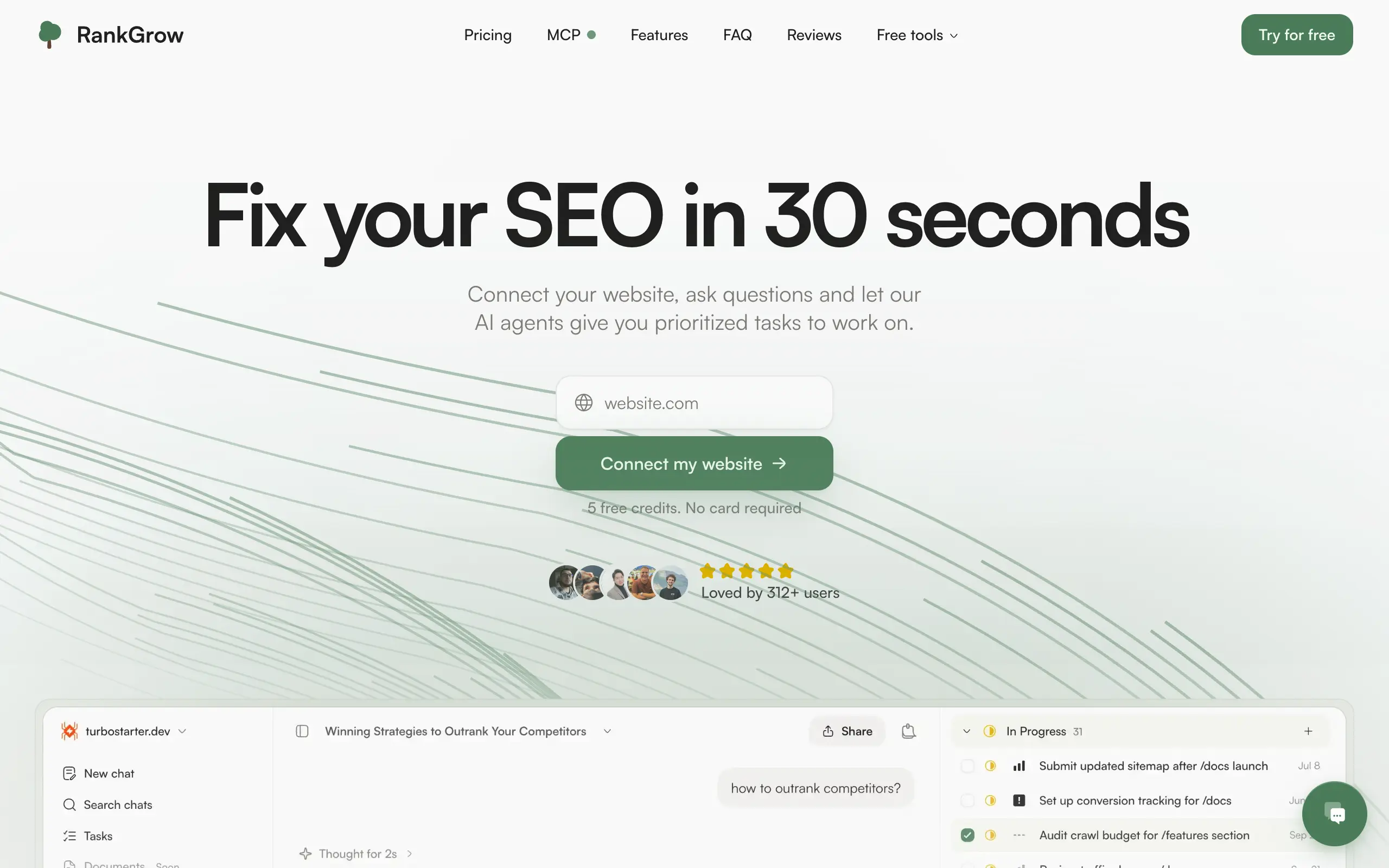
RankGrow
Fix your SEO with AI agents - connect Search Console, get prioritized tasks, and grow organic traffic 📈
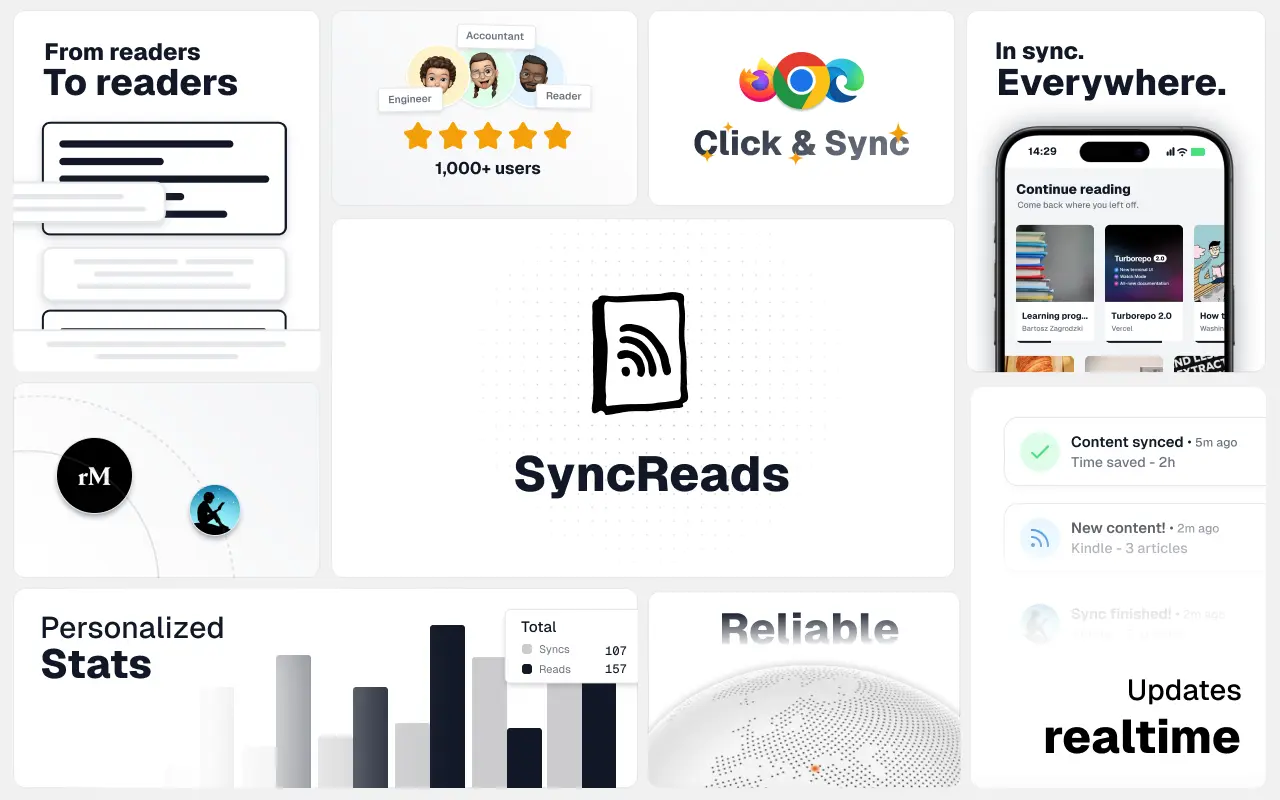
SyncReads
Sync your favorite content for distraction-free reading, save time and replace multiple apps. Anytime, anywhere 🔄
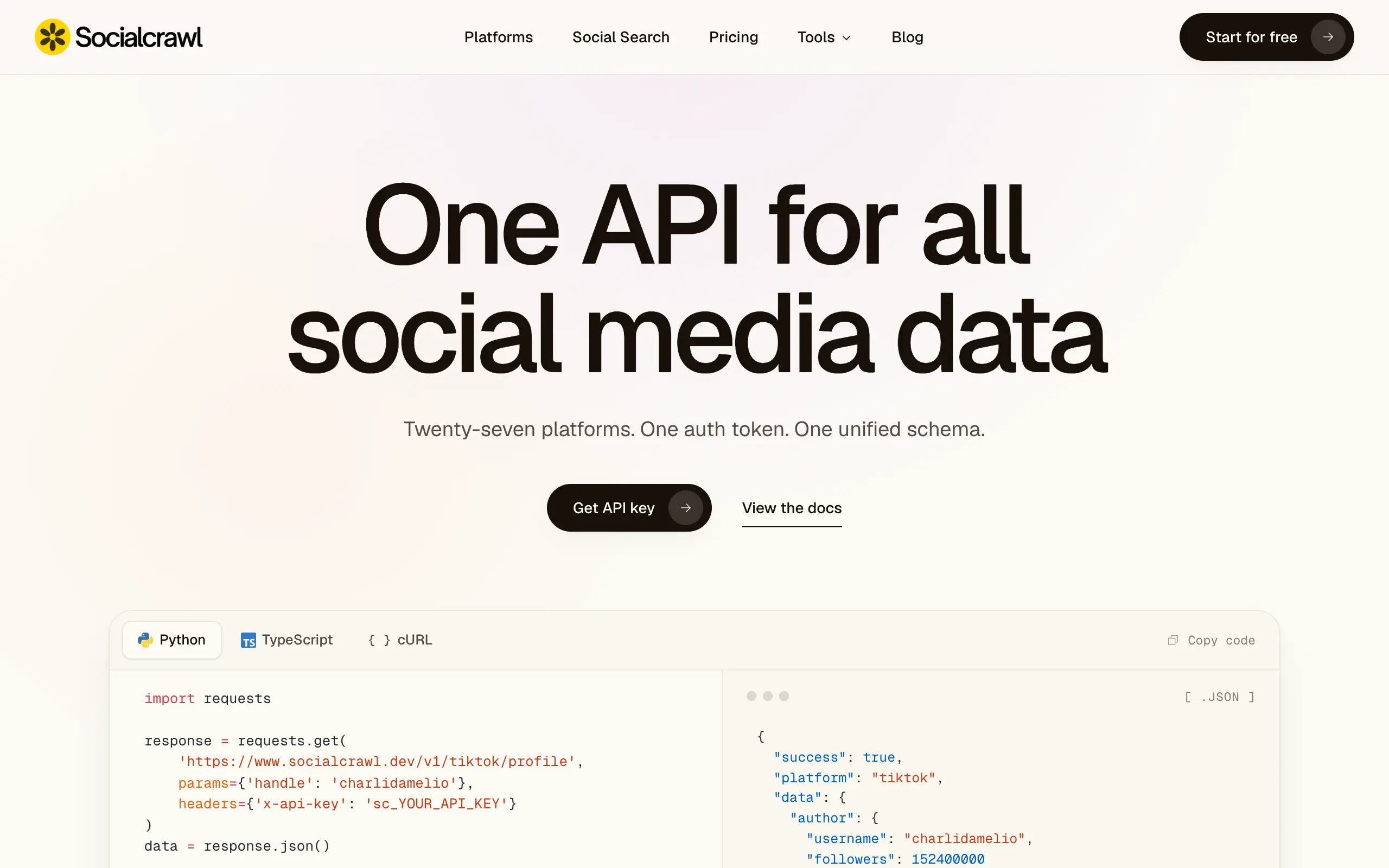
Socialcrawl
Get clean, structured data from 21 platforms like TikTok, Instagram, and YouTube with a single request 📊
Statiko
Monitor any Telegram channel in real time - track posts, edits, deletions, and growth with AI recaps 📡
Shibui
AI website builder - describe your business, pick a niche template, edit by chatting, and publish instantly ✨
Pro Service
Find verified home service professionals, compare quotes, and pay securely through escrow - built for Brazilians across the US 🏠
RankGrow
Fix your SEO with AI agents - connect Search Console, get prioritized tasks, and grow organic traffic 📈
SyncReads
Sync your favorite content for distraction-free reading, save time and replace multiple apps. Anytime, anywhere 🔄
Socialcrawl
Get clean, structured data from 21 platforms like TikTok, Instagram, and YouTube with a single request 📊
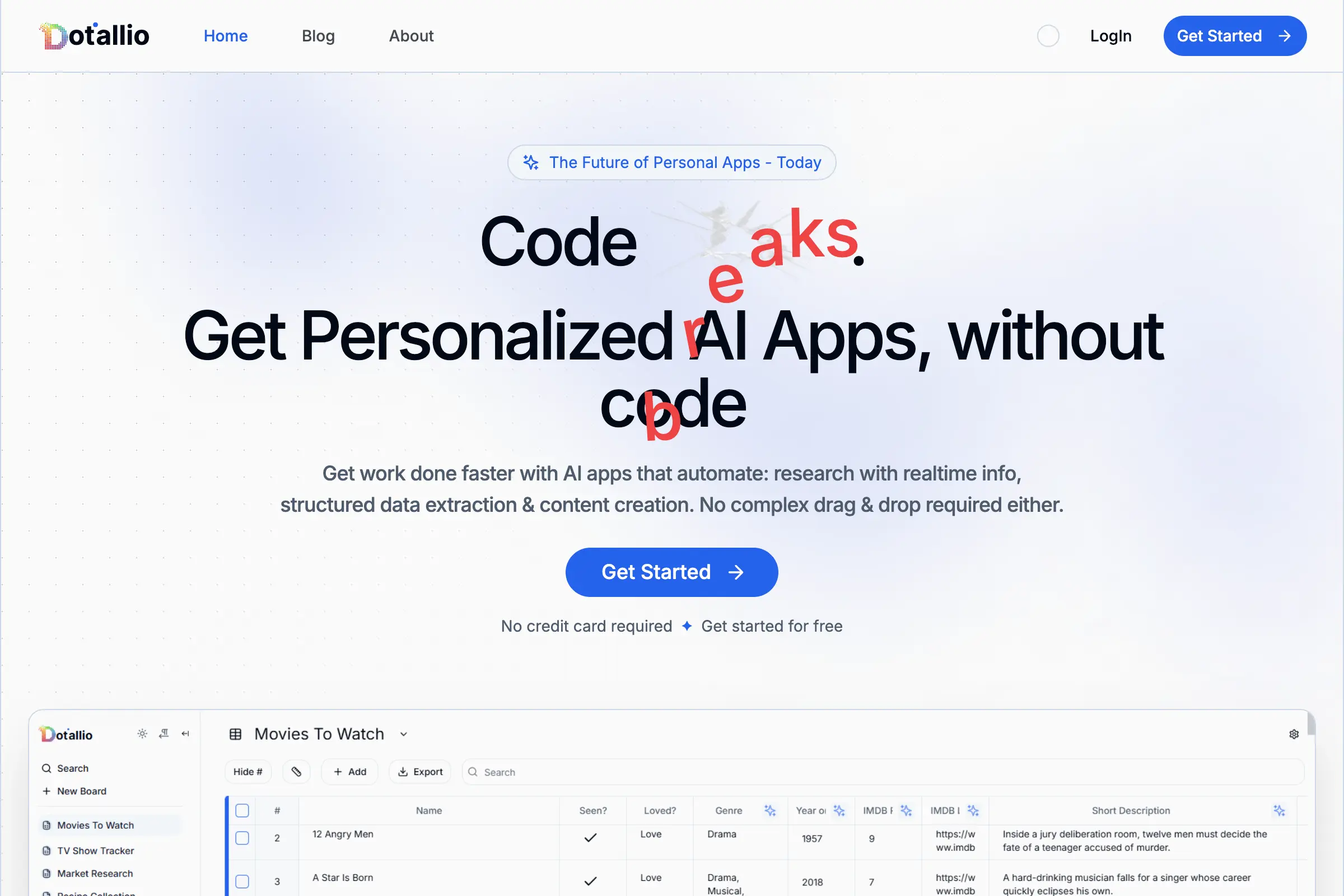
Dotallio
Personalized AI apps that automate research, data extraction, and content creation without code 🤖
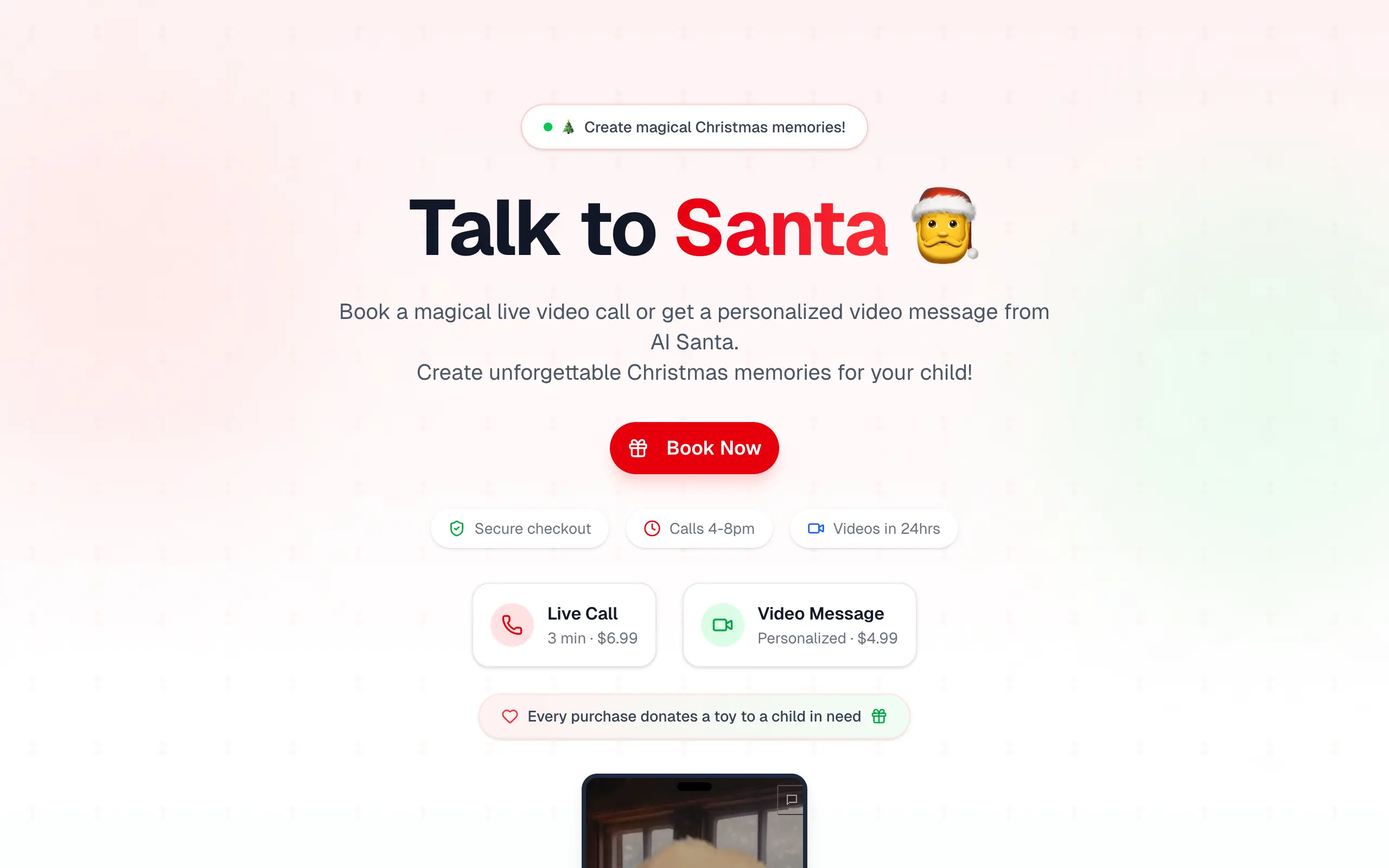
Talk to Santa
Enjoy a magical live video chat or receive a unique AI-generated video greeting from Santa Claus 🎅

pozywka.pl
Scalable blog for food journalist, focused on performance and user experience 🌭
zagrodzki.me
Personal blog and portfolio of Bart Zagrodzki, where he shares his knowledge and work 💼
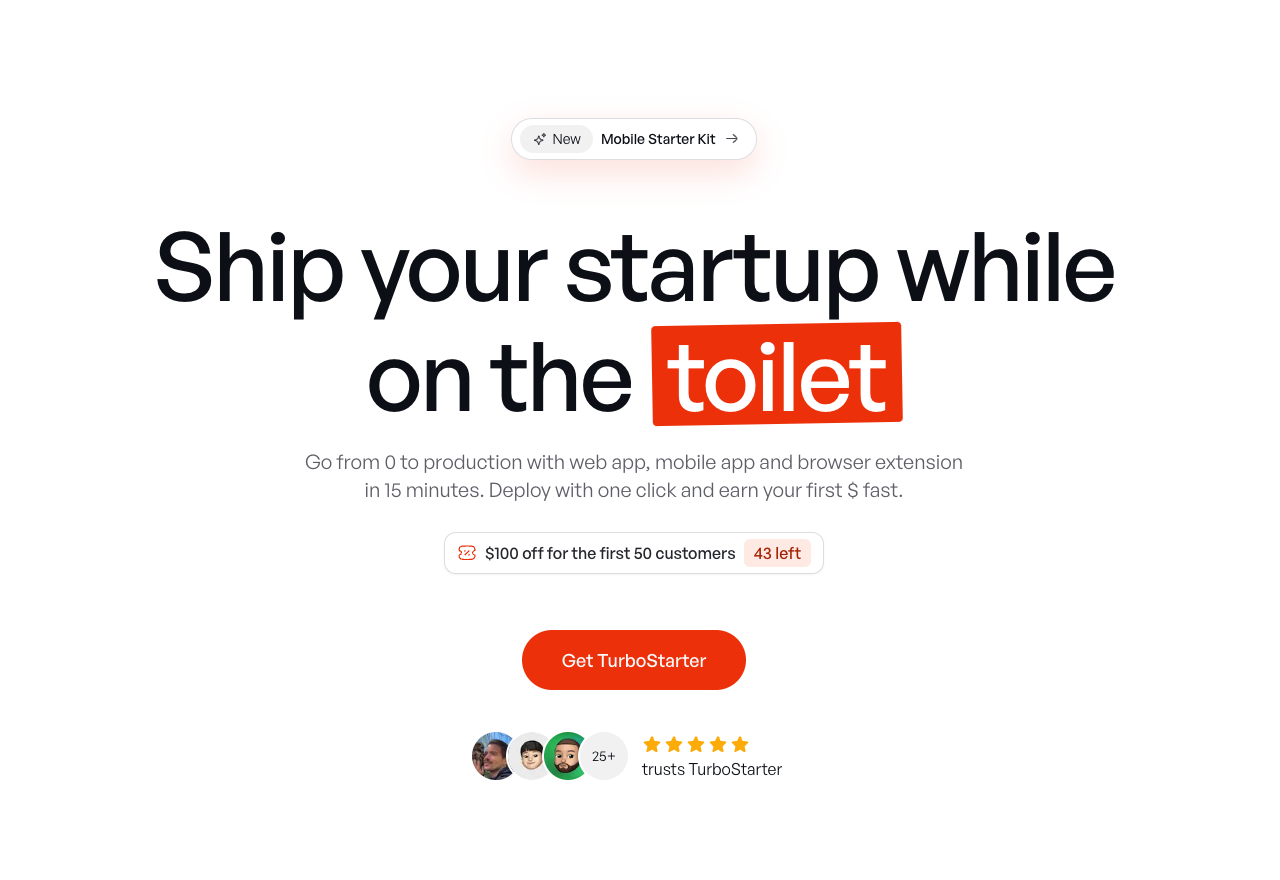
TurboStarter
Ship your startup everywhere. In minutes.
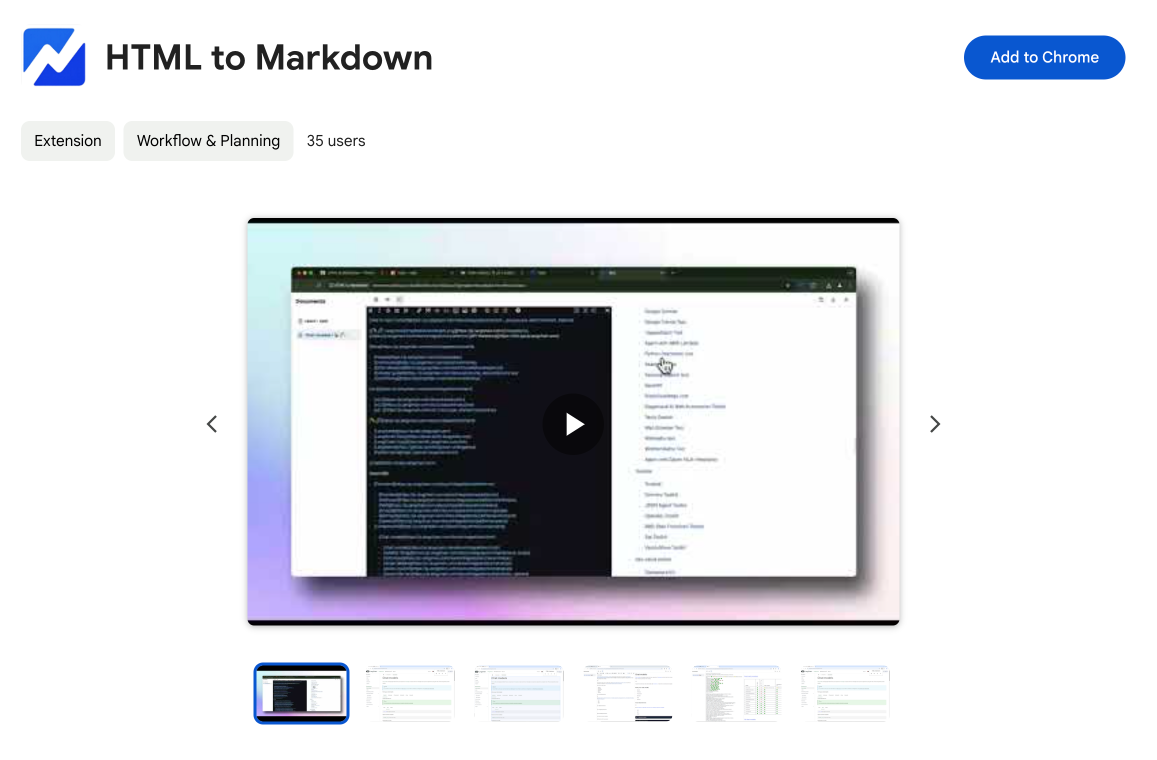
HTML to Markdown
Convert HTML to Markdown with ease, directly in your browser 📄
Dotallio
Personalized AI apps that automate research, data extraction, and content creation without code 🤖
Talk to Santa
Enjoy a magical live video chat or receive a unique AI-generated video greeting from Santa Claus 🎅
pozywka.pl
Scalable blog for food journalist, focused on performance and user experience 🌭
zagrodzki.me
Personal blog and portfolio of Bart Zagrodzki, where he shares his knowledge and work 💼
TurboStarter
Ship your startup everywhere. In minutes.
HTML to Markdown
Convert HTML to Markdown with ease, directly in your browser 📄
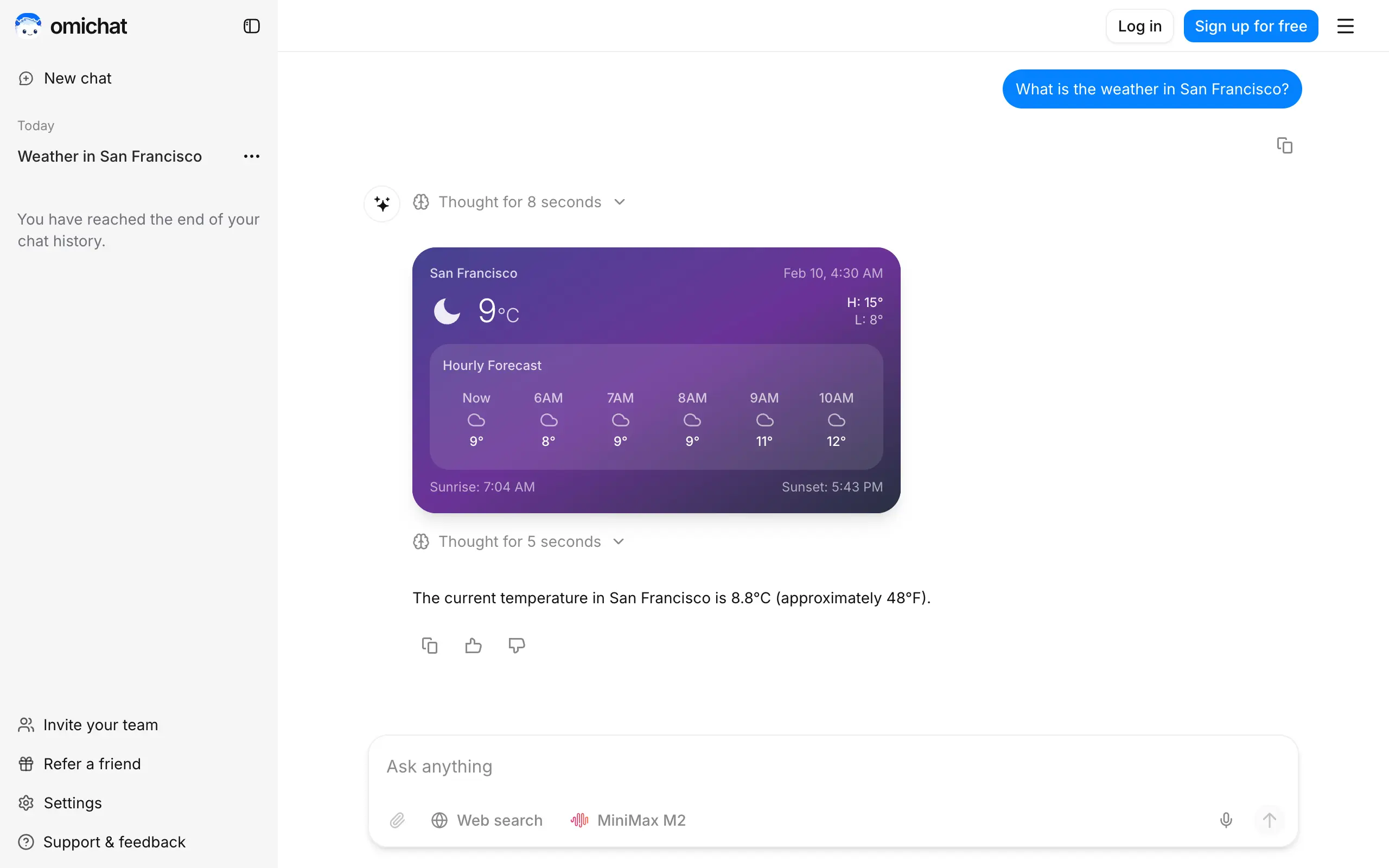
Omichat
Chat with 50+ AI models, including ChatGPT and Claude, in one place - switch models anytime without losing context 🤖
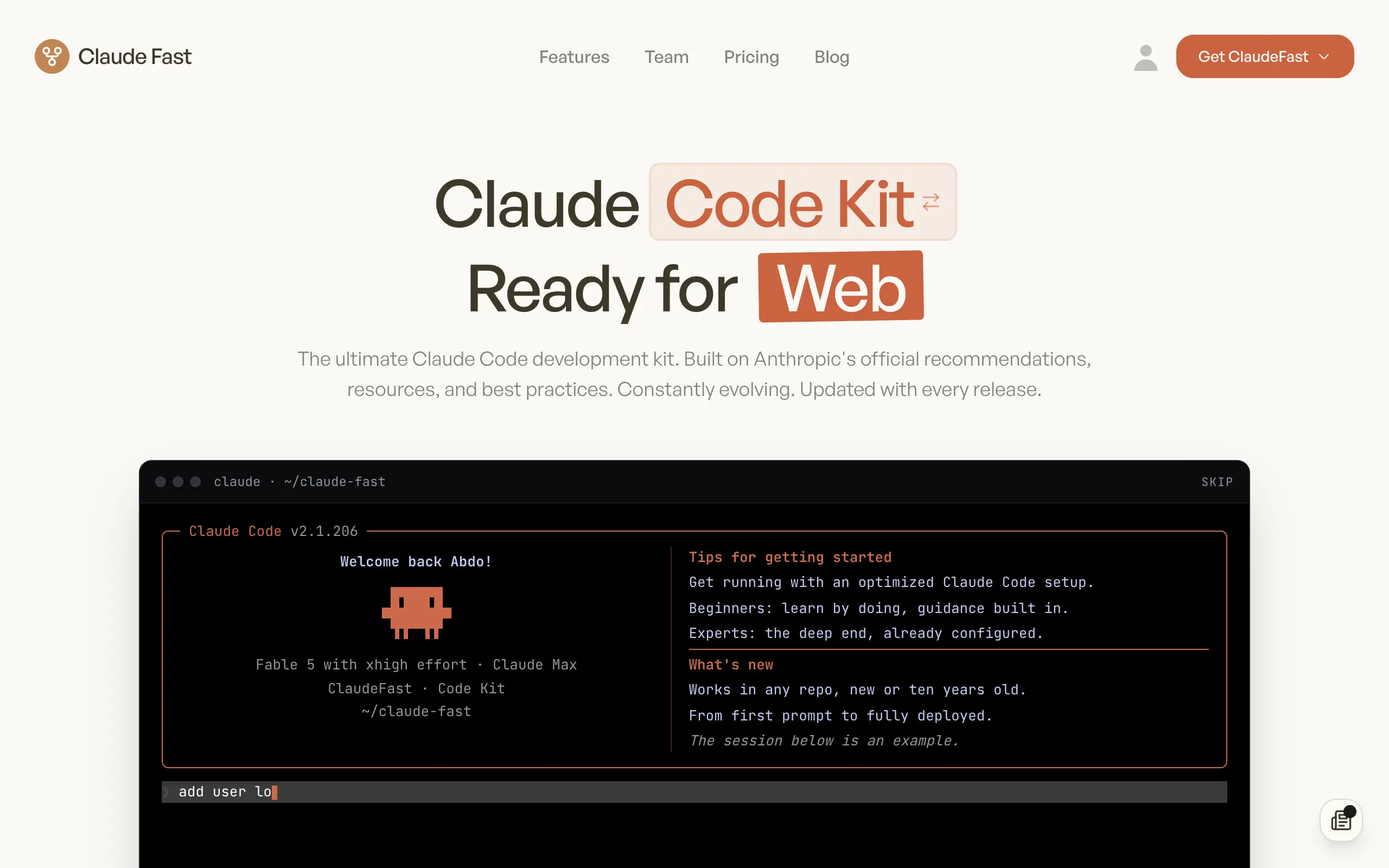
Claude Fast
Supercharge your Claude Code with 6x effective context window and specialized AI agents 🤖
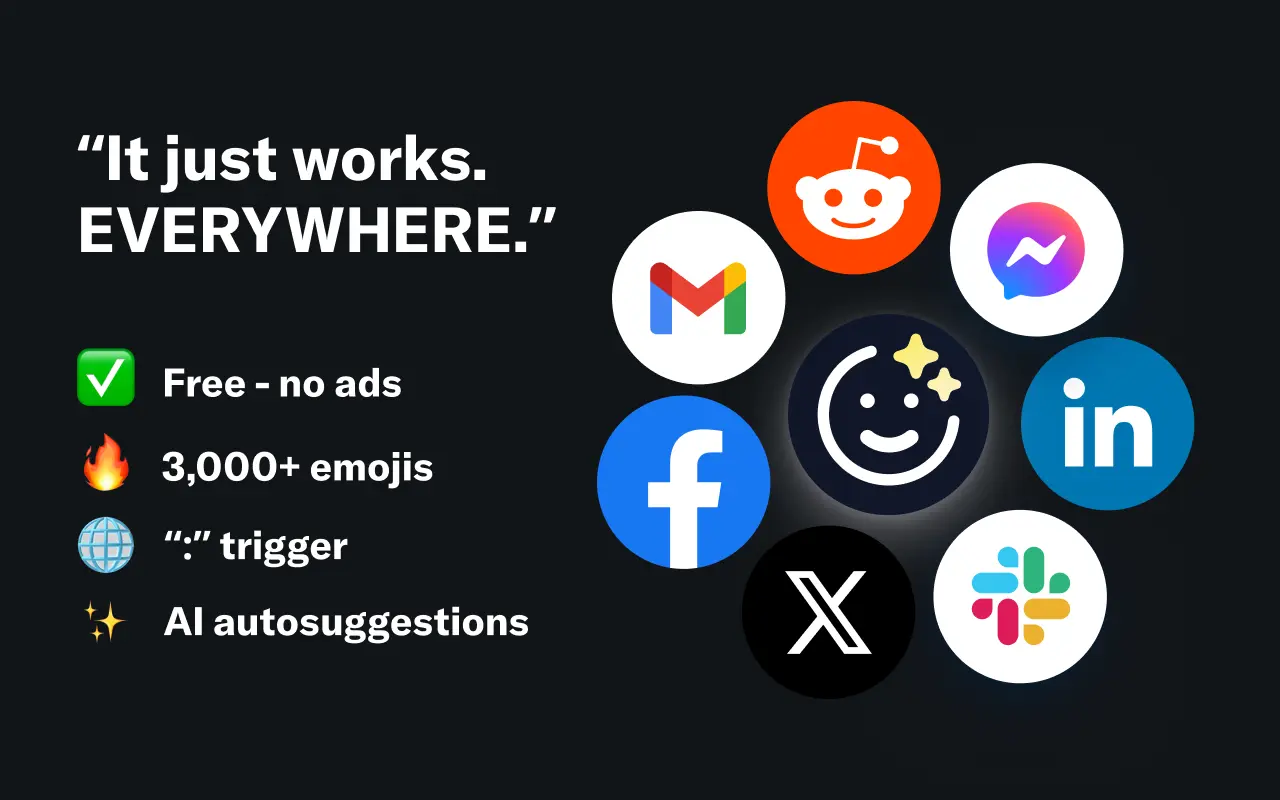
EmojAI
AI-powered emoji picker with smart, context-aware suggestions 🤖
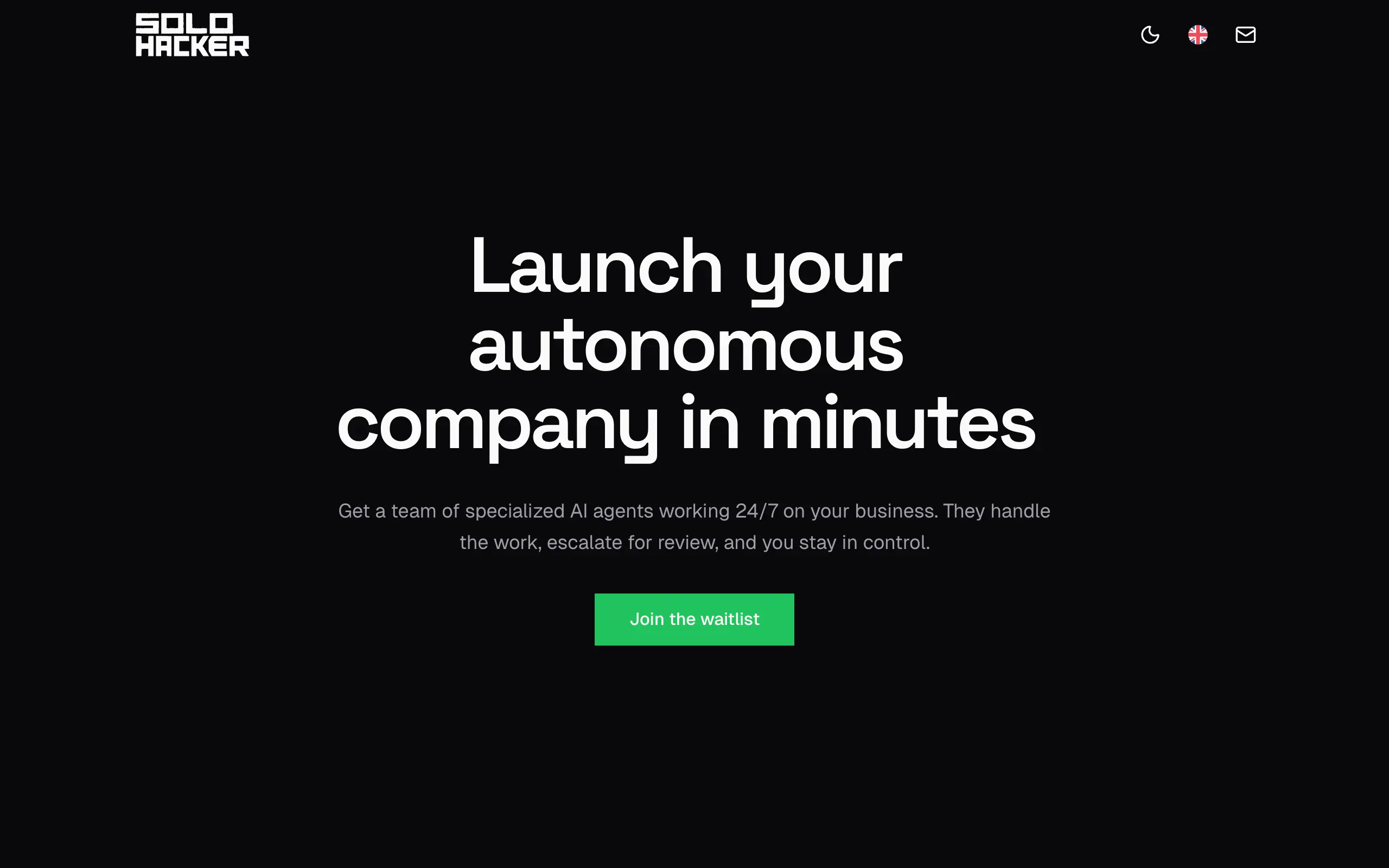
Solohacker
Autonomous company launcher - AI agents work 24/7, escalate what matters, and you stay in control 🤖
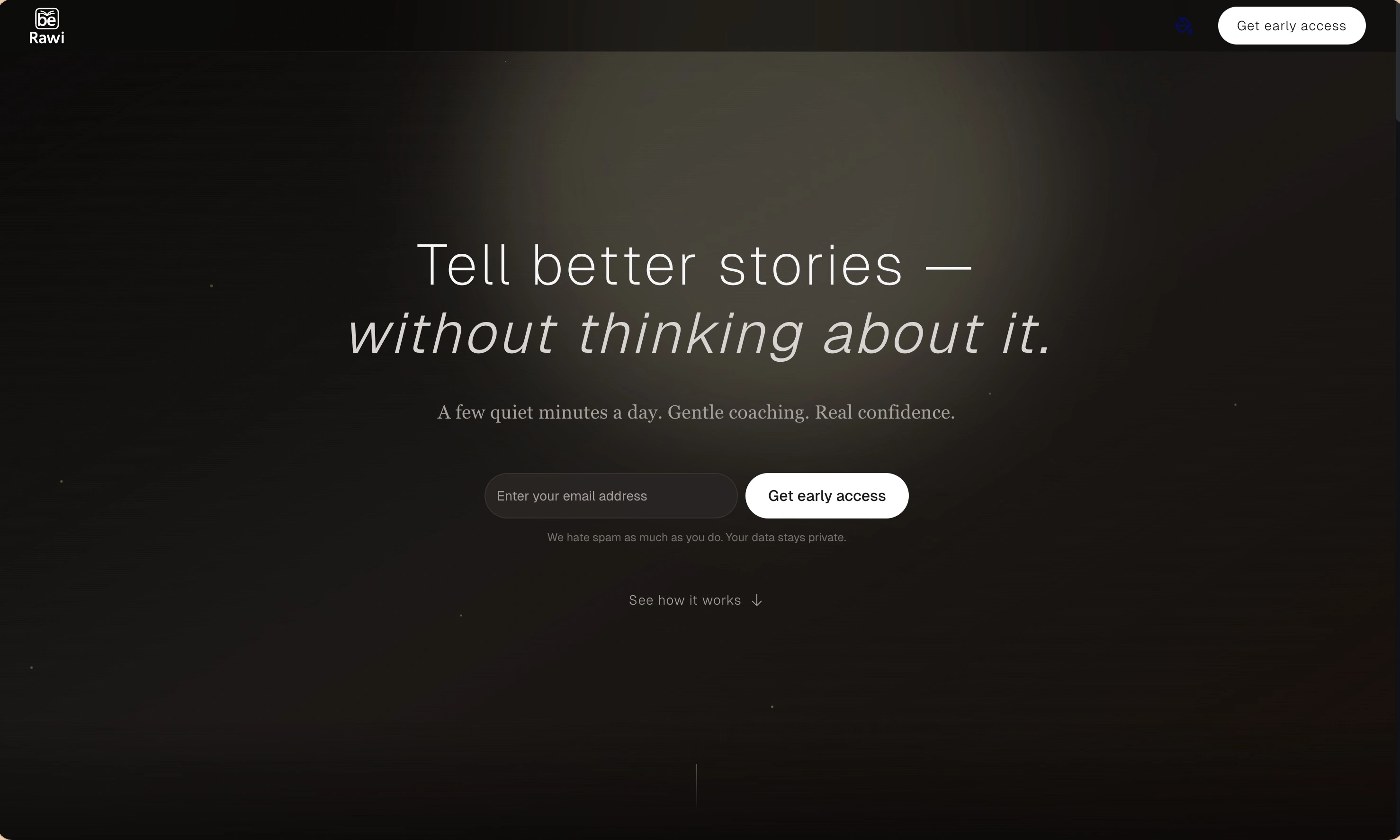
BeRawi: Storytelling Coach
Practice storytelling daily with instant feedback to sound clearer, more engaging, and confident 🎤
Omichat
Chat with 50+ AI models, including ChatGPT and Claude, in one place - switch models anytime without losing context 🤖
Claude Fast
Supercharge your Claude Code with 6x effective context window and specialized AI agents 🤖
EmojAI
AI-powered emoji picker with smart, context-aware suggestions 🤖
Solohacker
Autonomous company launcher - AI agents work 24/7, escalate what matters, and you stay in control 🤖
BeRawi: Storytelling Coach
Practice storytelling daily with instant feedback to sound clearer, more engaging, and confident 🎤

Connect with like-minded people
Join our community to get feedback, support, and grow together with 1,000+ builders on board, let's ship it!
Join usShip your startup everywhere. In minutes.
Don't burn tokens on setup and start building features on day one.