PuzzleForge Arena
A competitive match-3 strategy game where outcomes depend on tactics, not boosters. Seasonal leagues, cosmetic-only purchases, and real skill-based tournaments drive engagement.
Why a competitive match‑3 strategy game is the next big opportunity
The match‑3 genre has generated billions in revenue over the past decade, led by titles like Candy Crush Saga. Yet most of these games rely heavily on boosters, randomness, and pay-to-win mechanics. This creates a massive gap in the market: players who love the core mechanics of match‑3 but crave true competitive depth, fairness, and skill-based progression.
PuzzleForge Arena is positioned to fill that gap.
Instead of selling power-ups that influence outcomes, this competitive match‑3 strategy game focuses on:
- Tactical decision-making
- Transparent mechanics
- Seasonal ranked leagues
- Cosmetic-only monetization
- Skill-based tournaments with fair matchmaking
For players searching for “competitive match-3 game,” “skill-based puzzle PvP,” or “fair match-3 without pay-to-win,” this concept directly satisfies user intent. For founders or investors exploring the gaming SaaS space, it represents a differentiated product in a proven, high-LTV market.
This article provides a deep dive into:
- Target audience analysis
- Market opportunity & gap validation
- Core gameplay systems & feature set
- Recommended tech stack
- Monetization strategies
- Risks & mitigation plans
- Competitive advantage
- Actionable implementation roadmap
Understanding the target audience for a skill-based match‑3 game
To build a successful competitive match‑3 strategy game, you must identify who feels underserved by current offerings.
1. Competitive casual gamers
These players:
- Enjoy puzzle mechanics
- Play games like Hearthstone, Teamfight Tactics, or competitive mobile titles
- Dislike pay-to-win systems
- Value rankings, ladders, and visible skill progression
They are highly engaged and often spend money — but only when monetization feels fair.
2. Former match‑3 players who churned
Many users quit traditional match‑3 games due to:
- Artificial difficulty spikes
- Booster dependency
- Energy systems limiting play
- RNG determining outcomes
PuzzleForge Arena appeals directly to this churned demographic by promising tactics over spending.
3. Esports-adjacent audience
While match‑3 hasn’t historically been an esport category, competitive puzzle games (e.g., Tetris tournaments) have proven viability.
A skill-based match‑3 with:
- Ranked seasons
- Spectator mode
- Replay analysis
- Tournament brackets
…can attract streamers and competitive communities.
4. Strategy-first mobile gamers
Mobile gaming continues to dominate globally (refer to recent reports by organizations like Newzoo for updated industry data). However, many strategy-oriented players migrate to PC for depth.
PuzzleForge Arena can bridge that gap by delivering:
- Mobile accessibility
- Desktop competitive integrity
- Cross-platform ranked play
Market opportunity and gap analysis
The match‑3 market reality
- Massive install base
- Proven monetization models
- Strong retention when progression is well-designed
- Global appeal
But here’s the issue:
Most match‑3 games are single-player progression-driven experiences monetized via frustration.
That leaves two major gaps:
- Competitive PvP-focused match‑3
- Fair monetization with cosmetic-only purchases
The pay-to-win fatigue trend
Across gaming communities, there’s increasing resistance to:
- Booster advantages
- Paid stat upgrades
- Gacha systems impacting gameplay
Successful modern competitive games monetize cosmetics instead (e.g., Fortnite, Valorant, League of Legends).
Applying this model to match‑3 is surprisingly rare.
Competitive landscape snapshot
| Feature | Traditional Match‑3 | Competitive PvP Puzzle | PuzzleForge Arena | Esports Ready |
|---|---|---|---|---|
| Skill-based outcomes | ❌ | ✅ | ✅ | ✅ |
| Booster-free gameplay | ❌ | ✅ | ✅ | ✅ |
| Seasonal leagues | ❌ | ✅ | ✅ | ✅ |
| Cosmetic-only purchases | ❌ | ⚠️ Rare | ✅ | ✅ |
PuzzleForge Arena’s positioning is clear: a competitive match‑3 strategy game designed for fairness, mastery, and long-term engagement.
Core gameplay mechanics: tactics over randomness
The success of PuzzleForge Arena depends on mechanical clarity and strategic depth.
1. Deterministic board generation
To ensure fairness:
- Identical seeded boards in PvP
- Symmetrical mechanics
- Transparent scoring logic
This reduces RNG and increases tactical skill expression.
2. Strategic layers beyond matching
Introduce:
- Resource management (e.g., mana types)
- Ability drafting before matches
- Counter-play mechanics
- Combo multipliers tied to positioning
The game becomes closer to a tactical board strategy system than a simple candy swap.
3. Ranked matchmaking system
Skill-based matchmaking (SBMM):
- Elo or Glicko-2 rating system
- Tiered seasonal leagues (Bronze → Challenger)
- Visible leaderboard
This creates long-term retention through mastery loops.
4. Seasonal leagues
Each season could include:
- New cosmetic themes
- Map variations
- Rotating rule modifiers
- Limited-time tournaments
Season resets maintain freshness without invalidating skill.
Advanced features to drive retention
Live tournaments
- Weekly open tournaments
- Entry-fee optional premium events
- Spectator mode
- In-game bracket visualization
Replay and analytics
Allow players to:
- Watch replays
- Analyze move efficiency
- Compare APM (actions per minute)
- Study top-ranked players
Social mechanics
- Guilds or teams
- Friend challenges
- In-game chat (moderated)
- Shared cosmetic banners
Spectator mode
Critical for:
- Streamer growth
- Tournament legitimacy
- Community engagement
Monetization strategy: cosmetic-only economy
PuzzleForge Arena’s monetization should reinforce trust.
Core revenue streams
Cosmetic skins
Tile themes, animations, board designs, and special effects.
Season pass
Non-pay-to-win rewards including cosmetics and profile flair.
Tournament tickets
Optional premium entry to high-reward events.
Profile customization
Titles, avatars, animated borders.
Why cosmetic monetization works
- Preserves competitive integrity
- Encourages status signaling
- Reduces churn caused by frustration
- Aligns with modern competitive gaming expectations
Recommended tech stack for PuzzleForge Arena
Choosing the right stack impacts scalability, latency, and cost.
Frontend
- React for UI rendering
- TailwindCSS for styling
- WebGL or Canvas for board rendering
- React Native for mobile apps
Game engine options
Web-first stack:
- React + Canvas/WebGL
- Colyseus for multiplayer
- Node.js backend
Pros:
- Faster iteration
- Unified web stack
- Lower initial complexity
Cons:
- Harder advanced animations
- Performance tuning required
Engine-first stack:
- Unity or Godot
- Dedicated game server architecture
- Native mobile + PC builds
Pros:
- Better graphics & performance
- Strong tooling for animation
- Easier esports scalability
Cons:
- Larger team required
- More complex CI/CD
Backend architecture
- Node.js or Go for real-time services
- WebSockets for PvP synchronization
- Redis for session management
- PostgreSQL for user data
- Cloud provider (AWS, GCP, or Azure)
For fair PvP, authoritative servers are critical — never trust client-side game state.
Core PvP logic example
Below is a simplified server-side move validation example:
// Example server-side validation logic (Node.js style pseudo-code)

function validateMove(playerMove, boardState) {
  const isLegalSwap = checkAdjacent(playerMove.from, playerMove.to);
  if (!isLegalSwap) return { valid: false };

  const newBoard = simulateSwap(boardState, playerMove);
  const matches = findMatches(newBoard);

  if (matches.length === 0) {
    return { valid: false };
  }

  return {
    valid: true,
    updatedBoard: resolveMatches(newBoard, matches),
  };
}
Authoritative validation prevents cheating and ensures competitive integrity.
Competitive advantage of PuzzleForge Arena
1. Fairness-first design
Unlike traditional match‑3 games, this is built around:
- No boosters
- No gameplay monetization
- No hidden RNG advantages
2. Strategic identity
By adding drafting, ability selection, and resource layers, the game transcends casual puzzle status.
3. Esports scalability
With:
- Leaderboards
- Replay tools
- Spectator mode
- Structured tournaments
PuzzleForge Arena can evolve into a recognized competitive format.
4. Strong brand positioning
Positioning statement:
“The first true skill-based competitive match‑3 strategy game.”
That message resonates with frustrated puzzle fans.
Risks and mitigation strategies
Major risk: insufficient depth
If gameplay lacks real strategic depth, players will churn quickly.
Mitigation:
- Extensive beta testing
- Balance patches
- Community feedback loops
- Transparent patch notes
Major risk: long queue times
Competitive PvP requires healthy player concurrency.
Mitigation:
- AI bots during early scaling
- Cross-platform matchmaking
- Global launch strategy
- Strong influencer partnerships
Major risk: cheating
Competitive games attract exploit attempts.
Mitigation:
- Server-authoritative logic
- Anti-cheat monitoring
- Replay auditing tools
Go-to-market strategy
Phase 1: Closed alpha
- Invite competitive puzzle communities
- Gather balance feedback
- Stress-test matchmaking
Phase 2: Creator partnerships
- Partner with Twitch streamers
- Run sponsored tournaments
- Highlight skill-based mechanics
Phase 3: Seasonal launch event
- Global leaderboard reset
- Large prize tournament
- Cosmetic-exclusive season rewards
Implementation roadmap
If you’re building this as a SaaS-style live service, using a strong starter infrastructure accelerates time-to-market. Platforms like TurboStarter can help you bootstrap authentication, payments, and production-ready SaaS foundations faster — allowing you to focus on gameplay innovation.
Long-term vision: from game to competitive platform
PuzzleForge Arena should not just be a game — it should become a competitive puzzle platform.
Future expansions:
- Custom rule modes
- Community-hosted tournaments
- Map editors
- International championship circuits
- Data-driven player ranking APIs
The real moat is not just mechanics — it’s ecosystem.
Final thoughts
The opportunity behind PuzzleForge Arena is powerful:
- Proven genre
- Massive global audience
- Underserved competitive niche
- Strong monetization alignment with modern fairness expectations
A competitive match‑3 strategy game built around skill, seasonal leagues, and cosmetic monetization directly addresses player frustration with pay-to-win mechanics.
With careful execution, transparent design, and esports-ready infrastructure, PuzzleForge Arena can redefine what match‑3 means in 2026 and beyond.
The puzzle genre doesn’t need more boosters.
It needs mastery.
And that’s exactly where PuzzleForge Arena wins.
More 🎮 Game SaaS ideas
Discover more innovative game SaaS ideas that are trending in 2026. Each idea is AI-generated with market validation and growth potential to help you find your next profitable venture faster than competitors.
Your competitors are building with TurboStarter
Below are some of the SaaS ideas that have been generated and built with our starter kit.
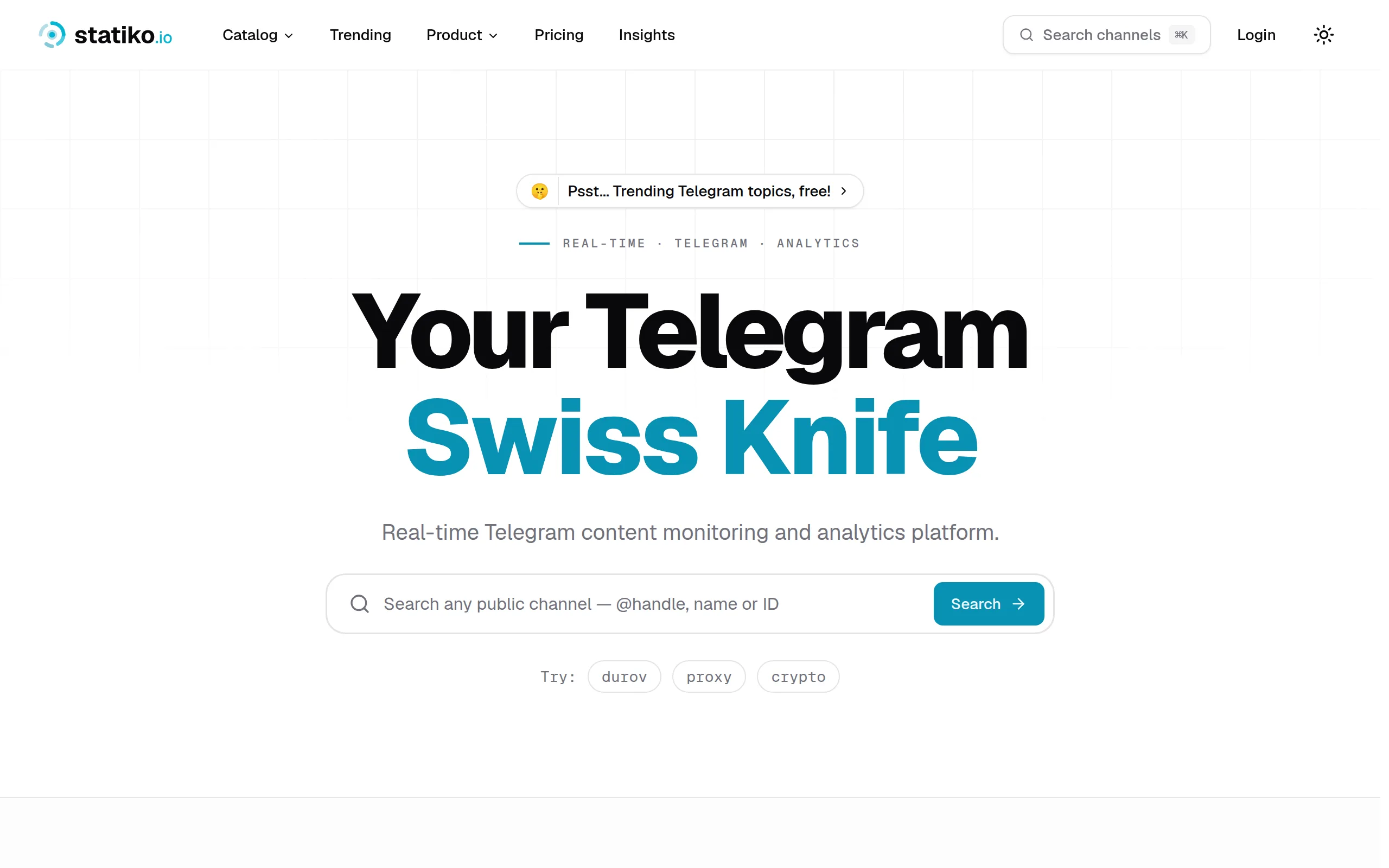
Statiko
Monitor any Telegram channel in real time - track posts, edits, deletions, and growth with AI recaps 📡

Shibui
AI website builder - describe your business, pick a niche template, edit by chatting, and publish instantly ✨

Pro Service
Find verified home service professionals, compare quotes, and pay securely through escrow - built for Brazilians across the US 🏠
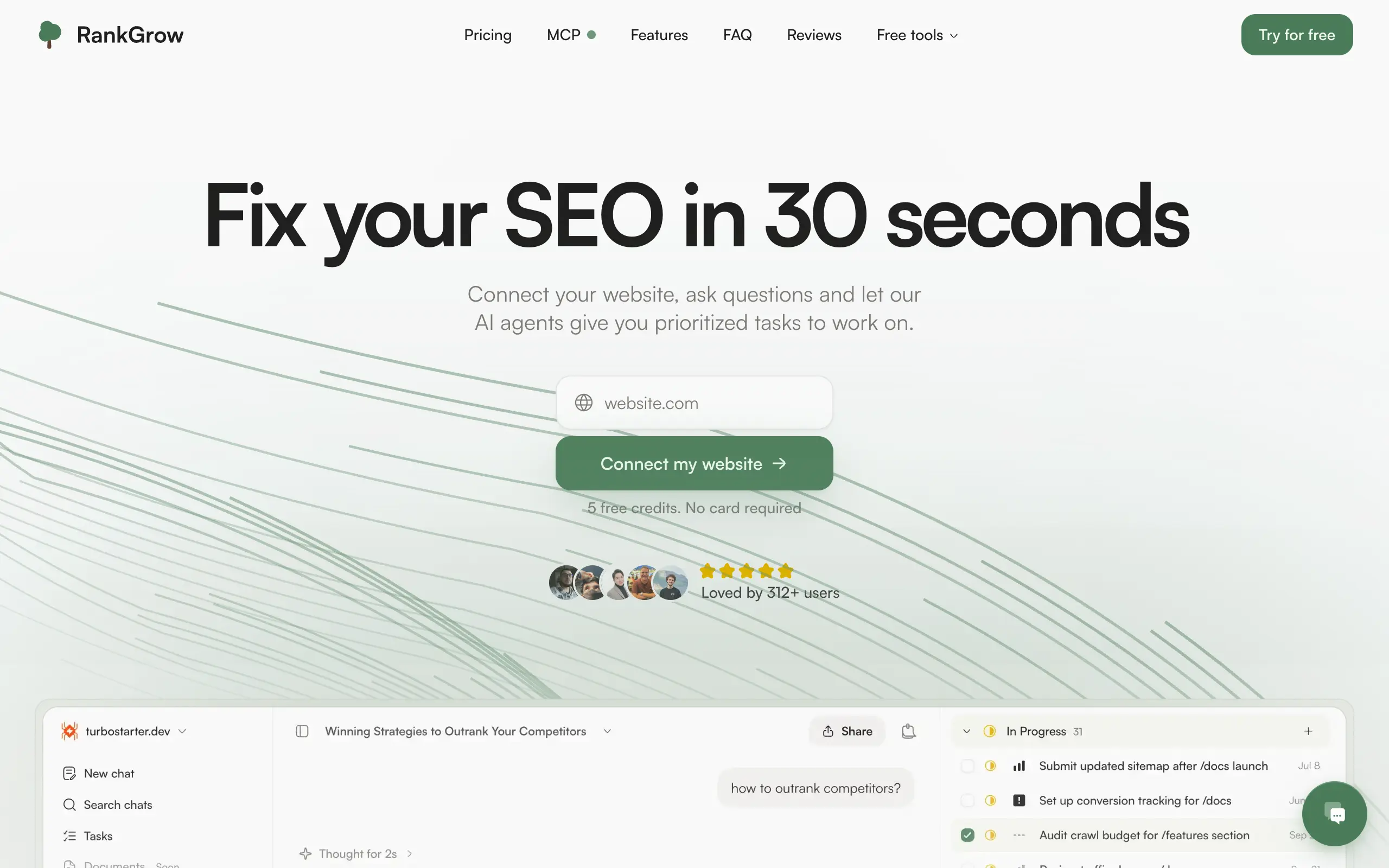
RankGrow
Fix your SEO with AI agents - connect Search Console, get prioritized tasks, and grow organic traffic 📈
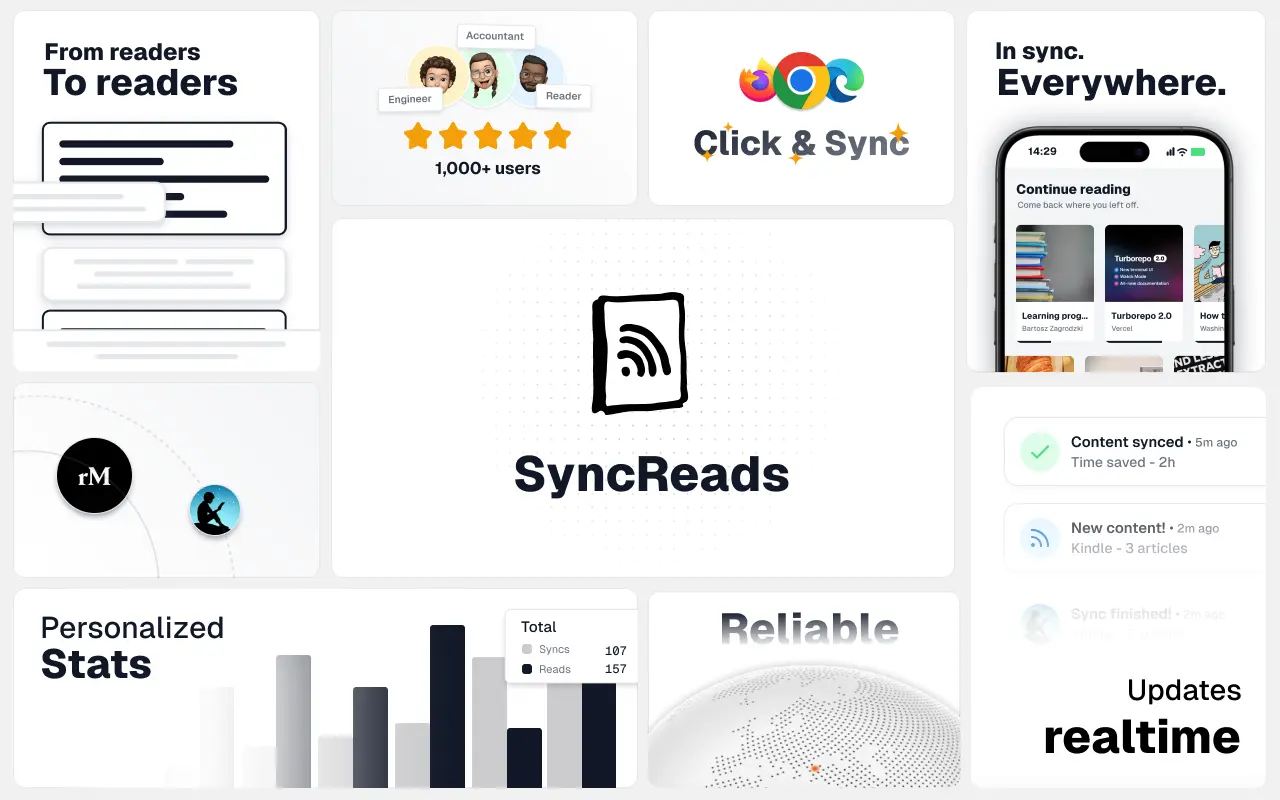
SyncReads
Sync your favorite content for distraction-free reading, save time and replace multiple apps. Anytime, anywhere 🔄
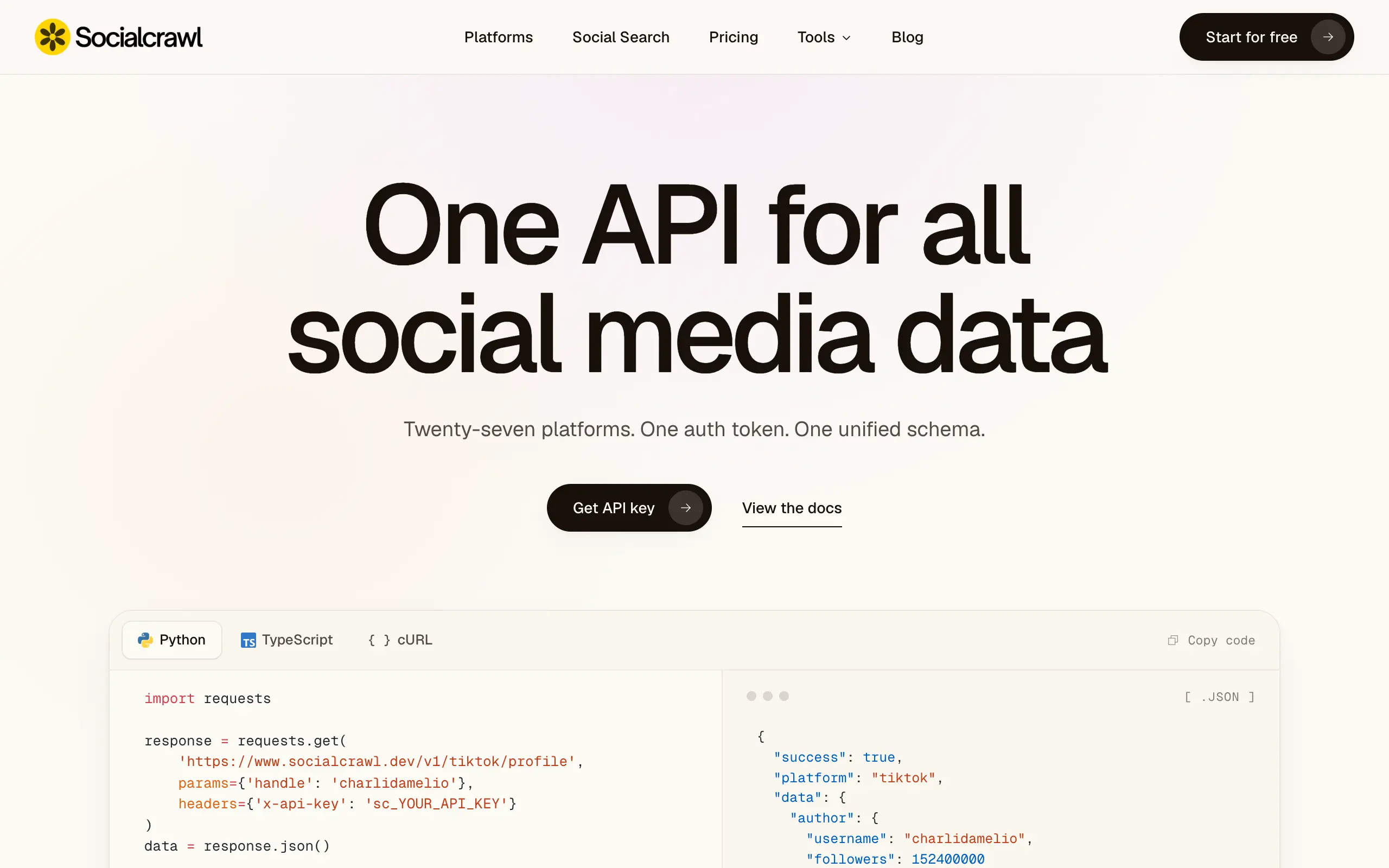
Socialcrawl
Get clean, structured data from 21 platforms like TikTok, Instagram, and YouTube with a single request 📊
Statiko
Monitor any Telegram channel in real time - track posts, edits, deletions, and growth with AI recaps 📡
Shibui
AI website builder - describe your business, pick a niche template, edit by chatting, and publish instantly ✨
Pro Service
Find verified home service professionals, compare quotes, and pay securely through escrow - built for Brazilians across the US 🏠
RankGrow
Fix your SEO with AI agents - connect Search Console, get prioritized tasks, and grow organic traffic 📈
SyncReads
Sync your favorite content for distraction-free reading, save time and replace multiple apps. Anytime, anywhere 🔄
Socialcrawl
Get clean, structured data from 21 platforms like TikTok, Instagram, and YouTube with a single request 📊
Statiko
Monitor any Telegram channel in real time - track posts, edits, deletions, and growth with AI recaps 📡
Shibui
AI website builder - describe your business, pick a niche template, edit by chatting, and publish instantly ✨
Pro Service
Find verified home service professionals, compare quotes, and pay securely through escrow - built for Brazilians across the US 🏠
RankGrow
Fix your SEO with AI agents - connect Search Console, get prioritized tasks, and grow organic traffic 📈
SyncReads
Sync your favorite content for distraction-free reading, save time and replace multiple apps. Anytime, anywhere 🔄
Socialcrawl
Get clean, structured data from 21 platforms like TikTok, Instagram, and YouTube with a single request 📊
Statiko
Monitor any Telegram channel in real time - track posts, edits, deletions, and growth with AI recaps 📡
Shibui
AI website builder - describe your business, pick a niche template, edit by chatting, and publish instantly ✨
Pro Service
Find verified home service professionals, compare quotes, and pay securely through escrow - built for Brazilians across the US 🏠
RankGrow
Fix your SEO with AI agents - connect Search Console, get prioritized tasks, and grow organic traffic 📈
SyncReads
Sync your favorite content for distraction-free reading, save time and replace multiple apps. Anytime, anywhere 🔄
Socialcrawl
Get clean, structured data from 21 platforms like TikTok, Instagram, and YouTube with a single request 📊
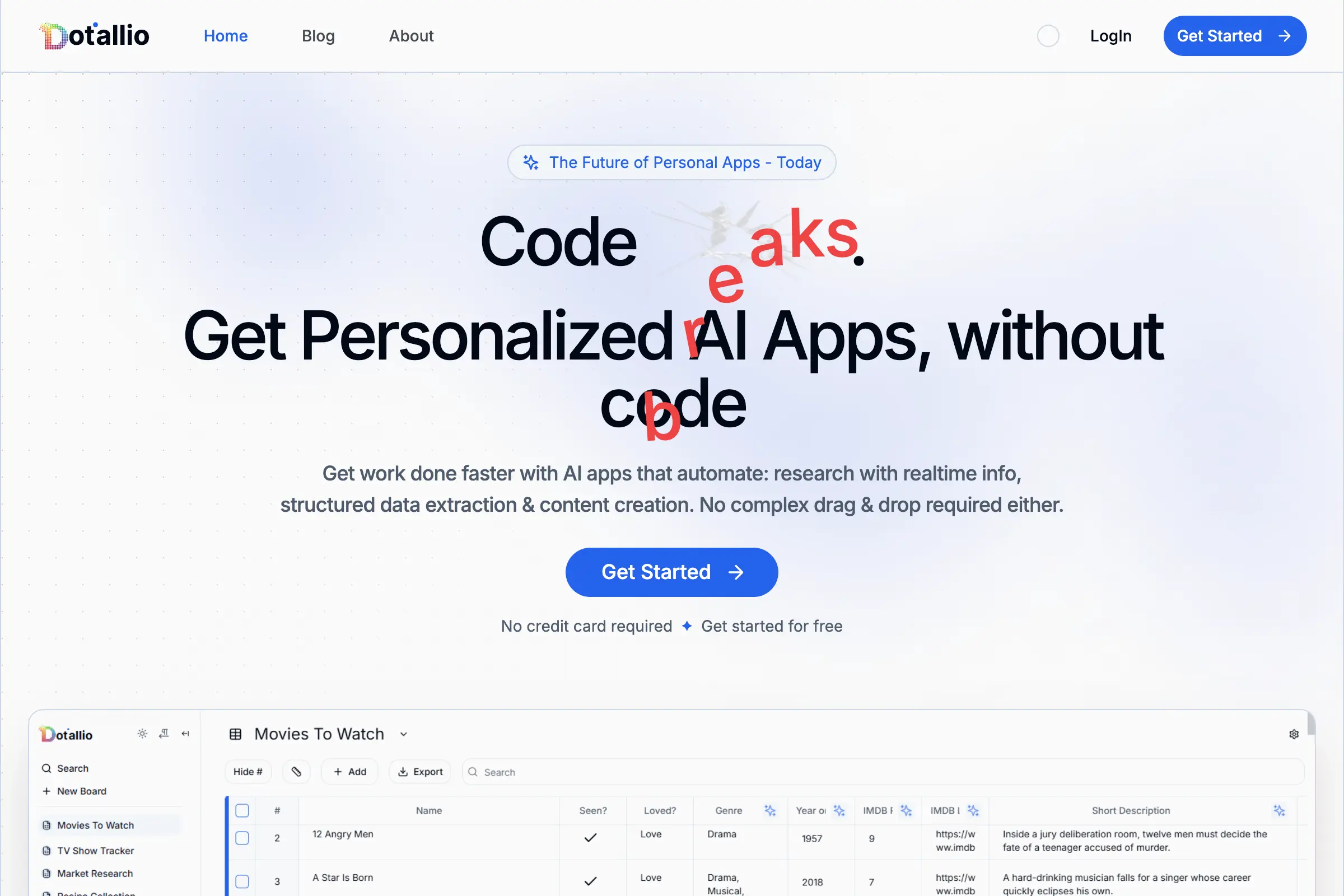
Dotallio
Personalized AI apps that automate research, data extraction, and content creation without code 🤖

Talk to Santa
Enjoy a magical live video chat or receive a unique AI-generated video greeting from Santa Claus 🎅
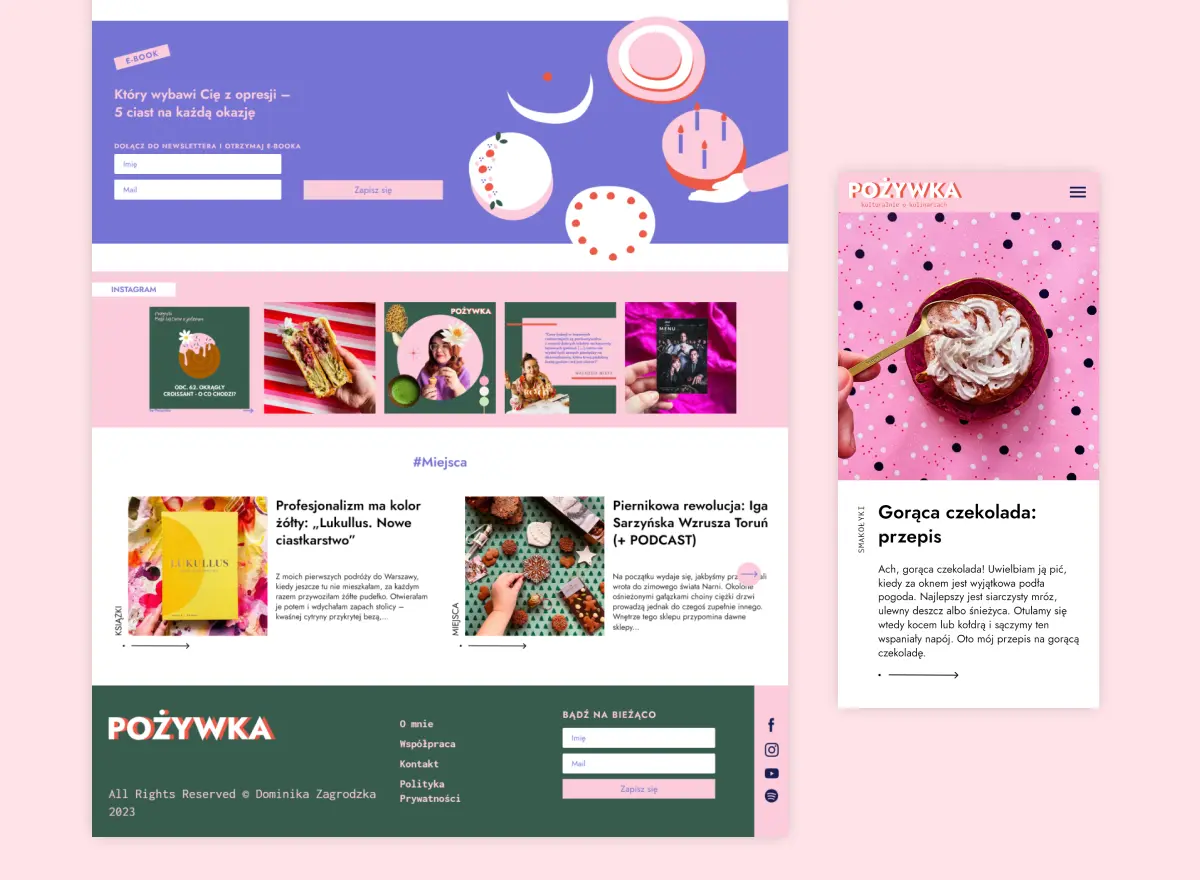
pozywka.pl
Scalable blog for food journalist, focused on performance and user experience 🌭
zagrodzki.me
Personal blog and portfolio of Bart Zagrodzki, where he shares his knowledge and work 💼
TurboStarter
Ship your startup everywhere. In minutes.
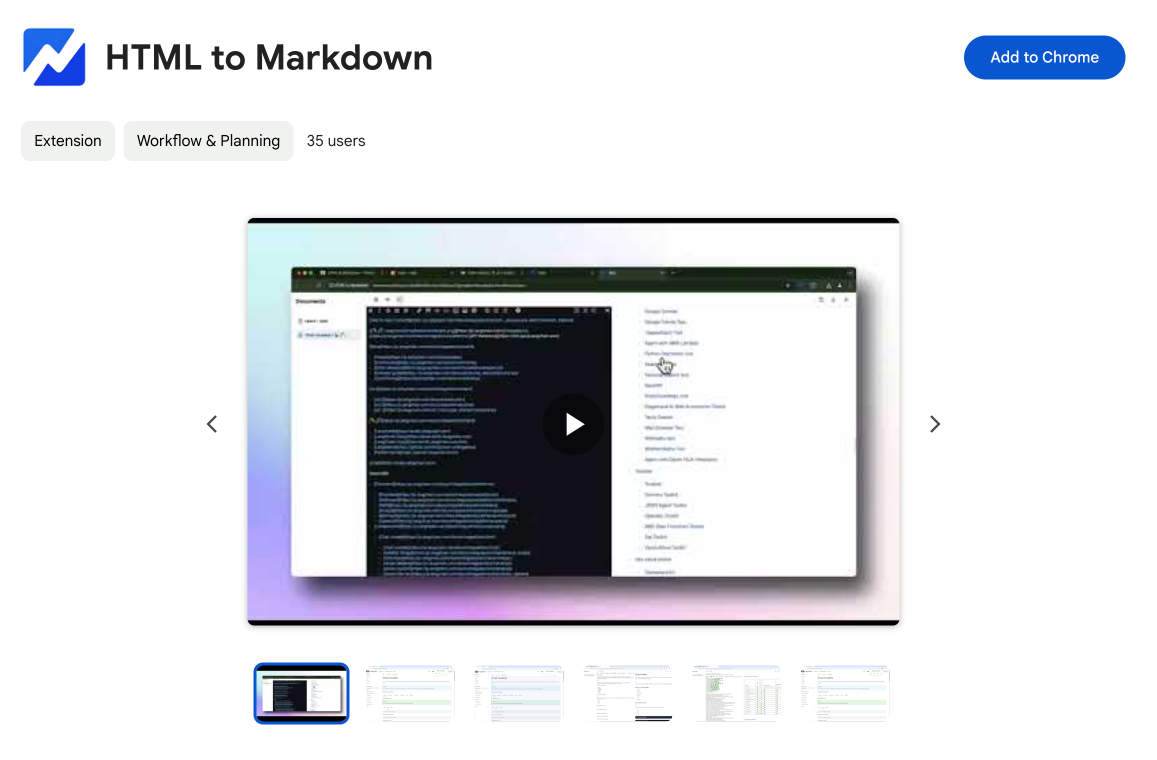
HTML to Markdown
Convert HTML to Markdown with ease, directly in your browser 📄
Dotallio
Personalized AI apps that automate research, data extraction, and content creation without code 🤖
Talk to Santa
Enjoy a magical live video chat or receive a unique AI-generated video greeting from Santa Claus 🎅
pozywka.pl
Scalable blog for food journalist, focused on performance and user experience 🌭
zagrodzki.me
Personal blog and portfolio of Bart Zagrodzki, where he shares his knowledge and work 💼
TurboStarter
Ship your startup everywhere. In minutes.
HTML to Markdown
Convert HTML to Markdown with ease, directly in your browser 📄
Dotallio
Personalized AI apps that automate research, data extraction, and content creation without code 🤖
Talk to Santa
Enjoy a magical live video chat or receive a unique AI-generated video greeting from Santa Claus 🎅
pozywka.pl
Scalable blog for food journalist, focused on performance and user experience 🌭
zagrodzki.me
Personal blog and portfolio of Bart Zagrodzki, where he shares his knowledge and work 💼
TurboStarter
Ship your startup everywhere. In minutes.
HTML to Markdown
Convert HTML to Markdown with ease, directly in your browser 📄
Dotallio
Personalized AI apps that automate research, data extraction, and content creation without code 🤖
Talk to Santa
Enjoy a magical live video chat or receive a unique AI-generated video greeting from Santa Claus 🎅
pozywka.pl
Scalable blog for food journalist, focused on performance and user experience 🌭
zagrodzki.me
Personal blog and portfolio of Bart Zagrodzki, where he shares his knowledge and work 💼
TurboStarter
Ship your startup everywhere. In minutes.
HTML to Markdown
Convert HTML to Markdown with ease, directly in your browser 📄
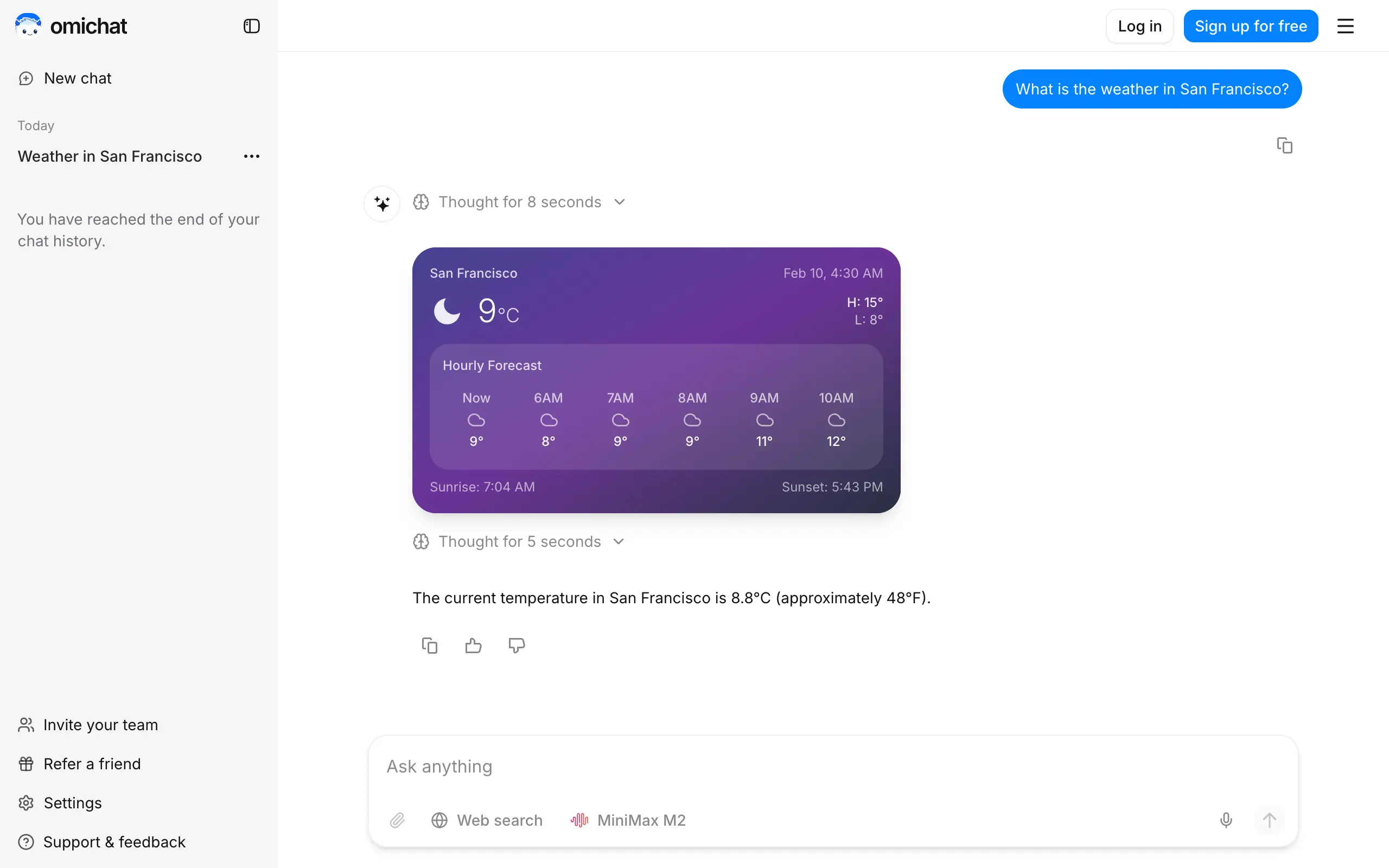
Omichat
Chat with 50+ AI models, including ChatGPT and Claude, in one place - switch models anytime without losing context 🤖
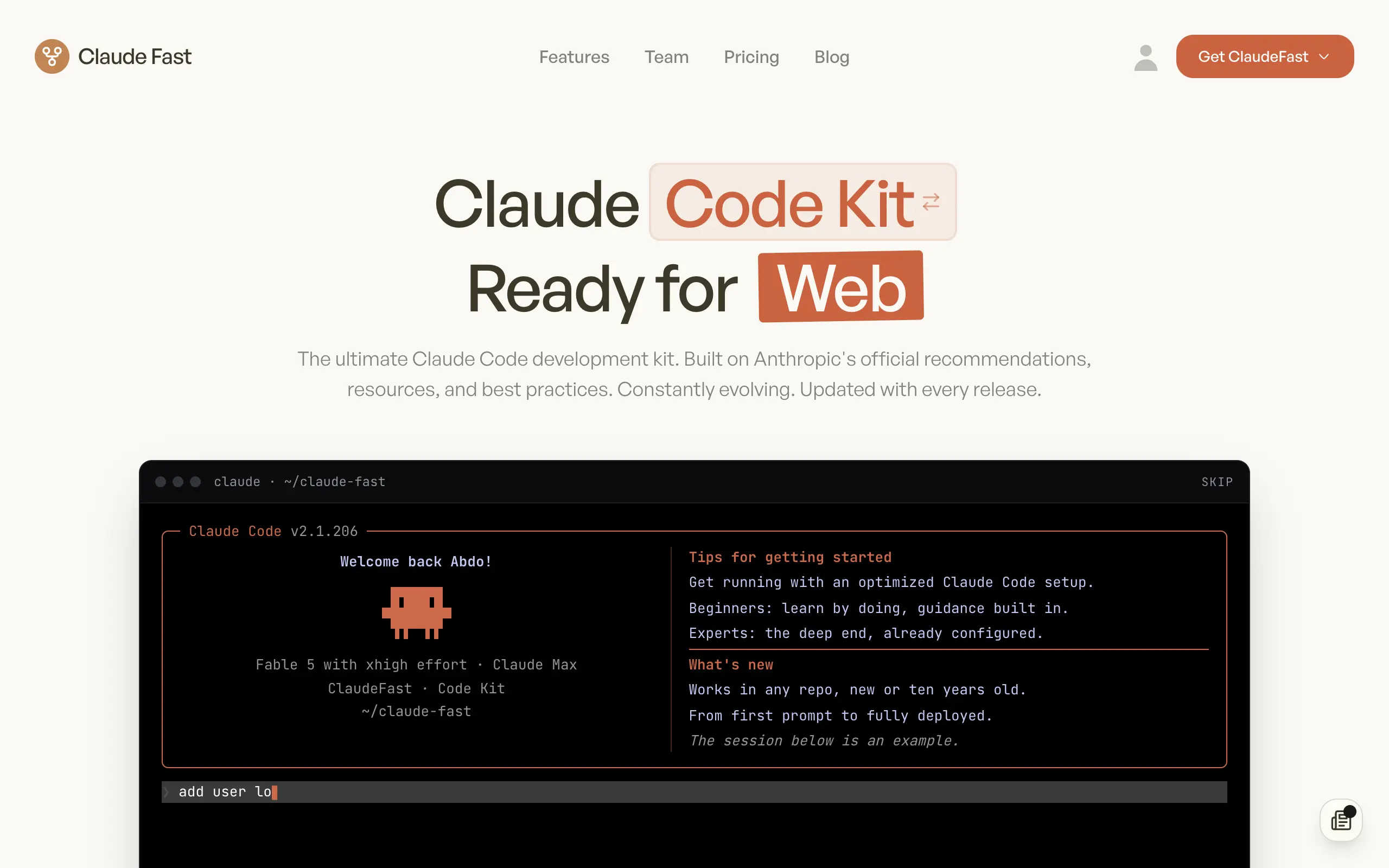
Claude Fast
Supercharge your Claude Code with 6x effective context window and specialized AI agents 🤖
EmojAI
AI-powered emoji picker with smart, context-aware suggestions 🤖
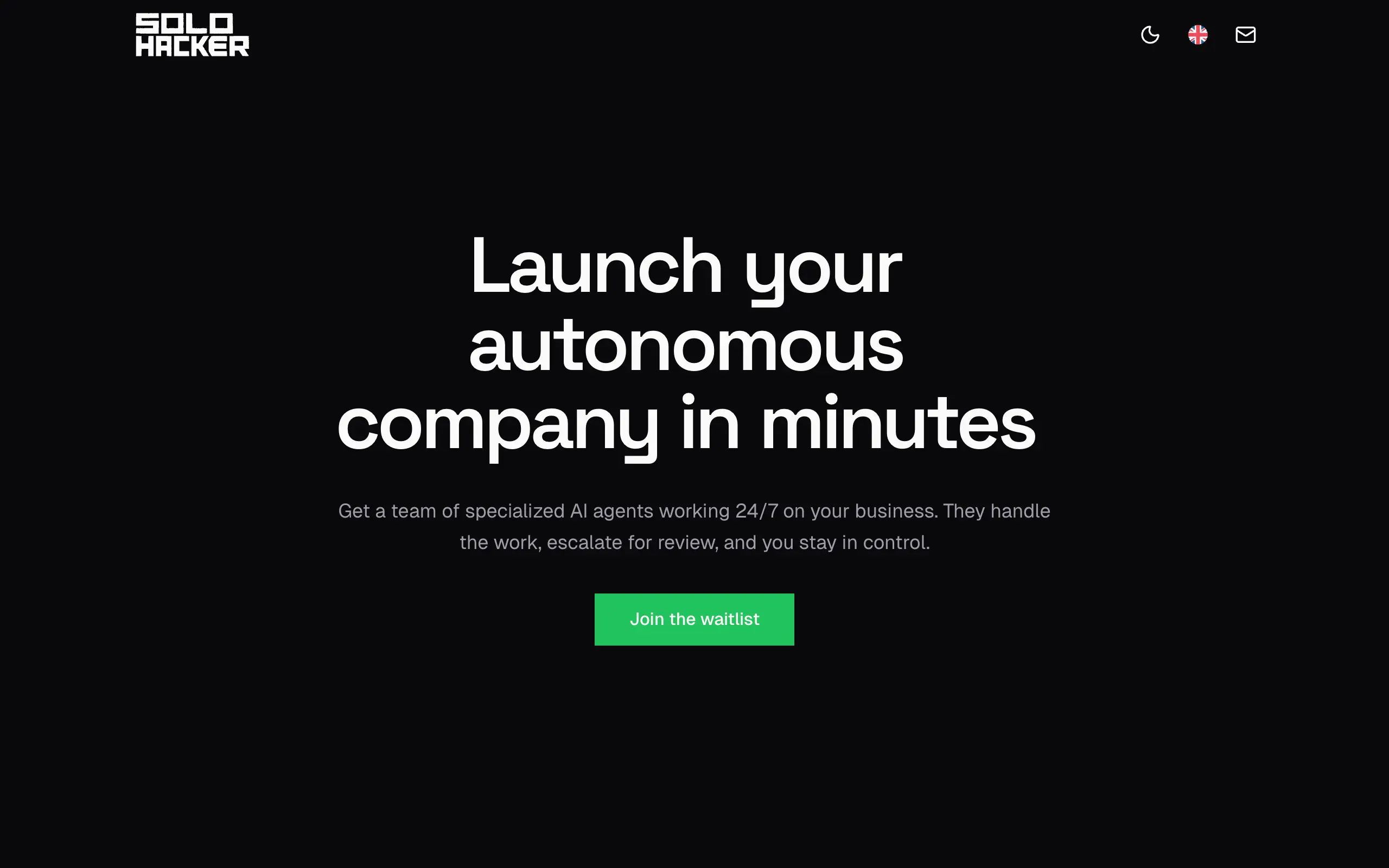
Solohacker
Autonomous company launcher - AI agents work 24/7, escalate what matters, and you stay in control 🤖
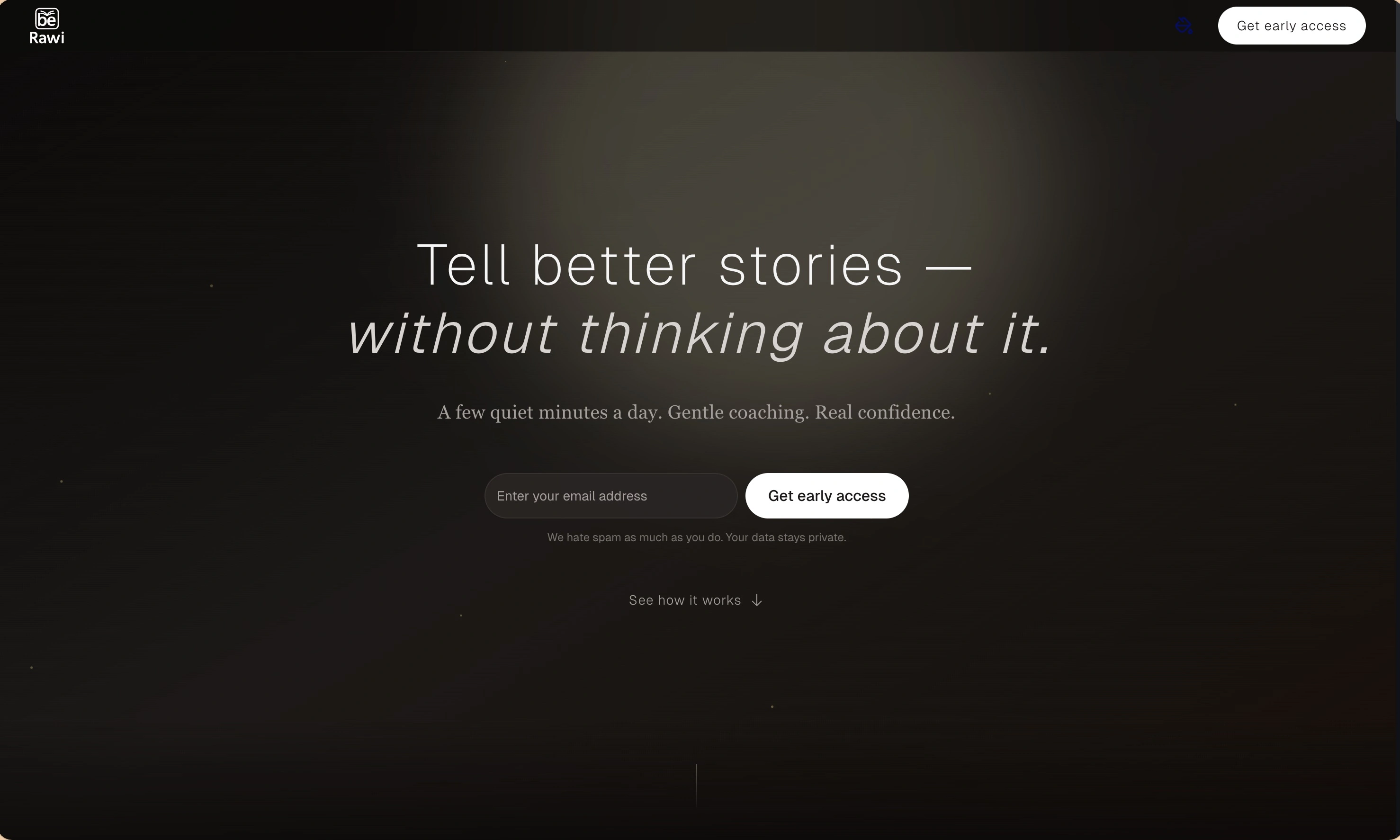
BeRawi: Storytelling Coach
Practice storytelling daily with instant feedback to sound clearer, more engaging, and confident 🎤
Omichat
Chat with 50+ AI models, including ChatGPT and Claude, in one place - switch models anytime without losing context 🤖
Claude Fast
Supercharge your Claude Code with 6x effective context window and specialized AI agents 🤖
EmojAI
AI-powered emoji picker with smart, context-aware suggestions 🤖
Solohacker
Autonomous company launcher - AI agents work 24/7, escalate what matters, and you stay in control 🤖
BeRawi: Storytelling Coach
Practice storytelling daily with instant feedback to sound clearer, more engaging, and confident 🎤
Omichat
Chat with 50+ AI models, including ChatGPT and Claude, in one place - switch models anytime without losing context 🤖
Claude Fast
Supercharge your Claude Code with 6x effective context window and specialized AI agents 🤖
EmojAI
AI-powered emoji picker with smart, context-aware suggestions 🤖
Solohacker
Autonomous company launcher - AI agents work 24/7, escalate what matters, and you stay in control 🤖
BeRawi: Storytelling Coach
Practice storytelling daily with instant feedback to sound clearer, more engaging, and confident 🎤
Omichat
Chat with 50+ AI models, including ChatGPT and Claude, in one place - switch models anytime without losing context 🤖
Claude Fast
Supercharge your Claude Code with 6x effective context window and specialized AI agents 🤖
EmojAI
AI-powered emoji picker with smart, context-aware suggestions 🤖
Solohacker
Autonomous company launcher - AI agents work 24/7, escalate what matters, and you stay in control 🤖
BeRawi: Storytelling Coach
Practice storytelling daily with instant feedback to sound clearer, more engaging, and confident 🎤

Connect with like-minded people
Join our community to get feedback, support, and grow together with 1,000+ builders on board, let's ship it!
Join usShip your startup everywhere. In minutes.
Don't burn tokens on setup and start building features on day one.