Qahwa Quest
A mobile party game for Egyptian and MENA friends featuring Arabic voice prompts, local memes, and AI-generated mini-games in short sessions.
Qahwa Quest is positioned as an Arabic mobile party game for the way friends in Egypt and the wider MENA region actually gather: around a table, in a café, during a road trip, at a family event, or while waiting for food to arrive. Instead of forcing players into translated versions of Western party games, it can deliver Arabic voice prompts, familiar social references, region-aware humor, and fast mini-games that feel native to local group dynamics.
The opportunity is not simply to make “another party game in Arabic.” The stronger product thesis is to create a social entertainment layer for Arabic-speaking friend groups that is easy to start, safe to share, culturally flexible, and consistently fresh through AI-assisted content generation.
Core product thesis
Qahwa Quest should optimize for one outcome: getting a group laughing, debating, guessing, and passing the phone within the first 30 seconds of opening the app.
Why an Arabic mobile party game is a strong opportunity
Mobile games are already a natural entertainment format across Egypt and the MENA region, but the party-game category remains fragmented. Many available games fall into one of four groups:
- English-first party games that lose their humor when translated
- Generic “truth or dare” apps with repetitive prompts
- Word games that do not reflect Arabic dialects or local references
- Social games built for solo play rather than real-life groups
Qahwa Quest can address the gap between mobile gaming and in-person social connection. Its most valuable feature is not a particular quiz, card deck, or AI model. Its value is a reliably entertaining group experience designed around Arabic-speaking social contexts.
A successful session should feel less like installing a game and more like someone at the gathering saying, “Let’s play one quick round.”
That matters because party games have unusually low friction when they get the basics right:
- One person can host the session.
- Other players do not necessarily need accounts.
- Rounds can last two to five minutes.
- Players can join without learning complex controls.
- Social reactions create the entertainment, even when the mini-game itself is simple.
For a product such as Qahwa Quest, the defensibility comes from a compounding library of culturally resonant game formats, dialect-aware content, high-quality prompt curation, and a strong understanding of what feels funny rather than awkward in different MENA communities.
The target audience for Qahwa Quest
The initial audience should be narrow enough to validate quickly while still having meaningful viral potential. Egypt is a sensible launch market because it offers a large mobile-first population, a highly recognizable humor culture, and broad Arabic-language media influence across the region.
The first version does not need to serve every Arabic speaker equally. In fact, trying to do so may create bland content. Start with Egyptian Arabic as the primary content layer, offer Modern Standard Arabic where clarity matters, and add regional content packs only after observing engagement.
| Audience segment | Typical setting | Main motivation | Key product need | Revenue potential |
|---|---|---|---|---|
| University students | Campus, cafés, dorms | Fast, shareable fun | Short rounds and meme fluency | High for cosmetics and packs |
| Young professionals | Home gatherings and outings | Breaking the ice | Polished host mode and adult-safe humor | High for premium bundles |
| Families and mixed-age groups | Visits, holidays, celebrations | Inclusive shared activity | Family filters and accessible prompts | Moderate and seasonal |
| Arabic diaspora groups | Homes, student groups, video calls | Culture and nostalgia | Regional packs and remote play | High for subscriptions |
Primary user persona: the social host
The most important user may not be every player in the room. It is the person who opens the app, picks a game mode, and convinces everyone else to join.
This host is likely to be:
- Aged roughly 18 to 34
- Comfortable using TikTok, Instagram, WhatsApp, and mobile games
- Responsible for organizing group entertainment
- Sensitive to whether an activity becomes embarrassing or boring
- Willing to pay for better game packs if the experience works reliably
The host needs confidence. Qahwa Quest should signal that it is easy, appropriate for the selected group, and entertaining enough to justify asking others to participate.
Secondary user persona: the reluctant player
Every party game includes someone who says they do not want to play. Designing for this person improves retention for the whole group.
A reluctant player needs:
- Prompts that are not humiliating
- Opt-out and skip controls
- No forced downloads or sign-up barriers
- Clear rules that take seconds to understand
- Game modes that reward observation, humor, or guessing instead of performance
If reluctant players can still laugh and participate lightly, the group is much more likely to play another round.
The market gap: localization is more than translation
The biggest strategic mistake would be translating English prompts into Arabic and calling the result local content. Humor, social boundaries, slang, media references, and family norms do not travel cleanly across regions.
An Arabic party game needs cultural localization, which includes:
- Dialect-sensitive wording
- Appropriate references to local habits and entertainment
- Adjustable comfort levels for different groups
- Avoidance of politically sensitive, religiously insensitive, or socially divisive prompts
- Different content modes for friends, families, coworkers, and couples
- Moderation rules designed for Arabic text and transliterated Arabic
For example, a prompt that works at a university gathering in Cairo may be unsuitable for a family gathering in Alexandria, a mixed-age group in Riyadh, or an Arabic-speaking diaspora dinner in London. Qahwa Quest should not pretend that “MENA culture” is one homogeneous audience.
Its product architecture should make regional variation a feature, not a future rewrite.
Local humor engine
Use curated prompt templates, dialect labels, and regional content packs instead of relying on direct translation.
Group-safe design
Let hosts choose a comfort level before the first round, with clear family-friendly defaults.
Freshness without chaos
Use AI for variation and ideation, then apply structured guardrails and human review to protect quality.
The Qahwa Quest product concept
Qahwa Quest should be a session-based party game rather than a deep progression game. The design goal is a high-energy loop that works in short real-world moments.
A typical flow could look like this:
- The host opens Qahwa Quest and selects a group mode.
- The host chooses the group size, language style, and comfort setting.
- Players join with a QR code, room code, or pass-the-phone mode.
- The game serves several rapid mini-games.
- The group receives a funny recap, scores, badges, or shareable moment card.
- The host starts another session or invites friends for later.
The game should support both one-device play and multi-device rooms. One-device play is critical for early adoption because it removes setup friction. Multi-device play can become a premium, event-oriented, or more competitive experience.
Core game modes for an MVP
The initial version should include only a few highly polished formats. Every format should be understandable in under 10 seconds.
Guess the qahwa story
A player receives an absurd scenario or local-style statement. The rest of the group votes on whether it sounds true, made up, or like something a particular friend would say.
This format works because it turns players into content. The prompt provides structure, but the group’s stories become the entertainment.
Meme dub challenge
Players receive a short, safe visual scene, reaction image, or stylized animation. They must record a voice-over, choose a caption, or improvise a line before a timer ends.
Arabic voice prompts are especially valuable here. A voice-first experience can feel more expressive than text-only gameplay and supports players with different reading speeds.
Who in the group?
The game presents a playful scenario, and the group votes for the person most likely to fit it. Examples should focus on harmless behavior, such as who arrives late, who orders the most food, or who has the best excuse for missing plans.
This category must use careful safety constraints. Avoid prompts that encourage bullying, body shaming, sexual content, financial shame, or personal attacks.
Egyptian phrase remix
Players complete, reinterpret, or match colloquial phrases. This can include regional sayings, familiar expressions, or intentionally ridiculous “AI translations” that the group must fix.
This format offers a natural path for future Egypt, Levant, Gulf, Maghrebi, and diaspora packs.
AI-generated mini-game roulette
The AI mini-game system should not generate entirely unstructured games on demand. It should select from approved mechanics and populate them with safe, relevant variables.
For example, it can generate a “finish the phrase” round using a curated template, content category, dialect setting, and difficulty level. This provides freshness without exposing users to unpredictable outputs.
Do not let AI define the rules
AI-generated content should be bounded by approved game templates. Let the model vary prompts, themes, and wording, but keep scoring, timing, moderation, and gameplay mechanics deterministic.
Designing Arabic voice prompts that people want to hear
Voice is one of Qahwa Quest’s strongest potential differentiators. Many existing mobile party games use text cards and generic sound effects. Qahwa Quest can feel more alive through voice prompts delivered with recognizable energy, warmth, and personality.
However, voice localization needs product discipline.
Use multiple voice styles, not one “Arabic voice”
A single generic Arabic text-to-speech voice can make the product feel robotic or culturally distant. Consider a voice pack strategy with distinct, clearly labeled styles:
- Egyptian colloquial Arabic for the launch market
- Modern Standard Arabic for universal instructions
- Optional regional packs as the audience expands
- Family-friendly and high-energy presenter modes
- Accessible text captions for every voice prompt
Avoid presenting a generated voice as an imitation of a public figure, actor, or celebrity. Build original presenter personalities instead.
Build a prompt quality system
Every prompt should have metadata that allows the game to control what users see. Useful fields include:
type Prompt = {
  id: string;
  gameMode: "guess" | "dub" | "vote" | "phrase";
  locale: "ar-EG" | "ar" | "ar-SA";
  audience: "friends" | "family" | "coworkers";
  comfortLevel: "safe" | "playful" | "bold";
  topicTags: string[];
  text: string;
  voiceScript: string;
  moderationStatus: "approved" | "review" | "blocked";
};
This structure makes content review, experimentation, and regional expansion much easier. It also prevents the product from treating all Arabic-language content as interchangeable.
How AI-generated mini-games can create a real advantage
AI can be useful in Qahwa Quest, but only if it improves the game experience rather than becoming a marketing label. The best implementation is a human-directed, AI-assisted content pipeline.
AI can help with:
- Drafting prompt variations from proven templates
- Creating multiple difficulty levels for a game mode
- Suggesting non-sensitive local references for editor review
- Generating fresh combinations of themes and mechanics
- Producing session recaps from structured gameplay events
- Identifying duplicate prompts or overly similar wording
- Assisting moderators with Arabic and Arabizi text classification
AI should not be trusted alone to:
- Generate unreviewed public prompts in real time
- Decide whether sensitive cultural content is acceptable
- Create content involving personal accusations
- Process children’s voice data without strict safeguards
- Mimic real people’s voices
- Handle payment, age rating, or safety decisions
A practical architecture is to pre-generate content batches, score them through automated checks, send uncertain items to human review, and release approved content in controlled packs. For live personalization, use small structured choices rather than unrestricted model output.
Competitive advantage analysis for Qahwa Quest
Qahwa Quest competes indirectly with party game apps, card games, social media trends, casual mobile games, and simply talking with friends. Its advantage must therefore be clear in the first session.
| Competitive factor | Generic party apps | Physical card games | Social media challenges | Qahwa Quest opportunity | Defensibility |
|---|---|---|---|---|---|
| Arabic dialect support | Usually limited | Static by design | Inconsistent | Purpose-built localization | High |
| Content freshness | Often repetitive | Requires new decks | Fast but unstructured | Curated AI-assisted rotation | Medium to high |
| Group onboarding | Can require downloads | Simple but offline only | High platform friction | Pass-the-phone and room modes | Medium |
| Safety controls | Often generic | Host dependent | Low control | Audience and comfort filters | High |
The clearest unique selling proposition is:
Qahwa Quest turns local Arabic humor, voice-led prompts, and AI-assisted game variety into quick, safe, in-person party sessions built for MENA friend groups.
That positioning is more specific than “fun party game” and more durable than “AI game app.”
Recommended tech stack for a mobile party game
The technical stack should prioritize speed to market, reliable real-time sessions, observability, and a content system that non-engineers can operate. It should also keep the architecture flexible enough to support both local pass-the-phone games and remote rooms.
Mobile client and game interface
For the mobile app, React Native with Expo is a strong default choice.
Benefits include:
- One shared codebase for iOS and Android
- Fast iteration for a consumer MVP
- Useful capabilities for audio, notifications, deep linking, and updates
- Strong alignment with React-based web admin tooling
- Reduced native development overhead during validation
For motion-heavy or highly visual mini-games, consider integrating a game-focused rendering layer only where needed. A full game engine can be powerful, but it may slow iteration if the first release is primarily cards, timers, voting, audio, and lightweight animations.
"Recommended approach": Start with React Native and optimize individual game modes before committing to a heavier engine such as Unity.
Backend, authentication, and content data
Supabase is a practical foundation for an MVP because it combines a managed PostgreSQL database, authentication, storage, server-side functions, and real-time capabilities.
A useful initial data model includes:
- Users and anonymous session identities
- Game rooms and room members
- Prompt library and moderation metadata
- Game mode configurations
- Events, votes, scores, and session results
- Purchases and entitlement records
- Reports, blocks, and moderation actions
Anonymous or guest participation should be a first-class experience. Require an account only when a user wants to save a profile, buy a pack, create a private deck, or retain progress.
Real-time multiplayer infrastructure
A party game requires low-latency synchronization for timers, votes, player state, and host controls. For simple turn-based rounds, database-backed real-time events may be sufficient. For voice rooms, live audio, or more demanding interaction, use a specialized real-time layer such as LiveKit.
"Trade-off": Real-time infrastructure introduces operating complexity and cost. Do not add voice chat simply because the product uses voice prompts. Pre-recorded or generated prompt audio is far easier to ship than live group audio.
AI and moderation services
AI should sit behind a server-side orchestration layer. Never expose model keys in the mobile client. The orchestration layer can:
- Receive a request for an approved game template.
- Retrieve allowed topic tags and locale rules.
- Generate or select candidate prompt variants.
- Run safety checks and duplicate detection.
- Store the result with review metadata.
- Return only approved content to the game session.
For early-stage development, a queue-based workflow is safer than synchronous generation during live games. Players should never wait on a model response while the timer is running.
Analytics and experimentation
Party games live or die by session-level behavior, not just downloads. Track events such as:
- Session started
- First round completed
- Players joined
- Prompt skipped
- Game mode abandoned
- Session duration
- Repeat session within seven days
- Invite sent
- Invite accepted
- Purchase viewed
- Purchase completed
- Safety report submitted
The most revealing metric is often not daily active users. It is completed group sessions per host, followed by the percentage of groups that play a second session.
Monetization strategies that fit social gameplay
Monetization should preserve the social loop. Ads that interrupt a 30-second round can break the exact behavior Qahwa Quest is trying to create.
A hybrid model is usually the most suitable approach.
Free core experience
The free version should include enough content for a satisfying group session:
- A limited number of daily or weekly game sessions
- A starter set of family-safe prompts
- Core pass-the-phone play
- Basic scores and session summaries
- A rotating free game mode
This makes it easy for hosts to introduce the app without worrying that friends will hit a paywall immediately.
Paid content packs
Premium packs are likely the most natural monetization option. They can be themed by context rather than just by difficulty.
Examples include:
- Egyptian café pack
- University chaos pack
- Ramadan and Eid gathering pack
- Wedding and engagement party pack
- Couples pack
- Family night pack
- Arabic diaspora nostalgia pack
- Regional dialect packs
Each pack should offer a meaningful experience difference, not merely more prompts. It could include new voice styles, visual themes, exclusive mini-games, and seasonal badges.
Subscription option
A subscription makes sense only after Qahwa Quest has a dependable release cadence. Users will not subscribe just for an app they open once a month.
A premium membership could include:
- Unlimited access to all standard packs
- Monthly seasonal content
- Advanced host controls
- Private custom decks
- Ad-free sessions
- Early access to new game modes
- Expanded remote room features
Brand partnerships and sponsored packs
MENA consumer brands, cafés, telecom companies, food delivery services, and entertainment venues may be interested in sponsor-friendly game packs. However, the product should avoid turning every gathering into an advertisement.
A sponsored pack can work when it feels like a real game experience, such as a Ramadan gathering challenge with a limited visual theme. It fails when the brand message interrupts gameplay.
Monetization principle
Charge for replay value, customization, and premium hosting tools. Do not charge users for the basic ability to laugh with their friends.
Risks and mitigation for an Arabic social game
Qahwa Quest has meaningful product and operational risks. Addressing them early is part of building a trustworthy entertainment brand.
Cultural sensitivity and inappropriate prompts
A prompt that is harmless in one group can be offensive or uncomfortable in another. This is especially important for a game that uses local humor and user-submitted material.
Mitigation should include:
- Clear audience modes such as friends, family, and coworkers
- Conservative defaults for first-time hosts
- A visible skip button with no penalty
- Human editorial review for high-reach prompt packs
- Region and dialect metadata for content
- Fast report workflows
- A documented prohibited-content policy
- Regular evaluation by native Arabic-speaking reviewers
AI hallucinations and low-quality content
AI-generated prompts can be repetitive, confusing, culturally inaccurate, or unsafe. The answer is not simply a stronger model. The answer is a better product system.
Use templates, allowlists, quality scoring, editorial review, and prompt versioning. Measure skip rates and reports at the individual prompt level. Retire weak prompts quickly.
Voice privacy and consent
If the app lets players record voice clips, privacy must be designed into the feature.
Use explicit recording consent, explain whether clips are stored, make deletion easy, and default to ephemeral processing where possible. Do not use recordings for model training without separate, clear opt-in consent. Carefully assess child safety obligations before allowing underage users to publish or share recordings.
Network reliability
Group gatherings often happen in cafés, cars, or homes with uneven connectivity. The app should degrade gracefully.
Support cached prompt decks, local timers, host-authoritative fallback rules, and reconnection flows. Pass-the-phone mode should work with minimal network dependency.
Content fatigue
Party game apps can become repetitive quickly. A large content library is useful, but freshness must be intentional.
Rotate modes, create seasonal packs, introduce controlled AI variations, and personalize recommendations based on group behavior. Avoid showing the same prompt family repeatedly in one session.
Go-to-market strategy for Egypt and MENA
The fastest route to early traction is likely creator-led, social-first distribution rather than broad paid acquisition.
Launch with a focused community
Start with a specific community where real-life gatherings are frequent:
- University campuses
- Youth-focused cafés
- Egyptian creator communities
- Game night organizers
- Student societies
- Arabic diaspora groups
Offer a small number of polished, highly shareable sessions rather than a huge app with uneven content.
Build shareability into the game loop
Every session should produce optional social artifacts:
- A funny winner card
- A group nickname
- A “most likely to” recap
- A quote of the night
- A visual scorecard
- A short, privacy-safe highlight clip when all players consent
The share card should never expose private answers automatically. Make sharing intentional and host-controlled.
Use creators as gameplay proof
Creators should demonstrate the game with real groups, not simply explain features to camera. The audience needs to see laughter, confusion, friendly arguments, and rapid participation.
A useful creator brief would emphasize:
- Show the first 30 seconds of setup
- Capture reactions rather than scripted endorsements
- Demonstrate an Arabic voice prompt
- Include a family-safe round and a friends-only round
- Show that players do not all need accounts
For external market research, reference credible sources such as official app-store reporting, telecom reports, regional digital economy publications, and platform advertising tools. Avoid presenting broad regional gaming statistics without a dated, authoritative citation.
A practical implementation roadmap
The most effective roadmap prioritizes proof of social fun before advanced AI, expansive localization, or complex multiplayer technology.
What to measure before scaling
Before expanding beyond Egypt or spending aggressively on user acquisition, Qahwa Quest should answer a few hard questions:
- Do hosts start another session after the first one?
- Which game modes generate the lowest skip rate?
- Do guests become future hosts?
- Which comfort settings are selected most often?
- Are Arabic voice prompts improving engagement or just novelty?
- What percentage of groups share a result card?
- Are users willing to pay for packs, and which themes convert?
- Can moderators maintain quality as content volume grows?
A promising early benchmark is not merely acquisition volume. It is evidence that players invite new groups because the game improved a real gathering.
Building the MVP efficiently
Qahwa Quest does not need a massive engineering team to validate its core loop. A lean product team can launch a credible MVP with a mobile engineer, product designer, backend support, Arabic content editor, and part-time moderation or community operations.
Using a production-ready SaaS foundation can speed up the web-based admin, payment, authentication, analytics, and operational tooling that surrounds the game. TurboStarter can be useful for accelerating the supporting dashboard and business infrastructure while the mobile experience remains focused on the party-game loop.
Final recommendation
Qahwa Quest should launch as a tightly focused Egyptian Arabic mobile party game that delivers immediate, low-pressure fun for real-life friend groups. Its strongest differentiators are not simply Arabic language support or AI-generated content in isolation. The winning combination is:
- Local humor that feels written for the audience
- Arabic voice prompts with personality
- Short, host-friendly sessions
- Safety controls that match different social settings
- AI-assisted variety governed by human editorial standards
- A content-pack model that can expand across MENA without flattening cultural differences
The product should earn trust through quality, consent, and moderation before it tries to become infinitely personalized. If Qahwa Quest can consistently make a group say “one more round,” it has the foundation for a distinctive, scalable social gaming brand across Arabic-speaking markets.
More 🎮 Game SaaS ideas
Discover more innovative game SaaS ideas that are trending in 2026. Each idea is AI-generated with market validation and growth potential to help you find your next profitable venture faster than competitors.
Your competitors are building with TurboStarter
Below are some of the SaaS ideas that have been generated and built with our starter kit.
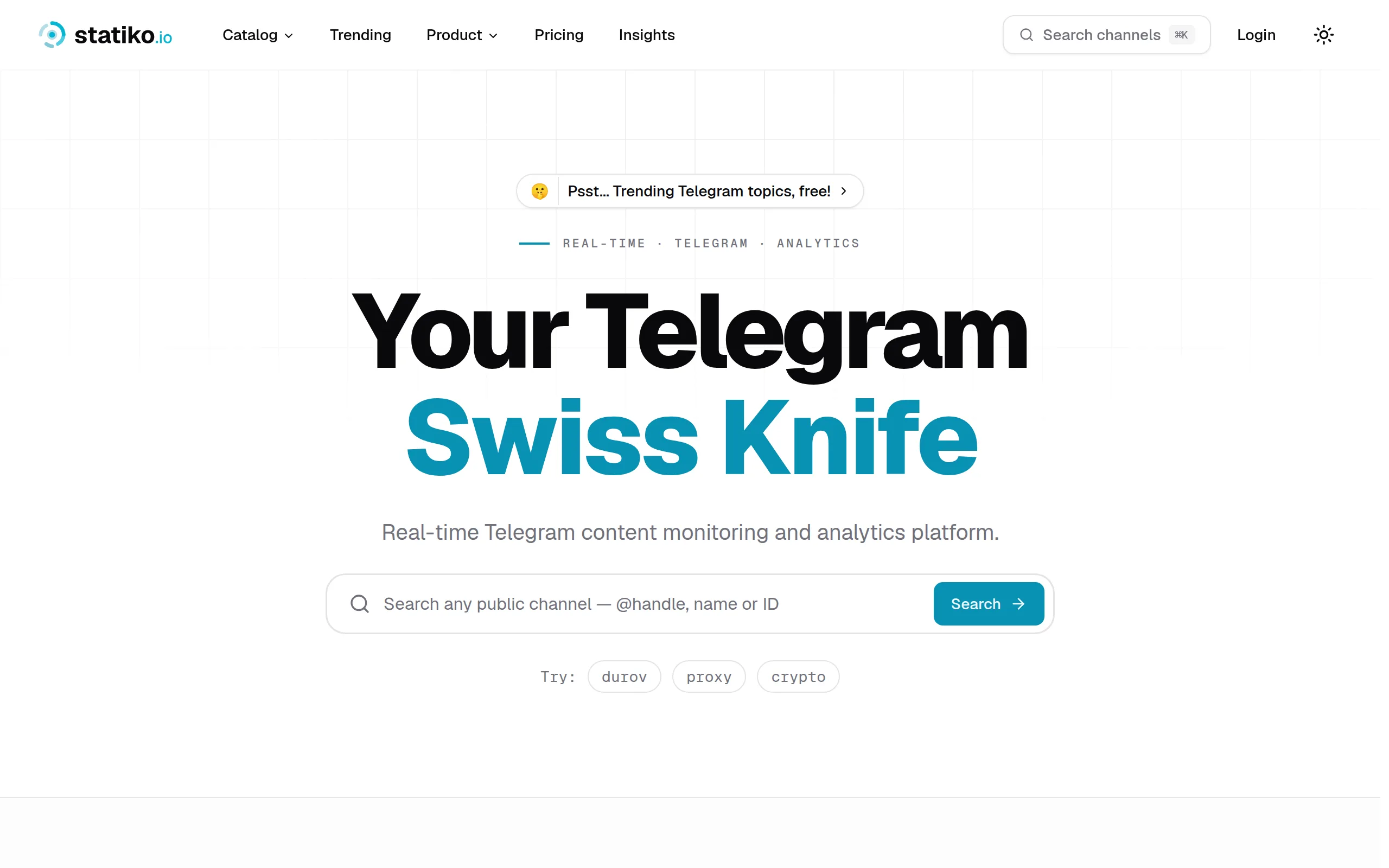
Statiko
Monitor any Telegram channel in real time - track posts, edits, deletions, and growth with AI recaps 📡
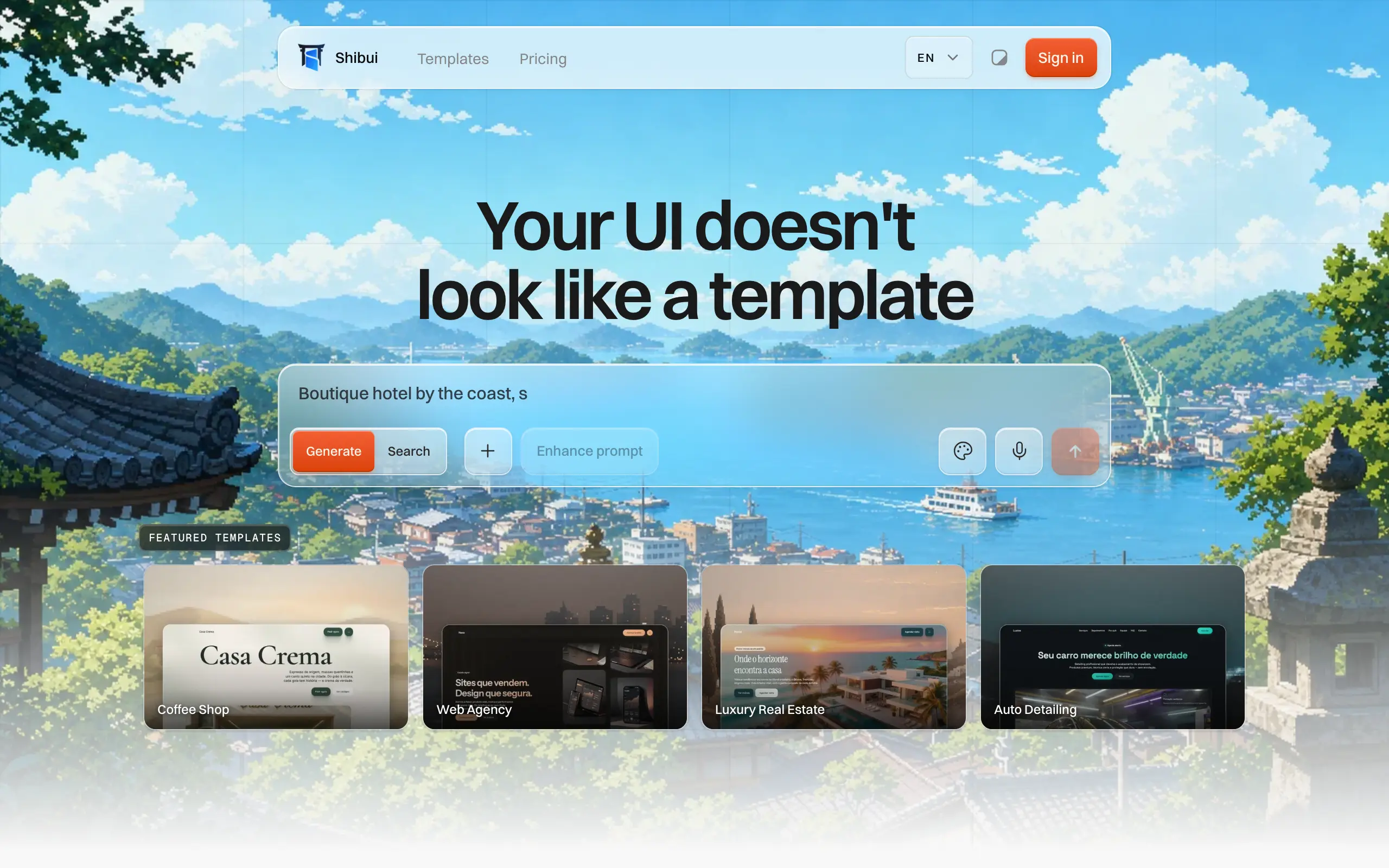
Shibui
AI website builder - describe your business, pick a niche template, edit by chatting, and publish instantly ✨

Pro Service
Find verified home service professionals, compare quotes, and pay securely through escrow - built for Brazilians across the US 🏠
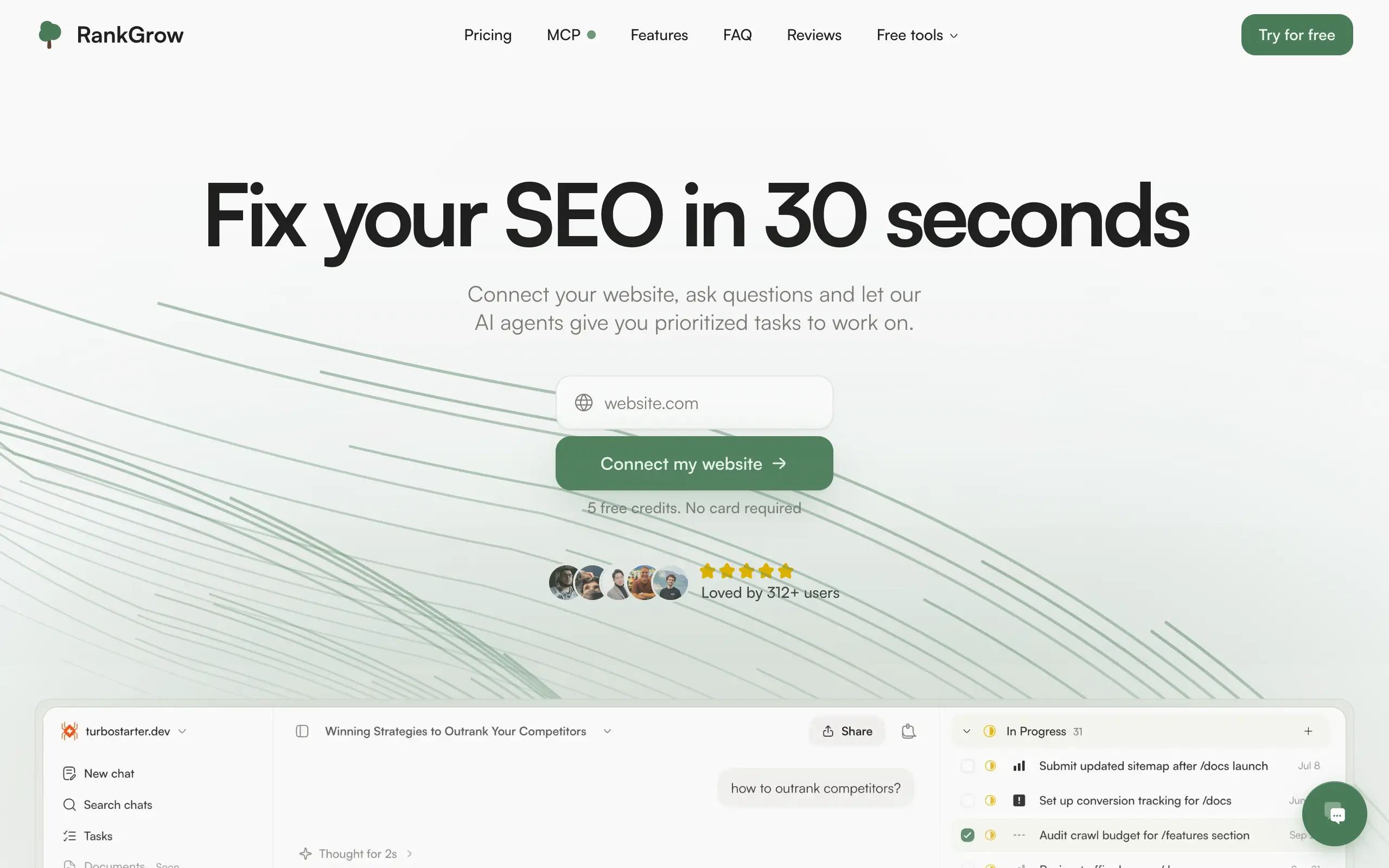
RankGrow
Fix your SEO with AI agents - connect Search Console, get prioritized tasks, and grow organic traffic 📈
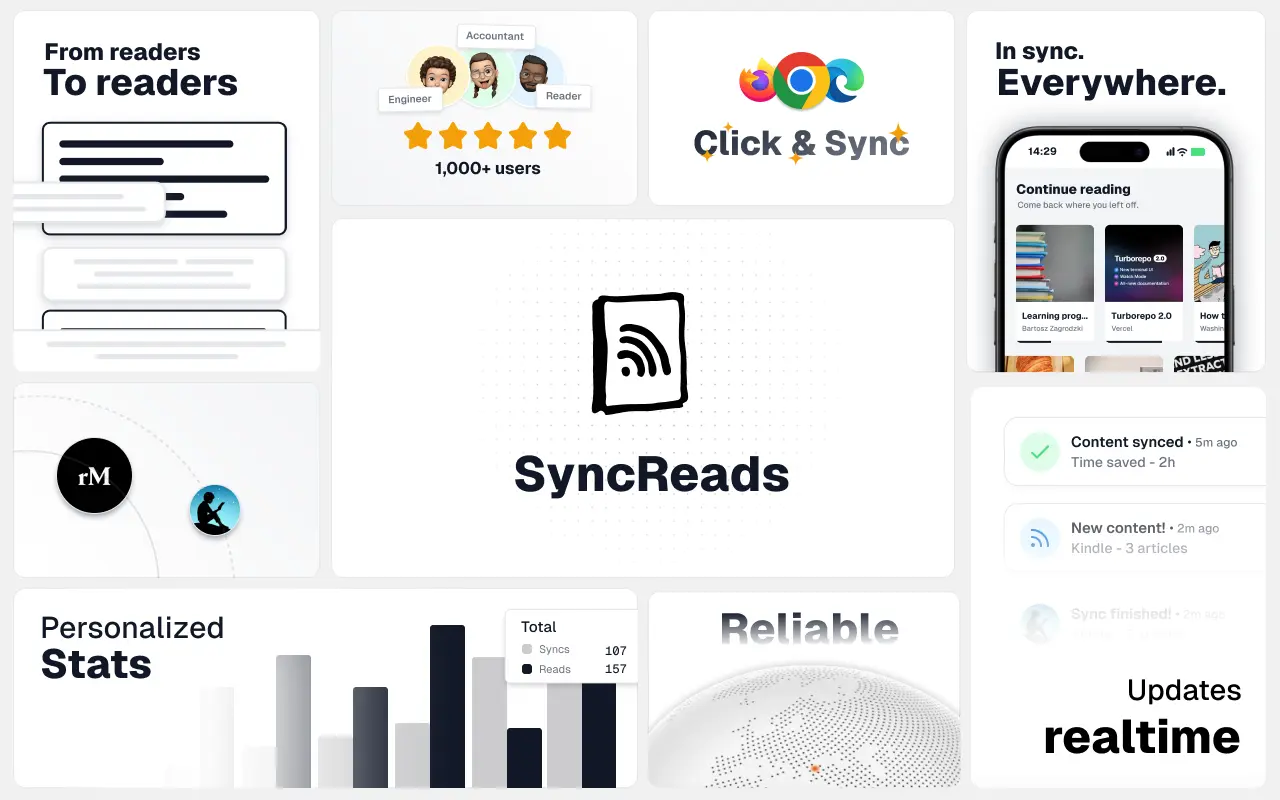
SyncReads
Sync your favorite content for distraction-free reading, save time and replace multiple apps. Anytime, anywhere 🔄
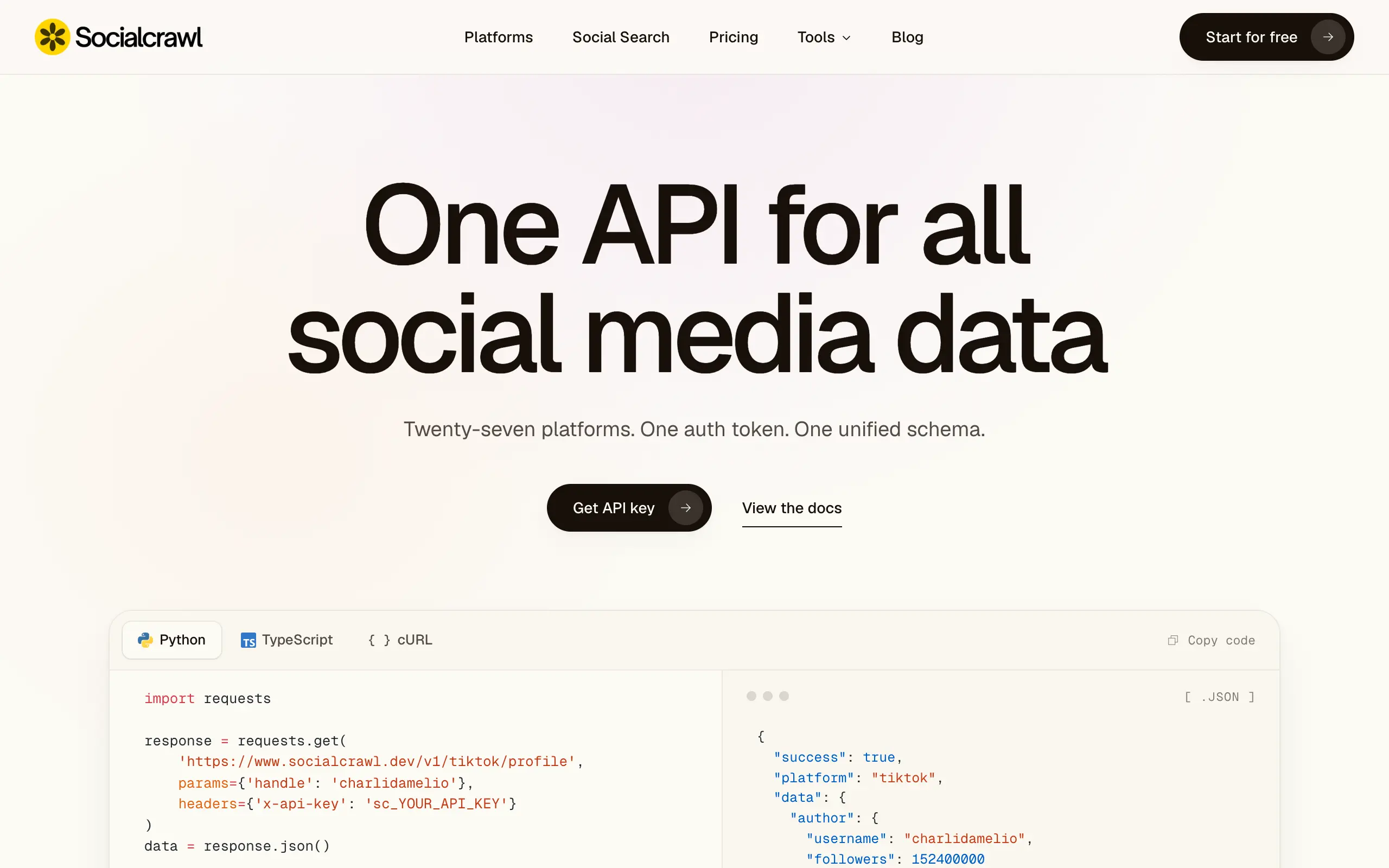
Socialcrawl
Get clean, structured data from 21 platforms like TikTok, Instagram, and YouTube with a single request 📊
Statiko
Monitor any Telegram channel in real time - track posts, edits, deletions, and growth with AI recaps 📡
Shibui
AI website builder - describe your business, pick a niche template, edit by chatting, and publish instantly ✨
Pro Service
Find verified home service professionals, compare quotes, and pay securely through escrow - built for Brazilians across the US 🏠
RankGrow
Fix your SEO with AI agents - connect Search Console, get prioritized tasks, and grow organic traffic 📈
SyncReads
Sync your favorite content for distraction-free reading, save time and replace multiple apps. Anytime, anywhere 🔄
Socialcrawl
Get clean, structured data from 21 platforms like TikTok, Instagram, and YouTube with a single request 📊
Statiko
Monitor any Telegram channel in real time - track posts, edits, deletions, and growth with AI recaps 📡
Shibui
AI website builder - describe your business, pick a niche template, edit by chatting, and publish instantly ✨
Pro Service
Find verified home service professionals, compare quotes, and pay securely through escrow - built for Brazilians across the US 🏠
RankGrow
Fix your SEO with AI agents - connect Search Console, get prioritized tasks, and grow organic traffic 📈
SyncReads
Sync your favorite content for distraction-free reading, save time and replace multiple apps. Anytime, anywhere 🔄
Socialcrawl
Get clean, structured data from 21 platforms like TikTok, Instagram, and YouTube with a single request 📊
Statiko
Monitor any Telegram channel in real time - track posts, edits, deletions, and growth with AI recaps 📡
Shibui
AI website builder - describe your business, pick a niche template, edit by chatting, and publish instantly ✨
Pro Service
Find verified home service professionals, compare quotes, and pay securely through escrow - built for Brazilians across the US 🏠
RankGrow
Fix your SEO with AI agents - connect Search Console, get prioritized tasks, and grow organic traffic 📈
SyncReads
Sync your favorite content for distraction-free reading, save time and replace multiple apps. Anytime, anywhere 🔄
Socialcrawl
Get clean, structured data from 21 platforms like TikTok, Instagram, and YouTube with a single request 📊
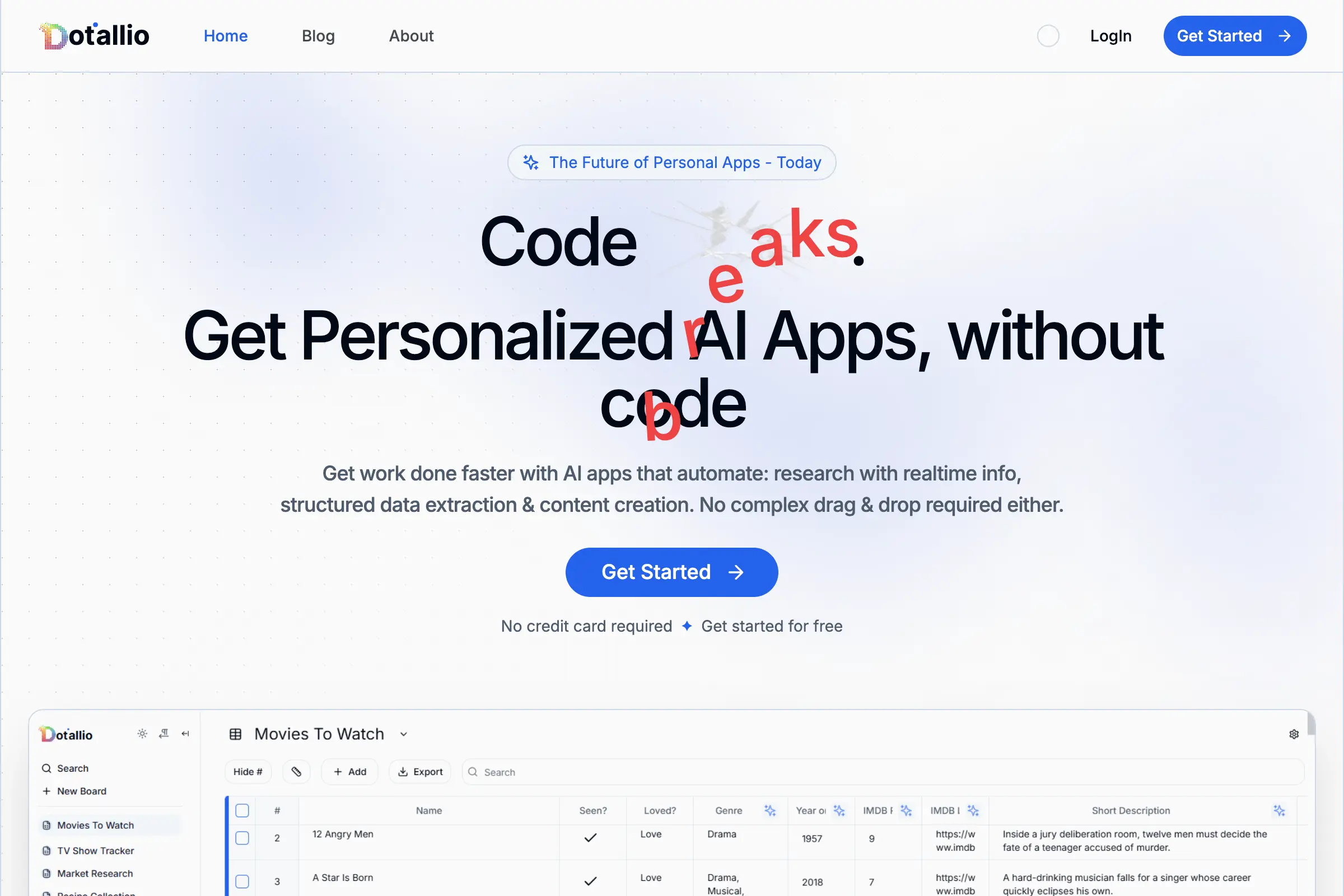
Dotallio
Personalized AI apps that automate research, data extraction, and content creation without code 🤖
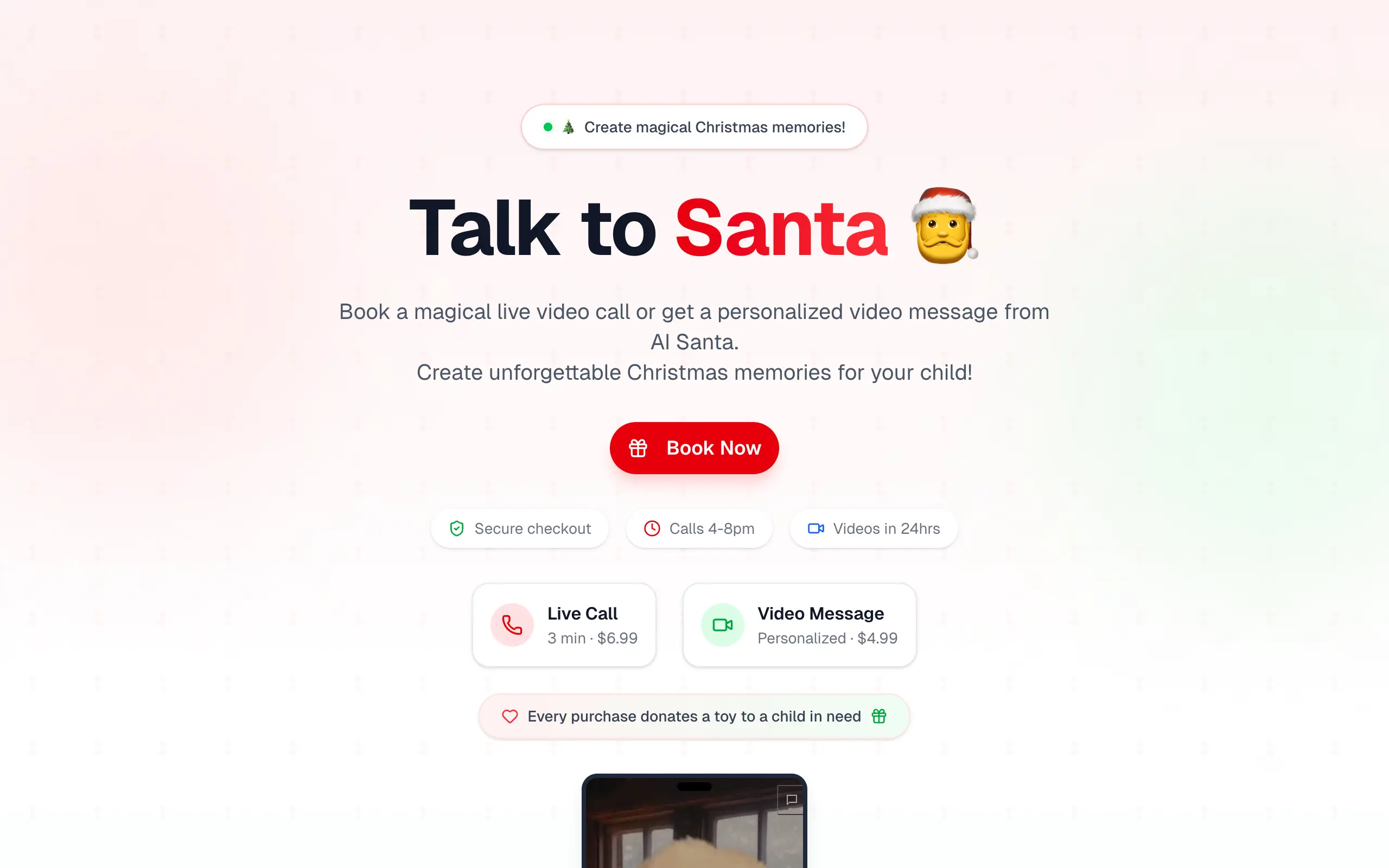
Talk to Santa
Enjoy a magical live video chat or receive a unique AI-generated video greeting from Santa Claus 🎅
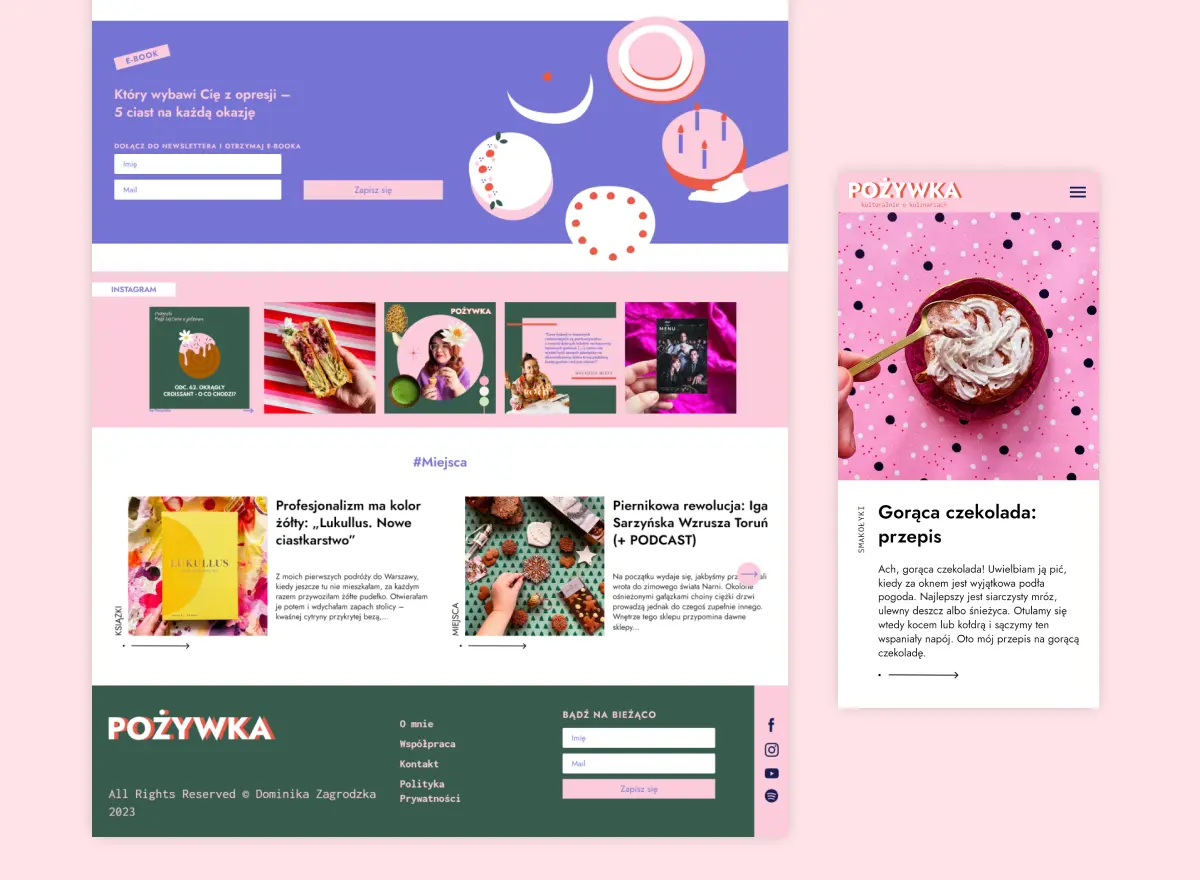
pozywka.pl
Scalable blog for food journalist, focused on performance and user experience 🌭
zagrodzki.me
Personal blog and portfolio of Bart Zagrodzki, where he shares his knowledge and work 💼
TurboStarter
Ship your startup everywhere. In minutes.
HTML to Markdown
Convert HTML to Markdown with ease, directly in your browser 📄
Dotallio
Personalized AI apps that automate research, data extraction, and content creation without code 🤖
Talk to Santa
Enjoy a magical live video chat or receive a unique AI-generated video greeting from Santa Claus 🎅
pozywka.pl
Scalable blog for food journalist, focused on performance and user experience 🌭
zagrodzki.me
Personal blog and portfolio of Bart Zagrodzki, where he shares his knowledge and work 💼
TurboStarter
Ship your startup everywhere. In minutes.
HTML to Markdown
Convert HTML to Markdown with ease, directly in your browser 📄
Dotallio
Personalized AI apps that automate research, data extraction, and content creation without code 🤖
Talk to Santa
Enjoy a magical live video chat or receive a unique AI-generated video greeting from Santa Claus 🎅
pozywka.pl
Scalable blog for food journalist, focused on performance and user experience 🌭
zagrodzki.me
Personal blog and portfolio of Bart Zagrodzki, where he shares his knowledge and work 💼
TurboStarter
Ship your startup everywhere. In minutes.
HTML to Markdown
Convert HTML to Markdown with ease, directly in your browser 📄
Dotallio
Personalized AI apps that automate research, data extraction, and content creation without code 🤖
Talk to Santa
Enjoy a magical live video chat or receive a unique AI-generated video greeting from Santa Claus 🎅
pozywka.pl
Scalable blog for food journalist, focused on performance and user experience 🌭
zagrodzki.me
Personal blog and portfolio of Bart Zagrodzki, where he shares his knowledge and work 💼
TurboStarter
Ship your startup everywhere. In minutes.
HTML to Markdown
Convert HTML to Markdown with ease, directly in your browser 📄
Omichat
Chat with 50+ AI models, including ChatGPT and Claude, in one place - switch models anytime without losing context 🤖
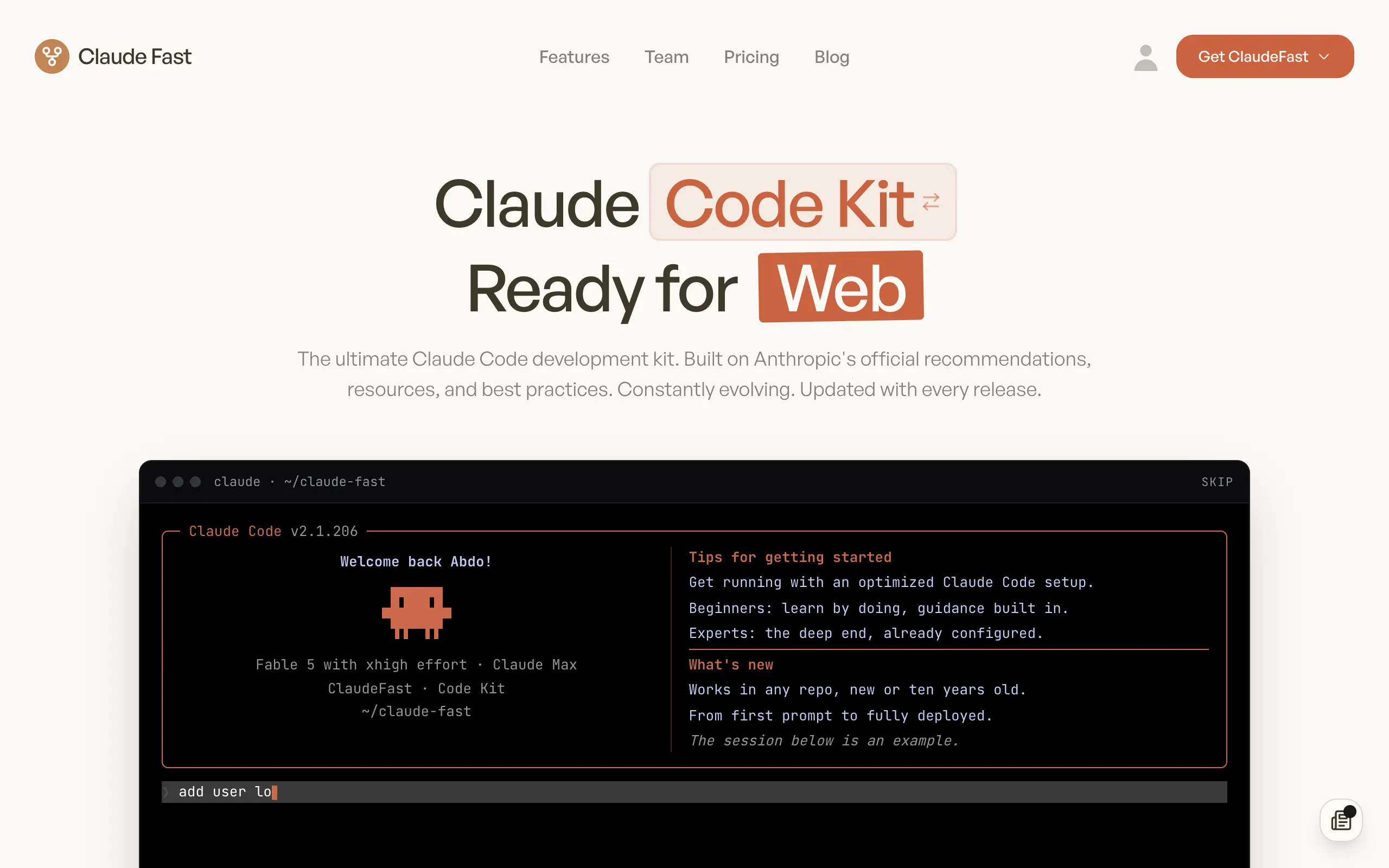
Claude Fast
Supercharge your Claude Code with 6x effective context window and specialized AI agents 🤖
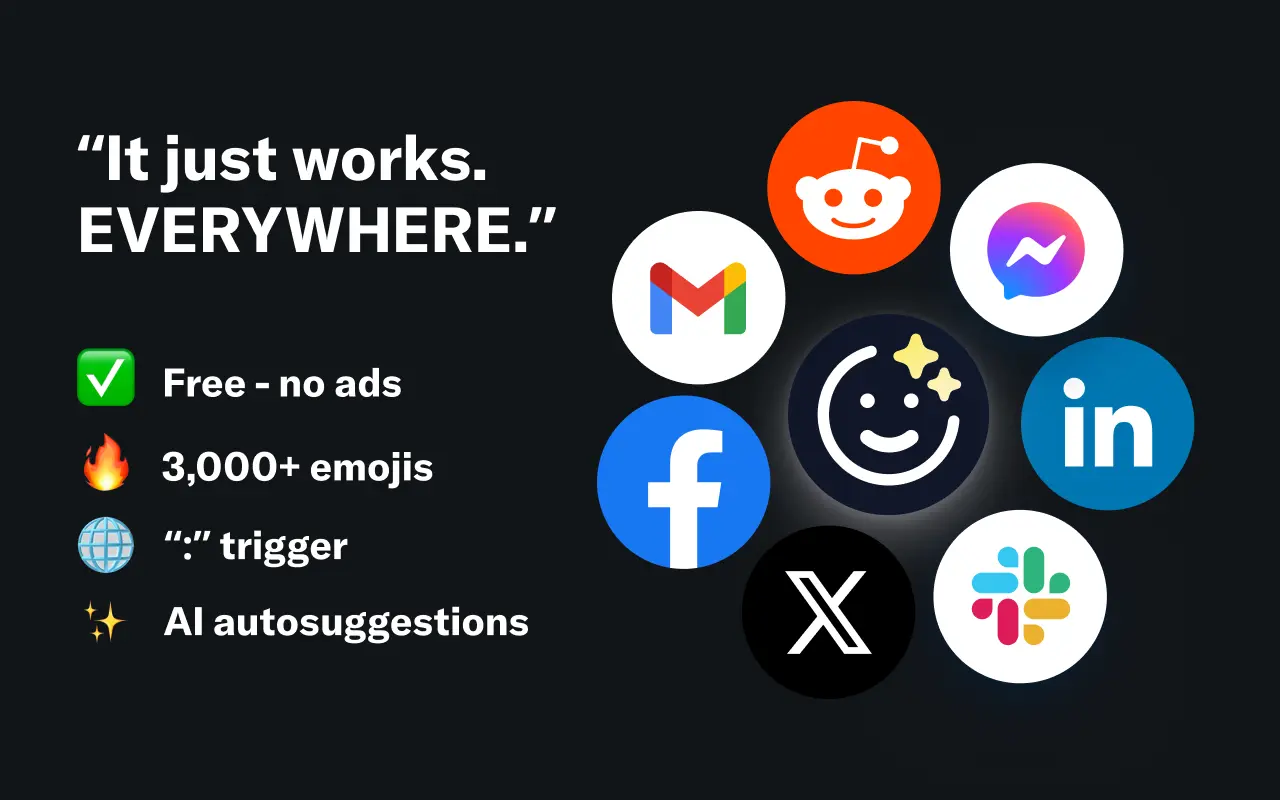
EmojAI
AI-powered emoji picker with smart, context-aware suggestions 🤖
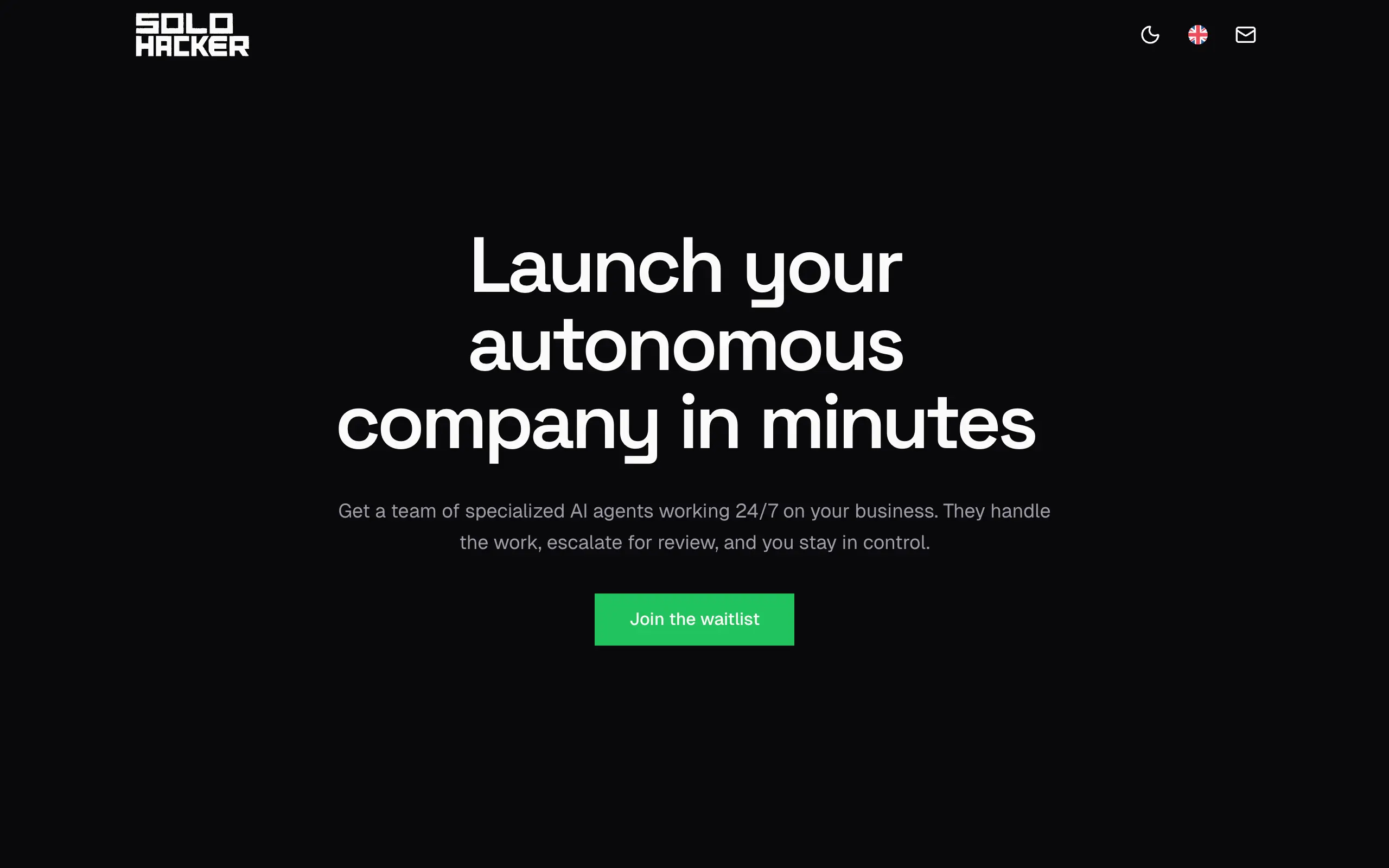
Solohacker
Autonomous company launcher - AI agents work 24/7, escalate what matters, and you stay in control 🤖
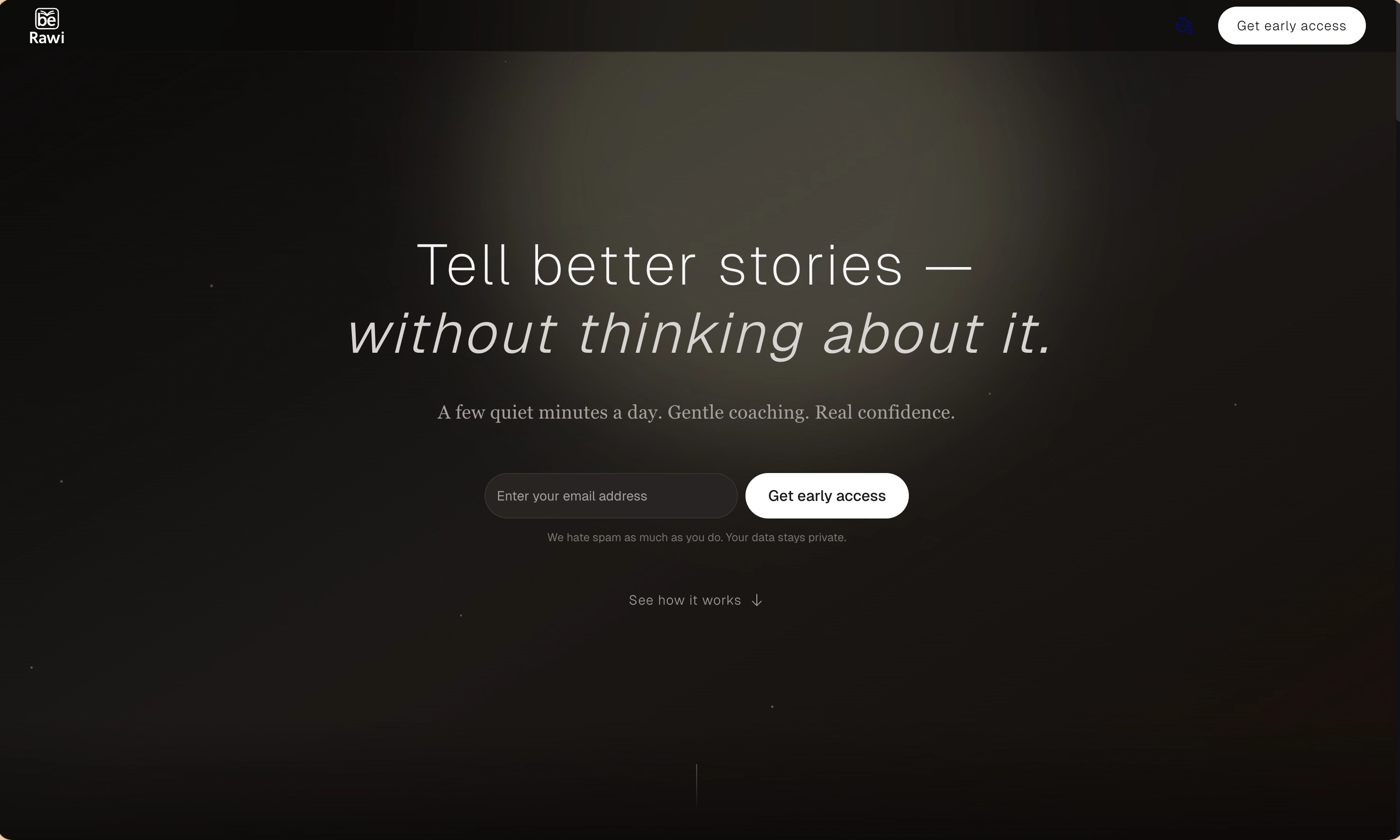
BeRawi: Storytelling Coach
Practice storytelling daily with instant feedback to sound clearer, more engaging, and confident 🎤
Omichat
Chat with 50+ AI models, including ChatGPT and Claude, in one place - switch models anytime without losing context 🤖
Claude Fast
Supercharge your Claude Code with 6x effective context window and specialized AI agents 🤖
EmojAI
AI-powered emoji picker with smart, context-aware suggestions 🤖
Solohacker
Autonomous company launcher - AI agents work 24/7, escalate what matters, and you stay in control 🤖
BeRawi: Storytelling Coach
Practice storytelling daily with instant feedback to sound clearer, more engaging, and confident 🎤
Omichat
Chat with 50+ AI models, including ChatGPT and Claude, in one place - switch models anytime without losing context 🤖
Claude Fast
Supercharge your Claude Code with 6x effective context window and specialized AI agents 🤖
EmojAI
AI-powered emoji picker with smart, context-aware suggestions 🤖
Solohacker
Autonomous company launcher - AI agents work 24/7, escalate what matters, and you stay in control 🤖
BeRawi: Storytelling Coach
Practice storytelling daily with instant feedback to sound clearer, more engaging, and confident 🎤
Omichat
Chat with 50+ AI models, including ChatGPT and Claude, in one place - switch models anytime without losing context 🤖
Claude Fast
Supercharge your Claude Code with 6x effective context window and specialized AI agents 🤖
EmojAI
AI-powered emoji picker with smart, context-aware suggestions 🤖
Solohacker
Autonomous company launcher - AI agents work 24/7, escalate what matters, and you stay in control 🤖
BeRawi: Storytelling Coach
Practice storytelling daily with instant feedback to sound clearer, more engaging, and confident 🎤

Connect with like-minded people
Join our community to get feedback, support, and grow together with 1,000+ builders on board, let's ship it!
Join usShip your startup everywhere. In minutes.
Don't burn tokens on setup and start building features on day one.