RoadRoster
Build a professional Euro Truck Simulator 2 company with role-based teams, dispatch workflows, live driver maps, and earnings reports.
RoadRoster is a SaaS concept for building and operating a professional virtual trucking company in Euro Truck Simulator 2. Instead of relying on Discord messages, spreadsheets, manual screenshots, and disconnected tracking tools, it gives virtual trucking company leaders one operational hub for teams, dispatch, driver visibility, event coordination, and earnings reporting.
The primary opportunity is not simply another ETS2 driver tracker. It is virtual trucking company management software built around the way serious communities actually run. A strong product would help managers create clear structures, help dispatchers coordinate jobs, and help drivers see exactly what to do next.
For virtual trucking company owners, this solves a familiar operational problem. Growth creates complexity. A group of 10 friends can coordinate in a chat channel. A company with 100 active drivers, regional divisions, scheduled convoys, recruitment officers, and performance expectations needs better systems.
Why virtual trucking company management is a real SaaS opportunity
The ETS2 community is built around long-term engagement. Players invest in trucks, routes, DLC regions, multiplayer convoys, screenshots, live streams, and social communities. Many of the most engaged players join virtual trucking companies, often called VTCs, to make their driving experience more social and structured.
However, most VTC operations are fragmented.
A typical company may use:
- Discord for announcements, recruitment, and driver questions
- Google Sheets for job assignments and leadership rosters
- A website builder for public-facing pages
- A third-party tracker for mileage and deliveries
- Static maps or shared screenshots for convoy coordination
- Manual monthly summaries for driver rankings and earnings
- Separate forms for leave requests, incident reports, and applications
That tool sprawl creates friction for both leaders and drivers. Leaders spend time acting as human workflows. Drivers are unsure which channels matter, what jobs qualify, or how their performance is evaluated.
RoadRoster can position itself as a VTC operations platform rather than a generic community website. The product’s unique value is combining organizational structure with the gameplay-specific workflows that matter to trucking groups.
The core positioning
RoadRoster should not compete only on mileage tracking. Its strongest message is that it helps virtual trucking companies operate like organized fleets, with roles, dispatching, accountability, and transparent reporting.
This is also a healthy SaaS niche because the users are highly motivated. Company founders often spend considerable time building brands, recruiting drivers, organizing events, and creating standards. They care about professionalism, retention, and reputation. Those are exactly the customer traits that support paid workflow software.
Target audience for RoadRoster
RoadRoster should be designed around different users with distinct needs. Treating every community member as “a driver” would limit the product’s utility and make permissions difficult to manage.
Primary audience: VTC owners and senior management
The core buyer is usually the VTC founder, owner, CEO, or management team. They care less about one individual delivery and more about running a sustainable, well-organized community.
Their most important goals include:
- Present a credible and professional public brand
- Recruit reliable drivers and assess applications fairly
- Create divisions, teams, and leadership responsibilities
- Reduce repetitive administrative work
- Recognize active drivers without creating unnecessary competition
- Monitor company growth, event participation, and route activity
- Maintain rules and records when staff members change
For this segment, RoadRoster should sell time savings and operational clarity. A manager does not buy a dashboard because dashboards are attractive. They buy it because fewer tasks fall through the cracks.
Secondary audience: dispatchers, HR staff, and team leads
Operational staff are the daily users who make a company run. In larger VTCs, these may be dedicated volunteer roles.
They need focused tools rather than broad owner-level access:
- Dispatchers need route planning, job assignment, driver status, and incident visibility
- HR or recruitment staff need application pipelines, interview notes, onboarding tasks, and probation checklists
- Team leads need roster views, attendance information, and team performance summaries
- Event coordinators need convoy signups, departure groups, route briefings, and live map monitoring
Role-based access control is essential here. RoadRoster should let an owner grant only the capabilities needed for each role. A dispatcher should not have permission to edit billing, delete members, or access sensitive moderation records.
Tertiary audience: drivers
Drivers are not always the paying customer, but they determine whether a VTC management platform succeeds. If the driver experience is slow, unclear, or overly bureaucratic, participation declines.
Drivers need a simple answer to several recurring questions:
- What is my current team and who is my manager?
- Which jobs or routes are available?
- Does this delivery count toward company goals?
- When is the next event?
- Where is my convoy group?
- How am I progressing this month?
- How do I report an absence, issue, or completed assignment?
A mobile-friendly driver portal is especially important. Many players will check schedules, accept work, or review results from a phone before launching the game.
Adjacent audience: multiplayer communities and event organizers
RoadRoster can also support organizations that run recurring public convoys, charity drives, or cross-company events. These groups may not need every HR feature, but they do need registrations, route planning, staff roles, communication tools, and post-event insights.
This creates an expansion path beyond a single VTC. A future event workspace could allow several companies to participate in a shared convoy without exposing each organization’s internal data.
The market gap in ETS2 fleet management tools
The market gap is not the absence of trucking-related software. It is the absence of a deeply integrated virtual trucking company operations system.
Existing options commonly solve one narrow problem:
- Driver tracking platforms focus on logged deliveries and mileage
- Discord bots focus on basic communication or notifications
- Website templates focus on public presentation
- Spreadsheets offer flexibility but little automation or access control
- Generic project management tools are too abstract for dispatch and convoy workflows
RoadRoster can unite these functions around the actual operating model of a VTC.
| Operational need | Typical fragmented approach | RoadRoster approach | Strategic value | Priority |
|---|---|---|---|---|
| Team structure | Discord roles and pinned messages | Role-based roster and reporting lines | Clear ownership | High |
| Job dispatch | Manual chat posts and spreadsheets | Assignable dispatch board | Lower admin overhead | High |
| Convoy oversight | Voice chat and static route images | Live map and event workspace | Better coordination | High |
| Performance reporting | Manual monthly calculations | Automated driver and company reports | Transparent recognition | High |
| Recruitment workflow | Forms and direct messages | Application pipeline and onboarding | Faster activation | Medium |
The gap is particularly compelling because professional VTCs have workflows that generic community software does not understand. A dispatch needs a start city, destination, cargo type, scheduled window, required DLC, multiplayer server details, and convoy notes. A generic task card is not enough.
RoadRoster’s unique selling proposition
The RoadRoster USP should be straightforward:
RoadRoster is the operating system for professional ETS2 virtual trucking companies, bringing roles, dispatch, live fleet coordination, and performance reporting into one branded workspace.
That differentiation has four parts.
It connects organizational and driving data
A tracker may show that a player completed a delivery. RoadRoster should connect that delivery to the driver’s team, assigned dispatcher, event participation, goals, and company performance.
That context turns raw activity data into actionable operations data.
For example, a team leader could identify that a regional division has declining participation. A dispatcher could see which accepted jobs remain incomplete. An owner could compare event turnout by division without manually reconciling several sources.
It is built for leaders and drivers
Many tools optimize for administrators and make drivers navigate dense back-office screens. Others optimize for personal tracking but do not help companies operate.
RoadRoster should provide distinct workspaces:
- A driver home page focused on today’s assignment, next event, and personal progress
- A dispatcher board focused on active jobs and driver availability
- A manager dashboard focused on teams, approvals, activity trends, and operational exceptions
- An owner dashboard focused on company health and administrative control
It creates a branded company experience
VTC leaders care about their identity. A branded workspace with logos, custom colors, divisions, public recruiting pages, and tailored rules helps a small community look organized.
A white-label or custom subdomain option can become a meaningful premium feature. It lets a VTC present RoadRoster as part of its own operational environment rather than another disconnected external service.
It emphasizes useful reporting over vanity leaderboards
Leaderboard mechanics can motivate some players, but they can also create unhealthy pressure or encourage low-quality driving behavior. RoadRoster should offer flexible reporting that lets each company decide what success means.
Companies might value:
- Distance completed
- Verified jobs finished
- On-time dispatch completion
- Event attendance
- Safe driving records
- Team contribution
- Mentorship and onboarding support
- Recruitment activity for staff roles
This flexibility makes RoadRoster suitable for casual social fleets, realistic simulation groups, and competitive logistics communities.
Core RoadRoster features for the MVP
A strong MVP should solve the core workflow before adding every possible logistics feature. The biggest mistake in this category would be attempting to build a full trucking simulator, social network, tracker, and Discord replacement at launch.
Focus on the workflows that make a company easier to run.
Role-based company roster
The roster is the organizational foundation. Every member should have a profile with membership status, division, rank, permissions, join date, activity status, and relevant notes.
Key capabilities should include:
- Custom teams, departments, and regional divisions
- Configurable roles such as owner, manager, dispatcher, recruiter, event staff, and driver
- Fine-grained permissions for viewing, editing, approving, and exporting records
- Reporting lines and team lead assignment
- Probation and inactive member states
- Leave-of-absence tracking
- An audit log for important administrative actions
The audit log is not a flashy feature, but it is critical for trust. When multiple volunteers administer a community, owners need to know who changed a driver’s role, reassigned a dispatch, or approved an application.
Dispatch workflow and job board
The dispatch module should feel purpose-built for ETS2. Dispatchers need to create jobs quickly, assign them accurately, and understand completion status without chasing messages.
A dispatch record can include:
- Origin and destination cities
- Cargo or job category
- Suggested route
- Scheduled pickup and completion window
- Assigned driver or eligible team
- Minimum requirements such as DLC ownership
- Multiplayer or convoy server details
- Priority level
- Internal notes and driver-facing instructions
- Status from draft through completed, cancelled, or disputed
A kanban-style dispatch board works well because it makes bottlenecks visible. Columns such as planned, available, assigned, in progress, awaiting verification, and complete mirror the actual flow of work.
A dispatcher creates a job, selects a route, sets eligibility rules, assigns a driver or team, and monitors status. If a deadline is at risk, the system can flag the dispatch and notify the responsible staff member.
A driver sees only relevant jobs, reviews instructions, accepts or declines when permitted, marks progress, submits completion evidence if required, and receives confirmation when the job is verified.
The workflow should remain adaptable. Some VTCs will want staff approval at every stage. Others will want an open board where drivers claim suitable work.
Live driver maps and convoy tracking
A live driver map is one of the most visible RoadRoster features, but it should be approached carefully. “Live” can mean different things depending on available integrations, user consent, multiplayer tools, and telemetry permissions.
The MVP can begin with progressive levels of capability:
- Manual status check-ins where drivers set availability, current city, and destination
- Event location sharing where participating drivers opt into map visibility during a convoy
- Telemetry-powered location updates through a desktop companion app or approved integration
- Real-time convoy operations with departure groups, lead vehicles, recovery status, and route checkpoints
The product should clearly distinguish between confirmed live telemetry and self-reported location. Misrepresenting delayed or manually updated data as real-time tracking would damage trust.
Privacy controls need to be first-class. Drivers should understand when their location is shared, which company roles can see it, and how long location data is retained.
Earnings reports and performance analytics
Earnings reports should translate game activity into meaningful company insights. In the context of a virtual trucking company, “earnings” can represent in-game revenue, mileage, completed jobs, contribution points, or a custom internal economy.
A flexible reporting engine should support company-specific rules. For example, one fleet may calculate earnings based on delivery payouts, while another may emphasize verified distance and event participation.
Useful report views include:
- Individual driver performance over selectable periods
- Team and division comparisons
- Completed dispatches by route, cargo, or event
- Company-level virtual revenue and distance trends
- Driver activity and retention indicators
- On-time completion percentage
- Exceptions such as expired, cancelled, or disputed jobs
- Exportable monthly reports for leadership review
Avoid presenting numbers without context. A driver with lower mileage may be serving as an event marshal, trainer, or recruiter. RoadRoster should allow managers to annotate reports or include non-driving contributions.
Recruitment and onboarding workflows
Recruitment is often where a VTC first demonstrates its professionalism. A polished application flow can improve candidate quality and reduce staff workload.
The MVP recruitment module can provide:
- Custom public application forms
- Eligibility questions for game ownership, age policies, language, and experience
- A review pipeline with stages such as new, screening, interview, approved, rejected, and waitlisted
- Internal reviewer notes
- Email or Discord notification hooks where allowed
- Automated onboarding tasks for approved applicants
- A probation checklist and first-week welcome plan
The goal is not to reject applicants faster. It is to create a repeatable, respectful process that gives staff a complete record and gives new drivers a clear start.
Event and convoy management
Convoys are central to many ETS2 communities. Event support can increase usage even among drivers who do not care deeply about individual dispatches.
A useful convoy workspace should include:
- Event landing page with date, time zone, route, and requirements
- RSVP and attendance lists
- Driver group or slot assignment
- Staff positions for lead, tail, marshal, and support
- Briefing notes and voice channel details
- Live participation view where enabled
- Post-event attendance and incident summaries
Time zone support deserves special attention. International communities frequently struggle with ambiguous event times. Store dates in UTC, show localized times for each user, and always display the reference time zone in public event pages.
Recommended tech stack for a RoadRoster SaaS
RoadRoster needs a stack that supports multi-tenant SaaS operations, real-time updates, permission-heavy workflows, and a polished responsive interface.
A practical modern stack is Next.js with React, TypeScript, PostgreSQL, and Tailwind CSS.
Application layer
Next.js is a strong choice for RoadRoster because it supports server-rendered public pages, authenticated dashboards, API routes, and performance-conscious web delivery in one framework. Its rendering options are helpful for public VTC recruiting pages that may need to rank in search engines.
TypeScript is especially valuable for role permissions, dispatch status transitions, and integration payloads. These are areas where loose types can create subtle authorization or reporting bugs.
For the interface, Tailwind CSS supports a consistent design system without slowing down iteration. RoadRoster will have dense information screens, so reusable components for tables, status badges, map panels, filter controls, and empty states should be planned from the beginning.
Data and authentication layer
PostgreSQL is an excellent primary database because RoadRoster has relational data at its core:
- Organizations have many teams
- Teams have many members
- Members can hold multiple roles
- Dispatches have assignments, status histories, and completion records
- Events have registrations and staff allocations
- Reports aggregate activity across time periods
A relational database is generally more suitable than a document-first approach for consistent reporting and permission-aware queries.
For authentication, support both email login and community-friendly social sign-in where appropriate. Discord OAuth is likely valuable because Discord is widely used by VTCs. However, RoadRoster should never depend entirely on Discord identity or Discord availability. Users need a reliable account recovery path independent of a chat platform.
Real-time maps and notifications
For live features, use WebSockets or a managed real-time service. The trade-off is straightforward:
- Self-hosted WebSockets offer maximum control but increase infrastructure and operational complexity
- Managed real-time services reduce initial engineering overhead but can become expensive as concurrent map updates grow
Begin with lower-frequency updates and event-specific live tracking. This controls cost while validating whether real-time maps materially improve retention.
For maps, choose a provider with clear usage terms, predictable cost controls, and appropriate geographic coverage. Abstract the map provider behind an internal interface so RoadRoster can switch providers later if usage patterns change.
Background jobs and observability
Reports, notification batches, imports, and data aggregation should run asynchronously through a job queue. Avoid generating complex monthly summaries during a page request.
RoadRoster should also have production observability from day one:
- Error tracking
- Structured logs
- Performance monitoring
- Database query monitoring
- Audit logs for sensitive actions
- Alerts for failed integration jobs
For a founder building quickly, TurboStarter can accelerate the initial SaaS foundation with common product infrastructure already considered, allowing more development time to go toward the VTC-specific workflows that make RoadRoster distinctive.
Data model and integration strategy
A clear data model prevents painful rewrites when RoadRoster expands from a small private beta into a multi-company platform.
At minimum, the platform should model:
type DispatchStatus =
  | "draft"
  | "available"
  | "assigned"
  | "in_progress"
  | "awaiting_verification"
  | "completed"
  | "cancelled"
  | "disputed";

type Dispatch = {
  id: string;
  organizationId: string;
  assignedDriverId?: string;
  createdById: string;
  originCity: string;
  destinationCity: string;
  cargoName?: string;
  scheduledAt?: Date;
  status: DispatchStatus;
  earningsValue?: number;
  requiresVerification: boolean;
};
Every tenant-owned record needs an organizationId. Enforce tenant filtering at the database query layer, not merely in the user interface. Multi-tenant data exposure is one of the highest-impact risks for a SaaS handling private company rosters and staff notes.
Start with imports before building deep integrations
Game telemetry and third-party tracking integrations can be strategically important, but they are also technically and legally sensitive. The first release does not need to depend on a complex integration ecosystem.
Start with reliable import and manual workflows:
- CSV import for existing drivers and historical activity
- Structured exports for reports
- Manual job verification
- Optional links to external tracking profiles
- Webhook-ready internal architecture for future integrations
Before integrating with any third-party multiplayer, tracker, or telemetry service, review its current API documentation, terms of service, rate limits, user consent requirements, and branding guidelines. Do not assume a public website means an integration is permitted.
Avoid integration lock-in
A live map or automated earnings feature can become a critical workflow. Build adapters around external data providers so RoadRoster can support multiple sources or fall back gracefully if a provider changes its API or policies.
Monetization options for RoadRoster
RoadRoster should use organization-level subscription pricing rather than charging individual drivers. The company leadership receives the direct operational benefit, while drivers are more likely to join when access is free.
A tiered model aligns price with organizational complexity.
Suggested pricing structure
- Free or trial tier for small VTCs testing core roster and event features
- Starter tier for established fleets needing dispatch boards, branded pages, and basic reports
- Professional tier for larger organizations requiring custom roles, advanced analytics, automation, and higher member limits
- Enterprise or network tier for event organizers, VTC networks, white-label deployments, and priority support
The free tier should be useful enough to demonstrate value, but it should naturally expose the need for upgrades as a company grows. Good upgrade triggers include team limits, historical reporting depth, custom branding, audit log retention, advanced automations, and live map capacity.
High-value add-ons
Optional add-ons can improve average revenue without making the base product feel incomplete:
- Custom domain support
- Extended data retention
- Premium report exports
- Multi-company event workspaces
- Advanced driver scorecards
- Additional admin seats
- Branded onboarding portals
- Priority support and migration assistance
Avoid monetizing core security, essential data exports, or basic privacy controls. Those capabilities build trust and reduce churn.
Competitive advantage analysis
RoadRoster’s competitive advantage should not rest on the idea that competitors have no useful features. The more durable advantage is a focused product strategy.
Workflow depth
RoadRoster models dispatch, teams, events, and reporting as connected operational processes rather than unrelated features.
Role-aware experience
Drivers, dispatchers, HR staff, and owners receive interfaces designed for their actual responsibilities.
Configurable professionalism
Each VTC can adapt roles, contribution rules, divisions, and branding without needing custom software.
Trustworthy data
Consent controls, audit logs, clear data sources, and privacy settings make the platform suitable for serious communities.
The product should also create switching costs ethically. Once a company has built its roster, reporting history, onboarding process, dispatch templates, and event records in RoadRoster, the platform becomes part of its operating memory. That is valuable retention, provided the company can still export its data at any time.
Risks and mitigation strategies
Every game-adjacent SaaS has risks. A credible RoadRoster strategy identifies them early instead of assuming enthusiastic users will solve structural problems.
Risk: a niche market with uneven willingness to pay
Not every VTC has a budget. Some are informal groups with little need for administration.
Mitigation
Target companies that already show operational maturity. Signals include detailed rules, structured Discord roles, active recruiting, recurring events, multiple divisions, and manual spreadsheets. Offer a free trial that demonstrates reduced admin work rather than relying on broad, low-intent signups.
Risk: dependence on third-party platforms
RoadRoster may rely on Discord login, game telemetry, map providers, or multiplayer ecosystems. External changes can break features.
Mitigation
Use modular integrations, maintain first-party manual workflows, and avoid promising permanent compatibility with systems RoadRoster does not control. Keep core organization data independent from any third-party provider.
Risk: privacy concerns around live driver location
Location tracking can feel invasive, especially in volunteer communities.
Mitigation
Make tracking opt-in, event-scoped where possible, visible only to authorized roles, and easy to disable. Explain data retention in plain language. Never use location data for hidden surveillance or unrelated marketing.
Risk: gaming of reports and leaderboards
When rankings influence recognition, users may optimize metrics rather than participate constructively.
Mitigation
Allow companies to configure scoring, add qualitative contributions, hide public rankings, and use verification rules. Design reports as coaching and planning tools rather than only competitive scoreboards.
Risk: feature creep
It is easy to expand into recruitment, accounting, websites, streaming, mods, route planning, voice chat, and dozens of integrations.
Mitigation
Measure MVP success around a small set of outcomes. For example, a company should be able to onboard a driver, create and complete a dispatch, run an event, and review a monthly report without leaving RoadRoster.
Go-to-market strategy for a VTC management platform
RoadRoster’s launch should be community-led. This audience responds better to trust, demonstrations, and peer recommendations than broad generic SaaS advertising.
Build with design partners
Recruit five to 10 design partner VTCs with different operating styles:
- A small social fleet
- A realism-focused logistics company
- A large multi-division VTC
- A convoy and event-heavy organization
- A multilingual community
Offer early access, direct product influence, and migration support in exchange for structured feedback. Observe their real workflows before finalizing terminology and feature priorities.
Publish practical content that captures search intent
SEO content can attract VTC owners searching for help with management problems. Useful topics include:
- How to organize a virtual trucking company
- ETS2 VTC recruitment process templates
- How to run a successful ETS2 convoy
- Virtual trucking company dispatch workflow
- Driver activity tracking and fair VTC leaderboards
- Discord role structure for trucking communities
The best content should provide real frameworks, checklists, and examples even when readers never become customers. That demonstrates expertise and builds trust.
Use proof instead of inflated claims
Early marketing should show real outcomes:
- Reduced time spent compiling monthly reports
- Faster onboarding from application to first dispatch
- Higher convoy RSVP visibility
- Fewer unanswered dispatch messages
- Improved driver clarity around teams and assignments
When publishing statistics, cite the original survey, platform report, or internal methodology. If RoadRoster shares customer metrics, explain the sample size and measurement period rather than using vague claims such as “dramatically improved engagement.”
A practical RoadRoster implementation roadmap
The fastest path is to launch an operationally complete MVP, then expand based on observed usage.
Define the ideal customer profile by interviewing VTC owners, dispatchers, and active drivers. Document their current tools, repeated tasks, and points of confusion.
Design the multi-tenant foundation with organizations, members, teams, roles, permissions, and audit logs before adding more visible features.
Build the driver portal and dispatch workflow together. A dispatch system only works when drivers can easily see, accept, complete, and understand their assignments.
Launch event management and basic reporting. These features create recurring reasons for the entire company to return to RoadRoster.
Run a private beta with design partners, measure activation and weekly usage, and remove friction before investing heavily in telemetry integrations.
Add live maps, automation, integrations, and premium branding based on proven demand and clear consent controls.
The most important activation milestone is not account creation. It is a company completing its first meaningful operational cycle in RoadRoster:
- Import or invite drivers
- Assign roles and teams
- Publish an event or dispatch
- Record participation or completion
- Review a useful report
- Decide to use the platform again next week
That sequence proves RoadRoster has become operational infrastructure rather than an attractive but unused dashboard.
Final perspective on building RoadRoster
RoadRoster can succeed because virtual trucking companies are more than casual gaming groups. The most committed VTCs operate with real structures, expectations, events, and leadership responsibilities, yet many still depend on disconnected tools.
The winning product will not try to turn ETS2 into enterprise logistics software. Instead, it will respect the social and volunteer-driven nature of the community while giving leaders the operational tools they need to run a credible, enjoyable company.
Build the first version around role-based teams, dispatch workflows, event coordination, clear driver experiences, and trustworthy earnings reports. Make every workflow faster than a spreadsheet-and-Discord alternative. Then use live maps, integrations, white-label branding, and advanced analytics as expansion layers.
That focused approach gives RoadRoster a defensible place in the ETS2 ecosystem as the platform that helps virtual fleets operate with clarity, professionalism, and momentum.
More 🎮 Game SaaS ideas
Discover more innovative game SaaS ideas that are trending in 2026. Each idea is AI-generated with market validation and growth potential to help you find your next profitable venture faster than competitors.
Your competitors are building with TurboStarter
Below are some of the SaaS ideas that have been generated and built with our starter kit.
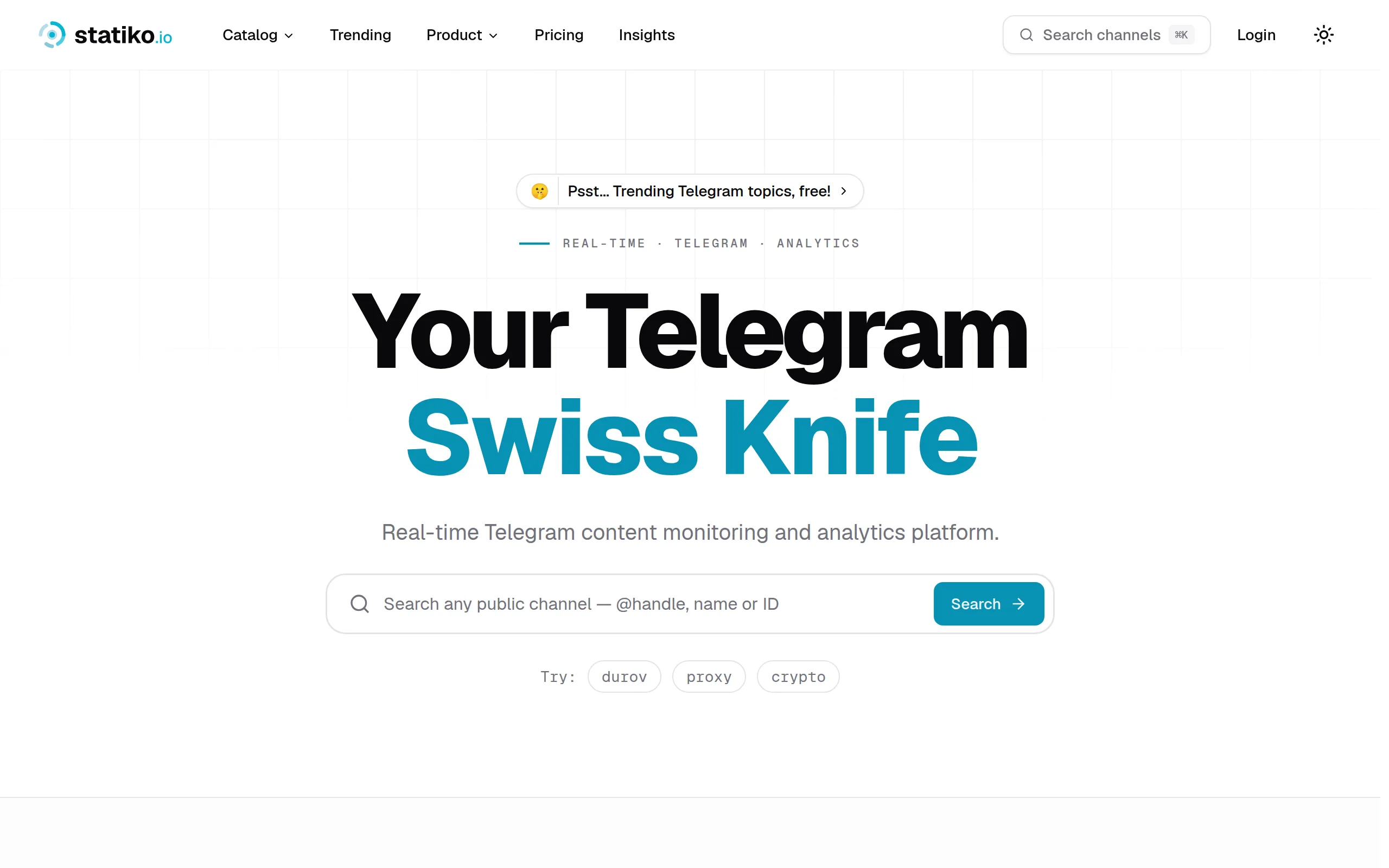
Statiko
Monitor any Telegram channel in real time - track posts, edits, deletions, and growth with AI recaps 📡
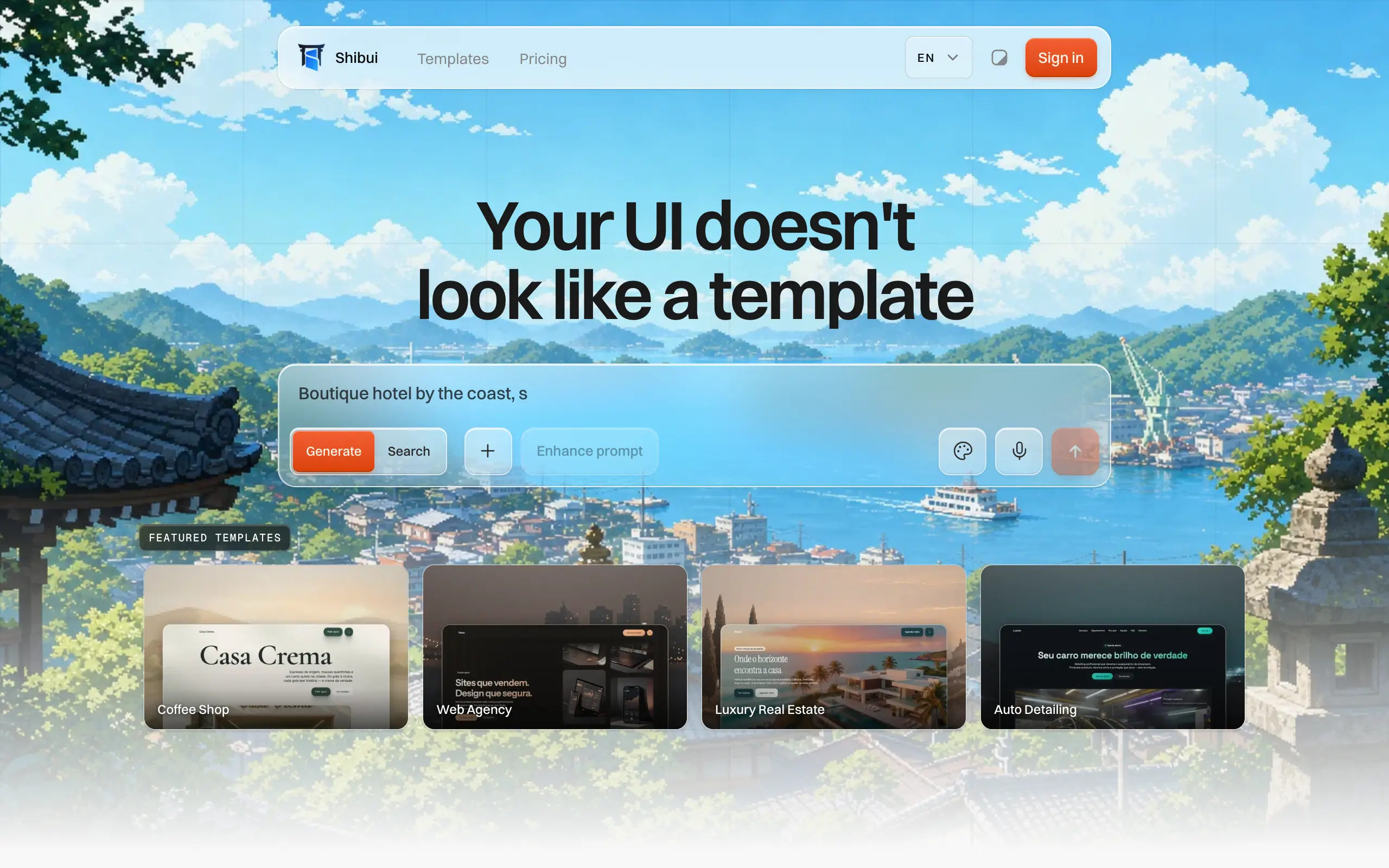
Shibui
AI website builder - describe your business, pick a niche template, edit by chatting, and publish instantly ✨

Pro Service
Find verified home service professionals, compare quotes, and pay securely through escrow - built for Brazilians across the US 🏠
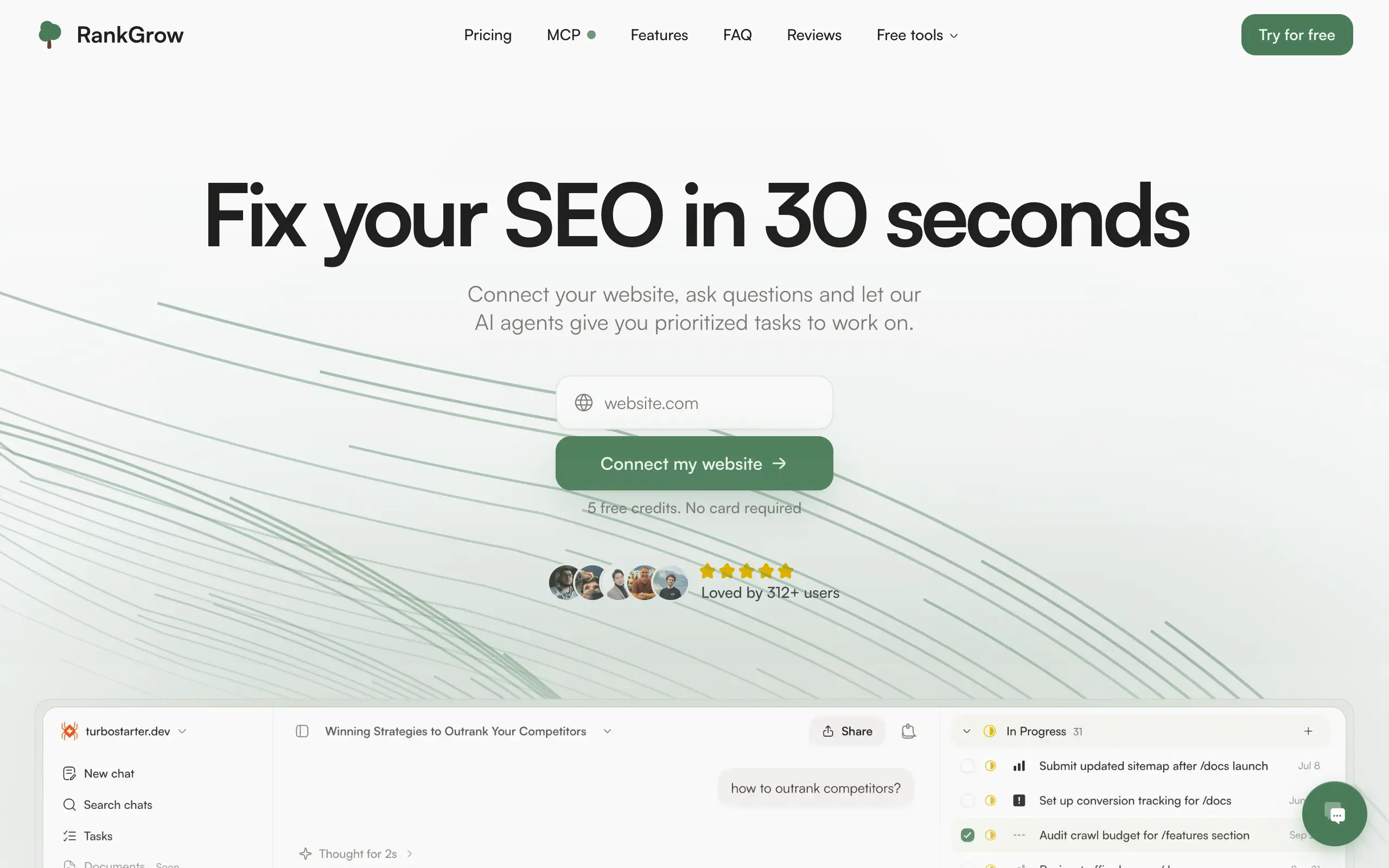
RankGrow
Fix your SEO with AI agents - connect Search Console, get prioritized tasks, and grow organic traffic 📈
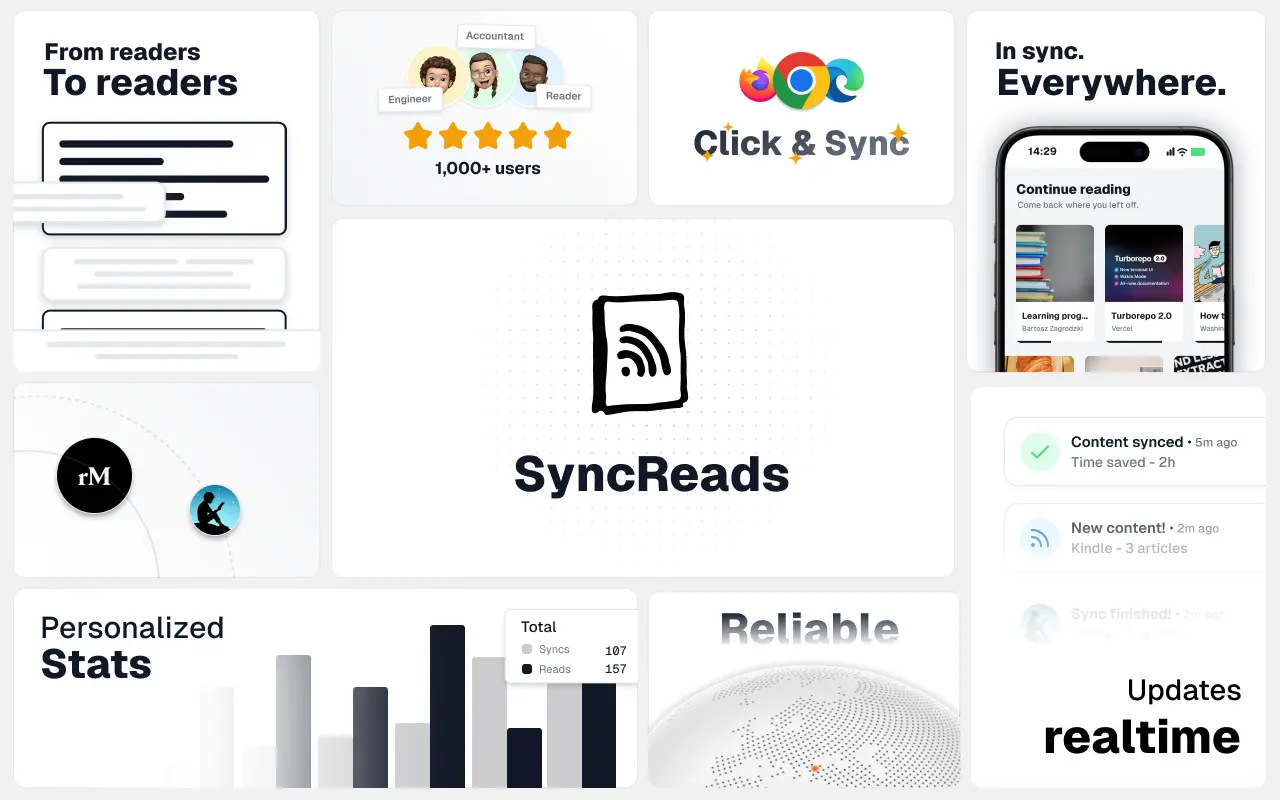
SyncReads
Sync your favorite content for distraction-free reading, save time and replace multiple apps. Anytime, anywhere 🔄
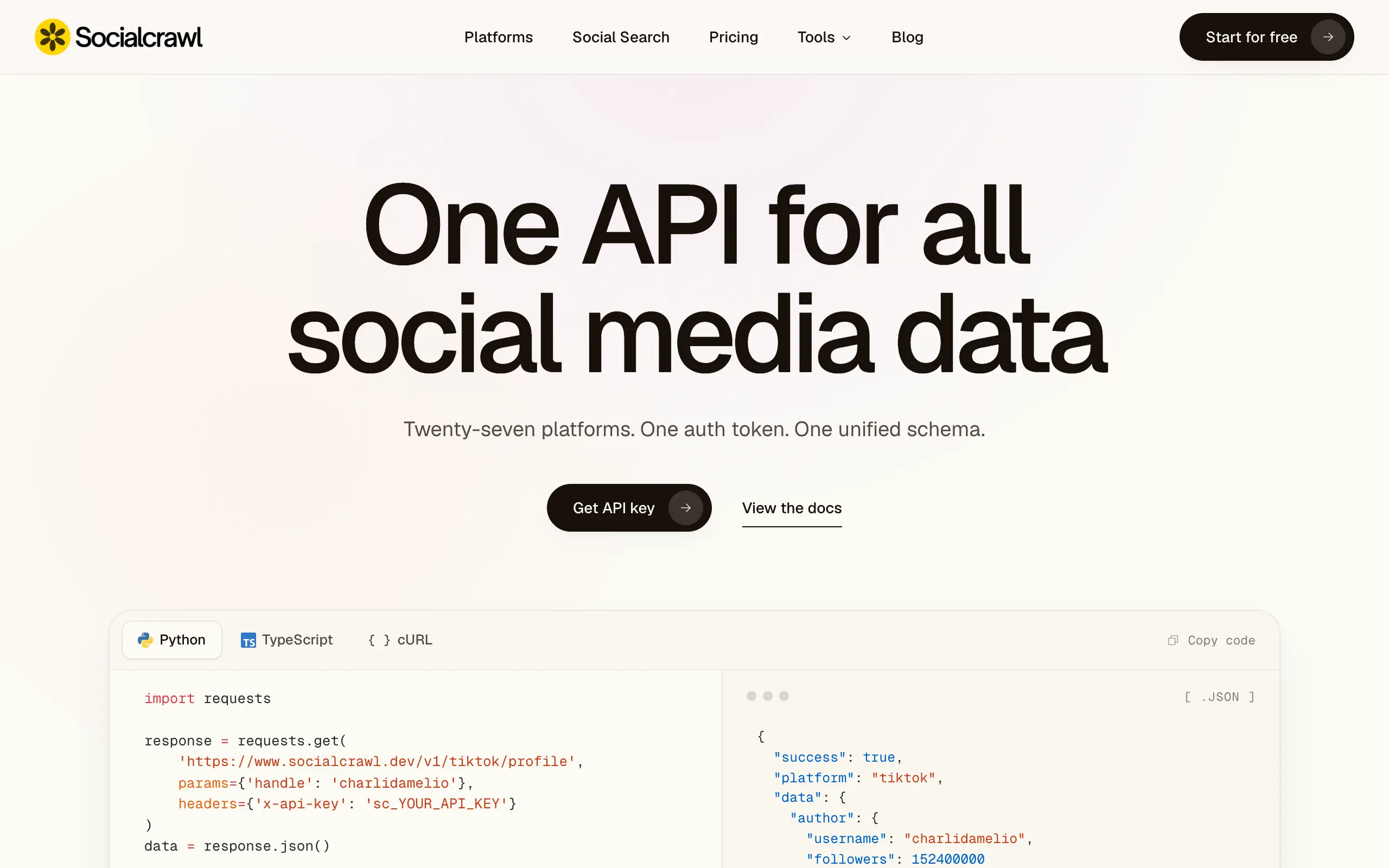
Socialcrawl
Get clean, structured data from 21 platforms like TikTok, Instagram, and YouTube with a single request 📊
Statiko
Monitor any Telegram channel in real time - track posts, edits, deletions, and growth with AI recaps 📡
Shibui
AI website builder - describe your business, pick a niche template, edit by chatting, and publish instantly ✨
Pro Service
Find verified home service professionals, compare quotes, and pay securely through escrow - built for Brazilians across the US 🏠
RankGrow
Fix your SEO with AI agents - connect Search Console, get prioritized tasks, and grow organic traffic 📈
SyncReads
Sync your favorite content for distraction-free reading, save time and replace multiple apps. Anytime, anywhere 🔄
Socialcrawl
Get clean, structured data from 21 platforms like TikTok, Instagram, and YouTube with a single request 📊
Statiko
Monitor any Telegram channel in real time - track posts, edits, deletions, and growth with AI recaps 📡
Shibui
AI website builder - describe your business, pick a niche template, edit by chatting, and publish instantly ✨
Pro Service
Find verified home service professionals, compare quotes, and pay securely through escrow - built for Brazilians across the US 🏠
RankGrow
Fix your SEO with AI agents - connect Search Console, get prioritized tasks, and grow organic traffic 📈
SyncReads
Sync your favorite content for distraction-free reading, save time and replace multiple apps. Anytime, anywhere 🔄
Socialcrawl
Get clean, structured data from 21 platforms like TikTok, Instagram, and YouTube with a single request 📊
Statiko
Monitor any Telegram channel in real time - track posts, edits, deletions, and growth with AI recaps 📡
Shibui
AI website builder - describe your business, pick a niche template, edit by chatting, and publish instantly ✨
Pro Service
Find verified home service professionals, compare quotes, and pay securely through escrow - built for Brazilians across the US 🏠
RankGrow
Fix your SEO with AI agents - connect Search Console, get prioritized tasks, and grow organic traffic 📈
SyncReads
Sync your favorite content for distraction-free reading, save time and replace multiple apps. Anytime, anywhere 🔄
Socialcrawl
Get clean, structured data from 21 platforms like TikTok, Instagram, and YouTube with a single request 📊
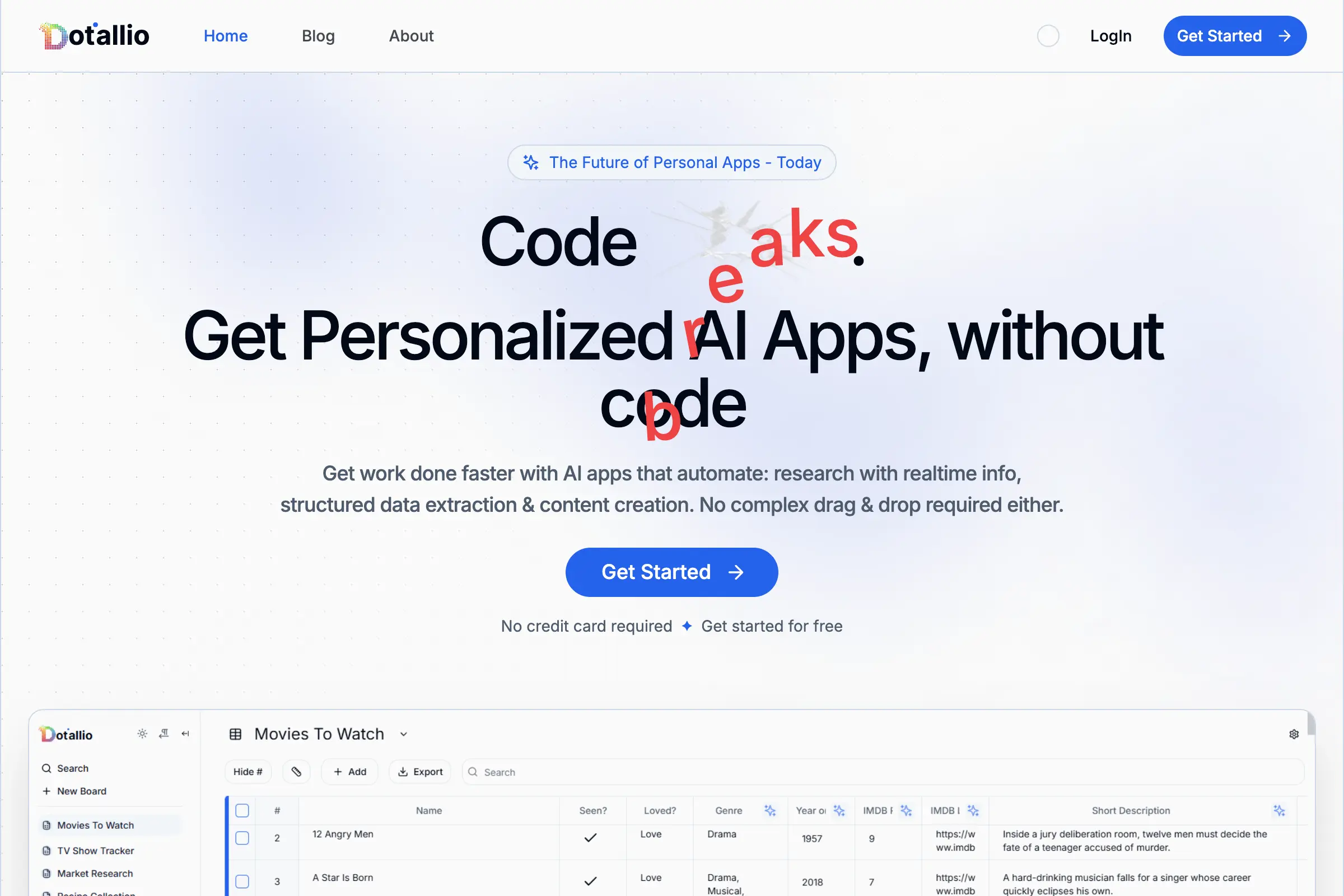
Dotallio
Personalized AI apps that automate research, data extraction, and content creation without code 🤖
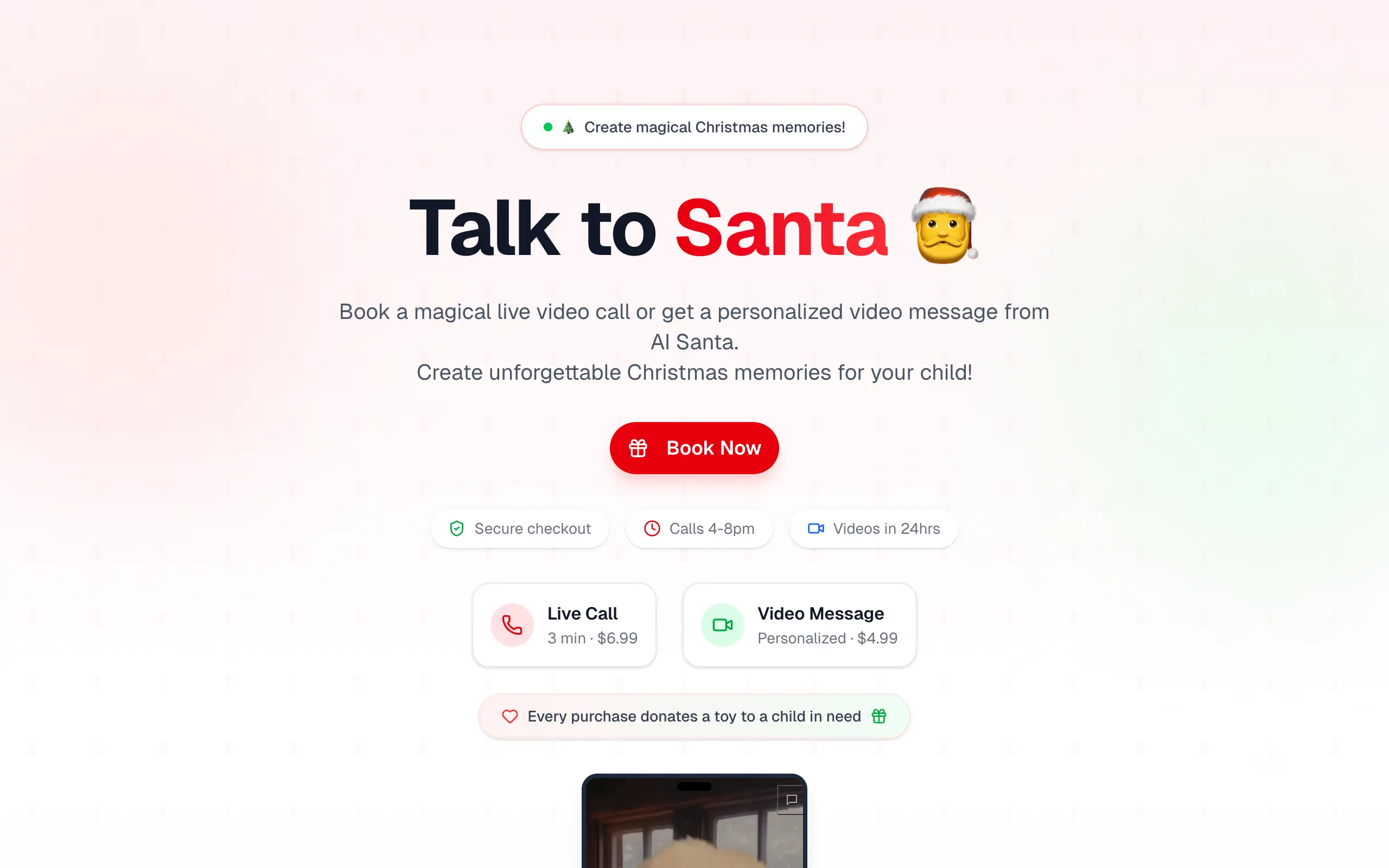
Talk to Santa
Enjoy a magical live video chat or receive a unique AI-generated video greeting from Santa Claus 🎅

pozywka.pl
Scalable blog for food journalist, focused on performance and user experience 🌭
zagrodzki.me
Personal blog and portfolio of Bart Zagrodzki, where he shares his knowledge and work 💼
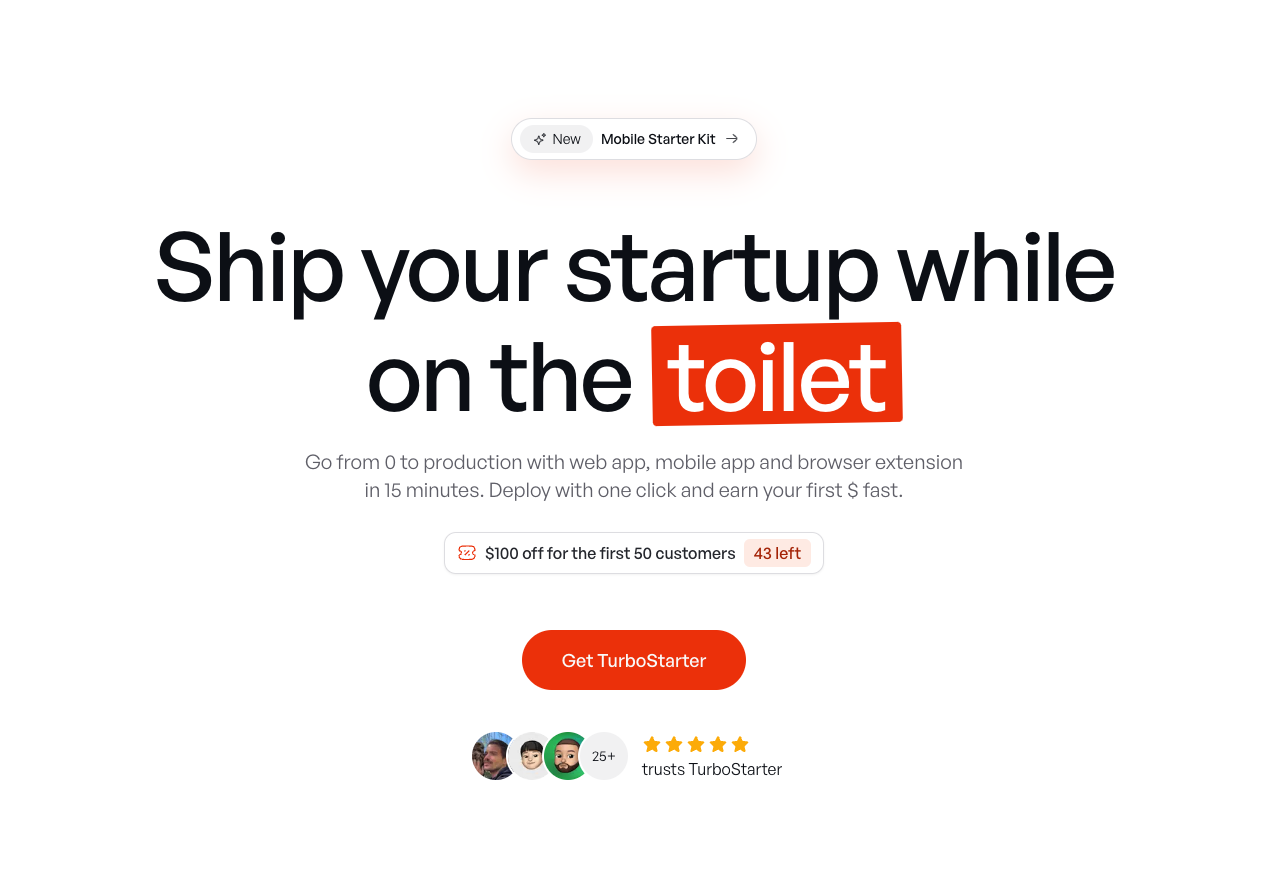
TurboStarter
Ship your startup everywhere. In minutes.
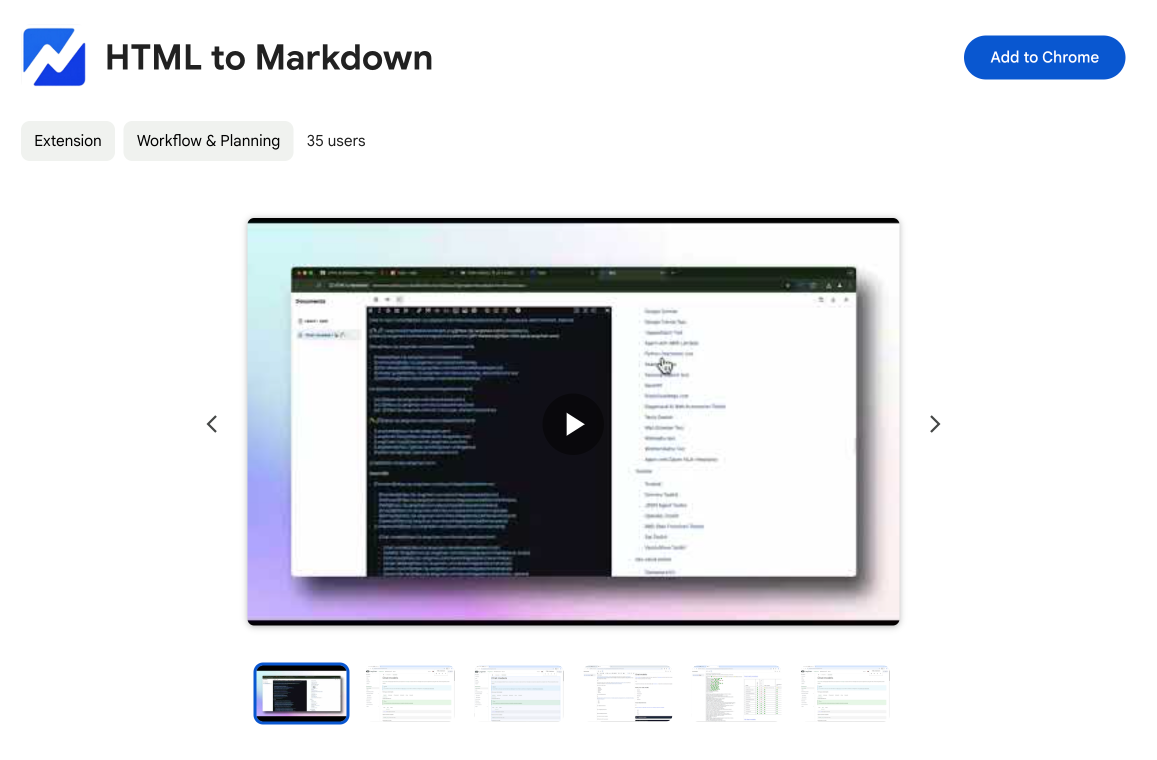
HTML to Markdown
Convert HTML to Markdown with ease, directly in your browser 📄
Dotallio
Personalized AI apps that automate research, data extraction, and content creation without code 🤖
Talk to Santa
Enjoy a magical live video chat or receive a unique AI-generated video greeting from Santa Claus 🎅
pozywka.pl
Scalable blog for food journalist, focused on performance and user experience 🌭
zagrodzki.me
Personal blog and portfolio of Bart Zagrodzki, where he shares his knowledge and work 💼
TurboStarter
Ship your startup everywhere. In minutes.
HTML to Markdown
Convert HTML to Markdown with ease, directly in your browser 📄
Dotallio
Personalized AI apps that automate research, data extraction, and content creation without code 🤖
Talk to Santa
Enjoy a magical live video chat or receive a unique AI-generated video greeting from Santa Claus 🎅
pozywka.pl
Scalable blog for food journalist, focused on performance and user experience 🌭
zagrodzki.me
Personal blog and portfolio of Bart Zagrodzki, where he shares his knowledge and work 💼
TurboStarter
Ship your startup everywhere. In minutes.
HTML to Markdown
Convert HTML to Markdown with ease, directly in your browser 📄
Dotallio
Personalized AI apps that automate research, data extraction, and content creation without code 🤖
Talk to Santa
Enjoy a magical live video chat or receive a unique AI-generated video greeting from Santa Claus 🎅
pozywka.pl
Scalable blog for food journalist, focused on performance and user experience 🌭
zagrodzki.me
Personal blog and portfolio of Bart Zagrodzki, where he shares his knowledge and work 💼
TurboStarter
Ship your startup everywhere. In minutes.
HTML to Markdown
Convert HTML to Markdown with ease, directly in your browser 📄
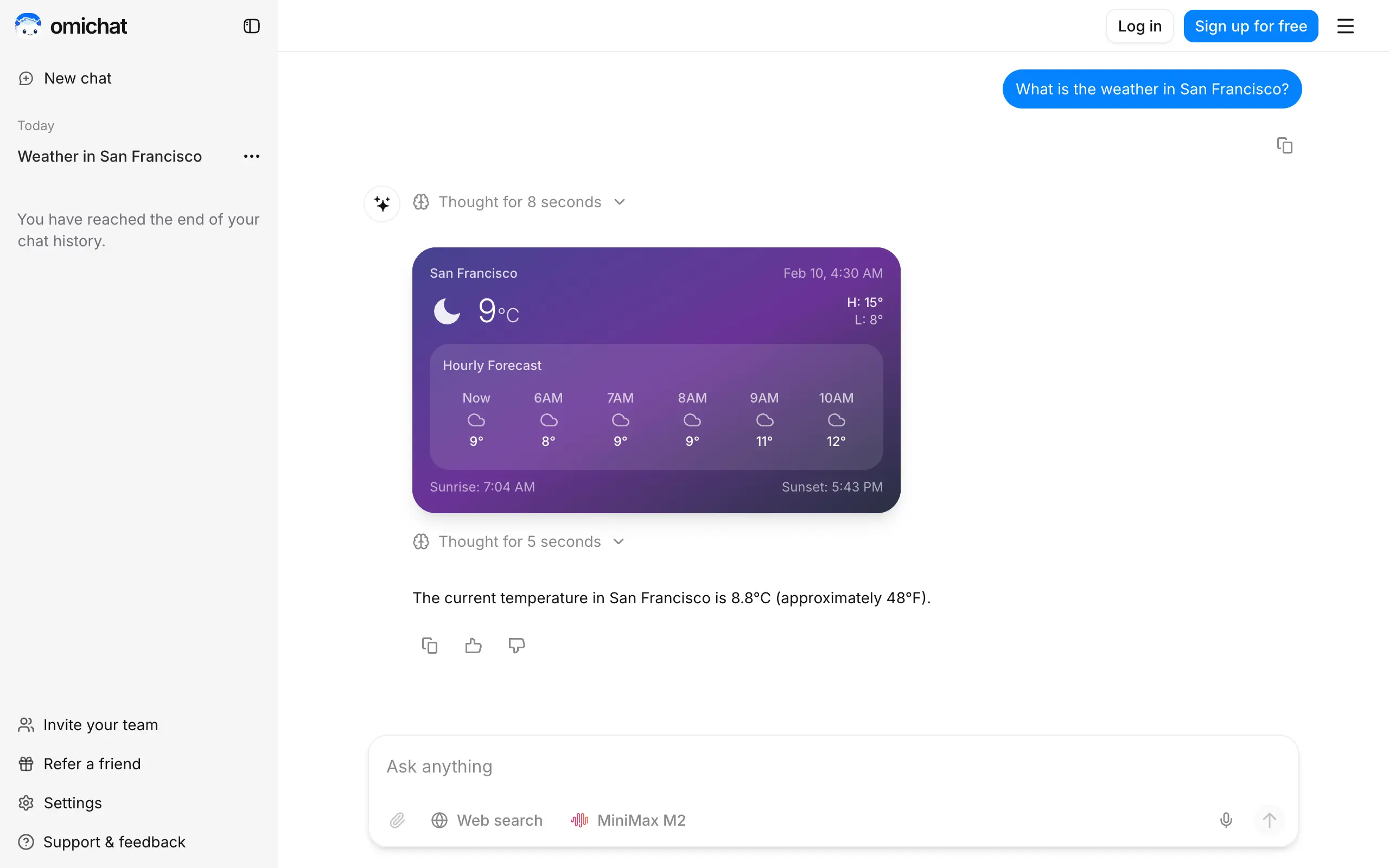
Omichat
Chat with 50+ AI models, including ChatGPT and Claude, in one place - switch models anytime without losing context 🤖
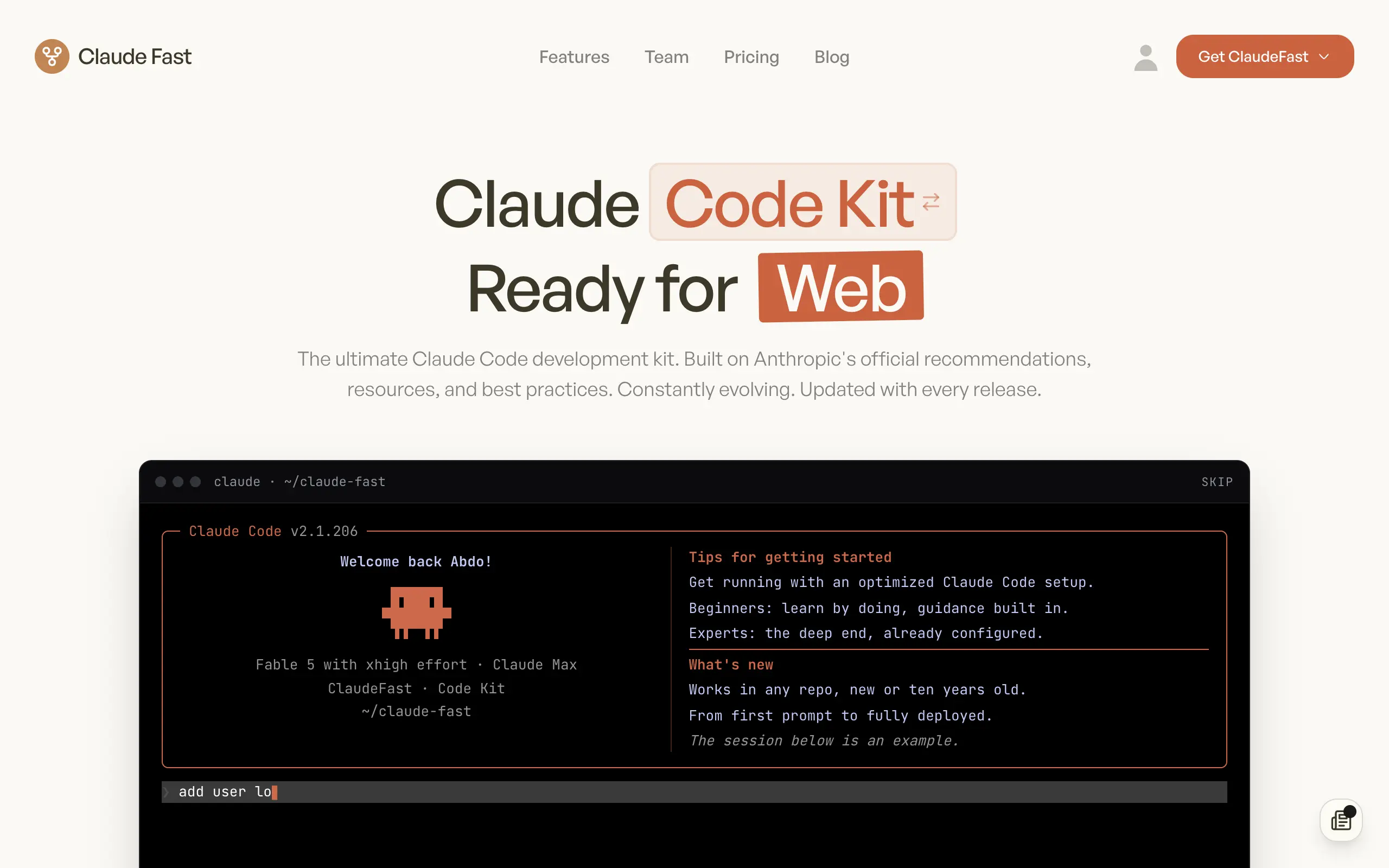
Claude Fast
Supercharge your Claude Code with 6x effective context window and specialized AI agents 🤖
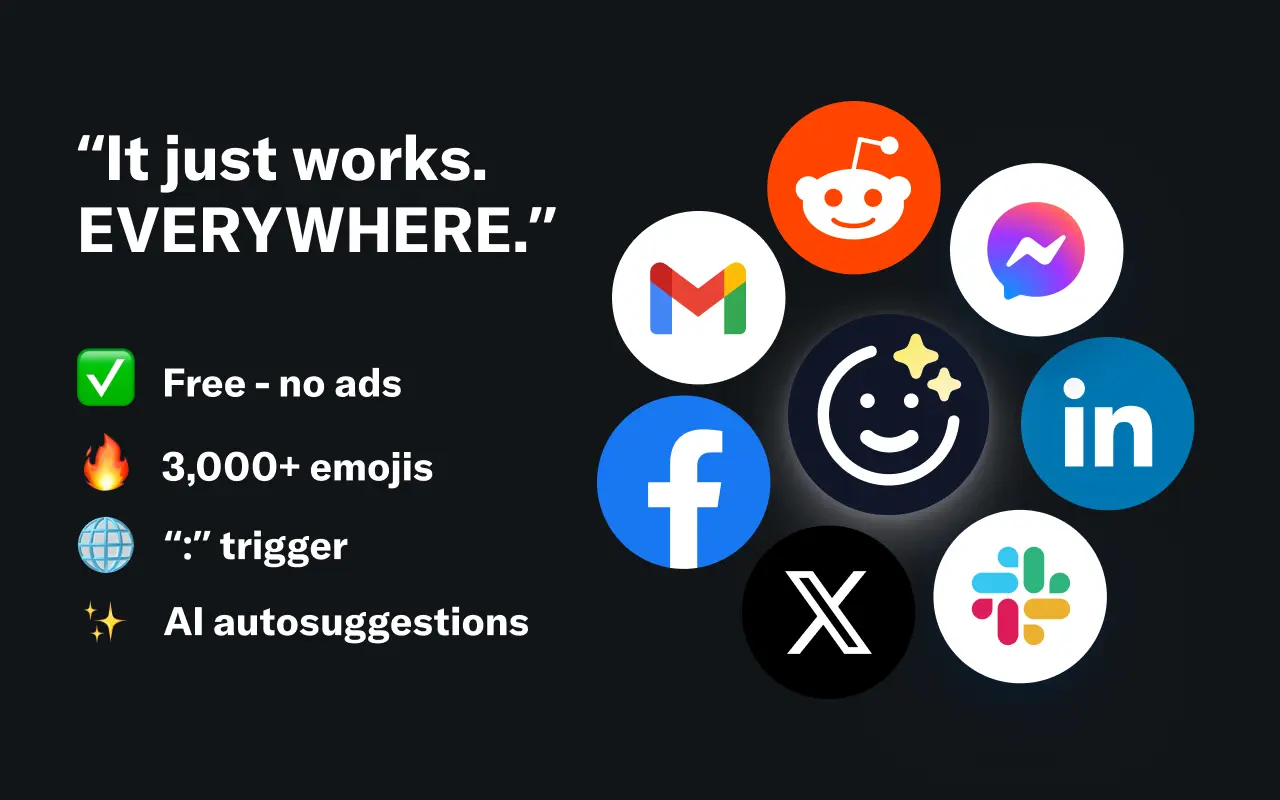
EmojAI
AI-powered emoji picker with smart, context-aware suggestions 🤖
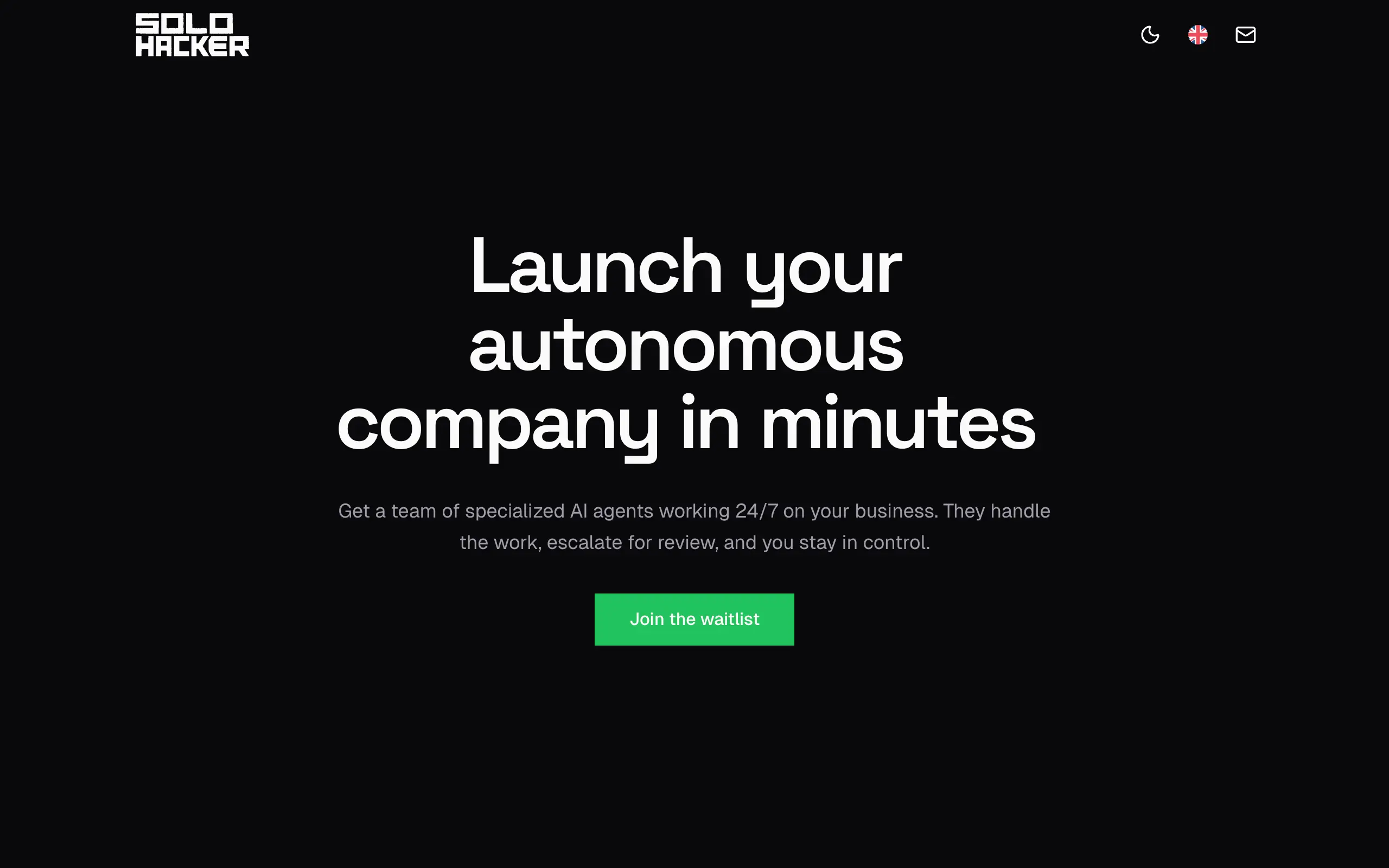
Solohacker
Autonomous company launcher - AI agents work 24/7, escalate what matters, and you stay in control 🤖
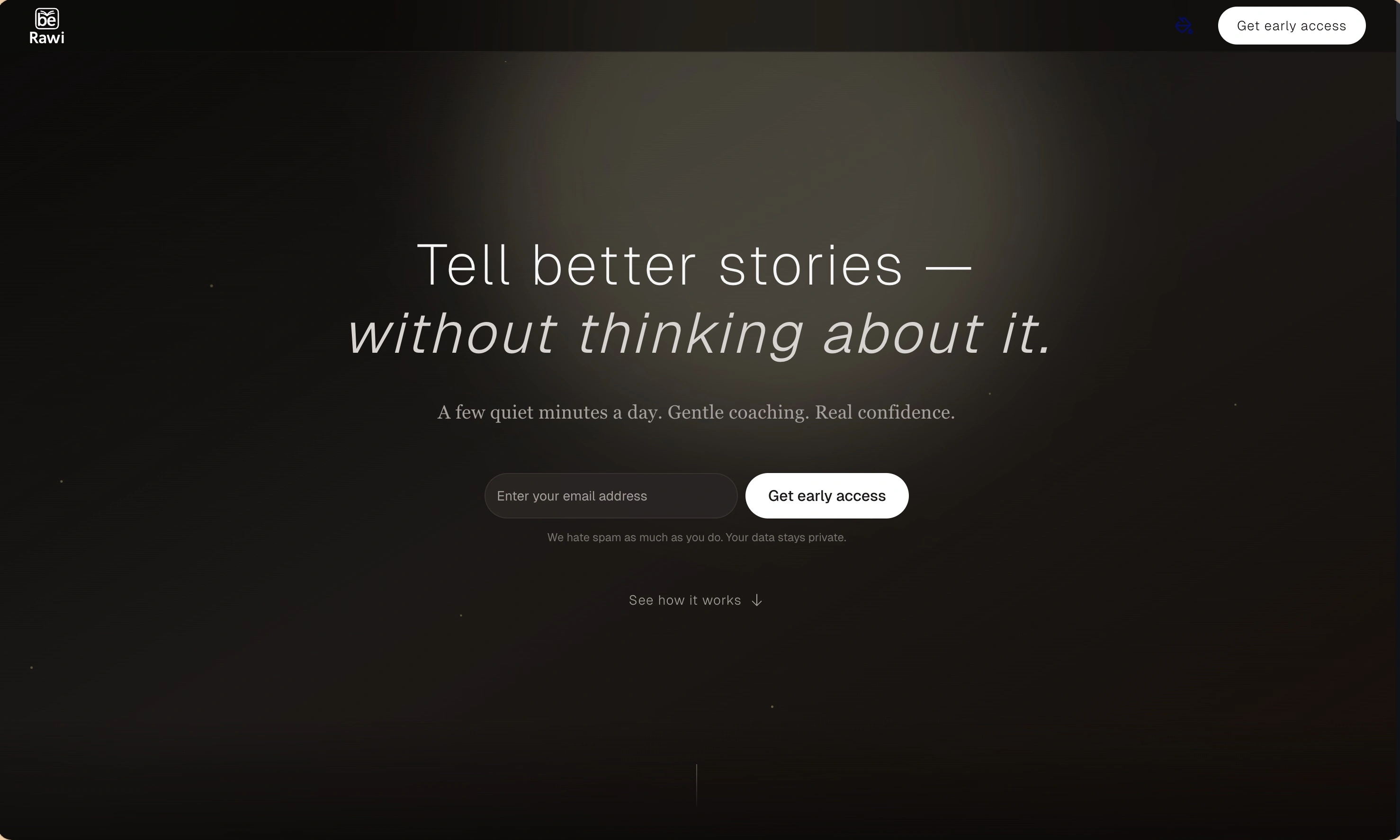
BeRawi: Storytelling Coach
Practice storytelling daily with instant feedback to sound clearer, more engaging, and confident 🎤
Omichat
Chat with 50+ AI models, including ChatGPT and Claude, in one place - switch models anytime without losing context 🤖
Claude Fast
Supercharge your Claude Code with 6x effective context window and specialized AI agents 🤖
EmojAI
AI-powered emoji picker with smart, context-aware suggestions 🤖
Solohacker
Autonomous company launcher - AI agents work 24/7, escalate what matters, and you stay in control 🤖
BeRawi: Storytelling Coach
Practice storytelling daily with instant feedback to sound clearer, more engaging, and confident 🎤
Omichat
Chat with 50+ AI models, including ChatGPT and Claude, in one place - switch models anytime without losing context 🤖
Claude Fast
Supercharge your Claude Code with 6x effective context window and specialized AI agents 🤖
EmojAI
AI-powered emoji picker with smart, context-aware suggestions 🤖
Solohacker
Autonomous company launcher - AI agents work 24/7, escalate what matters, and you stay in control 🤖
BeRawi: Storytelling Coach
Practice storytelling daily with instant feedback to sound clearer, more engaging, and confident 🎤
Omichat
Chat with 50+ AI models, including ChatGPT and Claude, in one place - switch models anytime without losing context 🤖
Claude Fast
Supercharge your Claude Code with 6x effective context window and specialized AI agents 🤖
EmojAI
AI-powered emoji picker with smart, context-aware suggestions 🤖
Solohacker
Autonomous company launcher - AI agents work 24/7, escalate what matters, and you stay in control 🤖
BeRawi: Storytelling Coach
Practice storytelling daily with instant feedback to sound clearer, more engaging, and confident 🎤

Connect with like-minded people
Join our community to get feedback, support, and grow together with 1,000+ builders on board, let's ship it!
Join usShip your startup everywhere. In minutes.
Don't burn tokens on setup and start building features on day one.