Signal Hunter
A daily logic game where players decode fictional radio signals, spot anomalies, and climb a global investigator leaderboard.
Signal Hunter is a compelling example of how a daily logic game can combine the retention mechanics of word puzzles with the atmosphere of investigative fiction. Instead of asking players to solve the same type of puzzle repeatedly, it positions them as radio analysts decoding fictional transmissions, identifying patterns, and finding suspicious anomalies before other investigators do.
The core concept is simple enough for a first-time player to understand in minutes. The long-term appeal comes from mastery, daily scarcity, social comparison, and a narrative world that evolves one transmission at a time.
For founders, indie developers, and game studios, the opportunity is not merely to build another browser puzzle. It is to create a daily deduction game with durable habits, competitive identity, and a monetization model that does not need to interrupt the core challenge.
The central product thesis
A successful daily logic game does not need hundreds of mechanics. It needs one satisfying repeatable loop, a reliable publishing cadence, fair scoring, and enough variation that players feel smarter after every session.
Why the daily logic game market remains attractive
Daily games have become a durable category because they fit naturally into modern digital habits. Players want a short mental challenge they can complete during a commute, lunch break, or evening wind-down. They also want games that feel worthwhile without demanding an hour of uninterrupted attention.
Signal Hunter fits this demand by combining several proven engagement patterns:
- A daily puzzle release creates anticipation and a reason to return.
- A limited-attempt format makes decisions feel meaningful.
- A global investigator leaderboard gives skilled players a visible goal.
- A fictional signal-decoding premise creates an emotional layer that abstract logic games often lack.
- Shareable results let players discuss performance without revealing puzzle spoilers.
- A growing archive supports players who discover the game after launch.
The primary keyword for this concept is daily logic game. Related search terms that can be incorporated naturally into product pages, content marketing, and app store descriptions include:
- Daily puzzle game
- Logic puzzle game
- Deduction game
- Mystery puzzle game
- Signal decoding game
- Browser puzzle game
- Daily brain game
- Detective game
- Anomaly detection game
- Competitive puzzle game
- Online leaderboard game
- Daily mystery game
The product should avoid trying to appeal to every game player. Signal Hunter is strongest when it presents a specific promise: decode a strange transmission, discover what does not belong, and prove your investigative skill in a few focused minutes each day.
The target audience for Signal Hunter
A daily logic game succeeds when its audience is defined by behavior rather than broad demographics alone. Signal Hunter should prioritize people who already enjoy short-form mental challenges, analytical problem solving, and light narrative mystery.
Core player segment: daily puzzle regulars
The primary audience includes adults who play word, logic, number, and deduction games on a recurring basis. They are familiar with streaks, spoiler-free score grids, daily resets, and the satisfaction of solving a shared challenge at roughly the same time as other people.
These players typically value:
- Clear rules with difficult execution
- A puzzle that can be completed in under 15 minutes
- A visible indication that the puzzle is fair
- Daily routines and streak preservation
- No intrusive ads during a puzzle attempt
- Difficulty that grows through reasoning rather than obscure trivia
- A way to compare results with friends or the broader community
For this group, Signal Hunter should lead with the daily ritual. The fictional radio signal setting is the differentiator that makes the game feel fresh.
Secondary player segment: mystery and science-fiction fans
The signal-analysis theme can attract players who may not actively search for a daily logic game but enjoy detective fiction, analog horror, cryptography, intelligence analysis, and speculative science fiction.
This audience is especially receptive to:
- Environmental storytelling
- Recurring factions and fictional locations
- Classified case files
- Strange audio design
- Redacted documents and transmission logs
- Community theories about the larger narrative
The game should not require players to understand a complex story before solving puzzles. Narrative must reward curiosity, not create an onboarding barrier.
Tertiary player segment: competitive thinkers
Competitive players may be less interested in atmosphere and more interested in optimization. They want to solve quickly, minimize errors, identify anomalies efficiently, and climb a ranked leaderboard.
Features that matter most to this group include:
- Precise completion timestamps
- Transparent scoring rules
- Seasonal ranks
- Daily, weekly, and all-time leaderboard views
- Anti-cheat measures
- Replayable practice puzzles
- Personal performance analytics
This segment is highly valuable because it creates community energy. However, the ranking system must not dominate the experience so much that casual players feel excluded.
Casual investigators
Players who want a satisfying five-to-ten-minute daily mental challenge without intense competition.
Narrative hunters
Mystery and science-fiction fans who return to uncover fictional transmissions, factions, and hidden story threads.
Rank climbers
Competitive puzzle players who care about accuracy, speed, streaks, seasonal status, and leaderboard placement.
The market gap: logic puzzles need stronger identity
Many logic puzzle products fall into one of two categories. They are either mechanically polished but thematically generic, or they are narratively ambitious but too complicated for a daily habit.
Signal Hunter can occupy the gap between them.
A traditional daily puzzle often provides a clean challenge but lacks a memorable world. A mystery game may offer rich storytelling but requires lengthy sessions, dense dialogue, or complicated inventory systems. Signal Hunter can deliver a compact mystery that is resolved through logic rather than exposition.
The strongest market opportunity is a daily detective game built around signal analysis. The radio transmission format gives the product a flexible content engine. A signal can contain numerical patterns, code fragments, timing irregularities, repeated phrases, corrupted segments, location references, metadata clues, or deliberately planted anomalies.
That allows the game to support multiple puzzle types while preserving a single recognizable premise.
Why radio signals are a useful puzzle framework
A fictional radio signal can justify many kinds of reasoning without making the product feel mechanically inconsistent. For example, one puzzle may ask the player to identify the message fragment that breaks a cipher rule. Another may involve matching transmission times to a hidden sequence. A third may require identifying an altered word in a repeated broadcast.
The theme gives every puzzle a narrative reason to exist.
Possible daily challenge formats include:
- Pattern recognition across signal bursts
- Sequence completion based on transmission intervals
- Cipher-lite decoding that rewards deduction over memorization
- Audio waveform anomaly spotting
- Metadata comparison between similar transmissions
- Logical elimination across multiple broadcasters
- Symbol matching and frequency mapping
- Contradiction detection in field reports
- Location inference from contextual clues
- Multi-stage cases that unlock after the first correct deduction
The content team should establish a clear internal rule: every puzzle must be solvable from information presented in the game. Players should never need specialist knowledge of real radio protocols, cryptography, geography, or military terminology unless that knowledge is explicitly taught inside the experience.
Signal Hunter’s unique selling proposition
The unique selling proposition of Signal Hunter is that it turns the familiar daily puzzle loop into a role-based investigation.
Players are not simply filling boxes or selecting answers. They are analysts examining transmissions from a fictional world. The player’s job is to identify the signal that is fabricated, corrupted, manipulated, or otherwise anomalous.
This distinction matters because role-play changes motivation. A player who misses a standard logic puzzle may feel mildly disappointed. A player who fails to catch an anomaly may feel that they let a case slip through. That creates stronger emotional continuity without requiring cinematic production budgets.
A concise positioning statement could be:
Signal Hunter is a daily logic game where you decode strange broadcasts, spot the anomaly, and earn your place among the world’s best investigators.
The game should reinforce this promise throughout the interface:
- Call daily puzzles “cases” or “transmissions.”
- Call hints “analysis tools” rather than generic hints.
- Call streaks “active watch” or “investigation streaks.”
- Call achievements “clearance records.”
- Call the leaderboard “investigator rankings.”
- Call the puzzle archive “the signal vault.”
The theme should enhance clarity rather than replace it. New players must still understand what to do in seconds.
The core gameplay loop for a daily signal decoding game
The most important product decision is the daily session design. A beautiful theme will not retain players if the first five minutes are confusing, slow, or inconsistent.
A reliable Signal Hunter gameplay loop can follow six stages.
Make the first minute frictionless
The first puzzle should teach the core interaction through action, not a long tutorial. A player should be able to inspect a transmission and make their first meaningful choice almost immediately.
Good onboarding principles include:
- Start with a simple pattern instead of a cipher.
- Use plain language before introducing in-world terminology.
- Let players tap, compare, highlight, and eliminate evidence.
- Explain only the mechanic currently needed.
- Give an early success within the first session.
- Show the post-solve explanation even if the player gets the answer right.
The explanation is particularly important. It establishes trust that the game is based on logic rather than arbitrary trick questions.
Design difficulty around confidence, not obscurity
A difficult daily logic game can be highly engaging. An unfair game produces churn. The difference is whether players can understand the solution after it is explained.
Signal Hunter should model difficulty through:
- Number of relevant clues
- Similarity between valid and invalid signal fragments
- Number of reasoning steps required
- Time pressure, if any, used sparingly
- Ambiguity management
- Need to combine two or more clue types
- Presence of decoy patterns
Avoid increasing difficulty through tiny text, audio that is hard to hear, inaccessible colors, or required external knowledge. These choices do not measure reasoning; they measure tolerance for friction.
Create multiple puzzle families without diluting the brand
A daily game needs variety, but too much variety can make players feel as if they must relearn the product every morning. The best approach is to maintain a small set of repeatable puzzle families.
Players examine sequences of tones, symbols, pulse lengths, words, or frequencies and identify the item that breaks the underlying rule. This is the most accessible starting format.
Players compare several reports, timestamps, and signal fragments to infer which broadcaster is lying, which relay failed, or which location is impossible. This format supports deeper deduction.
Players solve a multi-clue case where the final answer depends on detecting a deliberate inconsistency. This format is ideal for weekends, events, or premium archive content.
Feature set for an engaging daily deduction game
The initial version of Signal Hunter should focus on a polished core loop. Shipping too many social features before the puzzle engine is stable can dilute the experience and slow down validation.
Essential MVP features
A minimum viable product should include:
- Daily puzzle delivery tied to a global reset time
- Responsive web gameplay for mobile and desktop
- A small set of repeatable puzzle templates
- A deterministic puzzle validation engine
- User accounts or lightweight guest profiles
- Daily streak tracking
- Personal result history
- Basic global leaderboard
- Spoiler-safe sharing output
- Puzzle explanations after completion
- Accessible visual and audio settings
- Internal content management tools for puzzle publishing
The admin workflow is not optional. A daily logic game depends on reliable content operations. If creating, testing, scheduling, and reviewing each puzzle requires engineering support, content cadence will become a bottleneck.
High-value post-MVP features
After finding evidence of retention, the team can add:
- Seasonal investigator ranks
- Friend leaderboards
- Practice mode with retired cases
- Optional audio-based transmissions
- Case dossiers and fictional lore
- Difficulty selection for archive puzzles
- Community challenges
- Accessibility modes for color, motion, and sound
- Hint systems that protect ranking integrity
- Teams, agencies, or investigator clubs
- Puzzle editor tooling for internal creators
- Curated community-created cases, subject to moderation
Leaderboards must reward skill fairly
A global leaderboard is a strong acquisition and retention feature, but it is also a common source of distrust. Players will leave if scores feel easy to manipulate or if speed is rewarded more than thoughtful accuracy.
A robust score can combine:
- Correctness
- Completion time
- Number of incorrect submissions
- Hint usage
- Difficulty multiplier
- Daily participation consistency
A simple formula might look like this:
type InvestigationResult = {
  solved: boolean;
  elapsedSeconds: number;
  incorrectAttempts: number;
  hintsUsed: number;
  difficultyMultiplier: number;
};

export function calculateInvestigatorScore(result: InvestigationResult) {
  if (!result.solved) return 0;

  const speedScore = Math.max(0, 1200 - result.elapsedSeconds * 4);
  const accuracyPenalty = result.incorrectAttempts * 120;
  const hintPenalty = result.hintsUsed * 180;

  return Math.max(
    100,
    (1000 + speedScore - accuracyPenalty - hintPenalty) *
      result.difficultyMultiplier
  );
}
The exact formula matters less than its transparency. Explain how score is calculated, then keep it consistent during a season. If it changes, announce the change in advance and reset rankings if needed.
Recommended tech stack for Signal Hunter
Signal Hunter is well suited to a modern web stack because it benefits from fast iteration, responsive interfaces, global delivery, and straightforward account systems. A web-first approach also reduces friction because players can open the daily puzzle without downloading an app.
A practical stack could include React with Next.js for the player experience and content-driven pages. Next.js supports server-side rendering, route handling, metadata management, and a smooth path to performance optimization.
For styling, Tailwind CSS is a strong option for rapidly building a coherent game interface. Its utility-first approach is useful when the product needs a distinctive visual system across dashboards, puzzle screens, onboarding, and leaderboard views.
For the database and authentication layer, Supabase is attractive for early-stage teams because it combines PostgreSQL, authentication, storage, and real-time capabilities. PostgreSQL is particularly appropriate because rankings, user progress, puzzle content, and event analytics all benefit from relational modeling.
Suggested architecture
- Frontend — React and Next.js for responsive gameplay, SEO content, and account surfaces
- Styling — Tailwind CSS with a design token system for investigator-themed UI states
- Database — PostgreSQL for users, puzzles, attempts, rankings, seasons, and content metadata
- Authentication — Supabase Auth, Clerk, or another established provider
- Backend logic — Next.js server actions, route handlers, or a dedicated API service as scale requires
- Realtime updates — Supabase Realtime or WebSockets for leaderboard refreshes and live events
- Analytics — privacy-conscious product analytics with event-level tracking
- Error tracking — an error monitoring service such as Sentry
- Content tooling — an internal admin dashboard backed by validated puzzle schemas
- Deployment — a managed platform with edge delivery and scheduled jobs
Important trade-offs to consider
A fully client-side puzzle engine may feel fast, but it can expose logic that makes cheating easier. A fully server-driven interface can be more secure, but it may introduce latency and make the game feel less immediate.
The best compromise is usually:
- Render puzzle data quickly on the client.
- Keep answer validation and final score computation on the server.
- Sign or version puzzle payloads.
- Store immutable attempt events.
- Delay public leaderboard updates until validation completes.
- Avoid sending hidden solution data to the browser before a player submits.
For audio-heavy puzzle formats, web performance becomes especially important. Audio files should be compressed, cached, and optional where possible. Every audio clue should have an equivalent visual or textual representation to support accessibility.
For teams that want to move quickly, TurboStarter can provide a practical starting point for building a production-ready SaaS-style web application with foundations such as authentication, billing, and application structure already considered.
Content operations: the hidden engine behind daily puzzle retention
The hardest part of a daily logic game is not shipping the first puzzle. It is maintaining quality on day 100.
Signal Hunter needs a repeatable content production system. Each case should move through concept design, construction, independent solving, ambiguity review, accessibility review, scheduling, and post-publication monitoring.
A good puzzle content schema may include:
- Puzzle identifier and publish date
- Puzzle family
- Difficulty rating
- Narrative briefing
- Visible clues
- Correct answer
- Solution explanation
- Accepted alternative answer patterns, where relevant
- Hint sequence
- Accessibility text
- Estimated solve time
- Internal reviewer sign-off
- Localization notes
- Season or campaign tags
Puzzle quality assurance standards
Every published case should pass the following checks:
- At least two independent testers solve it without creator assistance.
- The intended solution is unique.
- Every necessary clue is visible and understandable.
- The solution explanation matches the available evidence.
- The difficulty rating aligns with test results.
- The puzzle is playable on a small mobile screen.
- Color is never the only way to identify information.
- Audio clues have an accessible equivalent.
- The copy has been proofread.
- The puzzle has a fallback plan if a critical error is discovered.
Publish a transparent notice, pause leaderboard scoring for the affected case if necessary, preserve player streaks, and offer a replacement challenge or compensation. Fast, honest handling builds more trust than pretending a defect did not occur.
A sensible launch buffer is several weeks of fully tested daily content, plus extra emergency cases. This protects the team from holidays, production delays, and unexpected technical issues.
AI can assist with ideation, content tagging, draft narrative flavor, and test-case generation. It should not be the final authority on puzzle validity. Every puzzle needs human review because uniqueness, clarity, and player perception are product-critical.
Monetization options for a daily puzzle game
The most sustainable monetization strategy should preserve trust in the daily core game. If free players believe the best experience is locked away or that payment creates leaderboard advantages, the community will weaken.
A freemium model is likely the best fit.
Free tier
The free experience should include the daily case, standard streaks, basic statistics, and access to a limited archive. This gives users enough value to form a habit.
Free users could receive:
- One daily transmission
- Basic leaderboard access
- Standard performance history
- A limited number of archive cases
- Optional rewarded ad benefits outside active puzzle solving
- Shareable results
Avoid placing interstitial ads between a player and their daily puzzle. That interruption directly harms the habit loop the product depends on.
Premium investigator membership
A subscription can unlock depth rather than competitive power.
Potential premium benefits include:
- Full signal vault archive
- Advanced performance analytics
- Exclusive narrative dossiers
- Cosmetic profile customization
- Early access to experimental puzzle formats
- Ad-free browsing
- Additional practice cases
- Private group leaderboards
- Seasonal case collections
- Downloadable or printable case files
The main daily puzzle should remain equally solvable for free and paid players. Premium should enhance breadth, convenience, and identity, not purchase rank.
One-time purchases and seasonal passes
Players may prefer ownership over subscriptions. One-time bundles can work well for:
- Themed case collections
- Holiday investigation events
- Premium narrative campaigns
- Printed puzzle packs
- Cosmetic investigator badges
- Archived season access
A seasonal pass can also be effective if it offers a defined collection of cases, cosmetics, and progression rewards. The key is clarity. Players should know exactly what they receive and when the season ends.
Competitive advantage analysis
Signal Hunter will compete indirectly with major daily puzzle brands, mobile brain-training games, casual detective games, and niche cryptography communities. It does not need to beat all of them at their own mechanics. It needs to own a clear intersection.
Its competitive advantage can come from five layers.
A recognizable thematic wrapper
“Find the anomaly in a fictional transmission” is more memorable than “solve today’s logic puzzle.” The theme gives the product a marketable visual language, narrative hooks, and content flexibility.
Strong daily habit design
The game is built for a short, repeatable session. This makes it easier to integrate into existing routines than longer mystery games or complex strategy titles.
Skill-based social competition
A global investigator leaderboard gives ambitious players a reason to return, while spoiler-safe sharing supports organic discovery. Strong anti-cheat systems and transparent rules make this advantage defensible.
A scalable puzzle content system
A structured authoring pipeline can produce different puzzle types from the same core world. That creates variety without turning the product into a collection of unrelated mini-games.
Community-driven narrative potential
Over time, players can speculate about repeating signal sources, hidden organizations, false transmissions, and seasonal mysteries. This can produce the kind of discussion that static daily games often lack.
Risks and mitigation strategies
Every game concept has execution risks. Identifying them early improves product planning and helps prioritize the right investments.
Risk: puzzle fatigue
Players may leave if puzzles become too repetitive or if the daily challenge stops feeling meaningful.
Mitigation includes rotating puzzle families, introducing occasional special events, using seasonal narrative arcs, and monitoring completion rates by puzzle type. Variety should be planned intentionally rather than added randomly.
Risk: unfair or ambiguous puzzles
A single flawed daily puzzle can create public frustration, especially when rankings are involved.
Mitigation includes independent testing, solution uniqueness checks, clear explanations, a rapid incident response process, and the ability to invalidate scoring for a defective puzzle.
Risk: cheating and leaderboard manipulation
Competitive games attract users who inspect client code, automate submissions, create multiple accounts, or exploit timing weaknesses.
Mitigation includes server-side validation, rate limits, anomaly detection, account reputation signals, device and session analysis where legally appropriate, and leaderboard reviews for unusually high scores.
Risk: high content production costs
Publishing a quality puzzle every day requires an editorial process. Content can become expensive before revenue is proven.
Mitigation includes starting with a small number of modular puzzle templates, investing early in internal tooling, creating a content buffer, and measuring which puzzle types create the best retention before expanding the catalog.
Risk: narrative complexity overwhelms casual users
Deep lore can attract dedicated fans but alienate players who only want a quick puzzle.
Mitigation includes making every daily case self-contained. Story content should be optional, skimmable, and rewarding rather than required for puzzle comprehension.
Risk: accessibility gaps
Audio signals, visual patterns, and timed interactions can unintentionally exclude players.
Mitigation includes transcripts, visual alternatives, keyboard support, sufficient contrast, motion-reduction settings, readable typography, and inclusive usability testing.
Do not use difficulty as a substitute for retention
Making puzzles harder may temporarily increase completion time, but it does not automatically create loyalty. Retention comes from fair challenge, satisfying explanations, fresh content, and a reason to return tomorrow.
SEO strategy for Signal Hunter
The Signal Hunter website should target both product-intent and informational search queries. The product homepage can focus on terms such as “daily logic game,” “daily deduction game,” and “signal decoding puzzle game.” Supporting content can attract users earlier in the discovery process.
High-intent landing page topics may include:
- Daily logic game online
- Free daily mystery puzzle
- Daily deduction game with leaderboard
- Signal decoding game
- Detective logic puzzle game
- Play today’s logic puzzle
- Competitive daily puzzle game
Informational content can support long-term organic acquisition:
- How to solve anomaly detection puzzles
- Best strategies for daily logic games
- How deduction puzzles improve pattern recognition
- What makes a logic puzzle fair
- Beginner guide to code-breaking puzzles
- How to build a daily puzzle habit
- The psychology of daily game streaks
Each article should demonstrate genuine expertise. Explain reasoning methods, include original examples, and avoid overstating cognitive benefits. If publishing specific claims about puzzle play, attention, memory, or behavior, cite a credible study or authoritative institution in the editorial workflow.
Technical SEO should include:
- Server-rendered or statically generated public pages
- Descriptive metadata for each daily case archive page
- Canonical URLs for puzzle pages
- Fast mobile performance
- Structured internal linking from guides to gameplay pages
- Clear indexation rules for completed or private puzzle states
- Accessible headings and semantic page structure
- Open Graph images for shared results and editorial content
Actionable implementation roadmap
The strongest launch strategy is to validate the core loop before building an enormous content universe.
Phase one: validate the puzzle mechanic
Build three to five playable puzzle templates and test them with target users. Focus on the core question: do players understand the goal, enjoy the deduction, and want another case tomorrow?
Track:
- First-puzzle completion rate
- Median solve time
- Incorrect attempt rate
- Hint usage
- Day-one to day-two return rate
- User feedback about fairness
- Which puzzle family produces the highest voluntary replay interest
Phase two: build the daily habit system
Add account persistence, streaks, scheduled publishing, results screens, basic leaderboards, and spoiler-safe sharing. Prepare enough validated content to support a dependable initial launch period.
Phase three: improve content operations
Build an internal case editor, puzzle preview system, tester workflow, approval states, and emergency publishing controls. This is the point where Signal Hunter becomes an operational product rather than a prototype.
Phase four: add competitive depth
Introduce seasonal rankings, better anti-cheat systems, personal analytics, archive play, and social leaderboard features. Use player data to decide whether speed, accuracy, streaks, or difficulty should have the greatest influence on rankings.
Phase five: expand the fictional universe carefully
Once the daily game loop is trusted, introduce recurring story threads, special transmissions, limited events, and premium case collections. Keep the core promise intact: every day should still begin with one clear, satisfying investigation.
Final takeaway
Signal Hunter has the ingredients for a distinctive daily logic game because it combines a proven habit loop with a setting that gives every puzzle context. The fictional radio signal premise is not just visual decoration. It can shape puzzle design, player identity, narrative progression, sharing, and monetization.
The winning version of the product will be disciplined. It will launch with a small number of fair puzzle formats, explain every solution clearly, protect leaderboard integrity, and build a content workflow that can sustain daily quality.
If the team can make players feel like capable investigators in under ten minutes a day, Signal Hunter can become more than a puzzle website. It can become a daily destination for people who enjoy finding the one signal that does not belong.
More 🎮 Game SaaS ideas
Discover more innovative game SaaS ideas that are trending in 2026. Each idea is AI-generated with market validation and growth potential to help you find your next profitable venture faster than competitors.
Your competitors are building with TurboStarter
Below are some of the SaaS ideas that have been generated and built with our starter kit.
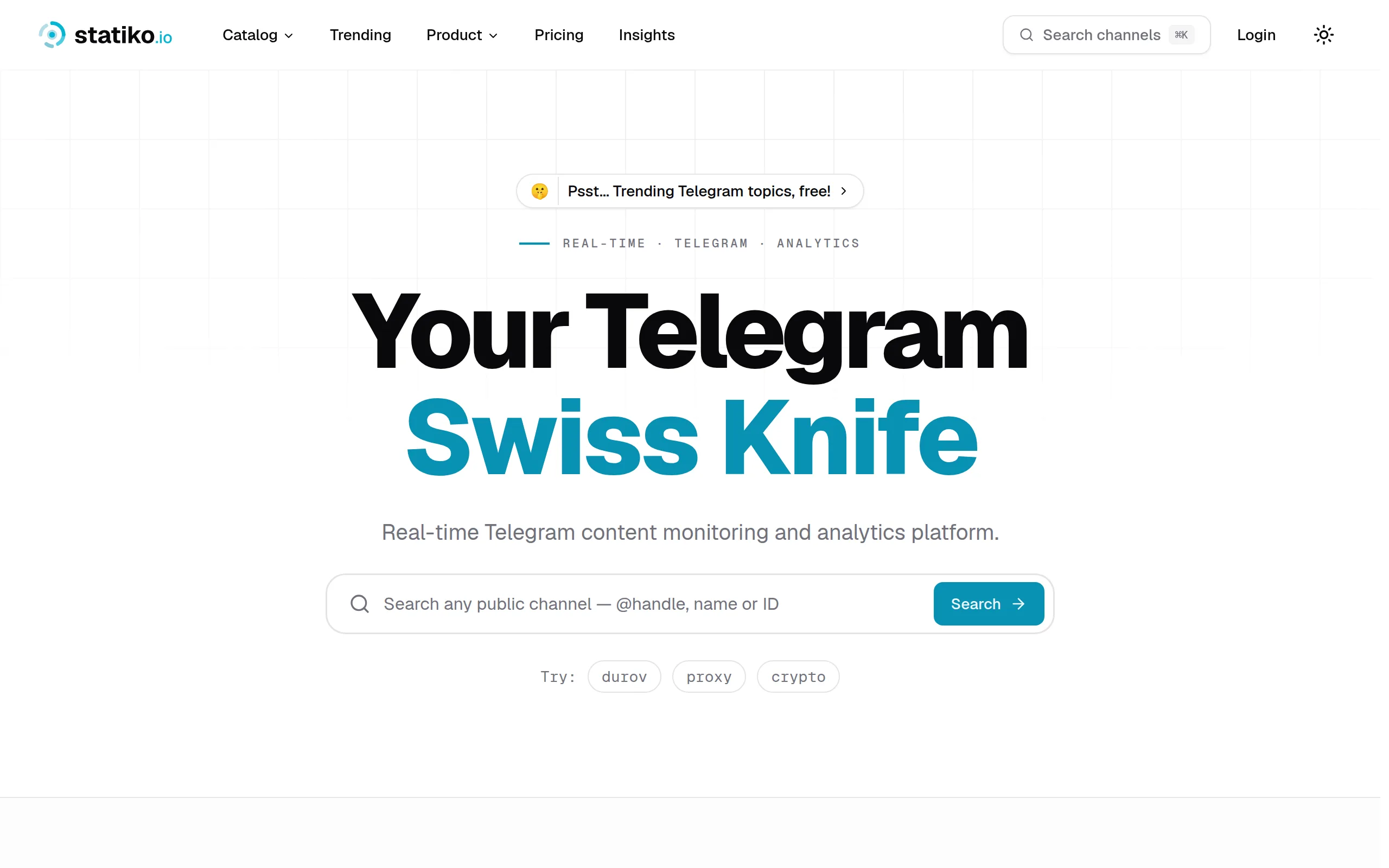
Statiko
Monitor any Telegram channel in real time - track posts, edits, deletions, and growth with AI recaps 📡

Shibui
AI website builder - describe your business, pick a niche template, edit by chatting, and publish instantly ✨

Pro Service
Find verified home service professionals, compare quotes, and pay securely through escrow - built for Brazilians across the US 🏠

RankGrow
Fix your SEO with AI agents - connect Search Console, get prioritized tasks, and grow organic traffic 📈
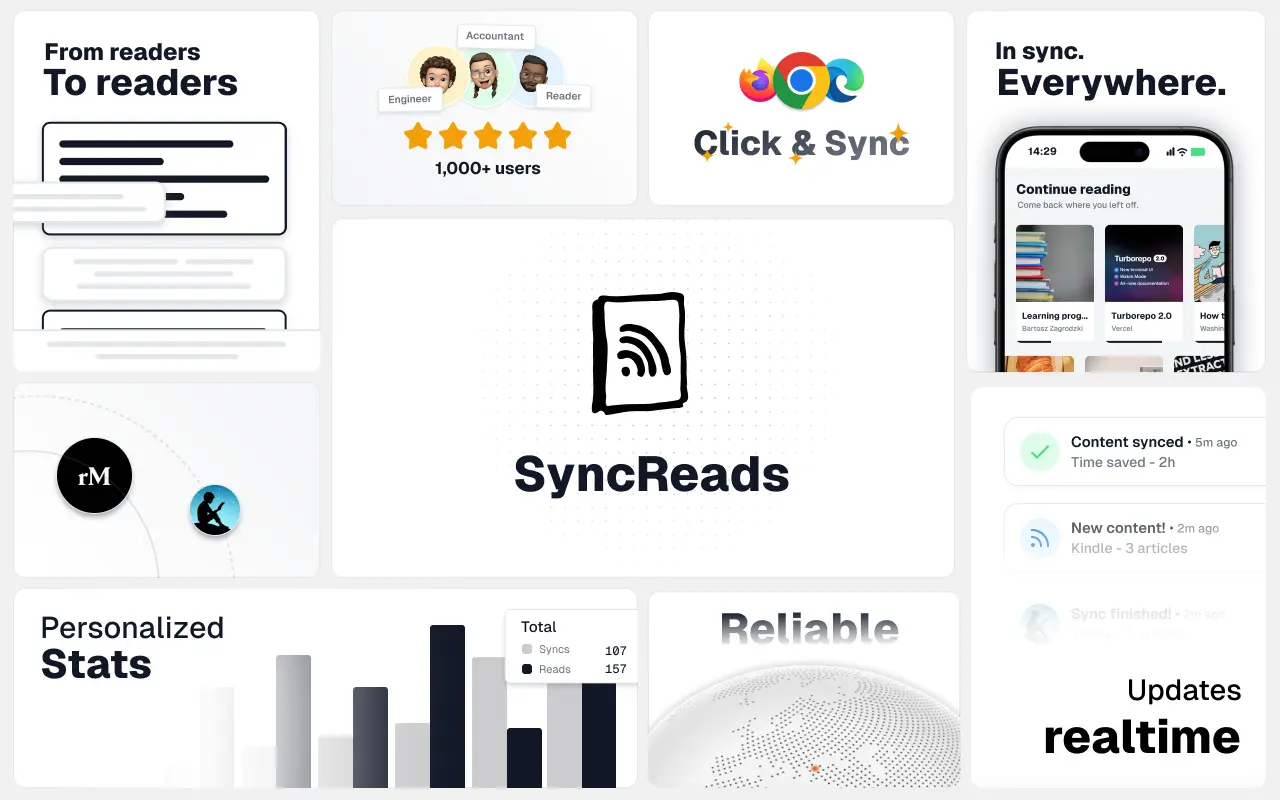
SyncReads
Sync your favorite content for distraction-free reading, save time and replace multiple apps. Anytime, anywhere 🔄
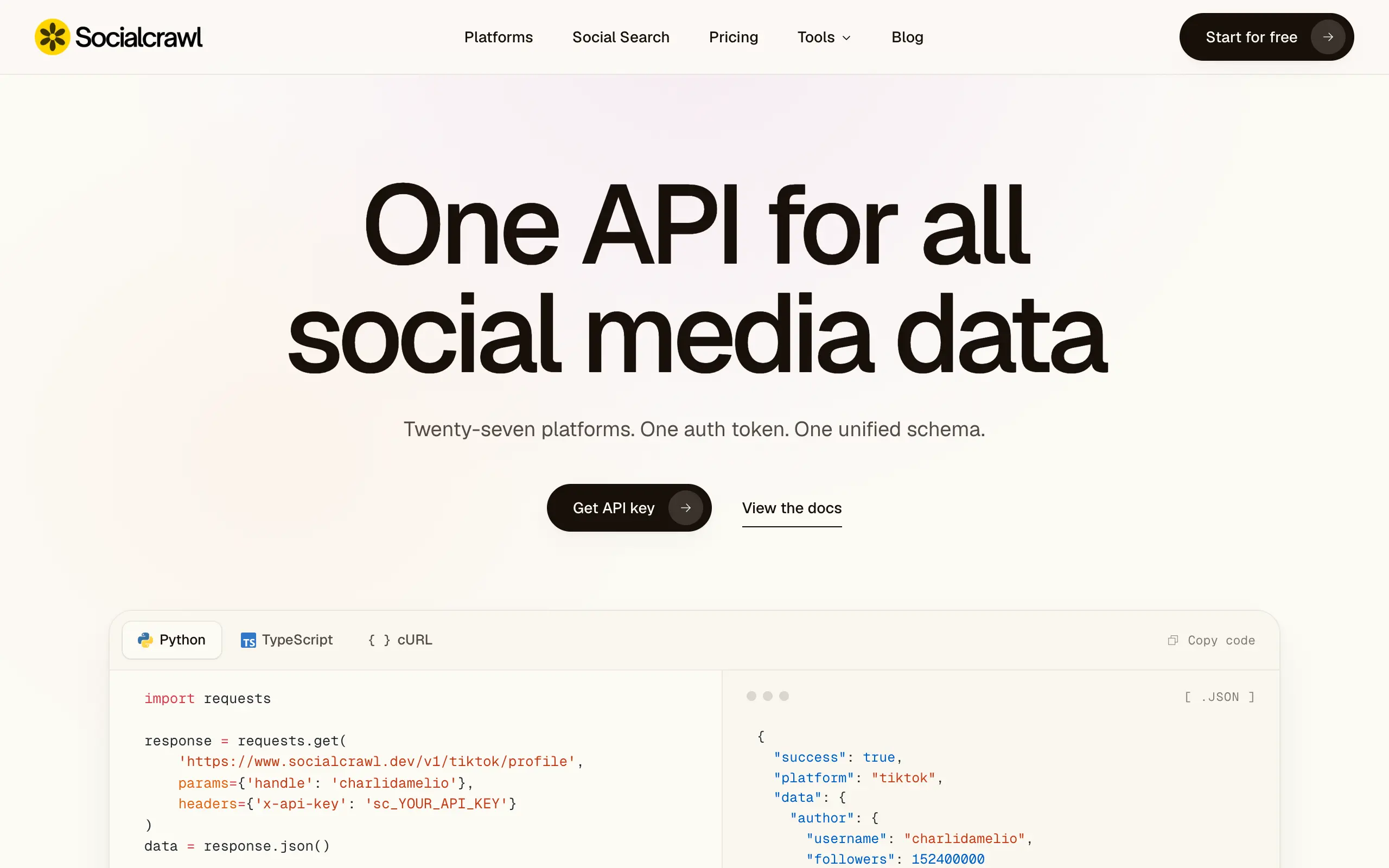
Socialcrawl
Get clean, structured data from 21 platforms like TikTok, Instagram, and YouTube with a single request 📊
Statiko
Monitor any Telegram channel in real time - track posts, edits, deletions, and growth with AI recaps 📡
Shibui
AI website builder - describe your business, pick a niche template, edit by chatting, and publish instantly ✨
Pro Service
Find verified home service professionals, compare quotes, and pay securely through escrow - built for Brazilians across the US 🏠
RankGrow
Fix your SEO with AI agents - connect Search Console, get prioritized tasks, and grow organic traffic 📈
SyncReads
Sync your favorite content for distraction-free reading, save time and replace multiple apps. Anytime, anywhere 🔄
Socialcrawl
Get clean, structured data from 21 platforms like TikTok, Instagram, and YouTube with a single request 📊
Statiko
Monitor any Telegram channel in real time - track posts, edits, deletions, and growth with AI recaps 📡
Shibui
AI website builder - describe your business, pick a niche template, edit by chatting, and publish instantly ✨
Pro Service
Find verified home service professionals, compare quotes, and pay securely through escrow - built for Brazilians across the US 🏠
RankGrow
Fix your SEO with AI agents - connect Search Console, get prioritized tasks, and grow organic traffic 📈
SyncReads
Sync your favorite content for distraction-free reading, save time and replace multiple apps. Anytime, anywhere 🔄
Socialcrawl
Get clean, structured data from 21 platforms like TikTok, Instagram, and YouTube with a single request 📊
Statiko
Monitor any Telegram channel in real time - track posts, edits, deletions, and growth with AI recaps 📡
Shibui
AI website builder - describe your business, pick a niche template, edit by chatting, and publish instantly ✨
Pro Service
Find verified home service professionals, compare quotes, and pay securely through escrow - built for Brazilians across the US 🏠
RankGrow
Fix your SEO with AI agents - connect Search Console, get prioritized tasks, and grow organic traffic 📈
SyncReads
Sync your favorite content for distraction-free reading, save time and replace multiple apps. Anytime, anywhere 🔄
Socialcrawl
Get clean, structured data from 21 platforms like TikTok, Instagram, and YouTube with a single request 📊
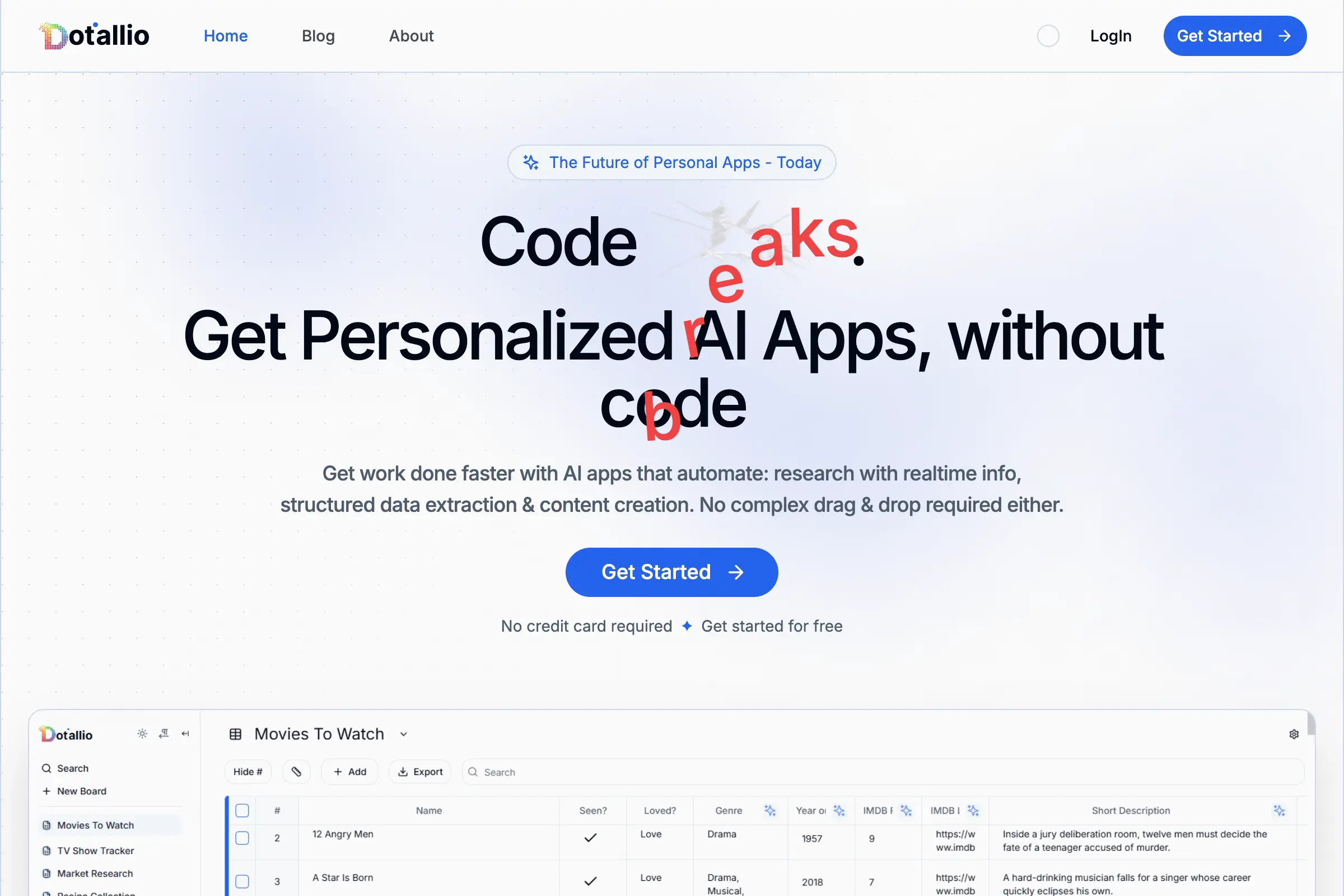
Dotallio
Personalized AI apps that automate research, data extraction, and content creation without code 🤖
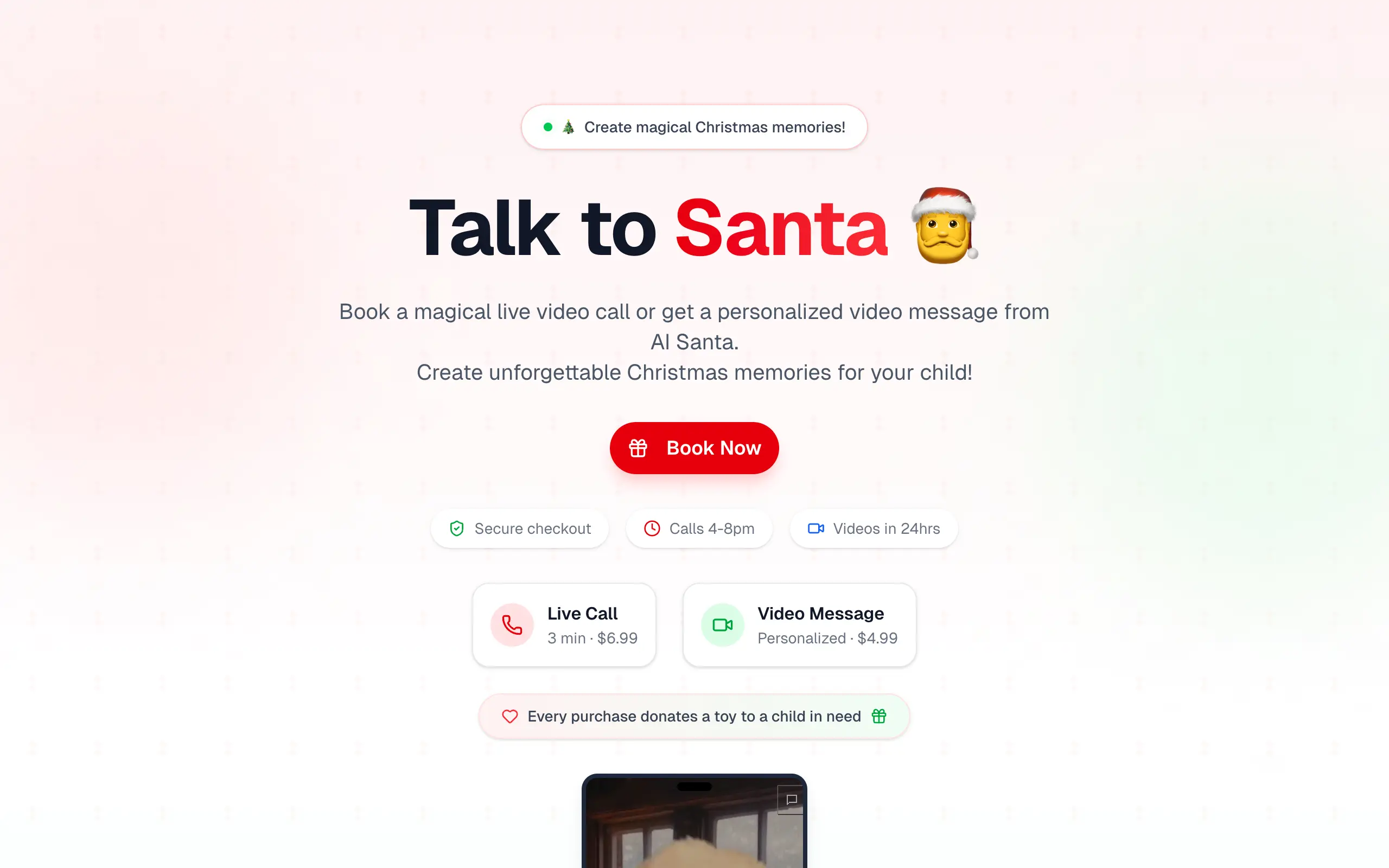
Talk to Santa
Enjoy a magical live video chat or receive a unique AI-generated video greeting from Santa Claus 🎅

pozywka.pl
Scalable blog for food journalist, focused on performance and user experience 🌭
zagrodzki.me
Personal blog and portfolio of Bart Zagrodzki, where he shares his knowledge and work 💼
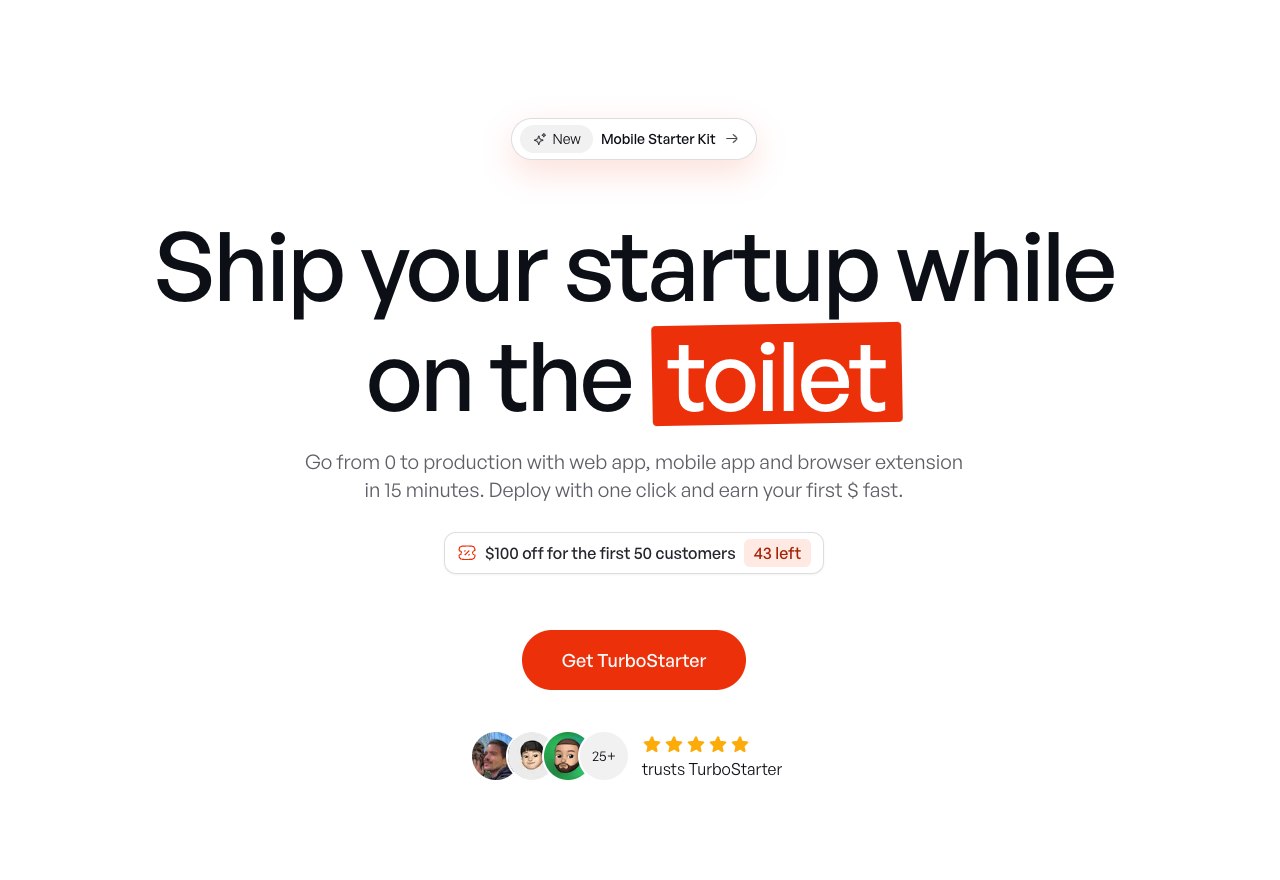
TurboStarter
Ship your startup everywhere. In minutes.
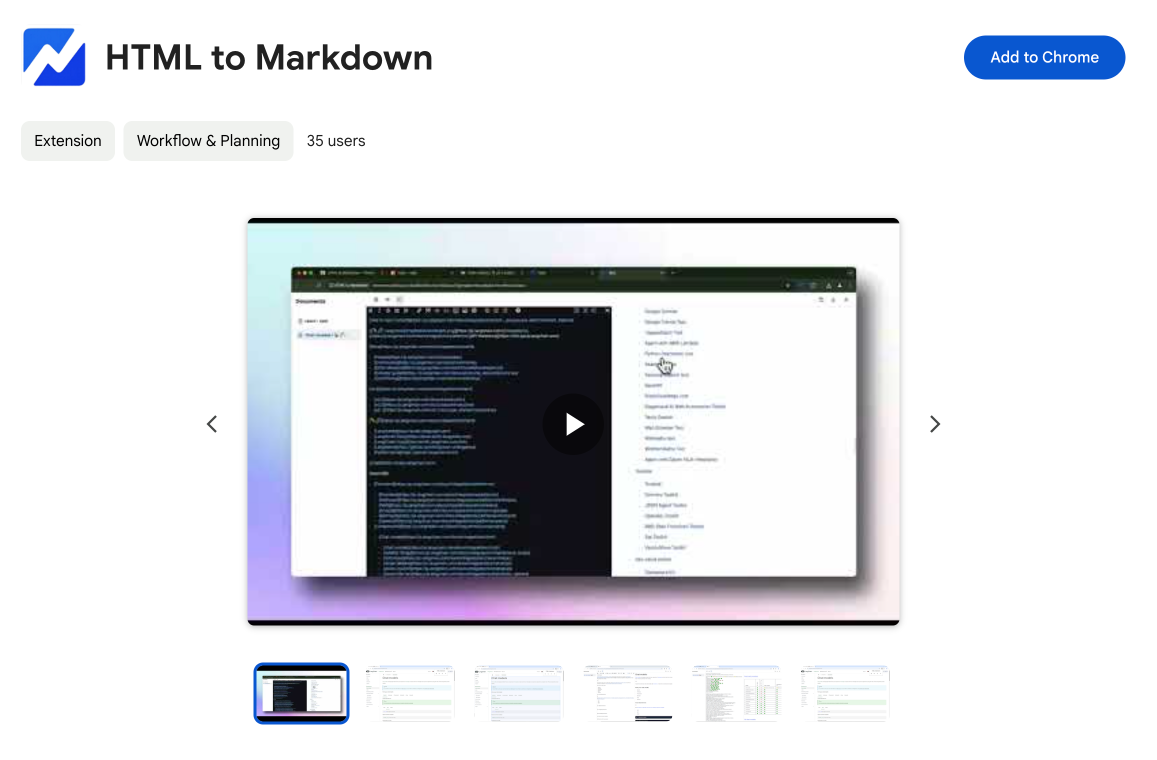
HTML to Markdown
Convert HTML to Markdown with ease, directly in your browser 📄
Dotallio
Personalized AI apps that automate research, data extraction, and content creation without code 🤖
Talk to Santa
Enjoy a magical live video chat or receive a unique AI-generated video greeting from Santa Claus 🎅
pozywka.pl
Scalable blog for food journalist, focused on performance and user experience 🌭
zagrodzki.me
Personal blog and portfolio of Bart Zagrodzki, where he shares his knowledge and work 💼
TurboStarter
Ship your startup everywhere. In minutes.
HTML to Markdown
Convert HTML to Markdown with ease, directly in your browser 📄
Dotallio
Personalized AI apps that automate research, data extraction, and content creation without code 🤖
Talk to Santa
Enjoy a magical live video chat or receive a unique AI-generated video greeting from Santa Claus 🎅
pozywka.pl
Scalable blog for food journalist, focused on performance and user experience 🌭
zagrodzki.me
Personal blog and portfolio of Bart Zagrodzki, where he shares his knowledge and work 💼
TurboStarter
Ship your startup everywhere. In minutes.
HTML to Markdown
Convert HTML to Markdown with ease, directly in your browser 📄
Dotallio
Personalized AI apps that automate research, data extraction, and content creation without code 🤖
Talk to Santa
Enjoy a magical live video chat or receive a unique AI-generated video greeting from Santa Claus 🎅
pozywka.pl
Scalable blog for food journalist, focused on performance and user experience 🌭
zagrodzki.me
Personal blog and portfolio of Bart Zagrodzki, where he shares his knowledge and work 💼
TurboStarter
Ship your startup everywhere. In minutes.
HTML to Markdown
Convert HTML to Markdown with ease, directly in your browser 📄
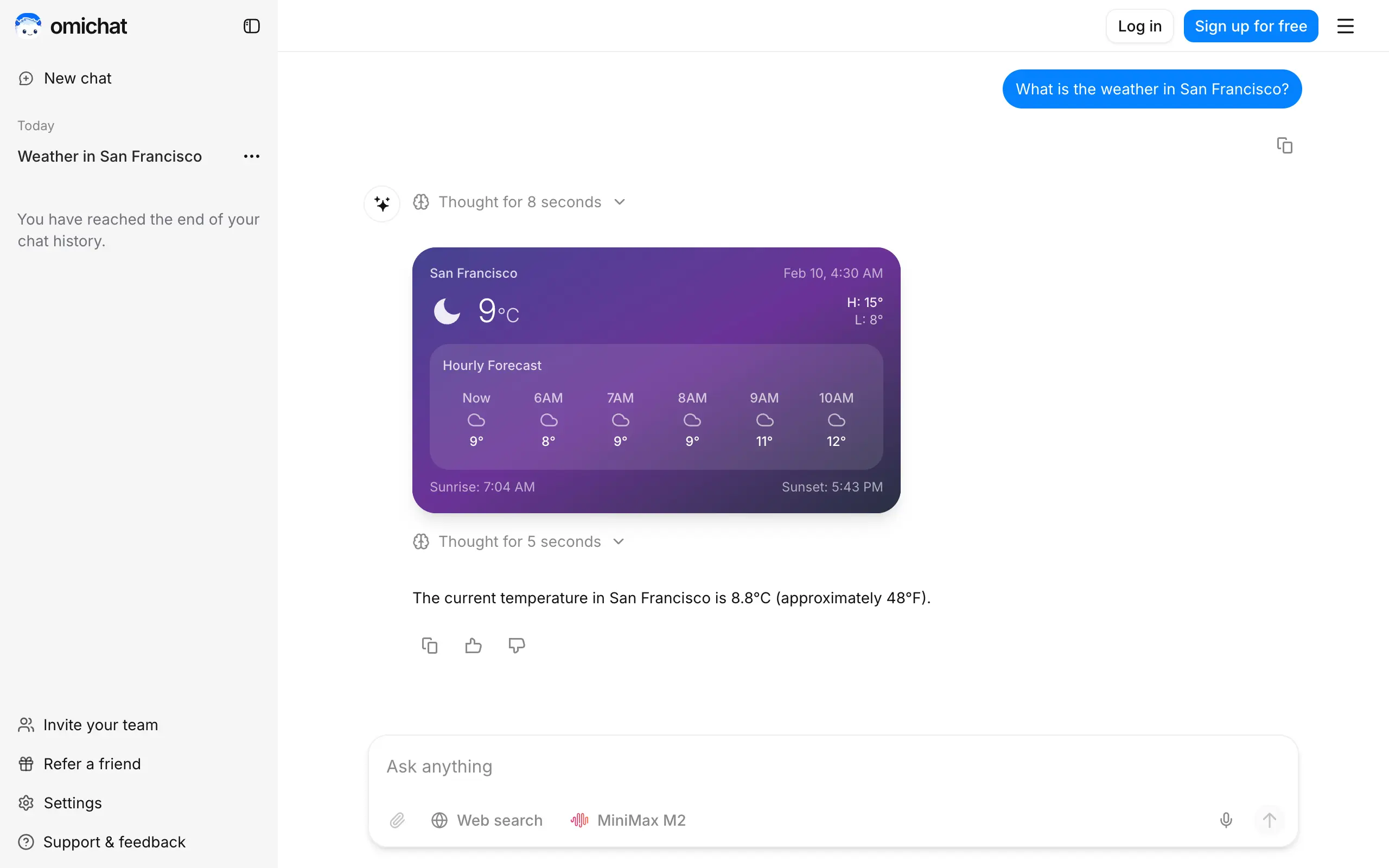
Omichat
Chat with 50+ AI models, including ChatGPT and Claude, in one place - switch models anytime without losing context 🤖
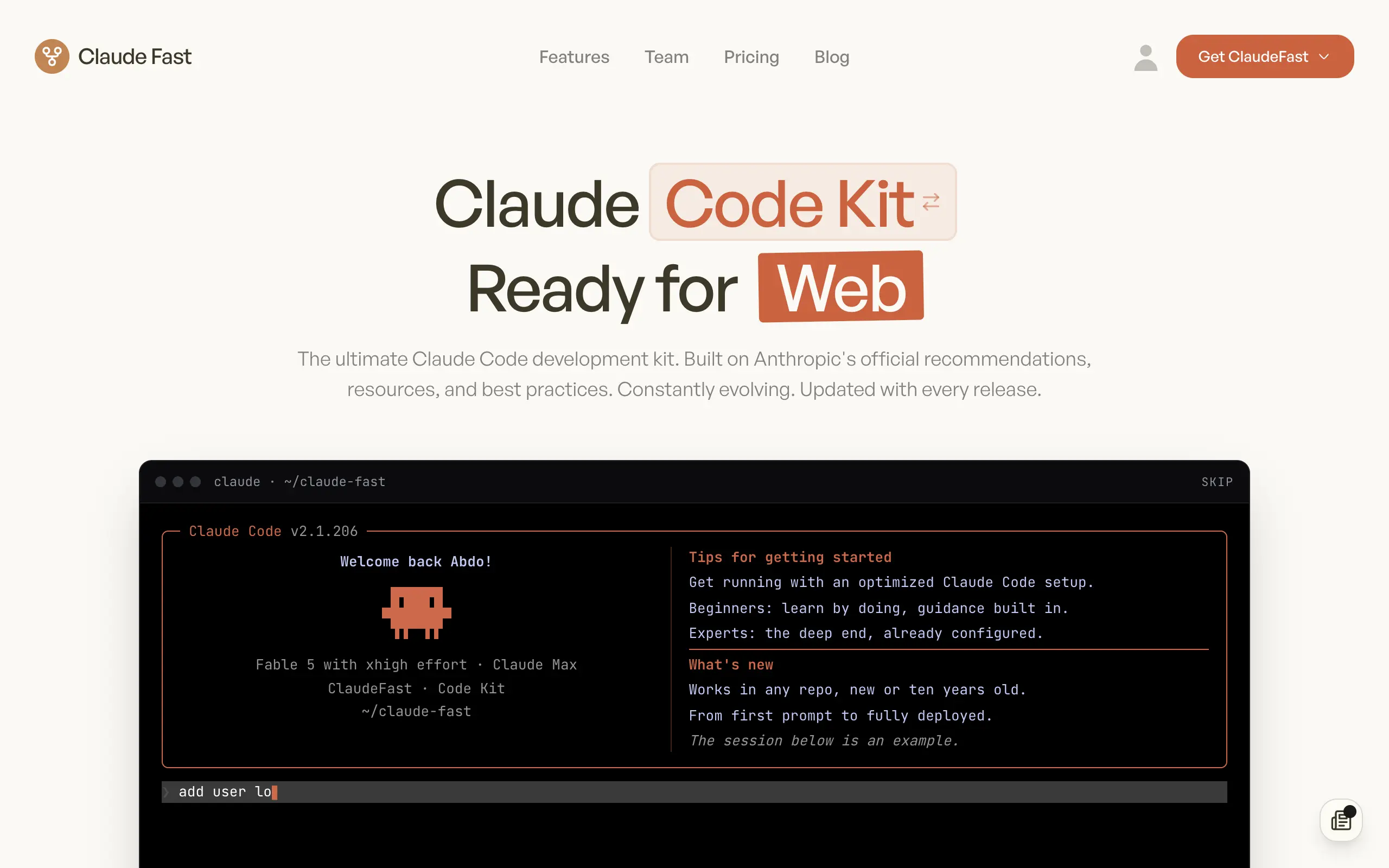
Claude Fast
Supercharge your Claude Code with 6x effective context window and specialized AI agents 🤖
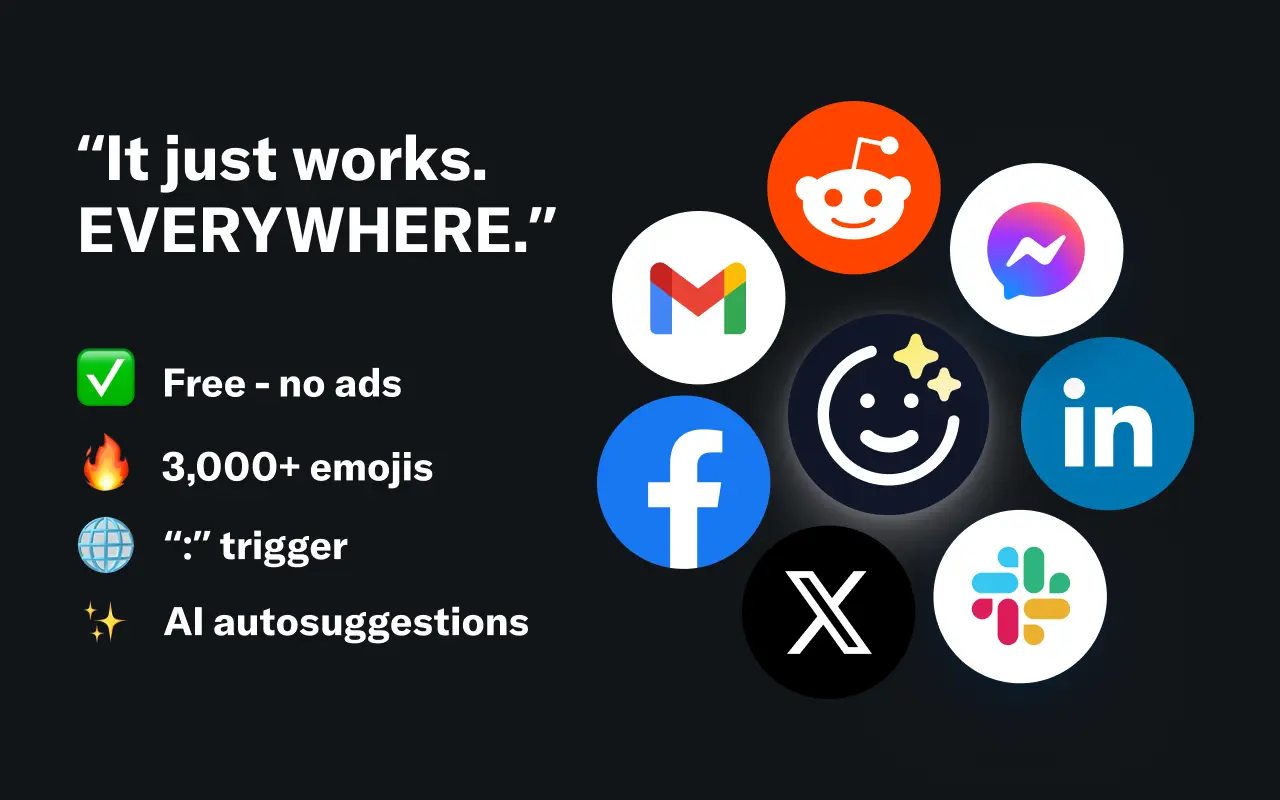
EmojAI
AI-powered emoji picker with smart, context-aware suggestions 🤖
Solohacker
Autonomous company launcher - AI agents work 24/7, escalate what matters, and you stay in control 🤖
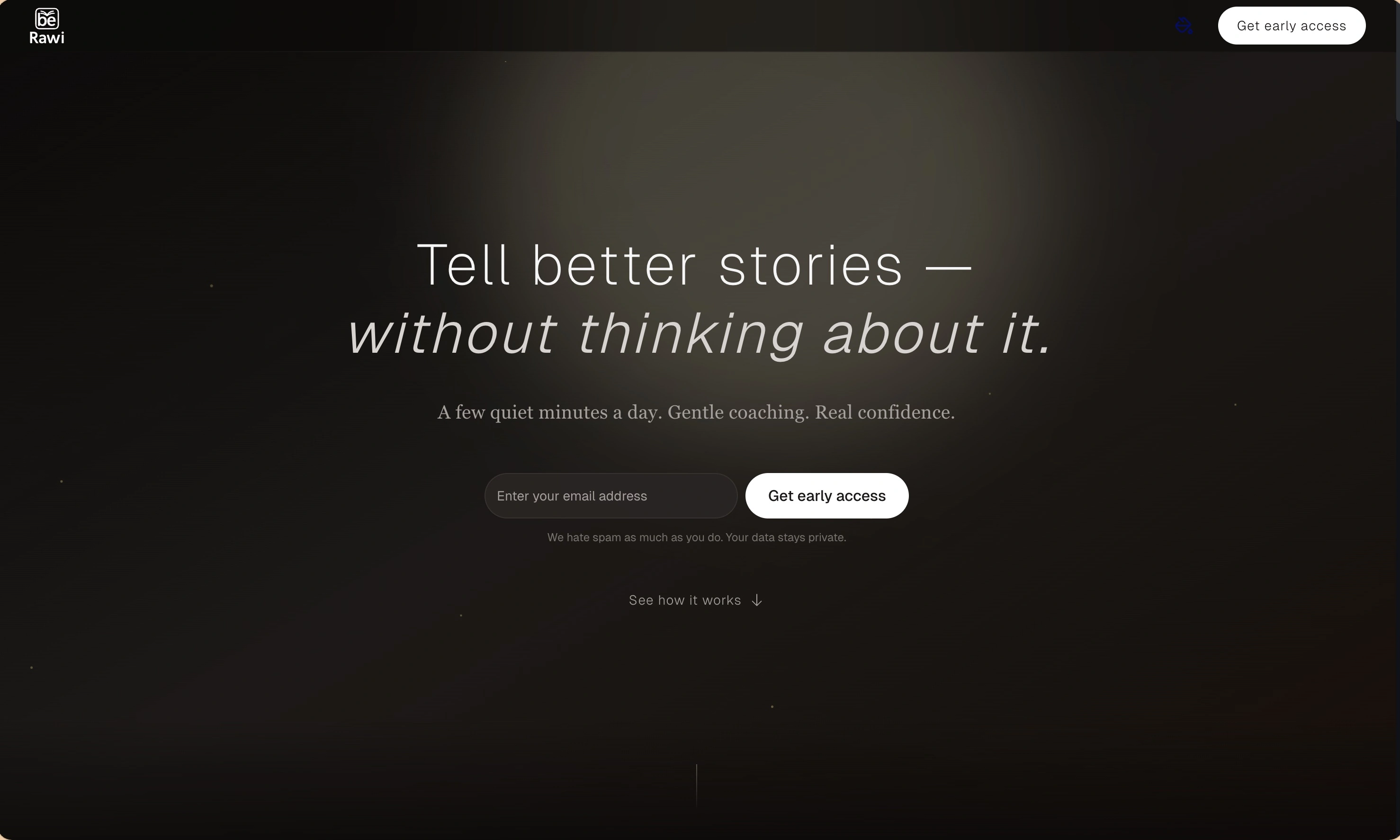
BeRawi: Storytelling Coach
Practice storytelling daily with instant feedback to sound clearer, more engaging, and confident 🎤
Omichat
Chat with 50+ AI models, including ChatGPT and Claude, in one place - switch models anytime without losing context 🤖
Claude Fast
Supercharge your Claude Code with 6x effective context window and specialized AI agents 🤖
EmojAI
AI-powered emoji picker with smart, context-aware suggestions 🤖
Solohacker
Autonomous company launcher - AI agents work 24/7, escalate what matters, and you stay in control 🤖
BeRawi: Storytelling Coach
Practice storytelling daily with instant feedback to sound clearer, more engaging, and confident 🎤
Omichat
Chat with 50+ AI models, including ChatGPT and Claude, in one place - switch models anytime without losing context 🤖
Claude Fast
Supercharge your Claude Code with 6x effective context window and specialized AI agents 🤖
EmojAI
AI-powered emoji picker with smart, context-aware suggestions 🤖
Solohacker
Autonomous company launcher - AI agents work 24/7, escalate what matters, and you stay in control 🤖
BeRawi: Storytelling Coach
Practice storytelling daily with instant feedback to sound clearer, more engaging, and confident 🎤
Omichat
Chat with 50+ AI models, including ChatGPT and Claude, in one place - switch models anytime without losing context 🤖
Claude Fast
Supercharge your Claude Code with 6x effective context window and specialized AI agents 🤖
EmojAI
AI-powered emoji picker with smart, context-aware suggestions 🤖
Solohacker
Autonomous company launcher - AI agents work 24/7, escalate what matters, and you stay in control 🤖
BeRawi: Storytelling Coach
Practice storytelling daily with instant feedback to sound clearer, more engaging, and confident 🎤

Connect with like-minded people
Join our community to get feedback, support, and grow together with 1,000+ builders on board, let's ship it!
Join usShip your startup everywhere. In minutes.
Don't burn tokens on setup and start building features on day one.