StackQuest
A co-op habit game for developers: ship tiny coding goals, build guild streaks, and unlock real-world meetup and drink challenges.
What StackQuest solves for developers
Developers rarely struggle because they do not know what to learn. They struggle because meaningful progress is often fragmented across busy workdays, long backlogs, unfamiliar codebases, and the isolation of working alone.
StackQuest is a co-op habit game for developers that turns small, repeatable coding actions into a social progression loop. Members complete tiny coding goals, maintain personal and guild streaks, earn progression rewards, and unlock real-world meetup or drink challenges with their teammates.
The primary opportunity is not another generic productivity tracker. It is a developer habit tracking game designed around the motivations that traditional habit apps ignore:
- Visible proof of momentum
- Accountability from technically minded peers
- Friendly competition without high-stakes pressure
- A reason to ship something small every day
- Community rituals that connect online coding progress to real-world relationships
For a developer, “practice coding more” is too vague. StackQuest can translate it into actions such as:
- Push a small pull request
- Solve one debugging task
- Write a test for an existing function
- Review a teammate’s change
- Publish a short technical note
- Improve project documentation
- Spend 15 focused minutes on an open-source issue
- Complete a learning exercise and record a takeaway
That distinction matters. A habit becomes easier to sustain when the next action is specific, measurable, and small enough to complete even on a difficult day.
The core product insight
StackQuest should reward consistency and collaboration more than raw output. The best developer habit game does not pressure people to code late at night. It makes healthy, intentional progress visible and socially rewarding.
Who should use a co-op habit game for developers
StackQuest has a broad potential market, but its first release should focus on users who already value coding progress and community. Early positioning should be narrow enough to create strong social density inside guilds.
Individual developers building consistency
This audience includes self-taught developers, junior engineers, career switchers, open-source contributors, and experienced engineers trying to protect time for personal projects.
Their common problems include:
- Losing momentum after an initial burst of motivation
- Not knowing what “enough progress” looks like on a daily basis
- Feeling guilty when they miss a day
- Working alone on side projects with no external accountability
- Completing useful work that receives no recognition
For this group, StackQuest is a lightweight daily coding companion. The product should help them set a personal cadence, select a difficulty level, and receive rewards for returning without turning self-improvement into a source of anxiety.
Developer communities and coding groups
Online communities, Discord servers, bootcamp cohorts, local meetups, and open-source communities need ways to turn passive membership into repeated participation.
A community manager may have hundreds of members but very little visibility into whether people are learning, contributing, or showing up. StackQuest guilds can provide a shared structure:
- Weekly coding quests
- Guild streaks
- Collaborative milestones
- Event unlocks
- Public recognition for constructive participation
- Friendly seasonal leaderboards
This audience is particularly valuable because one organizer can invite dozens or hundreds of participants. It also creates a natural acquisition loop, since guild success depends on bringing in teammates.
Engineering teams that want healthier rituals
Software teams can use StackQuest as an opt-in culture layer rather than an employee surveillance tool. The use case is not measuring output, ranking engineers, or monitoring repositories. It is creating voluntary rituals around learning, documentation, mentorship, wellness, and internal knowledge sharing.
Examples of team-safe quests include:
- Review one pull request with actionable feedback
- Add a missing test to a recently touched service
- Document one recurring support issue
- Pair with a teammate for 20 minutes
- Share a lesson learned from an incident
- Complete an internal learning module
For workplace use, the product needs clear privacy boundaries, team-level visibility controls, and language that explicitly rejects performance evaluation.
Meetup organizers and developer advocates
Developer relations teams, coworking communities, conference organizers, and meetup hosts can use StackQuest to create engagement before and after an event.
Instead of promoting a meetup once and hoping people attend, an organizer can run a challenge over several days:
- Join the event guild.
- Complete a beginner-friendly technical quest.
- Invite another developer.
- Help unlock the next meetup reward.
- Check in at the event or submit a post-event reflection.
This creates a bridge between asynchronous community engagement and real-world attendance.
The market gap in developer habit tracking
There are many productivity tools, coding challenge platforms, project management products, and online communities. However, each addresses only part of the developer consistency problem.
Generic habit trackers are often too detached from the realities of software work. They can record “coded today,” but they cannot help a developer distinguish between a meaningful contribution, a learning session, a documentation improvement, or a collaborative review.
Coding practice platforms offer structured exercises but may not support a user’s actual projects, workplace goals, or peer group. Team collaboration tools facilitate communication but do not make sustained personal development feel rewarding.
StackQuest can occupy the intersection of four categories:
| Product category | Primary job | Typical limitation | StackQuest opportunity | Best initial user |
|---|---|---|---|---|
| Habit trackers | Build routines | Little developer context | Developer-specific quests and proof | Individual developers |
| Coding platforms | Practice technical skills | Often isolated from daily work | Support any small coding goal | Learners and career switchers |
| Community tools | Enable discussion | Passive members are hard to activate | Guild goals and shared unlocks | Meetup organizers |
| Team tools | Coordinate work | Can feel operational or managerial | Opt-in learning and culture quests | Engineering teams |
The strongest market gap is a product that treats small developer actions as social game progress. That is different from gamifying productivity with arbitrary points. The game mechanics must reinforce valuable developer behaviors, including learning, collaboration, reflection, and sustainable routines.
Why co-op mechanics are more durable than solo streaks
Solo streaks work until a person misses a day. At that point, the loss can feel disproportionately discouraging. A guild system gives users a reason to return that is larger than their own streak count.
A well-designed co-op loop can include:
- Personal streaks for individual habit formation
- Guild streaks for collective accountability
- Weekly quests that welcome intermittent users
- Recovery mechanics after a missed day
- Team milestones that reward diverse contributions
- Seasonal goals that make progress feel fresh
The key is to avoid making one person responsible for everyone else’s progress. A guild should benefit from participation but should not punish a member for illness, work emergencies, family responsibilities, or burnout.
Real-world rewards create a meaningful differentiator
The meetup and drink challenge concept gives StackQuest a memorable social hook. Digital badges are useful, but a reward that leads to a coffee, a local event, a developer social, or a sponsored meetup makes the product feel less abstract.
The reward model should be flexible:
- Unlock a discount code for a local partner venue
- Unlock a guild-sponsored coffee budget
- Reserve tickets for a community meetup
- Earn access to a private workshop
- Trigger a team lunch or virtual social event
- Donate a community reward to an open-source maintainer fund
Alcohol should never be the default or only reward. StackQuest should offer inclusive alternatives such as coffee, food, non-alcoholic drinks, workshop credits, event tickets, or charitable contributions.
The StackQuest product experience
The best version of StackQuest should feel like a game in the first minute while remaining useful after months of daily use. Its interface should be simple enough for a developer to check in during a short break, but its progression system should provide enough depth for guilds to return week after week.
The daily quest loop
A daily loop should require minimal planning and minimal typing.
- A member opens StackQuest and sees one to three suggested quests.
- They select a quest that matches their available time and energy.
- They complete the task in their normal development workflow.
- They check in with lightweight evidence or a reflection.
- They receive experience, streak progress, and guild contribution.
- Their guild sees an activity signal and moves toward a shared unlock.
The product should let users choose estimated effort, such as five minutes, fifteen minutes, or forty-five minutes. This supports consistency across different schedules.
Micro quests
Small, concrete actions that lower the barrier to starting and help users keep momentum on busy days.
Guild progression
Shared levels, milestones, and cooperative goals that turn individual activity into community progress.
Real-world unlocks
Meetup, coffee, workshop, and partner rewards that make digital progress feel socially tangible.
Quest types that fit real developer work
StackQuest should avoid defining productive coding too narrowly. Not every valuable engineering action ends in a commit. A flexible quest taxonomy can recognize different forms of progress.
- "Build quests" involve writing or improving a small piece of code.
- "Quality quests" involve tests, refactoring, documentation, accessibility, or performance work.
- "Learning quests" involve studying a concept and recording a practical takeaway.
- "Collaboration quests" involve code review, pairing, mentoring, or helping another developer.
- "Community quests" involve attending a meetup, sharing a resource, or contributing to an open-source discussion.
- "Reflection quests" involve writing a short note about a technical decision, failure, or discovery.
The first version should prioritize a curated library of broadly applicable quests. Custom quests can follow after the team understands which categories create genuine retention.
Evidence without surveillance
Trust is central to a developer habit tracking app. If proof requirements are too weak, guild scoring becomes meaningless. If they are too invasive, users will avoid the product.
The best approach is progress verification proportional to the reward.
For a simple personal streak, self-attestation may be enough. For high-value guild challenges or sponsored rewards, StackQuest can request more evidence, such as:
- A short written reflection
- A private link to a pull request or issue
- A screenshot with sensitive details removed
- A GitHub activity confirmation
- An organizer check-in code at a meetup
- Peer confirmation for a collaborative quest
Users should control who sees evidence. A private repository URL should never automatically become public guild content.
Guilds that encourage belonging instead of pressure
Guilds are the social heart of the StackQuest game. They should be small enough for members to recognize each other and large enough to survive fluctuating activity.
An effective default guild size is likely between four and twelve active members. Product experiments can test this assumption through cohort retention, streak completion, and invitation rates.
Useful guild features include:
- A shared guild home screen
- Weekly contribution progress
- Custom guild name, icon, and theme
- Invite links and approval settings
- Optional async activity feed
- Time-zone-aware quest windows
- Guild roles for organizers and moderators
- Seasonal rank or level progression
- Non-competitive shared goals
A guild should not simply be a leaderboard. The better framing is a group of developers on a shared expedition.
Features for a high-retention MVP
A successful MVP for StackQuest should prove one critical behavior: developers will return repeatedly to complete small quests because their personal and guild progress matters.
Avoid building every game mechanic, every integration, and every reward partnership before validating that loop.
Essential launch features
The first release should include the following capabilities.
- "Account creation" supports email, OAuth, and clear profile setup.
- "Personal quest selection" lets users choose a goal from a limited curated library.
- "Daily check-in" records completion, effort, notes, and optional proof.
- "Streak engine" calculates personal streaks with transparent rules.
- "Guild creation and invites" makes it easy to start a group with friends or coworkers.
- "Guild progress" aggregates qualifying contributions toward a shared weekly target.
- "Progression system" awards experience, levels, badges, or unlockable cosmetic items.
- "Basic notifications" reminds members about expiring quests and unlocked rewards.
- "Moderation controls" provide reporting, member removal, age gates where needed, and community guidelines.
- "Analytics" measures activation, retention, quest completion, and guild health.
Features to postpone until demand is proven
Several features sound attractive but introduce substantial operational complexity.
- Deep repository analysis
- Public global leaderboards
- Complex token or crypto economies
- Automated code quality scoring
- Large-scale reward marketplaces
- Native mobile applications
- Broad employer analytics dashboards
- AI-generated quests without human review
The product can later introduce these features based on user behavior. For example, repository integrations are valuable only if users ask for lower-friction proof and demonstrate comfort connecting accounts.
Do not optimize for commits
Commit count is a poor proxy for developer growth. It can favor noisy activity, discourage non-code work, and create incentives to split changes artificially. Score quest completion, learning quality, collaboration, and sustained participation instead.
Recommended technology stack for StackQuest
StackQuest needs a fast web experience, reliable real-time state, secure authentication, flexible event tracking, and a foundation for future integrations. The recommended stack should favor rapid iteration while keeping game logic auditable.
Frontend and application framework
Use Next.js with React and TypeScript.
Next.js is a strong fit because StackQuest needs public landing pages, authenticated application screens, server-side actions, API endpoints, and strong SEO for community-facing pages. React supports a component-driven interface for quest cards, progress indicators, guild feeds, and interactive game states.
For styling, use Tailwind CSS. It enables quick design iteration, consistent spacing and colors, and reusable visual primitives for a game-like interface.
A practical foundation can be built with TurboStarter, particularly when speed to market matters. A production-ready SaaS starter reduces time spent rebuilding common infrastructure such as authentication flows, billing foundations, transactional email patterns, dashboards, and deployment conventions.
Backend, database, and real-time updates
Supabase is a strong early-stage choice for StackQuest because it combines PostgreSQL, authentication, storage, row-level security, and real-time capabilities.
PostgreSQL works especially well for the relational nature of the product:
- Users belong to many guilds
- Guilds contain members and roles
- Quests have categories, difficulty, and scoring rules
- Check-ins may require evidence or review status
- Reward eligibility depends on event history
- Notifications depend on user preferences and guild activity
Row-level security is particularly useful for protecting private quest evidence and guild data. It can enforce policies such as “only guild members may view shared check-ins” and “only the submitter and authorized reviewers may view private proof.”
For scheduled events, use a durable background-job solution. Quest expiration, streak calculations, weekly resets, reward eligibility checks, and notification scheduling should not rely only on client-side timers.
A simple event model
Game mechanics become difficult to debug when state is overwritten rather than recorded. StackQuest should preserve an append-only event history for meaningful actions.
type StackQuestEvent =
  | {
      type: "quest_completed";
      userId: string;
      questId: string;
      guildId?: string;
      completedAt: string;
      evidenceVisibility: "private" | "guild";
    }
  | {
      type: "guild_milestone_unlocked";
      guildId: string;
      milestoneId: string;
      unlockedAt: string;
    }
  | {
      type: "streak_recovery_used";
      userId: string;
      recoveryTokenId: string;
      usedAt: string;
    };
An event-based approach provides a reliable audit trail for rewards, disputes, analytics, and future scoring changes. The application can derive current streaks and guild totals from events while retaining the original history.
Integrations and trade-offs
GitHub integration is attractive because it can reduce manual check-ins and validate activity. However, it creates privacy, scope, and interpretation challenges. A merged pull request does not always equal meaningful progress, and many users work in private repositories they cannot connect.
Start with optional GitHub OAuth and limited scopes. Let users choose which activity, if any, is visible to StackQuest. Never require repository access for basic participation.
Use Stripe for subscriptions, team plans, reward credits, and partner payouts when appropriate. Stripe is mature, widely trusted, and well-suited to SaaS billing. The trade-off is that marketplace-style payouts and region-specific tax obligations can add complexity, so sponsor-funded reward programs should launch gradually.
For product analytics, PostHog can support event tracking, funnels, feature flags, and session analysis. Instrument behavior carefully and avoid collecting sensitive code content or private repository metadata.
Monetization options for StackQuest
A co-op developer habit game should keep its core social loop accessible. Charging users before they experience guild momentum can suppress the most valuable network effects.
A freemium model is the clearest starting point.
Free plan for personal momentum
The free tier can include:
- Personal daily quests
- One active guild
- Basic streak tracking
- Core progression and badges
- Limited quest history
- Standard community challenges
The goal of free access is to make onboarding frictionless and create enough value that users invite others.
Pro plan for serious builders
An individual Pro plan can offer:
- Unlimited guilds
- Advanced habit analytics
- Custom recurring quest templates
- Deeper reflection history
- Expanded streak recovery options
- Premium seasonal challenges
- Private accountability groups
- Custom integrations as they become available
Avoid selling unfair competitive advantages. Paid users should receive flexibility, customization, and insight rather than the ability to dominate a leaderboard.
Community and organization plans
The strongest revenue opportunity may come from organizers rather than individual developers.
A paid guild or community plan could include:
- Larger member limits
- Branded guild spaces
- Organizer dashboards
- Event check-in challenges
- Sponsored reward management
- Custom onboarding flows
- Moderation tools
- Participation exports
- Multiple cohort support
For engineering organizations, position the plan as a voluntary learning and community program. Do not market it as productivity surveillance.
Partner-funded real-world rewards
Local coworking spaces, developer tooling companies, conference organizers, and cafés may sponsor challenges in exchange for relevant exposure.
A sponsor should receive aggregate, privacy-safe reporting rather than individual behavioral data. For example, StackQuest can report total challenge participation and reward redemptions without revealing personal coding activity.
This model works best once the platform has concentrated activity in specific cities or communities. It is not necessary for the MVP.
Competitive advantage for StackQuest
StackQuest’s competitive advantage comes from combining a developer-specific habit system with cooperative game design and real-world community rewards.
Its unique selling proposition can be expressed simply:
StackQuest helps developers build lasting coding habits by turning tiny daily progress into shared guild momentum and real-world community unlocks.
The advantage is not merely gamification. Many apps add points and badges. StackQuest can stand out by making its mechanics relevant to how developers actually grow.
Defensible product elements
- "Developer-native quests" recognize code, tests, review, documentation, learning, and community contribution.
- "Guild accountability" makes progress social without requiring a manager or coach.
- "Flexible proof" balances trust with privacy and avoids intrusive repository monitoring.
- "Offline connection" turns digital progress into meetups and inclusive social rewards.
- "Healthy scoring" rewards sustainable participation instead of raw commit volume.
- "Community distribution" gives organizers a reason to invite cohorts rather than acquire users one by one.
Network effects can emerge inside each guild. As more friends, coworkers, and community members participate, the product becomes more useful because shared milestones are harder to replace with a solo habit tracker.
Risks and how to mitigate them
A developer habit game has promising engagement mechanics, but it also introduces product, operational, and trust risks.
Use flexible streak rules, weekly goals, rest-day allowances, and recovery mechanics. Celebrate sustainable consistency rather than perfect daily attendance. Ensure users can pause or reset without public shame.
Use varied quest types, optional evidence, peer confirmation for high-value challenges, and scoring caps. Do not rank users solely by volume. Reward useful reflection and collaboration.
Make employer analytics opt-in, aggregate, and privacy-preserving. Never expose private code evidence to managers by default. Publish clear data boundaries and prohibit performance-management use cases.
Offer non-alcoholic, remote, accessibility-friendly, and charitable alternatives. Add age verification where alcohol-related rewards are available, and make physical attendance optional whenever possible.
Start with limited reward values, manual review for high-value unlocks, redemption limits, and partner-issued codes. Maintain an audit log for completion and reward events.
Privacy and trust requirements
StackQuest should publish a plain-language privacy policy before collecting coding activity or connected-account data. Users need to know:
- What information is collected
- Why it is collected
- Who can see it
- How long it is retained
- How it can be deleted
- Whether it is used to train models or shared with partners
- How integrations can be disconnected
If StackQuest connects to GitHub, it should request the smallest possible permission scope and explain every permission in product language. Trust will be a competitive advantage, especially among developers who understand the implications of overbroad OAuth access.
Metrics that validate the StackQuest SaaS idea
Vanity metrics such as total signups are insufficient. StackQuest needs evidence that users experience the core loop, form guild relationships, and return after the novelty of the game wears off.
Track a focused metric set from the beginning.
- "Activation rate" measures users who complete a first quest and join or create a guild within their first week.
- "Quest completion rate" measures completed quests divided by started or selected quests.
- "Guild formation rate" measures the share of new users participating in a guild.
- "Guild health" measures weekly active members, shared milestone completion, and member retention.
- "Week-four retention" measures whether the habit loop survives initial novelty.
- "Invite conversion" measures whether guild invitations become active members.
- "Reward redemption rate" measures whether real-world unlocks are motivating and operationally viable.
- "Safety reports" measure moderation burden and potential misuse.
- "Paid conversion" measures willingness to pay after users experience clear ongoing value.
For benchmarks and market claims in investor or public-facing materials, cite primary sources or well-known annual reports. Examples include developer ecosystem reports, labor-market studies, and software community research. Every statistic should include its source, publication date, methodology, and geographic scope.
A practical implementation roadmap
The fastest route to validation is not building a massive social platform. It is launching a focused web product for a few committed developer groups and learning from real completion behavior.
Define a narrow initial audience, such as self-taught developers in existing Discord communities or local coding meetup members. Interview at least 15 potential users about their current routines, abandoned habit tools, social motivations, and preferred rewards.
Design a small quest library with 30 to 50 developer-friendly tasks across build, learning, quality, collaboration, and community categories. Each quest should have clear completion criteria and a realistic estimated duration.
Build the core loop with authentication, personal quests, check-ins, streaks, guild invites, shared weekly progress, and a basic reward unlock. Keep manual review available for edge cases.
Run a four-week pilot with a small number of guilds. Observe whether participants return without reminders, whether they invite friends, and which quest types create the most meaningful discussion.
Refine scoring and recovery mechanics before expanding acquisition. Remove incentives that encourage spammy activity, and make missed days feel recoverable rather than catastrophic.
Add monetization only after the free experience creates repeatable guild engagement. Start with organizer tools or optional individual upgrades rather than restricting core social participation.
The first launch should answer a simple question: will a developer complete tiny coding goals more consistently when their progress helps a guild unlock something meaningful?
If the answer is yes, StackQuest can grow from a habit tracker into a durable developer community platform with strong social retention, organizer-led distribution, and differentiated real-world experiences.
Final takeaway
StackQuest is compelling because it makes a difficult behavior feel achievable. Developers do not need another tool that tells them to work harder. They need a system that helps them start small, see progress, stay connected to peers, and build momentum without sacrificing privacy or wellbeing.
The winning product strategy is to keep the first experience simple:
- Make quests tiny and relevant.
- Make guilds supportive and easy to form.
- Make scoring healthy and difficult to exploit.
- Make proof optional and privacy-conscious.
- Make rewards inclusive and genuinely social.
- Make the path from daily habit to real-world community unmistakable.
By combining developer habit tracking, cooperative game mechanics, and community-driven rewards, StackQuest can create a category that feels more human than productivity software and more useful than a traditional coding game.
More 🎮 Game SaaS ideas
Discover more innovative game SaaS ideas that are trending in 2026. Each idea is AI-generated with market validation and growth potential to help you find your next profitable venture faster than competitors.
Your competitors are building with TurboStarter
Below are some of the SaaS ideas that have been generated and built with our starter kit.
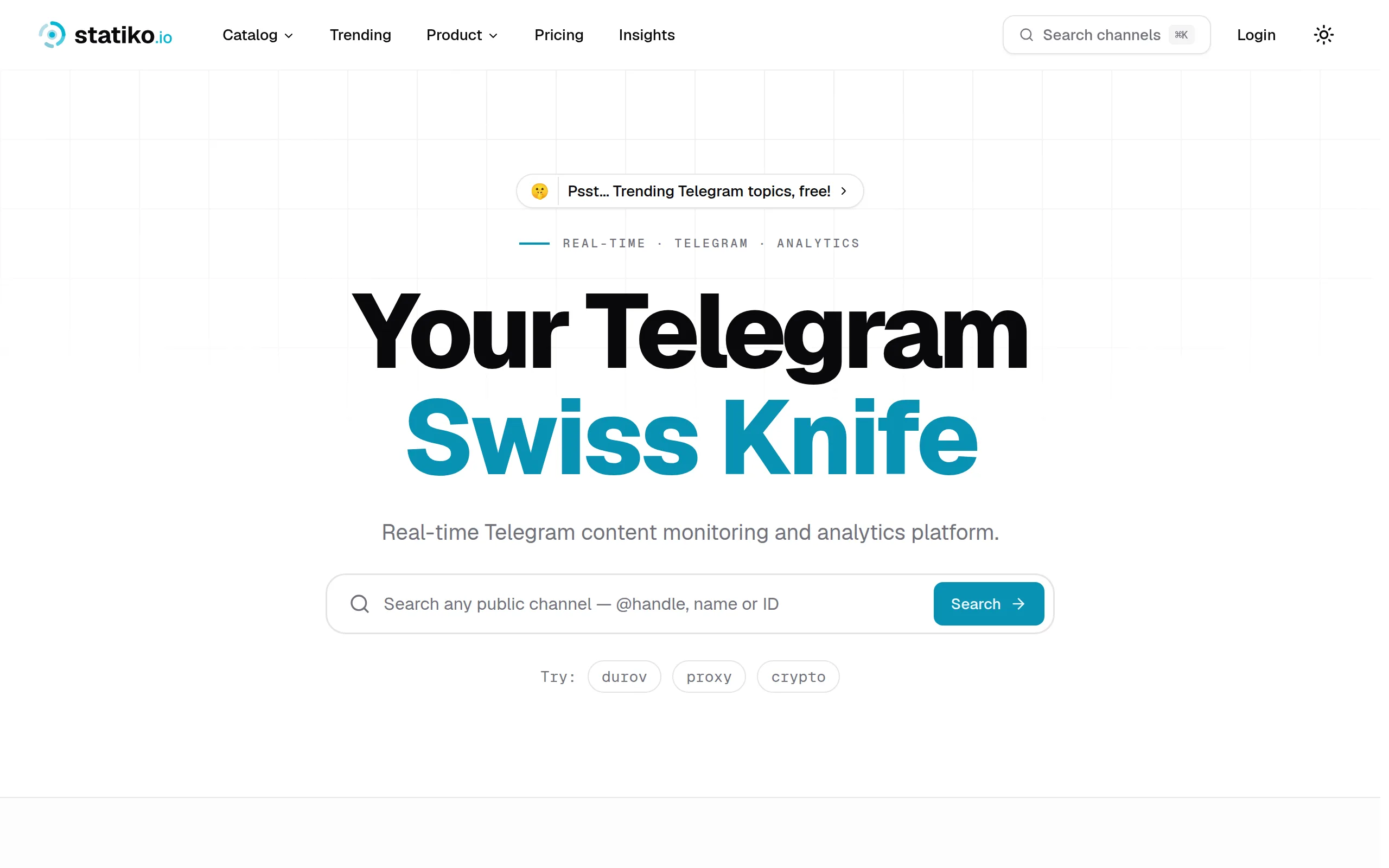
Statiko
Monitor any Telegram channel in real time - track posts, edits, deletions, and growth with AI recaps 📡
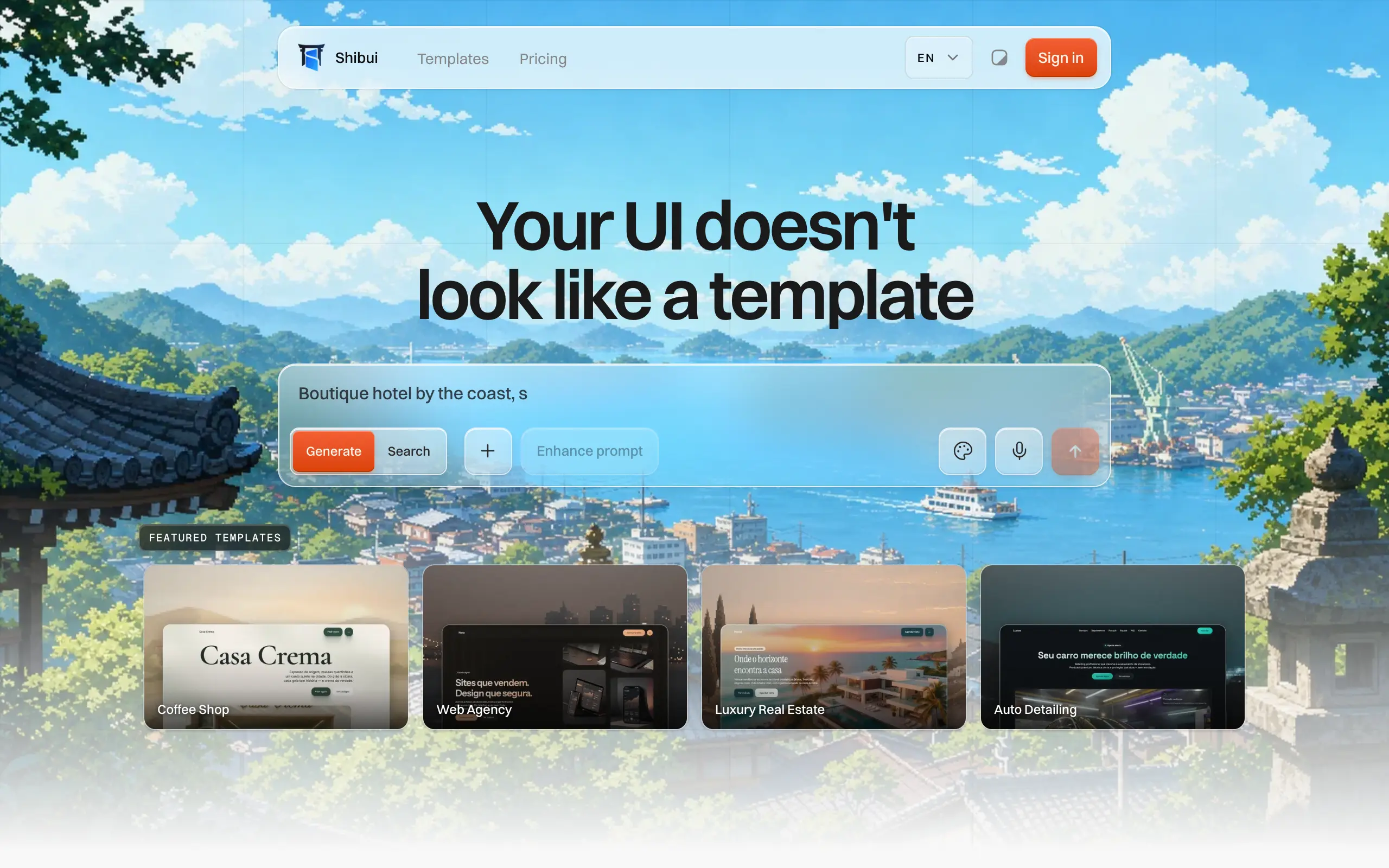
Shibui
AI website builder - describe your business, pick a niche template, edit by chatting, and publish instantly ✨

Pro Service
Find verified home service professionals, compare quotes, and pay securely through escrow - built for Brazilians across the US 🏠
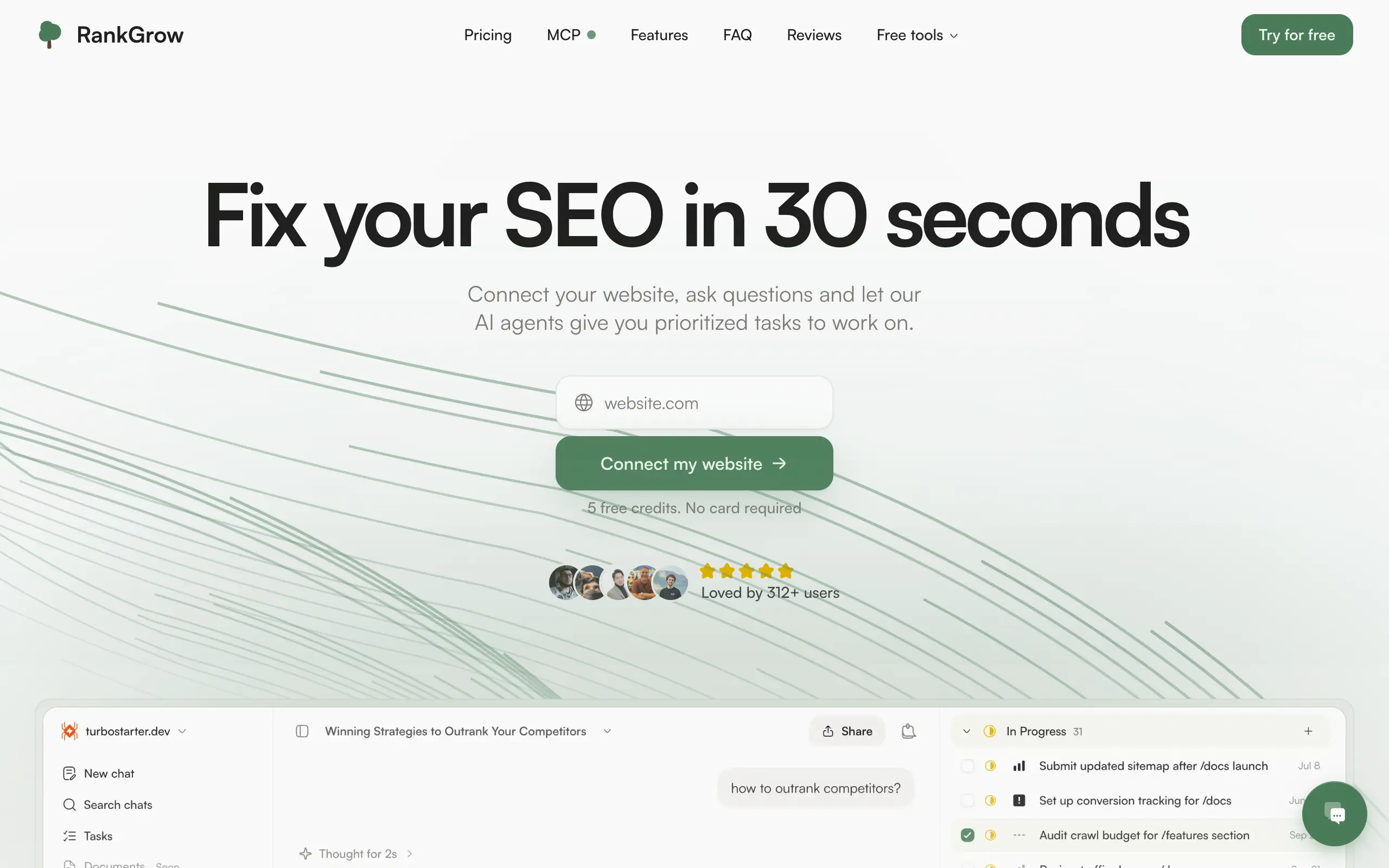
RankGrow
Fix your SEO with AI agents - connect Search Console, get prioritized tasks, and grow organic traffic 📈
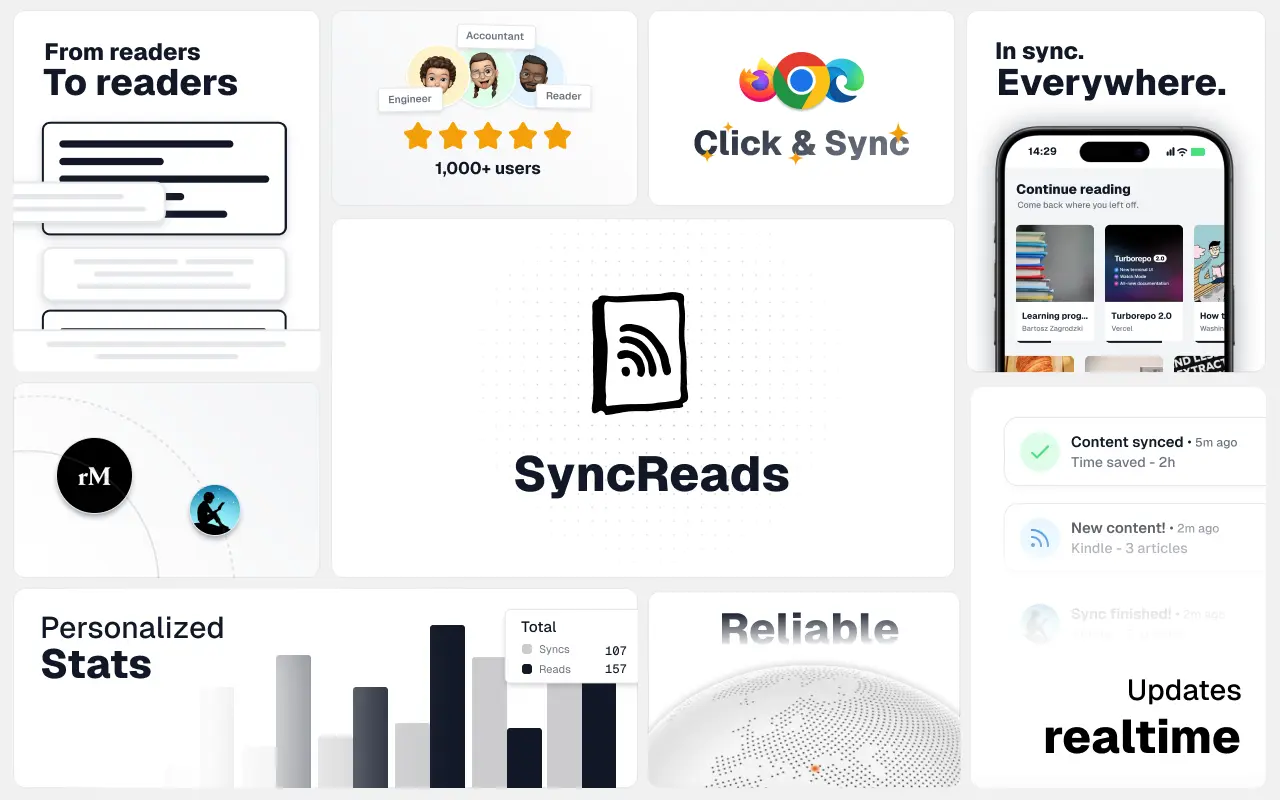
SyncReads
Sync your favorite content for distraction-free reading, save time and replace multiple apps. Anytime, anywhere 🔄
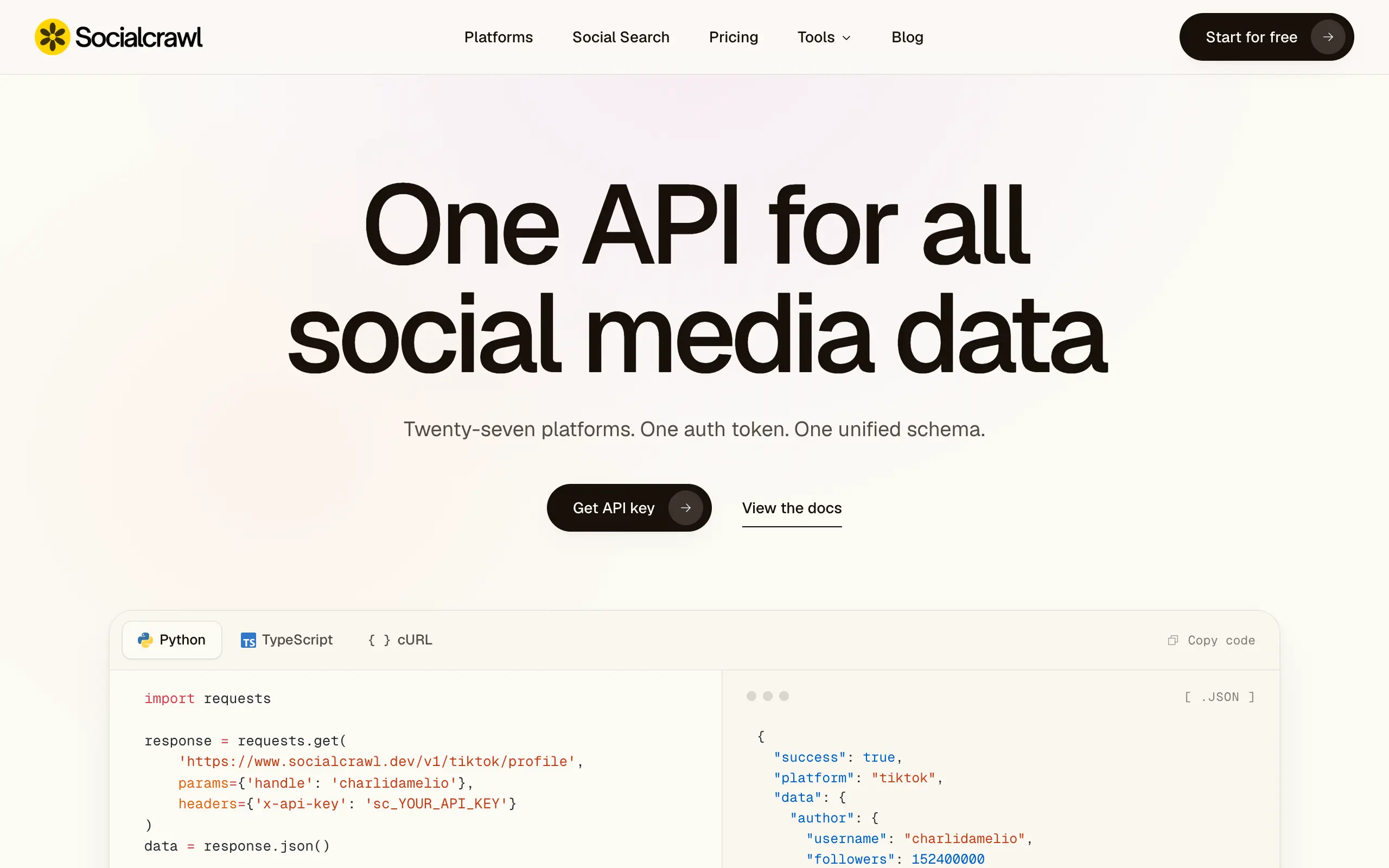
Socialcrawl
Get clean, structured data from 21 platforms like TikTok, Instagram, and YouTube with a single request 📊
Statiko
Monitor any Telegram channel in real time - track posts, edits, deletions, and growth with AI recaps 📡
Shibui
AI website builder - describe your business, pick a niche template, edit by chatting, and publish instantly ✨
Pro Service
Find verified home service professionals, compare quotes, and pay securely through escrow - built for Brazilians across the US 🏠
RankGrow
Fix your SEO with AI agents - connect Search Console, get prioritized tasks, and grow organic traffic 📈
SyncReads
Sync your favorite content for distraction-free reading, save time and replace multiple apps. Anytime, anywhere 🔄
Socialcrawl
Get clean, structured data from 21 platforms like TikTok, Instagram, and YouTube with a single request 📊
Statiko
Monitor any Telegram channel in real time - track posts, edits, deletions, and growth with AI recaps 📡
Shibui
AI website builder - describe your business, pick a niche template, edit by chatting, and publish instantly ✨
Pro Service
Find verified home service professionals, compare quotes, and pay securely through escrow - built for Brazilians across the US 🏠
RankGrow
Fix your SEO with AI agents - connect Search Console, get prioritized tasks, and grow organic traffic 📈
SyncReads
Sync your favorite content for distraction-free reading, save time and replace multiple apps. Anytime, anywhere 🔄
Socialcrawl
Get clean, structured data from 21 platforms like TikTok, Instagram, and YouTube with a single request 📊
Statiko
Monitor any Telegram channel in real time - track posts, edits, deletions, and growth with AI recaps 📡
Shibui
AI website builder - describe your business, pick a niche template, edit by chatting, and publish instantly ✨
Pro Service
Find verified home service professionals, compare quotes, and pay securely through escrow - built for Brazilians across the US 🏠
RankGrow
Fix your SEO with AI agents - connect Search Console, get prioritized tasks, and grow organic traffic 📈
SyncReads
Sync your favorite content for distraction-free reading, save time and replace multiple apps. Anytime, anywhere 🔄
Socialcrawl
Get clean, structured data from 21 platforms like TikTok, Instagram, and YouTube with a single request 📊
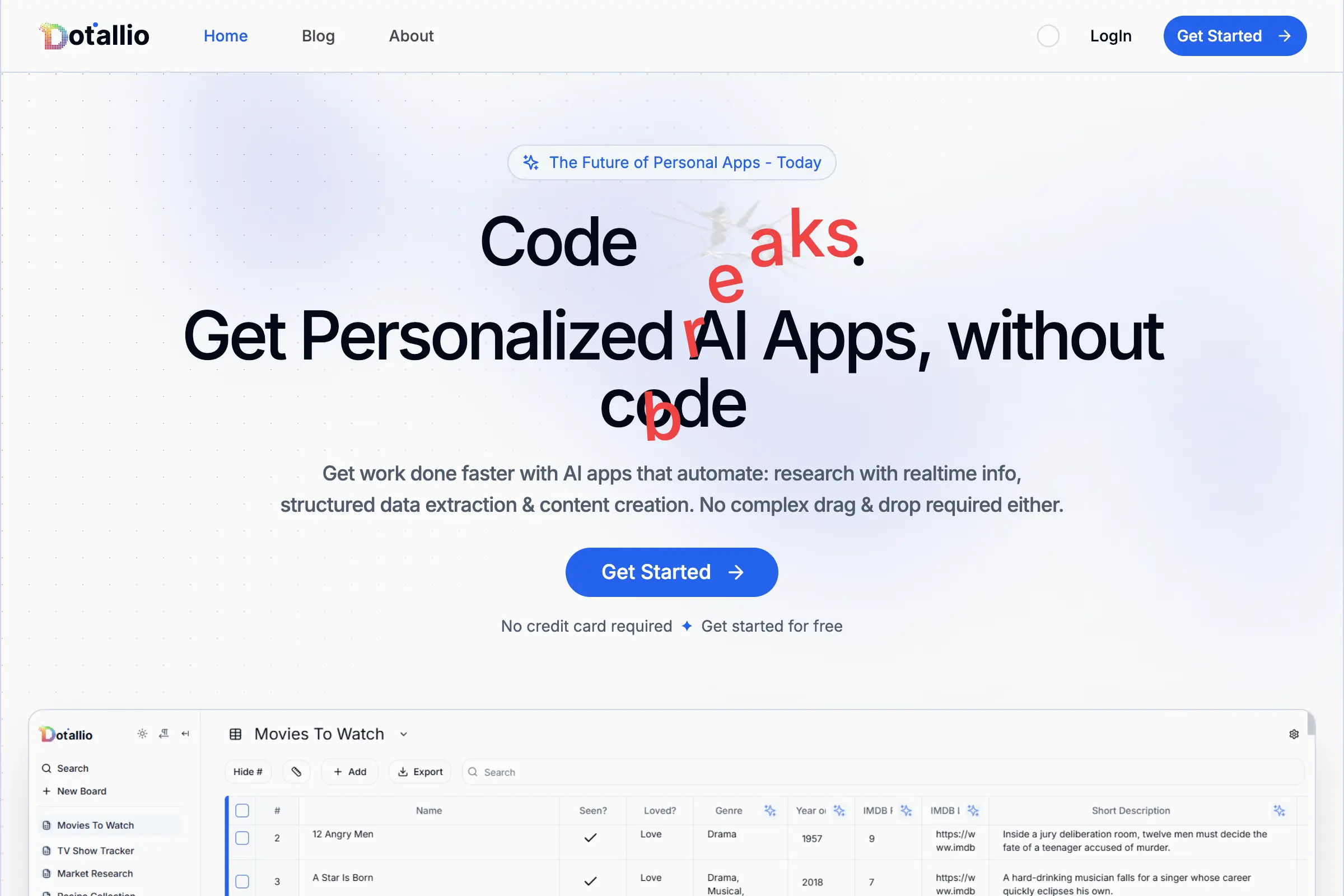
Dotallio
Personalized AI apps that automate research, data extraction, and content creation without code 🤖
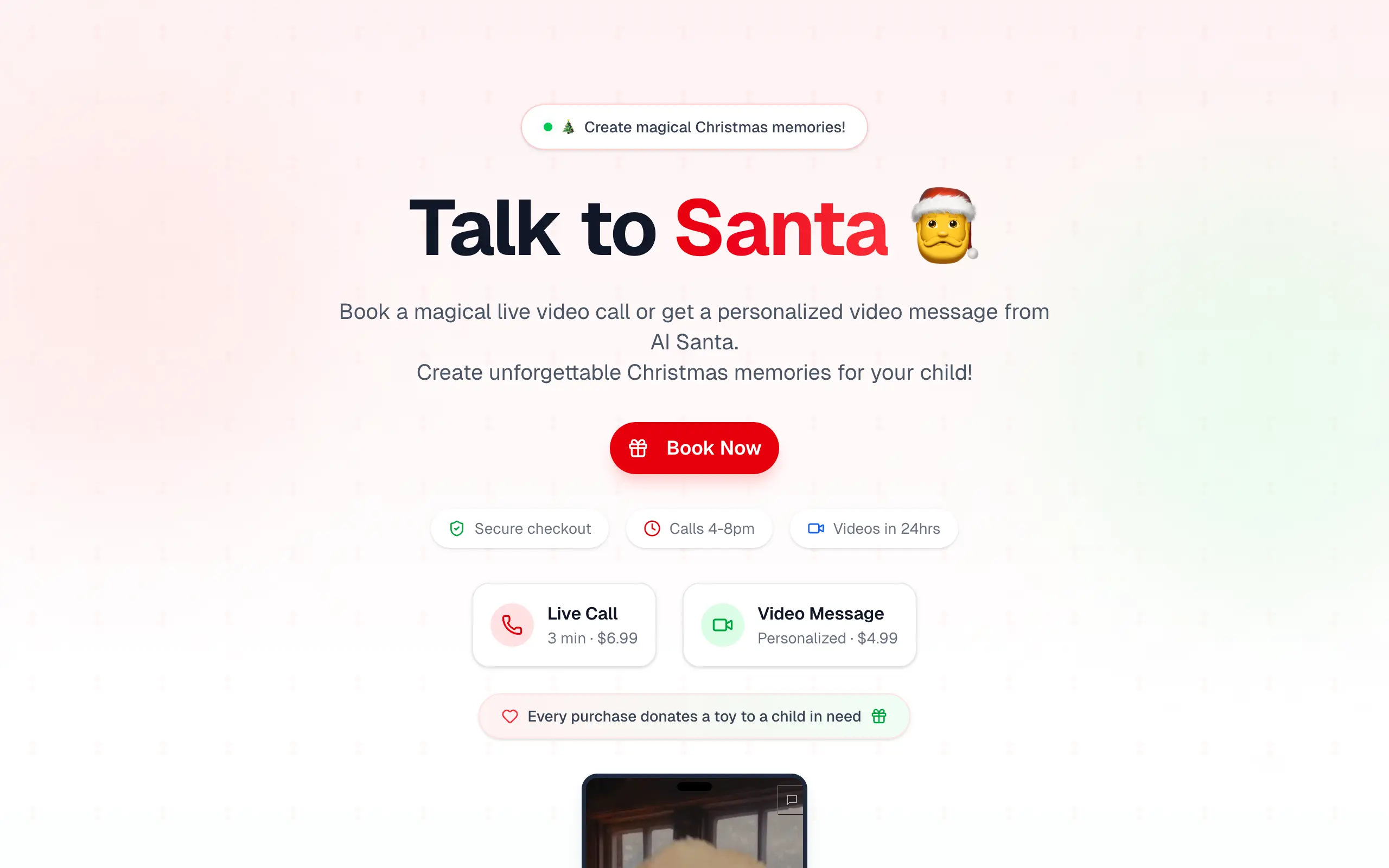
Talk to Santa
Enjoy a magical live video chat or receive a unique AI-generated video greeting from Santa Claus 🎅
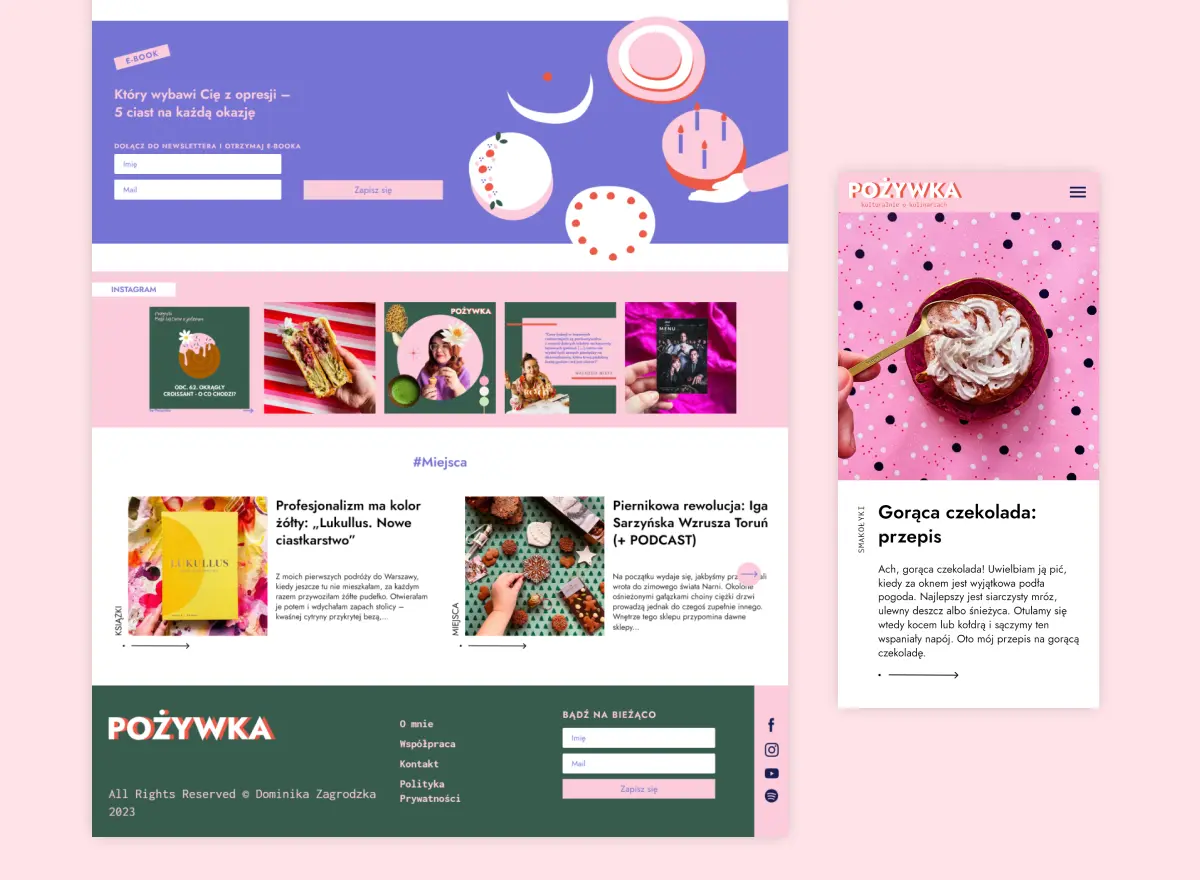
pozywka.pl
Scalable blog for food journalist, focused on performance and user experience 🌭
zagrodzki.me
Personal blog and portfolio of Bart Zagrodzki, where he shares his knowledge and work 💼
TurboStarter
Ship your startup everywhere. In minutes.
HTML to Markdown
Convert HTML to Markdown with ease, directly in your browser 📄
Dotallio
Personalized AI apps that automate research, data extraction, and content creation without code 🤖
Talk to Santa
Enjoy a magical live video chat or receive a unique AI-generated video greeting from Santa Claus 🎅
pozywka.pl
Scalable blog for food journalist, focused on performance and user experience 🌭
zagrodzki.me
Personal blog and portfolio of Bart Zagrodzki, where he shares his knowledge and work 💼
TurboStarter
Ship your startup everywhere. In minutes.
HTML to Markdown
Convert HTML to Markdown with ease, directly in your browser 📄
Dotallio
Personalized AI apps that automate research, data extraction, and content creation without code 🤖
Talk to Santa
Enjoy a magical live video chat or receive a unique AI-generated video greeting from Santa Claus 🎅
pozywka.pl
Scalable blog for food journalist, focused on performance and user experience 🌭
zagrodzki.me
Personal blog and portfolio of Bart Zagrodzki, where he shares his knowledge and work 💼
TurboStarter
Ship your startup everywhere. In minutes.
HTML to Markdown
Convert HTML to Markdown with ease, directly in your browser 📄
Dotallio
Personalized AI apps that automate research, data extraction, and content creation without code 🤖
Talk to Santa
Enjoy a magical live video chat or receive a unique AI-generated video greeting from Santa Claus 🎅
pozywka.pl
Scalable blog for food journalist, focused on performance and user experience 🌭
zagrodzki.me
Personal blog and portfolio of Bart Zagrodzki, where he shares his knowledge and work 💼
TurboStarter
Ship your startup everywhere. In minutes.
HTML to Markdown
Convert HTML to Markdown with ease, directly in your browser 📄
Omichat
Chat with 50+ AI models, including ChatGPT and Claude, in one place - switch models anytime without losing context 🤖
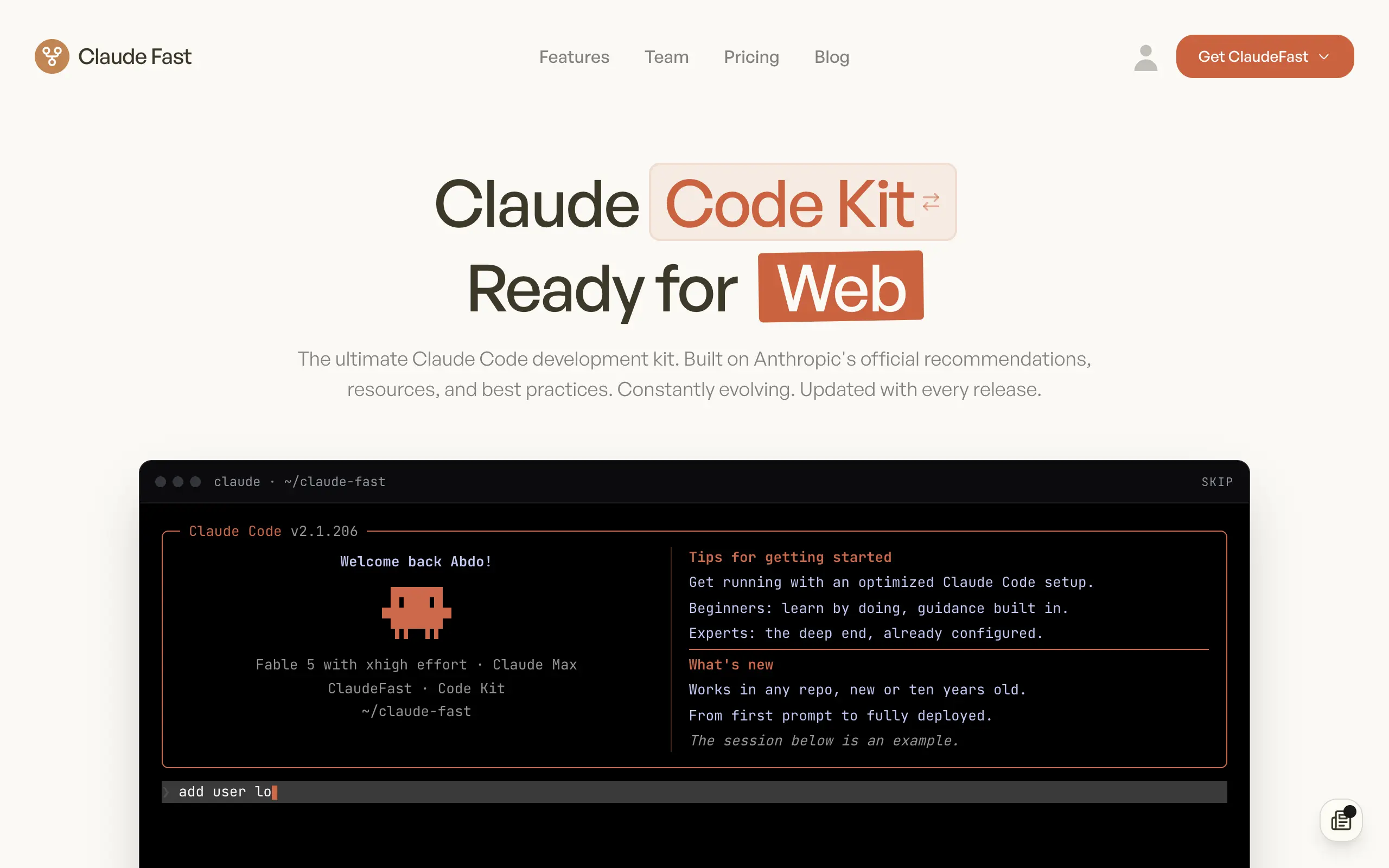
Claude Fast
Supercharge your Claude Code with 6x effective context window and specialized AI agents 🤖
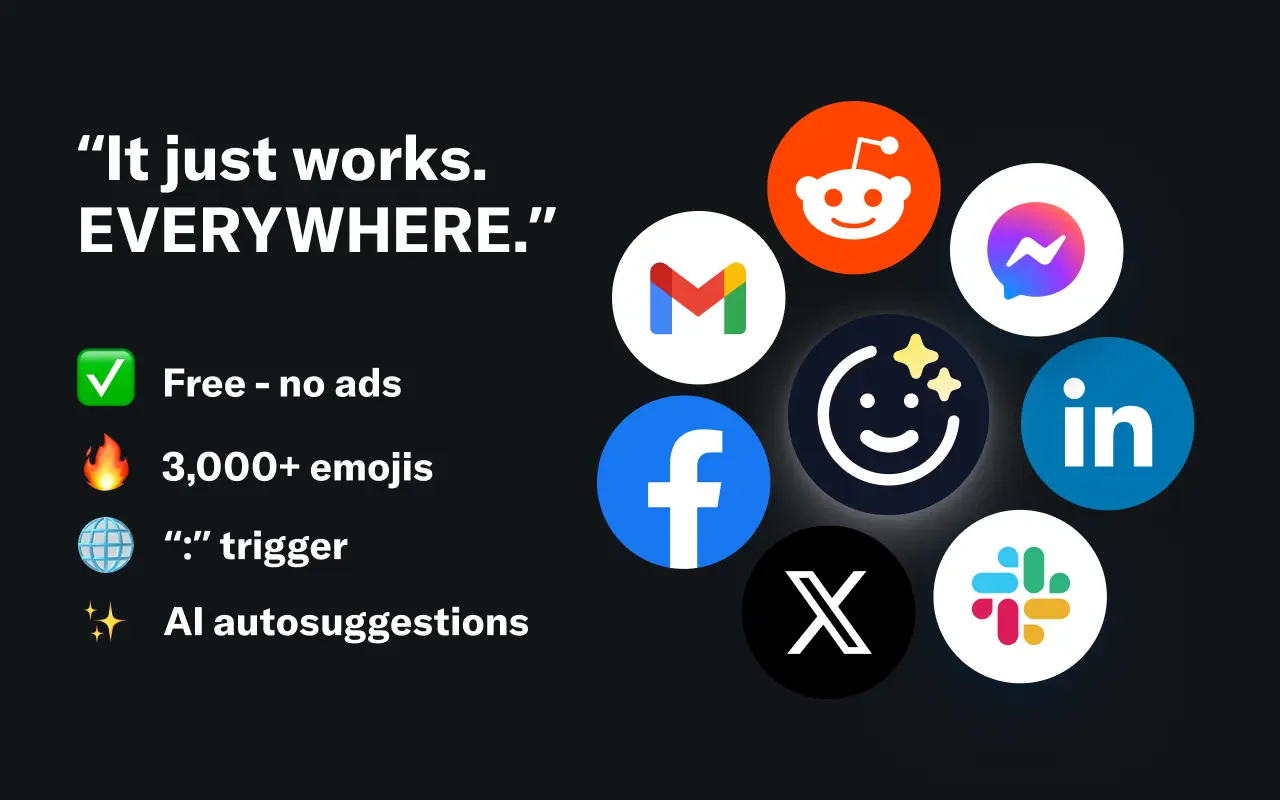
EmojAI
AI-powered emoji picker with smart, context-aware suggestions 🤖
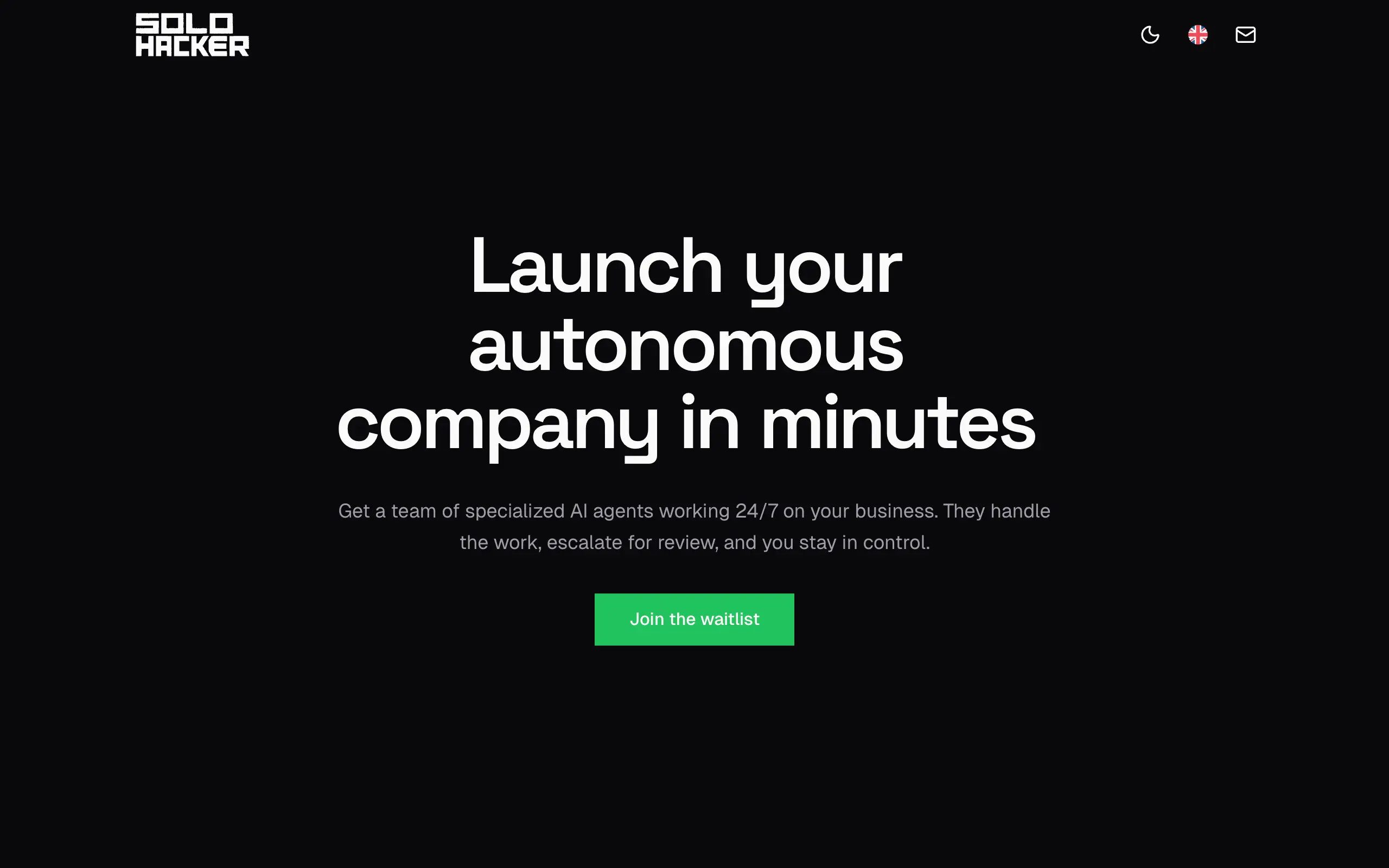
Solohacker
Autonomous company launcher - AI agents work 24/7, escalate what matters, and you stay in control 🤖
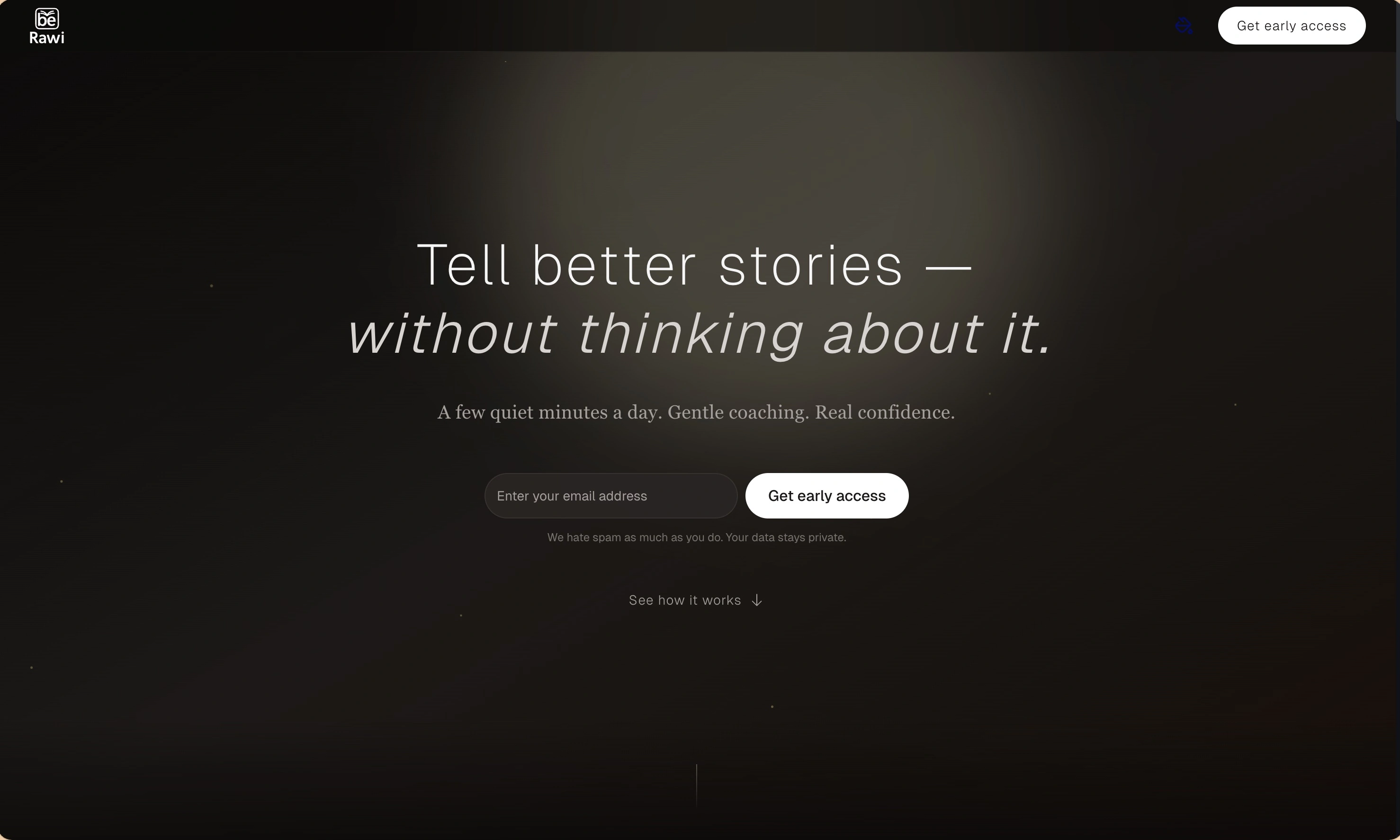
BeRawi: Storytelling Coach
Practice storytelling daily with instant feedback to sound clearer, more engaging, and confident 🎤
Omichat
Chat with 50+ AI models, including ChatGPT and Claude, in one place - switch models anytime without losing context 🤖
Claude Fast
Supercharge your Claude Code with 6x effective context window and specialized AI agents 🤖
EmojAI
AI-powered emoji picker with smart, context-aware suggestions 🤖
Solohacker
Autonomous company launcher - AI agents work 24/7, escalate what matters, and you stay in control 🤖
BeRawi: Storytelling Coach
Practice storytelling daily with instant feedback to sound clearer, more engaging, and confident 🎤
Omichat
Chat with 50+ AI models, including ChatGPT and Claude, in one place - switch models anytime without losing context 🤖
Claude Fast
Supercharge your Claude Code with 6x effective context window and specialized AI agents 🤖
EmojAI
AI-powered emoji picker with smart, context-aware suggestions 🤖
Solohacker
Autonomous company launcher - AI agents work 24/7, escalate what matters, and you stay in control 🤖
BeRawi: Storytelling Coach
Practice storytelling daily with instant feedback to sound clearer, more engaging, and confident 🎤
Omichat
Chat with 50+ AI models, including ChatGPT and Claude, in one place - switch models anytime without losing context 🤖
Claude Fast
Supercharge your Claude Code with 6x effective context window and specialized AI agents 🤖
EmojAI
AI-powered emoji picker with smart, context-aware suggestions 🤖
Solohacker
Autonomous company launcher - AI agents work 24/7, escalate what matters, and you stay in control 🤖
BeRawi: Storytelling Coach
Practice storytelling daily with instant feedback to sound clearer, more engaging, and confident 🎤

Connect with like-minded people
Join our community to get feedback, support, and grow together with 1,000+ builders on board, let's ship it!
Join usShip your startup everywhere. In minutes.
Don't burn tokens on setup and start building features on day one.