Taktiq League
A creator-driven football tactics game where fans build clubs, simulate regional leagues, and sell AI-generated kits, commentary, and challenges.
What makes a creator-driven football tactics game worth building
Taktiq League is a creator-driven football tactics game where players do more than select a formation and wait for match results. They build clubs, shape tactical identities, run regional leagues, and create football culture around their teams through AI-generated kits, match commentary, and community challenges.
That combination matters because football games have historically separated three experiences:
- Management simulators emphasize deep decision-making but can be intimidating and slow.
- Arcade football games emphasize moment-to-moment play but give limited ownership over club identity.
- Creator platforms enable sharing and monetization but rarely make the creative output meaningful inside a competitive game loop.
A successful football tactics game can bridge these categories. It can give fans the strategic satisfaction of a management sim, the social energy of league competition, and the creator economy mechanics that make clubs feel personal and shareable.
The central opportunity for Taktiq League is to turn football knowledge into a persistent, expressive, competitive experience. A player should be able to say, “This is my club, this is how we play, and this is the league story we created,” rather than simply, “I won a match.”
Core positioning
Taktiq League should position itself as a social football strategy platform, not just another football management game. The product’s defensibility comes from community-created clubs, league narratives, creator assets, and strategic competition working together.
The target audience for a football tactics game
The broad market for football entertainment is enormous, but Taktiq League should avoid treating all football fans as identical. The strongest early users are people who already enjoy discussing tactics, constructing fictional clubs, and sharing football opinions online.
Tactics-focused football fans
This group watches matches with a tactical lens. They discuss pressing structures, transitions, compactness, overloads, player roles, and formation changes. They may enjoy football analysis channels, tactical threads, podcasts, fantasy football, and management games.
Their core needs include:
- A game system where tactical decisions have understandable consequences.
- Match simulations that feel plausible rather than random.
- Formation and role choices that go beyond superficial labels.
- Explanations for why a strategy succeeded or failed.
- Competitive formats that reward adaptation over repetitive grinding.
For these users, the simulation engine must be credible. It does not need to model every physical event in a real match, but it must make cause and effect legible. If a high defensive line loses to quick direct play, the post-match analysis should clearly show why.
Aspiring club owners and football creators
A second high-value segment consists of users who want to create club brands, fictional leagues, kits, stories, rivalries, and content. They may be less interested in detailed tactical controls than hardcore strategy fans, but they are highly motivated by expression and social recognition.
Their needs include:
- Easy club creation with a distinctive visual identity.
- High-quality AI kit concepts that can be edited and personalized.
- Match reports and commentary that are worth sharing.
- Seasonal storylines, rivalries, and challenges.
- Safe ways to sell or license approved digital creations.
This audience creates the content that helps acquisition. A striking kit reveal, a dramatic commentary clip, or a “Can my underdog club survive this league?” challenge can become a naturally shareable social format.
Casual football fans seeking social competition
Not every player wants a complex simulation. Many fans want a lightweight, repeatable game they can play between matches, during a commute, or alongside real-world football viewing.
They need:
- Fast onboarding.
- Clear tactical presets.
- Short match cycles.
- Regional leaderboards and league tables.
- Low-pressure ways to learn before facing experienced players.
Taktiq League should serve casual fans through guided decision-making, while preserving deeper layers for players who want to optimize systems.
Football communities and content creators
Community organizers, football creators, podcast hosts, local clubs, supporter groups, and esports communities can become powerful distribution partners. They do not simply need another game account. They need tools to create their own competitions and bring audiences into them.
Potential use cases include:
- A creator hosts a weekly tactical challenge.
- A podcast runs a listener league with custom club rules.
- A supporter group creates a regional derby season.
- A football academy uses tactical scenarios as engaging educational content.
- A local club sells digital kits to supporters as collectibles or fan merchandise concepts.
Primary early adopter
A football fan who already enjoys tactical analysis, club-building games, and competing with friends.
Growth audience
Creators and communities that want branded leagues, challenges, kits, and shareable match narratives.
Long-term audience
Casual football fans who want accessible regional competition without needing to master a complex simulator.
The market gap in football management and creator games
The football gaming market has proven demand for club management, competition, and player expression. However, several recurring product gaps remain.
Most football strategy games are solitary or spreadsheet-heavy
Traditional management games reward depth, but their interfaces, data density, and long seasons can discourage players who want tactical decision-making without a major time commitment. These titles often excel at realism but can be difficult to turn into social, creator-led products.
Taktiq League can occupy the space between a lightweight mobile game and a full desktop management simulation. The product should provide meaningful choices without making every player negotiate contracts, training schedules, scouting networks, and administrative details before they can enjoy a match.
The right question is not, “How can we simulate every part of football?” It is, “Which football decisions create the most compelling strategic stories?”
Many user-generated content systems lack gameplay value
User-generated content often becomes cosmetic. Players can make a badge or skin, but those creations do not meaningfully affect the social world of the game.
Taktiq League can make club creation more valuable by connecting it to:
- Club reputation.
- League identity.
- Fan support.
- Rivalry narratives.
- Challenge participation.
- Marketplace discovery.
- Creator profile growth.
A kit should not merely be an image. It should be part of a club’s recognizable identity, displayed in fixtures, league tables, commentary cards, club pages, and social sharing assets.
AI content tools are often generic and insufficiently controlled
Generative AI can create kits, logos, match commentary, and club lore quickly. But a raw text prompt is not a complete product experience. Without constraints, outputs can be inconsistent, visually weak, legally risky, or unsuitable for a football context.
The opportunity is not “add AI.” The opportunity is to build structured AI creation workflows designed for football fans.
For example, kit generation should use constrained inputs such as:
- Primary and secondary colors.
- Pattern family.
- Era or visual mood.
- Home, away, or third-kit designation.
- Sponsor-safe layout zones.
- Regional inspiration without copying protected club marks.
- Accessibility checks for color contrast.
This gives creators control while reducing low-quality or unsafe results.
Existing competitive games rarely explain strategy well
A simulation result without an explanation feels arbitrary. If users cannot understand why they lost, they are unlikely to stay engaged.
Taktiq League should differentiate through tactical clarity. Match reports can explain events in approachable language:
- “Your narrow midfield left space for wide switches.”
- “Their low block limited your central entries.”
- “Your late pressing intensity created turnovers, but reduced defensive cover.”
- “Your overlapping fullbacks created chances after the 60th minute.”
This converts losses into learning moments and gives users a reason to revise tactics for the next fixture.
The Taktiq League product vision
The best version of Taktiq League is a persistent football world where club identity, tactics, league performance, and creator output reinforce each other.
A player begins by creating a club. They choose a region, visual identity, tactical philosophy, and starting squad profile. They join a regional league, prepare for fixtures, adjust their tactical plan, and watch an explainable simulation unfold. After matches, they receive commentary, tactical analysis, club progression, and social prompts that encourage sharing or rematches.
Over time, players develop reputations. Some become known for aggressive pressing. Others create iconic kits. Some build difficult underdog clubs. Others become challenge designers or league organizers.
The core gameplay loop
A repeatable loop should balance strategy, anticipation, and social payoff.
The simulation should be quick enough for mobile sessions but detailed enough to support planning. A typical league fixture can resolve in a few minutes, while longer analysis and club-building sessions remain available for engaged users.
Tactical controls that feel strategic, not technical for their own sake
A football tactics game does not need to expose every professional coaching variable on day one. A strong initial system can use a small number of meaningful controls with clear interactions.
Recommended tactical dimensions include:
- Formation shape.
- Defensive block height.
- Pressing intensity.
- Build-up style.
- Attacking width.
- Transition behavior.
- Tempo.
- Set-piece emphasis.
- Player-role tendencies.
- Substitution and game-state triggers.
Instead of forcing every player to interpret specialist terminology, Taktiq League can offer tactical presets such as “high press,” “counterattack,” “possession control,” and “compact defense.” Advanced users can then customize the logic beneath each preset.
New players select a tactical identity, answer a few simple questions, and receive an explainable setup. The game should recommend adjustments after fixtures without making users feel punished for being inexperienced.
Advanced players tune pressing triggers, width, role instructions, substitutions, and situational responses. They should gain depth through better planning, not through hidden statistics or excessive menu complexity.
Regional leagues create belonging and retention
Regional leagues are a major differentiator because they give competition a context. Generic global matchmaking can feel disposable. A regional system creates a local identity, recurring opponents, and natural narratives.
Regions can be based on countries, cities, supporter communities, or fictional football territories. At launch, a hybrid approach is safest. Use broad real-world-inspired regions while avoiding the operational complexity of overly granular location systems.
A regional league system can include:
- Promotion and relegation tiers.
- Weekly fixture schedules.
- Seasonal trophies.
- Rivalry fixtures.
- Localized leaderboard views.
- Regional kit themes.
- Community voting for seasonal awards.
- Regional challenges tied to tactical styles.
The key is to make the league feel alive without requiring every fixture to be live. Asynchronous competition supports global time zones and reduces match coordination friction.
AI-generated kits, commentary, and challenges
AI-generated content should support player imagination while remaining governed by platform rules. The most useful AI features are those that create immediate emotional payoff and reusable social assets.
AI kit generator
The kit generator should produce editable concept art and game-ready templates. It should not promise unrestricted commercial design output, especially in early versions.
Useful controls include:
- Club colors and accent palette.
- Pattern selection.
- Collar and trim options.
- Retro, modern, minimal, or streetwear-inspired direction.
- Home and away kit pair generation.
- Manual edit controls after generation.
- Similarity checking to reduce accidental copying.
A marketplace can eventually let creators sell approved kit templates, but the platform should start with clear rights rules. Players should understand whether they are selling a license to use an in-game digital design, a downloadable asset, or a limited creator item.
AI match commentary
AI commentary can make simulation results feel like stories instead of spreadsheets. However, commentary should be generated from verified structured match events, not invented independently from the simulation.
The correct architecture is:
- The simulation engine produces events and state changes.
- A deterministic event log is stored.
- A commentary layer turns those events into readable, varied language.
- Moderation and style constraints prevent harmful, misleading, or inappropriate output.
This prevents an AI model from claiming that a player scored from a bicycle kick when the match engine recorded a low cross and close-range finish.
Creator challenges
Challenges are a strong bridge between gameplay and community. They invite players to solve a scenario under constraints, then share their result.
Examples include:
- Win with a low-budget squad profile.
- Survive a match after an early red card.
- Break down a deep defensive block.
- Build a club around a specific regional style.
- Create the best retro-inspired kit within a theme.
- Win three matches using a youth-focused tactical approach.
Challenges should have transparent scoring. If rankings depend on tactical performance, users need to see which factors matter.
Building a credible football match simulation engine
The match engine is the trust layer of a football tactics game. If it feels biased, opaque, or easily exploited, every other feature becomes less valuable.
An early simulation engine should prioritize clarity, balance, and determinism over unrealistic complexity.
Use an event-driven simulation model
An event-driven match simulation is practical for a browser-first or mobile-first strategy game. Rather than rendering every second of a full match, the engine evaluates game states at intervals and generates meaningful events.
Inputs may include:
- Team quality ratings.
- Tactical compatibility.
- Fitness and morale.
- Match context.
- Player role strengths.
- Formation matchups.
- Randomness within controlled boundaries.
Outputs may include:
- Possession phases.
- Territory changes.
- Chances created.
- Defensive actions.
- Set pieces.
- Cards.
- Injuries if included.
- Goals.
- Tactical momentum shifts.
A seeded random number generator is particularly valuable. It allows the system to reproduce a disputed fixture for debugging and customer support, while still keeping results varied across matches.
Make tactical effects visible
Players should understand the relationship between their plan and the match outcome. An after-action report can show:
- Chance creation by zone.
- Possession and territory.
- Turnovers caused by pressing.
- Counterattack opportunities conceded.
- Tactical matchup notes.
- Key adjustments that changed the match.
- Recommended alternatives for the next fixture.
Avoid presenting tactical analysis as absolute truth. Football has uncertainty. Language such as “your strategy likely struggled because…” is more honest than claiming one variable fully determined the result.
Prevent dominant meta strategies
Every strategy game eventually develops a meta. The goal is not to eliminate it completely, but to ensure it changes and has counterplay.
Mitigation methods include:
- Tactical trade-offs for every aggressive strategy.
- Diminishing returns for repetitive choices.
- Matchup counters that are intuitive.
- Regular balance patches.
- Public patch notes.
- Simulated test leagues before major releases.
- Segmented performance data by skill level.
For example, high pressing can create turnovers and chances, but it should increase fatigue and expose space behind the defense. A low block can limit central chances, but it may concede territory and set pieces.
Do not hide balance changes
Football strategy players notice when a tactic suddenly performs differently. Publish balance notes, explain the intent, and preserve historical match data where possible. Transparency is a retention feature.
Recommended technology stack for Taktiq League
The right Taktiq League technology stack should support rapid product iteration, deterministic simulation, AI workflows, real-time updates where needed, and strong moderation controls.
For a modern web-first SaaS game platform, React and Next.js provide a mature foundation for interactive interfaces, server rendering, and product pages. TypeScript is strongly recommended because match simulation objects, economy rules, and marketplace data benefit from strict types.
Suggested application architecture
| Layer | Recommendation | Why it fits | Primary trade-off | Launch priority |
|---|---|---|---|---|
| Web application | Next.js with React and TypeScript | Fast product iteration and strong SEO support | Requires disciplined server and client boundaries | High |
| UI system | Tailwind CSS | Rapid responsive design and consistent tokens | Utility classes need conventions | High |
| Database | PostgreSQL | Reliable relational data for leagues and transactions | Schema planning is important | High |
| Simulation service | TypeScript worker service | Shared types and deterministic test coverage | CPU-heavy simulations may need scaling later | High |
| Jobs and queues | Redis-backed queue | Reliable fixtures, AI tasks, and notifications | Additional infrastructure to operate | High |
| Media storage | Object storage with CDN delivery | Efficient kit assets and share cards | Lifecycle and moderation policies are required | Medium |
Tailwind CSS is well suited to a game dashboard with many responsive components, color systems, cards, league tables, and tactical visualizations. Use a token-based design system so regional league branding does not create an unmaintainable collection of one-off styles.
PostgreSQL is a strong choice for core data because Taktiq League has naturally relational entities:
- Users and creator profiles.
- Clubs and squads.
- Leagues and standings.
- Fixtures and simulation snapshots.
- Kit assets and marketplace listings.
- Purchases and payouts.
- Reports, moderation decisions, and audit trails.
For cache, rate limiting, and background work, Redis is useful. Queue AI generation, scheduled fixture simulation, notification delivery, image processing, and marketplace reviews rather than performing those tasks in a user-facing request.
Keep simulation logic separate from interface code
The game engine should be a versioned domain service, not a collection of UI-side calculations. Each completed fixture should store:
- Engine version.
- Input state.
- Random seed.
- Event log.
- Result summary.
- Tactical summary.
- Generated commentary version.
This architecture makes bugs diagnosable. It also supports historical replay when the engine evolves.
type FixtureSimulationInput = {
  fixtureId: string
  engineVersion: string
  seed: number
  homeTeam: TeamSnapshot
  awayTeam: TeamSnapshot
  matchContext: MatchContext
}

type FixtureSimulationResult = {
  score: { home: number; away: number }
  events: MatchEvent[]
  tacticalInsights: TacticalInsight[]
  summaryMetrics: MatchMetrics
}
AI architecture and safety controls
AI-generated content should be treated as an asynchronous, moderated subsystem. Do not let arbitrary prompts directly become public assets.
A safer workflow is:
- Validate structured inputs and prompts.
- Apply blocklists, policy checks, and rate limits.
- Generate a draft asset or commentary response.
- Run automated similarity, safety, and quality checks.
- Require review for high-risk marketplace content.
- Store provenance and generation metadata.
- Publish only approved outputs.
For sensitive areas such as trademarks, offensive content, impersonation, and commercial rights, consult qualified legal counsel. Product teams should also create a straightforward reporting system and documented enforcement process.
Monetization options for a creator-driven football tactics game
Taktiq League should monetize around identity, convenience, creator value, and competitive depth. It should not sell hidden tactical power that turns leagues into pay-to-win contests.
Free-to-play with a premium club membership
A free tier can provide core club creation, standard league access, and a limited number of AI generations. A premium membership can unlock:
- Additional club slots.
- Advanced tactical analytics.
- More kit generation credits.
- Expanded creator customization.
- Historical league archives.
- Premium seasonal challenges.
- Custom club page features.
- Priority queue access for non-competitive AI rendering tasks.
The important rule is that premium features should improve expression and analysis, not directly purchase match outcomes.
Cosmetic marketplace and creator revenue share
A marketplace can become a meaningful long-term revenue stream if it is designed carefully. Eligible items could include:
- Kit templates.
- Badge packs.
- Stadium presentation themes.
- Commentary packs.
- Challenge templates.
- Club page visual themes.
- Seasonal cosmetic collections.
Creators should receive a transparent revenue share, clear payout thresholds, and understandable licensing rules. The platform should take a commission for hosting, moderation, discovery, payments, and infrastructure.
Seasonal passes and sponsored competitions
A seasonal pass can work when it rewards activity rather than forcing spending. Rewards might include exclusive visual items, challenge tracks, club history enhancements, and creator tools.
Sponsored regional cups may become viable once the game has meaningful community scale. Brands should be carefully matched to football culture and audience expectations. Avoid intrusive sponsorship mechanics that undermine the authenticity of user-created clubs.
Monetization principles that protect trust
- Never sell statistically superior players in competitive leagues.
- Clearly disclose AI credit usage and renewal rules.
- Show marketplace fees before listing.
- Give creators access to sales and payout records.
- Provide refunds or credit policies for failed generations where appropriate.
- Separate cosmetic economies from competitive ranking systems.
Competitive advantage and the Taktiq League USP
The unique selling proposition of Taktiq League is not simply AI-generated football content or regional league simulation in isolation. Its advantage comes from the way these systems reinforce one another.
Taktiq League turns tactical football knowledge and club creativity into a social, creator-owned league experience.
A player’s tactics shape match outcomes. Their club identity shapes how they are recognized. Their AI-generated assets create shareable content. Their regional league creates recurring competition. Their challenges create new reasons for other players to participate.
This flywheel is difficult to replicate because it requires more than a match simulator or image generator.
The Taktiq League growth flywheel
- Players create recognizable clubs.
- Clubs enter leagues and generate rivalries.
- Matches create commentary, analysis, and shareable moments.
- Creators publish kits and challenges.
- New players discover content and join the league ecosystem.
- More leagues create more reasons to create, compete, and return.
Why large football game competitors may not move quickly
Large publishers have scale, licenses, and established audiences. But they can be slower to experiment with creator payouts, community governance, small-format league design, and openly explainable tactical systems.
Taktiq League can focus on a narrower promise and execute it deeply:
- A lower barrier to tactical play.
- A stronger creator identity layer.
- More social league context.
- Faster community-driven content cycles.
- Transparent rules and economy design.
The product should not try to out-license or out-simulate every incumbent from day one. It should become the best place for football fans to build a club culture around tactical competition.
Key risks and mitigation strategies
A football tactics game with AI content and a creator marketplace has real product, legal, and operational risks. Identifying them early improves both investor confidence and execution quality.
Mitigate this with deterministic match seeds, transparent tactical reports, replayable fixture logs, public balance notes, and a support workflow that can inspect disputed matches. Never rely on unexplained hidden modifiers for competitive outcomes.
Use structured generation rather than fully open prompts, automated moderation, similarity checks, manual review for monetized listings, reporting tools, and explicit creator terms. Obtain legal advice on intellectual property, rights, and marketplace obligations.
Seed the platform with internally designed kit packs, official challenges, founding creator programs, and tools that make publishing easy. Reward early contributors with visibility and revenue incentives rather than relying on an empty marketplace.
Keep tactical performance, rankings, and competitive access separated from purchasable gameplay advantages. Monetize cosmetics, club expression, analytics, and workflow convenience instead.
Build prevention into input design, automate low-risk checks, establish escalation queues, rate-limit generation, and reserve human review for public or monetized content. Track moderation cost per active creator from the beginning.
Data privacy and regional considerations
If regional leagues use location signals, collect the minimum information necessary. Many users will prefer selecting a region manually rather than sharing precise location data. Regional identity is valuable; precise geolocation is often unnecessary.
For legal and compliance requirements, consult current guidance appropriate to each operating market. Privacy policy, terms of service, marketplace terms, content rules, and age-gating should be designed before public launch rather than added after user content has already accumulated.
A practical MVP roadmap for Taktiq League
The MVP should prove that users enjoy tactical decisions, return for league progression, and want to share or create club identity. It should not attempt to launch every creator economy feature at once.
Phase one: validate tactical retention
Build the smallest credible football tactics game with:
- Club creation.
- A limited squad profile system.
- Four to six tactical controls.
- Asynchronous fixtures.
- A deterministic match engine.
- Match commentary from structured events.
- League tables and seasonal progression.
- Post-match tactical explanation.
- Shareable match summary cards.
The primary question is whether users come back to adjust tactics and play another fixture.
Phase two: validate club expression
Once match retention is promising, add:
- Club badges and kit templates.
- Constrained AI kit generation.
- Club profile pages.
- League rivalries.
- More shareable match content.
- Creator challenges.
- Basic discovery feeds.
The primary question becomes whether club identity drives sharing and invites.
Phase three: validate creator monetization
Only after strong engagement should Taktiq League introduce:
- Creator storefronts.
- Marketplace review systems.
- Revenue sharing.
- Paid cosmetic collections.
- Premium memberships.
- Sponsored challenges or cup competitions.
The primary question is whether creators can earn enough value to keep producing quality content without harming competitive fairness.
Actionable implementation steps
A focused execution plan can reduce risk and get the football tactics game in front of real players quickly.
For founders who want to move from validation to a polished SaaS game platform faster, TurboStarter can provide a practical foundation for authentication, payments, application structure, and the operational features that typically slow down early product teams.
Final perspective
Taktiq League has the potential to stand out because it treats football fandom as something players actively build, not just consume. The most compelling product is not a generic AI football app and not a simplified management simulator. It is a football tactics game where strategy creates results, club identity creates belonging, and creator tools create a living league culture.
The path to success is disciplined focus. Start with a match engine players trust. Make tactical consequences easy to understand. Give users a club they are proud to share. Then layer in creator challenges, AI-assisted expression, and marketplace mechanics once the core league experience has earned repeat engagement.
If Taktiq League can make every fixture feel strategically meaningful and every club feel personally owned, it can create a durable position in the evolving market for social football games, creator platforms, and AI-powered interactive entertainment.
More 🎮 Game SaaS ideas
Discover more innovative game SaaS ideas that are trending in 2026. Each idea is AI-generated with market validation and growth potential to help you find your next profitable venture faster than competitors.
Your competitors are building with TurboStarter
Below are some of the SaaS ideas that have been generated and built with our starter kit.
Statiko
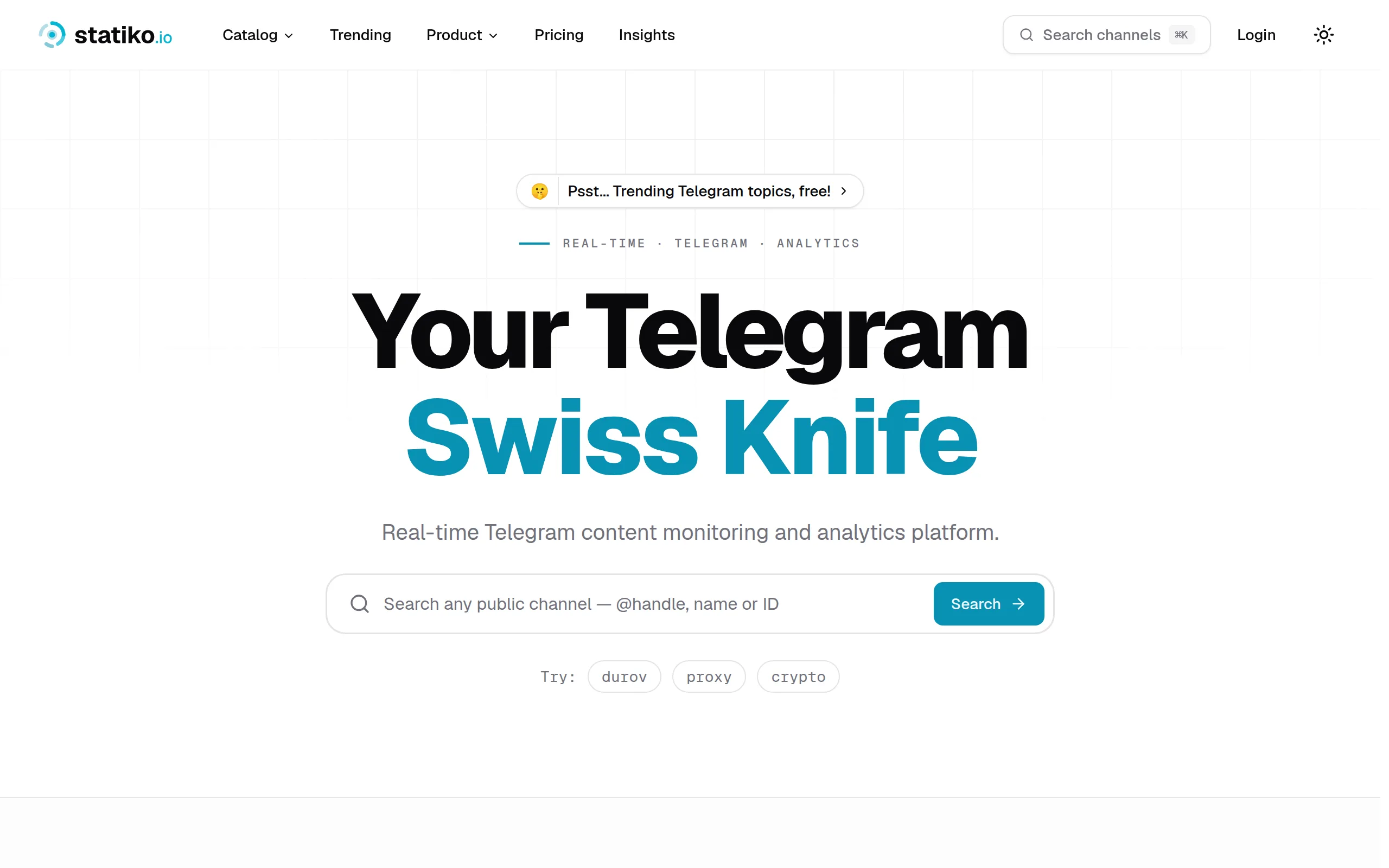
Monitor any Telegram channel in real time - track posts, edits, deletions, and growth with AI recaps 📡
Shibui
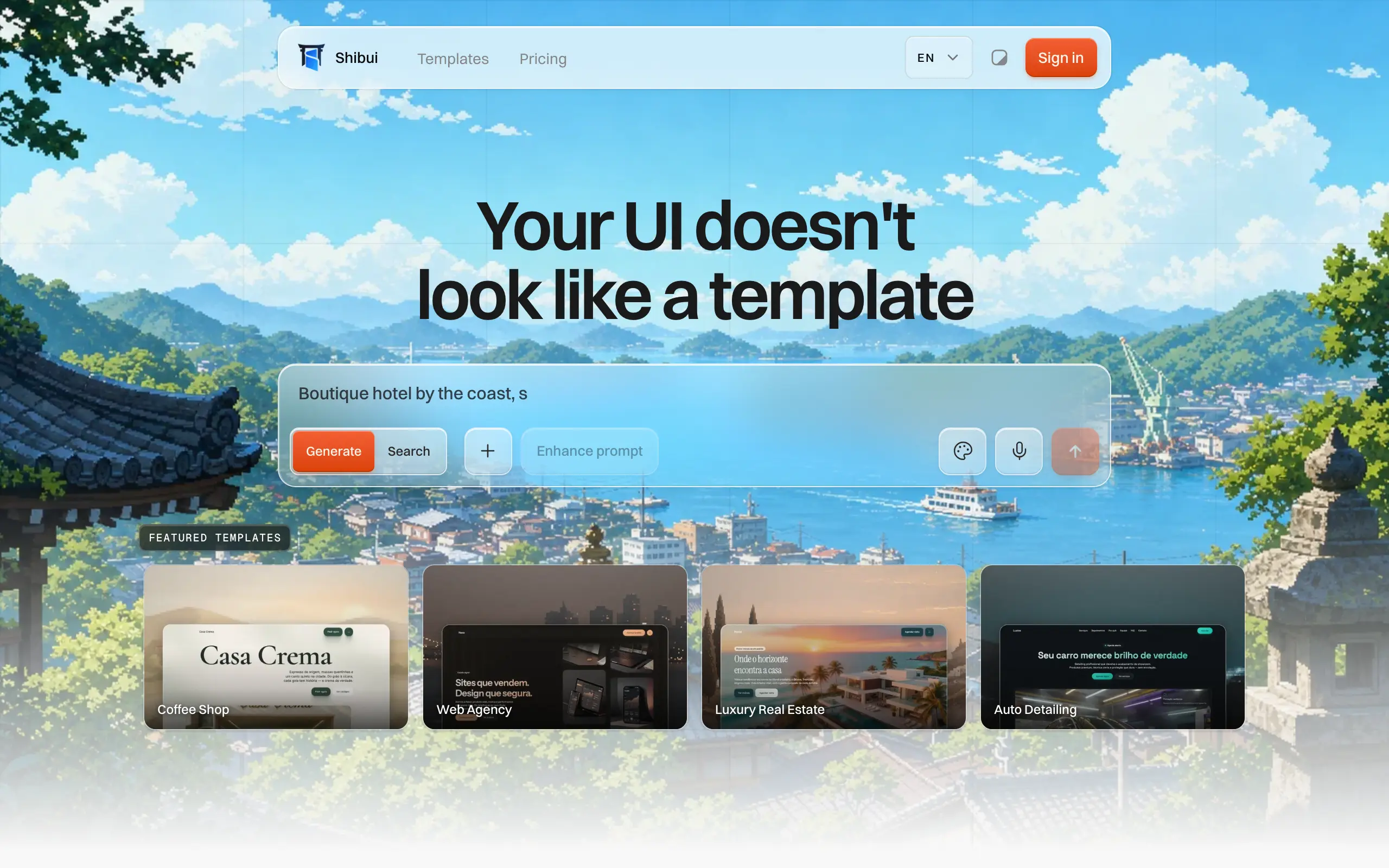
AI website builder - describe your business, pick a niche template, edit by chatting, and publish instantly ✨

Pro Service
Find verified home service professionals, compare quotes, and pay securely through escrow - built for Brazilians across the US 🏠
RankGrow
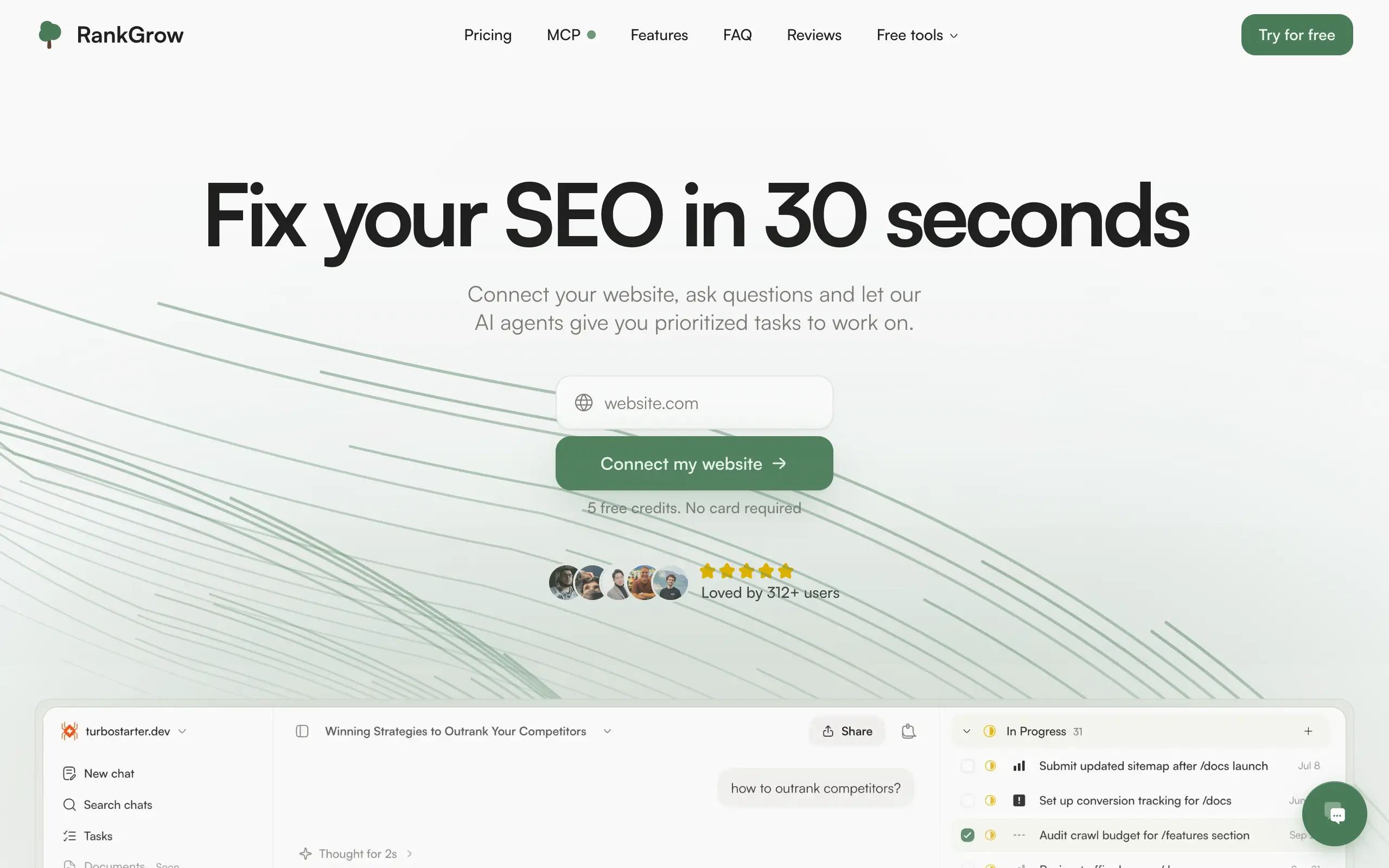
Fix your SEO with AI agents - connect Search Console, get prioritized tasks, and grow organic traffic 📈
SyncReads
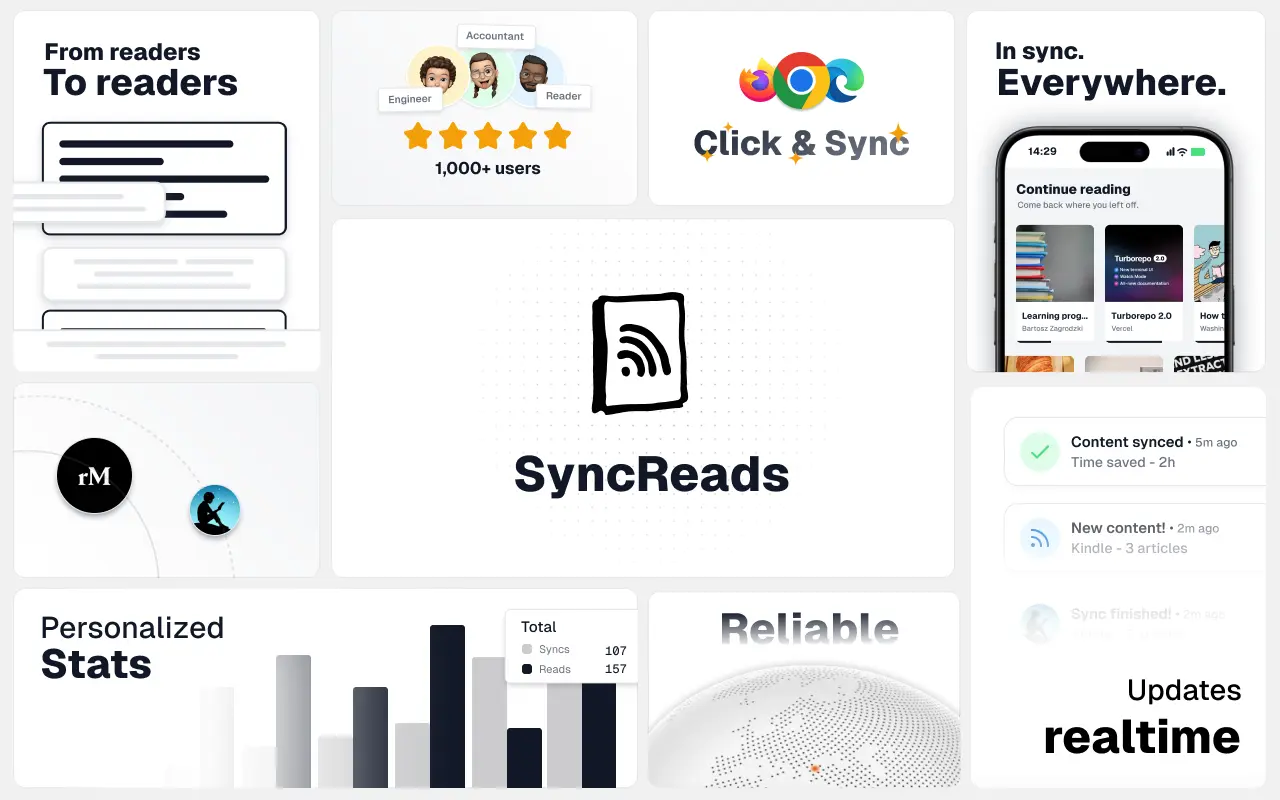
Sync your favorite content for distraction-free reading, save time and replace multiple apps. Anytime, anywhere 🔄
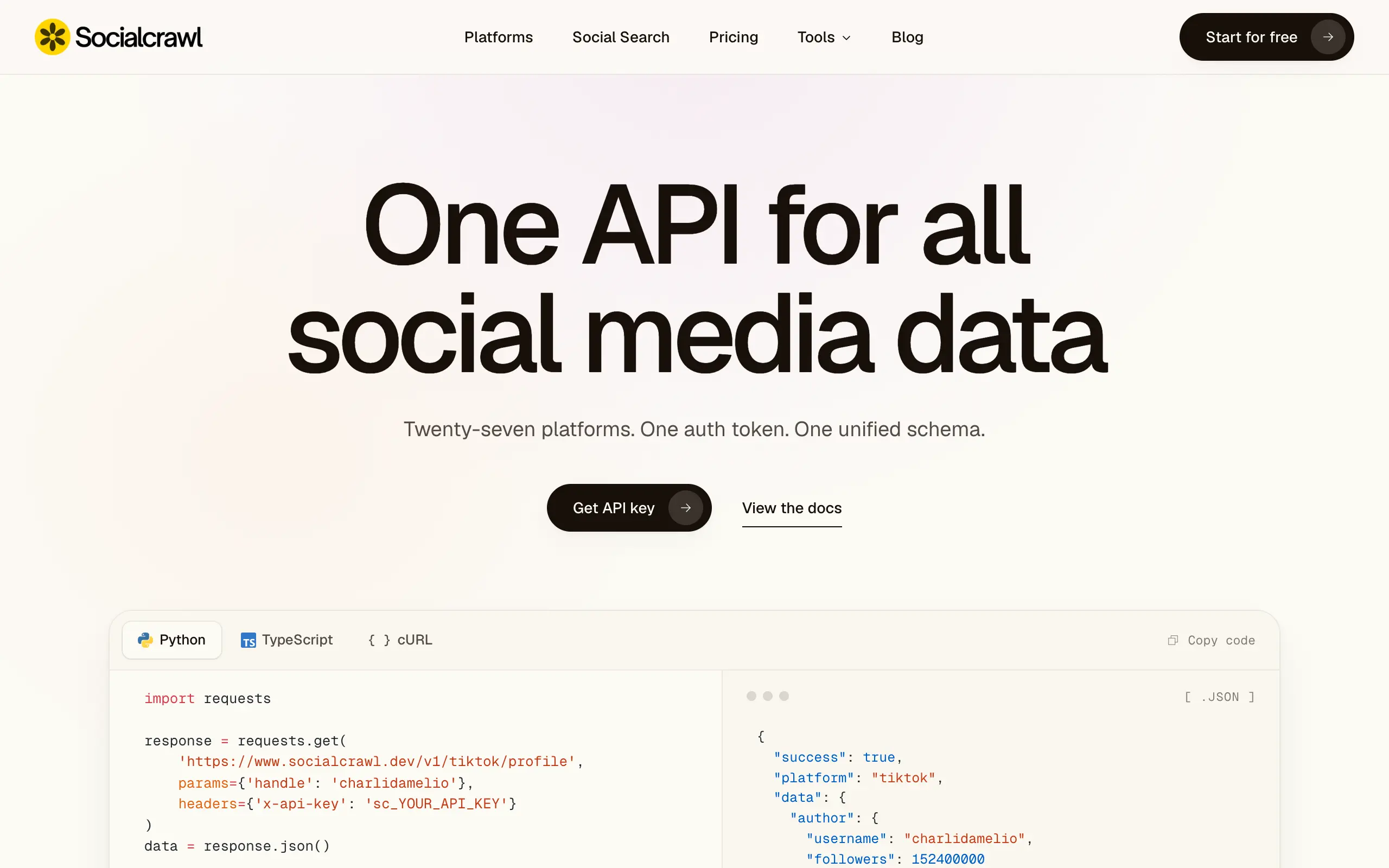
Socialcrawl
Get clean, structured data from 21 platforms like TikTok, Instagram, and YouTube with a single request 📊
Statiko
Monitor any Telegram channel in real time - track posts, edits, deletions, and growth with AI recaps 📡
Shibui
AI website builder - describe your business, pick a niche template, edit by chatting, and publish instantly ✨
Pro Service
Find verified home service professionals, compare quotes, and pay securely through escrow - built for Brazilians across the US 🏠
RankGrow
Fix your SEO with AI agents - connect Search Console, get prioritized tasks, and grow organic traffic 📈
SyncReads
Sync your favorite content for distraction-free reading, save time and replace multiple apps. Anytime, anywhere 🔄
Socialcrawl
Get clean, structured data from 21 platforms like TikTok, Instagram, and YouTube with a single request 📊
Statiko
Monitor any Telegram channel in real time - track posts, edits, deletions, and growth with AI recaps 📡
Shibui
AI website builder - describe your business, pick a niche template, edit by chatting, and publish instantly ✨
Pro Service
Find verified home service professionals, compare quotes, and pay securely through escrow - built for Brazilians across the US 🏠
RankGrow
Fix your SEO with AI agents - connect Search Console, get prioritized tasks, and grow organic traffic 📈
SyncReads
Sync your favorite content for distraction-free reading, save time and replace multiple apps. Anytime, anywhere 🔄
Socialcrawl
Get clean, structured data from 21 platforms like TikTok, Instagram, and YouTube with a single request 📊
Statiko
Monitor any Telegram channel in real time - track posts, edits, deletions, and growth with AI recaps 📡
Shibui
AI website builder - describe your business, pick a niche template, edit by chatting, and publish instantly ✨
Pro Service
Find verified home service professionals, compare quotes, and pay securely through escrow - built for Brazilians across the US 🏠
RankGrow
Fix your SEO with AI agents - connect Search Console, get prioritized tasks, and grow organic traffic 📈
SyncReads
Sync your favorite content for distraction-free reading, save time and replace multiple apps. Anytime, anywhere 🔄
Socialcrawl
Get clean, structured data from 21 platforms like TikTok, Instagram, and YouTube with a single request 📊
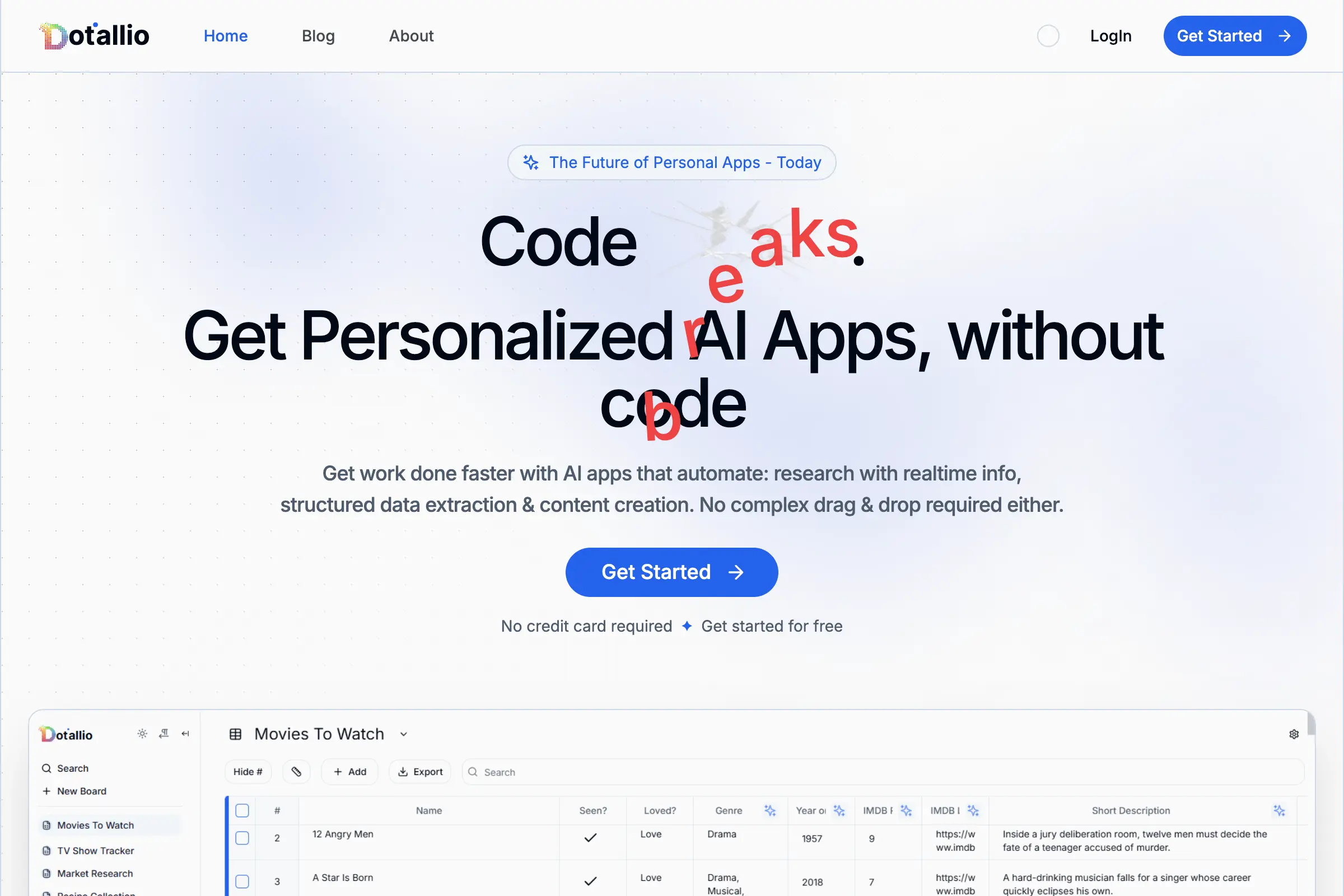
Dotallio
Personalized AI apps that automate research, data extraction, and content creation without code 🤖

Talk to Santa
Enjoy a magical live video chat or receive a unique AI-generated video greeting from Santa Claus 🎅
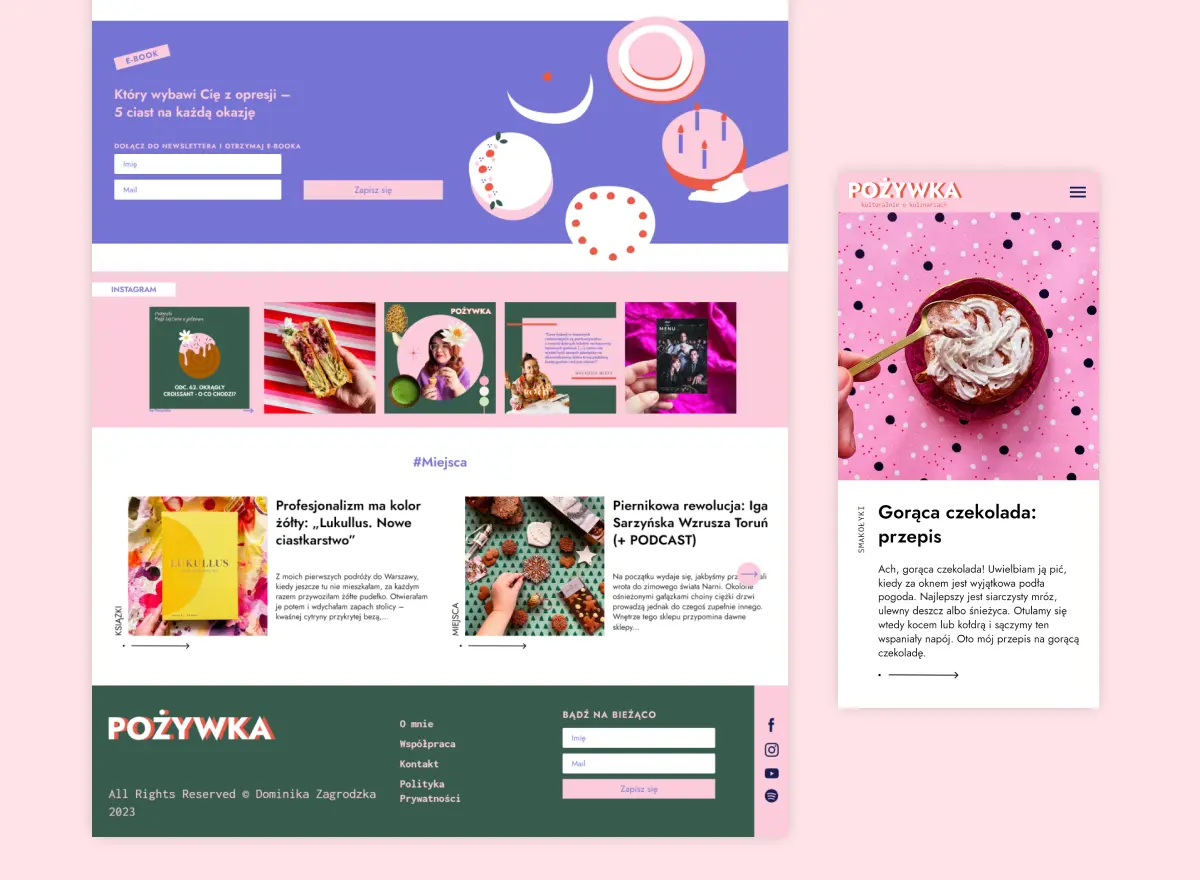
pozywka.pl
Scalable blog for food journalist, focused on performance and user experience 🌭
zagrodzki.me
Personal blog and portfolio of Bart Zagrodzki, where he shares his knowledge and work 💼
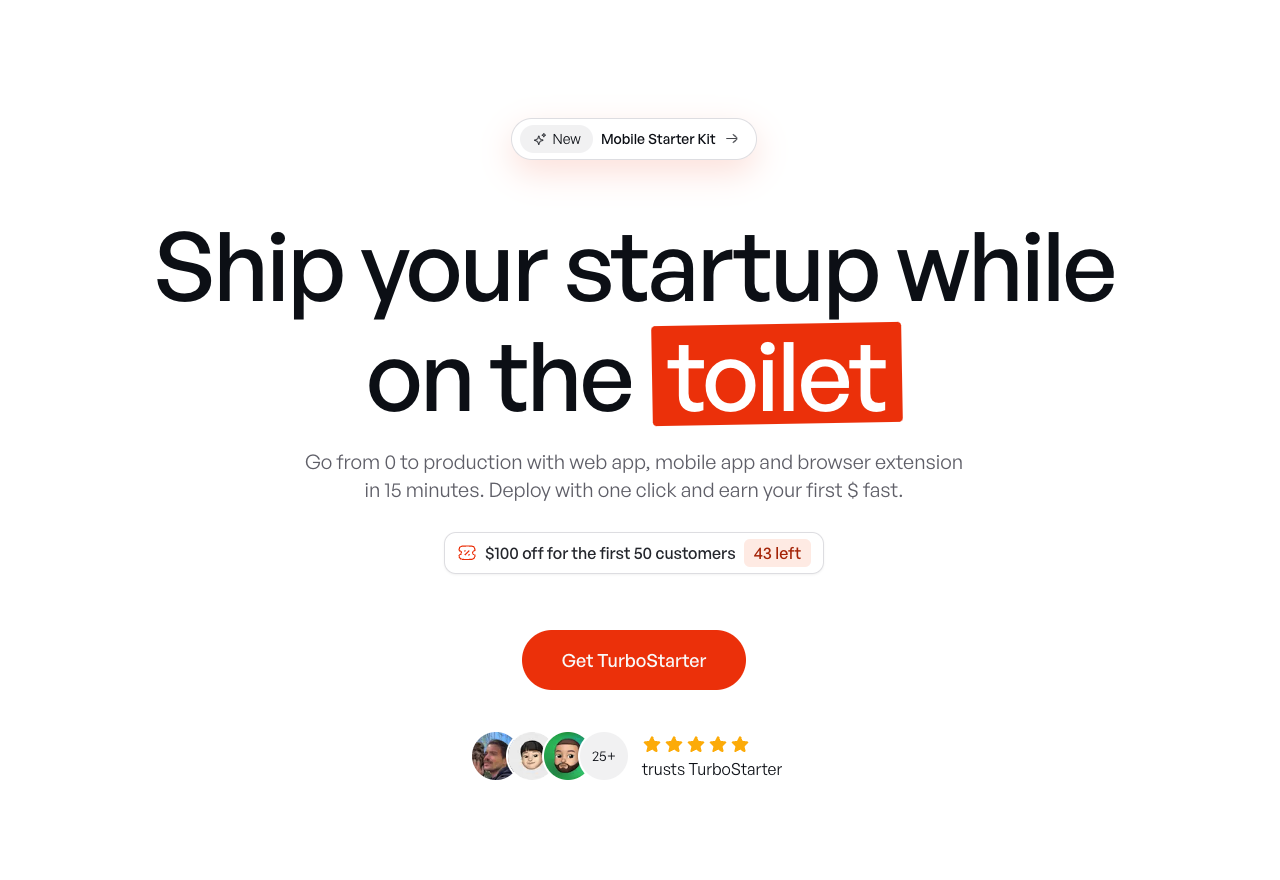
TurboStarter
Ship your startup everywhere. In minutes.
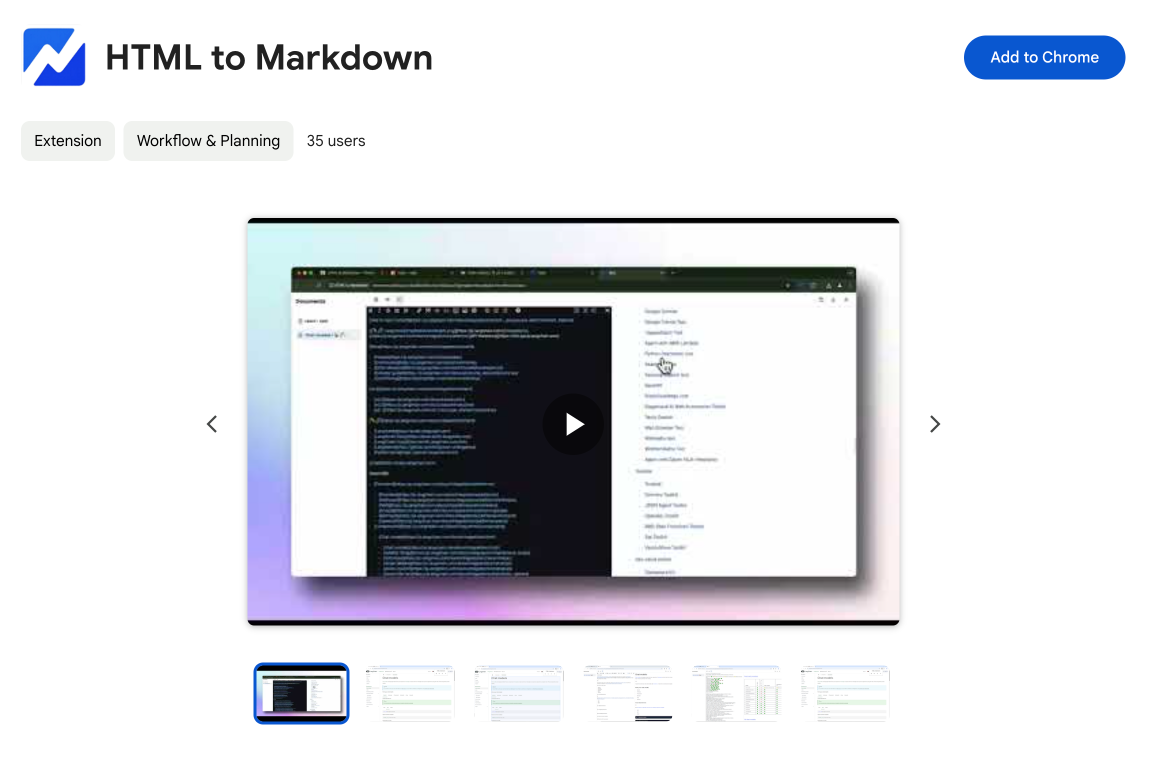
HTML to Markdown
Convert HTML to Markdown with ease, directly in your browser 📄
Dotallio
Personalized AI apps that automate research, data extraction, and content creation without code 🤖
Talk to Santa
Enjoy a magical live video chat or receive a unique AI-generated video greeting from Santa Claus 🎅
pozywka.pl
Scalable blog for food journalist, focused on performance and user experience 🌭
zagrodzki.me
Personal blog and portfolio of Bart Zagrodzki, where he shares his knowledge and work 💼
TurboStarter
Ship your startup everywhere. In minutes.
HTML to Markdown
Convert HTML to Markdown with ease, directly in your browser 📄
Dotallio
Personalized AI apps that automate research, data extraction, and content creation without code 🤖
Talk to Santa
Enjoy a magical live video chat or receive a unique AI-generated video greeting from Santa Claus 🎅
pozywka.pl
Scalable blog for food journalist, focused on performance and user experience 🌭
zagrodzki.me
Personal blog and portfolio of Bart Zagrodzki, where he shares his knowledge and work 💼
TurboStarter
Ship your startup everywhere. In minutes.
HTML to Markdown
Convert HTML to Markdown with ease, directly in your browser 📄
Dotallio
Personalized AI apps that automate research, data extraction, and content creation without code 🤖
Talk to Santa
Enjoy a magical live video chat or receive a unique AI-generated video greeting from Santa Claus 🎅
pozywka.pl
Scalable blog for food journalist, focused on performance and user experience 🌭
zagrodzki.me
Personal blog and portfolio of Bart Zagrodzki, where he shares his knowledge and work 💼
TurboStarter
Ship your startup everywhere. In minutes.
HTML to Markdown
Convert HTML to Markdown with ease, directly in your browser 📄
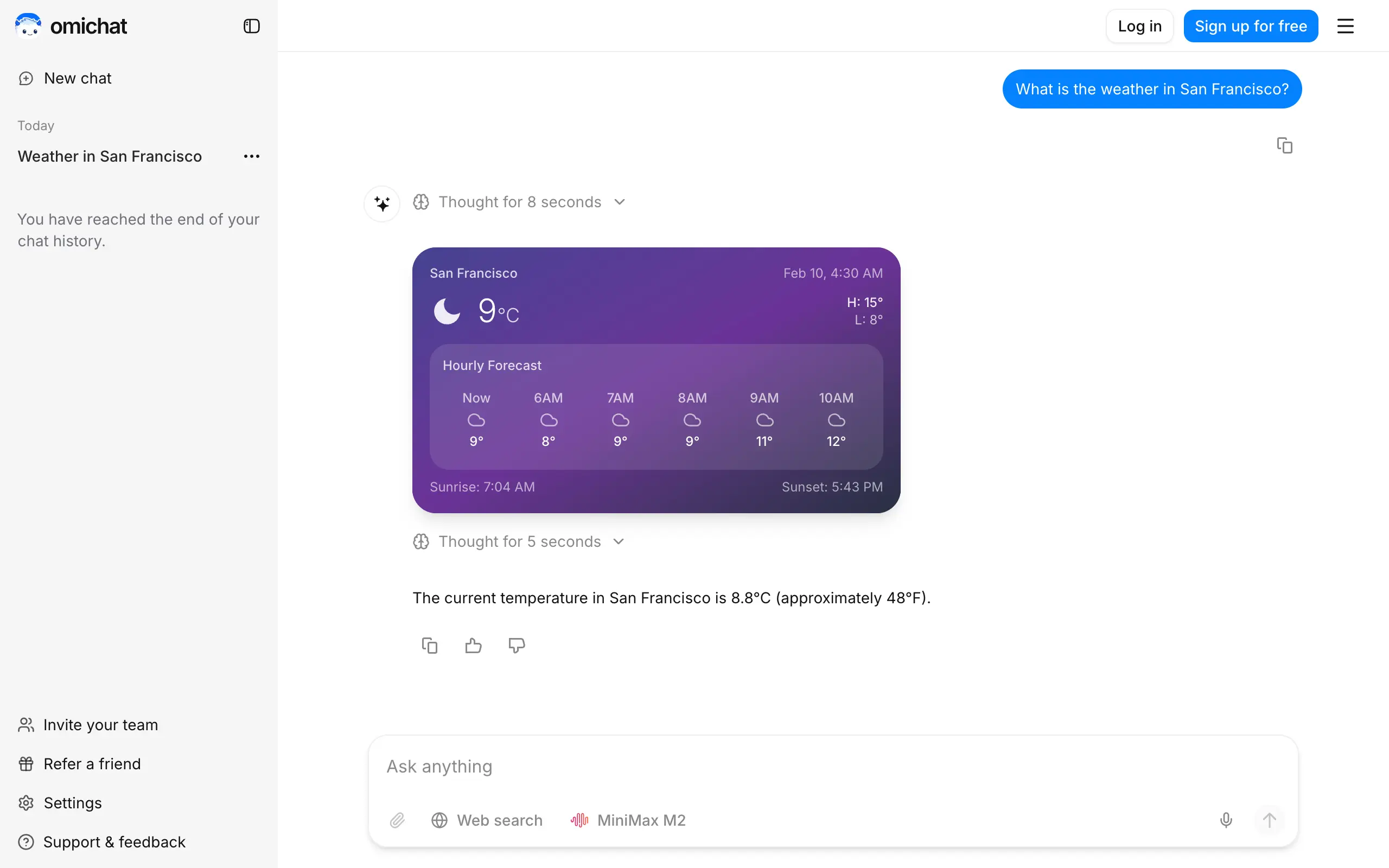
Omichat
Chat with 50+ AI models, including ChatGPT and Claude, in one place - switch models anytime without losing context 🤖
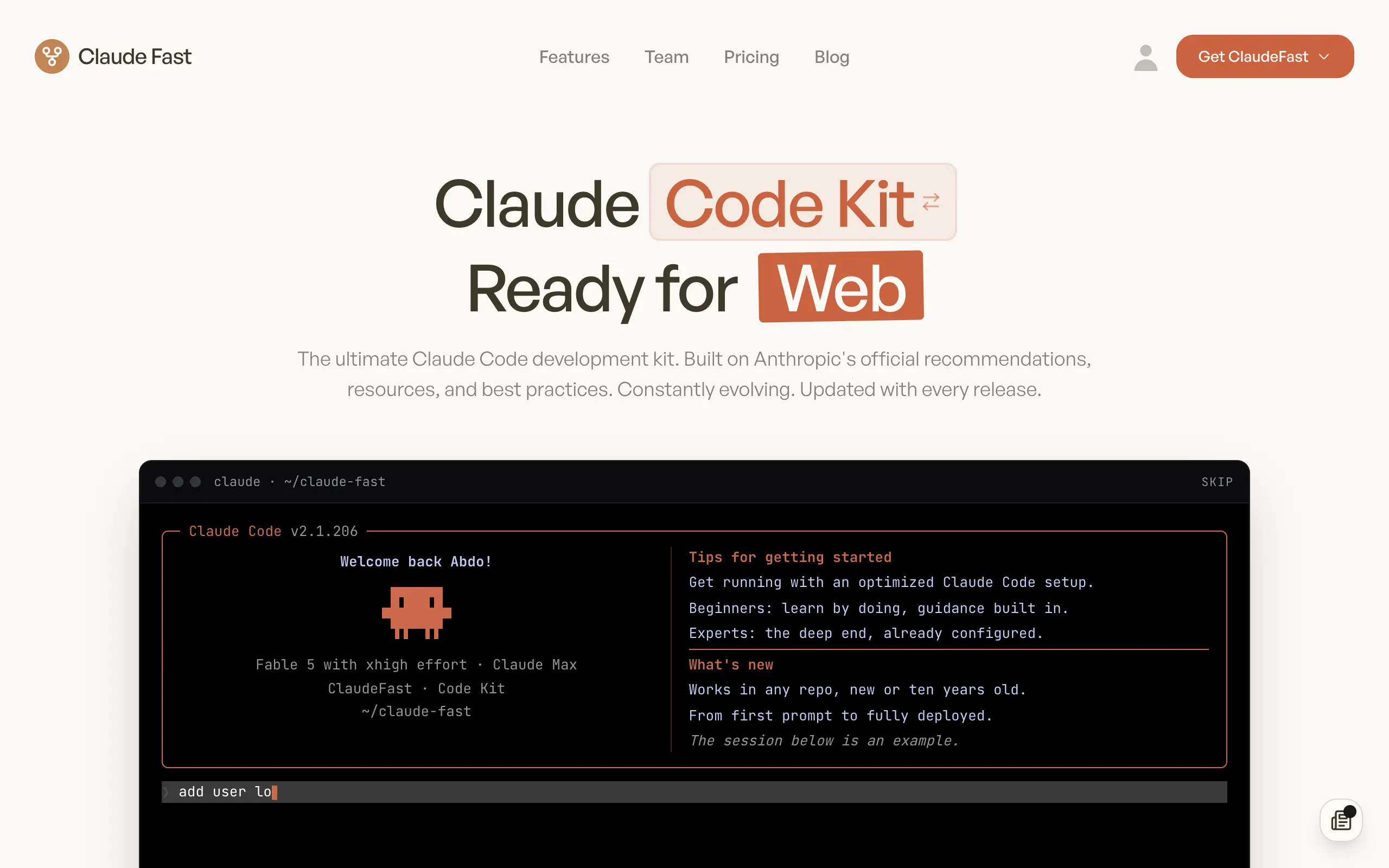
Claude Fast
Supercharge your Claude Code with 6x effective context window and specialized AI agents 🤖
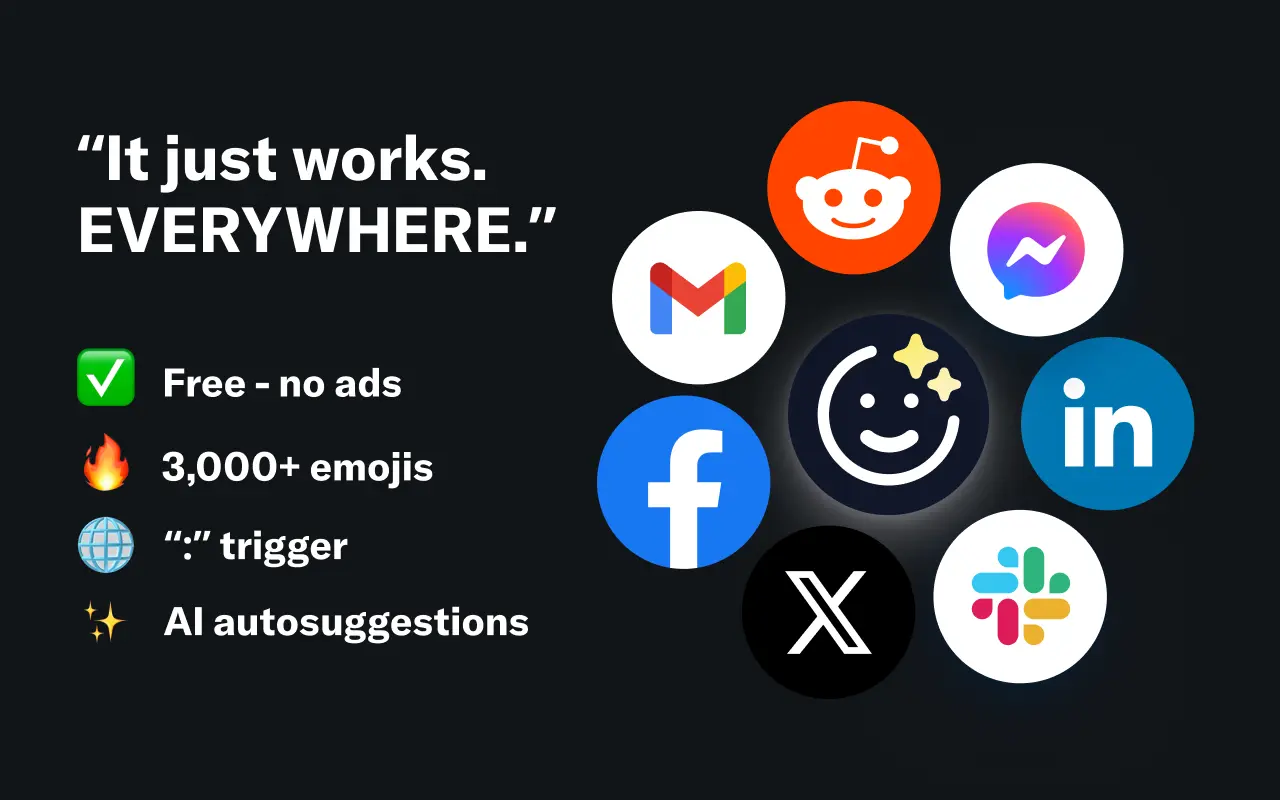
EmojAI
AI-powered emoji picker with smart, context-aware suggestions 🤖
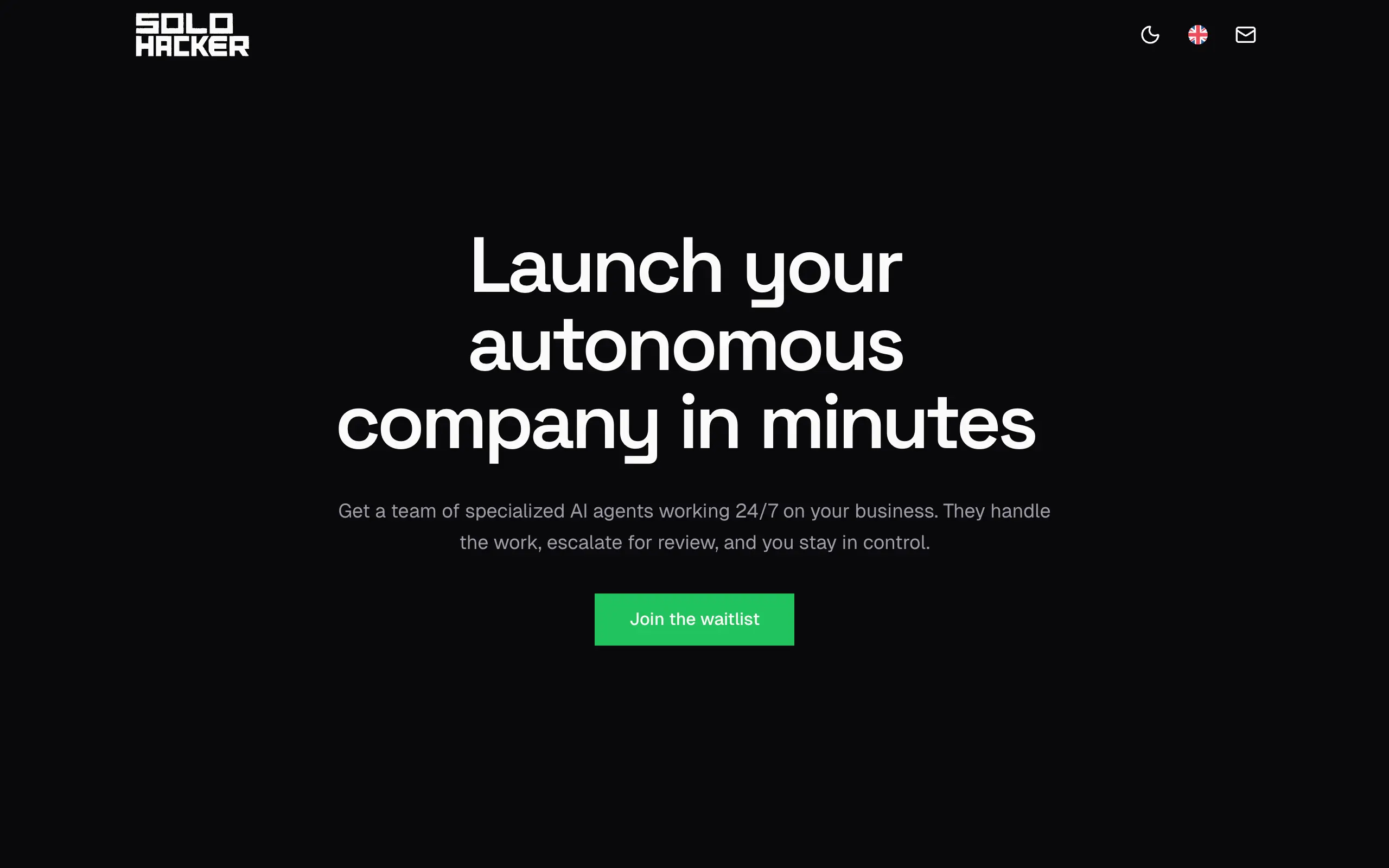
Solohacker
Autonomous company launcher - AI agents work 24/7, escalate what matters, and you stay in control 🤖
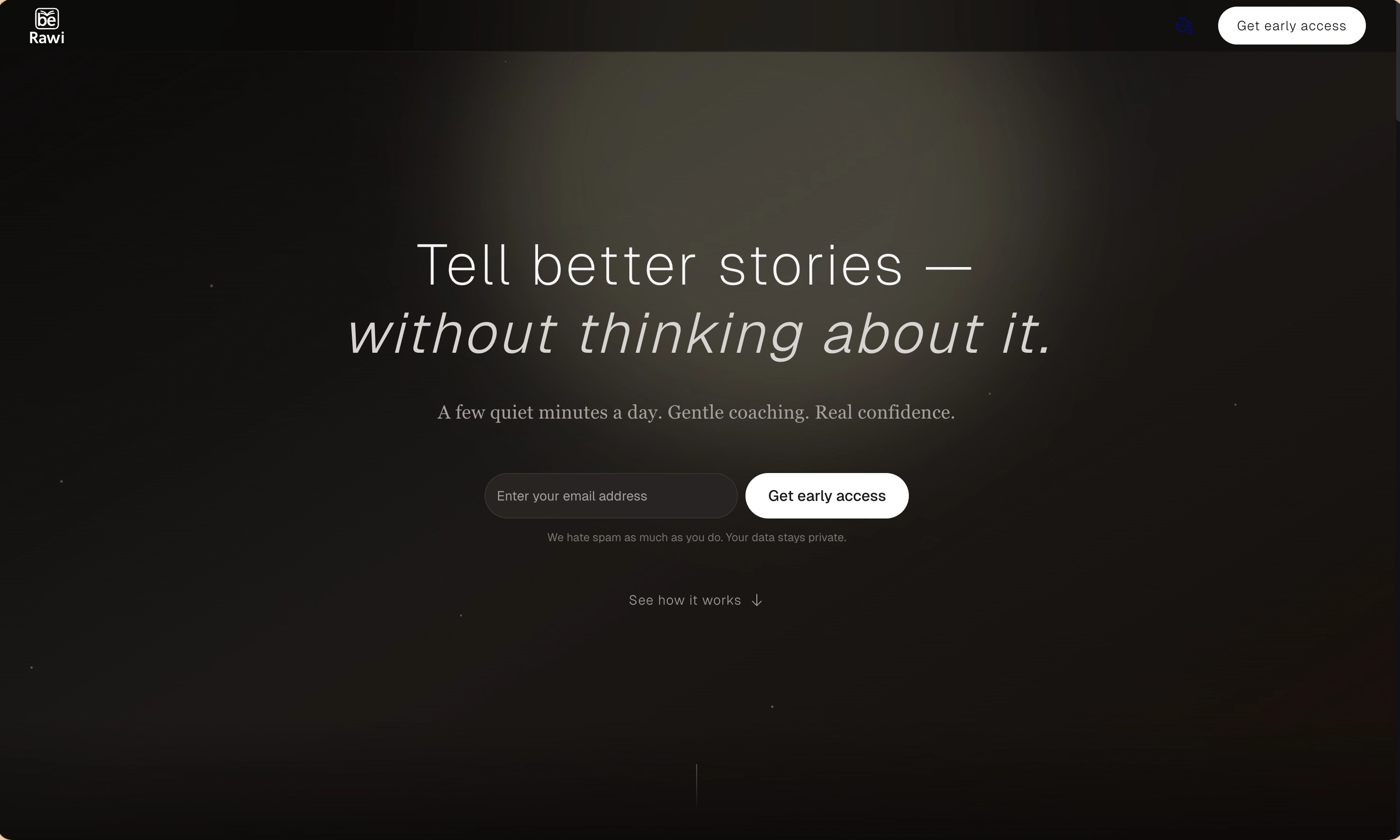
BeRawi: Storytelling Coach
Practice storytelling daily with instant feedback to sound clearer, more engaging, and confident 🎤
Omichat
Chat with 50+ AI models, including ChatGPT and Claude, in one place - switch models anytime without losing context 🤖
Claude Fast
Supercharge your Claude Code with 6x effective context window and specialized AI agents 🤖
EmojAI
AI-powered emoji picker with smart, context-aware suggestions 🤖
Solohacker
Autonomous company launcher - AI agents work 24/7, escalate what matters, and you stay in control 🤖
BeRawi: Storytelling Coach
Practice storytelling daily with instant feedback to sound clearer, more engaging, and confident 🎤
Omichat
Chat with 50+ AI models, including ChatGPT and Claude, in one place - switch models anytime without losing context 🤖
Claude Fast
Supercharge your Claude Code with 6x effective context window and specialized AI agents 🤖
EmojAI
AI-powered emoji picker with smart, context-aware suggestions 🤖
Solohacker
Autonomous company launcher - AI agents work 24/7, escalate what matters, and you stay in control 🤖
BeRawi: Storytelling Coach
Practice storytelling daily with instant feedback to sound clearer, more engaging, and confident 🎤
Omichat
Chat with 50+ AI models, including ChatGPT and Claude, in one place - switch models anytime without losing context 🤖
Claude Fast
Supercharge your Claude Code with 6x effective context window and specialized AI agents 🤖
EmojAI
AI-powered emoji picker with smart, context-aware suggestions 🤖
Solohacker
Autonomous company launcher - AI agents work 24/7, escalate what matters, and you stay in control 🤖
BeRawi: Storytelling Coach
Practice storytelling daily with instant feedback to sound clearer, more engaging, and confident 🎤

Connect with like-minded people
Join our community to get feedback, support, and grow together with 1,000+ builders on board, let's ship it!
Join usShip your startup everywhere. In minutes.
Don't burn tokens on setup and start building features on day one.