Vectorfall
Helps first-year engineering students drill vectors through short timed runs. Each session ends with a score and a list of weak spots.
A game-based vector trainer for first-year engineering students is a small, focused product with a clear buyer and a measurable outcome. Vectorfall turns vector drills (dot products, cross products, projections, components, unit vectors) into short timed runs that end with a score and a list of weak spots. The potential in 2026 comes from a simple gap: students have plenty of explanations and almost no fast, repeatable practice for the exact skill that decides whether statics and physics feel easy or miserable.
Key takeaways
- Target customer: first-year engineering and physics students taking statics, mechanics or linear algebra, with instructors and tutoring centers as a second buyer.
- Pricing angle: a free daily run to build habit, a student plan around $6 to $9 per month, and a per-seat course license for departments.
- Biggest risk: students treat it as optional, so retention collapses after the first exam unless it is tied to a course.
- Time to MVP: about 3 to 4 weeks for a solo founder using a starter kit, with a question generator, timer, scoring and a weak-spot report.
Who is Vectorfall for?
The ideal customer is a first-year engineering student in a statics, physics or linear algebra course who understands the lecture but loses points on speed and sign errors. They are not failing because vectors are impossible. They fail because they have not done enough varied repetitions under time pressure.
The current workaround
Most students do some mix of the following:
- Work through textbook problem sets, which are long, uneven in difficulty and rarely tell you which sub-skill is weak.
- Watch YouTube explanations, which feel productive but are passive.
- Use generic quiz apps or flashcards, which cover definitions but not computation.
- Rely on the instructor's homework platform, which grades answers but does not drill.
Why the workaround fails
Textbook sets are too slow to create the volume that builds fluency. Video is passive. Homework platforms report a score per assignment, not a pattern such as "you flip the sign on cross products in the y component." A student cannot fix a weakness they cannot name.
A secondary customer is the teaching assistant or instructor who wants to know which concepts a class is struggling with before an exam. Treat them as a later expansion, not the MVP buyer.
Why is there an opportunity for a vector practice game in 2026?
The gap is between passive explanation and graded homework. Tools like Khan Academy, Wolfram Alpha, Desmos and Anki are well known and useful, but none is built to run a short, timed, adaptive drill on vector arithmetic and then diagnose error patterns. Course platforms such as WebAssign and Mastery-style homework systems grade work but are tied to a textbook and an institution.
Several shifts make the timing reasonable:
- Students expect short, game-like loops. Habit-forming practice in language learning and mental math has normalized streaks, timed rounds and instant feedback.
- Generating problems is cheap. Vector questions are algorithmic, so you can produce unlimited variations without paying for content or relying on a language model for correctness.
- Instructors are wary of AI-answered homework. Timed, in-session practice with randomized parameters is harder to outsource and easier to trust as a study aid.
- Niche tools are viable. A small subscription product for one course sequence can be profitable without venture-scale ambitions.
The honest caveat: the audience is narrow and seasonal. Demand spikes before midterms and finals, and a game for this topic will not keep a student past the semester unless the scope grows into adjacent topics.
What should the Vectorfall MVP include?
Build the smallest loop that produces the aha moment: a student finishes a 90-second run, sees their score, and learns that 70% of their misses were cross product sign errors. Everything else is secondary.
Timed runs
Ninety-second sessions of randomized vector problems that escalate in difficulty as the student answers correctly.
Problem generator
Parameterized questions for dot product, cross product, magnitude, projection and components with checked answers.
Weak-spot report
Each miss is tagged with a skill and an error type, so the end screen lists what to fix first.
Streaks and history
A daily run, score history and streak counter that bring students back before exams.
What to cut from version one
- Leaderboards and social features, which need critical mass you will not have.
- 3D visualizations and graphing, which are expensive and not the core promise.
- Instructor dashboards, until at least one course asks for them.
- Mobile apps, until the web version shows repeat usage.
Design the input carefully
Answer entry is the hardest UX problem. Typing (2, -3, 5) on a phone under a timer is painful. Use a component-based input with three numeric fields and a sign toggle, and accept small tolerances for decimals. If input friction is high, the game feels unfair and students quit.
How is Vectorfall different from existing study tools?
The unique selling point is diagnosis through speed: a short run that names your specific error patterns. Existing tools either explain, grade or quiz on definitions. Vectorfall drills computation and reports why you missed.
| Option | Timed drills | Error-pattern diagnosis | Unlimited variations | Course independent |
|---|---|---|---|---|
| Vectorfall | ✅ | ✅ | ✅ | ✅ |
| Textbook problem sets | ❌ | ❌ | ❌ | ❌ |
| Video lessons | ❌ | ❌ | ❌ | ✅ |
| Flashcard apps | Partial | ❌ | ❌ | ✅ |
| Homework platforms | Rarely | Basic | Often | ❌ |
The moat is not the problem generator, which a competent developer can copy in a weekend. It is the error taxonomy: a well-built mapping from wrong answers to likely mistakes (swapped operand order, sign flips, forgetting to normalize). That mapping improves with real student data and is where your time should go.
How would Vectorfall make money?
Start with a freemium student plan, then add course licenses once you have proof of usage.
Option 1: student subscription
A free daily run, with unlimited runs and full weak-spot history behind a paid plan. If you charge $7 per month and convert 3% of active free users, you need roughly 1,200 active users to reach about $250 in monthly revenue. That is small, so treat it as a validation signal rather than the business.
Option 2: semester pass
Students think in semesters. A one-time $15 to $25 pass covering a term matches how they budget and avoids the cancel-after-the-exam problem that hurts monthly plans.
Option 3: course or department license
Instructors and tutoring centers can pay per seat or per course. This is slower to sell but has better retention and larger contracts. Expect procurement friction and requests for LMS integration, so do not build for it until two or three instructors ask.
Which growth channel works first?
Go direct to study groups and teaching assistants. Post in the subreddits and Discord servers for specific courses, offer free access to a TA, and ask them to share the daily run with their section. Timing matters: launch four to five weeks before midterms, not after.
How do you validate Vectorfall before building it?
Validation should fit in two weeks and answer one question: will students practice voluntarily, and will anyone pay?
Interview eight students and two TAs
Ask how they prepared for the last statics or physics exam and where they lost points. Listen for sign errors and speed problems, not for interest in a game.
Run a paper or spreadsheet prototype
Generate 20 random vector problems, time five students and mark their errors by hand. If the pattern summary surprises them, the diagnosis idea works.
Launch a one-page waitlist
State one promise, such as "Find your weak vector skills in 90 seconds," and show a sample report. Share it in course communities and track signups per post.
Ask for a pre-sale
Offer a discounted semester pass to waitlist members before launch. Even five to ten paid commitments say more than a hundred signups.
What tech stack do you need to build a vector drill game?
Keep it a web app first: a responsive front end, a database for attempts and skills, and deterministic problem generation on the server or client. Using TurboStarter removes the undifferentiated work, including web and mobile apps in one monorepo, authentication, billing, a database, emails and an admin panel, so your time goes into the generator and the diagnosis engine.
The pieces you would otherwise rebuild:
- Accounts: authentication for sign-in, so streaks and history persist.
- Payments: billing for subscriptions and one-time semester passes.
- Attempt history: the database layer for sessions, answers and skill scores.
- Later expansion: the mobile app, once the web loop shows repeat usage.
Where to compute answers
Faster and smoother under a timer, with no network delay between questions. The trade-off is that a motivated user can inspect answers, which matters little for a study tool but matters if you add leaderboards.
Better for integrity, analytics and future instructor features, since every question and answer is recorded. The trade-off is latency, which you can reduce by prefetching a batch of questions at the start of each run.
For the MVP, generate batches on the server, send them with seeds, and grade on the client for responsiveness, then reconcile on submit. Never use a language model to compute or check answers: vector arithmetic is deterministic, and a wrong "correct answer" destroys trust instantly.
A minimal data model
type Attempt = {
  id: string;
  sessionId: string;
  skill: "dot" | "cross" | "projection" | "magnitude";
  correct: boolean;
  errorType?: "sign" | "order" | "arithmetic" | "normalization";
  timeMs: number;
};
Tagging skill and errorType on every attempt is what makes the weak-spot report possible later, so capture it from day one.
What could make Vectorfall fail?
Biggest risk: no habit beyond exam week
Students use practice tools in bursts before tests and then disappear. If Vectorfall is a standalone game, retention will look poor and subscriptions will churn after each exam. Mitigate this by selling semester passes, tying runs to a course syllabus and exam dates, and pursuing instructor adoption so practice is assigned rather than optional.
Other real risks:
- Narrow market: one topic may be too small. Plan adjacent modules such as matrices, free-body diagrams or unit conversions, but only after the vector loop retains users.
- Weak diagnosis: if the error labels are wrong, the core promise fails. Review misses manually with a tutor for the first few hundred sessions.
- Free substitutes: instructors may share free problem banks. Compete on speed, variation and diagnosis, not on content.
What should you do in the first 30 days?
- Days 1 to 5: interview students and TAs, and prototype a paper run to confirm the error patterns.
- Days 6 to 10: publish the waitlist page and post it in three course communities.
- Days 11 to 20: build the generator, timed run and score screen on a starter kit.
- Days 21 to 25: add the weak-spot report and a daily streak, then test with ten students.
- Days 26 to 30: open pre-sales for semester passes and ask each tester to bring one classmate.
If you want the fastest route to a working first version, start from TurboStarter, wire up accounts and payments in a day, and spend the rest of your month on the drills and the diagnosis that make a vector practice game worth paying for.
FAQ
Run a paper prototype with five students, then collect waitlist signups in course communities. The strongest signal is a pre-sale of a semester pass before the product exists.
Students are price sensitive, so a $6 to $9 monthly plan or a $15 to $25 semester pass is a reasonable starting range. Test both and measure which converts better in the weeks before an exam.
Indirect competitors include Khan Academy, Wolfram Alpha, Anki and homework platforms like WebAssign. None focuses on timed vector drills with error-pattern diagnosis, but instructors can substitute free problem banks.
A TypeScript web app with a relational database such as Postgres, deterministic problem generation and a starter kit for auth and billing is enough. Avoid AI-generated answers, since correctness must be guaranteed.
A solo developer can ship an MVP in roughly 3 to 4 weeks using a starter kit. Costs are mostly your time plus modest hosting, typically well under a few hundred dollars before you have paying users.
More 🎮 Game SaaS ideas
Discover more innovative game SaaS ideas that are trending in 2026. Each idea is AI-generated with market validation and growth potential to help you find your next profitable venture faster than competitors.
Your competitors are building with TurboStarter
Below are some of the SaaS ideas that have been generated and built with our starter kit.

Monitor any Telegram channel in real time - track posts, edits, deletions, and growth with AI recaps 📡

AI website builder - describe your business, pick a niche template, edit by chatting, and publish instantly ✨

Find verified home service professionals, compare quotes, and pay securely through escrow - built for Brazilians across the US 🏠
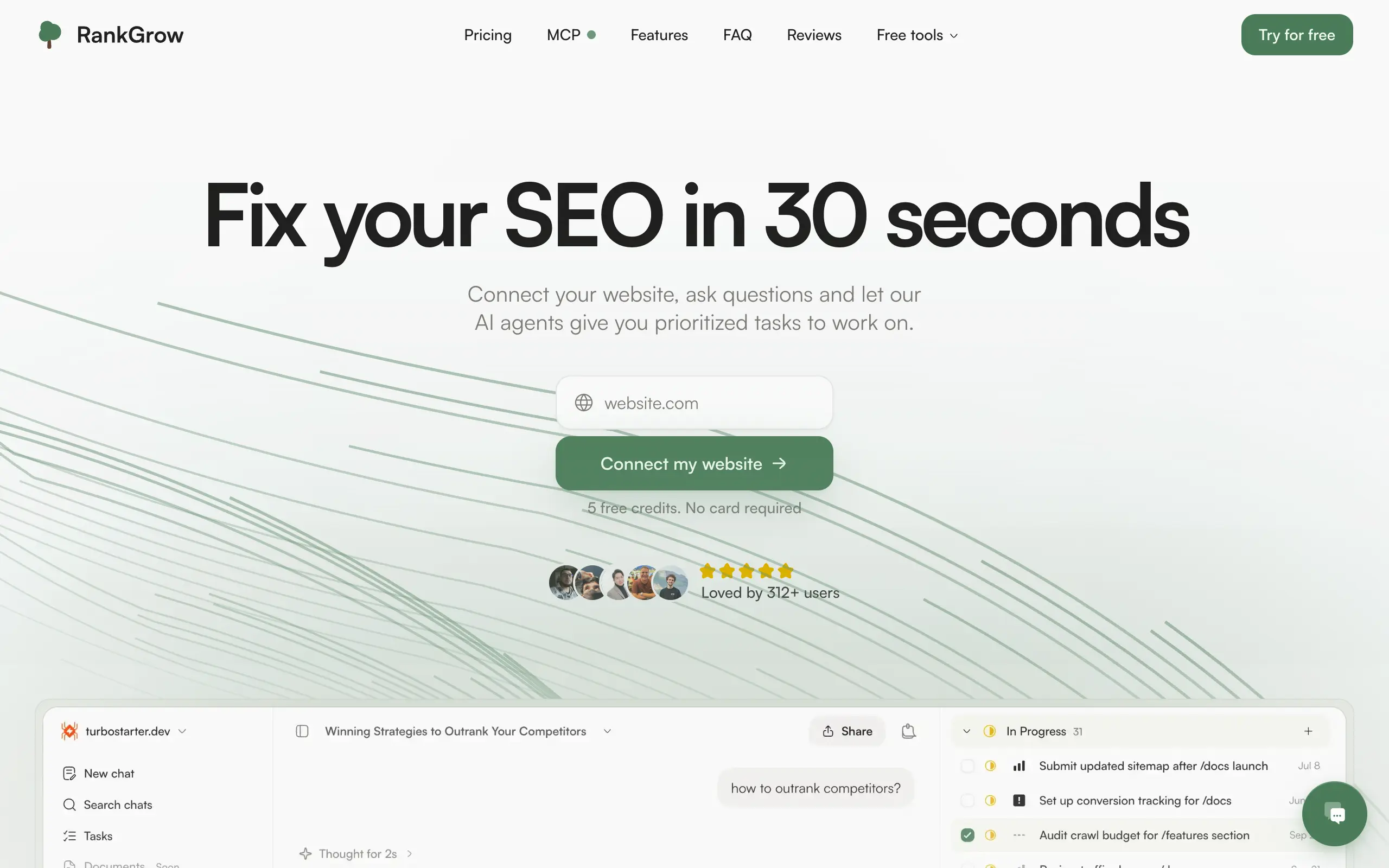
Fix your SEO with AI agents - connect Search Console, get prioritized tasks, and grow organic traffic 📈
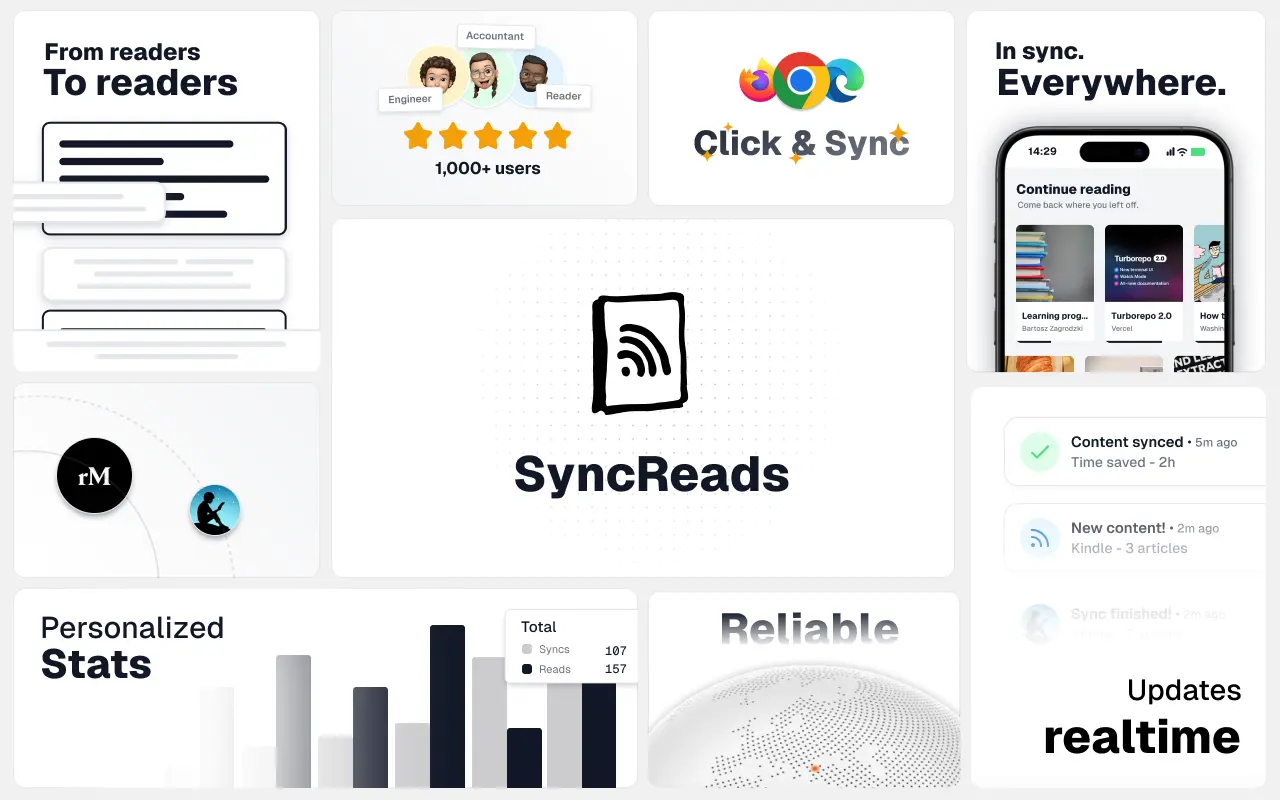
Sync your favorite content for distraction-free reading, save time and replace multiple apps. Anytime, anywhere 🔄
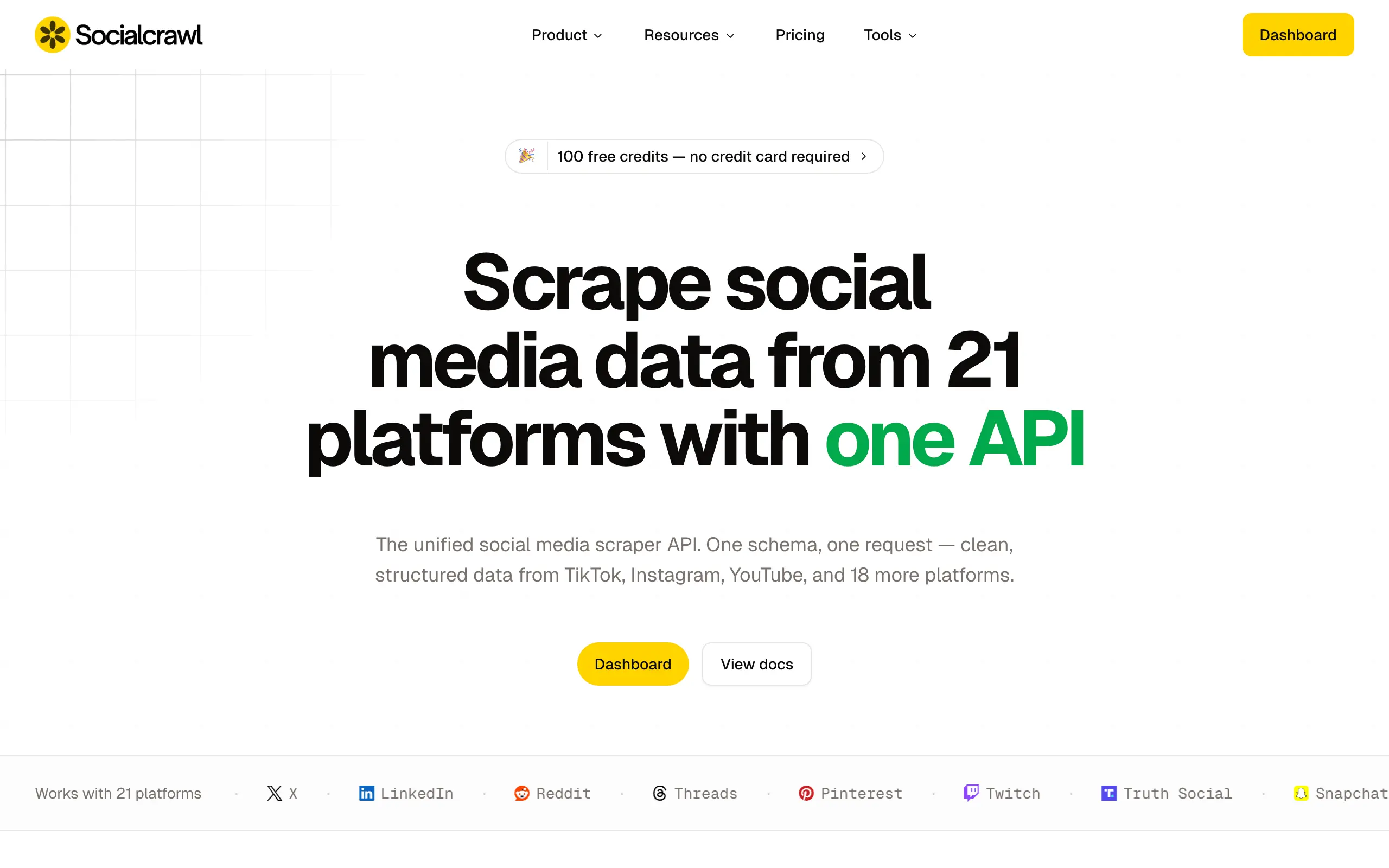
Get clean, structured data from 21 platforms like TikTok, Instagram, and YouTube with a single request 📊
Monitor any Telegram channel in real time - track posts, edits, deletions, and growth with AI recaps 📡
AI website builder - describe your business, pick a niche template, edit by chatting, and publish instantly ✨
Find verified home service professionals, compare quotes, and pay securely through escrow - built for Brazilians across the US 🏠
Fix your SEO with AI agents - connect Search Console, get prioritized tasks, and grow organic traffic 📈
Sync your favorite content for distraction-free reading, save time and replace multiple apps. Anytime, anywhere 🔄
Get clean, structured data from 21 platforms like TikTok, Instagram, and YouTube with a single request 📊
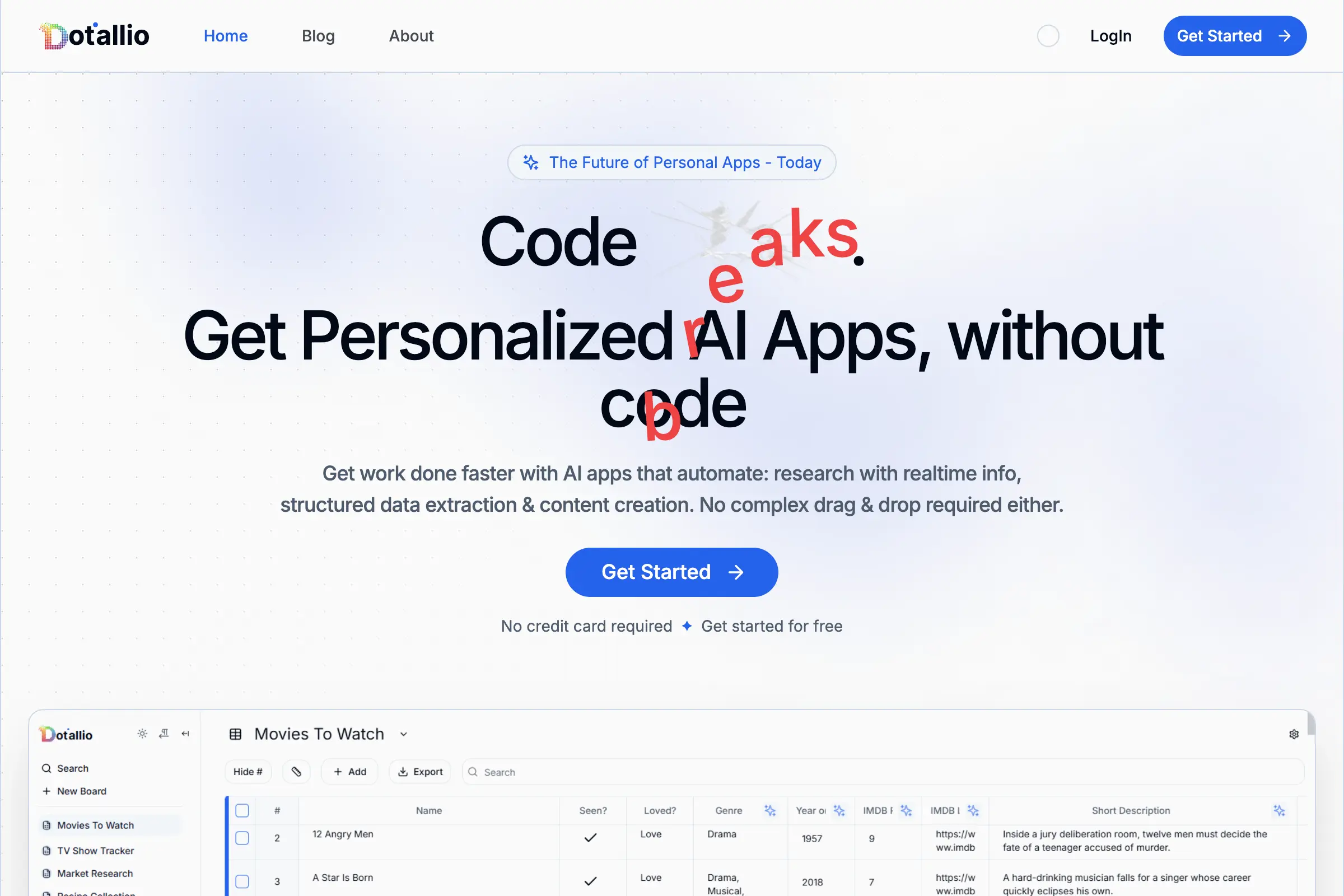
Personalized AI apps that automate research, data extraction, and content creation without code 🤖

Enjoy a magical live video chat or receive a unique AI-generated video greeting from Santa Claus 🎅

Scalable blog for food journalist, focused on performance and user experience 🌭
Personal blog and portfolio of Bart Zagrodzki, where he shares his knowledge and work 💼
Ship your startup everywhere. In minutes.
Convert HTML to Markdown with ease, directly in your browser 📄
Personalized AI apps that automate research, data extraction, and content creation without code 🤖
Enjoy a magical live video chat or receive a unique AI-generated video greeting from Santa Claus 🎅
Scalable blog for food journalist, focused on performance and user experience 🌭
Personal blog and portfolio of Bart Zagrodzki, where he shares his knowledge and work 💼
Ship your startup everywhere. In minutes.
Convert HTML to Markdown with ease, directly in your browser 📄
Chat with 50+ AI models, including ChatGPT and Claude, in one place - switch models anytime without losing context 🤖
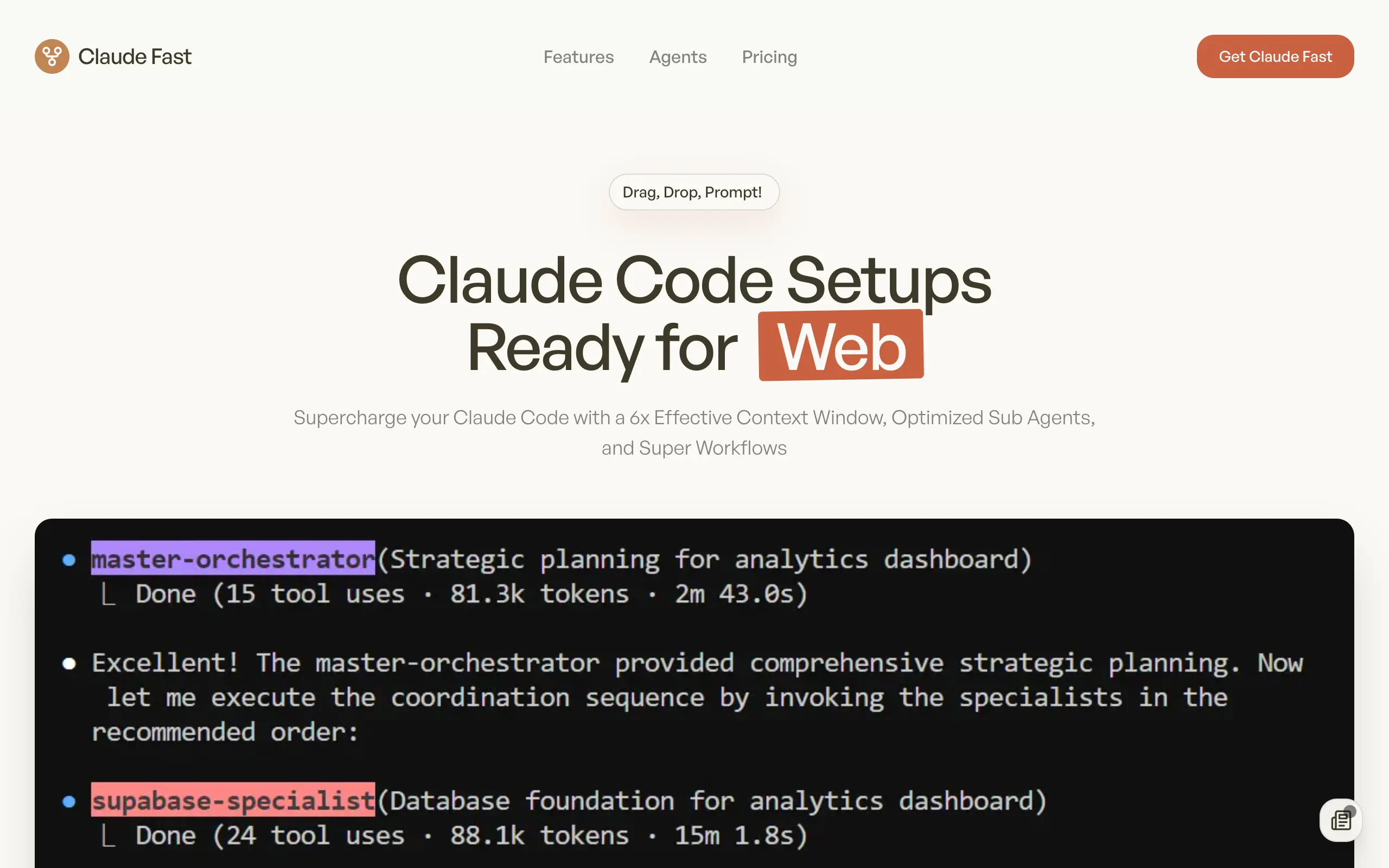
Supercharge your Claude Code with 6x effective context window and specialized AI agents 🤖
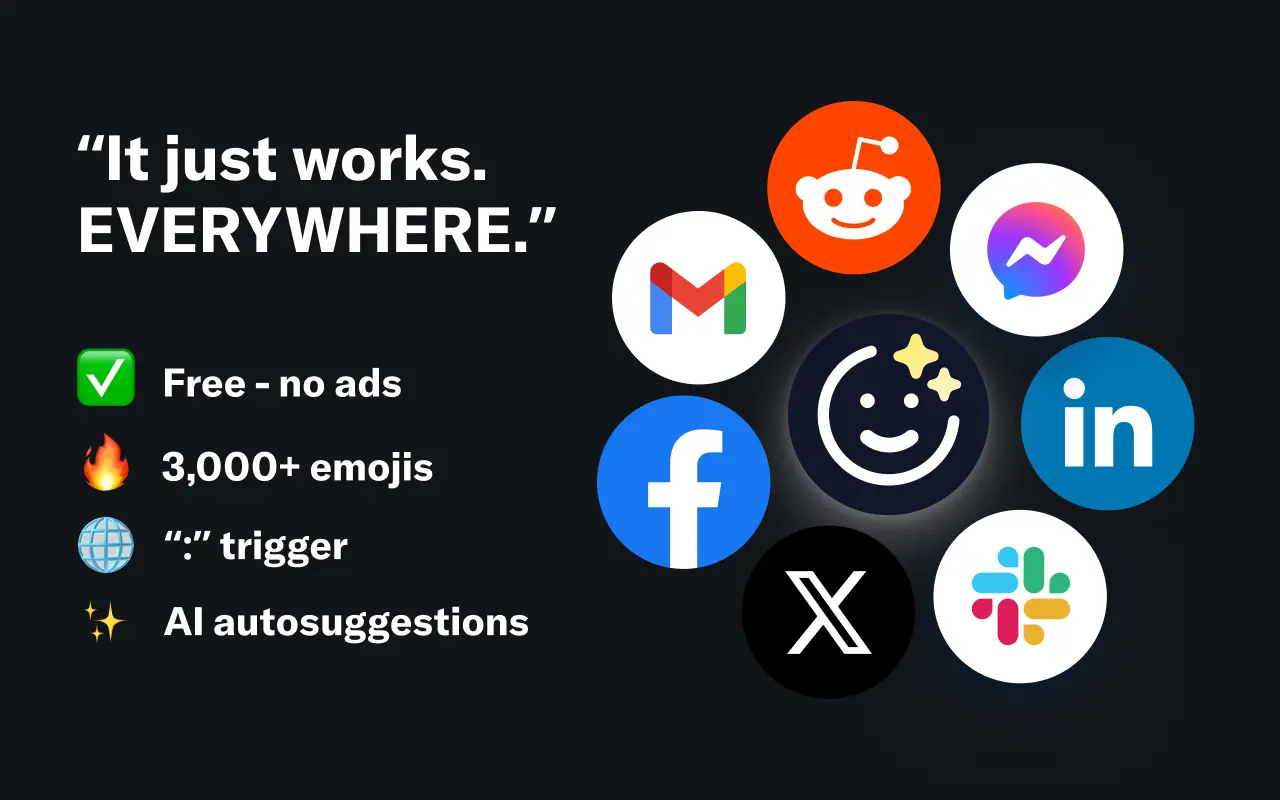
AI-powered emoji picker with smart, context-aware suggestions 🤖
Autonomous company launcher - AI agents work 24/7, escalate what matters, and you stay in control 🤖
Practice storytelling daily with instant feedback to sound clearer, more engaging, and confident 🎤
Chat with 50+ AI models, including ChatGPT and Claude, in one place - switch models anytime without losing context 🤖
Supercharge your Claude Code with 6x effective context window and specialized AI agents 🤖
AI-powered emoji picker with smart, context-aware suggestions 🤖
Autonomous company launcher - AI agents work 24/7, escalate what matters, and you stay in control 🤖
Practice storytelling daily with instant feedback to sound clearer, more engaging, and confident 🎤

Connect with like-minded people
Join our community to get feedback, support, and grow together with 1,000+ builders on board, let's ship it!
Join usShip your startup everywhere. In minutes.
Don't burn tokens on setup and start building features on day one.