AlgoSprint
A daily mobile practice coach for CSE students that adapts coding challenges, revision schedules, and interview hints to weak topics.
Why an adaptive daily coding practice app is a strong SaaS opportunity
Computer science students do not usually fail technical interviews because they never encountered data structures or algorithms. They struggle because their practice is inconsistent, their revision is unstructured, and they cannot clearly identify which topics are actually holding them back.
AlgoSprint addresses that gap as a daily coding practice app for CSE students. Instead of offering an endless, generic problem library, it acts as an adaptive mobile coach that recommends coding challenges, schedules spaced revision, and provides contextual interview hints based on each learner’s weak topics.
This positioning matters. The market already contains large coding platforms, video courses, and question repositories. However, many of those products place the burden of planning on the learner. Students must decide what to study, how often to revise, whether they are improving, and which mistakes deserve attention. That creates decision fatigue at the exact moment students need deliberate practice.
The core promise of AlgoSprint is simple:
Give every CSE student a focused daily practice plan that adapts to their performance and prepares them for real technical interviews.
The primary keyword opportunity is adaptive coding practice app, supported by related search terms such as:
- Daily coding practice for students
- Coding interview preparation app
- Data structures and algorithms practice
- Personalized DSA learning plan
- Spaced repetition for coding interviews
- LeetCode alternative for beginners
- Technical interview preparation for CSE students
- Algorithm revision app
- Mobile coding practice coach
- Computer science placement preparation
A successful product and content strategy should focus on the practical question students ask: “What should I solve today to get better at coding interviews?”
The problem AlgoSprint solves for CSE students
Most coding practice products are designed as repositories. They provide thousands of exercises, difficulty filters, tags, editorials, and leaderboards. These features are valuable, but they do not automatically create a learning system.
For a student preparing for internship season, campus placements, or an entry-level software engineering interview, a huge question bank can become overwhelming. They may solve random array problems for three days, avoid graphs for a month, forget dynamic programming patterns they learned last semester, and mistake completion volume for actual retention.
AlgoSprint should solve the planning and retention problem rather than merely adding another question catalog.
The current student workflow is fragmented
A typical CSE student may use several disconnected tools:
- A browser-based coding platform for problems
- A YouTube channel for explanations
- Notes in Notion, Google Docs, or paper notebooks
- A spreadsheet for tracking solved questions
- Flashcards for conceptual revision
- Messaging groups for placement updates and interview questions
- A calendar reminder that is easy to ignore
This fragmented workflow causes several predictable issues:
-
Practice lacks a feedback loop
Students know whether a submission passed, but they may not understand whether the result reflects transferable mastery of a pattern. -
Weak topics remain hidden
A learner can solve easy stack questions while repeatedly failing sliding-window or graph traversal questions without a system that surfaces the pattern. -
Revision is postponed
Previously solved questions feel less urgent than new problems, even though recall and pattern recognition decay over time. -
Students optimize for streaks rather than readiness
A daily streak is motivating, but solving one familiar easy problem every day does not necessarily improve interview performance. -
Mobile learning is underused for intentional review
Students may not want to write a full solution on a phone, but they can review concepts, analyze mistakes, estimate complexity, and work through interview hints in short sessions.
The product insight
AlgoSprint does not need to replace desktop coding environments on day one. Its strongest role is to become the student’s daily decision engine, revision layer, and interview-readiness coach.
Target audience for an adaptive coding practice app
The best initial market is not “everyone learning to code.” That category is too broad, has different needs, and makes product messaging vague. AlgoSprint should begin with a clear audience that has an urgent goal, repeated practice needs, and a measurable outcome.
Primary audience: placement-focused CSE students
The primary audience includes undergraduate computer science and related engineering students preparing for:
- Campus placements
- Internship interviews
- Graduate software engineering roles
- Coding assessments
- Competitive programming club selections
- Technical rounds at startups and enterprise companies
These users are often familiar with basic programming syntax. They do not necessarily need a beginner coding course. They need structure for data structures, algorithms, problem-solving patterns, complexity analysis, and interview communication.
Their most pressing jobs-to-be-done include:
- “Tell me what to practice today.”
- “Help me remember problems I solved before.”
- “Show me why I keep failing certain patterns.”
- “Prepare me for technical interviews in the limited time I have.”
- “Keep me accountable without making the process overwhelming.”
Secondary audience: self-taught developers and bootcamp learners
Self-taught learners and coding bootcamp graduates can also benefit from a personalized coding interview preparation app. However, their foundational knowledge can vary more widely than that of CSE students.
For this segment, AlgoSprint may need optional diagnostic tracks covering:
- Programming fundamentals
- Big O notation
- Arrays, strings, and hash maps
- Recursion and backtracking
- Trees and graphs
- Dynamic programming
- System design basics for junior candidates
This is a viable expansion segment, but it should not dilute the initial campus-placement message.
Tertiary audience: colleges and training organizations
Universities, placement cells, coding clubs, and training institutes represent a high-value B2B or B2B2C opportunity. They need visibility into student readiness, engagement, and topic-level performance.
Institutional buyers may value:
- Cohort readiness dashboards
- Skill-gap reports
- Custom interview-preparation tracks
- Faculty or mentor analytics
- Private challenge sets
- Branded placement-prep programs
- Student engagement reporting
The institution-facing product should come after consumer retention is proven. Selling dashboards before validating the learner experience often leads SaaS teams to build administrative features that do not improve student outcomes.
Student buyer
Wants a daily plan, faster improvement, better retention, and confidence before interviews.
Mentor or coding club buyer
Wants a structured challenge program with visibility into participation and weak concepts.
University buyer
Wants measurable placement readiness and a scalable preparation workflow for student cohorts.
Market gap: from coding question banks to personalized interview readiness
The coding education market is crowded, but the gap is not the absence of content. The gap is the absence of adaptive guidance for learners who have limited time and uneven foundations.
Large platforms often excel at problem volume, community solutions, language support, and contest ecosystems. Course platforms excel at teaching concepts in sequence. Flashcard tools excel at recall. AlgoSprint can stand out by combining the useful parts of these workflows into a focused daily loop.
The overlooked gap is revision-aware practice
A student who solved a binary tree problem six weeks ago may remember the answer after seeing it but fail to independently recognize the same traversal pattern in a new interview question. That is a retrieval and transfer problem, not simply a content problem.
A strong adaptive coding practice app should model at least four states:
-
Exposure
The student has seen a concept or problem type. -
Completion
The student solved a problem, possibly with hints or external help. -
Retention
The student can recall the core approach after time has passed. -
Transfer
The student can apply the same pattern to a new variation under constraints.
AlgoSprint’s differentiation should be built around moving students from exposure to transfer.
Why mobile is strategically useful
Some founders assume that coding practice must happen entirely on a laptop. Full implementation usually does. However, the mobile experience has powerful use cases that desktop-first platforms often under-serve:
- Reviewing a daily plan during a commute
- Completing a five-minute complexity quiz
- Revisiting a failed concept between classes
- Reading an interview hint before attempting a desktop solution
- Logging confidence after a practice session
- Receiving a reminder when a revision is due
- Completing pattern-recognition drills without a full editor
- Reviewing common mistakes before an interview
The mobile app should not force a student to write every complex solution on a phone. Instead, it should make high-frequency review, planning, and coaching frictionless.
Core product experience for AlgoSprint
The best product experience is a repeatable loop that feels personalized from the first session. Every interaction should improve the next recommendation.
The daily sprint flow
Each day, AlgoSprint can present a compact “sprint” with three components:
-
One targeted coding challenge
A problem selected based on the user’s current skill level, weak topics, and recent activity. -
One revision item
A previously solved problem, pattern card, misconception check, or complexity review scheduled through spaced repetition. -
One interview insight
A concise prompt such as a clarifying question, edge case, communication tip, or common interviewer follow-up.
A student with 15 minutes should still make meaningful progress. A student with 60 minutes should be able to expand the sprint into a deeper practice session.
Adaptive challenge recommendations
The recommendation engine is the heart of AlgoSprint. It should avoid simplistic personalization such as “you solved two array questions, so here are more arrays.”
Instead, it should consider a broader learner model:
- Recent accuracy by topic and pattern
- Time to solve
- Number and type of hints used
- Whether the student viewed an editorial before solving
- Confidence rating after completion
- Repeated error categories
- Revision success rate
- Days since last practice in a topic
- Target interview timeline
- Preferred language and experience level
- Difficulty tolerance and consistency patterns
For example, a student may have a high completion rate on easy binary search problems but repeatedly misuse boundary conditions in medium-level variations. The system should assign targeted drills that isolate the weakness rather than simply raising overall difficulty.
Weak-topic diagnosis
Weak-topic analysis should be understandable. A black-box “AI says you are weak at graphs” experience will not build trust. Students need evidence.
AlgoSprint can show topic health through signals such as:
- Accuracy across recent attempts
- Time relative to the student’s baseline
- Hint dependency
- Frequency of repeated mistakes
- Revision recall performance
- Coverage of key patterns
- Confidence versus actual performance
A useful explanation might say:
Your graph fundamentals are improving, but you are still relying on hints for visited-state management in breadth-first search. Complete two short traversal drills before attempting weighted graph problems.
That explanation gives students a reason to follow the recommendation.
Smart revision scheduling with spaced repetition
Spaced repetition is widely used for memorization, but AlgoSprint should adapt it to coding patterns rather than isolated trivia.
Revision prompts could include:
- Identify the likely pattern from a problem statement
- Explain the brute-force and optimized approaches
- Choose the correct time and space complexity
- Spot an off-by-one error in a short code snippet
- Recall the invariant for a sliding-window solution
- Compare DFS and BFS for a scenario
- Re-solve a previously completed challenge with fewer hints
- Explain edge cases aloud through an interview simulation
A practical scheduling model can begin with a modified Leitner or SM-2 style approach. Over time, the system can incorporate more behavioral signals. A problem solved quickly without hints may return later as a harder variation. A problem solved after multiple hints may reappear sooner as a concept check.
Interview hints that teach, not reveal
Hints are useful, but they can create false progress when they reveal too much too soon. AlgoSprint should use progressive hints.
A high-quality hint sequence may include:
- A reframing hint that points to the relevant pattern
- A constraint-based hint that narrows the solution space
- A structural hint that suggests data structures or invariants
- A partial pseudocode hint
- A full explanation only after the student commits to reviewing it
This approach lets learners preserve productive struggle while preventing them from being stuck indefinitely.
A good hint reduces unproductive confusion without giving away the implementation. It should explain what to notice in the constraints, which invariant matters, or what data structure may fit the problem. It should not immediately provide a complete algorithm.
Use AI to personalize explanations, generate follow-up questions, and summarize common mistakes. Keep a curated canonical solution and verified metadata for every challenge. Unchecked model-generated algorithms can introduce subtle correctness and complexity errors.
It can, but it should not be the first product dependency. Start with short snippets, pseudocode exercises, pattern drills, and deep links or synchronized desktop sessions. Add a mobile editor when user research proves it improves retention rather than increasing friction.
A feature roadmap for the MVP and beyond
A disciplined MVP should validate whether students return daily because recommendations genuinely help. Avoid building a full clone of a large coding platform before testing this behavior.
MVP features that validate the core thesis
The initial version should include:
- User onboarding with skill level, target role, language, and interview timeline
- A diagnostic assessment across core DSA topics
- Daily personalized challenge recommendations
- Topic and pattern taxonomy
- Progressive hints
- Post-session confidence ratings
- Basic spaced-repetition revision queue
- Streaks and lightweight progress tracking
- Push notifications for daily sprints and due revisions
- A simple weak-topic dashboard
- Curated problem explanations and test cases
The most important MVP metric is not total registrations. It is whether learners complete meaningful practice sessions over multiple weeks.
Features for product-market fit
Once daily retention is promising, expand the learning loop with:
- Interview simulation mode
- Timed coding assessment practice
- Mistake journals with personalized review prompts
- Conceptual flashcards tied to actual failed attempts
- Peer accountability groups
- Weekly skill reports
- Company-style preparation tracks
- Custom study plans for 30-day, 60-day, and 90-day goals
- Desktop synchronization
- AI-generated follow-up variations that are reviewed against a quality framework
Features for institutional expansion
For universities and training partners, develop:
- Admin cohort management
- Student-level and cohort-level analytics
- Assignment scheduling
- Placement-readiness benchmarks
- Mentor comments and intervention flags
- Organization-specific challenge libraries
- Exportable reports
- SSO and role-based permissions
| Feature area | MVP priority | Student value | Business value | Build complexity |
|---|---|---|---|---|
| Adaptive daily sprint | High | Clear daily direction | Drives retention | Medium |
| Revision scheduler | High | Improves recall | Creates differentiation | Medium |
| AI interview coach | Medium | Personalized feedback | Premium upgrade path | Medium |
| University analytics | Later | Better mentor support | Higher contract value | High |
| Full mobile IDE | Later | Convenience for some users | Potential engagement gain | High |
Recommended tech stack for AlgoSprint
AlgoSprint needs reliable mobile delivery, a secure backend, flexible content management, analytics, and an architecture that supports personalization without premature complexity.
Mobile application stack
For cross-platform development, React Native is a strong fit. It allows a small team to ship iOS and Android applications from a shared TypeScript codebase while retaining access to native capabilities such as notifications, secure storage, and deep linking.
Expo can accelerate the initial release by simplifying builds, updates, notifications, and common device integrations. It is especially useful for an MVP team optimizing for speed.
Recommended mobile tools include:
- React Native for cross-platform app development
- Expo for build and deployment workflows
- TypeScript for safer application logic
- TanStack Query for server-state caching and synchronization
- Zustand for lightweight local state management
- NativeWind or a design system for consistent component styling
The trade-off is that advanced editor behavior, some native performance optimizations, and specialized device integrations can require custom native modules. For the initial coaching-focused product, that trade-off is usually worth the faster iteration cycle.
Backend and data stack
A practical SaaS backend can use:
- Node.js for API services
- NestJS for a structured TypeScript backend
- PostgreSQL for relational user, content, and progress data
- Prisma for type-safe database access
- Redis for caching, rate limiting, job queues, and scheduled revisions
- Supabase as an alternative for faster authentication, database, and storage setup
PostgreSQL is a particularly good choice because learner data is highly relational. You will need to connect users, concepts, challenges, attempts, hints, error tags, scheduled reviews, cohorts, and subscription records.
Recommendation engine architecture
Do not begin by building a complex machine-learning model. Early data will be sparse, labels will be inconsistent, and a complicated model will be hard to explain.
Start with a rules-based scoring engine:
type ChallengeScoreInput = {
  topicWeakness: number;
  revisionUrgency: number;
  difficultyFit: number;
  interviewGoalFit: number;
  noveltyPenalty: number;
  recentExposurePenalty: number;
};

export function scoreChallenge(input: ChallengeScoreInput) {
  return (
    input.topicWeakness * 0.35 +
    input.revisionUrgency * 0.3 +
    input.difficultyFit * 0.2 +
    input.interviewGoalFit * 0.15 -
    input.noveltyPenalty * 0.1 -
    input.recentExposurePenalty * 0.1
  );
}
This approach provides several advantages:
- Recommendations are explainable
- Product teams can tune weights quickly
- Learning experts can review the logic
- Early feedback can improve heuristics without retraining models
- The system generates data for later personalization models
After accumulating sufficient attempt history, explore contextual bandits, knowledge tracing, or item-response theory. Any advanced model should be evaluated against educational outcomes, not only click-through rate.
AI implementation and quality controls
AI can make AlgoSprint more useful when it is used as a coach rather than an uncontrolled content generator.
High-value AI use cases include:
- Rewriting explanations for different experience levels
- Generating Socratic follow-up questions
- Summarizing a student’s recurring mistakes
- Creating interview-style feedback on written reasoning
- Producing analogous practice prompts
- Turning solution notes into revision cards
Use retrieval-augmented generation with a verified problem and concept knowledge base. The AI system should be grounded in curated metadata, canonical solutions, complexity analysis, edge cases, and pedagogical guidance.
For sensitive guidance, create a human-review workflow. Incorrect algorithm explanations can erode trust quickly, especially among students preparing for high-stakes interviews.
Monetization strategies for a coding interview preparation app
A freemium model is the most natural starting point because students need to experience personalization before they will pay for it.
Freemium subscription model
The free tier can include:
- A limited number of daily recommendations
- Basic topic progress tracking
- A starter diagnostic
- A small revision queue
- Curated challenge access
- Basic streak tracking
The premium tier can include:
- Unlimited adaptive practice plans
- Advanced weak-topic analysis
- Full spaced-repetition scheduling
- Interview simulation sessions
- Deep performance reports
- Personalized study plans
- AI coaching and mistake summaries
- Company or role-specific tracks
- Priority access to new features
Pricing must reflect student purchasing power. Monthly plans lower the entry barrier, while annual student pricing can improve cash flow and retention. Consider regional pricing where purchasing power differs significantly.
Cohort and university pricing
For coding clubs, bootcamps, and universities, offer seat-based pricing with annual agreements. An institution plan may include cohort dashboards, mentor tools, analytics, and custom learning paths.
The most attractive institutional sales story is outcome-oriented:
- Improve consistent student practice
- Identify students needing intervention earlier
- Increase readiness before placement season
- Give mentors a structured workflow
- Measure topic-level progress across cohorts
Avoid promising guaranteed placements. Instead, position the product as measurable, structured interview preparation.
Additional revenue opportunities
Potential future revenue streams include:
- Paid company-specific preparation packs
- Premium mock interview bundles
- Mentor marketplace commissions
- Certification assessments
- White-label deployment for training organizations
- Sponsored employer challenges, with clear ethical safeguards
- Career services partnerships
The subscription should remain the core model because it aligns revenue with recurring student value.
Competitive advantage and defensibility
AlgoSprint should not compete on the number of coding problems available. Established platforms can always have more questions. It should compete on the quality of the daily learning decision.
The AlgoSprint USP
AlgoSprint turns fragmented coding practice into a personalized daily system that identifies weak patterns, schedules revision before knowledge fades, and builds interview readiness through focused mobile coaching.
This is stronger than “practice coding on your phone” because the differentiation is instructional intelligence, not device format.
Defensible advantages to build over time
The most valuable long-term asset is a structured learner-performance dataset. As students practice, AlgoSprint can understand:
- Which concepts are commonly confused
- Which hints lead to independent success
- Which problem sequences improve transfer
- Which revision intervals work for different skill levels
- Which mistakes predict later interview difficulties
- How confidence differs from demonstrated mastery
That data can power better recommendations, better content sequencing, and better institutional insights.
Other defensibility levers include:
- A carefully designed challenge taxonomy
- Curated and pedagogically reviewed solutions
- Pattern-level mistake tagging
- Strong mobile retention mechanics
- Campus communities and referral loops
- Integrations with desktop coding environments
- Trusted outcome reporting for institutions
Risks and mitigation strategies
Every education SaaS product faces product, content, technical, and commercial risks. Identifying them early helps avoid expensive rework.
Risk: users prefer established coding platforms
Students may already use familiar problem platforms and resist switching.
Mitigation
Position AlgoSprint as a companion coach rather than a replacement. Let students import completed problems, track external practice, or connect their existing workflow where feasible. The product’s value is the personalized plan and revision system.
Risk: recommendations feel inaccurate
If the first recommendations are irrelevant, learners may lose trust before the system gathers enough data.
Mitigation
Use a diagnostic assessment, onboarding preferences, transparent explanations, and easy controls such as “too easy,” “too hard,” or “not relevant.” Make personalization adjustable rather than mysterious.
Risk: AI guidance produces incorrect advice
Incorrect hints or complexity claims are especially damaging in algorithm education.
Mitigation
Ground AI responses in a verified content repository. Use constrained generation, automated test cases where appropriate, expert sampling, feedback reporting, and a clear distinction between curated solutions and AI coaching.
Risk: daily notifications become annoying
Over-notification can cause users to disable alerts or uninstall the app.
Mitigation
Allow users to choose frequency, time windows, and intensity. Trigger reminders based on useful events such as a due revision, an approaching self-selected interview date, or a broken practice routine.
Risk: content licensing and intellectual property issues
Copying problem statements or editorials from other platforms can create legal and reputational risk.
Mitigation
Create original challenge content, license material properly, or rely on public-domain and internally authored content. Maintain clear source records and legal review for all content partnerships.
Risk: retention falls after initial motivation
Students often start interview prep enthusiastically and abandon it after a few days.
Mitigation
Design for small wins, visible improvement, meaningful revision reminders, flexible sprint lengths, recovery flows after missed days, and weekly reflections. Avoid punishing users for broken streaks.
Metrics that prove AlgoSprint is working
Measure educational value and business health together. A high number of completed easy problems is not enough.
Key activation metrics include:
- Diagnostic completion rate
- First daily sprint completion rate
- Percentage of users who complete three sessions in the first week
- Time from sign-up to first solved or reviewed item
Key engagement metrics include:
- Daily and weekly active learners
- Daily sprint completion rate
- Revision completion rate
- Sessions per active learner
- Push notification conversion rate
- Average hint depth used
- Recovery rate after a missed day
Key learning metrics include:
- Improvement in topic mastery over time
- Reduction in repeated mistake categories
- Delayed recall success rate
- Time-to-solve improvement for comparable problem patterns
- Accuracy on unseen problem variations
- Confidence calibration between self-rating and actual performance
Key commercial metrics include:
- Free-to-paid conversion rate
- Trial-to-paid conversion rate
- Monthly churn
- Student lifetime value
- Customer acquisition cost
- Net revenue retention for institutional accounts
For education claims, use careful language and collect evidence. Before publishing statements such as “improves interview success,” run structured outcome studies and reference methodology clearly. Consider citing credible research in learning science and technical education using a standard reference format once sources have been reviewed by your editorial team.
Go-to-market strategy for AlgoSprint
The fastest path to early validation is through student communities where coding practice already happens.
Start with focused campus communities
Pilot with:
- College coding clubs
- Computer science student associations
- Placement-preparation groups
- Hackathon communities
- Competitive programming circles
- Bootcamp cohorts
- Student developer communities
Offer a time-bound “30-day interview readiness sprint” that gives participants a clear outcome and makes onboarding easy to explain.
Build content around high-intent search topics
SEO content should target practical questions students search before and during placement preparation. Examples include:
- How to create a DSA study plan for placements
- How many coding problems should I solve for interviews
- How to revise data structures and algorithms
- Best daily coding practice routine for CSE students
- How to identify weak topics in DSA
- How to prepare for coding interviews in 30 days
- Spaced repetition for programming concepts
- Common mistakes in technical interviews
The best articles should include actionable templates, topic maps, revision schedules, examples, and honest trade-offs. Do not produce shallow “top 10” content that repeats generic advice.
Use product-led referral loops
Students naturally share progress with peers. Make referrals useful rather than spammy:
- Invite a friend to join a shared 14-day sprint
- Form accountability circles
- Compare consistency, not only raw problem counts
- Unlock a premium week after completing a group challenge
- Let coding clubs run private leaderboards based on sustainable engagement
The leaderboard should reward well-rounded practice and revision, not just volume. Otherwise, it encourages gaming behavior.
Actionable implementation plan
A practical launch plan should focus on validating the adaptive daily practice loop before expanding into a large content catalog or enterprise platform.
Define the first learner segment as placement-focused CSE students who know at least one programming language and need DSA interview preparation.
Create a topic taxonomy covering arrays, strings, linked lists, stacks, queues, hashing, recursion, trees, heaps, graphs, greedy methods, dynamic programming, and common interview patterns.
Author or license an initial curated challenge set with verified solutions, complexity analysis, edge cases, hint ladders, and mistake tags.
Build an onboarding diagnostic that captures both demonstrated skill and self-reported confidence.
Launch the daily sprint with one targeted challenge, one revision activity, and one interview insight.
Implement a transparent rules-based recommendation engine before investing in machine learning.
Recruit a small campus pilot cohort and conduct weekly interviews to understand recommendation quality, retention barriers, and willingness to pay.
Track activation, weekly retention, revision completion, and topic-level improvement. Use these findings to refine the product before adding major features.
For a fast SaaS foundation, TurboStarter can help teams accelerate common product infrastructure work so more development time goes toward AlgoSprint’s learning engine, content quality, and student experience.
Final perspective
AlgoSprint has a compelling opportunity because it focuses on a real weakness in coding interview preparation: students do not need another overwhelming collection of problems. They need a reliable system that tells them what to practice, what to revisit, why they are struggling, and how to improve before their next interview.
The winning version of this adaptive coding practice app will combine sound learning design with practical product execution. It will respect the difference between solving a problem once and mastering a reusable pattern. It will use mobile for high-frequency coaching and revision rather than forcing a poor desktop experience onto a smaller screen. And it will build trust through transparent recommendations, verified technical content, and measurable progress.
If AlgoSprint can make daily DSA practice feel focused, achievable, and genuinely personalized, it can become more than a coding challenge app. It can become the preparation system students rely on throughout their path from classroom learning to technical interviews.
More 📱 Mobile App SaaS ideas
Discover more innovative mobile app SaaS ideas that are trending in 2026. Each idea is AI-generated with market validation and growth potential to help you find your next profitable venture faster than competitors.
Your competitors are building with TurboStarter
Below are some of the SaaS ideas that have been generated and built with our starter kit.
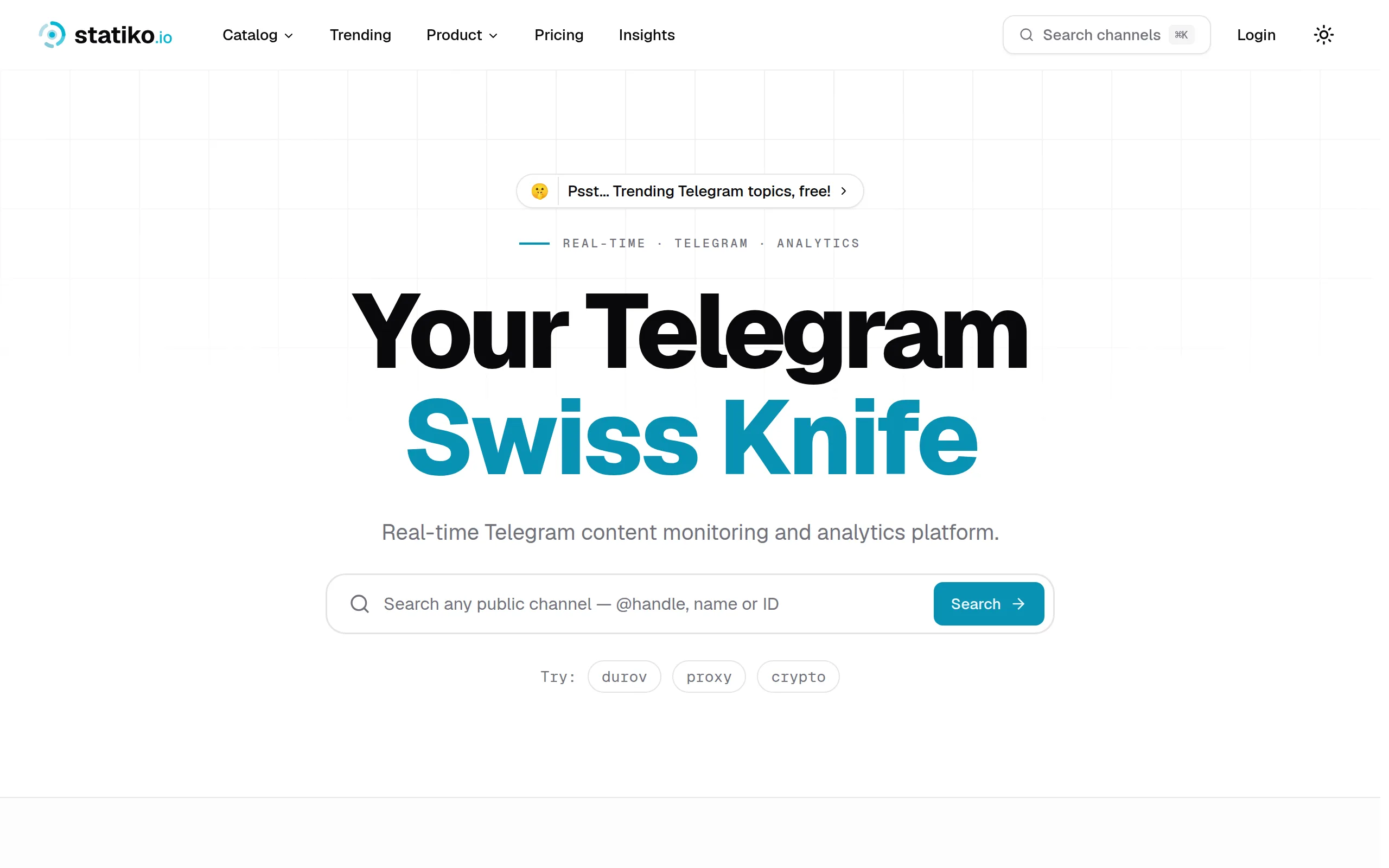
Statiko
Monitor any Telegram channel in real time - track posts, edits, deletions, and growth with AI recaps 📡

Shibui
AI website builder - describe your business, pick a niche template, edit by chatting, and publish instantly ✨

Pro Service
Find verified home service professionals, compare quotes, and pay securely through escrow - built for Brazilians across the US 🏠
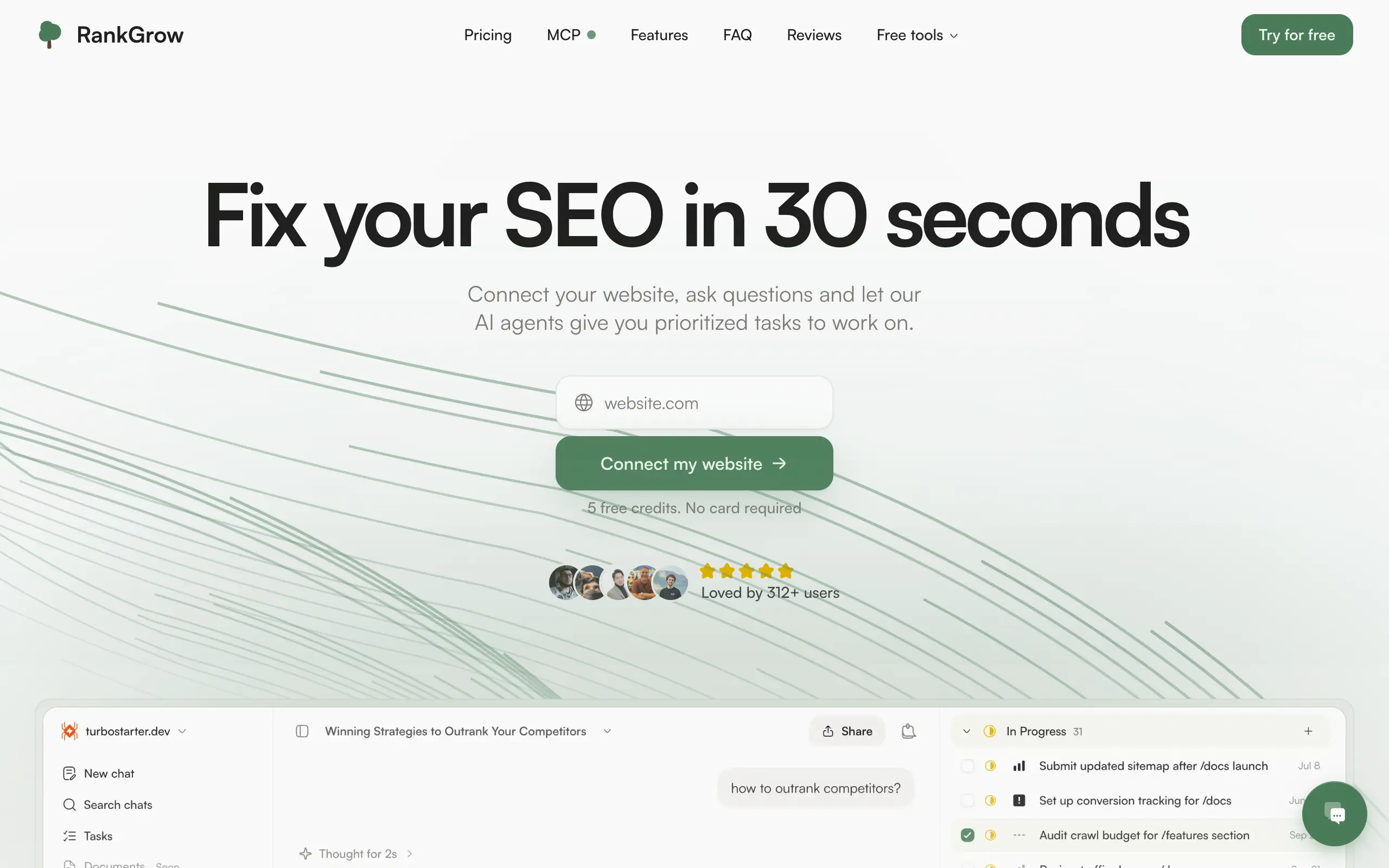
RankGrow
Fix your SEO with AI agents - connect Search Console, get prioritized tasks, and grow organic traffic 📈
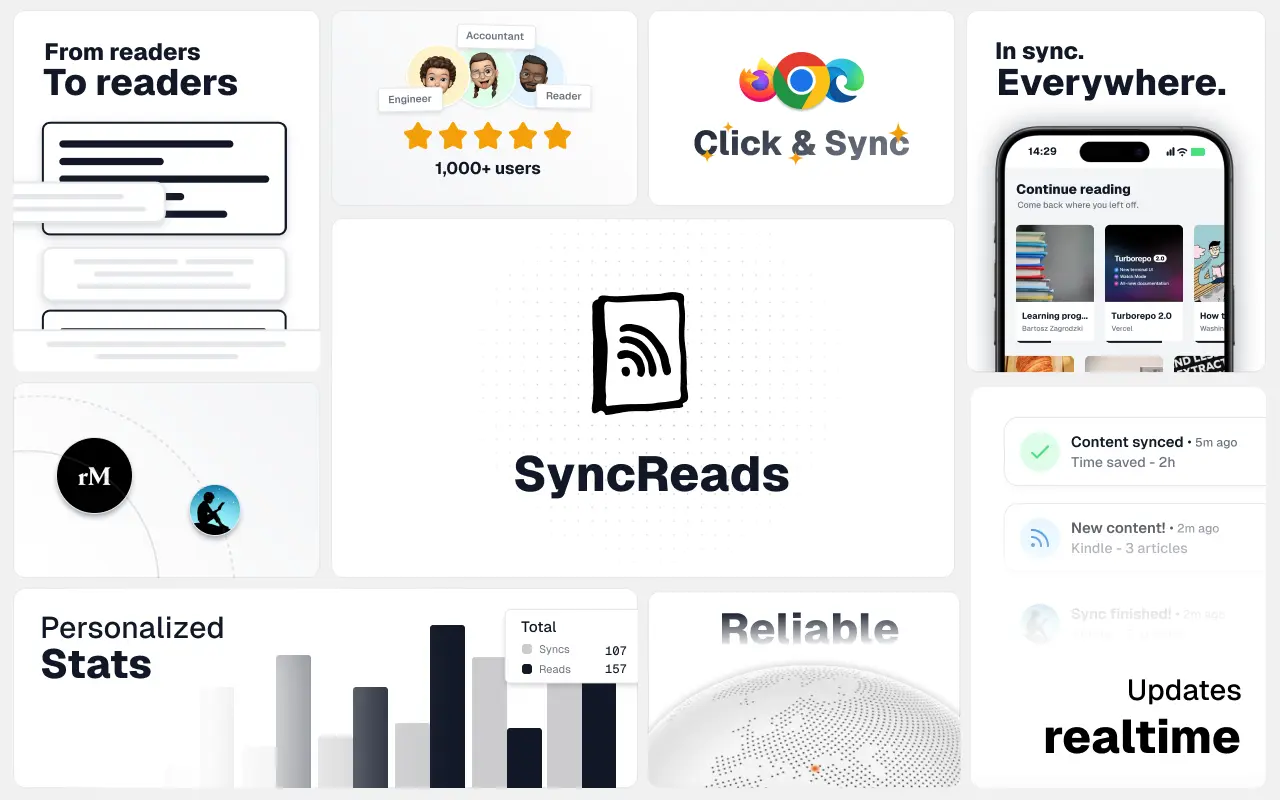
SyncReads
Sync your favorite content for distraction-free reading, save time and replace multiple apps. Anytime, anywhere 🔄
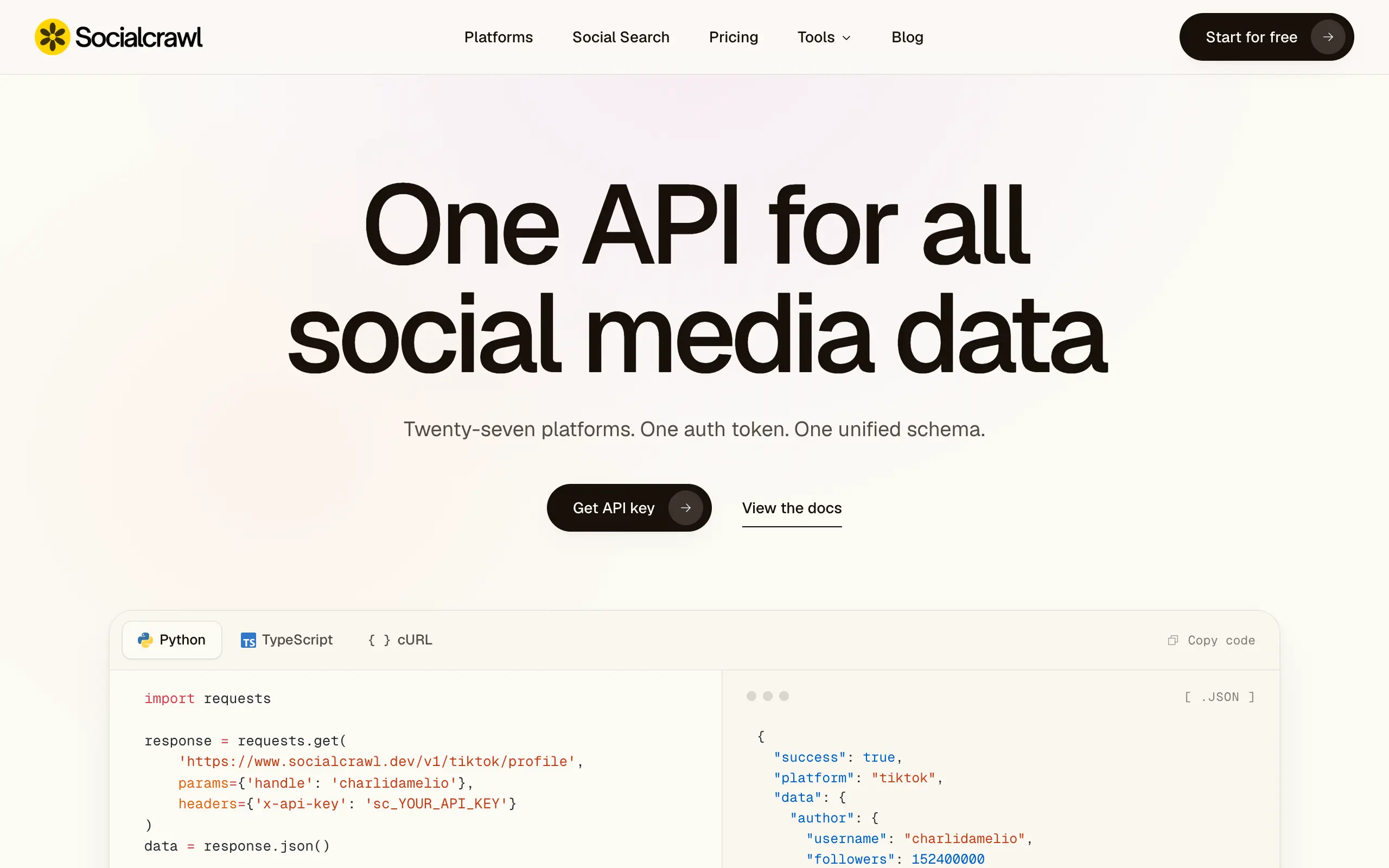
Socialcrawl
Get clean, structured data from 21 platforms like TikTok, Instagram, and YouTube with a single request 📊
Statiko
Monitor any Telegram channel in real time - track posts, edits, deletions, and growth with AI recaps 📡
Shibui
AI website builder - describe your business, pick a niche template, edit by chatting, and publish instantly ✨
Pro Service
Find verified home service professionals, compare quotes, and pay securely through escrow - built for Brazilians across the US 🏠
RankGrow
Fix your SEO with AI agents - connect Search Console, get prioritized tasks, and grow organic traffic 📈
SyncReads
Sync your favorite content for distraction-free reading, save time and replace multiple apps. Anytime, anywhere 🔄
Socialcrawl
Get clean, structured data from 21 platforms like TikTok, Instagram, and YouTube with a single request 📊
Statiko
Monitor any Telegram channel in real time - track posts, edits, deletions, and growth with AI recaps 📡
Shibui
AI website builder - describe your business, pick a niche template, edit by chatting, and publish instantly ✨
Pro Service
Find verified home service professionals, compare quotes, and pay securely through escrow - built for Brazilians across the US 🏠
RankGrow
Fix your SEO with AI agents - connect Search Console, get prioritized tasks, and grow organic traffic 📈
SyncReads
Sync your favorite content for distraction-free reading, save time and replace multiple apps. Anytime, anywhere 🔄
Socialcrawl
Get clean, structured data from 21 platforms like TikTok, Instagram, and YouTube with a single request 📊
Statiko
Monitor any Telegram channel in real time - track posts, edits, deletions, and growth with AI recaps 📡
Shibui
AI website builder - describe your business, pick a niche template, edit by chatting, and publish instantly ✨
Pro Service
Find verified home service professionals, compare quotes, and pay securely through escrow - built for Brazilians across the US 🏠
RankGrow
Fix your SEO with AI agents - connect Search Console, get prioritized tasks, and grow organic traffic 📈
SyncReads
Sync your favorite content for distraction-free reading, save time and replace multiple apps. Anytime, anywhere 🔄
Socialcrawl
Get clean, structured data from 21 platforms like TikTok, Instagram, and YouTube with a single request 📊
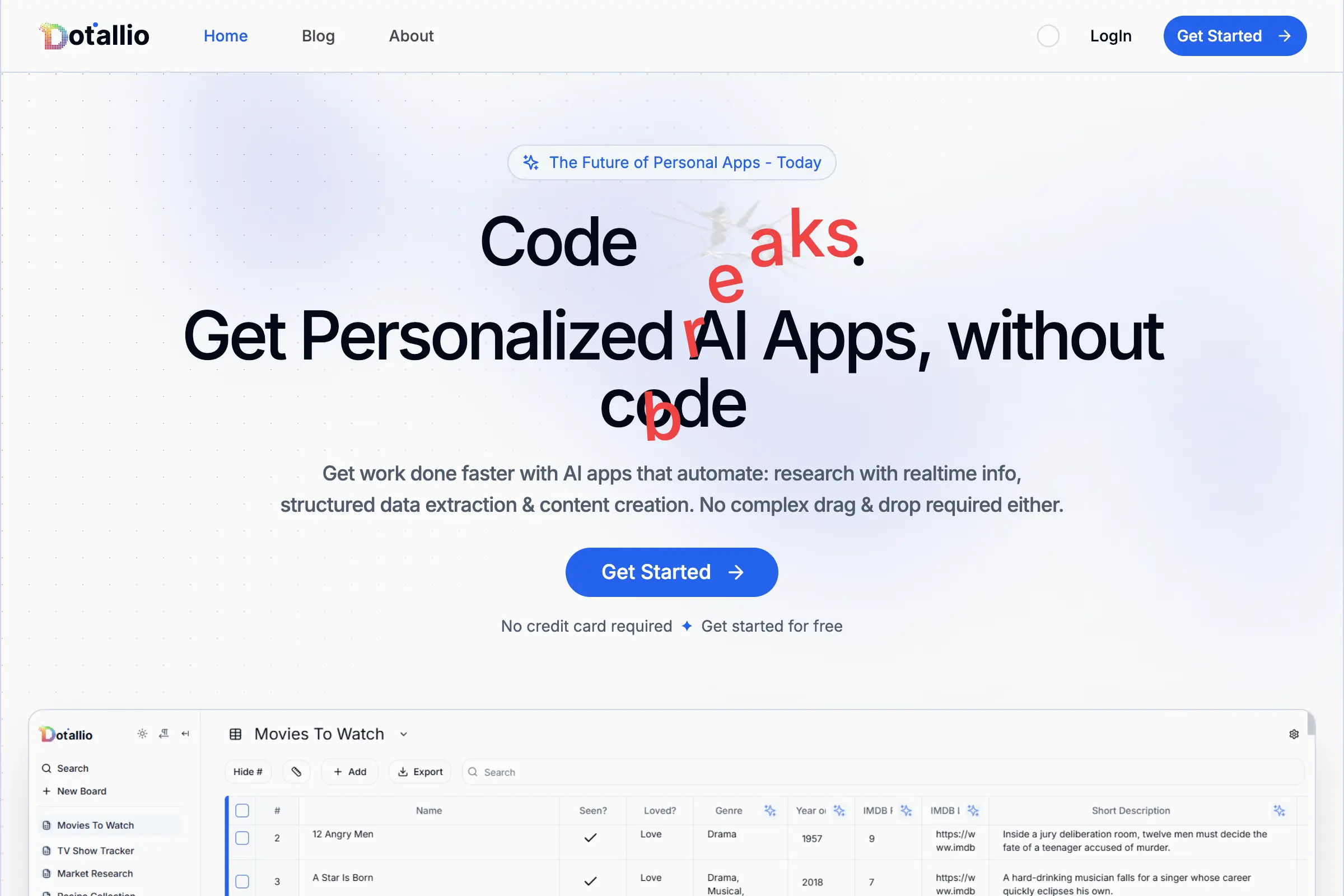
Dotallio
Personalized AI apps that automate research, data extraction, and content creation without code 🤖
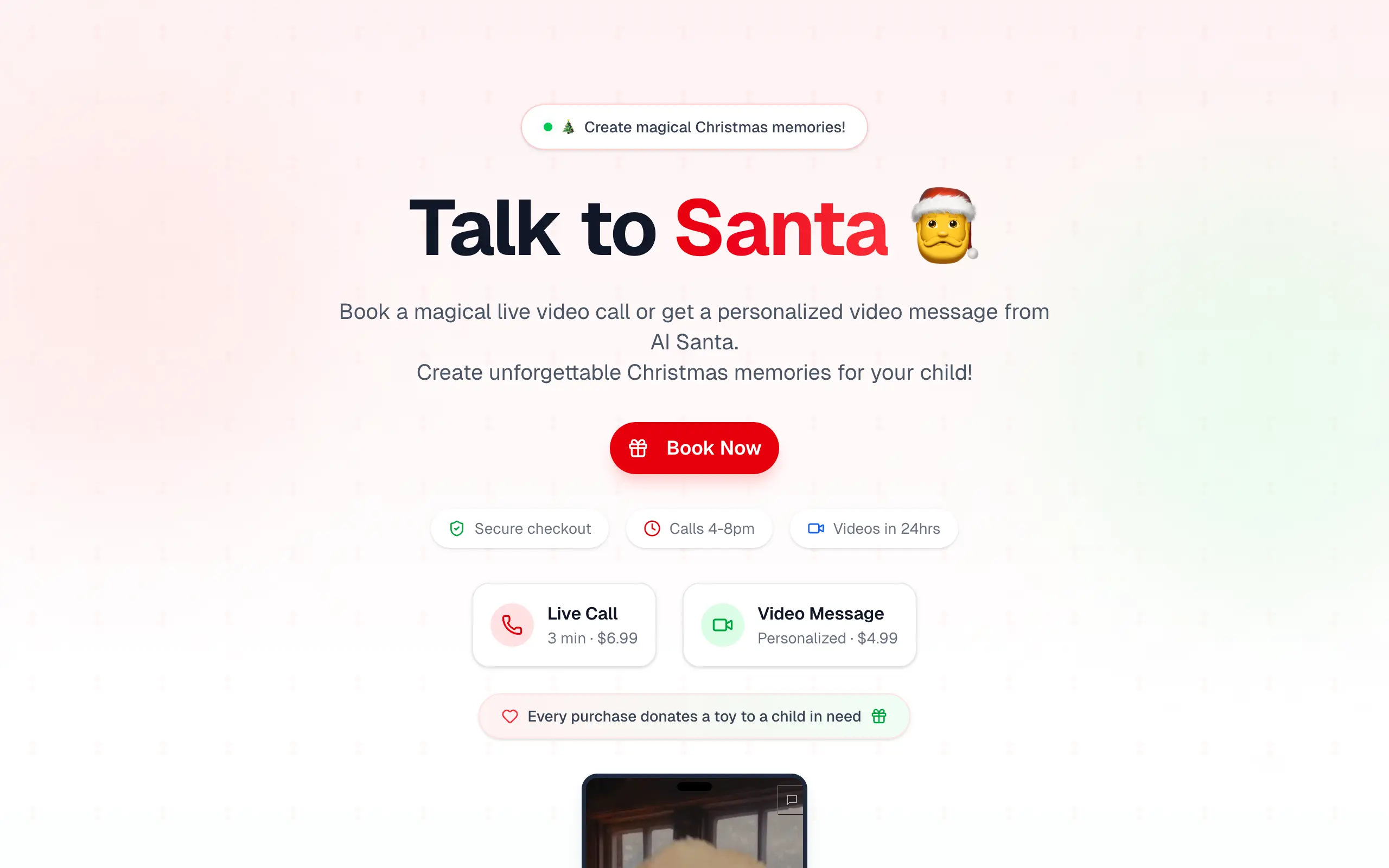
Talk to Santa
Enjoy a magical live video chat or receive a unique AI-generated video greeting from Santa Claus 🎅

pozywka.pl
Scalable blog for food journalist, focused on performance and user experience 🌭
zagrodzki.me
Personal blog and portfolio of Bart Zagrodzki, where he shares his knowledge and work 💼
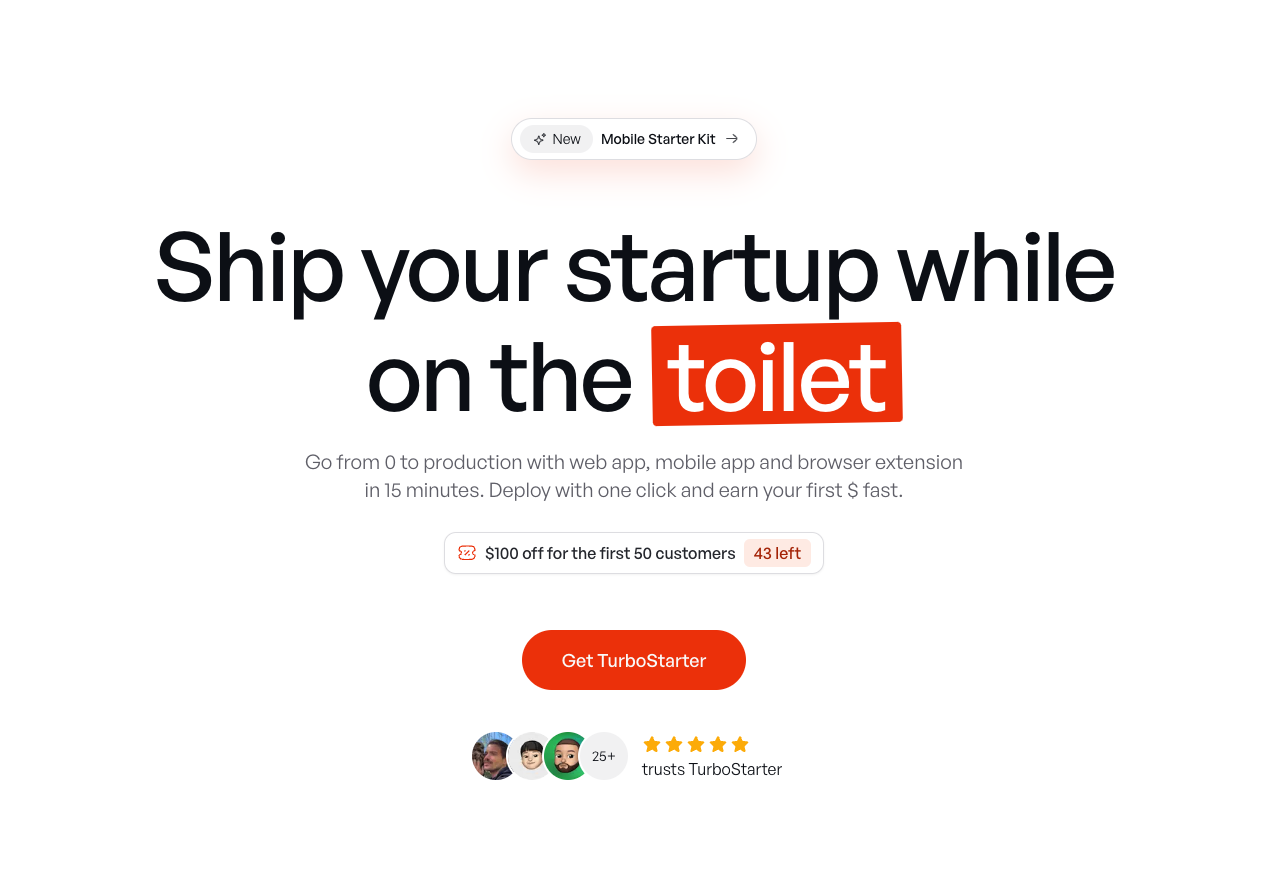
TurboStarter
Ship your startup everywhere. In minutes.
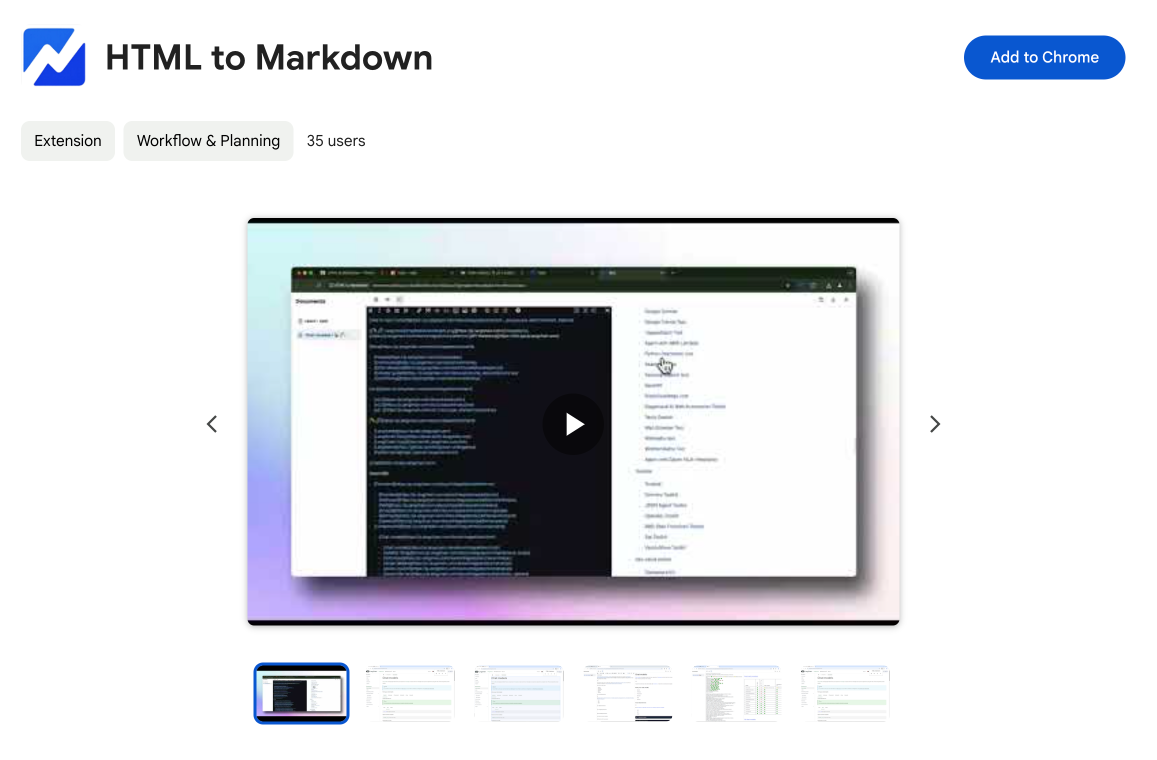
HTML to Markdown
Convert HTML to Markdown with ease, directly in your browser 📄
Dotallio
Personalized AI apps that automate research, data extraction, and content creation without code 🤖
Talk to Santa
Enjoy a magical live video chat or receive a unique AI-generated video greeting from Santa Claus 🎅
pozywka.pl
Scalable blog for food journalist, focused on performance and user experience 🌭
zagrodzki.me
Personal blog and portfolio of Bart Zagrodzki, where he shares his knowledge and work 💼
TurboStarter
Ship your startup everywhere. In minutes.
HTML to Markdown
Convert HTML to Markdown with ease, directly in your browser 📄
Dotallio
Personalized AI apps that automate research, data extraction, and content creation without code 🤖
Talk to Santa
Enjoy a magical live video chat or receive a unique AI-generated video greeting from Santa Claus 🎅
pozywka.pl
Scalable blog for food journalist, focused on performance and user experience 🌭
zagrodzki.me
Personal blog and portfolio of Bart Zagrodzki, where he shares his knowledge and work 💼
TurboStarter
Ship your startup everywhere. In minutes.
HTML to Markdown
Convert HTML to Markdown with ease, directly in your browser 📄
Dotallio
Personalized AI apps that automate research, data extraction, and content creation without code 🤖
Talk to Santa
Enjoy a magical live video chat or receive a unique AI-generated video greeting from Santa Claus 🎅
pozywka.pl
Scalable blog for food journalist, focused on performance and user experience 🌭
zagrodzki.me
Personal blog and portfolio of Bart Zagrodzki, where he shares his knowledge and work 💼
TurboStarter
Ship your startup everywhere. In minutes.
HTML to Markdown
Convert HTML to Markdown with ease, directly in your browser 📄
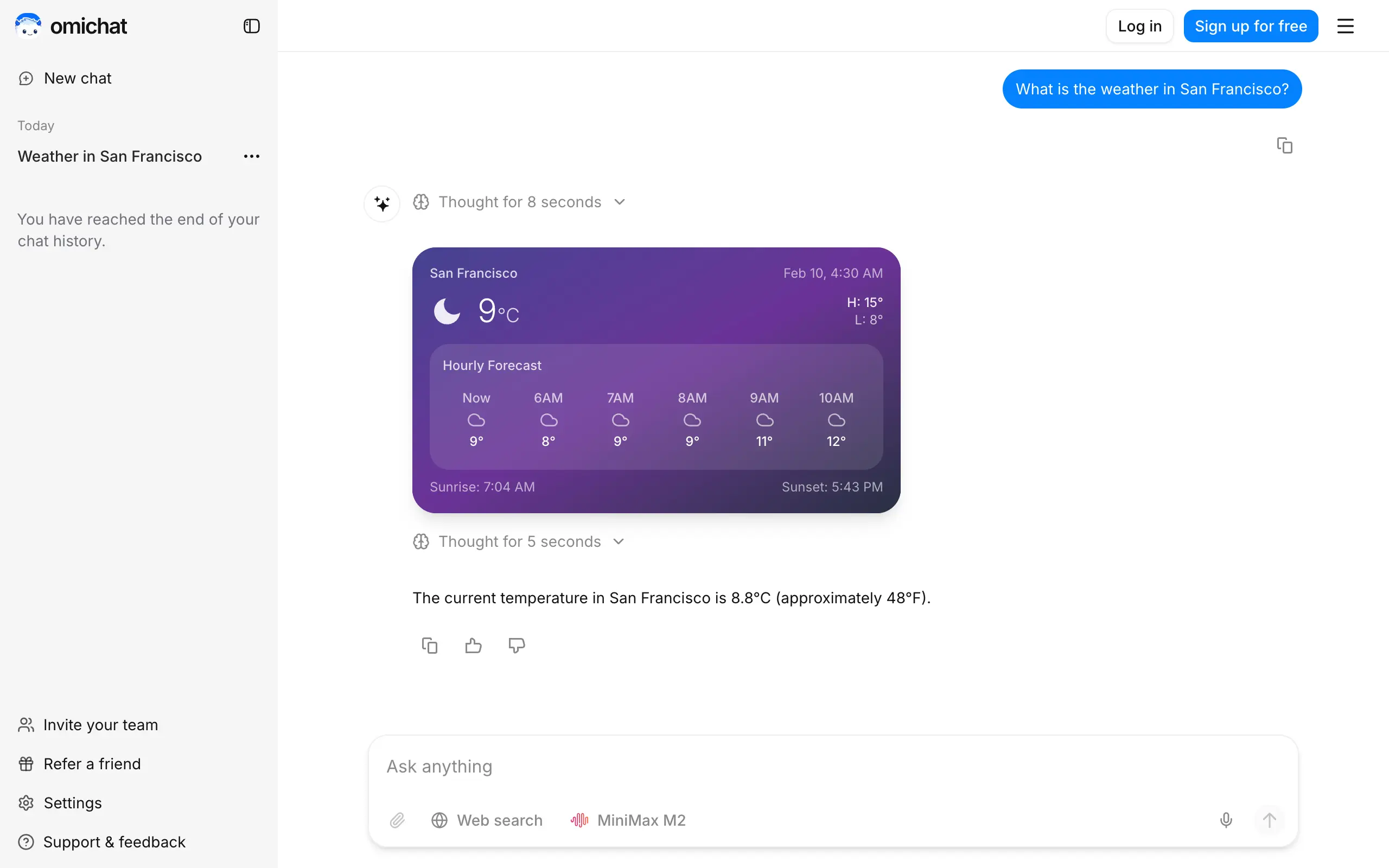
Omichat
Chat with 50+ AI models, including ChatGPT and Claude, in one place - switch models anytime without losing context 🤖
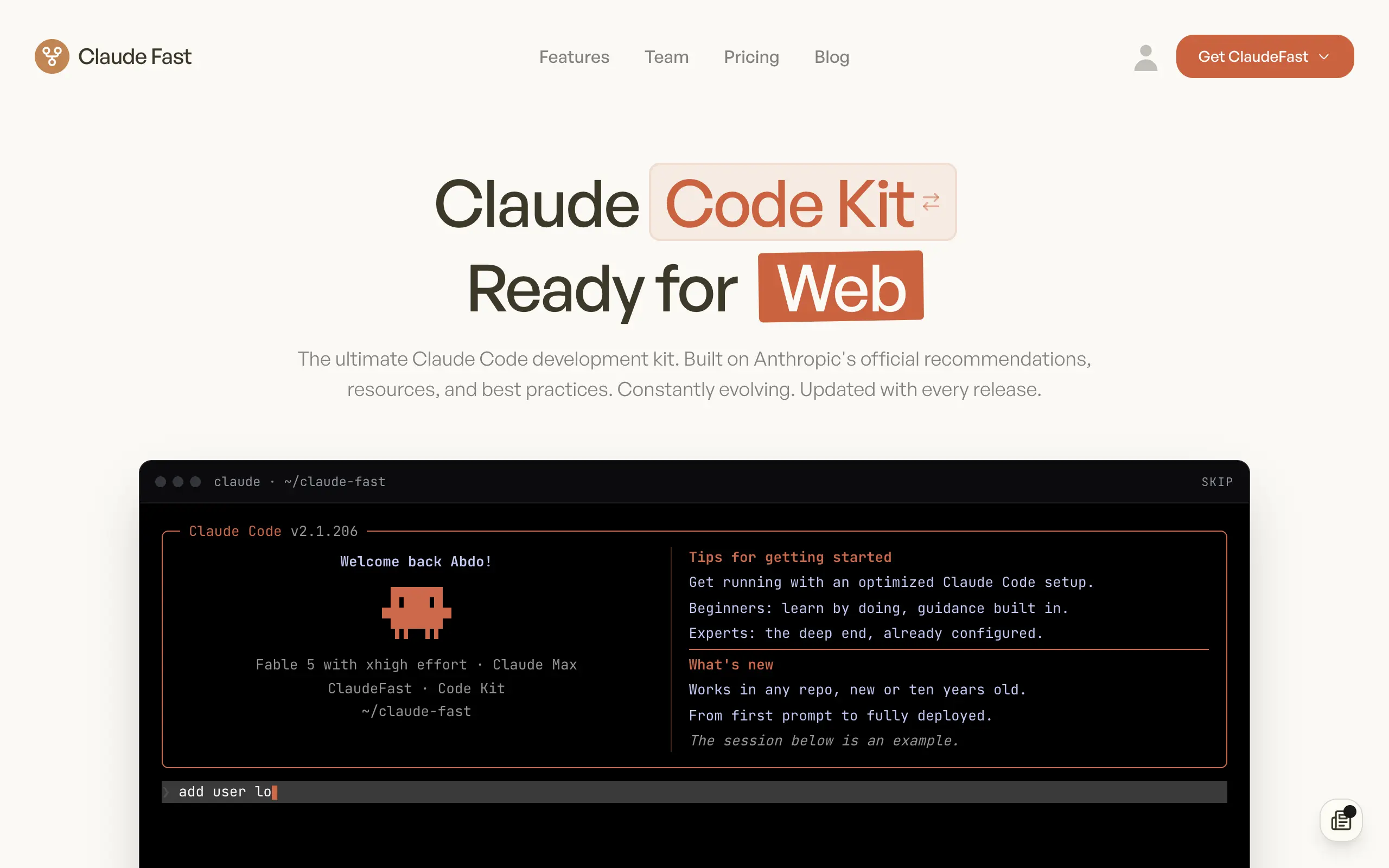
Claude Fast
Supercharge your Claude Code with 6x effective context window and specialized AI agents 🤖
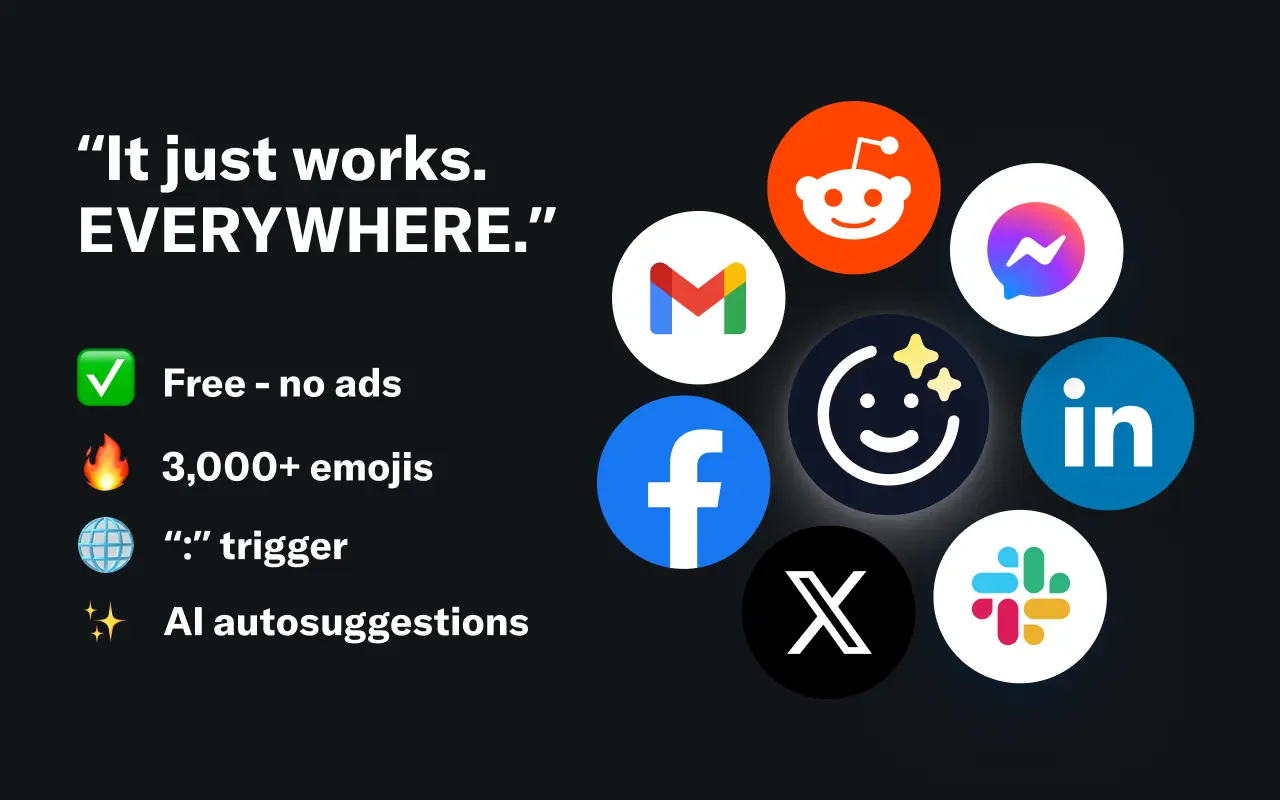
EmojAI
AI-powered emoji picker with smart, context-aware suggestions 🤖
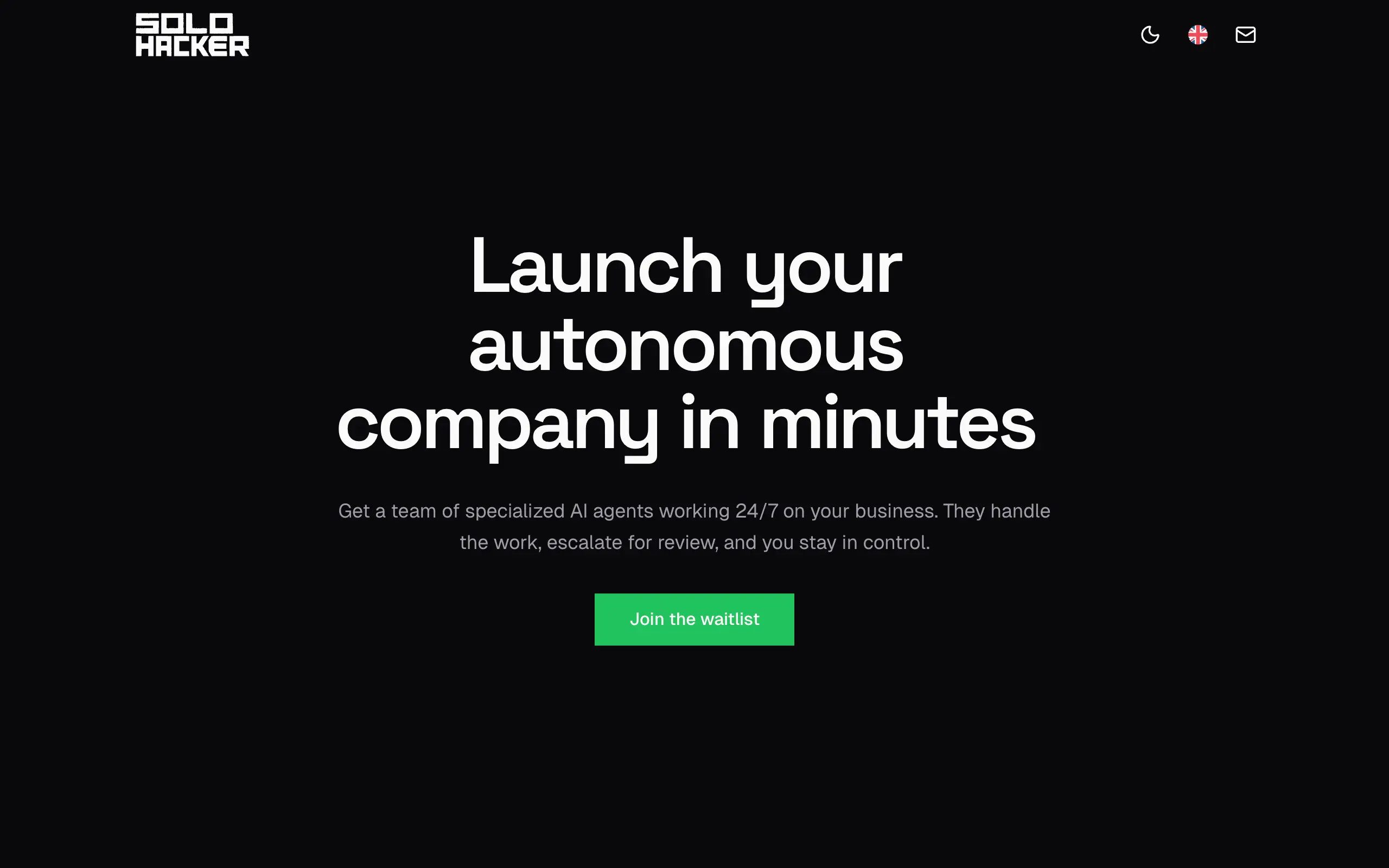
Solohacker
Autonomous company launcher - AI agents work 24/7, escalate what matters, and you stay in control 🤖
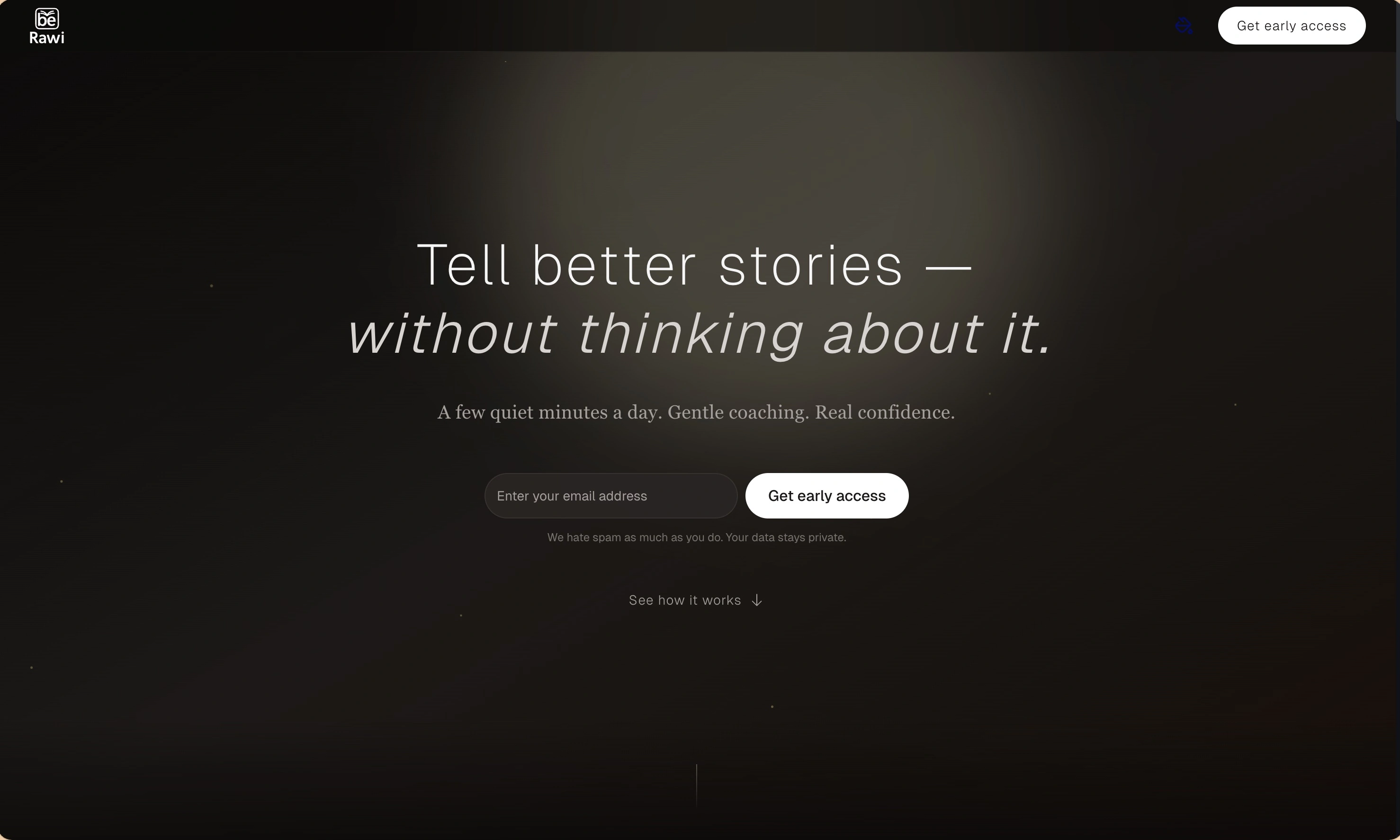
BeRawi: Storytelling Coach
Practice storytelling daily with instant feedback to sound clearer, more engaging, and confident 🎤
Omichat
Chat with 50+ AI models, including ChatGPT and Claude, in one place - switch models anytime without losing context 🤖
Claude Fast
Supercharge your Claude Code with 6x effective context window and specialized AI agents 🤖
EmojAI
AI-powered emoji picker with smart, context-aware suggestions 🤖
Solohacker
Autonomous company launcher - AI agents work 24/7, escalate what matters, and you stay in control 🤖
BeRawi: Storytelling Coach
Practice storytelling daily with instant feedback to sound clearer, more engaging, and confident 🎤
Omichat
Chat with 50+ AI models, including ChatGPT and Claude, in one place - switch models anytime without losing context 🤖
Claude Fast
Supercharge your Claude Code with 6x effective context window and specialized AI agents 🤖
EmojAI
AI-powered emoji picker with smart, context-aware suggestions 🤖
Solohacker
Autonomous company launcher - AI agents work 24/7, escalate what matters, and you stay in control 🤖
BeRawi: Storytelling Coach
Practice storytelling daily with instant feedback to sound clearer, more engaging, and confident 🎤
Omichat
Chat with 50+ AI models, including ChatGPT and Claude, in one place - switch models anytime without losing context 🤖
Claude Fast
Supercharge your Claude Code with 6x effective context window and specialized AI agents 🤖
EmojAI
AI-powered emoji picker with smart, context-aware suggestions 🤖
Solohacker
Autonomous company launcher - AI agents work 24/7, escalate what matters, and you stay in control 🤖
BeRawi: Storytelling Coach
Practice storytelling daily with instant feedback to sound clearer, more engaging, and confident 🎤

Connect with like-minded people
Join our community to get feedback, support, and grow together with 1,000+ builders on board, let's ship it!
Join usShip your startup everywhere. In minutes.
Don't burn tokens on setup and start building features on day one.