AutoSpin Loyalty
Мобильная геймифицированная платформа лояльности для автодилеров с колесом фортуны и мини-играми для роста повторных визитов и продаж допуслуг.
Why a gamified mobile loyalty platform for car dealerships is a high-growth SaaS opportunity
The automotive retail industry is undergoing a structural shift. Margins on new car sales are tightening, customer acquisition costs are rising, and dealerships increasingly depend on after-sales service, accessories, and repeat visits to stay profitable. At the same time, customer expectations are shaped by mobile-first experiences, instant rewards, and gamification mechanics popularized by consumer apps.
This creates a compelling opportunity for a mobile gamified loyalty platform for car dealerships—a solution like AutoSpin Loyalty—that uses a “wheel of fortune,” mini-games, and rewards to increase repeat visits and upsell additional services.
This article provides a comprehensive analysis of the market opportunity, target audience, product strategy, monetization model, technical architecture, competitive positioning, and step-by-step implementation roadmap for launching and scaling such a SaaS product.
The market opportunity in automotive loyalty software
Dealership profitability is shifting toward retention
Industry reports (e.g., NADA annual reports in the U.S.) consistently show that:
- Fixed operations (service & parts) generate a large share of dealership profits.
- Customer retention in service departments often drops sharply after warranty expiration.
- Many dealerships lack modern digital loyalty tools tailored to automotive behavior.
Pain point: Dealerships invest heavily in lead generation and sales but underinvest in post-sale engagement.
A mobile loyalty platform designed specifically for auto dealerships can:
- Increase service retention rates
- Boost accessory and add-on sales
- Drive seasonal campaign participation
- Collect actionable customer data
Why gamification works in automotive
Gamification has proven impact across industries:
- Retail apps increase engagement with points and spin-to-win mechanics.
- Food chains use daily rewards to drive foot traffic.
- Fitness apps leverage streaks and badges for habit formation.
However, automotive dealerships rarely use behavioral design principles such as:
- Variable rewards (wheel of fortune)
- Time-based missions (e.g., seasonal tire check)
- Service-based achievements (e.g., “Gold Service Member”)
- Referral competitions
This creates a clear product-market gap.
Primary keyword strategy and search intent alignment
Primary keyword: mobile loyalty platform for car dealerships
Related LSI keywords:
- gamified loyalty software for auto dealers
- automotive customer retention app
- dealership rewards app
- auto service loyalty program software
- gamification in automotive marketing
- dealership mobile engagement platform
User search intent
Users searching for these terms typically want:
- A solution to increase repeat service visits
- A digital alternative to paper punch cards
- Ways to improve customer retention and upsell services
- Technical insights before investing in SaaS
This article addresses all four by combining strategy, market validation, and implementation detail.
Target audience analysis
Primary buyers
Auto dealership owners
Interested in increasing lifetime customer value and service department revenue.
Service department managers
Focused on boosting workshop utilization and repeat bookings.
Automotive marketing directors
Need measurable digital engagement campaigns.
Secondary stakeholders
- Automotive dealer groups (multi-location chains)
- OEM-affiliated dealership networks
- Aftermarket service chains
- Franchise automotive service centers
Key decision drivers
Dealerships evaluate software based on:
- ROI within 3–6 months
- Integration with existing DMS/CRM systems
- Ease of use for non-technical staff
- Clear analytics and reporting
- Customer adoption rate
A successful mobile loyalty platform for car dealerships must align tightly with these criteria.
Core product vision: what AutoSpin Loyalty solves
AutoSpin Loyalty is not just a rewards app. It is a behavior-driven engagement engine tailored for automotive retail.
Core problems it addresses
- Low service retention after vehicle purchase
- Ineffective email/SMS-only campaigns
- Lack of emotional engagement with dealership brand
- Weak cross-sell performance (tires, detailing, accessories)
Core solution pillars
- Gamified engagement (wheel of fortune & mini-games)
- Smart reward automation tied to service history
- Mobile-first user experience
- Data-driven dealership insights
Core features of a mobile gamified loyalty platform
1. Wheel of fortune mechanics
Customers earn spins by:
- Booking service appointments
- Referring friends
- Completing seasonal checks
- Leaving reviews
- Purchasing accessories
Rewards may include:
- Free car wash
- Discount on oil change
- Tire alignment coupon
- Bonus loyalty points
- Gift cards
Gamification psychology: variable reward schedules increase engagement and repeat app opens.
2. Mini-games and seasonal campaigns
Examples:
- “Winter readiness challenge”
- “Summer road trip mission”
- “Service streak reward”
Mini-games can include:
- Scratch cards
- Time-limited challenges
- Badge collection
These mechanics encourage habit formation.
3. Smart segmentation and automation
The platform should support:
- Vehicle age-based segmentation
- Warranty expiration triggers
- Service gap detection
- Geo-targeted offers
- Push notification personalization
This moves the product beyond generic loyalty into automotive lifecycle marketing automation.
4. Customer analytics dashboard
Dealership managers need:
- Retention rate metrics
- Average revenue per user (ARPU)
- Campaign ROI
- Reward redemption rates
- Upsell performance
A built-in analytics dashboard differentiates serious SaaS from basic coupon apps.
Feature comparison vs traditional loyalty programs
| Feature | Paper Cards | Email Only | Generic Loyalty App | AutoSpin Loyalty |
|---|---|---|---|---|
| Gamification | ❌ | ❌ | ⚠️ Limited | ✅ |
| Automotive segmentation | ❌ | ❌ | ❌ | ✅ |
| Mobile push notifications | ❌ | ❌ | ✅ | ✅ |
| Service behavior tracking | ❌ | ⚠️ | ⚠️ | ✅ |
Competitive landscape analysis
Existing competitors
- Generic loyalty SaaS platforms
- Automotive CRM providers
- OEM-provided marketing tools
- SMS marketing platforms
Market gap
Most competitors:
- Lack true gamification mechanics
- Focus on email/SMS instead of app-based engagement
- Do not deeply integrate behavioral psychology
- Are not mobile-first
Unique selling proposition (USP):
A fully gamified, automotive-specific mobile loyalty platform combining behavioral design, lifecycle marketing automation, and service revenue optimization.
Recommended technical architecture
Mobile app development approach
Two options:
React Native or Flutter
Pros:
- Faster development
- Shared codebase
- Lower cost
Cons:
- Slightly reduced native performance
Swift (iOS) + Kotlin (Android)
Pros:
- Maximum performance
- Deep OS integrations
Cons:
- Higher development cost
- Longer MVP timeline
For MVP validation, cross-platform is recommended.
Recommended framework:
- React (web admin panel)
- React Native (mobile app)
- TailwindCSS (admin UI styling)
Backend architecture
- Node.js or Go backend
- PostgreSQL database
- Redis for caching
- Firebase for push notifications
- AWS or GCP cloud hosting
Example simplified backend endpoint:
// Example reward spin endpoint
app.post('/api/spin', async (req, res) => {
  const { userId } = req.body;

  const reward = await getRandomReward(userId);
  await assignReward(userId, reward);

  res.json({ success: true, reward });
});
Integration requirements
Critical integrations:
- Dealership CRM/DMS systems
- Appointment scheduling tools
- Payment systems
- SMS gateways
- Analytics tools
APIs should be modular and secure with OAuth2.
Monetization strategy
SaaS subscription model
Recommended pricing tiers:
- Starter – single dealership
- Growth – advanced analytics
- Enterprise – multi-location groups
Pricing example
- $299/month (single location)
- $799/month (multi-location up to 5 branches)
- Custom enterprise pricing
Additional revenue streams
- Setup & onboarding fees
- Campaign management services
- White-label licensing
- Revenue share on upsell campaigns
Financial projections model
Revenue drivers:
- Number of dealerships
- Average contract value (ACV)
- Churn rate
- Upsell penetration
Example scenario:
- 100 dealerships
- $400 average monthly subscription
- = $40,000 MRR
- = $480,000 ARR
Scaling to 1,000 dealerships creates significant SaaS valuation potential.
Risks and mitigation strategies
Key risk areas
Customer adoption, integration complexity, and dealership resistance to change are the biggest threats.
Risk 1: Low customer adoption
Mitigation:
- Incentivized onboarding rewards
- Instant signup bonuses
- SMS-driven activation
Risk 2: Integration complexity
Mitigation:
- Offer lightweight standalone mode
- Provide API connectors
- Prioritize top 5 DMS systems first
Risk 3: Gamification fatigue
Mitigation:
- Seasonal content updates
- Rotating reward pools
- Behavioral A/B testing
Data security and compliance
Essential compliance considerations:
- GDPR (Europe)
- CCPA (California)
- Secure data encryption
- Role-based admin access
Dealerships must trust that customer data is protected.
Go-to-market strategy
Phase 1: Pilot dealerships
- Partner with 3–5 dealerships
- Offer discounted early access
- Collect testimonials
Phase 2: Dealer group expansion
- Target multi-location auto groups
- Attend automotive trade events
- Publish retention case studies
Phase 3: OEM partnerships
Long-term growth can include OEM-endorsed integration.
Step-by-step implementation roadmap
Why this SaaS has strong defensibility
Competitive moat elements:
- Behavioral data accumulation
- Integration ecosystem
- Automotive-specific UX design
- Gamification intellectual property
- Multi-location analytics engine
Once embedded, switching costs increase.
Long-term expansion opportunities
- AI-powered predictive service reminders
- Dynamic reward optimization algorithms
- EV-specific maintenance engagement
- Insurance & financing cross-sell modules
- Marketplace for partner brands
Building the MVP efficiently
Time-to-market matters. Instead of building infrastructure from scratch, using a production-ready SaaS starter kit like TurboStarter can significantly reduce development time by providing:
- Authentication system
- Subscription billing
- Admin dashboards
- API structure
- Scalable architecture
This accelerates focus on the core gamification engine.
Final thoughts: why a mobile loyalty platform for car dealerships is timely
The automotive industry is becoming increasingly digital, competitive, and retention-driven. Traditional marketing methods are losing effectiveness. Dealerships need measurable, engaging, and mobile-first tools.
A gamified loyalty platform:
- Increases repeat visits
- Boosts service revenue
- Strengthens brand attachment
- Provides valuable customer data
- Creates predictable SaaS revenue
The opportunity lies at the intersection of behavioral psychology, automotive lifecycle marketing, and mobile engagement technology.
Action plan for founders
- Conduct 10 dealership interviews this month
- Define 3 core gamification loops
- Build MVP in 90 days
- Pilot with measurable KPIs
- Optimize retention and ROI proof
- Scale regionally before going national
The combination of mobile gamification and automotive retention is still underdeveloped. With the right execution, AutoSpin Loyalty can become a category-defining mobile loyalty platform for car dealerships.
More 📱 Mobile App SaaS ideas
Discover more innovative mobile app SaaS ideas that are trending in 2026. Each idea is AI-generated with market validation and growth potential to help you find your next profitable venture faster than competitors.
Your competitors are building with TurboStarter
Below are some of the SaaS ideas that have been generated and built with our starter kit.
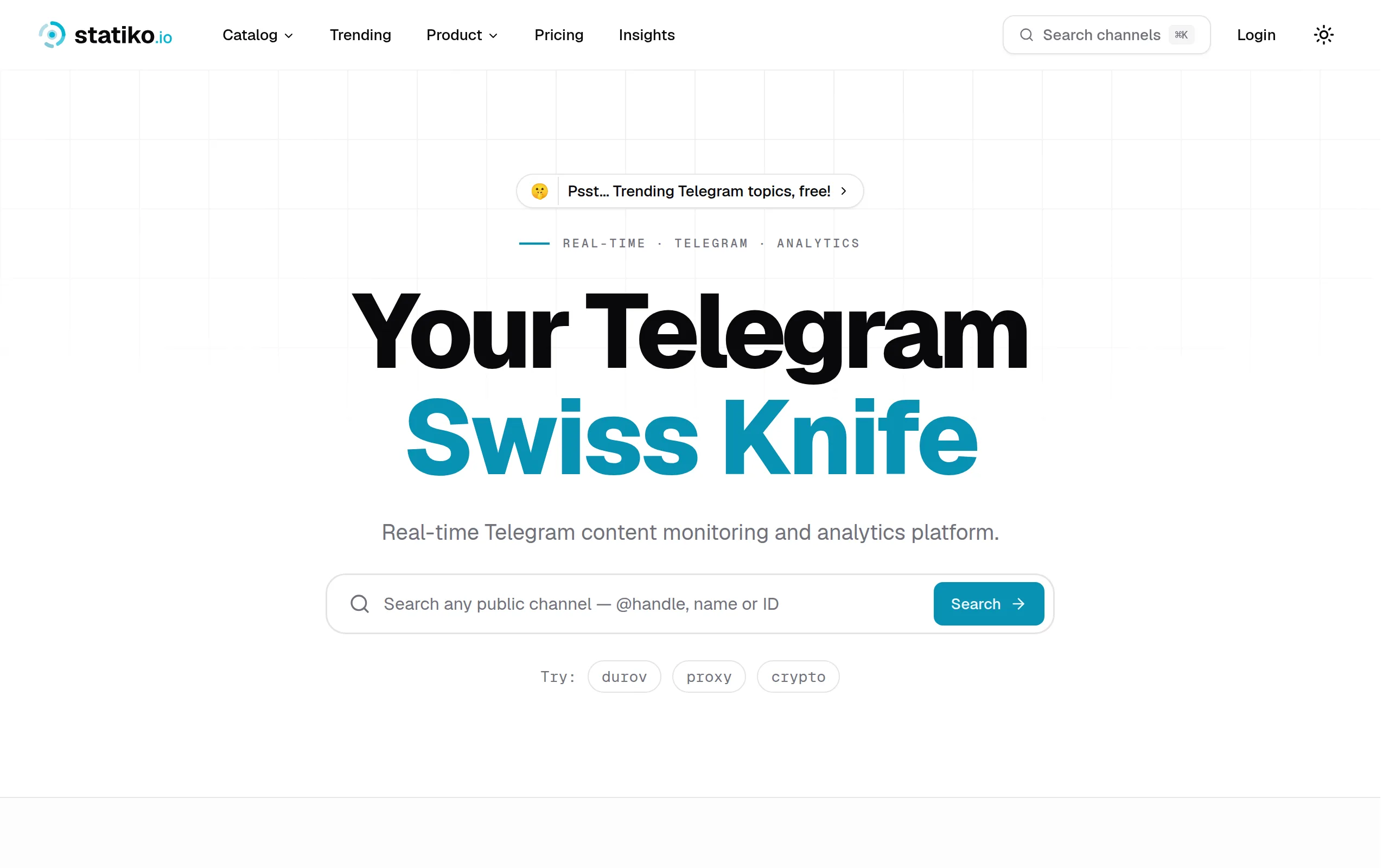
Statiko
Monitor any Telegram channel in real time - track posts, edits, deletions, and growth with AI recaps 📡
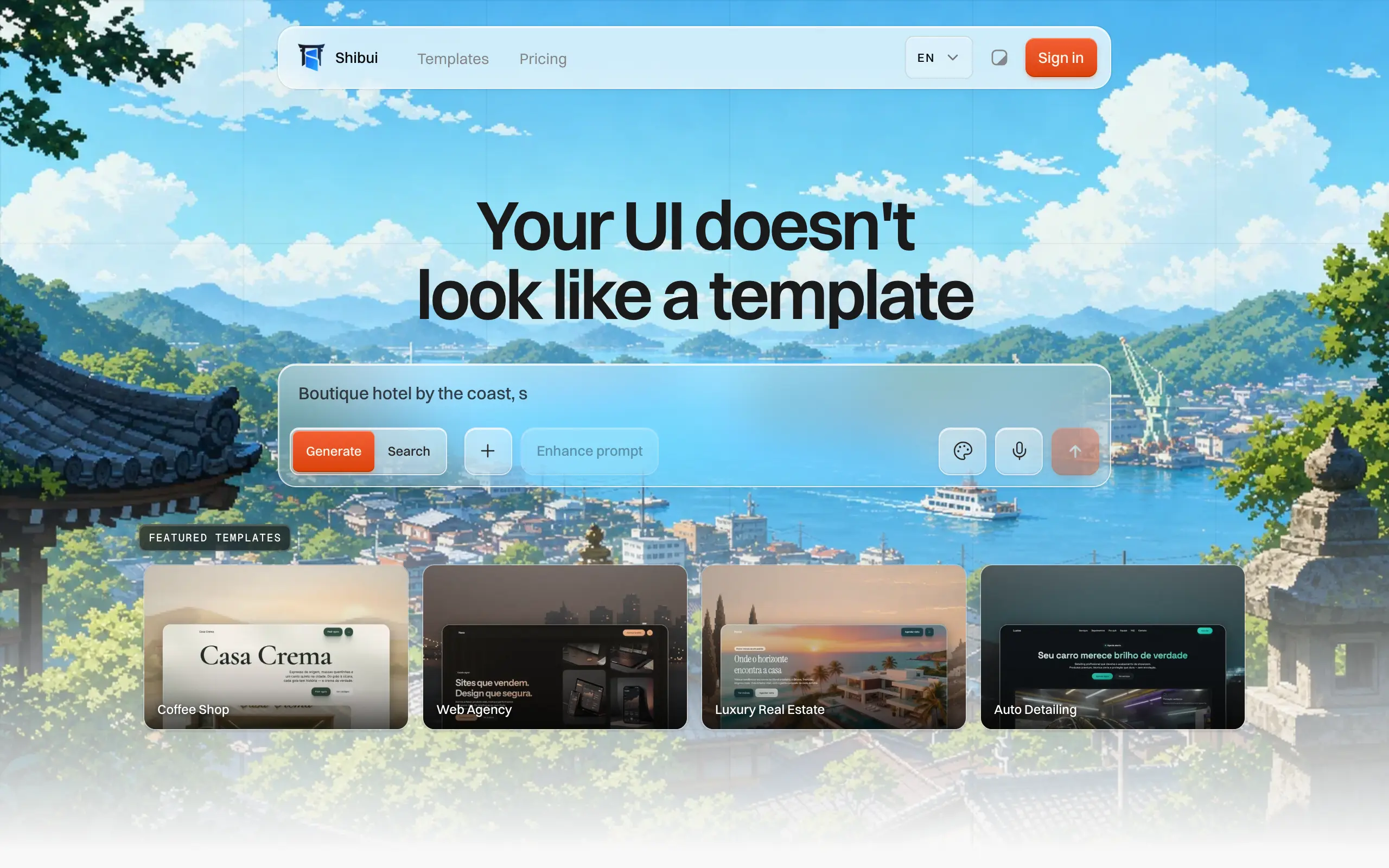
Shibui
AI website builder - describe your business, pick a niche template, edit by chatting, and publish instantly ✨
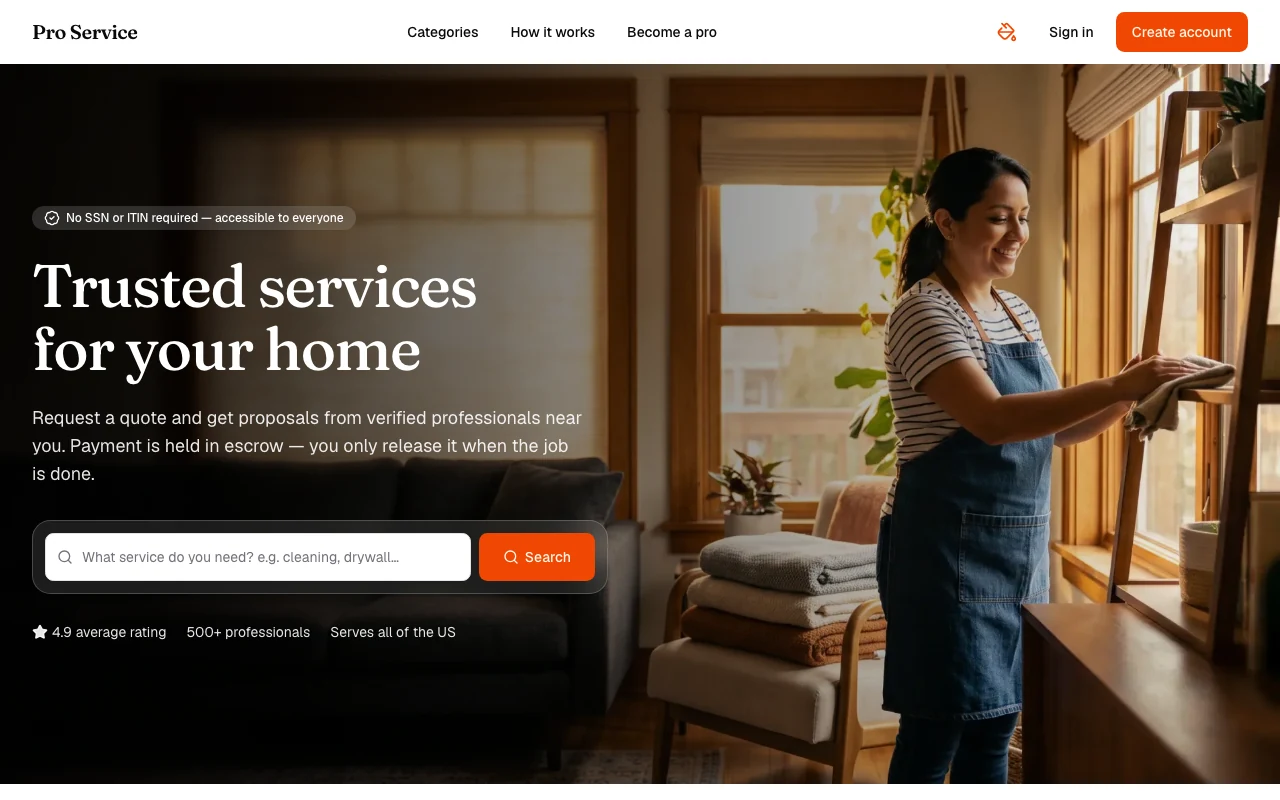
Pro Service
Find verified home service professionals, compare quotes, and pay securely through escrow - built for Brazilians across the US 🏠
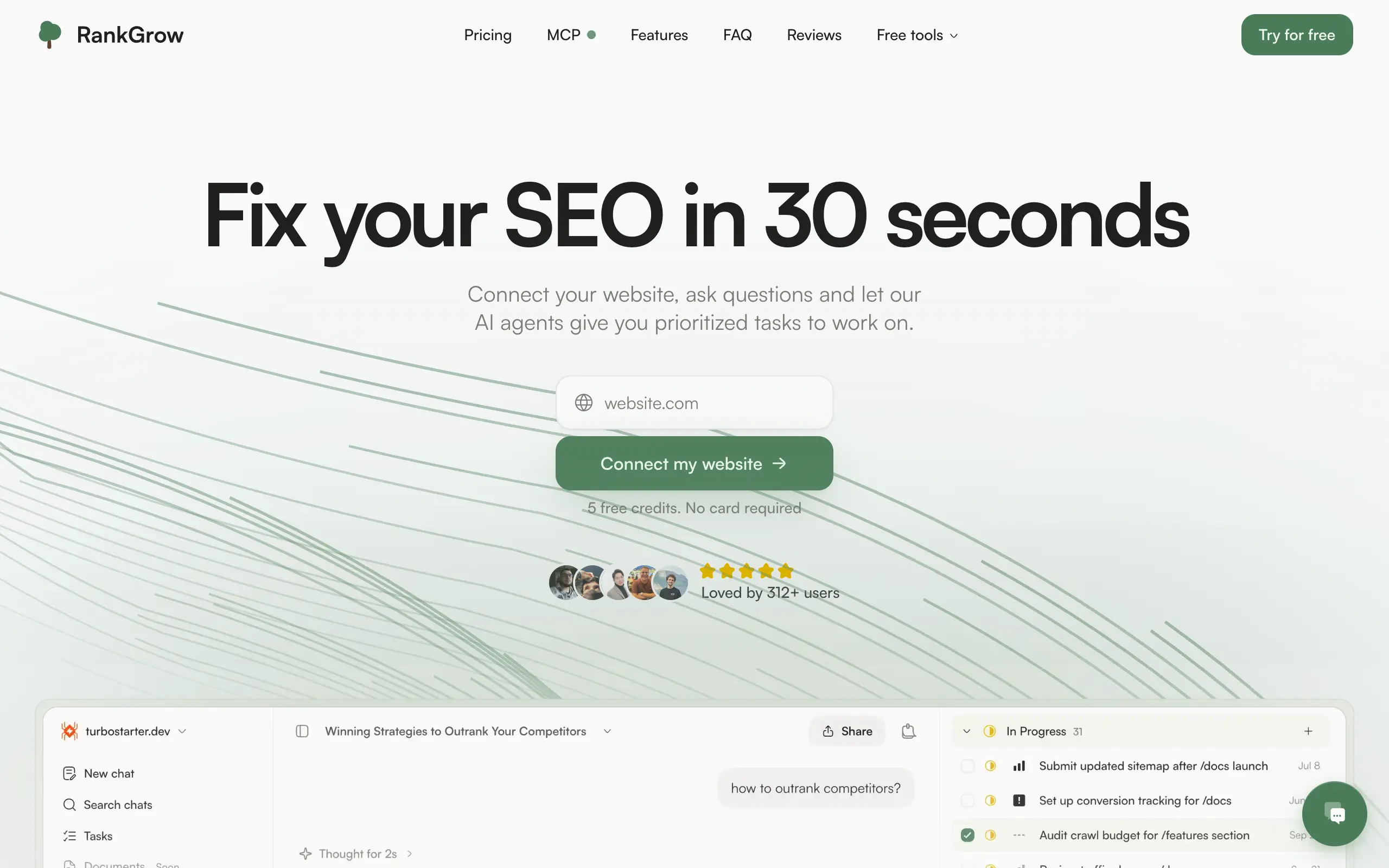
RankGrow
Fix your SEO with AI agents - connect Search Console, get prioritized tasks, and grow organic traffic 📈
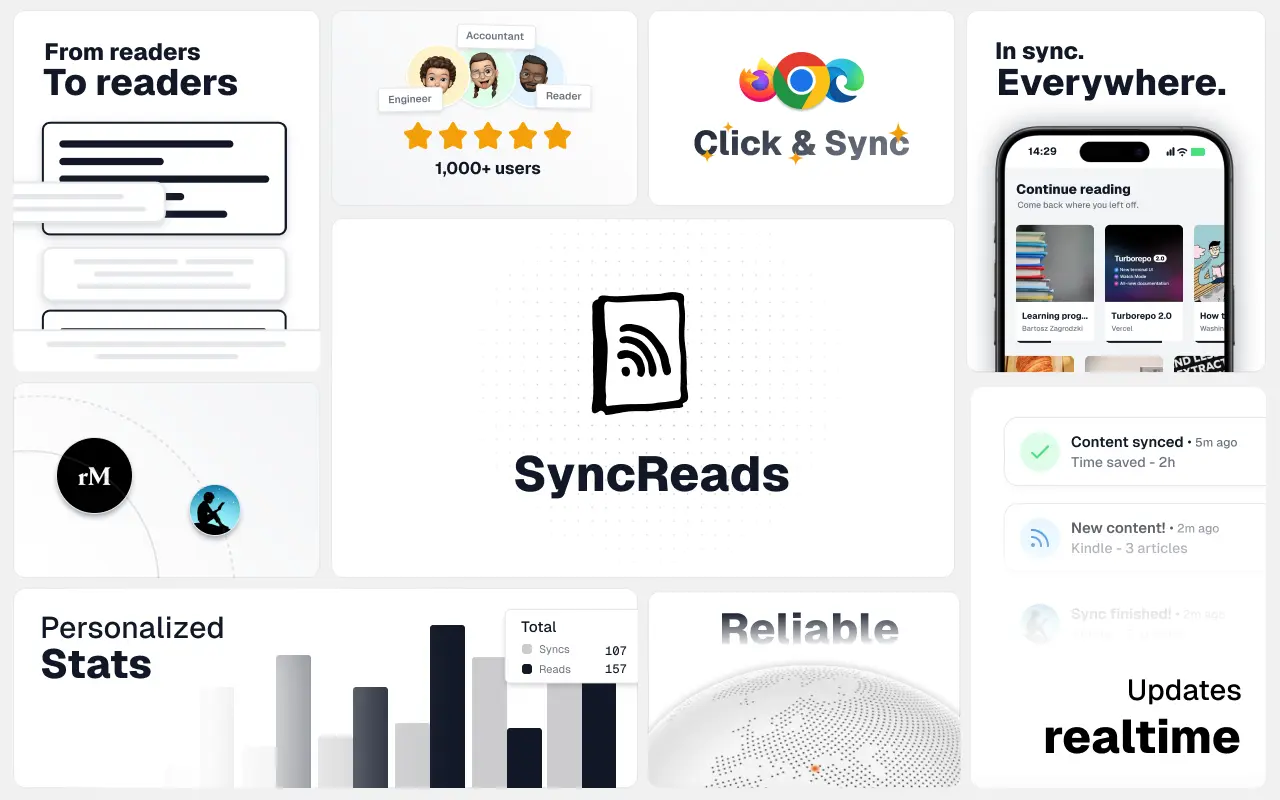
SyncReads
Sync your favorite content for distraction-free reading, save time and replace multiple apps. Anytime, anywhere 🔄
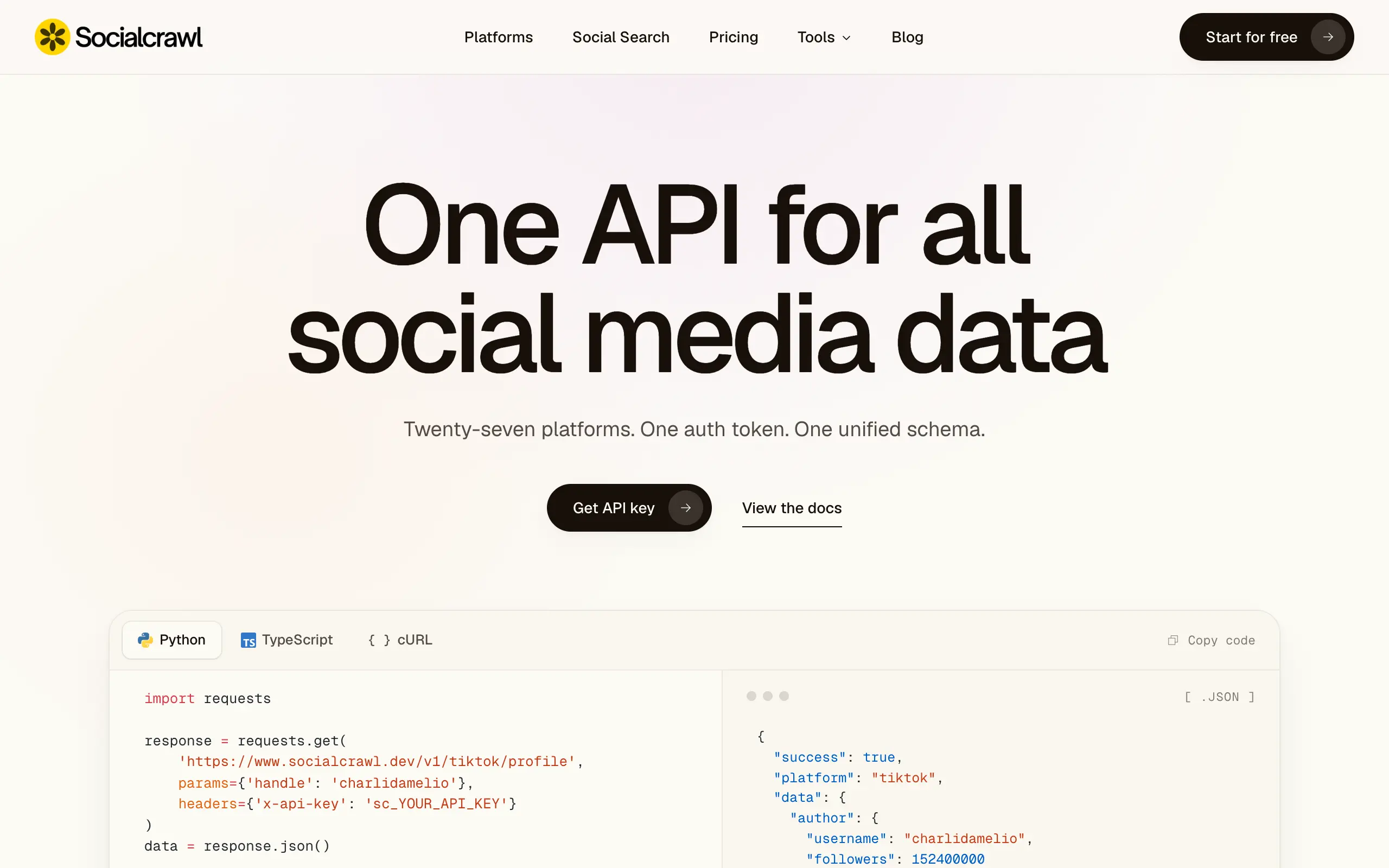
Socialcrawl
Get clean, structured data from 21 platforms like TikTok, Instagram, and YouTube with a single request 📊
Statiko
Monitor any Telegram channel in real time - track posts, edits, deletions, and growth with AI recaps 📡
Shibui
AI website builder - describe your business, pick a niche template, edit by chatting, and publish instantly ✨
Pro Service
Find verified home service professionals, compare quotes, and pay securely through escrow - built for Brazilians across the US 🏠
RankGrow
Fix your SEO with AI agents - connect Search Console, get prioritized tasks, and grow organic traffic 📈
SyncReads
Sync your favorite content for distraction-free reading, save time and replace multiple apps. Anytime, anywhere 🔄
Socialcrawl
Get clean, structured data from 21 platforms like TikTok, Instagram, and YouTube with a single request 📊
Statiko
Monitor any Telegram channel in real time - track posts, edits, deletions, and growth with AI recaps 📡
Shibui
AI website builder - describe your business, pick a niche template, edit by chatting, and publish instantly ✨
Pro Service
Find verified home service professionals, compare quotes, and pay securely through escrow - built for Brazilians across the US 🏠
RankGrow
Fix your SEO with AI agents - connect Search Console, get prioritized tasks, and grow organic traffic 📈
SyncReads
Sync your favorite content for distraction-free reading, save time and replace multiple apps. Anytime, anywhere 🔄
Socialcrawl
Get clean, structured data from 21 platforms like TikTok, Instagram, and YouTube with a single request 📊
Statiko
Monitor any Telegram channel in real time - track posts, edits, deletions, and growth with AI recaps 📡
Shibui
AI website builder - describe your business, pick a niche template, edit by chatting, and publish instantly ✨
Pro Service
Find verified home service professionals, compare quotes, and pay securely through escrow - built for Brazilians across the US 🏠
RankGrow
Fix your SEO with AI agents - connect Search Console, get prioritized tasks, and grow organic traffic 📈
SyncReads
Sync your favorite content for distraction-free reading, save time and replace multiple apps. Anytime, anywhere 🔄
Socialcrawl
Get clean, structured data from 21 platforms like TikTok, Instagram, and YouTube with a single request 📊
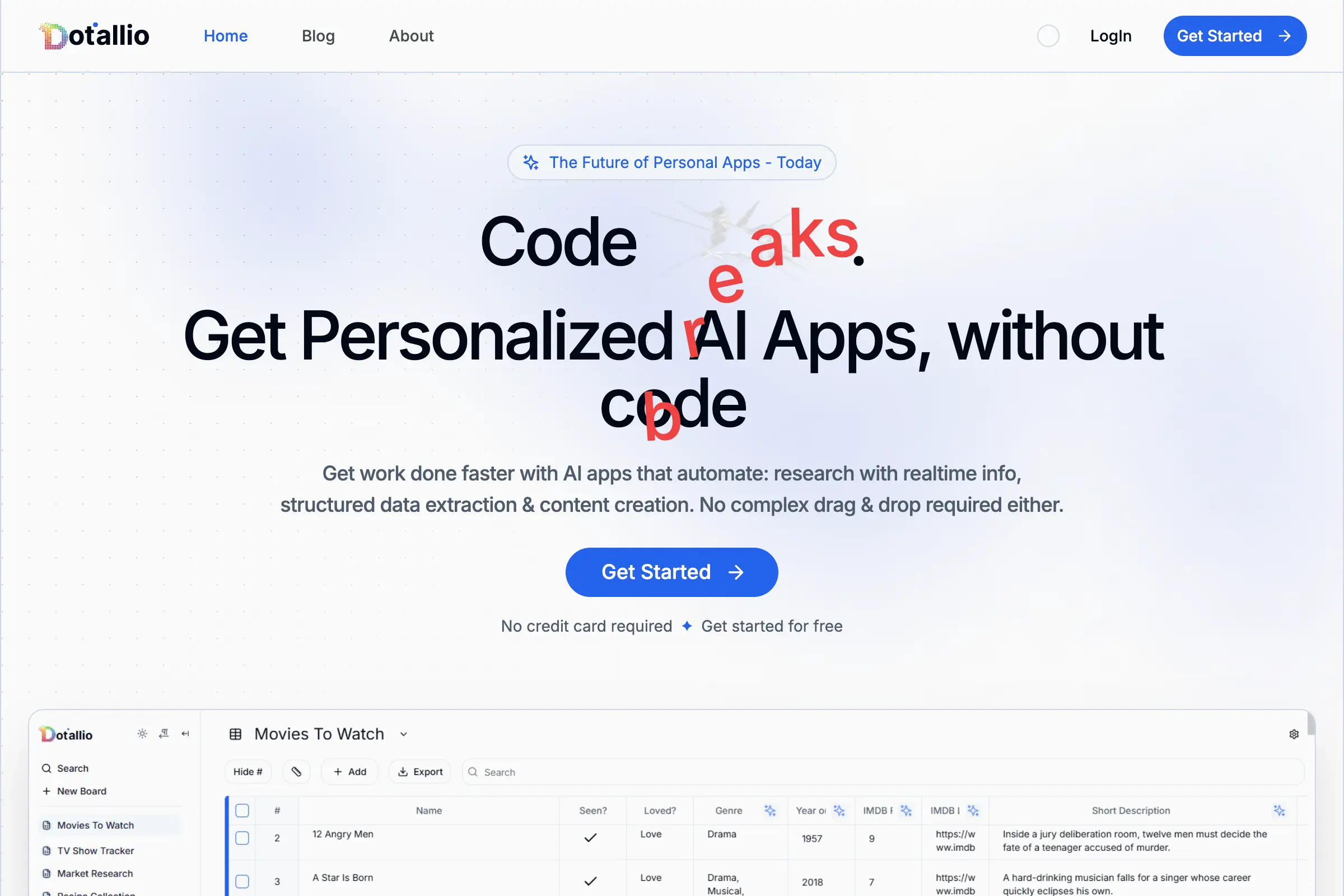
Dotallio
Personalized AI apps that automate research, data extraction, and content creation without code 🤖
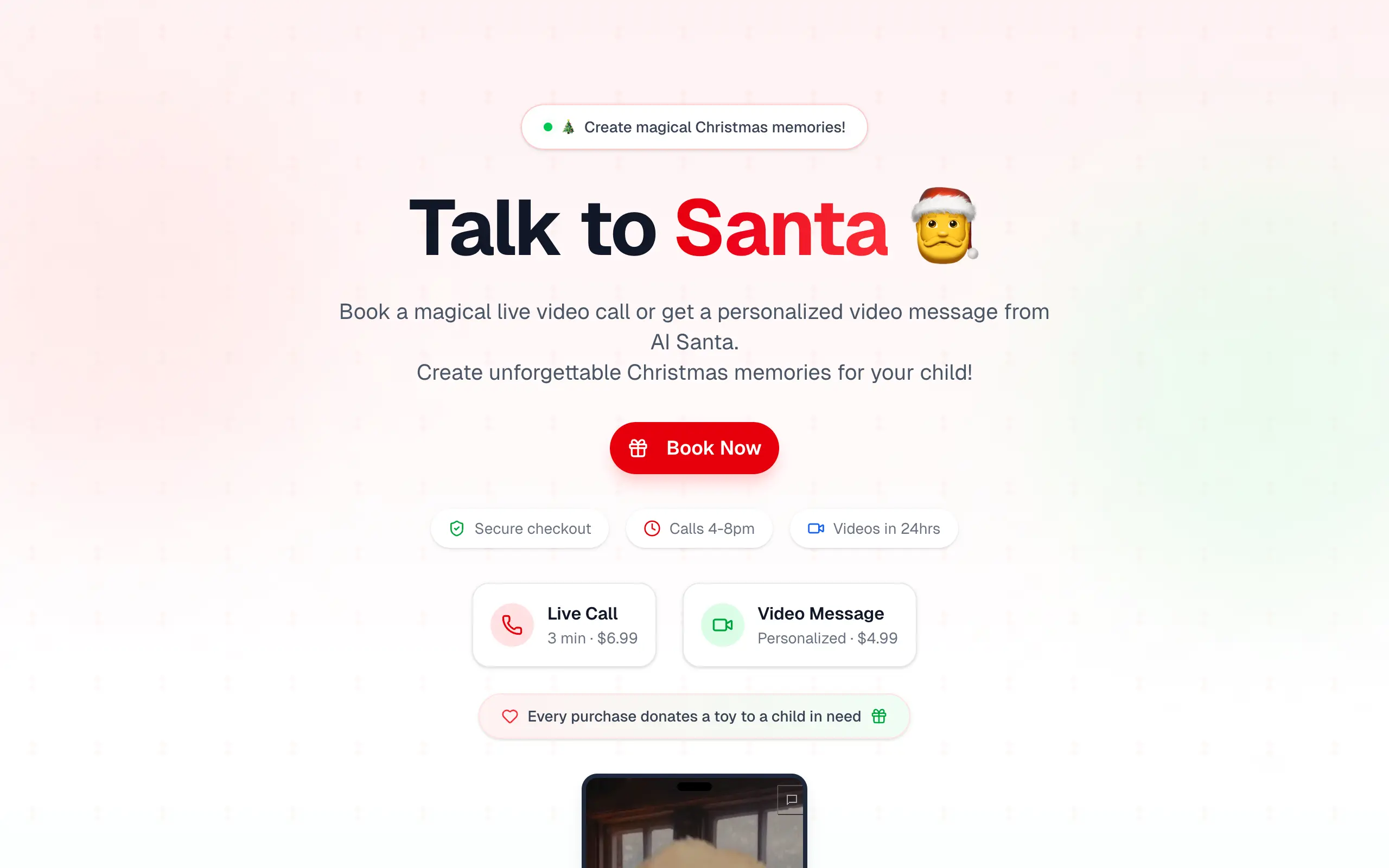
Talk to Santa
Enjoy a magical live video chat or receive a unique AI-generated video greeting from Santa Claus 🎅
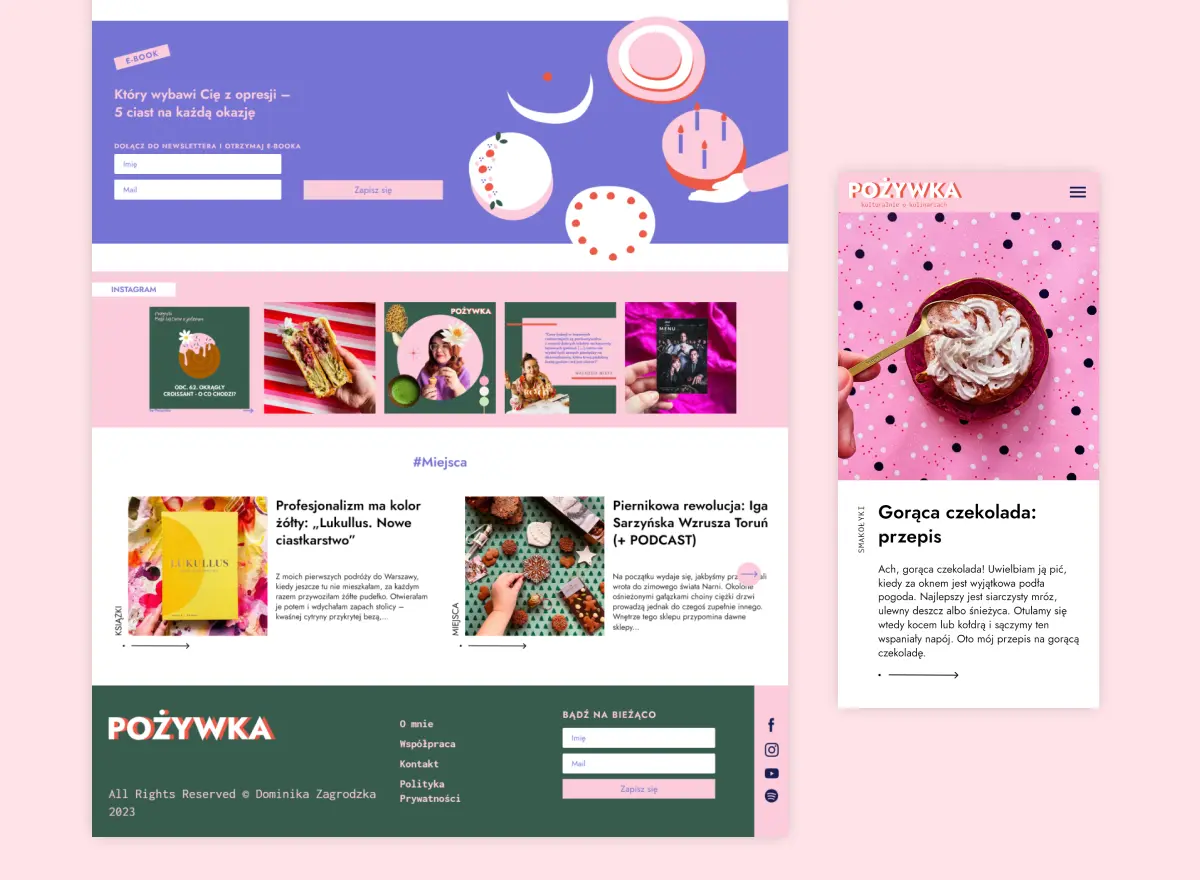
pozywka.pl
Scalable blog for food journalist, focused on performance and user experience 🌭
zagrodzki.me
Personal blog and portfolio of Bart Zagrodzki, where he shares his knowledge and work 💼
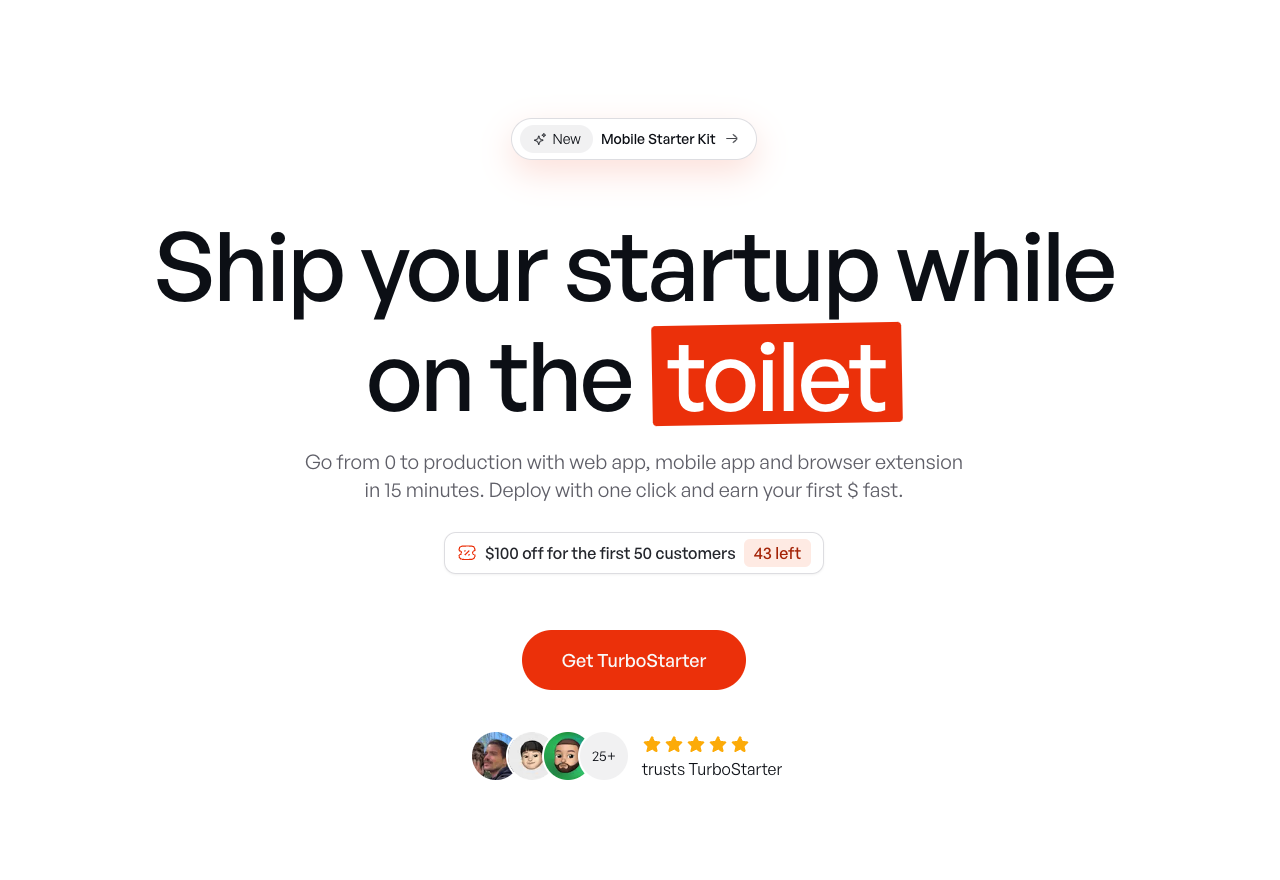
TurboStarter
Ship your startup everywhere. In minutes.
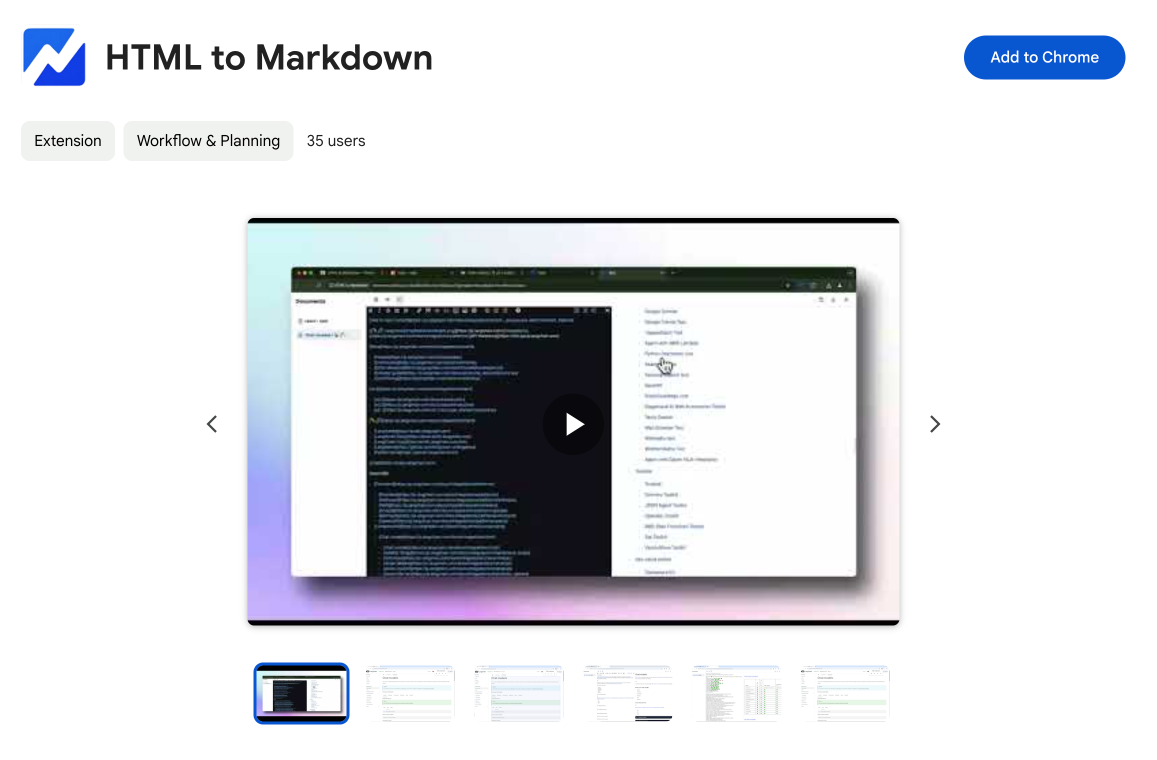
HTML to Markdown
Convert HTML to Markdown with ease, directly in your browser 📄
Dotallio
Personalized AI apps that automate research, data extraction, and content creation without code 🤖
Talk to Santa
Enjoy a magical live video chat or receive a unique AI-generated video greeting from Santa Claus 🎅
pozywka.pl
Scalable blog for food journalist, focused on performance and user experience 🌭
zagrodzki.me
Personal blog and portfolio of Bart Zagrodzki, where he shares his knowledge and work 💼
TurboStarter
Ship your startup everywhere. In minutes.
HTML to Markdown
Convert HTML to Markdown with ease, directly in your browser 📄
Dotallio
Personalized AI apps that automate research, data extraction, and content creation without code 🤖
Talk to Santa
Enjoy a magical live video chat or receive a unique AI-generated video greeting from Santa Claus 🎅
pozywka.pl
Scalable blog for food journalist, focused on performance and user experience 🌭
zagrodzki.me
Personal blog and portfolio of Bart Zagrodzki, where he shares his knowledge and work 💼
TurboStarter
Ship your startup everywhere. In minutes.
HTML to Markdown
Convert HTML to Markdown with ease, directly in your browser 📄
Dotallio
Personalized AI apps that automate research, data extraction, and content creation without code 🤖
Talk to Santa
Enjoy a magical live video chat or receive a unique AI-generated video greeting from Santa Claus 🎅
pozywka.pl
Scalable blog for food journalist, focused on performance and user experience 🌭
zagrodzki.me
Personal blog and portfolio of Bart Zagrodzki, where he shares his knowledge and work 💼
TurboStarter
Ship your startup everywhere. In minutes.
HTML to Markdown
Convert HTML to Markdown with ease, directly in your browser 📄
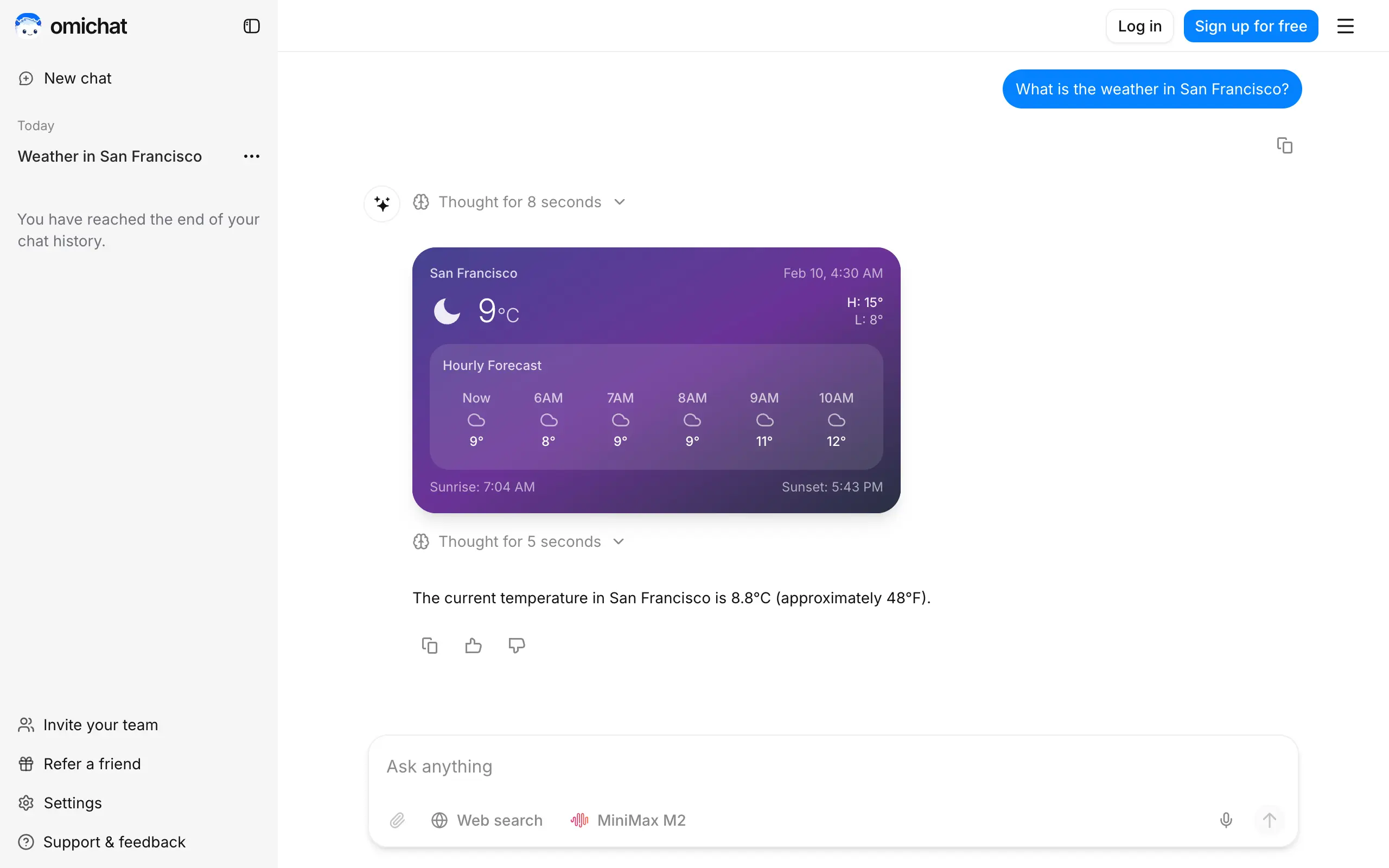
Omichat
Chat with 50+ AI models, including ChatGPT and Claude, in one place - switch models anytime without losing context 🤖
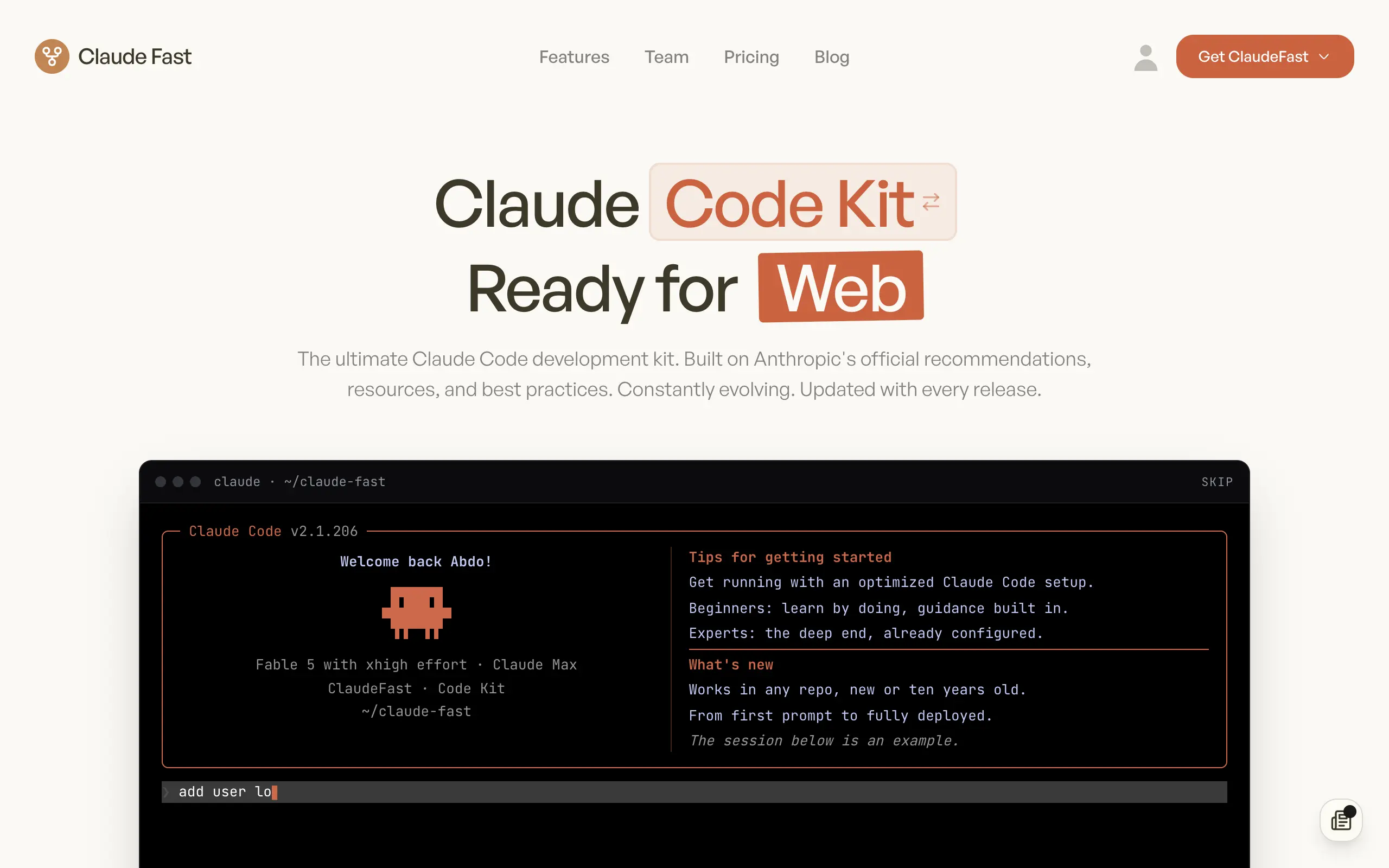
Claude Fast
Supercharge your Claude Code with 6x effective context window and specialized AI agents 🤖
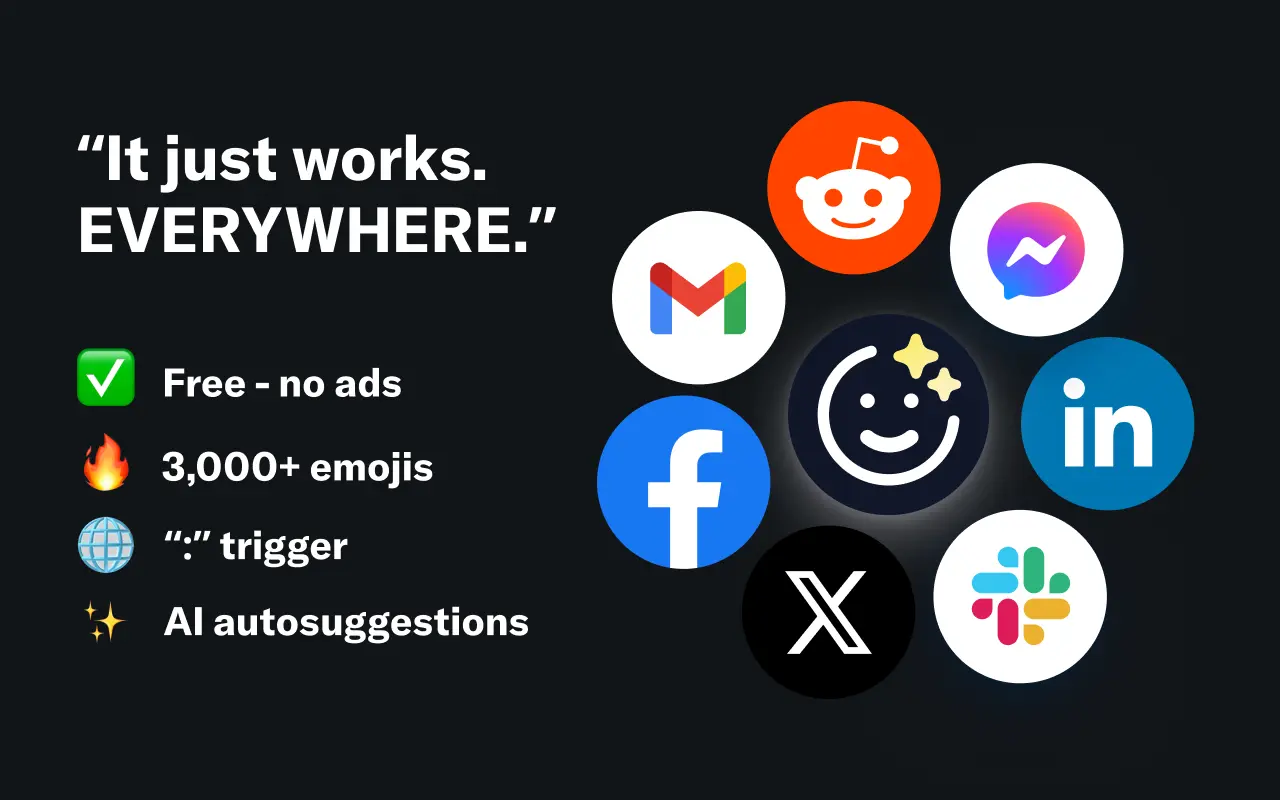
EmojAI
AI-powered emoji picker with smart, context-aware suggestions 🤖
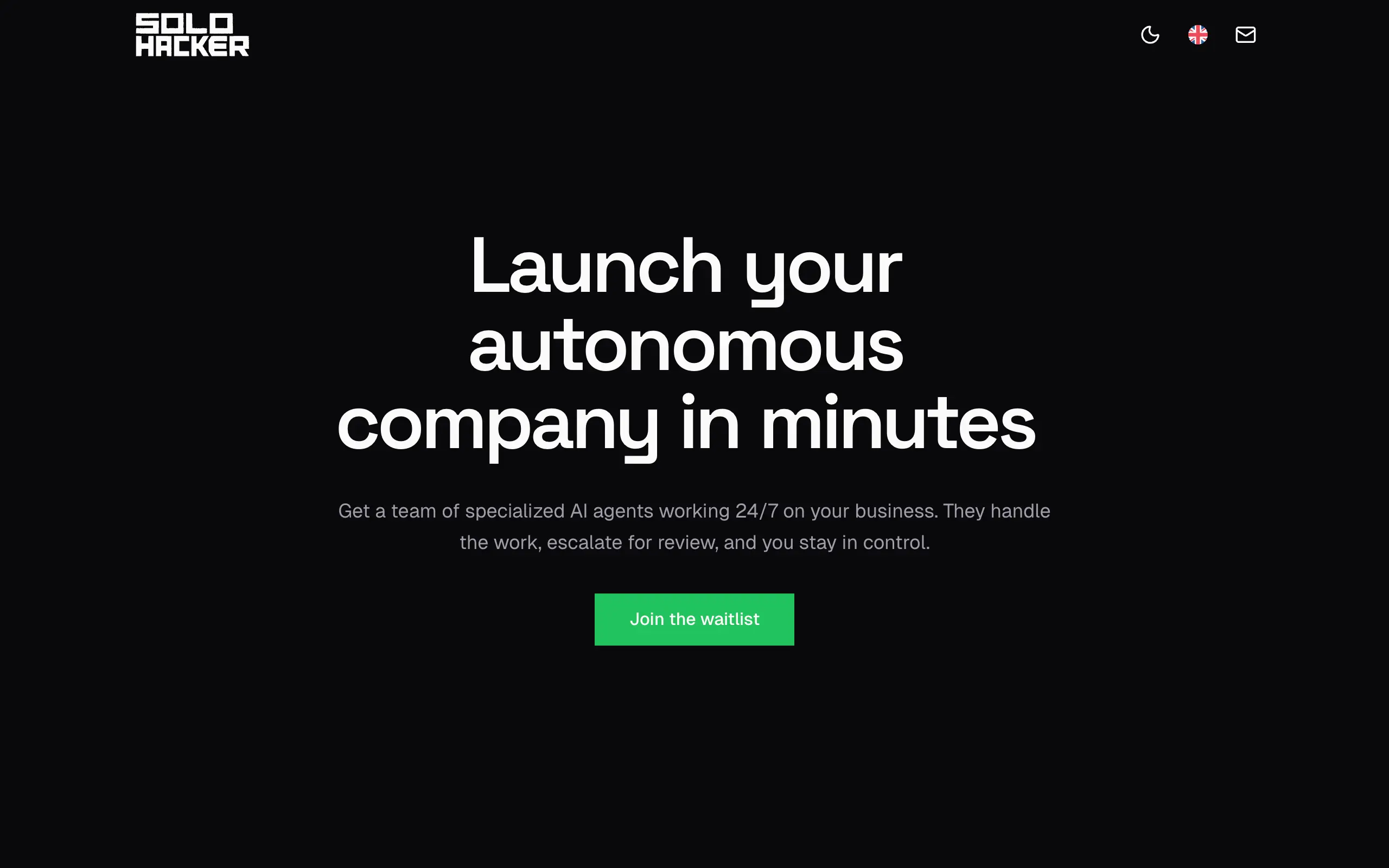
Solohacker
Autonomous company launcher - AI agents work 24/7, escalate what matters, and you stay in control 🤖
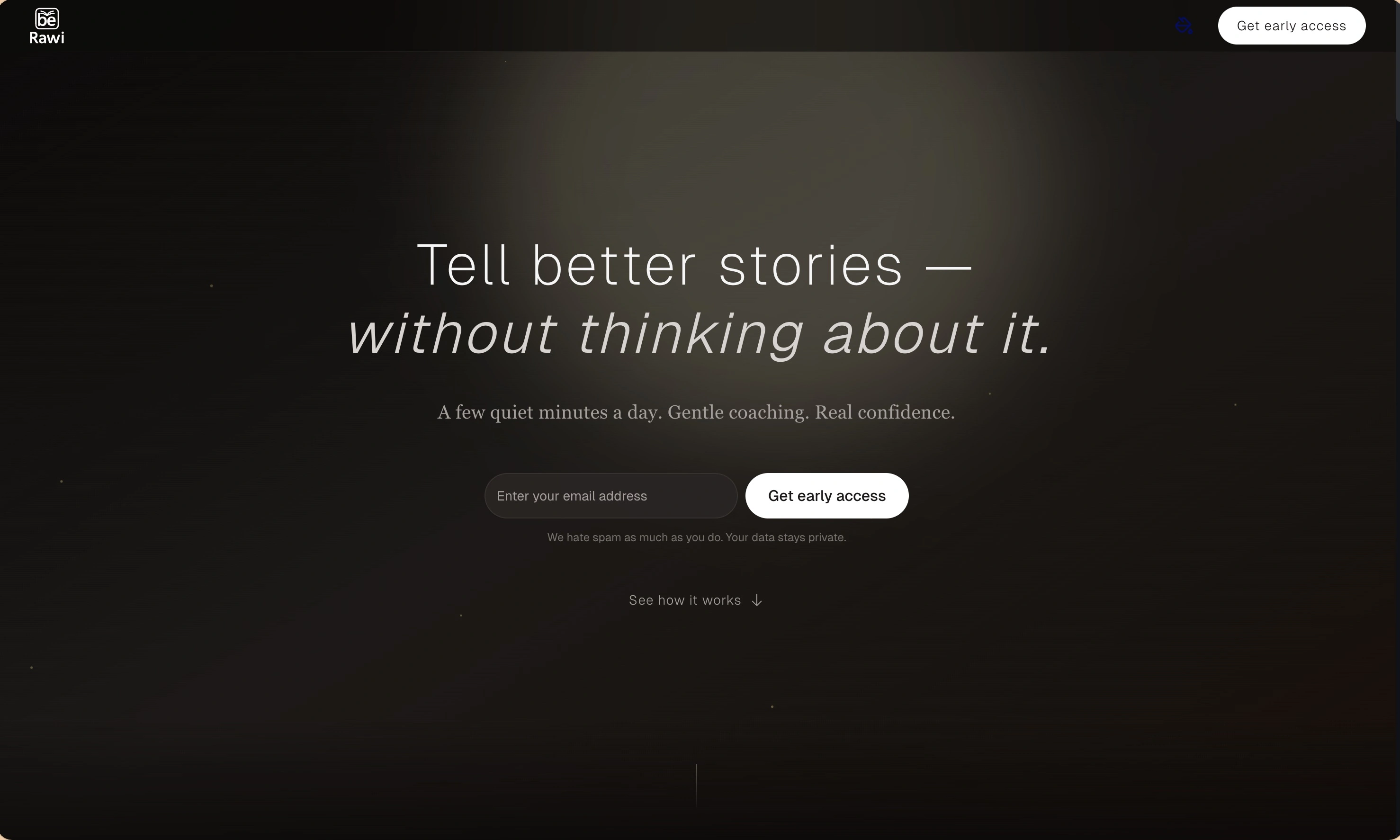
BeRawi: Storytelling Coach
Practice storytelling daily with instant feedback to sound clearer, more engaging, and confident 🎤
Omichat
Chat with 50+ AI models, including ChatGPT and Claude, in one place - switch models anytime without losing context 🤖
Claude Fast
Supercharge your Claude Code with 6x effective context window and specialized AI agents 🤖
EmojAI
AI-powered emoji picker with smart, context-aware suggestions 🤖
Solohacker
Autonomous company launcher - AI agents work 24/7, escalate what matters, and you stay in control 🤖
BeRawi: Storytelling Coach
Practice storytelling daily with instant feedback to sound clearer, more engaging, and confident 🎤
Omichat
Chat with 50+ AI models, including ChatGPT and Claude, in one place - switch models anytime without losing context 🤖
Claude Fast
Supercharge your Claude Code with 6x effective context window and specialized AI agents 🤖
EmojAI
AI-powered emoji picker with smart, context-aware suggestions 🤖
Solohacker
Autonomous company launcher - AI agents work 24/7, escalate what matters, and you stay in control 🤖
BeRawi: Storytelling Coach
Practice storytelling daily with instant feedback to sound clearer, more engaging, and confident 🎤
Omichat
Chat with 50+ AI models, including ChatGPT and Claude, in one place - switch models anytime without losing context 🤖
Claude Fast
Supercharge your Claude Code with 6x effective context window and specialized AI agents 🤖
EmojAI
AI-powered emoji picker with smart, context-aware suggestions 🤖
Solohacker
Autonomous company launcher - AI agents work 24/7, escalate what matters, and you stay in control 🤖
BeRawi: Storytelling Coach
Practice storytelling daily with instant feedback to sound clearer, more engaging, and confident 🎤

Connect with like-minded people
Join our community to get feedback, support, and grow together with 1,000+ builders on board, let's ship it!
Join usShip your startup everywhere. In minutes.
Don't burn tokens on setup and start building features on day one.