Backend Buddy
A focused productivity app for backend developers to organize APIs, debugging notes, and daily coding goals with Git-based insights.
Why the market needs a practical backend learning companion
The demand for backend developers continues to grow as businesses digitize operations, build SaaS products, and rely on APIs and cloud infrastructure. According to industry trend reports from sources like Stack Overflow Developer Survey and GitHub’s State of the Octoverse, backend-related technologies (Node.js, Python, Java, Go, cloud-native stacks) consistently rank among the most used and most desired tools.
Yet, there’s a persistent gap:
- Courses teach concepts, not real-world workflows.
- Bootcamps simulate projects, but rarely mirror internship-level complexity.
- Junior developers struggle to translate tutorials into job-ready skills.
This is where Backend Buddy — a practical backend learning companion mobile app — fills a crucial gap. Instead of abstract theory, it turns real internship tasks into guided micro-lessons and portfolio-ready backend projects.
The primary keyword focus for this article is:
backend learning app
And closely related semantic keywords include:
- backend developer training
- backend internship preparation
- backend project-based learning
- API development learning
- Node.js backend practice
- real-world backend projects
- backend portfolio projects
This article provides a complete market and implementation analysis of Backend Buddy, helping founders, developers, and product teams evaluate its potential and execution strategy.
The core problem: backend learning is too theoretical
1. Tutorials don’t simulate real tasks
Most backend learning platforms:
- Teach CRUD apps.
- Cover REST APIs in isolation.
- Provide “toy projects.”
But actual internship or junior backend tasks look like:
- Refactor a legacy endpoint.
- Add authentication to an existing API.
- Optimize a slow database query.
- Integrate a third-party API.
- Write unit tests for production code.
- Debug race conditions or async issues.
There’s a huge gap between “Hello World” and “Production-Ready API.”
2. Beginners don’t know what to build
A common question in forums like Stack Overflow and Reddit’s r/learnprogramming:
“What backend projects should I build for my portfolio?”
Students want:
- Structured guidance
- Real-world relevance
- Incremental difficulty
- Recruiter-impressive outcomes
Backend Buddy directly addresses this intent.
What is Backend Buddy?
Backend Buddy is a mobile-first backend learning app that:
- Breaks real internship-level backend tasks into micro-lessons
- Guides users step-by-step through solving practical problems
- Simulates realistic codebases instead of blank projects
- Produces portfolio-ready backend projects
Unlike traditional e-learning platforms, Backend Buddy acts like:
A senior backend engineer mentoring you through actual sprint tasks.
Target audience analysis
Understanding user segments is critical for product-market fit.
1. Computer science students
Profile:
- 18–24 years old
- Learning backend (Node.js, Django, Spring, etc.)
- Preparing for internships
Pain points:
- Don’t know what to build
- Struggle with Git workflows
- Lack real-world exposure
- Fear technical interviews
Search intent examples:
- “backend projects for internship”
- “how to prepare for backend internship”
- “real world backend projects”
Backend Buddy positions itself as the bridge between coursework and internship readiness.
2. Self-taught developers
Profile:
- Career switchers
- Bootcamp graduates
- Freelancers wanting backend credibility
Pain points:
- Portfolio lacks depth
- Tutorials feel repetitive
- Imposter syndrome
They want:
- Structured progression
- Realistic scenarios
- Recruiter-grade projects
3. Junior developers (0–2 years experience)
Profile:
- Recently hired
- Overwhelmed by real codebases
- Need fast upskilling
Backend Buddy can function as:
- A micro-upskilling platform
- A performance accelerator
- A safe sandbox for learning patterns
Market opportunity and gap
The e-learning market is massive
Global e-learning continues to expand, with industry research firms projecting multi-hundred-billion-dollar valuations within the next decade (refer to reports by HolonIQ, Statista, or Global Market Insights).
However:
- Most platforms are video-first
- Few simulate real production workflows
- Almost none focus exclusively on backend internship simulation
Gap in the market
| Platform Type | Theory Focus | Real Tasks | Codebase Simulation | Portfolio Output | Mobile Optimized |
|---|---|---|---|---|---|
| Udemy-style courses | ✅ | ❌ | ❌ | ❌ | ✅ |
| Coding challenge sites | ✅ | ❌ | ❌ | ❌ | ✅ |
| Bootcamps | ✅ | ✅ | Partial | ✅ | ❌ |
| Backend Buddy | ✅ | ✅ | ✅ | ✅ | ✅ |
This positions Backend Buddy in a unique niche: backend internship simulation via mobile-first micro-learning.
Core product concept: turning internship tasks into micro-lessons
Backend Buddy works through structured “backend sprints.”
Each sprint includes:
- 📋 Task Brief (as if from a tech lead)
- 🧠 Context explanation
- 🧩 Guided implementation steps
- ✅ Code validation
- 🧪 Testing phase
- 📦 Deployment walkthrough
- 🎯 Portfolio summary
Example sprint: “Add JWT authentication to an existing API”
Task Brief:
“Our API is currently public. Add JWT authentication and protect private routes.”
Micro-lessons include:
- What is JWT?
- Designing login routes
- Password hashing (e.g., bcrypt)
- Middleware for route protection
- Handling token expiration
- Writing tests for auth
By the end, the user has:
- Implemented real authentication
- Understood security implications
- Added a meaningful feature to their portfolio project
Core features of Backend Buddy
Realistic codebases
Users work on simulated existing projects instead of starting from scratch.
Task-based learning
Lessons structured like Jira or GitHub issues assigned during internships.
Portfolio exports
Generate GitHub-ready, recruiter-friendly project summaries.
1. Simulated production environment
Instead of a blank editor, users see:
- A project structure
- Existing routes
- Database models
- Partial implementations
- Failing tests
This mirrors real-world backend onboarding.
2. Guided problem-solving engine
Each task provides:
- Hints
- Architecture diagrams
- Debug tips
- Edge-case explanations
Not just “copy this code.”
3. Technology tracks
Users can choose backend stacks:
Focus on REST APIs, Express, middleware, JWT, database integration, async patterns.
Emphasis on ORM, migrations, API schema validation, background jobs.
Enterprise-level concepts like dependency injection, security filters, and layered architecture.
4. Portfolio builder
At the end of each sprint:
- A README is generated
- Technical challenges explained
- Architecture decisions summarized
- Deployment steps documented
This becomes a portfolio-ready backend project.
Recommended tech stack for building Backend Buddy (mobile SaaS)
Since Backend Buddy is a mobile-first SaaS, here’s a recommended stack.
Frontend (Mobile)
- React
- React Native
- Expo
- TailwindCSS (via NativeWind)
Why:
- Shared logic with web version
- Large ecosystem
- Fast iteration
Backend (SaaS infrastructure)
- Node.js with NestJS or Express
- PostgreSQL
- Redis (for caching and session management)
- Docker
- Cloud provider (AWS, GCP, or Azure)
Code execution sandbox
Key technical challenge:
- Secure execution of user-submitted backend code
Options:
- Docker container isolation
- Firecracker microVMs
- Third-party sandbox providers
Trade-off:
| Approach | Security | Cost | Scalability | Complexity |
|---|---|---|---|---|
| Shared containers | Medium | Low | High | Low |
| Isolated containers per user | High | Medium | Medium | Medium |
| MicroVM (Firecracker) | Very High | High | High | High |
AI-powered guidance (optional but powerful)
Use LLM integration for:
- Context-aware hints
- Error explanation
- Code review simulation
However:
- Must avoid full solution leakage
- Should guide, not solve
Monetization strategy for Backend Buddy
A backend learning app can use multiple monetization layers.
1. Freemium model
Free:
- Limited sprints
- One technology track
- Community access
Paid (Pro):
- Full sprint library
- All tech stacks
- Portfolio export
- Mock interview mode
2. Subscription tiers
- $19/month – Student plan
- $29/month – Pro developer
- Annual discounted plans
3. University & bootcamp licensing
Offer:
- Instructor dashboards
- Progress tracking
- Custom sprint creation
4. Enterprise partnerships
Companies could:
- Sponsor internship tracks
- Use Backend Buddy for pre-hire training
- White-label for internal onboarding
Competitive advantage and unique positioning
Backend Buddy’s USP:
It doesn’t teach backend concepts — it trains backend behavior.
Key differentiators
- Internship-style task simulation
- Realistic codebase editing
- Portfolio-ready outcomes
- Mobile-first micro-learning
Most competitors focus on:
- Video
- Quizzes
- Algorithm challenges
Backend Buddy focuses on:
- Refactoring
- Debugging
- Integrating
- Testing
- Deploying
That’s what real backend jobs require.
Risks and mitigation strategies
Risk 1: High infrastructure cost
Running sandboxed environments can be expensive.
Mitigation:
- Limit free tier execution
- Time-box container sessions
- Use shared templates for early stages
Risk 2: Content creation complexity
High-quality internship-style tasks require deep expertise.
Mitigation:
- Hire experienced backend engineers as curriculum authors
- Partner with real startups to simulate tasks
- Use open-source issue trackers as inspiration
Risk 3: Users prefer desktop for coding
Since this is a mobile app, long coding sessions may be inconvenient.
Mitigation:
- Hybrid model: mobile guidance + GitHub integration
- Sync progress to desktop web version
- Enable VS Code extension integration later
Implementation roadmap
MVP scope definition
Focus on:
- Single stack (Node.js + Express)
- 10–15 realistic backend tasks
- Basic sandbox execution
- Simple subscription system
- Portfolio export (markdown generator)
Avoid:
- Too many stacks early
- Complex gamification
- Overbuilt AI
Speed matters more than perfection.
Example backend sprint structure (technical preview)
// Example pseudo-structure for a sprint task
const sprintTask = {
  id: "auth-001",
  title: "Implement JWT Authentication",
  difficulty: "Intermediate",
  objectives: [
    "Create login route",
    "Hash passwords using bcrypt",
    "Generate JWT tokens",
    "Protect private endpoints"
  ],
  testCases: [
    "Should return token on valid login",
    "Should reject invalid credentials",
    "Should block unauthorized access"
  ]
};
This structure allows:
- Scalable task generation
- Automated evaluation
- Progress tracking
SEO positioning strategy for Backend Buddy
To rank for backend learning app–related queries:
Target high-intent keywords:
- backend internship preparation
- backend project ideas for resume
- real world backend projects
- backend portfolio projects
- backend developer training app
Content marketing approach:
- Publish backend sprint breakdowns
- Share “Internship Task of the Week”
- Write technical deep-dives
- Create YouTube walkthrough snippets
- Optimize for “how to prepare for backend internship”
This builds authority and organic traffic.
Why Backend Buddy can win long-term
Three macro trends support this idea:
- Remote internships are increasing
- Employers expect job-ready developers
- Micro-learning is replacing long courses
Backend Buddy sits at the intersection of:
- Mobile learning
- Backend specialization
- Portfolio-based hiring
That’s a powerful combination.
Final actionable next steps
If you’re building Backend Buddy:
- Validate interest with a landing page.
- Interview 20 CS students.
- Ask recruiters what backend projects impress them.
- Build one exceptional sprint.
- Launch fast and iterate.
To accelerate development, consider using a modern SaaS boilerplate like TurboStarter to handle authentication, payments, and core SaaS infrastructure — so you can focus on the learning engine itself.
Closing thoughts
Backend development is not learned through passive watching — it’s learned by solving messy, realistic problems.
Backend Buddy has the potential to redefine backend developer training by:
- Making internship-level tasks accessible
- Turning guided practice into real portfolio assets
- Providing structure where chaos usually exists
If executed with strong pedagogy, secure infrastructure, and a clear focus on real-world backend tasks, Backend Buddy could become the go-to backend learning app for the next generation of backend engineers.
And in a world increasingly powered by APIs, databases, and distributed systems — that’s a market worth building for.
More 📱 Mobile App SaaS ideas
Discover more innovative mobile app SaaS ideas that are trending in 2026. Each idea is AI-generated with market validation and growth potential to help you find your next profitable venture faster than competitors.
Your competitors are building with TurboStarter
Below are some of the SaaS ideas that have been generated and built with our starter kit.
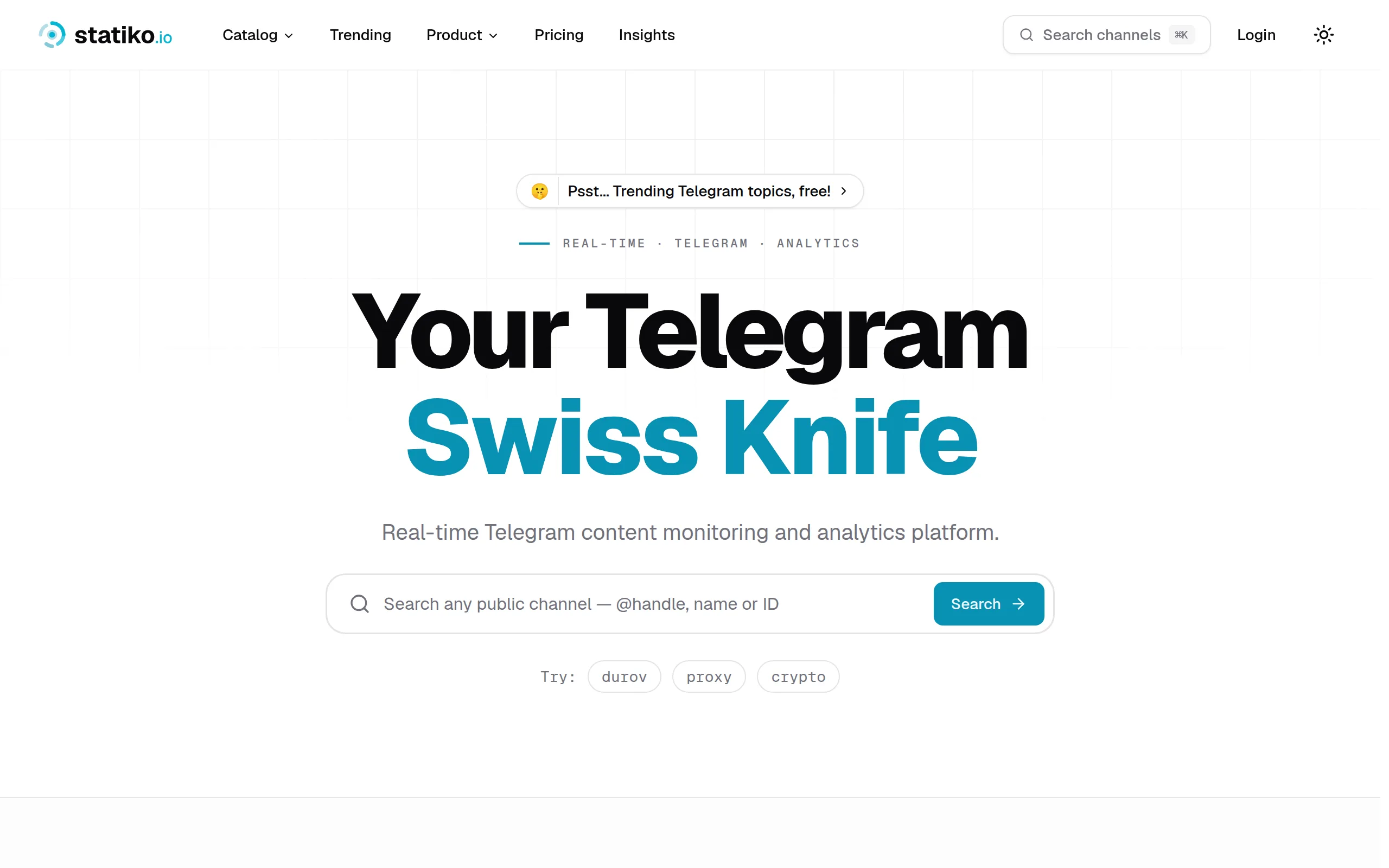
Statiko
Monitor any Telegram channel in real time - track posts, edits, deletions, and growth with AI recaps 📡

Shibui
AI website builder - describe your business, pick a niche template, edit by chatting, and publish instantly ✨

Pro Service
Find verified home service professionals, compare quotes, and pay securely through escrow - built for Brazilians across the US 🏠
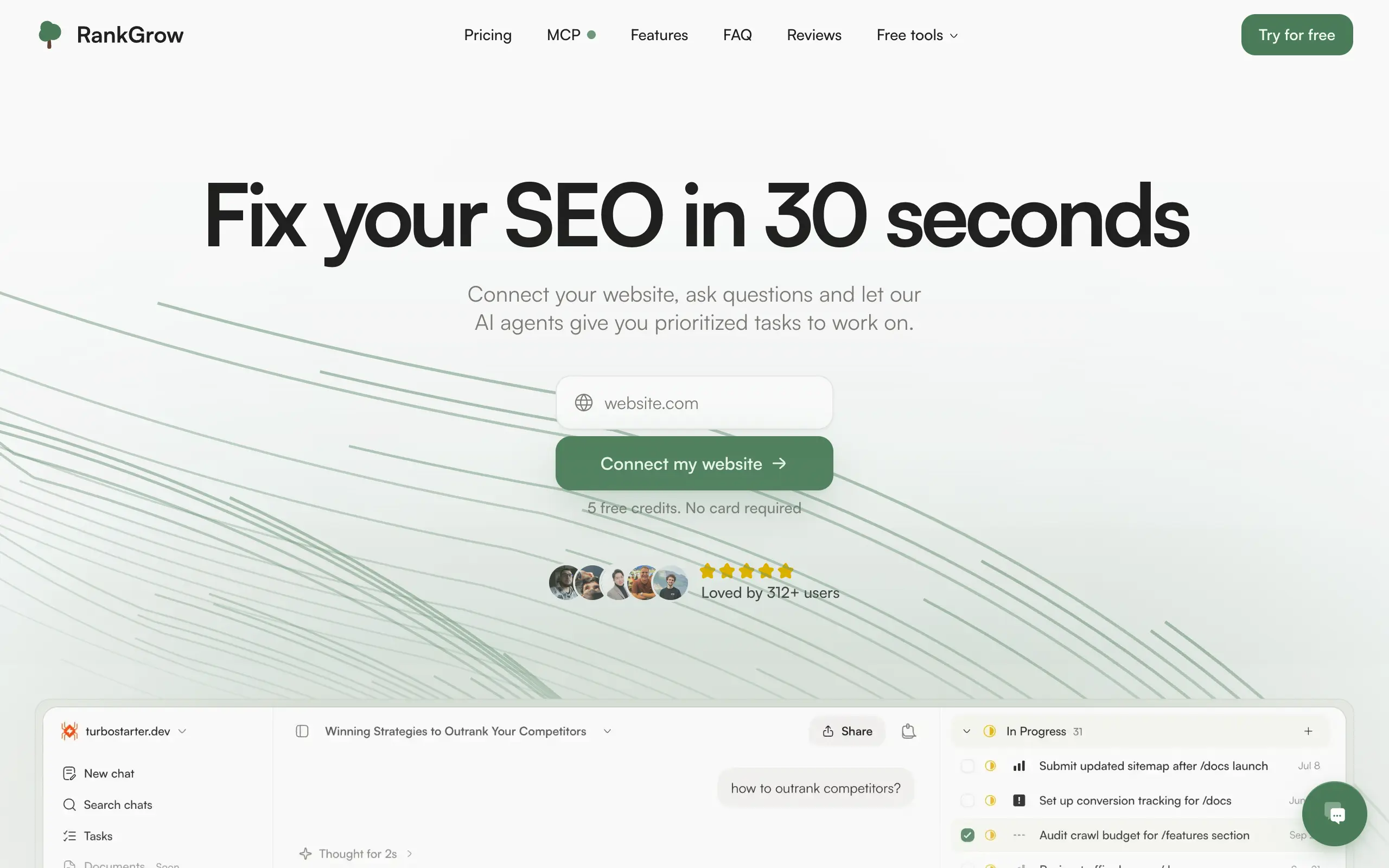
RankGrow
Fix your SEO with AI agents - connect Search Console, get prioritized tasks, and grow organic traffic 📈
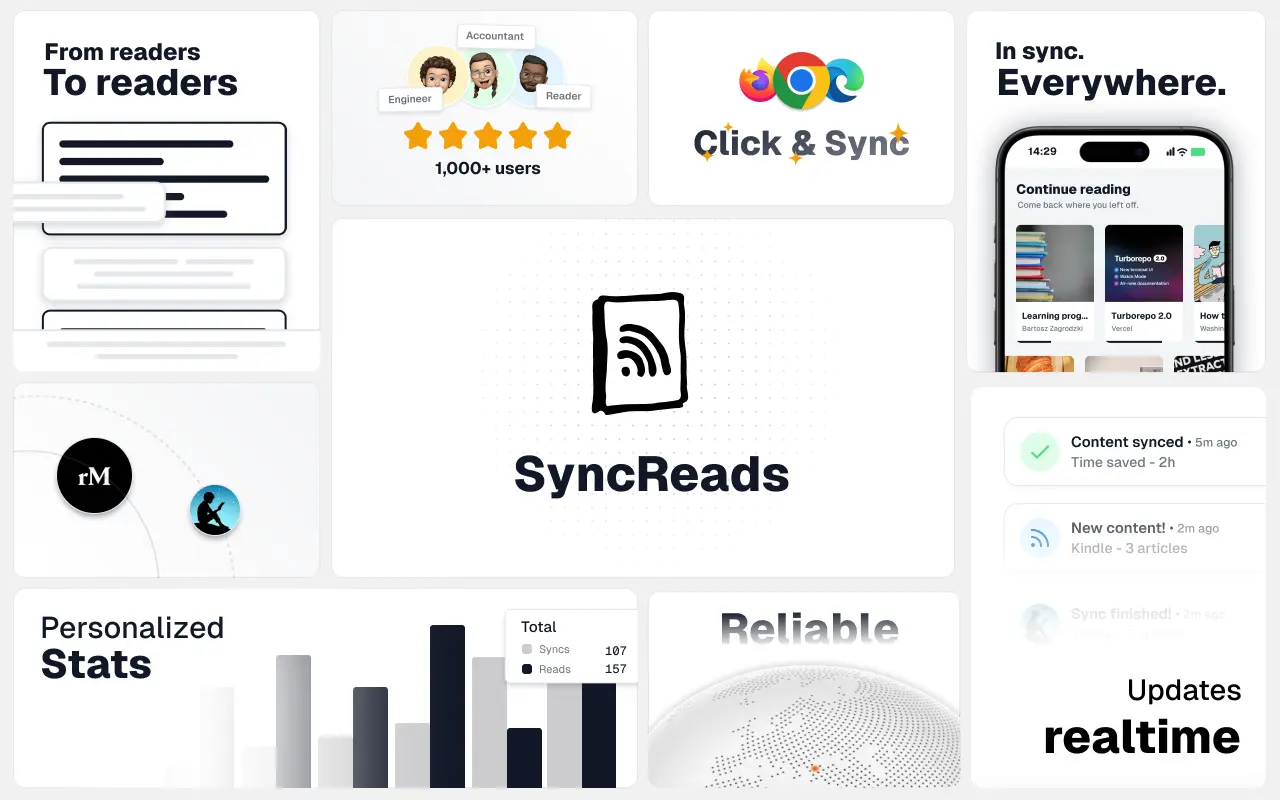
SyncReads
Sync your favorite content for distraction-free reading, save time and replace multiple apps. Anytime, anywhere 🔄
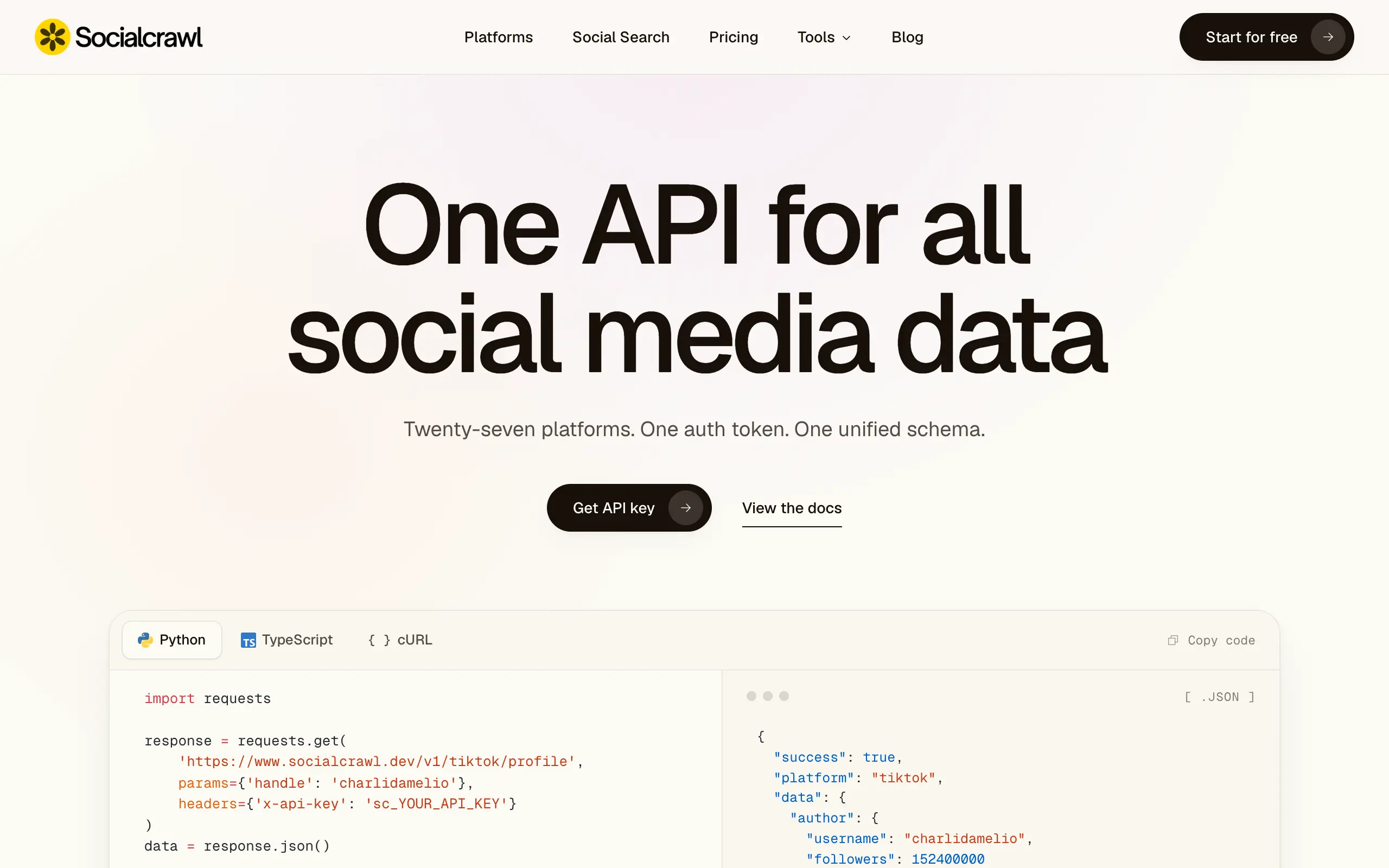
Socialcrawl
Get clean, structured data from 21 platforms like TikTok, Instagram, and YouTube with a single request 📊
Statiko
Monitor any Telegram channel in real time - track posts, edits, deletions, and growth with AI recaps 📡
Shibui
AI website builder - describe your business, pick a niche template, edit by chatting, and publish instantly ✨
Pro Service
Find verified home service professionals, compare quotes, and pay securely through escrow - built for Brazilians across the US 🏠
RankGrow
Fix your SEO with AI agents - connect Search Console, get prioritized tasks, and grow organic traffic 📈
SyncReads
Sync your favorite content for distraction-free reading, save time and replace multiple apps. Anytime, anywhere 🔄
Socialcrawl
Get clean, structured data from 21 platforms like TikTok, Instagram, and YouTube with a single request 📊
Statiko
Monitor any Telegram channel in real time - track posts, edits, deletions, and growth with AI recaps 📡
Shibui
AI website builder - describe your business, pick a niche template, edit by chatting, and publish instantly ✨
Pro Service
Find verified home service professionals, compare quotes, and pay securely through escrow - built for Brazilians across the US 🏠
RankGrow
Fix your SEO with AI agents - connect Search Console, get prioritized tasks, and grow organic traffic 📈
SyncReads
Sync your favorite content for distraction-free reading, save time and replace multiple apps. Anytime, anywhere 🔄
Socialcrawl
Get clean, structured data from 21 platforms like TikTok, Instagram, and YouTube with a single request 📊
Statiko
Monitor any Telegram channel in real time - track posts, edits, deletions, and growth with AI recaps 📡
Shibui
AI website builder - describe your business, pick a niche template, edit by chatting, and publish instantly ✨
Pro Service
Find verified home service professionals, compare quotes, and pay securely through escrow - built for Brazilians across the US 🏠
RankGrow
Fix your SEO with AI agents - connect Search Console, get prioritized tasks, and grow organic traffic 📈
SyncReads
Sync your favorite content for distraction-free reading, save time and replace multiple apps. Anytime, anywhere 🔄
Socialcrawl
Get clean, structured data from 21 platforms like TikTok, Instagram, and YouTube with a single request 📊
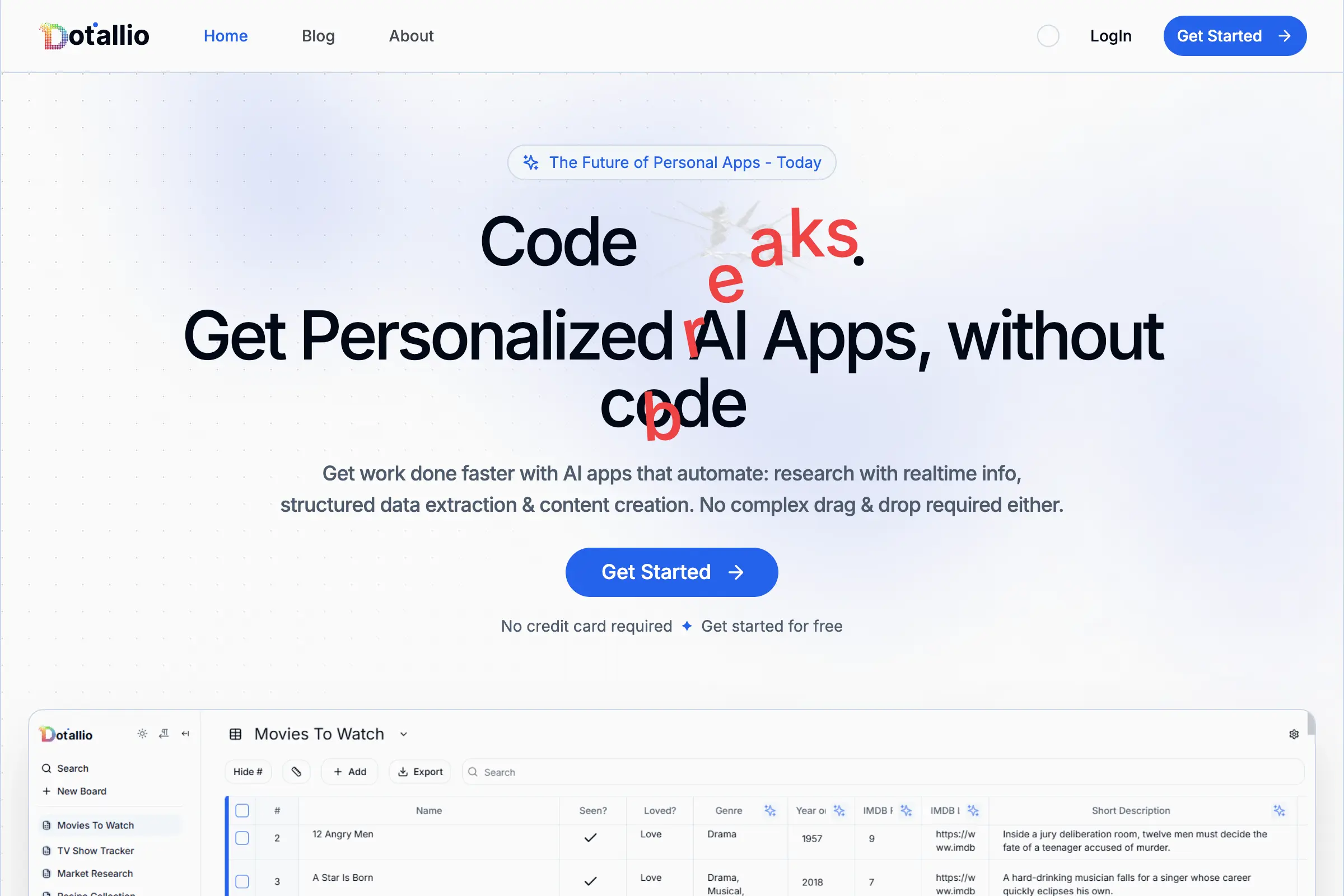
Dotallio
Personalized AI apps that automate research, data extraction, and content creation without code 🤖
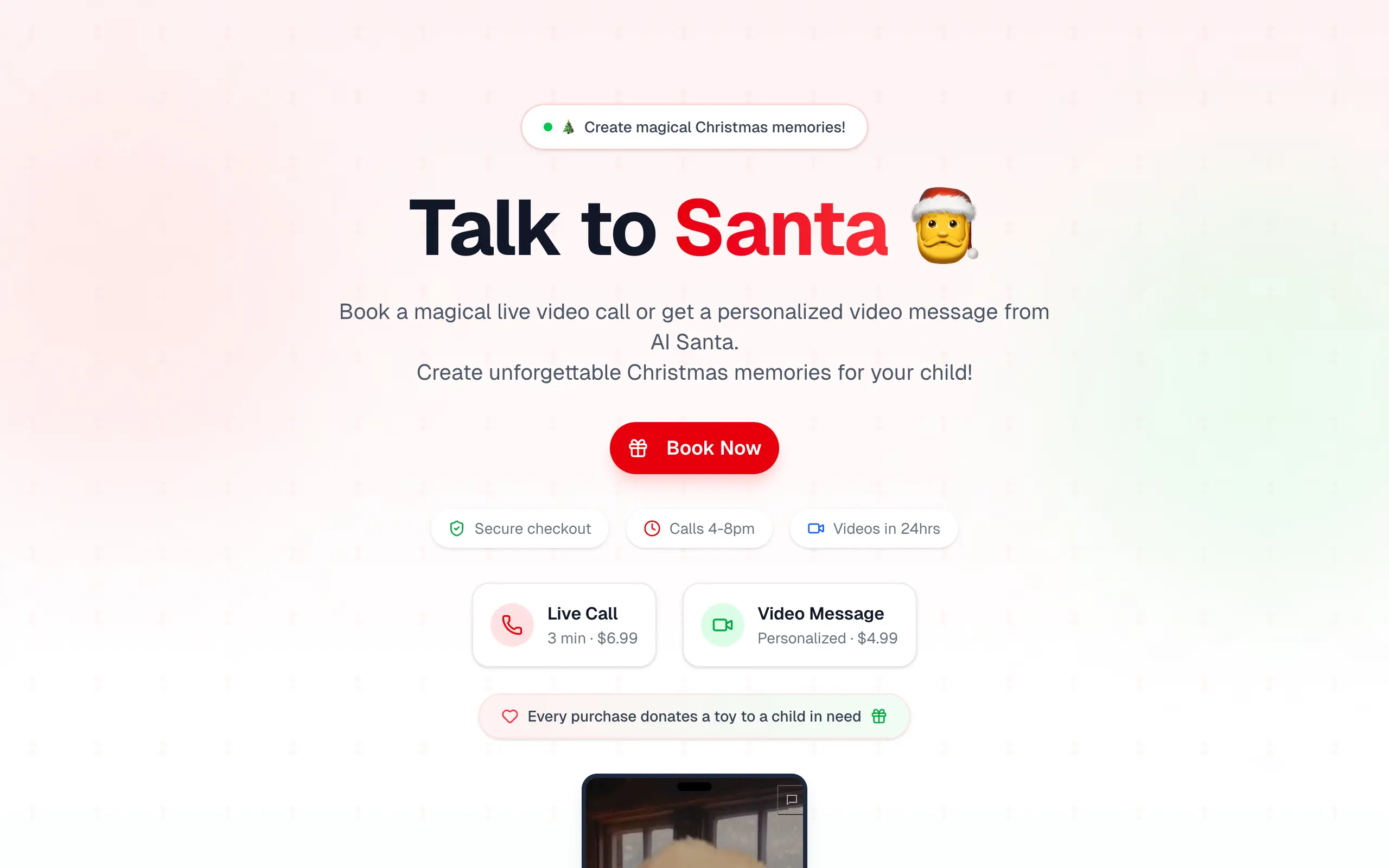
Talk to Santa
Enjoy a magical live video chat or receive a unique AI-generated video greeting from Santa Claus 🎅

pozywka.pl
Scalable blog for food journalist, focused on performance and user experience 🌭
zagrodzki.me
Personal blog and portfolio of Bart Zagrodzki, where he shares his knowledge and work 💼
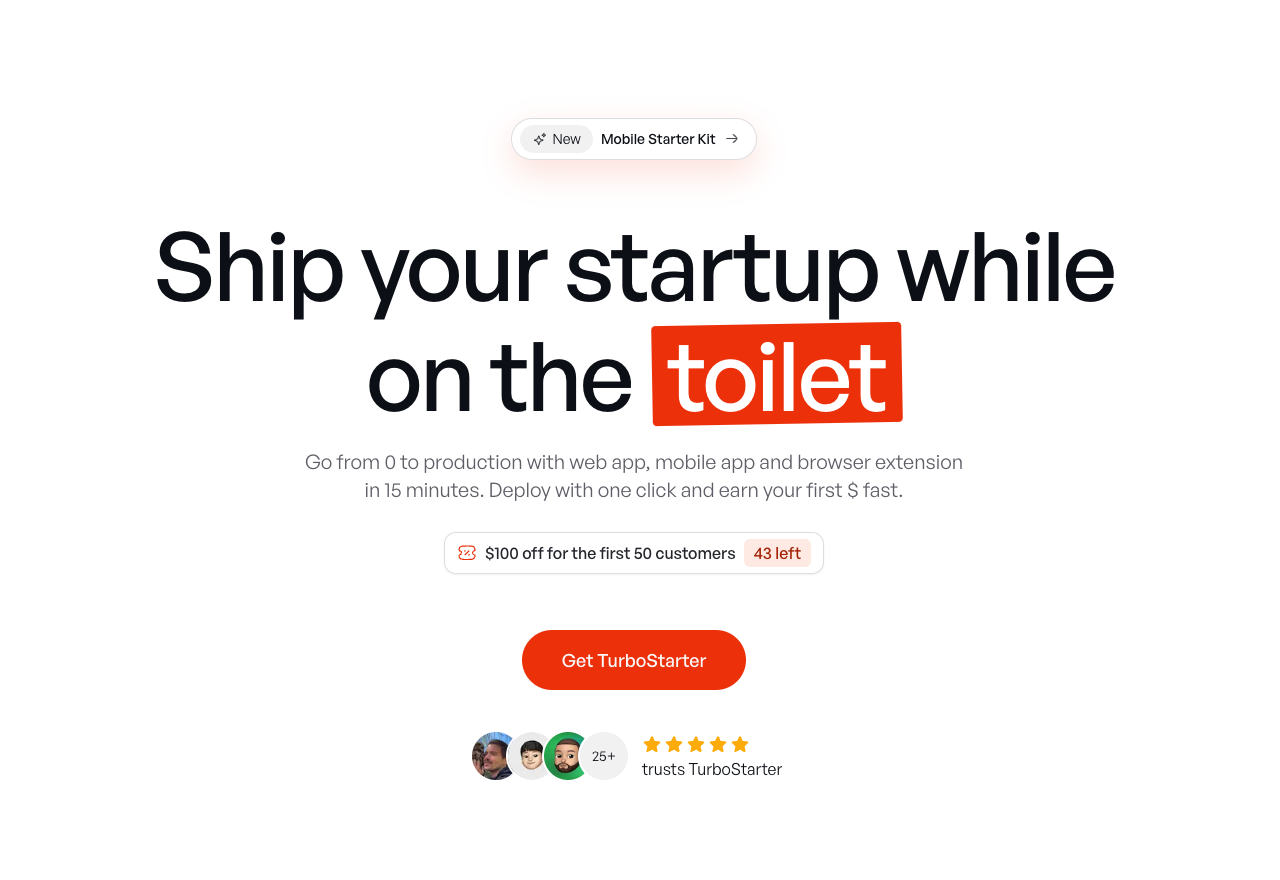
TurboStarter
Ship your startup everywhere. In minutes.
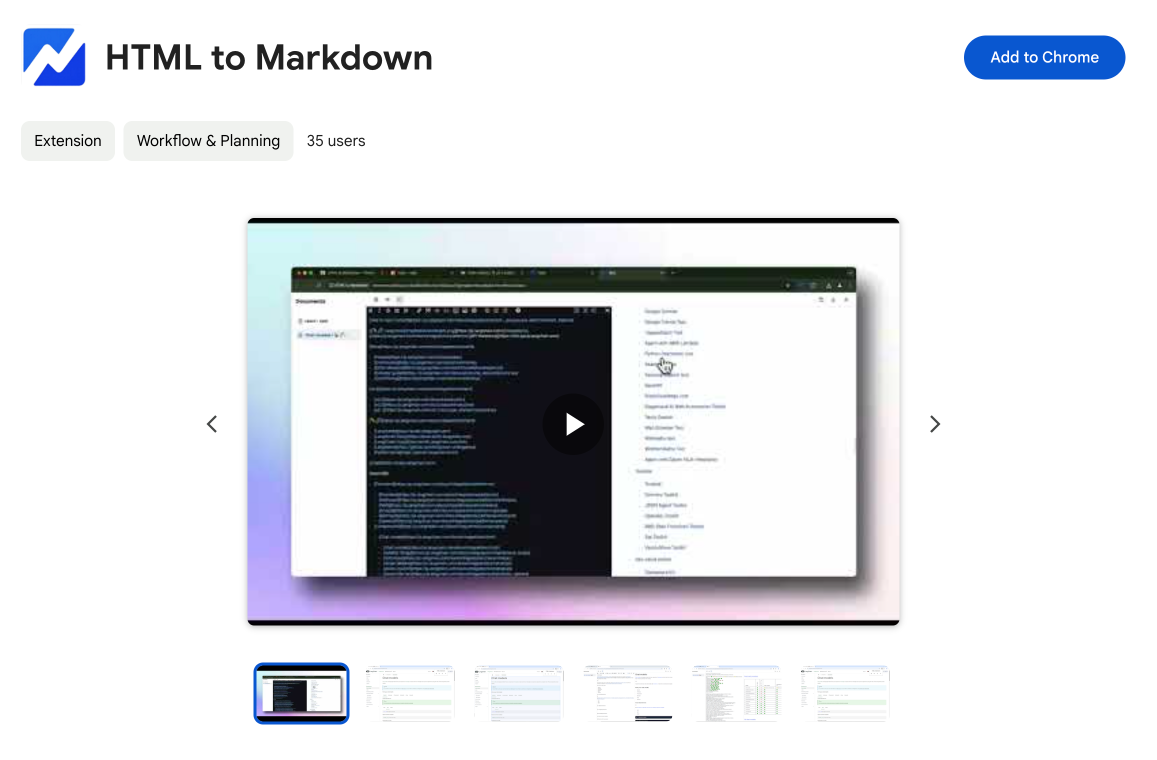
HTML to Markdown
Convert HTML to Markdown with ease, directly in your browser 📄
Dotallio
Personalized AI apps that automate research, data extraction, and content creation without code 🤖
Talk to Santa
Enjoy a magical live video chat or receive a unique AI-generated video greeting from Santa Claus 🎅
pozywka.pl
Scalable blog for food journalist, focused on performance and user experience 🌭
zagrodzki.me
Personal blog and portfolio of Bart Zagrodzki, where he shares his knowledge and work 💼
TurboStarter
Ship your startup everywhere. In minutes.
HTML to Markdown
Convert HTML to Markdown with ease, directly in your browser 📄
Dotallio
Personalized AI apps that automate research, data extraction, and content creation without code 🤖
Talk to Santa
Enjoy a magical live video chat or receive a unique AI-generated video greeting from Santa Claus 🎅
pozywka.pl
Scalable blog for food journalist, focused on performance and user experience 🌭
zagrodzki.me
Personal blog and portfolio of Bart Zagrodzki, where he shares his knowledge and work 💼
TurboStarter
Ship your startup everywhere. In minutes.
HTML to Markdown
Convert HTML to Markdown with ease, directly in your browser 📄
Dotallio
Personalized AI apps that automate research, data extraction, and content creation without code 🤖
Talk to Santa
Enjoy a magical live video chat or receive a unique AI-generated video greeting from Santa Claus 🎅
pozywka.pl
Scalable blog for food journalist, focused on performance and user experience 🌭
zagrodzki.me
Personal blog and portfolio of Bart Zagrodzki, where he shares his knowledge and work 💼
TurboStarter
Ship your startup everywhere. In minutes.
HTML to Markdown
Convert HTML to Markdown with ease, directly in your browser 📄
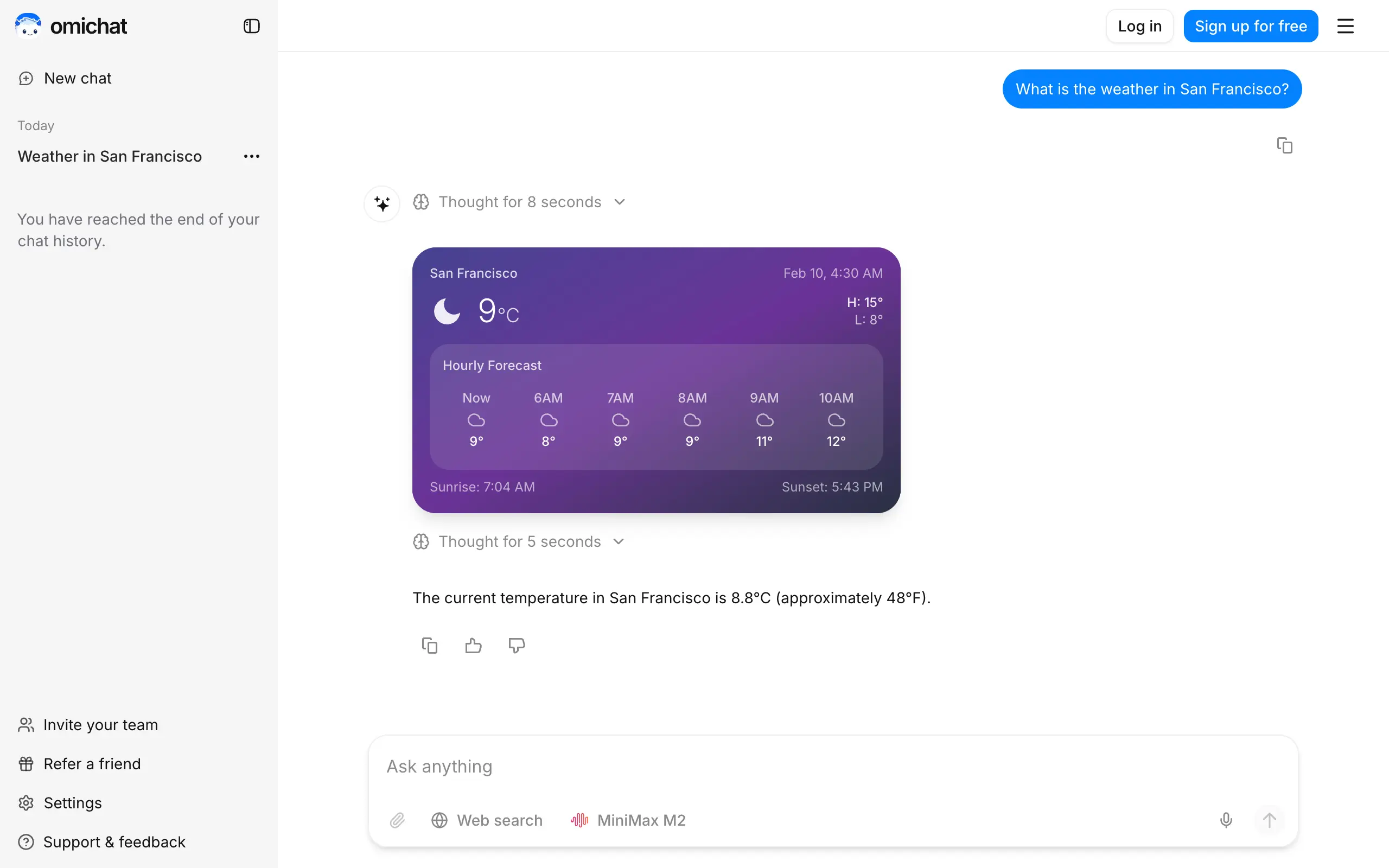
Omichat
Chat with 50+ AI models, including ChatGPT and Claude, in one place - switch models anytime without losing context 🤖
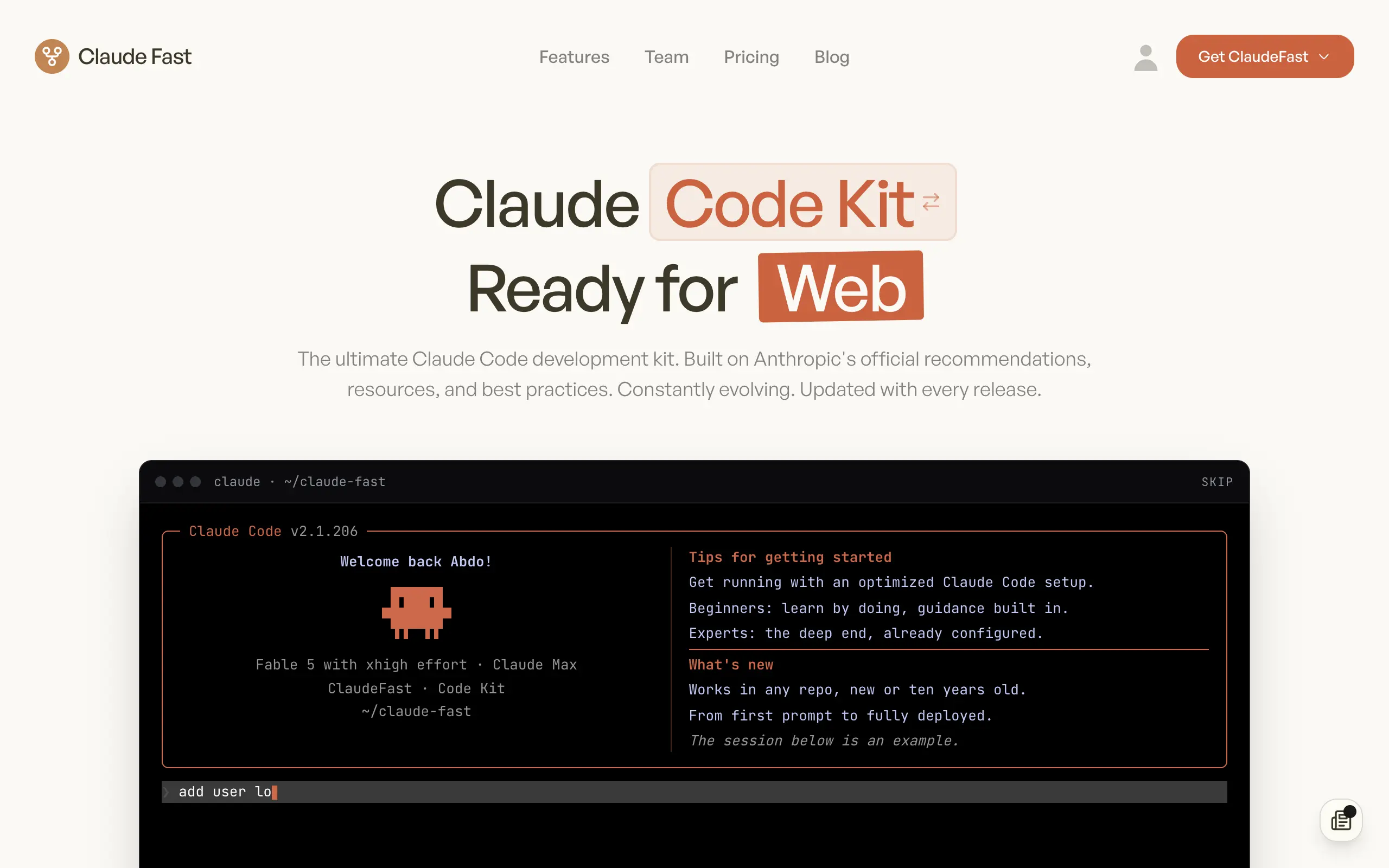
Claude Fast
Supercharge your Claude Code with 6x effective context window and specialized AI agents 🤖
EmojAI
AI-powered emoji picker with smart, context-aware suggestions 🤖
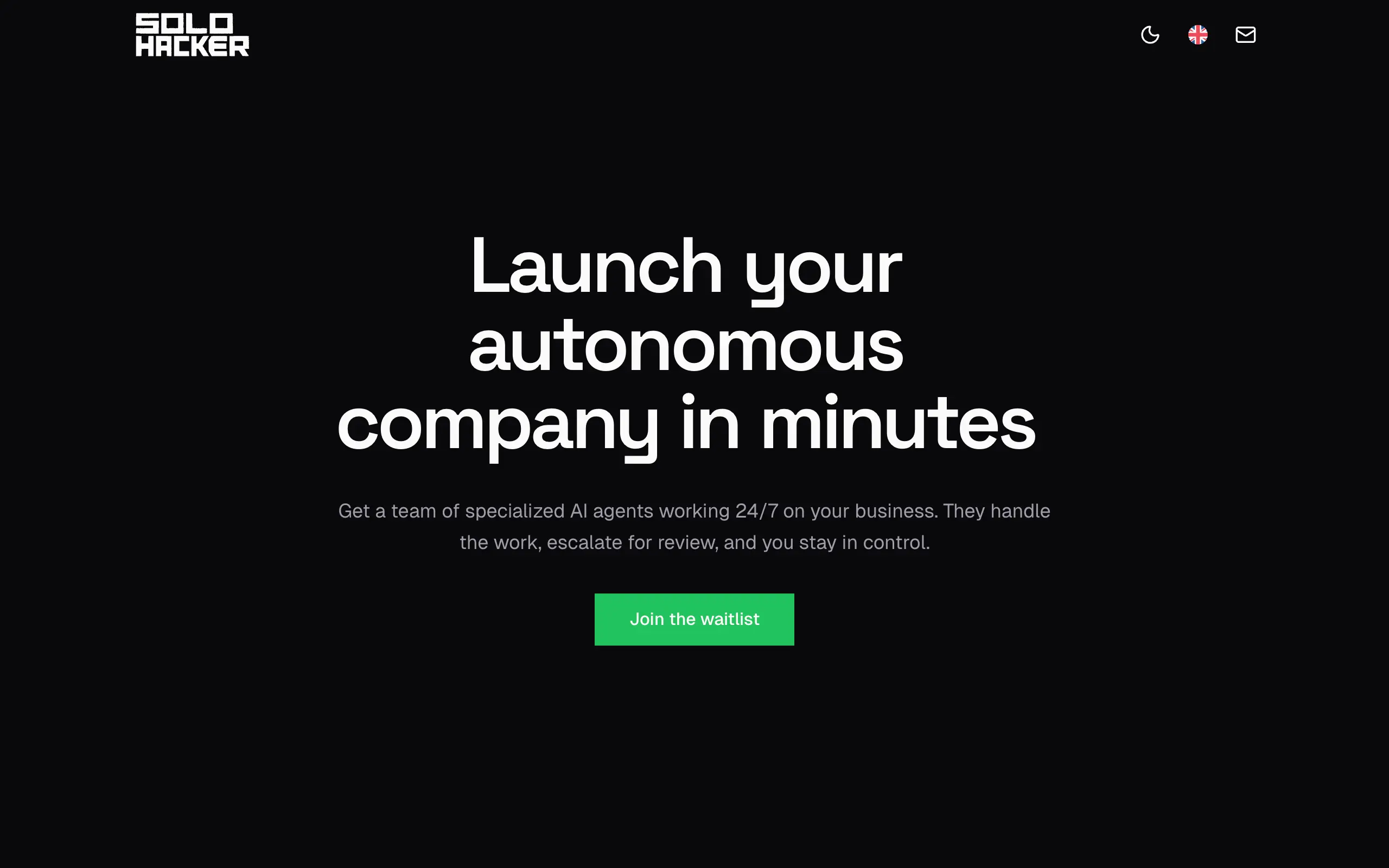
Solohacker
Autonomous company launcher - AI agents work 24/7, escalate what matters, and you stay in control 🤖
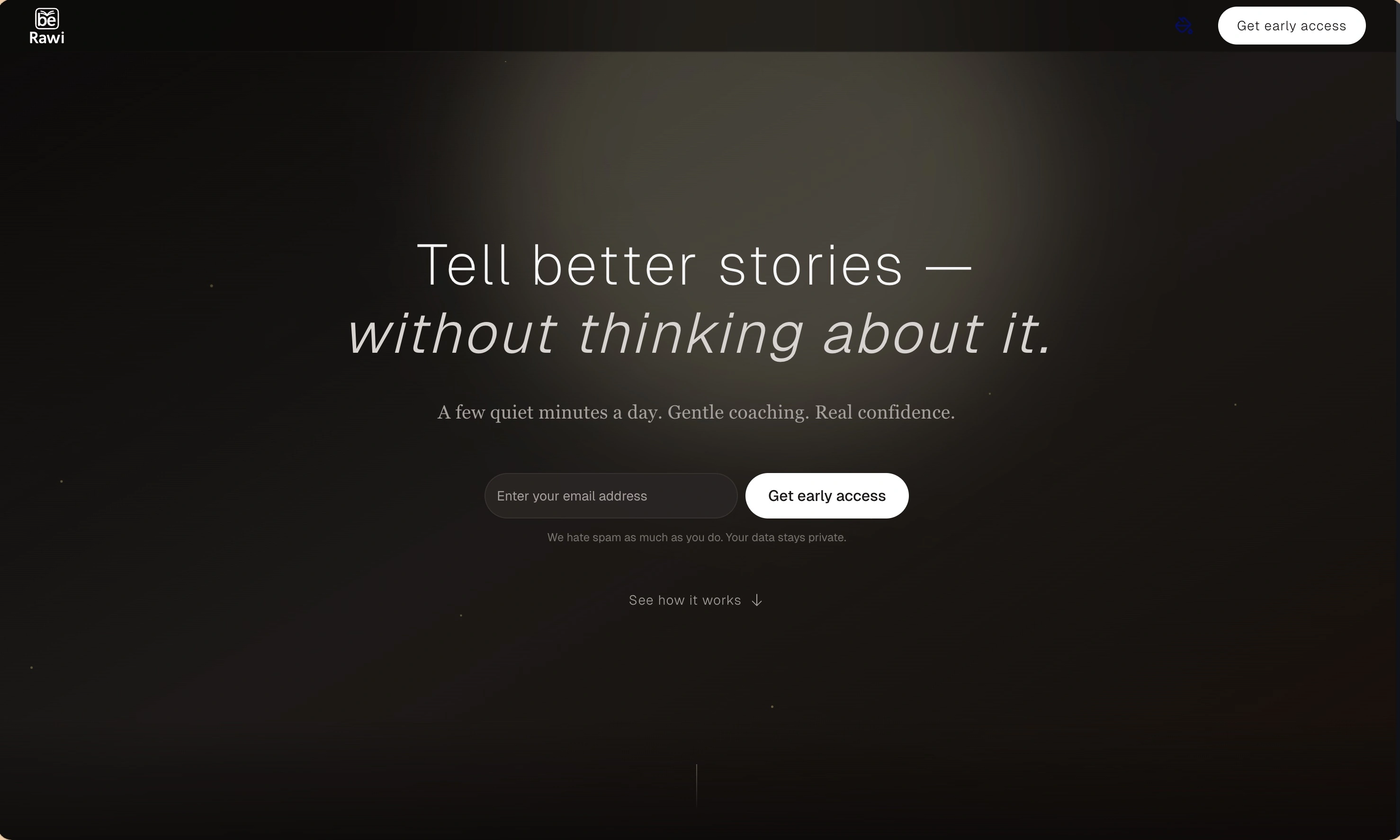
BeRawi: Storytelling Coach
Practice storytelling daily with instant feedback to sound clearer, more engaging, and confident 🎤
Omichat
Chat with 50+ AI models, including ChatGPT and Claude, in one place - switch models anytime without losing context 🤖
Claude Fast
Supercharge your Claude Code with 6x effective context window and specialized AI agents 🤖
EmojAI
AI-powered emoji picker with smart, context-aware suggestions 🤖
Solohacker
Autonomous company launcher - AI agents work 24/7, escalate what matters, and you stay in control 🤖
BeRawi: Storytelling Coach
Practice storytelling daily with instant feedback to sound clearer, more engaging, and confident 🎤
Omichat
Chat with 50+ AI models, including ChatGPT and Claude, in one place - switch models anytime without losing context 🤖
Claude Fast
Supercharge your Claude Code with 6x effective context window and specialized AI agents 🤖
EmojAI
AI-powered emoji picker with smart, context-aware suggestions 🤖
Solohacker
Autonomous company launcher - AI agents work 24/7, escalate what matters, and you stay in control 🤖
BeRawi: Storytelling Coach
Practice storytelling daily with instant feedback to sound clearer, more engaging, and confident 🎤
Omichat
Chat with 50+ AI models, including ChatGPT and Claude, in one place - switch models anytime without losing context 🤖
Claude Fast
Supercharge your Claude Code with 6x effective context window and specialized AI agents 🤖
EmojAI
AI-powered emoji picker with smart, context-aware suggestions 🤖
Solohacker
Autonomous company launcher - AI agents work 24/7, escalate what matters, and you stay in control 🤖
BeRawi: Storytelling Coach
Practice storytelling daily with instant feedback to sound clearer, more engaging, and confident 🎤

Connect with like-minded people
Join our community to get feedback, support, and grow together with 1,000+ builders on board, let's ship it!
Join usShip your startup everywhere. In minutes.
Don't burn tokens on setup and start building features on day one.