BasketBattle
Build your grocery basket and let the app calculate which store combination gives you the lowest total price in your area.
Why a grocery price comparison app like BasketBattle is gaining momentum
Consumers are feeling the pressure of rising grocery prices. Food inflation, supply chain volatility, and regional pricing differences have made it harder than ever for households to stay within budget. At the same time, price transparency expectations are higher. Shoppers compare flights, hotels, and insurance online — so why not groceries?
This is where a grocery basket comparison app like BasketBattle creates real value.
BasketBattle is a mobile app that allows users to build their grocery basket and automatically calculate which store (or combination of stores) offers the lowest total price in their area. Instead of manually checking multiple supermarket apps, users can compare real-time totals in seconds.
This article provides a comprehensive, expert-level breakdown of:
- The target audience and market demand
- The grocery price comparison opportunity
- Core features and product architecture
- Technical stack recommendations
- Monetization models
- Competitive landscape and differentiation
- Risks and mitigation strategies
- Actionable implementation steps
If you're validating this SaaS idea, building an MVP, or analyzing the market, this guide will help you think strategically and execute confidently.
Understanding the user search intent behind grocery price comparison
Before diving into product design, it's critical to understand why users would search for a grocery comparison app.
Primary user intents
- Save money on groceries
- Compare supermarket prices near me
- Find cheapest grocery store in my area
- Reduce grocery bills
- Compare store weekly deals
The dominant intent is transactional and cost-saving oriented. Users are not looking for recipes. They are looking for:
- Concrete price comparisons
- Immediate cost savings
- Actionable decisions
BasketBattle must prioritize:
- Accuracy
- Simplicity
- Speed
- Local relevance
Anything less undermines trust.
Target audience analysis
A grocery price comparison app does not target everyone equally. The highest-value segments include:
1. Budget-conscious families
- Households with children
- Weekly grocery spend: $150–$400
- Strong motivation to save $20–$50 per week
- Already use coupons and discount apps
2. Students and young professionals
- Limited income
- Tech-savvy
- Comfortable using mobile apps
- Often price-sensitive
3. Urban shoppers with multiple nearby stores
The model works best in areas where:
- 3+ major grocery chains compete
- Pricing differences are meaningful
- Driving distance between stores is short
4. Data-driven shoppers
These users:
- Track spending
- Use budgeting apps
- Optimize loyalty rewards
BasketBattle becomes a logical extension of their financial toolkit.
Market opportunity: the grocery price transparency gap
The problem
Despite billions spent on groceries annually, price comparison remains fragmented:
- Each supermarket has its own app
- Promotions are store-specific
- Pricing differs by ZIP code
- No unified basket comparison exists
Consumers must:
- Manually switch between apps
- Write down prices
- Calculate totals themselves
This friction is the market gap.
The opportunity
A unified grocery basket optimizer unlocks:
- Cross-store comparison
- Multi-store optimization
- Real-time price updates
- Personalized savings tracking
This moves the experience from manual comparison to automated decision-making.
Core value proposition of BasketBattle
BasketBattle is not just a “price list aggregator.”
Its core value proposition:
“Build your basket once. Instantly see where to shop to spend the least.”
Key differentiators:
- Basket-level optimization (not item-level browsing)
- Store combination recommendations
- Localized pricing
- Mobile-first simplicity
How BasketBattle works
Step 1: User builds their grocery basket
- Search or scan items
- Add quantities
- Save recurring lists
Step 2: App retrieves local store pricing
- Based on ZIP code
- Connected via APIs, scraping, or partnerships
Step 3: Optimization engine calculates:
- Cheapest single store
- Cheapest two-store combination
- Savings difference
- Distance trade-offs
Step 4: User sees breakdown
- Total cost per store
- Total savings
- Highlighted best option
Core features required for an MVP
Below are the essential features for version 1:
Basket Builder
Search, scan, or manually add grocery items with quantity support.
Location Detection
Use GPS or ZIP input to fetch nearby store pricing.
Price Aggregation Engine
Collect and normalize store pricing data in real time.
Optimization Algorithm
Calculate lowest total basket cost and store combinations.
Savings Dashboard
Show total savings, per-item breakdown, and historical tracking.
Advanced features for V2 and beyond
- Barcode scanning with camera
- AI-powered substitution suggestions
- Weekly deal highlighting
- Route optimization (minimize driving cost)
- Loyalty program integration
- Predictive price tracking
- Household budget integration
Technical architecture and recommended tech stack
Since BasketBattle is a mobile app, performance and reliability are critical.
Frontend (Mobile App)
You have two strong options:
React Native
- Large ecosystem
- JavaScript/TypeScript support
- Strong third-party library availability
- Good developer hiring pool
Official site: React
Flutter
- High performance
- Beautiful UI rendering
- Growing ecosystem
- Slightly steeper onboarding
Official site: https://flutter.dev
Recommendation: React Native for faster iteration and ecosystem maturity.
Backend
A scalable architecture should include:
- Node.js (API layer)
- PostgreSQL (structured pricing data)
- Redis (caching store prices)
- Cloud hosting (AWS, GCP, or Vercel)
For faster development:
- Supabase (Postgres + auth)
- Firebase (real-time sync)
Price aggregation layer
This is the most complex component.
Options:
- Official retailer APIs (ideal but rare)
- Web scraping (requires legal compliance)
- Data partnerships
- Third-party retail data providers
Data compliance warning
Retail data scraping must comply with terms of service and regional laws. Legal consultation is strongly recommended before scaling.
Optimization algorithm (simplified example)
type Item = {
  name: string
  quantity: number
}

type StorePrice = {
  store: string
  item: string
  price: number
}

function calculateStoreTotal(basket: Item[], prices: StorePrice[], store: string) {
  return basket.reduce((total, item) => {
    const match = prices.find(
      p => p.store === store && p.item === item.name
    )
    return total + (match ? match.price * item.quantity : 0)
  }, 0)
}
The real version would include:
- Missing item penalties
- Store combination optimization
- Distance weighting
- Tax calculations
Competitive landscape analysis
The grocery space has competitors, but none dominate basket-level optimization.
Examples of adjacent players:
- Flipp (flyer deals aggregation)
- Instacart (delivery-focused)
- Honey (retail coupons, not groceries)
Competitive comparison
| Feature | BasketBattle | Instacart | Flipp | Store Apps | |
|---|---|---|---|---|---|
| Full basket comparison | ✅ | ❌ | ❌ | ❌ | ❌ |
| Multi-store optimization | ✅ | ❌ | ❌ | ❌ | ❌ |
Key insight: No major player focuses purely on lowest basket total optimization.
This creates positioning clarity.
Monetization strategy options
A grocery price comparison app must monetize without harming trust.
1. Affiliate revenue
Earn commission when users:
- Click through to store sites
- Order via partner links
2. Premium subscription
$3–$7 per month for:
- Advanced optimization
- Savings tracking
- Historical price trends
- Budget reports
3. Sponsored placements
Stores can pay for:
- Featured deals
- Visibility boosts
Must be transparently labeled.
4. Data insights (B2B)
Aggregate anonymized insights:
- Consumer price sensitivity
- Regional price comparison trends
Unit economics and scalability
Key metrics to monitor:
- Customer acquisition cost (CAC)
- Average savings per user
- Conversion rate to premium
- Monthly active users (MAU)
- Retention rate
If average savings per user = $25/month
And premium cost = $5/month
The value proposition is strong.
Potential risks and mitigation strategies
1. Data accuracy risk
If prices are wrong, trust collapses.
Mitigation:
- Timestamp price updates
- Allow community price verification
- Flag uncertain pricing
2. Legal and scraping risk
Retailers may block scraping.
Mitigation:
- Focus on partnerships
- Start regionally
- Offer stores traffic incentives
3. Thin margins in grocery sector
Grocers operate on tight margins.
Mitigation:
- Position as traffic driver
- Offer analytics to retailers
4. User churn
If savings aren’t consistent, users leave.
Mitigation:
- Savings history visualization
- Gamification
- Weekly alerts
Unique competitive advantage (USP)
BasketBattle’s core differentiation:
- Basket-first UX
- Optimization engine
- Store combination suggestions
- Hyper-local focus
Most competitors are:
- Deal-first
- Delivery-first
- Store-loyalty-first
BasketBattle is decision-first.
Go-to-market strategy
Phase 1: Launch in one city
Pick a city with:
- High store density
- Strong price variation
- Tech adoption
Example approach:
- Local Facebook groups
- Budgeting influencers
- University campuses
Phase 2: SEO strategy
Target long-tail keywords:
- cheapest grocery store in [city]
- compare grocery prices near me
- best supermarket prices [city]
Create localized landing pages.
Phase 3: Social proof
- Share weekly “price battles”
- Publish savings case studies
- Highlight user savings stories
Implementation roadmap
Building faster with the right foundation
To accelerate development:
- Use a proven SaaS starter
- Preconfigure auth
- Integrate billing early
- Set up scalable backend architecture
TurboStarter provides a structured foundation to build and launch SaaS products efficiently, helping you focus on the unique optimization engine rather than boilerplate infrastructure.
Long-term expansion opportunities
BasketBattle can evolve into:
- Household budgeting integration
- AI-powered grocery forecasting
- Subscription auto-optimization
- Dynamic grocery index reports
- B2B retail analytics dashboard
Eventually, it becomes:
The “Kayak” of grocery shopping.
Final thoughts: is BasketBattle worth building?
Yes — if executed correctly.
The grocery price comparison app market is:
- Under-optimized
- Fragmented
- High frequency
- Emotionally relevant
BasketBattle wins if it:
- Maintains price accuracy
- Delivers real savings
- Prioritizes user trust
- Expands strategically
With disciplined execution, smart partnerships, and strong local focus, this mobile app can carve out a meaningful position in the grocery ecosystem.
The opportunity isn’t just in comparison.
It’s in becoming the default decision engine for grocery spending.
More 📱 Mobile App SaaS ideas
Discover more innovative mobile app SaaS ideas that are trending in 2026. Each idea is AI-generated with market validation and growth potential to help you find your next profitable venture faster than competitors.
Your competitors are building with TurboStarter
Below are some of the SaaS ideas that have been generated and built with our starter kit.
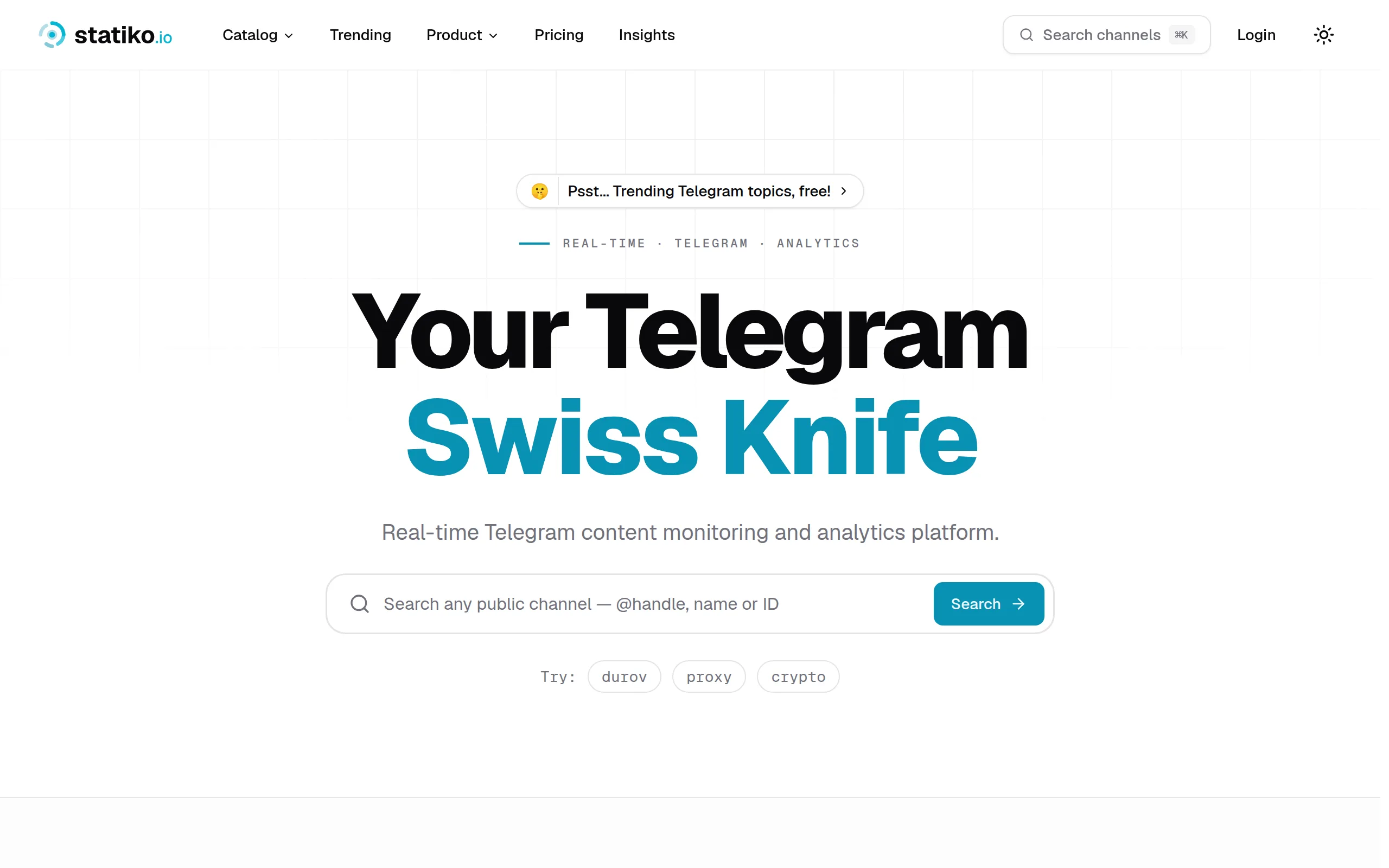
Statiko
Monitor any Telegram channel in real time - track posts, edits, deletions, and growth with AI recaps 📡

Shibui
AI website builder - describe your business, pick a niche template, edit by chatting, and publish instantly ✨

Pro Service
Find verified home service professionals, compare quotes, and pay securely through escrow - built for Brazilians across the US 🏠
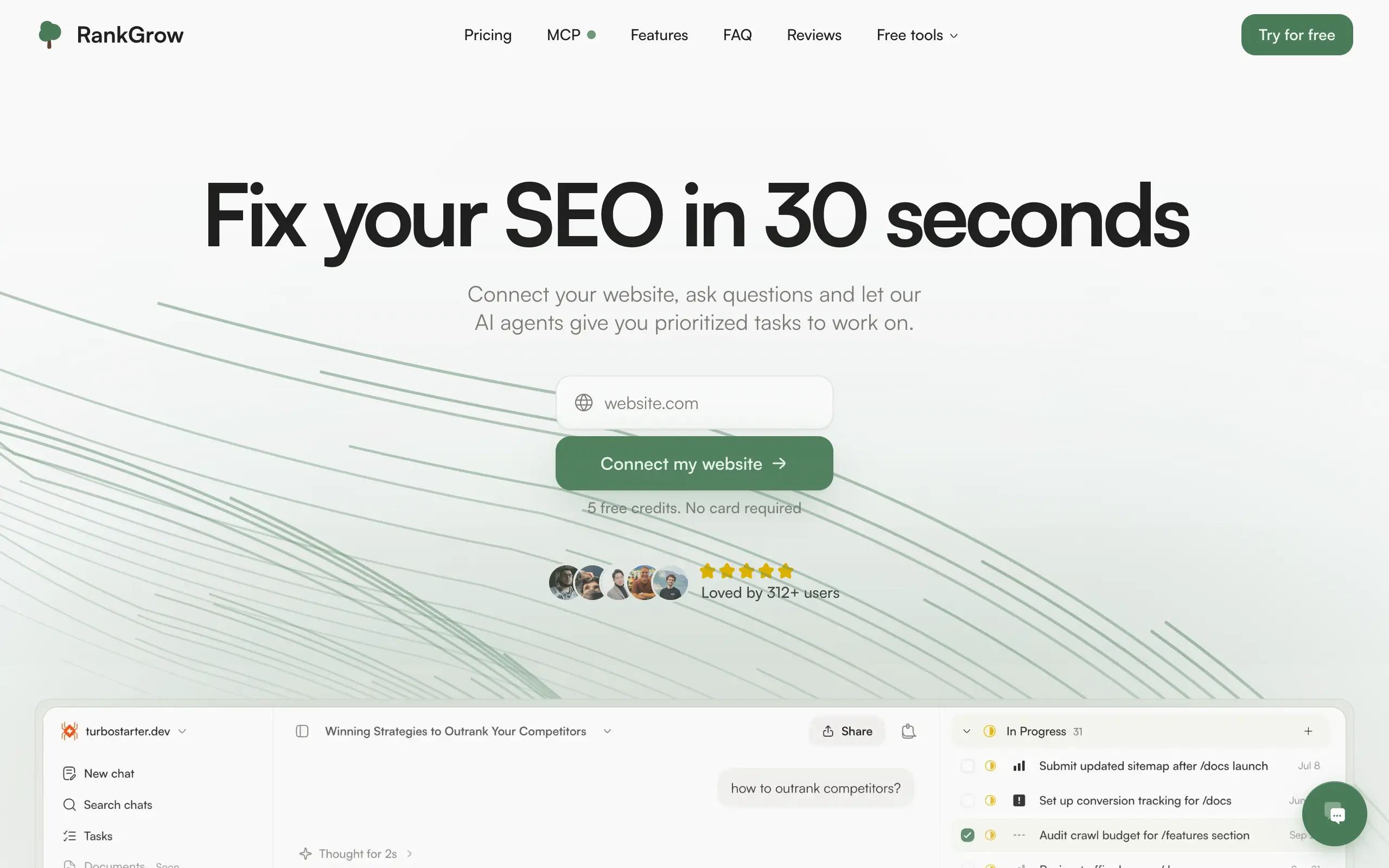
RankGrow
Fix your SEO with AI agents - connect Search Console, get prioritized tasks, and grow organic traffic 📈
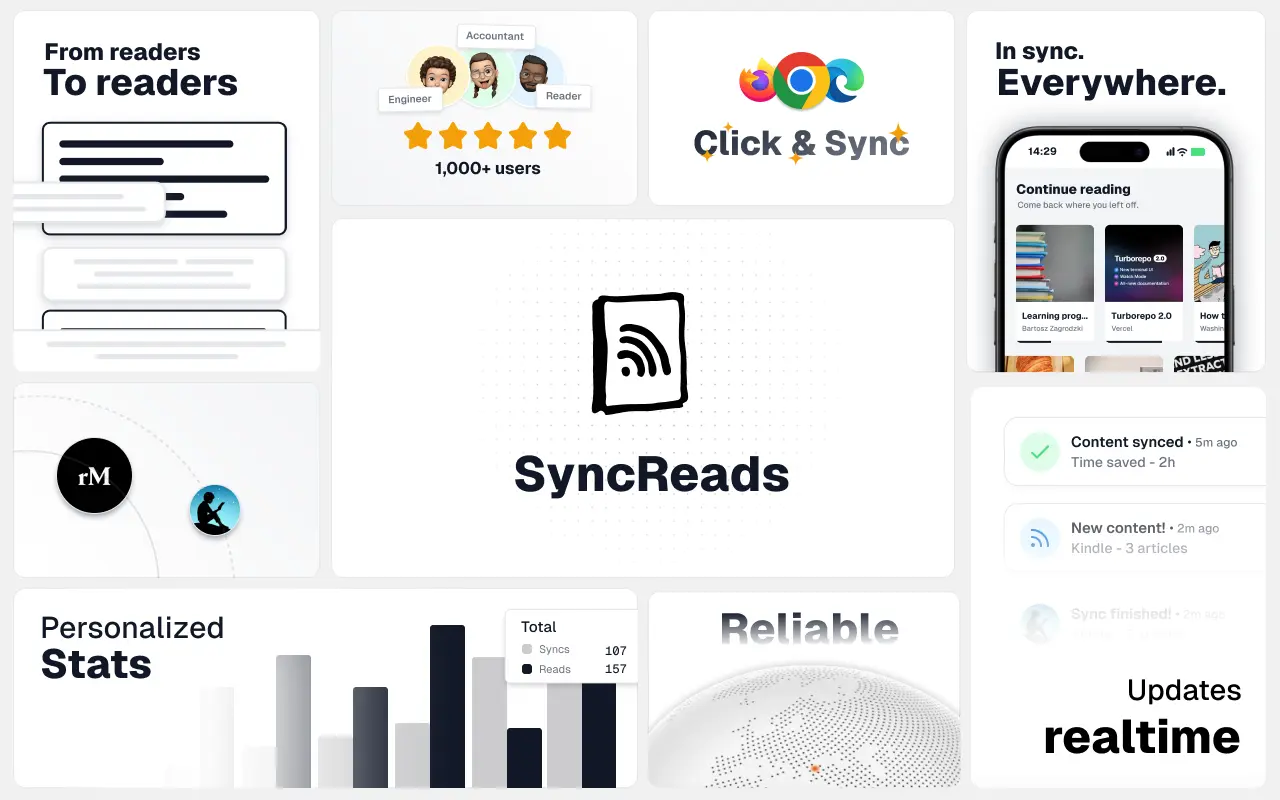
SyncReads
Sync your favorite content for distraction-free reading, save time and replace multiple apps. Anytime, anywhere 🔄
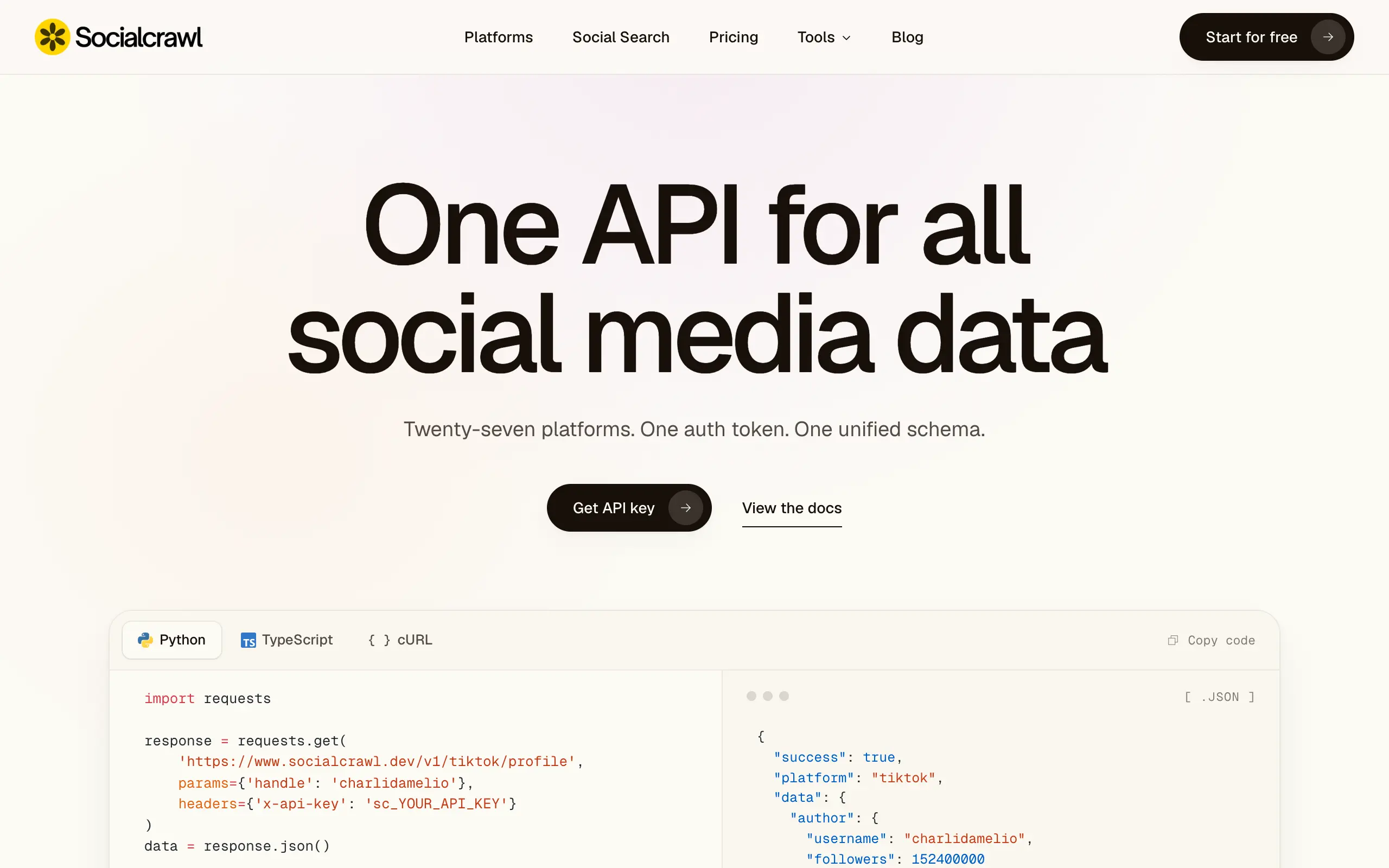
Socialcrawl
Get clean, structured data from 21 platforms like TikTok, Instagram, and YouTube with a single request 📊
Statiko
Monitor any Telegram channel in real time - track posts, edits, deletions, and growth with AI recaps 📡
Shibui
AI website builder - describe your business, pick a niche template, edit by chatting, and publish instantly ✨
Pro Service
Find verified home service professionals, compare quotes, and pay securely through escrow - built for Brazilians across the US 🏠
RankGrow
Fix your SEO with AI agents - connect Search Console, get prioritized tasks, and grow organic traffic 📈
SyncReads
Sync your favorite content for distraction-free reading, save time and replace multiple apps. Anytime, anywhere 🔄
Socialcrawl
Get clean, structured data from 21 platforms like TikTok, Instagram, and YouTube with a single request 📊
Statiko
Monitor any Telegram channel in real time - track posts, edits, deletions, and growth with AI recaps 📡
Shibui
AI website builder - describe your business, pick a niche template, edit by chatting, and publish instantly ✨
Pro Service
Find verified home service professionals, compare quotes, and pay securely through escrow - built for Brazilians across the US 🏠
RankGrow
Fix your SEO with AI agents - connect Search Console, get prioritized tasks, and grow organic traffic 📈
SyncReads
Sync your favorite content for distraction-free reading, save time and replace multiple apps. Anytime, anywhere 🔄
Socialcrawl
Get clean, structured data from 21 platforms like TikTok, Instagram, and YouTube with a single request 📊
Statiko
Monitor any Telegram channel in real time - track posts, edits, deletions, and growth with AI recaps 📡
Shibui
AI website builder - describe your business, pick a niche template, edit by chatting, and publish instantly ✨
Pro Service
Find verified home service professionals, compare quotes, and pay securely through escrow - built for Brazilians across the US 🏠
RankGrow
Fix your SEO with AI agents - connect Search Console, get prioritized tasks, and grow organic traffic 📈
SyncReads
Sync your favorite content for distraction-free reading, save time and replace multiple apps. Anytime, anywhere 🔄
Socialcrawl
Get clean, structured data from 21 platforms like TikTok, Instagram, and YouTube with a single request 📊
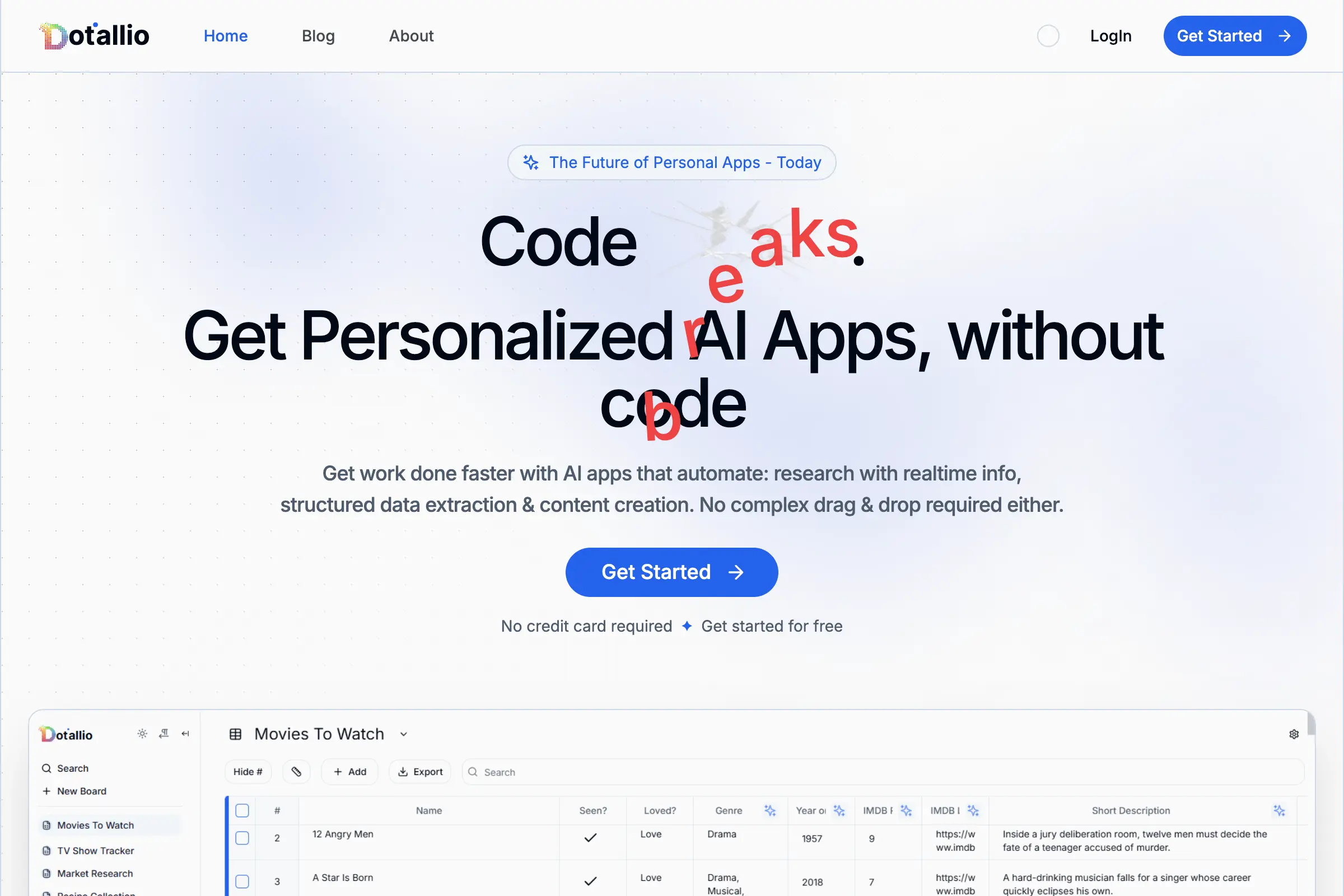
Dotallio
Personalized AI apps that automate research, data extraction, and content creation without code 🤖
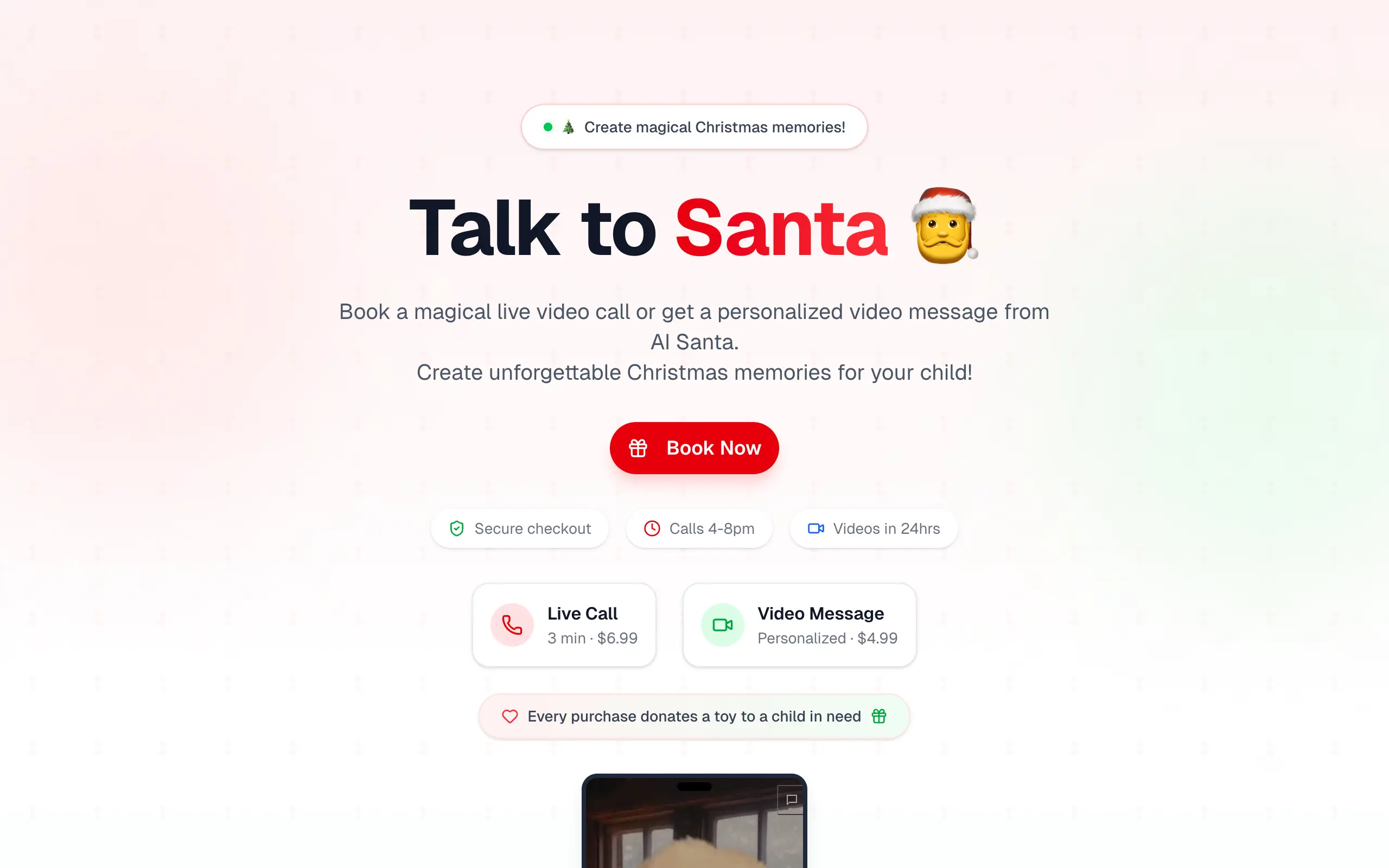
Talk to Santa
Enjoy a magical live video chat or receive a unique AI-generated video greeting from Santa Claus 🎅

pozywka.pl
Scalable blog for food journalist, focused on performance and user experience 🌭
zagrodzki.me
Personal blog and portfolio of Bart Zagrodzki, where he shares his knowledge and work 💼
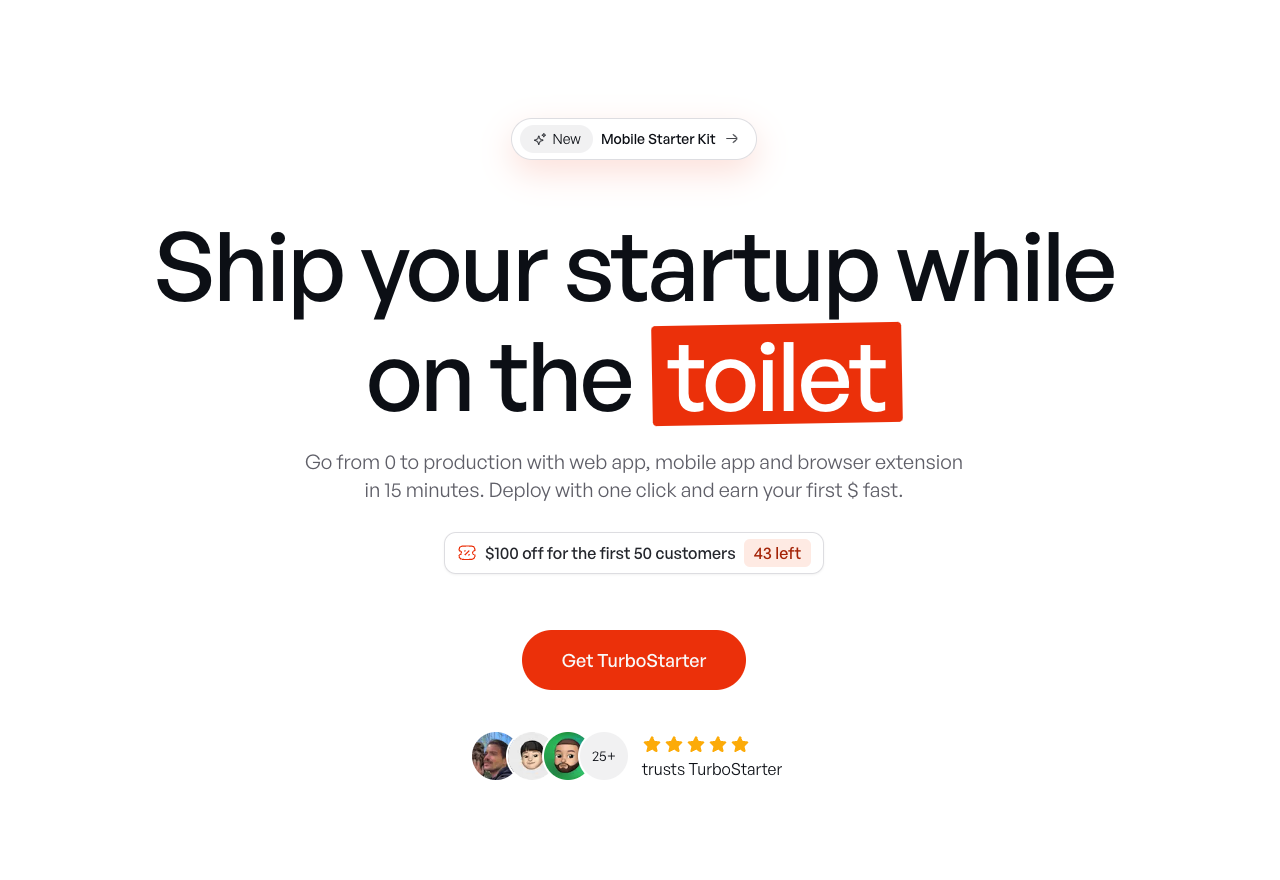
TurboStarter
Ship your startup everywhere. In minutes.
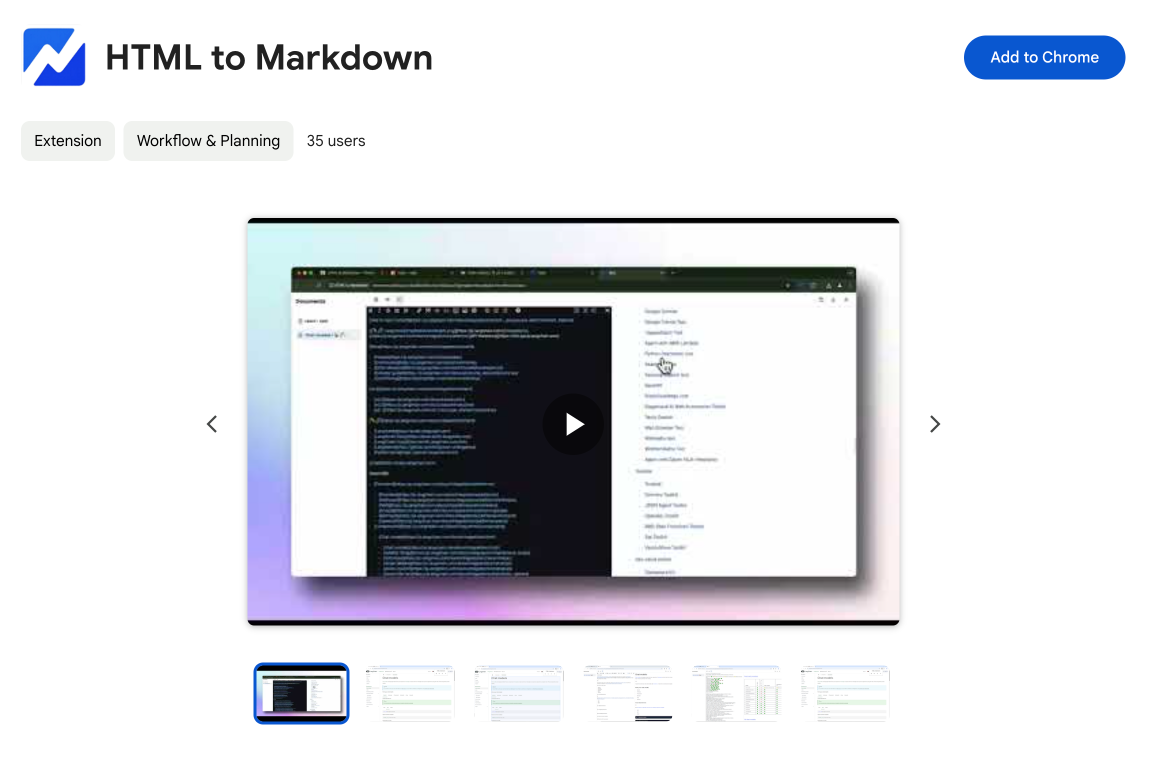
HTML to Markdown
Convert HTML to Markdown with ease, directly in your browser 📄
Dotallio
Personalized AI apps that automate research, data extraction, and content creation without code 🤖
Talk to Santa
Enjoy a magical live video chat or receive a unique AI-generated video greeting from Santa Claus 🎅
pozywka.pl
Scalable blog for food journalist, focused on performance and user experience 🌭
zagrodzki.me
Personal blog and portfolio of Bart Zagrodzki, where he shares his knowledge and work 💼
TurboStarter
Ship your startup everywhere. In minutes.
HTML to Markdown
Convert HTML to Markdown with ease, directly in your browser 📄
Dotallio
Personalized AI apps that automate research, data extraction, and content creation without code 🤖
Talk to Santa
Enjoy a magical live video chat or receive a unique AI-generated video greeting from Santa Claus 🎅
pozywka.pl
Scalable blog for food journalist, focused on performance and user experience 🌭
zagrodzki.me
Personal blog and portfolio of Bart Zagrodzki, where he shares his knowledge and work 💼
TurboStarter
Ship your startup everywhere. In minutes.
HTML to Markdown
Convert HTML to Markdown with ease, directly in your browser 📄
Dotallio
Personalized AI apps that automate research, data extraction, and content creation without code 🤖
Talk to Santa
Enjoy a magical live video chat or receive a unique AI-generated video greeting from Santa Claus 🎅
pozywka.pl
Scalable blog for food journalist, focused on performance and user experience 🌭
zagrodzki.me
Personal blog and portfolio of Bart Zagrodzki, where he shares his knowledge and work 💼
TurboStarter
Ship your startup everywhere. In minutes.
HTML to Markdown
Convert HTML to Markdown with ease, directly in your browser 📄
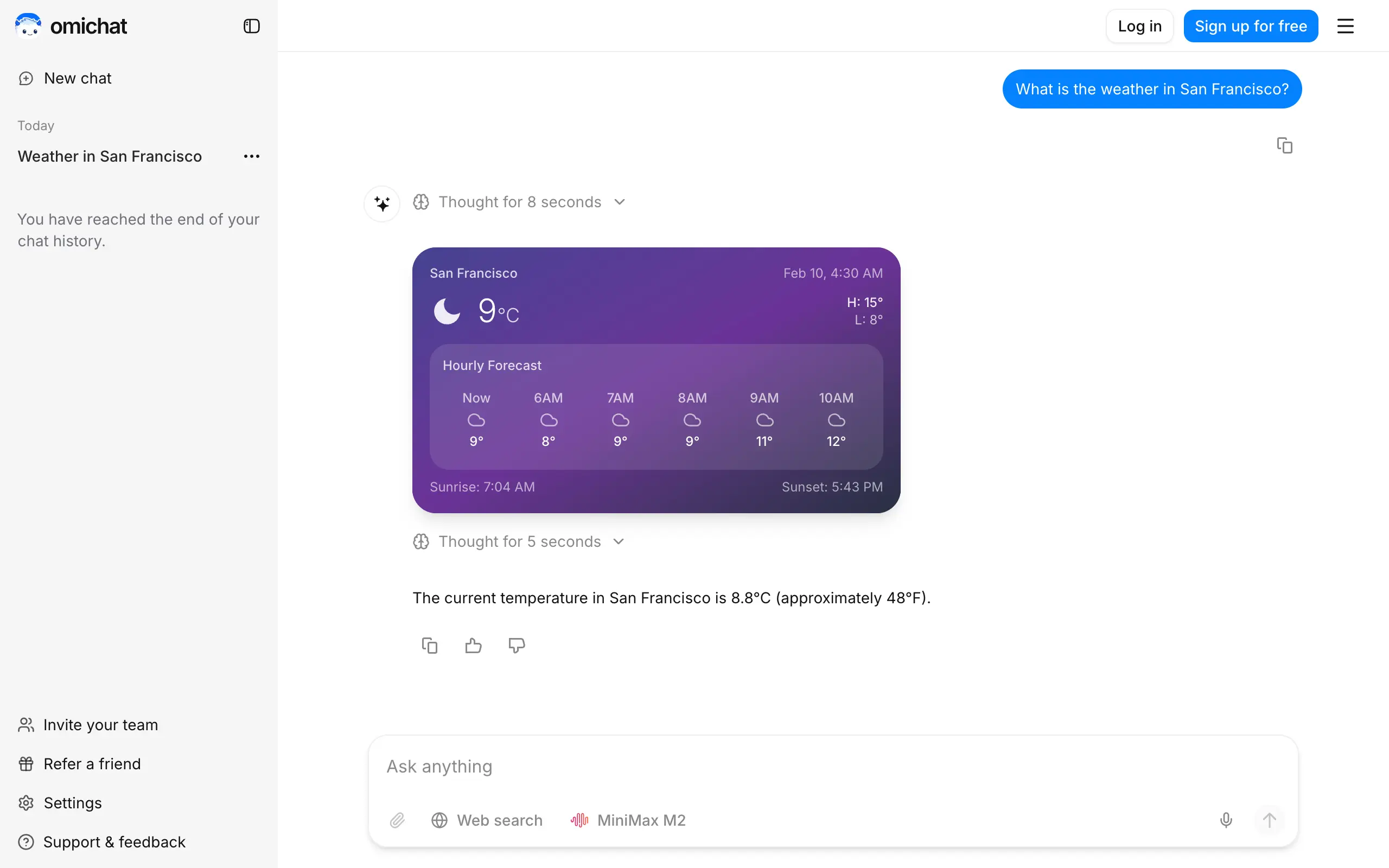
Omichat
Chat with 50+ AI models, including ChatGPT and Claude, in one place - switch models anytime without losing context 🤖
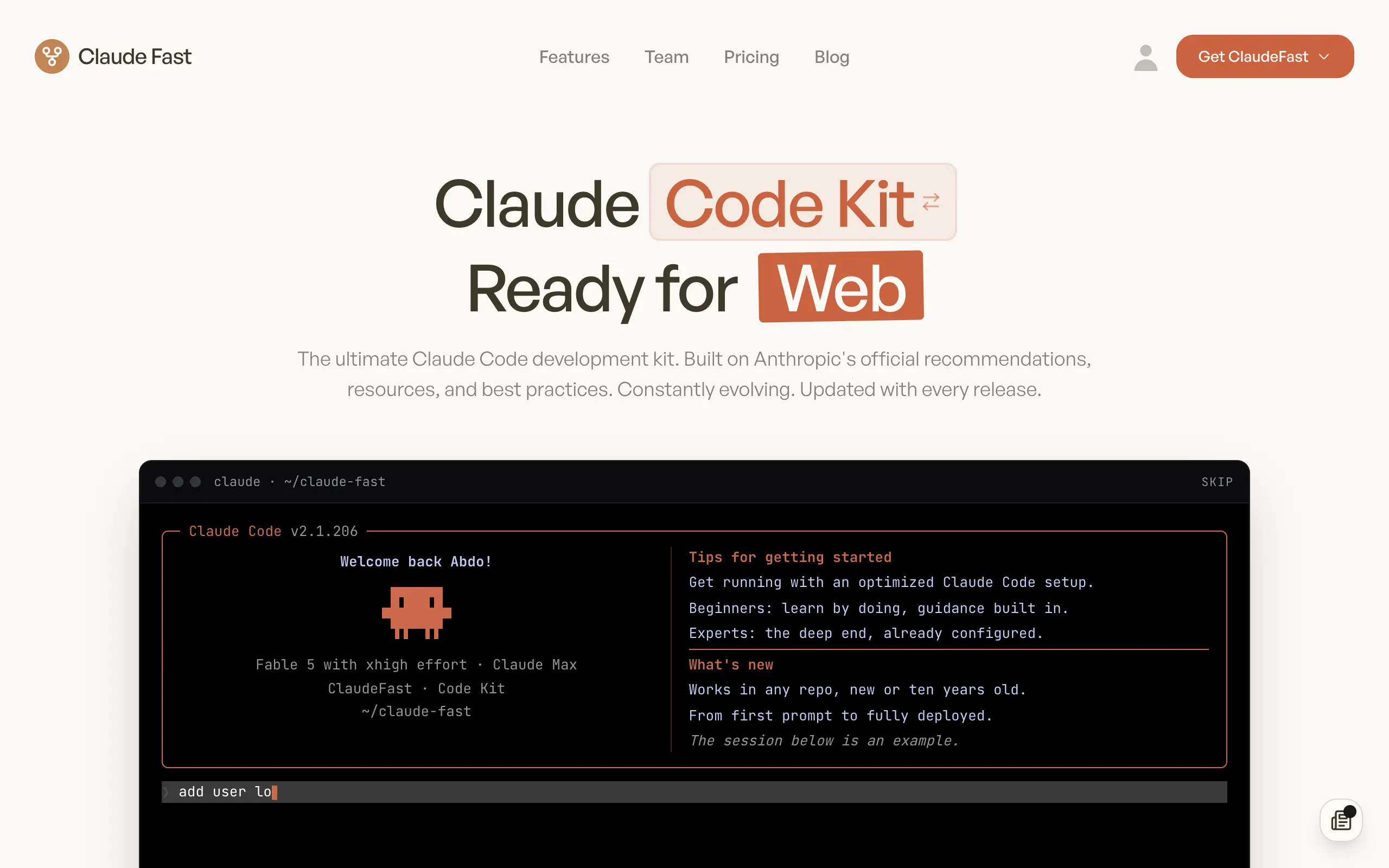
Claude Fast
Supercharge your Claude Code with 6x effective context window and specialized AI agents 🤖
EmojAI
AI-powered emoji picker with smart, context-aware suggestions 🤖
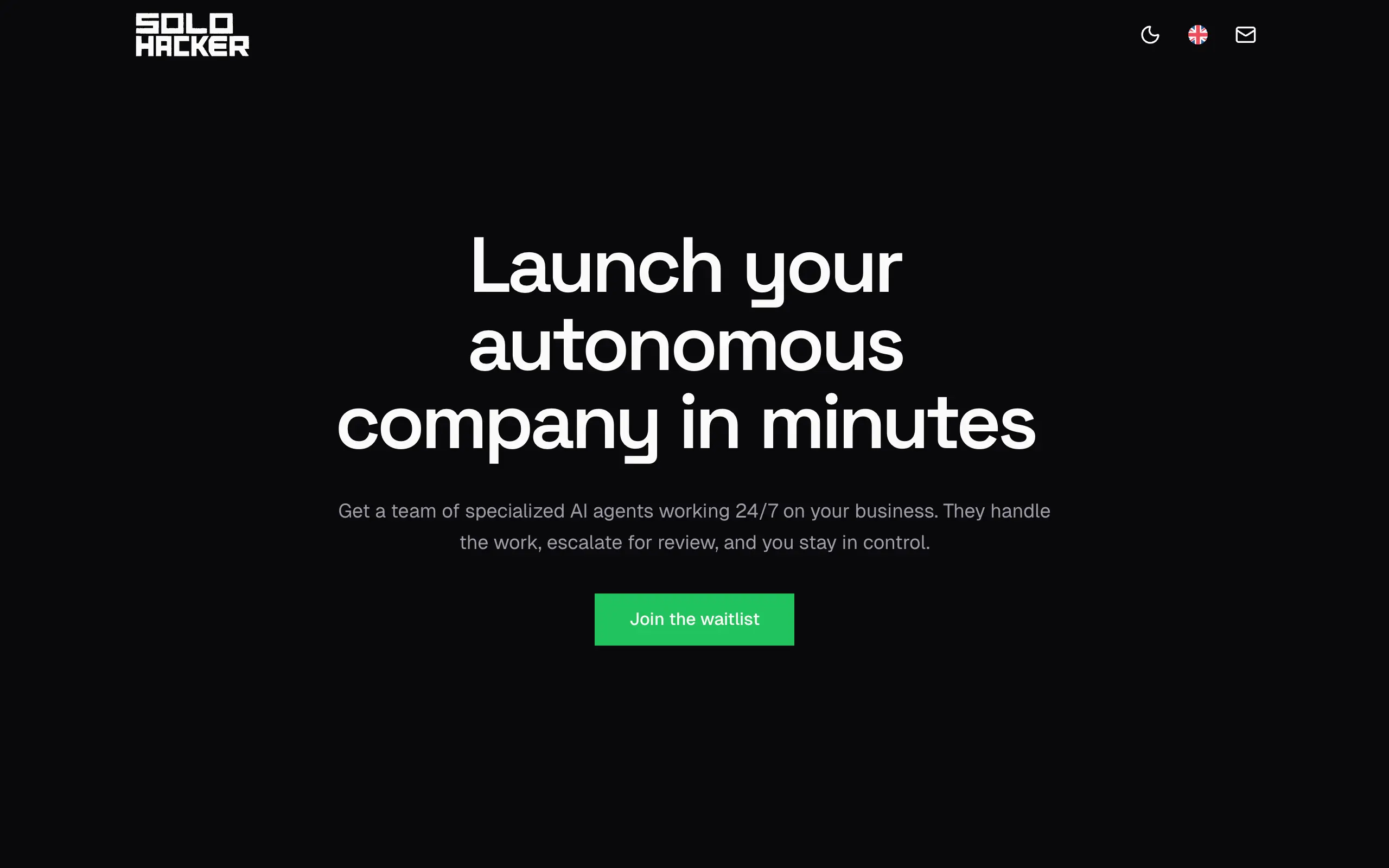
Solohacker
Autonomous company launcher - AI agents work 24/7, escalate what matters, and you stay in control 🤖
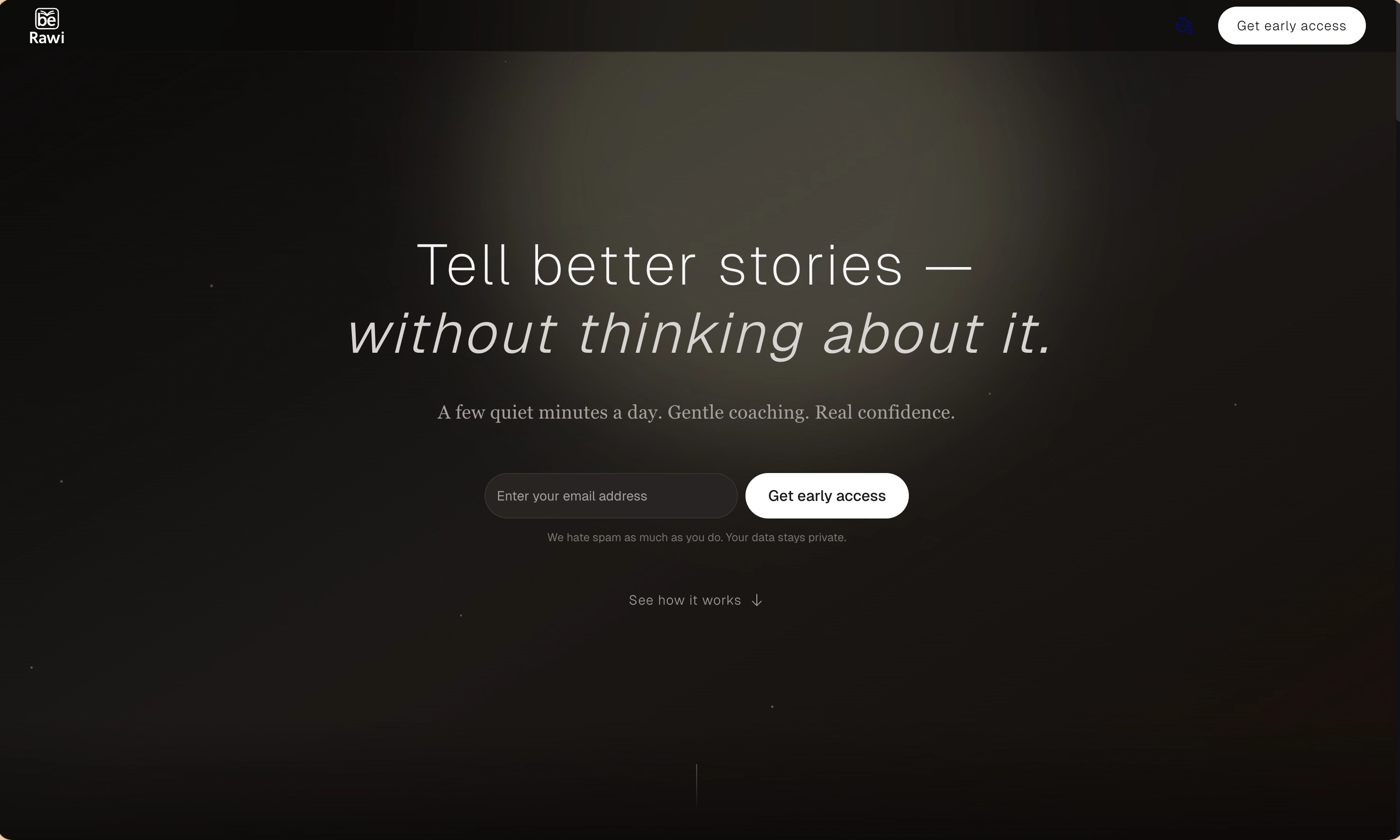
BeRawi: Storytelling Coach
Practice storytelling daily with instant feedback to sound clearer, more engaging, and confident 🎤
Omichat
Chat with 50+ AI models, including ChatGPT and Claude, in one place - switch models anytime without losing context 🤖
Claude Fast
Supercharge your Claude Code with 6x effective context window and specialized AI agents 🤖
EmojAI
AI-powered emoji picker with smart, context-aware suggestions 🤖
Solohacker
Autonomous company launcher - AI agents work 24/7, escalate what matters, and you stay in control 🤖
BeRawi: Storytelling Coach
Practice storytelling daily with instant feedback to sound clearer, more engaging, and confident 🎤
Omichat
Chat with 50+ AI models, including ChatGPT and Claude, in one place - switch models anytime without losing context 🤖
Claude Fast
Supercharge your Claude Code with 6x effective context window and specialized AI agents 🤖
EmojAI
AI-powered emoji picker with smart, context-aware suggestions 🤖
Solohacker
Autonomous company launcher - AI agents work 24/7, escalate what matters, and you stay in control 🤖
BeRawi: Storytelling Coach
Practice storytelling daily with instant feedback to sound clearer, more engaging, and confident 🎤
Omichat
Chat with 50+ AI models, including ChatGPT and Claude, in one place - switch models anytime without losing context 🤖
Claude Fast
Supercharge your Claude Code with 6x effective context window and specialized AI agents 🤖
EmojAI
AI-powered emoji picker with smart, context-aware suggestions 🤖
Solohacker
Autonomous company launcher - AI agents work 24/7, escalate what matters, and you stay in control 🤖
BeRawi: Storytelling Coach
Practice storytelling daily with instant feedback to sound clearer, more engaging, and confident 🎤

Connect with like-minded people
Join our community to get feedback, support, and grow together with 1,000+ builders on board, let's ship it!
Join usShip your startup everywhere. In minutes.
Don't burn tokens on setup and start building features on day one.