BillSplit Snap
Snap a receipt, assign items to friends, and settle instantly. BillSplit Snap removes awkward math from group meals, trips, and shared homes.
Group expenses are simple in theory and surprisingly awkward in practice. One person pays, everyone scans the receipt, somebody starts calculating tax, another person says they only had an appetizer, and the final total rarely matches what the group expects. The friction becomes even worse on trips, in shared households, and after recurring social events.
BillSplit Snap is a mobile-first receipt splitting app that turns a photographed receipt into an itemized, collaborative bill. Users snap a receipt, confirm the extracted items, assign purchases to friends, apply tax and tip fairly, and settle balances through their preferred payment method. The product’s core promise is clear: remove awkward math from shared spending without making users learn accounting software.
This article evaluates the market opportunity, product design, technical architecture, monetization paths, risks, and go-to-market plan for BillSplit Snap. It is designed for founders, product managers, mobile developers, and operators researching how to build a differentiated bill splitting app.
The core product thesis
The strongest version of BillSplit Snap is not another generic expense tracker. It is a fast, receipt-first settlement workflow for real-world moments where people need clarity before they leave the restaurant, unpack from a trip, or reconcile household purchases.
Why a receipt splitting app solves a persistent user problem
Traditional bill splitting usually fails at the point where fairness matters most: assigning individual items. Splitting a total evenly works for a round of drinks or a simple utility bill, but it breaks down when group members order different meals, share only selected items, or have different tax and tip expectations.
A modern bill split app must solve several practical problems at once:
- Extracting line items from receipts accurately
- Handling messy receipt layouts and abbreviations
- Assigning whole items, fractions, or quantities to multiple people
- Allocating discounts, sales tax, service charges, and gratuity
- Making it easy for participants to understand what they owe
- Enabling quick settlement without forcing users into a closed financial ecosystem
- Keeping the experience comfortable for users who do not want to download another app
BillSplit Snap can be valuable because it begins at the moment of maximum friction. The payer already has the receipt. The group is present. The details are still fresh. Rather than asking users to manually recreate transactions later, the app gives them an immediate way to transform a physical receipt into a transparent shared bill.
The opportunity is especially strong because the product combines three familiar user behaviors:
- Taking a photo of a receipt
- Messaging friends after a shared purchase
- Sending or requesting payment through digital payment tools
The product does not need to teach people why splitting a bill matters. It needs to make the process faster, more accurate, and less socially uncomfortable.
Target audience for BillSplit Snap
The broad audience for a receipt splitting app is large, but the early product should focus on segments with frequent shared expenses and a high tolerance for mobile workflows. A narrow initial audience helps the team build the right defaults, language, and distribution loops.
Social diners and friend groups
Restaurant groups are likely the most intuitive early audience. They encounter the problem often, have receipts with clear line items, and benefit from resolving balances immediately.
Typical scenarios include:
- Friends splitting brunch where each person ordered different dishes
- Coworkers sharing lunch or a team celebration
- Couples dining with another couple
- Birthday dinners where one person covers the table
- Groups sharing appetizers, desserts, bottles, or service charges
For this audience, speed matters more than detailed bookkeeping. They want to snap, tap items, send a payment request, and move on.
The best product message for this group is not “track your finances.” It is “split the check in minutes without the awkward math.”
Travelers and trip organizers
Trips create larger, more complex shared expense problems. One person may book accommodation, another may pay for groceries, and several people may share rides, tours, or meals. The difficulty compounds because participants may use multiple currencies and settle days after the original purchase.
BillSplit Snap can serve travelers with features such as:
- Multi-currency receipt support
- Exchange-rate snapshots at the time of purchase
- Trip-specific groups
- Running balances across multiple receipts
- Partial participation by group member
- Offline receipt capture for low-connectivity travel
- Exportable summaries when a trip ends
This segment is attractive because travel groups are highly likely to recommend a useful expense tool to one another. However, the onboarding flow must remain lightweight. A trip organizer should be able to invite others through a shareable link or messaging app instead of requiring every participant to create a full account before seeing what they owe.
Shared households and roommates
Roommates regularly split groceries, utilities, household supplies, and deliveries. Unlike restaurant groups, they often need persistent balances and recurring payments. Their problem is less about a single receipt and more about maintaining a fair running record over weeks or months.
A shared-home version of the product could support:
- Household groups with persistent members
- Grocery receipt item assignments
- Saved allocation rules for common supplies
- Monthly settlement reminders
- Recurring bills for rent-adjacent expenses, internet, or utilities
- Payment history and dispute notes
This segment can become a stronger retention engine than one-off restaurant users. The trade-off is that it introduces expectations around recurring workflows, reminders, and reliable historical records.
Clubs, teams, and informal communities
Sports teams, hobby clubs, student organizations, and volunteer groups often buy food, supplies, tickets, or materials on behalf of others. These groups need a transparent record of who participated in a purchase.
BillSplit Snap can support these users through:
- Larger group sizes
- Expense notes and receipt archives
- Membership management
- Per-event settlement
- Exports for organizers
- Optional approval workflows for reimbursable expenses
This audience may become an appealing business-to-community growth channel, particularly if local organizers use the app repeatedly.
Best early wedge
Social dining creates a high-frequency, high-friction moment with immediate value and strong word-of-mouth potential.
Best retention wedge
Shared households need recurring balances, creating more reasons to return after the first receipt split.
Best expansion wedge
Trips increase total shared spending and create demand for multi-receipt, multi-currency settlement.
Market gap and competitive opportunity
Expense-sharing tools already exist, so BillSplit Snap should not position itself as the first app to track shared costs. Its differentiation lies in the workflow and the time-to-resolution.
Many established expense apps are optimized for entering expenses manually, maintaining group balances, and settling over time. Those are valuable capabilities, but they often leave users with the same burden at the restaurant table: someone still has to type every dish, calculate the tax, and decide how to handle a shared appetizer.
A receipt splitting app can occupy the gap between simple “divide by number of people” calculators and full expense-ledger products.
| Capability | Equal-split calculators | Manual expense trackers | BillSplit Snap opportunity | User value |
|---|---|---|---|---|
| Receipt capture | Rare | Sometimes manual | Core workflow | Less data entry |
| Item-level assignment | Limited | Often cumbersome | Fast and visual | Fairer splits |
| Tax and tip allocation | Basic | Variable | Transparent rules | Fewer disputes |
| Instant group sharing | Variable | Usually app-based | Link-first invitations | Lower friction |
| Settlement guidance | Limited | Common | Built into completion flow | Faster payback |
The product should avoid competing head-on only on broad “expense tracking” claims. Instead, its marketing should own the phrase snap a receipt and split the bill by item. That message is tangible, demonstrable, and immediately useful.
The real market gap is trust, not just OCR
Receipt OCR is not enough to create a trustworthy experience. Users will forgive a receipt scan that requires a quick correction. They will not forgive totals that do not add up or calculations they cannot inspect.
The market gap is therefore a product that combines automation with visible control:
- The app should show the original receipt image alongside extracted items.
- Every generated line item should be editable.
- The total should reconcile clearly with the printed receipt.
- Tax, tip, discounts, and fees should have understandable allocation rules.
- Every participant should see why they owe a specific amount.
This is where BillSplit Snap can build trust. The goal is not “fully automated at any cost.” The goal is “faster than manual entry, with math users can verify.”
BillSplit Snap’s unique selling proposition
The unique selling proposition for BillSplit Snap is:
Turn any shared receipt into a fair, itemized settlement in minutes, with transparent tax and tip allocation.
That positioning combines the strongest functional benefits in one statement:
- “Any shared receipt” signals flexibility across meals, trips, and households.
- “Fair” speaks to the emotional problem.
- “Itemized” differentiates the product from equal-split calculators.
- “In minutes” addresses convenience.
- “Transparent” builds trust around the most disputed parts of a bill.
The product should emphasize that automation supports the group rather than replacing their judgment. When a shared pizza is divided unevenly, no algorithm knows the social context better than the people at the table. BillSplit Snap should make the decision easy to express, not pretend it can always make the decision for them.
Core features for a receipt splitting app
A strong MVP should handle the complete path from receipt capture to a settled balance. Avoid expanding into every possible personal-finance feature before the core loop is reliable.
Receipt scan and extraction
The first screen must make receipt scanning feel effortless. Users should be able to photograph a receipt, crop it, rotate it, and receive a readable list of line items.
The extraction engine should identify:
- Merchant name when available
- Purchase date when available
- Currency symbol and total
- Individual item names
- Item quantities
- Unit prices when printed
- Subtotal
- Taxes
- Discounts
- Service charges
- Tip when included
- Grand total
Receipt layouts vary widely. Some receipts use abbreviations, some print modifiers on separate lines, and some include loyalty deductions or multiple tax categories. The UI needs a review stage rather than assuming extraction is perfect.
A useful quality rule is simple: the app must always tell the user when confidence is low. Highlight uncertain items, ask for confirmation, and preserve the original image for comparison.
Visual item assignment
Item assignment is the central interaction. The best experience should feel more like selecting people in a group chat than filling out a spreadsheet.
Each item needs flexible split options:
- Assign to one person
- Split equally among selected people
- Split by quantity
- Split by percentage
- Split by custom amounts
- Mark as shared by everyone
- Exclude an item from the settlement
- Merge related lines such as a meal and its modifier
For example, if three people shared an appetizer but one person ate half, users should be able to quickly assign units or adjust shares. The app should not force every real-world scenario into an equal split.
Automatic tax, tip, discount, and fee allocation
This is the feature that turns a basic receipt scanner into a credible bill splitting app.
A fair allocation model should support several methods:
- Proportional allocation based on each person’s assigned pre-tax items
- Equal allocation across all participants
- Per-item allocation for fees attached to a specific item
- Manual custom allocation for special cases
- Configurable tip calculation before or after discounts
The default should be proportional allocation because it usually aligns with the value of items consumed. If one person ordered a premium entrée and another ordered a beverage, an equal split of sales tax and tip may feel unfair.
The app should always show the formula in plain language. For example, “Tax is split proportionally based on the items assigned to each person.” This explanation prevents confusion and reduces the chance of post-meal disputes.
Group invitations with low-friction access
A receipt split loses value if the payer must spend ten minutes adding contacts and waiting for everyone to install the app.
BillSplit Snap should support several invitation paths:
- Shareable web links
- QR codes displayed on one device
- Direct system share sheets
- Invite by phone number or email where permission exists
- Temporary guest participation
- Optional account creation after a participant reviews their balance
Guest access is particularly important for restaurant use. A participant should be able to see their amount, verify their items, and pay without being forced through a long registration process.
Settlement and payment handoff
For an early launch, BillSplit Snap should calculate and communicate balances rather than directly custody funds. The app can create an easy settlement handoff to payment methods that users already trust.
Possible settlement actions include:
- Copying the exact payment amount
- Opening a compatible payment deep link where available
- Generating a payment request message
- Marking a balance as paid manually
- Recording cash payments
- Supporting bank transfer details where appropriate and legally compliant
Direct in-app payments can be a later expansion, but they introduce regulatory, fraud, identity verification, chargeback, and money-transmission considerations. A payment handoff approach lets the product validate demand without absorbing unnecessary financial infrastructure risk.
Group balances and settlement optimization
When a group has multiple expenses, direct repayment can become unnecessarily complex. If Alex owes Jordan, Jordan owes Priya, and Priya owes Alex, the app should minimize the number of transfers.
A net settlement algorithm can calculate the smallest practical set of repayments. The interface should still preserve an audit trail, allowing users to inspect the original expenses behind each balance.
Receipts, history, and exports
Trust increases when users can return to prior splits. Receipt history should include:
- Original receipt image
- Parsed item list
- Assigned participants
- Allocation settings
- Settlement status
- Notes and adjustments
- Exportable summaries
For privacy, retention controls should let users delete receipt images and associated personal data. This is especially important because receipts may contain partial card details, merchant data, loyalty identifiers, or location information.
Designing the ideal user experience
The best BillSplit Snap workflow is short enough to use while standing at a restaurant counter and robust enough to handle a complex vacation grocery receipt.
The experience should follow a progressive disclosure model. Most users only need the simple path. Advanced controls should appear when a user needs them.
The restaurant flow should prioritize speed. Scan the receipt, add participants, assign dishes, apply a tip, and send payment requests. The user should be able to finish a normal split in a few focused interactions.
The trip flow should preserve context across several expenses. Users need a trip group, optional currency conversion, a running balance, and a simple end-of-trip settlement summary.
The household flow should prioritize history and repeatability. Saved members, recurring bills, grocery assignments, reminders, and monthly balance reviews become more useful than one-time receipt splitting.
Product principles that prevent user frustration
Several design decisions will determine whether the app feels trustworthy or tedious:
-
Make the total impossible to miss. The extracted items plus fees must reconcile to the receipt total before a split can be finalized.
-
Preserve user control. Every automated output needs an edit path.
-
Use human language. Say “Split tax based on what each person ordered” instead of showing unexplained formulas.
-
Keep participant actions lightweight. Guests should be able to review their assigned items without navigating a complex dashboard.
-
Avoid hiding rounding behavior. Show who absorbs a one-cent rounding difference and let the group change it if needed.
-
Design for social sensitivity. The product should never shame someone for disputing an item. Use neutral language such as “Request an adjustment” or “Review assignment.”
Recommended tech stack for BillSplit Snap
BillSplit Snap is a mobile product, so technical choices should optimize camera access, image processing, responsive interaction, notification delivery, and reliable synchronization.
A practical stack can support fast iteration without making future scale impossible.
Mobile application layer
For a cross-platform launch, React Native is a strong option. It allows a small team to ship iOS and Android experiences from a shared TypeScript codebase while retaining access to native capabilities such as camera controls, push notifications, device storage, and deep links.
Expo can accelerate the earliest stages of development through managed workflows, build services, and a mature ecosystem for device APIs.
The trade-off is that some advanced camera processing, specialized native SDKs, or highly custom performance work may eventually require native modules or a prebuilt workflow. This is usually an acceptable trade-off for an MVP, particularly when the primary validation question is whether users complete receipt-to-settlement flows.
Recommended client-side tools include:
- TypeScript for safer data models and financial calculations
- React patterns for reusable UI state and component logic
- Expo for camera, notifications, and application builds
- TanStack Query for cache-aware server state
- Zod for runtime validation of receipt and settlement payloads
Backend and data layer
A server-side TypeScript stack creates a clean fit with React Native. Next.js can support web landing pages, authenticated participant review links, lightweight back-office tools, and API routes. For a dedicated mobile backend, a separate TypeScript service can also work well.
For the database, PostgreSQL is an excellent choice because financial-style records benefit from relational consistency, transactions, constraints, and auditability.
Core data entities should include:
- User
- Guest participant
- Group
- Receipt
- Receipt image
- Receipt line item
- Expense split
- Item assignment
- Allocation rule
- Settlement
- Payment status
- Audit event
Use integer minor units for all money calculations. For example, store $12.34 as 1234 cents rather than a floating-point number. This prevents common decimal precision errors.
type MoneyCents = number;

function allocateProportionally(
  totalFeeCents: MoneyCents,
  participantSubtotalCents: MoneyCents,
  groupSubtotalCents: MoneyCents
): MoneyCents {
  if (groupSubtotalCents <= 0) return 0;

  return Math.round(
    (totalFeeCents * participantSubtotalCents) / groupSubtotalCents
  );
}
The calculation above is only a starting point. Production code should include deterministic rounding reconciliation so the sum of participant allocations always equals the receipt total exactly.
Receipt OCR and AI extraction
Receipt recognition is a core capability, but the implementation should not depend on a single opaque model. A layered approach is more reliable:
- Use OCR to extract raw text from the image.
- Use document analysis or structured extraction to identify likely totals and line items.
- Apply receipt-specific parsing rules for prices, quantities, taxes, and discounts.
- Use a language model only when it improves normalization or classification.
- Present uncertain output for user review.
The key trade-off is cost versus accuracy. General-purpose AI models may handle unusual formats better but can be more expensive and less deterministic. Traditional OCR may be cheaper and more predictable but weaker on poor images and nonstandard receipts.
An MVP can use a third-party document intelligence provider, then gradually build a vendor-agnostic extraction layer. This protects the product from pricing changes and lets the team compare accuracy across providers.
Do not treat OCR output as financial truth
Receipt parsing should always be considered a proposed draft until the payer confirms it. Build validation rules that detect when line items, subtotal, taxes, and grand total do not reconcile.
Authentication, storage, and security
Authentication should support both account holders and temporary participants. A passwordless flow using email or phone verification can reduce friction, but the team must evaluate regional SMS cost and deliverability.
Receipt images should be stored securely with short-lived signed URLs. Access control should ensure that only authorized group participants can view a receipt. Sensitive fields should be minimized, and users should have clear deletion controls.
For observability, track errors in the scan, parse, assignment, invitation, and settlement flows. Product analytics should focus on completion behavior rather than collecting unnecessary personal data.
Rapid SaaS foundation
Although BillSplit Snap is mobile-first, it will still need a public website, policies, support pages, account management, onboarding infrastructure, and potentially a web dashboard. TurboStarter can reduce setup time for the SaaS foundation by providing an organized starting point for common application needs.
The team should keep the marketing site and authenticated web experiences separate enough that public pages remain fast, search-friendly, and easy to update.
Monetization strategy options
A receipt splitting app must balance monetization with the social nature of the product. Charging every participant during a casual dinner can create friction. The most viable approach is usually a freemium model that monetizes repeat users, power users, or high-value groups.
Freemium subscription model
The free tier should make one-off receipt splitting genuinely useful. It can include a limited number of monthly scans, basic item assignment, standard tax allocation, and payment handoff.
A premium tier can offer:
- Unlimited receipt scans
- Receipt history beyond a limited retention window
- Advanced custom split rules
- Trip groups and multi-currency support
- Household recurring expense tools
- Receipt exports
- Premium OCR processing
- Faster support
- Shared group subscription options
The premium value should be targeted at users with recurring needs, especially roommates and frequent travelers.
Group plans for households and trips
A group plan may convert better than individual subscriptions because one organizer often values convenience for everyone. For example, a household plan could cover a fixed number of members, while a trip pass could provide premium features for the duration of a specific travel period.
This approach aligns pricing with the collaborative value of the product.
Payment partner revenue
If payment providers offer compliant referral, partner, or transaction revenue programs, BillSplit Snap may eventually earn revenue from settlement activity. This should be treated as an optional upside, not the initial business model.
The product should avoid making payment integration its only monetization dependency. Financial partnerships can take time, vary by geography, and impose compliance obligations.
Business and organizational plans
Later, the company can explore plans for clubs, student groups, travel coordinators, and informal teams. These users may value expense exports, reimbursement workflows, member management, and records that are not essential for social diners.
Competitive advantage and defensibility
The initial product can be copied at a surface level. A competitor can add receipt scanning or item assignment. Defensibility comes from execution across several layers.
A refined receipt-to-settlement workflow
The strongest advantage is workflow quality. If BillSplit Snap consistently turns difficult receipts into understandable splits with fewer taps than alternatives, users will remember it.
Key workflow moats include:
- Better parsing for the receipts users actually upload
- Faster correction tools for imperfect scans
- Clear handling of tax, tips, fees, discounts, and rounding
- Low-friction guest collaboration
- Reliable settlement status tracking
Proprietary correction data
With user permission and strong privacy controls, corrected receipt data can improve parsing accuracy over time. The system can learn patterns such as merchant-specific layouts, common abbreviations, menu formatting, and tax presentation.
The product should be transparent about data use and provide privacy-respecting controls. Trust is more important than extracting every possible data point.
Distribution through social utility
Every shared receipt creates a potential invitation. If a payer sends a split to four friends, the product reaches four new potential users in a context where its value is obvious.
To make this loop work, guest recipients must receive a polished and useful experience. A sloppy web view, forced signup, or unclear amount can destroy a valuable referral moment.
Trust as a product moat
Financially adjacent products win when users believe the calculation. BillSplit Snap can stand apart by making every decision inspectable and by never obscuring the math.
A transparent receipt image, editable assignments, clear totals, and permanent history are not merely UI details. They are the reason a group will use the product again.
Risks and mitigation strategies
Building a bill splitting app involves product, technical, legal, and operational risks. Addressing them early creates a more credible launch plan.
Receipts may be faded, crumpled, multilingual, poorly lit, or formatted inconsistently. Mitigate this risk with image-quality guidance, confidence scores, easy editing, merchant-specific parsing improvements, and a reconciliation check against the printed total.
A one-cent mismatch can reduce trust, while a major mismatch can create disputes. Store money in integer minor units, use deterministic allocation rules, test edge cases, maintain audit events, and require totals to reconcile before finalization.
Moving money directly can trigger licensing, fraud, identity verification, privacy, and dispute-management obligations. Start with payment handoff and manual settlement tracking. Consult qualified legal counsel before expanding into payment custody or funds transmission.
Restaurant splits can be episodic. Improve retention through saved groups, household modes, trip folders, receipt history, reminders, and gentle reactivation around likely shared-expense moments.
Receipts can reveal location, spending habits, partial payment information, and personal identifiers. Minimize data collection, secure image storage, make deletion simple, and publish plain-language privacy practices.
Accessibility and inclusion considerations
Accessibility should be part of the core experience rather than a future enhancement. Important practices include:
- Clear screen-reader labels for receipt and assignment controls
- High contrast for totals and settlement statuses
- Large touch targets for group selection
- Avoiding color as the only indicator of who owes money
- Support for dynamic text sizing
- Plain-language explanations of split rules
- Internationalization planning for currencies, dates, decimal separators, and languages
These improvements make the app more usable for everyone and reduce errors in high-pressure situations.
Metrics that prove product-market fit
Downloads are not enough. The strongest early metrics measure whether users successfully complete the product’s central job.
Track the funnel from scan to settlement:
- Receipt scan started
- Receipt scan successfully parsed
- Receipt manually corrected
- Group created
- At least one item assigned
- Split finalized
- Participant invitation opened
- Settlement marked complete
- Same user creates another split
- Group uses the app again within 30 days
The most important activation metric could be:
A new payer scans a receipt, assigns at least two participants, finalizes the split, and shares the settlement within one session.
Useful qualitative signals include:
- Users asking for support with more complex receipts rather than abandoning the product
- Organic invitations from invited participants
- Repeat use by the same group
- Requests for trip, household, or multi-currency features
- Users trusting the app enough to use it for higher-value shared purchases
When communicating market data to investors or stakeholders, cite current reports from credible sources such as payment networks, mobile operating system providers, government consumer-finance agencies, or established market research firms. Avoid relying on unsourced market-size claims.
Actionable implementation roadmap
A focused rollout is more valuable than a feature-rich but unreliable launch. The first goal is to prove that users prefer a receipt-first workflow over manual splitting.
Phase one: validate the problem
Interview people who regularly split restaurant bills, travel expenses, or household purchases. Ask them to walk through a real recent receipt rather than answering abstract questions.
Research questions should include:
- How do they split bills today?
- Which part creates the most friction?
- How often do disagreements happen?
- Do they want item-level fairness or simple speed?
- Would they invite friends through a link?
- Which payment methods do they already use?
- What would make them hesitate to upload a receipt?
Build a clickable prototype and test the assignment flow. At this stage, it is better to discover that users dislike a complex split UI than to discover it after implementing OCR infrastructure.
Phase two: build the narrow MVP
The MVP should focus on restaurant receipts in one initial currency and region. Include:
- Receipt photo capture
- OCR-assisted item extraction
- Manual receipt editing
- Participant creation and guest links
- Item-level assignment
- Proportional tax and tip allocation
- Totals reconciliation
- Shareable settlement summary
- Manual paid status
- Secure receipt history
Do not launch with direct payments, complex household automations, every currency, or broad accounting features. Each can distract from the core promise.
Phase three: run a controlled beta
Recruit small friend groups, local communities, university groups, and frequent diners. Observe actual use, especially in real restaurants.
Measure:
- Scan-to-finalization time
- Number of corrections per receipt
- Percentage of splits that reconcile automatically
- Invitation open rate
- Completion rate
- Repeat usage by the same group
- Most common assignment edits
- Support tickets about tax, tip, or rounding
The beta should prioritize learning from bad receipts. A polished demo receipt is not representative of real-world usage.
Phase four: improve accuracy and retention
Once the core split workflow is reliable, invest in the features that create repeat use:
- Saved groups
- Trip folders
- Household mode
- Multi-currency support
- Better receipt categorization
- Settlement reminders
- Exportable records
- Merchant-specific parsing improvements
Only after the product shows recurring behavior should the team evaluate more complex payment integrations.
Final recommendation
BillSplit Snap has a compelling opportunity because it tackles a familiar, emotionally charged problem with a simple mobile interaction: photograph the receipt and make the split fair.
Its success will not depend on having the most advanced OCR model alone. It will depend on creating the most trustworthy path from a messy real-world receipt to a clear, settled balance. That means transparent calculations, effortless item assignment, guest-friendly sharing, reliable reconciliation, and a product voice that reduces social friction instead of adding to it.
The strongest launch strategy is to own the itemized restaurant split first, validate repeat group behavior, and then expand into trips and shared homes. By focusing on speed, fairness, and explainable math, BillSplit Snap can become more than a bill calculator. It can become the default shared-expense tool people reach for whenever someone says, “I’ll get this one, we can split it later.”
More 📱 Mobile App SaaS ideas
Discover more innovative mobile app SaaS ideas that are trending in 2026. Each idea is AI-generated with market validation and growth potential to help you find your next profitable venture faster than competitors.
Your competitors are building with TurboStarter
Below are some of the SaaS ideas that have been generated and built with our starter kit.
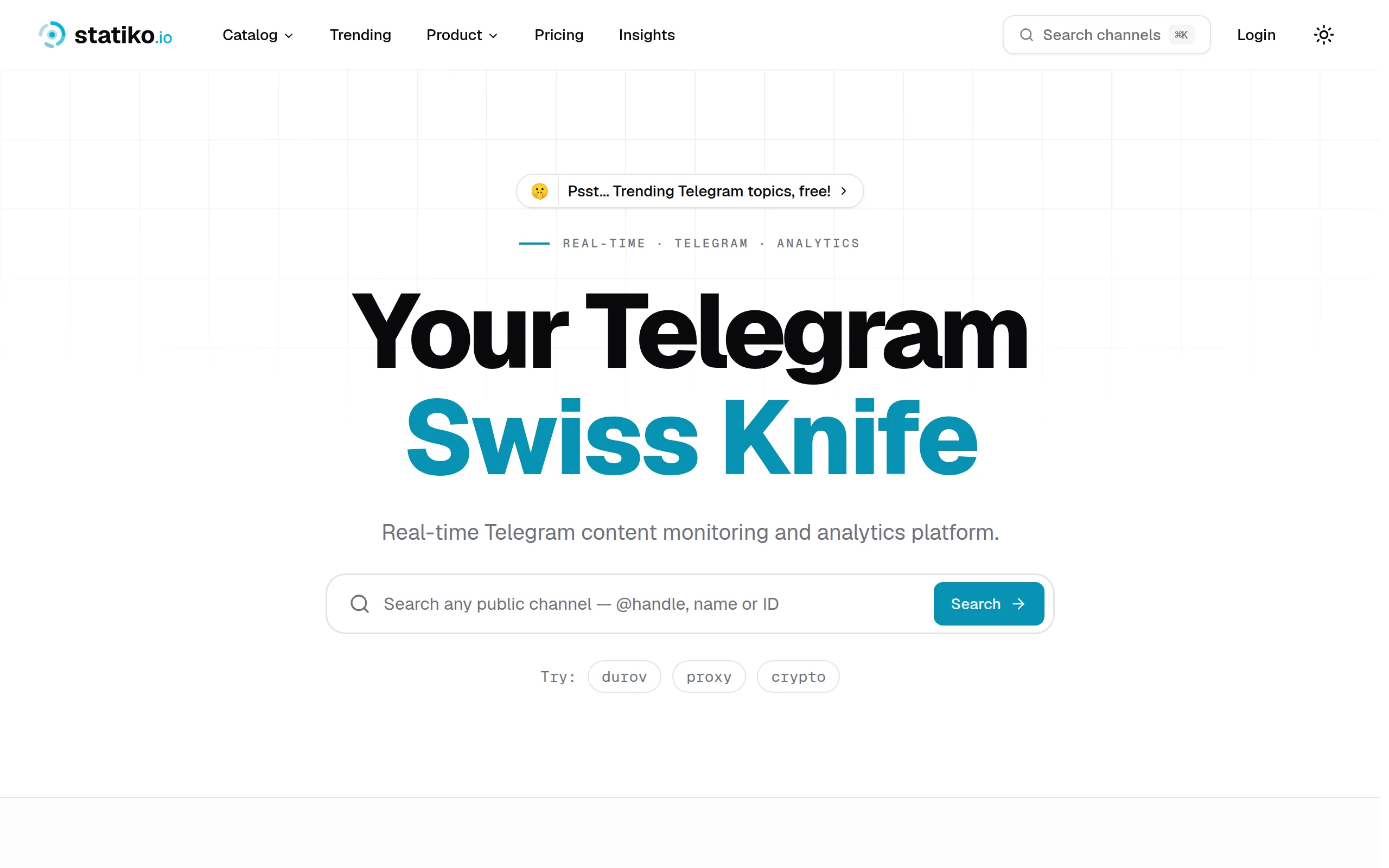
Statiko
Monitor any Telegram channel in real time - track posts, edits, deletions, and growth with AI recaps 📡

Shibui
AI website builder - describe your business, pick a niche template, edit by chatting, and publish instantly ✨
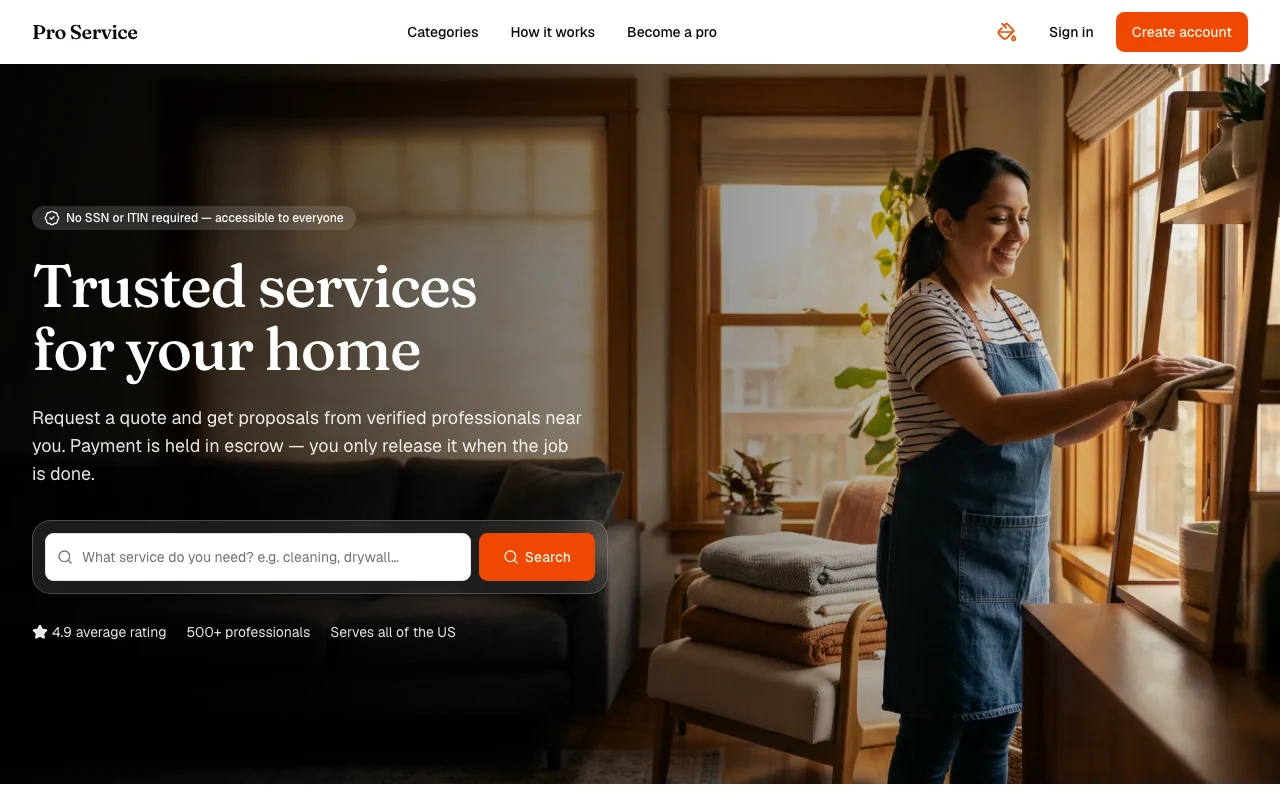
Pro Service
Find verified home service professionals, compare quotes, and pay securely through escrow - built for Brazilians across the US 🏠
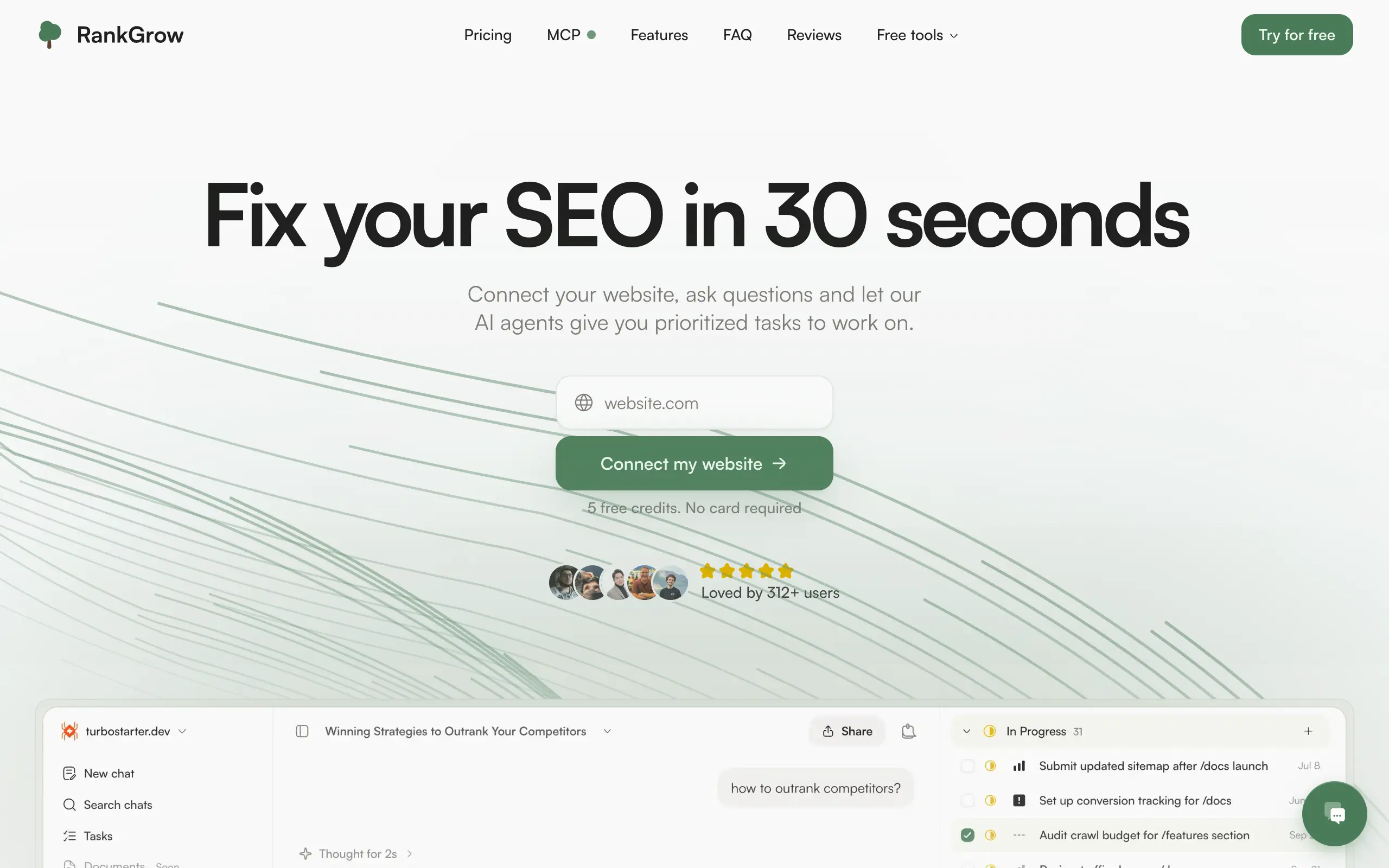
RankGrow
Fix your SEO with AI agents - connect Search Console, get prioritized tasks, and grow organic traffic 📈
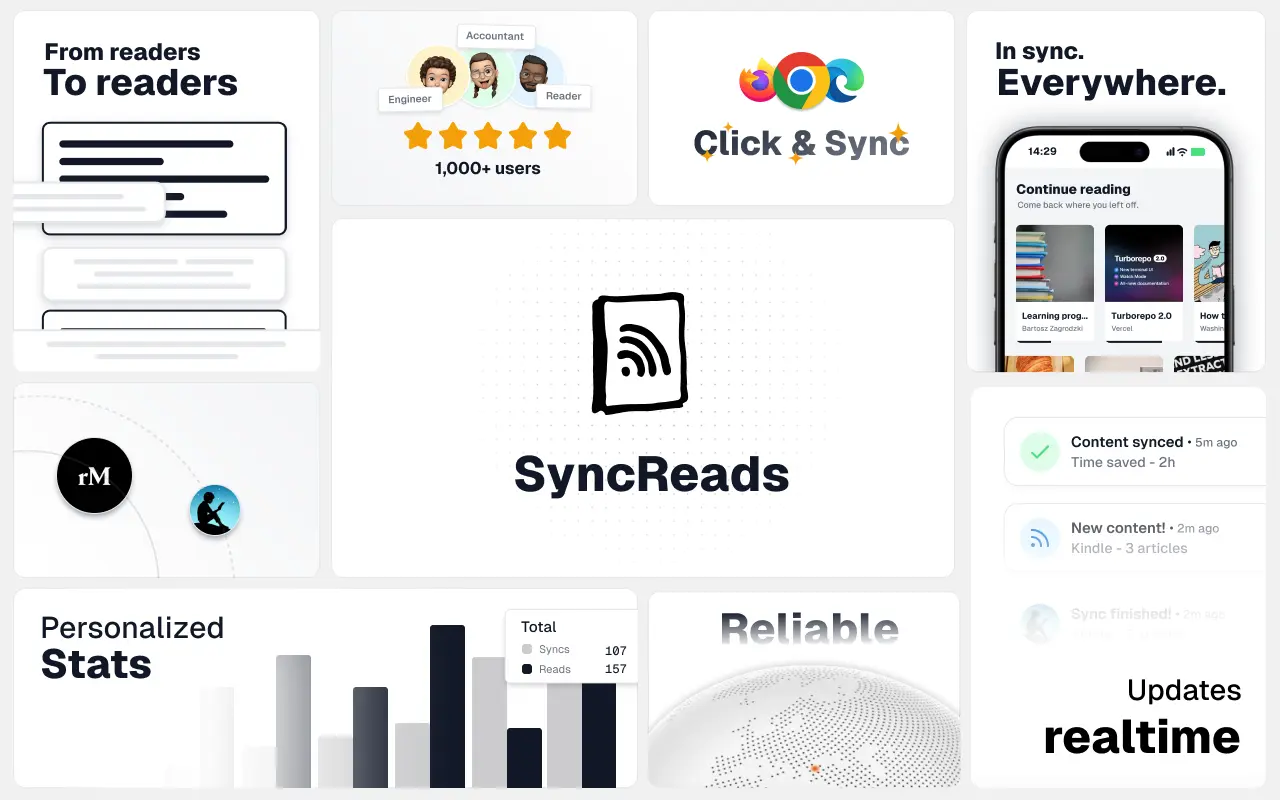
SyncReads
Sync your favorite content for distraction-free reading, save time and replace multiple apps. Anytime, anywhere 🔄
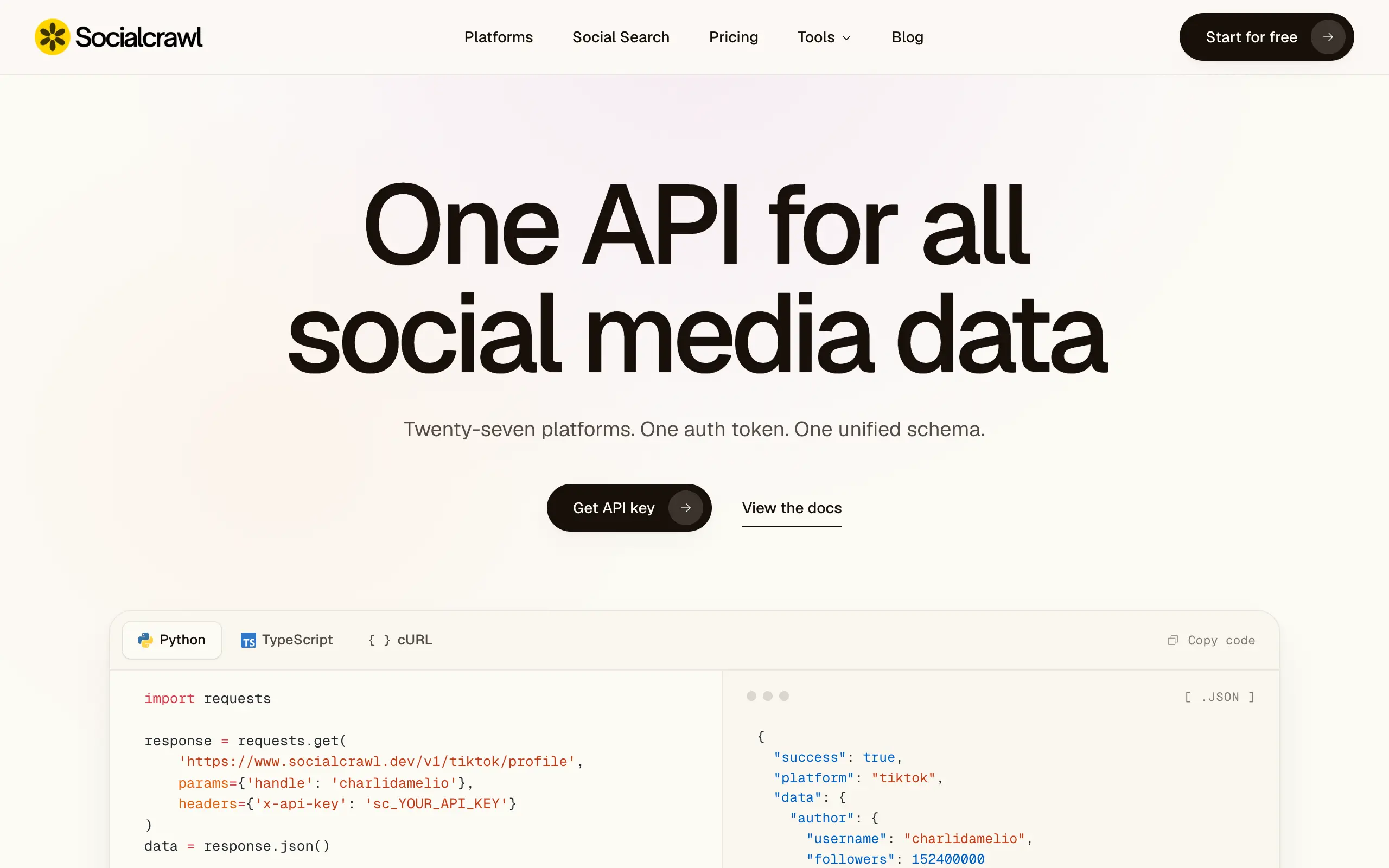
Socialcrawl
Get clean, structured data from 21 platforms like TikTok, Instagram, and YouTube with a single request 📊
Statiko
Monitor any Telegram channel in real time - track posts, edits, deletions, and growth with AI recaps 📡
Shibui
AI website builder - describe your business, pick a niche template, edit by chatting, and publish instantly ✨
Pro Service
Find verified home service professionals, compare quotes, and pay securely through escrow - built for Brazilians across the US 🏠
RankGrow
Fix your SEO with AI agents - connect Search Console, get prioritized tasks, and grow organic traffic 📈
SyncReads
Sync your favorite content for distraction-free reading, save time and replace multiple apps. Anytime, anywhere 🔄
Socialcrawl
Get clean, structured data from 21 platforms like TikTok, Instagram, and YouTube with a single request 📊
Statiko
Monitor any Telegram channel in real time - track posts, edits, deletions, and growth with AI recaps 📡
Shibui
AI website builder - describe your business, pick a niche template, edit by chatting, and publish instantly ✨
Pro Service
Find verified home service professionals, compare quotes, and pay securely through escrow - built for Brazilians across the US 🏠
RankGrow
Fix your SEO with AI agents - connect Search Console, get prioritized tasks, and grow organic traffic 📈
SyncReads
Sync your favorite content for distraction-free reading, save time and replace multiple apps. Anytime, anywhere 🔄
Socialcrawl
Get clean, structured data from 21 platforms like TikTok, Instagram, and YouTube with a single request 📊
Statiko
Monitor any Telegram channel in real time - track posts, edits, deletions, and growth with AI recaps 📡
Shibui
AI website builder - describe your business, pick a niche template, edit by chatting, and publish instantly ✨
Pro Service
Find verified home service professionals, compare quotes, and pay securely through escrow - built for Brazilians across the US 🏠
RankGrow
Fix your SEO with AI agents - connect Search Console, get prioritized tasks, and grow organic traffic 📈
SyncReads
Sync your favorite content for distraction-free reading, save time and replace multiple apps. Anytime, anywhere 🔄
Socialcrawl
Get clean, structured data from 21 platforms like TikTok, Instagram, and YouTube with a single request 📊
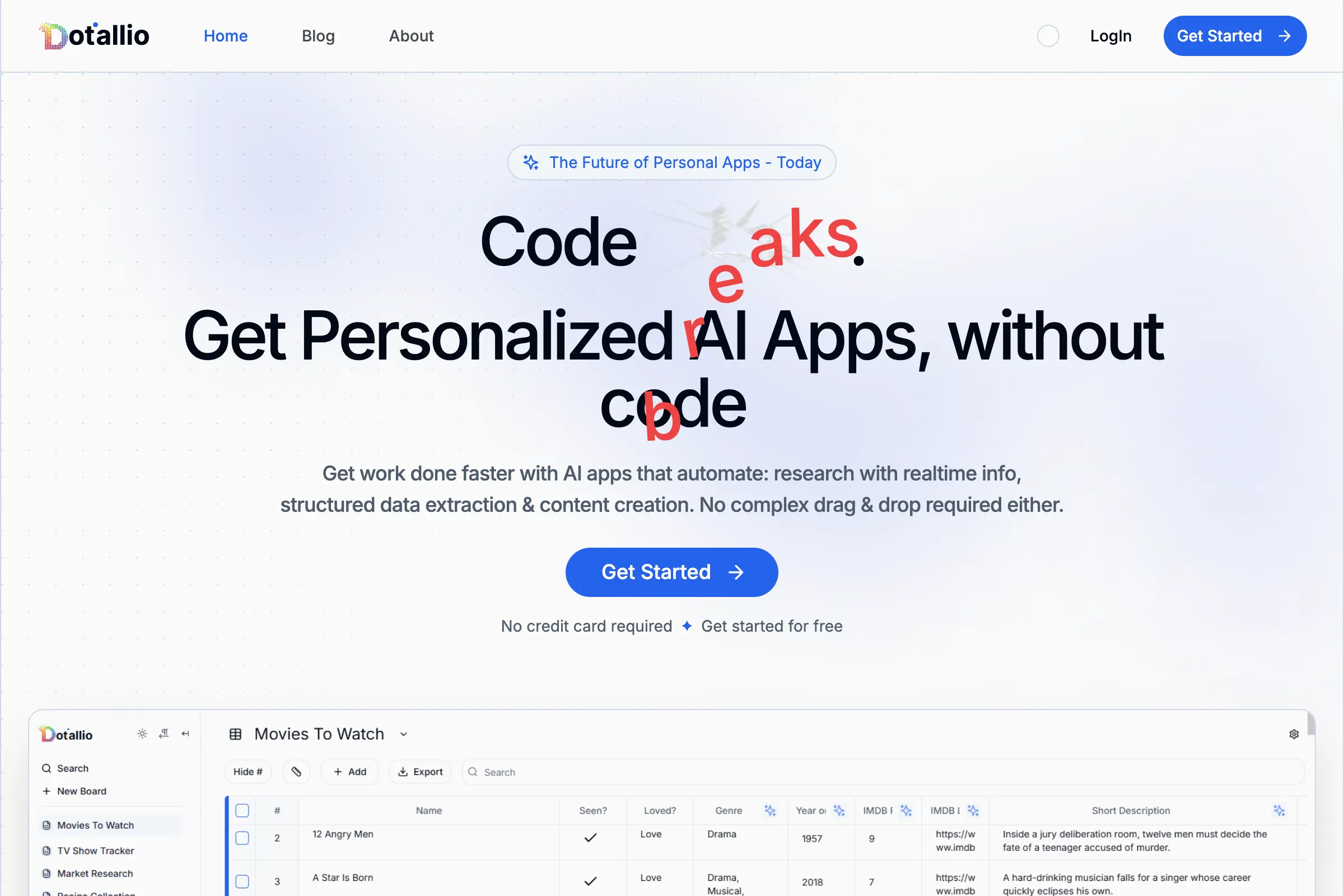
Dotallio
Personalized AI apps that automate research, data extraction, and content creation without code 🤖
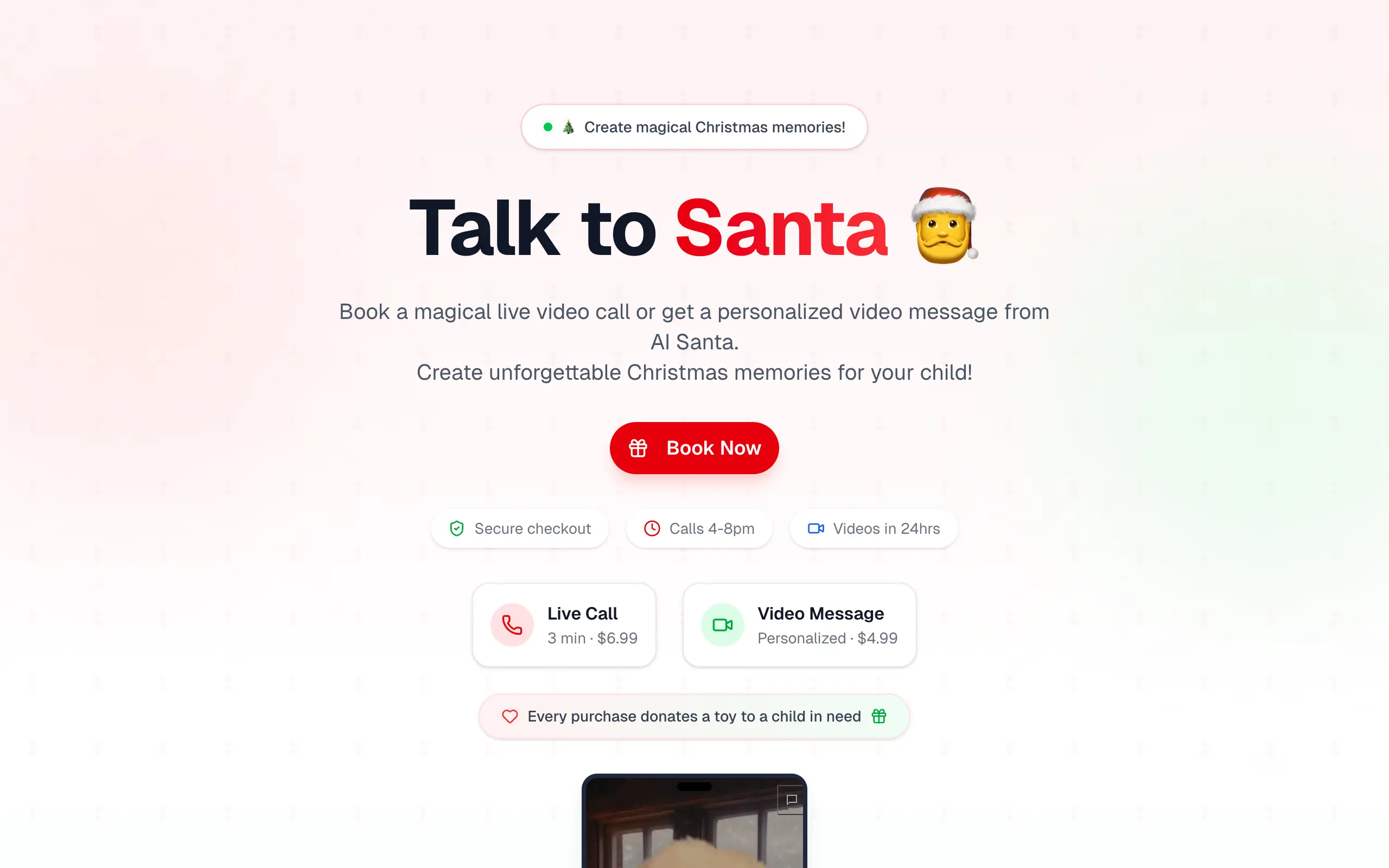
Talk to Santa
Enjoy a magical live video chat or receive a unique AI-generated video greeting from Santa Claus 🎅
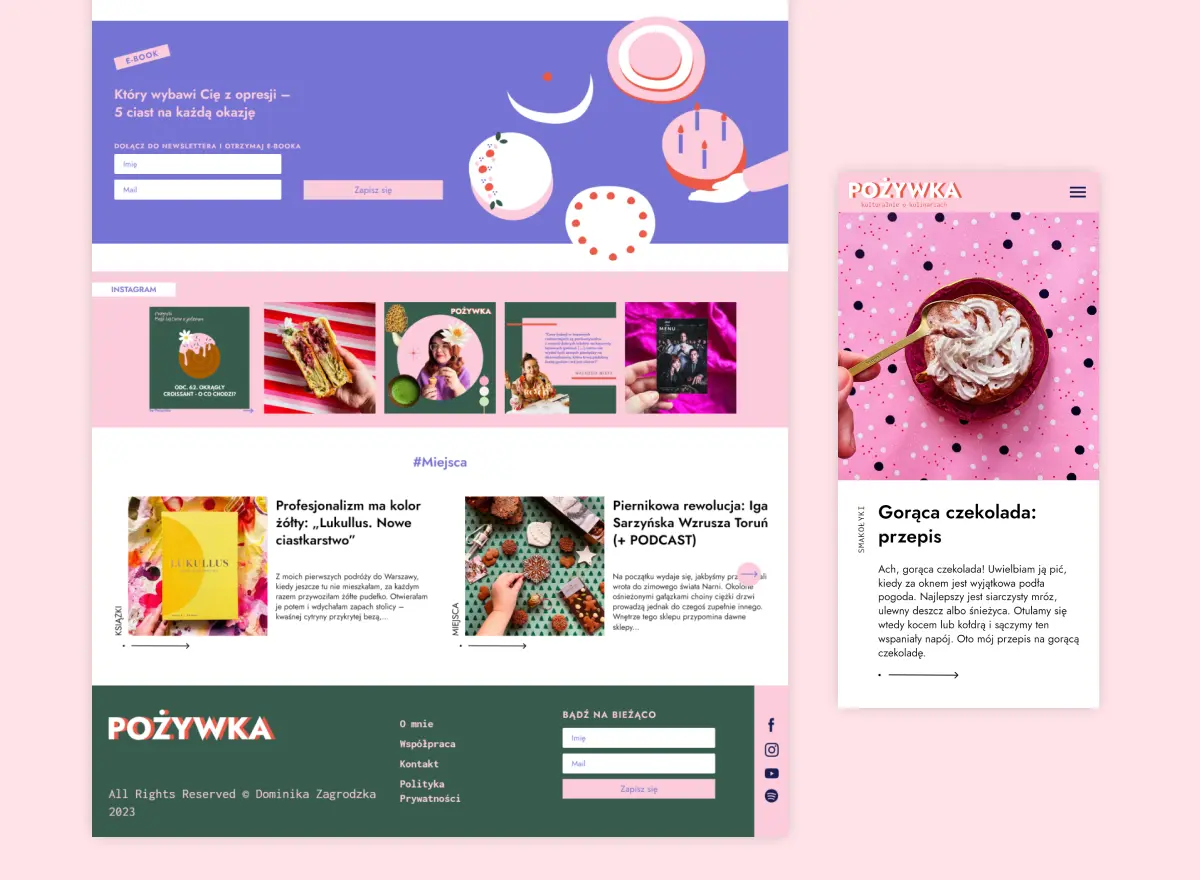
pozywka.pl
Scalable blog for food journalist, focused on performance and user experience 🌭
zagrodzki.me
Personal blog and portfolio of Bart Zagrodzki, where he shares his knowledge and work 💼
TurboStarter
Ship your startup everywhere. In minutes.
HTML to Markdown
Convert HTML to Markdown with ease, directly in your browser 📄
Dotallio
Personalized AI apps that automate research, data extraction, and content creation without code 🤖
Talk to Santa
Enjoy a magical live video chat or receive a unique AI-generated video greeting from Santa Claus 🎅
pozywka.pl
Scalable blog for food journalist, focused on performance and user experience 🌭
zagrodzki.me
Personal blog and portfolio of Bart Zagrodzki, where he shares his knowledge and work 💼
TurboStarter
Ship your startup everywhere. In minutes.
HTML to Markdown
Convert HTML to Markdown with ease, directly in your browser 📄
Dotallio
Personalized AI apps that automate research, data extraction, and content creation without code 🤖
Talk to Santa
Enjoy a magical live video chat or receive a unique AI-generated video greeting from Santa Claus 🎅
pozywka.pl
Scalable blog for food journalist, focused on performance and user experience 🌭
zagrodzki.me
Personal blog and portfolio of Bart Zagrodzki, where he shares his knowledge and work 💼
TurboStarter
Ship your startup everywhere. In minutes.
HTML to Markdown
Convert HTML to Markdown with ease, directly in your browser 📄
Dotallio
Personalized AI apps that automate research, data extraction, and content creation without code 🤖
Talk to Santa
Enjoy a magical live video chat or receive a unique AI-generated video greeting from Santa Claus 🎅
pozywka.pl
Scalable blog for food journalist, focused on performance and user experience 🌭
zagrodzki.me
Personal blog and portfolio of Bart Zagrodzki, where he shares his knowledge and work 💼
TurboStarter
Ship your startup everywhere. In minutes.
HTML to Markdown
Convert HTML to Markdown with ease, directly in your browser 📄
Omichat
Chat with 50+ AI models, including ChatGPT and Claude, in one place - switch models anytime without losing context 🤖
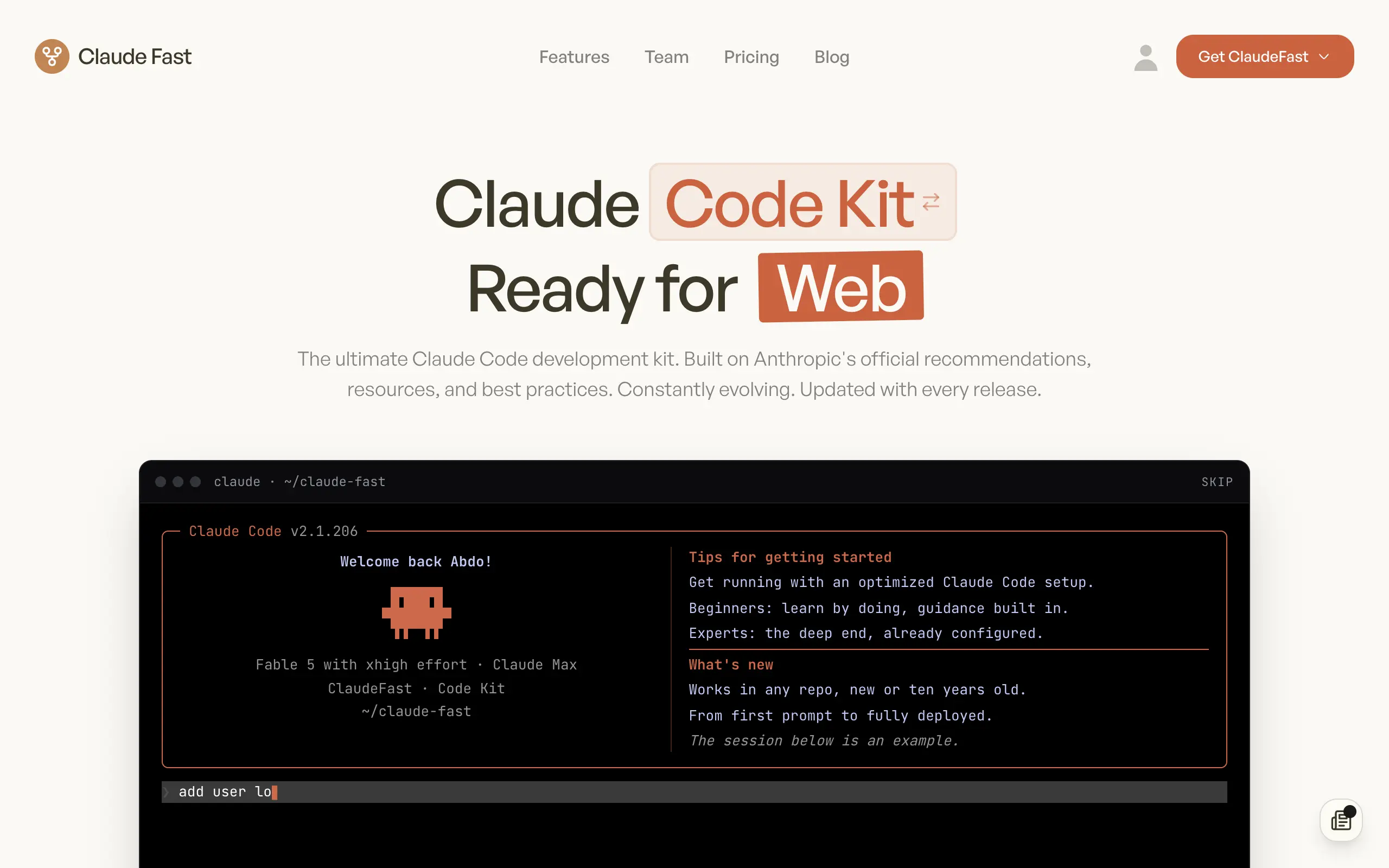
Claude Fast
Supercharge your Claude Code with 6x effective context window and specialized AI agents 🤖
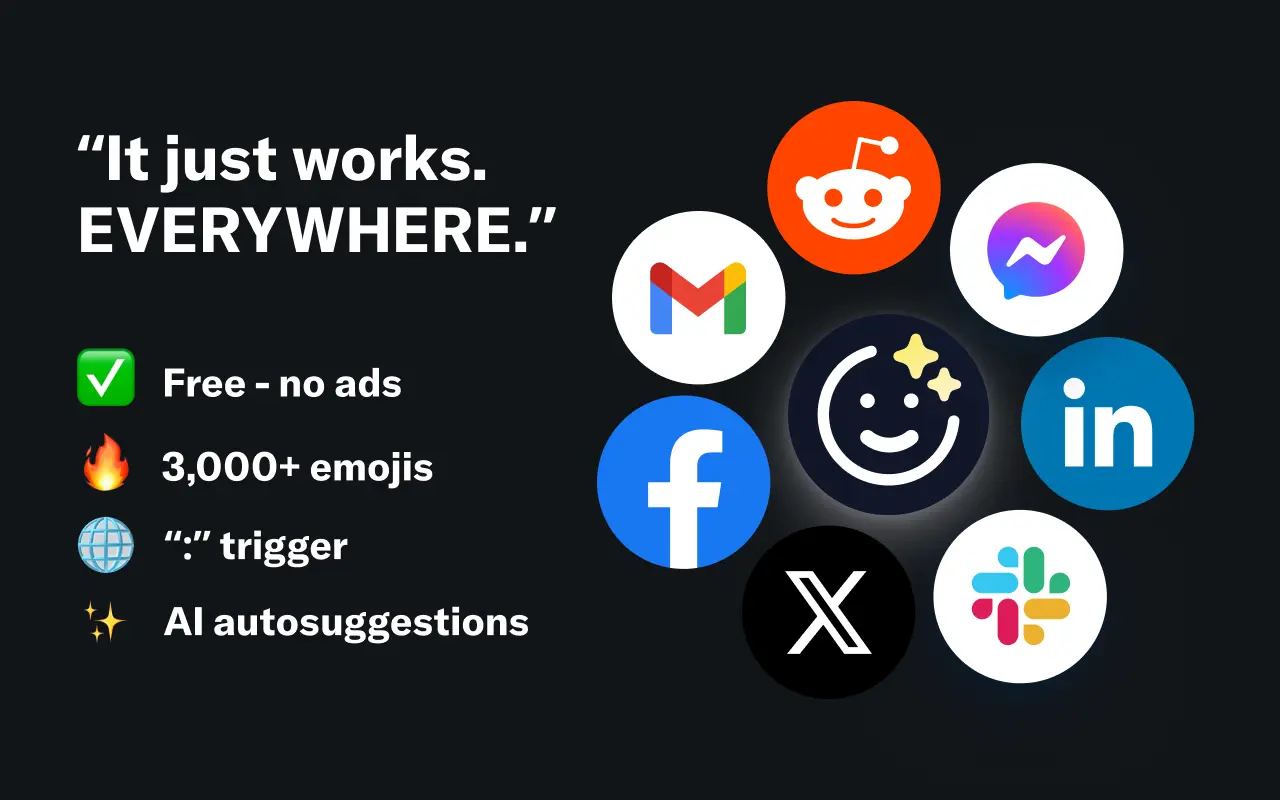
EmojAI
AI-powered emoji picker with smart, context-aware suggestions 🤖
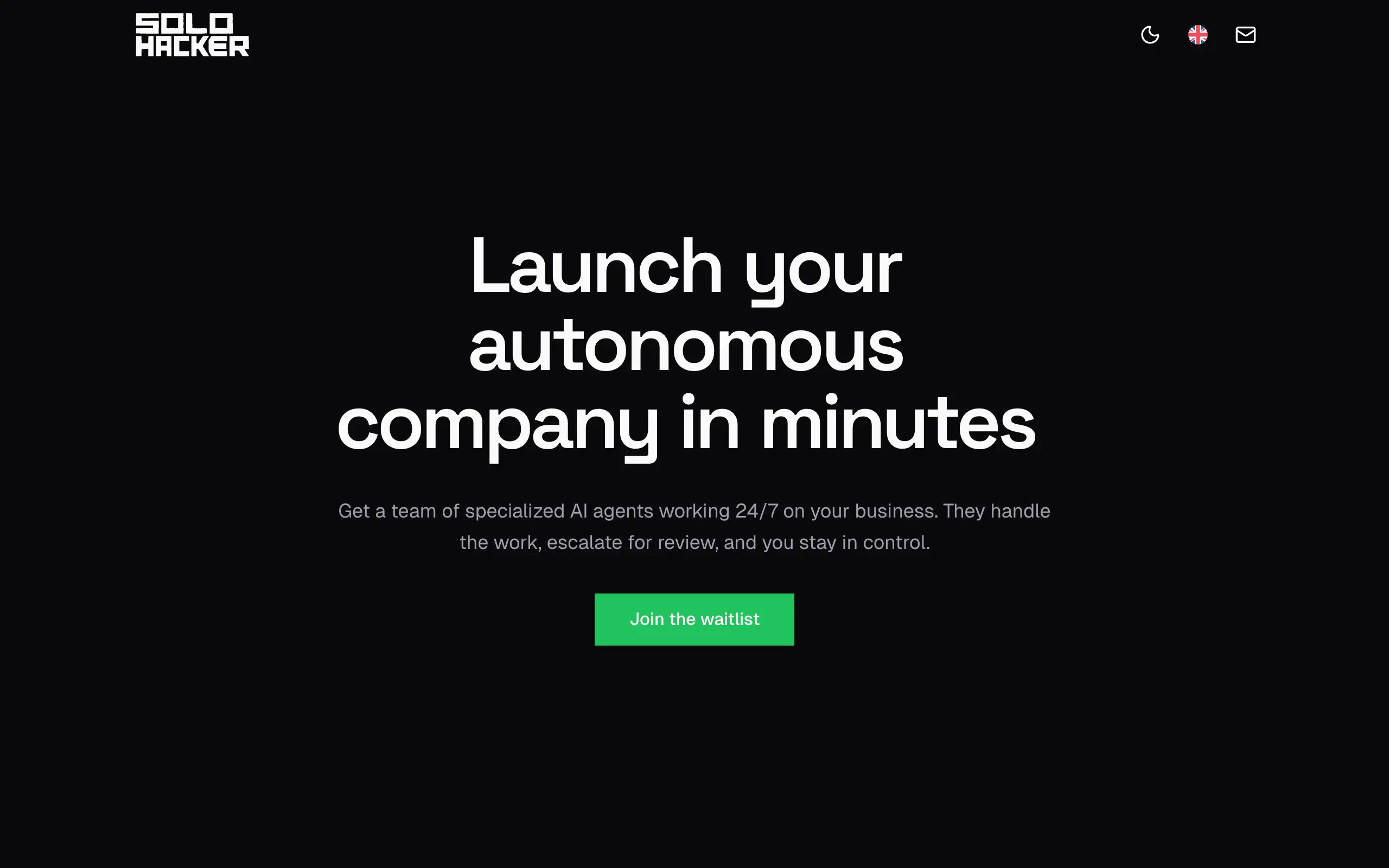
Solohacker
Autonomous company launcher - AI agents work 24/7, escalate what matters, and you stay in control 🤖
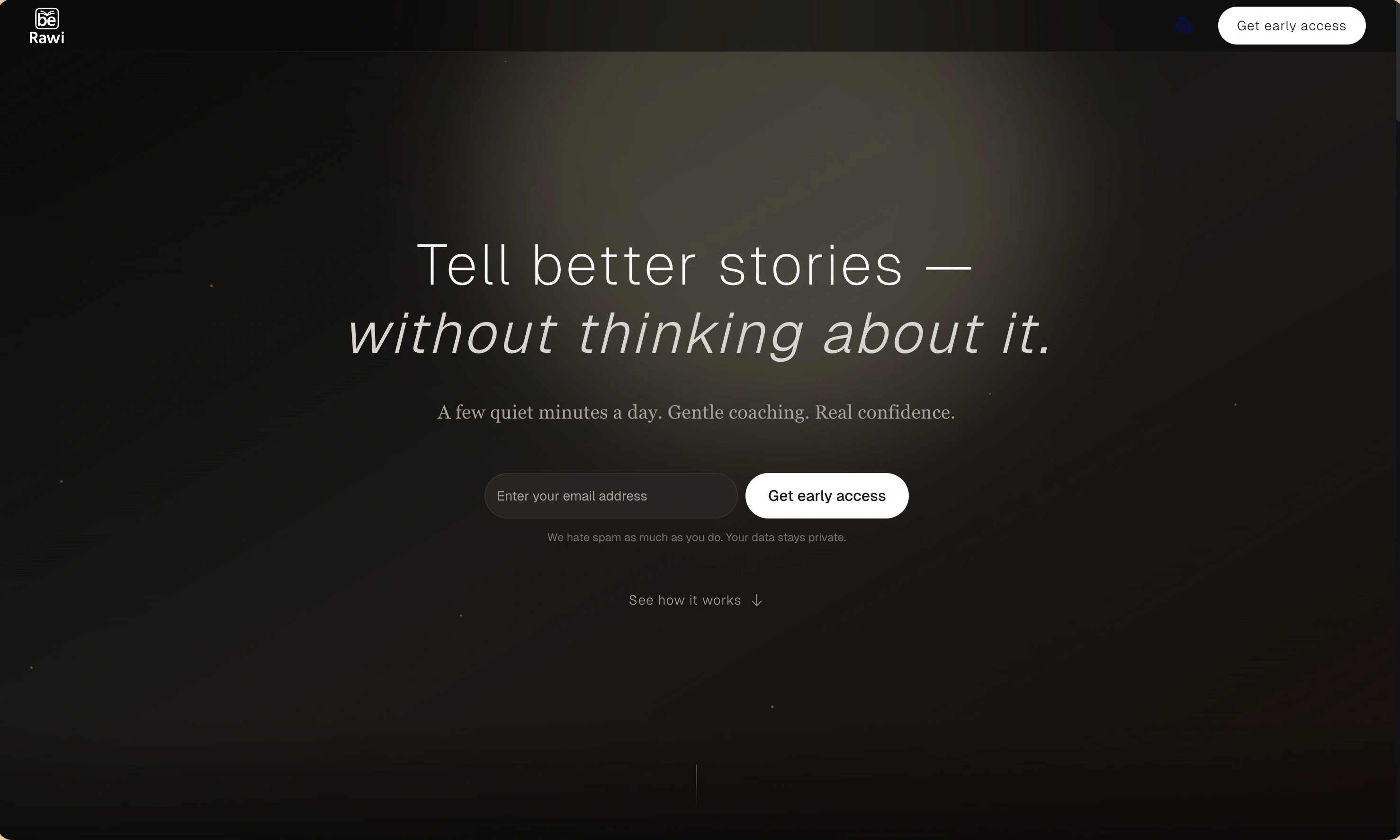
BeRawi: Storytelling Coach
Practice storytelling daily with instant feedback to sound clearer, more engaging, and confident 🎤
Omichat
Chat with 50+ AI models, including ChatGPT and Claude, in one place - switch models anytime without losing context 🤖
Claude Fast
Supercharge your Claude Code with 6x effective context window and specialized AI agents 🤖
EmojAI
AI-powered emoji picker with smart, context-aware suggestions 🤖
Solohacker
Autonomous company launcher - AI agents work 24/7, escalate what matters, and you stay in control 🤖
BeRawi: Storytelling Coach
Practice storytelling daily with instant feedback to sound clearer, more engaging, and confident 🎤
Omichat
Chat with 50+ AI models, including ChatGPT and Claude, in one place - switch models anytime without losing context 🤖
Claude Fast
Supercharge your Claude Code with 6x effective context window and specialized AI agents 🤖
EmojAI
AI-powered emoji picker with smart, context-aware suggestions 🤖
Solohacker
Autonomous company launcher - AI agents work 24/7, escalate what matters, and you stay in control 🤖
BeRawi: Storytelling Coach
Practice storytelling daily with instant feedback to sound clearer, more engaging, and confident 🎤
Omichat
Chat with 50+ AI models, including ChatGPT and Claude, in one place - switch models anytime without losing context 🤖
Claude Fast
Supercharge your Claude Code with 6x effective context window and specialized AI agents 🤖
EmojAI
AI-powered emoji picker with smart, context-aware suggestions 🤖
Solohacker
Autonomous company launcher - AI agents work 24/7, escalate what matters, and you stay in control 🤖
BeRawi: Storytelling Coach
Practice storytelling daily with instant feedback to sound clearer, more engaging, and confident 🎤

Connect with like-minded people
Join our community to get feedback, support, and grow together with 1,000+ builders on board, let's ship it!
Join usShip your startup everywhere. In minutes.
Don't burn tokens on setup and start building features on day one.