BorrowBoard
A private neighborhood lending app for tracking borrowed tools, books, and household items without awkward reminder messages.
Why a private neighborhood lending app solves a real coordination problem
Borrowing a drill from a neighbor should be simple. In reality, it often creates small but recurring friction:
- Someone forgets who borrowed the item.
- The owner hesitates to ask for it back.
- The borrower loses track of the agreed return date.
- A group chat becomes an unreliable record of ownership and status.
- People buy duplicate household items because they do not know what is available nearby.
BorrowBoard is a private neighborhood lending app designed to make informal sharing easier to manage. It gives trusted local groups a lightweight place to catalog tools, books, games, kitchen equipment, baby gear, and household items, then track who has borrowed what without turning every return request into an awkward personal message.
The central product opportunity is not building another public marketplace. It is creating a private, trust-first lending workflow for people who already know one another through a neighborhood, apartment building, parent group, co-op, HOA, university residence, or close friend circle.
The primary keyword for this product category is neighborhood lending app. Related terms that should naturally support search visibility include:
- Private borrowing app
- Neighborhood tool sharing app
- Community lending platform
- Item lending tracker
- Borrowed item reminder app
- Tool library app
- Local sharing app
- Household item sharing
- Peer-to-peer lending tracker
- Community inventory app
BorrowBoard can occupy a valuable position between informal messaging apps and public peer-to-peer rental platforms. It is not trying to monetize every drill, ladder, novel, or board game. Instead, it helps communities preserve trust while making sharing more organized.
The core product insight
People do not need more notifications. They need a neutral system of record that makes ownership, due dates, and returns visible without making neighbors feel chased.
Target audience for BorrowBoard
A strong neighborhood lending app should not attempt to serve every possible local-sharing use case on day one. BorrowBoard will be most effective when it starts with groups that already have a baseline level of trust and a recurring need to share physical items.
Primary users: socially connected households
The primary audience is adults aged roughly 25 to 60 who live in neighborhoods, apartment communities, co-housing developments, or family-heavy suburbs. They tend to have useful household items but limited storage, limited time, or a preference for avoiding unnecessary purchases.
Typical members include:
- Homeowners with tools, ladders, gardening equipment, and occasional-use appliances
- Renters who need access to household items without buying or storing them
- Parents who frequently cycle through baby gear, toys, costumes, books, and sports equipment
- Sustainability-minded residents who want to reduce duplicate consumption
- Community organizers looking for simple ways to increase local connection
Their main job is straightforward: find a trusted item nearby, borrow it with clear expectations, and return it without social friction.
Secondary users: community administrators and organizers
BorrowBoard also has a meaningful B2B2C opportunity with people who manage shared communities:
- Property managers for apartment buildings
- HOA or neighborhood association volunteers
- Co-housing administrators
- Community garden organizers
- University housing teams
- Library-of-things coordinators
- Workplace community managers
These users care less about borrowing a single item and more about adoption, moderation, access controls, incident reduction, and visibility into shared inventory.
Their needs include:
- Private group setup
- Invitation controls
- Community rules
- Item category moderation
- Member reporting
- Optional analytics on participation and demand
Early adopter profiles worth prioritizing
BorrowBoard should initially focus on a narrow set of communities where word-of-mouth adoption can happen quickly.
Apartment buildings
Residents live close together, often lack storage space, and frequently need occasional-use household items.
Parent networks
Families regularly exchange books, toys, baby gear, costumes, and seasonal equipment.
Tool-sharing neighborhoods
Homeowners have expensive tools that are used infrequently and are ideal for short-term lending.
A useful launch principle is to optimize for dense trust networks, not broad geographic coverage. A neighborhood lending app with 30 engaged members in one building can be far more useful than a platform with 3,000 disconnected users across a city.
The market gap in neighborhood tool sharing and private borrowing
Most existing options fail because they solve only one part of the lending experience.
A neighborhood group on WhatsApp, Facebook, Discord, or a community forum can help someone ask, “Does anyone have a pressure washer?” But the conversation becomes difficult to search later. It does not reliably record item condition, who has possession, the expected return date, or whether the item is currently available.
Public marketplaces can help users rent or buy items, but they introduce a different set of problems:
- Transactions may involve strangers.
- Fees make low-value borrowing impractical.
- Listings prioritize sellers and professional hosts.
- The experience can feel overly formal for a neighborly favor.
- Users may not want their address, possessions, or schedules exposed publicly.
A spreadsheet can track a neighborhood tool library, but it is cumbersome on mobile, difficult for casual users, and rarely supports reminders, photos, or a clear borrowing flow.
BorrowBoard fills the gap with a mobile-first, private community lending platform that makes informal exchange accountable without making it transactional.
The current alternatives and their limitations
| Alternative | Discovery | Borrow tracking | Privacy controls | Awkwardness reduction |
|---|---|---|---|---|
| Group chats | Limited | ❌ | ✅ | ❌ |
| Public rental marketplaces | ✅ | ✅ | Limited | Limited |
| Spreadsheets | Limited | Limited | ✅ | ❌ |
| BorrowBoard | ✅ | ✅ | ✅ | ✅ |
Why the timing is favorable
Several trends make private local sharing more compelling than it was a decade ago:
- Cost-conscious households are looking for practical ways to avoid buying rarely used items.
- Sustainability concerns are making reuse, repair, and sharing more culturally acceptable.
- Mobile-first coordination is now expected, but people are increasingly fatigued by fragmented chat threads.
- Hyperlocal communities are growing through apartment resident networks, parent groups, co-housing, and local digital communities.
- Privacy expectations are rising, creating room for invitation-only alternatives to public local marketplaces.
For a market-facing article or investor deck, cite current sources from organizations such as the U.S. Environmental Protection Agency, national waste agencies, urban sustainability research groups, or reputable consumer research firms. Avoid relying on unverified “sharing economy” market-size figures because definitions vary significantly between reports.
BorrowBoard’s unique value proposition
BorrowBoard’s USP is simple:
A private neighborhood lending app that keeps shared items organized and returns on track, without forcing neighbors to send uncomfortable reminder messages.
That distinction matters. The product is not merely an inventory catalog. It is a social coordination layer built around a delicate human interaction.
An owner should not have to remember every loan manually. A borrower should not feel publicly called out. A community should not need to turn casual generosity into a rigid rental business.
BorrowBoard can make the system feel fair by replacing personal pressure with clear, automated, opt-in processes:
- Due dates are agreed on at checkout.
- The app sends neutral reminders before and after the return date.
- Both parties can extend a loan in a few taps.
- A shared status timeline shows when an item was requested, collected, and returned.
- Owners can set availability rules before receiving requests.
- Communities can establish guidelines without exposing private details publicly.
The emotional benefit is as important as the functional benefit
Many SaaS products improve efficiency. BorrowBoard should improve social comfort.
That gives the product a meaningful advantage over generic inventory apps. A standard asset tracker may know where a cordless drill is, but it does not understand why someone delays asking for it back. A generic task app can send reminders, but it does not create a shared lending agreement between two trusted people.
BorrowBoard should speak directly to this real-world tension in its product messaging:
- “Know where your things are.”
- “Borrow locally from people you trust.”
- “Friendly reminders, without the awkward follow-up.”
- “Share more, buy less, keep it neighborly.”
Core features for a high-retention neighborhood lending app
The first version should focus on the complete lending loop rather than trying to include social feeds, payments, insurance, maps, and complex reputation systems immediately.
Private community spaces
Every user should join one or more private communities. A community might represent a building, street, parent group, co-op, or friend circle.
Core community controls should include:
- Invitation links with expiration dates
- Invite codes for offline community onboarding
- Admin approval for new members
- Role-based permissions for members, moderators, and administrators
- Optional domain verification for organizations or universities
- Community-specific lending rules
- A clear process for reporting misuse or inappropriate listings
Privacy is central to the brand. BorrowBoard should avoid public-by-default item listings. Users should be able to share an item with:
- Their entire community
- A specific subgroup
- Selected people only
- Nobody until they approve an individual request
Item catalog and availability management
The item catalog is the foundation of the BorrowBoard experience. Adding an item should take less than a minute.
Each listing should support:
- Item name and category
- Multiple photos
- Condition notes
- Instructions or a link to a manual
- Replacement value, if the owner chooses to provide it
- Pickup preferences
- Typical loan duration
- Availability status
- Optional accessories checklist
- Borrowing restrictions, such as “adults only” or “indoor use only”
Useful categories include tools, books, kitchen appliances, camping gear, gardening supplies, baby gear, party supplies, games, electronics, and sports equipment.
A well-designed search experience should handle everyday language. A user searching for “hedge trimmer” should still find a listing categorized as “garden tools.” This can begin with category mapping and synonyms before adding more sophisticated semantic search.
A simple request and approval workflow
Borrowing needs to feel intentional but not bureaucratic.
A borrower should be able to select an item, propose dates, add a short note, and submit a request. The owner can approve, decline, or suggest alternative dates.
The workflow should make expectations visible from the start:
The app should never imply a transfer occurred merely because a request was approved. A separate “collected” event provides a more accurate record of possession.
Friendly automated return reminders
This is the feature that makes BorrowBoard memorable.
Reminder design needs to be considerate. The aim is to prevent overdue items, not shame borrowers. Notifications should use neutral language and give the borrower useful actions:
- “Your loan of Jamie’s folding table is due tomorrow.”
- “Need more time? Request an extension in BorrowBoard.”
- “The return date has passed. Confirm return or propose a new date.”
- “Alex approved your extension through Sunday.”
A reminder policy can be configurable by the owner and community:
- One reminder before the due date
- A due-date notification
- A gentle follow-up after the due date
- Escalation to an owner prompt only after a defined grace period
The owner should be able to opt out of automated reminders for certain people or items. The borrower should be able to mute non-critical notification channels while still seeing loan status in the app.
Return confirmation and item condition records
A good return flow protects both relationships and items.
At return, BorrowBoard can ask:
- Was the item returned?
- Was it returned with all listed accessories?
- Is the condition unchanged?
- Does the owner need to add a private note?
For the MVP, keep condition tracking simple and non-accusatory. A binary “returned” confirmation plus optional notes is usually enough. More formal damage disputes, deposits, and claims should be deferred until BorrowBoard has a clear use case and trust framework.
Personal dashboards and community insights
Users need a quick view of their active commitments.
A personal dashboard should show:
- Items currently borrowed
- Upcoming return dates
- Pending requests
- Items currently lent out
- Overdue loans requiring action
- Saved searches or frequently borrowed categories
Community admins may benefit from aggregate, privacy-preserving insights:
- Most requested categories
- Unfulfilled requests
- Total completed loans
- Most active sharing periods
- Items that may be worth acquiring as shared community assets
Avoid turning these insights into a popularity contest. The purpose is to help communities invest in useful shared resources, not rank individual members.
Product design principles that protect trust
BorrowBoard must be designed as a trust product first and a marketplace second. The wrong interaction design could make lending feel surveilled, transactional, or judgmental.
Default to consent and context
Every action should clearly show who can see it. Before an item is listed, owners should understand whether it is visible to a whole neighborhood or only a selected group. Before a request is sent, borrowers should see the owner’s stated expectations.
A good rule is: no public exposure, no automatic sharing, and no vague ownership status by default.
Keep notifications actionable and restrained
Notification overload will reduce retention. BorrowBoard should send alerts only when an action is needed or a deadline is relevant.
A sensible notification hierarchy includes:
- Critical loan status changes
- Upcoming return reminders
- New requests for an owner
- Approved or declined requests for a borrower
- Optional community announcements
Marketing notifications should remain separate and opt-in. The product’s value depends on users trusting that each push notification has a reason to exist.
Do not gamify social pressure
Badges for “most generous neighbor” may seem engaging, but they can make users feel judged or create unwanted status dynamics. If BorrowBoard introduces recognition, it should be subtle and opt-in.
Better approaches include:
- Community-level impact milestones
- Private personal history, such as “You helped avoid five duplicate purchases”
- Optional thank-you messages after returns
- A shared “needs” board that reveals high-demand item categories
Recommended tech stack for BorrowBoard
As a mobile SaaS product, BorrowBoard needs a stack that supports fast iteration, reliable notifications, secure access control, and an intuitive user experience.
A practical architecture is to use a cross-platform mobile client, a managed backend, and a web-based admin surface.
Mobile application stack
React Native with Expo is an excellent starting point for BorrowBoard.
React Native enables a single TypeScript-based codebase for iOS and Android. Expo reduces operational complexity for early teams by providing tooling for builds, updates, device APIs, and push notifications.
Recommended mobile technologies include:
- React Native for cross-platform mobile development
- Expo for developer tooling and over-the-air updates
- TypeScript for safer application logic
- React Navigation for mobile navigation patterns
- TanStack Query for server-state caching and mutation workflows
- Zustand for lightweight client-side UI state when necessary
The main trade-off is that a cross-platform approach can require native customization for advanced hardware features or highly platform-specific interactions. For BorrowBoard’s MVP, which centers on catalogs, requests, reminders, photos, and notifications, the speed benefit is likely worth it.
Backend, database, and authentication
BorrowBoard needs a relational data model because relationships matter. Users belong to communities, communities contain items, items have loans, loans involve borrowers and owners, and every transition needs an audit trail.
Supabase is a strong option for an early-stage build because it combines PostgreSQL, authentication, storage, real-time capabilities, and row-level security. PostgreSQL is especially suitable for modeling lending records and enforcing scoped access.
A recommended baseline includes:
- Supabase for PostgreSQL, authentication, file storage, and row-level security
- PostgreSQL for relational lending and membership data
- Prisma when a separate backend service and typed ORM workflow are preferred
- Sentry for error monitoring and release diagnostics
- PostHog for privacy-conscious product analytics and feature flags
The key security decision is enforcing authorization at the data layer. A user must never be able to retrieve item details, member profiles, or loan histories from communities they do not belong to.
Notification and scheduling architecture
Reminder reliability is a product requirement, not a secondary feature. Do not rely solely on a mobile device to send due-date notifications because devices can be offline, battery-constrained, or configured to suppress background work.
Use server-side scheduled jobs for:
- Pre-due-date reminders
- Due-date alerts
- Overdue follow-ups
- Pending request expiration
- Invitation expiration
- Periodic cleanup of unused uploads or expired sessions
Firebase Cloud Messaging is a proven option for Android push delivery, while Apple Push Notification service is required for iOS delivery. Expo can simplify the initial integration, but the system should retain a durable notification log and retry strategy.
Web administration and landing pages
BorrowBoard should also have a lightweight web experience for community administration, support, and acquisition content.
Next.js is a practical choice for the admin portal and SEO-focused marketing site. Tailwind CSS can speed up consistent, responsive UI development.
For a founder who wants to get to a polished SaaS foundation faster, TurboStarter can reduce setup time around common SaaS requirements such as authentication patterns, billing foundations, dashboards, and production-ready project structure.
A lean BorrowBoard data model
The initial domain model should be explicit and auditable.
type LoanStatus =
  | "requested"
  | "approved"
  | "declined"
  | "collected"
  | "returned"
  | "overdue"
  | "cancelled";

type Loan = {
  id: string;
  communityId: string;
  itemId: string;
  ownerId: string;
  borrowerId: string;
  status: LoanStatus;
  requestedStartAt: string;
  dueAt: string;
  collectedAt?: string;
  returnedAt?: string;
  extensionCount: number;
  borrowerNote?: string;
  ownerNote?: string;
};
A production implementation should also include immutable status events. This makes it possible to explain what happened when support questions arise, while avoiding the need to expose sensitive internal notes to every participant.
Monetization options for a community lending platform
The consumer version of BorrowBoard should remain useful without forcing payments into every exchange. Charging a fee for a neighbor lending a book or a screwdriver would weaken the product’s core promise.
Instead, the business model should monetize administration, scale, premium controls, and optional services.
Freemium communities
A freemium model is the most natural starting point.
The free tier can include:
- One private community
- A limited number of active members
- Item listings and loan tracking
- Standard reminders
- Basic search and categories
A premium community plan can add:
- Larger member limits
- Multiple communities or subgroups
- Advanced administrator roles
- Custom branding
- Exportable activity reports
- Enhanced moderation tools
- Custom reminder policies
- Priority support
This approach keeps the core habit accessible while giving organized communities a clear reason to upgrade.
Organization plans
Property managers, co-housing communities, universities, nonprofits, and libraries of things may pay for a managed plan.
Organization pricing can be structured around:
- Active members
- Number of managed communities
- Administrative seats
- Shared inventory size
- Optional onboarding or migration support
This channel can produce higher annual contract value than individual neighborhoods, but it requires stronger security documentation, support processes, and onboarding materials.
Optional protection and deposits
Once BorrowBoard has established a stable lending workflow, it could explore optional protection features for higher-value items. This must be approached carefully because deposits and insurance introduce legal, payment, dispute-resolution, and regulatory complexity.
Possible future options include:
- Optional refundable deposits
- Identity verification for selected communities
- Partner-based protection plans
- High-value item lending agreements
- Paid reservation windows for community-owned assets
Do not make this the first monetization strategy. It risks moving BorrowBoard too close to a rental marketplace and may deter the low-friction sharing behavior that makes the app valuable.
Competitive advantage and defensibility
BorrowBoard will not win simply by having a list of items and a due-date field. Those features are reproducible. Its durable advantage must come from community trust, workflow quality, and local network effects.
Trust graph and community density
Each successful lending interaction strengthens the usefulness of a private group. As more trusted members list items, the catalog becomes more valuable. As more loans are completed smoothly, users become more comfortable listing valuable or specialized items.
This is a localized network effect:
- More members create more available inventory.
- More inventory increases the chance of fulfilling a request.
- More completed loans build confidence in the system.
- Greater confidence encourages more members to participate.
Unlike a citywide marketplace, BorrowBoard does not need to solve a broad supply-demand matching problem across strangers. It needs to help small, dense groups become reliably useful.
Better workflow design than group chat
The competitive benchmark should not only be other apps. It should be the default behavior of “just ask in the group chat.”
BorrowBoard needs to be materially easier than chat for recurring lending. It should answer, at a glance:
- Is the item available?
- Who owns it?
- Who has it now?
- When is it due back?
- Has the owner approved the request?
- Are all accessories included?
- Can the borrower extend the loan?
If a user still has to return to a chat thread to answer those questions, the app has not done enough.
Privacy as a product differentiator
Public marketplaces frequently optimize for discovery. BorrowBoard should optimize for controlled access.
Its privacy advantage can include:
- Invitation-only communities
- No public address display
- Granular item visibility
- Member approval workflows
- Minimal profile requirements
- Clear data-retention controls
- Community-scoped search results
This positioning can attract users who want local sharing without public exposure or commercial pressure.
Risks and mitigation strategies
A thoughtful neighborhood lending app must acknowledge that sharing physical items creates operational and social risk.
New communities may feel empty, which reduces perceived value. Seed each launch group with a guided onboarding campaign, suggested categories, and a goal such as adding five useful items per household. Community champions should add common high-demand items first.
Some loans will be returned late, incomplete, or damaged. Use clear rules, optional condition notes, neutral reminders, and escalation paths. Keep the MVP focused on documentation and communication rather than trying to adjudicate every dispute.
Local sharing can reveal where people live and what they own. Make membership private, avoid precise location disclosure by default, and let owners define pickup instructions only after approving a request.
Too many alerts can turn a helpful app into another source of stress. Give users control over notification channels, timing, and reminder preferences while preserving essential loan-status messages.
Adding payments, ratings, and public listings too early may undermine the private-sharing positioning. Maintain a product principle that BorrowBoard supports trusted communities first, with optional transaction features only where they genuinely help.
Legal and policy considerations
BorrowBoard should not present itself as guaranteeing item quality, safety, or coverage unless it has the operational and legal foundation to do so. Terms of service, community guidelines, and liability language should be reviewed by qualified legal counsel before launch.
Higher-risk categories may need restrictions or warnings. Examples include power tools, vehicles, medical devices, weapons, alcohol-related equipment, and items subject to age limitations. The app should provide community administrators with configurable prohibited-item policies.
Data protection also deserves early attention. Build clear consent, account deletion, data export, and privacy-request processes before the product grows.
Go-to-market strategy for BorrowBoard
BorrowBoard should launch community by community rather than trying to acquire isolated individuals at scale.
Start with community champions
The best early users are not necessarily the people who borrow most often. They are people who can recruit a complete group and establish norms.
Ideal champions include:
- Apartment resident leaders
- Neighborhood association volunteers
- Parent-group organizers
- Sustainability club leaders
- Community garden coordinators
- Tool-library volunteers
- Co-housing administrators
Give champions a concise launch kit containing:
- A community invite link
- A simple explanation of the rules
- Suggested first items to list
- Printable or shareable onboarding material
- A “first 20 items” activation challenge
- Guidance for handling returns and disputes
Optimize for the first successful loan
The key activation event is not account creation. It is the first completed borrowing cycle.
A useful activation funnel may look like:
- User joins a verified private community.
- User lists at least one item or saves a relevant category.
- User sends or receives a borrowing request.
- A loan is marked collected.
- The loan is returned and confirmed.
- The user participates in another loan within a set period.
Track where users abandon the funnel. If members join but do not list items, improve onboarding and inventory seeding. If requests are sent but not approved, clarify availability and owner notification design. If returns are not confirmed, make the return flow faster and more visible.
Content and SEO opportunities
The BorrowBoard marketing site can target informational searches with helpful, non-promotional resources, such as:
- How to start a neighborhood tool-sharing group
- How to lend items to neighbors safely
- Best items to share in an apartment building
- How to organize a community library of things
- Friendly ways to ask for borrowed items back
- Neighborhood sustainability ideas that reduce waste
- Tool library rules and borrowing agreement templates
These pages should provide genuinely practical advice, cite credible sources where statistics are used, and naturally introduce BorrowBoard as a tool for organizing the process.
A practical MVP roadmap
The MVP should prove that BorrowBoard can make lending smoother for a real private community. It does not need every advanced marketplace feature.
Phase one: validate the core lending loop
Build the essentials:
- Account creation and profile setup
- Private community creation and invitations
- Item listing with photos and categories
- Search and filters
- Borrow requests and owner approval
- Due dates and loan status
- Push and email reminders
- Return confirmation
- Basic moderation and reporting
Success criteria should focus on behavior, not vanity metrics. Look for active communities with repeated completed loans and a low rate of unresolved overdue items.
Phase two: improve trust and retention
After observing real usage, add features that address repeated friction:
- Loan extensions
- Accessory checklists
- Saved searches
- Better availability calendars
- Community rules templates
- Improved item condition records
- Admin insights
- Subgroups within larger communities
Phase three: expand organization capabilities
Only after the consumer workflow is stable should BorrowBoard invest in larger community operations:
- Organization billing
- Multi-community administration
- Custom branding
- Bulk member invitations
- Community-owned item inventory
- Advanced reporting
- Optional integrations for property or resident-management tools
Actionable next steps for building BorrowBoard
BorrowBoard has a clear path to becoming a useful mobile SaaS product because it addresses a frequent but underserved problem: keeping small-scale local sharing organized without making relationships uncomfortable.
The best next step is not to build a feature-heavy marketplace. It is to validate the narrow promise with a few real communities.
The strongest version of BorrowBoard will feel less like a marketplace and more like a well-organized extension of a good neighborhood. When users can borrow a ladder, return a book, or share a baby gate without losing track of the details or worrying about awkward follow-ups, the neighborhood lending app becomes part of everyday community life.
More 📱 Mobile App SaaS ideas
Discover more innovative mobile app SaaS ideas that are trending in 2026. Each idea is AI-generated with market validation and growth potential to help you find your next profitable venture faster than competitors.
Your competitors are building with TurboStarter
Below are some of the SaaS ideas that have been generated and built with our starter kit.
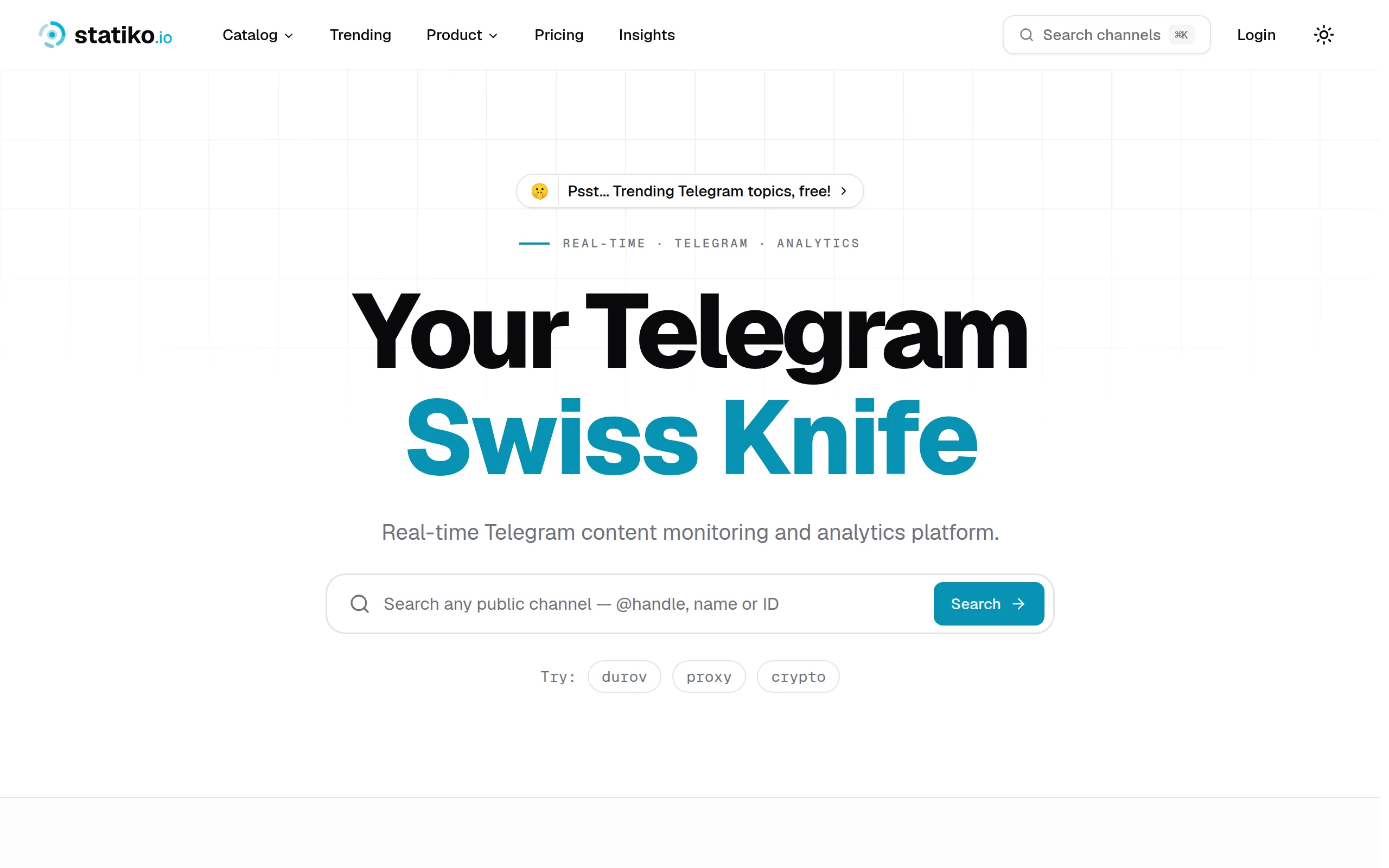
Statiko
Monitor any Telegram channel in real time - track posts, edits, deletions, and growth with AI recaps 📡

Shibui
AI website builder - describe your business, pick a niche template, edit by chatting, and publish instantly ✨
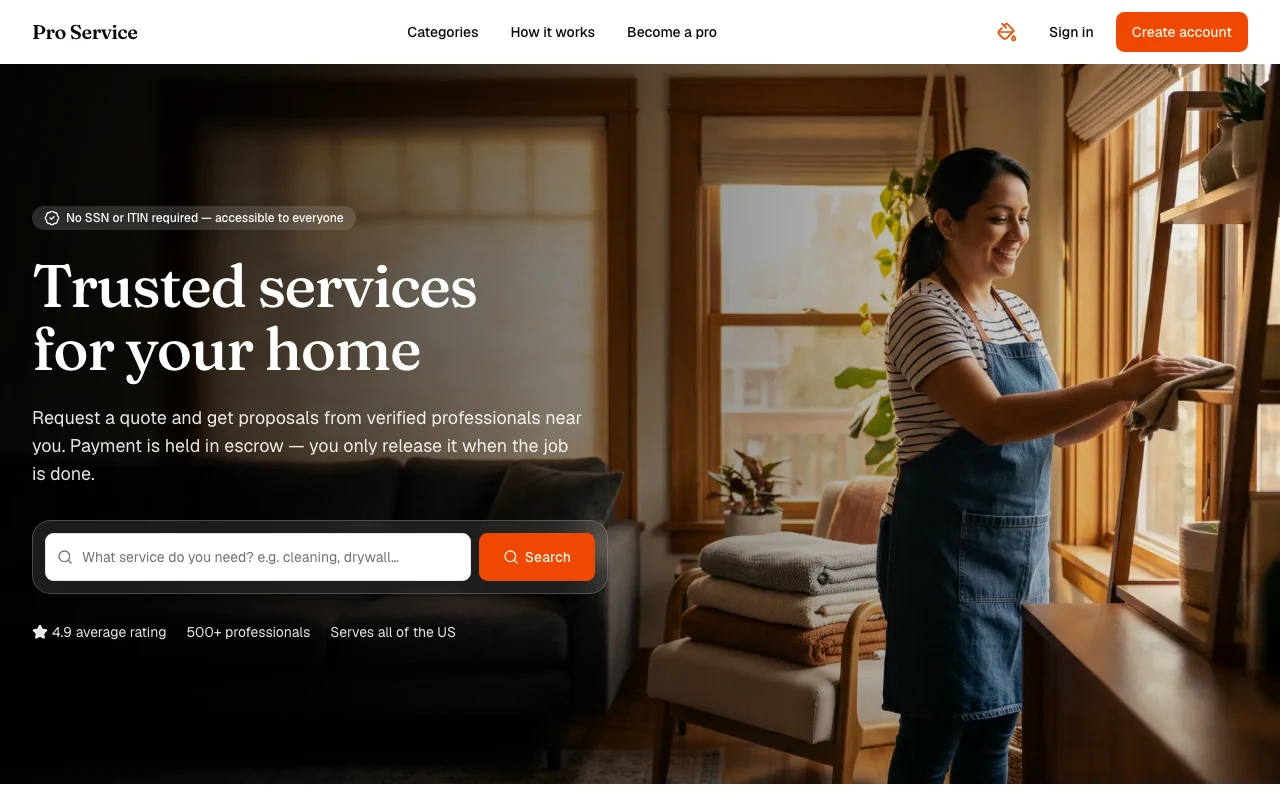
Pro Service
Find verified home service professionals, compare quotes, and pay securely through escrow - built for Brazilians across the US 🏠
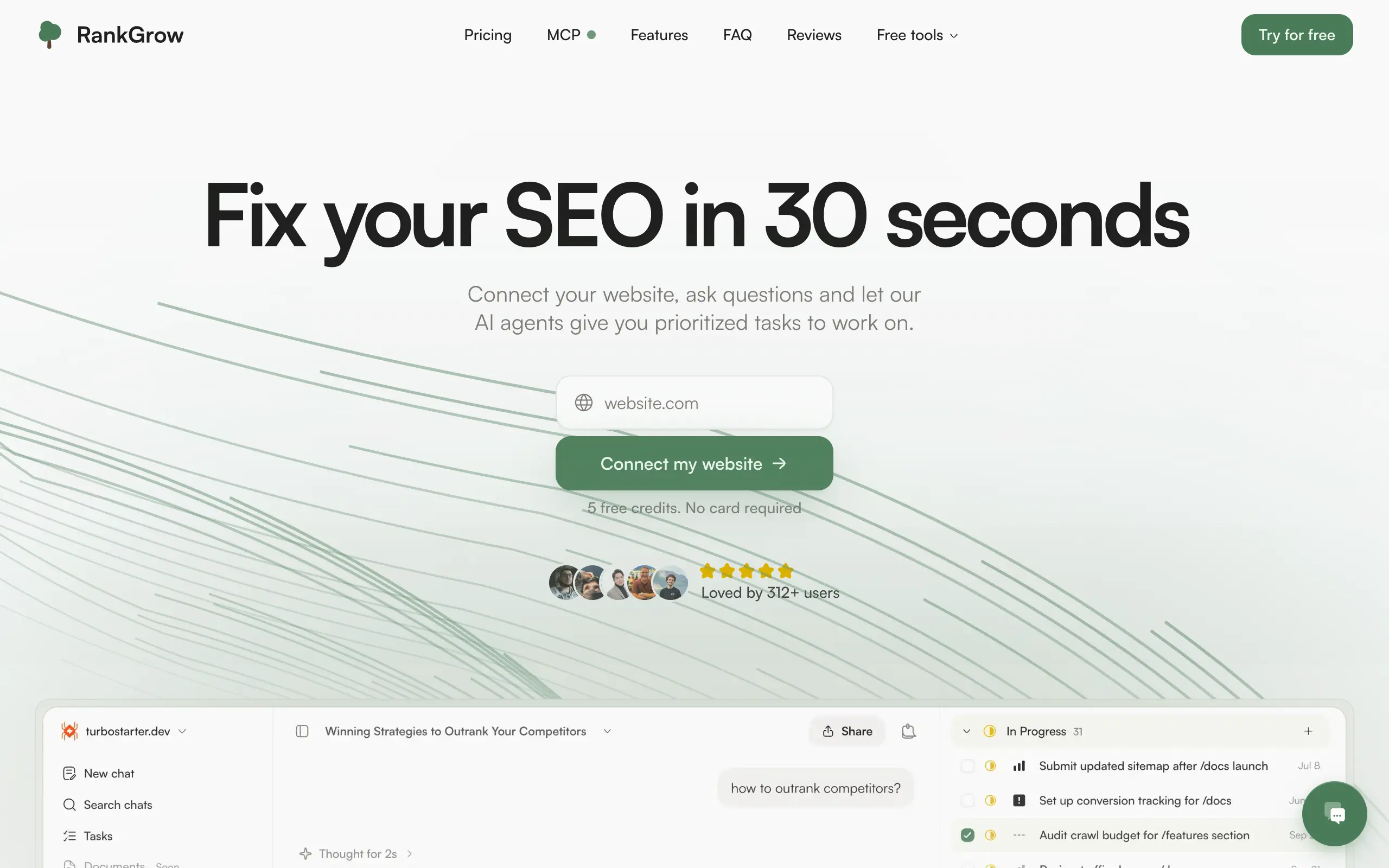
RankGrow
Fix your SEO with AI agents - connect Search Console, get prioritized tasks, and grow organic traffic 📈
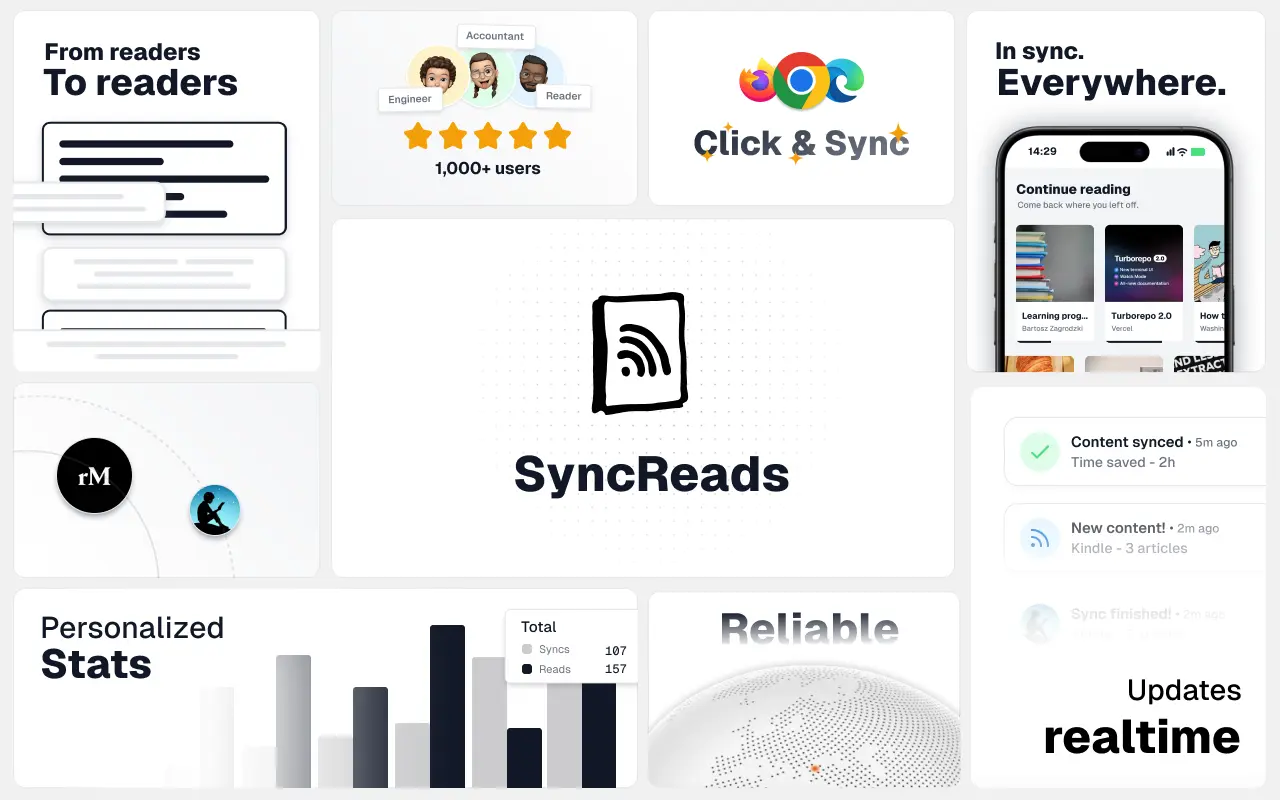
SyncReads
Sync your favorite content for distraction-free reading, save time and replace multiple apps. Anytime, anywhere 🔄
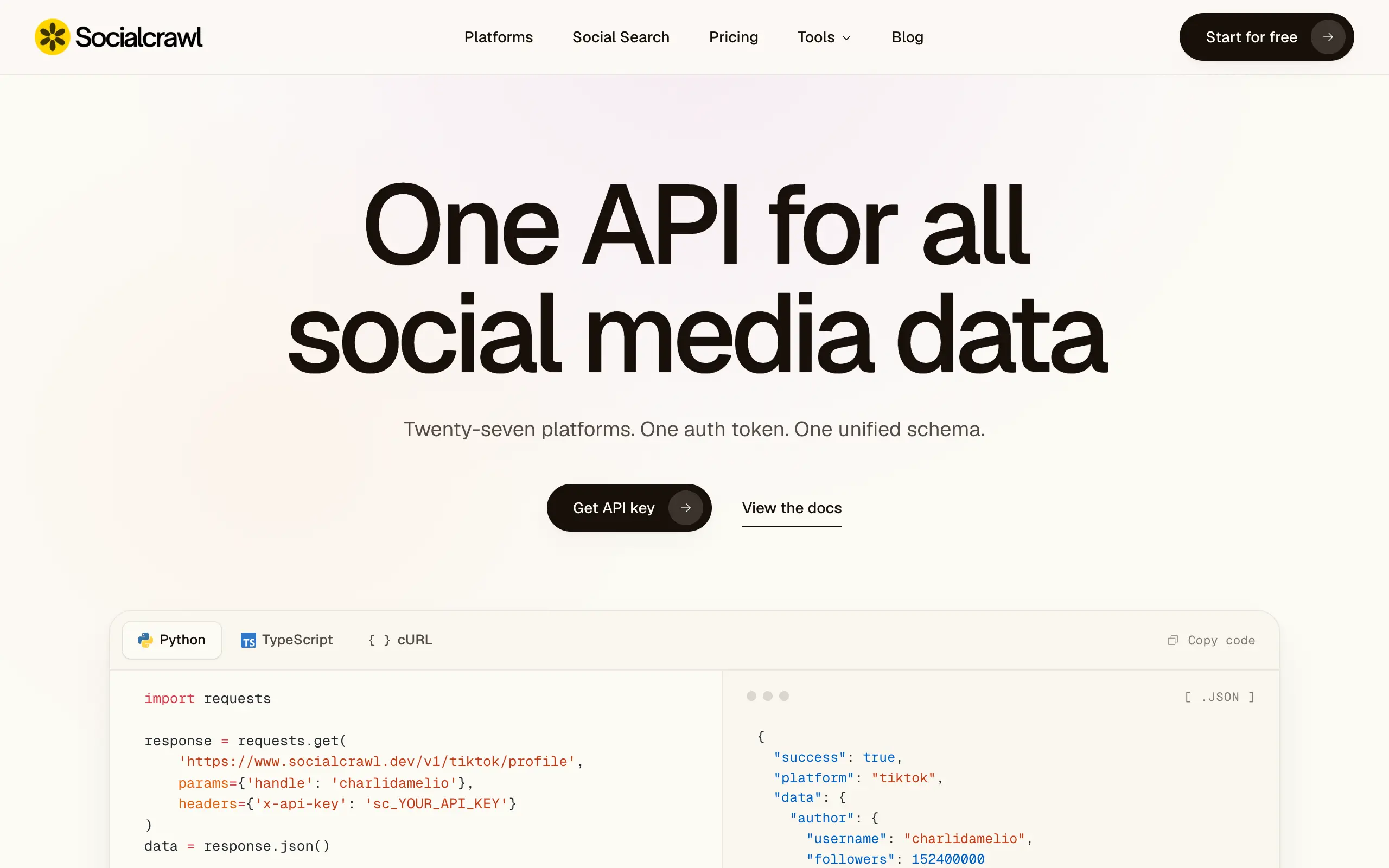
Socialcrawl
Get clean, structured data from 21 platforms like TikTok, Instagram, and YouTube with a single request 📊
Statiko
Monitor any Telegram channel in real time - track posts, edits, deletions, and growth with AI recaps 📡
Shibui
AI website builder - describe your business, pick a niche template, edit by chatting, and publish instantly ✨
Pro Service
Find verified home service professionals, compare quotes, and pay securely through escrow - built for Brazilians across the US 🏠
RankGrow
Fix your SEO with AI agents - connect Search Console, get prioritized tasks, and grow organic traffic 📈
SyncReads
Sync your favorite content for distraction-free reading, save time and replace multiple apps. Anytime, anywhere 🔄
Socialcrawl
Get clean, structured data from 21 platforms like TikTok, Instagram, and YouTube with a single request 📊
Statiko
Monitor any Telegram channel in real time - track posts, edits, deletions, and growth with AI recaps 📡
Shibui
AI website builder - describe your business, pick a niche template, edit by chatting, and publish instantly ✨
Pro Service
Find verified home service professionals, compare quotes, and pay securely through escrow - built for Brazilians across the US 🏠
RankGrow
Fix your SEO with AI agents - connect Search Console, get prioritized tasks, and grow organic traffic 📈
SyncReads
Sync your favorite content for distraction-free reading, save time and replace multiple apps. Anytime, anywhere 🔄
Socialcrawl
Get clean, structured data from 21 platforms like TikTok, Instagram, and YouTube with a single request 📊
Statiko
Monitor any Telegram channel in real time - track posts, edits, deletions, and growth with AI recaps 📡
Shibui
AI website builder - describe your business, pick a niche template, edit by chatting, and publish instantly ✨
Pro Service
Find verified home service professionals, compare quotes, and pay securely through escrow - built for Brazilians across the US 🏠
RankGrow
Fix your SEO with AI agents - connect Search Console, get prioritized tasks, and grow organic traffic 📈
SyncReads
Sync your favorite content for distraction-free reading, save time and replace multiple apps. Anytime, anywhere 🔄
Socialcrawl
Get clean, structured data from 21 platforms like TikTok, Instagram, and YouTube with a single request 📊
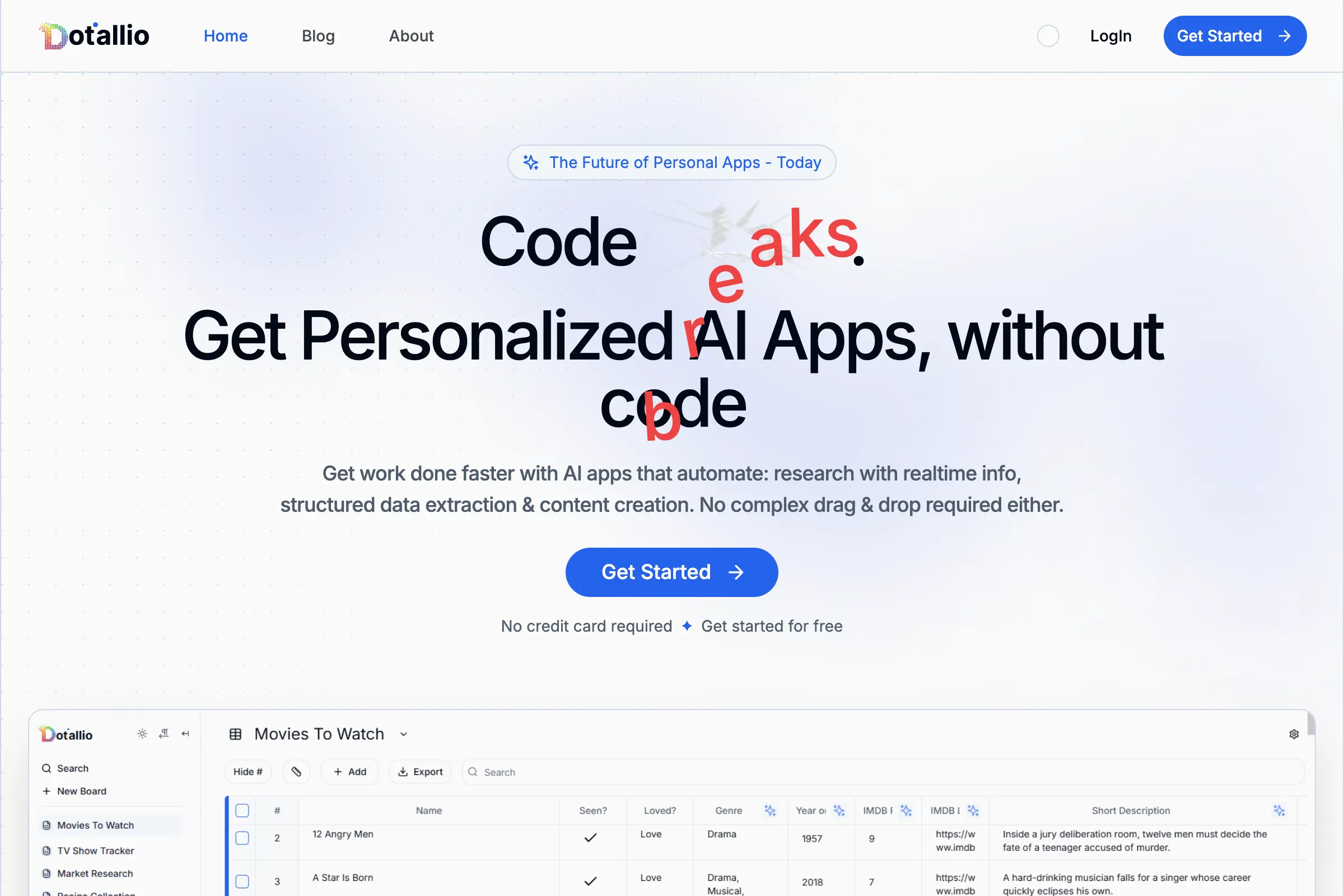
Dotallio
Personalized AI apps that automate research, data extraction, and content creation without code 🤖
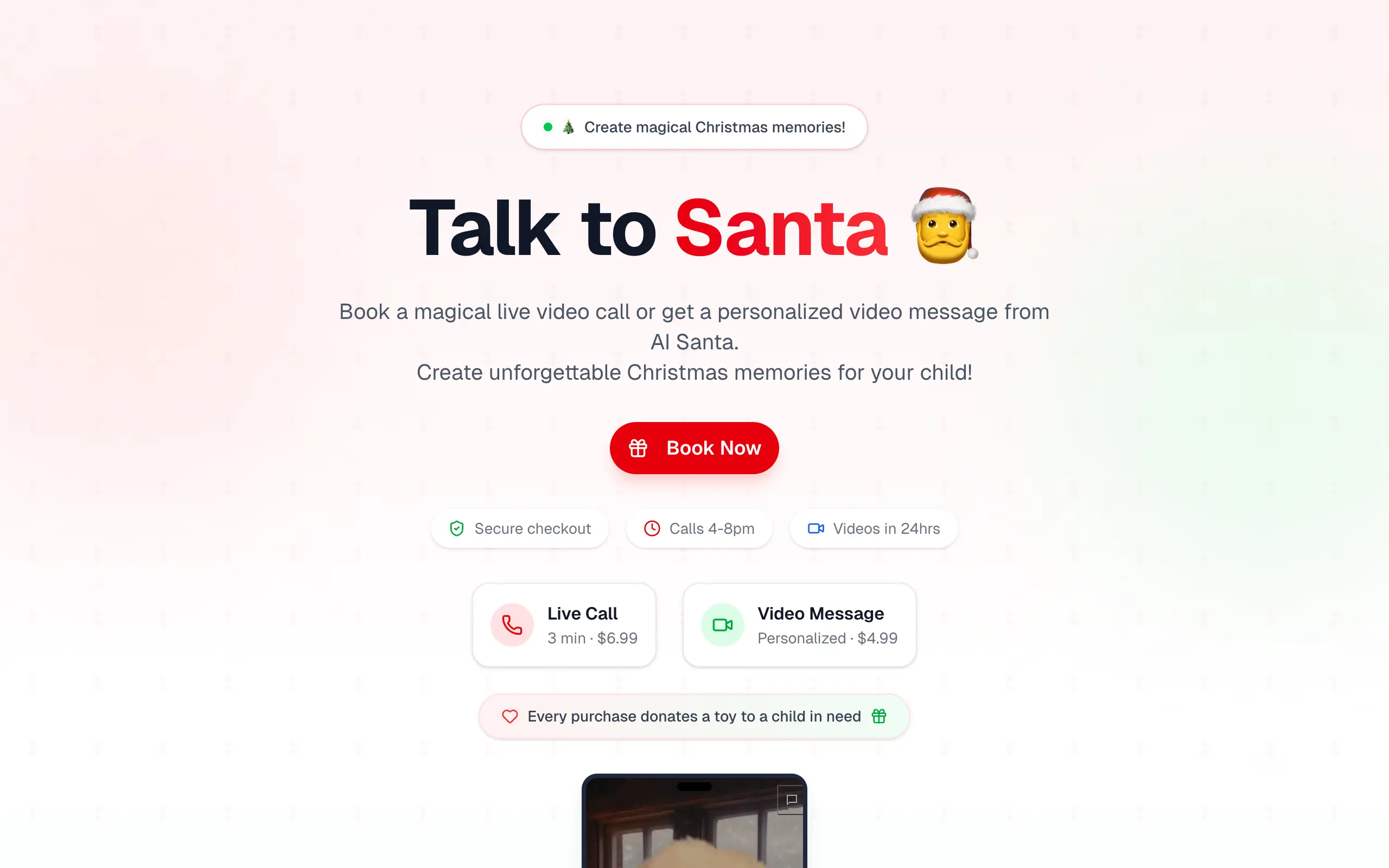
Talk to Santa
Enjoy a magical live video chat or receive a unique AI-generated video greeting from Santa Claus 🎅
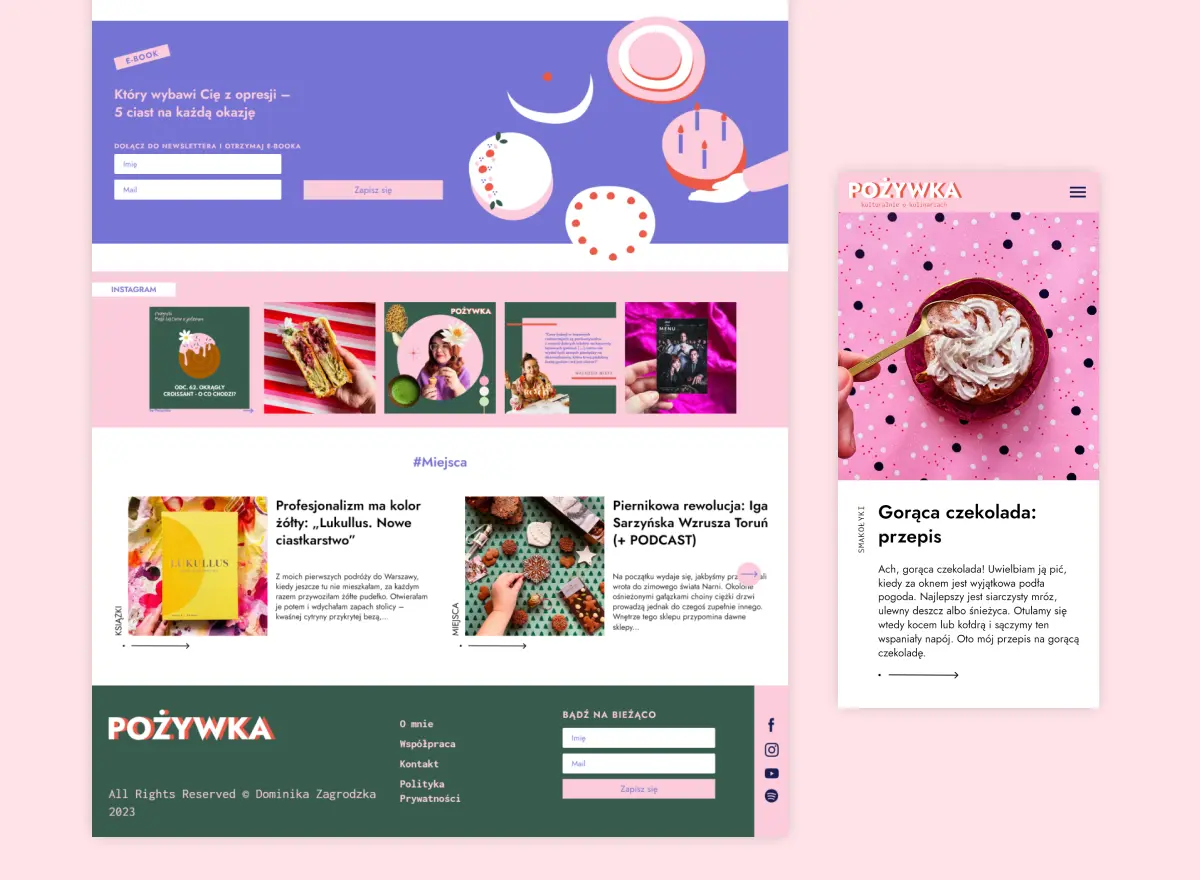
pozywka.pl
Scalable blog for food journalist, focused on performance and user experience 🌭
zagrodzki.me
Personal blog and portfolio of Bart Zagrodzki, where he shares his knowledge and work 💼
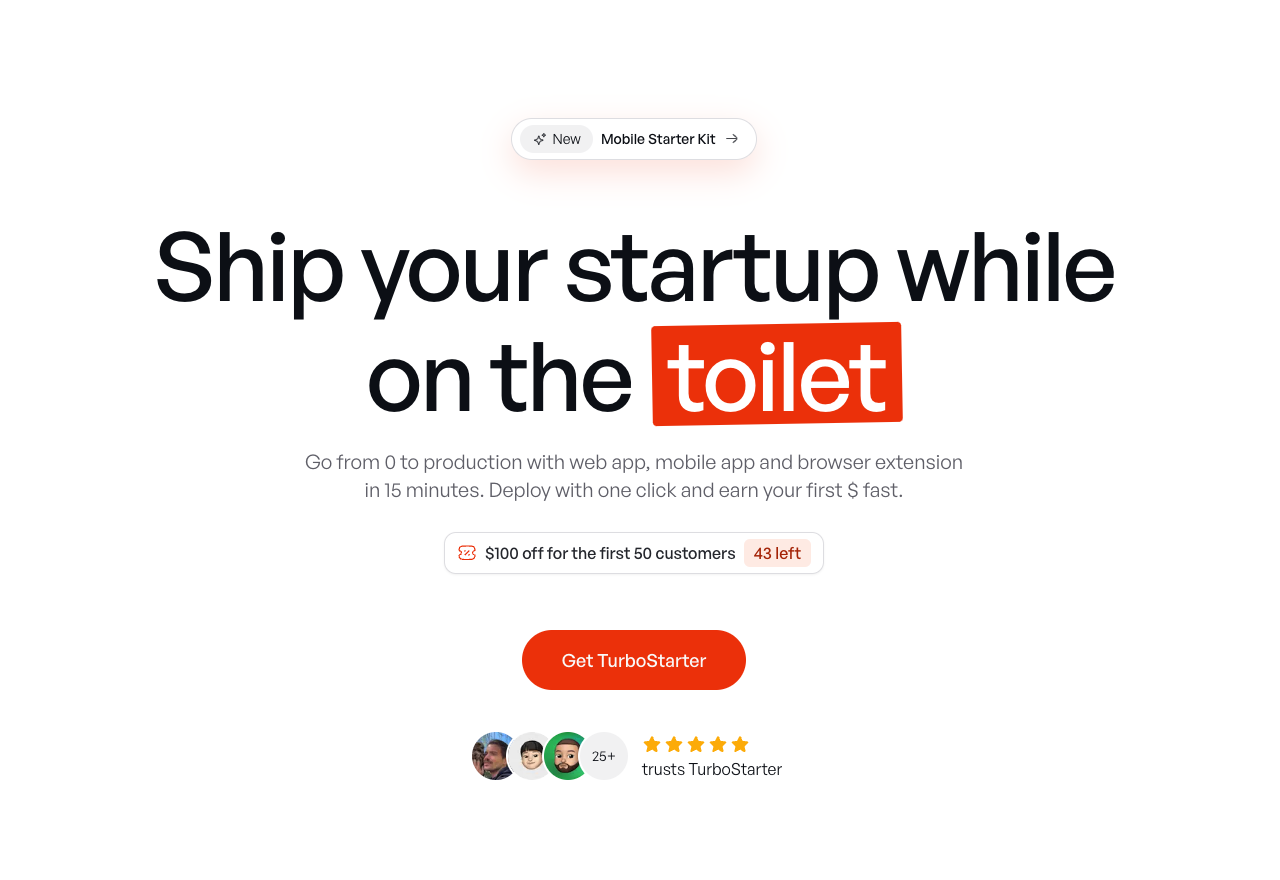
TurboStarter
Ship your startup everywhere. In minutes.
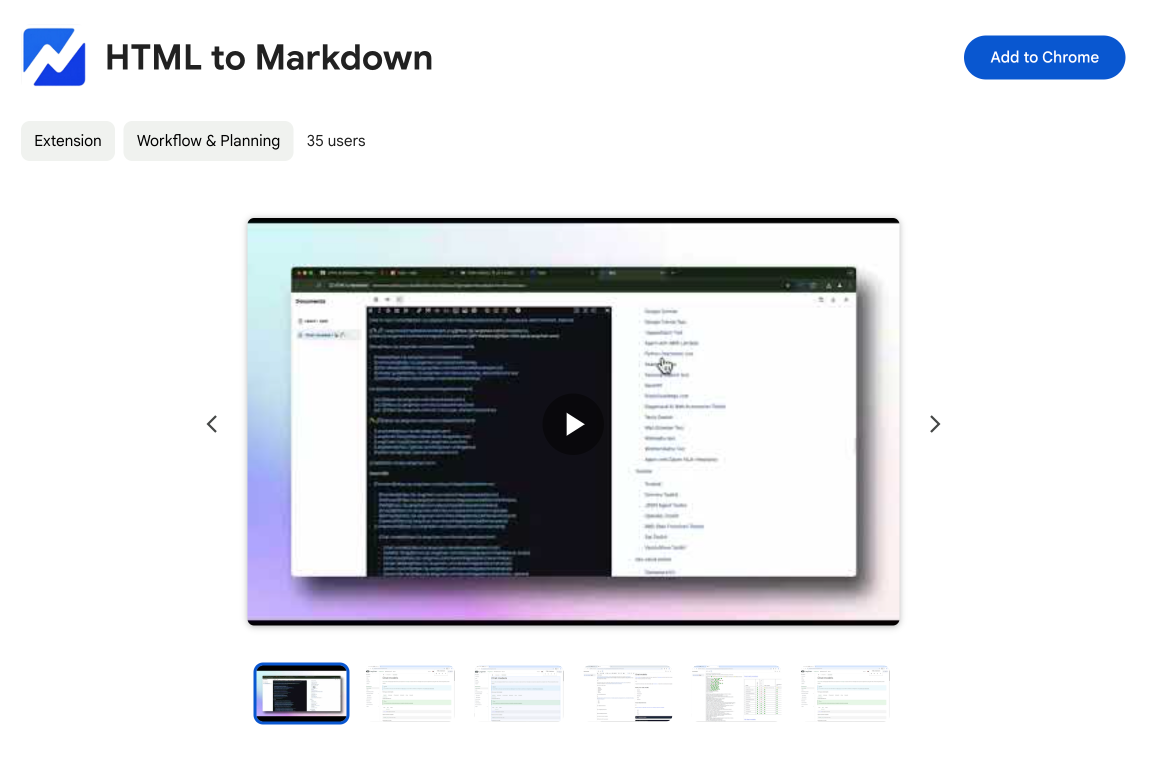
HTML to Markdown
Convert HTML to Markdown with ease, directly in your browser 📄
Dotallio
Personalized AI apps that automate research, data extraction, and content creation without code 🤖
Talk to Santa
Enjoy a magical live video chat or receive a unique AI-generated video greeting from Santa Claus 🎅
pozywka.pl
Scalable blog for food journalist, focused on performance and user experience 🌭
zagrodzki.me
Personal blog and portfolio of Bart Zagrodzki, where he shares his knowledge and work 💼
TurboStarter
Ship your startup everywhere. In minutes.
HTML to Markdown
Convert HTML to Markdown with ease, directly in your browser 📄
Dotallio
Personalized AI apps that automate research, data extraction, and content creation without code 🤖
Talk to Santa
Enjoy a magical live video chat or receive a unique AI-generated video greeting from Santa Claus 🎅
pozywka.pl
Scalable blog for food journalist, focused on performance and user experience 🌭
zagrodzki.me
Personal blog and portfolio of Bart Zagrodzki, where he shares his knowledge and work 💼
TurboStarter
Ship your startup everywhere. In minutes.
HTML to Markdown
Convert HTML to Markdown with ease, directly in your browser 📄
Dotallio
Personalized AI apps that automate research, data extraction, and content creation without code 🤖
Talk to Santa
Enjoy a magical live video chat or receive a unique AI-generated video greeting from Santa Claus 🎅
pozywka.pl
Scalable blog for food journalist, focused on performance and user experience 🌭
zagrodzki.me
Personal blog and portfolio of Bart Zagrodzki, where he shares his knowledge and work 💼
TurboStarter
Ship your startup everywhere. In minutes.
HTML to Markdown
Convert HTML to Markdown with ease, directly in your browser 📄
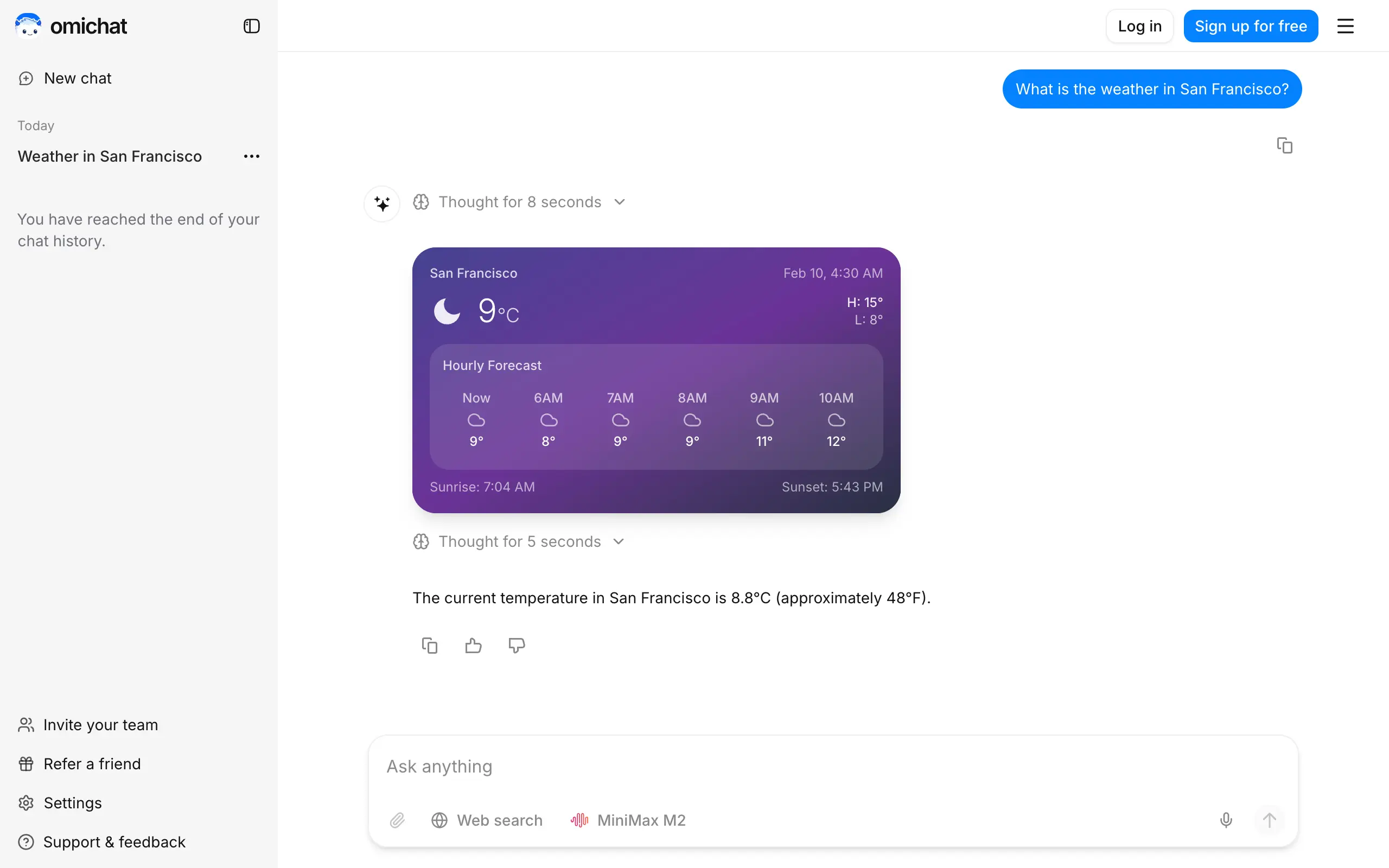
Omichat
Chat with 50+ AI models, including ChatGPT and Claude, in one place - switch models anytime without losing context 🤖
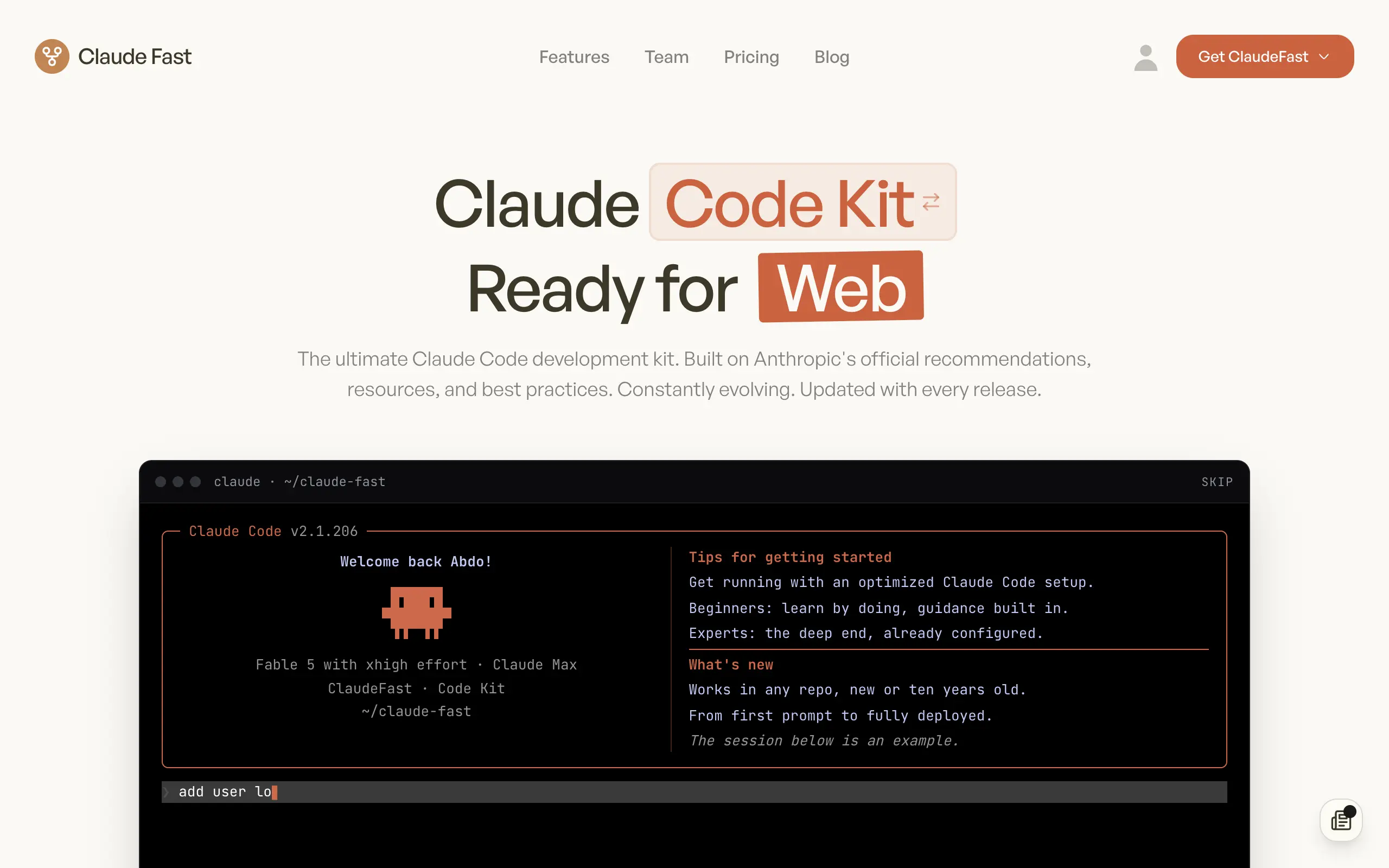
Claude Fast
Supercharge your Claude Code with 6x effective context window and specialized AI agents 🤖
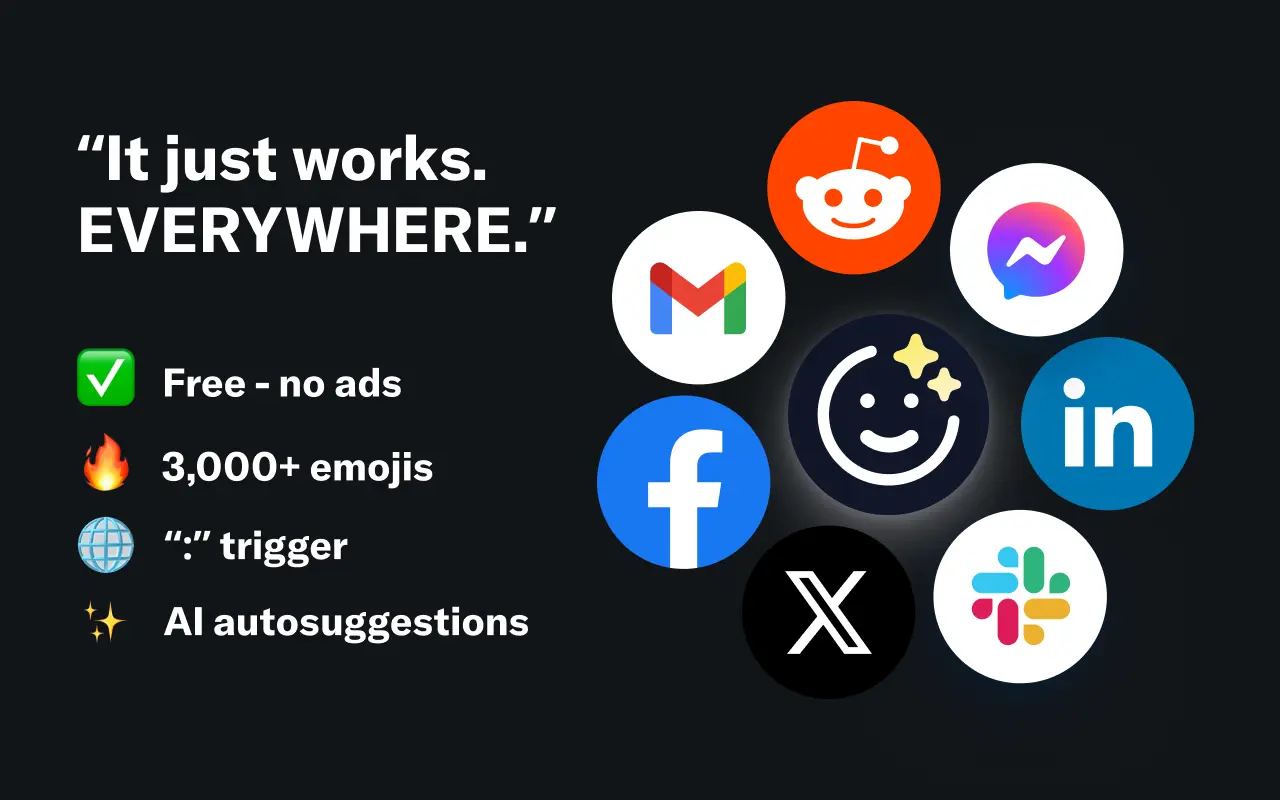
EmojAI
AI-powered emoji picker with smart, context-aware suggestions 🤖
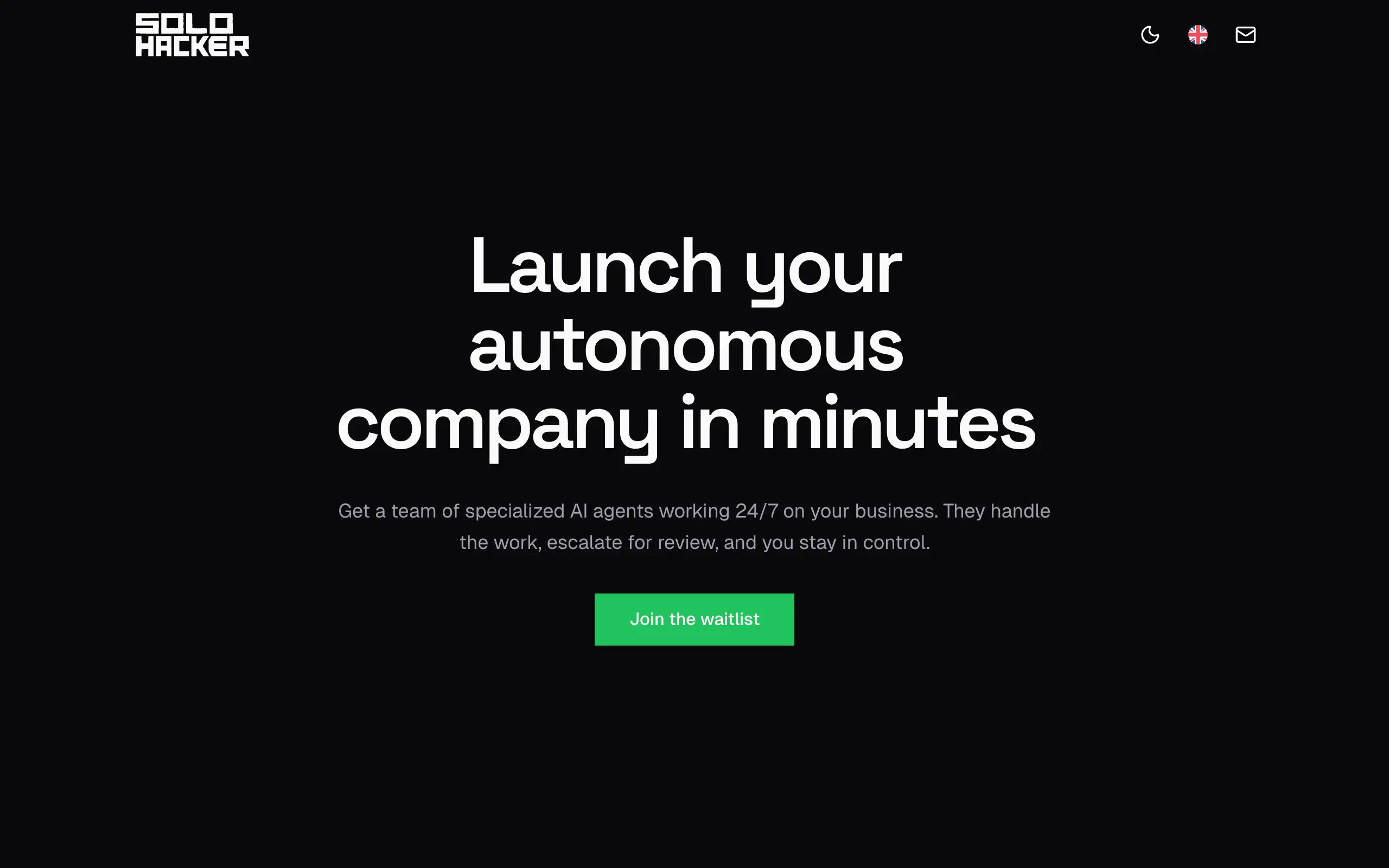
Solohacker
Autonomous company launcher - AI agents work 24/7, escalate what matters, and you stay in control 🤖
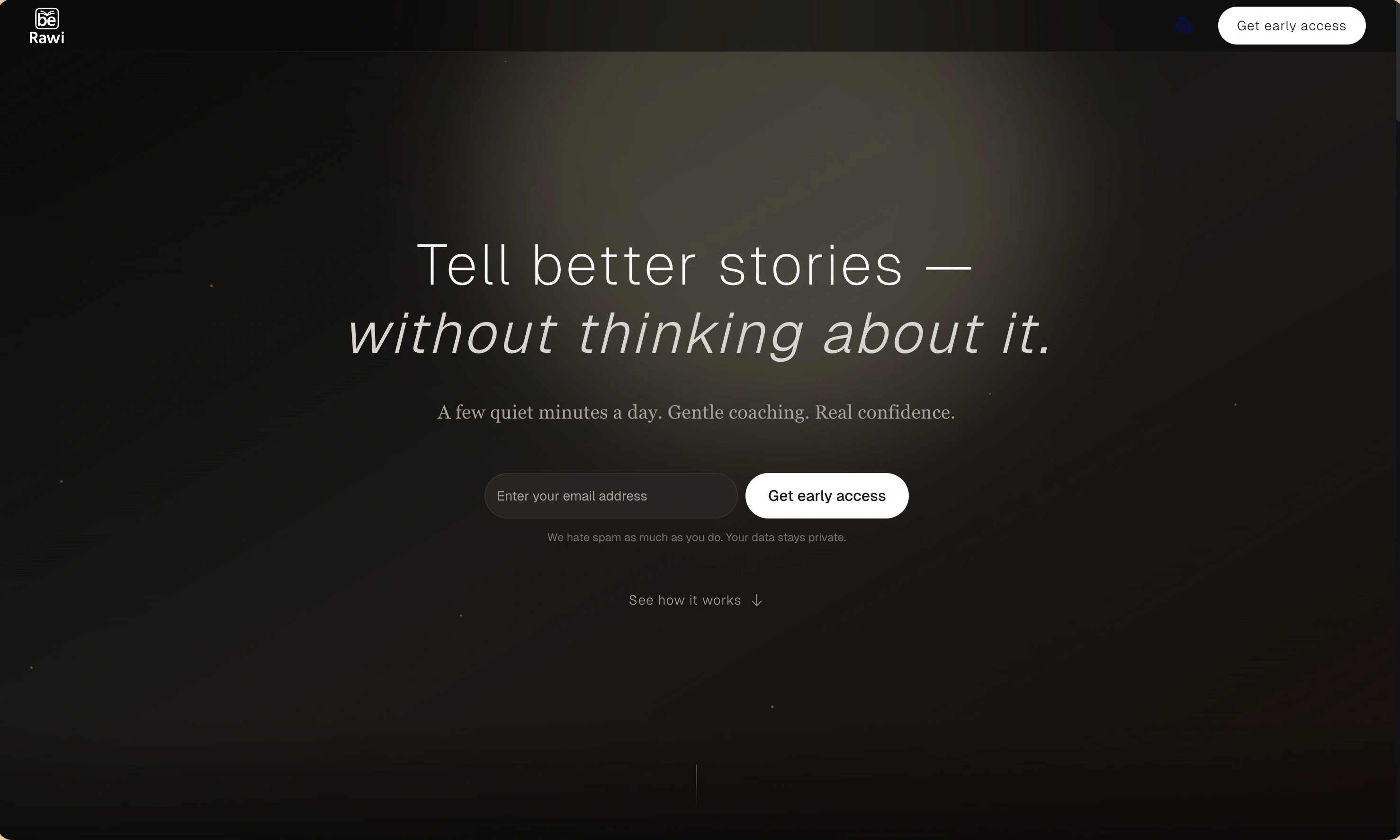
BeRawi: Storytelling Coach
Practice storytelling daily with instant feedback to sound clearer, more engaging, and confident 🎤
Omichat
Chat with 50+ AI models, including ChatGPT and Claude, in one place - switch models anytime without losing context 🤖
Claude Fast
Supercharge your Claude Code with 6x effective context window and specialized AI agents 🤖
EmojAI
AI-powered emoji picker with smart, context-aware suggestions 🤖
Solohacker
Autonomous company launcher - AI agents work 24/7, escalate what matters, and you stay in control 🤖
BeRawi: Storytelling Coach
Practice storytelling daily with instant feedback to sound clearer, more engaging, and confident 🎤
Omichat
Chat with 50+ AI models, including ChatGPT and Claude, in one place - switch models anytime without losing context 🤖
Claude Fast
Supercharge your Claude Code with 6x effective context window and specialized AI agents 🤖
EmojAI
AI-powered emoji picker with smart, context-aware suggestions 🤖
Solohacker
Autonomous company launcher - AI agents work 24/7, escalate what matters, and you stay in control 🤖
BeRawi: Storytelling Coach
Practice storytelling daily with instant feedback to sound clearer, more engaging, and confident 🎤
Omichat
Chat with 50+ AI models, including ChatGPT and Claude, in one place - switch models anytime without losing context 🤖
Claude Fast
Supercharge your Claude Code with 6x effective context window and specialized AI agents 🤖
EmojAI
AI-powered emoji picker with smart, context-aware suggestions 🤖
Solohacker
Autonomous company launcher - AI agents work 24/7, escalate what matters, and you stay in control 🤖
BeRawi: Storytelling Coach
Practice storytelling daily with instant feedback to sound clearer, more engaging, and confident 🎤

Connect with like-minded people
Join our community to get feedback, support, and grow together with 1,000+ builders on board, let's ship it!
Join usShip your startup everywhere. In minutes.
Don't burn tokens on setup and start building features on day one.