BudgetBuddy Student
Smart budgeting app tailored for students, tracking spending, predicting shortfalls, and suggesting ways to stretch limited funds throughout the semester.
understanding the rise of student budgeting apps
Managing money as a student has always been tricky, but today’s financial landscape makes it even more challenging. Rising tuition costs, inflation, subscription-heavy lifestyles, and limited income streams have created a perfect storm of financial stress for students worldwide. This is exactly where a student budgeting app like BudgetBuddy Student enters the picture.
Unlike generic finance tools, a smart budgeting app tailored for students focuses on real-life student behavior: irregular income, semester-based expenses, social spending, and the constant risk of running out of money before the term ends.
BudgetBuddy Student is positioned to solve a very specific and urgent problem: helping students stretch limited funds intelligently across an academic timeline.
target audience analysis: who actually needs this?
The success of BudgetBuddy Student depends heavily on understanding its core users. This is not a one-size-fits-all financial tool—it’s deeply niche, and that’s a strength.
primary users
- College and university students (18–25 years old)
- Students living independently for the first time
- Individuals relying on fixed budgets (loans, allowances, part-time income)
secondary users
- Parents monitoring student spending
- International students managing currency differences
- Graduate students with tighter financial constraints
behavioral traits
Students differ significantly from traditional budgeting app users:
- They don’t think in monthly budgets—they think in semesters
- Spending is often impulsive and social-driven
- Income is inconsistent (part-time jobs, freelancing, parental support)
- Financial literacy is generally low to moderate
Key insight
Students don’t fail at budgeting because tools don’t exist—they fail because existing tools don’t match how they think about money.
the market opportunity: why this idea matters now
The personal finance app market is crowded, but student-specific financial tools remain underserved.
key trends driving demand
- Rising student debt globally (refer to OECD or World Bank data for statistics)
- Growth in fintech adoption among Gen Z
- Increased reliance on digital wallets and subscription services
- Mental health awareness tied to financial stress
existing solutions fall short
Most apps like Mint or YNAB:
- Assume stable income
- Focus on long-term wealth building
- Lack semester-based forecasting
- Don’t offer behavioral nudges tailored to students
market gap
There’s a clear gap for a predictive, student-first budgeting system that:
- Understands academic timelines
- Anticipates spending shortfalls
- Provides actionable, realistic suggestions
core value proposition of BudgetBuddy Student
At its core, BudgetBuddy Student is more than a budgeting app—it’s a financial survival assistant for students.
unique selling proposition (USP)
- Semester-based financial planning
- AI-driven shortfall prediction
- Personalized spending optimization suggestions
- Designed specifically for low-income variability users
Predictive budgeting
Forecasts when students will run out of money before it happens.
Student-first UX
Built around semesters, not months.
Actionable insights
Suggests real ways to save or adjust spending.
core features and product architecture
1. semester-based budgeting system
Instead of monthly cycles, users define:
- Total available funds for the semester
- Fixed costs (tuition, rent, books)
- Variable spending categories
The app then distributes funds intelligently over time.
2. real-time expense tracking
- Manual entry or bank integration
- Categorization (food, transport, entertainment)
- Weekly spending summaries
3. predictive shortfall engine
This is the standout feature.
Using historical and current spending patterns, the app:
- Forecasts when funds will run out
- Identifies risky spending behaviors
- Sends early alerts
Example logic:
if (currentSpendingRate > projectedSafeRate) {
  triggerAlert("You're likely to run out of money in 18 days");
}
4. smart recommendations engine
Instead of generic advice, BudgetBuddy Student provides:
- “Reduce eating out by 15% to last until finals”
- “Switch to cheaper grocery options”
- “Pause subscriptions temporarily”
5. gamification and behavioral nudges
- Weekly challenges (e.g., “No Spend Weekend”)
- Progress bars toward financial stability
- Reward systems (badges, streaks)
6. emergency buffer planning
- Suggests minimum savings thresholds
- Helps users build micro-savings habits
product feature comparison with existing tools
| Feature | BudgetBuddy Student | Mint | YNAB | PocketGuard |
|---|---|---|---|---|
| Semester budgeting | ✅ | ❌ | ❌ | ❌ |
| Shortfall prediction | ✅ | ❌ | ✅ | ✅ |
| Student-specific UX | ✅ | ❌ | ❌ | ❌ |
| Behavioral nudges | ✅ | ✅ | ✅ | ✅ |
recommended tech stack for development
Building a scalable, intelligent mobile app requires careful tech decisions.
frontend (mobile)
- React Native — cross-platform efficiency
- Expo — faster development cycles
backend
- Node.js with Express or NestJS
- GraphQL for flexible data querying
database
- PostgreSQL for structured financial data
- Redis for caching predictions
AI/ML layer
- Python microservices (FastAPI)
- Lightweight predictive models (time-series forecasting)
integrations
- Plaid for bank connections
- Stripe for payments and subscriptions
analytics
- Mixpanel or Amplitude for user behavior tracking
Trade-off consideration
Bank integrations improve UX but increase compliance complexity and cost. Starting with manual entry may accelerate MVP validation.
monetization strategy options
A student audience requires careful pricing strategies.
freemium model (recommended)
- Free tier:
- Basic tracking
- Limited predictions
- Premium ($3–$6/month):
- Advanced forecasting
- Personalized insights
- Subscription tracking
alternative revenue streams
- Affiliate partnerships (student discounts, fintech tools)
- Sponsored financial education content
- University partnerships
pricing psychology
Students are price-sensitive but will pay if:
- Value is immediate and visible
- App helps prevent real financial stress
go-to-market strategy
phase 1: validation
- Launch MVP at 1–2 universities
- Use student ambassadors
- Collect feedback aggressively
phase 2: growth
- TikTok and Instagram content (budget hacks)
- Campus influencer partnerships
- Referral incentives
phase 3: scale
- Expand internationally
- Add localized financial features
- Partner with universities
potential risks and mitigation strategies
1. low user retention
Problem: Students abandon budgeting apps quickly
Solution:
- Gamification
- Push notifications with real value
- Weekly insights summaries
2. inaccurate predictions
Problem: Poor forecasting reduces trust
Solution:
- Start with simple models
- Improve over time with data
- Allow manual adjustments
3. privacy concerns
Problem: Financial data sensitivity
Solution:
- End-to-end encryption
- Transparent data policies
- Minimal data collection
4. competition from big fintech
Problem: Larger apps copying features
Solution:
- Focus deeply on student niche
- Build brand loyalty early
- Develop community features
competitive advantage: why BudgetBuddy Student wins
BudgetBuddy Student doesn’t try to compete broadly—it wins by being hyper-focused.
defensible advantages
- Deep understanding of student financial cycles
- Predictive engine tailored to low-income variability
- Strong emotional connection (reducing financial anxiety)
long-term moat
- Data network effects from student spending patterns
- Behavioral insights unique to Gen Z users
- Potential expansion into student financial ecosystem
implementation roadmap
example user journey
User sets semester budget and inputs fixed expenses. App calculates safe weekly spending.
App detects overspending and sends alert: “You’re trending 20% above safe spending.”
App recommends adjustments to avoid running out of money before finals.
future expansion opportunities
Once the core product is validated, BudgetBuddy Student can evolve into a broader platform:
- Student credit building tools
- Micro-investing for students
- Scholarship and financial aid tracking
- AI-powered financial coaching
actionable steps to build BudgetBuddy Student today
If you’re ready to execute this idea, here’s a practical path:
- Conduct 20–30 student interviews
- Define core features for MVP (keep it lean)
- Build using a rapid development stack
- Launch quickly and gather feedback
- Iterate based on real user behavior
To accelerate development, you can use frameworks like TurboStarter, which helps streamline SaaS product launches with pre-built infrastructure.
final thoughts
BudgetBuddy Student is not just another finance app—it’s a behavior-driven financial companion designed specifically for students.
Its strength lies in:
- Understanding real student problems
- Delivering predictive, actionable insights
- Creating a product that fits naturally into student life
With the right execution, this idea has the potential to become a category leader in student financial wellness tools—a space that is only going to grow in importance.
The opportunity is clear. The problem is real. The timing is right.
More 📱 Mobile App SaaS ideas
Discover more innovative mobile app SaaS ideas that are trending in 2026. Each idea is AI-generated with market validation and growth potential to help you find your next profitable venture faster than competitors.
Your competitors are building with TurboStarter
Below are some of the SaaS ideas that have been generated and built with our starter kit.
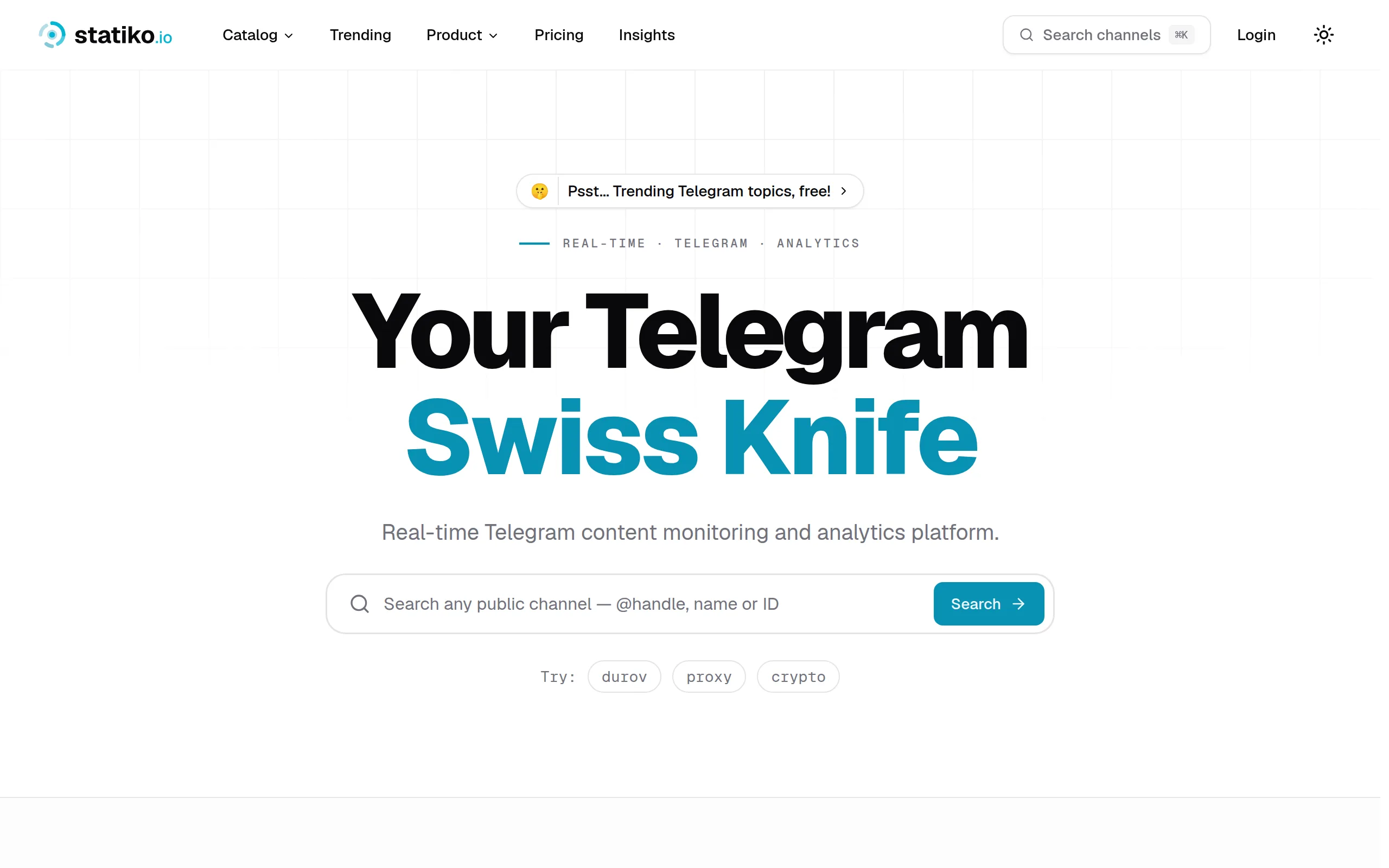
Statiko
Monitor any Telegram channel in real time - track posts, edits, deletions, and growth with AI recaps 📡

Shibui
AI website builder - describe your business, pick a niche template, edit by chatting, and publish instantly ✨

Pro Service
Find verified home service professionals, compare quotes, and pay securely through escrow - built for Brazilians across the US 🏠
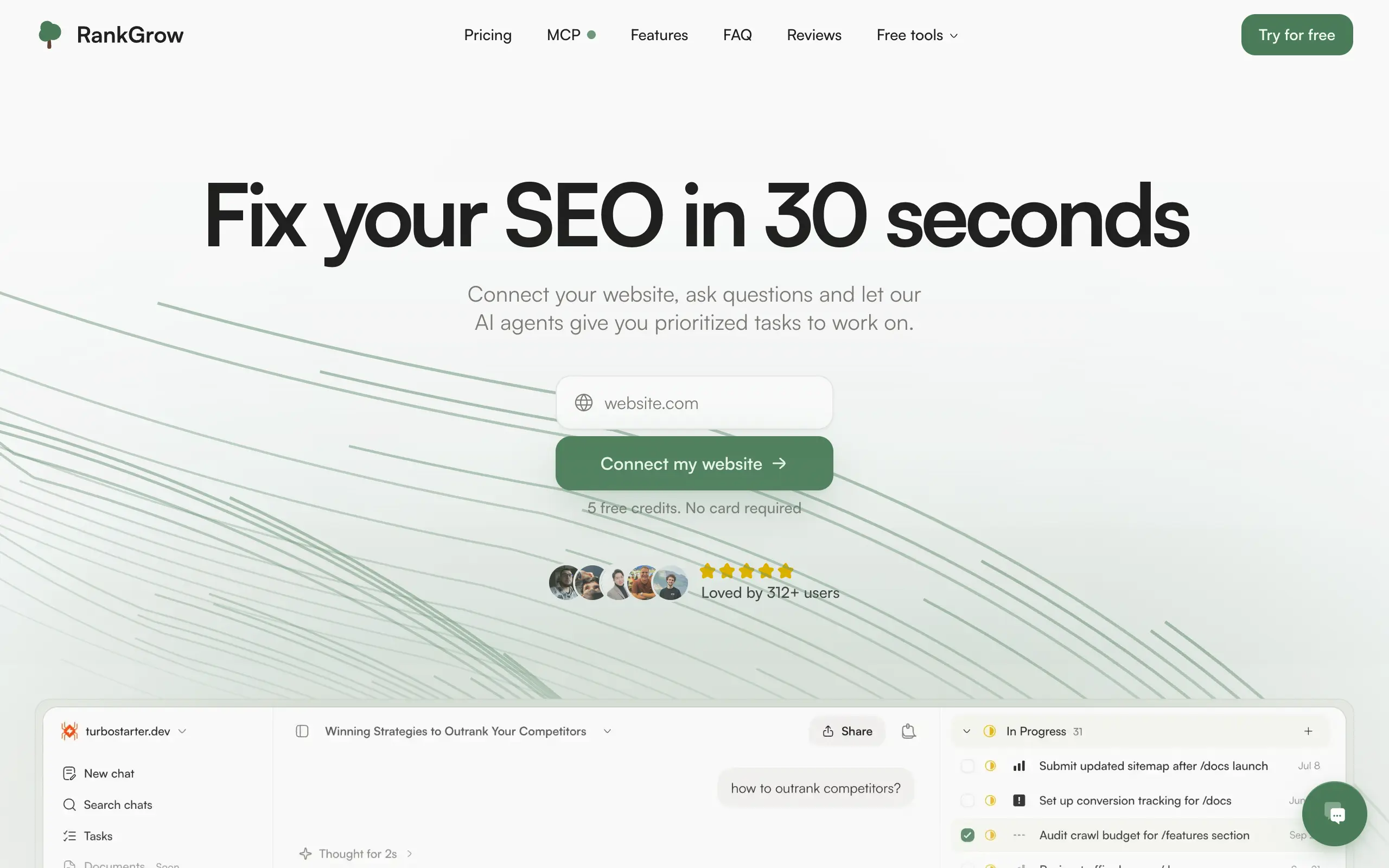
RankGrow
Fix your SEO with AI agents - connect Search Console, get prioritized tasks, and grow organic traffic 📈
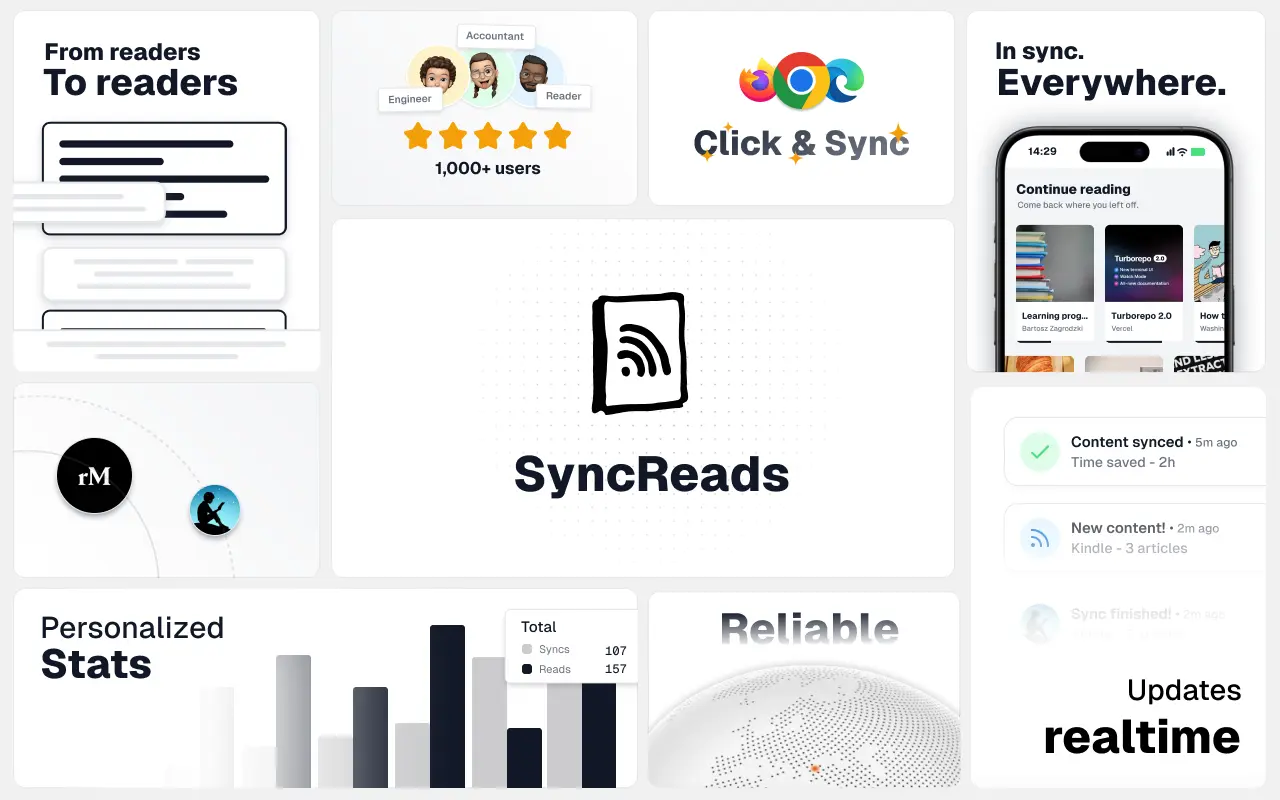
SyncReads
Sync your favorite content for distraction-free reading, save time and replace multiple apps. Anytime, anywhere 🔄
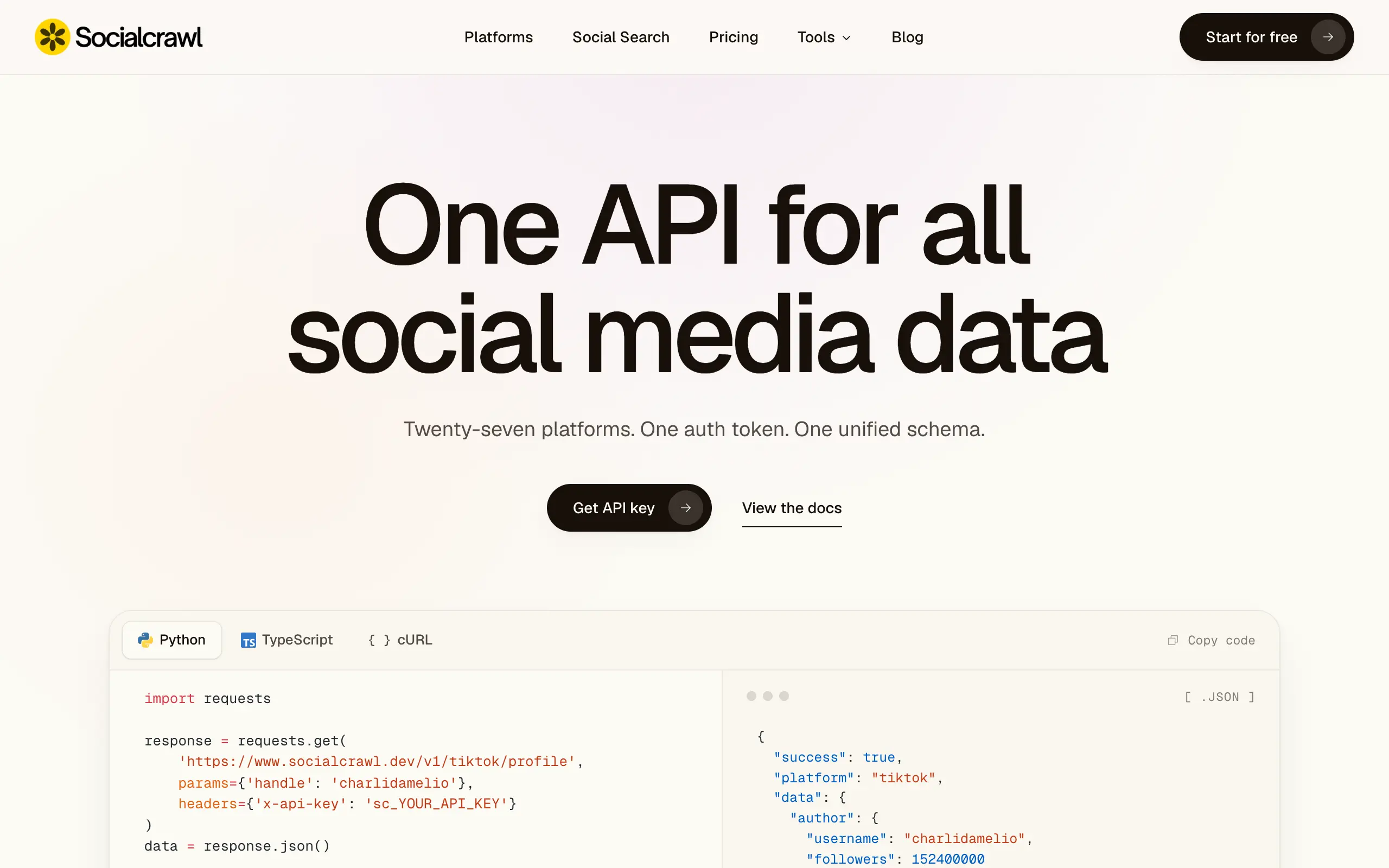
Socialcrawl
Get clean, structured data from 21 platforms like TikTok, Instagram, and YouTube with a single request 📊
Statiko
Monitor any Telegram channel in real time - track posts, edits, deletions, and growth with AI recaps 📡
Shibui
AI website builder - describe your business, pick a niche template, edit by chatting, and publish instantly ✨
Pro Service
Find verified home service professionals, compare quotes, and pay securely through escrow - built for Brazilians across the US 🏠
RankGrow
Fix your SEO with AI agents - connect Search Console, get prioritized tasks, and grow organic traffic 📈
SyncReads
Sync your favorite content for distraction-free reading, save time and replace multiple apps. Anytime, anywhere 🔄
Socialcrawl
Get clean, structured data from 21 platforms like TikTok, Instagram, and YouTube with a single request 📊
Statiko
Monitor any Telegram channel in real time - track posts, edits, deletions, and growth with AI recaps 📡
Shibui
AI website builder - describe your business, pick a niche template, edit by chatting, and publish instantly ✨
Pro Service
Find verified home service professionals, compare quotes, and pay securely through escrow - built for Brazilians across the US 🏠
RankGrow
Fix your SEO with AI agents - connect Search Console, get prioritized tasks, and grow organic traffic 📈
SyncReads
Sync your favorite content for distraction-free reading, save time and replace multiple apps. Anytime, anywhere 🔄
Socialcrawl
Get clean, structured data from 21 platforms like TikTok, Instagram, and YouTube with a single request 📊
Statiko
Monitor any Telegram channel in real time - track posts, edits, deletions, and growth with AI recaps 📡
Shibui
AI website builder - describe your business, pick a niche template, edit by chatting, and publish instantly ✨
Pro Service
Find verified home service professionals, compare quotes, and pay securely through escrow - built for Brazilians across the US 🏠
RankGrow
Fix your SEO with AI agents - connect Search Console, get prioritized tasks, and grow organic traffic 📈
SyncReads
Sync your favorite content for distraction-free reading, save time and replace multiple apps. Anytime, anywhere 🔄
Socialcrawl
Get clean, structured data from 21 platforms like TikTok, Instagram, and YouTube with a single request 📊
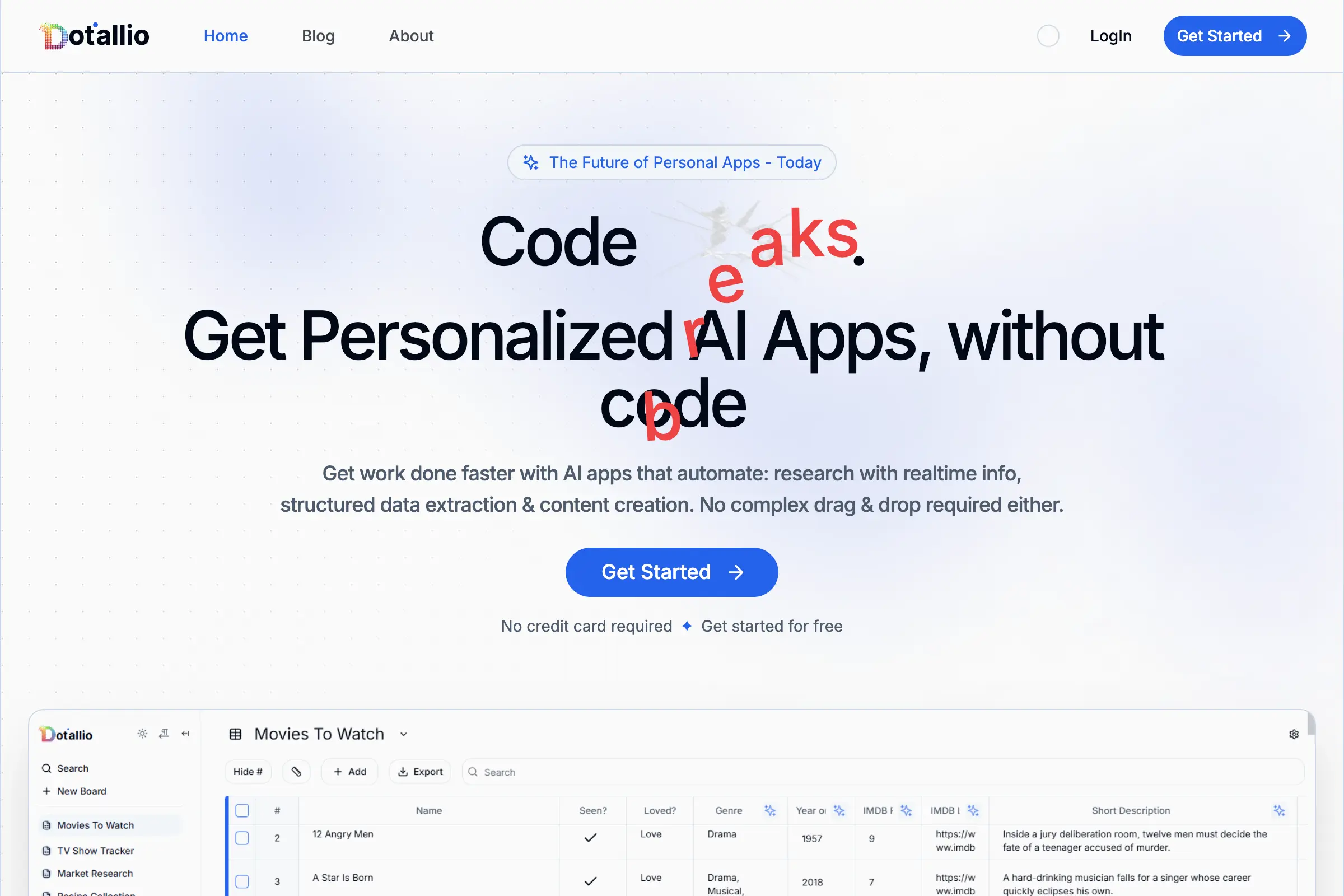
Dotallio
Personalized AI apps that automate research, data extraction, and content creation without code 🤖
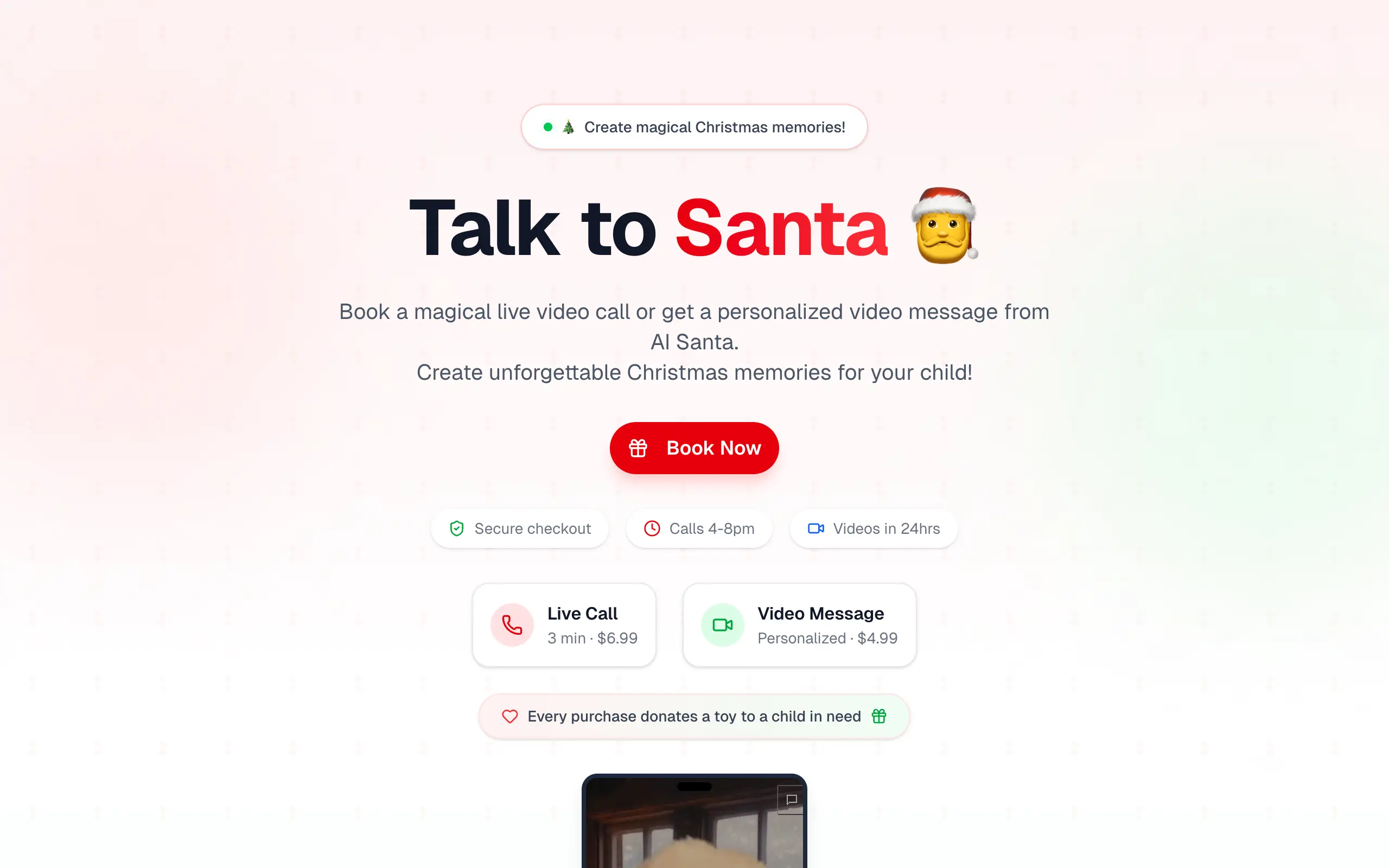
Talk to Santa
Enjoy a magical live video chat or receive a unique AI-generated video greeting from Santa Claus 🎅
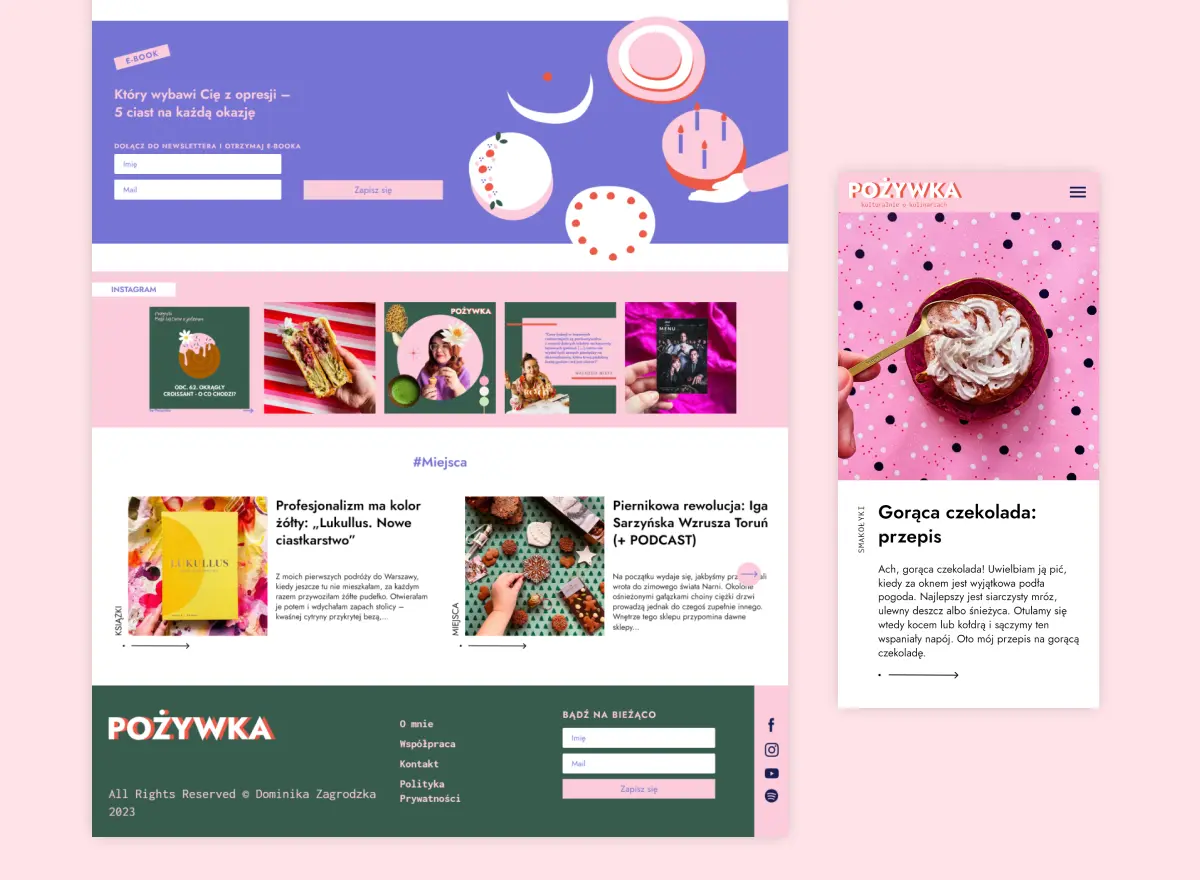
pozywka.pl
Scalable blog for food journalist, focused on performance and user experience 🌭
zagrodzki.me
Personal blog and portfolio of Bart Zagrodzki, where he shares his knowledge and work 💼
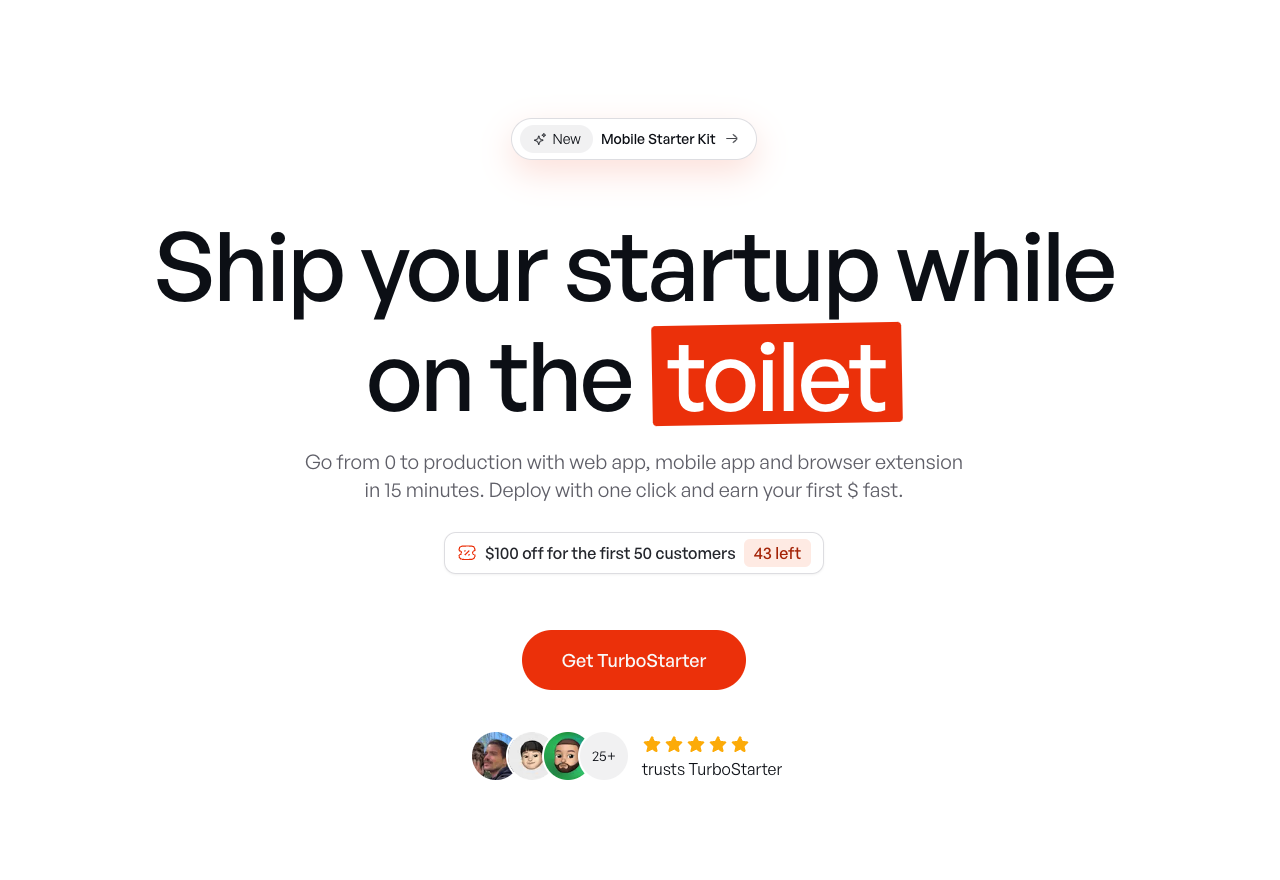
TurboStarter
Ship your startup everywhere. In minutes.
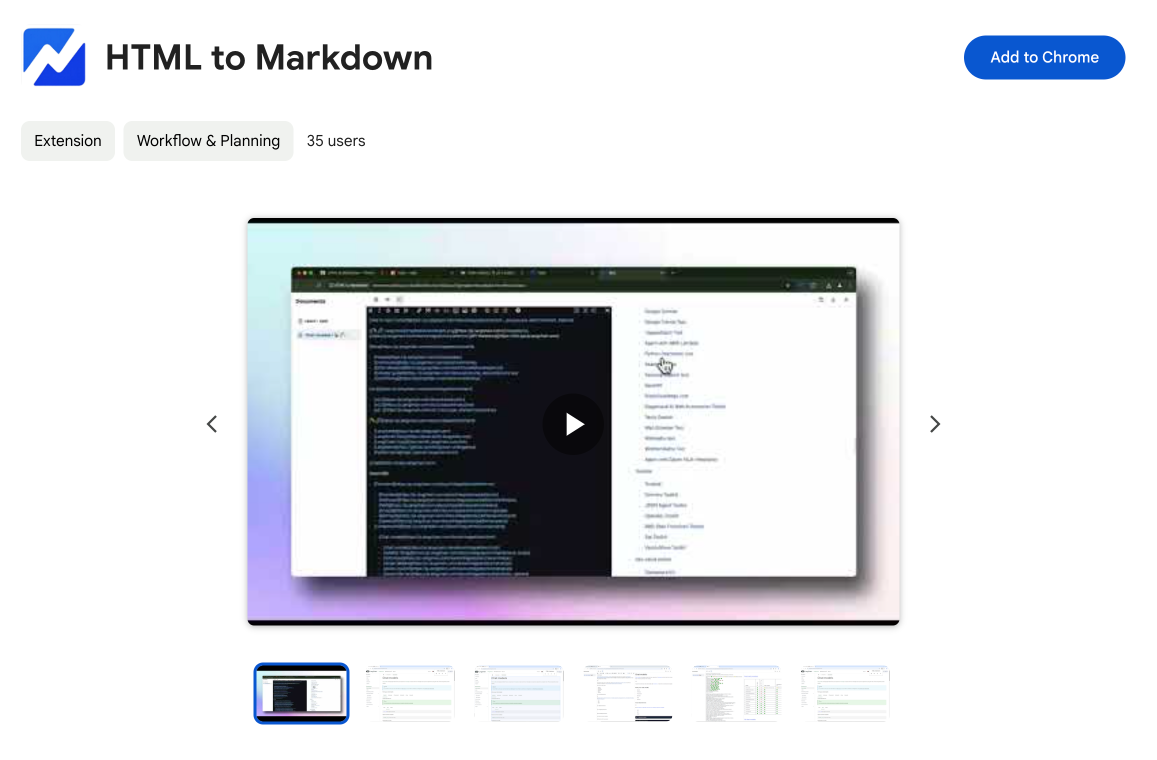
HTML to Markdown
Convert HTML to Markdown with ease, directly in your browser 📄
Dotallio
Personalized AI apps that automate research, data extraction, and content creation without code 🤖
Talk to Santa
Enjoy a magical live video chat or receive a unique AI-generated video greeting from Santa Claus 🎅
pozywka.pl
Scalable blog for food journalist, focused on performance and user experience 🌭
zagrodzki.me
Personal blog and portfolio of Bart Zagrodzki, where he shares his knowledge and work 💼
TurboStarter
Ship your startup everywhere. In minutes.
HTML to Markdown
Convert HTML to Markdown with ease, directly in your browser 📄
Dotallio
Personalized AI apps that automate research, data extraction, and content creation without code 🤖
Talk to Santa
Enjoy a magical live video chat or receive a unique AI-generated video greeting from Santa Claus 🎅
pozywka.pl
Scalable blog for food journalist, focused on performance and user experience 🌭
zagrodzki.me
Personal blog and portfolio of Bart Zagrodzki, where he shares his knowledge and work 💼
TurboStarter
Ship your startup everywhere. In minutes.
HTML to Markdown
Convert HTML to Markdown with ease, directly in your browser 📄
Dotallio
Personalized AI apps that automate research, data extraction, and content creation without code 🤖
Talk to Santa
Enjoy a magical live video chat or receive a unique AI-generated video greeting from Santa Claus 🎅
pozywka.pl
Scalable blog for food journalist, focused on performance and user experience 🌭
zagrodzki.me
Personal blog and portfolio of Bart Zagrodzki, where he shares his knowledge and work 💼
TurboStarter
Ship your startup everywhere. In minutes.
HTML to Markdown
Convert HTML to Markdown with ease, directly in your browser 📄
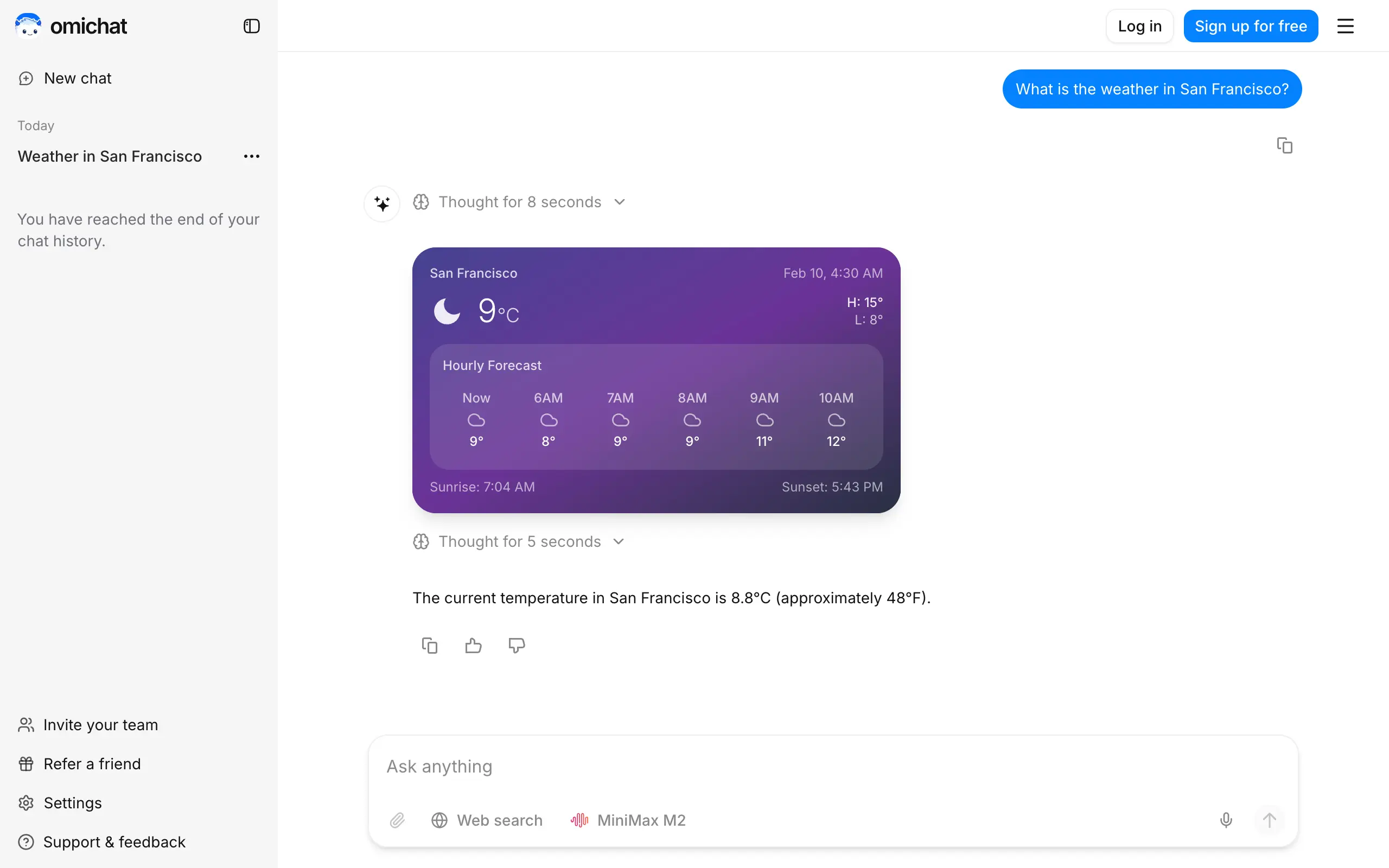
Omichat
Chat with 50+ AI models, including ChatGPT and Claude, in one place - switch models anytime without losing context 🤖
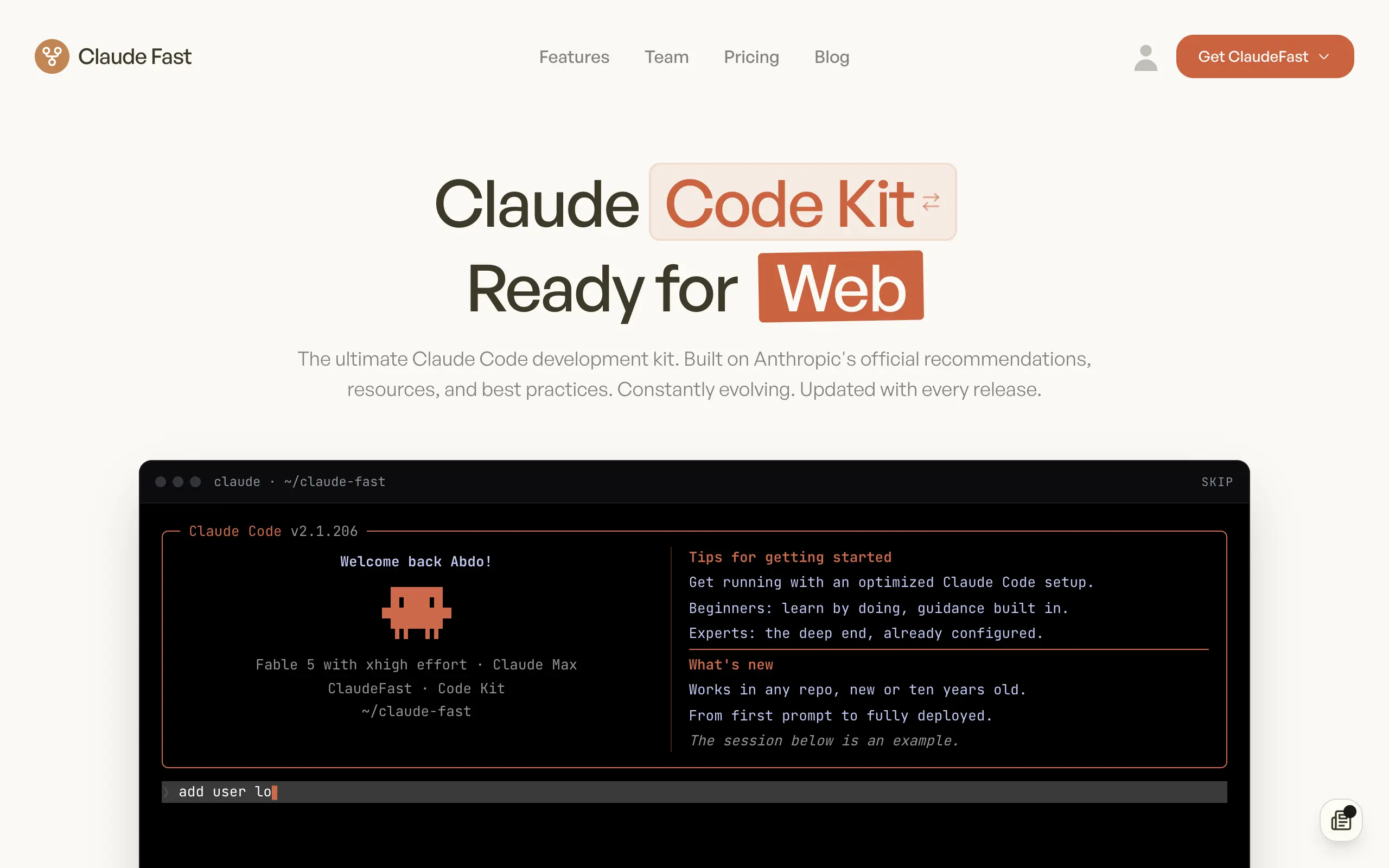
Claude Fast
Supercharge your Claude Code with 6x effective context window and specialized AI agents 🤖
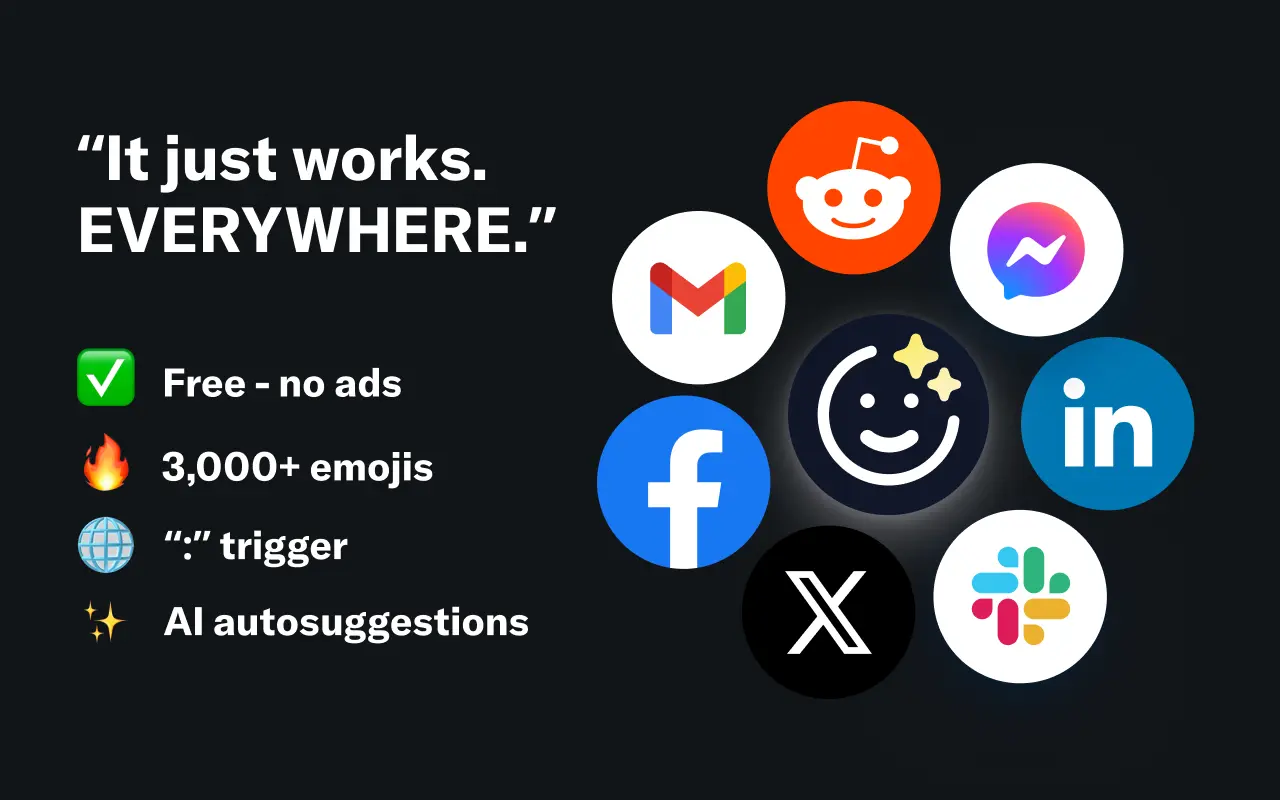
EmojAI
AI-powered emoji picker with smart, context-aware suggestions 🤖

Solohacker
Autonomous company launcher - AI agents work 24/7, escalate what matters, and you stay in control 🤖
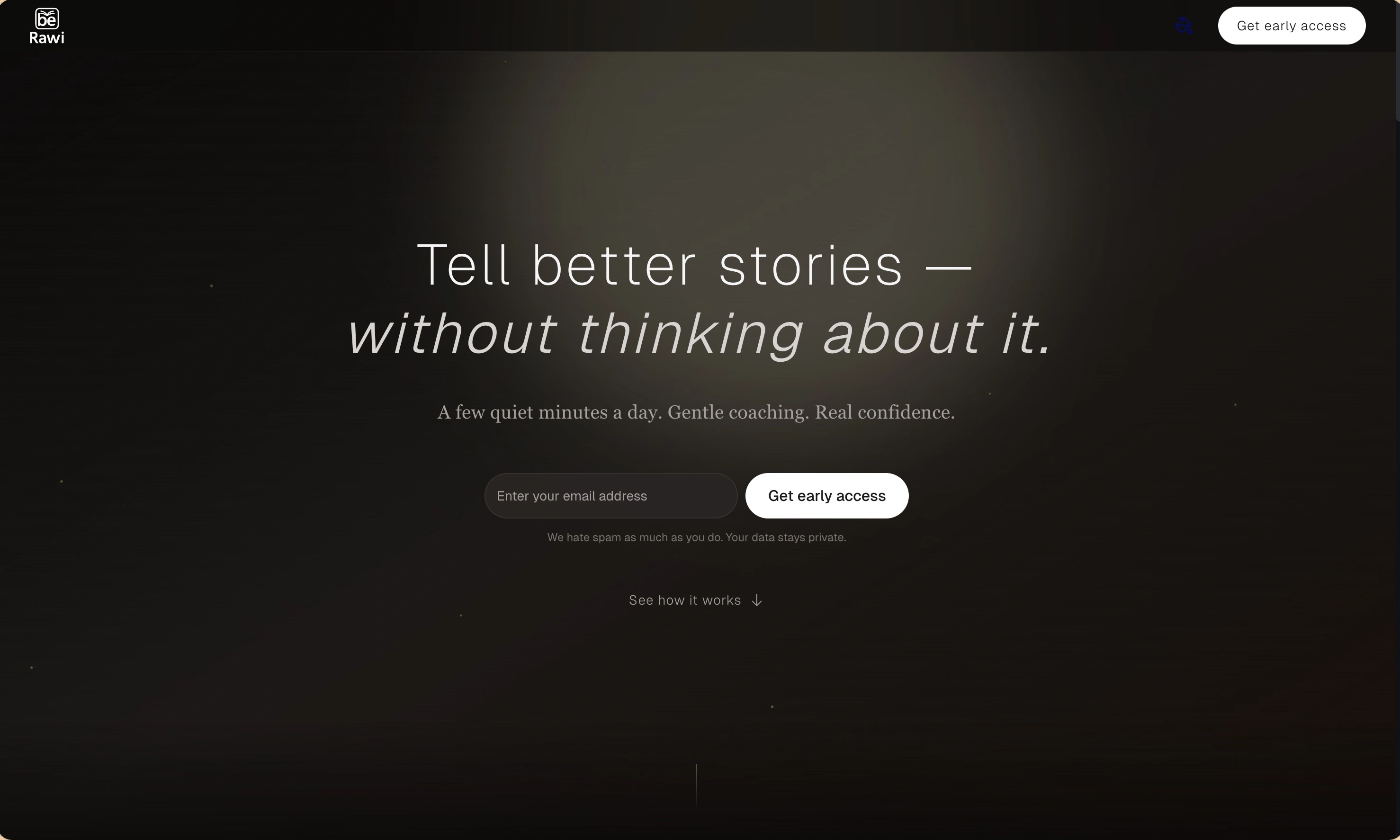
BeRawi: Storytelling Coach
Practice storytelling daily with instant feedback to sound clearer, more engaging, and confident 🎤
Omichat
Chat with 50+ AI models, including ChatGPT and Claude, in one place - switch models anytime without losing context 🤖
Claude Fast
Supercharge your Claude Code with 6x effective context window and specialized AI agents 🤖
EmojAI
AI-powered emoji picker with smart, context-aware suggestions 🤖
Solohacker
Autonomous company launcher - AI agents work 24/7, escalate what matters, and you stay in control 🤖
BeRawi: Storytelling Coach
Practice storytelling daily with instant feedback to sound clearer, more engaging, and confident 🎤
Omichat
Chat with 50+ AI models, including ChatGPT and Claude, in one place - switch models anytime without losing context 🤖
Claude Fast
Supercharge your Claude Code with 6x effective context window and specialized AI agents 🤖
EmojAI
AI-powered emoji picker with smart, context-aware suggestions 🤖
Solohacker
Autonomous company launcher - AI agents work 24/7, escalate what matters, and you stay in control 🤖
BeRawi: Storytelling Coach
Practice storytelling daily with instant feedback to sound clearer, more engaging, and confident 🎤
Omichat
Chat with 50+ AI models, including ChatGPT and Claude, in one place - switch models anytime without losing context 🤖
Claude Fast
Supercharge your Claude Code with 6x effective context window and specialized AI agents 🤖
EmojAI
AI-powered emoji picker with smart, context-aware suggestions 🤖
Solohacker
Autonomous company launcher - AI agents work 24/7, escalate what matters, and you stay in control 🤖
BeRawi: Storytelling Coach
Practice storytelling daily with instant feedback to sound clearer, more engaging, and confident 🎤

Connect with like-minded people
Join our community to get feedback, support, and grow together with 1,000+ builders on board, let's ship it!
Join usShip your startup everywhere. In minutes.
Don't burn tokens on setup and start building features on day one.