Campus Confessions
A safe, anonymous mobile feed for students to share secrets, rants, and memes about university life. Swipe endlessly through relatable campus content.
Understanding the need for anonymous student communities
University life is a unique blend of academic pressure, social exploration, and personal growth. Students often face challenges, stress, and hilarious moments that they may not feel comfortable sharing openly. The desire for a safe, judgment-free space to vent, confess, or simply laugh at relatable memes is universal across campuses. This is where Campus Confessions—an anonymous mobile feed for students—addresses a real, growing need.
In this article, we’ll explore the market opportunity for anonymous student platforms, analyze the target audience, detail the core features of Campus Confessions, and provide a comprehensive guide to building, monetizing, and scaling this SaaS mobile app. We’ll also discuss the competitive landscape, potential risks, and actionable steps for implementation.
Who is Campus Confessions for? Target audience analysis
Understanding your users is the foundation of any successful SaaS product. For Campus Confessions, the primary audience includes:
- University and college students (undergraduate and graduate)
- Recent alumni who still feel connected to campus culture
- Student organizations seeking to gauge campus sentiment
- Campus influencers and meme creators
Key user personas
The Stressed Freshman
New to campus, seeking a place to vent about homesickness, academic pressure, and social anxieties without fear of judgment.
The Meme Lord
Loves creating and sharing campus-specific memes, looking for a receptive, anonymous audience.
The Silent Observer
Prefers to read and relate to others’ experiences, finding comfort in shared struggles and humor.
The Student Leader
Wants to understand campus sentiment and trends to better serve their community.
User intent and motivations
- Anonymity: Students want to share secrets, rants, or confessions without risking their reputation.
- Relatability: Users crave content that reflects their own experiences—be it academic fails, dorm drama, or campus memes.
- Community: A sense of belonging and shared understanding, even if identities are hidden.
- Entertainment: Endless, swipeable feeds keep users engaged and coming back.
Market opportunity and gap analysis
Why now? Trends driving demand
- Mental health awareness: Students are more open about stress and mental health, but stigma remains. Anonymous platforms offer a safe outlet.
- Rise of meme culture: Platforms like Instagram and TikTok have popularized short-form, humorous content, but lack campus-specific anonymity.
- Decline of traditional forums: Old-school forums (e.g., Reddit, Facebook groups) are less appealing to Gen Z, who prefer mobile-first, ephemeral, and anonymous experiences.
- Privacy concerns: Students are wary of platforms that track or expose their identity.
Market size and validation
- There are over 20 million college students in the US alone (source: National Center for Education Statistics).
- Apps like Yik Yak and Whisper have demonstrated massive demand for anonymous, location-based sharing, though they faced moderation and safety challenges.
- The meme economy is booming, with campus meme pages amassing hundreds of thousands of followers.
The gap: What’s missing?
- Campus-specific, anonymous mobile feeds that combine the best of memes, confessions, and rants in a safe, swipeable format.
- Modern moderation tools to prevent abuse and harassment.
- Community-driven content curation to surface the most relatable posts.
Core features and solution details
Campus Confessions is designed to be intuitive, engaging, and safe. Here’s a breakdown of its essential features:
Anonymous posting and interaction
- No real names or profiles: Users post and comment without revealing their identity.
- Campus verification: Optional .edu email or geolocation check to ensure only students from a specific campus can view or post in that feed.
- Swipeable feed: Endless, TikTok-style swiping for confessions, rants, and memes.
Content types
- Text confessions: Share secrets, rants, or questions.
- Image and meme uploads: Post campus-specific memes or photos.
- Polls and reactions: Let users vote or react with emojis.
Moderation and safety
- AI-powered content filtering: Detects and blocks hate speech, bullying, or explicit content.
- Community reporting: Users can flag inappropriate posts for review.
- Human moderation: Escalation for sensitive cases.
Engagement and gamification
- Upvotes/downvotes: Surface the most relatable or funny content.
- Streaks and badges: Reward active users with anonymous achievements.
- Trending topics: Highlight hot confessions or memes by campus.
Optional features for growth
- Anonymous chat: Temporary, anonymous DMs for deeper conversations.
- Campus leaderboards: Showcase the most active or upvoted campuses.
- Event integration: Anonymous feedback or confessions during campus events.
Recommended tech stack for a mobile SaaS platform
Choosing the right technology is crucial for scalability, security, and user experience. Here’s a recommended stack for Campus Confessions:
Frontend (mobile app)
- React Native: Cross-platform development for iOS and Android, rapid iteration, large community.
- Expo: Simplifies React Native development, over-the-air updates.
- TailwindCSS (via NativeWind): Utility-first styling for consistent UI.
Backend
- Node.js: Fast, scalable server-side JavaScript.
- Express: Minimalist web framework for APIs.
- Firebase or Supabase: Real-time database, authentication, and push notifications.
- OpenAI API: For AI-powered content moderation and filtering.
Database
- PostgreSQL: Reliable, scalable relational database (if not using Firebase/Supabase).
- Redis: For caching trending posts and leaderboards.
Hosting and DevOps
- Vercel or AWS Amplify: Serverless deployment, CI/CD.
- Sentry: Error monitoring and performance tracking.
Trade-offs and considerations
- Firebase/Supabase offer rapid prototyping and real-time features but may have vendor lock-in.
- Custom Node.js/Express backend provides more flexibility and control, especially for advanced moderation or analytics.
- React Native enables cross-platform development but may require native modules for advanced features.
Monetization strategies for Campus Confessions
Building a sustainable SaaS business requires thoughtful monetization. Here are proven strategies for anonymous, student-focused platforms:
1. In-app advertising
- Campus-targeted ads: Local businesses (cafes, tutoring, events) can reach students directly.
- Sponsored posts: Brands can pay to promote memes or confessions.
- Native ad formats: Seamlessly blend ads into the feed for better engagement.
2. Premium features (freemium model)
- Ad-free experience: Charge a small monthly fee to remove ads.
- Exclusive content: Early access to trending memes or confessions.
- Customization: Unlock new themes, badges, or reaction packs.
3. Campus partnerships
- Student organizations: Offer analytics or sentiment reports for a fee.
- Event sponsorships: Partner with campus events for branded, anonymous feedback channels.
4. Merchandising
- Campus meme merch: Sell T-shirts, stickers, or mugs featuring viral confessions or memes.
5. Data insights (with consent)
- Anonymous trend reports: Aggregate, anonymized data for campus administrators or researchers (strict privacy compliance required).
Potential risks and mitigation strategies
Launching an anonymous platform for students comes with unique challenges. Here’s how to address them:
Risk: Anonymous platforms can attract bullying, hate speech, or inappropriate content. Mitigation:
- AI-powered moderation to flag and block harmful content.
- Community reporting and swift human review.
- Clear community guidelines and zero-tolerance policies.
Risk: Users may fear exposure or data misuse. Mitigation:
- No collection of personally identifiable information (PII).
- End-to-end encryption for sensitive data.
- Transparent privacy policy and regular security audits.
Risk: Non-students or bots accessing campus feeds. Mitigation:
- .edu email verification or geofencing.
- CAPTCHA and anti-bot measures.
Risk: Manual moderation may not scale with growth. Mitigation:
- Invest in AI/ML moderation tools.
- Empower trusted community moderators.
- Regularly update moderation algorithms.
Risk: Potential liability for user-generated content. Mitigation:
- Consult legal experts on Section 230 and local laws.
- Promptly remove illegal or harmful content.
- Maintain clear terms of service.
Competitive advantage: What makes Campus Confessions unique?
While there have been anonymous student apps in the past, Campus Confessions stands out due to its:
- Modern, swipeable mobile experience: Inspired by TikTok and Instagram, but focused on campus life and anonymity.
- Advanced moderation: Combines AI, community reporting, and human review for a safer environment.
- Campus-specific feeds: Ensures content is hyper-relevant and relatable.
- Gamification and engagement: Keeps users coming back with streaks, badges, and leaderboards.
- Privacy-first approach: No PII, transparent policies, and robust security.
Feature comparison table
| Campus Confessions | Yik Yak | Whisper | ||
|---|---|---|---|---|
| ✅ | ❌ | ❌ | ✅ | ❌ |
| ✅ | ❌ | ✅ | ✅ | ❌ |
Actionable steps to build and launch Campus Confessions
Ready to bring this idea to life? Here’s a step-by-step implementation plan:
Validate the idea: Conduct surveys or focus groups with students to confirm demand and gather feature feedback.
Design the MVP: Create wireframes and user flows for the core features—anonymous posting, swipeable feed, moderation.
Choose your tech stack: Set up the mobile app with React Native and backend with Firebase/Supabase or Node.js/Express.
Develop core features: Build anonymous posting, campus verification, and content moderation.
Implement moderation tools: Integrate AI-powered filtering and community reporting.
Beta launch: Release to a limited number of campuses, gather feedback, and iterate.
Scale and market: Expand to more campuses, partner with student organizations, and launch targeted ad campaigns.
Monetize: Introduce ads, premium features, and campus partnerships as user base grows.
Continuously improve: Monitor analytics, update features, and enhance moderation to ensure a safe, engaging experience.
Example: Anonymous post submission code snippet
Here’s a simplified example of how you might handle anonymous post submissions in a React Native app using Firebase:
import { getAuth } from 'firebase/auth';
import { getFirestore, collection, addDoc, serverTimestamp } from 'firebase/firestore';

const submitConfession = async (text: string, campusId: string) => {
  const db = getFirestore();
  const auth = getAuth();
  // No user info stored, only campus and timestamp
  await addDoc(collection(db, 'confessions'), {
    text,
    campusId,
    createdAt: serverTimestamp(),
    upvotes: 0,
    downvotes: 0,
    // No userId or PII
  });
};
Industry trends and future outlook
- AI moderation is becoming standard: As platforms scale, automated content filtering is essential for safety and compliance.
- Gen Z prefers ephemeral, mobile-first experiences: Apps that mimic the swipeable, short-form content of TikTok and Instagram are more likely to succeed.
- Privacy regulations are tightening: Compliance with GDPR, CCPA, and campus-specific policies is non-negotiable.
- Community-driven curation: The best content surfaces through upvotes, reactions, and user engagement—not algorithms alone.
Pro tip
Stay ahead by regularly updating moderation tools and engaging with student communities for feedback. This ensures Campus Confessions remains both safe and relevant.
Conclusion: Why Campus Confessions is the next big thing in student SaaS
Campus Confessions fills a real gap in the student social landscape: a safe, anonymous, and endlessly entertaining mobile feed for sharing the highs and lows of university life. By combining modern mobile UX, robust moderation, and campus-specific communities, it offers a unique value proposition that stands out from legacy platforms.
With a clear path to monetization, a scalable tech stack, and a focus on privacy and safety, Campus Confessions is well-positioned to become the go-to app for students seeking connection, laughter, and support.
Ready to build your own version or launch a similar SaaS? Platforms like TurboStarter can help you accelerate development and go to market faster.
Frequently asked questions
Campus Confessions does not collect or store any personally identifiable information. Posts are linked only to campus IDs, not users. All data is encrypted and privacy policies are transparent.
The platform uses a combination of AI-powered filtering, community reporting, and human moderation to quickly detect and remove inappropriate content.
Access is restricted via .edu email verification or geolocation to ensure only current students can participate in their campus community.
In-app ads, premium features, campus partnerships, and merchandise are all viable revenue streams.
Begin by validating your idea with students, designing an MVP, and leveraging modern SaaS tools like TurboStarter for rapid development.
More 📱 Mobile App SaaS ideas
Discover more innovative mobile app SaaS ideas that are trending in 2026. Each idea is AI-generated with market validation and growth potential to help you find your next profitable venture faster than competitors.
Your competitors are building with TurboStarter
Below are some of the SaaS ideas that have been generated and built with our starter kit.
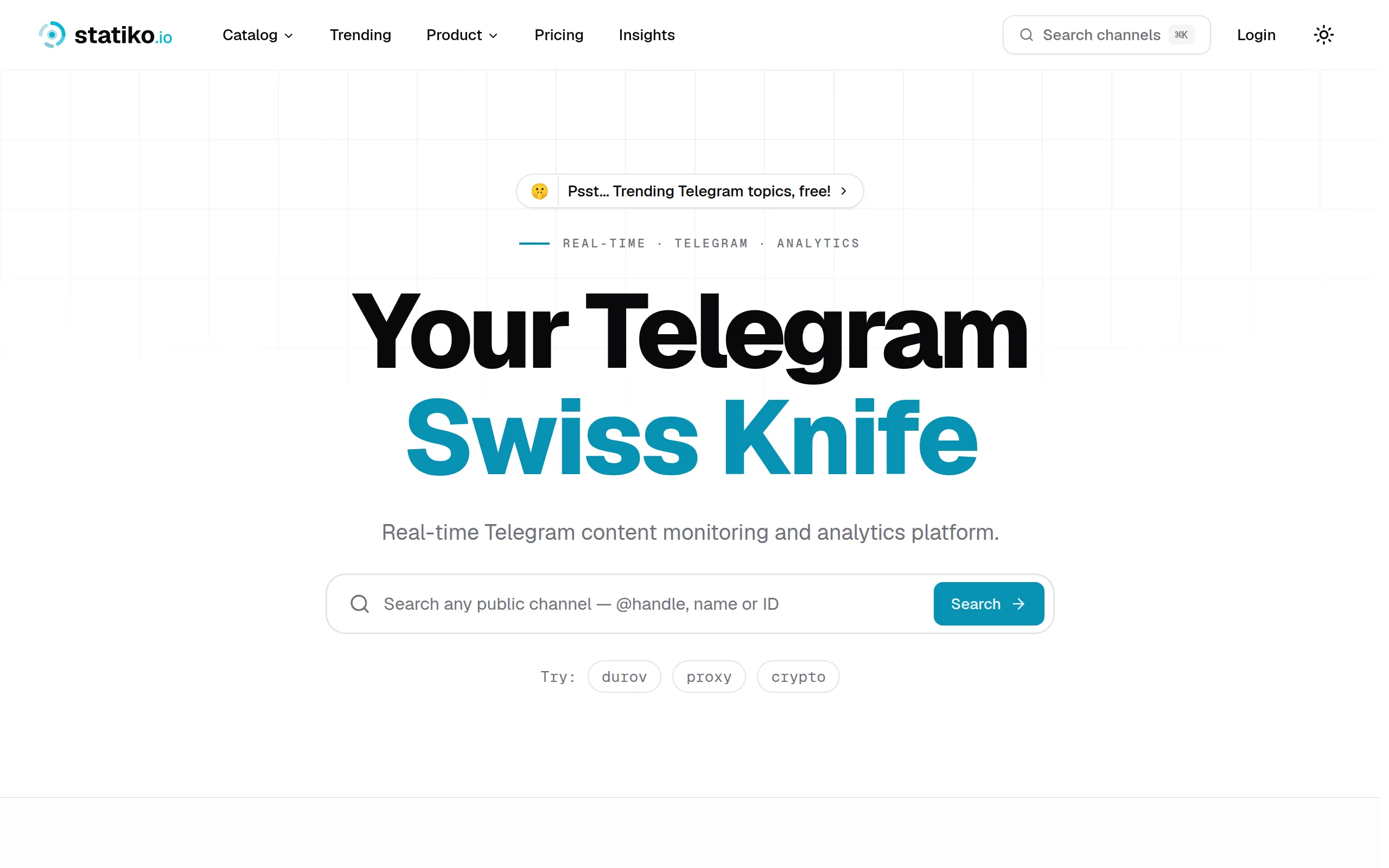
Statiko
Monitor any Telegram channel in real time - track posts, edits, deletions, and growth with AI recaps 📡

Shibui
AI website builder - describe your business, pick a niche template, edit by chatting, and publish instantly ✨

Pro Service
Find verified home service professionals, compare quotes, and pay securely through escrow - built for Brazilians across the US 🏠

RankGrow
Fix your SEO with AI agents - connect Search Console, get prioritized tasks, and grow organic traffic 📈
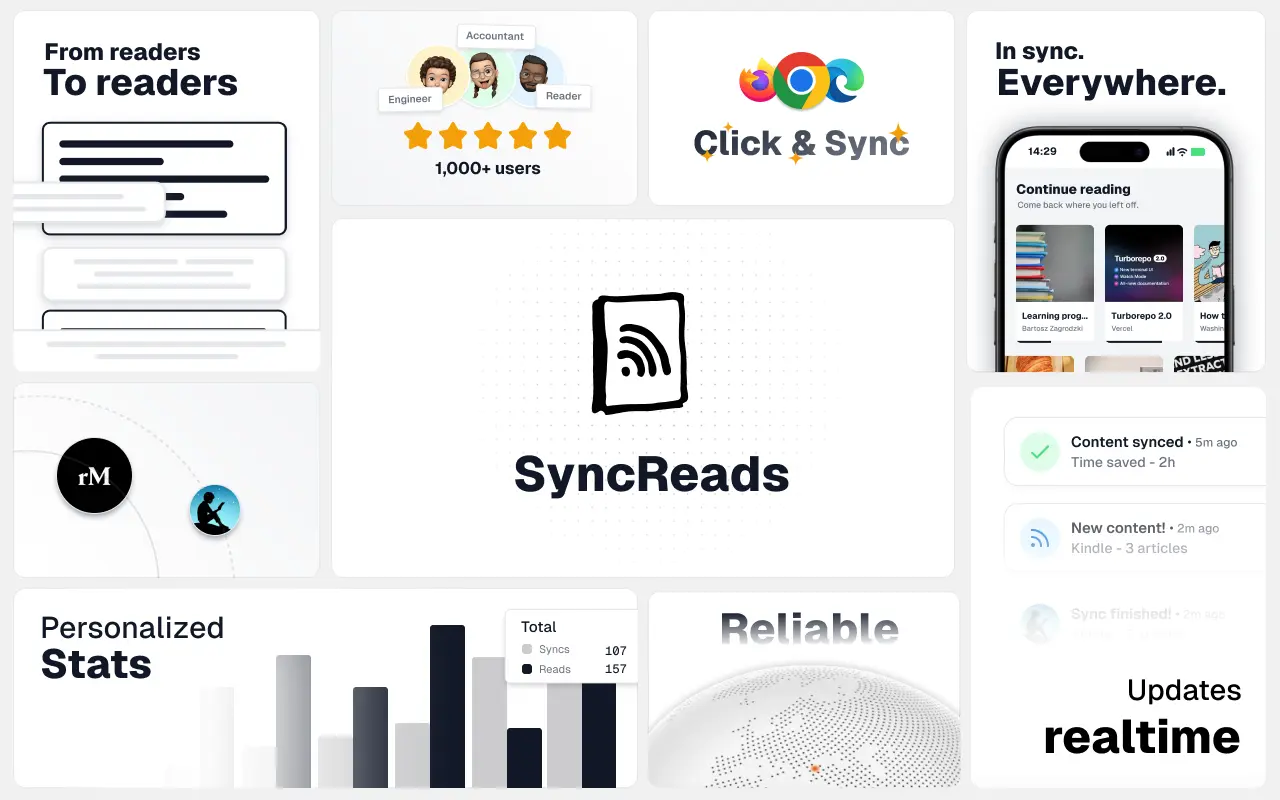
SyncReads
Sync your favorite content for distraction-free reading, save time and replace multiple apps. Anytime, anywhere 🔄
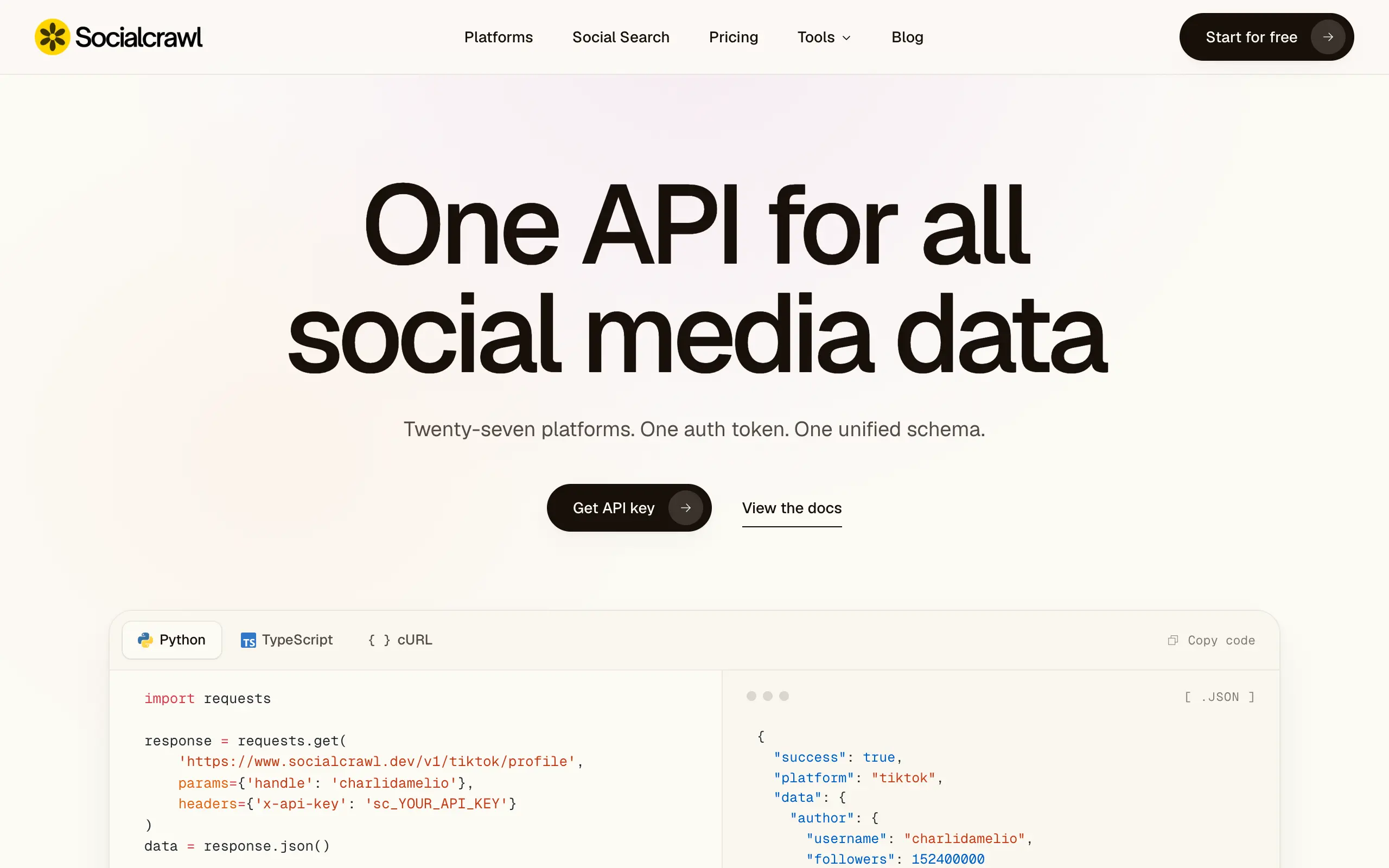
Socialcrawl
Get clean, structured data from 21 platforms like TikTok, Instagram, and YouTube with a single request 📊
Statiko
Monitor any Telegram channel in real time - track posts, edits, deletions, and growth with AI recaps 📡
Shibui
AI website builder - describe your business, pick a niche template, edit by chatting, and publish instantly ✨
Pro Service
Find verified home service professionals, compare quotes, and pay securely through escrow - built for Brazilians across the US 🏠
RankGrow
Fix your SEO with AI agents - connect Search Console, get prioritized tasks, and grow organic traffic 📈
SyncReads
Sync your favorite content for distraction-free reading, save time and replace multiple apps. Anytime, anywhere 🔄
Socialcrawl
Get clean, structured data from 21 platforms like TikTok, Instagram, and YouTube with a single request 📊
Statiko
Monitor any Telegram channel in real time - track posts, edits, deletions, and growth with AI recaps 📡
Shibui
AI website builder - describe your business, pick a niche template, edit by chatting, and publish instantly ✨
Pro Service
Find verified home service professionals, compare quotes, and pay securely through escrow - built for Brazilians across the US 🏠
RankGrow
Fix your SEO with AI agents - connect Search Console, get prioritized tasks, and grow organic traffic 📈
SyncReads
Sync your favorite content for distraction-free reading, save time and replace multiple apps. Anytime, anywhere 🔄
Socialcrawl
Get clean, structured data from 21 platforms like TikTok, Instagram, and YouTube with a single request 📊
Statiko
Monitor any Telegram channel in real time - track posts, edits, deletions, and growth with AI recaps 📡
Shibui
AI website builder - describe your business, pick a niche template, edit by chatting, and publish instantly ✨
Pro Service
Find verified home service professionals, compare quotes, and pay securely through escrow - built for Brazilians across the US 🏠
RankGrow
Fix your SEO with AI agents - connect Search Console, get prioritized tasks, and grow organic traffic 📈
SyncReads
Sync your favorite content for distraction-free reading, save time and replace multiple apps. Anytime, anywhere 🔄
Socialcrawl
Get clean, structured data from 21 platforms like TikTok, Instagram, and YouTube with a single request 📊
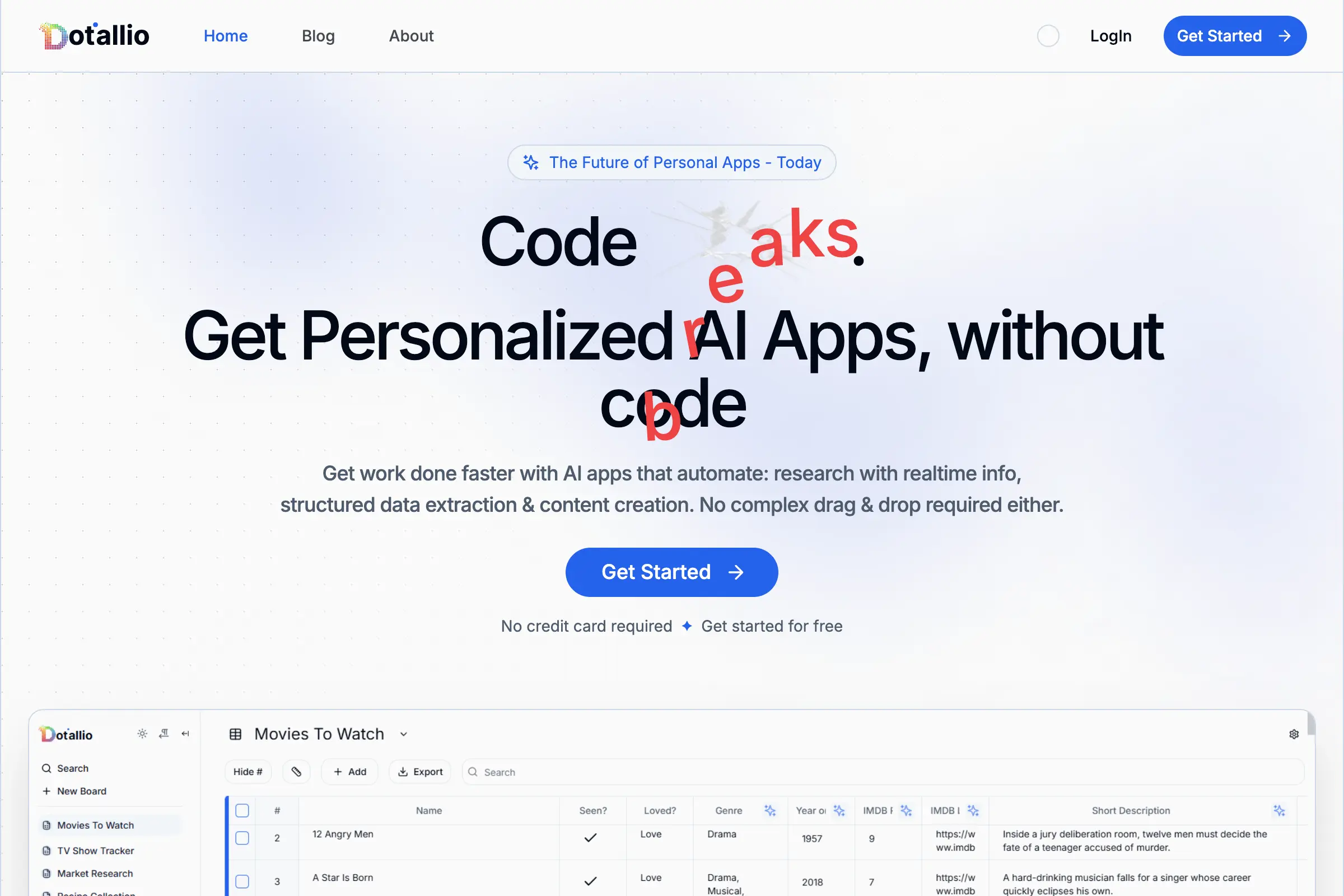
Dotallio
Personalized AI apps that automate research, data extraction, and content creation without code 🤖

Talk to Santa
Enjoy a magical live video chat or receive a unique AI-generated video greeting from Santa Claus 🎅

pozywka.pl
Scalable blog for food journalist, focused on performance and user experience 🌭
zagrodzki.me
Personal blog and portfolio of Bart Zagrodzki, where he shares his knowledge and work 💼
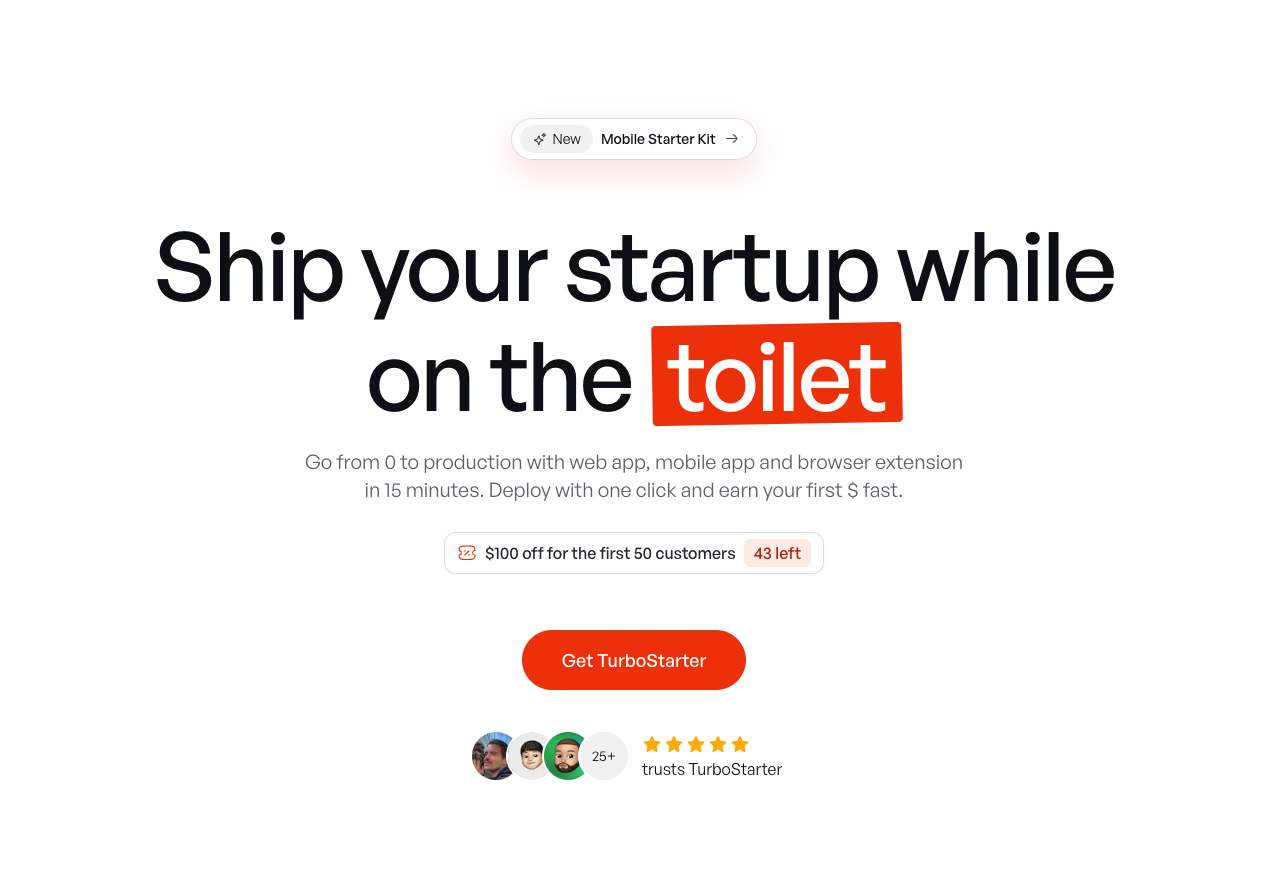
TurboStarter
Ship your startup everywhere. In minutes.
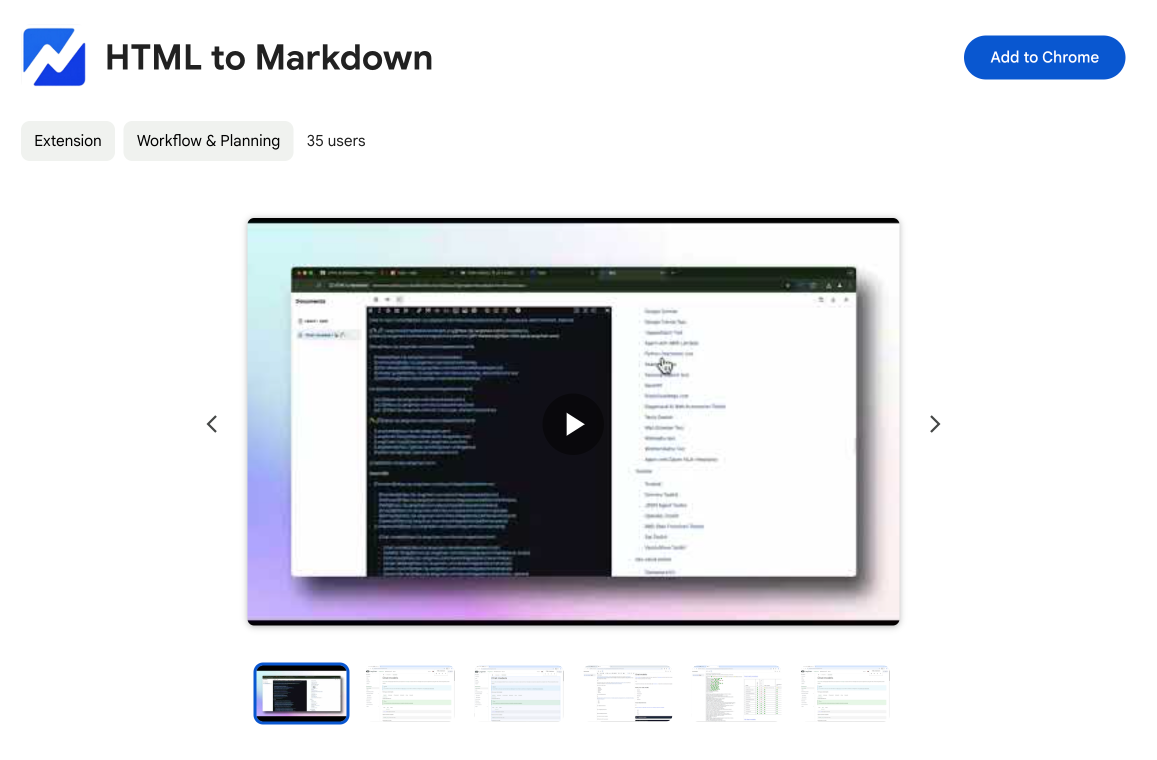
HTML to Markdown
Convert HTML to Markdown with ease, directly in your browser 📄
Dotallio
Personalized AI apps that automate research, data extraction, and content creation without code 🤖
Talk to Santa
Enjoy a magical live video chat or receive a unique AI-generated video greeting from Santa Claus 🎅
pozywka.pl
Scalable blog for food journalist, focused on performance and user experience 🌭
zagrodzki.me
Personal blog and portfolio of Bart Zagrodzki, where he shares his knowledge and work 💼
TurboStarter
Ship your startup everywhere. In minutes.
HTML to Markdown
Convert HTML to Markdown with ease, directly in your browser 📄
Dotallio
Personalized AI apps that automate research, data extraction, and content creation without code 🤖
Talk to Santa
Enjoy a magical live video chat or receive a unique AI-generated video greeting from Santa Claus 🎅
pozywka.pl
Scalable blog for food journalist, focused on performance and user experience 🌭
zagrodzki.me
Personal blog and portfolio of Bart Zagrodzki, where he shares his knowledge and work 💼
TurboStarter
Ship your startup everywhere. In minutes.
HTML to Markdown
Convert HTML to Markdown with ease, directly in your browser 📄
Dotallio
Personalized AI apps that automate research, data extraction, and content creation without code 🤖
Talk to Santa
Enjoy a magical live video chat or receive a unique AI-generated video greeting from Santa Claus 🎅
pozywka.pl
Scalable blog for food journalist, focused on performance and user experience 🌭
zagrodzki.me
Personal blog and portfolio of Bart Zagrodzki, where he shares his knowledge and work 💼
TurboStarter
Ship your startup everywhere. In minutes.
HTML to Markdown
Convert HTML to Markdown with ease, directly in your browser 📄
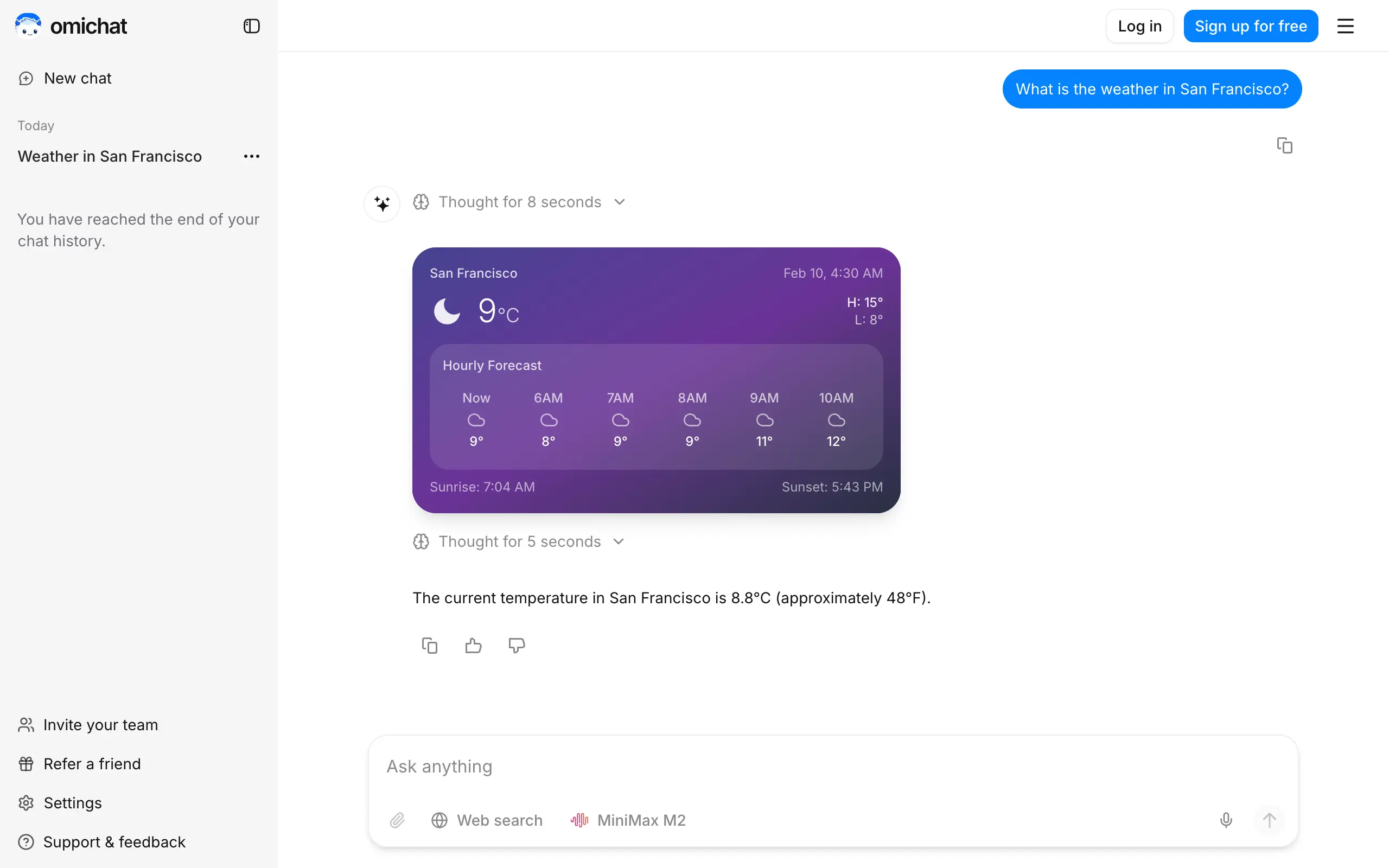
Omichat
Chat with 50+ AI models, including ChatGPT and Claude, in one place - switch models anytime without losing context 🤖
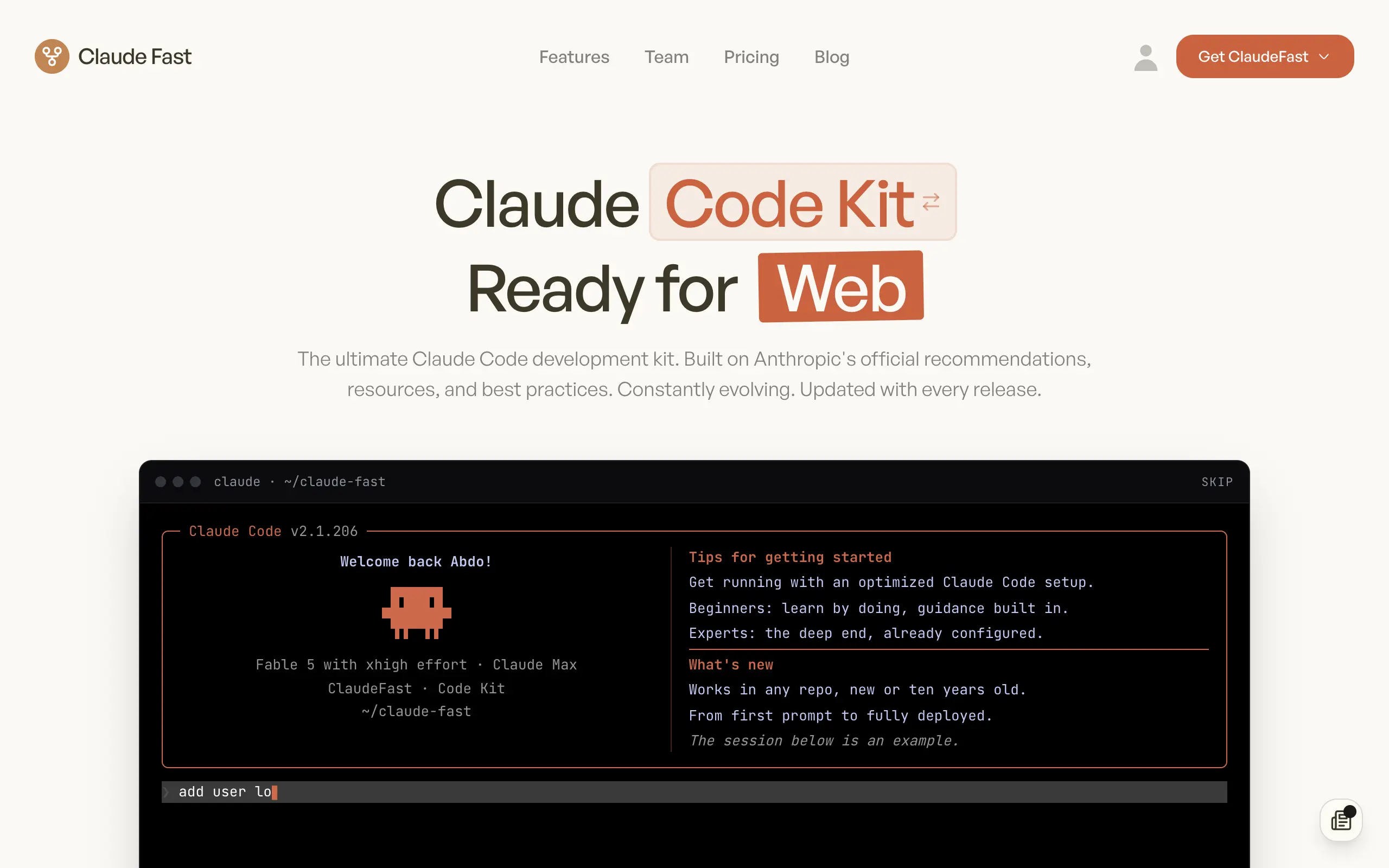
Claude Fast
Supercharge your Claude Code with 6x effective context window and specialized AI agents 🤖
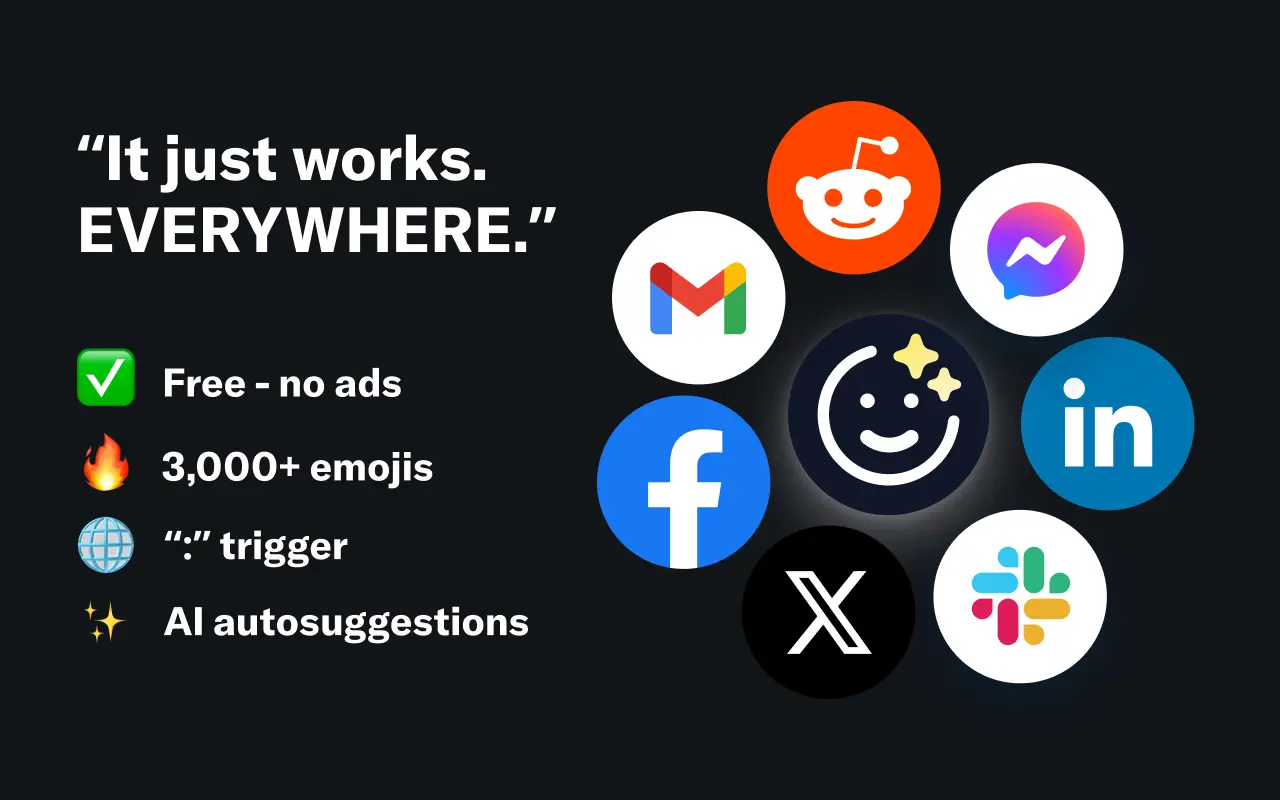
EmojAI
AI-powered emoji picker with smart, context-aware suggestions 🤖
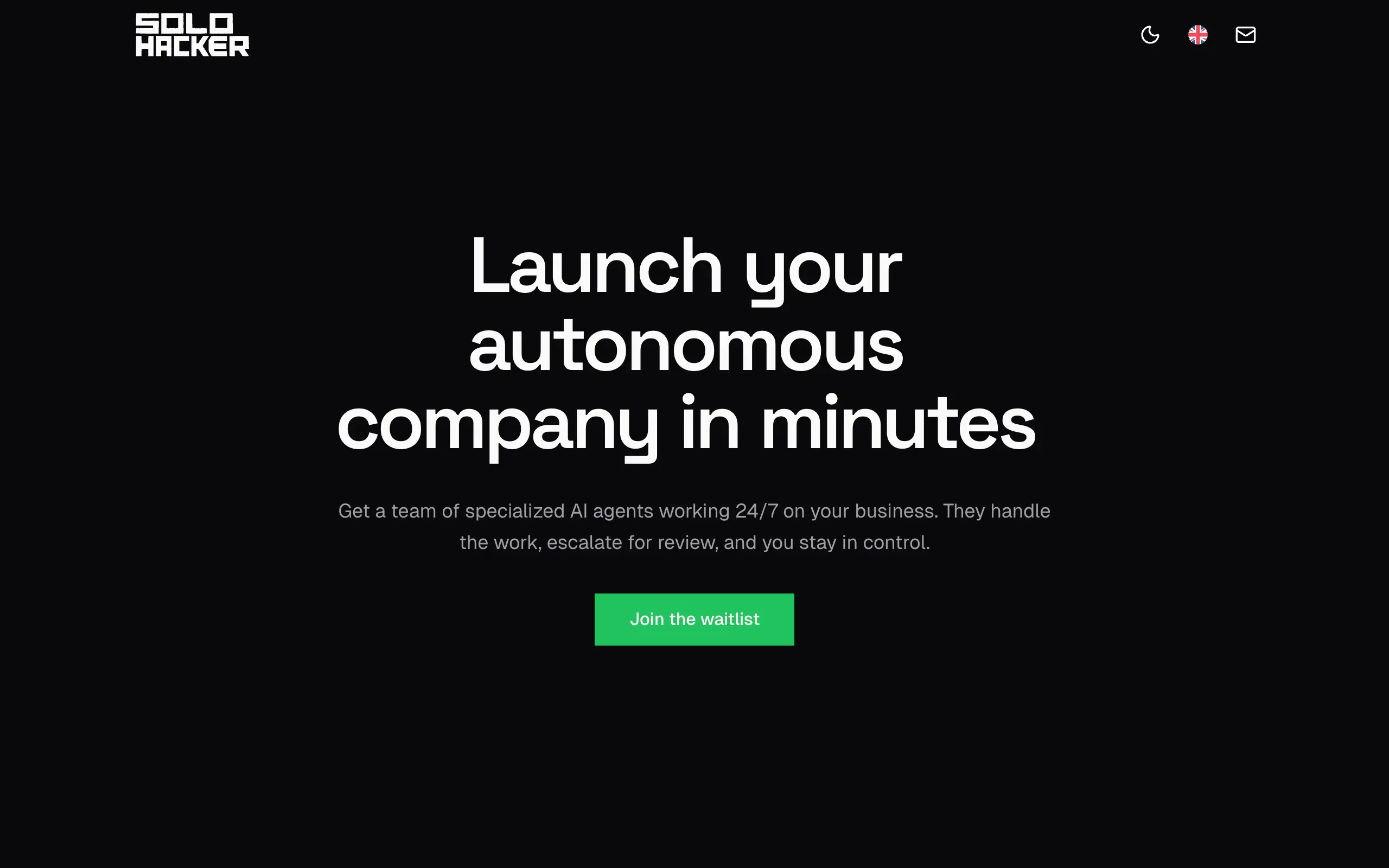
Solohacker
Autonomous company launcher - AI agents work 24/7, escalate what matters, and you stay in control 🤖
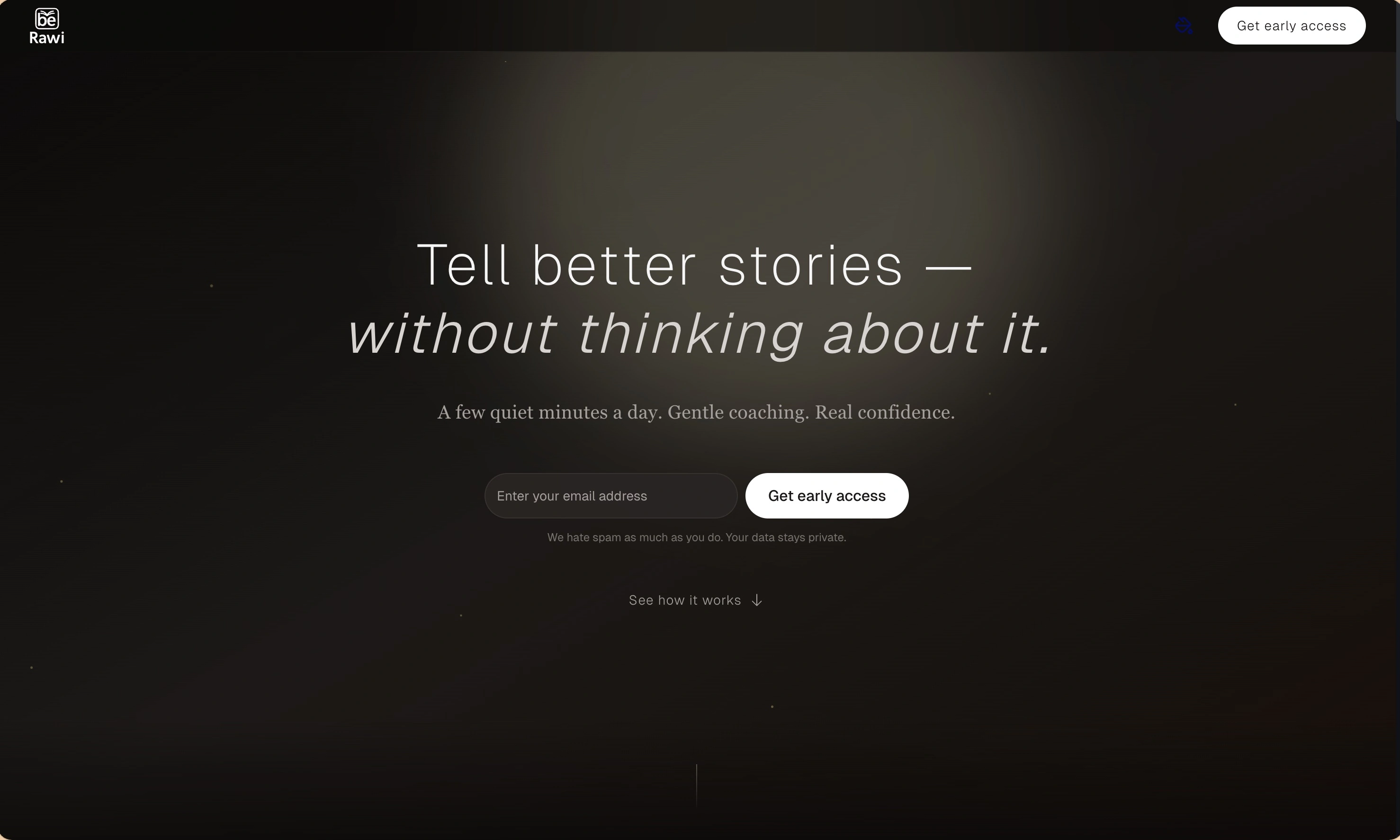
BeRawi: Storytelling Coach
Practice storytelling daily with instant feedback to sound clearer, more engaging, and confident 🎤
Omichat
Chat with 50+ AI models, including ChatGPT and Claude, in one place - switch models anytime without losing context 🤖
Claude Fast
Supercharge your Claude Code with 6x effective context window and specialized AI agents 🤖
EmojAI
AI-powered emoji picker with smart, context-aware suggestions 🤖
Solohacker
Autonomous company launcher - AI agents work 24/7, escalate what matters, and you stay in control 🤖
BeRawi: Storytelling Coach
Practice storytelling daily with instant feedback to sound clearer, more engaging, and confident 🎤
Omichat
Chat with 50+ AI models, including ChatGPT and Claude, in one place - switch models anytime without losing context 🤖
Claude Fast
Supercharge your Claude Code with 6x effective context window and specialized AI agents 🤖
EmojAI
AI-powered emoji picker with smart, context-aware suggestions 🤖
Solohacker
Autonomous company launcher - AI agents work 24/7, escalate what matters, and you stay in control 🤖
BeRawi: Storytelling Coach
Practice storytelling daily with instant feedback to sound clearer, more engaging, and confident 🎤
Omichat
Chat with 50+ AI models, including ChatGPT and Claude, in one place - switch models anytime without losing context 🤖
Claude Fast
Supercharge your Claude Code with 6x effective context window and specialized AI agents 🤖
EmojAI
AI-powered emoji picker with smart, context-aware suggestions 🤖
Solohacker
Autonomous company launcher - AI agents work 24/7, escalate what matters, and you stay in control 🤖
BeRawi: Storytelling Coach
Practice storytelling daily with instant feedback to sound clearer, more engaging, and confident 🎤

Connect with like-minded people
Join our community to get feedback, support, and grow together with 1,000+ builders on board, let's ship it!
Join usShip your startup everywhere. In minutes.
Don't burn tokens on setup and start building features on day one.