CampusRoam
A student travel planner that matches friends by budget and interests, builds weekend itineraries, and splits trip costs effortlessly.
Why a student travel planner app has strong market potential
Student travel is one of the most active yet underserved travel segments. College students regularly plan weekend getaways, semester-break trips, college fest visits, treks, beach escapes, and group city breaks. They want memorable experiences, but they also operate under tight budgets, limited planning time, uneven group availability, and complicated shared expenses.
CampusRoam is positioned as a student travel planner app built specifically for that reality. Rather than acting as another generic booking platform, it helps students find compatible travel companions, create affordable weekend itineraries, coordinate group decisions, and split costs without the awkwardness of manual calculations.
For the Indian market, this creates a particularly relevant opportunity. Students often travel in groups from campuses to nearby destinations, using a mix of trains, buses, budget stays, ride sharing, and local experiences. Their planning process is frequently fragmented across WhatsApp groups, Instagram saves, Google Sheets, payment apps, and informal expense trackers.
CampusRoam can consolidate that workflow into a mobile-first experience designed around how students actually plan trips.
The core opportunity
CampusRoam should not try to become a full-scale online travel agency on day one. Its strongest initial position is a collaborative student trip planning and group expense coordination platform that makes weekend travel easier, safer, and more affordable.
The primary keyword for this concept is student travel planner app. Closely related search terms and semantic keywords include:
- Student trip planner
- Group travel planning app
- College trip planner
- Budget travel app for students
- Travel buddy matching app
- Weekend getaway planner
- Trip expense splitter
- Student group travel
- Shared travel itinerary app
- Travel cost splitting app
- Campus travel community
The user intent behind searches in this category is usually practical. Students want to know how to find travel companions, organize a group trip, stay within budget, create an itinerary, split expenses fairly, and avoid coordination problems. CampusRoam should answer those needs directly through its product experience and its content strategy.
The student travel problem CampusRoam solves
Planning a trip with friends sounds simple until someone has to decide the destination, calculate the budget, gather preferences, book transport, divide responsibilities, and collect money. For students, these issues become more pronounced because every participant may have different spending limits, interests, schedules, and comfort levels.
A typical college trip can involve several disconnected tools:
- WhatsApp for group conversation and polls
- Instagram for destination inspiration
- Google Maps for location research
- Google Sheets for budgets
- Travel booking apps for transportation and accommodation
- UPI apps for reimbursements
- Notes apps for itineraries and packing lists
This fragmented process creates decision fatigue. It also causes avoidable tension when one person becomes the unpaid organizer, members forget payments, or the group cannot agree on an itinerary.
CampusRoam can solve this with one connected workflow.
Find compatible travel friends
Match students based on budget range, travel style, location, availability, interests, and verification status.
Plan better group itineraries
Turn destination ideas into practical day-by-day weekend plans with time, travel, activity, and cost context.
Control group travel costs
Track every shared expense, settle balances, and reduce the friction of asking friends for money.
The product’s value is not simply that it offers planning features. Its value is that it turns unstructured group travel into a repeatable, trusted, student-friendly process.
Target audience for a student travel planner app
CampusRoam should avoid treating all travelers as one audience. The product will be stronger when it focuses on specific high-intent student segments first.
College students planning weekend trips
This is the most obvious early audience. These students often live in or near urban educational hubs and want accessible short trips. They may be searching for nearby hill stations, beaches, historic cities, hiking routes, food destinations, or cultural events.
Their common needs include:
- Low per-person trip costs
- Plans that fit Friday evening through Sunday night
- Budget-friendly stays and transportation
- Quick consensus among friends
- Reliable trip cost splitting
- Curated destination ideas near campus
A student in Bengaluru may want a low-cost Coorg, Chikmagalur, Hampi, Pondicherry, or Gokarna itinerary. A student in Delhi may look for Rishikesh, Jaipur, Kasol, Mussoorie, or Agra. CampusRoam can use campus-aware destination recommendations to create immediate relevance.
Student society leaders and trip organizers
College clubs, cultural societies, student councils, sports teams, and hostel groups often organize group travel. These organizers face a more operational version of the same problem.
They need a way to manage:
- Participant interest and confirmations
- Group travel preferences
- Payment deadlines
- Room and seat allocations
- Expense accountability
- Important trip announcements
- Emergency contact information
This segment may become an important business customer later through organizer tools or campus partnerships. Initially, however, it can become a powerful distribution channel because one organizer can invite dozens of students.
Solo students seeking travel companions
Not every student has a ready-made group. Many want to explore nearby destinations but lack companions with similar budgets or schedules. Generic social platforms do not provide enough travel-specific filtering or trust safeguards.
CampusRoam can help these users discover compatible companions by considering:
- Campus or verified student identity
- Preferred departure city
- Destination interests
- Trip duration
- Budget range
- Transport preferences
- Travel pace
- Group size preference
- Language preferences where useful
- Safety and profile verification signals
This is a high-value feature, but it must be launched responsibly. Trust, moderation, reporting, and consent should be product fundamentals rather than late-stage additions.
Budget-conscious student travelers
Budget is often the central decision filter. Students may be willing to compromise on luxury but not on transparency. They need an honest picture of what a trip will cost before committing.
CampusRoam should help them answer questions such as:
- Can I complete this trip under ₹3,000?
- What is the realistic per-person cost?
- Is bus travel cheaper than a train for this route?
- How much should I budget for food and local transport?
- Will splitting accommodation reduce the cost?
- Which activities are optional rather than essential?
The product should make budget visibility a core part of trip discovery rather than hiding it behind an itinerary.
Market gap in student group travel planning
The travel technology market has no shortage of booking websites, map products, content platforms, and expense-sharing tools. The gap exists between them.
Most booking platforms optimize for transactions. They help users reserve hotels, trains, buses, flights, or activities. Most expense apps optimize for generic shared spending. Social platforms optimize for content and conversation. None of these categories fully solves the student group travel journey from “Who wants to go?” to “Has everyone settled their share?”
CampusRoam can occupy this gap by combining three related jobs:
- Travel discovery and compatibility matching
- Collaborative itinerary creation
- Group expense management and settlement
| Travel need | Generic booking app | Chat group | Expense tracker | CampusRoam opportunity |
|---|---|---|---|---|
| Find travel companions | Limited | Only existing contacts | No | Interest and budget matching |
| Build a group itinerary | Booking-focused | Unstructured | No | Collaborative trip workspace |
| Stay within budget | Partial pricing | Manual calculations | After-the-fact tracking | Budget planning plus live costs |
| Split travel expenses | No | Manual reminders | Yes | Trip-aware settlements |
| Build student trust | Not campus-specific | Variable | Not applicable | Verification and safety controls |
The differentiator is the campus context. A student traveling from a specific city, with a constrained budget and a short weekend, needs recommendations different from a working professional planning a luxury holiday. CampusRoam can understand that context at every stage.
CampusRoam’s unique selling proposition
CampusRoam’s core USP is simple:
It is a student-first travel planning app that helps compatible college travelers turn a shared weekend idea into an affordable, organized, and fairly settled trip.
That positioning is more defensible than “an app for travel.” The travel category is broad and expensive to compete in. A focused student group travel platform has a clearer message, stronger network effects, and more targeted acquisition channels.
The USP should rest on four pillars.
Budget-first trip matching
Many travel apps ask where users want to go. CampusRoam should also ask what they can comfortably spend.
A user could set a trip budget of ₹2,500 to ₹5,000, select a date range, choose interests such as trekking or cafés, and get matched with both relevant itineraries and potential travel companions. This makes budget a planning input, not an unpleasant surprise.
Campus-based social trust
A verified college identity can make the platform feel materially safer than anonymous travel buddy communities. Verification might use an institutional email where available, student ID review, campus ambassador validation, or another privacy-conscious verification method.
The product should never imply that verification guarantees safety. Instead, it should communicate clearly that verification is one signal within a broader safety system.
Collaborative trip planning
A CampusRoam itinerary should be a shared space rather than a static list. Group members can vote on activities, comment on options, assign booking responsibilities, set payment deadlines, and see the impact of each decision on the total budget.
Built-in trip expense splitting
Expense splitting is a natural retention feature because it is used before, during, and after a trip. A good system can capture unequal payments, partial participation, category budgets, and settlement recommendations.
For example, if one person pays ₹2,400 for a stay shared by four people and another pays ₹800 for local transport shared by three people, CampusRoam should calculate balances accurately without forcing the group into a spreadsheet.
Core features for CampusRoam
The best MVP for a student travel planner app should focus on a small number of high-frequency workflows. Avoid building every travel feature at once.
Student onboarding and travel profile
The onboarding flow should capture enough context to make recommendations useful without feeling intrusive.
Useful profile fields include:
- College or university
- Campus city or current location
- Home city if relevant for holiday travel
- Typical trip budget
- Preferred trip duration
- Travel interests
- Preferred transport modes
- Food preferences
- Languages
- Travel style such as relaxed, packed, adventure, nightlife, or culture
- Preferred group size
- Availability for upcoming weekends
Users should be able to edit or hide sensitive fields. Privacy controls are especially important when a product includes travel companion matching.
Trip discovery and weekend getaway ideas
The discovery feed should give students concrete, bookable-feeling ideas rather than generic destination inspiration.
Each trip card can show:
- Destination name
- Typical duration
- Estimated per-person budget
- Departure city or nearby campuses
- Best transport options
- Interest tags
- Difficulty or activity level
- Ideal group size
- Popularity among nearby students
- Suggested itinerary snapshot
An itinerary for a weekend trip should acknowledge realistic travel times. A “two-day getaway” that requires ten hours of transit each way is often not a good fit for students with Monday morning classes.
Travel companion matching
Matching should be designed around consent and intent. Students should not be unexpectedly exposed to strangers or automatically added to a trip.
A safer flow might work like this:
Matching logic can start with transparent rules before moving to machine learning. Early on, explain why a match appears, such as similar dates, overlapping budget, same city, and shared interest in trekking.
Collaborative itinerary builder
The itinerary builder should be one of the strongest reasons to use CampusRoam instead of a chat group.
Key capabilities can include:
- Day-by-day schedule creation
- Drag-and-drop activity ordering
- Travel-time blocks between locations
- Estimated activity and transport costs
- Group voting on itinerary options
- Reservation reminders
- Task assignment
- Packing and preparation checklists
- Map links for destinations and meeting points
- Shareable trip overview
The interface should optimize for mobile use. Most students will plan while commuting, between lectures, or inside existing group chats.
Shared travel budget and expense splitting
Expense splitting should support real travel behavior rather than only equal divisions.
Important capabilities include:
- Equal expense splits
- Unequal custom splits
- Expense categories
- Expenses paid by one person for several people
- Excluding members from selected expenses
- Settlement suggestions
- Payment status tracking
- Exportable trip expense summary
- Personal spend versus group spend
- Budget alerts when the group exceeds its plan
A particularly useful feature is a budget variance view. It can show whether a trip is on track, over budget, or under budget by category such as transport, stay, food, activities, and emergency buffer.
Safety, reporting, and trust tools
Travel companion matching requires serious safety design. This is not an optional feature set.
CampusRoam should include:
- Student verification indicators
- Profile reporting
- User blocking
- Clear community standards
- In-app emergency guidance
- Shareable trip details with trusted contacts
- Restricted visibility settings
- Organizer approval for joining group trips
- Moderation workflows for complaints
- Consent-based location sharing only during an active trip
Do not overpromise safety
Avoid claims such as “safe travel guaranteed.” No app can guarantee that outcome. Use clear language about verification, reporting, moderation, privacy controls, and the practical steps users should take before meeting unfamiliar people.
Recommended mobile app tech stack
CampusRoam should be built as a mobile-first SaaS product, but the product team will also need an administrative console and a lightweight marketing website. The ideal stack depends on team skills, budget, speed requirements, and future scale.
Recommended MVP architecture
For a fast, maintainable first version, consider:
- React Native with Expo for iOS and Android development
- TypeScript for safer application code
- Supabase for authentication, PostgreSQL, storage, and real-time features
- PostgreSQL as the relational database
- Next.js for the web dashboard, landing pages, and internal admin tools
- Tailwind CSS for fast and consistent web interface development
- Stripe for global payment infrastructure where relevant
- A regional payment provider that supports UPI for the Indian market after due diligence
- Sentry for error monitoring and production issue tracking
- PostHog for product analytics and event-based funnel analysis
Supabase is especially suitable for an MVP because CampusRoam needs relational data. Users, campuses, trips, trip members, itinerary items, expenses, expense splits, reports, and verification states all benefit from a structured relational model.
Trade-offs between React Native and Flutter
Flutter is also a credible choice for CampusRoam. It can provide highly consistent interfaces across iOS and Android and may be preferred by teams already experienced with Dart.
The trade-off is team familiarity and ecosystem fit.
- React Native is often attractive for teams that already work in React and TypeScript.
- Flutter offers a strong cross-platform rendering model and polished UI control.
- Native iOS and Android development offers maximum platform control but increases cost and delivery time for an early-stage team.
For a validation-focused MVP, React Native with Expo is usually a pragmatic path. It allows a small product team to ship quickly while retaining a route to deeper native integrations later.
Data model considerations
The data model should be designed around privacy and group relationships. At a minimum, consider entities for:
type Trip = {
  id: string;
  title: string;
  destination: string;
  startDate: string;
  endDate: string;
  estimatedBudgetPerPerson: number;
  organizerId: string;
  visibility: "private" | "campus" | "public";
  status: "planning" | "confirmed" | "completed" | "cancelled";
};

type Expense = {
  id: string;
  tripId: string;
  paidByUserId: string;
  amount: number;
  category: "transport" | "stay" | "food" | "activity" | "other";
  splitMethod: "equal" | "custom" | "percentage";
  createdAt: string;
};
The production implementation should add currency handling, audit timestamps, payment references, member-level split records, expense edits, deletion policies, and permission checks.
Security and privacy requirements
Student identity and travel plans are sensitive data. Treat security as part of the product specification.
The team should implement:
- Row-level access controls for private trips
- Encryption in transit and at rest through trusted infrastructure providers
- Minimal collection of personally identifiable information
- Explicit consent for location-related functionality
- Strict access policies for internal support staff
- Audit logs for sensitive admin actions
- Data retention and deletion workflows
- Age eligibility requirements and appropriate safeguards
- A clear privacy policy and community guidelines before launch
For legal and compliance decisions, work with qualified counsel familiar with applicable Indian privacy and consumer protection requirements. Product teams should not assume that a generic privacy policy is enough for identity verification and location-related features.
Monetization strategies for CampusRoam
The strongest monetization model should align with student willingness to pay. A large monthly subscription may create friction, especially before the product proves recurring value.
A blended approach is more realistic.
Freemium trip planning
The core planning workflow should remain free. This drives adoption and supports network effects.
Free users might receive:
- A limited number of active trips
- Basic itinerary building
- Basic expense splitting
- Essential companion matching
- Standard destination discovery
A premium tier could offer:
- Advanced budget forecasting
- Premium itinerary templates
- Expense exports
- Priority support
- Enhanced trip organization tools
- Advanced matching filters
- Group polls and collaboration tools beyond free limits
- Trip memory exports or shared travel journals
A low-cost per-trip purchase may convert better than a recurring subscription. Students may be more willing to pay a small amount for a trip-specific toolkit than commit to monthly billing.
Affiliate commissions and travel partnerships
As the platform develops trust and demand, CampusRoam can earn commissions through relevant travel partnerships.
Potential categories include:
- Budget accommodation
- Bus and train booking partners
- Hostels
- Adventure activity providers
- Local guided experiences
- Travel insurance
- Student-focused luggage or outdoor gear brands
Be careful with this model. Recommendations must remain useful even when no affiliate partnership exists. If paid placement affects ranking, label it clearly. Trust is more valuable than short-term booking revenue.
Campus organization tools
CampusRoam can later offer paid organizer features for clubs, student societies, and college event teams.
Possible features include:
- Participant registration pages
- Payment deadline management
- Bulk messaging
- Room assignment tools
- Permission document checklists
- Attendance lists
- Branded trip pages
- Organizer analytics
This can create a B2B or B2B2C revenue stream without forcing individual students into subscriptions.
Sponsored destination campaigns
Tourism boards, hostels, cafés, travel operators, and local activity businesses may want access to student travelers. Sponsored campaigns can work if they are tightly targeted and transparently labeled.
The product should avoid intrusive ads. A student planning a ₹4,000 weekend trip does not need irrelevant luxury resort promotions. Contextual relevance is essential.
Competitive advantage and defensibility
CampusRoam will compete indirectly with major booking platforms, social apps, maps, group chats, and expense splitters. It does not need to beat each category at its own game. Instead, it should own the workflow between them.
Its durable advantages can come from the following areas.
Campus network effects
As more students from a campus join, the platform becomes more useful. There are more potential travel companions, more local trip templates, more verified organizers, and more destination knowledge.
A new student may join because their friends are already planning a trip there. That is a stronger growth loop than paid advertising alone.
Proprietary student travel data
Over time, CampusRoam can learn which destinations work for specific campuses, budgets, seasons, transport options, and group types. It may identify patterns such as which weekend itineraries are most saved, where groups consistently exceed budget, or which departure times reduce travel friction.
This data should be used responsibly and aggregated where possible. The goal is to improve recommendations, not to create invasive profiles.
Better group planning behavior
Generic tools make users do the work of connecting decisions. CampusRoam can model the relationships between budget, itinerary, people, and payments.
If a group adds an expensive activity, the app can show the likely budget impact. If a member leaves the trip, accommodation splits can update. If a train option becomes unavailable, the group can compare alternatives. This integrated logic becomes increasingly difficult for simple chat-based workflows to replace.
Trust through focused safety design
Trust is a product moat when it is built carefully. Campus verification, reputation signals, consent-based matching, organizer controls, responsive moderation, and transparent policies can differentiate CampusRoam from anonymous travel communities.
Risks and mitigation strategies
Every marketplace-like travel product has operational and trust risks. Identifying them early improves the chance of sustainable growth.
Travel companion matching only works when enough relevant users are active in the same geography and time window. Launch campus by campus rather than nationwide. Build density in a small number of cities, seed trip templates, recruit campus ambassadors, and partner with student communities.
Users may encounter unwanted contact, misleading profiles, or unsafe behavior. Require meaningful reporting and blocking tools, use approval-based group entry, verify identity where feasible, create escalation workflows, and educate users on safe group travel practices.
Groups may disagree about who owes what or whether an expense was valid. Maintain clear audit trails, show split logic transparently, require confirmation for material edits where appropriate, and avoid holding user funds until the team has suitable compliance and operational capabilities.
It is tempting to add booking, chat, maps, AI recommendations, social feeds, and payment wallets immediately. Start with the narrowest valuable workflow, measure usage, and only expand after users repeatedly demonstrate demand.
Student travel is often concentrated around weekends, holidays, and semester breaks. Build retention loops around upcoming trip inspiration, saved itineraries, campus communities, trip memories, and repeated expense use rather than relying only on active travel dates.
Go-to-market strategy for CampusRoam in India
A campus-focused SaaS product should not begin with broad paid acquisition. The better initial approach is community-led distribution.
Launch in concentrated student hubs
Pick two to five university clusters where weekend travel options are plentiful and students are digitally active. Strong launch criteria include:
- Dense student populations
- Multiple colleges in a nearby region
- Accessible weekend destinations
- Active cultural and travel societies
- Existing student ambassador ecosystems
- Strong usage of digital payments
Bengaluru, Delhi NCR, Pune, Mumbai, Hyderabad, Chennai, and Chandigarh are examples of markets that may offer strong density, but the final decision should be based on direct student interviews and launch partnerships.
Build a campus ambassador program
Campus ambassadors can do more than promote referral codes. They can validate destination templates, organize first trips, collect user feedback, onboard societies, and identify safety concerns.
A good ambassador program should reward meaningful activation rather than vanity metrics. Consider incentives based on:
- Verified student signups
- First trip creation
- Completed group trip plans
- Active trip participants
- High-quality itinerary contributions
- Community event attendance
Use content as a discovery engine
SEO can attract students searching for affordable trip ideas. CampusRoam’s content should be practical and location-specific.
High-intent content topics include:
- Best weekend trips from Bengaluru for college students
- Budget-friendly trips from Delhi under ₹5,000
- How to split trip expenses with friends
- College trip planning checklist
- How to find safe travel companions as a student
- Two-day itinerary ideas for student groups
- Student travel budget calculator guide
Every article should connect naturally to a useful product action, such as saving an itinerary, creating a group trip, or calculating the expected per-person budget.
For industry data included in investor materials or strategic content, cite primary sources or established reports. Examples may include government tourism publications, university surveys, payment network reports, or reputable travel industry research. Use the publication title, publisher, date, and source URL in the final editorial workflow.
An actionable MVP implementation plan
The objective for the first version is not to create a universal travel super app. It is to prove that students will repeatedly use CampusRoam to form trips, plan them collaboratively, and settle expenses.
Phase one: validate the problem
Interview at least 30 to 50 students across target campuses. Speak with frequent travelers, trip organizers, solo travelers, hostel residents, and students who avoid group trips because of planning stress.
Ask about real past behavior:
- How did they choose the destination?
- Where did conflict occur?
- How was the trip budget created?
- Who paid for what?
- What did they dislike about current tools?
- Would they match with verified students outside their immediate friend group?
- What safety conditions would they require?
Do not rely on hypothetical answers alone. Ask participants to show anonymized examples of planning workflows, old spreadsheets, group chats, and expense records where they are comfortable doing so.
Phase two: design the narrow MVP
The initial product should include:
- Verified account creation
- Travel preference profiles
- Create or join a group trip
- Simple itinerary builder
- Shared trip budget
- Expense entry and settlement calculations
- Basic group matching and join requests
- Reporting, blocking, and privacy controls
- Admin moderation dashboard
Defer complex booking integrations, AI itinerary generation, social content feeds, advanced payment wallets, and broad public discovery until the core workflow is validated.
Phase three: pilot with real groups
Recruit 10 to 20 student groups who are planning actual weekend trips. Watch where they abandon the onboarding flow, which features they ignore, and what they still do outside the app.
Success metrics should include:
- Percentage of signups who create or join a trip
- Time from signup to first meaningful action
- Number of itinerary items added per trip
- Percentage of trips with at least one shared expense
- Expense settlement completion rate
- Number of invitations sent per active user
- Report rate and moderation response time
- Repeat trip creation within 90 days
Phase four: improve retention and trust
After the pilot, prioritize the features that make groups return. For many users, that may be expense splitting. For others, it may be campus-specific trip discovery or better itinerary collaboration.
Use qualitative feedback alongside analytics. A feature with low clicks may still be critical for trust, while a heavily used feature may create risk if it encourages unsafe interactions.
Phase five: scale by campus cluster
Once the pilot demonstrates repeatable activation, expand to nearby campuses. Launch with local trip templates, ambassadors, verified organizers, and partnerships with student communities.
Build slowly enough to preserve trust and moderation quality. In a travel companion marketplace, growth without safeguards can damage the brand faster than it helps it.
Building CampusRoam with a faster SaaS foundation
CampusRoam needs more than a polished mobile interface. It also needs authentication, user roles, secure data access, subscription logic, analytics, admin workflows, support tooling, and a growth-ready web presence.
Starting with a proven SaaS foundation can reduce the time spent rebuilding standard infrastructure and let the team focus on the student travel experience that makes CampusRoam distinct.
TurboStarter can help founders accelerate the SaaS foundation around authentication, payments, application architecture, and product delivery workflows while the CampusRoam team invests its energy in trip matching, collaborative itineraries, safety systems, and expense logic.
Final takeaway
CampusRoam has the potential to become more than a trip planning tool. It can become the trusted operating system for student group travel.
The strongest version of the product will not compete solely on destination recommendations or booking inventory. It will win by understanding the real constraints of college travelers: limited money, limited time, group coordination friction, social uncertainty, and the need for transparent shared expenses.
Start with a focused promise. Help verified students find compatible travel groups, organize a realistic weekend plan, and settle costs without confusion. Build safety and privacy into the experience from the first release. Then use campus density, community-led acquisition, and student-specific travel data to create the network effects that generic travel tools cannot easily replicate.
More 📱 Mobile App SaaS ideas
Discover more innovative mobile app SaaS ideas that are trending in 2026. Each idea is AI-generated with market validation and growth potential to help you find your next profitable venture faster than competitors.
Your competitors are building with TurboStarter
Below are some of the SaaS ideas that have been generated and built with our starter kit.
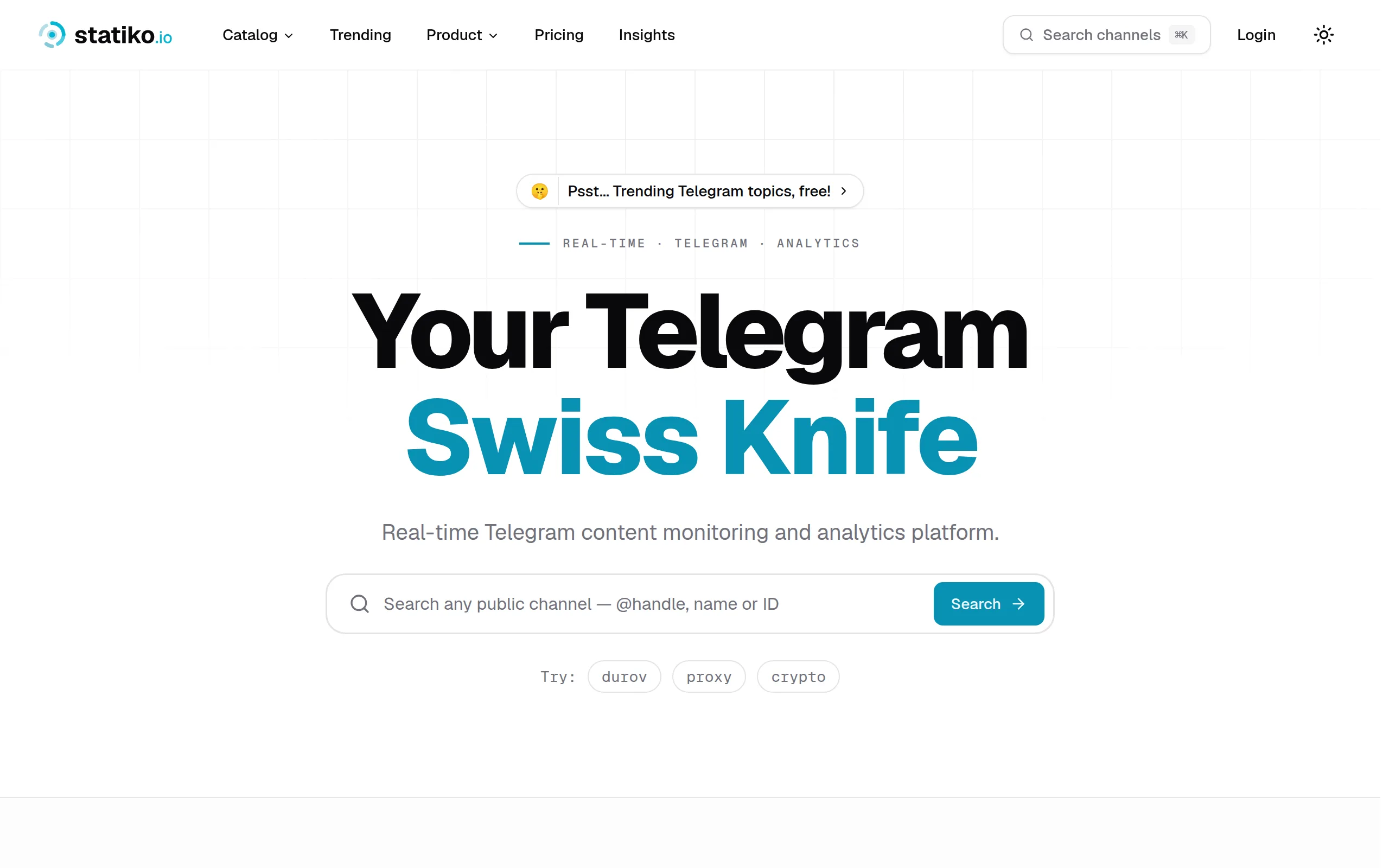
Statiko
Monitor any Telegram channel in real time - track posts, edits, deletions, and growth with AI recaps 📡
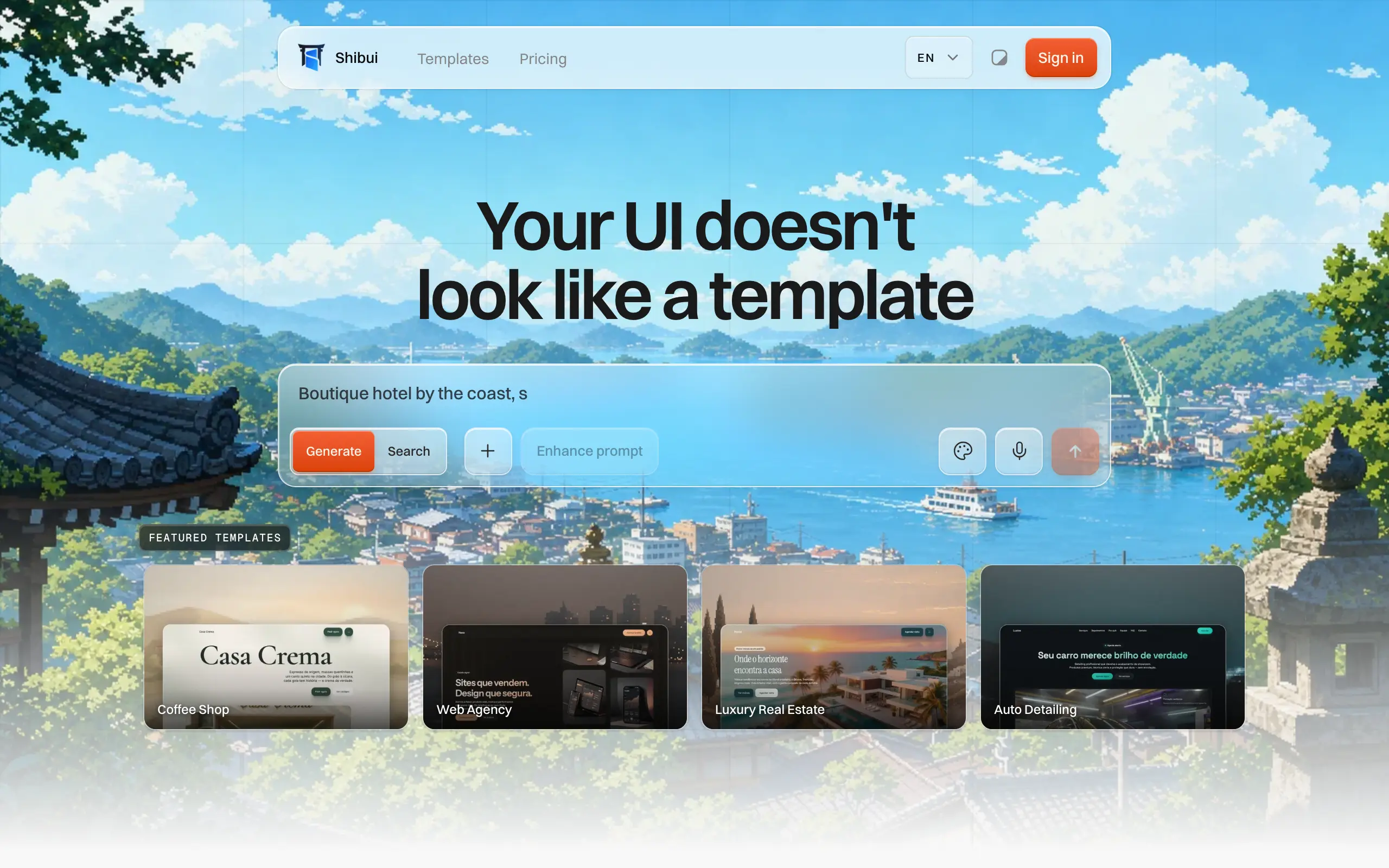
Shibui
AI website builder - describe your business, pick a niche template, edit by chatting, and publish instantly ✨

Pro Service
Find verified home service professionals, compare quotes, and pay securely through escrow - built for Brazilians across the US 🏠
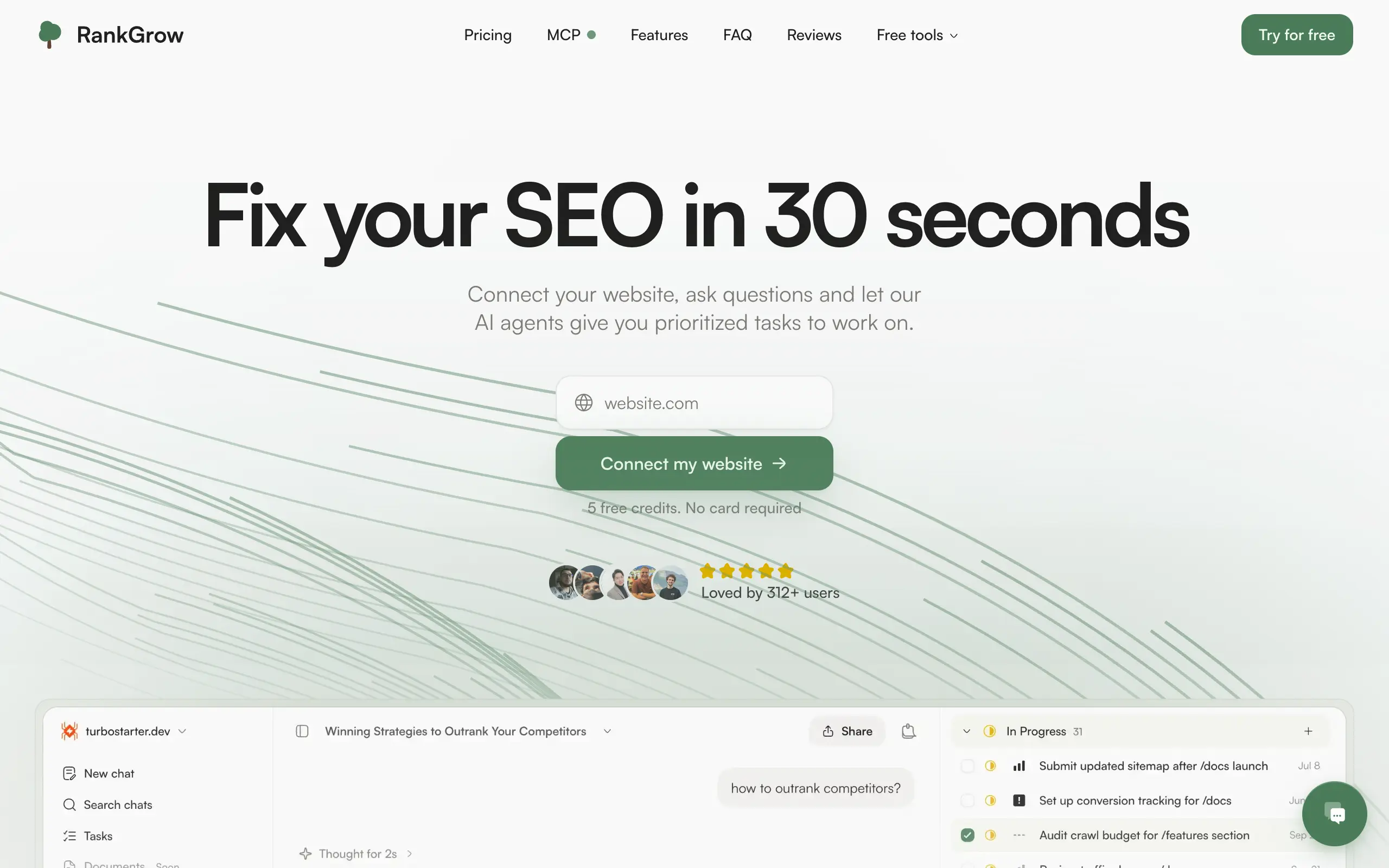
RankGrow
Fix your SEO with AI agents - connect Search Console, get prioritized tasks, and grow organic traffic 📈
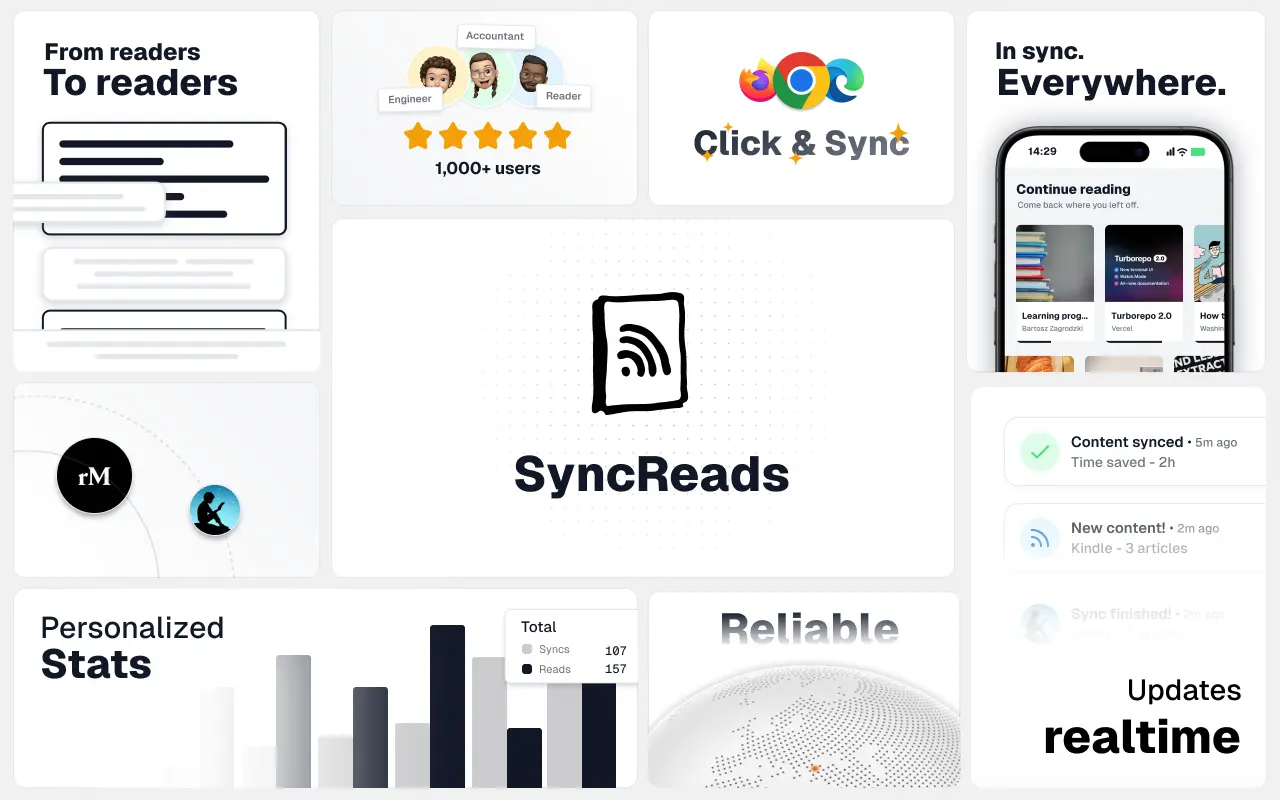
SyncReads
Sync your favorite content for distraction-free reading, save time and replace multiple apps. Anytime, anywhere 🔄
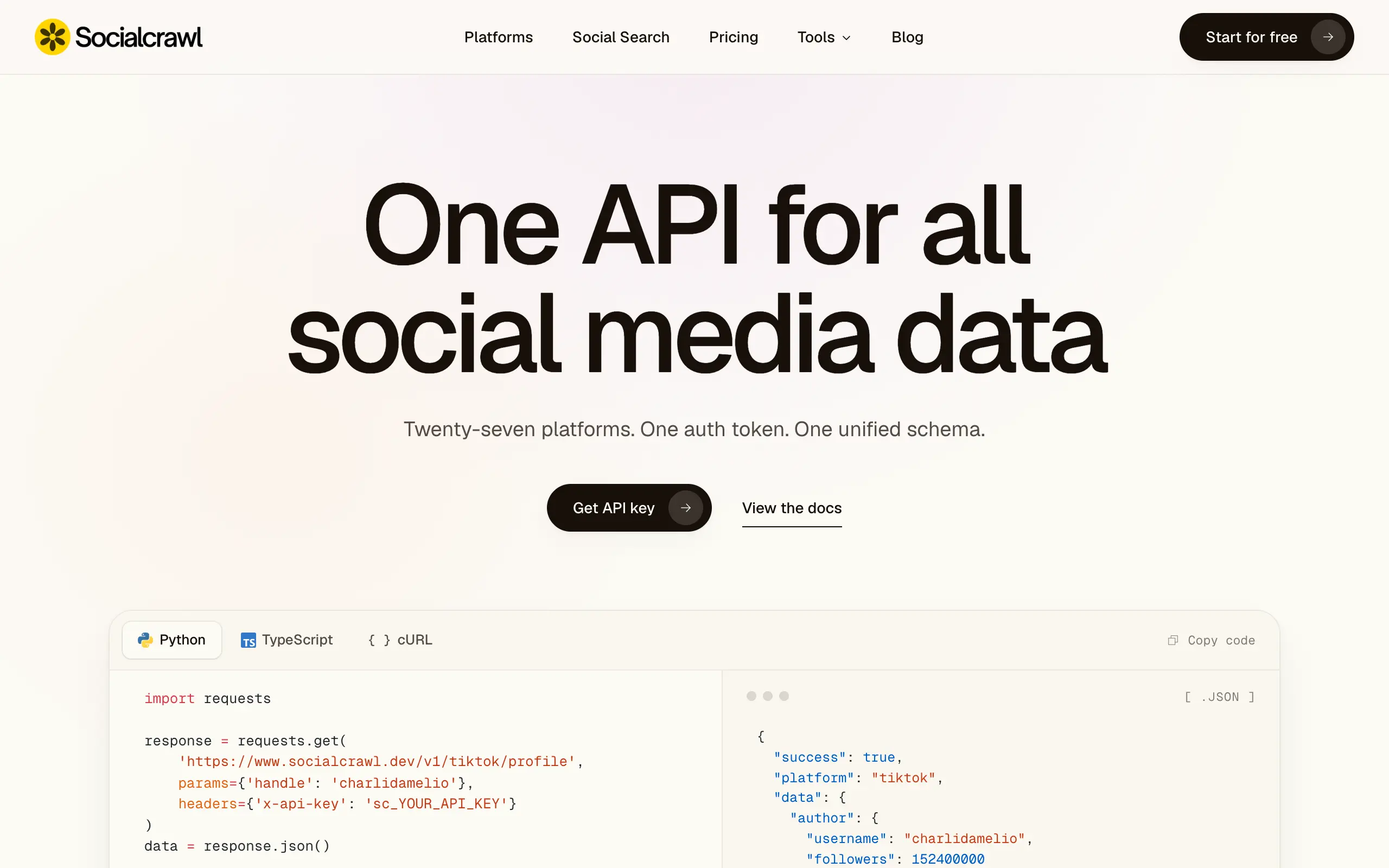
Socialcrawl
Get clean, structured data from 21 platforms like TikTok, Instagram, and YouTube with a single request 📊
Statiko
Monitor any Telegram channel in real time - track posts, edits, deletions, and growth with AI recaps 📡
Shibui
AI website builder - describe your business, pick a niche template, edit by chatting, and publish instantly ✨
Pro Service
Find verified home service professionals, compare quotes, and pay securely through escrow - built for Brazilians across the US 🏠
RankGrow
Fix your SEO with AI agents - connect Search Console, get prioritized tasks, and grow organic traffic 📈
SyncReads
Sync your favorite content for distraction-free reading, save time and replace multiple apps. Anytime, anywhere 🔄
Socialcrawl
Get clean, structured data from 21 platforms like TikTok, Instagram, and YouTube with a single request 📊
Statiko
Monitor any Telegram channel in real time - track posts, edits, deletions, and growth with AI recaps 📡
Shibui
AI website builder - describe your business, pick a niche template, edit by chatting, and publish instantly ✨
Pro Service
Find verified home service professionals, compare quotes, and pay securely through escrow - built for Brazilians across the US 🏠
RankGrow
Fix your SEO with AI agents - connect Search Console, get prioritized tasks, and grow organic traffic 📈
SyncReads
Sync your favorite content for distraction-free reading, save time and replace multiple apps. Anytime, anywhere 🔄
Socialcrawl
Get clean, structured data from 21 platforms like TikTok, Instagram, and YouTube with a single request 📊
Statiko
Monitor any Telegram channel in real time - track posts, edits, deletions, and growth with AI recaps 📡
Shibui
AI website builder - describe your business, pick a niche template, edit by chatting, and publish instantly ✨
Pro Service
Find verified home service professionals, compare quotes, and pay securely through escrow - built for Brazilians across the US 🏠
RankGrow
Fix your SEO with AI agents - connect Search Console, get prioritized tasks, and grow organic traffic 📈
SyncReads
Sync your favorite content for distraction-free reading, save time and replace multiple apps. Anytime, anywhere 🔄
Socialcrawl
Get clean, structured data from 21 platforms like TikTok, Instagram, and YouTube with a single request 📊
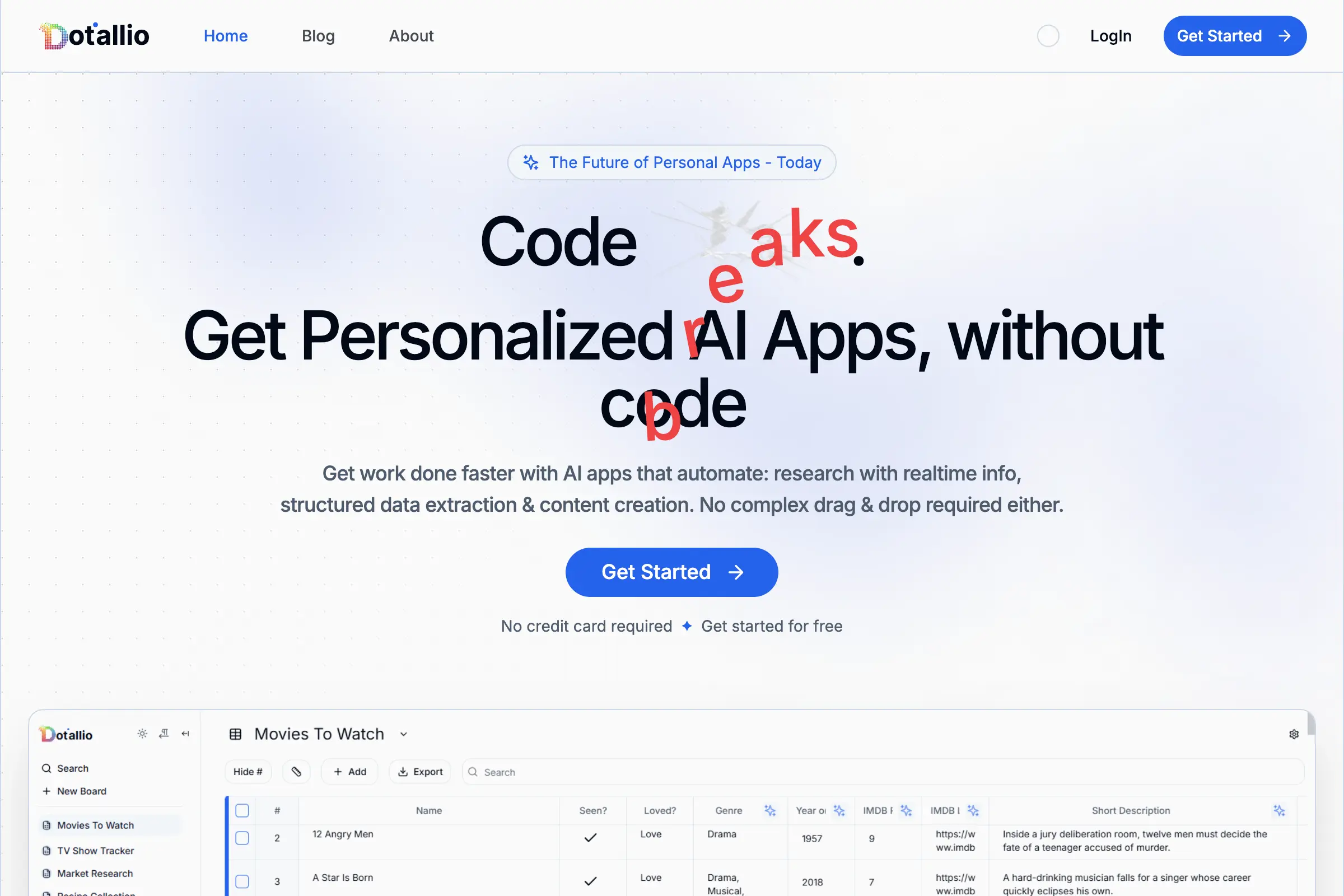
Dotallio
Personalized AI apps that automate research, data extraction, and content creation without code 🤖
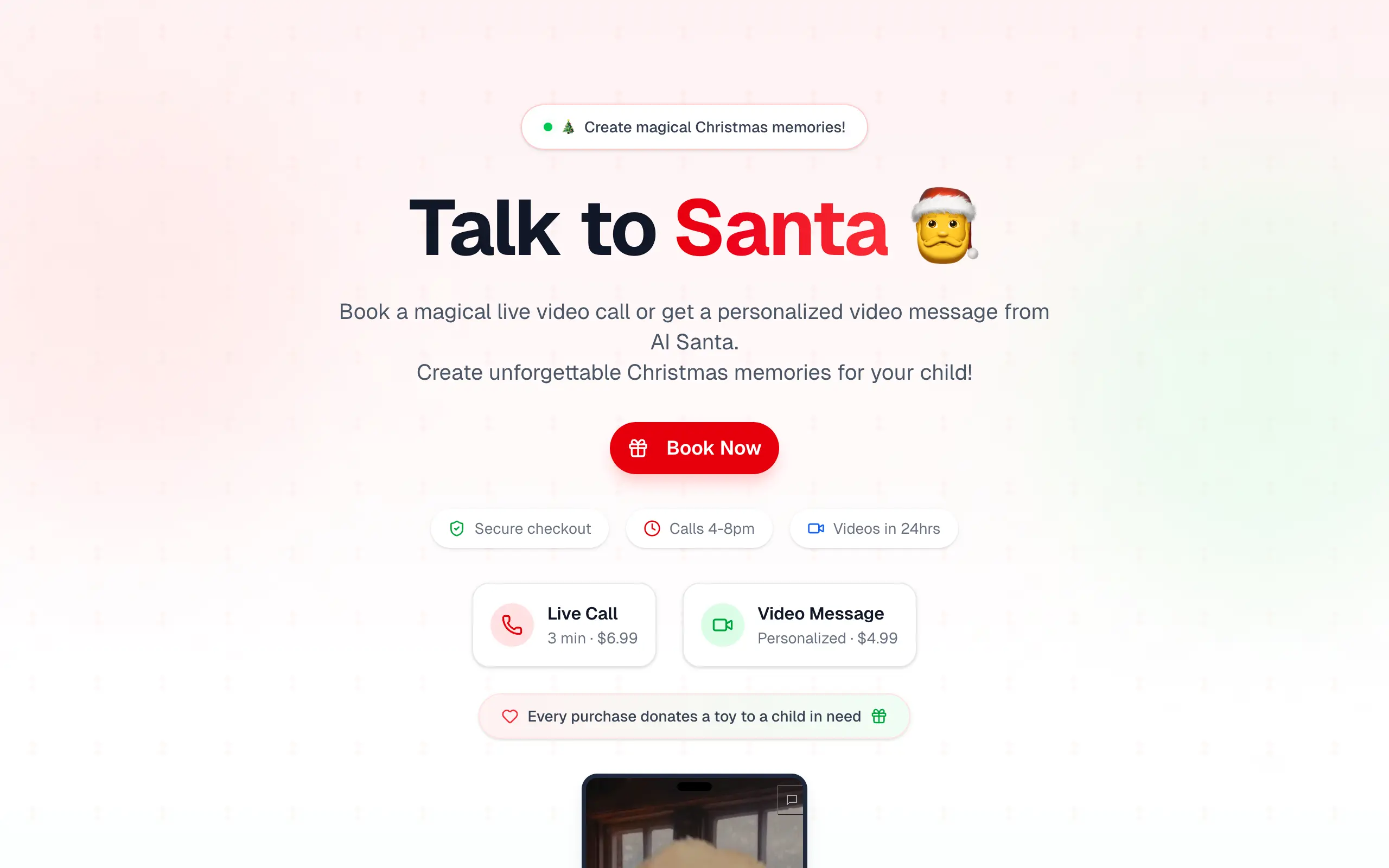
Talk to Santa
Enjoy a magical live video chat or receive a unique AI-generated video greeting from Santa Claus 🎅
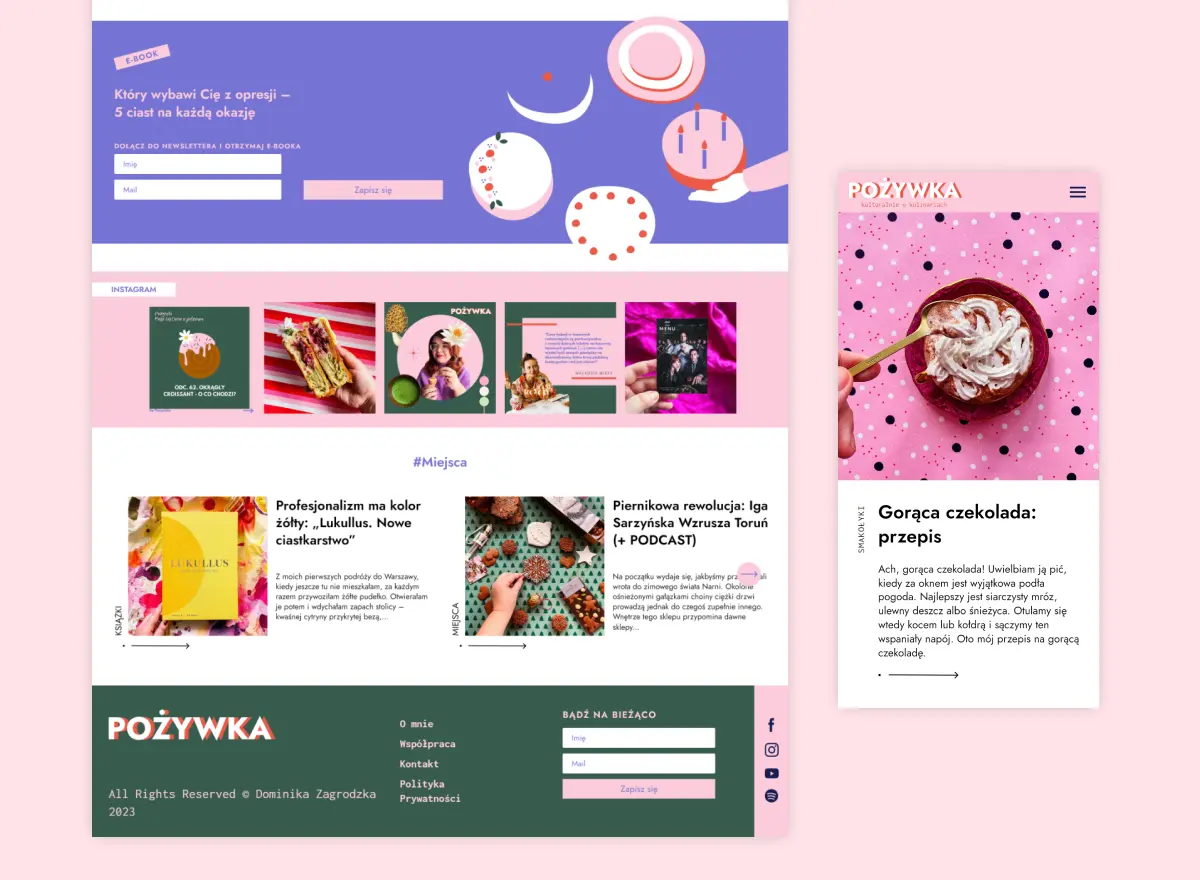
pozywka.pl
Scalable blog for food journalist, focused on performance and user experience 🌭
zagrodzki.me
Personal blog and portfolio of Bart Zagrodzki, where he shares his knowledge and work 💼
TurboStarter
Ship your startup everywhere. In minutes.
HTML to Markdown
Convert HTML to Markdown with ease, directly in your browser 📄
Dotallio
Personalized AI apps that automate research, data extraction, and content creation without code 🤖
Talk to Santa
Enjoy a magical live video chat or receive a unique AI-generated video greeting from Santa Claus 🎅
pozywka.pl
Scalable blog for food journalist, focused on performance and user experience 🌭
zagrodzki.me
Personal blog and portfolio of Bart Zagrodzki, where he shares his knowledge and work 💼
TurboStarter
Ship your startup everywhere. In minutes.
HTML to Markdown
Convert HTML to Markdown with ease, directly in your browser 📄
Dotallio
Personalized AI apps that automate research, data extraction, and content creation without code 🤖
Talk to Santa
Enjoy a magical live video chat or receive a unique AI-generated video greeting from Santa Claus 🎅
pozywka.pl
Scalable blog for food journalist, focused on performance and user experience 🌭
zagrodzki.me
Personal blog and portfolio of Bart Zagrodzki, where he shares his knowledge and work 💼
TurboStarter
Ship your startup everywhere. In minutes.
HTML to Markdown
Convert HTML to Markdown with ease, directly in your browser 📄
Dotallio
Personalized AI apps that automate research, data extraction, and content creation without code 🤖
Talk to Santa
Enjoy a magical live video chat or receive a unique AI-generated video greeting from Santa Claus 🎅
pozywka.pl
Scalable blog for food journalist, focused on performance and user experience 🌭
zagrodzki.me
Personal blog and portfolio of Bart Zagrodzki, where he shares his knowledge and work 💼
TurboStarter
Ship your startup everywhere. In minutes.
HTML to Markdown
Convert HTML to Markdown with ease, directly in your browser 📄
Omichat
Chat with 50+ AI models, including ChatGPT and Claude, in one place - switch models anytime without losing context 🤖
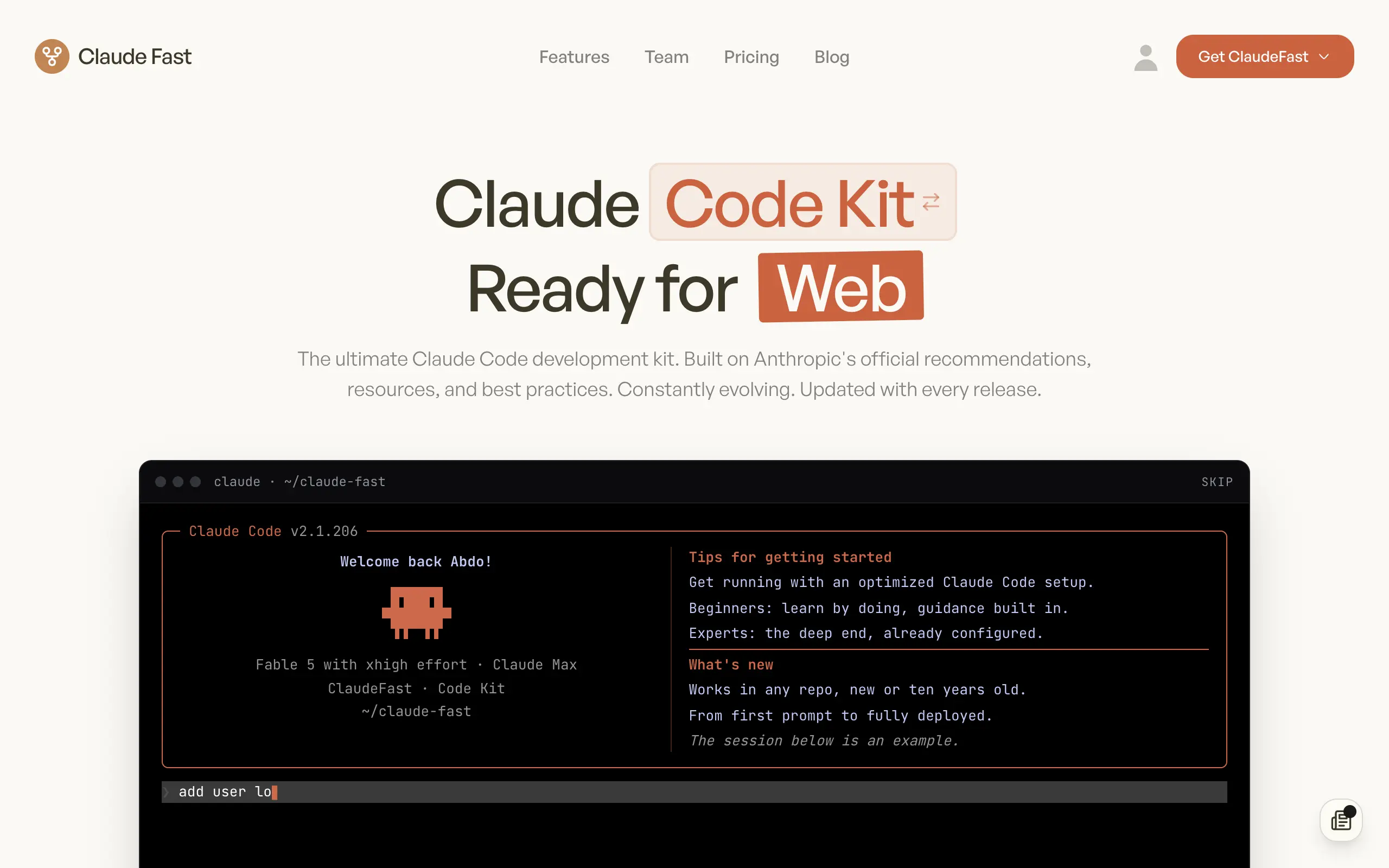
Claude Fast
Supercharge your Claude Code with 6x effective context window and specialized AI agents 🤖
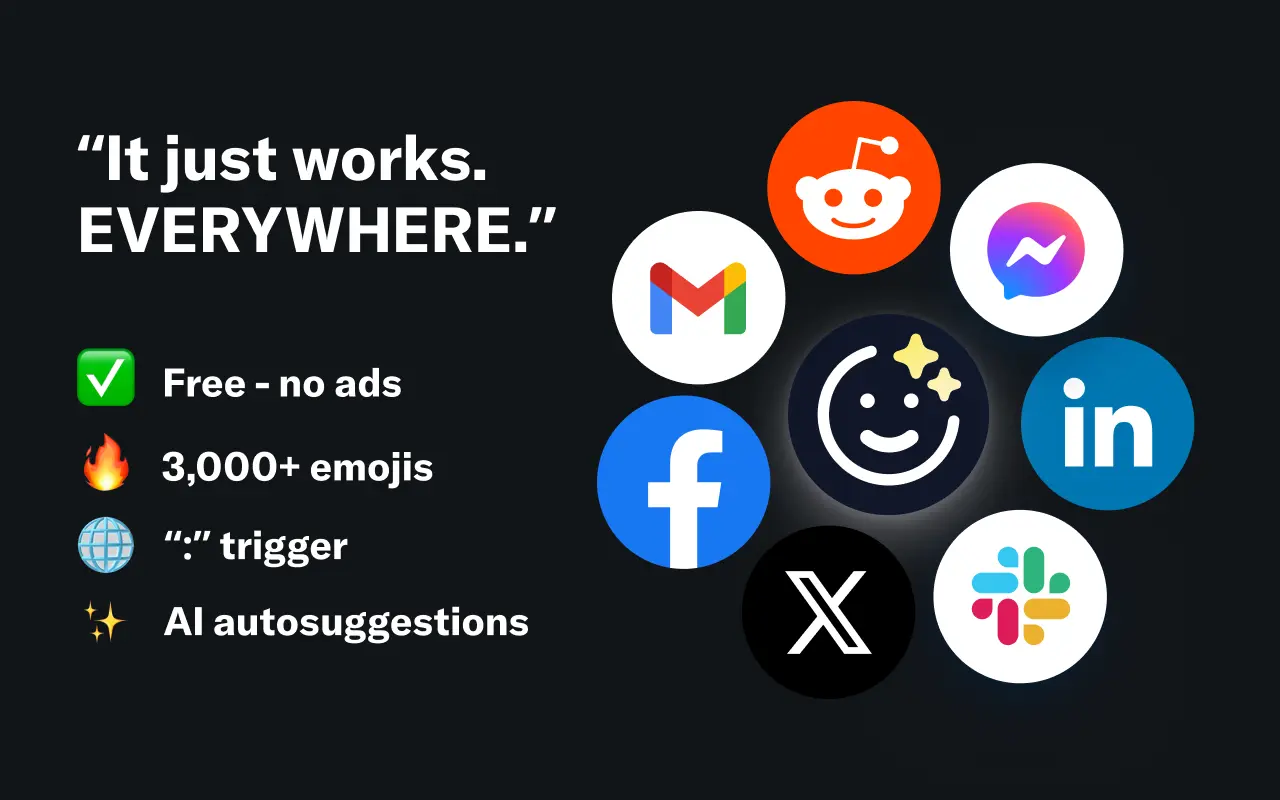
EmojAI
AI-powered emoji picker with smart, context-aware suggestions 🤖
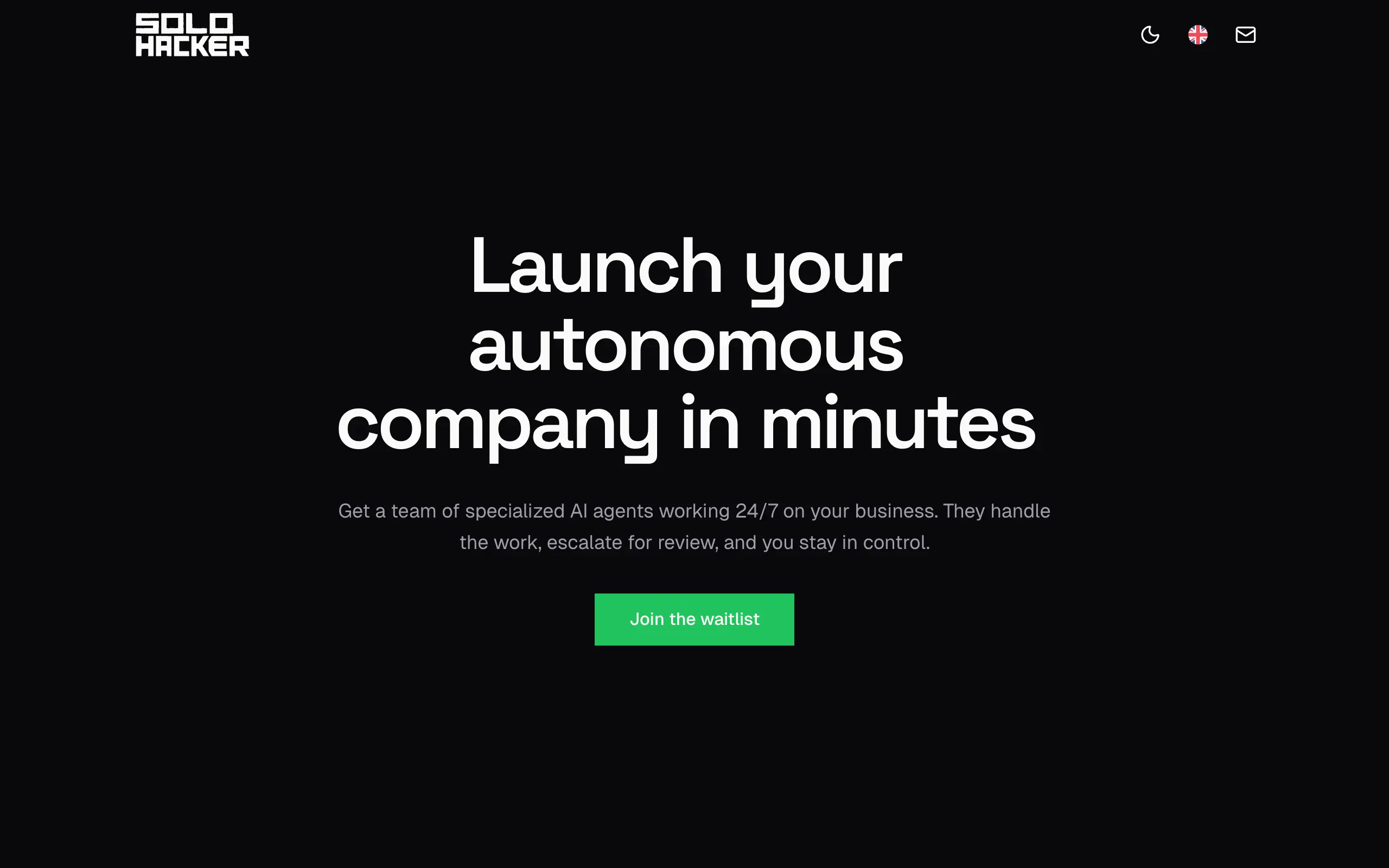
Solohacker
Autonomous company launcher - AI agents work 24/7, escalate what matters, and you stay in control 🤖
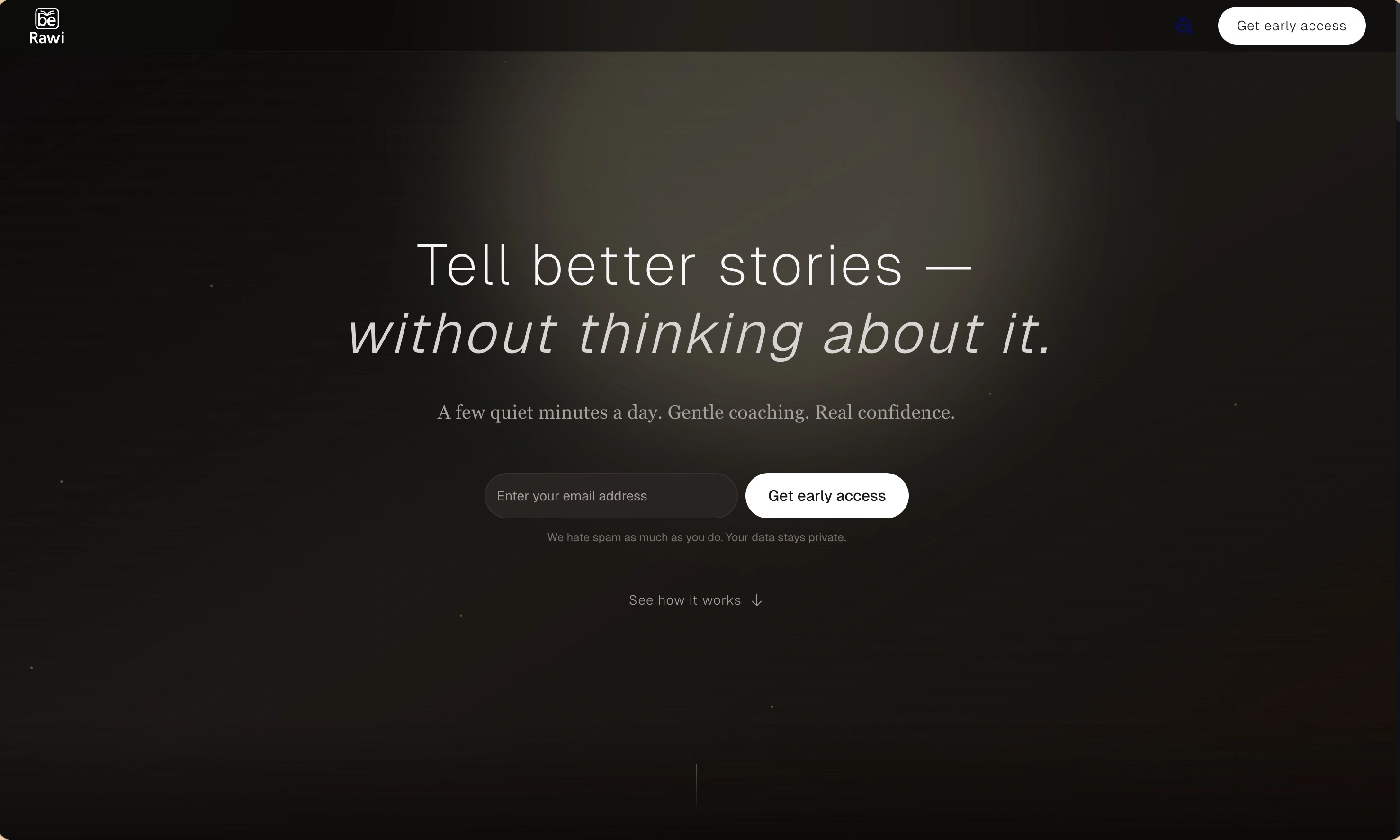
BeRawi: Storytelling Coach
Practice storytelling daily with instant feedback to sound clearer, more engaging, and confident 🎤
Omichat
Chat with 50+ AI models, including ChatGPT and Claude, in one place - switch models anytime without losing context 🤖
Claude Fast
Supercharge your Claude Code with 6x effective context window and specialized AI agents 🤖
EmojAI
AI-powered emoji picker with smart, context-aware suggestions 🤖
Solohacker
Autonomous company launcher - AI agents work 24/7, escalate what matters, and you stay in control 🤖
BeRawi: Storytelling Coach
Practice storytelling daily with instant feedback to sound clearer, more engaging, and confident 🎤
Omichat
Chat with 50+ AI models, including ChatGPT and Claude, in one place - switch models anytime without losing context 🤖
Claude Fast
Supercharge your Claude Code with 6x effective context window and specialized AI agents 🤖
EmojAI
AI-powered emoji picker with smart, context-aware suggestions 🤖
Solohacker
Autonomous company launcher - AI agents work 24/7, escalate what matters, and you stay in control 🤖
BeRawi: Storytelling Coach
Practice storytelling daily with instant feedback to sound clearer, more engaging, and confident 🎤
Omichat
Chat with 50+ AI models, including ChatGPT and Claude, in one place - switch models anytime without losing context 🤖
Claude Fast
Supercharge your Claude Code with 6x effective context window and specialized AI agents 🤖
EmojAI
AI-powered emoji picker with smart, context-aware suggestions 🤖
Solohacker
Autonomous company launcher - AI agents work 24/7, escalate what matters, and you stay in control 🤖
BeRawi: Storytelling Coach
Practice storytelling daily with instant feedback to sound clearer, more engaging, and confident 🎤

Connect with like-minded people
Join our community to get feedback, support, and grow together with 1,000+ builders on board, let's ship it!
Join usShip your startup everywhere. In minutes.
Don't burn tokens on setup and start building features on day one.