CareRelay
AI coordination layer for family caregivers that converts voice notes, appointments, and care plans into shared tasks and timely alerts.
Why a private family care coordination app is needed now
CareRelay is a private mobile care coordinator designed for families managing medications, appointments, care tasks, and caregiver communication. Its core value is simple: it gives everyone involved in a loved one’s care a shared, reliable view of what happened, what needs attention, and what should happen next.
The primary keyword for this concept is family care coordination app. Related search terms include:
- caregiver coordination app
- family caregiving app
- medication reminder app for caregivers
- elderly care coordination software
- care team communication app
- appointment tracking for caregivers
- AI caregiver handoff summaries
- private health care organizer
- mobile care management app
The need for better family caregiver coordination is growing. More people are supporting aging parents, relatives with chronic conditions, children with complex care needs, and loved ones recovering from surgery. In many households, care management is distributed across siblings, spouses, professional aides, friends, and clinicians.
Yet communication often remains fragmented across text messages, phone calls, notebooks, calendar events, and memory.
A typical family may struggle with questions such as:
- Did someone confirm that morning medication was taken?
- Who is attending the cardiology appointment next week?
- Did the home health aide notice a change in symptoms?
- Has the prescription refill been requested?
- What happened while one caregiver was away for the weekend?
- Which tasks are urgent, and which are merely helpful?
- Can everyone see the same information without exposing private details in an open group chat?
CareRelay addresses this coordination gap with a focused mobile experience. Rather than trying to become a complete electronic health record, it should become the family’s shared source of truth for everyday care logistics.
Positioning opportunity
CareRelay should be positioned as a private care coordination layer for families, not as a replacement for clinicians, emergency services, diagnosis, or treatment planning.
This distinction is commercially and legally important. Families need a dependable coordination system. They do not necessarily need another overly complex medical portal.
The target audience for CareRelay
A successful caregiver coordination app should not treat “caregivers” as one uniform audience. Care responsibilities, urgency, technical comfort, privacy expectations, and willingness to pay vary significantly.
CareRelay’s best initial audience is likely families coordinating recurring care for an older adult who lives independently, with relatives, or in assisted living.
Primary users: family caregivers managing shared responsibilities
The primary user is often an adult child, spouse, or close relative who has become the unofficial care coordinator. This person usually carries the mental burden of organizing the care plan, even when others help intermittently.
Their needs include:
- A simple way to assign and track care responsibilities
- Confidence that medications and appointments are not being missed
- A quick way to update siblings or relatives without repeating information
- Visibility into what happened during their absence
- A private record of observations, questions, and care-related decisions
- Less conflict caused by assumptions and incomplete communication
This user may be balancing caregiving with full-time work, parenting, travel, and their own health needs. The product must respect their limited time. Every core workflow should feel faster than sending multiple texts and easier than maintaining a spreadsheet.
Secondary users: distributed family members
Siblings and relatives who live farther away often want to contribute but lack a clear role. They may feel guilty, uninformed, or disconnected from day-to-day care.
CareRelay can give them meaningful ways to help:
- Receive appointment and medication updates
- Claim errands, visits, refill tasks, or transportation responsibilities
- Review concise AI-generated handoff summaries
- Ask questions in a care-specific conversation thread
- View only the information appropriate to their role
The permission model matters here. Not every family member should see every health detail. A sibling coordinating transportation may need appointment times and pickup instructions, but not necessarily private notes from a sensitive clinician visit.
Tertiary users: professional caregivers and care aides
Professional caregivers, home health aides, and trusted neighbors can add substantial value to the network. However, they need a different experience from family members.
Their workflow should prioritize:
- Completing assigned check-ins
- Logging task completion
- Recording neutral observations
- Flagging concerns to the designated family lead
- Viewing only essential instructions and schedules
- Avoiding access to private family discussions unless explicitly invited
A paid care provider should never need to navigate through a cluttered consumer social interface. A lightweight “today” view with clear tasks will be far more useful.
The care recipient: the person receiving support
When appropriate, the care recipient should be included rather than treated as invisible. Some users may want to confirm medications, view appointments, add notes, or approve sharing permissions themselves.
Accessibility requirements are central for this audience:
- Large text support
- High contrast modes
- Plain language
- Screen-reader compatibility
- Low-friction notifications
- Minimal navigation depth
- Optional voice input for notes and check-ins
CareRelay should support autonomy. The product should make it easy for a care recipient to participate at the level they prefer.
The market gap in family caregiver coordination
Existing tools often solve only one small part of care coordination.
Medication reminder apps may help an individual remember a dose, but they commonly lack shared accountability. Calendar apps can track appointments, but they do not connect those events to follow-up tasks, symptoms, transportation, or care notes. Group chats enable conversation, but messages become difficult to search and are poorly structured for medication and appointment records.
Meanwhile, clinical systems are not designed for family operations. Patient portals can be useful, but they are often tied to a specific provider network and may not offer a shared, cross-household workflow for caregiving tasks.
| Solution type | Medication tracking | Shared family tasks | Caregiver handoffs | Cross-provider coordination |
|---|---|---|---|---|
| Basic reminder app | ✅ | ❌ | ❌ | ❌ |
| Shared calendar | ❌ | ✅ | ❌ | ⚠️ |
| Family group chat | ⚠️ | ⚠️ | ❌ | ❌ |
| CareRelay | ✅ | ✅ | ✅ | ✅ |
The biggest gap is not a lack of individual point solutions. It is the lack of a calm, privacy-conscious operating system for shared family care.
CareRelay’s market opportunity comes from connecting the moments that are currently disconnected:
- A medication reminder becomes a documented check-in.
- A missed check-in becomes a visible exception for the care circle.
- An appointment becomes a preparation checklist and follow-up workflow.
- A caregiver note becomes structured context for the next person on duty.
- A busy week of activity becomes an understandable handoff summary.
This is particularly valuable when caregiving responsibility is shared, inconsistent, emotionally difficult, or geographically distributed.
CareRelay’s unique value proposition
CareRelay should not compete by offering the longest feature list. Its unique selling proposition is private, role-aware coordination with intelligent handoffs for real family caregiving workflows.
The product promise could be expressed as:
Keep every caregiver aligned without making care feel like another full-time administrative job.
That promise combines several differentiators.
Private by design
Care information stays in a purpose-built care circle rather than being scattered through broad social messaging channels.
Built for handoffs
AI-generated summaries turn scattered check-ins, appointments, and notes into clear next-step context.
Role-aware coordination
Family members, care recipients, and professional aides can receive appropriate access and task visibility.
A focused alternative to clinical complexity
Many health technology products are built for institutions, billing workflows, or clinician documentation. CareRelay can differentiate by serving the operational reality of families.
The interface should answer three questions immediately:
- What needs to happen today?
- What changed since I last checked?
- What does the next caregiver need to know?
This focus prevents feature bloat. It also makes CareRelay useful for users who do not think of themselves as “health tech” users. They simply want to support someone they love without losing track of essential details.
AI that summarizes instead of diagnosing
Artificial intelligence is a strong product opportunity when applied carefully. CareRelay should use AI to reduce administrative burden, not to make medical judgments.
Useful AI-assisted features include:
- Summarizing completed tasks and missed check-ins
- Drafting caregiver handoff notes from approved records
- Grouping appointment follow-ups by urgency and due date
- Turning voice notes into editable structured updates
- Identifying duplicate tasks or unclear ownership
- Producing a weekly family care recap
The AI should not diagnose symptoms, recommend medication changes, predict disease outcomes, or advise users to ignore professional care. In sensitive care contexts, safety boundaries are part of the product’s trustworthiness.
Core features for a family care coordination app
CareRelay’s MVP should center on the workflows that happen repeatedly. The first release does not need deep integrations with every health system. It needs to make daily coordination noticeably easier.
Shared care circles and granular permissions
Each person receiving care should have a private “care circle.” This is the central workspace connecting family members, care recipients, and invited helpers.
Key permission levels may include:
- Owner with account, billing, and membership controls
- Care coordinator with broad editing access and task assignment rights
- Contributor with permission to update assigned tasks and add observations
- Viewer with read-only access to approved information
- Limited helper with access only to selected schedules or tasks
Permission settings should be understandable in plain language. Avoid clinical or technical terminology that forces families to guess what someone can see.
A useful onboarding flow asks the organizer:
- Who is receiving care?
- What are the most important routines?
- Who should be involved?
- What can each person view or update?
- Which notifications should trigger immediate attention?
Medication check-ins and adherence visibility
Medication support should be a foundational module, but it should remain practical. The goal is not to recreate a pharmacy system on day one. The goal is to help families know whether planned medication routines were completed and whether follow-up is needed.
Core functionality can include:
- Medication name, schedule, instructions, and optional photo
- Scheduled dose reminders
- Simple taken, skipped, or delayed check-ins
- Optional reason capture for missed doses
- Escalation notifications for repeated missed check-ins
- Refill reminders and task assignment
- A clear daily medication status view
The language should avoid overclaiming. A recorded “taken” action is a caregiver check-in, not clinical proof of adherence. The product should communicate this clearly in its interface and terms.
Appointment planning and post-visit follow-up
Appointments create a large amount of caregiver coordination work. A family needs more than a calendar event.
CareRelay can make appointments actionable through:
- Date, time, location, provider, and transportation details
- Assigned attendee or companion
- Pre-visit question lists
- Document and insurance card reminders
- Notes captured during or after the appointment
- Follow-up tasks, such as lab scheduling or prescription pickup
- A structured appointment summary for the wider care circle
An appointment workflow is one of the strongest retention mechanisms for a family caregiving app because it creates a recurring reason to return.
Task assignment and daily care routines
The task system should cover both one-time and repeating care activities. It should allow a task owner, due time, status, notes, and optional completion evidence such as a photo when appropriate.
Examples include:
- Pick up a prescription
- Check whether groceries are stocked
- Drive to a physical therapy appointment
- Call the insurer
- Change a wound dressing according to a clinician-provided plan
- Visit on Sunday afternoon
- Confirm that a mobility aid is charged
The UX should emphasize ownership. A task with no owner is often a task that will not happen.
Care notes, observations, and concern flags
Caregivers need a low-friction way to log what they noticed. This should support objective observations without encouraging unqualified medical interpretation.
Helpful note prompts include:
- Energy level today
- Appetite or hydration observations
- Mobility changes
- Sleep observations
- Mood or social engagement
- Questions for the next appointment
- Household or safety needs
A “flag concern” control can notify designated coordinators, but it must include safety guidance. If there is an emergency or urgent health concern, the app should direct users to contact local emergency services or an appropriate clinician rather than waiting for an in-app response.
Safety and product scope
CareRelay should display clear emergency guidance in relevant flows. A caregiver coordination app must never imply that notifications, AI summaries, or asynchronous family messages are suitable for emergency care.
AI-generated caregiver handoff summaries
This is CareRelay’s signature feature. The handoff summary should answer the question every caregiver asks after being away: “What do I need to know?”
A useful summary might include:
- Medications checked in, skipped, or awaiting confirmation
- Upcoming appointments and assigned attendees
- Completed and overdue tasks
- New caregiver notes and concern flags
- Open questions for a clinician or family member
- Suggested next actions based on existing tasks
The summary should be generated only from data that the requesting user is authorized to access. It should always be editable, visibly labeled as AI-generated, and traceable back to source records.
A strong implementation pattern is to provide a short summary first, followed by links or expandable references to the underlying events. This improves trust because users can verify where a statement came from.
A practical MVP scope for CareRelay
A common startup mistake is launching with too many workflows. CareRelay should start with a narrow, high-frequency wedge.
Build care circles, member invitations, medication check-ins, appointment tracking, shared tasks, basic notes, notifications, and editable AI handoff summaries.
Add recurring routines, role-specific views, document storage, voice-to-note capture, weekly recaps, and caregiver workload insights.
Evaluate pharmacy, calendar, wearable, provider portal, and home care agency integrations only after validating demand and compliance requirements.
The MVP should optimize for one outcome: fewer missed handoffs and less time spent asking for updates.
Before building advanced AI features, validate whether families consistently use shared tasks and updates. If users do not create reliable care records, there will not be enough high-quality context for useful summaries.
Recommended technology stack for a mobile care coordinator
CareRelay needs a stack that supports fast iteration, secure data handling, reliable push notifications, and a polished mobile experience.
Mobile application architecture
For a startup seeking efficient cross-platform delivery, React Native with Expo is a strong initial choice.
React Native offers:
- Shared code across iOS and Android
- A large ecosystem and accessible hiring market
- Good support for native device capabilities
- Fast iteration for a consumer mobile product
- Compatibility with a TypeScript-first development workflow
Expo reduces operational friction for common mobile features such as push notifications, builds, over-the-air updates, and device testing.
The trade-off is that highly specialized native capabilities may eventually require custom native modules or a move toward a more deeply native architecture. For CareRelay’s early workflows, that trade-off is usually worthwhile.
Web dashboard and administrative tools
A web application can support care coordinators who prefer a larger screen, as well as internal support and operations teams. Next.js is a sensible option for this surface because it supports modern React development, server-side capabilities, and a mature deployment ecosystem.
Use the web application for:
- Billing and subscription management
- Care circle administration
- Detailed timeline review
- Support tooling
- Consent and account export requests
- Internal moderation and audit workflows
For interface consistency, use Tailwind CSS with an accessible component system and a documented design token layer.
Backend, data, and AI services
A robust early architecture might include:
- PostgreSQL for relational care data
- A TypeScript API layer for shared frontend and backend types
- Object storage for encrypted files and optional uploaded documents
- A background job queue for notifications, recurring tasks, and summary generation
- A managed authentication provider or carefully implemented identity service
- An LLM provider behind a provider abstraction layer
PostgreSQL is particularly suitable because CareRelay data has strong relationships: care circles, users, permissions, medication schedules, check-ins, appointments, tasks, notes, and audit events.
For AI, keep the architecture flexible. Store structured source events separately from generated summaries. Do not treat an AI summary as the authoritative record. This allows the team to change models, improve prompts, re-run summaries, and preserve traceability.
Security and privacy engineering requirements
Care coordination data is sensitive even when a specific deployment is not legally classified as a regulated healthcare entity. Privacy should be a product principle from the first sprint.
Minimum controls should include:
- Encryption in transit and at rest
- Multi-factor authentication for account owners and administrators
- Strong password policies or passkey support
- Role-based authorization checks on every sensitive request
- Audit logs for viewing, editing, exporting, and sharing care data
- Session management and device revocation
- Data retention and deletion controls
- Secure backup and recovery procedures
- Vendor risk review for AI, analytics, messaging, and cloud providers
If CareRelay serves covered entities or business associates in the United States, the team should obtain specialized legal guidance on HIPAA obligations and review the official HHS HIPAA information. Product teams should not assume that a consumer health framing automatically eliminates privacy or regulatory responsibilities.
Monetization strategies for CareRelay
CareRelay can use a consumer subscription model, but the pricing must acknowledge that caregiving households may be under financial pressure.
Freemium family plan
A free plan can lower the barrier to starting a care circle. It should provide enough value to make the product useful, while reserving advanced coordination tools for paid subscribers.
Possible free features include:
- One care recipient
- A limited number of care circle members
- Basic medication and appointment tracking
- A limited monthly number of AI handoff summaries
- Standard notifications
A premium family plan may include:
- Unlimited caregivers and care recipients
- Advanced permissions
- Recurring routine templates
- Unlimited summaries
- Document storage
- Weekly recaps
- Priority support
- Data export and extended history
A price range should be tested rather than assumed. Interviews and willingness-to-pay experiments can reveal whether families value monthly flexibility, annual savings, or one-time care episode packages.
Family-sponsored subscriptions
Often, the person paying is not the person doing the daily care work. An adult child living elsewhere may sponsor the subscription for parents, siblings, or a local caregiver network.
The purchase flow should support this naturally. It can allow a subscriber to pay while assigning another person as the care circle owner.
Employer and benefits partnerships
Caregiving affects employee productivity and retention. Employers, employee assistance programs, and caregiving benefit providers may be interested in subsidizing a trusted coordination tool.
This channel has larger contract potential but requires stronger security, procurement readiness, support operations, and measurable outcomes.
CareRelay should avoid pursuing enterprise partnerships too early. First, prove consumer retention and document the workflows that reduce caregiver burden.
Professional care organization partnerships
Home care agencies, senior living organizations, and care management providers could offer CareRelay as a family communication layer. This could create a business-to-business-to-consumer model.
The trade-off is complexity. Organizational deployments introduce implementation needs, contracting cycles, compliance reviews, user provisioning, and potentially health data integration requirements.
A prudent path is to build the consumer product first, then offer a controlled partner pilot for organizations with a clear use case.
Competitive advantage and defensibility
The family caregiving software market is crowded with adjacent tools, but CareRelay can build a differentiated position through workflow depth and trust.
Care coordination data creates useful context
A care coordinator who tracks tasks, check-ins, appointments, and observations in one place generates a valuable longitudinal care timeline. This context makes handoff summaries more accurate and personalized over time.
The defensibility is not merely “we use AI.” Generic AI is easy to copy. The more durable advantage is a well-structured, privacy-respecting care activity graph that helps families coordinate with less effort.
Trust is a product moat
In care technology, trust is built through predictable behavior:
- Clear privacy controls
- No surprise sharing
- Easy-to-understand permissions
- Accurate and editable summaries
- Transparent AI limitations
- Responsive support
- Reliable notifications
- Respectful, non-alarmist language
Families will not continue using a care coordination app if it feels intrusive, confusing, or clinically overconfident.
Focused workflows beat broad feature catalogs
CareRelay should resist becoming a generic family organizer or an incomplete electronic health record. Its strongest advantage comes from solving caregiver handoffs better than calendars, chats, and standalone reminder apps.
The product should win on moments of transition:
- A sibling takes over for a weekend
- A new home aide begins work
- A care recipient returns home after a hospital stay
- A family member needs to prepare for a specialist visit
- The primary caregiver needs a break
These moments are emotionally important and operationally risky. A clear handoff experience can create durable product loyalty.
Risks and mitigation for a caregiver coordination SaaS
CareRelay has meaningful opportunity, but health-adjacent products require disciplined risk management.
Sensitive care information can be exposed through weak permissions, insecure integrations, or overly broad notifications. Mitigate this with least-privilege access, consent flows, encryption, audit trails, notification previews that avoid unnecessary sensitive details, and regular security testing.
An AI summary may misstate, omit, or overemphasize information. Ground summaries in structured source data, show references to underlying records, require clear AI labels, support edits, and prohibit diagnostic or treatment recommendations.
Families may revert to text messages if logging feels burdensome. Reduce input friction with one-tap check-ins, recurring templates, smart defaults, voice notes, and summaries that visibly reward consistent use.
Shared records can amplify tension if roles are unclear. Offer clear task ownership, neutral activity logs, configurable notifications, and optional private notes where ethically and legally appropriate.
Partnerships with providers or care agencies can change the compliance profile. Engage qualified counsel early, maintain data inventories, document vendors, and design the system so stricter controls can be enabled as the business evolves.
Another risk is notification fatigue. Caregivers already receive many messages. CareRelay should distinguish between routine reminders, digest updates, and urgent exceptions. Let users control channels, quiet hours, and escalation rules.
How to validate CareRelay before building extensively
Validation should begin with real caregiver workflows, not assumptions about feature preferences.
Interview at least 20 to 30 people across these groups:
- Adult children coordinating care for parents
- Spouses supporting a partner with ongoing needs
- Long-distance caregivers
- Professional home care workers
- Care recipients who actively participate in their own routines
- Social workers or care managers who understand common coordination failures
Ask about recent events rather than hypothetical needs.
Good interview prompts include:
- Tell me about the last appointment that required family coordination.
- How do you currently know whether daily routines were completed?
- What information is hardest to hand off when you cannot be present?
- What happens when a caregiver misses a task?
- Which details do you avoid sharing in family group chats?
- What did you have to repeat to multiple people this week?
Look for evidence of repeated pain. Strong signals include screenshots of long text threads, color-coded spreadsheets, handwritten binders, repeated phone calls, and frustration about unclear responsibility.
Test the handoff summary manually first
Before integrating an AI model, run a concierge test. Ask a few pilot families to send structured updates through a simple prototype. Generate daily or weekly handoffs manually using a consistent template.
Measure:
- Whether families read the summary
- Whether it reduces follow-up questions
- Whether users trust the summary
- Whether they correct it
- Which categories of information matter most
- Whether the summary creates action instead of passive awareness
This test reveals the necessary data structure before the engineering team commits to a complex AI implementation.
Actionable implementation steps for CareRelay
A disciplined launch plan can turn CareRelay from a promising SaaS idea into a testable product.
For a fast but production-minded SaaS foundation, TurboStarter can help teams accelerate the setup of authentication, billing, application structure, and common SaaS infrastructure so more development time goes toward CareRelay’s differentiated care coordination experience.
Final thoughts on building a family care coordination app
CareRelay has a compelling opportunity because family caregiving is not primarily an information problem. It is a coordination problem.
Families need to know what happened, what is overdue, who owns the next step, and how to hand off responsibility without repeating the entire story. Medication check-ins, appointment updates, and AI-generated caregiver handoff summaries can make that coordination dramatically more manageable when they are designed with privacy, simplicity, and safety in mind.
The winning version of CareRelay will not try to replace professional care. It will make the people already providing everyday support more aligned, more informed, and less overwhelmed.
Start with the most painful recurring handoff. Build a private, trustworthy workflow around it. Then earn expansion through daily usefulness.
More 📱 Mobile App SaaS ideas
Discover more innovative mobile app SaaS ideas that are trending in 2026. Each idea is AI-generated with market validation and growth potential to help you find your next profitable venture faster than competitors.
Your competitors are building with TurboStarter
Below are some of the SaaS ideas that have been generated and built with our starter kit.
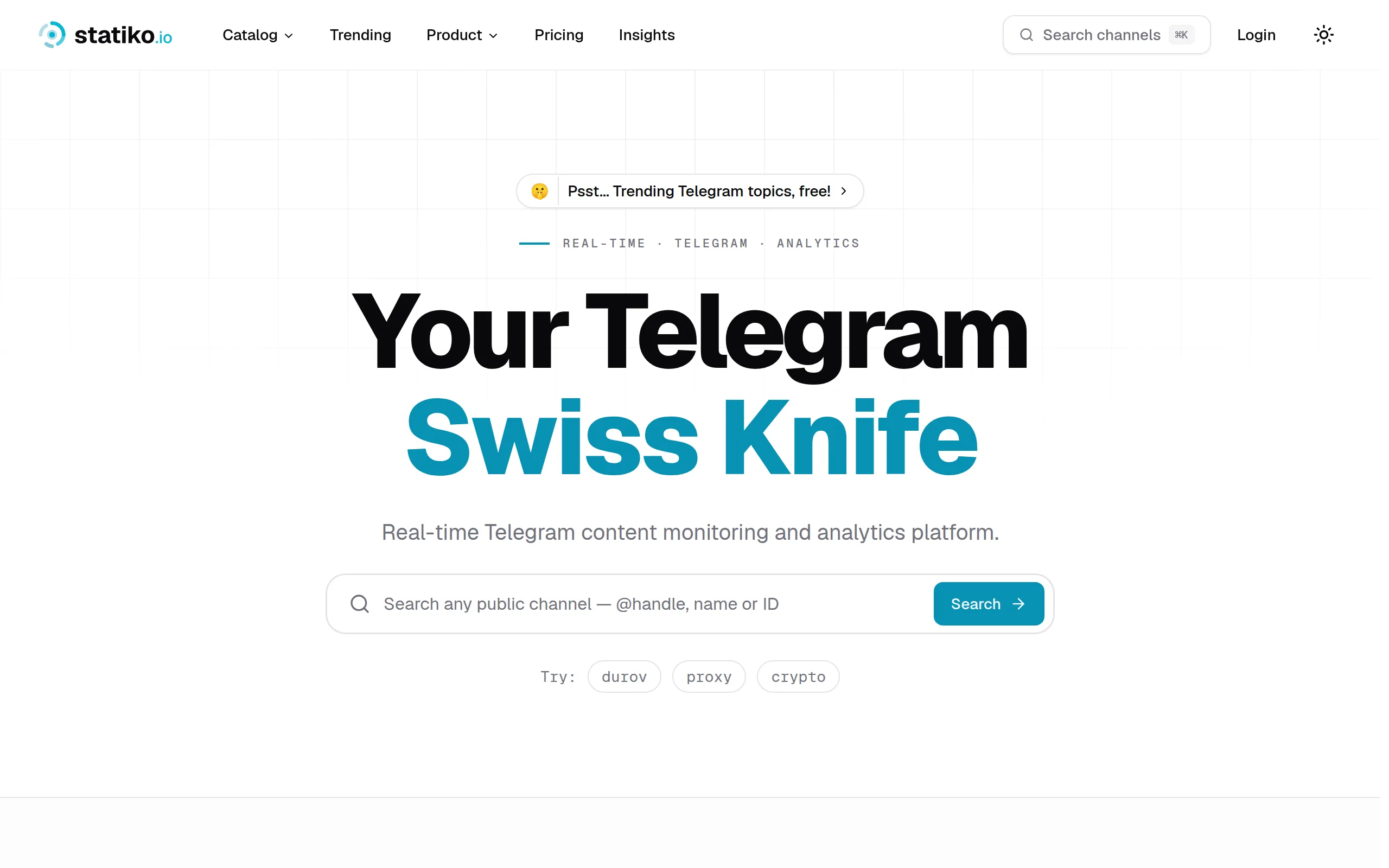
Statiko
Monitor any Telegram channel in real time - track posts, edits, deletions, and growth with AI recaps 📡

Shibui
AI website builder - describe your business, pick a niche template, edit by chatting, and publish instantly ✨
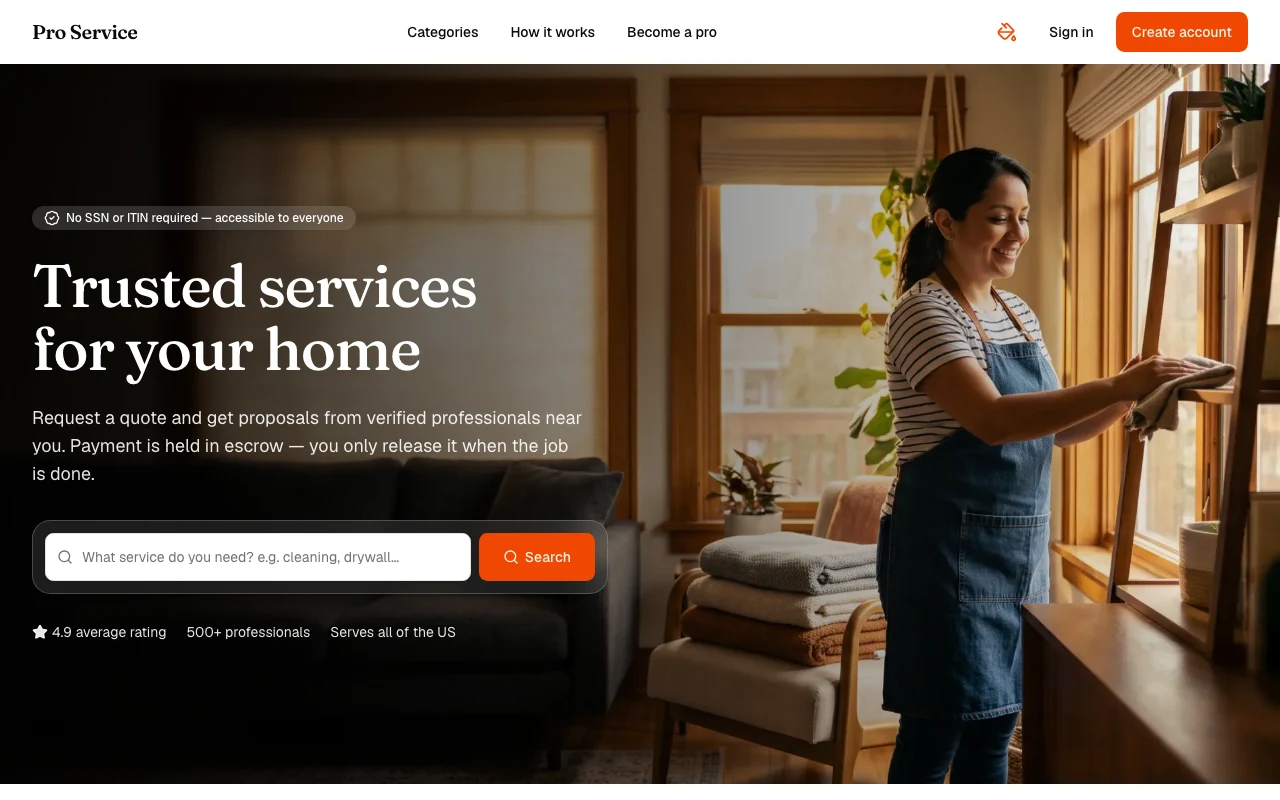
Pro Service
Find verified home service professionals, compare quotes, and pay securely through escrow - built for Brazilians across the US 🏠
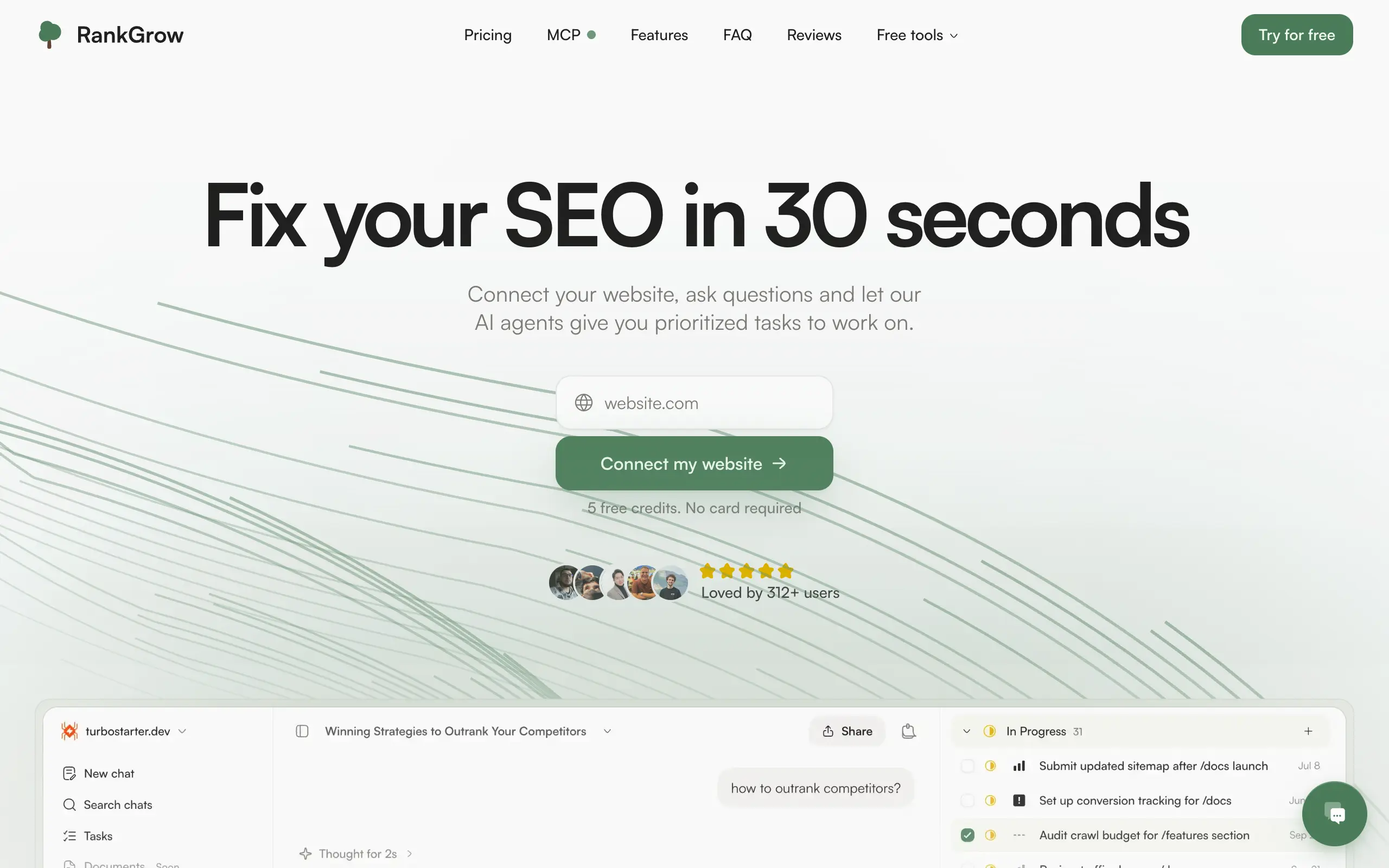
RankGrow
Fix your SEO with AI agents - connect Search Console, get prioritized tasks, and grow organic traffic 📈
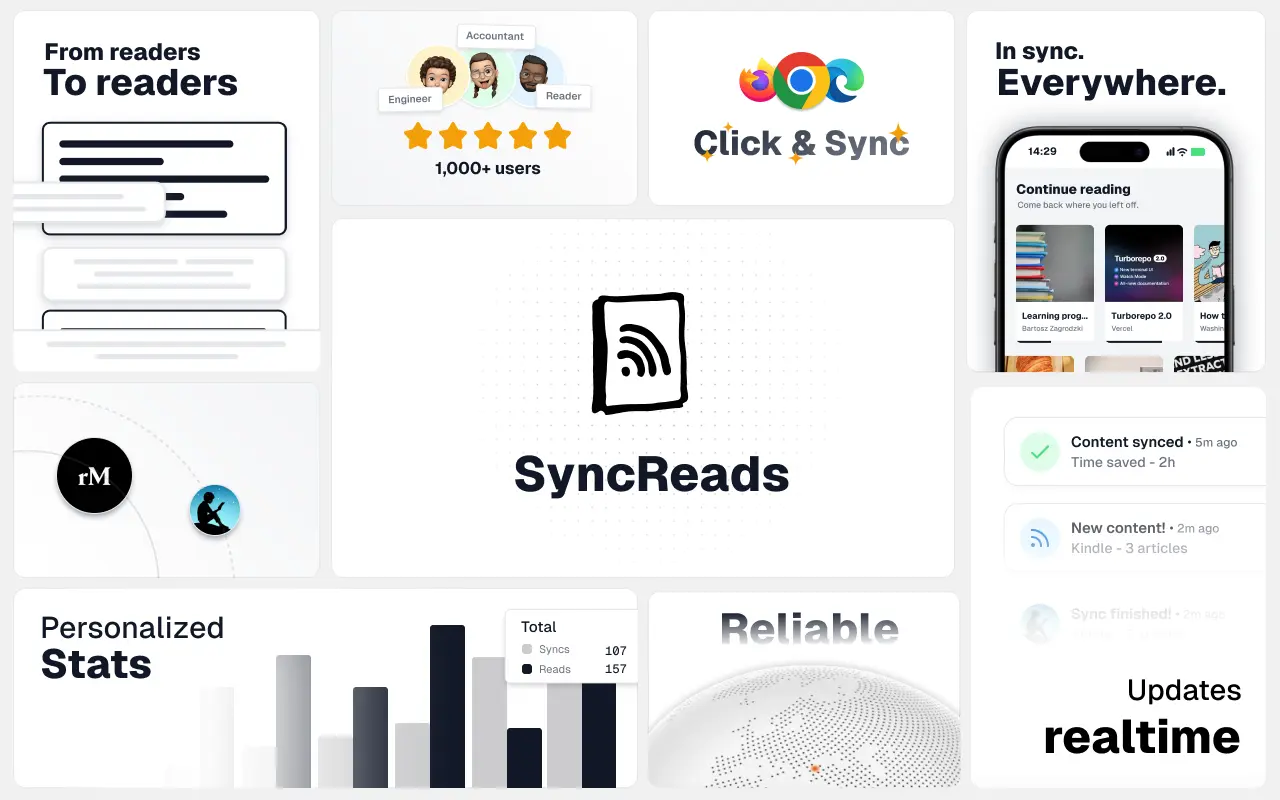
SyncReads
Sync your favorite content for distraction-free reading, save time and replace multiple apps. Anytime, anywhere 🔄
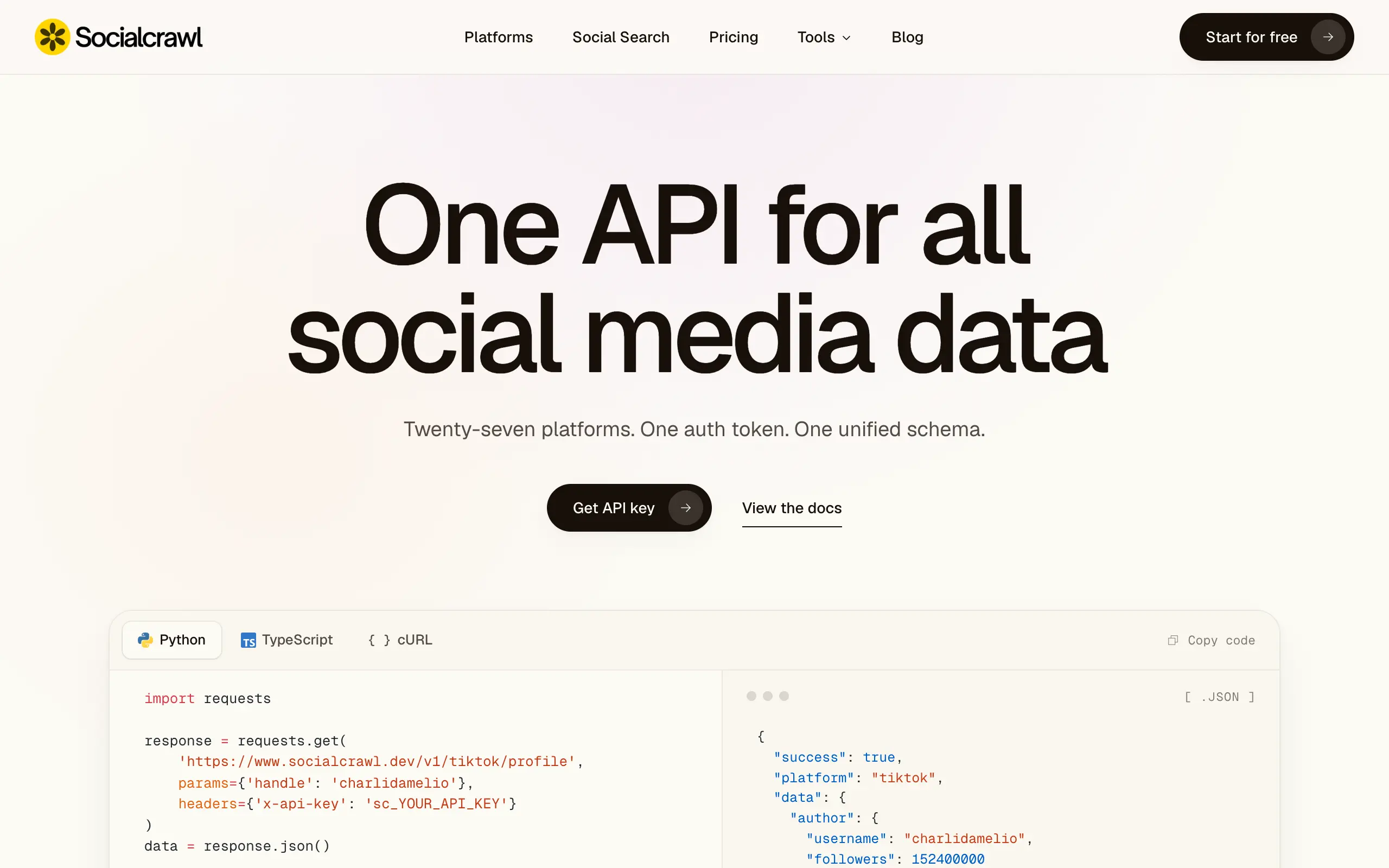
Socialcrawl
Get clean, structured data from 21 platforms like TikTok, Instagram, and YouTube with a single request 📊
Statiko
Monitor any Telegram channel in real time - track posts, edits, deletions, and growth with AI recaps 📡
Shibui
AI website builder - describe your business, pick a niche template, edit by chatting, and publish instantly ✨
Pro Service
Find verified home service professionals, compare quotes, and pay securely through escrow - built for Brazilians across the US 🏠
RankGrow
Fix your SEO with AI agents - connect Search Console, get prioritized tasks, and grow organic traffic 📈
SyncReads
Sync your favorite content for distraction-free reading, save time and replace multiple apps. Anytime, anywhere 🔄
Socialcrawl
Get clean, structured data from 21 platforms like TikTok, Instagram, and YouTube with a single request 📊
Statiko
Monitor any Telegram channel in real time - track posts, edits, deletions, and growth with AI recaps 📡
Shibui
AI website builder - describe your business, pick a niche template, edit by chatting, and publish instantly ✨
Pro Service
Find verified home service professionals, compare quotes, and pay securely through escrow - built for Brazilians across the US 🏠
RankGrow
Fix your SEO with AI agents - connect Search Console, get prioritized tasks, and grow organic traffic 📈
SyncReads
Sync your favorite content for distraction-free reading, save time and replace multiple apps. Anytime, anywhere 🔄
Socialcrawl
Get clean, structured data from 21 platforms like TikTok, Instagram, and YouTube with a single request 📊
Statiko
Monitor any Telegram channel in real time - track posts, edits, deletions, and growth with AI recaps 📡
Shibui
AI website builder - describe your business, pick a niche template, edit by chatting, and publish instantly ✨
Pro Service
Find verified home service professionals, compare quotes, and pay securely through escrow - built for Brazilians across the US 🏠
RankGrow
Fix your SEO with AI agents - connect Search Console, get prioritized tasks, and grow organic traffic 📈
SyncReads
Sync your favorite content for distraction-free reading, save time and replace multiple apps. Anytime, anywhere 🔄
Socialcrawl
Get clean, structured data from 21 platforms like TikTok, Instagram, and YouTube with a single request 📊
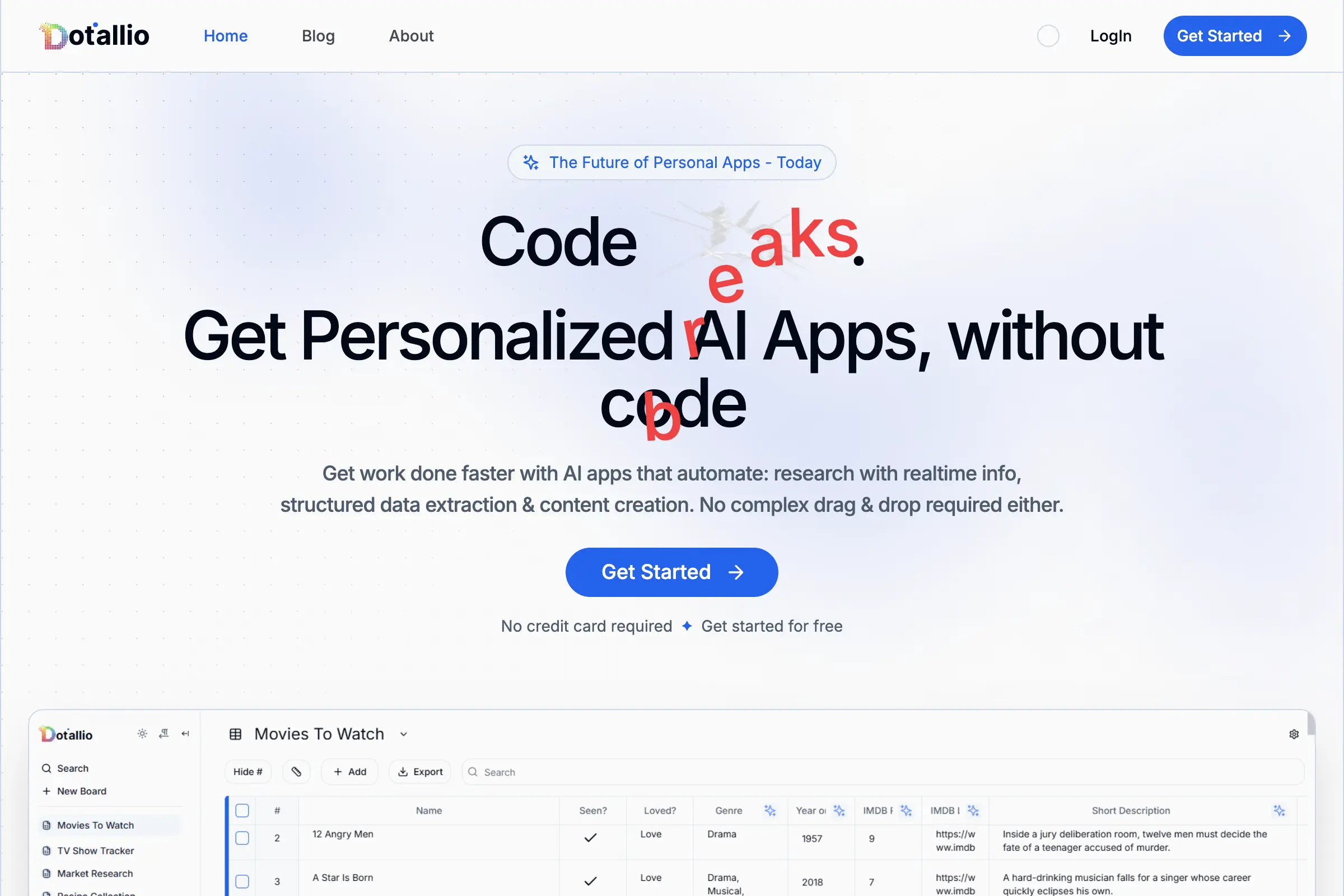
Dotallio
Personalized AI apps that automate research, data extraction, and content creation without code 🤖
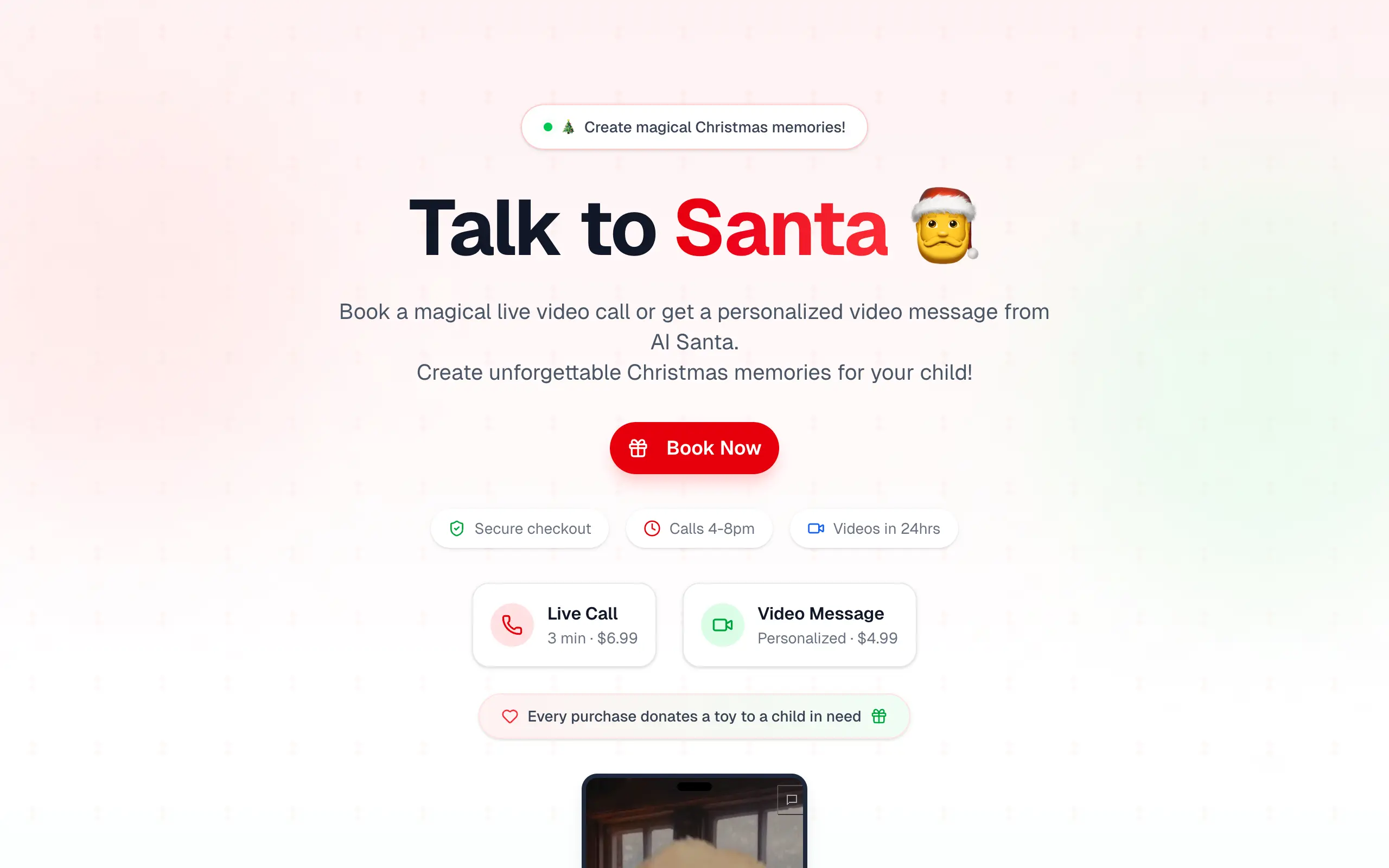
Talk to Santa
Enjoy a magical live video chat or receive a unique AI-generated video greeting from Santa Claus 🎅
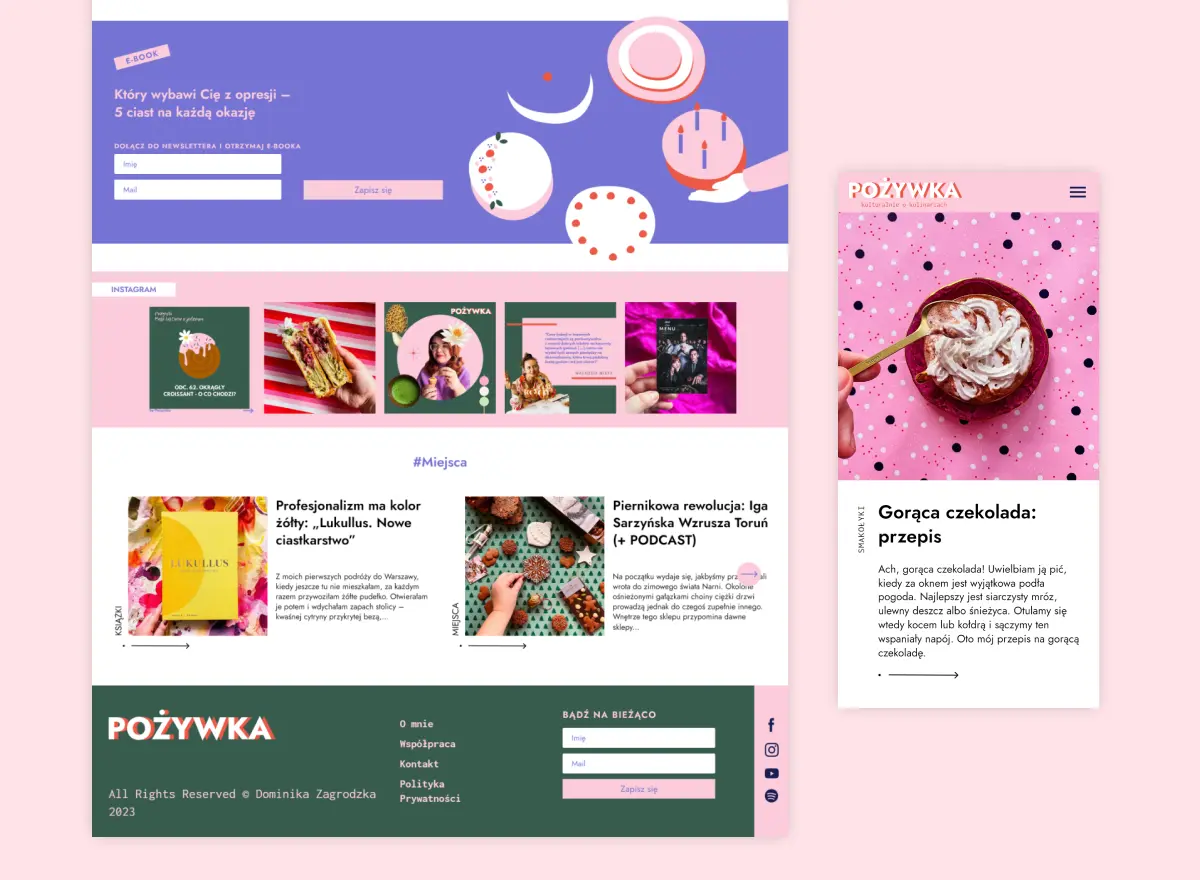
pozywka.pl
Scalable blog for food journalist, focused on performance and user experience 🌭
zagrodzki.me
Personal blog and portfolio of Bart Zagrodzki, where he shares his knowledge and work 💼
TurboStarter
Ship your startup everywhere. In minutes.
HTML to Markdown
Convert HTML to Markdown with ease, directly in your browser 📄
Dotallio
Personalized AI apps that automate research, data extraction, and content creation without code 🤖
Talk to Santa
Enjoy a magical live video chat or receive a unique AI-generated video greeting from Santa Claus 🎅
pozywka.pl
Scalable blog for food journalist, focused on performance and user experience 🌭
zagrodzki.me
Personal blog and portfolio of Bart Zagrodzki, where he shares his knowledge and work 💼
TurboStarter
Ship your startup everywhere. In minutes.
HTML to Markdown
Convert HTML to Markdown with ease, directly in your browser 📄
Dotallio
Personalized AI apps that automate research, data extraction, and content creation without code 🤖
Talk to Santa
Enjoy a magical live video chat or receive a unique AI-generated video greeting from Santa Claus 🎅
pozywka.pl
Scalable blog for food journalist, focused on performance and user experience 🌭
zagrodzki.me
Personal blog and portfolio of Bart Zagrodzki, where he shares his knowledge and work 💼
TurboStarter
Ship your startup everywhere. In minutes.
HTML to Markdown
Convert HTML to Markdown with ease, directly in your browser 📄
Dotallio
Personalized AI apps that automate research, data extraction, and content creation without code 🤖
Talk to Santa
Enjoy a magical live video chat or receive a unique AI-generated video greeting from Santa Claus 🎅
pozywka.pl
Scalable blog for food journalist, focused on performance and user experience 🌭
zagrodzki.me
Personal blog and portfolio of Bart Zagrodzki, where he shares his knowledge and work 💼
TurboStarter
Ship your startup everywhere. In minutes.
HTML to Markdown
Convert HTML to Markdown with ease, directly in your browser 📄
Omichat
Chat with 50+ AI models, including ChatGPT and Claude, in one place - switch models anytime without losing context 🤖
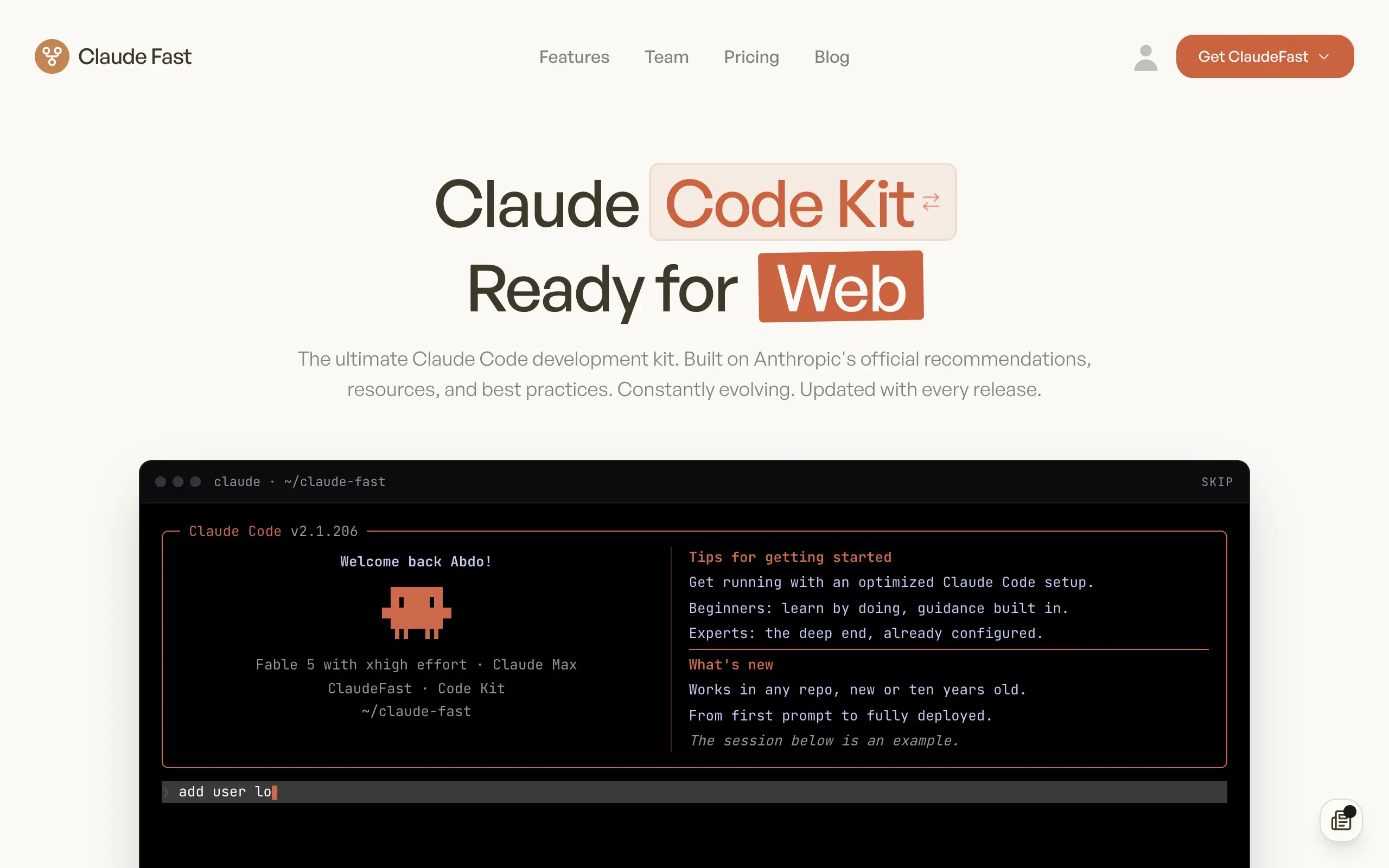
Claude Fast
Supercharge your Claude Code with 6x effective context window and specialized AI agents 🤖
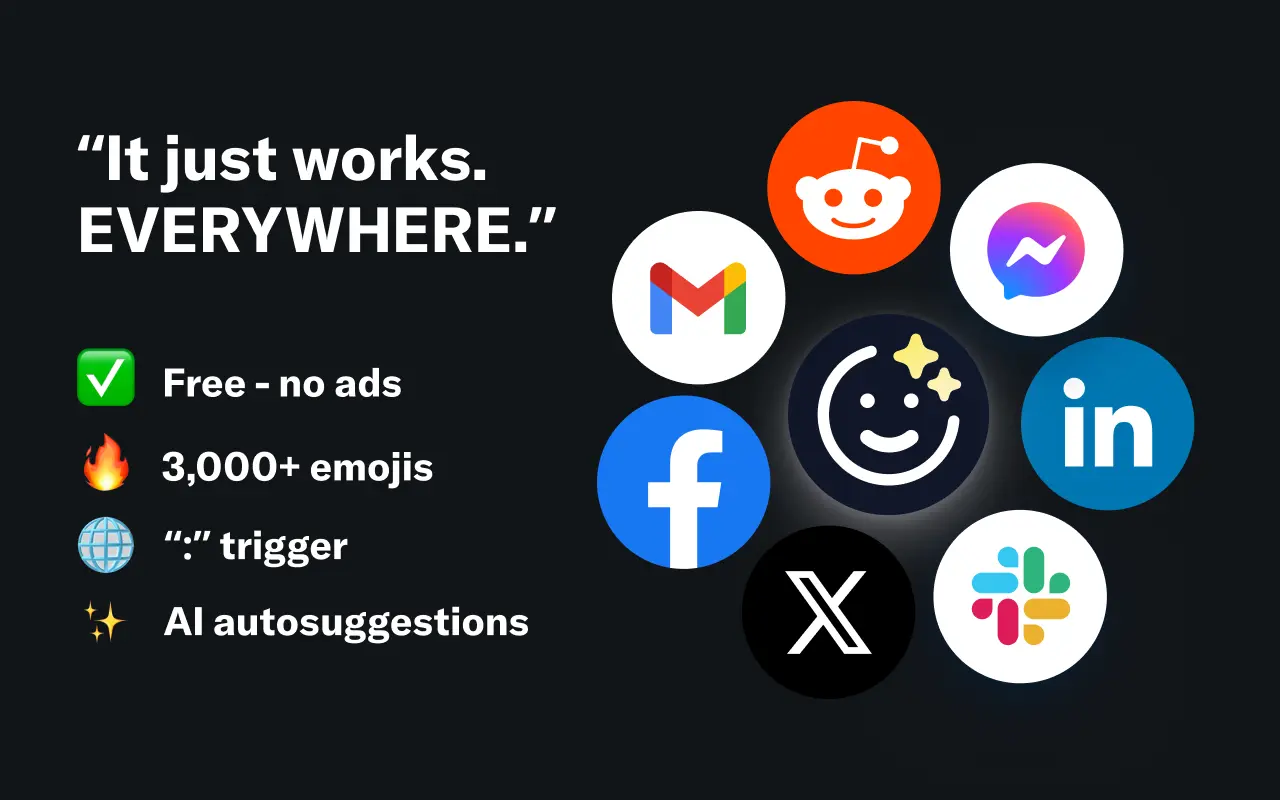
EmojAI
AI-powered emoji picker with smart, context-aware suggestions 🤖
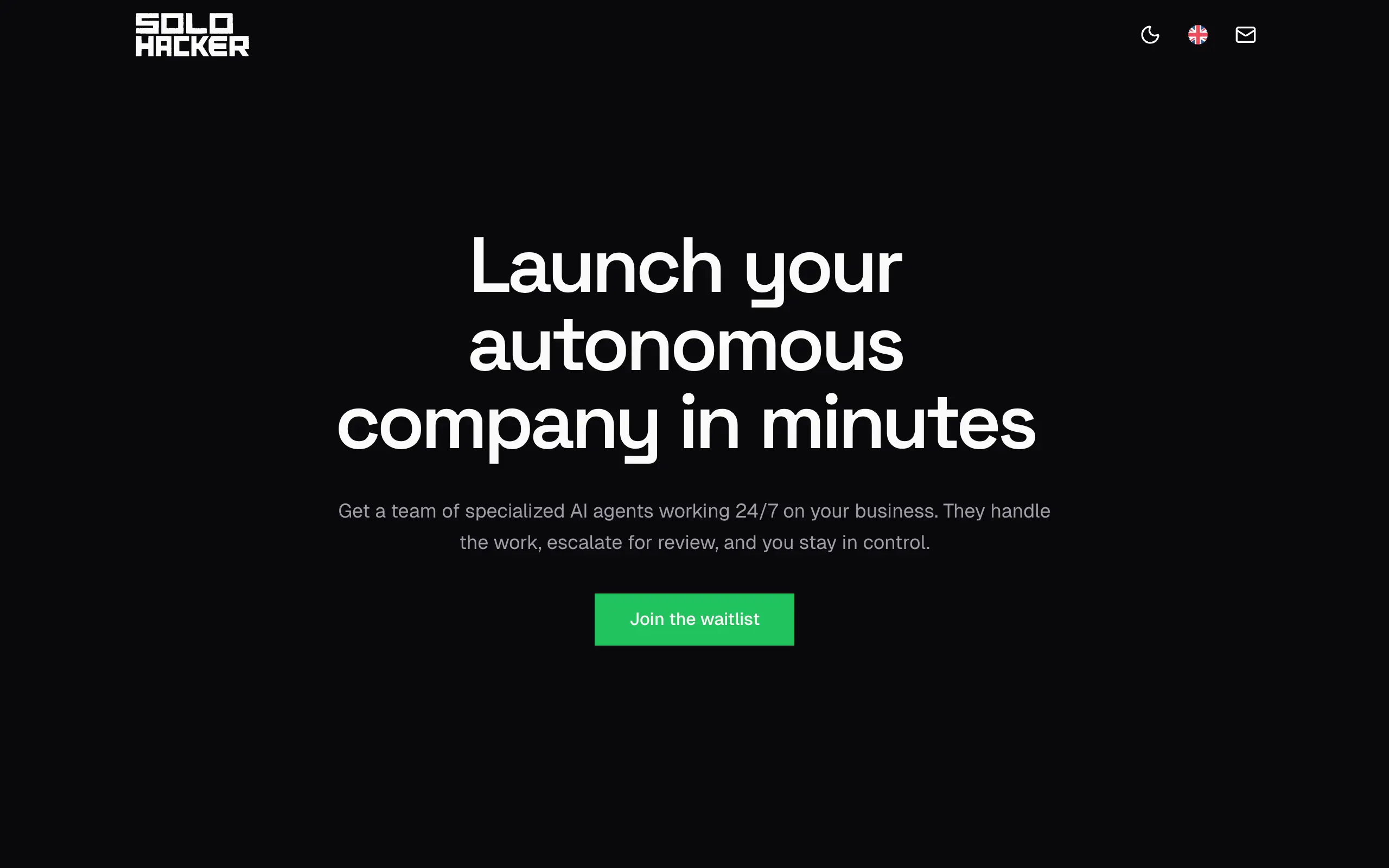
Solohacker
Autonomous company launcher - AI agents work 24/7, escalate what matters, and you stay in control 🤖

BeRawi: Storytelling Coach
Practice storytelling daily with instant feedback to sound clearer, more engaging, and confident 🎤
Omichat
Chat with 50+ AI models, including ChatGPT and Claude, in one place - switch models anytime without losing context 🤖
Claude Fast
Supercharge your Claude Code with 6x effective context window and specialized AI agents 🤖
EmojAI
AI-powered emoji picker with smart, context-aware suggestions 🤖
Solohacker
Autonomous company launcher - AI agents work 24/7, escalate what matters, and you stay in control 🤖
BeRawi: Storytelling Coach
Practice storytelling daily with instant feedback to sound clearer, more engaging, and confident 🎤
Omichat
Chat with 50+ AI models, including ChatGPT and Claude, in one place - switch models anytime without losing context 🤖
Claude Fast
Supercharge your Claude Code with 6x effective context window and specialized AI agents 🤖
EmojAI
AI-powered emoji picker with smart, context-aware suggestions 🤖
Solohacker
Autonomous company launcher - AI agents work 24/7, escalate what matters, and you stay in control 🤖
BeRawi: Storytelling Coach
Practice storytelling daily with instant feedback to sound clearer, more engaging, and confident 🎤
Omichat
Chat with 50+ AI models, including ChatGPT and Claude, in one place - switch models anytime without losing context 🤖
Claude Fast
Supercharge your Claude Code with 6x effective context window and specialized AI agents 🤖
EmojAI
AI-powered emoji picker with smart, context-aware suggestions 🤖
Solohacker
Autonomous company launcher - AI agents work 24/7, escalate what matters, and you stay in control 🤖
BeRawi: Storytelling Coach
Practice storytelling daily with instant feedback to sound clearer, more engaging, and confident 🎤

Connect with like-minded people
Join our community to get feedback, support, and grow together with 1,000+ builders on board, let's ship it!
Join usShip your startup everywhere. In minutes.
Don't burn tokens on setup and start building features on day one.