CartWise City
Compare real-time supermarket prices across your city and instantly see the cheapest cart. Plan smarter grocery trips and save money every week.
Why real-time supermarket price comparison is the next big mobile opportunity
Grocery prices have become one of the most volatile and painful parts of household budgets. Across cities worldwide, consumers are noticing weekly price fluctuations, shrinkflation, and inconsistent discounts between supermarket chains. At the same time, mobile usage for local shopping decisions continues to grow.
This creates a clear opportunity for a mobile-first, real-time supermarket price comparison app like CartWise City—a platform that compares grocery prices across stores in a specific city and instantly shows users the cheapest possible cart.
If you’re researching how to build a grocery price comparison app, validating a mobile SaaS idea, or exploring local commerce platforms, this in-depth guide will walk you through:
- Target audience and demand analysis
- Market gap and competitive landscape
- Core features and product design
- Recommended tech stack and architecture
- Monetization models
- Risks and mitigation strategies
- Clear implementation roadmap
Let’s break it down strategically.
Understanding user intent behind “compare supermarket prices”
Before building a product like CartWise City, it’s critical to understand search and behavioral intent.
Users searching for:
- “Compare supermarket prices near me”
- “Cheapest grocery store in [city]”
- “Best grocery deals today”
- “Save money on groceries app”
- “Grocery price comparison app”
…are not browsing casually. They have transactional and cost-saving intent.
They want to:
- ✅ Save money immediately
- ✅ Make smarter shopping decisions
- ✅ Reduce weekly grocery costs
- ✅ Avoid driving to multiple stores blindly
This is not entertainment. It’s financial optimization.
The emotional driver: control over rising costs
Food inflation and price volatility are real. Many households feel loss of control over grocery spending. A real-time supermarket price comparison app restores that control by answering one simple question:
“Where should I shop today to get the cheapest cart?”
CartWise City’s value proposition is simple and powerful: Plan smarter grocery trips. Save money every week.
Target audience analysis
A successful mobile SaaS must clearly define its primary and secondary audiences.
Primary audience: budget-conscious households
Profile:
- Families and couples
- Urban and suburban residents
- Ages 25–50
- Primary grocery decision-makers
- Smartphone-native
Pain points:
- Weekly grocery bills are unpredictable
- Hard to track which store is cheaper
- Promotions differ by chain
- Time constraints prevent visiting multiple stores
Motivation:
- Save $20–$100+ per month
- Reduce mental load of price checking
- Make confident purchasing decisions
Secondary audience: students and young professionals
Profile:
- 18–30 years old
- Living in shared apartments or dorms
- Highly price-sensitive
- Comfortable with apps and digital tools
Pain points:
- Limited budget
- Often shop across multiple stores
- Lack structured planning
Motivation:
- Stretch budget further
- Optimize every purchase
- Discover best deals fast
Tertiary audience: deal hunters and couponers
These users already:
- Compare flyers
- Use cashback apps
- Track loyalty programs
CartWise City becomes their “control panel” for city-wide grocery optimization.
Market gap and opportunity
While grocery apps exist, most fall into one of these categories:
- Single-store apps (e.g., supermarket chain apps)
- Coupon aggregators
- Flyer browsing apps
- Delivery apps (Instacart-style)
Very few focus on:
✅ Real-time, cart-level price comparison across multiple physical stores in the same city.
The key gap: cart-level intelligence
It’s not enough to know that milk is cheaper at Store A and pasta is cheaper at Store B.
Users want:
“If I buy everything on my list, which store gives me the cheapest total?”
That’s cart-level optimization — and it’s far more powerful than item-by-item browsing.
Competitive landscape analysis
Let’s compare common alternatives conceptually.
| Feature | Chain apps | Flyer apps | Delivery apps | CartWise City |
|---|---|---|---|---|
| Cross-store comparison | ❌ | ❌ | Limited | ✅ |
| Cart-level total optimization | ❌ | ❌ | ❌ | ✅ |
| Real-time pricing | ✅ | ❌ | ✅ | ✅ |
| City-focused intelligence | ❌ | ❌ | ❌ | ✅ |
Competitive advantage
CartWise City’s defensible edge lies in:
- Hyper-local city data
- Cart-level optimization engine
- Aggregated real-time pricing
- Smart routing for grocery trips
- Historical price tracking per city
It’s not a national generic tool. It’s deeply localized and data-driven.
Core features of CartWise City
To build a high-value grocery price comparison app, the feature set must align with real user workflows.
1. Smart grocery list builder
Users can:
- Add items manually
- Import from previous lists
- Use voice input
- Scan barcodes
The list becomes the foundation for cart comparison.
2. Real-time supermarket price comparison
The engine:
- Matches product SKUs across stores
- Normalizes size differences (e.g., 500g vs 450g)
- Accounts for promotions and discounts
- Calculates total cart price per store
Output:
- Cheapest store for full cart
- Second best option
- Price difference
3. Cheapest cart recommendation
Instead of overwhelming users with item-level noise, the app answers:
“Shop at Store X and save $18 compared to Store Y.”
Optional advanced mode:
- Split-cart optimization (advanced users)
- Multi-store route planning
4. City-based pricing engine
CartWise City operates city by city.
Benefits:
- Accurate store inventory
- Location-aware recommendations
- Hyper-local SEO dominance
- Strong network effects
5. Price history and trends
Show:
- Price trends over 30–90 days
- “Best time to buy” indicators
- Price volatility alerts
This increases retention and authority.
6. Weekly savings dashboard
Gamify savings:
- “You saved $32 this month”
- “You beat average city prices by 12%”
- “Smart shopper badge”
Retention increases when users feel measurable wins.
Recommended tech stack for a mobile grocery price comparison app
Because this is a mobile-first SaaS, scalability and performance matter from day one.
Frontend (Mobile)
Option 1: React Native
- Cross-platform (iOS + Android)
- Strong ecosystem
- Mature tooling
Official: React
Option 2: Flutter
- High performance
- Strong UI control
- Good for data-heavy interfaces
Trade-off:
- React Native → faster web integration
- Flutter → stronger UI consistency
Backend
- Node.js (high concurrency)
- Or Python (FastAPI) for data-heavy logic
Key needs:
- Real-time price ingestion
- Cart optimization engine
- Location-based queries
Database
- PostgreSQL (structured pricing data)
- Redis (caching real-time price lookups)
- Optional: ElasticSearch for fast product matching
Infrastructure
- AWS or GCP
- Cloud Functions for scraping/parsing jobs
- Queue system (e.g., SQS or Pub/Sub)
Cart optimization logic example
// Simplified cart optimization logic
function calculateCheapestStore(cartItems, storePrices) {
  return storePrices.map(store => {
    const total = cartItems.reduce((sum, item) => {
      const price = store.prices[item.sku] || 0;
      return sum + price;
    }, 0);

    return {
      storeName: store.name,
      total
    };
  }).sort((a, b) => a.total - b.total)[0];
}
In production:
- Normalize SKUs
- Handle substitutions
- Factor promotions
- Validate stock availability
Data acquisition strategy (critical for success)
The biggest challenge in supermarket price comparison apps is data reliability.
Possible strategies:
1. Retailer API partnerships (ideal)
- Most accurate
- Legally compliant
- Hard to secure early
2. Public flyer scraping
- Good for promotional pricing
- Not full real-time coverage
3. Community-sourced pricing
- Crowdsourced scanning
- Gamified reward system
- Lower initial cost
4. Hybrid model (recommended)
Combine:
- Scraping (where legally permissible)
- Public APIs
- User-submitted data
- Receipt parsing
Legal caution
Always review local laws and retailer terms before scraping. Long-term sustainability requires compliance and, ideally, partnerships.
Monetization strategy options
A grocery price comparison mobile app has multiple monetization paths.
1. Affiliate commissions
When users:
- Click through to order online
- Use partner grocery delivery platforms
You earn a commission.
2. Sponsored placements (carefully)
Example:
- “Featured deal of the week”
- Highlighted supermarket banner
Must remain transparent to maintain trust.
3. Premium subscription
Offer a freemium model.
Free tier:
- Basic cart comparison
- Limited price history
Premium tier ($4–$8/month):
- Price alerts
- Split-cart optimization
- Historical price graphs
- Savings analytics
- No ads
4. Data insights for retailers (B2B)
Aggregated, anonymized insights:
- Price competitiveness reports
- Consumer demand signals
This requires strong data governance.
Risks and mitigation strategies
No SaaS is without risk. Let’s address them directly.
Risk 1: Data inaccuracy
If prices are wrong, trust collapses.
Mitigation:
- Timestamp pricing
- Show confidence level
- Allow user reporting
- Frequent sync cycles
Risk 2: Legal challenges from retailers
Mitigation:
- Avoid scraping behind logins
- Use public data sources
- Seek partnerships early
- Consult legal experts
Risk 3: Low user retention
Users may compare once and churn.
Mitigation:
- Weekly savings reports
- Smart reminders
- Personalized alerts
- Gamification
Risk 4: Operational complexity
Maintaining real-time pricing infrastructure is costly.
Mitigation:
- Start city-by-city
- Limit to top 5 chains initially
- Optimize caching aggressively
Unique selling proposition (USP)
CartWise City stands out because it:
- Focuses on city-level dominance
- Provides cart-level price intelligence
- Prioritizes real-time actionable savings
- Combines data science with local commerce
It’s not just a “deal browsing app.”
It’s a grocery decision engine.
Go-to-market strategy
Phase 1: Single city domination
Pick:
- A dense metro area
- 4–6 major supermarket chains
- Strong price variation between stores
Own SEO for:
- “Cheapest grocery store in [city]”
- “Compare supermarket prices [city]”
- “[City] grocery price comparison”
Phase 2: Community growth
- Launch referral program
- Offer premium free months
- Partner with local finance influencers
- Target Reddit and local Facebook groups
Phase 3: Expand city-by-city
Replication model:
- Clone infrastructure
- Integrate new store data
- Localize marketing
Implementation roadmap
Validate demand in one city via landing page + ads (“Compare grocery prices in [City]”).
Build MVP with 3–5 supermarkets and manual/partial pricing ingestion.
Launch closed beta with 200–500 users and track savings engagement.
Improve pricing accuracy and optimize cart comparison engine.
Launch publicly with referral and press strategy.
Building faster with the right foundation
Instead of starting from scratch, use a production-ready SaaS foundation like TurboStarter to accelerate:
- Authentication
- Payments
- Admin dashboard
- Subscription logic
- API scaffolding
This lets you focus on:
- Data ingestion
- Cart optimization logic
- UX refinement
Not boilerplate infrastructure.
Long-term vision: the grocery intelligence platform
CartWise City can evolve beyond comparison.
Future expansions:
- AI-based shopping predictions
- Personalized nutrition + budget hybrid plans
- Household budget integration
- Integration with banking apps
- Smart pantry tracking
Eventually, it becomes:
“The operating system for smart grocery spending.”
Final thoughts: is a real-time supermarket price comparison app worth building?
Yes — if executed correctly.
The opportunity exists at the intersection of:
- Rising grocery prices
- Mobile-first consumers
- Data-driven decision-making
- Local commerce digitization
CartWise City addresses a recurring, high-frequency pain point.
People buy groceries every week.
Even saving $15 per week equals:
- $60/month
- $720/year
That’s a compelling, repeatable value proposition.
Build it city-first.
Focus on accuracy.
Earn trust.
Then scale.
If you execute with precision, CartWise City doesn’t just become another mobile app — it becomes a habit.
And habits are where durable SaaS businesses are built.
More 📱 Mobile App SaaS ideas
Discover more innovative mobile app SaaS ideas that are trending in 2026. Each idea is AI-generated with market validation and growth potential to help you find your next profitable venture faster than competitors.
Your competitors are building with TurboStarter
Below are some of the SaaS ideas that have been generated and built with our starter kit.
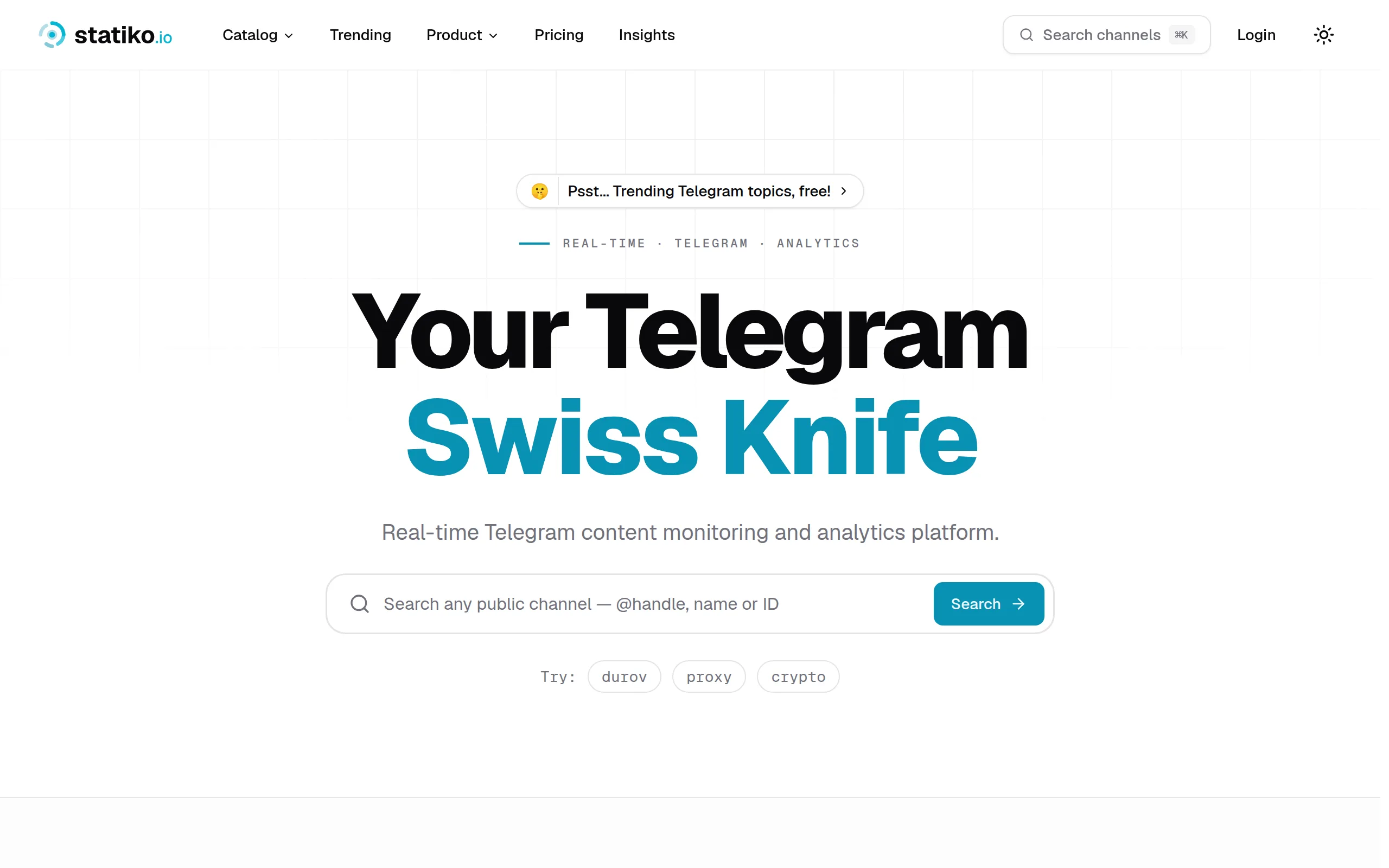
Statiko
Monitor any Telegram channel in real time - track posts, edits, deletions, and growth with AI recaps 📡

Shibui
AI website builder - describe your business, pick a niche template, edit by chatting, and publish instantly ✨

Pro Service
Find verified home service professionals, compare quotes, and pay securely through escrow - built for Brazilians across the US 🏠
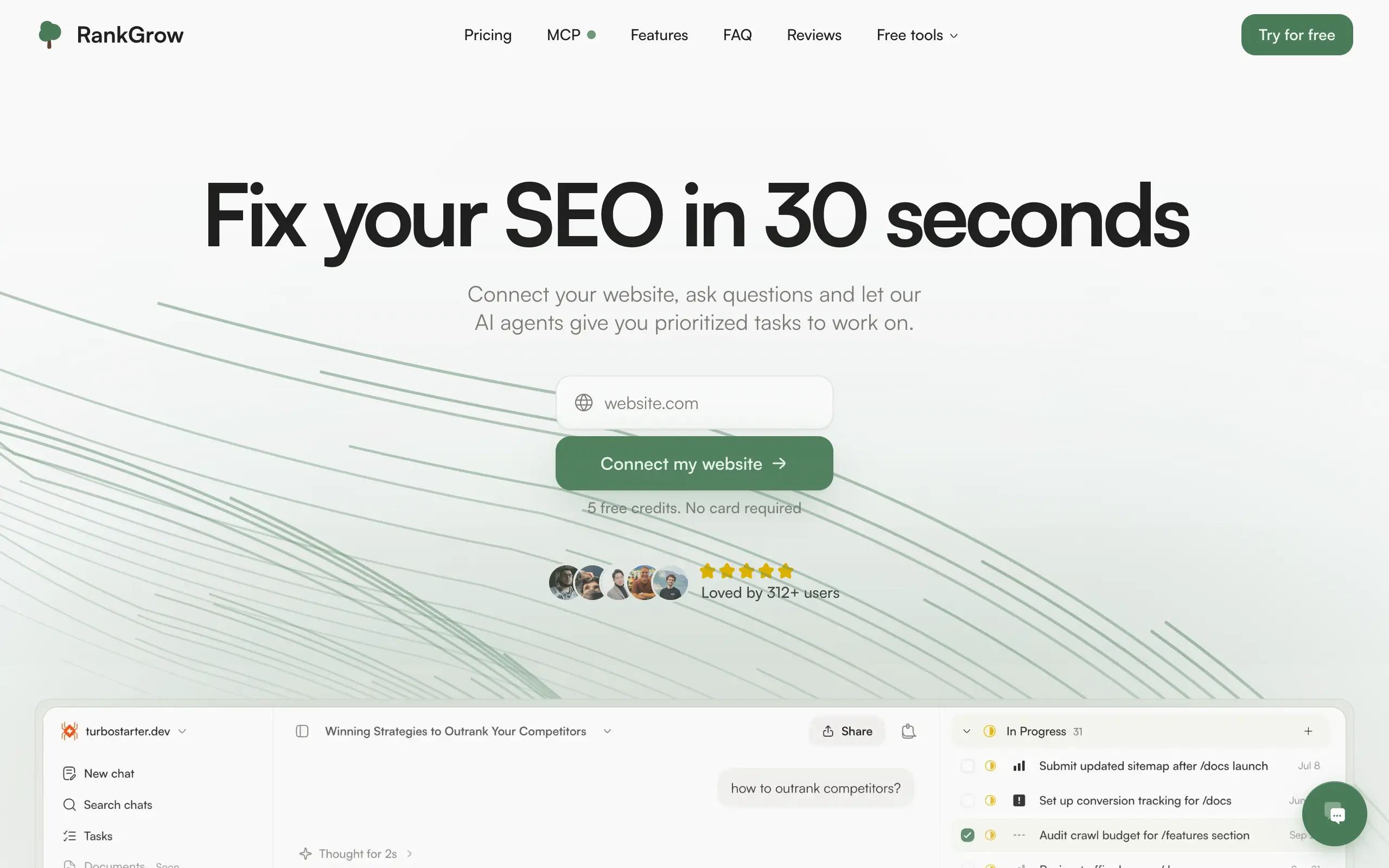
RankGrow
Fix your SEO with AI agents - connect Search Console, get prioritized tasks, and grow organic traffic 📈
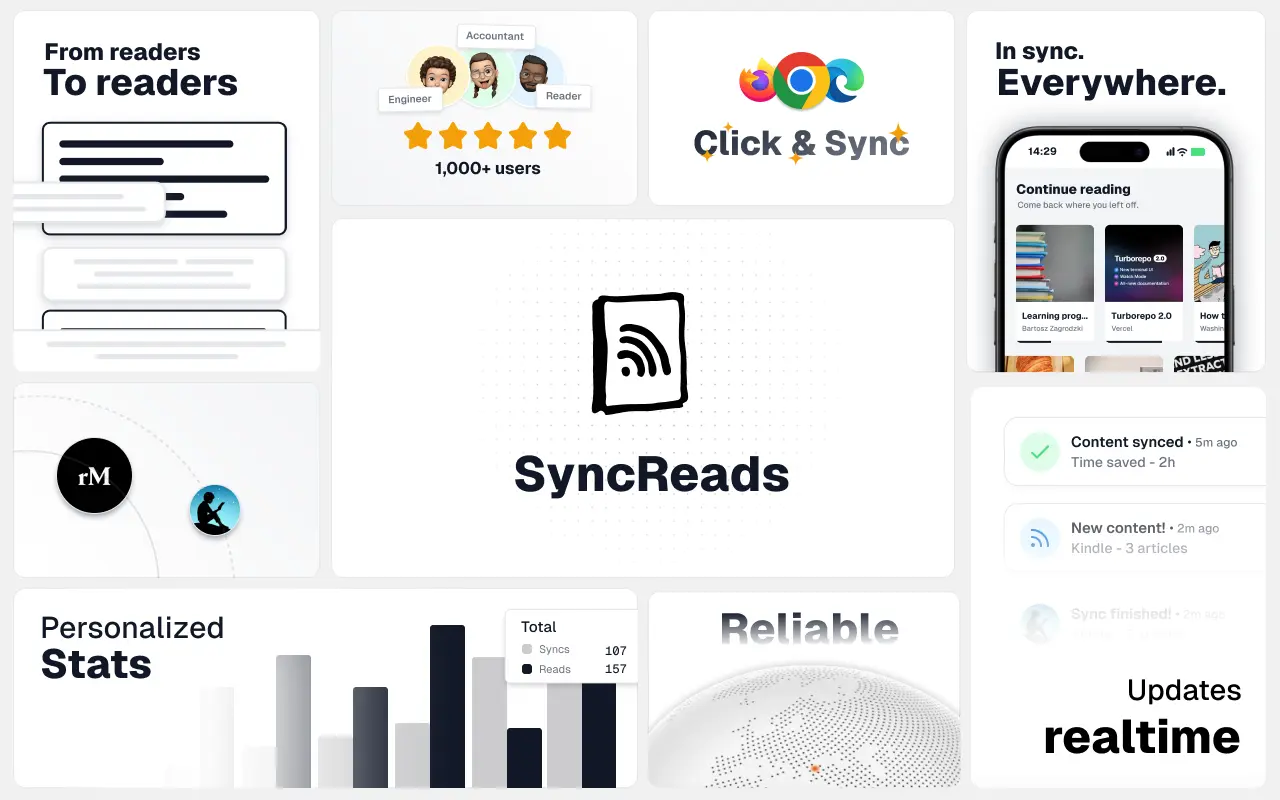
SyncReads
Sync your favorite content for distraction-free reading, save time and replace multiple apps. Anytime, anywhere 🔄
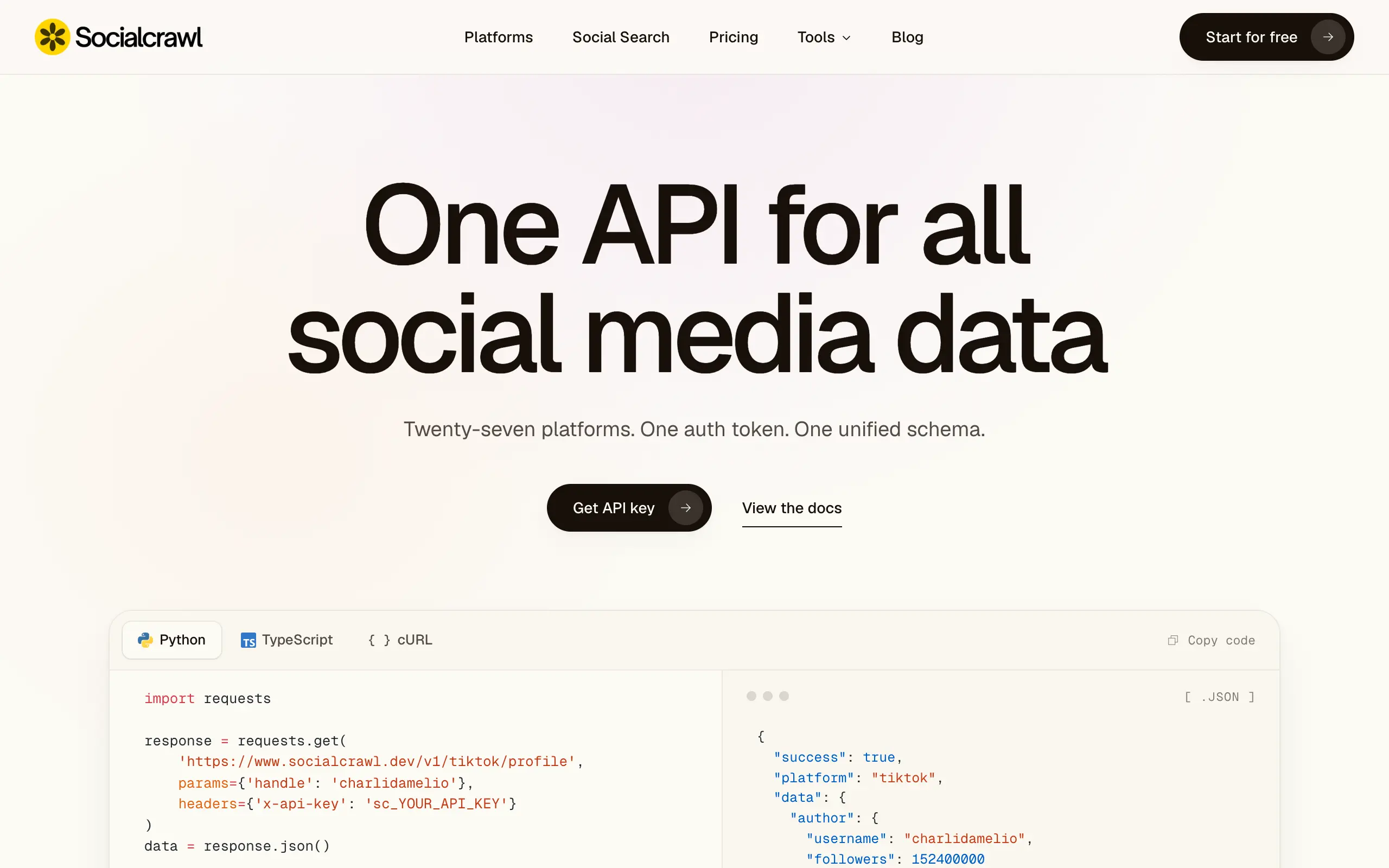
Socialcrawl
Get clean, structured data from 21 platforms like TikTok, Instagram, and YouTube with a single request 📊
Statiko
Monitor any Telegram channel in real time - track posts, edits, deletions, and growth with AI recaps 📡
Shibui
AI website builder - describe your business, pick a niche template, edit by chatting, and publish instantly ✨
Pro Service
Find verified home service professionals, compare quotes, and pay securely through escrow - built for Brazilians across the US 🏠
RankGrow
Fix your SEO with AI agents - connect Search Console, get prioritized tasks, and grow organic traffic 📈
SyncReads
Sync your favorite content for distraction-free reading, save time and replace multiple apps. Anytime, anywhere 🔄
Socialcrawl
Get clean, structured data from 21 platforms like TikTok, Instagram, and YouTube with a single request 📊
Statiko
Monitor any Telegram channel in real time - track posts, edits, deletions, and growth with AI recaps 📡
Shibui
AI website builder - describe your business, pick a niche template, edit by chatting, and publish instantly ✨
Pro Service
Find verified home service professionals, compare quotes, and pay securely through escrow - built for Brazilians across the US 🏠
RankGrow
Fix your SEO with AI agents - connect Search Console, get prioritized tasks, and grow organic traffic 📈
SyncReads
Sync your favorite content for distraction-free reading, save time and replace multiple apps. Anytime, anywhere 🔄
Socialcrawl
Get clean, structured data from 21 platforms like TikTok, Instagram, and YouTube with a single request 📊
Statiko
Monitor any Telegram channel in real time - track posts, edits, deletions, and growth with AI recaps 📡
Shibui
AI website builder - describe your business, pick a niche template, edit by chatting, and publish instantly ✨
Pro Service
Find verified home service professionals, compare quotes, and pay securely through escrow - built for Brazilians across the US 🏠
RankGrow
Fix your SEO with AI agents - connect Search Console, get prioritized tasks, and grow organic traffic 📈
SyncReads
Sync your favorite content for distraction-free reading, save time and replace multiple apps. Anytime, anywhere 🔄
Socialcrawl
Get clean, structured data from 21 platforms like TikTok, Instagram, and YouTube with a single request 📊
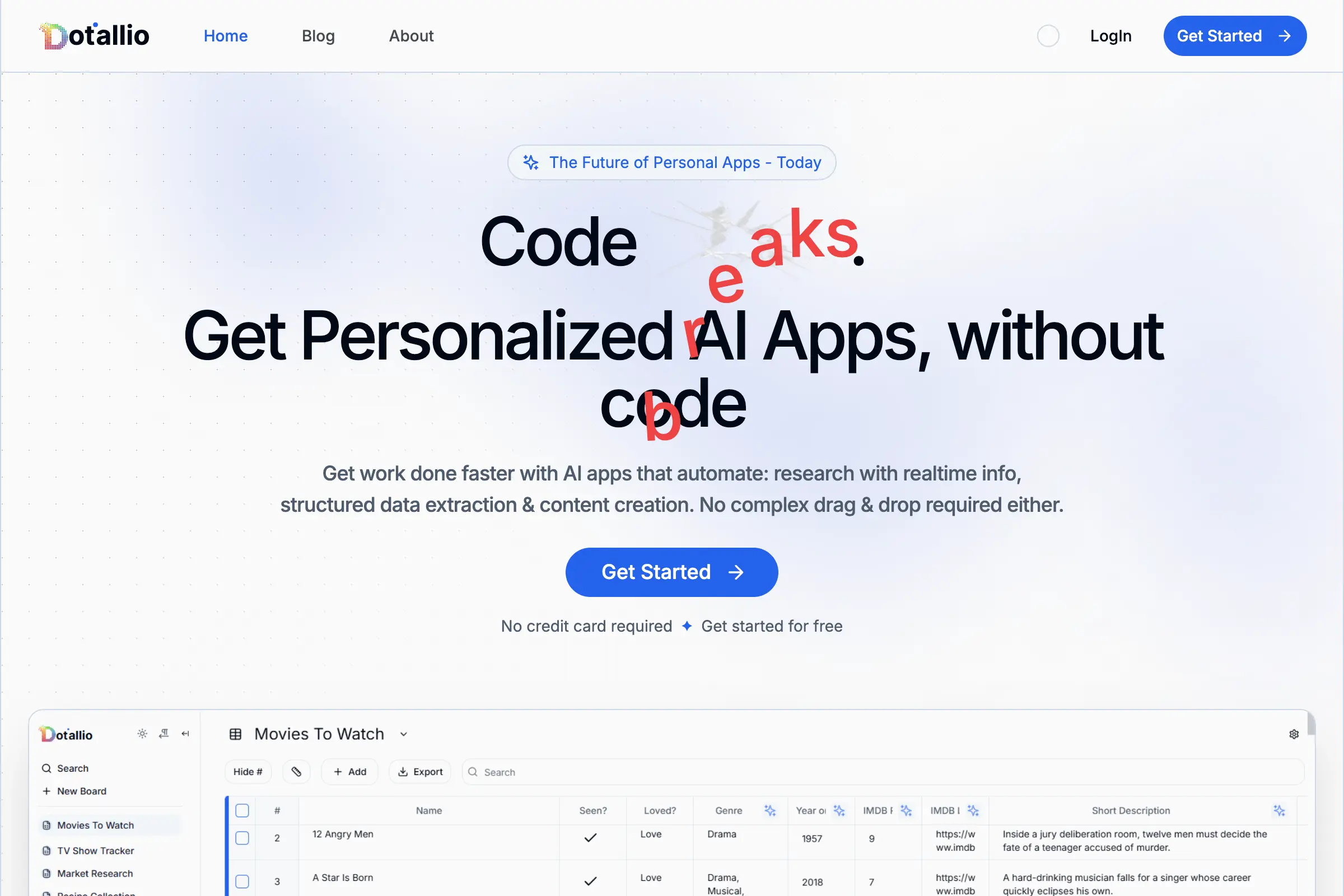
Dotallio
Personalized AI apps that automate research, data extraction, and content creation without code 🤖

Talk to Santa
Enjoy a magical live video chat or receive a unique AI-generated video greeting from Santa Claus 🎅

pozywka.pl
Scalable blog for food journalist, focused on performance and user experience 🌭
zagrodzki.me
Personal blog and portfolio of Bart Zagrodzki, where he shares his knowledge and work 💼
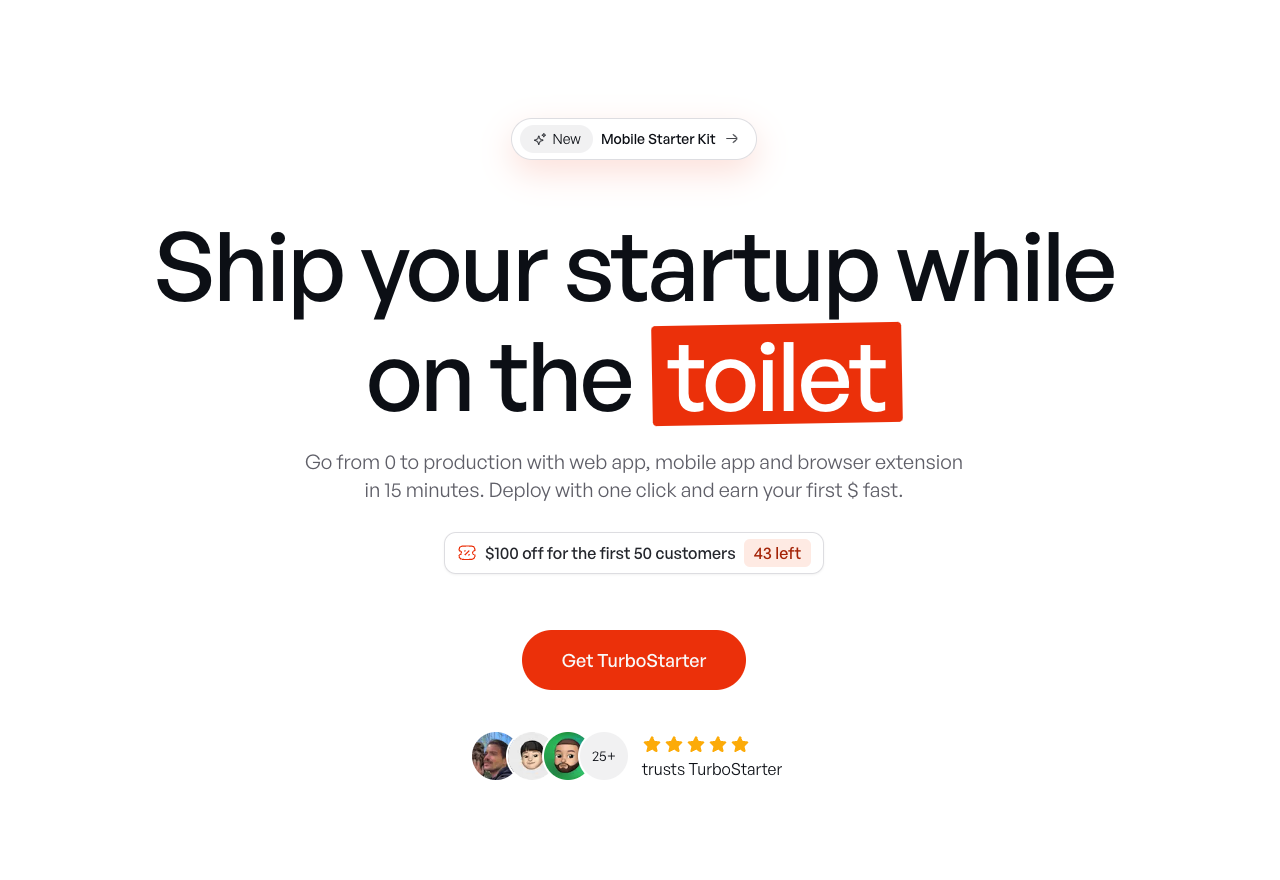
TurboStarter
Ship your startup everywhere. In minutes.
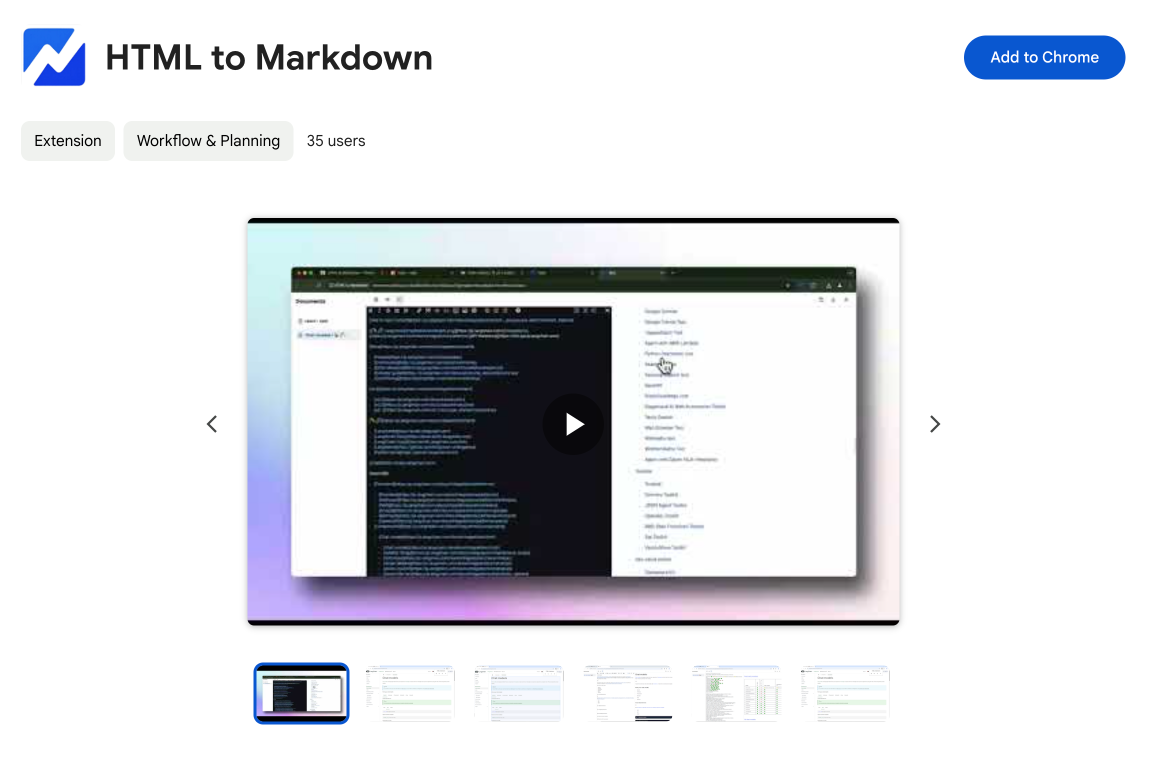
HTML to Markdown
Convert HTML to Markdown with ease, directly in your browser 📄
Dotallio
Personalized AI apps that automate research, data extraction, and content creation without code 🤖
Talk to Santa
Enjoy a magical live video chat or receive a unique AI-generated video greeting from Santa Claus 🎅
pozywka.pl
Scalable blog for food journalist, focused on performance and user experience 🌭
zagrodzki.me
Personal blog and portfolio of Bart Zagrodzki, where he shares his knowledge and work 💼
TurboStarter
Ship your startup everywhere. In minutes.
HTML to Markdown
Convert HTML to Markdown with ease, directly in your browser 📄
Dotallio
Personalized AI apps that automate research, data extraction, and content creation without code 🤖
Talk to Santa
Enjoy a magical live video chat or receive a unique AI-generated video greeting from Santa Claus 🎅
pozywka.pl
Scalable blog for food journalist, focused on performance and user experience 🌭
zagrodzki.me
Personal blog and portfolio of Bart Zagrodzki, where he shares his knowledge and work 💼
TurboStarter
Ship your startup everywhere. In minutes.
HTML to Markdown
Convert HTML to Markdown with ease, directly in your browser 📄
Dotallio
Personalized AI apps that automate research, data extraction, and content creation without code 🤖
Talk to Santa
Enjoy a magical live video chat or receive a unique AI-generated video greeting from Santa Claus 🎅
pozywka.pl
Scalable blog for food journalist, focused on performance and user experience 🌭
zagrodzki.me
Personal blog and portfolio of Bart Zagrodzki, where he shares his knowledge and work 💼
TurboStarter
Ship your startup everywhere. In minutes.
HTML to Markdown
Convert HTML to Markdown with ease, directly in your browser 📄
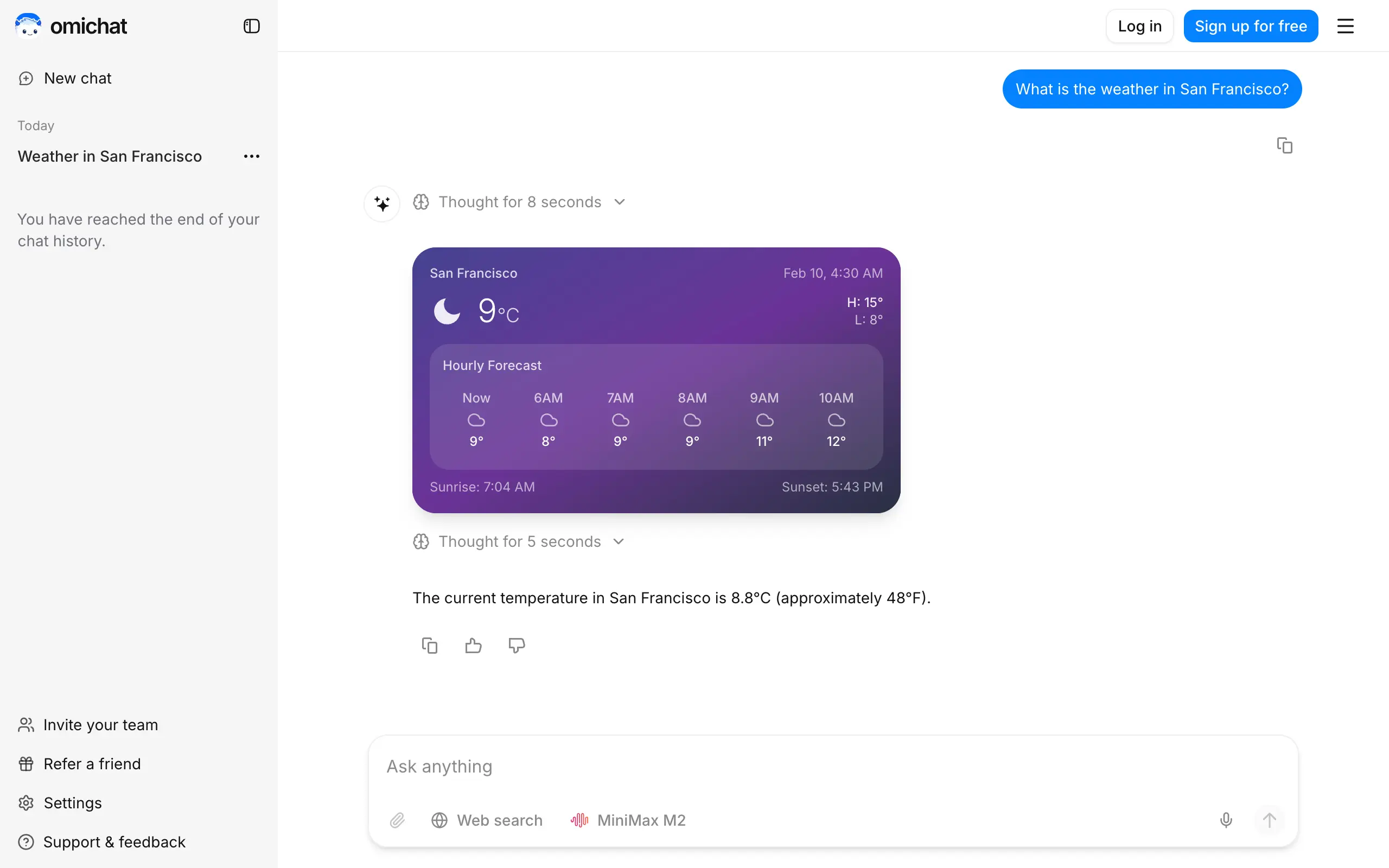
Omichat
Chat with 50+ AI models, including ChatGPT and Claude, in one place - switch models anytime without losing context 🤖
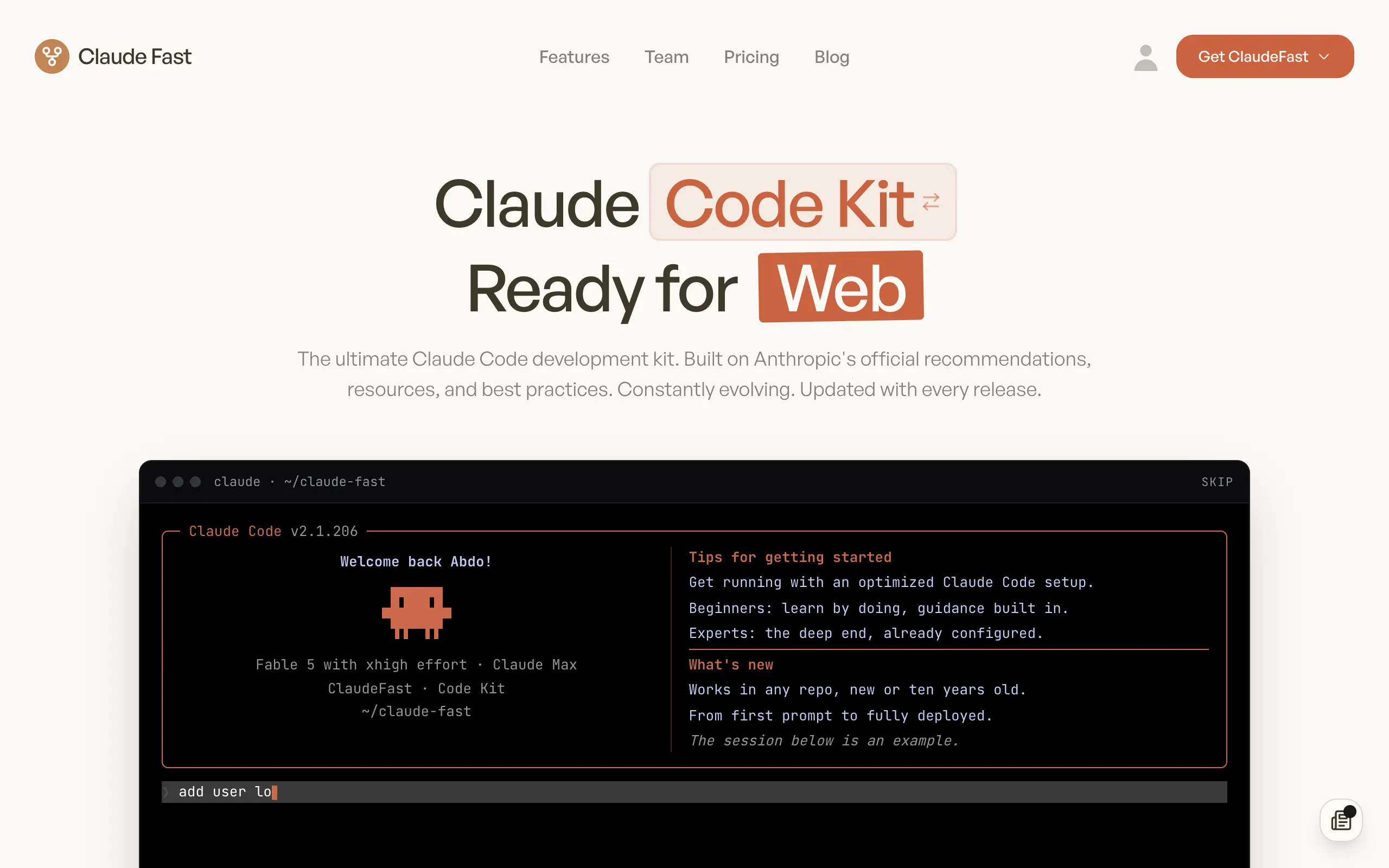
Claude Fast
Supercharge your Claude Code with 6x effective context window and specialized AI agents 🤖
EmojAI
AI-powered emoji picker with smart, context-aware suggestions 🤖
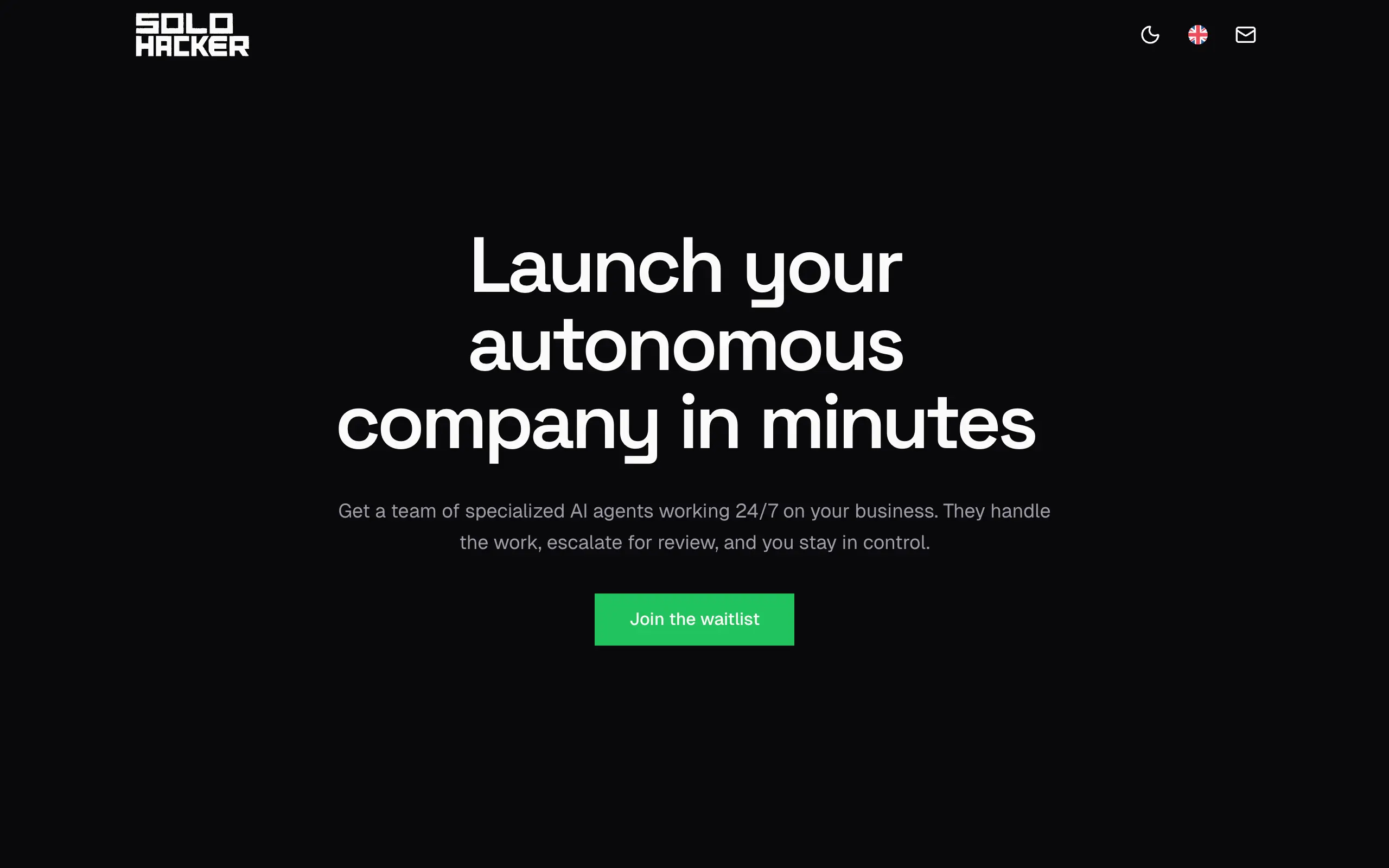
Solohacker
Autonomous company launcher - AI agents work 24/7, escalate what matters, and you stay in control 🤖

BeRawi: Storytelling Coach
Practice storytelling daily with instant feedback to sound clearer, more engaging, and confident 🎤
Omichat
Chat with 50+ AI models, including ChatGPT and Claude, in one place - switch models anytime without losing context 🤖
Claude Fast
Supercharge your Claude Code with 6x effective context window and specialized AI agents 🤖
EmojAI
AI-powered emoji picker with smart, context-aware suggestions 🤖
Solohacker
Autonomous company launcher - AI agents work 24/7, escalate what matters, and you stay in control 🤖
BeRawi: Storytelling Coach
Practice storytelling daily with instant feedback to sound clearer, more engaging, and confident 🎤
Omichat
Chat with 50+ AI models, including ChatGPT and Claude, in one place - switch models anytime without losing context 🤖
Claude Fast
Supercharge your Claude Code with 6x effective context window and specialized AI agents 🤖
EmojAI
AI-powered emoji picker with smart, context-aware suggestions 🤖
Solohacker
Autonomous company launcher - AI agents work 24/7, escalate what matters, and you stay in control 🤖
BeRawi: Storytelling Coach
Practice storytelling daily with instant feedback to sound clearer, more engaging, and confident 🎤
Omichat
Chat with 50+ AI models, including ChatGPT and Claude, in one place - switch models anytime without losing context 🤖
Claude Fast
Supercharge your Claude Code with 6x effective context window and specialized AI agents 🤖
EmojAI
AI-powered emoji picker with smart, context-aware suggestions 🤖
Solohacker
Autonomous company launcher - AI agents work 24/7, escalate what matters, and you stay in control 🤖
BeRawi: Storytelling Coach
Practice storytelling daily with instant feedback to sound clearer, more engaging, and confident 🎤

Connect with like-minded people
Join our community to get feedback, support, and grow together with 1,000+ builders on board, let's ship it!
Join usShip your startup everywhere. In minutes.
Don't burn tokens on setup and start building features on day one.