ClosetAlchemy
Remix your wardrobe with AI outfit ideas and 3D previews, then complete style challenges and trade inspiration with friends.
Why an AI outfit generator app solves a real wardrobe problem
ClosetAlchemy is a mobile AI outfit generator app built around a simple promise: help people make more of the clothes they already own. Users catalog their wardrobe, get outfit suggestions tailored to their style and plans, preview combinations in 3D, and take part in style challenges with friends.
That combination matters. Many people have plenty to wear but still spend time deciding what goes together. A digital closet can make wardrobe items easier to find, while outfit recommendations can reduce decision fatigue. Social challenges add a reason to return, and 3D previews give users a more visual way to explore combinations before getting dressed.
The product opportunity is to make those capabilities work together in one useful experience. ClosetAlchemy should not feel like a generic chatbot, a static clothing catalog, or a social feed detached from the user’s actual wardrobe. Its central experience should connect what users own, what they want to wear, and how they want to express themselves.
The primary SEO topic is the AI outfit generator app. Closely related search topics include:
- AI fashion stylist and outfit planner
- Virtual closet app and digital wardrobe organizer
- Outfit ideas from clothes you own
- 3D outfit preview app
- Social fashion challenges and outfit inspiration
These phrases point to several kinds of intent. Some people want outfit ideas today; others are comparing wardrobe apps, evaluating virtual try-on tools, or looking for a more sustainable way to use their clothes. A strong product and its content strategy should address all of those needs without promising results the technology cannot reliably deliver.
Who ClosetAlchemy is for
ClosetAlchemy’s broad potential audience is anyone who wants to get more value, variety, or confidence from their wardrobe. The first version should still focus on a specific group. A clearly defined early audience makes it easier to design onboarding, choose recommendation features, and test whether the product solves a frequent problem.
Primary audience: style-conscious, time-constrained adults
The strongest starting audience may be people who enjoy personal style but do not want to spend much time planning what to wear. They may have a busy workweek, a full calendar, or a closet with enough options to make choosing harder rather than easier.
For these users, useful outcomes include:
- Finding a suitable outfit for work, a casual day, or an event
- Seeing more combinations from clothes they already own
- Remembering items that are rarely worn
- Getting suggestions that reflect personal preferences instead of generic trends
- Making outfit planning faster without giving up creative control
The app should let users explain what matters in the moment. For example, they could ask for an outfit for a rainy commute, a relaxed dinner, or a day that involves both work and walking. Recommendations should take context into account, but users should be able to adjust them quickly.
Secondary audience: students and younger fashion communities
Students and younger users may be especially receptive to social outfit challenges, collaborative inspiration, and playful ways to style existing clothes. They can help test whether ClosetAlchemy’s social layer is engaging, but monetization and privacy choices need to suit a younger audience.
A challenge mechanic should encourage creativity rather than purchases. Prompts might include “style one item three ways” or “build a look around a color.” The product can reward participation with badges, saved looks, or community recognition instead of framing every interaction as a shopping opportunity.
Additional audience: sustainability-minded wardrobe planners
People interested in reducing unnecessary purchases may value a tool that helps them see what they already own and plan new combinations. ClosetAlchemy should describe this value carefully. Rewearing clothes can support more thoughtful use of a wardrobe, but an app should not claim a measured environmental benefit without a defensible method and evidence.
A practical value proposition is simpler: make existing clothes easier to remember, combine, and wear. That claim is both useful and testable.
Potential partners and professional users
Stylists, personal shoppers, fashion creators, and boutique retailers could become future users or distribution partners. However, the first product should not try to serve every audience at launch. Professional workflows may require client management, shared collections, brand catalogs, or commerce integrations that complicate the initial experience.
The market opportunity and product gap
The wardrobe app category sits at the intersection of personal organization, fashion discovery, AI recommendations, and social sharing. That creates an opportunity, but it also creates a risk: a product that tries to do everything may fail to make any one task feel effortless.
ClosetAlchemy’s market opportunity depends on answering a specific question: Can it help a user create an outfit they genuinely want to wear from items they already own, with less effort than their current routine?
That question is more valuable than simply asking whether users like AI or 3D previews. Novelty can generate early interest, but repeated use depends on practical utility. The app needs to produce recommendations that are relevant, easy to edit, and grounded in the user’s actual wardrobe.
Where existing approaches can fall short
Potential alternatives include wardrobe cataloging apps, image-based AI stylists, social fashion platforms, and virtual try-on tools. Each category can solve part of the problem:
- A digital wardrobe makes clothing easier to organize but may require tedious data entry.
- A general AI assistant can suggest outfits but may not know what the user owns.
- A social platform can inspire new looks but may showcase items the user cannot access.
- A virtual try-on tool can visualize clothing but may focus on retailer inventory rather than a personal closet.
These are category-level observations, not claims that every competitor has the same limitations. ClosetAlchemy should validate them through hands-on product research, user interviews, and app store reviews before using them as public positioning.
A focused market gap
The clearest gap to test is a connected workflow:
- A user adds a few wardrobe items without facing a long setup process.
- The app creates outfit suggestions using those items and the user’s preferences.
- The user adjusts a suggestion and saves or wears it.
- A visual preview helps the user understand the combination.
- A challenge or friend interaction gives the user a reason to return.
The product should make the first useful result possible before the user has cataloged an entire closet. Requiring dozens of uploads before showing value is a common onboarding trap for products built around personal data.
Validate the job before the technology
Ask prospective users to describe the last time they struggled to choose an outfit. Learn what they did, how long it took, and what would have made the decision easier. Do not start by asking whether they want AI or 3D. Those are implementation choices, not proof of demand.
ClosetAlchemy’s unique selling proposition
ClosetAlchemy’s USP is personalized outfit discovery from a user’s own wardrobe, paired with social challenges and visual previews. The strongest version of this proposition is not “AI for fashion.” It is a practical and expressive way to remix clothes people already own.
The product can differentiate itself through four connected elements:
- Personal context: Recommendations use wardrobe items, preferences, occasion, weather, and user feedback.
- Creative control: Users can replace, lock, or exclude items rather than accepting a black-box answer.
- Visual exploration: Previews make outfit combinations easier to understand before users get dressed.
- Social motivation: Challenges invite people to participate and share without making purchasing the default action.
Each element should strengthen the others. If the AI recommends items not in the user’s closet, the digital wardrobe loses credibility. If the 3D representation looks inaccurate, it may reduce trust rather than build it. If social features feel like a popularity contest, they could undermine a personal styling experience.
Core features for an AI outfit generator app
The best product roadmap starts with a reliable core loop and adds complexity only after the loop works. ClosetAlchemy should first prove that wardrobe-based recommendations are useful. Social mechanics and advanced visualization can then improve discovery and retention.
1. A low-friction digital wardrobe
Users need a simple way to add clothing. At minimum, they should be able to take a photo, upload an existing image, and identify a few basic attributes such as category, color, and season.
Useful wardrobe fields may include:
- Clothing category, such as top, bottom, outerwear, or shoes
- Primary and secondary colors
- Style tags, such as formal, casual, sporty, or minimalist
- Occasion and season
- Fit or comfort preferences
- Whether the item is clean, available, or currently in rotation
Avoid demanding perfect metadata from the start. Computer vision may help suggest categories and colors, but users should be able to correct mistakes. A fast, forgiving catalog is more valuable than a detailed catalog that users abandon.
2. Context-aware outfit recommendations
The AI outfit generator should accept a combination of structured preferences and natural-language requests. A user might select an occasion and temperature range, then add a note such as “something comfortable for a long day on my feet.”
Recommendations can consider:
- Items available in the user’s wardrobe
- Occasion, weather, and season
- User-stated style preferences
- Recent outfits to avoid repetition
- Items the user wants to wear or avoid
- Feedback on earlier suggestions
The app should explain recommendations in plain language. A short reason such as “the light jacket adds a layer for cool weather” can make a suggestion feel more understandable. The explanation should not pretend to know how an outfit will fit or look on a person when the app lacks reliable information.
3. Outfit editing and feedback
A useful recommendation is a starting point, not a final verdict. Users should be able to swap one item, ask for a more formal version, or lock a favorite piece while regenerating the rest.
Feedback can improve personalization over time. Keep the first interaction simple:
- Save an outfit
- Mark an outfit as worn
- Request a different suggestion
- Rate whether an item or combination suits the user
- Add a short preference, such as “no heels for work”
This feedback creates a product advantage only if it changes future results in a visible way. Users should be able to manage or remove their preferences and understand why a recommendation appeared.
4. 3D outfit previews
The 3D preview is a potential differentiator, but it is also one of the most technically demanding features. It is important to distinguish an outfit visualization from a fit guarantee. Unless ClosetAlchemy has reliable body measurements, garment construction data, and validated simulation, a preview should not imply that it can predict exact fit or drape.
A staged approach can reduce risk:
- Start with a clean, flat-lay or mannequin-style composition.
- Explore layered visual previews for combinations of cataloged garments.
- Test a 3D avatar experience with clear limitations and user controls.
- Consider more realistic virtual try-on only if quality, consent, and data handling are strong enough.
A preview is successful when it helps users imagine a combination, not when it makes the most ambitious technical claim.
5. Style challenges and friend discovery
Challenges can give ClosetAlchemy a recurring reason to open the app. They should be easy to understand, optional, and grounded in the user’s wardrobe.
Possible formats include:
- A weekly color or theme challenge
- One item styled in three different ways
- A “wear what you own” prompt
- A private challenge shared with friends
- A community inspiration board with moderation controls
Sharing should be privacy-aware. Users need control over whether a look is public, friends-only, or private. Avoid making public posting a requirement for receiving core outfit recommendations.
6. Outfit calendar and wardrobe insights
A calendar can help users plan outfits for upcoming events and avoid repeating a look unintentionally. Wardrobe insights can show what is frequently worn, what has not been used recently, and which items appear in saved combinations.
Insights should be informative rather than judgmental. A low-wear item is not automatically wasteful; it may be seasonal, formal, or sentimental. The app can offer a gentle prompt to style it without treating the user’s wardrobe as a scorecard.
Recommended MVP and feature priorities
A lean MVP should test the product’s central assumption before investing heavily in social infrastructure or realistic 3D rendering.
| Feature | MVP priority | Why it matters | Key risk | Success signal |
|---|---|---|---|---|
| Photo-based wardrobe | High | Provides the source data for personal recommendations | Setup takes too long | Users add enough items to get a useful look |
| Outfit generator | High | Tests the core user promise | Suggestions feel generic | Users save, edit, or wear suggested outfits |
| Preference feedback | High | Helps improve relevance | Feedback feels like extra work | Repeat suggestions improve in user ratings |
| Basic outfit preview | Medium | Makes combinations easier to evaluate | Visuals look inaccurate | Users use previews before saving a look |
| Social challenges | Medium | Creates discovery and return visits | Social pressure or moderation burden | Users join or share voluntarily |
| Advanced 3D try-on | Later | Could differentiate the product | Cost, latency, and expectation mismatch | Users value it enough to support investment |
The exact roadmap should follow observed behavior, not assumptions. If users repeatedly ask for better recommendations, improve wardrobe data and ranking before building a more elaborate avatar. If users enjoy challenges but rarely use outfit generation, revisit whether the product is serving the intended core need.
Recommended tech stack for a mobile wardrobe app
ClosetAlchemy is a mobile product, so the stack should support camera access, notifications, smooth interfaces, and iterative releases across iOS and Android. The right choice depends on the team’s skills, the quality required for 3D rendering, and how quickly the MVP must reach users.
Mobile application
React Native offers a cross-platform approach using JavaScript or TypeScript and a large ecosystem. It can be a good fit for a product with standard mobile screens, camera workflows, and social features. Native modules may still be needed for specialized imaging or graphics capabilities.
Expo can streamline development and release workflows for React Native applications. Its managed tooling is convenient, though a team should check early whether its chosen camera, rendering, or native-library requirements fit the Expo workflow.
A native iOS and Android approach may be preferable if the product depends on highly specialized graphics performance or platform-specific experiences. The trade-off is a larger engineering and maintenance commitment, particularly for an early-stage team.
Backend and data
A relational database is a strong fit for users, wardrobe items, outfits, preferences, and challenge participation. PostgreSQL provides a mature relational foundation, and Supabase can provide managed database, authentication, storage, and related backend services for a faster early build.
Separate the core application data from media storage. Clothing images can consume significant storage and bandwidth, so the product should use appropriately sized images, secure access controls, and clear retention rules.
A practical data model might include:
- Users and privacy settings
- Wardrobe items and image references
- Item attributes and user corrections
- Outfit recommendations and their source items
- Feedback, saves, and wear history
- Challenges, entries, and visibility permissions
Keep personal wardrobe records private by default. Public sharing should be an explicit user action.
AI and recommendation architecture
Do not make one generative model responsible for every decision. A more dependable system can combine:
- Structured filters to exclude unavailable or unsuitable items.
- Ranking logic to prioritize combinations based on user preferences and history.
- Generative AI to interpret natural-language requests and provide concise explanations.
- Human feedback to correct errors and improve future relevance.
This division makes results easier to debug. If a recommendation includes an item marked unavailable, the issue is likely in the filtering layer. If the combination technically fits the request but feels stylistically wrong, ranking and preference data may need improvement.
Protect user data by limiting the information sent to third-party AI services. Review provider terms, retention settings, and applicable privacy requirements before sending wardrobe images or other personal information. Do not use user content for model training without a clear legal basis and transparent user consent.
3D and visual rendering
Three.js is a JavaScript 3D library that can support browser-based visualization experiments. It may be useful for prototyping or a web-based preview, but the team should assess performance and asset workflows before selecting it for a production mobile experience.
For a mobile-first app, test the intended rendering path on real, lower-powered devices early. Measure load time, memory use, battery impact, and behavior on a range of screen sizes. A polished 2D composition may be a better MVP than a technically impressive but slow 3D scene.
Analytics and experimentation
Instrument the key user journey from the beginning. Useful events include wardrobe item creation, first generated outfit, outfit edit, save, wear confirmation, challenge participation, and account deletion request.
Analytics should answer product questions, not collect data without purpose. Define a small set of metrics, document what each event means, and avoid sending sensitive image or profile details to analytics systems.
Monetization strategy options
ClosetAlchemy should monetize in a way that supports trust. If recommendations appear to favor purchases over clothes users already own, the core proposition will weaken. The business model should reward repeated utility, not simply more shopping activity.
Freemium subscription
A free tier can include a limited digital wardrobe and a basic number of recommendations. A paid plan could offer expanded wardrobe capacity, more planning tools, advanced personalization, outfit calendars, and additional visualization features.
Potential benefits include recurring revenue and a direct connection between paid value and product use. The main risks are gating the essential experience too aggressively or charging before users have seen a useful result.
A good test is to identify which features users repeatedly return for and are willing to pay to improve. Do not assume that AI or 3D automatically justifies a subscription.
Paid visualization or styling features
Some advanced features may be offered as a premium add-on, such as expanded avatar customization or detailed event planning. This approach can work if the feature has clear ongoing value and the app explains its limitations honestly.
One-time purchases may be easier for occasional use, but they can be less predictable as a revenue source. Subscription and one-time purchase options should be tested with actual user behavior rather than chosen solely on industry convention.
Affiliate commerce
Affiliate links could provide revenue when users explicitly ask for a missing item or want to explore a similar product. This should be an optional discovery path, not the default answer to every styling request.
Disclose commercial relationships clearly. Preserve a useful “style what you own” experience, and allow users to ask for outfits without shopping suggestions.
Creator and brand partnerships
Fashion creators could host sponsored challenges or publish curated styling collections. Partnerships should be clearly labeled and should not override a user’s wardrobe preferences without permission.
Brand catalogs could become relevant later, but they add catalog maintenance, commercial incentives, and potential complexity around recommendations. Validate the consumer experience first.
Competitive advantage and positioning
ClosetAlchemy’s competitive advantage should come from an integrated product experience and a trusted feedback loop, not from claiming that its AI is inherently better than every alternative.
| Product category | Typical strength | Common limitation to investigate | ClosetAlchemy opportunity | Evidence to collect |
|---|---|---|---|---|
| Wardrobe organizers | Catalog and inventory management | Manual setup can feel laborious | Deliver a useful outfit early | Onboarding completion and item entry time |
| AI stylists | Fast, conversational suggestions | May lack accurate wardrobe context | Ground ideas in actual closet items | Recommendation relevance ratings |
| Fashion communities | Inspiration and social discovery | Ideas may not match owned items | Connect inspiration to personal wardrobes | Challenge participation and saves |
| Virtual try-on tools | Visual product exploration | May emphasize retail products or fit claims | Preview combinations with clear limits | Preview use and trust feedback |
| General AI assistants | Flexible natural-language interaction | Limited persistent wardrobe data | Combine conversation with structured wardrobe memory | Repeat use and correction rates |
ClosetAlchemy’s defensible advantage can grow from accumulated preference signals, high-quality item data, useful social networks, and a recognizable styling experience. That advantage is earned over time. It should not be confused with having a model integration or a 3D feature that competitors can also access.
The positioning should be specific and believable: an AI outfit planner that helps people remix their own wardrobe, preview ideas, and share style challenges with friends. That statement describes the product without promising perfect fit, universal fashion expertise, or guaranteed sustainability outcomes.
Key risks and how to reduce them
Recommendation quality and user trust
If suggestions repeatedly mismatch a user’s style, the app may feel generic. Let users correct item details, provide lightweight feedback, and adjust the result. Track how often users edit, save, or dismiss suggestions so the team can identify where relevance fails.
Wardrobe entry friction
A closet catalog is only useful if users add items. Make image capture fast, infer simple attributes where possible, and allow users to start with a small “favorites” collection. Show value before asking for a complete inventory.
Privacy and image handling
Wardrobe photos can reveal personal information about a user’s home, possessions, or routines. Explain what is stored, why it is needed, who can see it, and how to delete it. Apply access controls and minimize collection.
Social photos and avatar data may have additional privacy implications. Establish clear consent and retention practices before launching features involving body images or public sharing. Relevant privacy guidance and legal review should be part of product planning, not a late-stage checklist.
Bias and inclusive styling
Fashion recommendations can reflect narrow assumptions about gender, body type, age, culture, or ability. Offer inclusive preference controls, avoid inferring sensitive traits unnecessarily, and test recommendations with people from varied backgrounds.
Do not assume that a clothing category or style preference maps neatly to a user’s identity. Let people describe how they want to dress without imposing labels.
3D preview accuracy
A preview that looks convincing but misrepresents fit can damage trust. Use language that accurately describes what the preview shows. Test visual quality across different garment types, and provide a simple fallback if an asset cannot be rendered reliably.
Social moderation and safety
Public challenges create moderation needs, including reporting, blocking, privacy controls, and policies for user-generated content. A private-friends mode can help test social value with a smaller safety surface before opening broader community participation.
Cost and latency of AI features
Image processing and generative AI can create unpredictable operating costs. Measure cost per active user and per successful recommendation. Cache reusable results when appropriate, resize images before processing, and set sensible usage limits.
Overbuilding before validation
The combination of AI, 3D, social features, and commerce can make the roadmap feel exciting but unfocused. Use staged investment. The product should earn the right to build more by demonstrating recurring user value.
How to measure whether ClosetAlchemy is working
A healthy product is not defined by downloads alone. Metrics should reflect whether users reach a useful outcome and return because the experience helps them.
Consider tracking:
- Activation: The percentage of new users who add enough items to generate an outfit.
- Time to first value: How long it takes to receive and understand a useful suggestion.
- Recommendation usefulness: Saves, edits, dismissals, and user ratings.
- Wardrobe engagement: Items added, corrected, and used in saved or worn outfits.
- Retention: Whether users return to plan outfits or explore challenges.
- Social health: Participation, reports, blocks, and privacy setting use.
- Business health: Paid conversion, renewal, and the cost of serving active users.
Define each metric carefully. For example, “outfit generated” does not necessarily mean “outfit useful.” A more meaningful signal might combine a generated outfit with a save, edit, wear confirmation, or positive rating.
For market research and any external statistics used in investor materials or public content, use a clearly identified source and publication date. Appropriate places to investigate include app store category data, consumer surveys, public company reports, and research from reputable fashion or retail organizations. Do not present estimates as established facts unless the methodology supports them.
Actionable implementation steps
Interview target users
Speak with people who plan outfits, use wardrobe apps, or regularly ask friends for style advice. Ask about recent behavior and pain points, not hypothetical enthusiasm for AI. Document patterns and disagreements rather than relying on one compelling anecdote.
Test the outfit-planning concept manually
Before building a sophisticated recommendation engine, create a small clickable prototype or concierge test. Ask users to submit a few wardrobe items and a real occasion, then return suggested combinations. Learn which context and preferences materially change their choices.
Build the smallest useful wardrobe
Create photo capture, basic item categorization, and editable attributes. Allow users to add a small set of items and receive value without completing a full closet inventory.
Ship a transparent recommendation loop
Generate outfits from available items, explain suggestions briefly, and support easy item replacement. Add save, dismiss, and wear feedback so users can influence future results.
Measure repeat use before expanding
Study whether users return and whether they find, edit, or wear the generated combinations. Improve recommendation relevance and onboarding where the data points to friction.
Add visualization and social features in stages
Test a basic preview first. Introduce private challenges with clear sharing controls, then expand only if users participate and moderation processes are ready. Treat advanced 3D as a measured product investment, not a launch requirement.
Validate pricing and privacy together
Test willingness to pay for specific benefits. At the same time, document image storage, AI processing, data access, retention, and deletion flows. Trust is part of the product, especially when a service handles personal images.
For teams moving from an idea to a working SaaS foundation, TurboStarter can help accelerate the initial build. Keep the product architecture flexible enough to test recommendations, onboarding, and pricing without tying the roadmap to one unvalidated feature.
The long-term opportunity for ClosetAlchemy
ClosetAlchemy can stand out by making personal style more actionable. Its strongest experience is not a stream of fashion content or an elaborate virtual fitting room in isolation. It is a helpful cycle: catalog a few items, get a relevant outfit, make it your own, and return when the next occasion or challenge comes along.
The product should earn trust through accurate wardrobe context, clear user controls, honest preview limitations, and privacy-aware social features. It should earn retention by making outfit planning easier in everyday life. And it should earn revenue by offering benefits users understand and willingly pay for.
The most important implementation principle is to validate the core promise before expanding the technology. If users repeatedly find outfits they want to wear from clothes they already own, ClosetAlchemy has a foundation for a distinctive AI outfit generator app. If they do not, the next step is to improve relevance and usability—not simply add more AI.
More 📱 Mobile App SaaS ideas
Discover more innovative mobile app SaaS ideas that are trending in 2026. Each idea is AI-generated with market validation and growth potential to help you find your next profitable venture faster than competitors.
Your competitors are building with TurboStarter
Below are some of the SaaS ideas that have been generated and built with our starter kit.
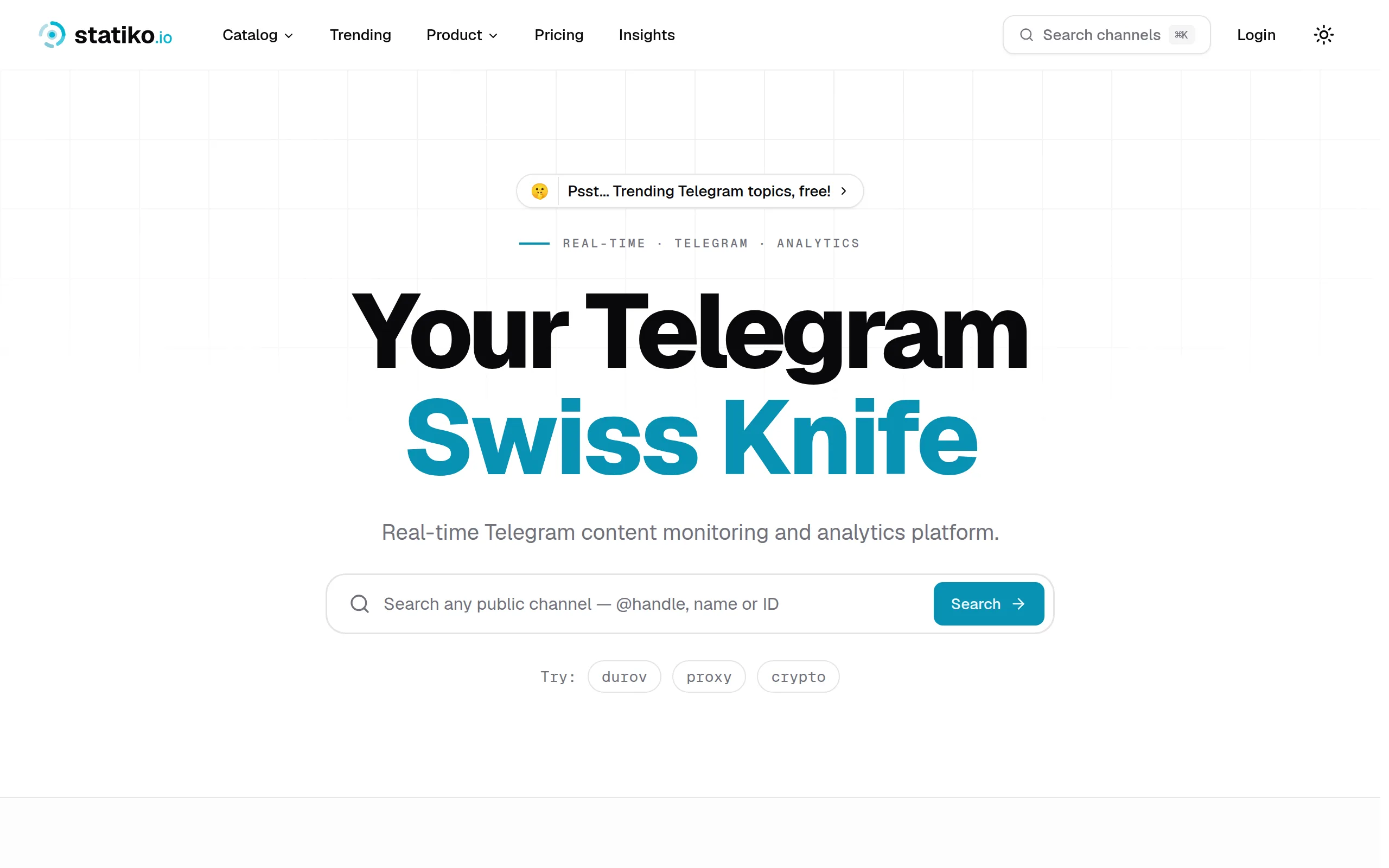
Statiko
Monitor any Telegram channel in real time - track posts, edits, deletions, and growth with AI recaps 📡

Shibui
AI website builder - describe your business, pick a niche template, edit by chatting, and publish instantly ✨

Pro Service
Find verified home service professionals, compare quotes, and pay securely through escrow - built for Brazilians across the US 🏠

RankGrow
Fix your SEO with AI agents - connect Search Console, get prioritized tasks, and grow organic traffic 📈
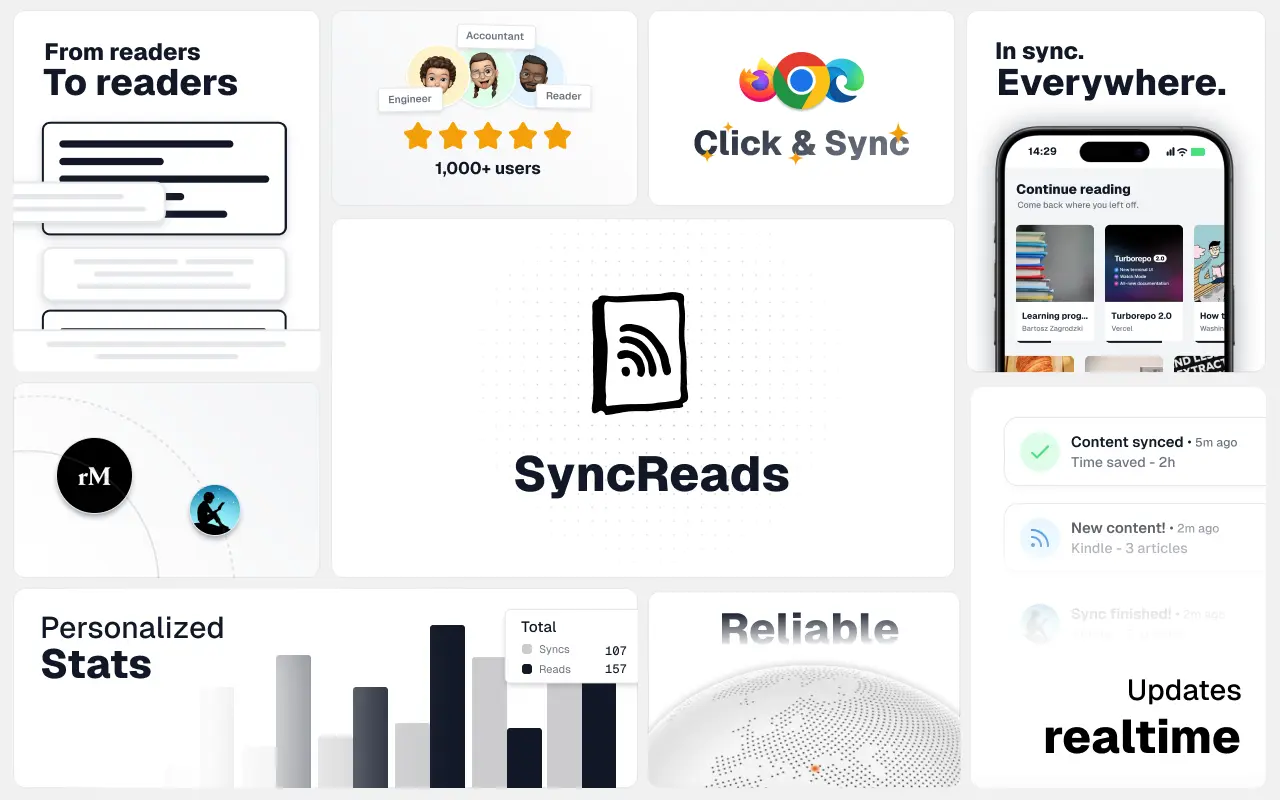
SyncReads
Sync your favorite content for distraction-free reading, save time and replace multiple apps. Anytime, anywhere 🔄
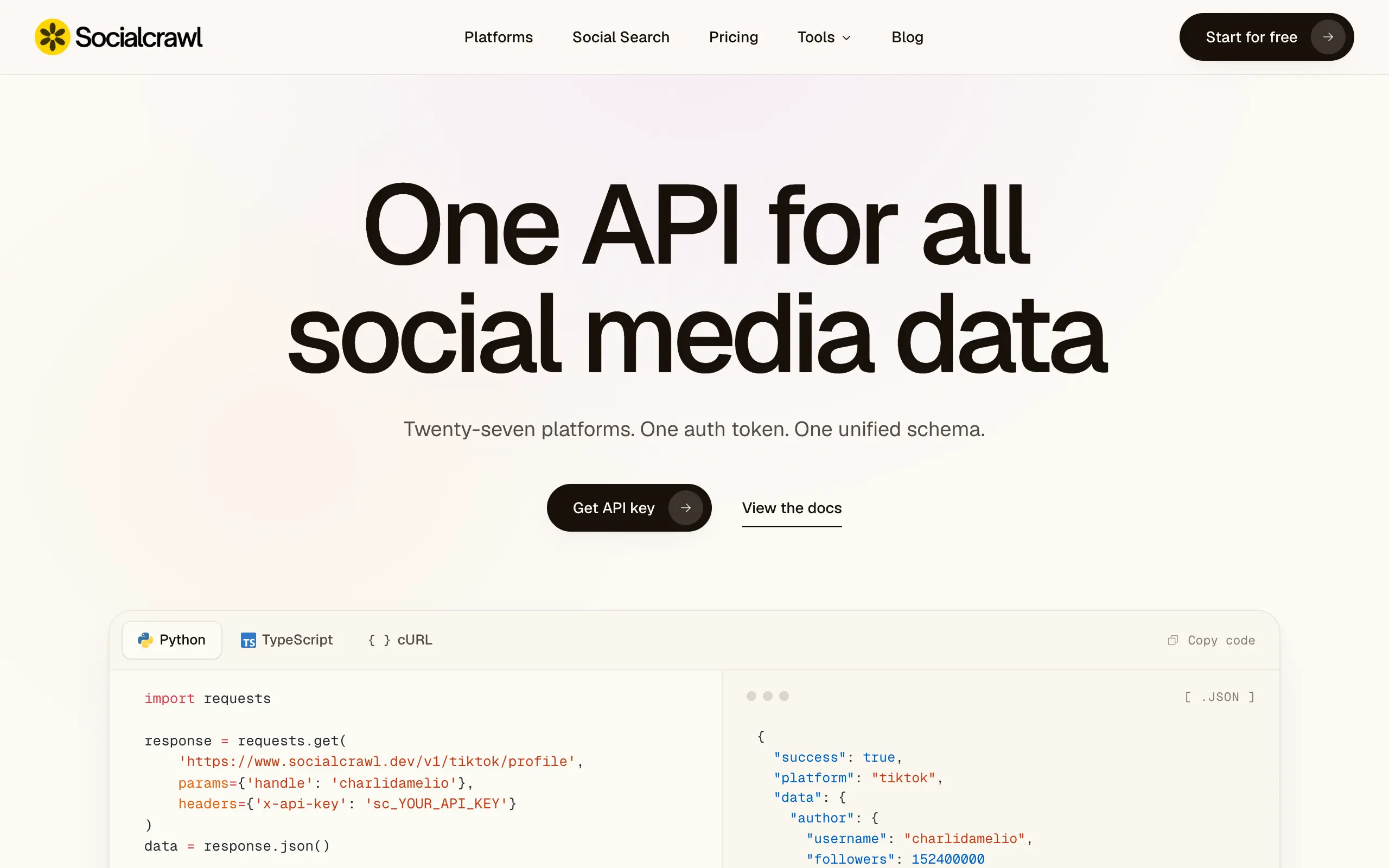
Socialcrawl
Get clean, structured data from 21 platforms like TikTok, Instagram, and YouTube with a single request 📊
Statiko
Monitor any Telegram channel in real time - track posts, edits, deletions, and growth with AI recaps 📡
Shibui
AI website builder - describe your business, pick a niche template, edit by chatting, and publish instantly ✨
Pro Service
Find verified home service professionals, compare quotes, and pay securely through escrow - built for Brazilians across the US 🏠
RankGrow
Fix your SEO with AI agents - connect Search Console, get prioritized tasks, and grow organic traffic 📈
SyncReads
Sync your favorite content for distraction-free reading, save time and replace multiple apps. Anytime, anywhere 🔄
Socialcrawl
Get clean, structured data from 21 platforms like TikTok, Instagram, and YouTube with a single request 📊
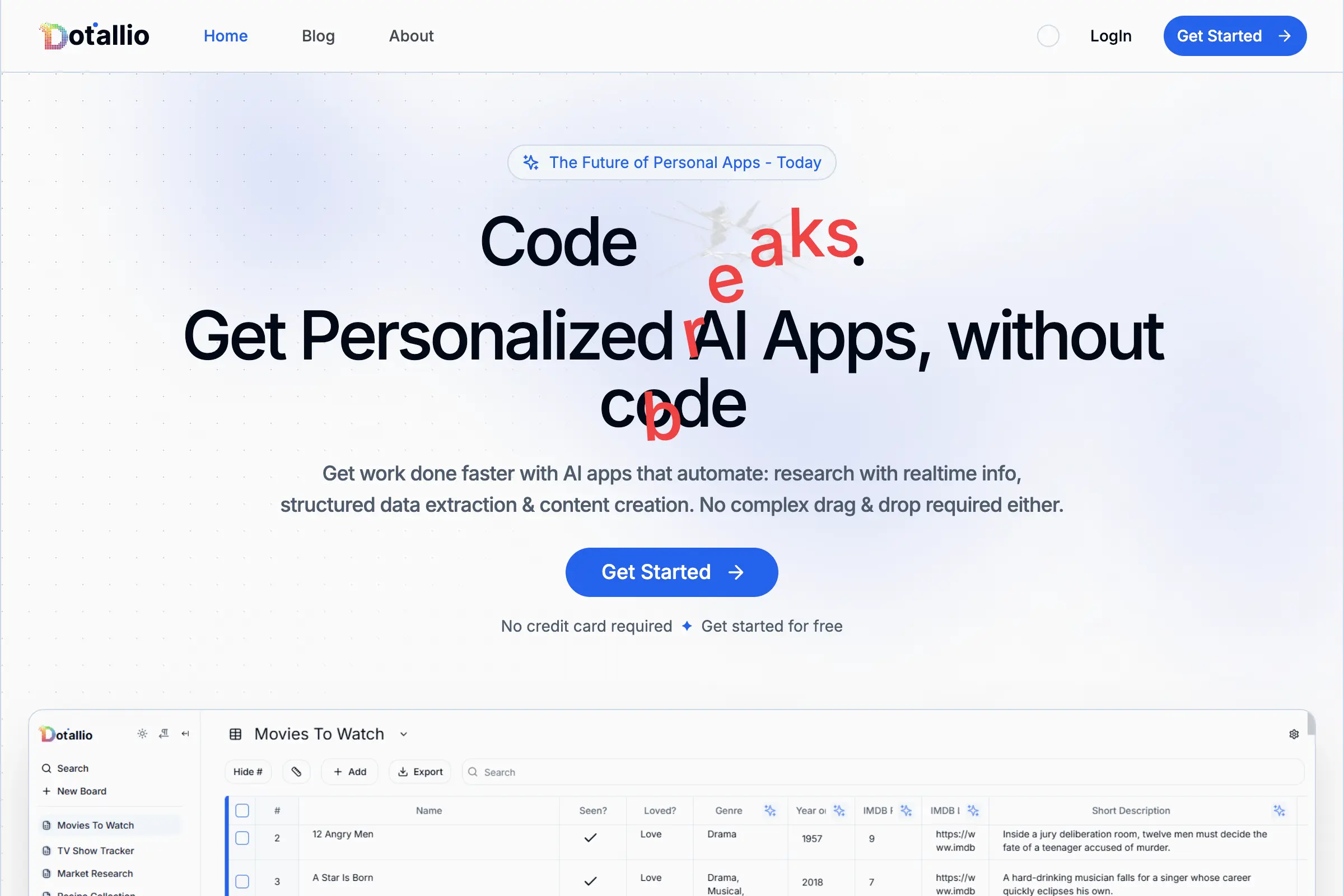
Dotallio
Personalized AI apps that automate research, data extraction, and content creation without code 🤖

Talk to Santa
Enjoy a magical live video chat or receive a unique AI-generated video greeting from Santa Claus 🎅
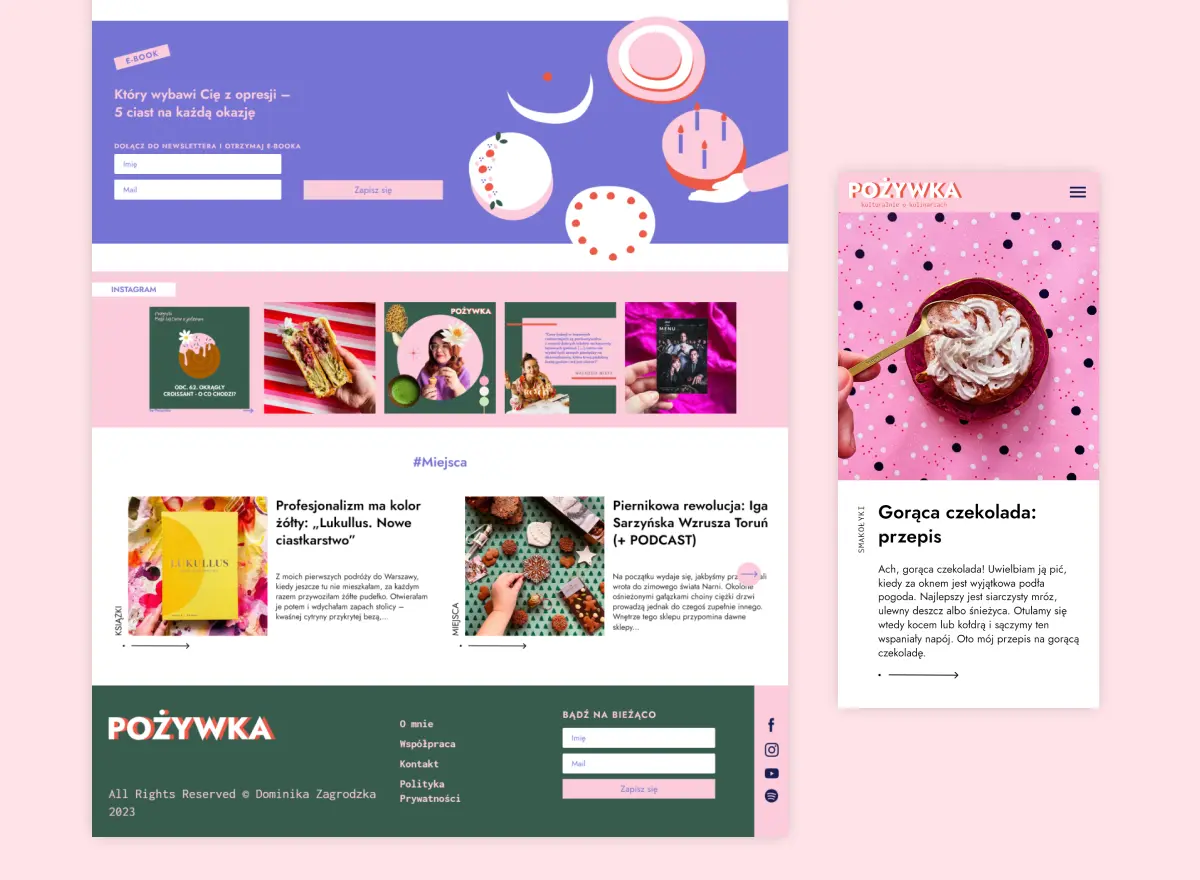
pozywka.pl
Scalable blog for food journalist, focused on performance and user experience 🌭
zagrodzki.me
Personal blog and portfolio of Bart Zagrodzki, where he shares his knowledge and work 💼
TurboStarter
Ship your startup everywhere. In minutes.
HTML to Markdown
Convert HTML to Markdown with ease, directly in your browser 📄
Dotallio
Personalized AI apps that automate research, data extraction, and content creation without code 🤖
Talk to Santa
Enjoy a magical live video chat or receive a unique AI-generated video greeting from Santa Claus 🎅
pozywka.pl
Scalable blog for food journalist, focused on performance and user experience 🌭
zagrodzki.me
Personal blog and portfolio of Bart Zagrodzki, where he shares his knowledge and work 💼
TurboStarter
Ship your startup everywhere. In minutes.
HTML to Markdown
Convert HTML to Markdown with ease, directly in your browser 📄
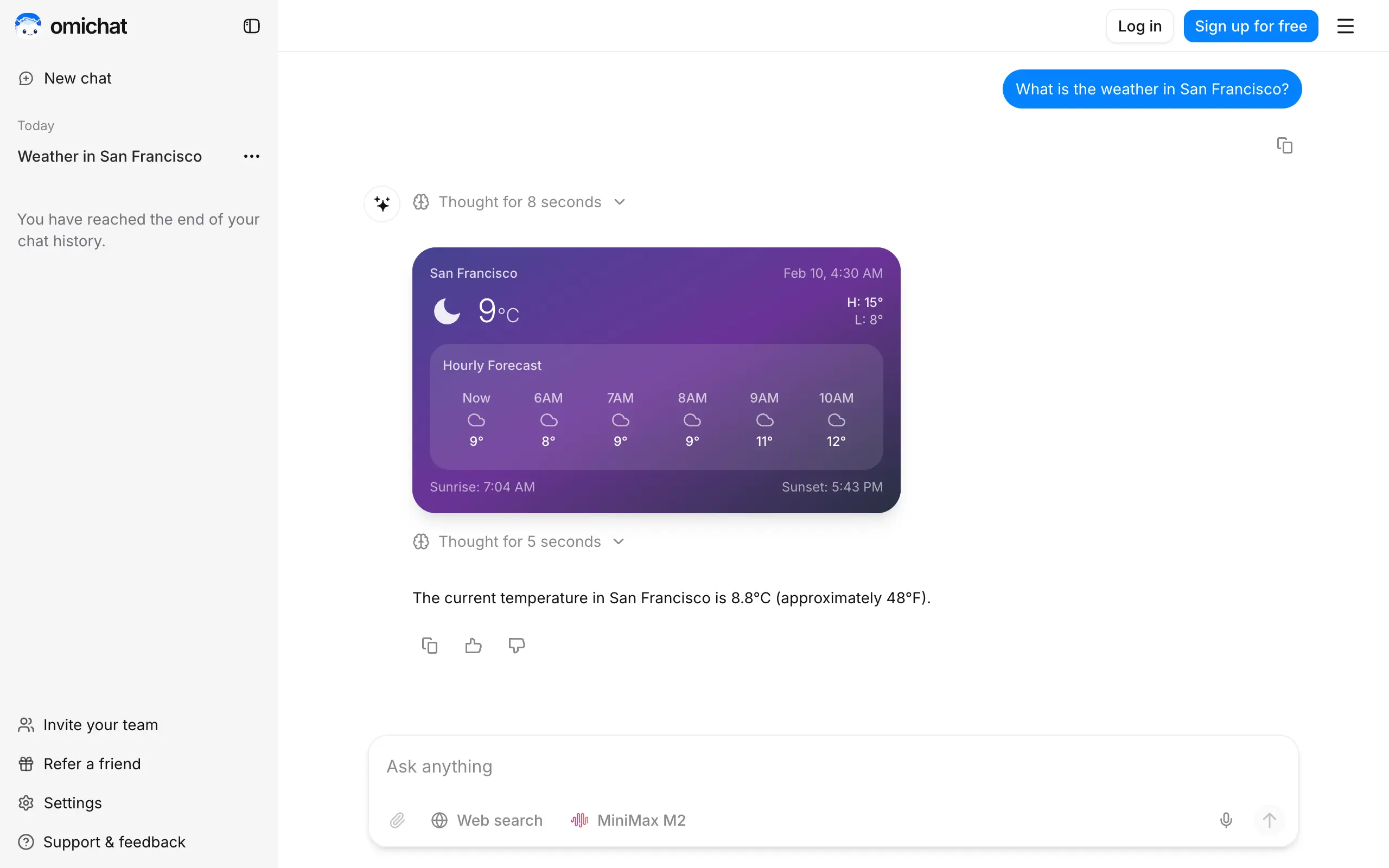
Omichat
Chat with 50+ AI models, including ChatGPT and Claude, in one place - switch models anytime without losing context 🤖
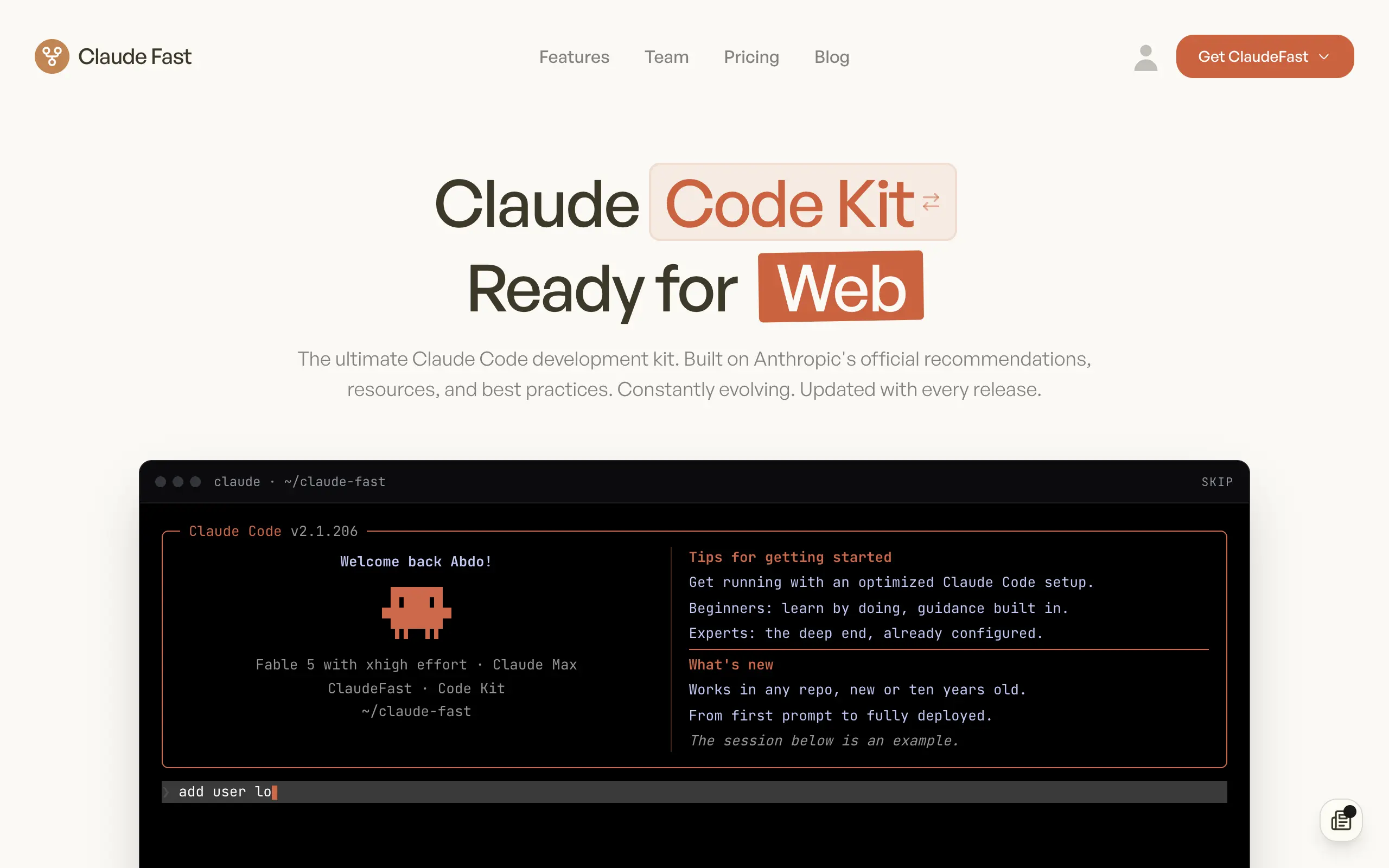
Claude Fast
Supercharge your Claude Code with 6x effective context window and specialized AI agents 🤖
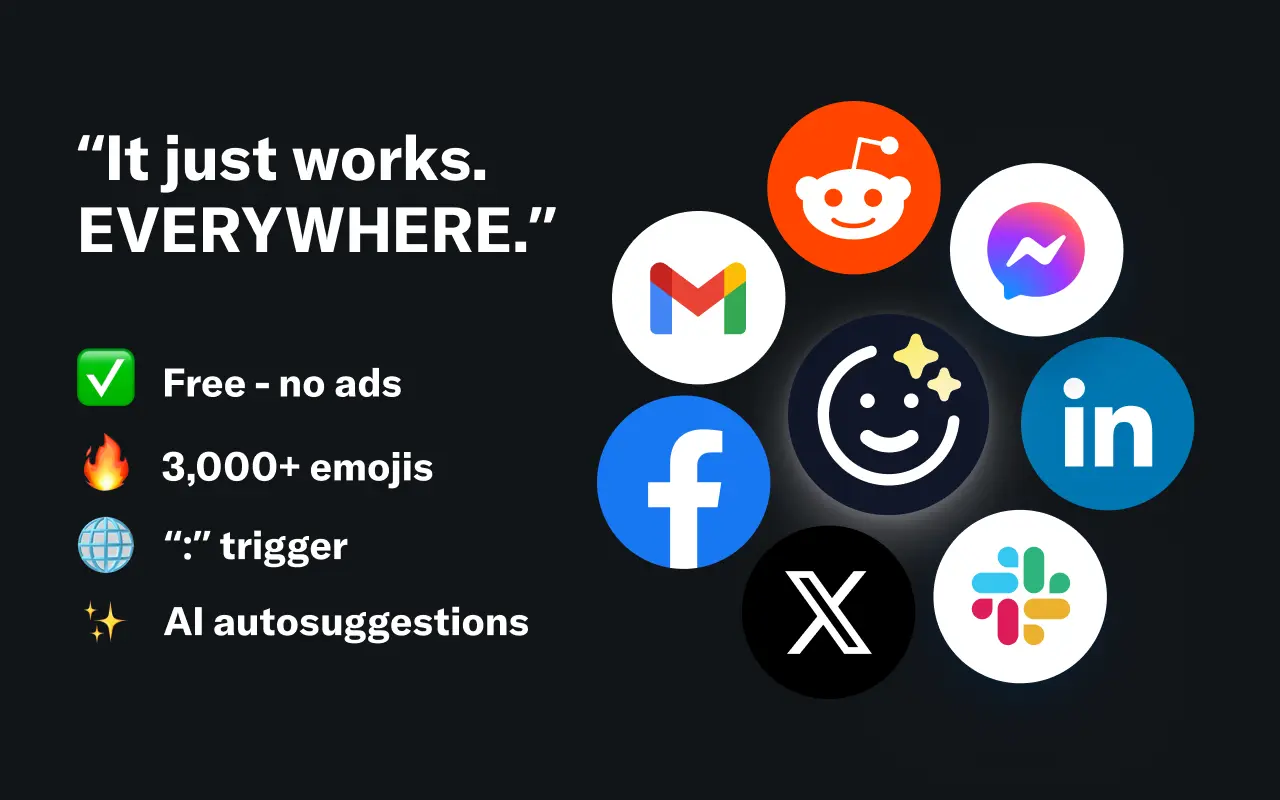
EmojAI
AI-powered emoji picker with smart, context-aware suggestions 🤖

Solohacker
Autonomous company launcher - AI agents work 24/7, escalate what matters, and you stay in control 🤖
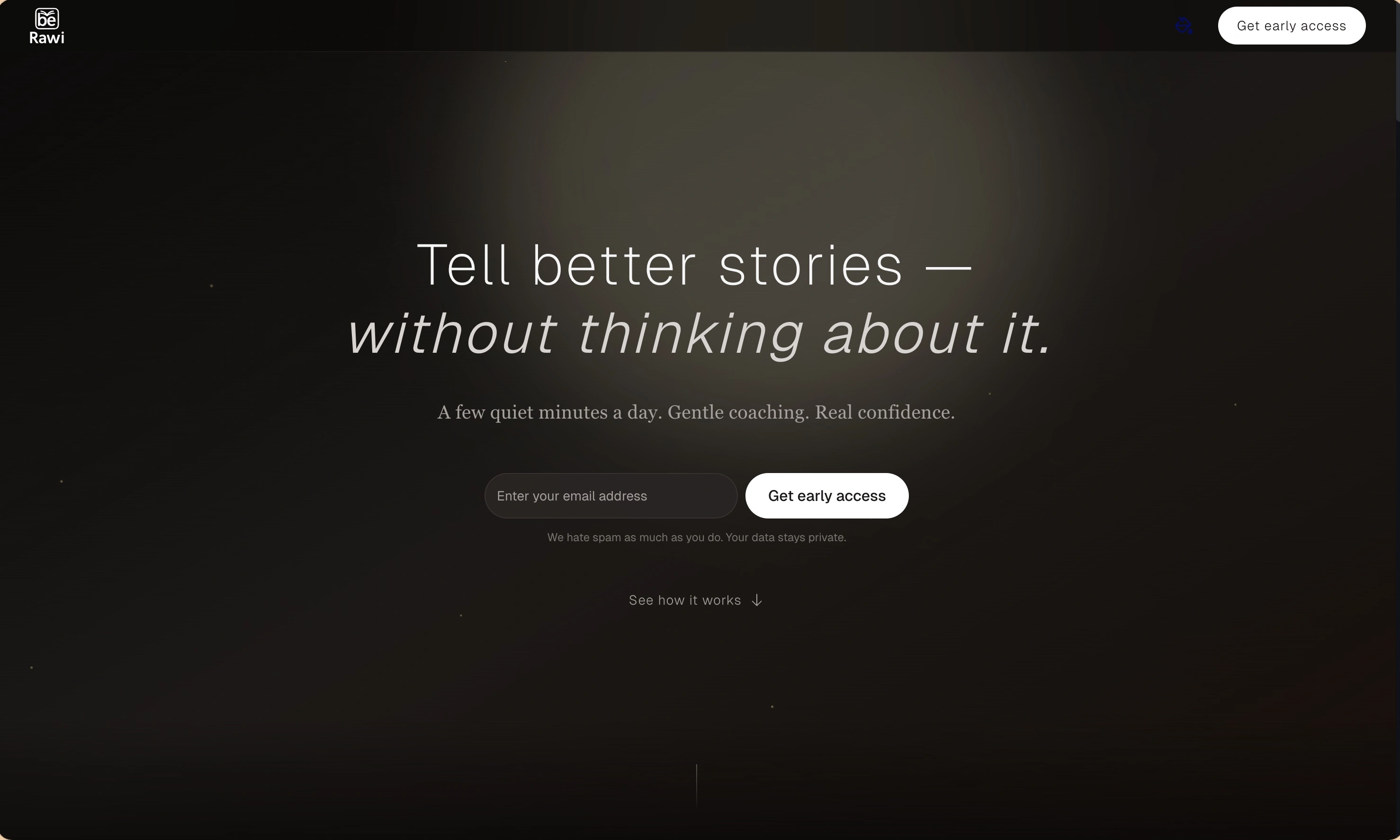
BeRawi: Storytelling Coach
Practice storytelling daily with instant feedback to sound clearer, more engaging, and confident 🎤
Omichat
Chat with 50+ AI models, including ChatGPT and Claude, in one place - switch models anytime without losing context 🤖
Claude Fast
Supercharge your Claude Code with 6x effective context window and specialized AI agents 🤖
EmojAI
AI-powered emoji picker with smart, context-aware suggestions 🤖
Solohacker
Autonomous company launcher - AI agents work 24/7, escalate what matters, and you stay in control 🤖
BeRawi: Storytelling Coach
Practice storytelling daily with instant feedback to sound clearer, more engaging, and confident 🎤

Connect with like-minded people
Join our community to get feedback, support, and grow together with 1,000+ builders on board, let's ship it!
Join usShip your startup everywhere. In minutes.
Don't burn tokens on setup and start building features on day one.