ClubSpark
Student organizers create event posters, RSVP pages, and reminder links in minutes. Keep promotion and sign-ups together without juggling multiple tools.
What is ClubSpark?
ClubSpark is a mobile-first event promotion app for school clubs and student organizers. It turns one event brief into a coordinated set of promotional materials: a poster, social story graphics, a QR-code RSVP page, and shareable event announcements.
The idea addresses a familiar problem. A club has a good event planned, but the organizer still needs to write the invitation, design a poster, create social content, collect RSVPs, and make sure students can find the right details. Those tasks often happen across separate tools, under deadline, and with little design experience.
ClubSpark brings that work into one simple workflow. An organizer enters the event details once, chooses a visual style, and gets a small campaign they can edit and share. The product is not just a graphic maker or a registration form. Its promise is to help student organizers move from event idea to ready-to-share promotion with less friction.
That positioning gives ClubSpark a clear starting point in the broader market for event promotion software, graphic design tools, and school club management apps. Its opportunity is to serve a specific audience with a product that feels easier and more relevant than adapting a general-purpose platform.
The problem ClubSpark solves
Student-led events are often organized by people who are already balancing schoolwork, club responsibilities, and limited time. Promotion may be delegated to one student, passed between committee members, or left until the final days before an event.
A typical process can involve:
- Writing event copy in a messaging app or shared document.
- Designing a flyer in a separate graphics tool.
- Reformatting the design for a social media story.
- Creating a sign-up form somewhere else.
- Sharing the correct links and latest event details across multiple channels.
- Updating every asset when the location, schedule, or RSVP instructions change.
Each step seems small. Together, they create unnecessary work and increase the chance that a graphic shows an outdated date, a QR code points to the wrong place, or students cannot tell how to attend.
ClubSpark can reduce this friction by making event information the source of truth. Once the organizer enters the event name, date, time, location, description, and RSVP requirements, each generated asset can draw from the same event record. If a detail changes, the organizer updates it once and regenerates or refreshes the materials.
The product’s value is therefore not limited to attractive design. It can help clubs publish more consistently, reduce avoidable errors, and make it easier for students to understand what an event is and how to participate.
Who ClubSpark is for
A strong first version should focus on a well-defined audience rather than attempting to support every type of event organizer.
Student club leaders
Club presidents, event coordinators, and communications officers are the most direct users. They need practical tools to promote meetings, fundraisers, performances, competitions, and social events. Many will use ClubSpark occasionally, so onboarding should be fast and the workflow should not require design expertise.
Student government and activity committees
Student councils and school activity boards may run multiple events throughout the year. They can benefit from reusable campaign templates, shared branding, organizer roles, and a consistent way to publish event information.
Faculty advisers and school staff
Advisers may review student events, help manage club activity, or ensure that public-facing information is accurate. They are potential collaborators and buyers, even if students remain the primary users. Features such as approval workflows and organization-level oversight may matter to this group.
Campus organizations and youth programs
The product could eventually serve college societies, youth groups, community programs, and other organizations with volunteer-run events. These audiences can expand the market, but they should not distract the first release from the school club use case.
Buyers and users are not always the same person
A key product and sales consideration is that the person creating a poster may not control the budget. Students may adopt the tool while an adviser, school, parent association, or district pays for a plan. ClubSpark should therefore make individual use easy while also exploring organization-level value, such as shared templates, team access, and administrative controls.
Market opportunity and product gap
ClubSpark sits between several established categories:
- General-purpose design tools that offer flexibility but can require manual setup and repeated resizing.
- Event registration tools that help collect sign-ups but may not create promotional assets.
- School communication platforms that distribute information but may not support student-led campaign creation.
- Social media tools that help publish content but do not necessarily organize event details or RSVPs.
The opportunity is not to replace all of these products. It is to make the common student-event workflow feel connected. An organizer should not have to build a design from scratch, manually copy event details into every format, and then find a separate way to measure RSVP interest.
The market gap is best described as a workflow gap, not simply a lack of templates. A template library alone is easy to imitate and may not solve the coordination problem. A more compelling product combines:
- Event details stored in a structured, reusable format.
- Brand-aware, editable promotional designs.
- A mobile-friendly RSVP page.
- QR codes that connect physical posters to digital event information.
- A simple way to share and update campaign assets.
This combination gives ClubSpark a narrower initial scope than a full event-management suite while creating a clear reason for organizers to use it instead of assembling several tools.
Before making market-size or adoption claims, validate demand with interviews and pilot programs. If the product later uses external statistics in investor materials or marketing, cite the original source, publication date, relevant geography, and methodology. Avoid presenting broad social media or education statistics as proof that students will adopt ClubSpark; direct evidence from target users is more useful.
The core ClubSpark workflow
The product should make its central promise visible within the first few minutes of use.
- An organizer creates an event and enters the core details.
- ClubSpark suggests a campaign style and generates a poster and social graphics.
- The organizer edits the wording, colors, image, or layout.
- The app creates a mobile RSVP page and QR code.
- The organizer shares the campaign digitally or downloads the materials for print.
- The campaign provides basic engagement information, such as page visits and RSVP counts.
The key design principle is enter once, publish many ways. ClubSpark should avoid asking users to repeat the same event information on several screens or in several formats.
Keep the first campaign fast
Measure how long it takes a new organizer to create and share a complete campaign. A short, understandable path to a usable result is more important early on than a large library of advanced design controls.
Essential features for an event promotion app
1. Guided event brief
The brief should collect the information needed to generate useful campaign assets:
- Event title and short description.
- Date, start time, and optional end time.
- Venue or online attendance details.
- Host club or organization.
- Intended audience.
- RSVP link or attendee limit, if applicable.
- Accessibility and contact information.
- Optional image, logo, or school branding.
Use plain language and show users why a field matters. For example, explain that the event title appears prominently on the poster and that the location will be displayed on the RSVP page.
ClubSpark should also handle common edge cases. Users may not know the exact room yet, may need to collect interest without a commitment, or may want an event that does not require registration. Make optional fields genuinely optional.
2. Poster and social story generation
Generated assets are the most visible feature, but they need to be useful rather than merely automatic. The system should prioritize readable typography, strong contrast, accurate information, and layouts that work on mobile screens and in print.
Useful controls include:
- A small set of visual themes suited to different event types.
- Club colors and logos.
- Editable headlines and descriptions.
- Preset layouts for posters, stories, and square social posts.
- Safe margins for text and QR codes.
- Export formats suited to digital sharing and printing.
Do not try to compete with professional design software on advanced editing in the first release. ClubSpark’s advantage should be speed and contextual guidance: the app knows that a date, location, and RSVP instruction need to be easy to find.
3. QR RSVP page
Each campaign can include a lightweight, mobile-friendly page that explains the event and provides an RSVP action. A QR code printed on a poster can open this page, connecting offline promotion to a digital sign-up flow.
The RSVP experience should be designed for low effort. Avoid asking for information that the organizer does not need. Depending on the event, useful options may include:
- A simple “I’m interested” response.
- Name and email collection.
- Guest count.
- Optional questions such as dietary or accessibility needs.
- A confirmation message with event details.
If the target audience includes minors, privacy and data handling deserve special attention. Collect the minimum necessary information, establish appropriate retention rules, and make it clear who can see RSVP data.
4. Shareable campaign assets
Organizers need to move their campaign into the places where students will see it. ClubSpark can support downloads, copyable event links, and platform-sized graphics. It should make sharing straightforward without requiring access to a user’s social accounts during the first release.
Avoid implying that an asset has been published to a social platform unless it actually has. Direct social integrations can be considered later, once the product has validated demand and the team understands platform requirements and maintenance costs.
5. Collaboration and approvals
A club may have several people working on promotion. Shared workspaces can prevent the campaign from being trapped in one student’s personal account.
A later-stage collaboration feature set could include:
- Multiple organizers per club.
- Commenting or suggested edits.
- Approval status for adviser review.
- Shared templates and organization branding.
- A clear record of who changed event details.
Keep permissions understandable. A student who can edit a poster may not need access to every RSVP response, while an adviser may need to review details without changing the design.
6. Campaign insights
A useful first analytics view does not need complex attribution. It can show:
- RSVP page visits.
- RSVP completions.
- Visits by QR code or shared link, where tracking is appropriate.
- Campaign status and event date.
- A simple conversion rate from page visit to RSVP.
Analytics should support better decisions, not create false certainty. A low number of RSVPs might reflect timing, event relevance, distribution, or incomplete tracking. Present metrics with context and avoid claiming that a particular design caused an attendance outcome without evidence.
ClubSpark’s competitive advantage
ClubSpark’s strongest potential advantage is the connection between event information, creative assets, and RSVP access. Many tools can perform one of these jobs. ClubSpark can make the complete path coherent for a student organizer.
| Product dimension | General design tool | Registration tool | ClubSpark opportunity |
|---|---|---|---|
| Create a poster | Often supported | Usually not the focus | Generate from an event brief |
| Create social formats | Often manual or template-based | Usually not the focus | Reuse the same event details |
| Collect RSVPs | Usually requires another service | Core capability | Connect directly to campaign assets |
| Use a QR code | May require a separate step | Sometimes available | Link printed promotion to the RSVP page |
| Fit student club workflows | User must adapt the tool | May be event-focused | Build around club-led promotion |
This is a positioning hypothesis, not proof of defensibility. A competitor could add similar features. ClubSpark needs to build advantages that become more valuable through repeated use.
Potential sources of differentiation include:
- Templates designed around common school and club event formats.
- An event-to-campaign workflow that reduces repeated data entry.
- Shared club workspaces and reusable visual identity.
- Simple adviser review and approval.
- A reliable, mobile-first experience for QR-driven attendance interest.
- Learning from actual organizer behavior to improve defaults and onboarding.
A clear unique selling proposition could be: “Create a complete, shareable event campaign for your school club from one brief.” It is specific, outcome-oriented, and easy for a student to understand.
Recommended technology stack
The ideal stack depends on the team’s skills, the importance of native mobile features, and the expected complexity of design generation. For an early product, a responsive web app or progressive web app may be a practical way to test demand before investing in separate native applications.
Frontend
A web interface built with React can support a responsive event editor, asset previews, and an RSVP page. Tailwind CSS can help teams implement a consistent design system quickly, though it still requires deliberate attention to accessibility and responsive behavior.
For a mobile-first product, the design should be tested on small screens from the beginning. The event editor should not assume that organizers are working on a laptop.
Backend and data
A conventional application backend can manage users, clubs, events, assets, and RSVP records. The data model should distinguish between:
- A user account.
- An organization or club.
- Membership and permission level.
- An event.
- Campaign assets generated from that event.
- RSVP records and their retention status.
This structure makes it easier to support shared access later without treating every campaign as an isolated file.
Asset generation
For the first version, combine predefined templates with structured event data. This is usually more predictable than letting an unconstrained generative system produce every layout from scratch. Template-based rendering can protect text hierarchy, contrast, and required event details while allowing meaningful variation in colors, imagery, and composition.
If AI-generated copy or design suggestions are added, keep the organizer in control. Generated content can be inaccurate or inappropriate for a school context. Users should be able to review and edit every public-facing claim before sharing.
Storage and QR codes
Store uploaded logos and images in object storage with appropriate access controls. Create QR codes that resolve to stable event URLs rather than embedding details that may change. This allows an organizer to update the RSVP page without reprinting a poster, provided the QR destination remains the same.
Analytics and privacy
Track only the events needed to improve the product and support organizer reporting. Set a clear retention policy for RSVP data, protect it with access controls, and avoid collecting sensitive information by default. If the product is used by schools or minors, seek qualified legal and privacy guidance for the jurisdictions where it operates.
Trade-offs to consider
A web-first product can be faster to distribute and easier to update, but it may not provide the same native experience as an app installed from an app store. Native development can improve certain device capabilities, but it increases the work needed to build, test, and maintain separate platforms.
Similarly, adding complex AI generation may make the product feel modern, but it can raise costs and introduce unpredictable outputs. A dependable template system may be a better starting point. Choose technology based on validated user needs rather than novelty.
Monetization strategy for a student event promotion app
ClubSpark should test pricing against both user behavior and the identity of the buyer. Students may be price-sensitive, while a school or organization may pay for oversight, branding, and collaboration.
Freemium for individual organizers
A free plan can provide a low-friction way to test the product. It might include a limited number of active campaigns, standard templates, and basic RSVP pages. The goal is to let a student experience the core value before encountering a paywall.
Paid individual plans could offer additional campaigns, premium templates, custom branding, or advanced insights. Avoid making essential accessibility or privacy features premium-only.
Club or organization subscriptions
A club plan could support multiple organizers, shared assets, and a larger campaign allowance. An organization plan might add adviser approvals, central billing, school branding, and administrative controls.
This model may create stronger retention than charging each student separately, but it can involve longer approval cycles and procurement requirements. Validate willingness to pay with actual decision-makers before building extensive administrative features.
Seasonal or event-based pricing
Some clubs are active only during certain parts of the school year. Seasonal plans or event packs could match this usage pattern better than a strict monthly subscription. The challenge is to explain the value clearly and avoid surprising users with charges close to an event.
Sponsored access
A school, student association, local community partner, or sponsor may fund access for a group of clubs. This can help remove payment friction for students, but sponsorship should not compromise student privacy or turn the product into an advertising channel that feels inappropriate for school settings.
Pricing experiments
Test monetization with interviews, landing-page messaging, and pilot offers. Ask who would approve a purchase, what budget it would come from, and which features justify payment. Stated interest is not the same as willingness to pay, so seek concrete signals such as a paid pilot, a purchase commitment, or a signed letter of intent.
Risks and how to reduce them
Adoption may be episodic
A club may only create a few campaigns each term, which can limit monthly engagement.
Mitigation: Make the product valuable across a school year. Support recurring meetings, reusable templates, event duplication, and upcoming-event planning. Do not inflate the product with unrelated features merely to increase activity.
The buyer may be hard to identify
Students can love the product while having no authority to purchase it.
Mitigation: Interview both student organizers and advisers. Test individual and organization-level offers separately. Make a free entry path available while identifying which administrative features create a credible reason for institutional purchase.
Event information can be wrong or outdated
A poster can be shared widely before an organizer notices a date or room change.
Mitigation: Use a single event record as the source of truth. Make key details easy to review before export. Include a stable RSVP page that can be updated, and clearly communicate when a previously downloaded asset may need to be replaced.
Privacy risks are significant
RSVP forms may collect personal details, and users may include students under the age of majority.
Mitigation: Minimize data collection, restrict access, define deletion and retention procedures, and obtain expert guidance on applicable privacy obligations. Do not treat a school audience as a standard consumer audience.
Template quality may be inconsistent
Automated designs can look cluttered, have poor contrast, or fail to make important details prominent.
Mitigation: Establish design rules, test templates with real students, and check outputs across screen sizes and print dimensions. Provide accessible defaults and let users preview the finished asset before exporting.
The product may be easy to copy
A general design or event platform could introduce similar features.
Mitigation: Build around a specific workflow, develop relationships with clubs and schools, and improve through user feedback. A focused onboarding experience, reliable data model, and strong implementation can matter more than a broad feature checklist.
Seasonal demand can affect revenue
School calendars create natural peaks and lulls.
Mitigation: Measure usage across a full academic cycle before drawing conclusions. Offer annual or seasonal plans where appropriate and plan customer support around predictable event periods.
How to validate ClubSpark before building too much
Validation should test whether the problem is frequent, important, and costly enough for people to change their behavior.
Interview organizers about their last event
Ask students to describe the most recent event they promoted. Find out which tools they used, what took the longest, what was confusing, what went wrong, and how they measured success. Questions about real past behavior are more useful than asking whether someone “would use” a hypothetical app.
Run a concierge pilot
Before building every automated feature, help a small number of clubs produce campaigns using a lightweight internal process. Observe which outputs they actually share and which details they ask to change. This reveals whether the value is mainly in design, RSVP collection, collaboration, or convenience.
Test the complete workflow
A polished poster alone does not validate an integrated event promotion app. Test the sequence from event brief to asset creation to QR visit to RSVP. Look for drop-off at each stage and ask users what prevented them from completing the task.
Measure meaningful outcomes
Useful early indicators include:
- Time from account creation to first campaign.
- Percentage of organizers who finish and share a campaign.
- Number of campaigns created per active club.
- RSVP page completion rate.
- Repeat usage for a later event.
- Paid conversion or concrete purchasing signals.
Do not rely on downloads or sign-ups alone. They show initial interest, not whether ClubSpark becomes part of the organizer’s workflow.
Practical implementation roadmap
A disciplined roadmap can help the team test the main product promise before expanding into a broad school management platform.
Choose a narrow initial audience
Start with a specific group, such as high school clubs, college societies, or youth-program organizers. Interview students and advisers in that segment. Document the event types they promote, their current tools, and their approval process.
Define the minimum complete campaign
Agree on the smallest set of functions that lets a user complete the core job. A useful MVP may include an event brief, a handful of high-quality templates, editable poster and story outputs, a hosted RSVP page, and a QR code.
Prototype the experience
Create a clickable prototype or a concierge version of the service. Test it with organizers who are currently planning real events. Watch them use it without coaching, and record where they hesitate or need help.
Build the event record and asset workflow
Implement a structured event model before adding many design options. Make sure event details can be reused across campaign outputs and updated without confusion. Add permissions and data handling appropriate to the pilot.
Run a small school or club pilot
Work with a limited number of clubs across different event types. Include at least one adviser or staff contact if that person is part of the approval or purchasing process. Support the pilot closely, but observe which tasks users can complete independently.
Review outcomes and willingness to pay
Evaluate completion rates, repeat use, campaign sharing, RSVP behavior, and user feedback. Ask the likely buyer what they would pay for and what approval would be required. Separate enthusiasm from evidence of budget and adoption.
Expand only where the evidence points
Add collaboration, analytics, organization branding, or additional export formats based on observed demand. Avoid building a full calendar, attendance system, messaging suite, or social publishing integration until users show that those features solve a real problem.
A sample technical shape for the campaign workflow
The following pseudocode illustrates the core idea: create one event record, then use it to generate multiple campaign outputs. It is intentionally simplified and should be adapted to the chosen backend and rendering system.
type EventBrief = {
  title: string;
  description: string;
  startsAt: string;
  location?: string;
  hostName: string;
  rsvpUrl?: string;
  themeId: string;
};

type Campaign = {
  eventId: string;
  posterAssetUrl: string;
  storyAssetUrl: string;
  rsvpPageUrl: string;
  qrCodeUrl: string;
};

async function createCampaign(brief: EventBrief): Promise<Campaign> {
  const event = await saveEvent(brief);

  const [posterAssetUrl, storyAssetUrl] = await Promise.all([
    renderAsset({ event, format: "poster" }),
    renderAsset({ event, format: "story" }),
  ]);

  const rsvpPageUrl = await createRsvpPage(event.id);
  const qrCodeUrl = await createQrCode(rsvpPageUrl);

  return saveCampaign({
    eventId: event.id,
    posterAssetUrl,
    storyAssetUrl,
    rsvpPageUrl,
    qrCodeUrl,
  });
}
The important architectural decision is that the promotional materials derive from the same saved event. That makes corrections easier and reduces inconsistencies between the poster, story, and RSVP page.
Content and growth strategy
ClubSpark’s audience is likely to discover the product through peers, advisers, school communities, and searches for practical event-promotion help. SEO content can support discovery, but it should answer real questions rather than repeat the product name.
Potential content topics include:
- How to promote a school club event.
- What to include on a student event poster.
- How to create a QR code for event RSVPs.
- How to plan a club fundraiser promotion.
- Ways to improve attendance at a campus event.
- A checklist for student event organizers.
Each guide can offer a useful template or checklist and explain how ClubSpark fits into the workflow. Avoid making unsupported claims about guaranteed attendance growth. The product can help organizers create and distribute clearer materials; actual attendance depends on many factors beyond the software.
Partnerships can also be tested with school activity offices, student associations, youth organizations, and club advisers. A successful partnership should improve access or trust, not simply add a logo to a landing page.
Why ClubSpark can stand out
The product’s potential lies in its focused promise: help student organizers make an event campaign without stitching together a design editor, a link, and a registration form. A tailored workflow can make the product feel easier than a general-purpose tool, even if those tools offer more advanced individual features.
Its strongest early positioning is practical rather than grand. ClubSpark does not need to become the operating system for every school activity. It needs to help a club organizer produce accurate, attractive, and shareable event materials with less effort.
That focus can also guide product decisions. If a feature does not help the user enter an event once, create useful promotional assets, collect a response, or coordinate with the right people, it may not belong in the first release.
Actionable next steps
Start by selecting one initial customer segment and speaking with organizers who have recently promoted an event. Map their current workflow, including the tools they use and the points where information gets copied or lost. Then test a complete campaign prototype with real event details.
Build the first version around a structured event brief, a small set of reliable templates, a mobile RSVP page, and a stable QR destination. Pilot it with a handful of clubs, measure whether they finish and share campaigns, and gather evidence about repeat use and willingness to pay. Add collaboration and school-level controls only when user behavior or buyer feedback supports them.
For founders who want to move from product concept to implementation more efficiently, TurboStarter can be considered as a starting point for building a SaaS product.
ClubSpark’s opportunity is clear but should be validated through real use: make school event promotion simpler by connecting the brief, the creative assets, and the RSVP experience. If student organizers can create and share a complete campaign more easily than they can with their current tools, the product will have a credible foundation for growth.
More 📱 Mobile App SaaS ideas
Discover more innovative mobile app SaaS ideas that are trending in 2026. Each idea is AI-generated with market validation and growth potential to help you find your next profitable venture faster than competitors.
Your competitors are building with TurboStarter
Below are some of the SaaS ideas that have been generated and built with our starter kit.
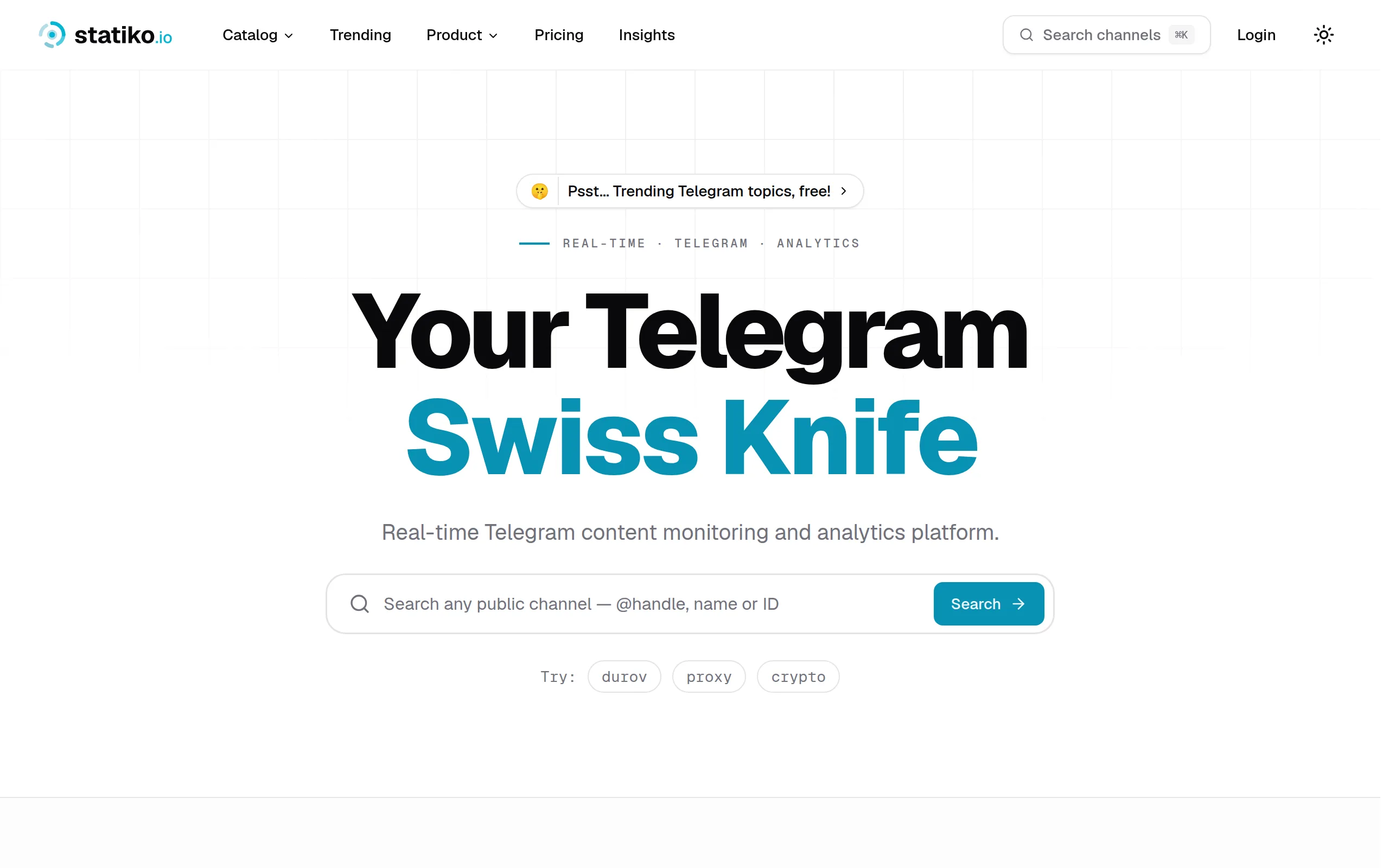
Statiko
Monitor any Telegram channel in real time - track posts, edits, deletions, and growth with AI recaps 📡
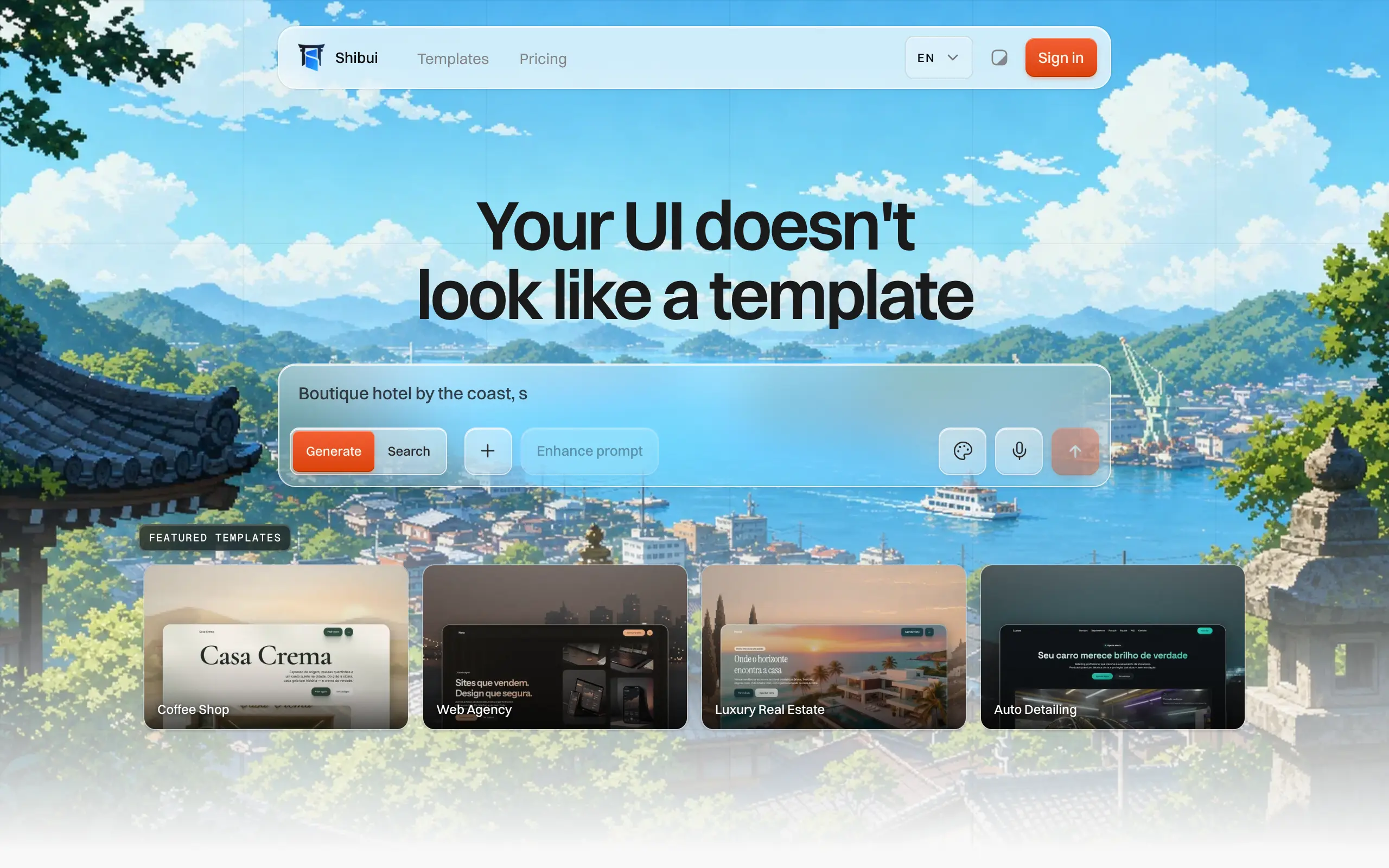
Shibui
AI website builder - describe your business, pick a niche template, edit by chatting, and publish instantly ✨
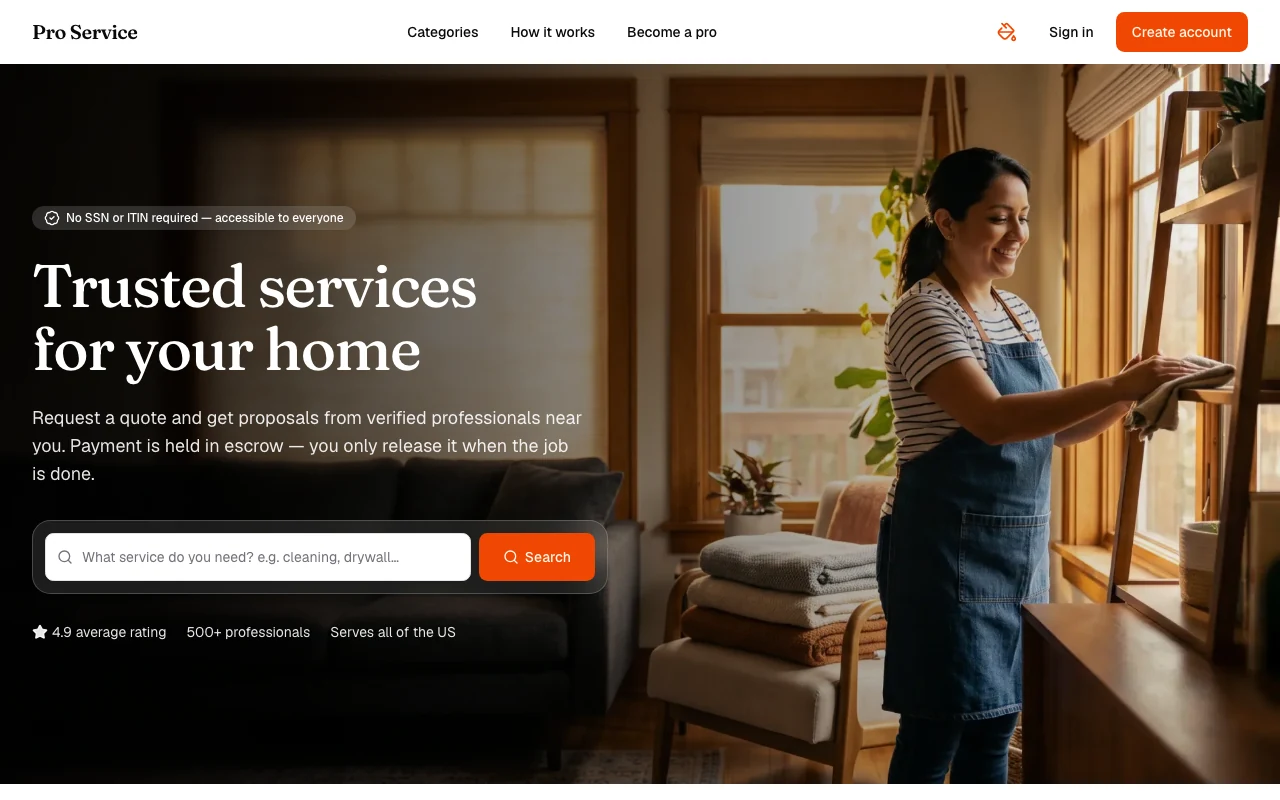
Pro Service
Find verified home service professionals, compare quotes, and pay securely through escrow - built for Brazilians across the US 🏠
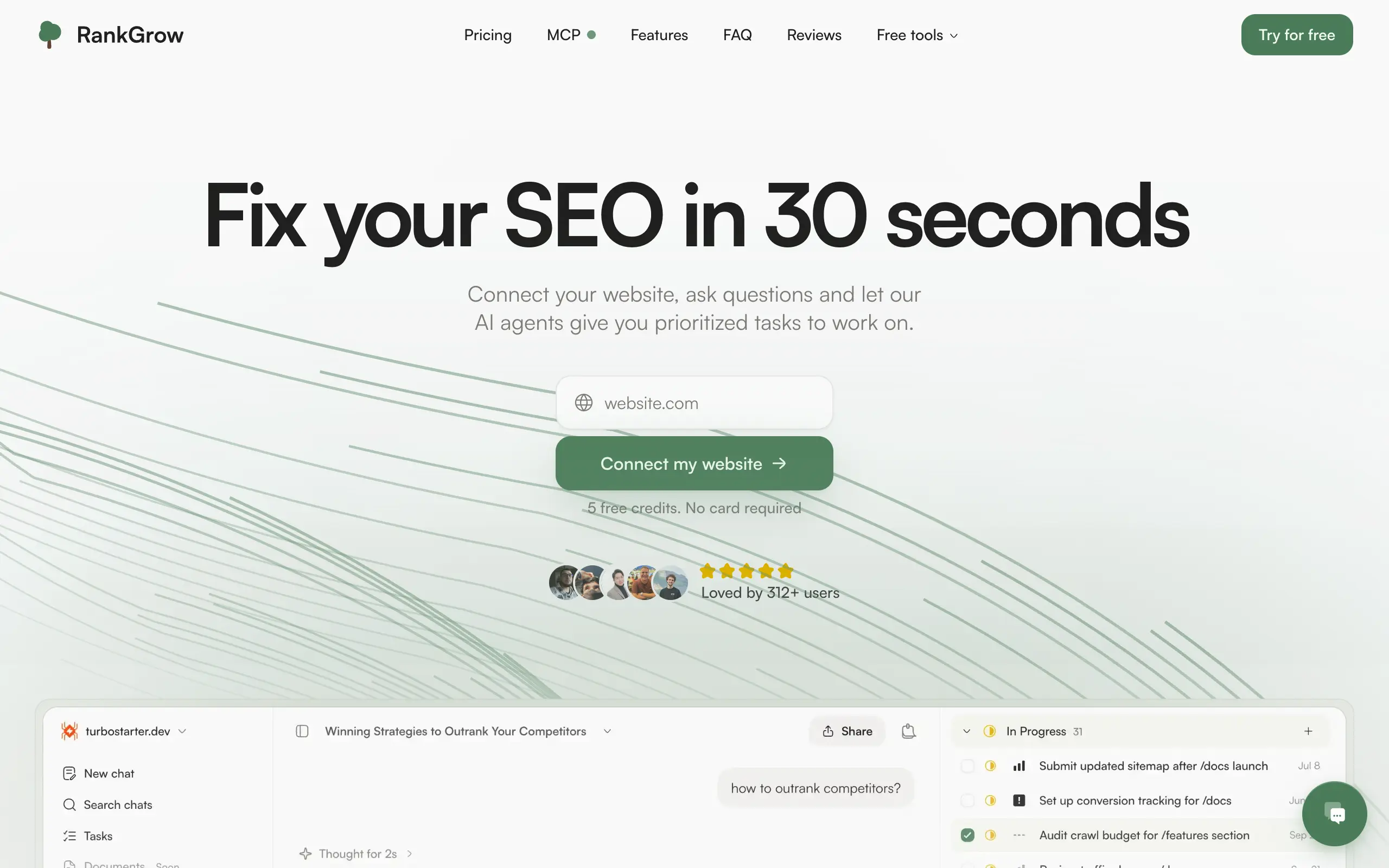
RankGrow
Fix your SEO with AI agents - connect Search Console, get prioritized tasks, and grow organic traffic 📈
SyncReads
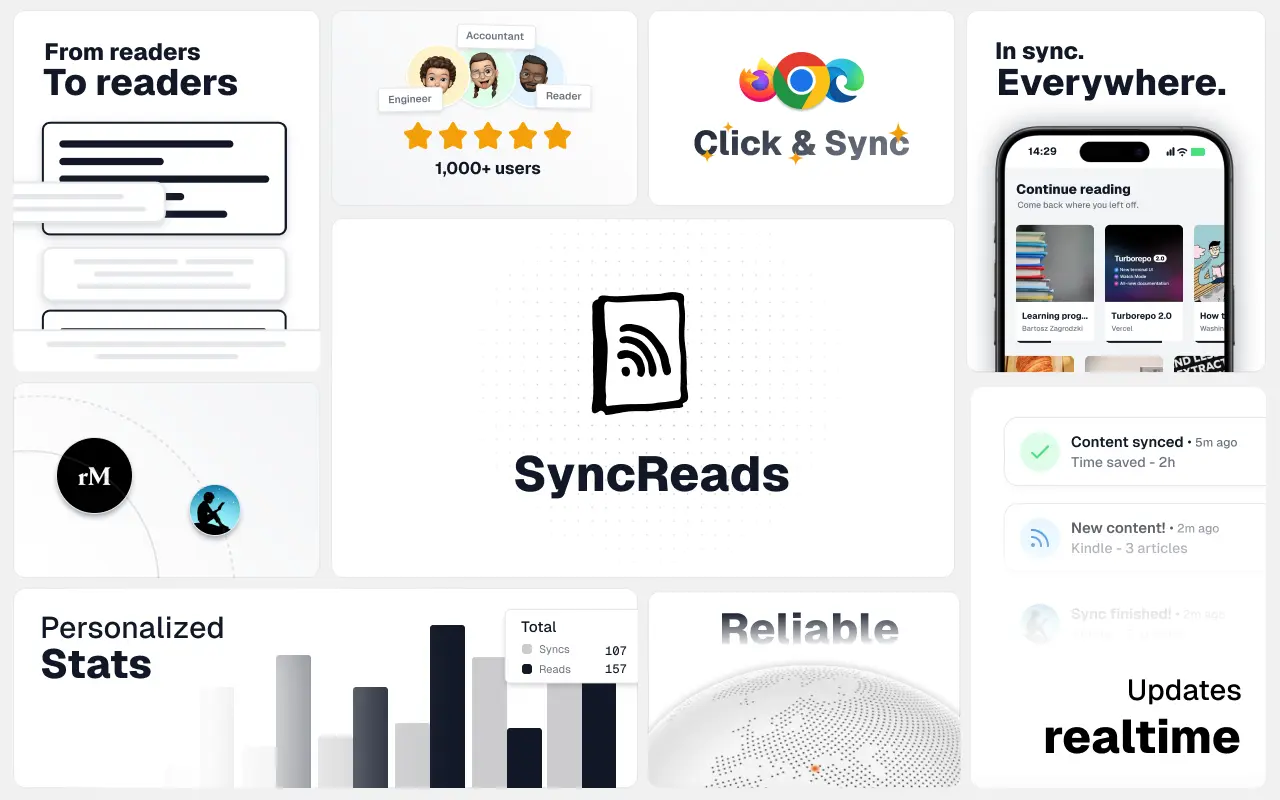
Sync your favorite content for distraction-free reading, save time and replace multiple apps. Anytime, anywhere 🔄
Socialcrawl
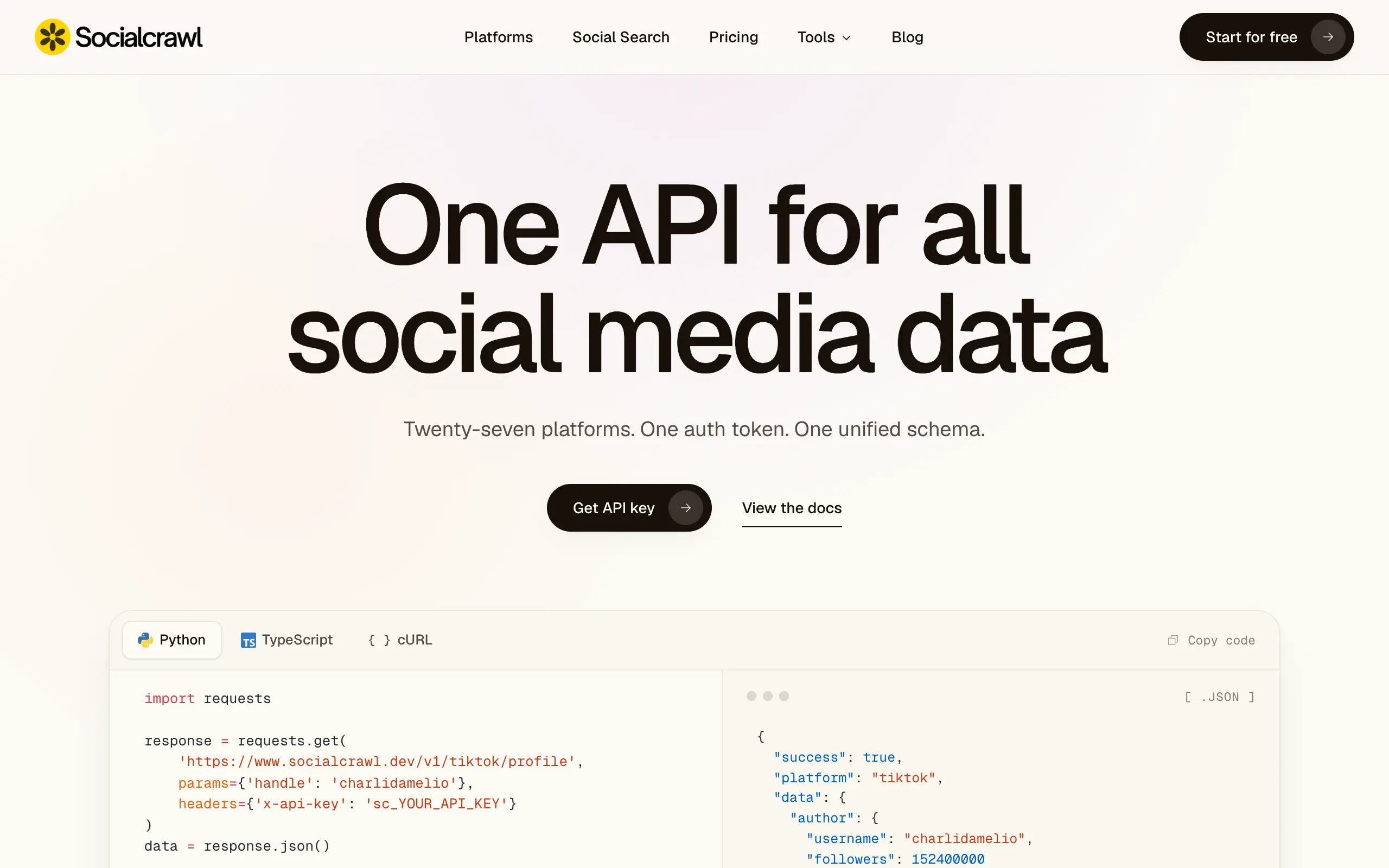
Get clean, structured data from 21 platforms like TikTok, Instagram, and YouTube with a single request 📊
Statiko
Monitor any Telegram channel in real time - track posts, edits, deletions, and growth with AI recaps 📡
Shibui
AI website builder - describe your business, pick a niche template, edit by chatting, and publish instantly ✨
Pro Service
Find verified home service professionals, compare quotes, and pay securely through escrow - built for Brazilians across the US 🏠
RankGrow
Fix your SEO with AI agents - connect Search Console, get prioritized tasks, and grow organic traffic 📈
SyncReads
Sync your favorite content for distraction-free reading, save time and replace multiple apps. Anytime, anywhere 🔄
Socialcrawl
Get clean, structured data from 21 platforms like TikTok, Instagram, and YouTube with a single request 📊
Dotallio
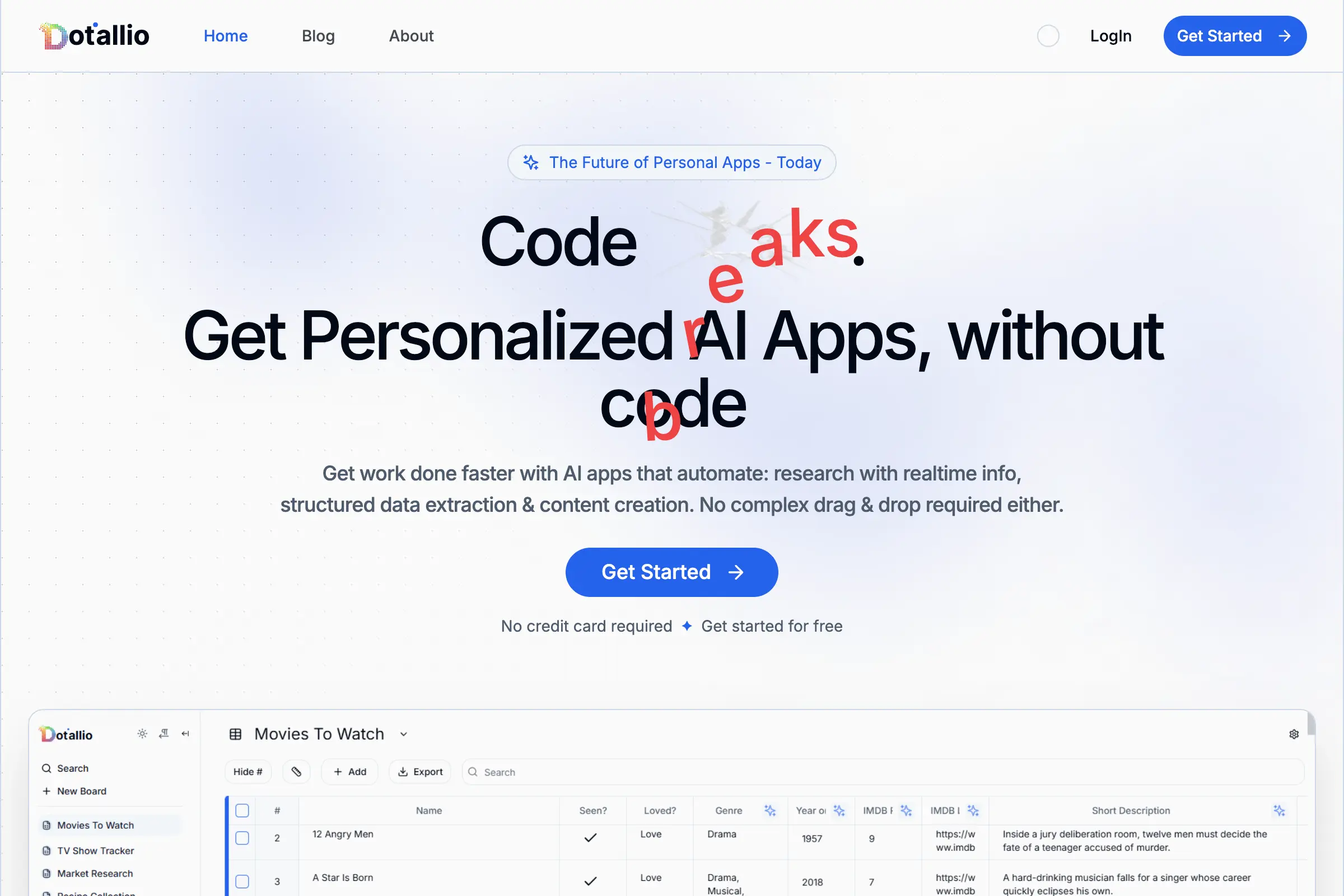
Personalized AI apps that automate research, data extraction, and content creation without code 🤖
Talk to Santa
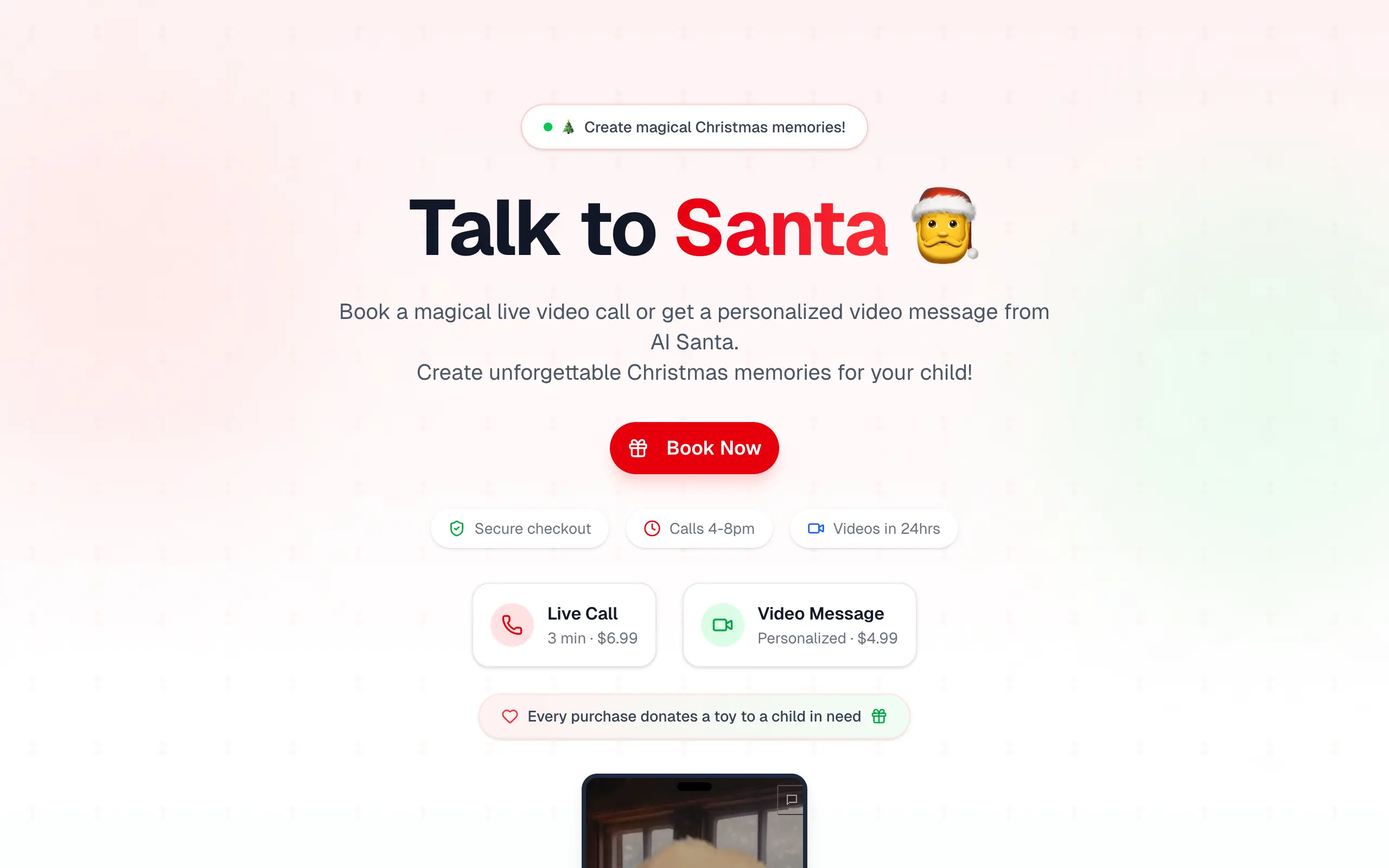
Enjoy a magical live video chat or receive a unique AI-generated video greeting from Santa Claus 🎅
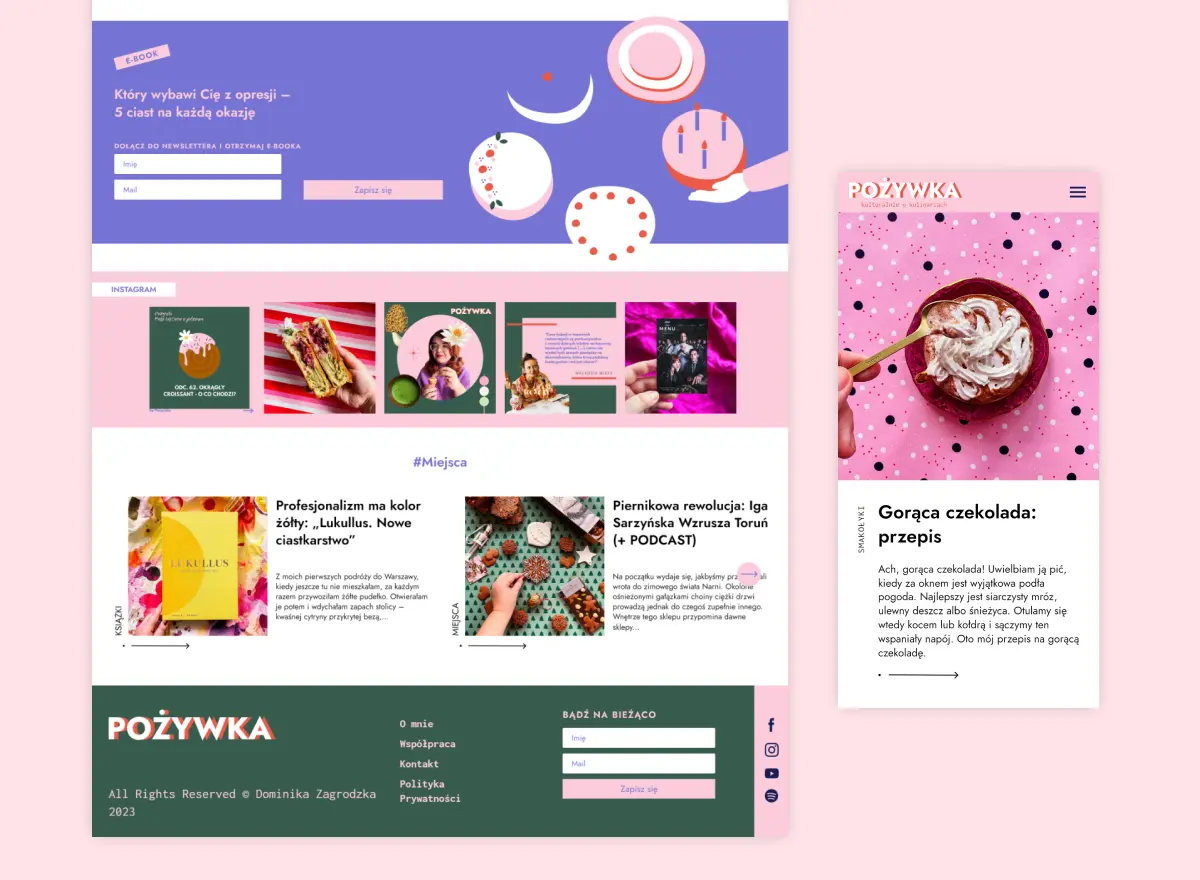
pozywka.pl
Scalable blog for food journalist, focused on performance and user experience 🌭
zagrodzki.me
Personal blog and portfolio of Bart Zagrodzki, where he shares his knowledge and work 💼
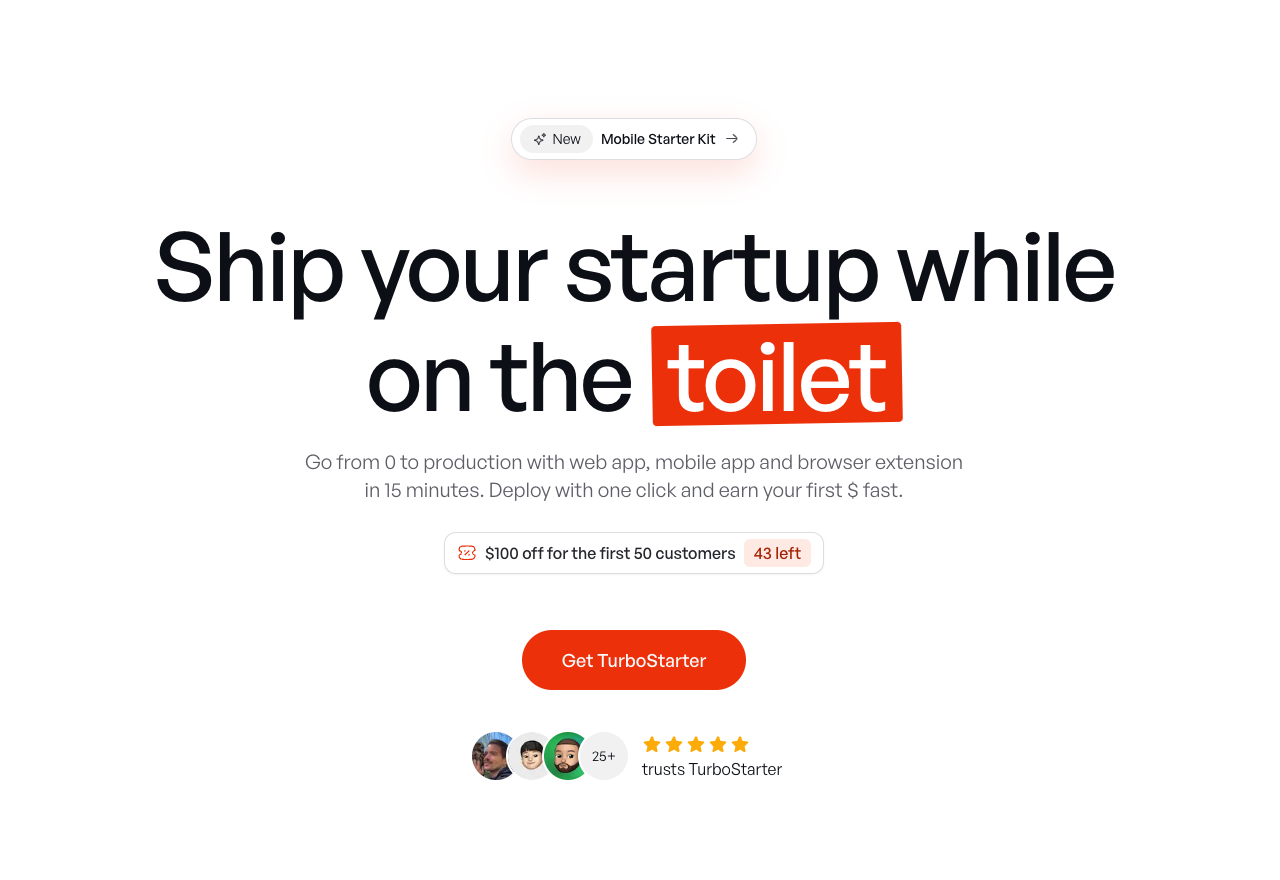
TurboStarter
Ship your startup everywhere. In minutes.
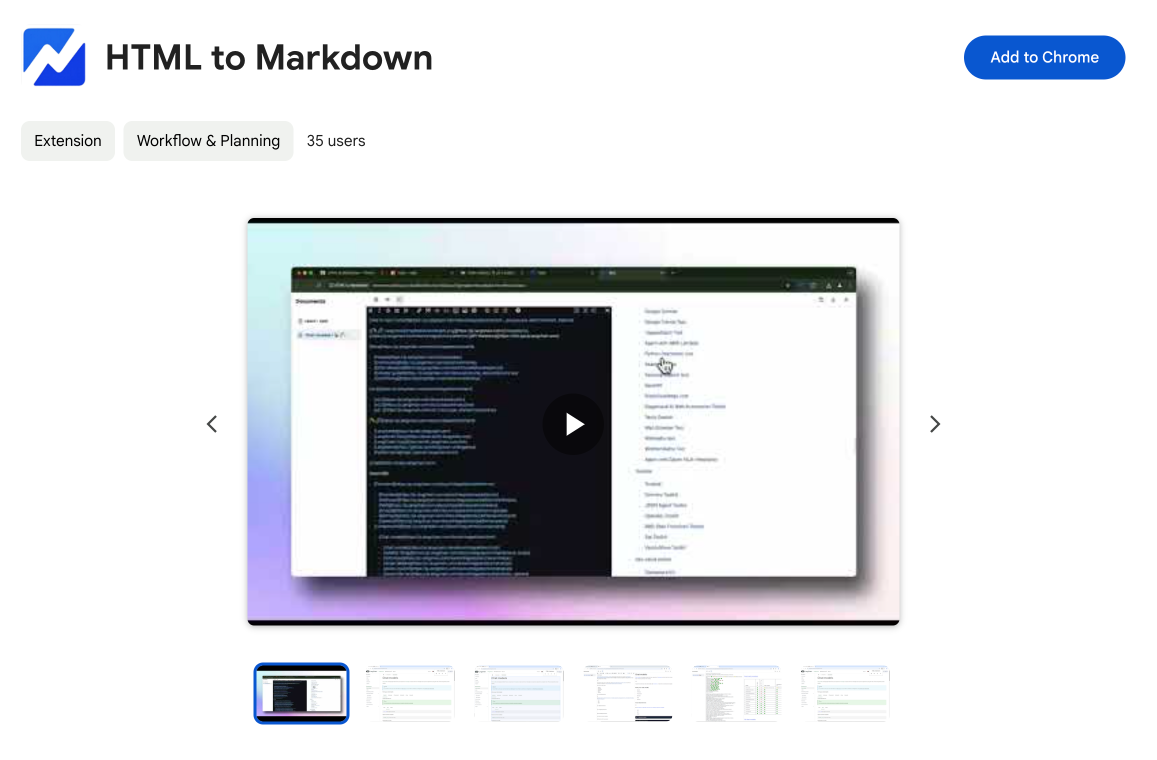
HTML to Markdown
Convert HTML to Markdown with ease, directly in your browser 📄
Dotallio
Personalized AI apps that automate research, data extraction, and content creation without code 🤖
Talk to Santa
Enjoy a magical live video chat or receive a unique AI-generated video greeting from Santa Claus 🎅
pozywka.pl
Scalable blog for food journalist, focused on performance and user experience 🌭
zagrodzki.me
Personal blog and portfolio of Bart Zagrodzki, where he shares his knowledge and work 💼
TurboStarter
Ship your startup everywhere. In minutes.
HTML to Markdown
Convert HTML to Markdown with ease, directly in your browser 📄
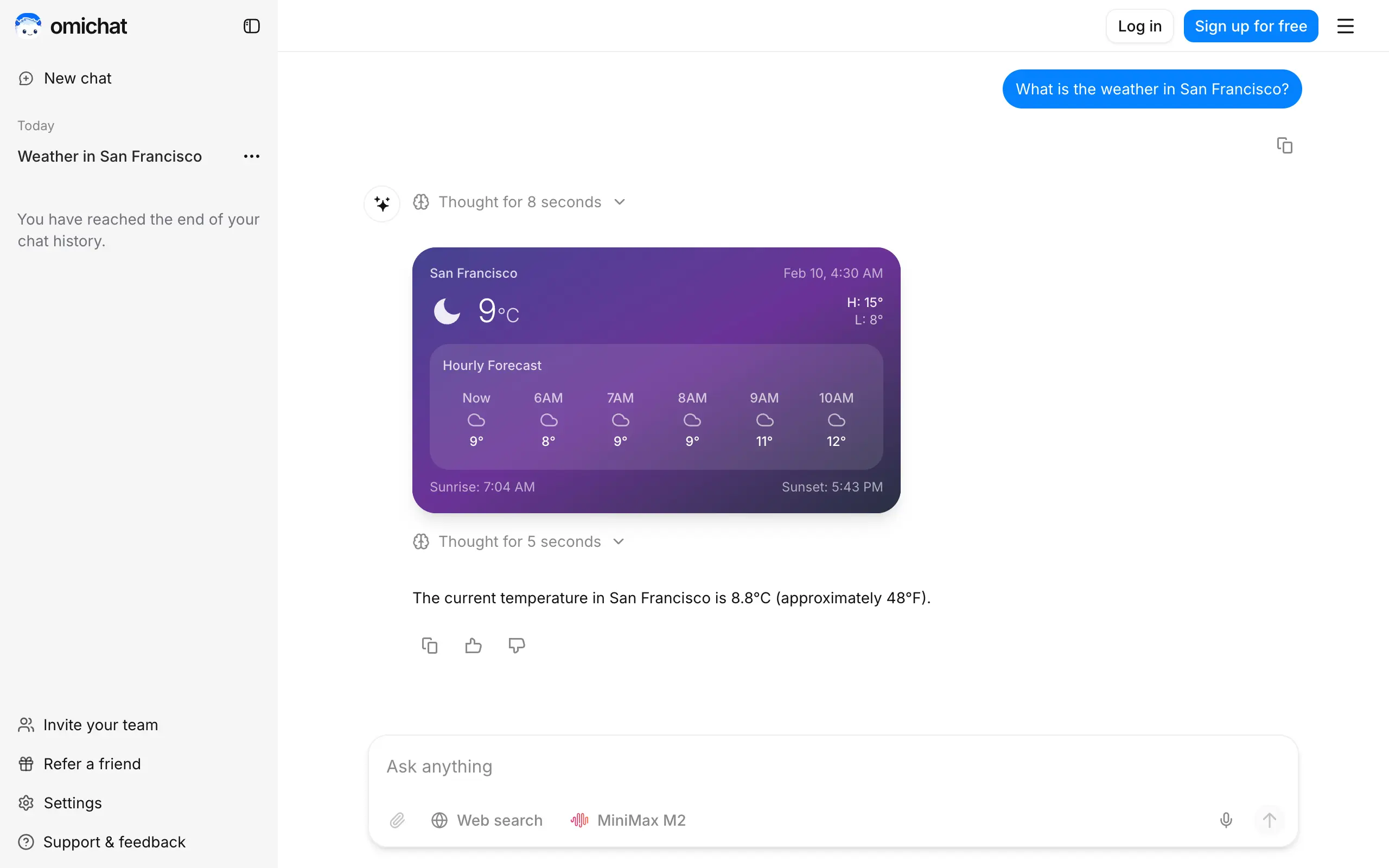
Omichat
Chat with 50+ AI models, including ChatGPT and Claude, in one place - switch models anytime without losing context 🤖
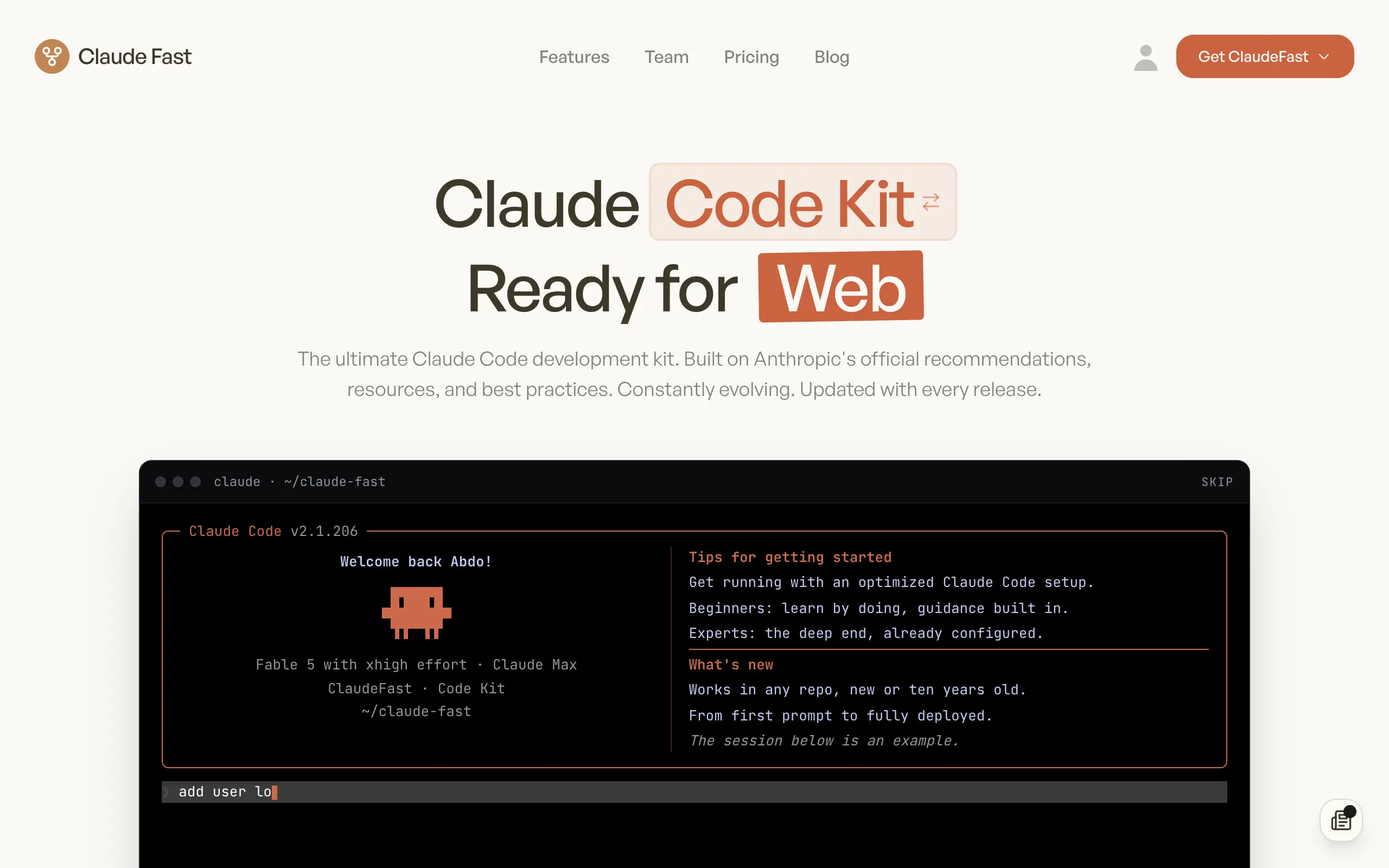
Claude Fast
Supercharge your Claude Code with 6x effective context window and specialized AI agents 🤖
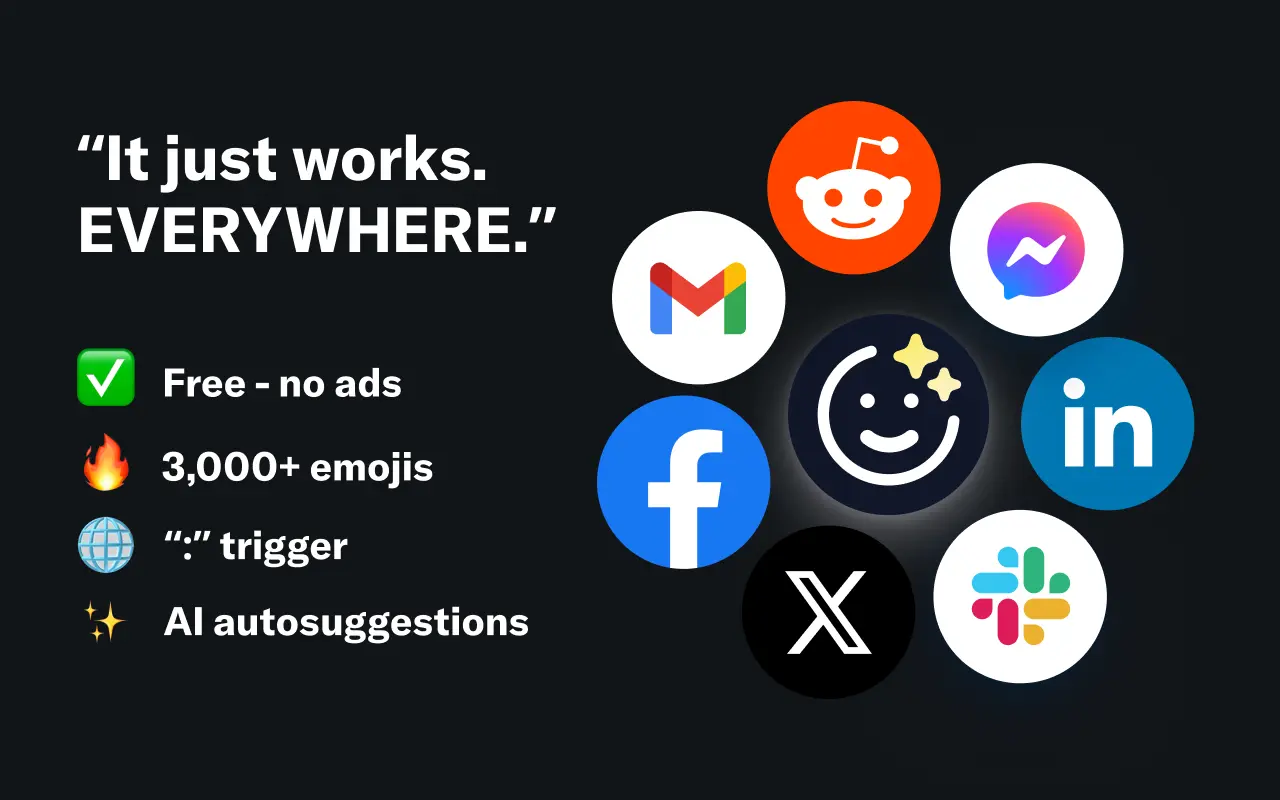
EmojAI
AI-powered emoji picker with smart, context-aware suggestions 🤖
Solohacker
Autonomous company launcher - AI agents work 24/7, escalate what matters, and you stay in control 🤖
BeRawi: Storytelling Coach
Practice storytelling daily with instant feedback to sound clearer, more engaging, and confident 🎤
Omichat
Chat with 50+ AI models, including ChatGPT and Claude, in one place - switch models anytime without losing context 🤖
Claude Fast
Supercharge your Claude Code with 6x effective context window and specialized AI agents 🤖
EmojAI
AI-powered emoji picker with smart, context-aware suggestions 🤖
Solohacker
Autonomous company launcher - AI agents work 24/7, escalate what matters, and you stay in control 🤖
BeRawi: Storytelling Coach
Practice storytelling daily with instant feedback to sound clearer, more engaging, and confident 🎤

Connect with like-minded people
Join our community to get feedback, support, and grow together with 1,000+ builders on board, let's ship it!
Join usShip your startup everywhere. In minutes.
Don't burn tokens on setup and start building features on day one.