CramFlow
AI-powered study planner that auto-generates daily revision schedules from your syllabus and exams, helping students avoid cramming and improve retention.
What is an AI-powered study planner and why it matters now
Students today are overwhelmed. Between multiple subjects, deadlines, extracurriculars, and constant digital distractions, effective studying often gets replaced by last-minute cramming. That’s exactly where an AI-powered study planner like CramFlow creates massive value.
CramFlow is a mobile-first SaaS application that automatically generates personalized daily study schedules based on a student’s syllabus, exam dates, and learning pace. Instead of guessing what to study next, students get a structured, adaptive roadmap that optimizes retention and reduces stress.
This idea sits at the intersection of AI productivity tools, edtech personalization, and behavioral learning science—a combination that is rapidly gaining traction.
In this article, we’ll break down the full opportunity behind building a product like CramFlow, including market demand, feature design, monetization, tech stack, risks, and a practical roadmap to launch.
Understanding user intent and core pain points
Before building any SaaS product, especially in education, you need to deeply understand the real problem—not the surface-level one.
Students aren’t just looking for “study planners.” They are trying to solve:
- Procrastination and lack of structure
- Overwhelm from large syllabi
- Inefficient revision habits
- Poor long-term retention
- Anxiety before exams
Traditional tools like calendars or to-do lists don’t solve this because they require manual planning, which students often avoid or do poorly.
The real job-to-be-done
CramFlow’s core job is:
“Tell me exactly what to study today so I don’t fall behind and don’t have to think about planning.”
That’s a powerful shift—from planning tool to decision engine.
Target audience segmentation
A successful AI study planner must serve specific segments well before expanding.
Primary users
-
High school students (ages 14–18)
- Preparing for standardized exams (SAT, GCSE, CBSE, etc.)
- Need structured daily plans
-
College students
- Managing multiple courses and deadlines
- Often juggling part-time jobs
-
Competitive exam aspirants
- Examples: UPSC, GRE, MCAT, JEE
- High need for long-term planning and spaced repetition
Secondary users
- Parents (monitoring progress)
- Tutors and coaching centers
- Online educators
Behavioral traits
- Struggle with consistency
- Use mobile devices heavily
- Already use apps like Notion, Google Calendar, or Quizlet
- Open to AI recommendations if they save time
Market opportunity and gap analysis
The edtech market continues to grow rapidly, driven by remote learning, AI adoption, and global exam competition.
Instead of citing potentially outdated stats, it’s safe to say:
- The global edtech market is projected in multiple reports (e.g., HolonIQ, Statista) to exceed hundreds of billions in the coming decade.
- AI in education is one of the fastest-growing segments.
Existing solutions
Let’s analyze current categories:
| Tool Type | Automation | Personalization | Daily Planning | AI-driven |
|---|---|---|---|---|
| Google Calendar | ❌ | ❌ | ✅ | ❌ |
| Notion | ❌ | ✅ | ✅ | ❌ |
| Quizlet | ✅ | ✅ | ❌ | ✅ |
| CramFlow (proposed) | ✅ | ✅ | ✅ | ✅ |
Key gap in the market
Most tools:
- Help you store information
- Or help you practice
But very few:
- Automatically decide what you should study today
That’s the gap CramFlow fills.
Core product concept: how CramFlow works
At its core, CramFlow transforms static academic data into a dynamic daily plan.
Input data
- Subjects and topics (syllabus upload)
- Exam dates
- Available study hours per day
- Difficulty level per subject
- User learning speed (adaptive over time)
Output
- Daily study schedule
- Revision cycles (spaced repetition)
- Priority adjustments
- Smart reminders
Key features that define success
1. AI-generated daily study plan
The heart of the product.
Users input their syllabus once, and the system generates:
- Daily study blocks
- Balanced subject rotation
- Built-in revision sessions
2. Adaptive scheduling engine
Plans should evolve based on:
- Missed sessions
- Performance feedback
- Time spent vs planned
3. Spaced repetition integration
Scientifically proven learning technique:
- Revisits topics at optimal intervals
- Boosts long-term retention
Why this matters
Spaced repetition is widely supported by cognitive science research. Tools like Anki have proven its effectiveness, but they lack structured scheduling. CramFlow combines both.
4. Smart reminders and nudges
- Push notifications for sessions
- “Catch-up plans” when users fall behind
- Behavioral nudges to reduce procrastination
5. Progress tracking dashboard
- Completion rates
- Subject mastery
- Time spent analytics
6. Exam countdown optimization
As exams approach:
- Increase revision frequency
- Shift focus to weak areas
- Simulate test conditions
Advanced features for differentiation
To stand out, CramFlow can evolve into a full AI learning assistant.
AI study coach
Chat-based assistant that explains concepts and suggests improvements.
Focus mode
Built-in Pomodoro timer with distraction blocking.
Collaborative planning
Study groups and shared schedules.
Gamification
Streaks, XP, and rewards for consistency.
Recommended tech stack (mobile-first SaaS)
Since CramFlow is a mobile app, performance and responsiveness are critical.
Frontend
- React Native – cross-platform mobile development
- Expo – faster development and deployment
Backend
- Node.js with NestJS or Express
- PostgreSQL for structured data
- Redis for caching schedules
AI layer
- OpenAI API (for planning logic + adaptation)
- Custom scheduling algorithms (rule-based + ML hybrid)
Infrastructure
Example scheduling logic (simplified)
function generateDailyPlan(userData, syllabus, examDate) {
  const daysRemaining = calculateDays(examDate);
  const topicsPerDay = distributeTopics(syllabus, daysRemaining);

  return topicsPerDay.map(day => ({
    studyBlocks: optimizeForEnergyLevels(day),
    revisionSlots: applySpacedRepetition(day),
  }));
}
Trade-offs
-
React Native vs Flutter
- React Native: larger ecosystem
- Flutter: better performance
-
AI-heavy vs rule-based
- AI: flexible but costly
- Rules: predictable but rigid
Best approach: hybrid system.
Monetization strategies
CramFlow has multiple revenue streams, making it highly scalable.
Freemium model (recommended)
- Free:
- Basic planning
- Limited subjects
- Paid:
- Advanced AI scheduling
- Analytics
- Unlimited subjects
Subscription tiers
- $4–$8/month for students
- Discounted yearly plans
Additional revenue streams
- In-app purchases (exam packs)
- Affiliate partnerships with edtech platforms
- B2B licensing to schools/coaching centers
Competitive advantage (USP)
CramFlow’s edge lies in automation + personalization + behavioral science.
Key differentiators
- Fully automated daily planning
- Adaptive scheduling engine
- Built-in spaced repetition
- Mobile-first UX
Why competitors struggle to replicate
- Requires both AI and learning science expertise
- Needs continuous data feedback loops
- UX complexity is non-trivial
Risks and mitigation strategies
No SaaS idea is risk-free. Here’s what to watch for:
1. Over-reliance on AI accuracy
Risk:
- Poor plans → user churn
Mitigation:
- Allow manual adjustments
- Provide transparency in scheduling logic
2. User drop-off after onboarding
Risk:
- Students stop using the app
Mitigation:
- Gamification
- Daily reminders
- Streak systems
3. High API costs
Risk:
- AI usage becomes expensive
Mitigation:
- Cache schedules
- Use hybrid AI + rules
4. Competition from big players
Risk:
- Notion, Google, or edtech giants
Mitigation:
- Focus on niche: exam-focused planning
- Move fast and build community
Step-by-step implementation roadmap
Go-to-market strategy
Early traction channels
- TikTok and Instagram (study content niche)
- YouTube productivity creators
- Reddit (r/study, r/productivity)
Viral loop
- Shareable daily plans
- Study streak screenshots
- Peer competition
SEO strategy for long-term growth
To rank for keywords like:
- “AI study planner”
- “exam study schedule generator”
- “how to avoid cramming”
You should create content around:
- Study techniques
- Exam preparation guides
- Productivity hacks
This builds organic traffic and trust.
Future expansion opportunities
CramFlow can evolve into a broader platform:
- AI tutoring
- Personalized learning paths
- Integration with LMS platforms
- Career planning tools
FAQs
Yes, when combined with spaced repetition and adaptive scheduling, it significantly improves retention and consistency compared to manual planning.
Traditional planners require manual input. CramFlow automates decision-making using AI, removing friction and improving consistency.
Yes, the system can adapt to any syllabus-based learning structure, from school exams to competitive tests.
Final thoughts and execution strategy
CramFlow isn’t just another productivity app—it’s a decision-making engine for students.
Its success depends on:
- Delivering immediate value (daily plan within minutes)
- Maintaining accuracy and adaptability
- Building habit-forming UX
If executed well, it can become a category-defining product in AI-powered education.
The key is to start simple:
- Focus on one user segment (e.g., high school exams)
- Nail the core scheduling experience
- Iterate fast based on real usage
Build faster with the right foundation
If you’re serious about launching a SaaS like CramFlow, speed matters. You don’t want to spend months reinventing authentication, billing, or infrastructure.
That’s where TurboStarter can give you a significant head start, helping you focus on what truly matters: your AI scheduling engine and user experience.
By combining AI, behavioral science, and thoughtful product design, CramFlow has the potential to redefine how students prepare for exams—and eliminate cramming for good.
More 📱 Mobile App SaaS ideas
Discover more innovative mobile app SaaS ideas that are trending in 2026. Each idea is AI-generated with market validation and growth potential to help you find your next profitable venture faster than competitors.
Your competitors are building with TurboStarter
Below are some of the SaaS ideas that have been generated and built with our starter kit.

Statiko
Monitor any Telegram channel in real time - track posts, edits, deletions, and growth with AI recaps 📡

Shibui
AI website builder - describe your business, pick a niche template, edit by chatting, and publish instantly ✨

Pro Service
Find verified home service professionals, compare quotes, and pay securely through escrow - built for Brazilians across the US 🏠
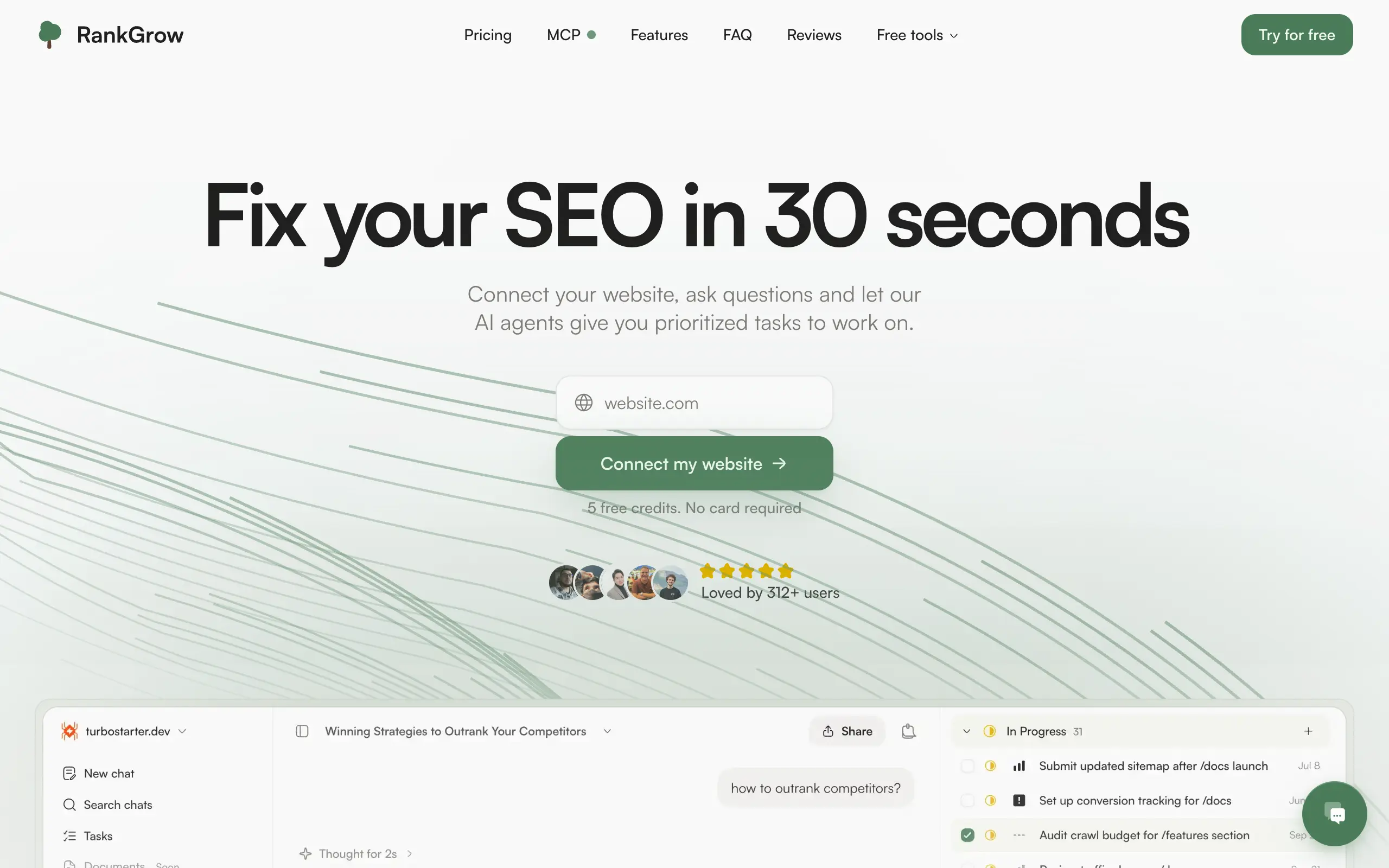
RankGrow
Fix your SEO with AI agents - connect Search Console, get prioritized tasks, and grow organic traffic 📈
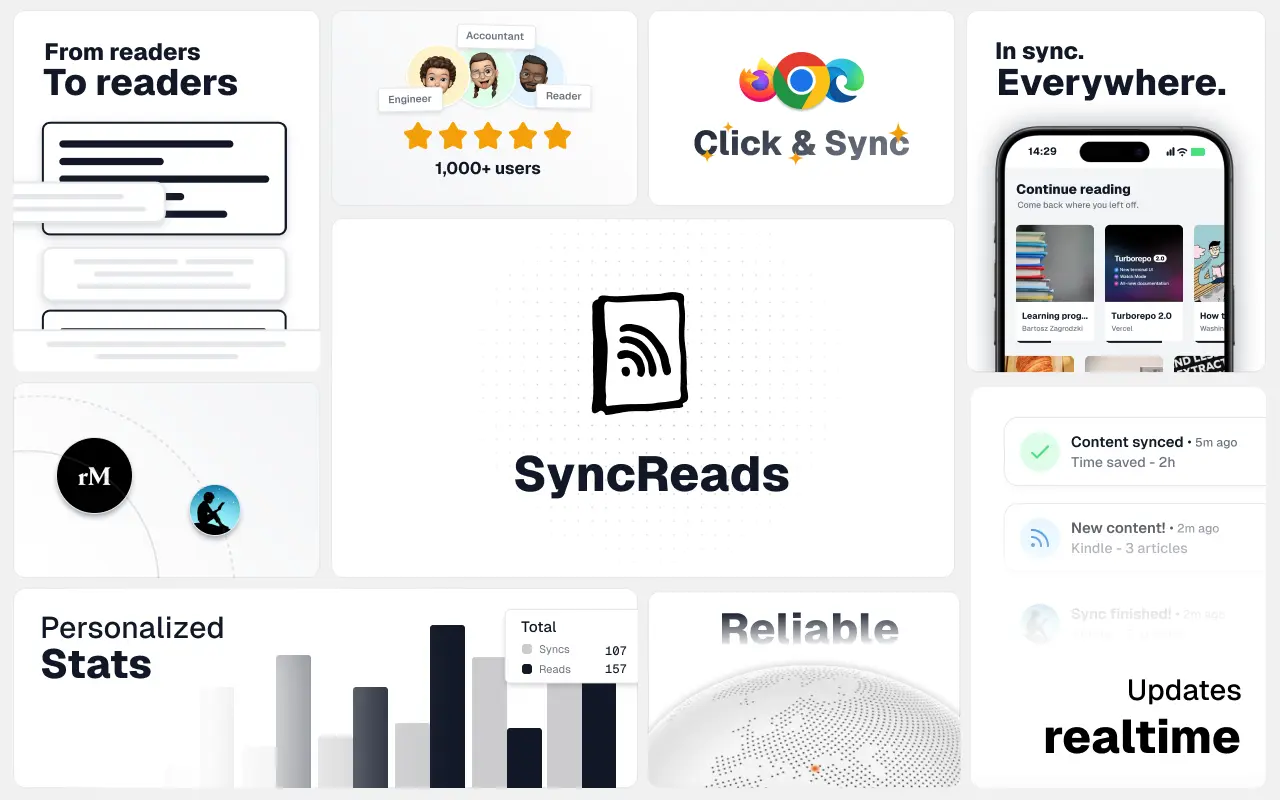
SyncReads
Sync your favorite content for distraction-free reading, save time and replace multiple apps. Anytime, anywhere 🔄
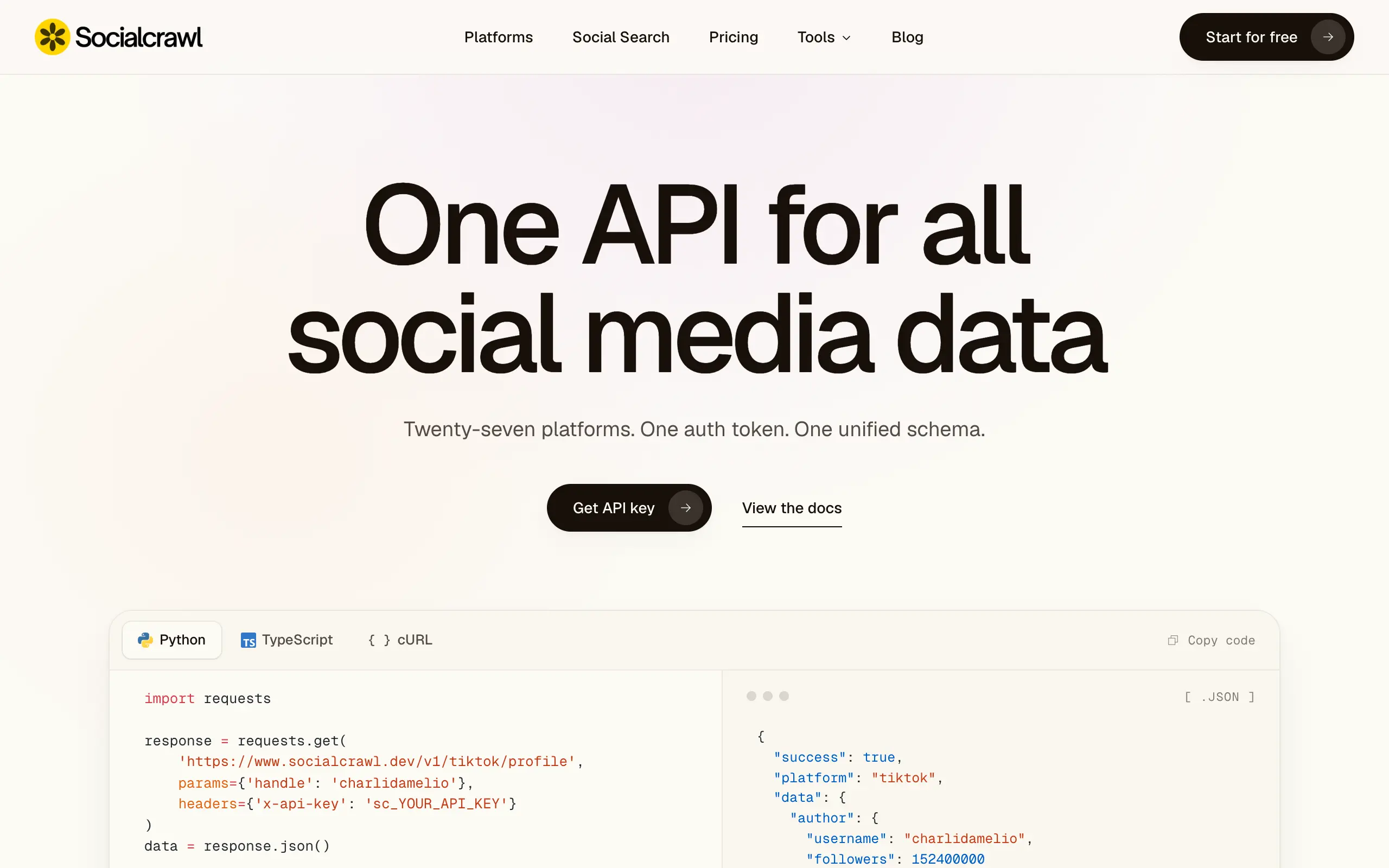
Socialcrawl
Get clean, structured data from 21 platforms like TikTok, Instagram, and YouTube with a single request 📊
Statiko
Monitor any Telegram channel in real time - track posts, edits, deletions, and growth with AI recaps 📡
Shibui
AI website builder - describe your business, pick a niche template, edit by chatting, and publish instantly ✨
Pro Service
Find verified home service professionals, compare quotes, and pay securely through escrow - built for Brazilians across the US 🏠
RankGrow
Fix your SEO with AI agents - connect Search Console, get prioritized tasks, and grow organic traffic 📈
SyncReads
Sync your favorite content for distraction-free reading, save time and replace multiple apps. Anytime, anywhere 🔄
Socialcrawl
Get clean, structured data from 21 platforms like TikTok, Instagram, and YouTube with a single request 📊
Statiko
Monitor any Telegram channel in real time - track posts, edits, deletions, and growth with AI recaps 📡
Shibui
AI website builder - describe your business, pick a niche template, edit by chatting, and publish instantly ✨
Pro Service
Find verified home service professionals, compare quotes, and pay securely through escrow - built for Brazilians across the US 🏠
RankGrow
Fix your SEO with AI agents - connect Search Console, get prioritized tasks, and grow organic traffic 📈
SyncReads
Sync your favorite content for distraction-free reading, save time and replace multiple apps. Anytime, anywhere 🔄
Socialcrawl
Get clean, structured data from 21 platforms like TikTok, Instagram, and YouTube with a single request 📊
Statiko
Monitor any Telegram channel in real time - track posts, edits, deletions, and growth with AI recaps 📡
Shibui
AI website builder - describe your business, pick a niche template, edit by chatting, and publish instantly ✨
Pro Service
Find verified home service professionals, compare quotes, and pay securely through escrow - built for Brazilians across the US 🏠
RankGrow
Fix your SEO with AI agents - connect Search Console, get prioritized tasks, and grow organic traffic 📈
SyncReads
Sync your favorite content for distraction-free reading, save time and replace multiple apps. Anytime, anywhere 🔄
Socialcrawl
Get clean, structured data from 21 platforms like TikTok, Instagram, and YouTube with a single request 📊
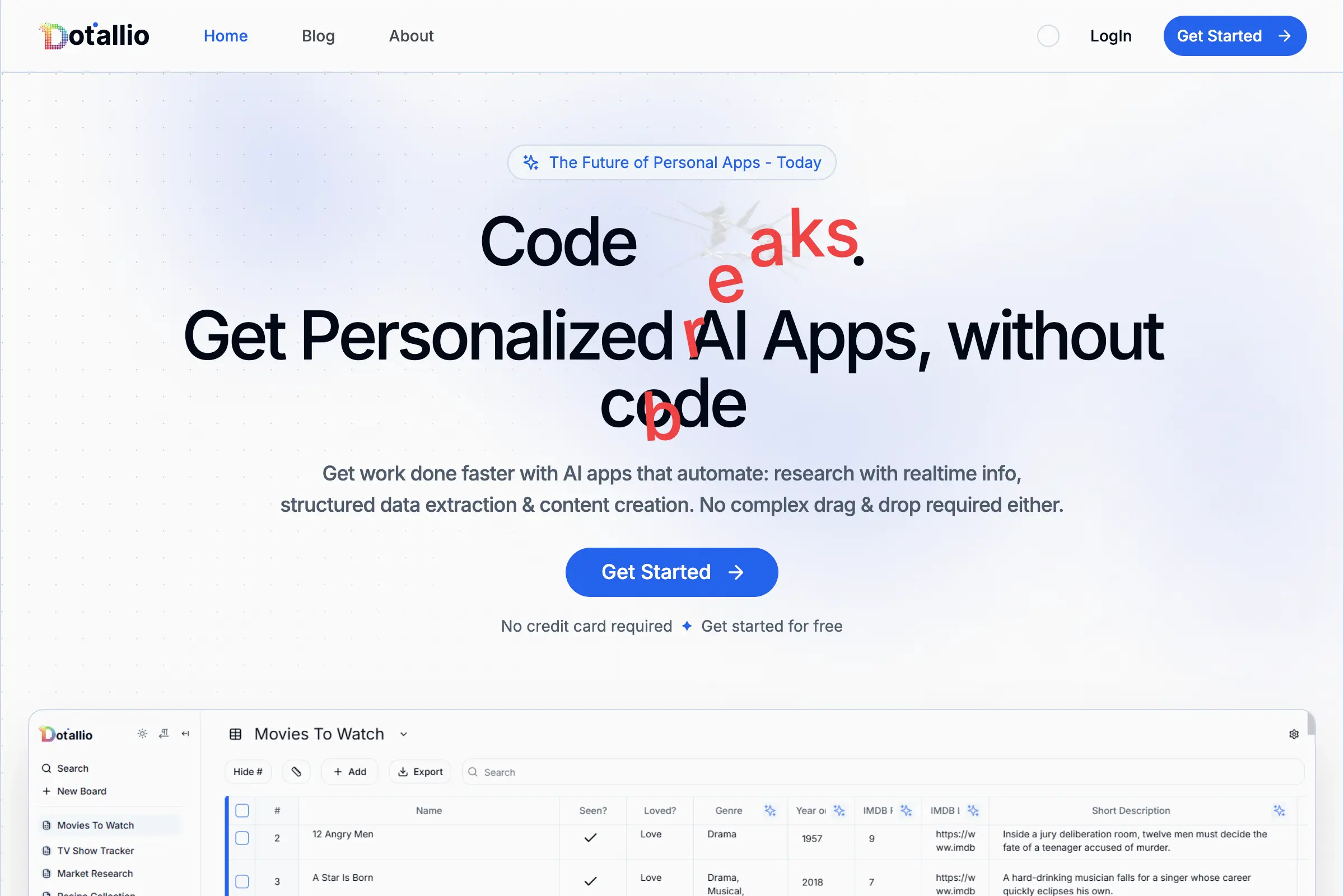
Dotallio
Personalized AI apps that automate research, data extraction, and content creation without code 🤖

Talk to Santa
Enjoy a magical live video chat or receive a unique AI-generated video greeting from Santa Claus 🎅
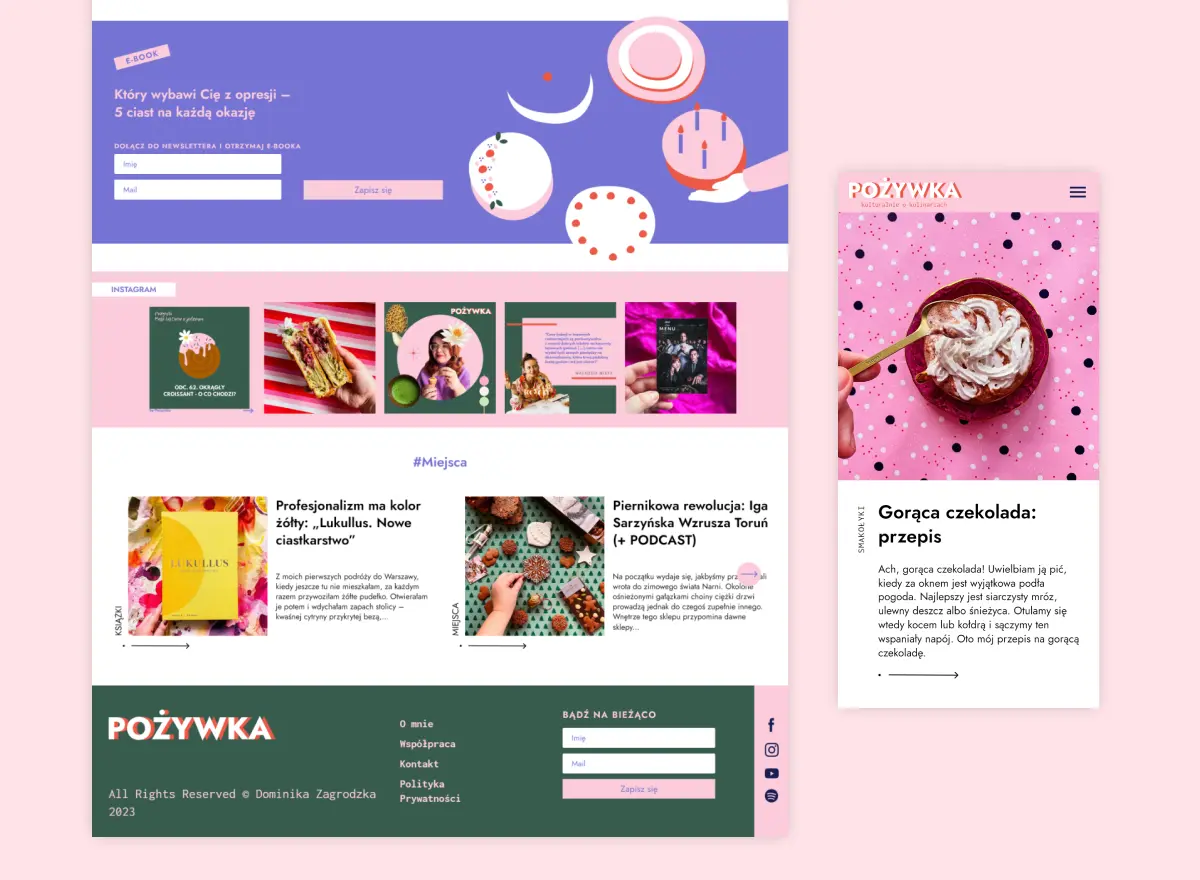
pozywka.pl
Scalable blog for food journalist, focused on performance and user experience 🌭
zagrodzki.me
Personal blog and portfolio of Bart Zagrodzki, where he shares his knowledge and work 💼
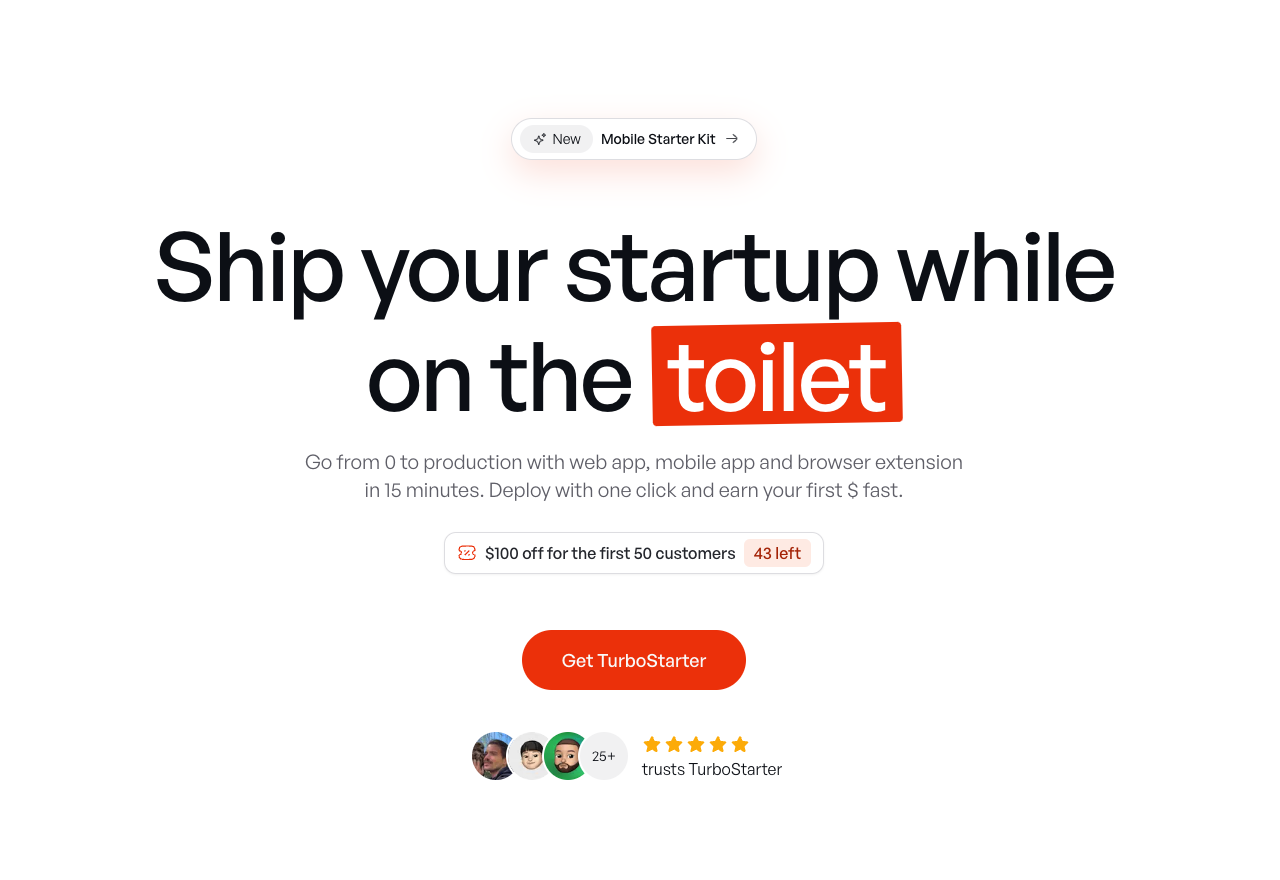
TurboStarter
Ship your startup everywhere. In minutes.
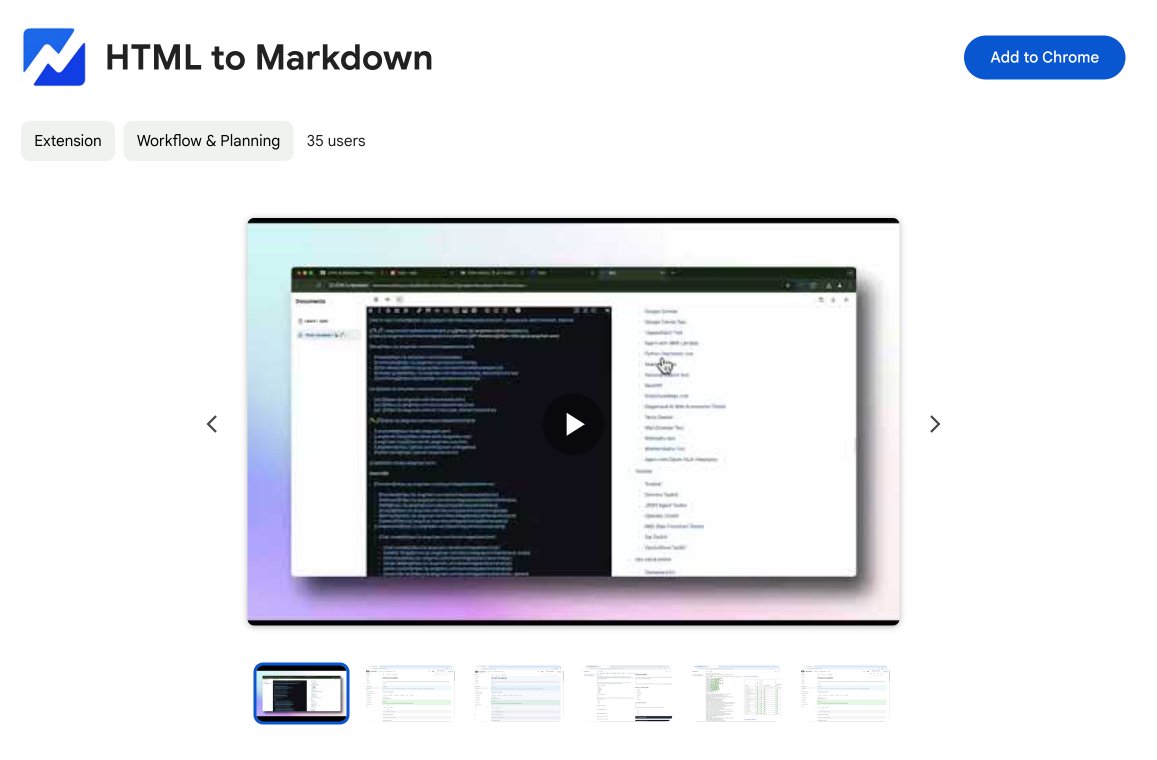
HTML to Markdown
Convert HTML to Markdown with ease, directly in your browser 📄
Dotallio
Personalized AI apps that automate research, data extraction, and content creation without code 🤖
Talk to Santa
Enjoy a magical live video chat or receive a unique AI-generated video greeting from Santa Claus 🎅
pozywka.pl
Scalable blog for food journalist, focused on performance and user experience 🌭
zagrodzki.me
Personal blog and portfolio of Bart Zagrodzki, where he shares his knowledge and work 💼
TurboStarter
Ship your startup everywhere. In minutes.
HTML to Markdown
Convert HTML to Markdown with ease, directly in your browser 📄
Dotallio
Personalized AI apps that automate research, data extraction, and content creation without code 🤖
Talk to Santa
Enjoy a magical live video chat or receive a unique AI-generated video greeting from Santa Claus 🎅
pozywka.pl
Scalable blog for food journalist, focused on performance and user experience 🌭
zagrodzki.me
Personal blog and portfolio of Bart Zagrodzki, where he shares his knowledge and work 💼
TurboStarter
Ship your startup everywhere. In minutes.
HTML to Markdown
Convert HTML to Markdown with ease, directly in your browser 📄
Dotallio
Personalized AI apps that automate research, data extraction, and content creation without code 🤖
Talk to Santa
Enjoy a magical live video chat or receive a unique AI-generated video greeting from Santa Claus 🎅
pozywka.pl
Scalable blog for food journalist, focused on performance and user experience 🌭
zagrodzki.me
Personal blog and portfolio of Bart Zagrodzki, where he shares his knowledge and work 💼
TurboStarter
Ship your startup everywhere. In minutes.
HTML to Markdown
Convert HTML to Markdown with ease, directly in your browser 📄
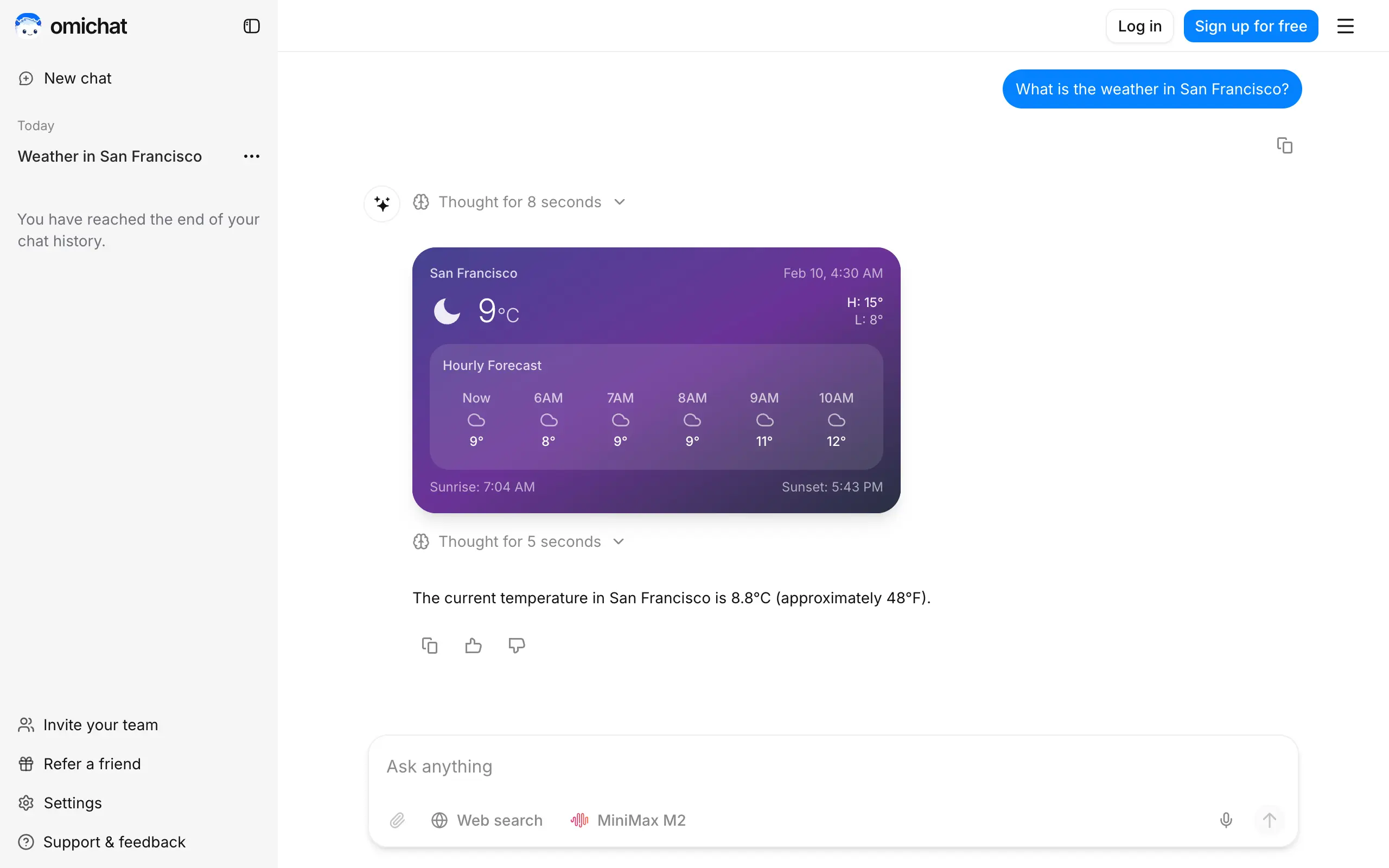
Omichat
Chat with 50+ AI models, including ChatGPT and Claude, in one place - switch models anytime without losing context 🤖
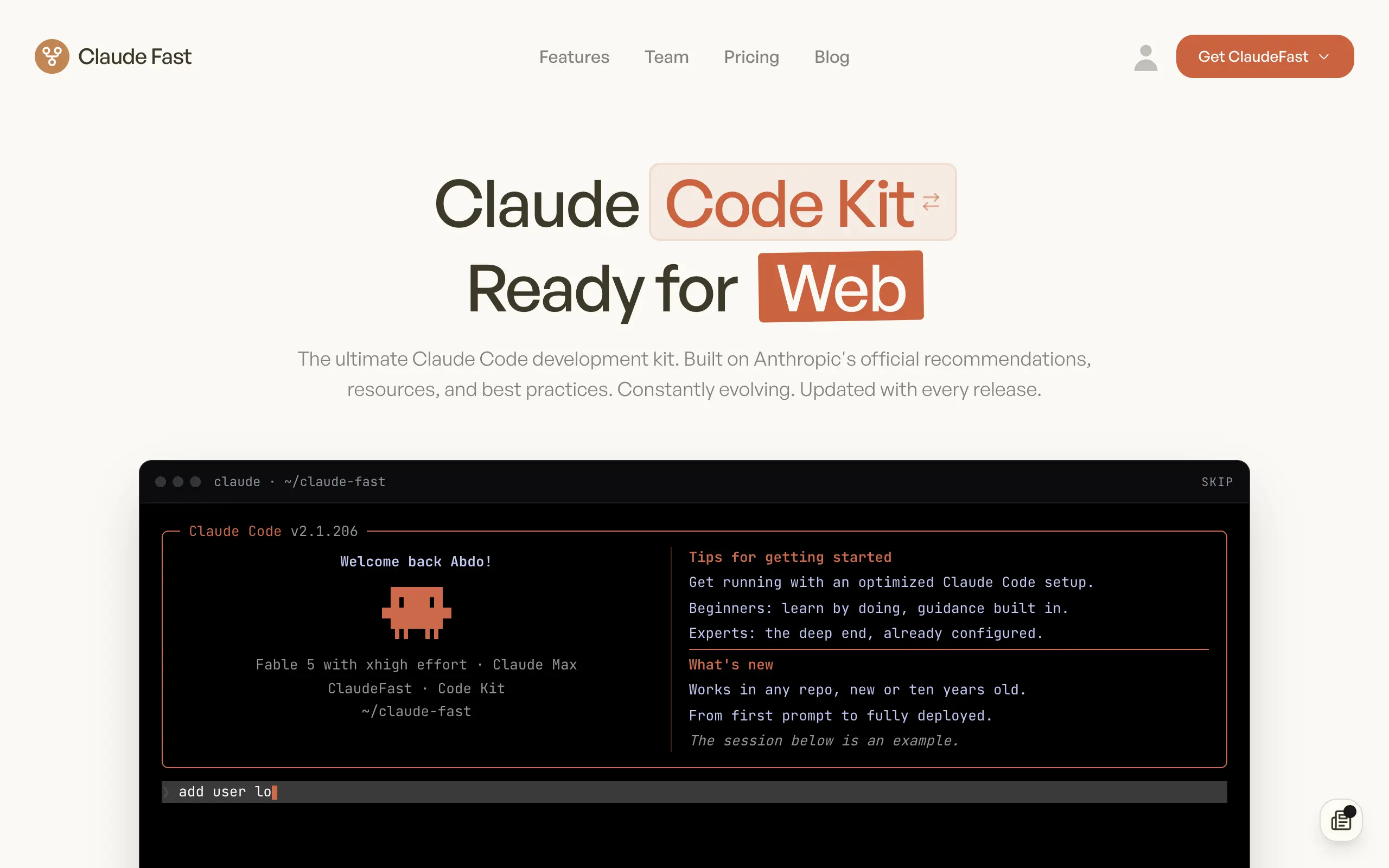
Claude Fast
Supercharge your Claude Code with 6x effective context window and specialized AI agents 🤖
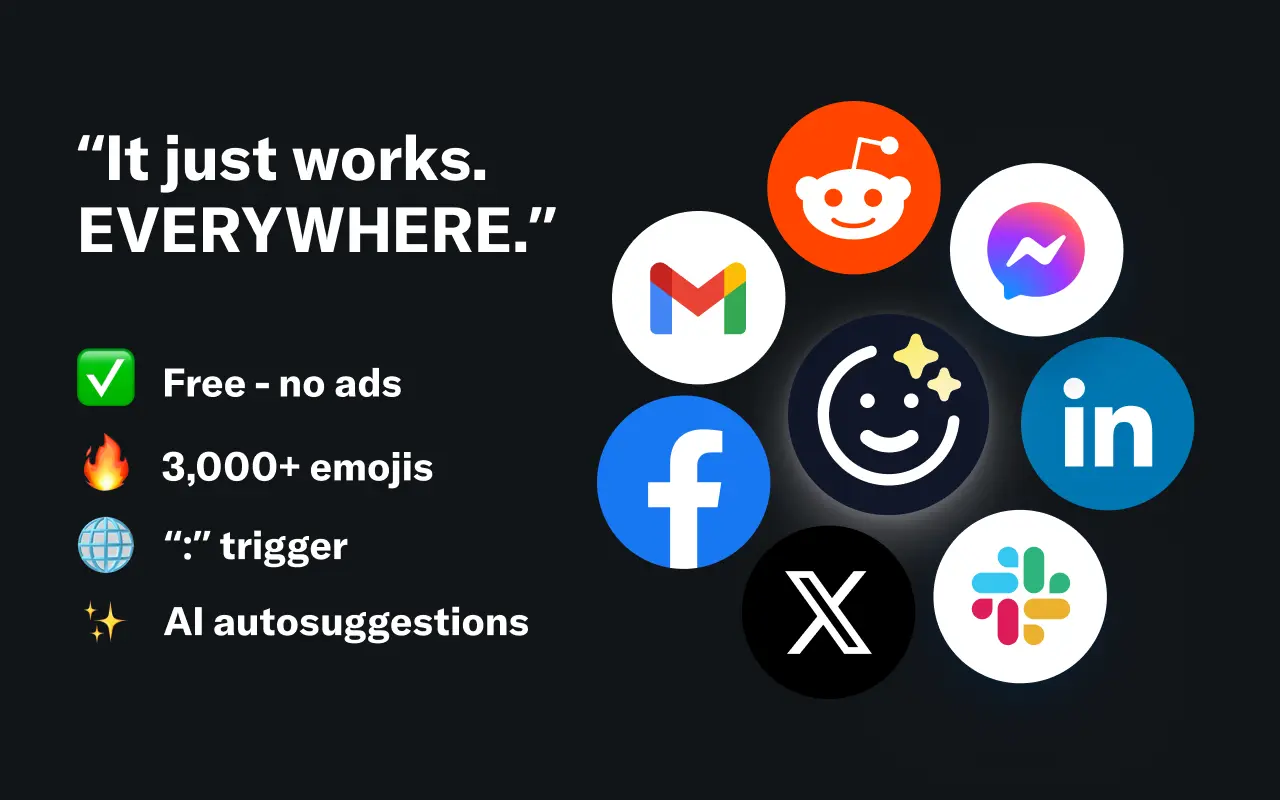
EmojAI
AI-powered emoji picker with smart, context-aware suggestions 🤖
Solohacker
Autonomous company launcher - AI agents work 24/7, escalate what matters, and you stay in control 🤖
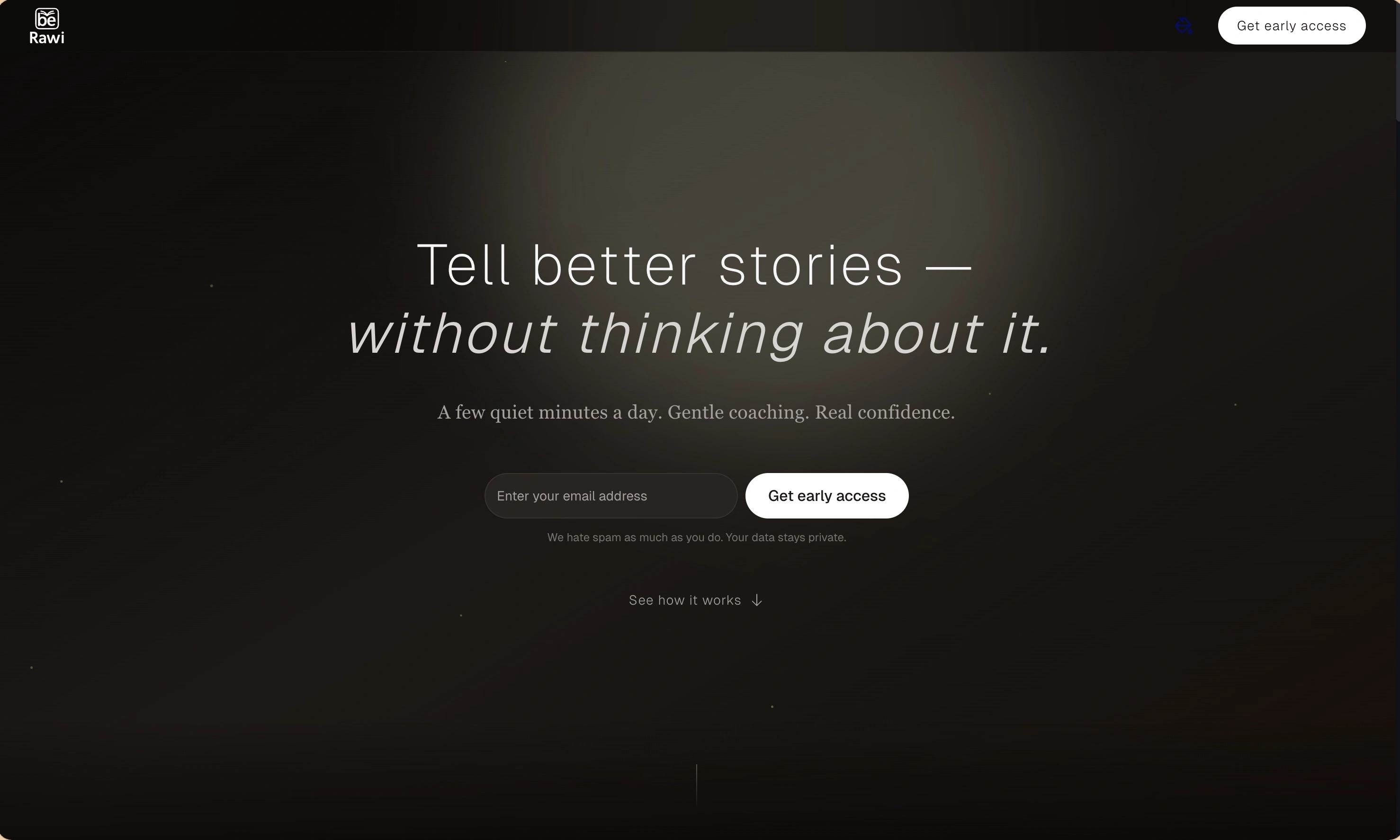
BeRawi: Storytelling Coach
Practice storytelling daily with instant feedback to sound clearer, more engaging, and confident 🎤
Omichat
Chat with 50+ AI models, including ChatGPT and Claude, in one place - switch models anytime without losing context 🤖
Claude Fast
Supercharge your Claude Code with 6x effective context window and specialized AI agents 🤖
EmojAI
AI-powered emoji picker with smart, context-aware suggestions 🤖
Solohacker
Autonomous company launcher - AI agents work 24/7, escalate what matters, and you stay in control 🤖
BeRawi: Storytelling Coach
Practice storytelling daily with instant feedback to sound clearer, more engaging, and confident 🎤
Omichat
Chat with 50+ AI models, including ChatGPT and Claude, in one place - switch models anytime without losing context 🤖
Claude Fast
Supercharge your Claude Code with 6x effective context window and specialized AI agents 🤖
EmojAI
AI-powered emoji picker with smart, context-aware suggestions 🤖
Solohacker
Autonomous company launcher - AI agents work 24/7, escalate what matters, and you stay in control 🤖
BeRawi: Storytelling Coach
Practice storytelling daily with instant feedback to sound clearer, more engaging, and confident 🎤
Omichat
Chat with 50+ AI models, including ChatGPT and Claude, in one place - switch models anytime without losing context 🤖
Claude Fast
Supercharge your Claude Code with 6x effective context window and specialized AI agents 🤖
EmojAI
AI-powered emoji picker with smart, context-aware suggestions 🤖
Solohacker
Autonomous company launcher - AI agents work 24/7, escalate what matters, and you stay in control 🤖
BeRawi: Storytelling Coach
Practice storytelling daily with instant feedback to sound clearer, more engaging, and confident 🎤

Connect with like-minded people
Join our community to get feedback, support, and grow together with 1,000+ builders on board, let's ship it!
Join usShip your startup everywhere. In minutes.
Don't burn tokens on setup and start building features on day one.