EchoQuest
Turn neighborhood walks into AI-generated audio quests, with AR creatures, hidden stories, and collectible 3D souvenirs.
EchoQuest is a mobile app concept that turns ordinary neighborhood walks into AI-generated audio scavenger hunts. Instead of following a fixed route or reading clues on a screen, players listen, explore, solve location-aware challenges, and uncover the stories of places around them. Augmented reality clues, adaptive difficulty, and shared leaderboards can make each walk feel like a game built for that group, that route, and that moment.
The idea sits at the intersection of outdoor recreation, location-based gaming, local discovery, and generative AI. Its potential depends on more than producing clever clues: EchoQuest must make walks feel safe, accessible, social, and worth repeating. This guide explores the audience, market opportunity, product features, technology choices, monetization options, competitive positioning, risks, and practical steps for bringing the concept to market.
What is EchoQuest?
EchoQuest is a location-aware audio scavenger hunt app for people who want to make a walk more engaging. A player or group chooses a starting point, preferred duration, and challenge style. The app then creates or recommends a route with audio clues, puzzles, and optional AR moments.
A typical experience might work like this:
- A family selects a 30-minute walk near home.
- EchoQuest suggests a route using suitable public paths and accessible points of interest.
- Players hear a story that introduces the hunt.
- At selected locations, they receive audio clues and solve challenges.
- The app responds to their progress, adjusting hints or difficulty.
- The group finishes the hunt, earns a score, and can share results with friends.
The app’s central promise is simple: make the neighborhood itself part of the game. That promise gives EchoQuest a clearer purpose than a general-purpose walking tracker or chatbot. The AI should help personalize the experience, while the route, audio, and social play make it feel grounded in the real world.
Who is the target audience for EchoQuest?
EchoQuest could serve several audiences, but trying to build for all of them at once would weaken the first version. Each group has different motivations, safety requirements, and willingness to pay.
Families looking for outdoor activities
Parents and caregivers often want low-friction ways to get children outside. A scavenger hunt can make a familiar park or neighborhood more interesting without requiring elaborate preparation.
For this audience, the product should prioritize:
- Short, easy-to-start hunts
- Clear instructions for adults and children
- Age-appropriate stories and challenges
- A strong adult-led experience rather than unsupervised child accounts
- Routes that avoid unsafe crossings and private property
- Options that work without constant screen interaction
Family use may create strong word of mouth, especially when a hunt becomes a weekend activity or a way to entertain visiting relatives. However, the app should not assume that every child can safely use a phone independently. The design should make the adult the trip organizer and keep the experience audible and hands-free wherever possible.
Teachers, youth groups, and camps
Educators and group leaders may use EchoQuest to support local history, environmental learning, team building, or orientation activities. In this context, a hunt is not only entertainment. It can become a structured lesson or group exercise.
Useful capabilities could include:
- Teacher-created or teacher-reviewed hunts
- Group management and session codes
- Learning objectives and discussion prompts
- Private leaderboards for a class or camp
- Downloadable plans for offline use
- A way to review route difficulty and accessibility
This segment may support institutional licensing, but it brings additional requirements. Schools and youth organizations need clear privacy terms, reliable moderation, and a predictable experience. The product should validate these needs with educators before building complex classroom management features.
Local residents and visitors
Residents may use EchoQuest to rediscover streets, parks, and landmarks they pass every day. Visitors could use a hunt as an alternative to a conventional self-guided tour, particularly when they want a playful way to learn about a place.
For these users, the key value is local relevance. A generic puzzle placed on a map is less compelling than a story connected to a real landmark, community tradition, public artwork, or natural feature. EchoQuest should distinguish between verified local information and AI-generated fictional content so players know what they are hearing.
Friends, couples, and casual explorers
Small groups may want a spontaneous activity for a date, a weekend outing, or a visit to a new area. They are likely to value fast setup, cooperative play, and the ability to share a hunt without creating a long-term account.
A guest mode or invite link can make the first session easier. If EchoQuest requires every participant to sign up, configure a profile, and grant several permissions before hearing the first clue, the experience may lose casual users before the product demonstrates its value.
The market opportunity and product gap
EchoQuest’s opportunity is not simply “AI plus maps.” Those ingredients are widely available. The more useful market question is whether existing options make it easy to create a safe, personalized, audio-first outdoor game for a specific group and place.
The concept draws on several established behaviors:
- People take walks for recreation, errands, and wellbeing.
- Families and educators look for activities that encourage exploration.
- Travelers use audio guides and self-guided tours.
- Players enjoy geocaching, escape-room puzzles, and location-based games.
- Local organizations want visitors to notice places beyond the most obvious attractions.
These behaviors suggest a broad potential audience, but they do not prove demand for EchoQuest specifically. The product needs to test whether users will return after the novelty of the first hunt, whether they will create or share hunts, and whether a payer can be identified.
Where existing experiences may fall short
Traditional scavenger hunts are often manually created and difficult to personalize. Audio tours can be informative but may feel passive. Location-based games may be entertaining but can demand frequent screen interaction, rely on a fixed catalog, or focus on collecting digital items rather than telling a coherent local story.
EchoQuest can explore a gap between these formats by combining:
- Audio-led play, so users can keep their attention on the surroundings
- Location-aware clues, tied to verified points or safe areas
- Adaptive challenge design, with hints and difficulty adjusted to the group
- Flexible hunt generation, so routes are not limited to a small editorial catalog
- Shared play, with team progress and a simple way to compare results
The strongest opportunity is not to generate unlimited content for its own sake. It is to make a good hunt available at the right place, at the right time, with little preparation.
How to validate demand
Before investing in a large AI or mapping system, test the behavior manually. Interview parents, teachers, tour operators, and local community organizations. Ask about the last time they planned an outdoor activity, what made it difficult, and what they currently use. Avoid leading questions such as “Would you use an AI scavenger hunt?” People may approve of the idea without adopting the product.
A useful early validation plan could include:
- Create several hunts for one walkable area.
- Test them with different groups, including families and adults.
- Observe where people hesitate, stop listening, or need help.
- Ask whether they would repeat the activity and what they would pay for.
- Compare completion rates between a fixed hunt and a personalized one.
- Record which features users actually mention afterward.
Where a market-size estimate or category statistic is needed for a business plan, cite the original research source, publication date, geography, and methodology. Avoid combining broad data on tourism, gaming, and outdoor recreation into a single market figure without explaining how the audiences overlap.
Core features for an effective neighborhood scavenger hunt app
A compelling EchoQuest experience should be more than a map with AI-generated text. The product needs a dependable loop from discovery to completion.
Personalized hunt setup
Let players choose a few clear preferences:
- Walk duration or approximate distance
- Starting point or selected area
- Group type, such as family, friends, or solo adult
- Challenge style, such as storytelling, observation, trivia, or puzzles
- Difficulty and accessibility preferences
- Whether the hunt should be educational, playful, or imaginative
Keep the first setup short. Advanced options can be available later, but the opening flow should help users start a hunt quickly. Ask for location permission only when it is necessary, and explain why the app needs it.
Route planning with real-world constraints
Route quality is a core product feature, not a technical detail. A route should be walkable, understandable, and appropriate for the intended audience. It should avoid private property, dangerous crossings, restricted areas, and instructions that encourage users to approach unfamiliar people or enter buildings.
The app should distinguish between:
- A suggested route generated from map data
- A route reviewed by a human or local partner
- A player-created route
- A hunt that works within a broad area rather than requiring exact stops
For an MVP, it may be safer to offer hunts only in a small number of reviewed parks or districts. Expanding coverage too quickly can create a poor experience if the system cannot reliably determine whether a location is suitable.
Audio-first clues and narration
Audio can reduce the need to stare at a phone while walking. Clues should be concise, easy to replay, and understandable in outdoor conditions. Provide transcripts and captions for accessibility, and let users adjust playback speed or listen again.
The audio experience should also handle interruptions well. A call, notification, or temporary loss of connectivity should not erase progress or force a hunt restart. The app should make it clear when users need to stop and interact with the screen.
Adaptive hints and challenge difficulty
Adaptive challenges can make EchoQuest more welcoming to different ages and skill levels. If a group is stuck, the app might offer a gentle hint, simplify a clue, or provide an optional explanation. If the group solves challenges quickly, the next clue could include a more demanding observation task.
Adaptation should be transparent and respectful. Avoid making players feel judged or secretly changing scores. Let a group choose whether hints affect its leaderboard result, and make the rules clear before the hunt begins.
AR clues that add value
Augmented reality can make a clue memorable, but it should not be required for the core experience. AR may create friction through device compatibility, battery use, camera permissions, and the need to focus on a screen outdoors.
Use it selectively, for example to reveal a fictional character, overlay a historical interpretation, or highlight a detail in a public space. Always provide an audio or text alternative. The clue should remain solvable if AR fails or a player chooses not to use the camera.
Shared sessions and leaderboards
Social features can make hunts more engaging, but they should support the activity rather than turn it into a race that encourages unsafe behavior. Cooperative team scores may be a better default than public rankings.
Useful options include:
- Private group sessions
- Invite codes for friends or family
- Team names and shared progress
- Optional completion badges
- Leaderboards limited to a chosen group or event
- A pause button that does not penalize players
Avoid rewarding speed in a way that encourages running across streets or ignoring surroundings. Consider scoring curiosity, teamwork, or completed observations rather than just time.
Hunt creation and quality controls
User-generated hunts can expand the catalog, but they introduce moderation and quality challenges. A creator tool should make it easy to build a hunt while guiding people toward safe and verifiable content.
Potential safeguards include:
- Route and clue review before public publication
- Reporting tools for inappropriate or inaccurate content
- Restrictions on private or sensitive locations
- Clear labels for fictional storytelling versus factual claims
- A private-by-default setting for early creator accounts
- Editorial review for featured or sponsored hunts
What makes EchoQuest different?
EchoQuest’s potential unique selling proposition is personalized, audio-first outdoor play that adapts to both the group and the neighborhood. Each part of that positioning matters.
| Product dimension | EchoQuest opportunity | What to prove |
|---|---|---|
| Personalization | Tailor hunt length, tone, and difficulty | Users prefer customized hunts to fixed ones |
| Local context | Connect clues to real features and stories | Local relevance improves completion and sharing |
| Audio-led design | Reduce screen dependence while walking | Players can follow clues safely and comfortably |
| Adaptive play | Offer hints or challenge adjustments | Adaptation improves enjoyment without feeling unfair |
| Social experience | Support teams and shared progress | Groups return and invite other players |
AI itself is not a durable advantage. Competitors can access similar models. A more defensible advantage could come from a trusted library of reviewed routes, strong local partnerships, high-quality audio design, and behavioral insight into what makes a group finish and repeat a hunt.
The product should be careful not to claim that every hunt is uniquely authentic or factually verified if it is generated automatically. A clear distinction between generated fiction, sourced facts, and editor-reviewed content will build more trust than a vague claim of “AI-powered local knowledge.”
Recommended technology stack for EchoQuest
The best stack depends on the team’s skills, launch platforms, mapping needs, and offline requirements. For an early mobile product, choose technology that makes it possible to test the experience quickly without compromising location privacy or safety.
Mobile app
React Native can support iOS and Android from a shared codebase. It may be a practical choice for a small team that wants to build a cross-platform app while retaining access to native device capabilities.
Expo can speed up development, testing, and deployment for many React Native projects. The trade-off is that advanced native integrations may require additional configuration or development builds. Confirm that the location, audio, camera, and AR features needed by EchoQuest are supported in the chosen setup before committing.
A native-first approach may be appropriate if reliable background location, advanced AR, or platform-specific audio behavior becomes central. It also usually means maintaining more platform-specific code and development effort. For the MVP, keep AR optional and avoid continuous background tracking unless a validated use case requires it.
Backend and data model
A managed backend can reduce the time spent on infrastructure. Supabase provides tools for authentication, database access, file storage, and related backend services. A PostgreSQL-based system is useful when the product needs structured user, hunt, clue, and session data.
For geographic queries, PostGIS can support location-aware operations such as finding nearby points or checking whether a clue is within a permitted area. The team should still validate map data and route safety; geographic precision is not the same as real-world suitability.
An alternative is to use a cloud platform already familiar to the team. The key selection criteria are not trendiness but data access controls, regional availability, backup practices, operational cost, and how easily the system can support route and session queries.
Maps and routing
Map and routing providers differ in coverage, licensing, offline capabilities, pricing, and support for pedestrian directions. Mapbox is one possible provider, but the team should compare it with other providers using the actual launch geography and use cases.
Before choosing a mapping service, test:
- Pedestrian route quality in parks and residential areas
- Coverage of paths, trails, and public spaces
- Terms for caching and displaying map data
- Offline map options and associated costs
- Geocoding accuracy and rate limits
- Ability to exclude unsuitable segments
Do not assume that a road-routing API can safely guide a family through every park or pedestrian area. Local testing remains essential.
AI content generation
Use a language model to draft clue variations, stories, and hints—not to make unverified claims about a place or decide whether a route is safe. A robust content pipeline can separate generation from publication:
- Gather approved place facts and route context.
- Generate a draft using constrained instructions.
- Check the output for safety, factual claims, and age suitability.
- Use a human review process for public or high-risk content.
- Store the approved hunt and its source notes.
- Monitor user reports and update content when needed.
For factual clues, provide the model with trusted source material and require a reviewable reference for each claim. For fiction, label the story clearly as imaginative. Track model costs per completed hunt and set generation limits so a popular feature does not create unpredictable expenses.
Audio and analytics
Text-to-speech can help produce voice narration quickly, while professionally recorded audio may improve the experience for flagship hunts. A sensible approach is to test generated narration first and invest in human voice production for the content that users replay or recommend.
Instrument the product around useful outcomes, such as hunt starts, clue completion, hint usage, route abandonment, audio replay, and repeat sessions. Collect only what is needed to improve the product. Avoid collecting precise location history indefinitely simply because it is technically possible.
Monetization strategies
EchoQuest could use more than one revenue stream over time, but an early version should test a focused pricing model. The right payer may not be the individual player.
Freemium consumer plan
A free tier can include a small number of hunts, while a paid subscription unlocks more routes, longer sessions, family profiles, offline access, and premium story packs. This model is familiar to consumers, but it requires frequent use to justify recurring billing.
The product should make the value of the paid tier clear before a user reaches a paywall. Charging for every basic hunt too early may prevent users from experiencing the app’s core benefit.
One-time hunt or pack purchases
Players could purchase a themed hunt, local collection, or special event. This model better fits occasional use and can work for visitors or gift buyers. It also allows EchoQuest to test which themes or destinations attract interest without requiring a subscription.
Institutional licensing
Schools, camps, museums, tourism organizations, and community groups may pay for private hunts, facilitator tools, or annual access. This can create larger contracts, but it adds sales, onboarding, and support work. Institutional buyers may also require accessibility documentation, privacy assurances, and predictable content review.
Sponsored local experiences
A tourism board, public institution, or local business could sponsor a hunt. Sponsorship must be clearly disclosed and should not distort routes or encourage players to make unsafe detours. A sponsored clue should feel useful to the player rather than like an advertisement interrupting the game.
A practical pricing test
Begin with interviews and small paid pilots rather than selecting a price from competitor screenshots. Test whether users respond differently to a one-time purchase, a family plan, or an organizer license. Measure conversion alongside completion and repeat use: a high purchase rate means little if users do not finish the hunt or recommend it.
Risks and how to mitigate them
Physical safety and route liability
A location-based game can influence where people walk and what they pay attention to. Unsafe routes, distracting interactions, or overly competitive scoring can create real-world risk.
Mitigate this by limiting the MVP to reviewed areas, prioritizing pedestrian routes, adding clear safety guidance, and designing audio interactions that do not require constant screen attention. Tell users to follow local rules and use their judgment. Never make a generated route the sole authority on whether a path is safe.
Location privacy
Precise location data is sensitive. Users should understand when location is collected, how it is used, and how long it is retained. Provide a hunt experience that requests location only when required, and avoid retaining a detailed trail after it is no longer needed.
Privacy should be designed into the product from the start. Minimize collection, restrict internal access, protect stored data, and give users meaningful controls. Children’s privacy deserves special attention; do not build social profiles or public location sharing for children as a default.
Inaccurate AI-generated content
A model may invent a historical fact, misidentify a landmark, or produce an inappropriate clue. This is especially risky if a generated story is presented as local history.
Separate fictional narration from factual statements, ground factual content in reviewed sources, and provide a reporting mechanism. High-visibility hunts should have an editorial approval process. Keep a record of the source material and revision history so errors can be corrected.
Uneven access and accessibility
Some users may have limited mobility, hearing, vision, data connectivity, or device battery. A route that works for one player may be inaccessible to another.
Offer route details before the hunt, including estimated distance and known accessibility limitations. Provide transcripts, adjustable audio controls, text alternatives, and hunts designed for shorter distances. Treat accessibility as an ongoing product requirement, not a late-stage checklist.
Seasonality and retention
Outdoor activity is affected by weather, daylight, school schedules, and local conditions. A user may enjoy one hunt but have no reason to return.
Build retention through fresh content, seasonal events, group sharing, and creator tools—but first establish whether people want repeat hunts at all. If repeat use is low, investigate whether the problem is content quality, route coverage, setup friction, or a naturally occasional use case. A product used a few times a year may be better suited to one-time purchases or institutional sales than a monthly subscription.
Actionable implementation steps
The most reliable way to build EchoQuest is to start with a narrow experience and test it in the real world. A polished map or elaborate AI pipeline cannot compensate for clues that are confusing or routes that feel uncomfortable.
Choose one initial audience and setting. Select a focused starting point, such as family walks in a specific park or guided activities for local camps. Define what a successful first session looks like for that group.
Interview potential users and organizers. Ask about current alternatives, planning effort, safety concerns, and willingness to pay. Use the conversations to identify a real problem rather than seeking general approval for the concept.
Prototype a small set of hunts. Create several carefully reviewed experiences in one area. Test audio instructions, clue length, route transitions, and completion time before building a large catalog.
Run observed field tests. Watch participants use the app or prototype in the intended environment. Note where they look at the screen, misunderstand a clue, take an unexpected route, or need a hint.
Build the narrowest useful MVP. Prioritize hunt setup, reviewed routes, audio clues, progress tracking, and a clear finish. Defer public user-generated content, complex AR, and broad location coverage until the core loop works.
Add responsible AI assistance. Use AI to draft variations or personalize language within a constrained system. Keep factual and safety review outside the model unless a separate, validated process exists.
Measure behavior and improve. Track starts, completions, hint requests, abandoned sessions, repeat use, referrals, and purchase intent. Combine product analytics with interviews to understand why users behave as they do.
Useful early metrics include hunt start-to-completion rate, time to first clue, percentage of users who need help, repeat hunts within a defined period, and invitations sent per completed session. Define each metric clearly and interpret it alongside qualitative feedback. For example, a high completion rate could mean a hunt is well designed—or simply too short and easy to be memorable.
A practical roadmap
A phased roadmap reduces risk and keeps the team focused on learning.
Phase one: Concierge prototype. Manually design routes and clues, then test whether groups enjoy the experience. Use simple tools where possible. The goal is to validate the activity, not the architecture.
Phase two: Guided MVP. Build a mobile app for one target audience and a limited set of reviewed locations. Add audio playback, basic session progress, and a clear privacy experience. Keep generative AI behind a controlled content workflow.
Phase three: Personalization. Introduce adjustable tone, duration, and difficulty. Compare personalized hunts against fixed versions to determine whether customization improves satisfaction or merely adds setup friction.
Phase four: Local partnerships and creator tools. Work with educators, tourism organizations, museums, or community groups. Add hunt creation and publishing only when there is a reliable moderation and review process.
Phase five: Expansion. Extend to additional neighborhoods and regions once route quality, support needs, and unit economics are understood. Local coverage should grow with quality controls, not ahead of them.
Why TurboStarter can help with the build
A small product team benefits from spending less time recreating standard application foundations and more time testing its core experience. TurboStarter can help teams move faster on SaaS and app development foundations, leaving more room to focus on EchoQuest’s route experience, audio interaction, and location-aware product logic. Evaluate any starter kit against the project’s actual needs, especially mobile workflows, authentication, billing, and the ability to customize the architecture as the product evolves.
Final take
EchoQuest has a memorable premise: transform an ordinary neighborhood walk into an interactive audio adventure. Its strongest version is not an unrestricted AI generator, but a trusted outdoor experience that combines thoughtful route selection, concise audio storytelling, adaptable challenges, and social play.
The opportunity is worth testing with a small, carefully selected audience. Start in a limited area, observe real groups using the product, and prove that users want to finish and repeat hunts. Then expand the content library, add personalization, and explore consumer or institutional revenue based on evidence.
The key advantage will come from execution: safe routes, genuinely local experiences, accessible design, and a hunt loop people want to share. If EchoQuest earns trust in those areas, AI and AR can make the experience richer without becoming the product’s only reason to exist.
More 📱 Mobile App SaaS ideas
Discover more innovative mobile app SaaS ideas that are trending in 2026. Each idea is AI-generated with market validation and growth potential to help you find your next profitable venture faster than competitors.
Your competitors are building with TurboStarter
Below are some of the SaaS ideas that have been generated and built with our starter kit.

Statiko
Monitor any Telegram channel in real time - track posts, edits, deletions, and growth with AI recaps 📡

Shibui
AI website builder - describe your business, pick a niche template, edit by chatting, and publish instantly ✨

Pro Service
Find verified home service professionals, compare quotes, and pay securely through escrow - built for Brazilians across the US 🏠
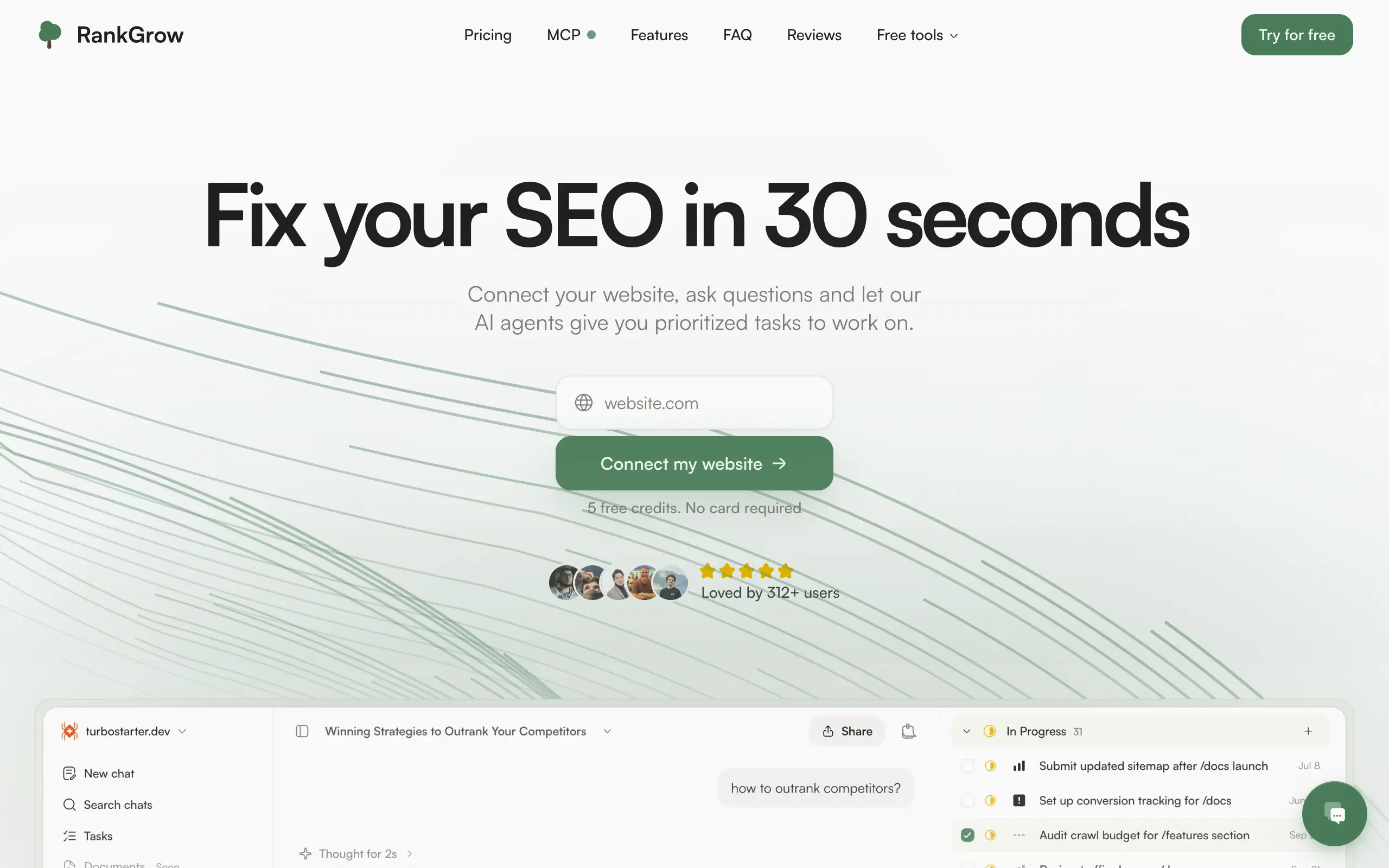
RankGrow
Fix your SEO with AI agents - connect Search Console, get prioritized tasks, and grow organic traffic 📈

SyncReads
Sync your favorite content for distraction-free reading, save time and replace multiple apps. Anytime, anywhere 🔄
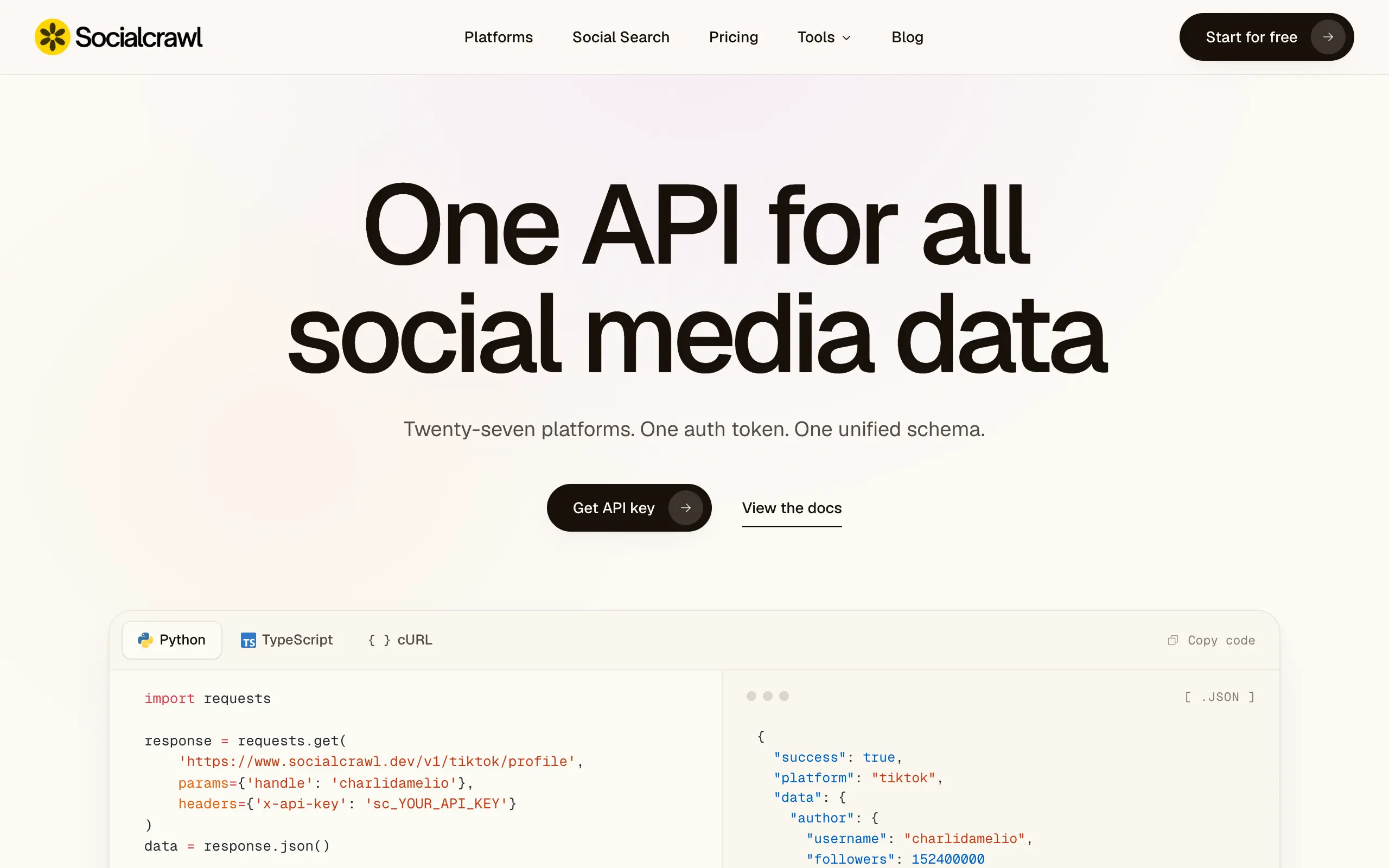
Socialcrawl
Get clean, structured data from 21 platforms like TikTok, Instagram, and YouTube with a single request 📊
Statiko
Monitor any Telegram channel in real time - track posts, edits, deletions, and growth with AI recaps 📡
Shibui
AI website builder - describe your business, pick a niche template, edit by chatting, and publish instantly ✨
Pro Service
Find verified home service professionals, compare quotes, and pay securely through escrow - built for Brazilians across the US 🏠
RankGrow
Fix your SEO with AI agents - connect Search Console, get prioritized tasks, and grow organic traffic 📈
SyncReads
Sync your favorite content for distraction-free reading, save time and replace multiple apps. Anytime, anywhere 🔄
Socialcrawl
Get clean, structured data from 21 platforms like TikTok, Instagram, and YouTube with a single request 📊
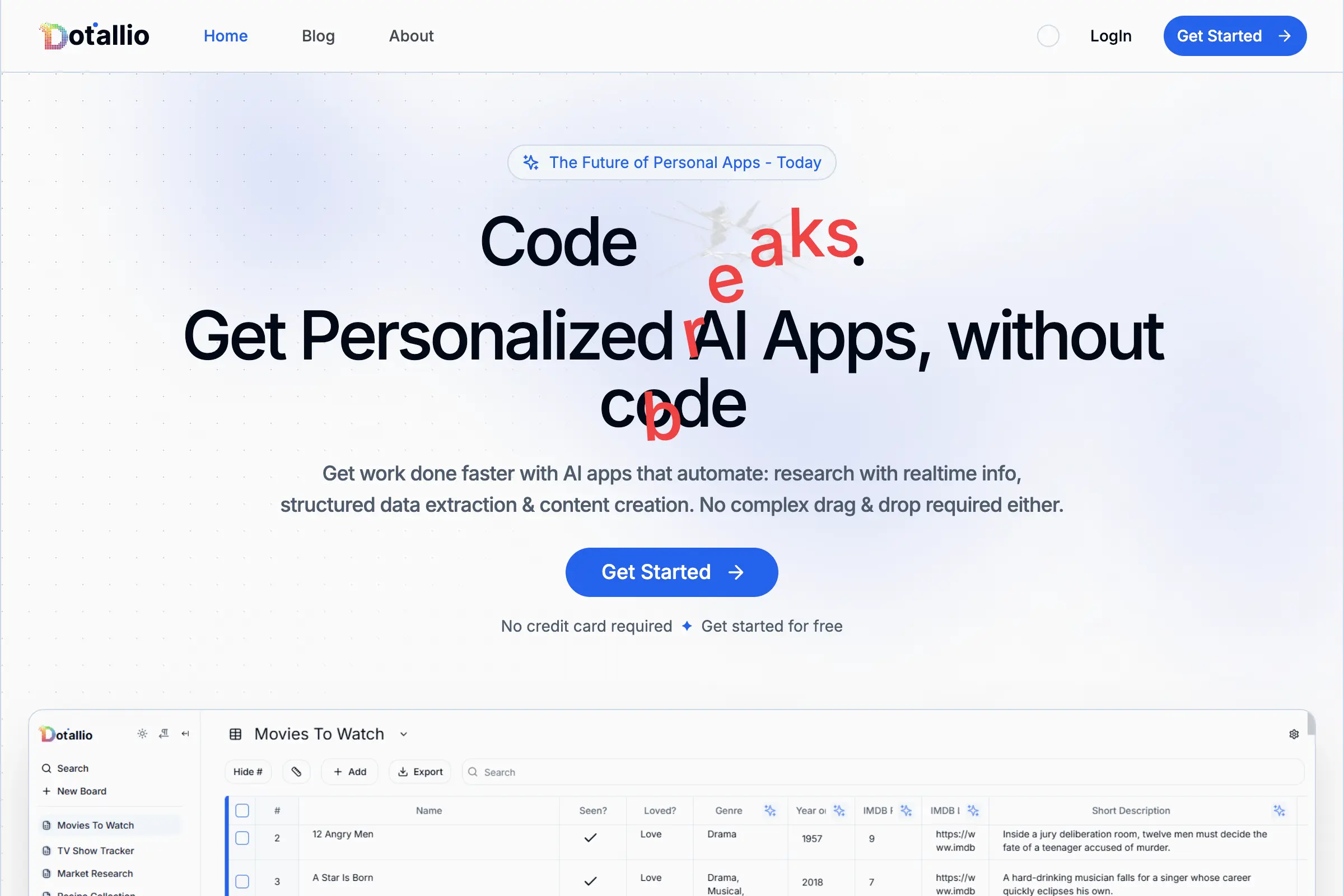
Dotallio
Personalized AI apps that automate research, data extraction, and content creation without code 🤖
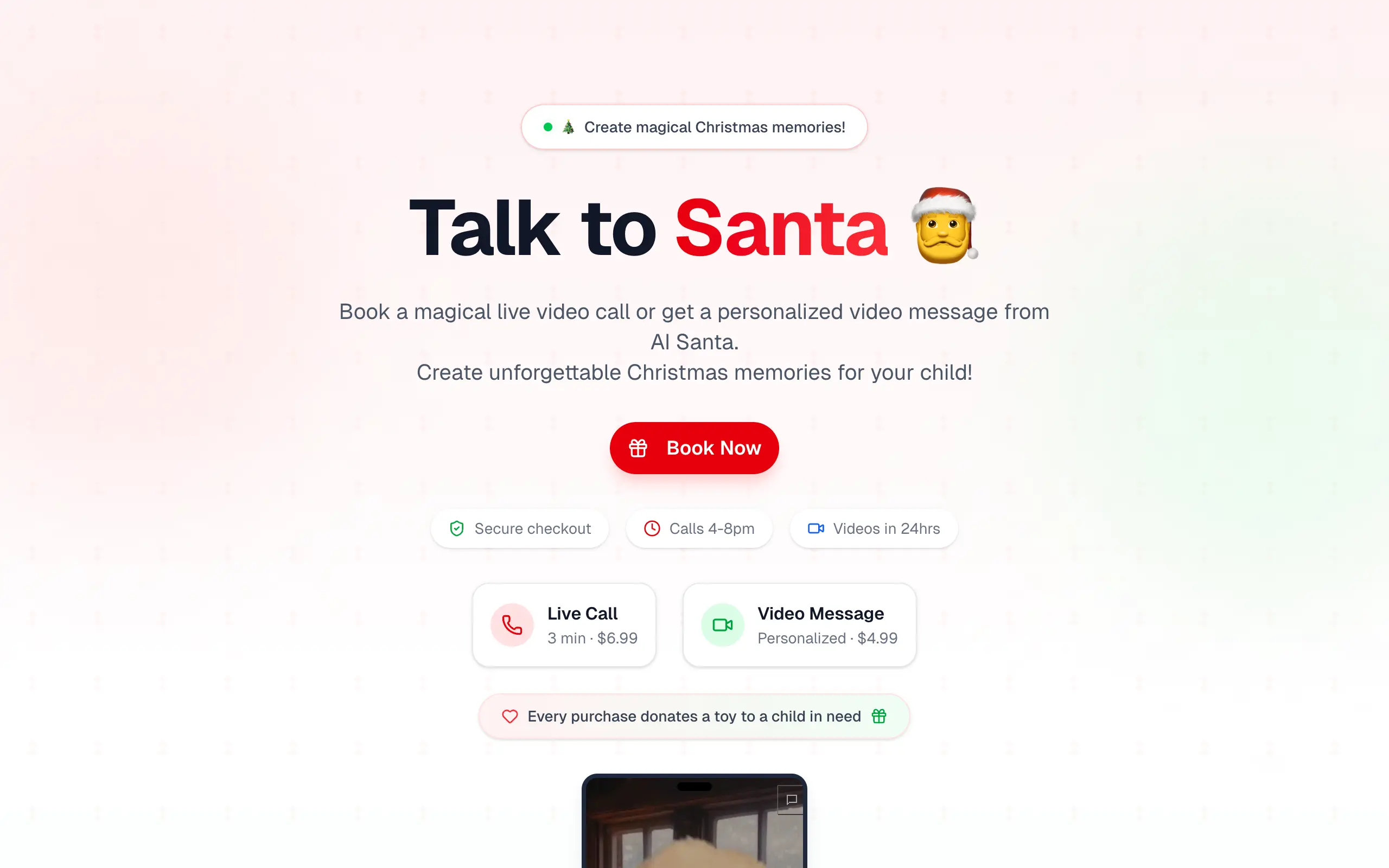
Talk to Santa
Enjoy a magical live video chat or receive a unique AI-generated video greeting from Santa Claus 🎅

pozywka.pl
Scalable blog for food journalist, focused on performance and user experience 🌭
zagrodzki.me
Personal blog and portfolio of Bart Zagrodzki, where he shares his knowledge and work 💼
TurboStarter
Ship your startup everywhere. In minutes.
HTML to Markdown
Convert HTML to Markdown with ease, directly in your browser 📄
Dotallio
Personalized AI apps that automate research, data extraction, and content creation without code 🤖
Talk to Santa
Enjoy a magical live video chat or receive a unique AI-generated video greeting from Santa Claus 🎅
pozywka.pl
Scalable blog for food journalist, focused on performance and user experience 🌭
zagrodzki.me
Personal blog and portfolio of Bart Zagrodzki, where he shares his knowledge and work 💼
TurboStarter
Ship your startup everywhere. In minutes.
HTML to Markdown
Convert HTML to Markdown with ease, directly in your browser 📄
Omichat
Chat with 50+ AI models, including ChatGPT and Claude, in one place - switch models anytime without losing context 🤖
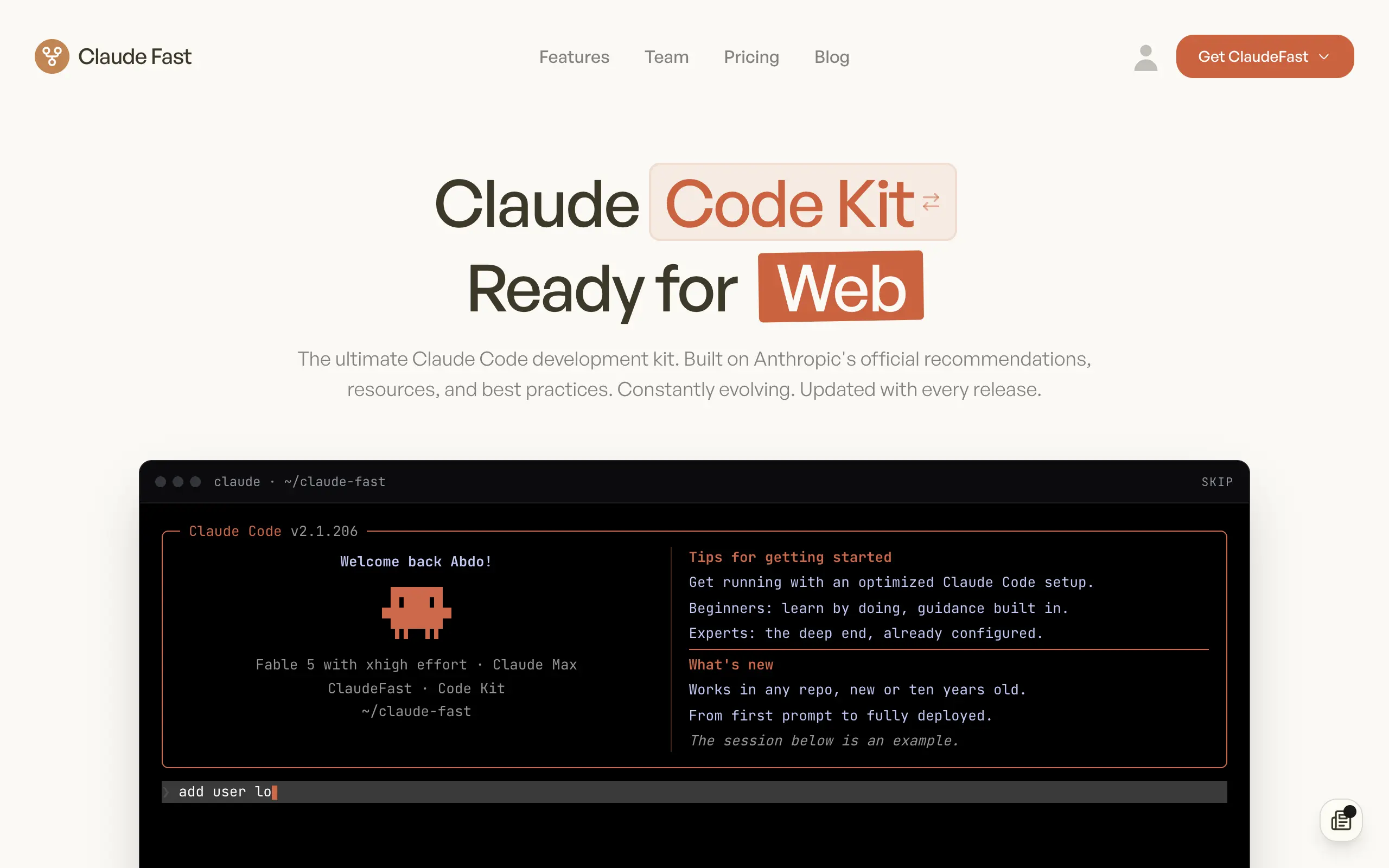
Claude Fast
Supercharge your Claude Code with 6x effective context window and specialized AI agents 🤖

EmojAI
AI-powered emoji picker with smart, context-aware suggestions 🤖

Solohacker
Autonomous company launcher - AI agents work 24/7, escalate what matters, and you stay in control 🤖
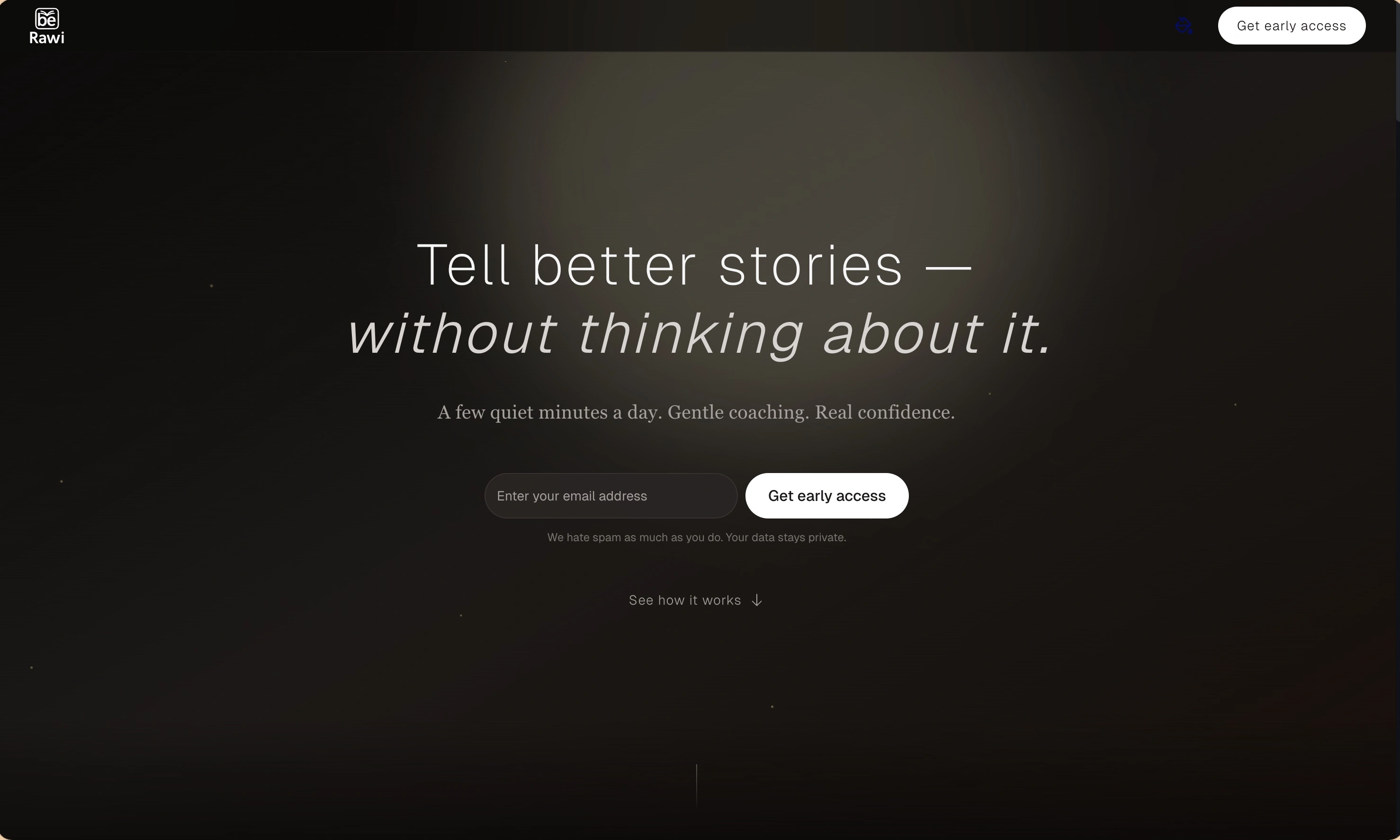
BeRawi: Storytelling Coach
Practice storytelling daily with instant feedback to sound clearer, more engaging, and confident 🎤
Omichat
Chat with 50+ AI models, including ChatGPT and Claude, in one place - switch models anytime without losing context 🤖
Claude Fast
Supercharge your Claude Code with 6x effective context window and specialized AI agents 🤖
EmojAI
AI-powered emoji picker with smart, context-aware suggestions 🤖
Solohacker
Autonomous company launcher - AI agents work 24/7, escalate what matters, and you stay in control 🤖
BeRawi: Storytelling Coach
Practice storytelling daily with instant feedback to sound clearer, more engaging, and confident 🎤

Connect with like-minded people
Join our community to get feedback, support, and grow together with 1,000+ builders on board, let's ship it!
Join usShip your startup everywhere. In minutes.
Don't burn tokens on setup and start building features on day one.