ErrandSync
A smart task and errand planner that auto-groups your to-dos by location and time, reducing wasted trips and boosting daily efficiency.
Smart errand planning: the next evolution of task management apps
Most task management apps help you remember what to do. Very few help you do those things efficiently in the real world.
That gap is exactly where a mobile-first solution like ErrandSync fits: a smart errand planner that automatically groups tasks based on location, time, and context—helping users reduce unnecessary travel, save time, and streamline their day.
In an era where people juggle work, personal life, and side projects, the real bottleneck isn’t remembering tasks—it’s executing them efficiently. ErrandSync addresses this overlooked pain point with intelligent scheduling and spatial awareness.
This article explores the full opportunity behind this idea, including market demand, feature architecture, monetization, technical stack, and a realistic roadmap to launch.
Understanding user intent: what people really want from a task app
When users search for terms like:
- "best task manager app"
- "errand planning app"
- "optimize daily tasks"
- "route planner for errands"
- "time-saving productivity apps"
They’re not just looking for a checklist—they’re seeking:
- Reduced mental load
- Fewer wasted trips
- Better daily structure
- Automation of planning decisions
Traditional to-do apps (like Todoist or Microsoft To Do) focus on organization, not execution efficiency.
ErrandSync aligns directly with a growing user intent:
“Help me get things done in the smartest way possible.”
Target audience: who benefits most from ErrandSync?
Primary audience segments
ErrandSync appeals to a wide audience, but some segments will benefit more immediately:
1. Busy professionals
- Limited time outside work hours
- Need to batch errands efficiently
- Often forget optimal sequencing of tasks
2. Urban commuters
- Navigate traffic-heavy environments
- Combine errands with commuting routes
- Highly sensitive to time optimization
3. Parents and families
- Multiple responsibilities (school runs, groceries, appointments)
- High coordination overhead
- Value tools that reduce chaos
4. Gig workers & freelancers
- Move across multiple locations daily
- Benefit from route optimization
- Need dynamic scheduling
5. Productivity enthusiasts
- Already use tools like Notion, Todoist, or ClickUp
- Open to smarter, AI-driven workflows
Market opportunity and gap analysis
The current landscape
The productivity and task management market is saturated—but not solved.
Major players include:
- Todoist
- Microsoft To Do
- Google Tasks
- Notion
- TickTick
However, these tools share a limitation: They are list-based, not context-aware.
The untapped opportunity
ErrandSync introduces location intelligence + time awareness, which is still underdeveloped in mainstream apps.
Here’s where the gap exists:
| Feature | Traditional To-Do Apps | Navigation Apps | Calendar Apps | ErrandSync |
|---|---|---|---|---|
| Task tracking | ✅ | ❌ | ✅ | ✅ |
| Route optimization | ❌ | ✅ | ❌ | ✅ |
| Time-based grouping | ⚠️ | ❌ | ✅ | ✅ |
| Location-aware tasks | ❌ | ✅ | ❌ | ✅ |
Market trends supporting this idea
- Rise of AI-powered personal assistants
- Increased demand for hyper-personalized productivity tools
- Growth in location-based services
- Expansion of mobile-first SaaS ecosystems
According to industry reports (e.g., Statista or Gartner—recommended sources for citation), productivity software continues to grow annually, with increasing demand for intelligent automation features.
Core product concept: how ErrandSync works
At its core, ErrandSync transforms static to-do lists into dynamic execution plans.
Key functionality overview
Smart grouping
Automatically clusters tasks based on geographic proximity.
Time optimization
Suggests the best time windows to complete grouped errands.
Route planning
Integrates with maps to create efficient travel routes.
Context awareness
Factors in traffic, store hours, and user habits.
Detailed feature breakdown
1. Intelligent task grouping
Users input tasks like:
- Buy groceries
- Pick up dry cleaning
- Drop off package
ErrandSync automatically groups them based on:
- Distance
- Travel time
- Location clusters
2. Smart scheduling engine
The app suggests:
- Best time to run errands
- Ideal sequence of tasks
- Estimated completion time
3. Real-time route optimization
Integration with mapping services allows:
- Live traffic adjustments
- Alternate route suggestions
- Dynamic rerouting
4. Location-triggered reminders
Example:
- “You’re near the pharmacy—pick up your prescription?”
5. Calendar integration
Sync with:
- Google Calendar
- Apple Calendar
Ensures errands fit into existing commitments.
6. AI-powered suggestions
Over time, ErrandSync learns:
- User habits
- Preferred stores
- Frequent routes
Technical architecture and stack
Mobile-first architecture
Since ErrandSync is a mobile SaaS product, performance and responsiveness are critical.
Recommended stack
Frontend (mobile)
- React Native or Flutter
- Pros:
- Cross-platform development
- Faster time-to-market
- Trade-off:
- Slight performance limitations vs native
Backend
- Node.js with NestJS or Express
- Alternative: Firebase for faster MVP
Database
- PostgreSQL (structured tasks and users)
- Redis (caching routes and sessions)
Maps & geolocation
- Google Maps API
- Mapbox as alternative
AI & optimization
- Python microservices (for route optimization algorithms)
- Integration with ML APIs
Notifications
- Firebase Cloud Messaging (FCM)
- Apple Push Notification Service (APNs)
Example: smart grouping logic
type Task = {
  id: string;
  location: { lat: number; lng: number };
  deadline?: Date;
};

function groupTasksByProximity(tasks: Task[]) {
  const clusters: Task[][] = [];

  tasks.forEach(task => {
    let added = false;

    for (const cluster of clusters) {
      const distance = calculateDistance(task.location, cluster[0].location);

      if (distance < 5) {
        cluster.push(task);
        added = true;
        break;
      }
    }

    if (!added) clusters.push([task]);
  });

  return clusters;
}
This simplified example shows how tasks can be grouped into clusters based on proximity.
Monetization strategy
ErrandSync has strong monetization potential due to its daily utility.
Freemium model (recommended)
Free tier
- Basic task creation
- Limited smart grouping
- Ads or feature caps
Premium tier ($5–$12/month)
- Advanced route optimization
- AI recommendations
- Unlimited tasks
- Calendar integrations
- Offline mode
Additional revenue streams
- Affiliate partnerships (e.g., grocery stores)
- Local business promotions
- API access for enterprise logistics
Competitive advantage: why ErrandSync stands out
1. Execution-focused productivity
Most apps focus on planning—ErrandSync focuses on doing.
2. Real-world intelligence
Combines:
- Location
- Time
- Behavior
3. Automation-first design
Users don’t need to manually organize tasks.
4. Mobile-native experience
Built specifically for on-the-go usage.
Risks and mitigation strategies
Risk 1: dependence on external APIs
- Mapping services can be expensive
Mitigation:
- Use hybrid solutions (Mapbox + caching)
- Optimize API calls
Risk 2: user adoption friction
- Users already use existing tools
Mitigation:
- Offer seamless import from Todoist, Google Tasks
- Provide instant value on onboarding
Risk 3: battery and performance concerns
- Continuous location tracking can drain battery
Mitigation:
- Use event-based tracking instead of constant polling
- Optimize background processes
Risk 4: privacy concerns
- Users may hesitate to share location data
Mitigation:
- Transparent privacy policies
- Local data processing where possible
Privacy matters
Location-based apps must prioritize user trust. Make privacy controls clear, granular, and easy to manage from day one.
UX strategy: what makes this app sticky
Key UX principles
- Minimal input required
- Immediate value on first use
- Visual route previews
- Smart suggestions, not overwhelming automation
Example onboarding flow
Growth strategy and distribution
Organic acquisition
- SEO blog content (like this article)
- App Store Optimization (ASO)
- Keywords: "errand planner", "task optimizer"
Viral loops
- Shareable “time saved” reports
- Weekly productivity summaries
Partnerships
- Delivery apps
- Local businesses
- Smart home ecosystems
Future roadmap and expansion opportunities
Phase 1: MVP
- Task input
- Basic grouping
- Simple route optimization
Phase 2: Intelligence layer
- AI suggestions
- Behavioral learning
Phase 3: Ecosystem integration
- Smart assistants (Alexa, Siri)
- Wearables
Phase 4: B2B offering
- Logistics optimization
- Field service tools
Implementation roadmap
If you want to build ErrandSync, here’s a realistic execution plan:
Using a starter kit like TurboStarter can significantly accelerate your development process by providing pre-built SaaS infrastructure.
Final thoughts: why ErrandSync is a strong SaaS opportunity
ErrandSync isn’t just another productivity app—it represents a shift toward context-aware execution tools.
It solves a real, everyday problem:
People don’t just need help remembering tasks—they need help doing them efficiently.
With the right combination of:
- Smart automation
- Seamless UX
- Strong mobile performance
ErrandSync has the potential to become a daily-use essential app.
The timing is also right. Users are increasingly open to AI-powered assistance, and mobile ecosystems are mature enough to support real-time optimization at scale.
If executed well, this product can carve out a unique category between task management, navigation, and personal assistants—and that’s where true SaaS differentiation lives.
More 📱 Mobile App SaaS ideas
Discover more innovative mobile app SaaS ideas that are trending in 2026. Each idea is AI-generated with market validation and growth potential to help you find your next profitable venture faster than competitors.
Your competitors are building with TurboStarter
Below are some of the SaaS ideas that have been generated and built with our starter kit.
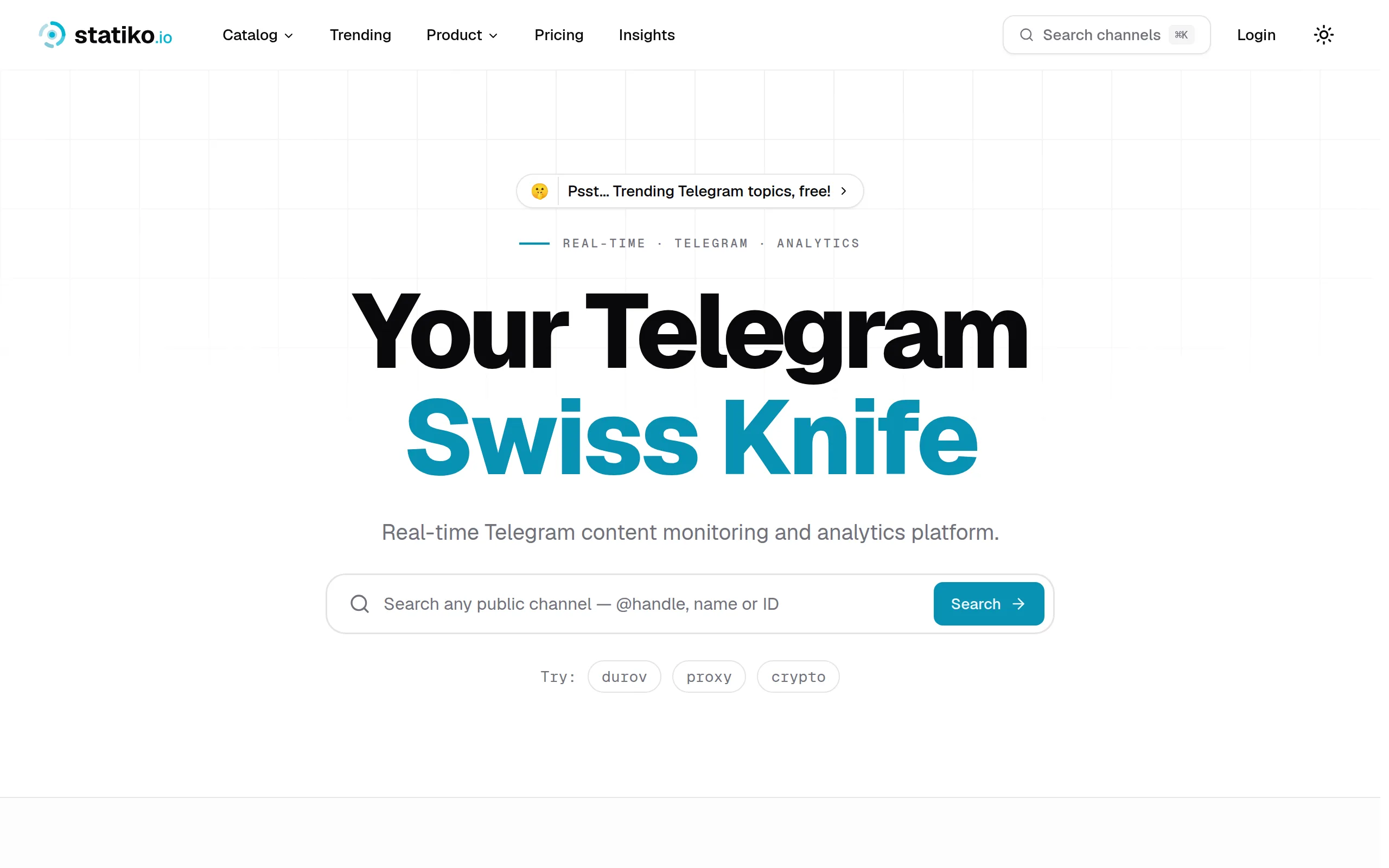
Statiko
Monitor any Telegram channel in real time - track posts, edits, deletions, and growth with AI recaps 📡

Shibui
AI website builder - describe your business, pick a niche template, edit by chatting, and publish instantly ✨

Pro Service
Find verified home service professionals, compare quotes, and pay securely through escrow - built for Brazilians across the US 🏠
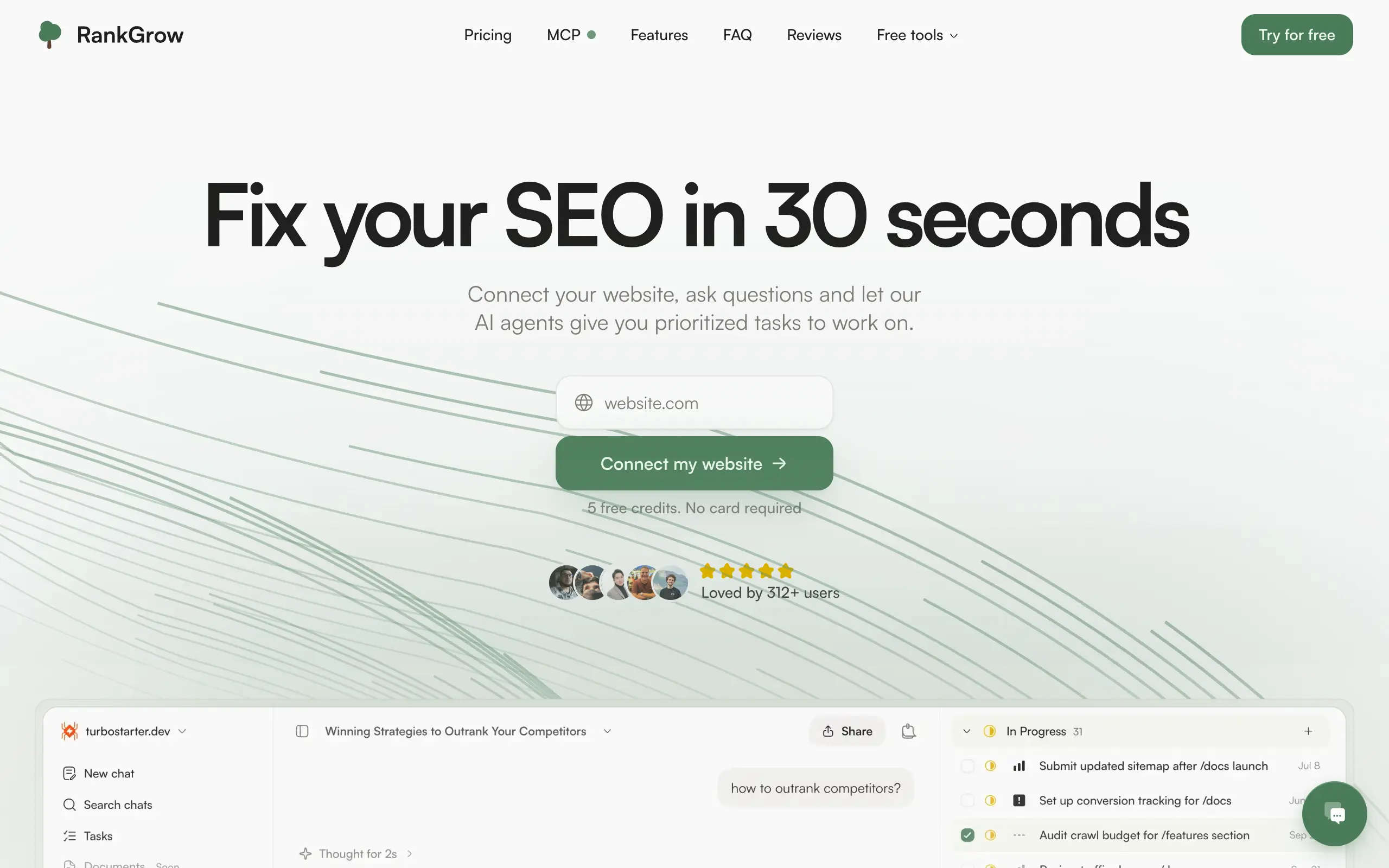
RankGrow
Fix your SEO with AI agents - connect Search Console, get prioritized tasks, and grow organic traffic 📈
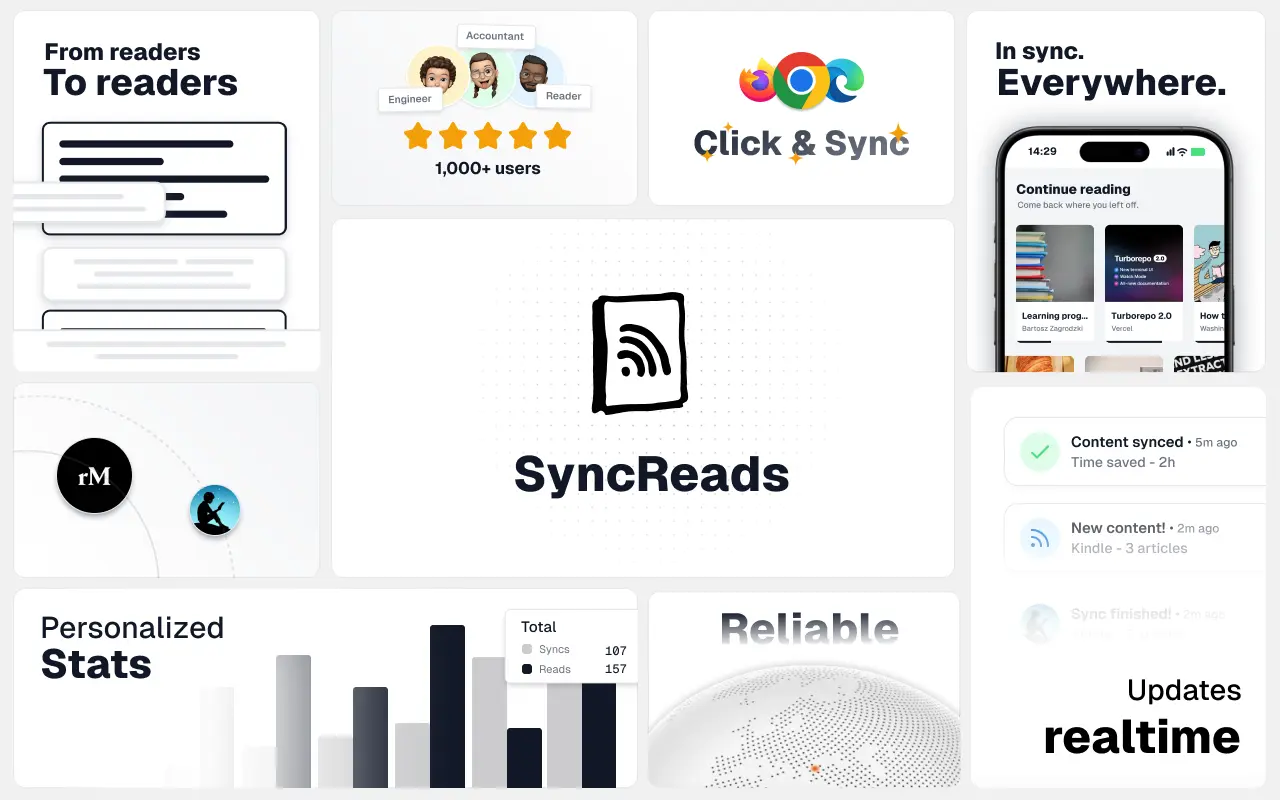
SyncReads
Sync your favorite content for distraction-free reading, save time and replace multiple apps. Anytime, anywhere 🔄
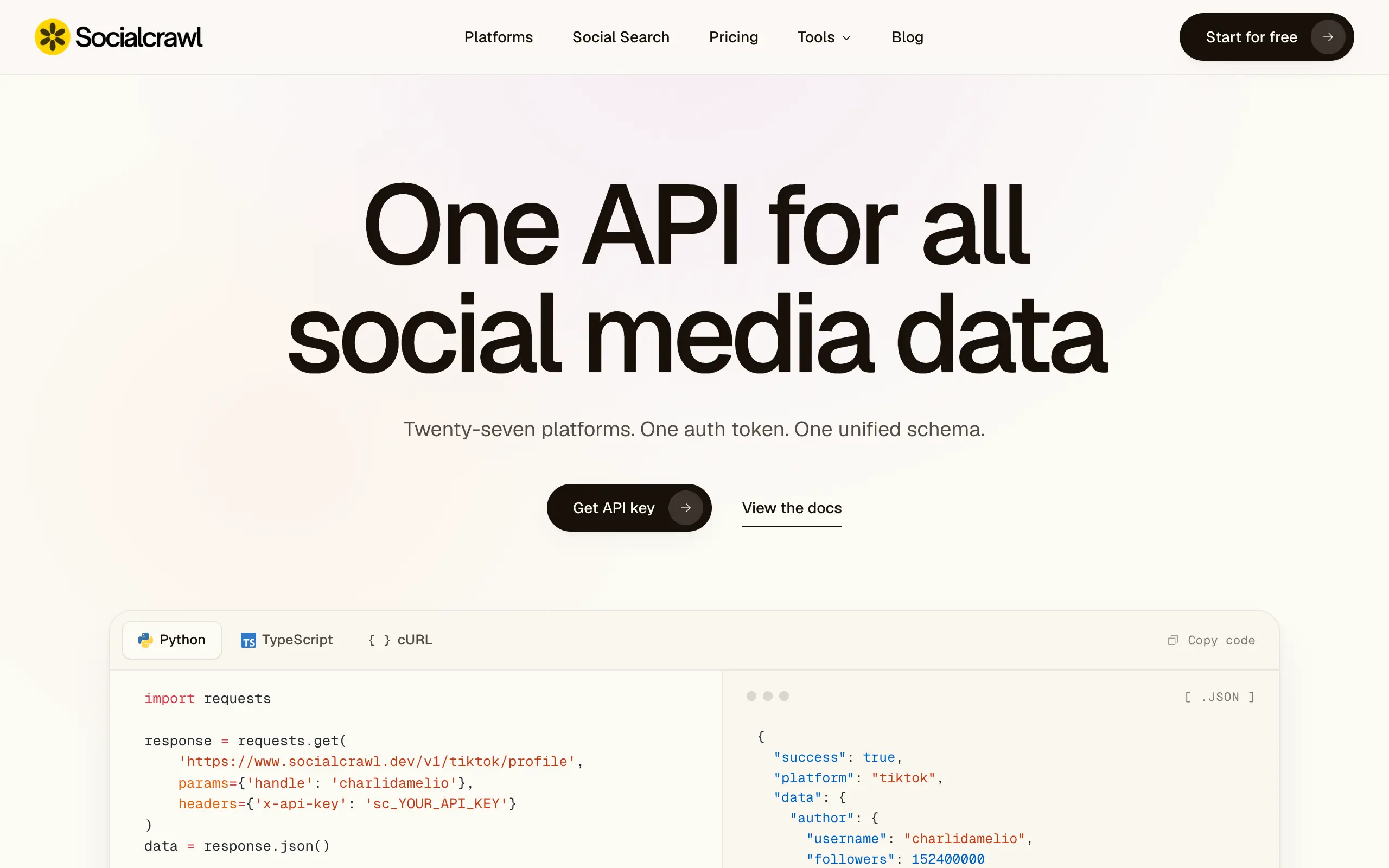
Socialcrawl
Get clean, structured data from 21 platforms like TikTok, Instagram, and YouTube with a single request 📊
Statiko
Monitor any Telegram channel in real time - track posts, edits, deletions, and growth with AI recaps 📡
Shibui
AI website builder - describe your business, pick a niche template, edit by chatting, and publish instantly ✨
Pro Service
Find verified home service professionals, compare quotes, and pay securely through escrow - built for Brazilians across the US 🏠
RankGrow
Fix your SEO with AI agents - connect Search Console, get prioritized tasks, and grow organic traffic 📈
SyncReads
Sync your favorite content for distraction-free reading, save time and replace multiple apps. Anytime, anywhere 🔄
Socialcrawl
Get clean, structured data from 21 platforms like TikTok, Instagram, and YouTube with a single request 📊
Statiko
Monitor any Telegram channel in real time - track posts, edits, deletions, and growth with AI recaps 📡
Shibui
AI website builder - describe your business, pick a niche template, edit by chatting, and publish instantly ✨
Pro Service
Find verified home service professionals, compare quotes, and pay securely through escrow - built for Brazilians across the US 🏠
RankGrow
Fix your SEO with AI agents - connect Search Console, get prioritized tasks, and grow organic traffic 📈
SyncReads
Sync your favorite content for distraction-free reading, save time and replace multiple apps. Anytime, anywhere 🔄
Socialcrawl
Get clean, structured data from 21 platforms like TikTok, Instagram, and YouTube with a single request 📊
Statiko
Monitor any Telegram channel in real time - track posts, edits, deletions, and growth with AI recaps 📡
Shibui
AI website builder - describe your business, pick a niche template, edit by chatting, and publish instantly ✨
Pro Service
Find verified home service professionals, compare quotes, and pay securely through escrow - built for Brazilians across the US 🏠
RankGrow
Fix your SEO with AI agents - connect Search Console, get prioritized tasks, and grow organic traffic 📈
SyncReads
Sync your favorite content for distraction-free reading, save time and replace multiple apps. Anytime, anywhere 🔄
Socialcrawl
Get clean, structured data from 21 platforms like TikTok, Instagram, and YouTube with a single request 📊
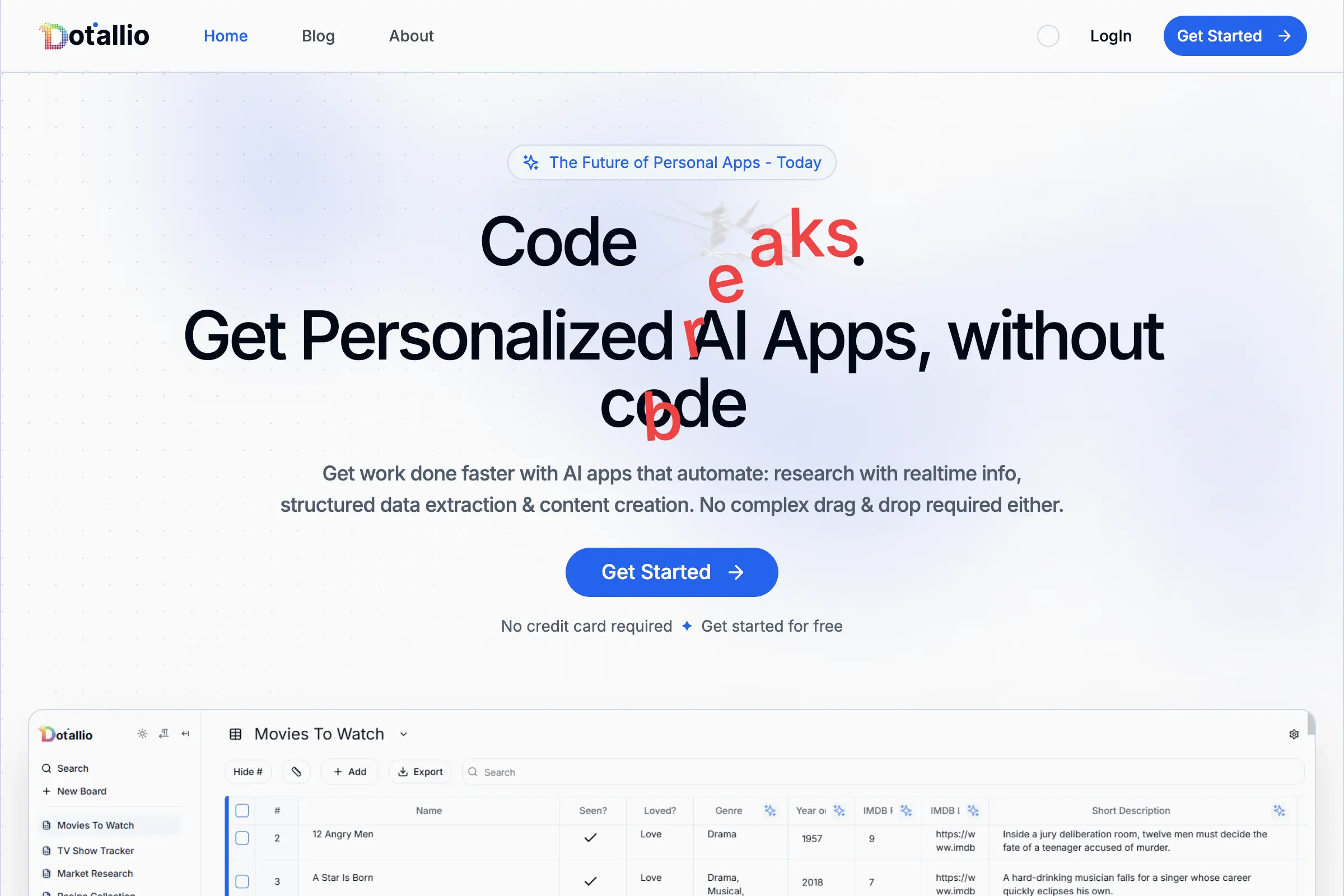
Dotallio
Personalized AI apps that automate research, data extraction, and content creation without code 🤖
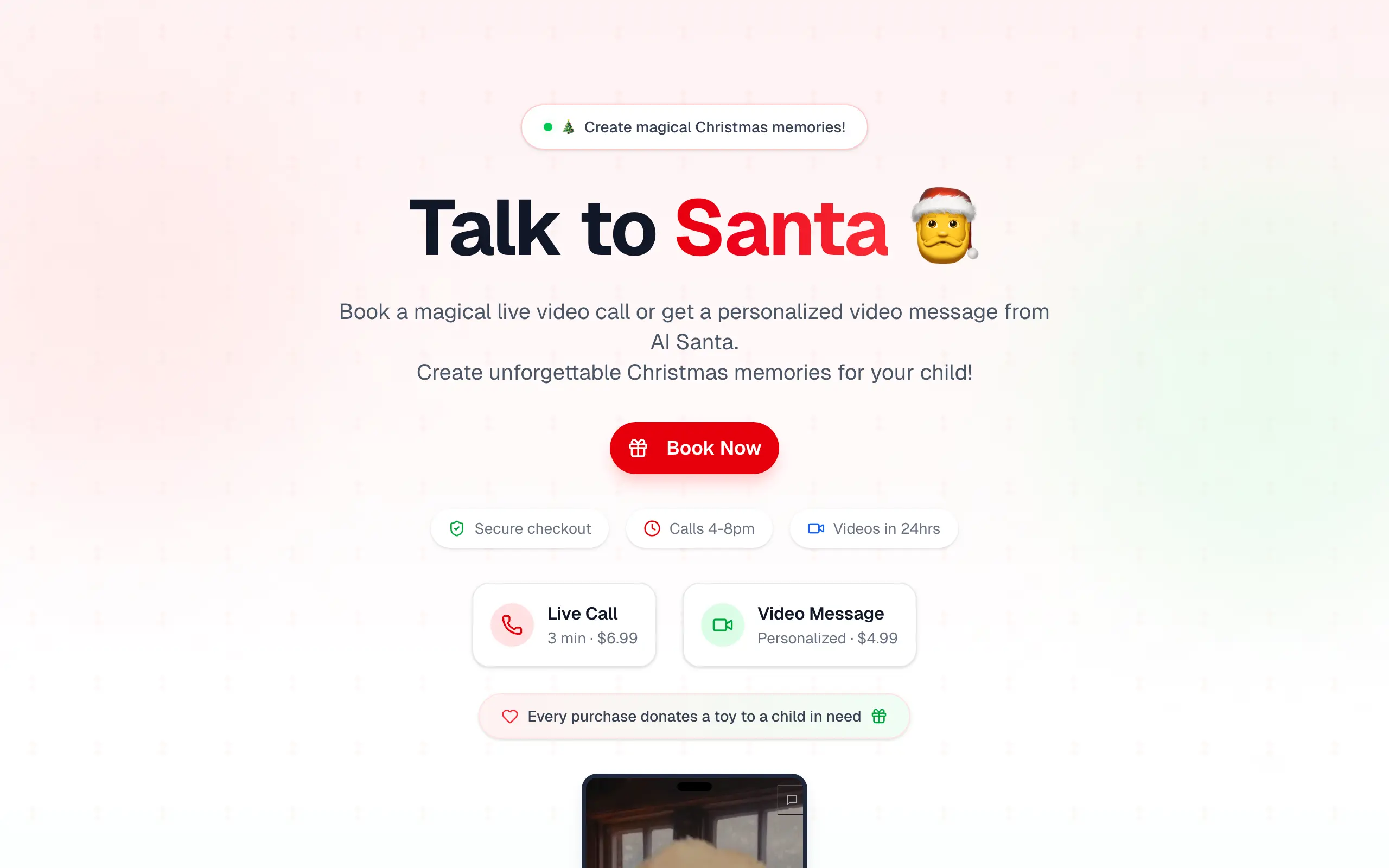
Talk to Santa
Enjoy a magical live video chat or receive a unique AI-generated video greeting from Santa Claus 🎅

pozywka.pl
Scalable blog for food journalist, focused on performance and user experience 🌭
zagrodzki.me
Personal blog and portfolio of Bart Zagrodzki, where he shares his knowledge and work 💼
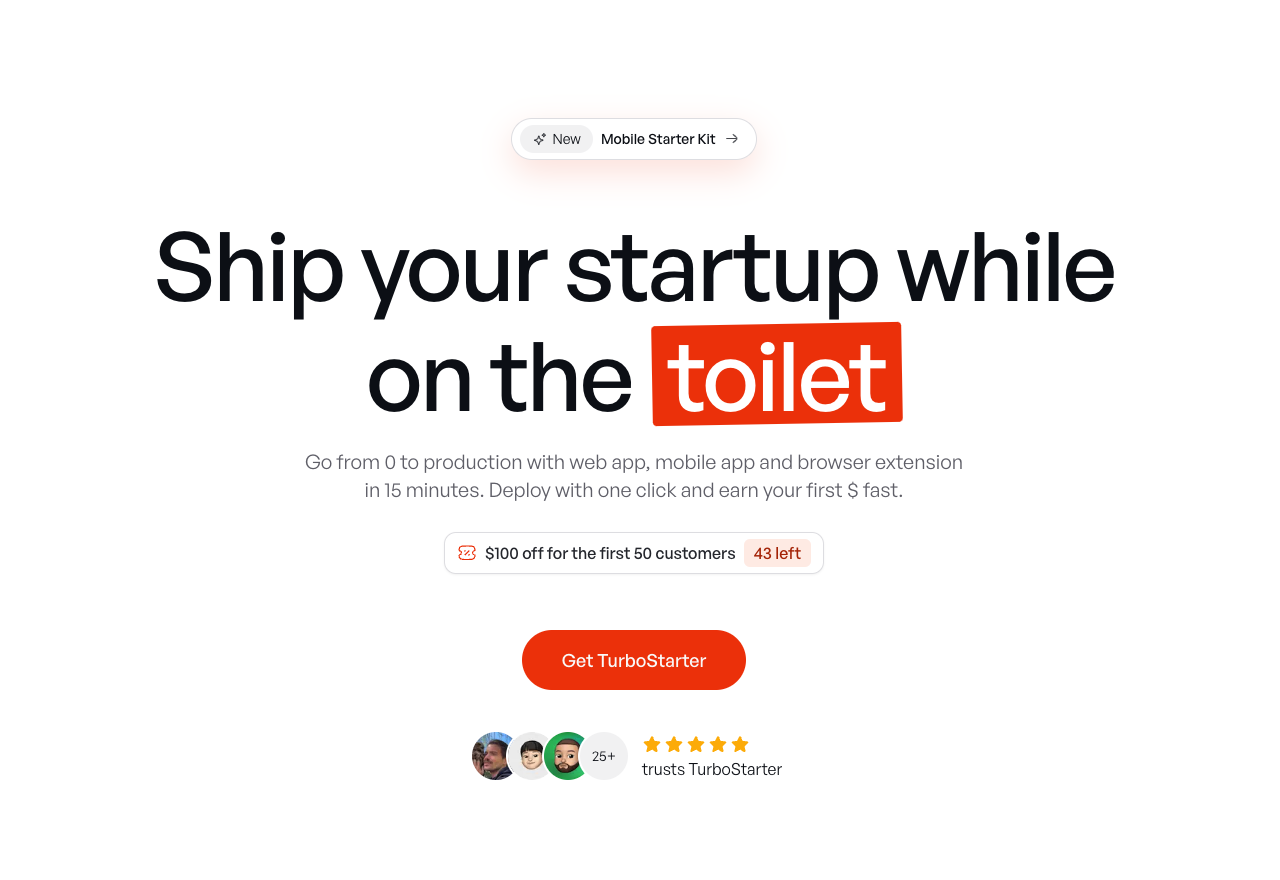
TurboStarter
Ship your startup everywhere. In minutes.
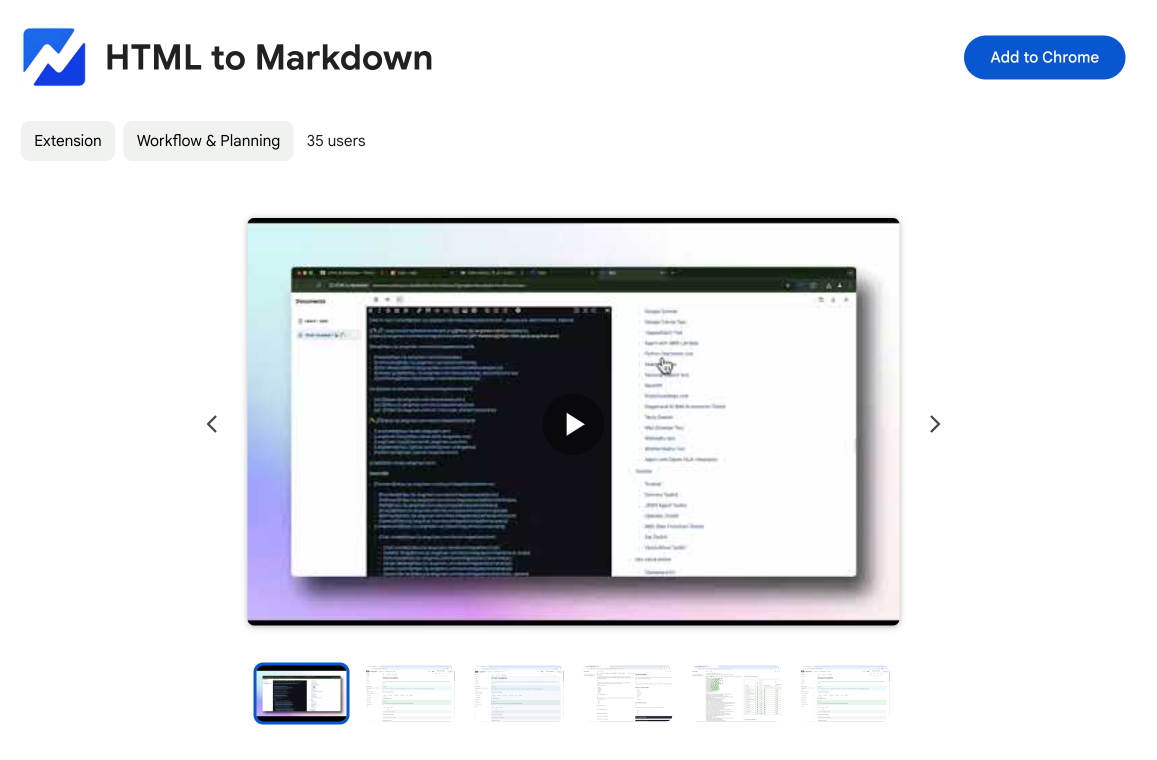
HTML to Markdown
Convert HTML to Markdown with ease, directly in your browser 📄
Dotallio
Personalized AI apps that automate research, data extraction, and content creation without code 🤖
Talk to Santa
Enjoy a magical live video chat or receive a unique AI-generated video greeting from Santa Claus 🎅
pozywka.pl
Scalable blog for food journalist, focused on performance and user experience 🌭
zagrodzki.me
Personal blog and portfolio of Bart Zagrodzki, where he shares his knowledge and work 💼
TurboStarter
Ship your startup everywhere. In minutes.
HTML to Markdown
Convert HTML to Markdown with ease, directly in your browser 📄
Dotallio
Personalized AI apps that automate research, data extraction, and content creation without code 🤖
Talk to Santa
Enjoy a magical live video chat or receive a unique AI-generated video greeting from Santa Claus 🎅
pozywka.pl
Scalable blog for food journalist, focused on performance and user experience 🌭
zagrodzki.me
Personal blog and portfolio of Bart Zagrodzki, where he shares his knowledge and work 💼
TurboStarter
Ship your startup everywhere. In minutes.
HTML to Markdown
Convert HTML to Markdown with ease, directly in your browser 📄
Dotallio
Personalized AI apps that automate research, data extraction, and content creation without code 🤖
Talk to Santa
Enjoy a magical live video chat or receive a unique AI-generated video greeting from Santa Claus 🎅
pozywka.pl
Scalable blog for food journalist, focused on performance and user experience 🌭
zagrodzki.me
Personal blog and portfolio of Bart Zagrodzki, where he shares his knowledge and work 💼
TurboStarter
Ship your startup everywhere. In minutes.
HTML to Markdown
Convert HTML to Markdown with ease, directly in your browser 📄
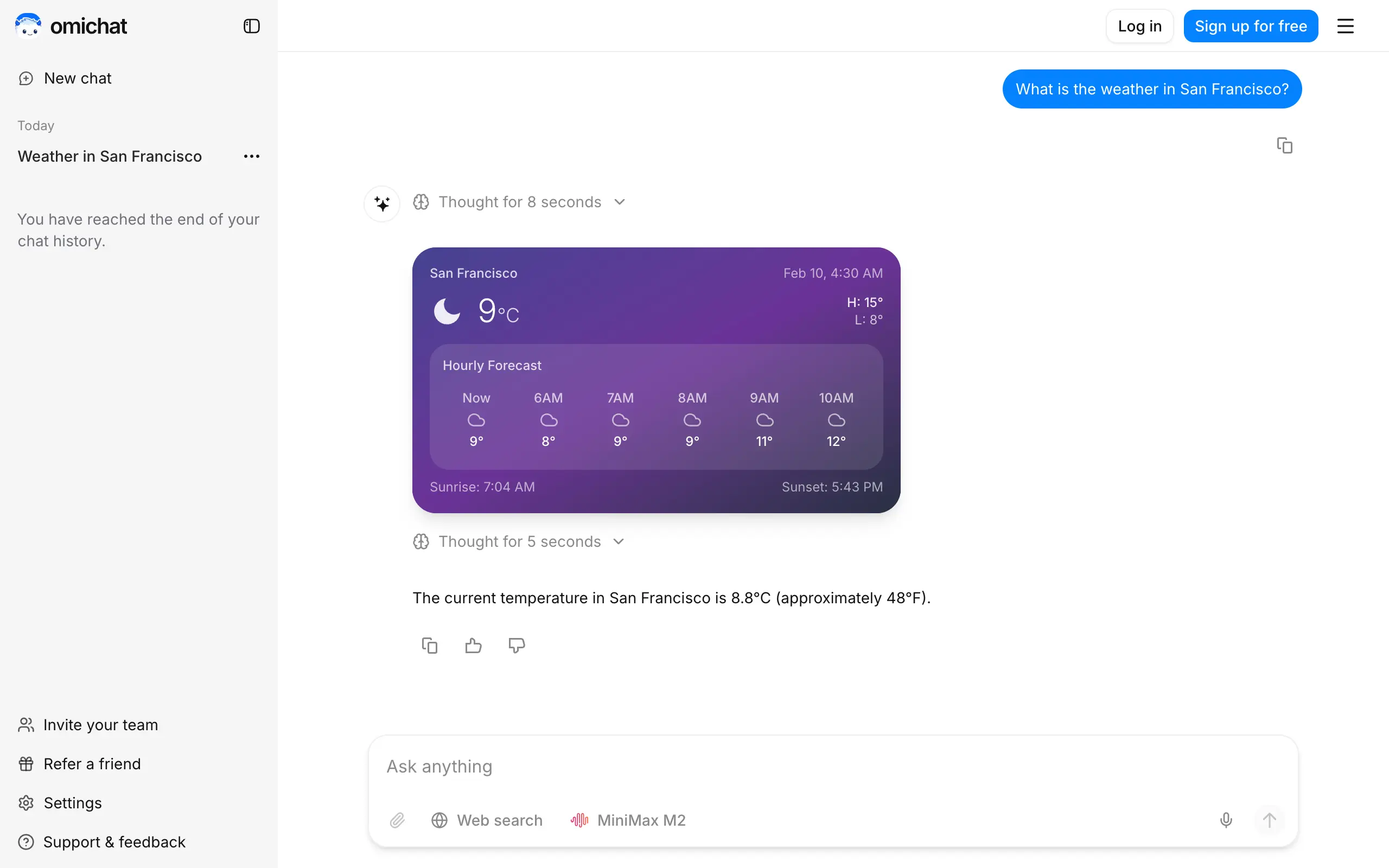
Omichat
Chat with 50+ AI models, including ChatGPT and Claude, in one place - switch models anytime without losing context 🤖
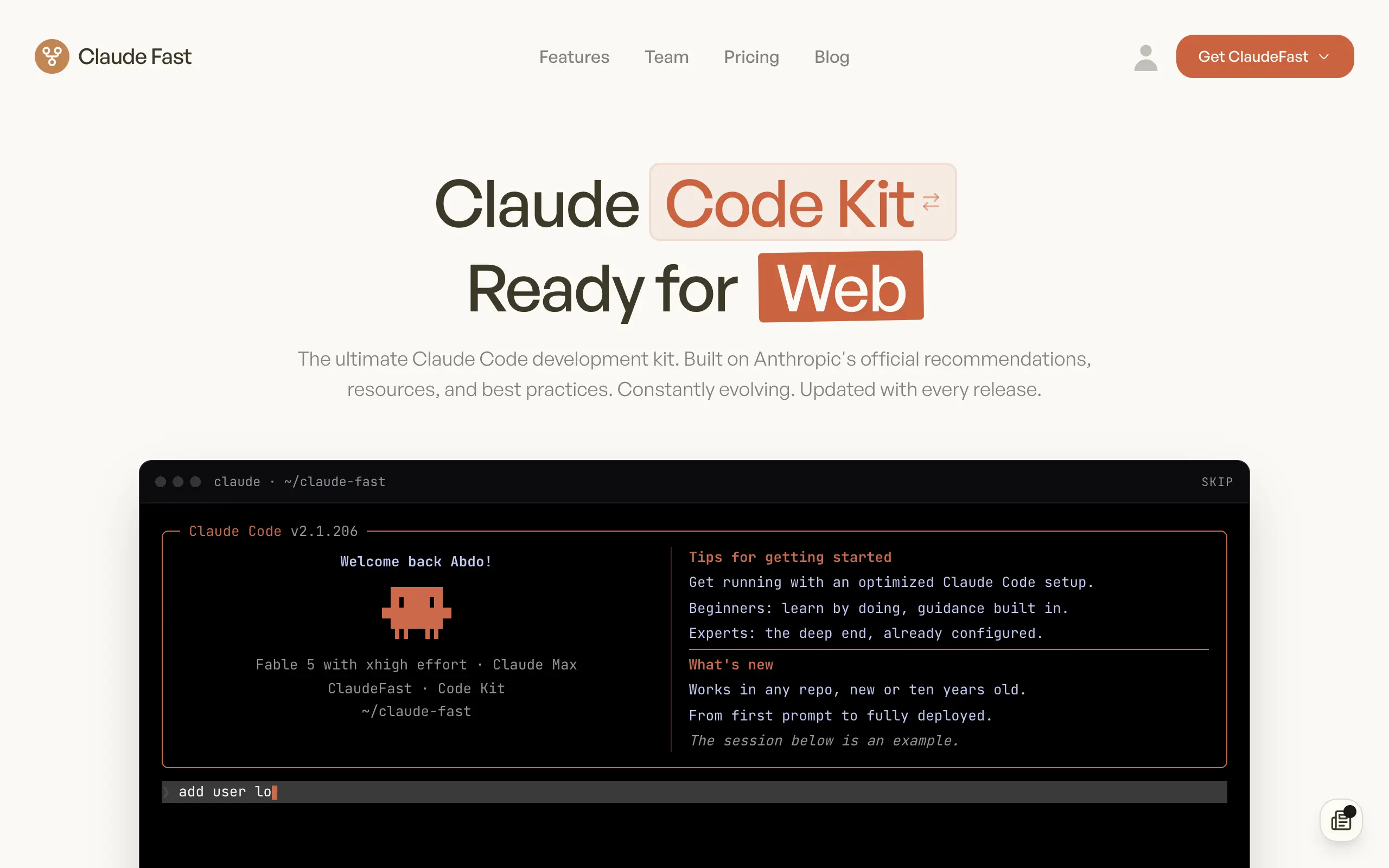
Claude Fast
Supercharge your Claude Code with 6x effective context window and specialized AI agents 🤖
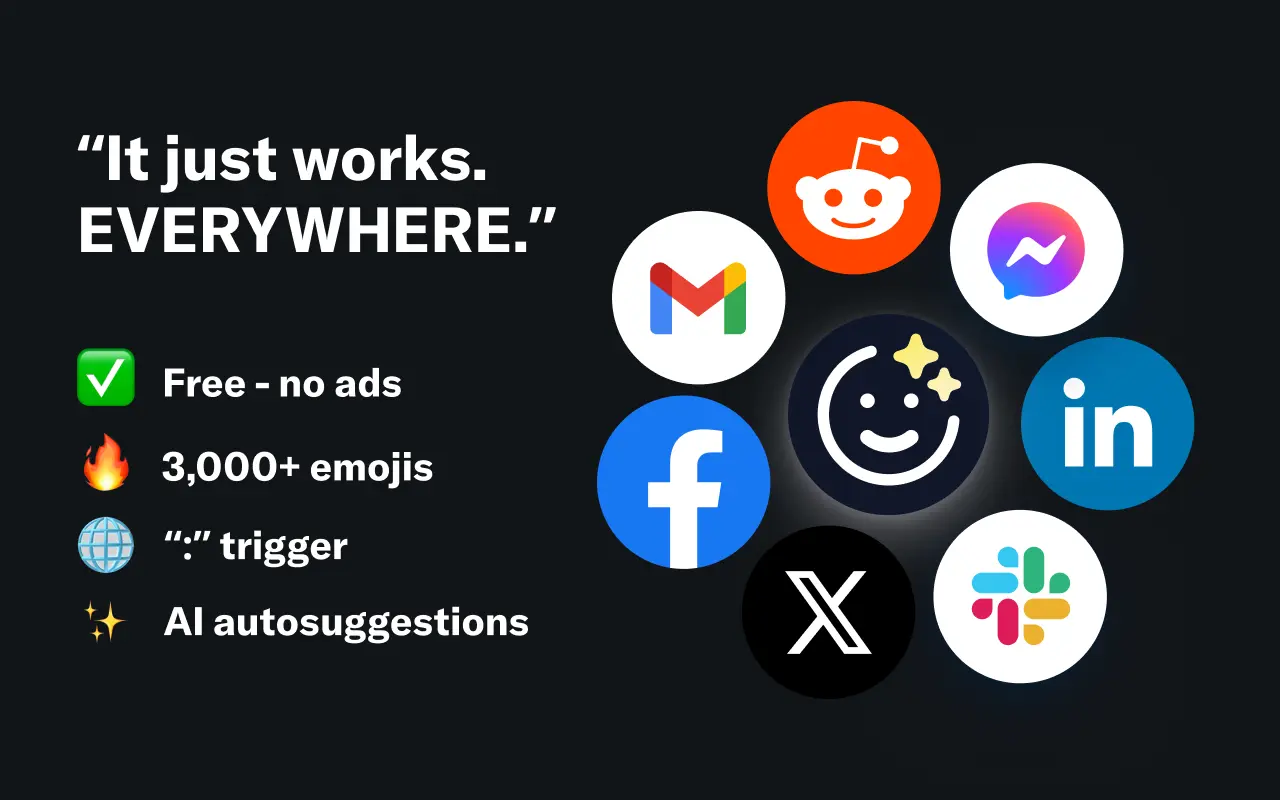
EmojAI
AI-powered emoji picker with smart, context-aware suggestions 🤖
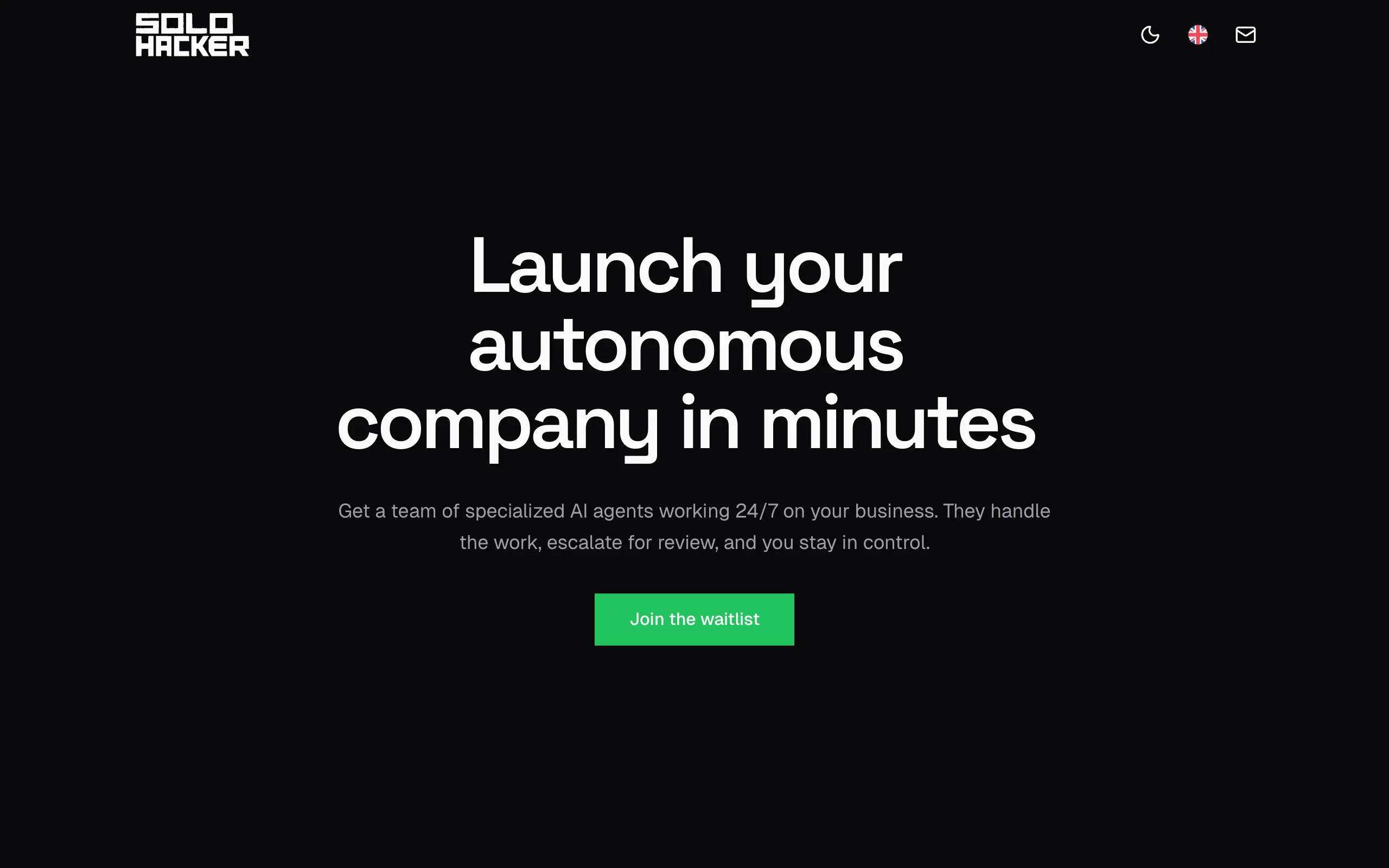
Solohacker
Autonomous company launcher - AI agents work 24/7, escalate what matters, and you stay in control 🤖
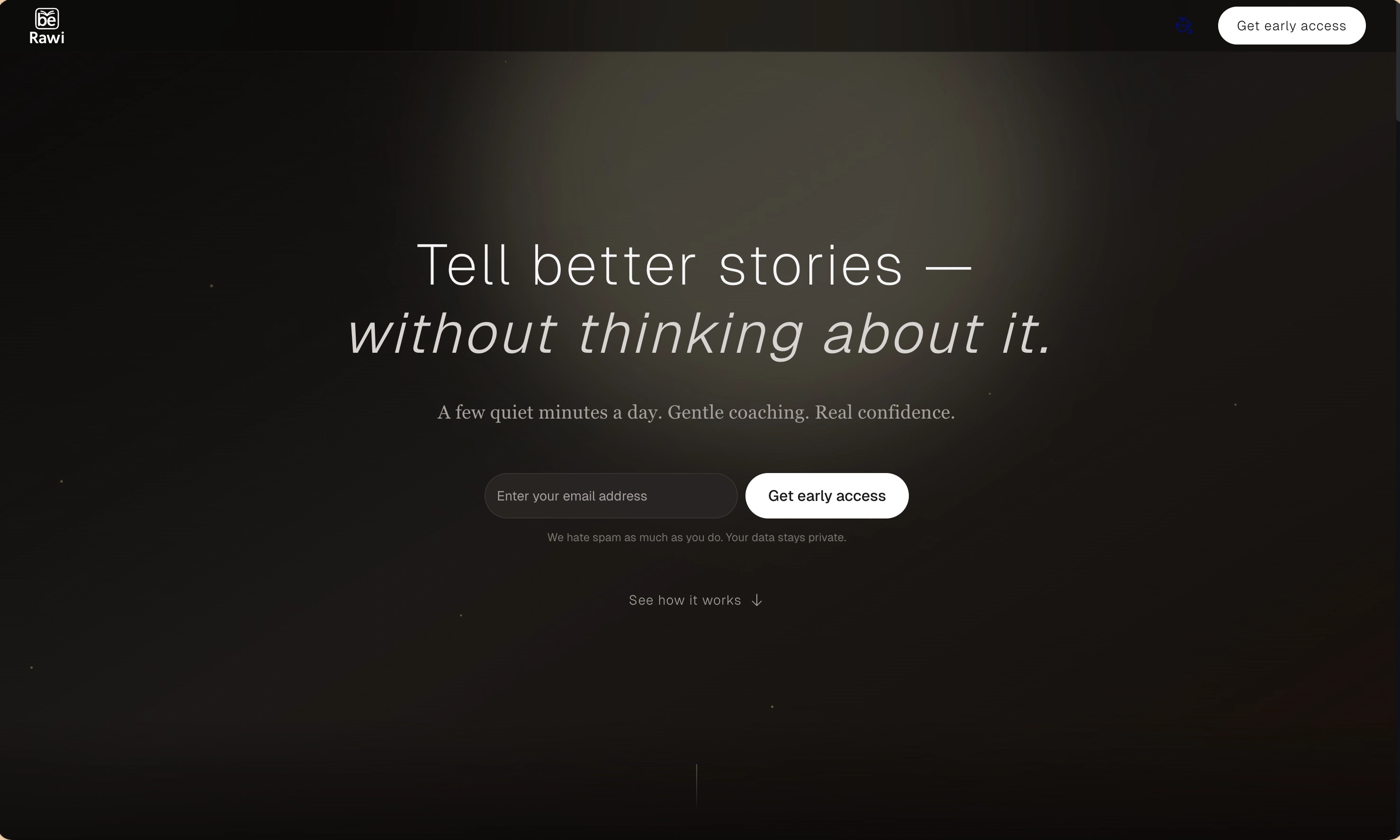
BeRawi: Storytelling Coach
Practice storytelling daily with instant feedback to sound clearer, more engaging, and confident 🎤
Omichat
Chat with 50+ AI models, including ChatGPT and Claude, in one place - switch models anytime without losing context 🤖
Claude Fast
Supercharge your Claude Code with 6x effective context window and specialized AI agents 🤖
EmojAI
AI-powered emoji picker with smart, context-aware suggestions 🤖
Solohacker
Autonomous company launcher - AI agents work 24/7, escalate what matters, and you stay in control 🤖
BeRawi: Storytelling Coach
Practice storytelling daily with instant feedback to sound clearer, more engaging, and confident 🎤
Omichat
Chat with 50+ AI models, including ChatGPT and Claude, in one place - switch models anytime without losing context 🤖
Claude Fast
Supercharge your Claude Code with 6x effective context window and specialized AI agents 🤖
EmojAI
AI-powered emoji picker with smart, context-aware suggestions 🤖
Solohacker
Autonomous company launcher - AI agents work 24/7, escalate what matters, and you stay in control 🤖
BeRawi: Storytelling Coach
Practice storytelling daily with instant feedback to sound clearer, more engaging, and confident 🎤
Omichat
Chat with 50+ AI models, including ChatGPT and Claude, in one place - switch models anytime without losing context 🤖
Claude Fast
Supercharge your Claude Code with 6x effective context window and specialized AI agents 🤖
EmojAI
AI-powered emoji picker with smart, context-aware suggestions 🤖
Solohacker
Autonomous company launcher - AI agents work 24/7, escalate what matters, and you stay in control 🤖
BeRawi: Storytelling Coach
Practice storytelling daily with instant feedback to sound clearer, more engaging, and confident 🎤

Connect with like-minded people
Join our community to get feedback, support, and grow together with 1,000+ builders on board, let's ship it!
Join usShip your startup everywhere. In minutes.
Don't burn tokens on setup and start building features on day one.