Escape Room AR
An augmented reality game where players must solve puzzles and find clues to escape virtual jail cells. The game uses AR to blend the real world with the virtual, creating an immersive experience.
Overview of Augmented Reality Escape Games
Imagine stepping into a thrilling game where reality blurs with the digital world. That’s the promise of augmented reality (AR) escape games—a dynamic mix of interactive storytelling, problem-solving, and immersive gameplay that transforms any environment into a challenging escape room. In this mobile-first experience, players engage in a multi-dimensional game where virtual jail cells, mysterious puzzles, and hidden clues intermingle with the real world. With puzzles designed to test logic, creativity, and teamwork, this AR-powered adventure offers a fresh take on conventional escape rooms, creating an experience that is both engaging and extraordinarily memorable.
The key to success in this realm is the seamless integration of augmented reality technology with compelling narrative design. By using AR to overlay interactive elements on the physical world, players are invited to solve clues that are hidden in plain sight. This merging of physical and digital realities offers a unique edge in engaging users who crave immersive, story-driven challenges.
Target Audience for Immersive AR Experiences
The AR escape game appeals to a diverse and vibrant audience. Whether you’re a tech-savvy gamer or a casual explorer seeking unique experiences, this mobile AR game has something to captivate you. Here’s a look at the primary audience segments:
-
Millennials and Gen Z:
These groups are highly responsive to interactive digital experiences and are often early adopters of new tech trends. They value experiences that combine social interaction with digital innovation. -
Puzzle Enthusiasts:
Dedicated gamers who enjoy challenge-based gameplay and intricate puzzles find immense satisfaction in unraveling layered clues. This audience appreciates mental stimulation and creative problem-solving. -
Tourists and Local Explorers:
Urban adventure seekers and tourists who wish to explore their surroundings in a fun, interactive way can use the game as a unique digital tour guide that transforms ordinary settings into extraordinary escapades. -
Families and Social Groups:
Group dynamics are essential to escape room games. Families, friends, or colleagues looking for engaging group activities can bond and overcome puzzles together, making this a popular choice for team-building events. -
Technology Aficionados:
Users interested in emerging technologies such as AR, VR, and mixed reality will be drawn to the game’s innovative use of technology. This audience values high-tech narratives that push the boundaries of interactive entertainment.
User-Centric Design
Always keep the end-user experience at the forefront. Tailoring the application to be intuitive and engaging ensures higher retention and word-of-mouth promotion.
Expansive Market Opportunity in AR and Mobile Gaming
The augmented reality market has grown exponentially, driven by advancements in mobile technology and increasing consumer appetite for interactive experiences. Let’s delve into why this AR escape game stands out as a lucrative market opportunity:
-
Rapid Growth in AR Adoption:
With companies like Apple and Google investing heavily in AR technologies, the foundation for mobile AR games is stronger than ever. Enhanced camera functionality and powerful processors on smartphones mean that immersive experiences are now accessible to a wider audience. -
High User Engagement:
AR games tend to have higher engagement rates due to their novelty and interactive nature. Studies indicate that immersive games lead to longer play sessions and increased social sharing, which drive organic growth. -
Global Reach with Mobile Devices:
With the ubiquity of smartphones, an AR escape game can reach audiences globally. Regional adaptations and localized puzzles allow for both niche markets and mass appeal. -
Emerging Trends in Location-Based Entertainment:
Integrating the physical environment into gameplay opens up possibilities for partnerships with local businesses and landmarks. For instance, players might unlock exclusive content or discounts, driving local foot traffic and bridging digital and real-world experiences. -
Integration of Social Elements:
Multi-player modes and social media integrations can significantly boost word-of-mouth marketing, creating viral cycles of in-game challenges that captivate communities.
The convergence of these trends presents a massive opportunity to not only capture a solid user base but also to create diversified revenue streams over time.
Technology Stack & Implementation
The success of an AR-powered mobile game depends heavily on choosing a robust and scalable technology stack. Here’s a breakdown of the core technologies that could bring this vision to life:
-
Frontend & Mobile Development:
Utilizing frameworks like React Native or Flutter can accelerate the mobile development process, enabling cross-platform compatibility. For rapid prototyping and iteration, consider starter kits such as TurboStarter. This starter kit is designed for web, mobile, and browser extensions, making it easier to kickstart your project with solid foundations. -
AR SDKs and Libraries:
Integration with AR-specific libraries such as ARKit (iOS) or ARCore (Android) is essential to deliver responsive and high-quality augmented reality experiences. These tools offer built-in features for tracking, rendering, and spatial recognition. -
Backend Services:
Robust backend support is crucial for handling multiplayer interactions and game data persistence. Using SaaS solutions like Firebase, AWS Amplify, or even custom Node.js servers can provide scalable and secure backend infrastructure. -
Database & Storage Solutions:
The game may require databases for user profiles, puzzle states, location data, and analytics. NoSQL databases like MongoDB or cloud-based solutions like DynamoDB are excellent choices for handling flexible and dynamic data. -
Analytics & User Tracking:
Integrating analytics tools such as Google Analytics, Mixpanel, or Amplitude will allow you to continuously monitor user engagement and iterate on game design based on actionable insights.
Here’s a quick code snippet to demonstrate a basic initialization function for an AR experience:
const initializeAR = () => {
  console.log("Initializing AR environment...");
  // Setup AR session using ARKit or ARCore
  // This is a simplified example
  // Further configuration for AR session goes here
};
React Native is a popular choice for cross-platform mobile development, supported by a rich ecosystem of libraries and community contributions.
Flutter offers a high-performance Dart framework with a reactive development model that makes it suitable for building ranked and visually appealing applications.
Monetization Strategy for Sustained Growth
Developing a monetization strategy that balances user value with revenue generation is key to the long-term success of any mobile game. For an AR escape game, multiple revenue streams can be integrated to maximize profitability:
-
In-App Purchases (IAPs):
Offer additional puzzles, special clues, or premium access to exclusive levels that enhance the core gameplay experience. Users can purchase hints or customizations for their avatars and game progress. -
Ad-Supported Model:
Integrate non-intrusive advertisements such as rewarded video ads. This model can generate steady revenue without significantly impacting the user experience—players can choose to watch ads in exchange for in-game bonuses. -
Seasonal Events & Limited-Time Challenges:
Regularly held events and challenges can be monetized through special passes or exclusive digital merchandise. Limited edition virtual items can boost engagement and drive impulse purchases. -
Location-Based Partnerships:
Collaborate with local businesses and tourist attractions to integrate branded challenges or offers. This could create mutually beneficial promotional opportunities for both the game and the partners. -
Subscription Services:
Introducing a subscription model for avid players can ensure a consistent revenue stream. Subscribers might access exclusive clues, ad-free experiences, or early access to new levels and content. -
Freemium Model with Paid Upgrades:
The basic game can be offered for free to attract a wide audience, while advanced levels and customizability are monetized as premium features.
Flexible Monetization
Integrate various revenue streams from in-app purchases to subscription models that keep the user experience exciting and financially sustainable.
Risks and Potential Solutions
Every innovative project comes with inherent risks. For an AR escape game, it is important to identify potential pitfalls early on and plan adequate mitigation strategies:
-
Technological Complexity:
Integrating AR seamlessly with mobile devices is technologically challenging, particularly across different hardware.
Solution: Rigorous testing across diverse devices, incremental release strategies, and leveraging ready-to-use solutions like TurboStarter for faster prototyping and deployment. -
User Experience Hurdles:
The immersive nature of AR gaming requires a high-quality user interface and smooth performance.
Solution: Invest in UX research and usability testing. Early user feedback sessions can refine gameplay, addressing any issues before wider release. -
Security and Privacy Concerns:
Collecting location-based and user data carries inherent privacy risks.
Solution: Implement strong encryption standards, adhere to GDPR or similar regulations, and regularly audit your security practices. -
Market Competition:
The gaming industry is highly competitive with many innovative AR applications already in the market.
Solution: Differentiate the product through unique puzzles, socially driven gameplay, and partnerships with real-world attractions. Continuous innovation and feature updates can maintain competitive advantage. -
Scalability Challenges:
As the player base grows, server loads and data management can become an issue.
Solution: Employ cloud-based infrastructure and auto-scaling services to ensure smooth game performance during peak times.
It's important to continuously monitor market trends and technological advancements. Be adaptive, and incorporate agile methodologies in development to pivot quickly if needed.
Competitive Advantages & Unique Value Proposition
In a crowded digital marketplace, carving out a distinctive identity is crucial. The AR escape game differentiates itself with several compelling strengths:
-
Enhanced Immersion with AR Integration:
Unlike traditional escape rooms or purely digital games, this platform offers an immersive experience that reshapes the physical world into an interactive puzzle arena. It leverages cutting-edge AR to let users interact with clues hidden in their actual surroundings. -
Adaptive Gameplay:
The game is designed to adapt based on user behavior and location. This dynamic content delivery not only keeps the game challenging for repeat players but also tailors the difficulty to individual skill levels. -
Social Interaction and Community Building:
Multiplayer modes and collaborative puzzles ensure that players are actively involved in community-driven gameplay. This social interaction builds a loyal user base, fostering peer-to-peer engagement and word-of-mouth promotion. -
Innovative Storytelling:
By merging physical spaces with virtual elements, the narrative evolves organically. This allows for layered storytelling, where every clue uncovered adds depth to the overall mystery, engaging users on both cognitive and emotional levels. -
Scalability for Global Markets:
The design is inherently flexible, supporting modular content updates, which makes it easier to localize content for various regions. This scalable design can capture different market trends and regional demands, setting the game apart from its competitors. -
Agility in Development:
Using modern frameworks and starter kits like TurboStarter ensures a fast development cycle and easy incorporation of emerging technologies. This approach makes it easier to iterate and innovate faster than many traditional game developers.
The competitive edge lies in blending immersive technology with smart, adaptive gameplay that remains challenging and unpredictable.
User loyalty is built through continuous engagement, social interaction, and regular updates that consistently deliver new and exciting content.
Conclusion & Implementation Steps
Building an AR escape game is not just about creating a captivating virtual environment—it’s about orchestrating a symphony of technology, narrative, and user engagement. By integrating the immersive capabilities of augmented reality with a robust and scalable tech stack, this mobile game is poised to capture a diverse market and offer unique value to its users.
The journey from concept to a fully realized AR experience involves careful planning, agile execution, and a continual commitment to improving user experience. Here’s a succinct breakdown of the implementation steps to get started:
Conduct in-depth market research to refine puzzles, narratives, and gameplay elements based on target audience preferences.
Select and integrate a solid tech stack by leveraging frameworks like React Native or Flutter, and employing AR-specific SDKs such as ARKit or ARCore.
Utilize starter kits like TurboStarter for rapid prototyping and setting up a solid development foundation.
Develop and test the core gameplay loop. Use code snippets and iterative updates to ensure stability and smooth user interaction:
const startGame = () => {
  console.log("Game started!");
  // Initialize AR session and set game parameters
};
Implement robust backend systems for user data, gameplay progress tracking, and real-time multiplayer interactions.
Deploy iterative testing phases including alpha and beta releases to gather feedback and polish the experience.
Plan and execute a multifaceted monetization strategy with options for in-app purchases, ad-supported play, seasonal events, and subscription models.
Establish analytics and user feedback loops to continuously monitor performance and iterate on gameplay features.
By following these outlined steps, developers can streamline the process to bring this innovative project to life. Whether you’re a startup or a seasoned developer, the combination of innovative technology and creative storytelling in this AR escape game offers a standout opportunity in the digital gaming landscape.
For those ready to take their development into accelerated motion, consider adopting the
Embrace the opportunities, mitigate the risks, and let your creativity flow as you blend the physical with the digital, creating a game that not only entertains but also redefines interactive storytelling in mobile gaming. The adventure begins where reality ends—a daring leap into a world of puzzles, technology, and endless possibilities.
Happy coding and game developing!
More 📱 Mobile App SaaS ideas
Discover more innovative mobile app SaaS ideas that are trending in 2026. Each idea is AI-generated with market validation and growth potential to help you find your next profitable venture faster than competitors.
Your competitors are building with TurboStarter
Below are some of the SaaS ideas that have been generated and built with our starter kit.

Statiko
Monitor any Telegram channel in real time - track posts, edits, deletions, and growth with AI recaps 📡

Shibui
AI website builder - describe your business, pick a niche template, edit by chatting, and publish instantly ✨

Pro Service
Find verified home service professionals, compare quotes, and pay securely through escrow - built for Brazilians across the US 🏠

RankGrow
Fix your SEO with AI agents - connect Search Console, get prioritized tasks, and grow organic traffic 📈

SyncReads
Sync your favorite content for distraction-free reading, save time and replace multiple apps. Anytime, anywhere 🔄
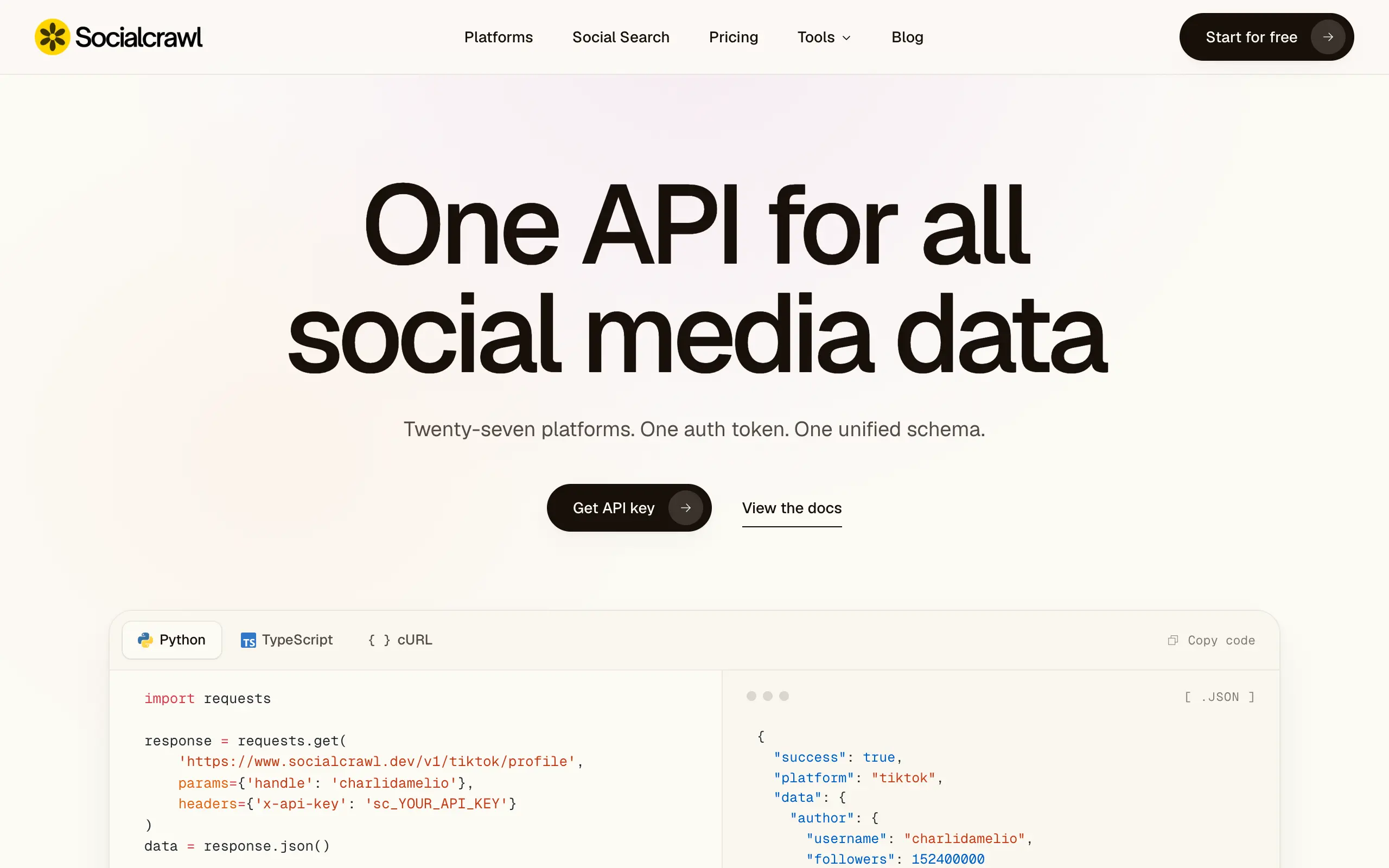
Socialcrawl
Get clean, structured data from 21 platforms like TikTok, Instagram, and YouTube with a single request 📊
Statiko
Monitor any Telegram channel in real time - track posts, edits, deletions, and growth with AI recaps 📡
Shibui
AI website builder - describe your business, pick a niche template, edit by chatting, and publish instantly ✨
Pro Service
Find verified home service professionals, compare quotes, and pay securely through escrow - built for Brazilians across the US 🏠
RankGrow
Fix your SEO with AI agents - connect Search Console, get prioritized tasks, and grow organic traffic 📈
SyncReads
Sync your favorite content for distraction-free reading, save time and replace multiple apps. Anytime, anywhere 🔄
Socialcrawl
Get clean, structured data from 21 platforms like TikTok, Instagram, and YouTube with a single request 📊
Statiko
Monitor any Telegram channel in real time - track posts, edits, deletions, and growth with AI recaps 📡
Shibui
AI website builder - describe your business, pick a niche template, edit by chatting, and publish instantly ✨
Pro Service
Find verified home service professionals, compare quotes, and pay securely through escrow - built for Brazilians across the US 🏠
RankGrow
Fix your SEO with AI agents - connect Search Console, get prioritized tasks, and grow organic traffic 📈
SyncReads
Sync your favorite content for distraction-free reading, save time and replace multiple apps. Anytime, anywhere 🔄
Socialcrawl
Get clean, structured data from 21 platforms like TikTok, Instagram, and YouTube with a single request 📊
Statiko
Monitor any Telegram channel in real time - track posts, edits, deletions, and growth with AI recaps 📡
Shibui
AI website builder - describe your business, pick a niche template, edit by chatting, and publish instantly ✨
Pro Service
Find verified home service professionals, compare quotes, and pay securely through escrow - built for Brazilians across the US 🏠
RankGrow
Fix your SEO with AI agents - connect Search Console, get prioritized tasks, and grow organic traffic 📈
SyncReads
Sync your favorite content for distraction-free reading, save time and replace multiple apps. Anytime, anywhere 🔄
Socialcrawl
Get clean, structured data from 21 platforms like TikTok, Instagram, and YouTube with a single request 📊
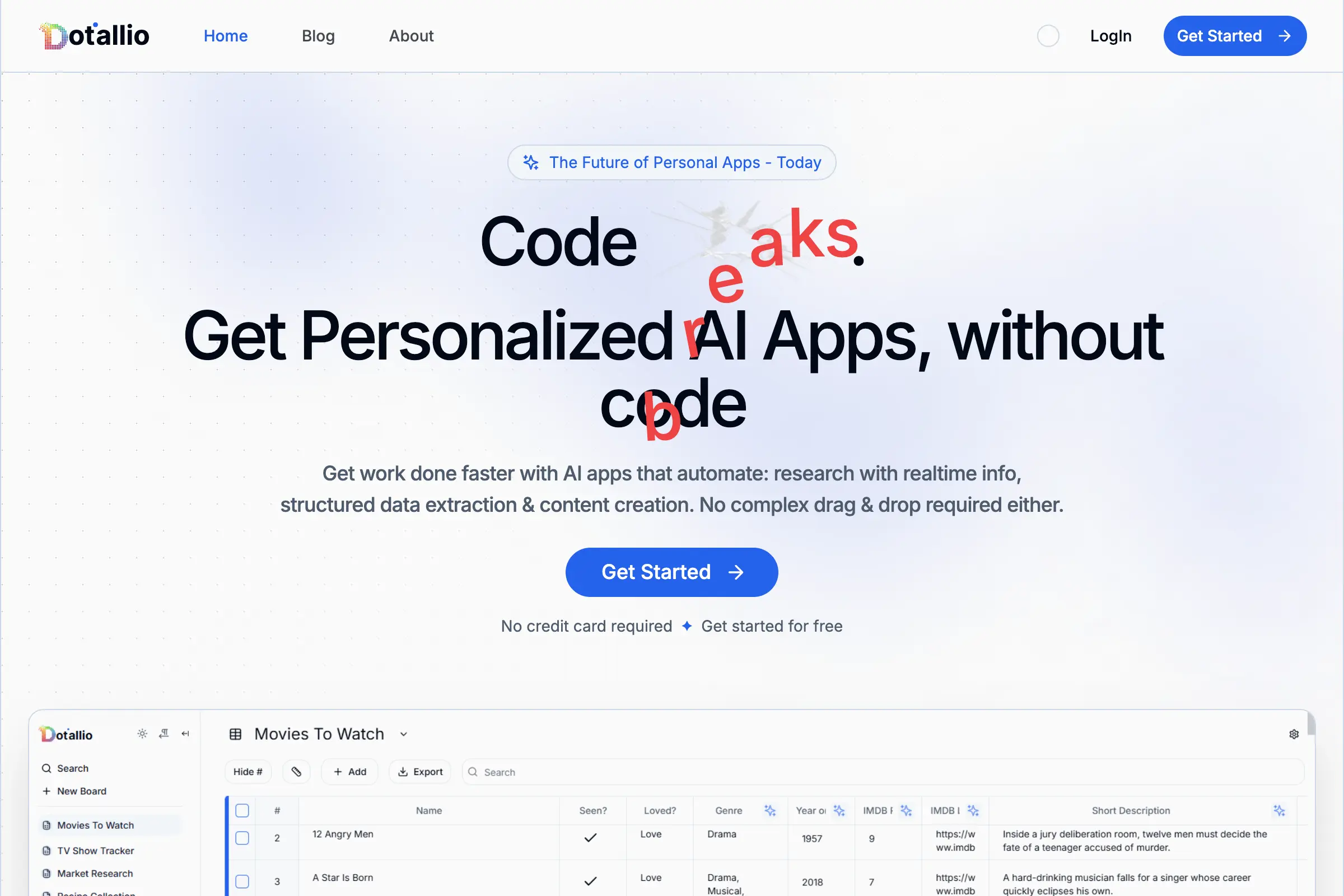
Dotallio
Personalized AI apps that automate research, data extraction, and content creation without code 🤖

Talk to Santa
Enjoy a magical live video chat or receive a unique AI-generated video greeting from Santa Claus 🎅

pozywka.pl
Scalable blog for food journalist, focused on performance and user experience 🌭
zagrodzki.me
Personal blog and portfolio of Bart Zagrodzki, where he shares his knowledge and work 💼
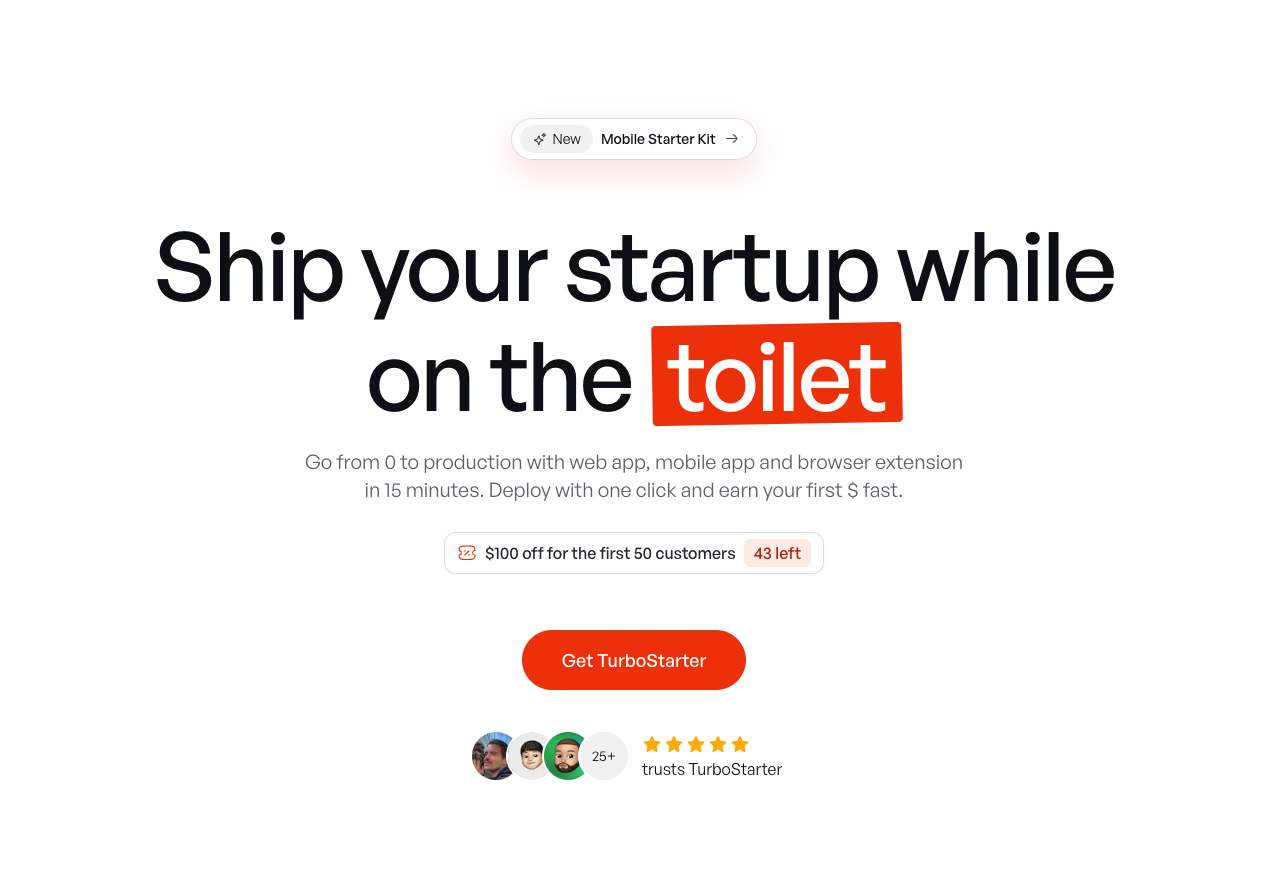
TurboStarter
Ship your startup everywhere. In minutes.
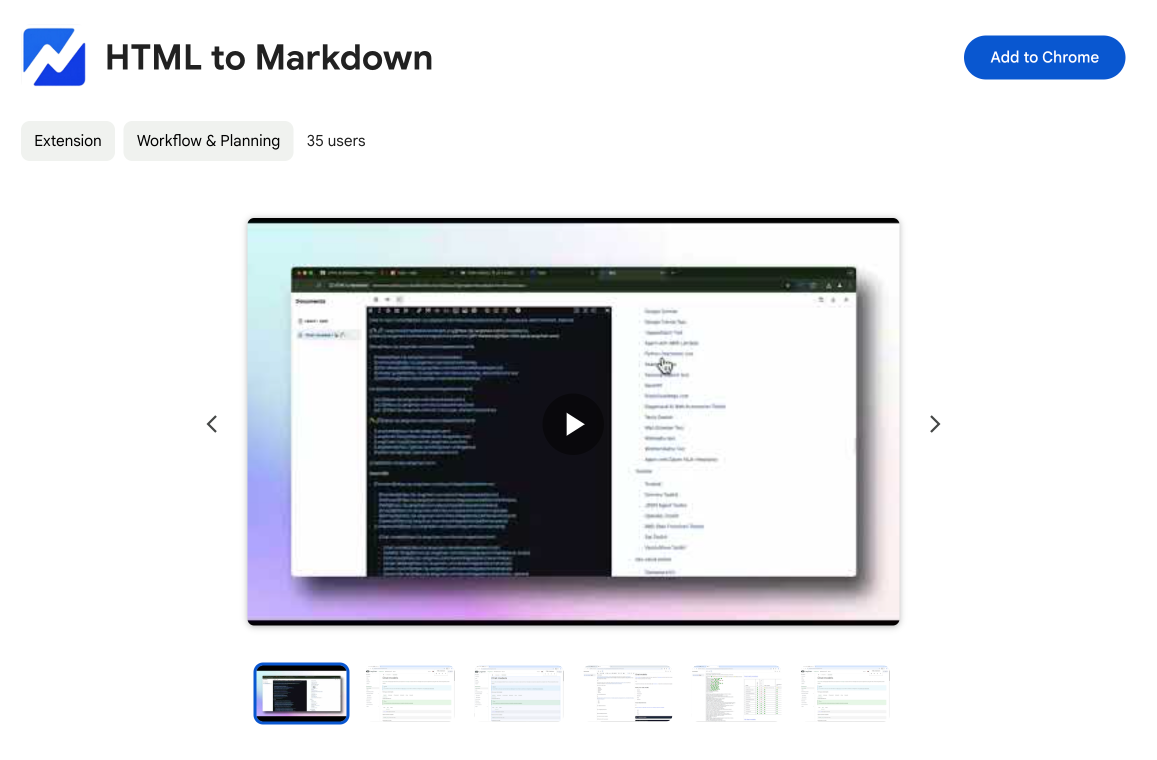
HTML to Markdown
Convert HTML to Markdown with ease, directly in your browser 📄
Dotallio
Personalized AI apps that automate research, data extraction, and content creation without code 🤖
Talk to Santa
Enjoy a magical live video chat or receive a unique AI-generated video greeting from Santa Claus 🎅
pozywka.pl
Scalable blog for food journalist, focused on performance and user experience 🌭
zagrodzki.me
Personal blog and portfolio of Bart Zagrodzki, where he shares his knowledge and work 💼
TurboStarter
Ship your startup everywhere. In minutes.
HTML to Markdown
Convert HTML to Markdown with ease, directly in your browser 📄
Dotallio
Personalized AI apps that automate research, data extraction, and content creation without code 🤖
Talk to Santa
Enjoy a magical live video chat or receive a unique AI-generated video greeting from Santa Claus 🎅
pozywka.pl
Scalable blog for food journalist, focused on performance and user experience 🌭
zagrodzki.me
Personal blog and portfolio of Bart Zagrodzki, where he shares his knowledge and work 💼
TurboStarter
Ship your startup everywhere. In minutes.
HTML to Markdown
Convert HTML to Markdown with ease, directly in your browser 📄
Dotallio
Personalized AI apps that automate research, data extraction, and content creation without code 🤖
Talk to Santa
Enjoy a magical live video chat or receive a unique AI-generated video greeting from Santa Claus 🎅
pozywka.pl
Scalable blog for food journalist, focused on performance and user experience 🌭
zagrodzki.me
Personal blog and portfolio of Bart Zagrodzki, where he shares his knowledge and work 💼
TurboStarter
Ship your startup everywhere. In minutes.
HTML to Markdown
Convert HTML to Markdown with ease, directly in your browser 📄
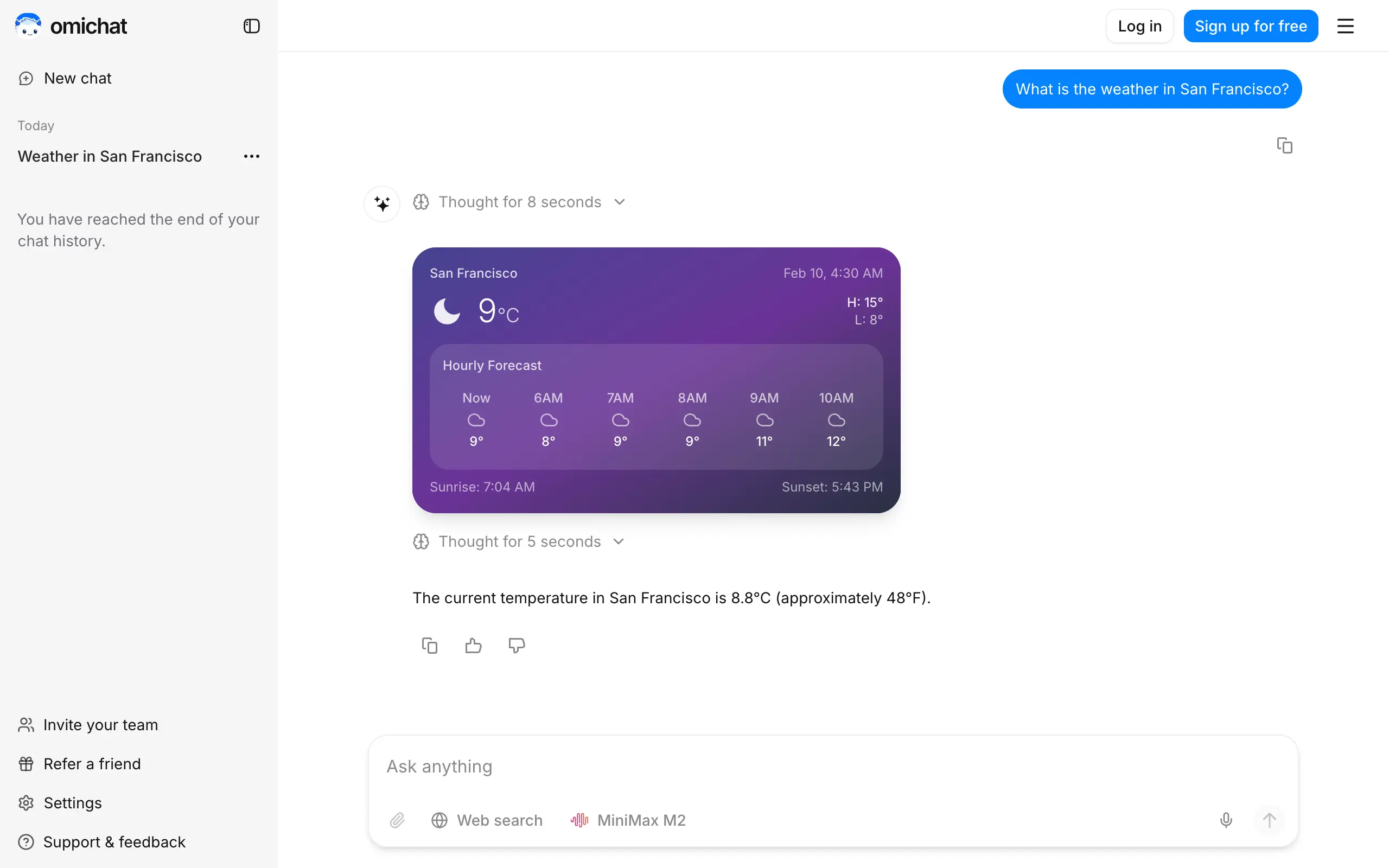
Omichat
Chat with 50+ AI models, including ChatGPT and Claude, in one place - switch models anytime without losing context 🤖
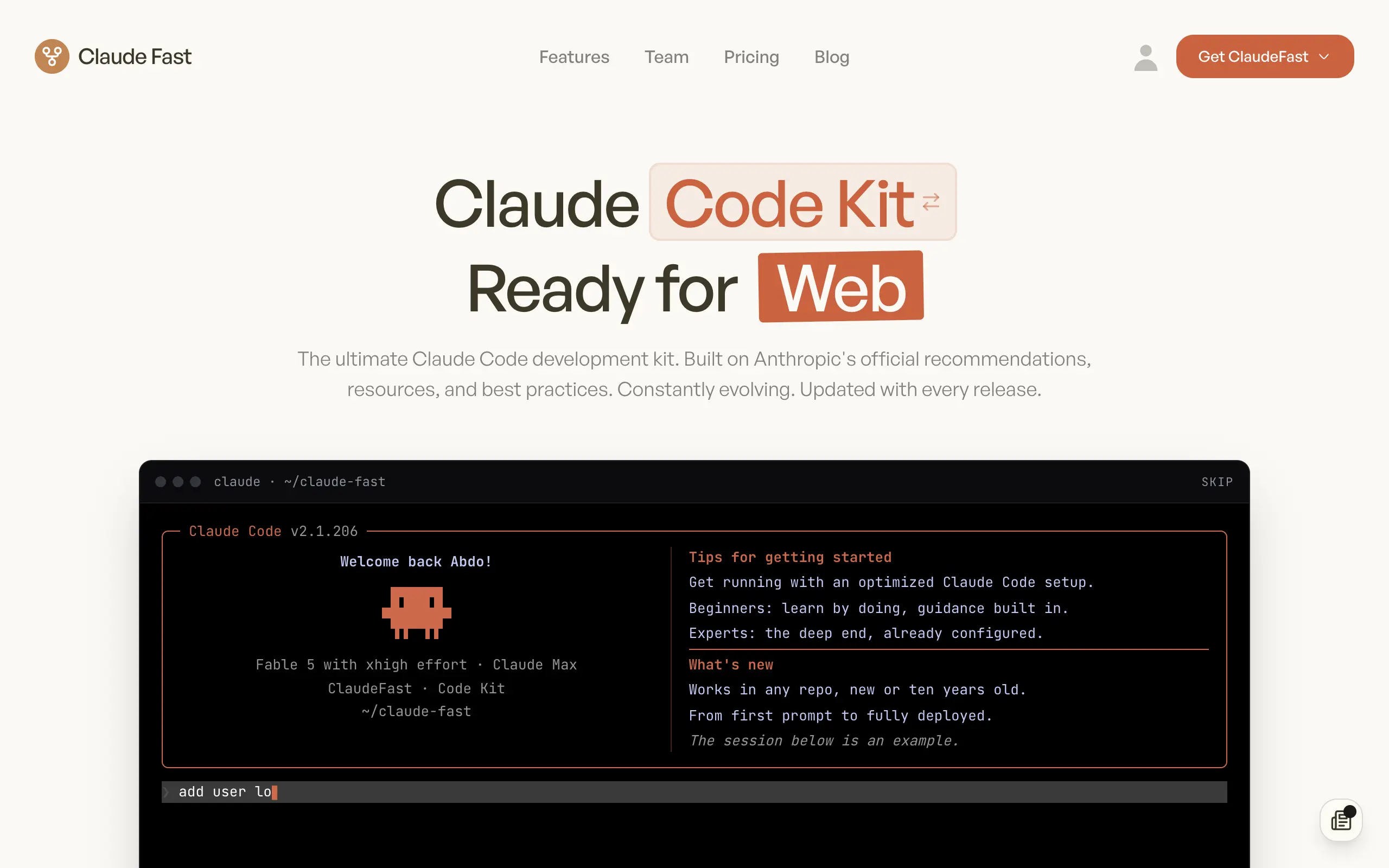
Claude Fast
Supercharge your Claude Code with 6x effective context window and specialized AI agents 🤖
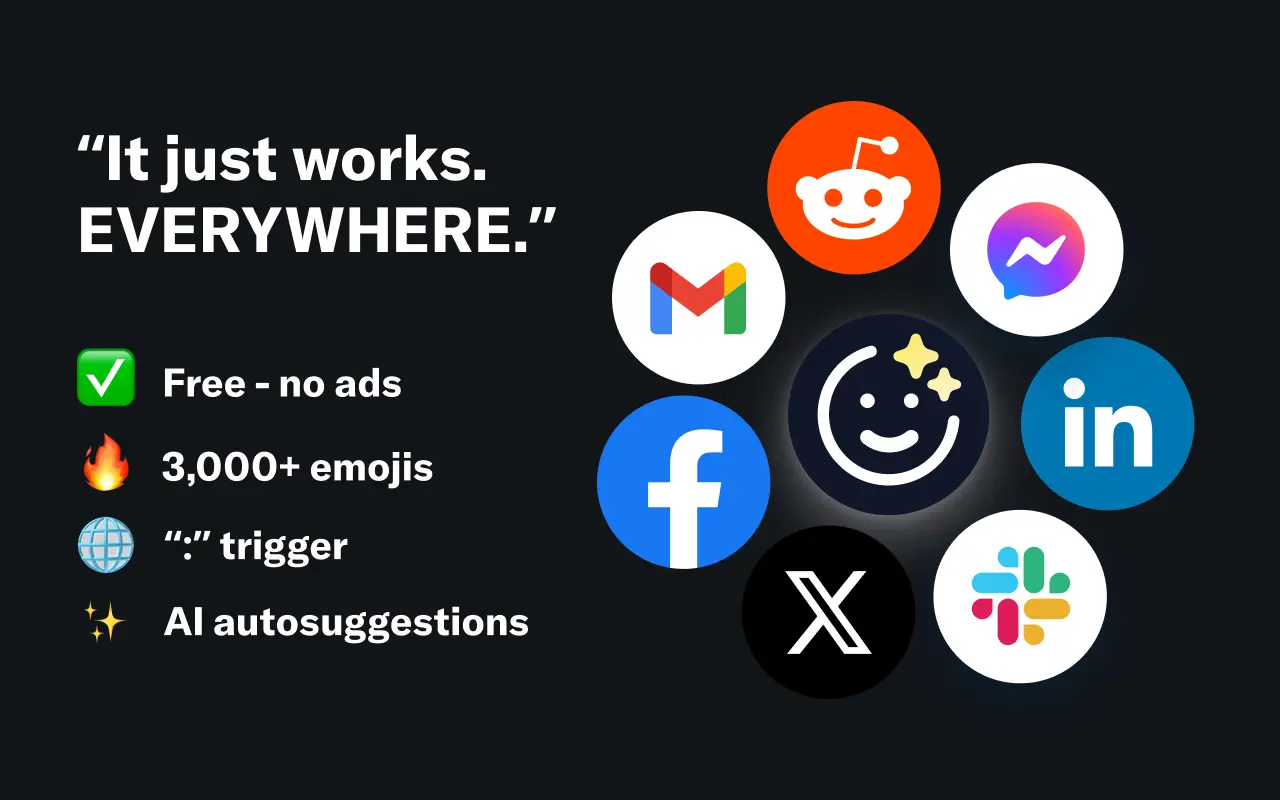
EmojAI
AI-powered emoji picker with smart, context-aware suggestions 🤖

Solohacker
Autonomous company launcher - AI agents work 24/7, escalate what matters, and you stay in control 🤖

BeRawi: Storytelling Coach
Practice storytelling daily with instant feedback to sound clearer, more engaging, and confident 🎤
Omichat
Chat with 50+ AI models, including ChatGPT and Claude, in one place - switch models anytime without losing context 🤖
Claude Fast
Supercharge your Claude Code with 6x effective context window and specialized AI agents 🤖
EmojAI
AI-powered emoji picker with smart, context-aware suggestions 🤖
Solohacker
Autonomous company launcher - AI agents work 24/7, escalate what matters, and you stay in control 🤖
BeRawi: Storytelling Coach
Practice storytelling daily with instant feedback to sound clearer, more engaging, and confident 🎤
Omichat
Chat with 50+ AI models, including ChatGPT and Claude, in one place - switch models anytime without losing context 🤖
Claude Fast
Supercharge your Claude Code with 6x effective context window and specialized AI agents 🤖
EmojAI
AI-powered emoji picker with smart, context-aware suggestions 🤖
Solohacker
Autonomous company launcher - AI agents work 24/7, escalate what matters, and you stay in control 🤖
BeRawi: Storytelling Coach
Practice storytelling daily with instant feedback to sound clearer, more engaging, and confident 🎤
Omichat
Chat with 50+ AI models, including ChatGPT and Claude, in one place - switch models anytime without losing context 🤖
Claude Fast
Supercharge your Claude Code with 6x effective context window and specialized AI agents 🤖
EmojAI
AI-powered emoji picker with smart, context-aware suggestions 🤖
Solohacker
Autonomous company launcher - AI agents work 24/7, escalate what matters, and you stay in control 🤖
BeRawi: Storytelling Coach
Practice storytelling daily with instant feedback to sound clearer, more engaging, and confident 🎤

Connect with like-minded people
Join our community to get feedback, support, and grow together with 1,000+ builders on board, let's ship it!
Join usShip your startup everywhere. In minutes.
Don't burn tokens on setup and start building features on day one.