FaithRoute
Discover churches along your daily routes or travels with personalized service suggestions. Perfect for commuters and travelers seeking nearby worship options.
Discovering faith on the go: a smarter way to find churches along your route
In an increasingly mobile world, people are no longer confined to rigid schedules or fixed locations. Commutes stretch across cities, travel is more frequent than ever, and routines shift constantly. Yet for millions of individuals, maintaining a connection to their faith remains a priority. This creates a clear gap: how can people easily discover churches along their daily routes or travel paths without friction?
That’s exactly where FaithRoute, a mobile-first SaaS platform, enters the picture.
FaithRoute is designed to help users find churches and worship services aligned with their location, travel plans, and personal preferences—whether they’re commuting to work, on a road trip, or visiting a new city. By combining geolocation, personalization, and real-time data, this platform solves a deeply human problem with modern technology.
This article explores the full strategic breakdown of FaithRoute—from market opportunity and feature design to monetization and implementation—built with SEO, product-market fit, and scalability in mind.
Understanding user intent and real-world need
When users search for terms like:
- “churches near me along route”
- “find church while traveling”
- “church service times near highway”
- “Sunday service near my location”
They are expressing high-intent, situational needs. These are not casual searches—they reflect urgency, timing, and context.
FaithRoute addresses three primary intent categories:
- Immediate discovery: “I need a church nearby right now”
- Planned worship: “I want to attend a service during my trip”
- Routine alignment: “Help me integrate church into my weekly commute”
Traditional solutions like Google Maps or generic church directories fall short because they:
- Lack personalization (denomination, service style)
- Don’t integrate route-based discovery
- Rarely include real-time service schedules
- Ignore user preferences over time
FaithRoute fills this gap with a context-aware, personalized experience.
Target audience analysis
FaithRoute’s success depends on deeply understanding its user segments. The platform serves multiple overlapping audiences:
Primary users
-
Daily commuters
- Urban professionals seeking weekday or early morning services
- Interested in churches near work or commuting routes
-
Frequent travelers
- Business travelers, digital nomads, and tourists
- Need reliable worship options in unfamiliar cities
-
Families on the move
- Road-tripping families wanting Sunday services en route
- Prefer kid-friendly environments and flexible timing
-
Faith-driven individuals
- Actively seeking to maintain spiritual consistency
- Value denomination alignment and service style
Secondary users
-
Church organizations
- Looking to increase visibility and attendance
- Want better digital discovery tools
-
Event organizers
- Hosting special services, conferences, or gatherings
Market opportunity and gap analysis
The global religious population remains significant. According to Pew Research (suggest referencing pewresearch.org), over 80% of the world identifies with a religious group. Meanwhile, mobile usage continues to dominate, with billions relying on smartphones for navigation and discovery.
Existing solutions
- Google Maps
- Yelp
- Church-specific directories
- Denomination apps
Gaps in the current market
- No route-aware church discovery
- Lack of personalized worship recommendations
- Limited real-time service data integration
- No unified platform for travel + faith alignment
FaithRoute’s opportunity lies in merging:
- Navigation (like Google Maps)
- Personalization (like Spotify recommendations)
- Community discovery (like Meetup)
Core features that define FaithRoute
FaithRoute’s product success depends on delivering a seamless, intuitive experience. Below are the essential features:
1. route-based church discovery
Users can input:
- Current route (e.g., home → office)
- Travel plans (e.g., road trip destination)
The app then surfaces:
- Churches along the route
- Distance from path
- Service times aligned with arrival estimates
2. personalized recommendations
Using user preferences:
- Denomination (e.g., Catholic, Baptist, non-denominational)
- Worship style (traditional, contemporary)
- Service duration
- Language preferences
FaithRoute curates tailored suggestions.
3. real-time service scheduling
Churches can update:
- Service times
- Special events
- Holiday schedules
This ensures users avoid outdated or inaccurate information.
4. smart notifications
- “You’re 10 minutes away from a Sunday service”
- “A church matching your preferences is nearby”
5. saved routes and favorites
Users can:
- Save frequent routes
- Bookmark favorite churches
- Build a personalized worship map
6. community insights and reviews
- User reviews and ratings
- Photos and experience feedback
- Community-driven recommendations
Feature comparison with traditional tools
| Feature | Google Maps | Yelp | Church Directories | FaithRoute |
|---|---|---|---|---|
| Route-based discovery | ❌ | ❌ | ❌ | ✅ |
| Personalized recommendations | ❌ | ✅ | ❌ | ✅ |
| Real-time service updates | ❌ | ❌ | ✅ | ✅ |
| Faith-specific filters | ❌ | ❌ | ✅ | ✅ |
Recommended tech stack for FaithRoute
Building a scalable mobile SaaS platform requires careful tech decisions.
Frontend (mobile-first)
- React Native for cross-platform development
- Expo for rapid iteration
Web dashboard (admin & churches)
Backend
- Node.js with Express or NestJS
- GraphQL for flexible data queries
Database
- PostgreSQL for structured data
- Redis for caching location queries
Maps and geolocation
- Google Maps API
- Mapbox (alternative for cost optimization)
AI & personalization
- Recommendation engine using user behavior
- Lightweight ML models for preference prediction
Infrastructure
- AWS or Vercel for deployment
- CDN for performance optimization
Tech strategy tip
Start with a lean stack using managed services (Firebase, Supabase) to validate the idea quickly. Scale into custom infrastructure once product-market fit is established.
Monetization strategies
FaithRoute can generate revenue through multiple channels:
1. freemium model
- Free: basic discovery features
- Premium: advanced filters, saved routes, notifications
2. church subscriptions (B2B SaaS)
Churches pay for:
- Featured listings
- Analytics dashboards
- Event promotion tools
3. sponsored placements
- Churches or organizations can boost visibility
- Geo-targeted promotions
4. affiliate partnerships
- Travel platforms
- Faith-based events and conferences
5. donations and community support
Optional user contributions to support platform growth
Competitive advantage and unique positioning
FaithRoute’s USP (unique selling proposition) is clear:
“The only platform that integrates faith discovery directly into your daily routes and travel journeys.”
Key differentiators
- Route-aware discovery (not just location-based)
- Deep personalization engine
- Real-time service alignment
- Faith-first UX design
Strategic moat
- Data network effects (user preferences + church updates)
- Community-driven insights
- Partnerships with religious organizations
Potential risks and mitigation strategies
No SaaS idea is without challenges. Here’s a grounded look:
1. data accuracy issues
Church schedules can change frequently.
Mitigation:
- Allow churches to manage their own data
- Use user feedback loops to flag inaccuracies
2. user acquisition challenges
Niche audience may require targeted marketing.
Mitigation:
- Partner with churches and communities
- SEO targeting high-intent keywords
- App store optimization
3. monetization resistance
Churches may be slow to adopt paid tools.
Mitigation:
- Offer clear ROI (attendance growth, visibility)
- Start with freemium onboarding
4. competition from big platforms
Google could expand into this space.
Mitigation:
- Focus on niche depth and personalization
- Build strong brand identity in faith-tech
SEO strategy for FaithRoute growth
To rank effectively, focus on:
Primary keywords
- church along route app
- find church while traveling
- church locator app
- nearby church service times
Long-tail keywords
- “church near highway Sunday service”
- “find Catholic church while traveling”
- “best app to find churches near me”
Content strategy
- Blog posts targeting travel + faith topics
- City-specific landing pages
- User-generated content (reviews, experiences)
Implementation roadmap
Example MVP architecture
// Simplified route-based church fetch logic

async function getChurchesAlongRoute(routeCoordinates) {
  const response = await fetch('/api/churches', {
    method: 'POST',
    body: JSON.stringify({ route: routeCoordinates }),
  });

  const churches = await response.json();

  return churches.filter(church => church.distanceFromRoute < 5); // miles
}
Product experience design considerations
UX priorities
- Minimal friction (2–3 taps to find a church)
- Clear service timing visibility
- Offline support for travelers
Accessibility
- Multi-language support
- Voice search integration
- Simple navigation for older users
Expansion opportunities
FaithRoute can evolve into a broader platform:
Event discovery
Find faith-based events, conferences, and gatherings near your route
Community building
Connect users with local groups and communities
Content integration
Sermons, podcasts, and devotionals based on user preferences
Future trends shaping FaithRoute
- Increased demand for hyper-personalization
- Growth of faith-based digital communities
- Integration of AI-driven recommendations
- Rise of location-aware mobile experiences
FaithRoute sits at the intersection of all these trends.
Final thoughts and next steps
FaithRoute is more than a church finder—it’s a context-aware spiritual companion designed for modern life. By aligning faith with movement, it taps into a deeply human need that existing platforms overlook.
The opportunity is real, but execution is everything. Start lean, validate quickly, and build with user trust at the core.
If you're ready to bring FaithRoute to life, using a proven SaaS starter kit can significantly reduce development time and complexity.
For founders and builders, this is a rare chance to create something meaningful, scalable, and impactful—where technology doesn’t just solve problems, but enhances people’s spiritual journeys in a tangible way.
More 📱 Mobile App SaaS ideas
Discover more innovative mobile app SaaS ideas that are trending in 2026. Each idea is AI-generated with market validation and growth potential to help you find your next profitable venture faster than competitors.
Your competitors are building with TurboStarter
Below are some of the SaaS ideas that have been generated and built with our starter kit.
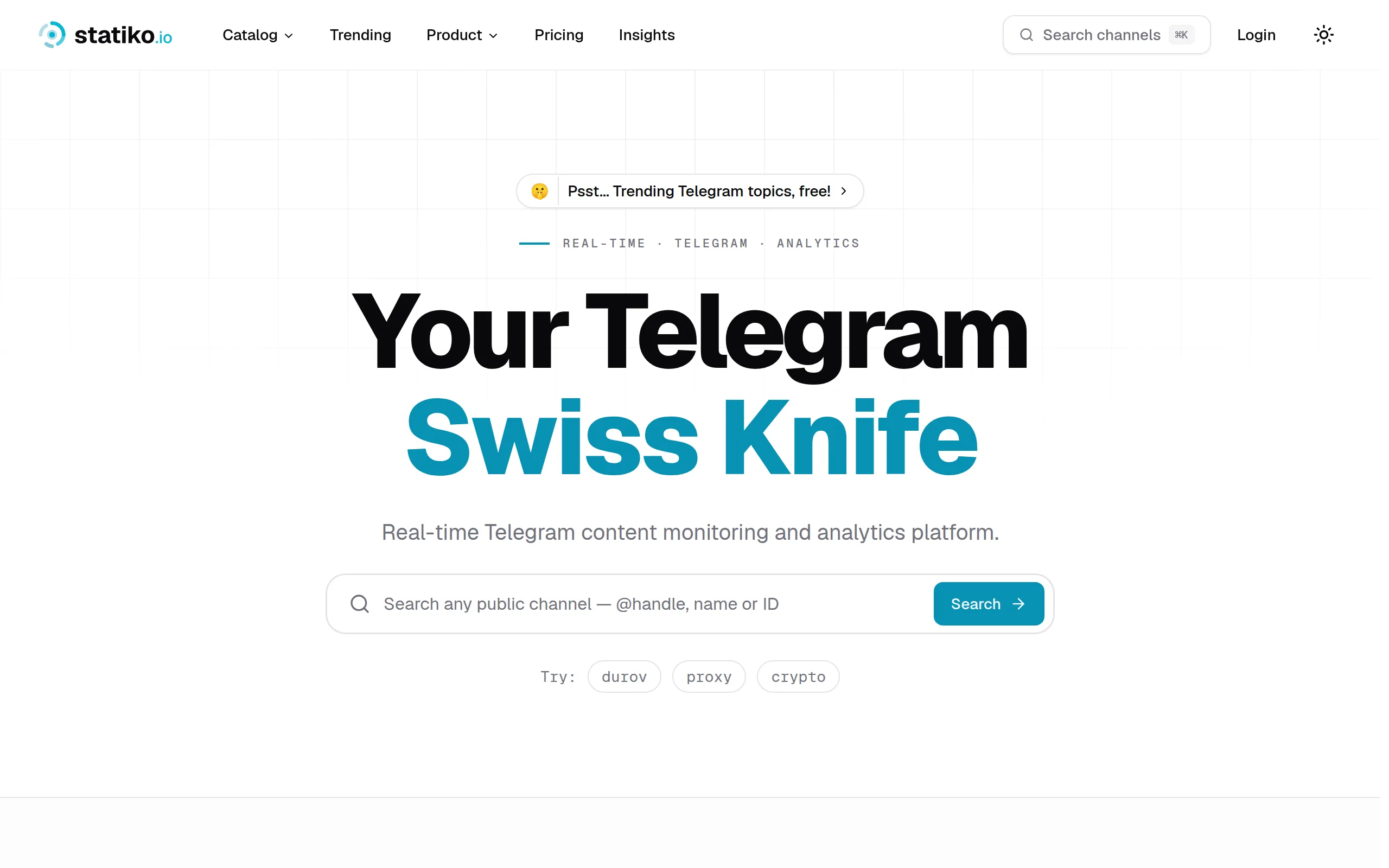
Statiko
Monitor any Telegram channel in real time - track posts, edits, deletions, and growth with AI recaps 📡

Shibui
AI website builder - describe your business, pick a niche template, edit by chatting, and publish instantly ✨
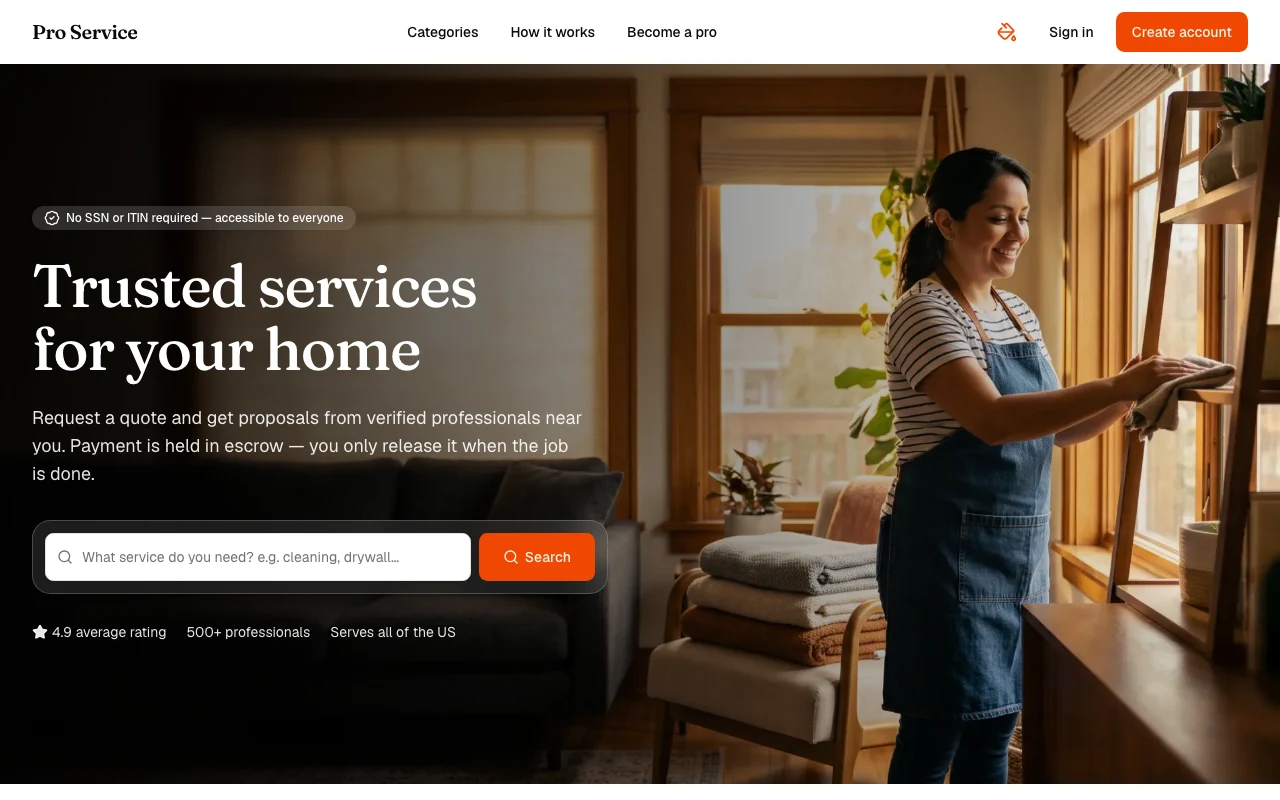
Pro Service
Find verified home service professionals, compare quotes, and pay securely through escrow - built for Brazilians across the US 🏠
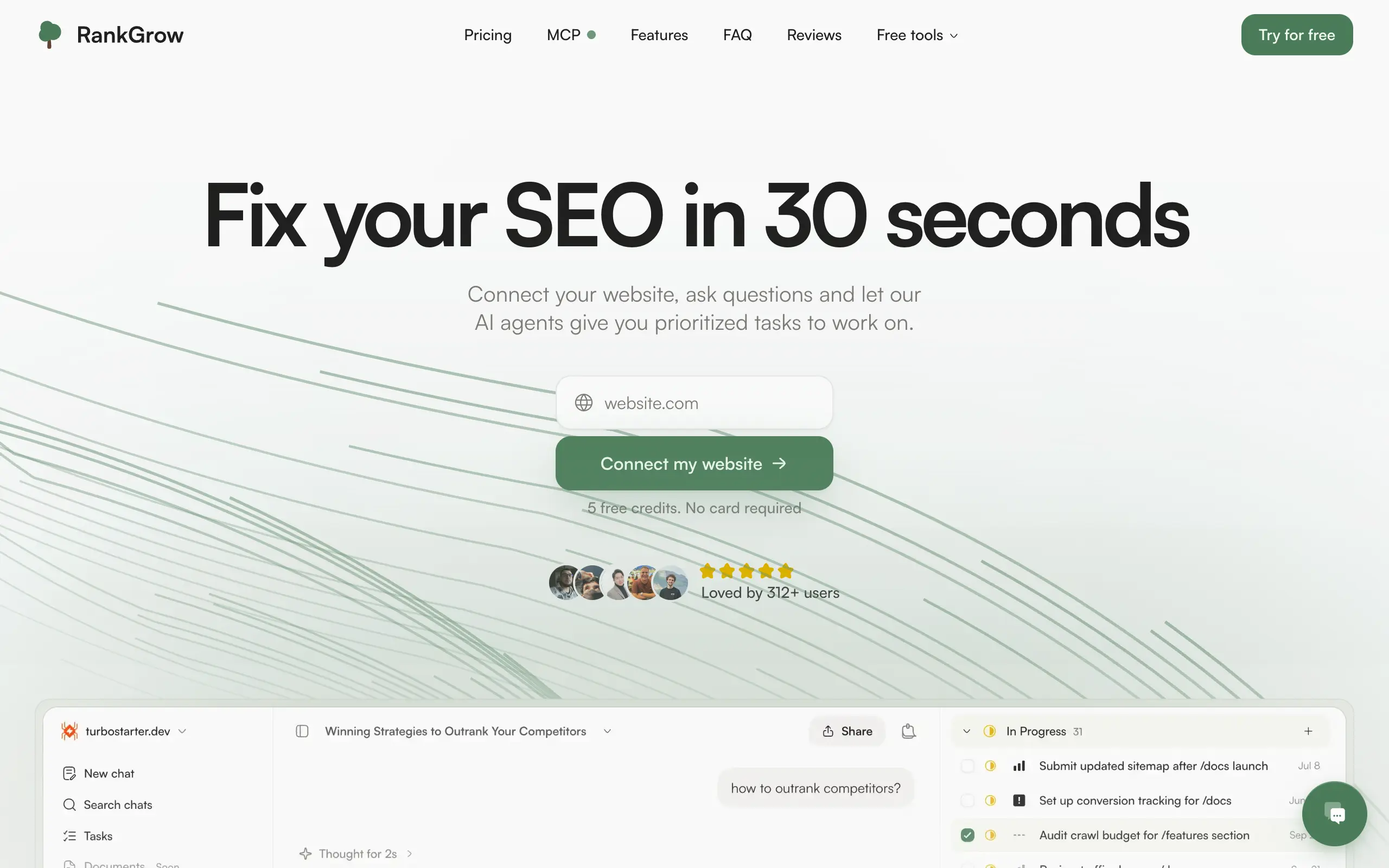
RankGrow
Fix your SEO with AI agents - connect Search Console, get prioritized tasks, and grow organic traffic 📈
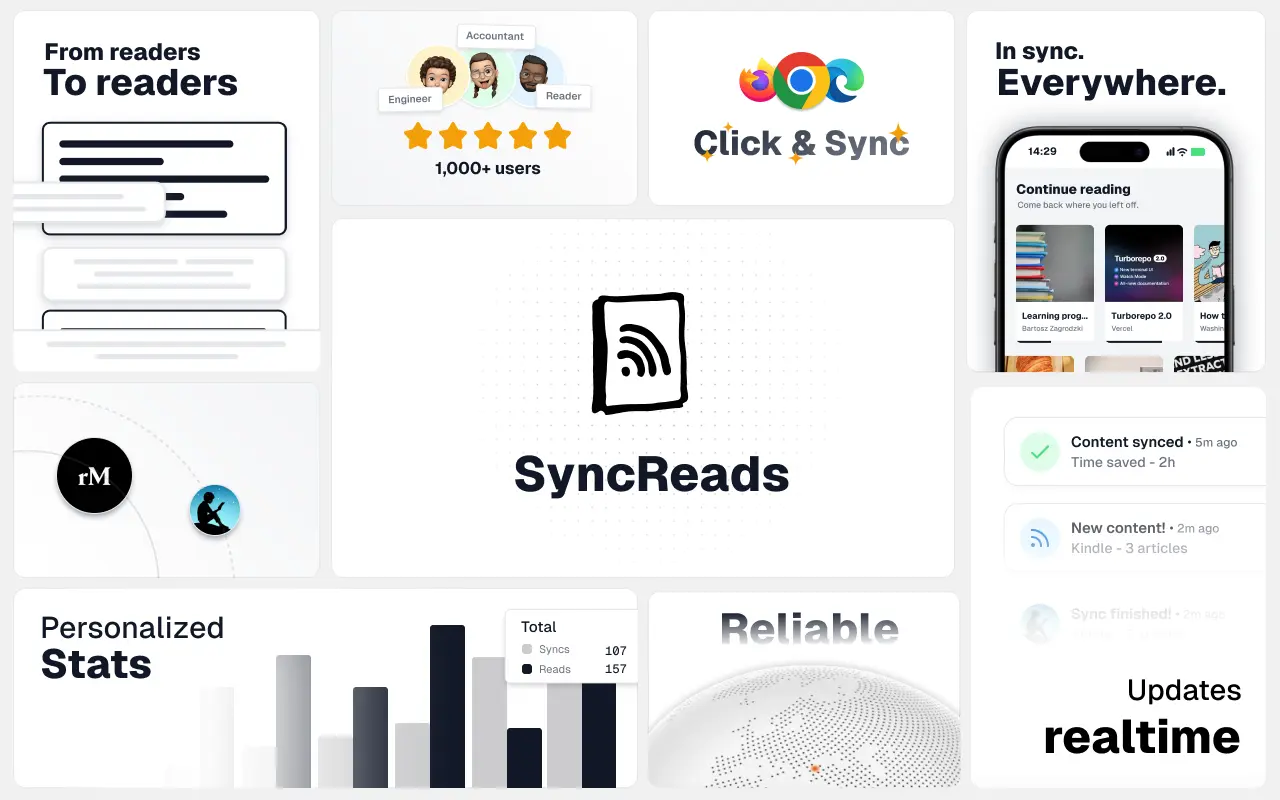
SyncReads
Sync your favorite content for distraction-free reading, save time and replace multiple apps. Anytime, anywhere 🔄
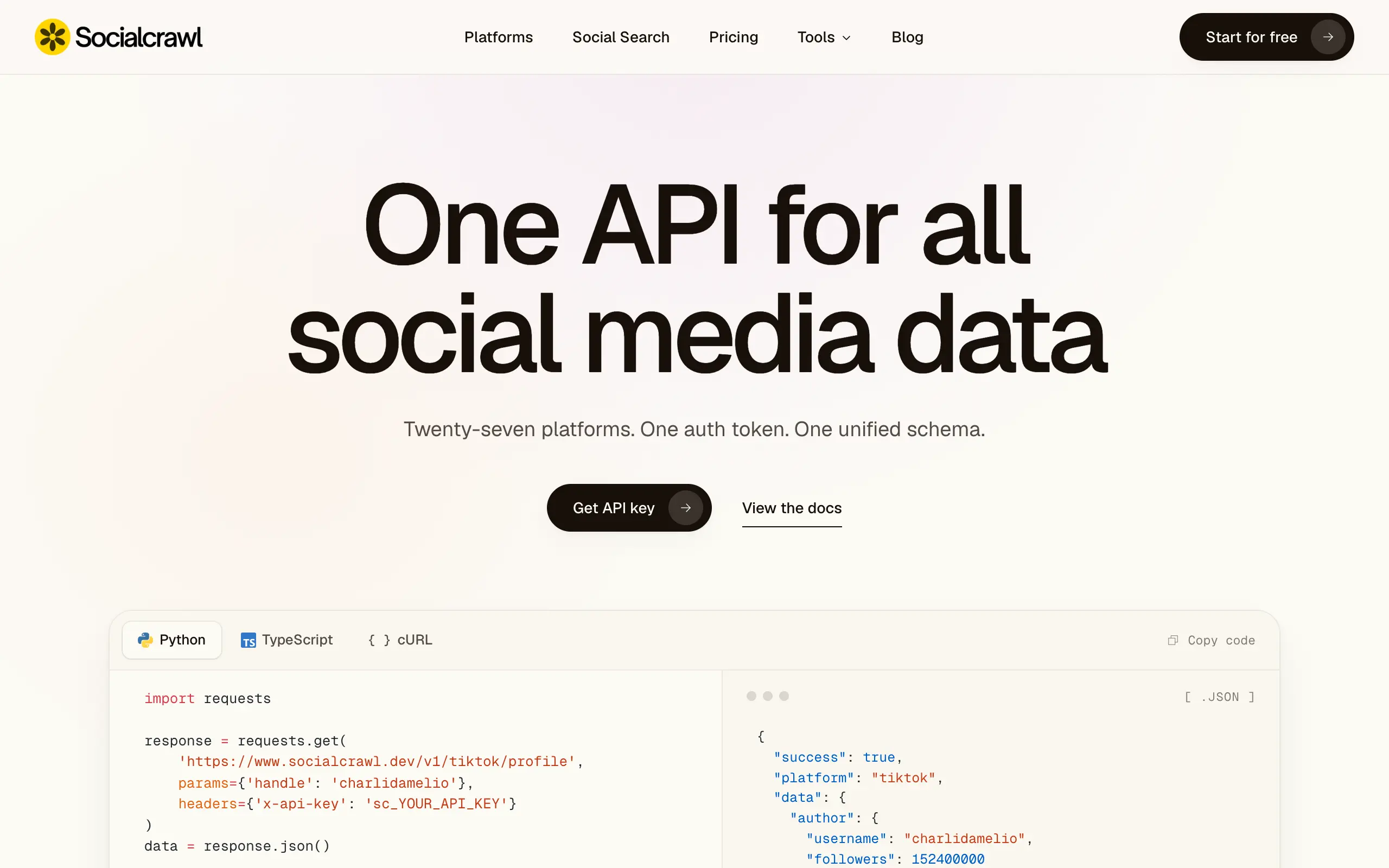
Socialcrawl
Get clean, structured data from 21 platforms like TikTok, Instagram, and YouTube with a single request 📊
Statiko
Monitor any Telegram channel in real time - track posts, edits, deletions, and growth with AI recaps 📡
Shibui
AI website builder - describe your business, pick a niche template, edit by chatting, and publish instantly ✨
Pro Service
Find verified home service professionals, compare quotes, and pay securely through escrow - built for Brazilians across the US 🏠
RankGrow
Fix your SEO with AI agents - connect Search Console, get prioritized tasks, and grow organic traffic 📈
SyncReads
Sync your favorite content for distraction-free reading, save time and replace multiple apps. Anytime, anywhere 🔄
Socialcrawl
Get clean, structured data from 21 platforms like TikTok, Instagram, and YouTube with a single request 📊
Statiko
Monitor any Telegram channel in real time - track posts, edits, deletions, and growth with AI recaps 📡
Shibui
AI website builder - describe your business, pick a niche template, edit by chatting, and publish instantly ✨
Pro Service
Find verified home service professionals, compare quotes, and pay securely through escrow - built for Brazilians across the US 🏠
RankGrow
Fix your SEO with AI agents - connect Search Console, get prioritized tasks, and grow organic traffic 📈
SyncReads
Sync your favorite content for distraction-free reading, save time and replace multiple apps. Anytime, anywhere 🔄
Socialcrawl
Get clean, structured data from 21 platforms like TikTok, Instagram, and YouTube with a single request 📊
Statiko
Monitor any Telegram channel in real time - track posts, edits, deletions, and growth with AI recaps 📡
Shibui
AI website builder - describe your business, pick a niche template, edit by chatting, and publish instantly ✨
Pro Service
Find verified home service professionals, compare quotes, and pay securely through escrow - built for Brazilians across the US 🏠
RankGrow
Fix your SEO with AI agents - connect Search Console, get prioritized tasks, and grow organic traffic 📈
SyncReads
Sync your favorite content for distraction-free reading, save time and replace multiple apps. Anytime, anywhere 🔄
Socialcrawl
Get clean, structured data from 21 platforms like TikTok, Instagram, and YouTube with a single request 📊
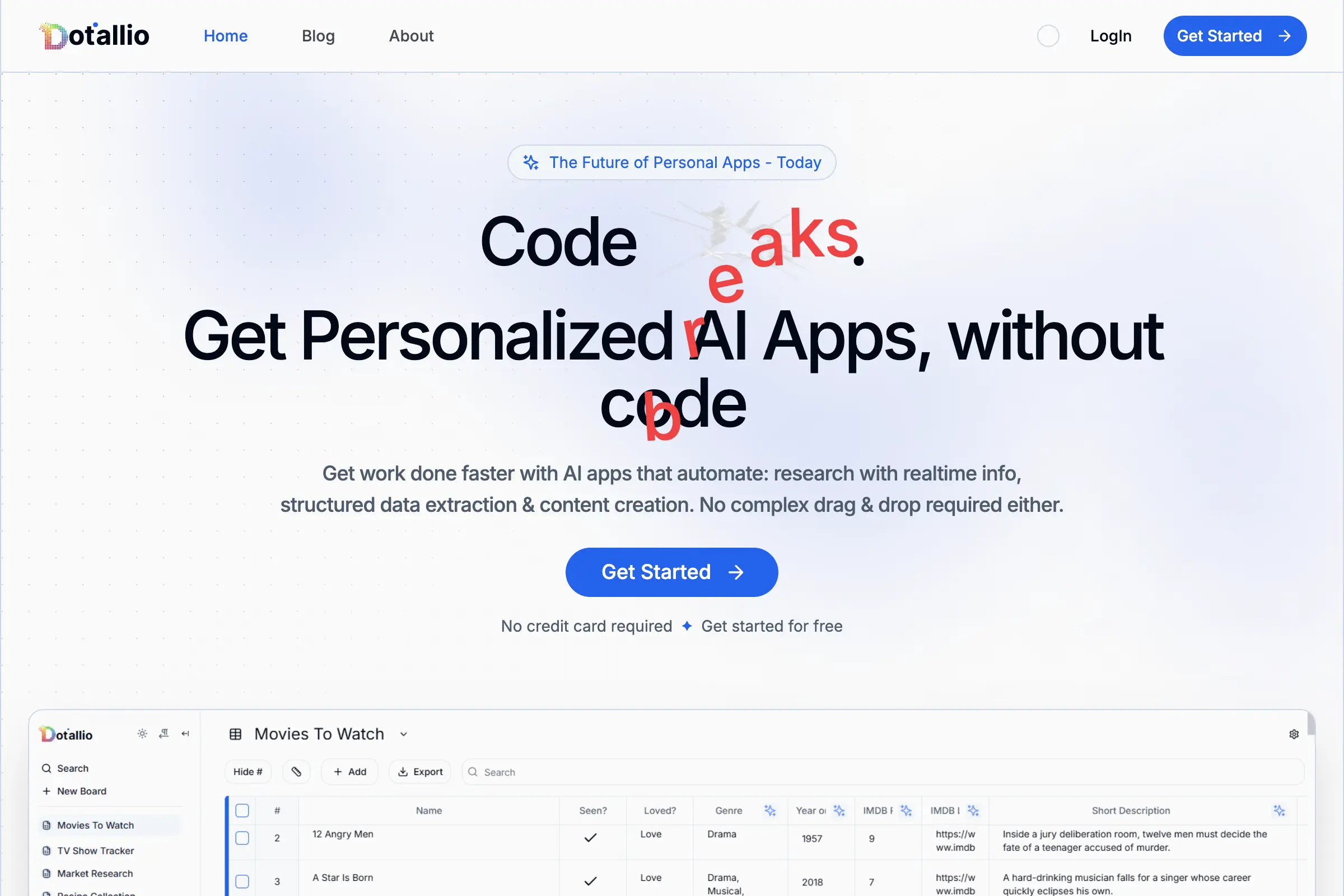
Dotallio
Personalized AI apps that automate research, data extraction, and content creation without code 🤖
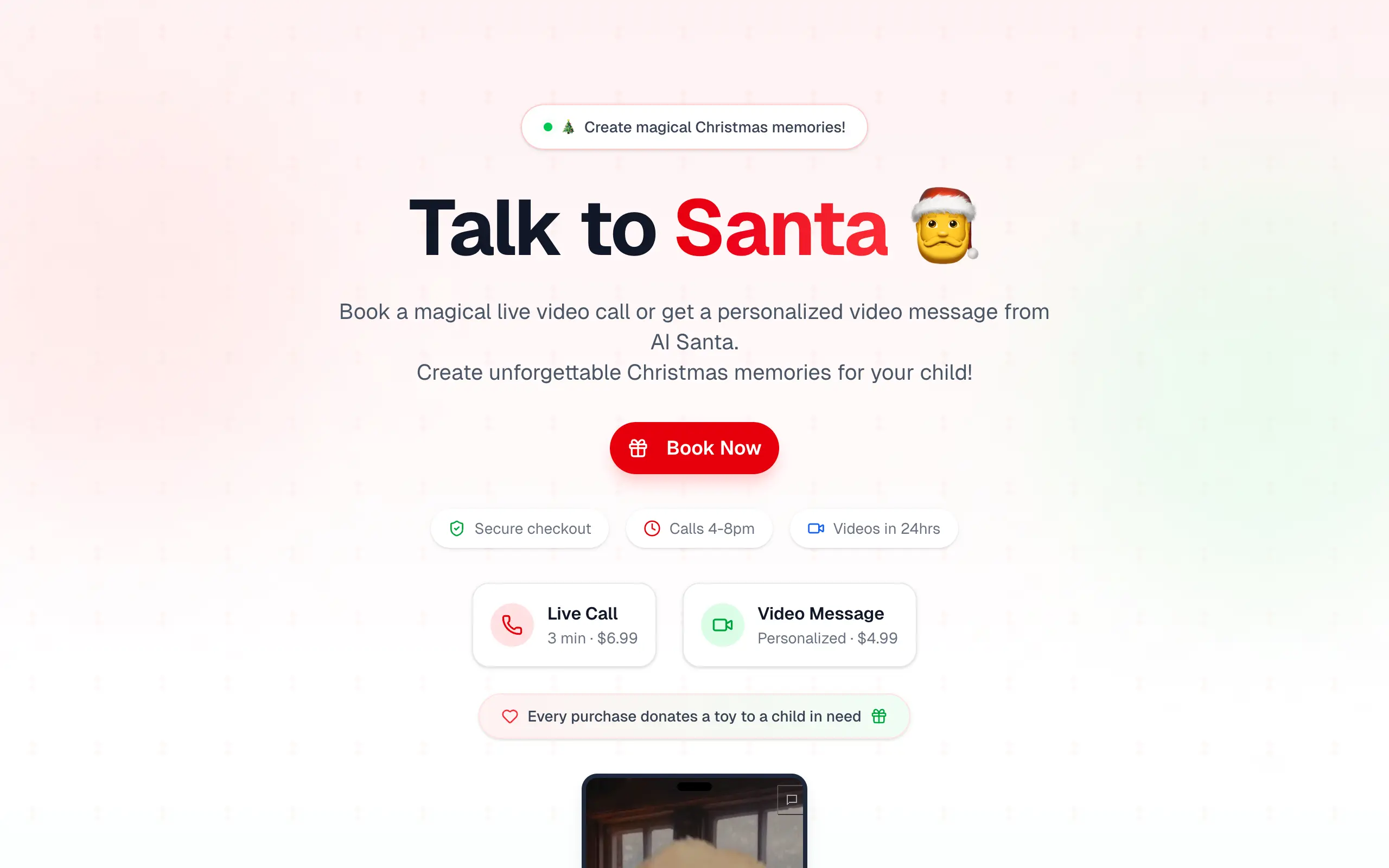
Talk to Santa
Enjoy a magical live video chat or receive a unique AI-generated video greeting from Santa Claus 🎅
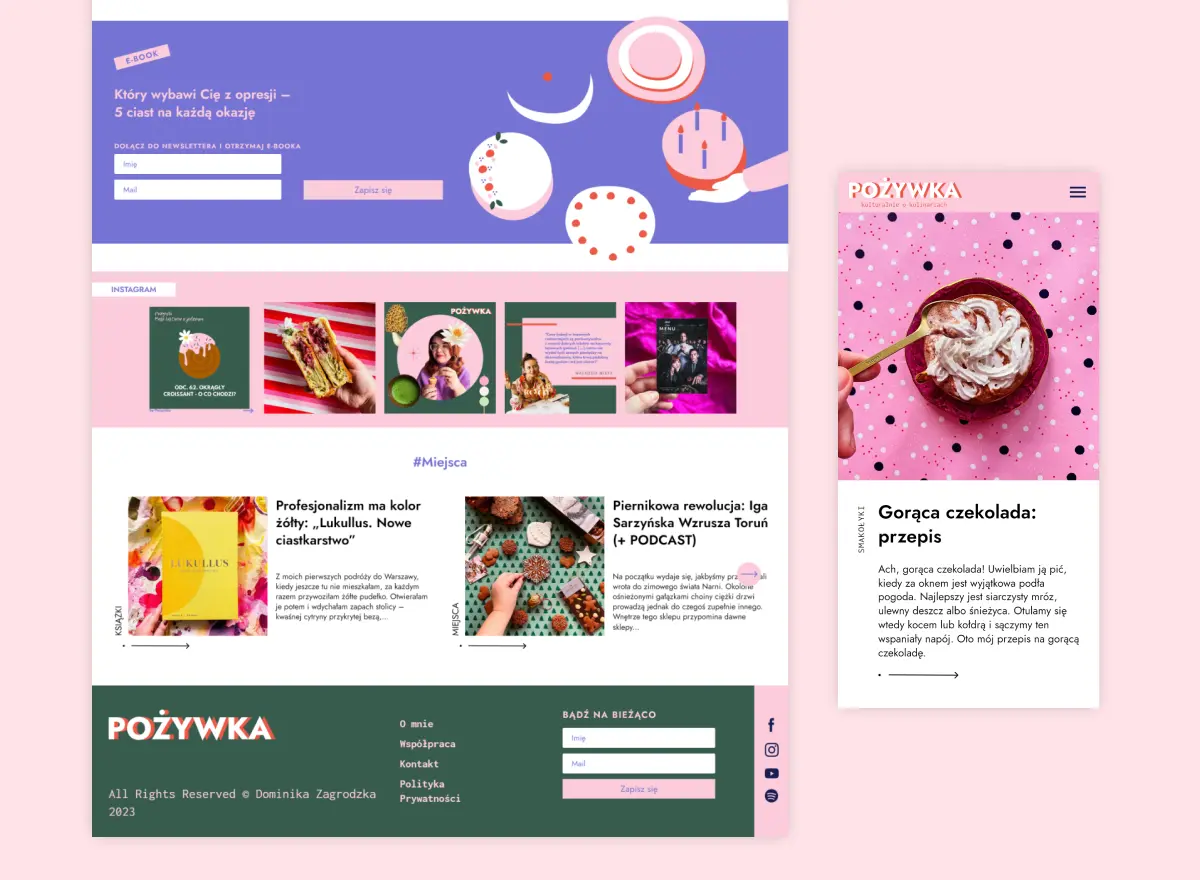
pozywka.pl
Scalable blog for food journalist, focused on performance and user experience 🌭
zagrodzki.me
Personal blog and portfolio of Bart Zagrodzki, where he shares his knowledge and work 💼
TurboStarter
Ship your startup everywhere. In minutes.
HTML to Markdown
Convert HTML to Markdown with ease, directly in your browser 📄
Dotallio
Personalized AI apps that automate research, data extraction, and content creation without code 🤖
Talk to Santa
Enjoy a magical live video chat or receive a unique AI-generated video greeting from Santa Claus 🎅
pozywka.pl
Scalable blog for food journalist, focused on performance and user experience 🌭
zagrodzki.me
Personal blog and portfolio of Bart Zagrodzki, where he shares his knowledge and work 💼
TurboStarter
Ship your startup everywhere. In minutes.
HTML to Markdown
Convert HTML to Markdown with ease, directly in your browser 📄
Dotallio
Personalized AI apps that automate research, data extraction, and content creation without code 🤖
Talk to Santa
Enjoy a magical live video chat or receive a unique AI-generated video greeting from Santa Claus 🎅
pozywka.pl
Scalable blog for food journalist, focused on performance and user experience 🌭
zagrodzki.me
Personal blog and portfolio of Bart Zagrodzki, where he shares his knowledge and work 💼
TurboStarter
Ship your startup everywhere. In minutes.
HTML to Markdown
Convert HTML to Markdown with ease, directly in your browser 📄
Dotallio
Personalized AI apps that automate research, data extraction, and content creation without code 🤖
Talk to Santa
Enjoy a magical live video chat or receive a unique AI-generated video greeting from Santa Claus 🎅
pozywka.pl
Scalable blog for food journalist, focused on performance and user experience 🌭
zagrodzki.me
Personal blog and portfolio of Bart Zagrodzki, where he shares his knowledge and work 💼
TurboStarter
Ship your startup everywhere. In minutes.
HTML to Markdown
Convert HTML to Markdown with ease, directly in your browser 📄
Omichat
Chat with 50+ AI models, including ChatGPT and Claude, in one place - switch models anytime without losing context 🤖
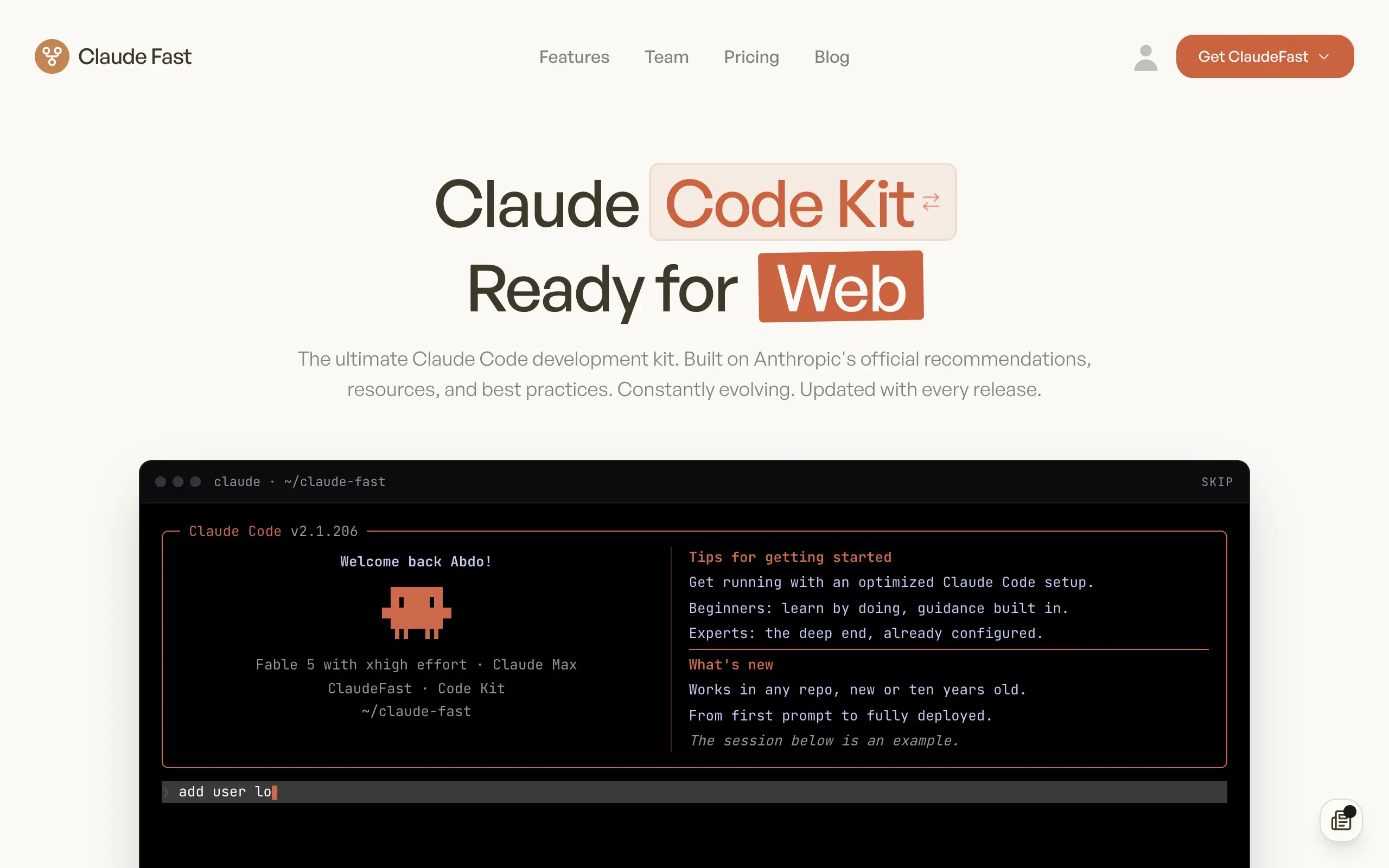
Claude Fast
Supercharge your Claude Code with 6x effective context window and specialized AI agents 🤖
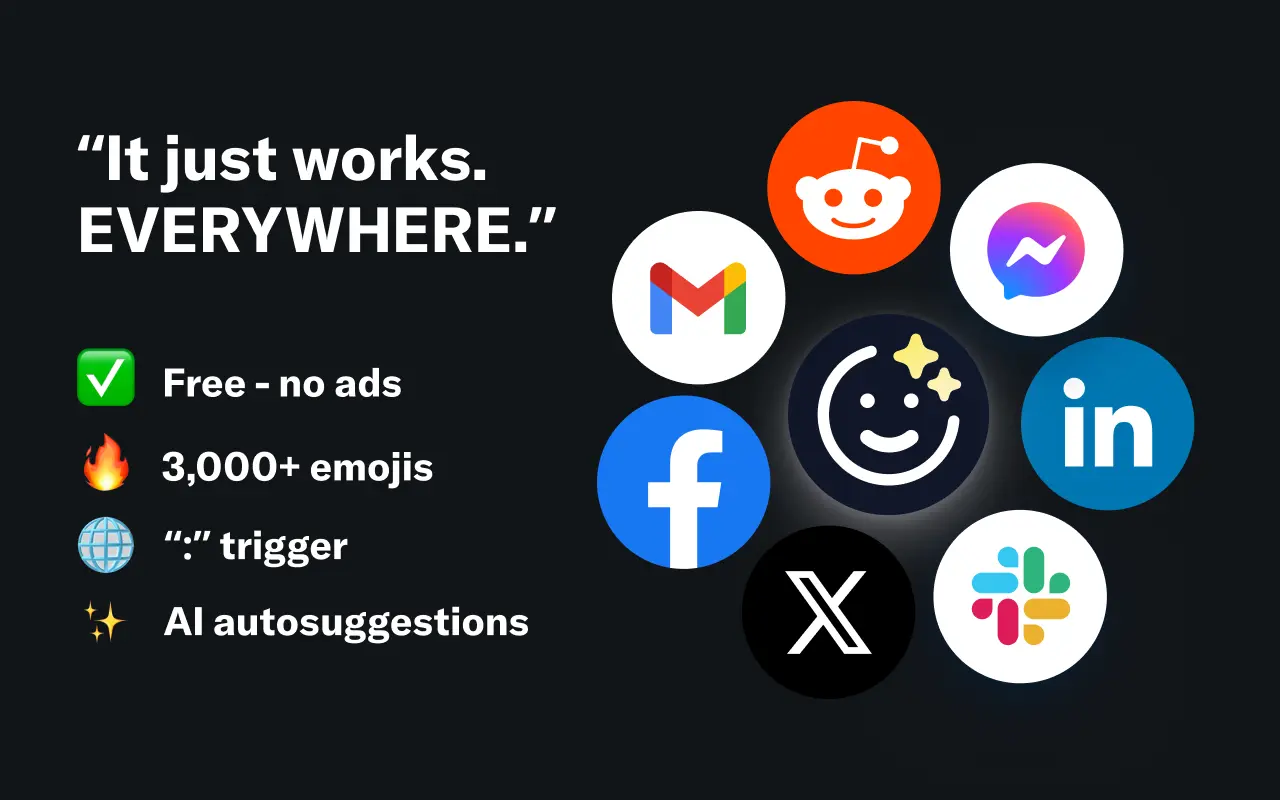
EmojAI
AI-powered emoji picker with smart, context-aware suggestions 🤖
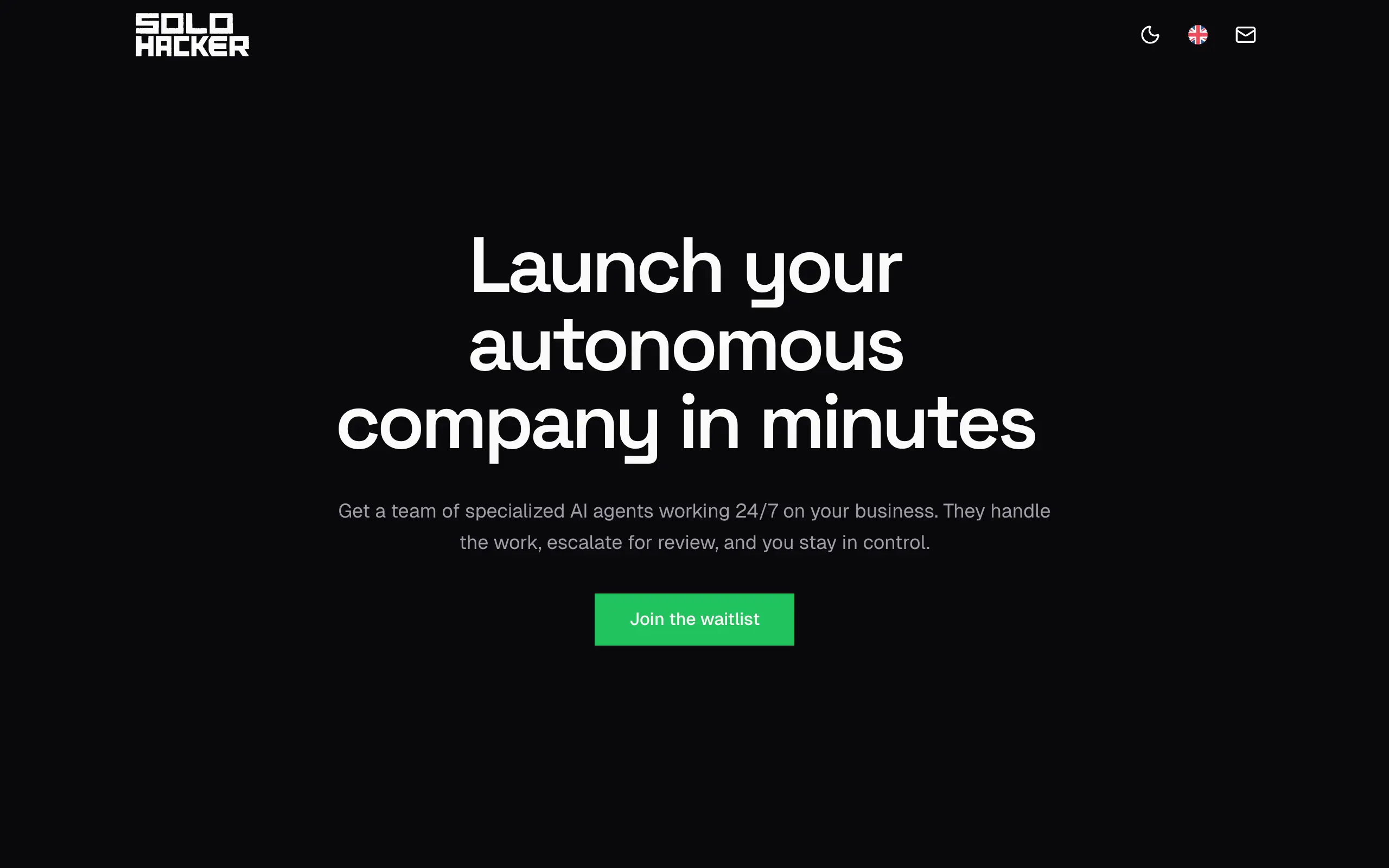
Solohacker
Autonomous company launcher - AI agents work 24/7, escalate what matters, and you stay in control 🤖
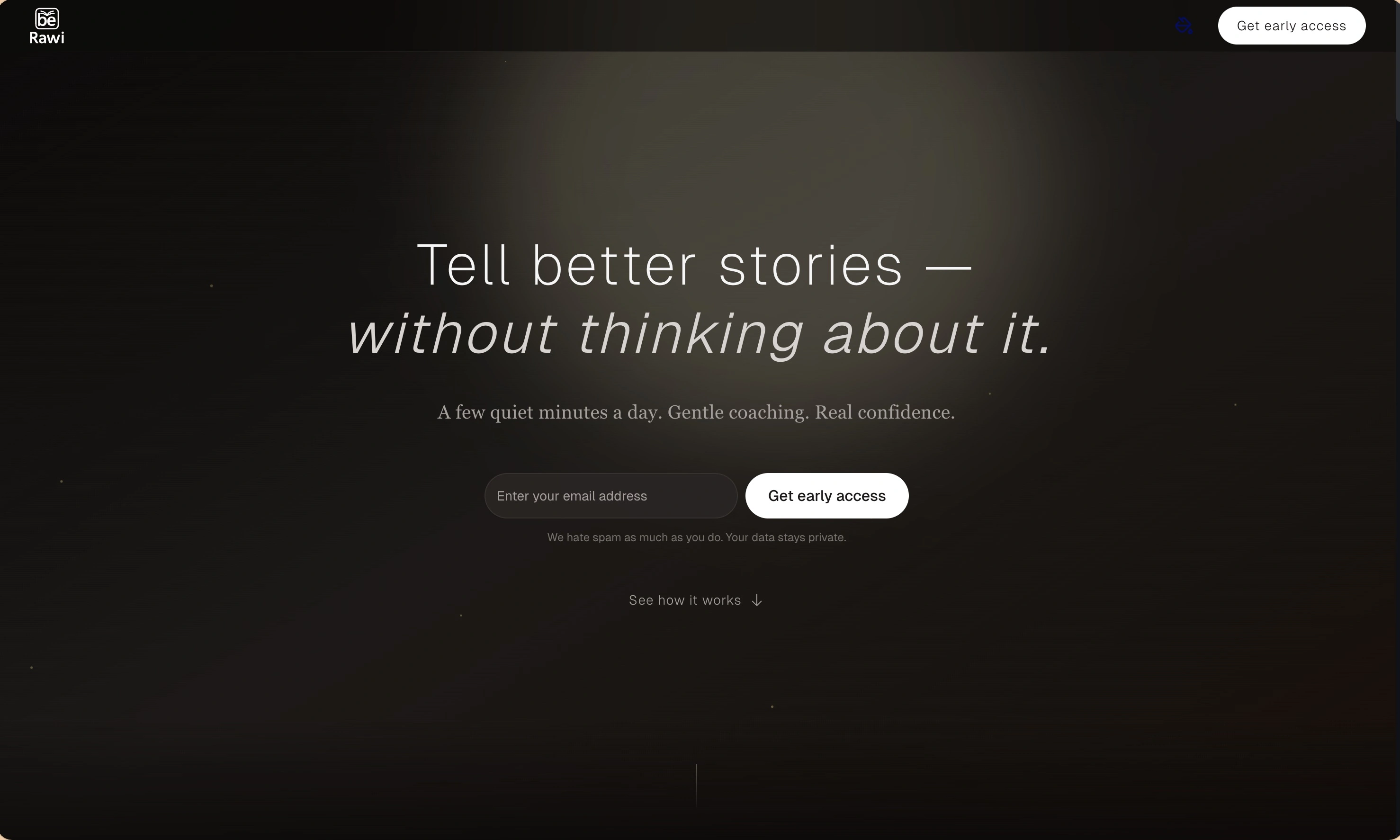
BeRawi: Storytelling Coach
Practice storytelling daily with instant feedback to sound clearer, more engaging, and confident 🎤
Omichat
Chat with 50+ AI models, including ChatGPT and Claude, in one place - switch models anytime without losing context 🤖
Claude Fast
Supercharge your Claude Code with 6x effective context window and specialized AI agents 🤖
EmojAI
AI-powered emoji picker with smart, context-aware suggestions 🤖
Solohacker
Autonomous company launcher - AI agents work 24/7, escalate what matters, and you stay in control 🤖
BeRawi: Storytelling Coach
Practice storytelling daily with instant feedback to sound clearer, more engaging, and confident 🎤
Omichat
Chat with 50+ AI models, including ChatGPT and Claude, in one place - switch models anytime without losing context 🤖
Claude Fast
Supercharge your Claude Code with 6x effective context window and specialized AI agents 🤖
EmojAI
AI-powered emoji picker with smart, context-aware suggestions 🤖
Solohacker
Autonomous company launcher - AI agents work 24/7, escalate what matters, and you stay in control 🤖
BeRawi: Storytelling Coach
Practice storytelling daily with instant feedback to sound clearer, more engaging, and confident 🎤
Omichat
Chat with 50+ AI models, including ChatGPT and Claude, in one place - switch models anytime without losing context 🤖
Claude Fast
Supercharge your Claude Code with 6x effective context window and specialized AI agents 🤖
EmojAI
AI-powered emoji picker with smart, context-aware suggestions 🤖
Solohacker
Autonomous company launcher - AI agents work 24/7, escalate what matters, and you stay in control 🤖
BeRawi: Storytelling Coach
Practice storytelling daily with instant feedback to sound clearer, more engaging, and confident 🎤

Connect with like-minded people
Join our community to get feedback, support, and grow together with 1,000+ builders on board, let's ship it!
Join usShip your startup everywhere. In minutes.
Don't burn tokens on setup and start building features on day one.