FeelFuel Planner
Tracks daily emotions and suggests balanced meals using mood-linked nutrition science, turning emotional eating into a structured, healthy habit.
Understanding the rise of mood-based nutrition apps
The intersection of mental health and nutrition is no longer niche—it’s a rapidly growing category in digital health. Users are increasingly searching for ways to understand emotional eating, improve mood through diet, and build sustainable habits without restrictive plans.
This is where a mood-based meal planning app like FeelFuel Planner stands out.
FeelFuel Planner is positioned as a mobile SaaS platform that tracks daily emotions and recommends meals based on mood-linked nutrition science. Instead of treating emotional eating as a problem to eliminate, it reframes it into a structured, healthy system.
That shift aligns perfectly with modern user intent:
- People don’t want rigid diets
- They want personalized, adaptive wellness tools
- They care about mental health as much as physical health
This article explores the full strategic, technical, and market breakdown of building and scaling a product like FeelFuel Planner.
What is FeelFuel Planner?
FeelFuel Planner is a mobile-first emotional wellness and nutrition SaaS app that:
- Tracks user emotions daily
- Identifies emotional eating patterns
- Recommends meals based on mood and nutritional science
- Builds long-term healthy eating habits tied to emotional awareness
At its core, it combines:
- Mood tracking apps (like Daylio)
- Meal planning apps (like MyFitnessPal)
- Behavioral psychology principles
But its key innovation lies in connecting how you feel → what you eat → how that impacts your mood next.
Why emotional eating is a massive market opportunity
The behavioral gap in traditional nutrition apps
Most nutrition apps fail because they assume:
Eating is purely rational.
In reality, eating is emotional, habitual, and contextual.
Common gaps in existing tools:
- Calorie tracking is tedious and guilt-driven
- Meal plans are rigid and not adaptive
- No integration of emotional triggers
- Lack of behavioral feedback loops
FeelFuel Planner directly addresses these gaps.
Market trends driving demand
Several macro trends validate this idea:
-
Mental health awareness is rising globally
-
The global wellness market exceeds $5 trillion (source: Global Wellness Institute)
-
Increasing search interest in:
- "emotional eating help"
- "foods that improve mood"
- "nutrition for anxiety and depression"
-
Growth of biohacking and personalized health apps
-
Shift toward preventive healthcare
Key insight
Users don’t just want to track calories—they want to understand why they eat and how to feel better.
Target audience analysis
Primary users
FeelFuel Planner targets emotionally aware, health-conscious users who want structure without restriction.
1. Emotional eaters seeking control
- Age: 18–45
- Pain point: Eating due to stress, boredom, or anxiety
- Goal: Replace guilt with understanding and control
2. Mental wellness enthusiasts
- Already using meditation or journaling apps
- Interested in holistic health approaches
- Open to science-backed recommendations
3. Busy professionals
- Need quick, actionable suggestions
- Want minimal cognitive load
- Prefer automation over manual tracking
Secondary audiences
- Nutritionists and therapists (as a companion tool)
- Fitness users tired of strict calorie counting
- People recovering from disordered eating patterns (non-clinical support)
Core features of a mood-based meal planning app
1. Daily mood tracking system
Users log emotions using:
- Simple sliders or emojis
- Tags (stress, happy, tired, anxious)
Enhancements:
- Voice input
- AI-assisted mood detection from text
- Wearable integrations (heart rate variability, sleep data)
2. Mood-to-nutrition recommendation engine
This is the core differentiator.
Example logic:
- Stress → magnesium-rich foods (spinach, nuts)
- Fatigue → iron + protein meals
- Anxiety → low-caffeine, complex carbs
- Low mood → omega-3 + vitamin D foods
Smart suggestions
Meals dynamically adapt based on emotional patterns, not just preferences.
Behavioral feedback
Users learn how food affects mood over time.
Personalization
Recommendations evolve with user history.
3. Emotional eating pattern detection
The system identifies:
- Late-night stress eating
- Weekend binge patterns
- Work-related triggers
Outputs:
- Weekly emotional eating reports
- Trigger insights
- Habit suggestions
4. Meal planning and grocery integration
Features:
- Weekly meal plans based on mood trends
- Auto-generated grocery lists
- Integration with grocery delivery APIs (optional)
5. Feedback loop dashboard
A powerful retention driver:
- Mood vs food correlation graphs
- Improvement tracking over time
- Habit streaks (non-gamified or lightly gamified)
How FeelFuel Planner works (user flow)
Recommended tech stack for building FeelFuel Planner
Mobile app development
- React Native — cross-platform efficiency
- Alternatively: Swift (iOS) + Kotlin (Android) for performance-heavy features
Backend and AI logic
- Node.js (scalable API layer)
- Python (for recommendation engine and ML models)
Possible frameworks:
- FastAPI (ML services)
- Express.js (API gateway)
Database
- PostgreSQL — structured user data
- MongoDB — flexible mood logs and events
- Redis — caching recommendations
AI & personalization layer
- Rule-based system initially (faster MVP)
- Transition to ML models:
- Collaborative filtering
- Reinforcement learning for habit optimization
Infrastructure
- AWS or GCP
- Firebase (for real-time features and auth)
SaaS acceleration
Use tools like TurboStarter to:
- Bootstrap authentication
- Handle billing systems
- Speed up MVP launch
Sample mood-to-meal recommendation logic
type Mood = "stress" | "fatigue" | "anxiety" | "low_mood";

const moodNutritionMap: Record<Mood, string[]> = {
  stress: ["spinach salad", "almonds", "dark chocolate"],
  fatigue: ["lentil soup", "eggs", "quinoa bowl"],
  anxiety: ["oatmeal", "banana smoothie", "herbal tea"],
  low_mood: ["salmon", "avocado toast", "walnuts"]
};

function getMealSuggestions(mood: Mood): string[] {
  return moodNutritionMap[mood] || [];
}
Monetization strategy
Freemium model (recommended)
Free tier:
- Basic mood tracking
- Limited meal suggestions
Premium tier:
- Advanced insights
- Personalized meal plans
- AI-driven recommendations
- Integration with wearables
Additional revenue streams
- In-app purchases (custom plans)
- Nutritionist partnerships
- Affiliate grocery integrations
- Corporate wellness programs
Competitive landscape analysis
Focuses on calorie tracking but lacks emotional context.
Includes psychology but is coaching-heavy and expensive.
Tracks mood but doesn’t connect it to nutrition.
Competitive advantage of FeelFuel Planner
The biggest differentiator is the closed feedback loop between emotions, food, and outcomes.
| Feature | FeelFuel Planner | Traditional Apps |
|---|---|---|
| Mood tracking | ✅ | ❌ |
| Nutrition personalization | ✅ | ✅ |
| Emotional insights | ✅ | ❌ |
| Behavioral feedback loop | ✅ | ❌ |
| Adaptive meal planning | ✅ | ❌ |
Risks and challenges (and how to mitigate them)
1. Scientific accuracy concerns
Risk: Users may question nutrition advice validity.
Mitigation:
- Base recommendations on peer-reviewed research
- Collaborate with certified nutritionists
- Provide transparent explanations
2. User retention
Risk: Users drop off after initial novelty.
Mitigation:
- Daily micro-interactions (quick logging)
- Visible progress tracking
- Personalized nudges
3. Data sensitivity
Risk: Handling emotional and health data.
Mitigation:
- GDPR/HIPAA compliance where applicable
- Strong encryption
- Transparent privacy policies
4. Overcomplication
Risk: Too many features overwhelm users.
Mitigation:
- Start with a simple MVP
- Focus on core loop: mood → suggestion → feedback
Go-to-market strategy
Phase 1: Validation
- Launch landing page
- Offer early access
- Collect user interviews
Phase 2: MVP launch
- Target niche communities:
- Reddit (r/emotionaleating, r/nutrition)
- Mental health forums
- Wellness influencers
Phase 3: Growth
- Content marketing (SEO blog)
- App Store optimization
- TikTok/Instagram short-form content
SEO strategy for FeelFuel Planner
Target keywords:
- mood based meal planner
- emotional eating app
- nutrition for mental health
- foods that improve mood
- mood tracking and diet app
Content ideas:
- “What to eat when you feel anxious”
- “How food affects your mood scientifically”
- “Best diets for mental health”
Step-by-step implementation plan
Future expansion opportunities
- Integration with wearable devices
- AI health coach chatbot
- Clinical partnerships (therapy + nutrition)
- Global food personalization
- Voice-based journaling
Why FeelFuel Planner can win
FeelFuel Planner succeeds because it aligns with a powerful truth:
People don’t just eat for fuel—they eat for comfort, relief, and emotional balance.
By embracing that instead of fighting it, the app:
- Feels empathetic, not restrictive
- Builds long-term habits
- Creates a strong emotional connection with users
Final thoughts and execution roadmap
Building a mood-based nutrition SaaS app like FeelFuel Planner is not just viable—it’s timely.
The key to success lies in:
- Simplicity over complexity
- Personalization over generic advice
- Emotional intelligence over rigid tracking
If executed well, this product can sit at the intersection of:
- Health tech
- Mental wellness
- Personalized AI
And that’s a powerful place to be.
Ready to build your SaaS faster?
Instead of starting from scratch, accelerate your development with proven systems.
Explore tools like TurboStarter to quickly launch your MVP, handle infrastructure, and focus on what really matters—building a product users love.
More 📱 Mobile App SaaS ideas
Discover more innovative mobile app SaaS ideas that are trending in 2026. Each idea is AI-generated with market validation and growth potential to help you find your next profitable venture faster than competitors.
Your competitors are building with TurboStarter
Below are some of the SaaS ideas that have been generated and built with our starter kit.
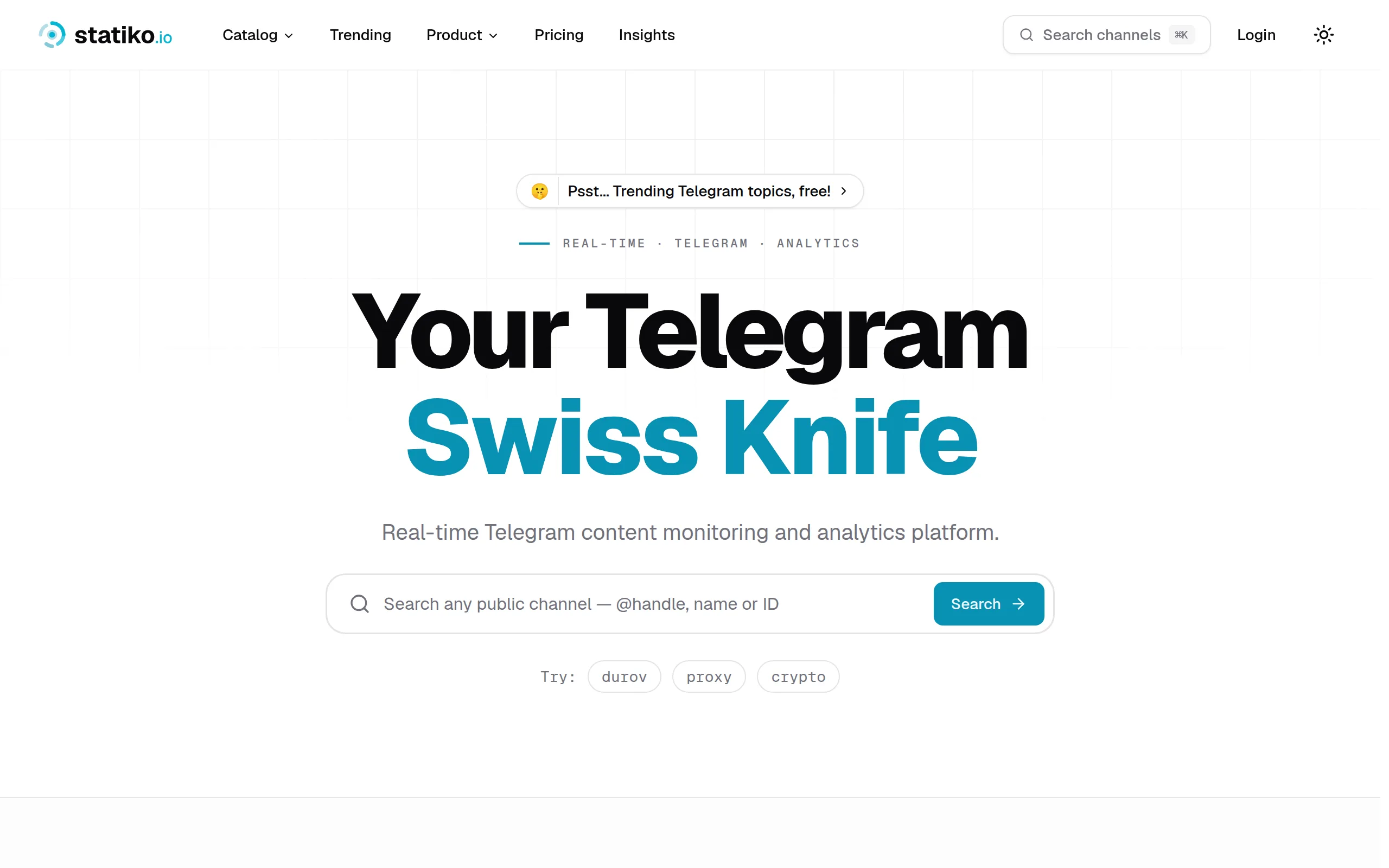
Statiko
Monitor any Telegram channel in real time - track posts, edits, deletions, and growth with AI recaps 📡

Shibui
AI website builder - describe your business, pick a niche template, edit by chatting, and publish instantly ✨

Pro Service
Find verified home service professionals, compare quotes, and pay securely through escrow - built for Brazilians across the US 🏠
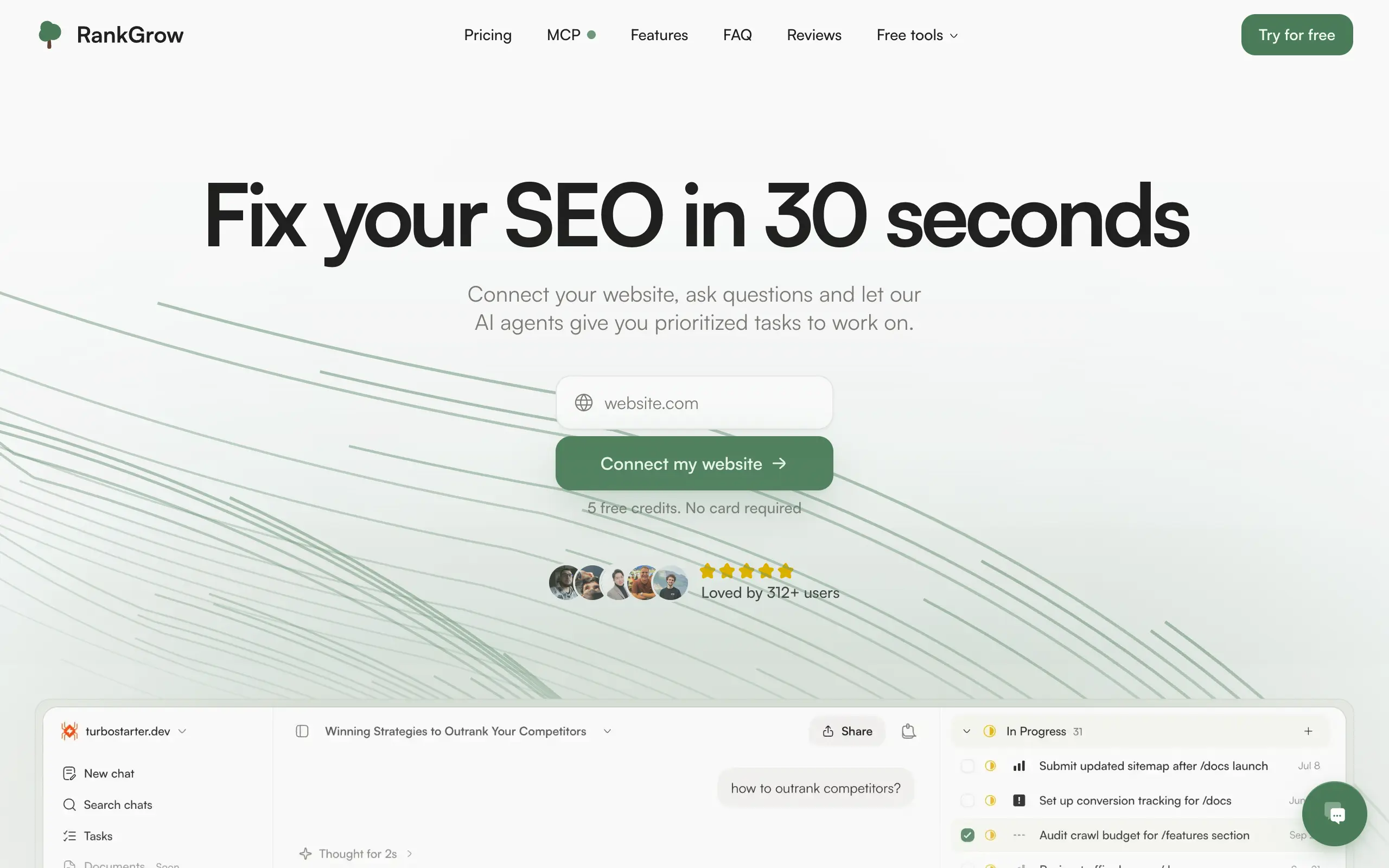
RankGrow
Fix your SEO with AI agents - connect Search Console, get prioritized tasks, and grow organic traffic 📈
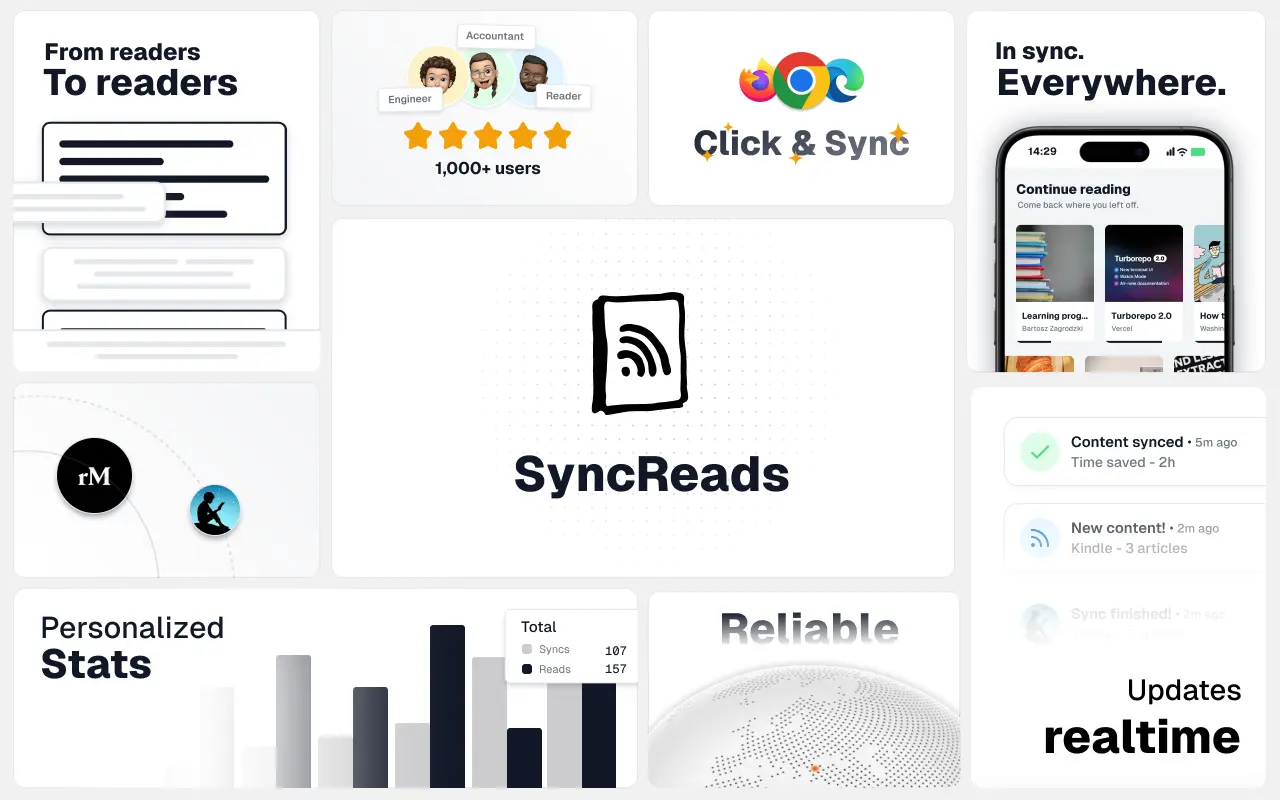
SyncReads
Sync your favorite content for distraction-free reading, save time and replace multiple apps. Anytime, anywhere 🔄
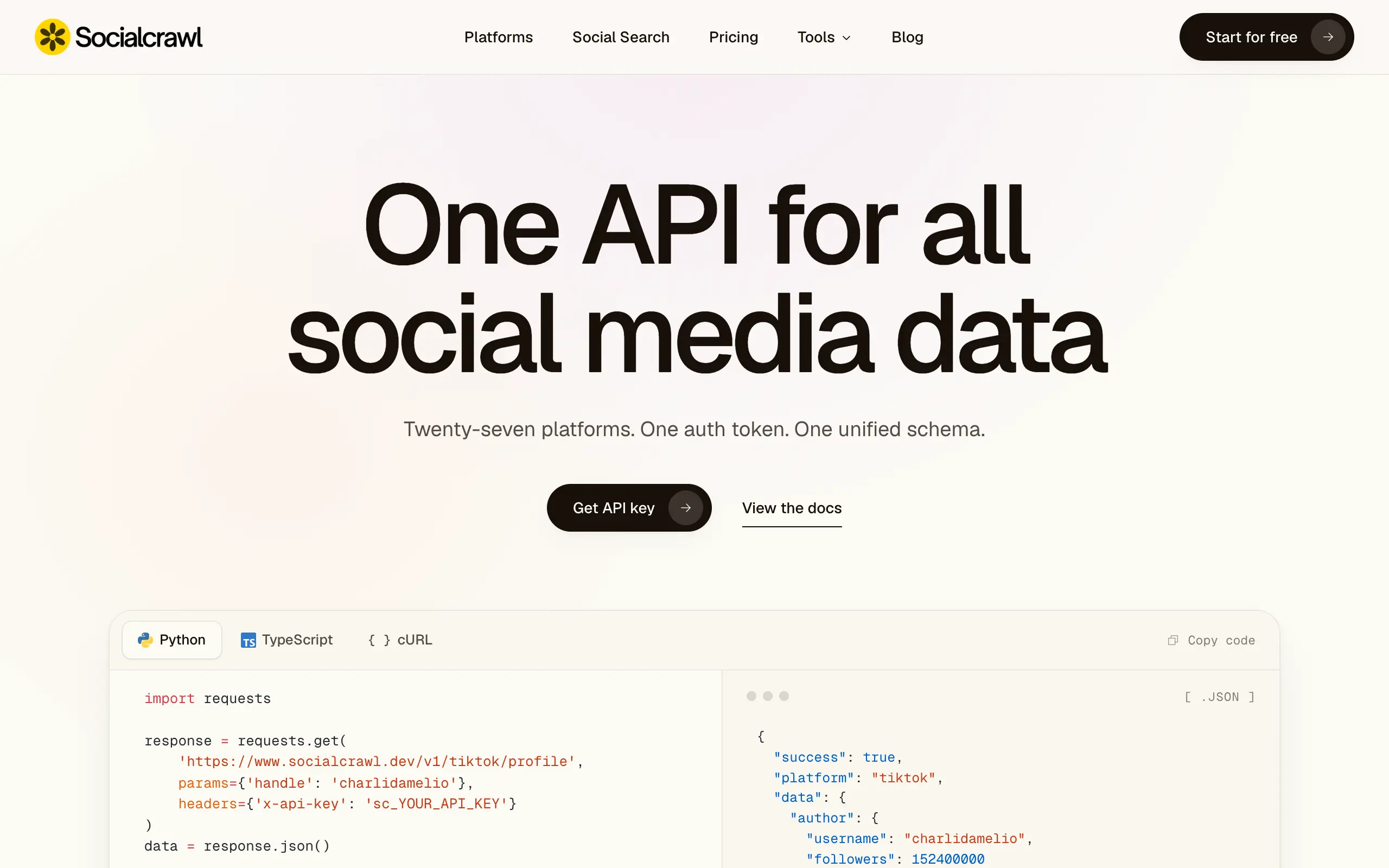
Socialcrawl
Get clean, structured data from 21 platforms like TikTok, Instagram, and YouTube with a single request 📊
Statiko
Monitor any Telegram channel in real time - track posts, edits, deletions, and growth with AI recaps 📡
Shibui
AI website builder - describe your business, pick a niche template, edit by chatting, and publish instantly ✨
Pro Service
Find verified home service professionals, compare quotes, and pay securely through escrow - built for Brazilians across the US 🏠
RankGrow
Fix your SEO with AI agents - connect Search Console, get prioritized tasks, and grow organic traffic 📈
SyncReads
Sync your favorite content for distraction-free reading, save time and replace multiple apps. Anytime, anywhere 🔄
Socialcrawl
Get clean, structured data from 21 platforms like TikTok, Instagram, and YouTube with a single request 📊
Statiko
Monitor any Telegram channel in real time - track posts, edits, deletions, and growth with AI recaps 📡
Shibui
AI website builder - describe your business, pick a niche template, edit by chatting, and publish instantly ✨
Pro Service
Find verified home service professionals, compare quotes, and pay securely through escrow - built for Brazilians across the US 🏠
RankGrow
Fix your SEO with AI agents - connect Search Console, get prioritized tasks, and grow organic traffic 📈
SyncReads
Sync your favorite content for distraction-free reading, save time and replace multiple apps. Anytime, anywhere 🔄
Socialcrawl
Get clean, structured data from 21 platforms like TikTok, Instagram, and YouTube with a single request 📊
Statiko
Monitor any Telegram channel in real time - track posts, edits, deletions, and growth with AI recaps 📡
Shibui
AI website builder - describe your business, pick a niche template, edit by chatting, and publish instantly ✨
Pro Service
Find verified home service professionals, compare quotes, and pay securely through escrow - built for Brazilians across the US 🏠
RankGrow
Fix your SEO with AI agents - connect Search Console, get prioritized tasks, and grow organic traffic 📈
SyncReads
Sync your favorite content for distraction-free reading, save time and replace multiple apps. Anytime, anywhere 🔄
Socialcrawl
Get clean, structured data from 21 platforms like TikTok, Instagram, and YouTube with a single request 📊
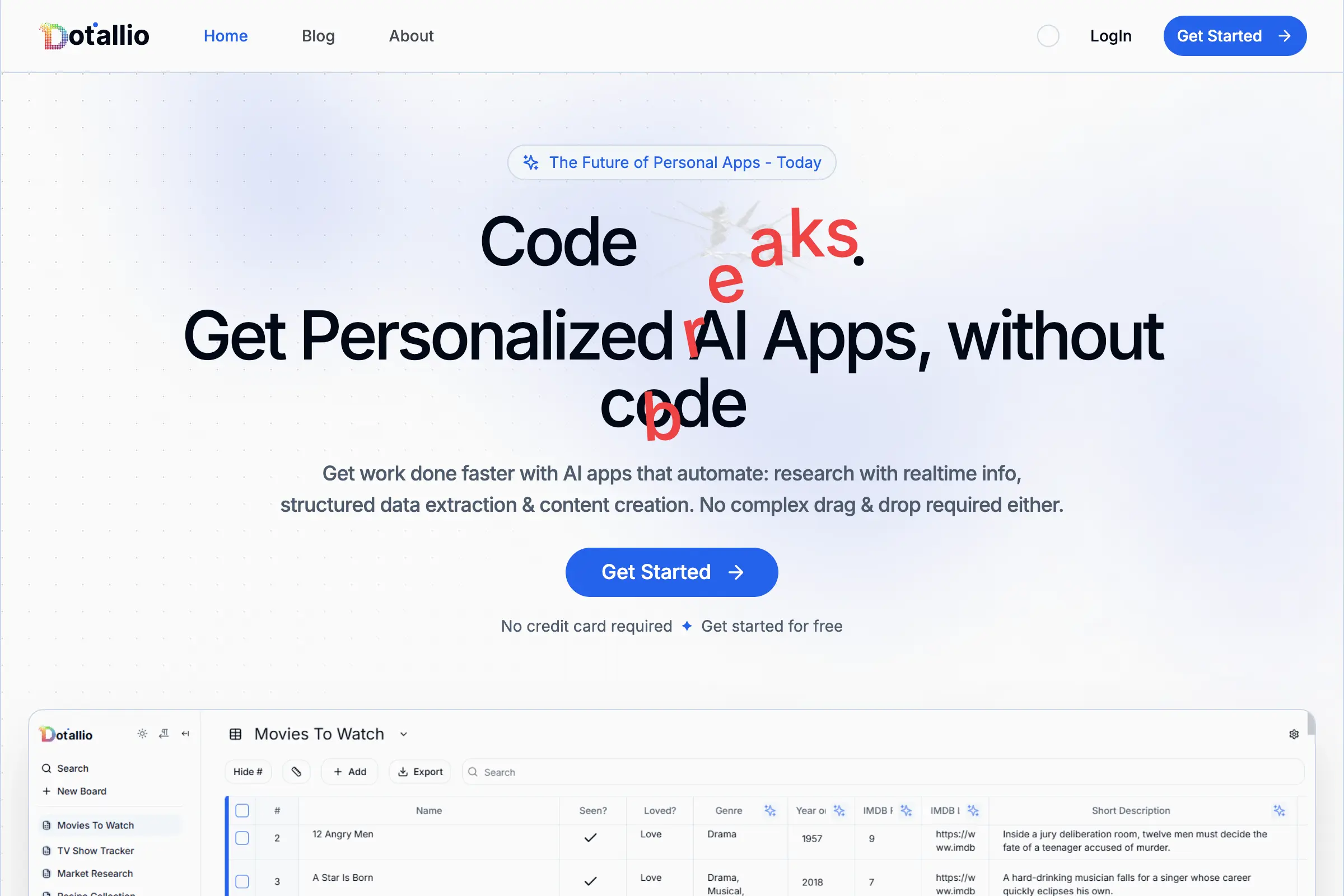
Dotallio
Personalized AI apps that automate research, data extraction, and content creation without code 🤖
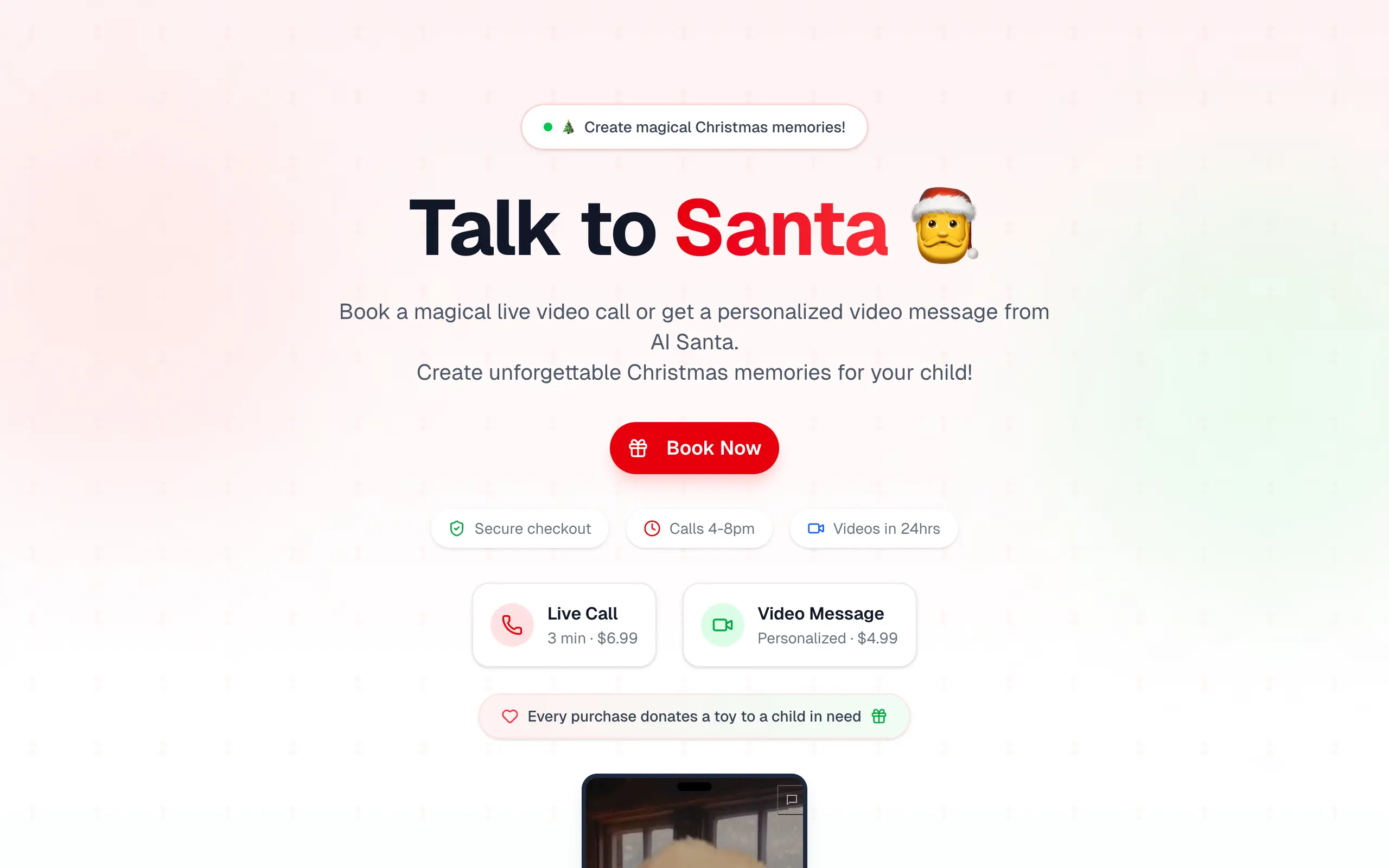
Talk to Santa
Enjoy a magical live video chat or receive a unique AI-generated video greeting from Santa Claus 🎅
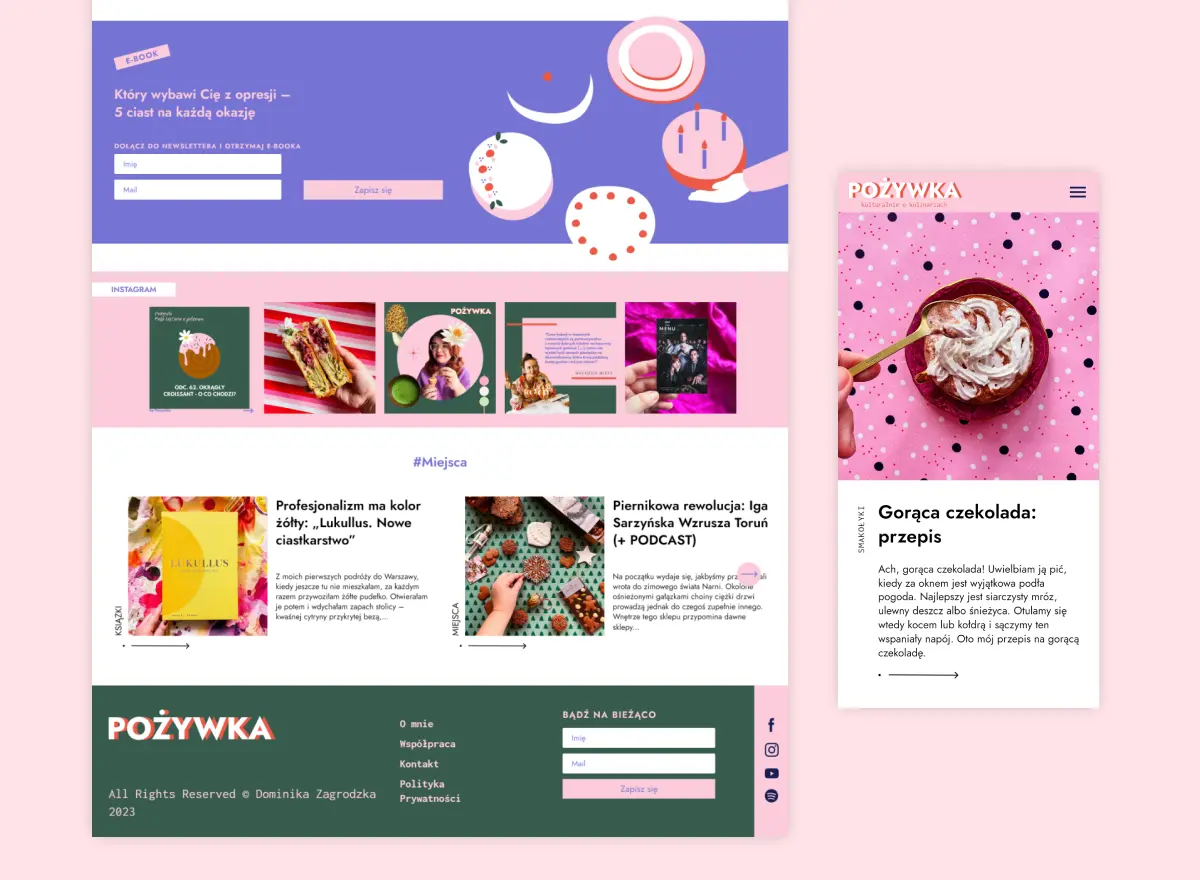
pozywka.pl
Scalable blog for food journalist, focused on performance and user experience 🌭
zagrodzki.me
Personal blog and portfolio of Bart Zagrodzki, where he shares his knowledge and work 💼
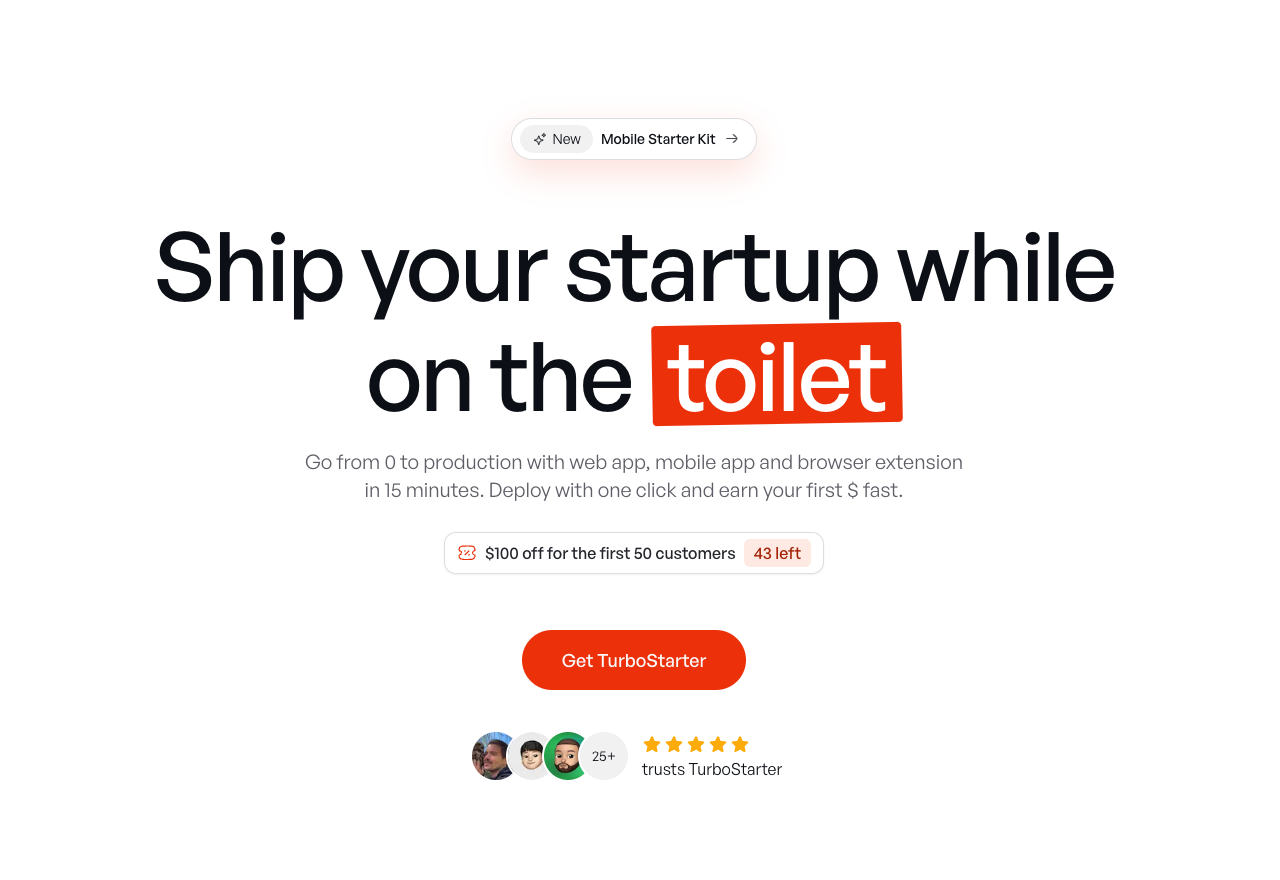
TurboStarter
Ship your startup everywhere. In minutes.
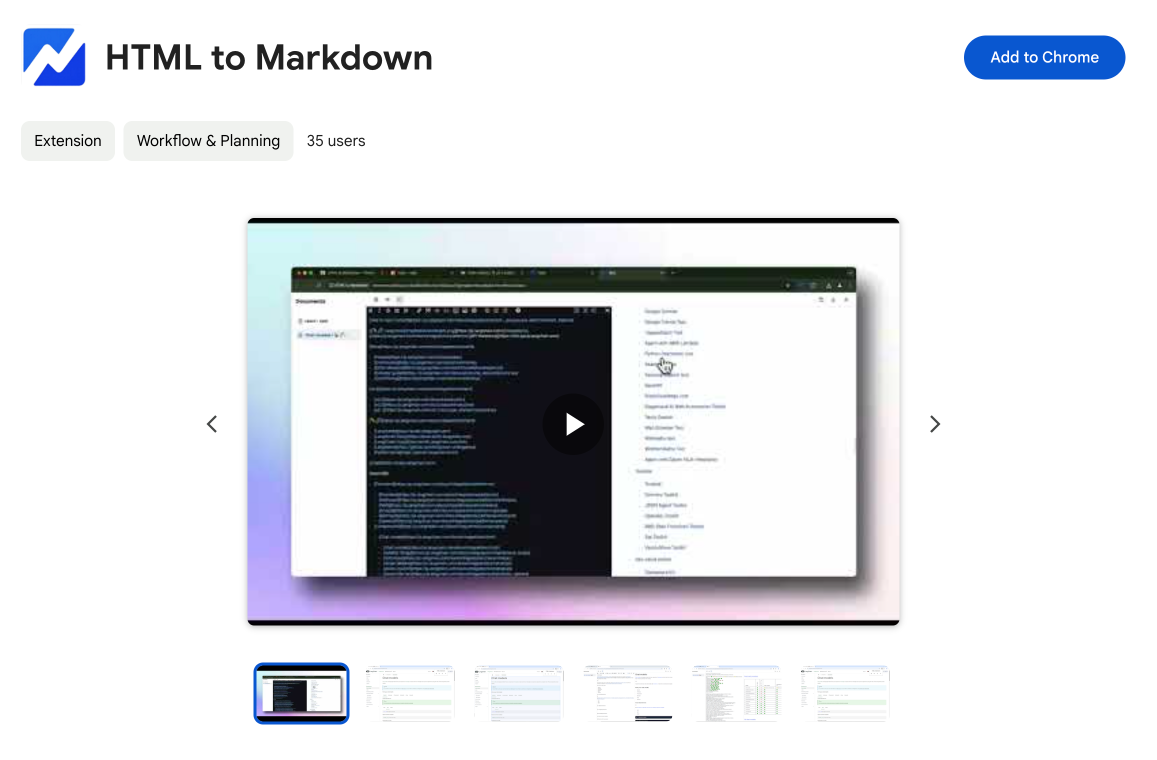
HTML to Markdown
Convert HTML to Markdown with ease, directly in your browser 📄
Dotallio
Personalized AI apps that automate research, data extraction, and content creation without code 🤖
Talk to Santa
Enjoy a magical live video chat or receive a unique AI-generated video greeting from Santa Claus 🎅
pozywka.pl
Scalable blog for food journalist, focused on performance and user experience 🌭
zagrodzki.me
Personal blog and portfolio of Bart Zagrodzki, where he shares his knowledge and work 💼
TurboStarter
Ship your startup everywhere. In minutes.
HTML to Markdown
Convert HTML to Markdown with ease, directly in your browser 📄
Dotallio
Personalized AI apps that automate research, data extraction, and content creation without code 🤖
Talk to Santa
Enjoy a magical live video chat or receive a unique AI-generated video greeting from Santa Claus 🎅
pozywka.pl
Scalable blog for food journalist, focused on performance and user experience 🌭
zagrodzki.me
Personal blog and portfolio of Bart Zagrodzki, where he shares his knowledge and work 💼
TurboStarter
Ship your startup everywhere. In minutes.
HTML to Markdown
Convert HTML to Markdown with ease, directly in your browser 📄
Dotallio
Personalized AI apps that automate research, data extraction, and content creation without code 🤖
Talk to Santa
Enjoy a magical live video chat or receive a unique AI-generated video greeting from Santa Claus 🎅
pozywka.pl
Scalable blog for food journalist, focused on performance and user experience 🌭
zagrodzki.me
Personal blog and portfolio of Bart Zagrodzki, where he shares his knowledge and work 💼
TurboStarter
Ship your startup everywhere. In minutes.
HTML to Markdown
Convert HTML to Markdown with ease, directly in your browser 📄
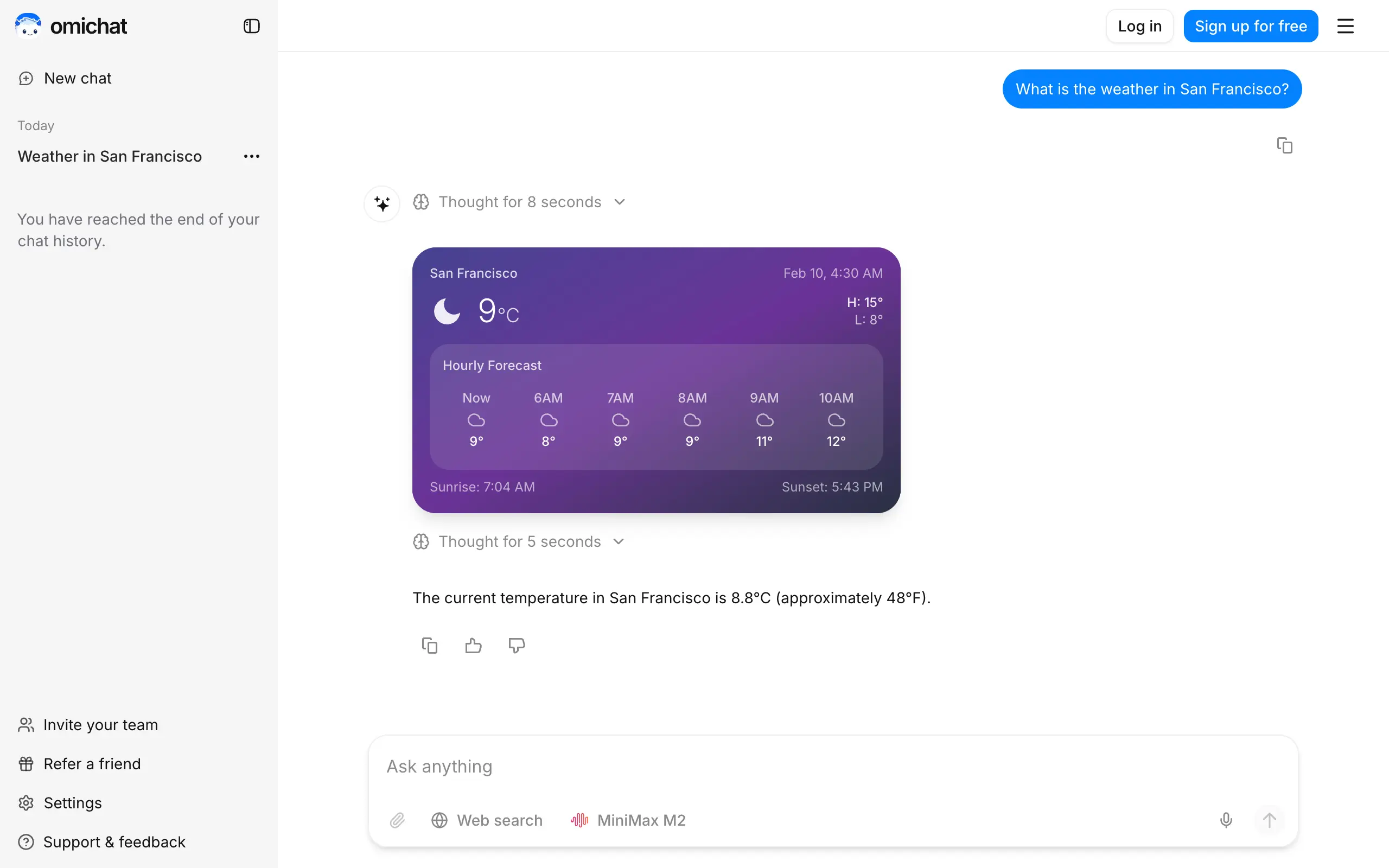
Omichat
Chat with 50+ AI models, including ChatGPT and Claude, in one place - switch models anytime without losing context 🤖
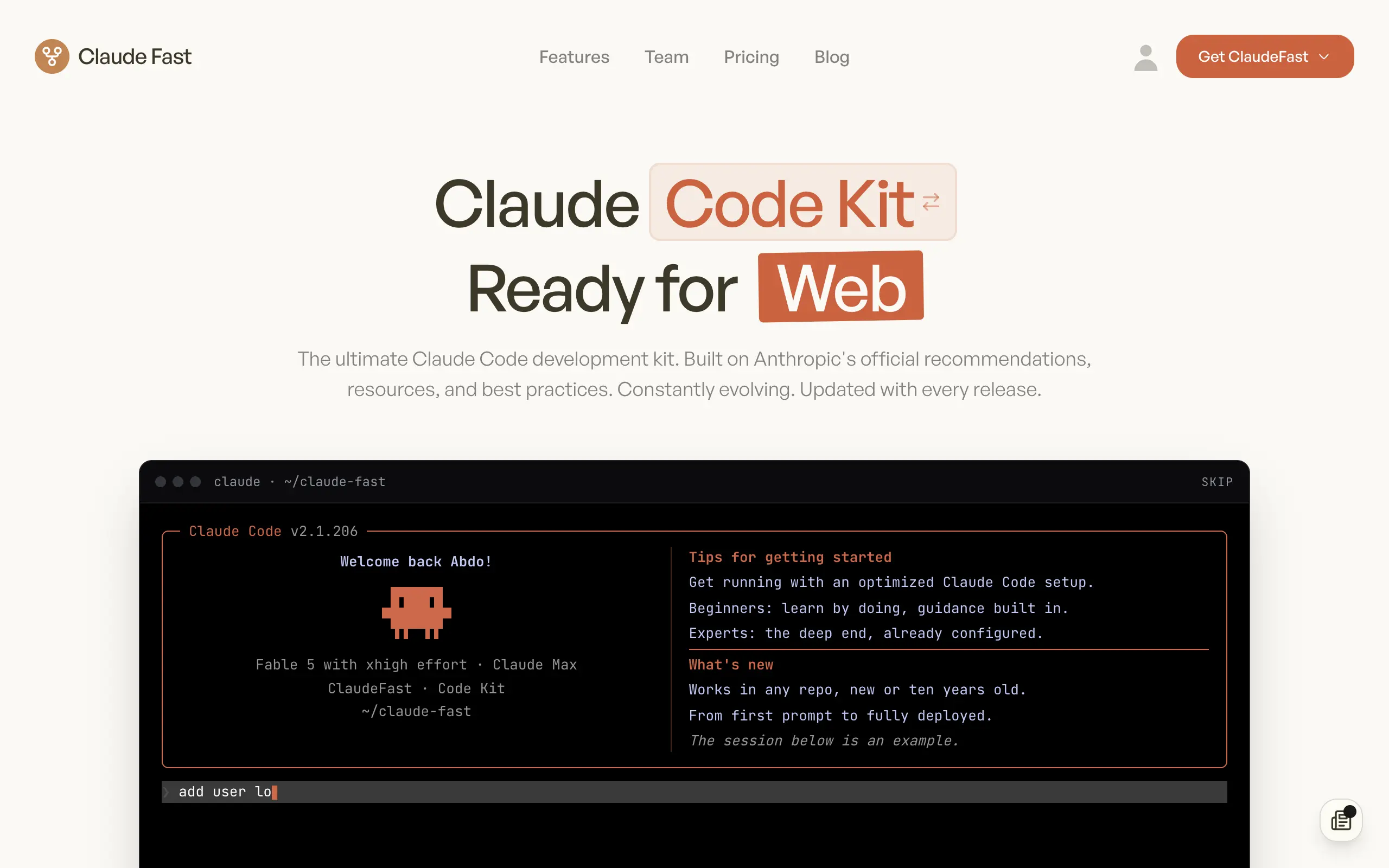
Claude Fast
Supercharge your Claude Code with 6x effective context window and specialized AI agents 🤖
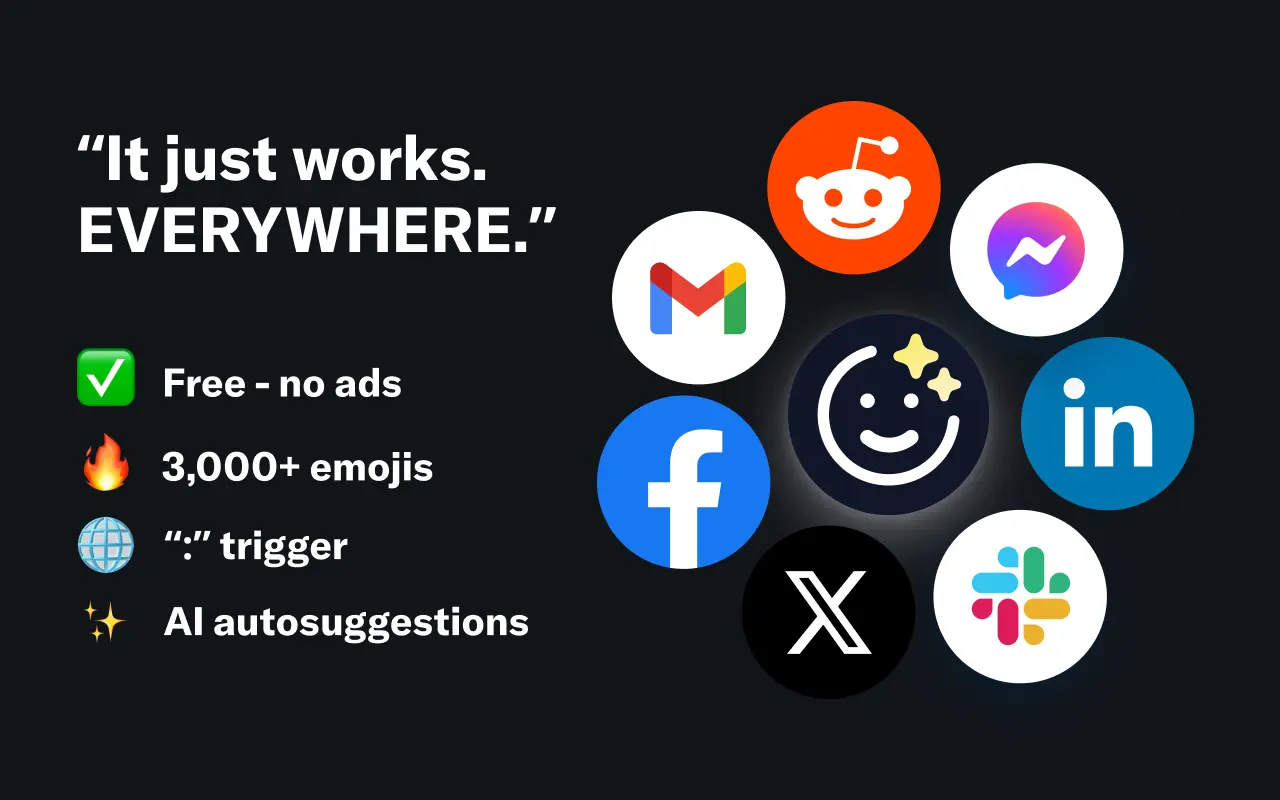
EmojAI
AI-powered emoji picker with smart, context-aware suggestions 🤖
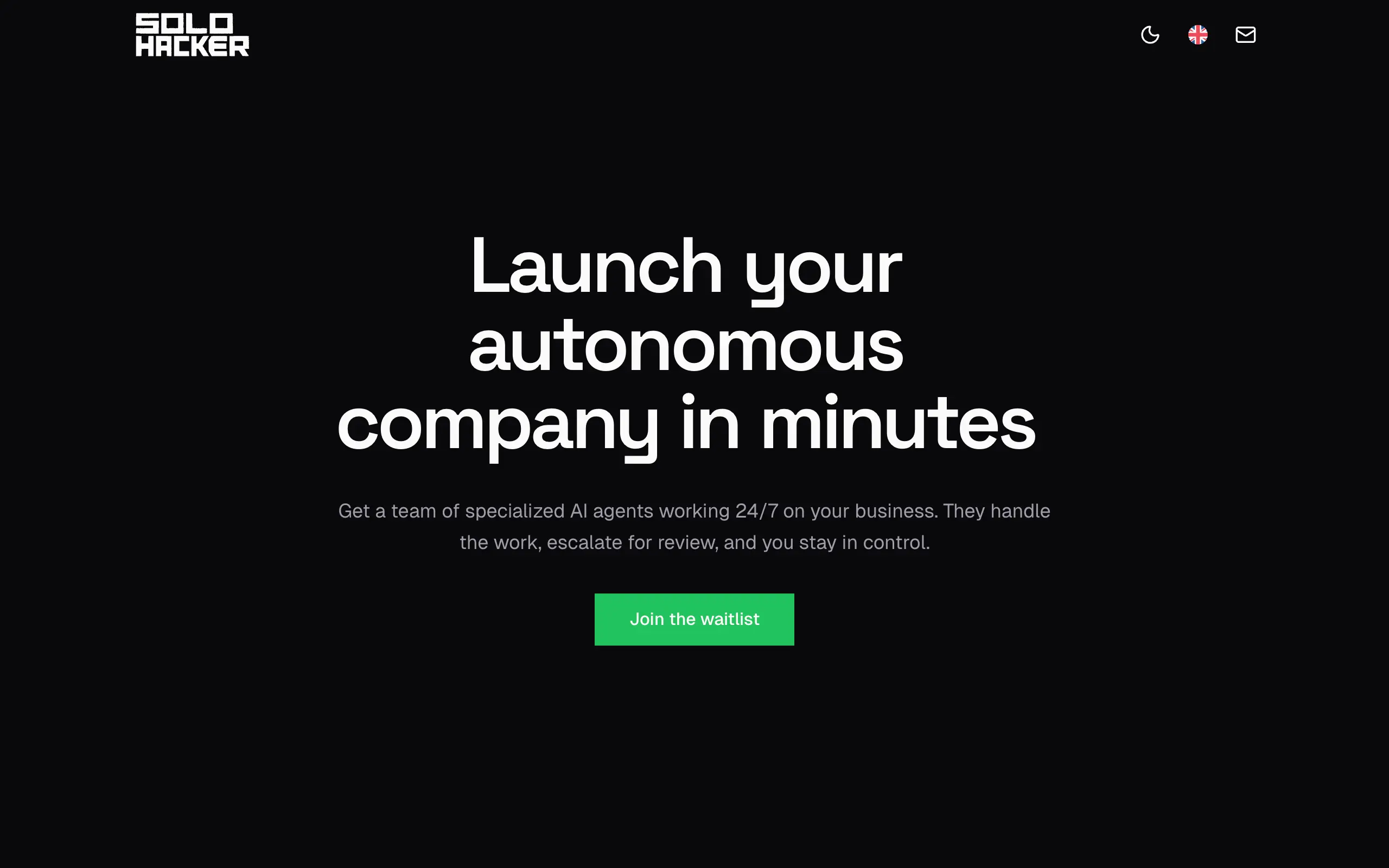
Solohacker
Autonomous company launcher - AI agents work 24/7, escalate what matters, and you stay in control 🤖
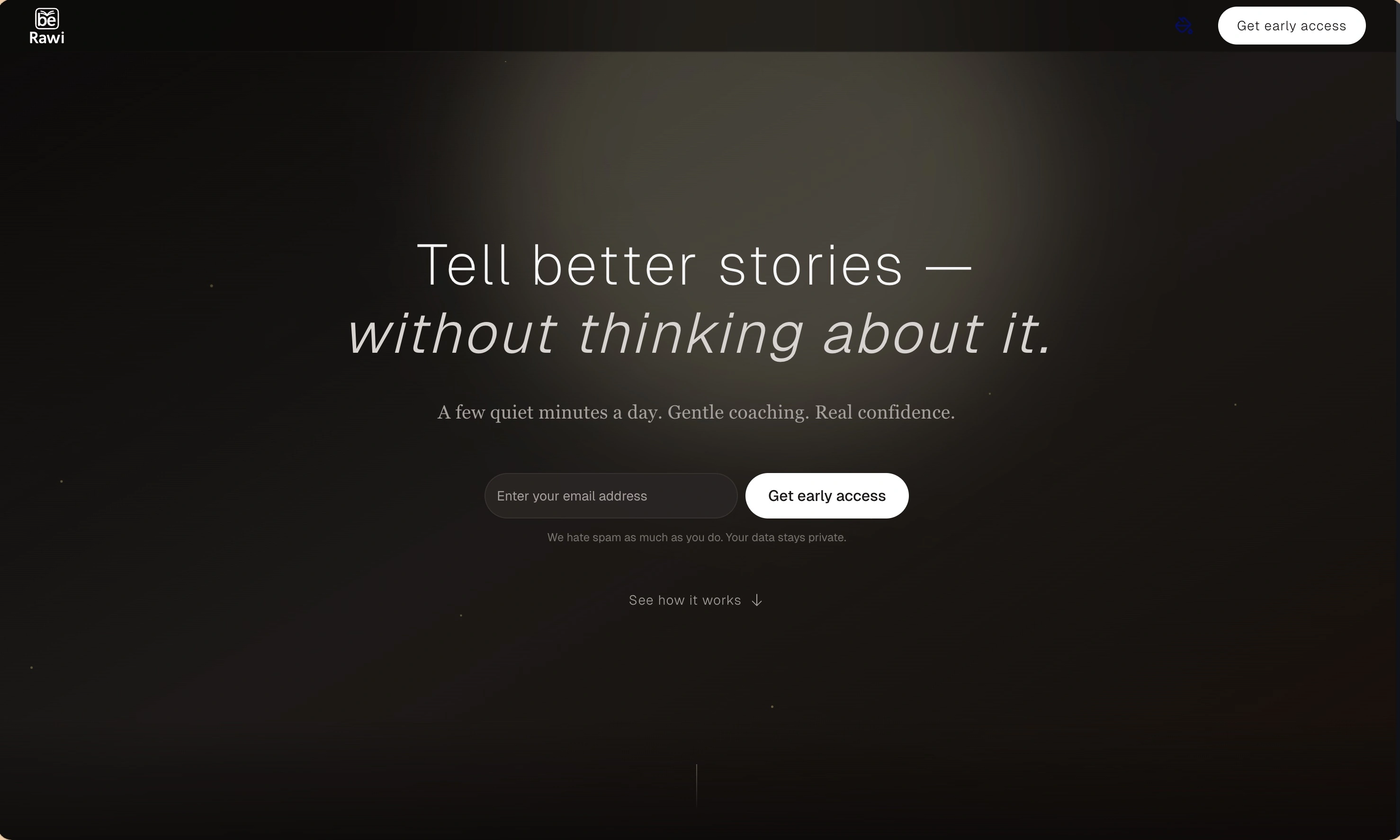
BeRawi: Storytelling Coach
Practice storytelling daily with instant feedback to sound clearer, more engaging, and confident 🎤
Omichat
Chat with 50+ AI models, including ChatGPT and Claude, in one place - switch models anytime without losing context 🤖
Claude Fast
Supercharge your Claude Code with 6x effective context window and specialized AI agents 🤖
EmojAI
AI-powered emoji picker with smart, context-aware suggestions 🤖
Solohacker
Autonomous company launcher - AI agents work 24/7, escalate what matters, and you stay in control 🤖
BeRawi: Storytelling Coach
Practice storytelling daily with instant feedback to sound clearer, more engaging, and confident 🎤
Omichat
Chat with 50+ AI models, including ChatGPT and Claude, in one place - switch models anytime without losing context 🤖
Claude Fast
Supercharge your Claude Code with 6x effective context window and specialized AI agents 🤖
EmojAI
AI-powered emoji picker with smart, context-aware suggestions 🤖
Solohacker
Autonomous company launcher - AI agents work 24/7, escalate what matters, and you stay in control 🤖
BeRawi: Storytelling Coach
Practice storytelling daily with instant feedback to sound clearer, more engaging, and confident 🎤
Omichat
Chat with 50+ AI models, including ChatGPT and Claude, in one place - switch models anytime without losing context 🤖
Claude Fast
Supercharge your Claude Code with 6x effective context window and specialized AI agents 🤖
EmojAI
AI-powered emoji picker with smart, context-aware suggestions 🤖
Solohacker
Autonomous company launcher - AI agents work 24/7, escalate what matters, and you stay in control 🤖
BeRawi: Storytelling Coach
Practice storytelling daily with instant feedback to sound clearer, more engaging, and confident 🎤

Connect with like-minded people
Join our community to get feedback, support, and grow together with 1,000+ builders on board, let's ship it!
Join usShip your startup everywhere. In minutes.
Don't burn tokens on setup and start building features on day one.