FitSync AI
A smart fitness companion that creates customized workout plans, tracks progress, and adapts routines using AI based on real-time feedback and wearable integration.
FitSync AI is an intelligent mobile SaaS platform designed to elevate the workout experience through deeply personalized fitness plans, adaptive AI coaching, and seamless integration with popular wearables. This comprehensive guide explores the market, audience, features, technology, monetization, and strategic advantages of launching a next-generation AI fitness companion in the ever-growing Health & Fitness SaaS domain.
Understanding the target audience for an AI-powered fitness companion
Grasping your target audience is crucial for designing FitSync AI to meet real-world needs and scaling sustainably within the digital fitness landscape. Let’s break down the user segments most likely to benefit from an AI-driven fitness app:
Primary user personas
- Fitness enthusiasts
Motivated gym-goers and hobby athletes seeking to optimize routines, monitor progress, and overcome plateaus with tailored plans. - Beginners and casual exercisers
Individuals new to fitness or inconsistent with routines, needing guidance, motivation, and simple feedback to build habits. - Busy professionals
People with limited time, looking for efficient, quick-start workouts and ongoing, personalized adjustments based on their schedule and health data. - Wearable users
Tech-adopters actively using devices from Apple, Fitbit, Garmin, Samsung, or Google, desiring more value from their real-time health data. - Coaches and personal trainers
Fitness professionals leveraging digital tools to scale client support, automate tracking, or refine program recommendations.
Key user motivations
- Accountability to stay consistent and measure progress meaningfully
- Desire for personalization without hiring an expensive trainer
- Frustration with generic fitness apps lacking adaptability
- Seeking actionable feedback, not just passive tracking
User pain points addressed
- Stale, repetitive workout routines
- Lack of real-time adaptation to changing fitness levels and goals
- Limited app integrations with their favorite wearables and platforms
- Overwhelm from complex or overly “one-size-fits-all” digital fitness experiences
Market opportunity and industry gap analysis
The global fitness app market is expected to exceed $30 billion by 2026 ([suggested source: Statista Global Fitness App Market]). Yet, a significant gap remains between static workout apps and truly adaptive, AI-personalized fitness solutions:
Current industry landscape
- The majority of fitness apps offer static libraries or templated plans
- Few competitors deeply integrate AI for adaptive programming based on real-time feedback
- Wearable integration is often limited to step counts or passive metrics, missing actionable guidance
Key market gaps FitSync AI addresses
1. Dynamic adaptability:
Most apps don’t auto-adjust workouts in real-time based on user performance, mood, or biometric changes—FitSync AI uses AI models to close this loop.
2. Seamless wearable integration:
Existing solutions often require manual syncing or miss out on real health metrics—FitSync AI pulls from leading wearable APIs for a 360° health picture.
3. Data-driven coaching:
There’s demand for actionable, personalized coaching without the premium cost of human trainers—AI allows for scalable, evidence-based guidance.
4. Retention & motivation tools:
Many apps struggle with long-term engagement. FitSync leverages adaptive routines, progress gamification, and personalized nudges to build stickiness.
Industry trend
The adoption of wearables and fitness trackers now exceeds 500 million active devices worldwide (suggested source: IDC 2023).
Core features and solution architecture for FitSync AI
Let’s explore how FitSync AI’s features deliver distinct value across user needs and industry gaps, ensuring the platform’s key differentiators shine.
Personalized, AI-driven workout plans
- Initial assessment via questionnaire, health metrics, and wearable data import
- Adaptive programming: Changes intensity, volume, and type of exercise based on daily feedback, sleep quality, heart rate, and readiness
- Goals-based customization: Fat loss, muscle gain, endurance, flexibility, or mixed objectives
Real-time progress tracking and feedback
- Automated performance logging using wearable input and manual entries
- Biometric monitoring: Heart rate variability (HRV), calories, steps, recovery, and more
- Instant AI insights: “Today’s performance was above your weekly average—let’s increase the challenge tomorrow!”
Seamless wearable/device integration
- Integrates with Apple Health, Fitbit, Garmin, Google Fit, and more
- Automatic data pulling: Syncs steps, calories, habits, and sleep data in real-time
Behavioral adaptation and habit-building
- Dynamic reminders and nudges based on user habits and drop-off risk
- Goal recalibration: If progress stalls, AI suggests alternatives or breaks down goals
- Gamification: Badges, streaks, progress charts keep users motivated
Progress visualization & reporting
- Intuitive dashboards: Charts and summaries of progress, habit scores, and biometric trends
- Downloadable reports: For users or coach review
Rich content and safe guidance
- AI chatbot support: Instant fitness Q&A, technique correction tips, and injury prevention advice
- Video library: Curated exercise demonstrations with form check info
Traditional apps provide static routines. FitSync AI uses AI models that learn from your wearable data, preferences, progress, and even feedback after each workout, crafting daily adjustments. This ensures faster progress and reduced injury risk by matching intensity to your unique readiness, not a generic schedule.
While AI delivers affordable, personalized plans and on-demand feedback, it augments rather than fully replaces the in-depth, nuanced support of a certified human coach. However, for the majority of users, this smart automation provides significant value at a lower price point.
Recommended tech stack: Building a scalable AI fitness companion
Choosing the optimal technology backbone for FitSync AI is essential for a smooth, real-time user experience and robust AI modeling. Let’s break down the core components and their merits:
Frontend (Mobile)
- React Native (React Native): Enables rapid, cross-platform mobile app development for iOS and Android
- Expo (Expo): Streamlines app building, deployment, OTA updates
- TailwindCSS (TailwindCSS): For consistent UI styling
Backend/API
- Node.js (Node.js) with Express: For REST/GraphQL APIs, flexible integrations with wearable APIs
- Python (Python): For AI/ML routines (model training, recommendations engine)
AI/ML
- TensorFlow.js (TensorFlow.js) or PyTorch (PyTorch) for adaptive AI modeling
- Integration with a scalable cloud AI service (Google Cloud AI, AWS SageMaker) for model deployment
Database
- PostgreSQL (PostgreSQL): Robust, scalable, reliable relational DB for user, workout, and device data
- Redis (Redis): For real-time session state and caching
Integrations
- OAuth2 for secure wearable API integrations (Apple, Fitbit, Garmin, Google Fit, etc.)
- Push notification services (Firebase Cloud Messaging)
Trade-offs to consider
- Native vs. cross-platform: React Native accelerates development and maintenance but may lag in some advanced device integrations (consider native modules if needed)
- Cloud AI vs. custom deployments: Managed cloud solutions (GCP, AWS) reduce ops overhead, but custom deployments can be more cost-effective at scale
| Ease of Integration | Development Speed | AI Flexibility | Cost | Community Support |
|---|---|---|---|---|
| ✅ | ❌ | ❌ | ✅ | ❌ |
| ✅ | ❌ | ✅ | ✅ | ❌ |
Monetization strategy options for an AI fitness companion
To sustain and scale FitSync AI, a carefully crafted monetization plan is essential. The most effective models for mobile fitness apps that leverage AI include:
1. Freemium subscription (primary strategy)
- Free tier: Access to core workouts, progress tracking, 1 wearable integration
- Premium (monthly/annual):
- Full AI personalization and adaptation
- Unlimited device integrations
- Advanced insights and downloadable reports
- Exclusive video library and AI chat support
2. In-app purchases
- Single-purchase advanced training plans (e.g., “12-week muscle accelerator”)
- One-time “pro” feature unlocks (custom analytics, coach mode, etc.)
3. B2B/Coach partnerships
- White-label or “coach mode” for trainers to manage multiple clients via FitSync AI
- Corporate wellness integrations
4. Affiliate/recommendation partnerships
- Smart recommendations for wearables, supplements, or home workout equipment
Potential risks and mitigation strategies
Launching FitSync AI requires addressing risks unique to the health-tech and wearables space. Here’s how you can proactively manage them:
Data privacy and security
- Risk: Storing and transmitting health/biometric data poses serious privacy concerns, subject to regulations like GDPR and HIPAA.
- Mitigation:
- Use end-to-end encryption and secure OAuth integrations
- Regular penetration testing
- Provide transparent privacy policies and user controls
Platform/device fragmentation
- Risk: Rapidly evolving wearable device API changes can break integrations.
- Mitigation:
- Rely on official SDKs when possible
- Modular integration architecture to swap APIs with minimal disruption
- Regular updates in sync with device vendor releases
AI bias and safety
- Risk: AI-generated plans that are insufficiently personalized may cause user frustration or, worse, injury.
- Mitigation:
- Incorporate feedback loops (undo/adjust workouts)
- “Safety first” programming rules
- Allow opt-out or manual override of AI recommendations
User retention and engagement
- Risk: Users often churn from fitness apps after initial novelty.
- Mitigation:
- Build in adaptive engagement (reminders, gamification)
- Offer periodic progress reports and insights
- Allow for simple habit tracking beyond workouts
Competitive advantage and unique selling proposition
In a crowded space of mobile fitness SaaS solutions, FitSync AI’s competitive edge is built on:
- True real-time AI adaptation (not just templated plans)
- Deep, seamless wearable integration with leading device ecosystems
- Actionable coaching feedback based on both subjective (RPE, mood) and objective (biometrics) data
- Affordability and accessibility vs. human trainers or premium personal coaching
- Habit-building and behavior science—not just workouts, but forming consistent routines users actually stick with
AI-driven daily adjustments
No more static routines—FitSync AI adapts to you in real-time.
Seamless wearable integration
Pulls actionable insights from your Apple, Fitbit, Garmin, or Google device, not just steps.
Personalized coaching at scale
One-to-one guidance for a fraction of the cost of a personal trainer.
Motivation and retention
Habit tools and gamified progress help users stay engaged for the long haul.
Actionable implementation steps: Launching FitSync AI
Building a powerful AI fitness companion is complex, but with the right roadmap, you can accelerate time-to-market and differentiation.
Conclusion: Bringing the future of personalized fitness to your pocket
FitSync AI stands at the intersection of powerful AI, seamless device integration, and user-centric behavioral science. Its value lies in democratizing truly adaptive, affordable coaching for all—helping users of any background progress safely and effectively toward their unique goals.
-
Why FitSync AI now?
With a surging global adoption of wearables and demand for AI-driven personalization, the timing is perfect to introduce a platform that bridges the real-time data-to-action gap in fitness. -
Next steps:
Launch your MVP, focus relentlessly on closed feedback loops, and scale with a blend of intelligent automation and community-driven motivation.
For those looking to accelerate product development, platforms like TurboStarter can be leveraged for rapid SaaS prototyping and deployment.
Final tip
Stay ahead by continuously adding new device integrations, keeping abreast of AI advances, and prioritizing user trust—these will cement FitSync AI as a leader in the smart fitness landscape.
More 📱 Mobile App SaaS ideas
Discover more innovative mobile app SaaS ideas that are trending in 2026. Each idea is AI-generated with market validation and growth potential to help you find your next profitable venture faster than competitors.
Your competitors are building with TurboStarter
Below are some of the SaaS ideas that have been generated and built with our starter kit.
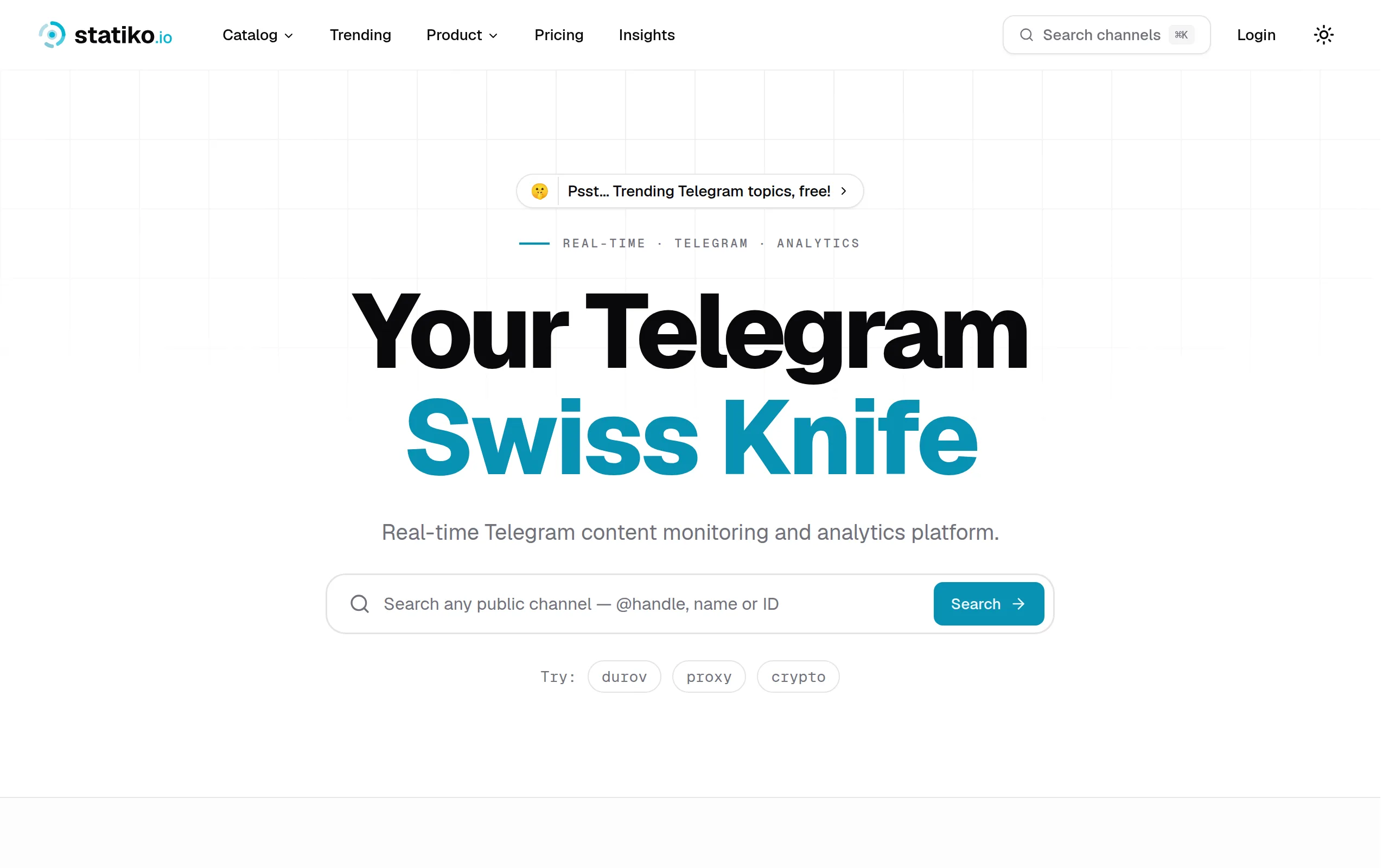
Statiko
Monitor any Telegram channel in real time - track posts, edits, deletions, and growth with AI recaps 📡

Shibui
AI website builder - describe your business, pick a niche template, edit by chatting, and publish instantly ✨

Pro Service
Find verified home service professionals, compare quotes, and pay securely through escrow - built for Brazilians across the US 🏠
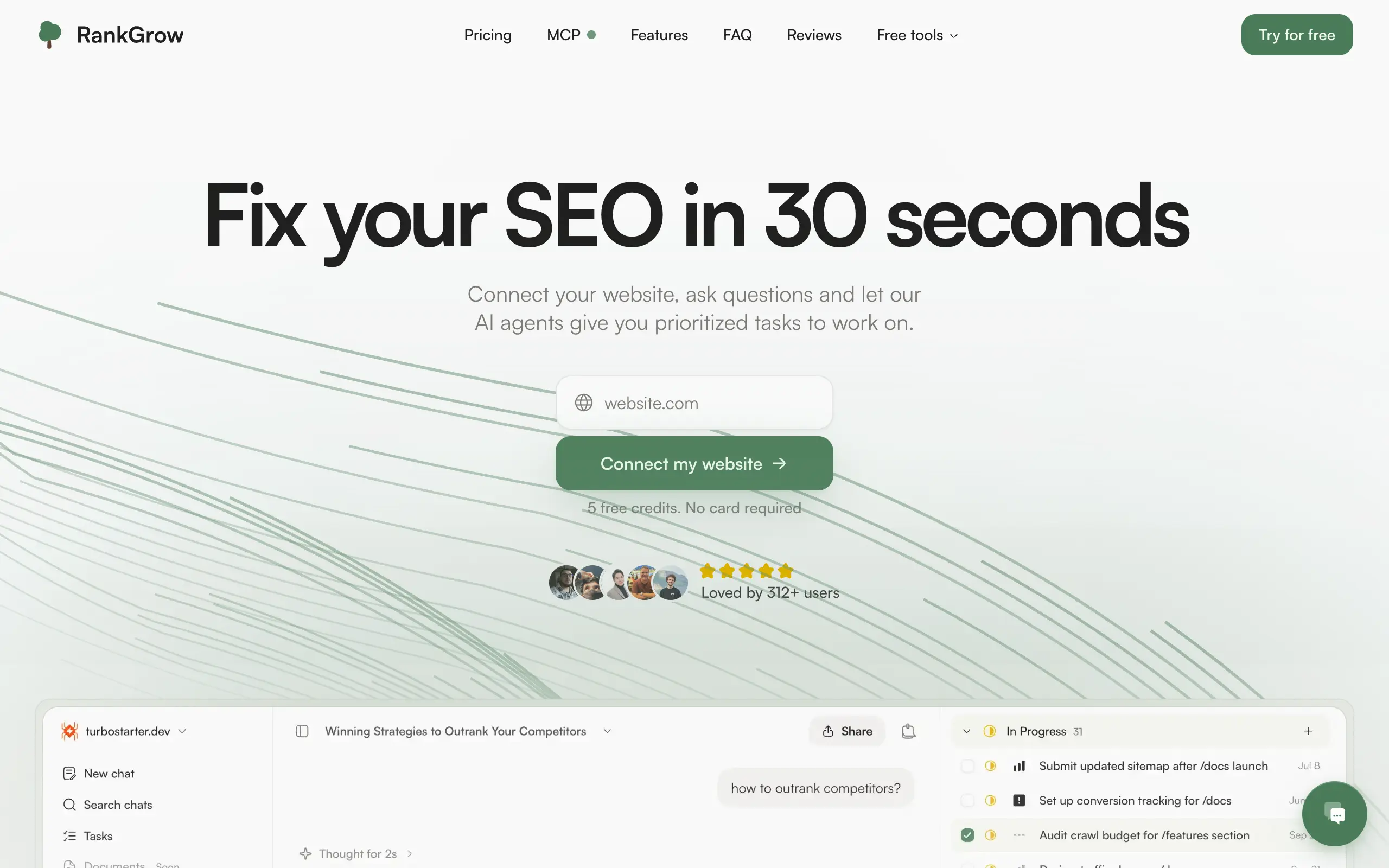
RankGrow
Fix your SEO with AI agents - connect Search Console, get prioritized tasks, and grow organic traffic 📈
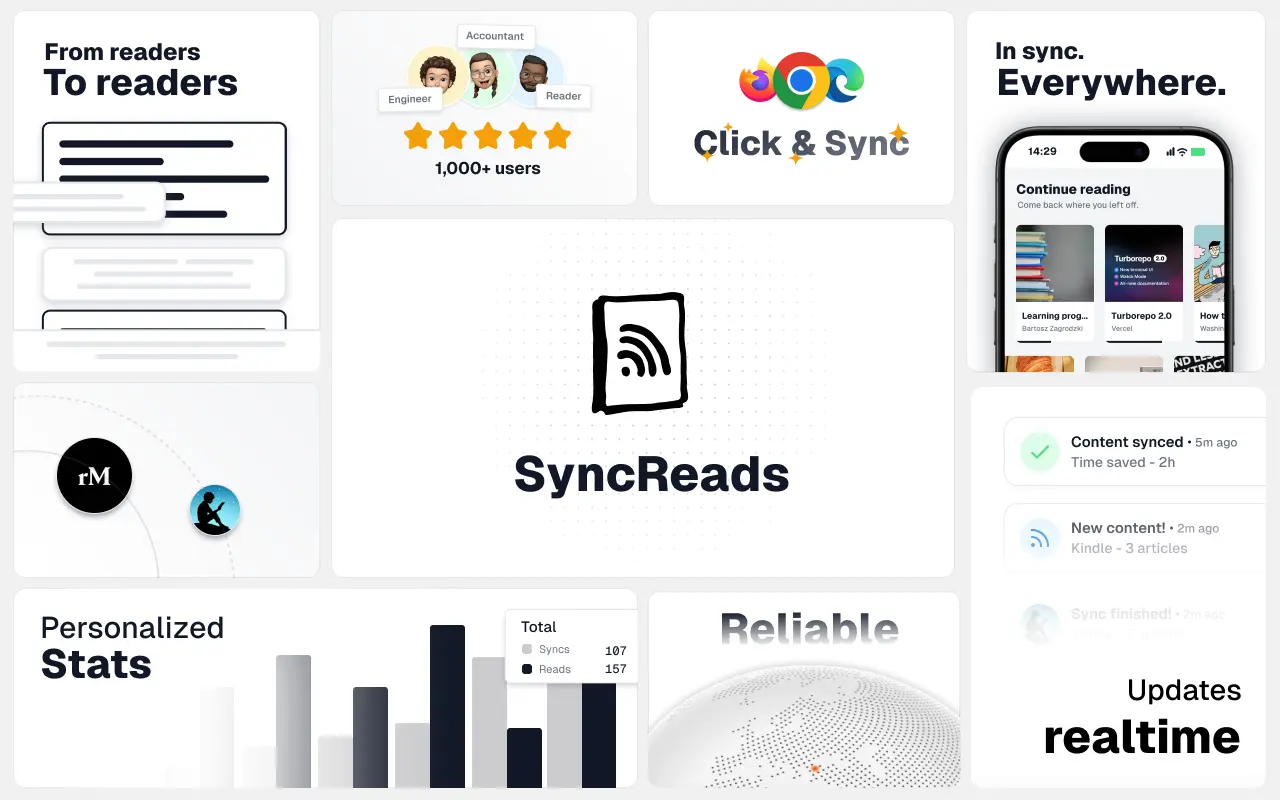
SyncReads
Sync your favorite content for distraction-free reading, save time and replace multiple apps. Anytime, anywhere 🔄
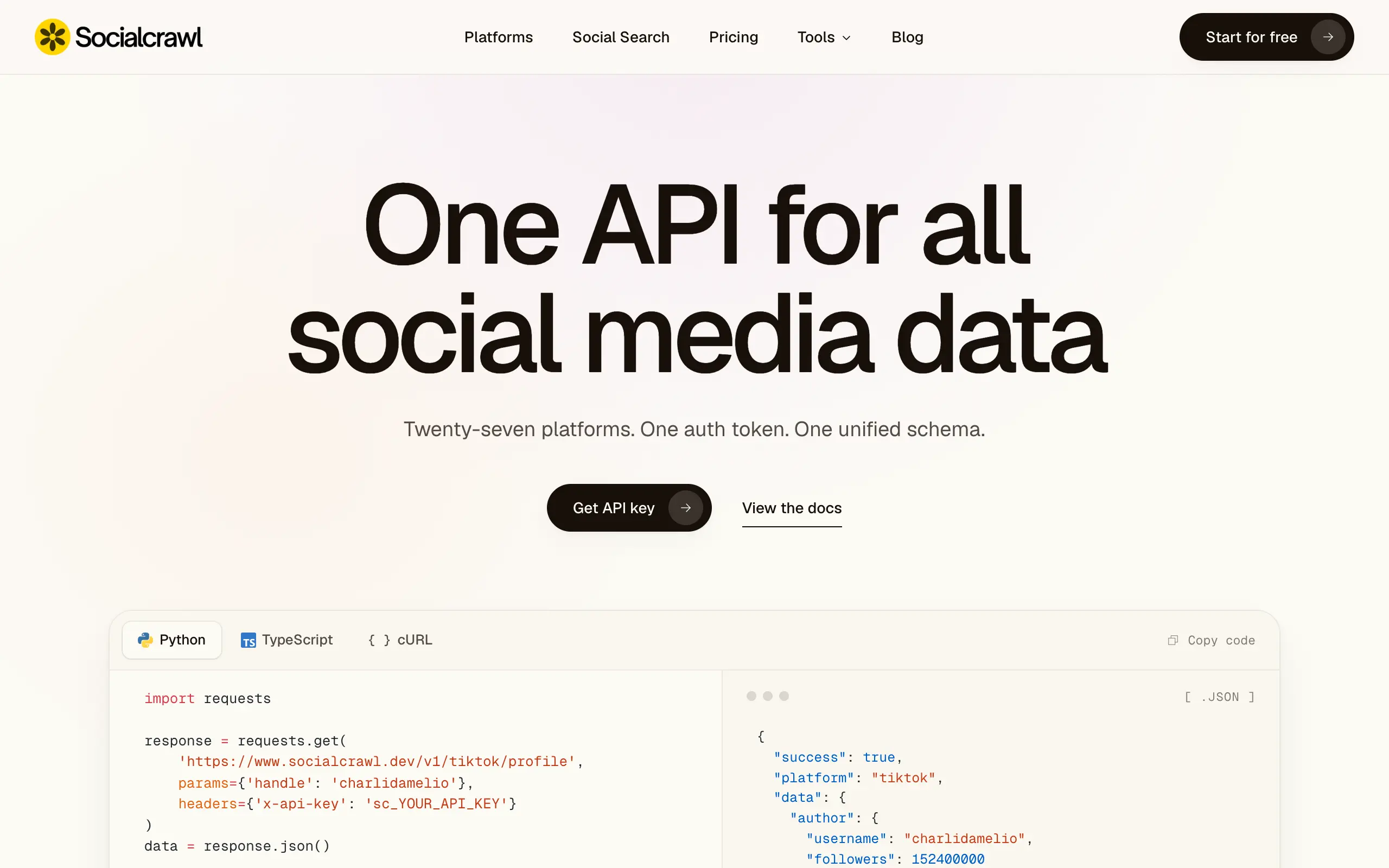
Socialcrawl
Get clean, structured data from 21 platforms like TikTok, Instagram, and YouTube with a single request 📊
Statiko
Monitor any Telegram channel in real time - track posts, edits, deletions, and growth with AI recaps 📡
Shibui
AI website builder - describe your business, pick a niche template, edit by chatting, and publish instantly ✨
Pro Service
Find verified home service professionals, compare quotes, and pay securely through escrow - built for Brazilians across the US 🏠
RankGrow
Fix your SEO with AI agents - connect Search Console, get prioritized tasks, and grow organic traffic 📈
SyncReads
Sync your favorite content for distraction-free reading, save time and replace multiple apps. Anytime, anywhere 🔄
Socialcrawl
Get clean, structured data from 21 platforms like TikTok, Instagram, and YouTube with a single request 📊
Statiko
Monitor any Telegram channel in real time - track posts, edits, deletions, and growth with AI recaps 📡
Shibui
AI website builder - describe your business, pick a niche template, edit by chatting, and publish instantly ✨
Pro Service
Find verified home service professionals, compare quotes, and pay securely through escrow - built for Brazilians across the US 🏠
RankGrow
Fix your SEO with AI agents - connect Search Console, get prioritized tasks, and grow organic traffic 📈
SyncReads
Sync your favorite content for distraction-free reading, save time and replace multiple apps. Anytime, anywhere 🔄
Socialcrawl
Get clean, structured data from 21 platforms like TikTok, Instagram, and YouTube with a single request 📊
Statiko
Monitor any Telegram channel in real time - track posts, edits, deletions, and growth with AI recaps 📡
Shibui
AI website builder - describe your business, pick a niche template, edit by chatting, and publish instantly ✨
Pro Service
Find verified home service professionals, compare quotes, and pay securely through escrow - built for Brazilians across the US 🏠
RankGrow
Fix your SEO with AI agents - connect Search Console, get prioritized tasks, and grow organic traffic 📈
SyncReads
Sync your favorite content for distraction-free reading, save time and replace multiple apps. Anytime, anywhere 🔄
Socialcrawl
Get clean, structured data from 21 platforms like TikTok, Instagram, and YouTube with a single request 📊
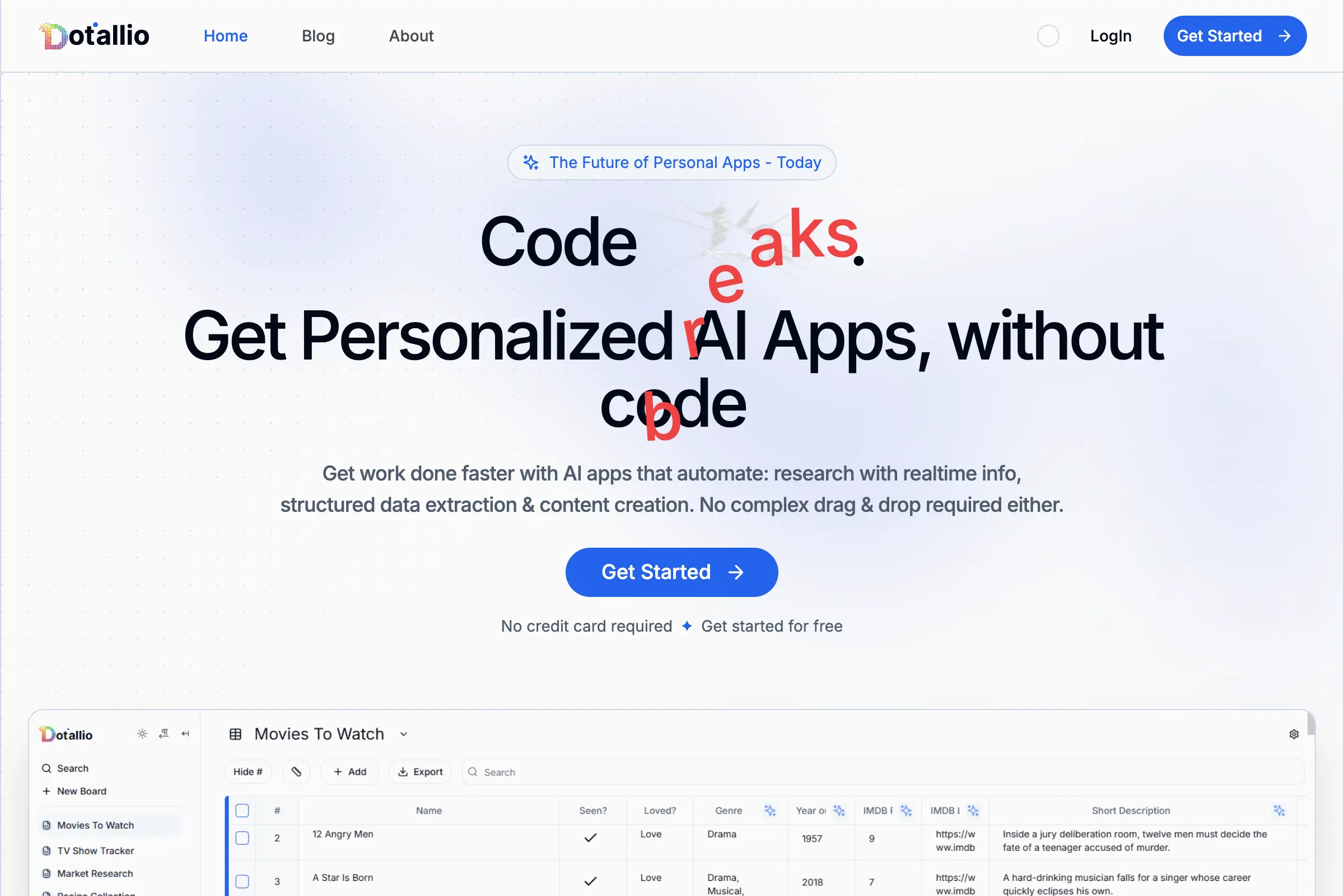
Dotallio
Personalized AI apps that automate research, data extraction, and content creation without code 🤖
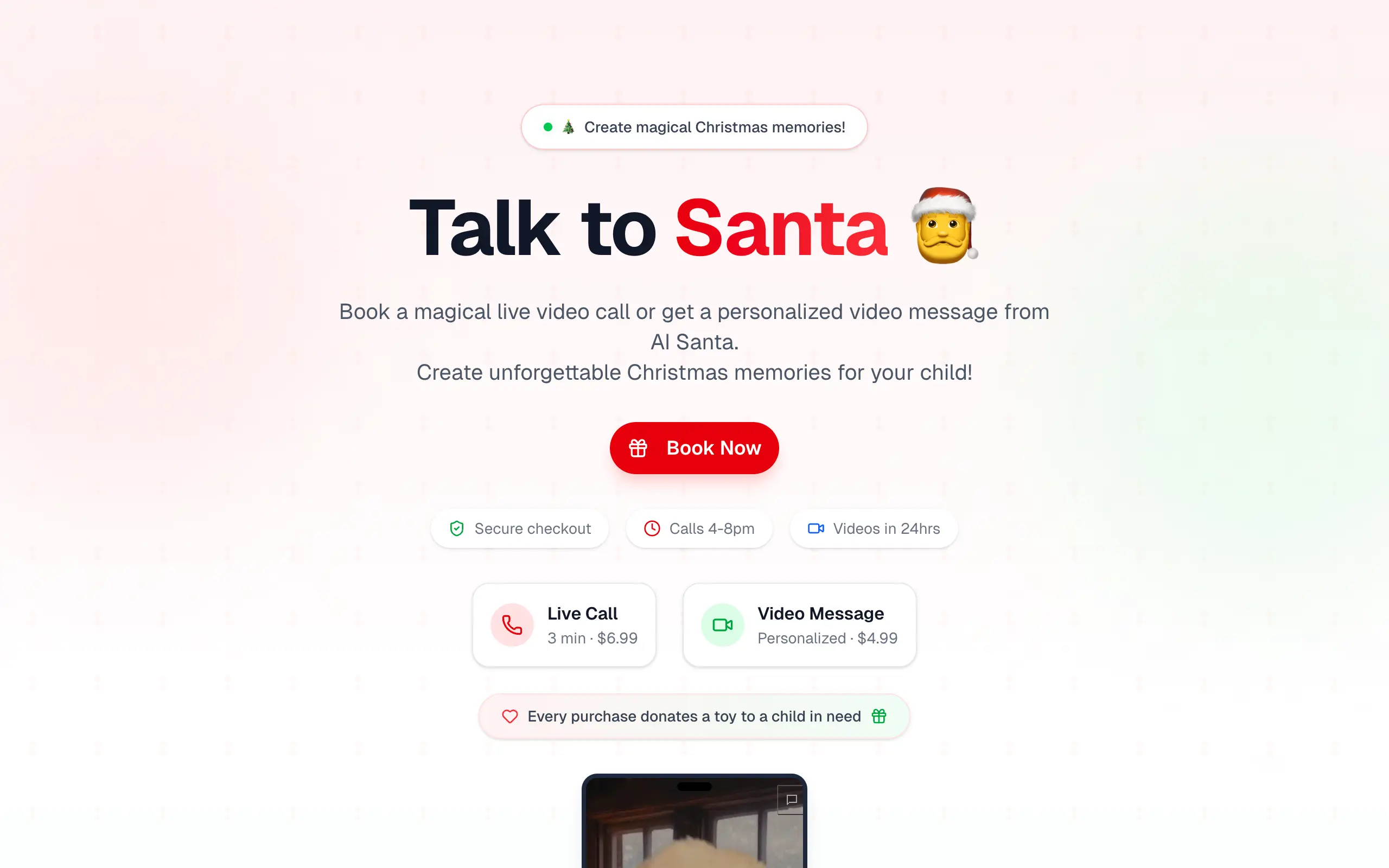
Talk to Santa
Enjoy a magical live video chat or receive a unique AI-generated video greeting from Santa Claus 🎅
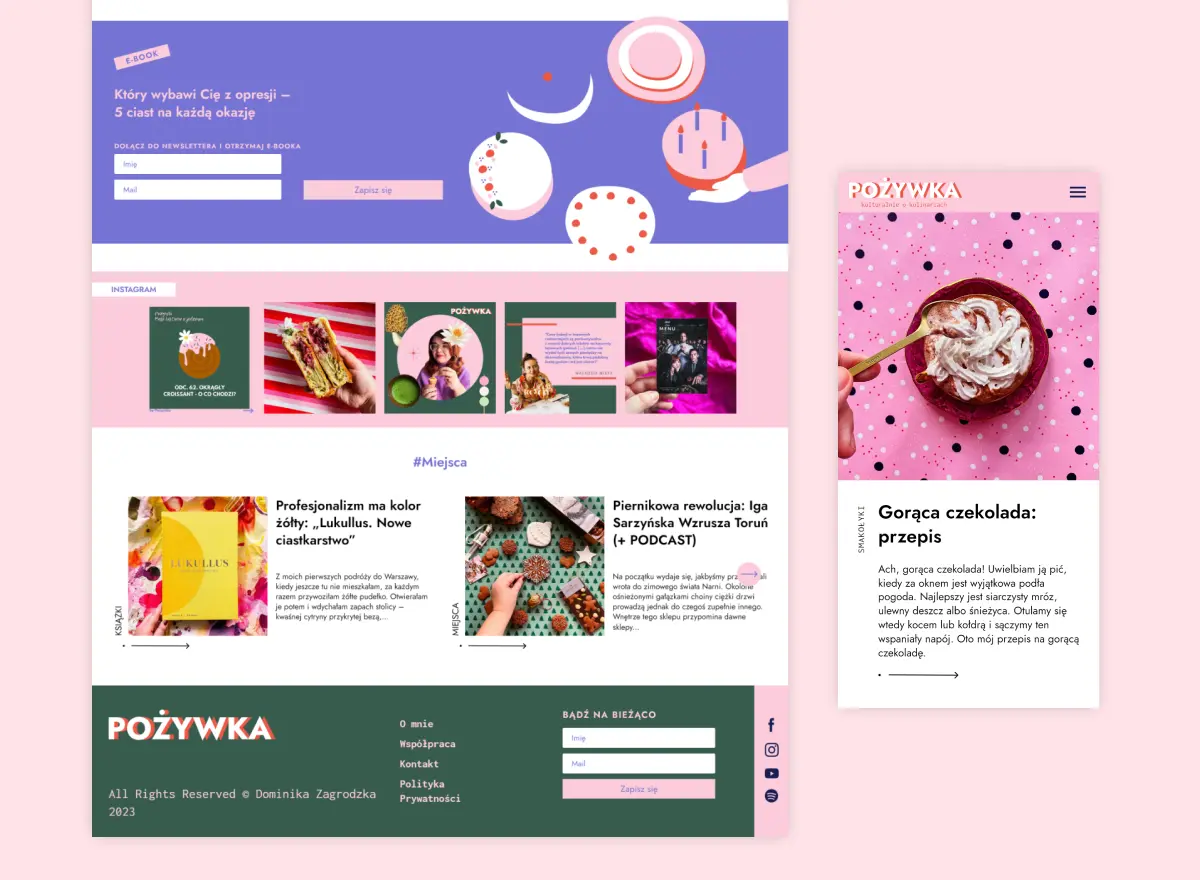
pozywka.pl
Scalable blog for food journalist, focused on performance and user experience 🌭
zagrodzki.me
Personal blog and portfolio of Bart Zagrodzki, where he shares his knowledge and work 💼
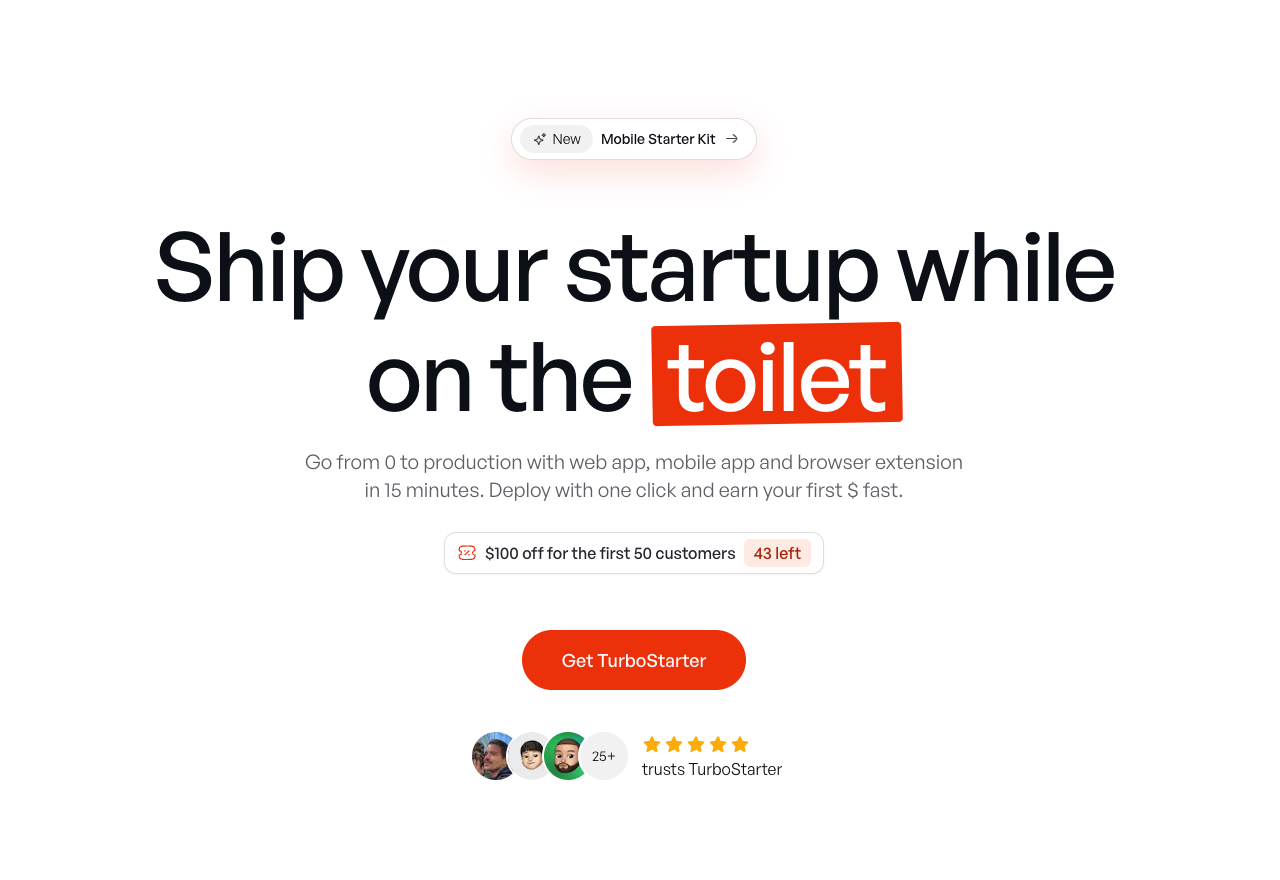
TurboStarter
Ship your startup everywhere. In minutes.
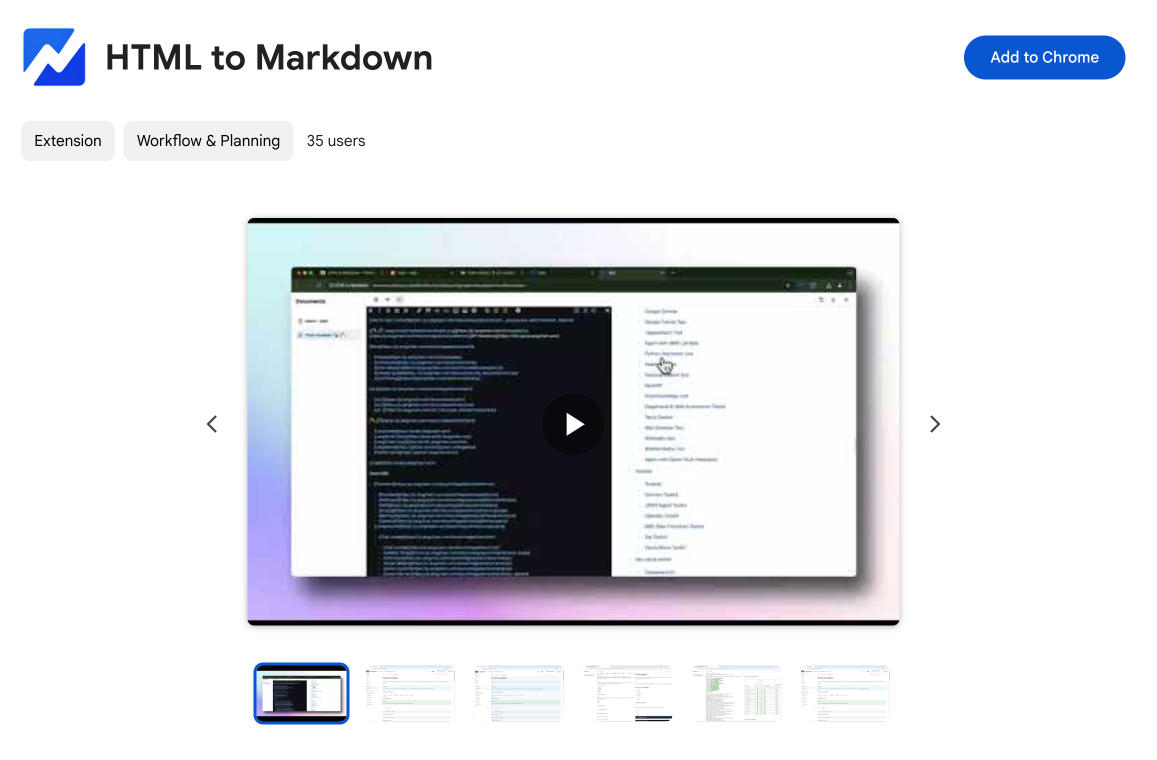
HTML to Markdown
Convert HTML to Markdown with ease, directly in your browser 📄
Dotallio
Personalized AI apps that automate research, data extraction, and content creation without code 🤖
Talk to Santa
Enjoy a magical live video chat or receive a unique AI-generated video greeting from Santa Claus 🎅
pozywka.pl
Scalable blog for food journalist, focused on performance and user experience 🌭
zagrodzki.me
Personal blog and portfolio of Bart Zagrodzki, where he shares his knowledge and work 💼
TurboStarter
Ship your startup everywhere. In minutes.
HTML to Markdown
Convert HTML to Markdown with ease, directly in your browser 📄
Dotallio
Personalized AI apps that automate research, data extraction, and content creation without code 🤖
Talk to Santa
Enjoy a magical live video chat or receive a unique AI-generated video greeting from Santa Claus 🎅
pozywka.pl
Scalable blog for food journalist, focused on performance and user experience 🌭
zagrodzki.me
Personal blog and portfolio of Bart Zagrodzki, where he shares his knowledge and work 💼
TurboStarter
Ship your startup everywhere. In minutes.
HTML to Markdown
Convert HTML to Markdown with ease, directly in your browser 📄
Dotallio
Personalized AI apps that automate research, data extraction, and content creation without code 🤖
Talk to Santa
Enjoy a magical live video chat or receive a unique AI-generated video greeting from Santa Claus 🎅
pozywka.pl
Scalable blog for food journalist, focused on performance and user experience 🌭
zagrodzki.me
Personal blog and portfolio of Bart Zagrodzki, where he shares his knowledge and work 💼
TurboStarter
Ship your startup everywhere. In minutes.
HTML to Markdown
Convert HTML to Markdown with ease, directly in your browser 📄
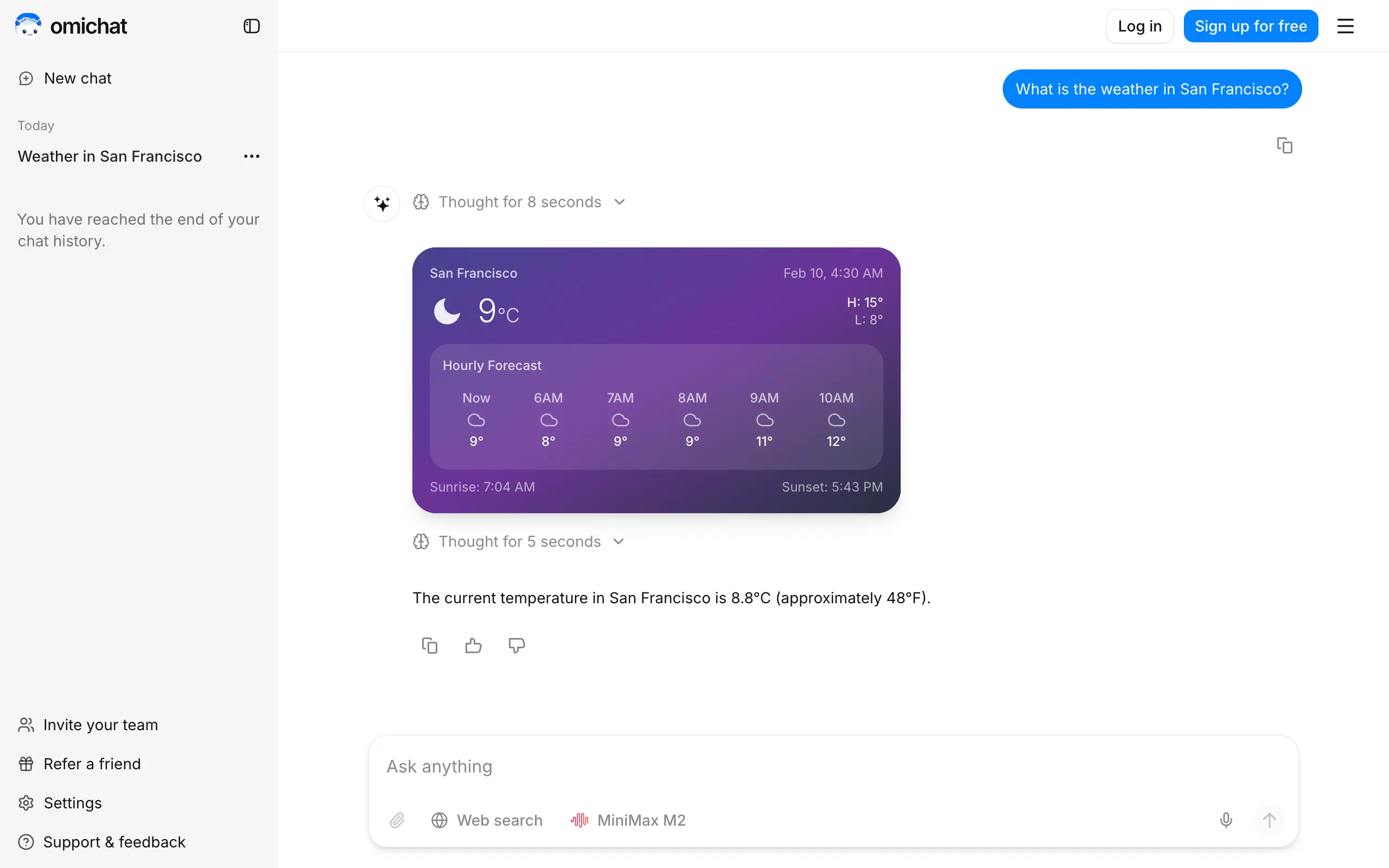
Omichat
Chat with 50+ AI models, including ChatGPT and Claude, in one place - switch models anytime without losing context 🤖
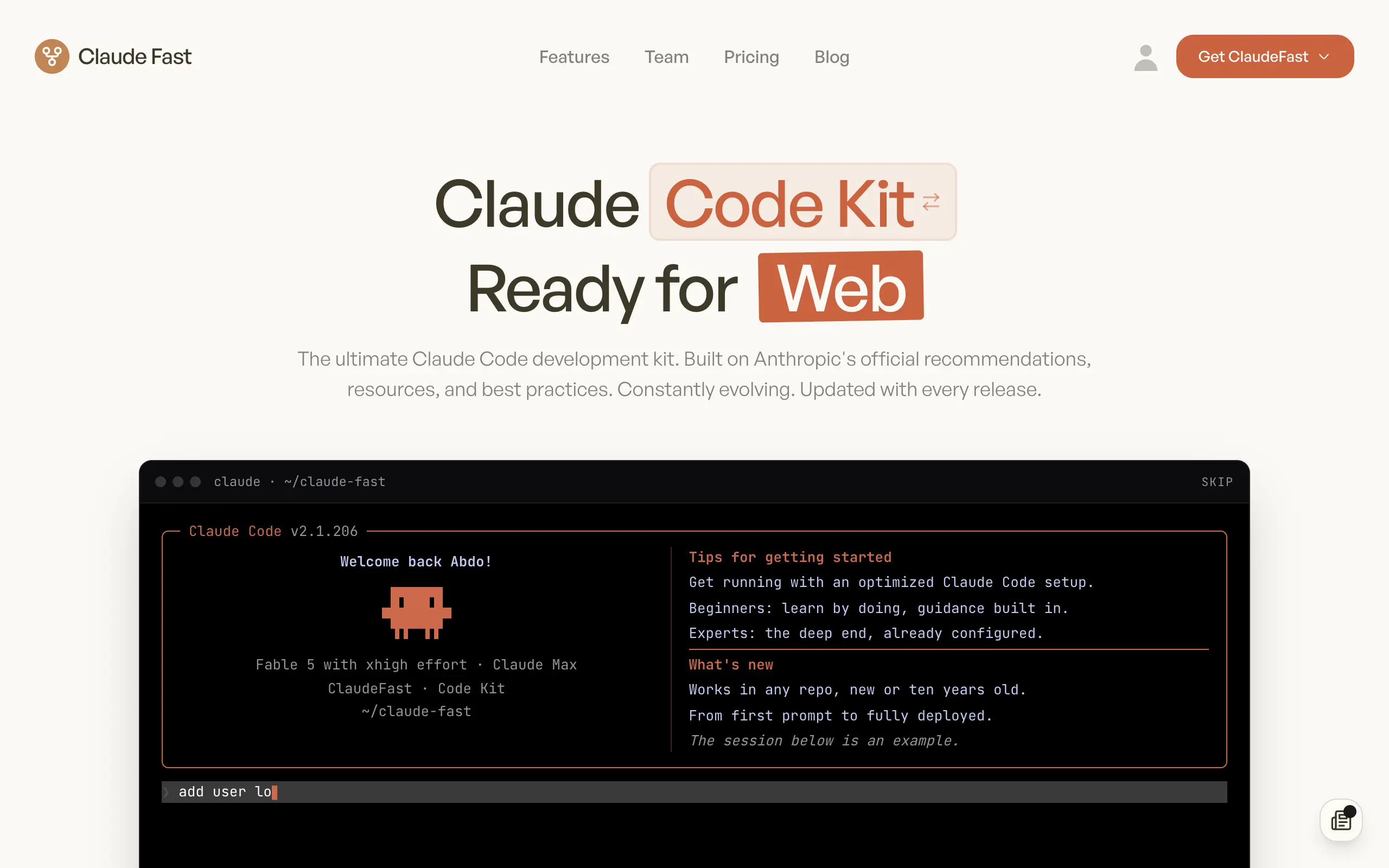
Claude Fast
Supercharge your Claude Code with 6x effective context window and specialized AI agents 🤖
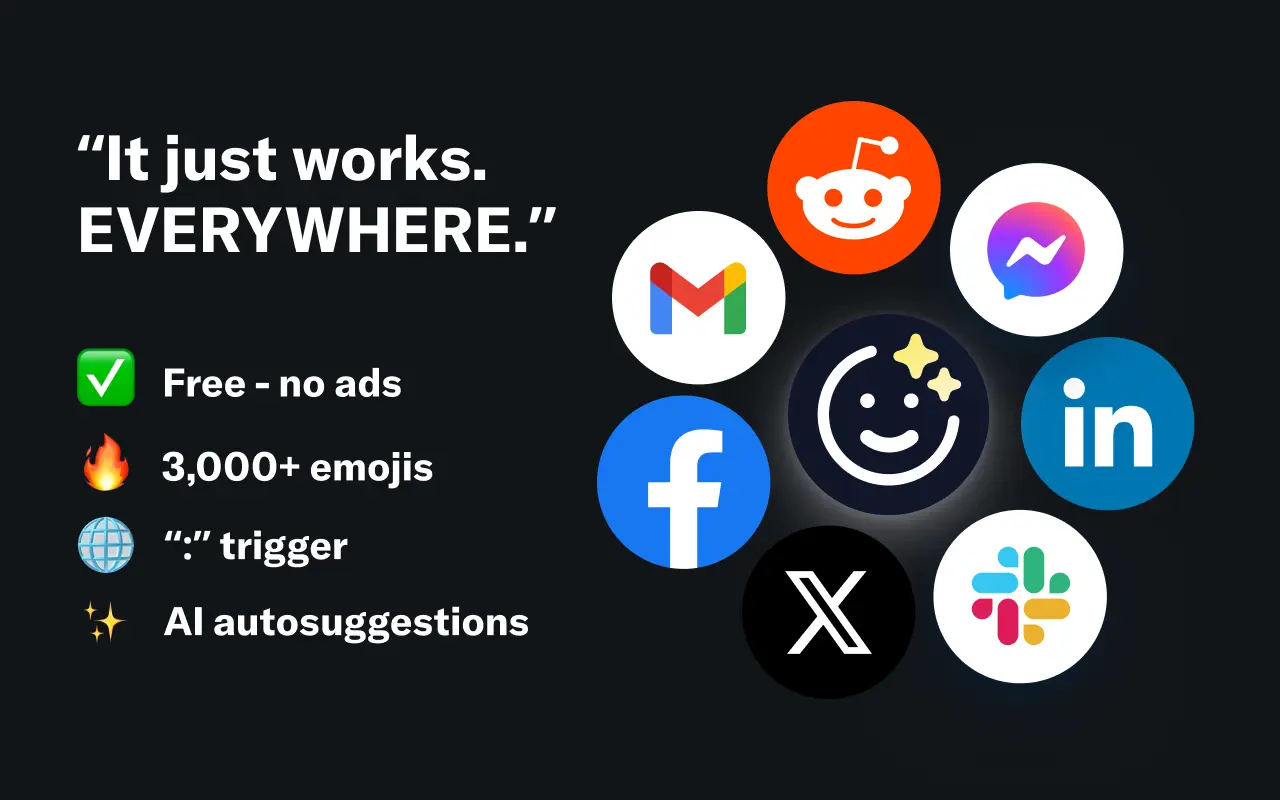
EmojAI
AI-powered emoji picker with smart, context-aware suggestions 🤖
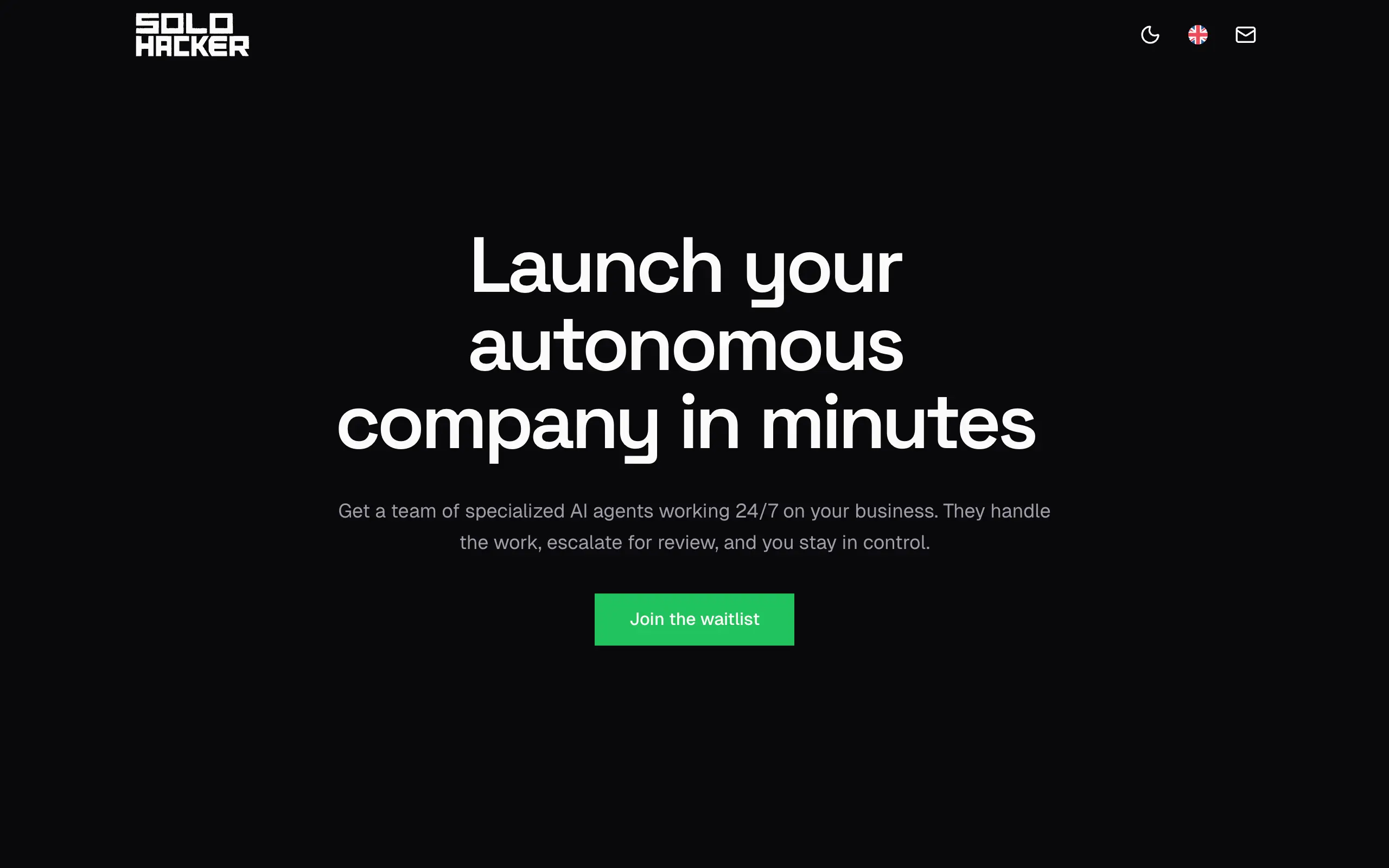
Solohacker
Autonomous company launcher - AI agents work 24/7, escalate what matters, and you stay in control 🤖
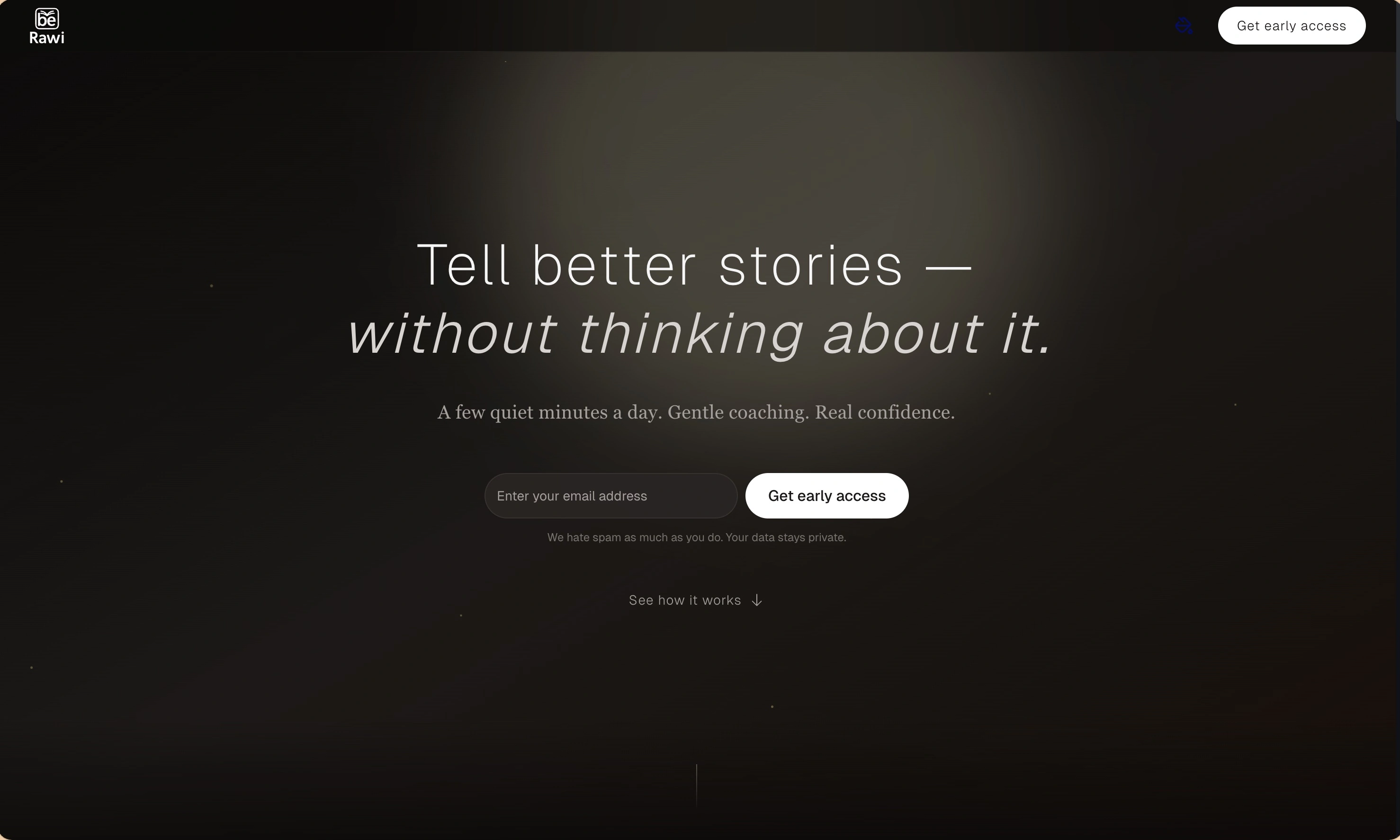
BeRawi: Storytelling Coach
Practice storytelling daily with instant feedback to sound clearer, more engaging, and confident 🎤
Omichat
Chat with 50+ AI models, including ChatGPT and Claude, in one place - switch models anytime without losing context 🤖
Claude Fast
Supercharge your Claude Code with 6x effective context window and specialized AI agents 🤖
EmojAI
AI-powered emoji picker with smart, context-aware suggestions 🤖
Solohacker
Autonomous company launcher - AI agents work 24/7, escalate what matters, and you stay in control 🤖
BeRawi: Storytelling Coach
Practice storytelling daily with instant feedback to sound clearer, more engaging, and confident 🎤
Omichat
Chat with 50+ AI models, including ChatGPT and Claude, in one place - switch models anytime without losing context 🤖
Claude Fast
Supercharge your Claude Code with 6x effective context window and specialized AI agents 🤖
EmojAI
AI-powered emoji picker with smart, context-aware suggestions 🤖
Solohacker
Autonomous company launcher - AI agents work 24/7, escalate what matters, and you stay in control 🤖
BeRawi: Storytelling Coach
Practice storytelling daily with instant feedback to sound clearer, more engaging, and confident 🎤
Omichat
Chat with 50+ AI models, including ChatGPT and Claude, in one place - switch models anytime without losing context 🤖
Claude Fast
Supercharge your Claude Code with 6x effective context window and specialized AI agents 🤖
EmojAI
AI-powered emoji picker with smart, context-aware suggestions 🤖
Solohacker
Autonomous company launcher - AI agents work 24/7, escalate what matters, and you stay in control 🤖
BeRawi: Storytelling Coach
Practice storytelling daily with instant feedback to sound clearer, more engaging, and confident 🎤

Connect with like-minded people
Join our community to get feedback, support, and grow together with 1,000+ builders on board, let's ship it!
Join usShip your startup everywhere. In minutes.
Don't burn tokens on setup and start building features on day one.