FixQuest
Help field technicians master repairs through an AI coach, interactive 3D equipment guides, and bite-size challenges that reward verified skills.
FixQuest at a glance
FixQuest is a mobile-first training platform designed to help field technicians learn repairs through an AI coach, interactive 3D equipment guides, and short challenges that reward verified skills. Its central promise is practical: make it easier for technicians to learn what to do, practice how to do it, and demonstrate that they can do it safely and consistently.
The opportunity is not simply to put training videos on a phone. FixQuest can connect learning to the realities of field service: unfamiliar equipment, limited time on the job, inconsistent access to experts, and the pressure to solve problems correctly on the first visit. For employers, it can offer a structured way to build technician capability and see where additional coaching is needed.
The strongest version of the product will be grounded in reliable technical content, designed for use in the field, and careful about the limits of AI. An AI coach can explain and guide, but it should not make unsafe or unverified repair decisions.
The product in one sentence
FixQuest helps field service organizations turn repair knowledge into short, interactive, measurable training that technicians can access where the work happens.
The field technician training problem
Many field technicians need to learn while working around equipment, customers, and operational deadlines. Yet training often happens through a mix of manuals, shadowing, classroom sessions, videos, and informal messages to experienced coworkers. Each method can help, but knowledge may be difficult to find at the moment it is needed.
This creates several connected problems:
- Training is hard to apply in context. A classroom lesson may be forgotten by the time a technician encounters a specific fault in the field.
- Expert knowledge is difficult to scale. Senior technicians can be valuable sources of practical knowledge, but relying on them for every question can interrupt their own work.
- Written documentation can be difficult to navigate. Long manuals may contain the right answer without making it easy to find the right procedure for a particular model or symptom.
- Skills are not always easy to measure. Completion of a video or course does not necessarily show whether someone can perform a procedure correctly.
- Equipment and procedures change. Training material can become outdated when product models, safety guidance, or service processes change.
These are common operational challenges, not proof that every service business has the same needs. FixQuest should validate them with technicians and training managers in a specific initial market before building for every type of equipment or service work.
Who FixQuest should serve first
A broad audience of “field technicians” is a useful long-term vision, but it is too wide for an initial product strategy. Repair workflows, safety requirements, equipment complexity, and training budgets vary significantly between industries. FixQuest will be easier to build and sell if it starts with a clearly defined customer segment.
The primary buyer
The likely economic buyer is a service or operations leader responsible for technician readiness, service quality, or training. Depending on the organization, that person may be a:
- Field service director
- Technical training manager
- Service operations manager
- Learning and development leader
- Equipment manufacturer’s service education team
The buyer typically wants more consistent technician performance, a clearer view of training progress, and less dependence on one-to-one coaching for routine questions. FixQuest should speak to those operational outcomes rather than positioning itself only as a learning app.
The daily user
Technicians are the people who determine whether the product is genuinely useful. They need to find information quickly, understand it without unnecessary friction, and trust that it applies to their equipment and task.
A useful FixQuest experience should account for technicians who:
- Work with gloves, in noisy environments, or in poor lighting
- Have limited time between service calls
- Need to revisit procedures without taking a full course
- Use company-managed or personal mobile devices
- Work in locations with unreliable connectivity
- Have different experience levels and preferred learning styles
Technicians should also have a meaningful voice in product design. A training platform that feels like extra administrative work may see low adoption, even if its dashboard is attractive to managers.
The initial customer segments to evaluate
FixQuest could investigate several markets, but it should choose one based on access to buyers, available technical content, and the cost of validating the training problem.
| Potential segment | Why it may fit | Questions to validate |
|---|---|---|
| HVAC and building systems service | Technicians encounter varied equipment and recurring maintenance tasks. | Can FixQuest focus on a narrow equipment family and obtain approved procedures? |
| Industrial equipment service | Downtime can make technician readiness important to operations. | Are safety, compliance, and procurement requirements manageable for an early product? |
| Medical equipment service | Accurate procedures and documented competency can matter greatly. | What regulatory, privacy, and validation obligations apply to the training content? |
| Appliance or consumer equipment repair | A large range of product models can create a discovery challenge. | Can the product acquire reliable model-specific diagrams and instructions? |
| Equipment manufacturers and distributors | They may need to train employees, dealers, or service partners. | Who owns the budget, and how are external users granted access? |
These are hypotheses for customer discovery, not claims about market size. Before selecting a segment, interview technicians and buyers about their current training process, the cost of a failed repair or repeat visit, and the tools they already use.
Market opportunity and product gap
FixQuest sits at the intersection of workforce training, field service enablement, and interactive technical guidance. Each area has established tools, but the product opportunity is to connect learning with practical skill-building and evidence of competence.
A learning management system can organize courses and track completion. A service platform can manage work orders and customer records. A digital manual can explain a procedure. A remote support tool can connect a technician to an expert. These categories may overlap, but they do not automatically provide a coherent path from learning a repair to demonstrating that skill.
FixQuest can target that gap by bringing together:
- Short learning activities that fit around work.
- Equipment-specific visual guidance that helps users understand parts and procedures.
- An AI coach that answers questions using approved, relevant sources.
- Practical challenges that let users demonstrate knowledge.
- A manager view that shows progress and identifies training needs.
This positioning should be tested against the systems prospective customers already use. The product does not need to replace every learning or service tool. It may be more effective as a focused technician enablement layer that integrates with an existing learning management system, service platform, or identity provider.
A defensible value proposition
A clear value proposition for FixQuest could be:
Help technicians build and verify repair skills with short, equipment-specific learning experiences they can use at work.
This is more credible than claiming that AI will make technicians expert or eliminate all repeat visits. The product can measure training engagement and skill performance directly. Improvements in service outcomes should be evaluated through customer pilots rather than promised in advance.
Core FixQuest features
FixQuest should begin with a small set of connected capabilities rather than launching an AI assistant, a 3D content studio, a challenge system, and a full analytics suite at once. The first release should prove that users can find trusted guidance, learn a procedure, and demonstrate a defined skill.
1. A searchable equipment and procedure library
Technicians need a reliable way to locate content by equipment type, model, symptom, part, or procedure. A practical content structure could include:
- Equipment manufacturer and model
- Equipment category and service task
- Skill level and prerequisites
- Required tools and protective equipment
- Safety warnings
- Procedure steps and expected checks
- Source, review date, and content owner
Search should be designed for field conditions. That means supporting plain-language queries and useful filters, while avoiding results that imply a procedure applies to equipment it does not cover.
2. An AI repair coach grounded in approved content
The AI coach can help users navigate technical material, explain unfamiliar terms, and ask follow-up questions. It should retrieve information from an approved content library instead of answering freely from general model knowledge.
Important safeguards include:
- Showing the source procedure or document behind an answer
- Identifying the applicable equipment model and content version
- Clearly stating when the system does not have a verified answer
- Refusing to invent missing steps or safety instructions
- Escalating high-risk or ambiguous cases to a qualified person
- Allowing administrators to review content and feedback
The coach should support a technician’s judgment, not present itself as a substitute for training, authorization, or official service documentation.
3. Interactive 3D equipment guides
Three-dimensional models can help technicians understand component locations, assembly relationships, and the sequence of a procedure. They may be especially helpful when a diagram is difficult to interpret or a physical component is hidden behind a panel.
A 3D guide could let the user:
- Rotate and zoom an equipment model
- Select a component to see its name and function
- Follow a sequence of repair steps
- Highlight parts involved in a procedure
- Compare a model with a real component reference
3D content has a real production cost. FixQuest should not assume that every repair needs an interactive model. It could begin with a small number of high-value procedures where visual complexity is a proven obstacle, then compare completion and comprehension with simpler formats.
4. Bite-size challenges and verified skills
Short challenges can turn passive content consumption into active practice. A challenge might ask a technician to identify a component, choose the correct diagnostic step, sequence a procedure, or explain a safety decision.
For stronger evidence of competence, FixQuest can build a progression of assessment types:
- Knowledge checks for terminology and concepts
- Scenario questions that test decisions
- Step-order exercises for procedural recall
- Simulated tasks for interaction with parts or controls
- Instructor or supervisor sign-off for skills that require observation
A digital quiz alone cannot verify every hands-on ability. The product should label what each assessment actually demonstrates, such as “completed knowledge check” or “observed practical assessment,” rather than treating all badges as equivalent.
5. Manager and trainer dashboards
Managers need more than a list of course completions. A useful dashboard should help them understand readiness and act on gaps.
Possible views include:
- Skill progress by technician, team, or equipment type
- Content completion and assessment results
- Skills that need renewal or review
- Frequently missed questions
- Topics that prompt repeated AI questions
- Training assignments and due dates
- Evidence and reviewer records for practical assessments
Dashboards should support coaching and planning rather than encourage simplistic rankings. Performance data needs context: a low score may reflect confusing content, poor connectivity, or an unfamiliar model rather than a lack of ability.
6. Offline-friendly mobile access
Field connectivity can be unpredictable. FixQuest should consider allowing users to download approved modules and essential procedure content before a job or shift. The application can sync progress and updates when it reconnects.
Offline support raises important product questions. A downloaded procedure may be out of date, so the interface should show its version and last update. If a safety-critical document has been superseded, the product may need to block use or clearly direct the technician to the current source.
How FixQuest can stand out from alternatives
FixQuest should not compete by claiming that no one else offers mobile training, 3D content, or AI assistance. Those capabilities exist across software categories. Its advantage should come from how well it combines them for a specific field-service workflow.
| Capability | General course platform | Digital manual library | Remote expert support | FixQuest opportunity |
|---|---|---|---|---|
| Organizes learning | Often | Sometimes | No | Yes |
| Supports procedure lookup | Limited | Yes | Sometimes | Yes |
| Builds equipment-specific practice | Varies | Rarely | No | Yes |
| Offers AI guidance from approved sources | Varies | Rarely | Human-led | Yes |
| Tracks demonstrated skill | Varies | No | Informal | Yes |
| Designed for mobile field use | Varies | Varies | Often | A core design goal |
The table describes product-category tendencies, not every vendor. A buyer should compare FixQuest with the actual products in use at their organization.
Potential sources of competitive advantage
A high-quality content model: If FixQuest can organize procedures by model, task, skill, and revision, it can make technical content easier to search and maintain.
A trusted answer experience: Source-linked responses, clear uncertainty, and a sensible escalation path can distinguish the AI coach from a generic chatbot.
A practice-to-proof workflow: Connecting a lesson to a challenge and then to a clearly described skill record creates a more complete training loop.
Low-friction field usability: Fast access, readable instructions, offline support, and minimal unnecessary navigation can make FixQuest useful during actual work.
Customer-specific learning data: Over time, the product may help organizations see where technicians struggle and which training materials need improvement. This advantage depends on responsible data use and enough reliable customer activity to produce meaningful insights.
Recommended technology stack
The stack should support a polished mobile experience, secure business data, interactive content, and AI features that can be monitored and controlled. The best choice depends on the founding team’s skills, customer security requirements, and whether the product needs native device features from the outset.
Mobile application
A cross-platform application can help a small team build for iOS and Android without maintaining two completely separate user interfaces. React Native is a strong option for teams familiar with React. Expo can simplify development, testing, and deployment, although some advanced native capabilities may require additional configuration or custom native code.
A progressive web app may be faster to launch and easier to distribute, but offline behavior, camera integration, device management, and complex 3D interaction may be less predictable. FixQuest should prototype the most demanding field workflows before choosing.
Web application and administrative tools
A web dashboard can serve training managers, content administrators, and supervisors. React provides a widely used component-based interface model. Next.js can be useful if the team wants a full-stack React framework, but it introduces framework-specific conventions and deployment decisions.
The web product should prioritize content management, permissions, assignments, and reporting. It does not need to duplicate every technician-facing mobile feature.
Backend, data, and identity
The backend needs to manage users, organizations, roles, equipment catalogs, content versions, assignments, assessment results, and audit records. A relational database such as PostgreSQL is a good fit for this structured information. The team can choose a managed database and authentication service to reduce early infrastructure work, but should review data residency, access controls, backups, and enterprise identity requirements before committing.
Key data-model principles include:
- Separate customer organizations and their data
- Apply role-based access control
- Record content version and review history
- Keep an audit trail for important changes
- Define data retention and deletion policies
- Avoid storing sensitive customer or equipment data unless needed
AI and retrieval
A retrieval-augmented generation architecture can help the AI coach answer from approved documents. In practical terms, the application retrieves relevant passages, supplies them to a language model, and asks it to answer within a defined scope.
The implementation should include:
- Document ingestion and version tracking
- Permission-aware retrieval
- Source citations in user-facing responses
- Model and prompt version logging
- Evaluation tests for common and risky questions
- Rate limits and cost monitoring
- A fallback when retrieval is weak or sources conflict
Model selection should be based on answer quality, latency, privacy terms, cost, and operational controls. FixQuest should test with real, approved technical material and expert-reviewed questions rather than relying only on generic benchmark results.
3D content
Three.js can support browser-based 3D experiences, while native 3D engines may be more appropriate for demanding interaction or augmented-reality use cases. Three-dimensional assets can become large and expensive to create, so asset compression, loading performance, device compatibility, and content update workflows need attention.
A sensible first step is to test a few representative models on the actual devices technicians will use. The team should compare 3D guides with annotated images or diagrams to determine where the added cost creates enough learning value.
Security and reliability
For a B2B product, security should be designed into the platform. Priorities include encrypted transport, secure credential handling, tenant isolation, administrative permissions, backup and recovery plans, and a documented incident response process.
If customers request security certifications, data residency, single sign-on, or formal vendor assessments, FixQuest should treat those requirements as part of product and sales planning. The exact obligations depend on the customer, industry, and data being handled.
A practical starting architecture
An early version could use:
- A cross-platform mobile app for technicians
- A web dashboard for managers and content editors
- A managed relational database and identity layer
- A document store with versioned approved content
- A retrieval service for AI responses
- A content delivery strategy for media and downloadable modules
- Analytics focused on learning activity and product reliability
TurboStarter can help a team accelerate the foundation of a SaaS product. It may be useful for common application scaffolding, but FixQuest will still need careful design for mobile field workflows, technical content governance, AI safety, and 3D assets.
Monetization strategy
FixQuest is likely to have a stronger business case as a B2B product than as a consumer training app. Organizations may pay for a combination of user access, content management, analytics, and support. Pricing should be tested with buyers rather than set solely by estimating software development costs.
Per-seat subscription
Charge a recurring fee based on active technicians. This model is easy to understand and can scale with customer adoption. It may be difficult for customers with seasonal workforces or occasional users, so consider how inactive accounts and contractors are handled.
Tiered plans
A tiered plan can align features with customer needs. For example, a foundational plan could offer learning modules and basic reporting, while higher plans add offline access, integrations, advanced analytics, or configurable assessments.
Organization or site licensing
Larger customers may prefer an annual license for a business unit, site, or defined number of users. This can make budgeting easier but requires clear limits and a process for expansion.
Paid content and implementation services
Some customers may need assistance converting existing manuals into structured modules, building 3D assets, or mapping skills to internal standards. These services can generate early revenue and support adoption, but FixQuest should avoid becoming a custom agency with no reusable product.
Manufacturer or partner licensing
Equipment manufacturers, distributors, or service networks could license training experiences for employees and partners. This route may extend distribution, but it also raises questions about content ownership, branding, partner access, and update responsibility.
A useful pricing study should ask buyers how they currently fund training, what purchasing process applies, which features are essential, and what outcome would justify a paid pilot. Avoid promising savings or return on investment until a customer pilot provides credible evidence.
Risks and mitigation
Incorrect or unsafe AI guidance
A confidently phrased but incorrect repair instruction could create safety, equipment, or liability risks.
Mitigation: Restrict answers to approved sources, display citations, evaluate high-risk prompts, set clear refusal rules, and offer escalation to qualified staff. Make it easy for users to report a questionable answer.
Outdated technical content
A procedure may change after a technician has downloaded or completed it.
Mitigation: Track content versions and owners, set review dates, maintain change history, and design a clear update and deprecation process. Show users when offline content was last synchronized.
Weak technician adoption
If the application feels slow, difficult, or disconnected from real work, technicians may not use it consistently.
Mitigation: Co-design with technicians, test in realistic environments, limit the number of taps required to find guidance, and provide fast access to commonly used content. Measure useful task completion, not just downloads.
High 3D production cost
Detailed models and interactions can require specialist work and ongoing maintenance.
Mitigation: Start with a small number of high-value procedures. Compare the effect of 3D with simpler media, and create reusable asset standards before expanding the library.
Difficulty proving skill
A completed challenge does not necessarily mean someone can safely perform a real repair.
Mitigation: Use precise labels for assessment results, combine digital checks with supervisor observation where appropriate, and let customers define which skills require practical sign-off.
Customer data and security concerns
Technician performance, service records, or equipment details may be sensitive. Enterprise buyers may have strict security requirements.
Mitigation: Collect only necessary data, document access controls and retention, isolate customer data, and involve security expertise early. Define whether customer content may be used for AI processing and obtain appropriate permissions.
Long sales cycles
Large service organizations may require procurement, security review, integrations, and stakeholder alignment before buying.
Mitigation: Start with a focused pilot that has defined users, content, success criteria, and an end date. Identify the budget owner and technical approver early, and avoid building custom integrations before confirming the purchase path.
Measuring success
FixQuest should distinguish product engagement from learning outcomes and business outcomes.
Product measures may include activation, repeat usage, search success, module completion, and the percentage of sessions completed offline.
Learning measures may include assessment results, skill retention over time, performance on practical assessments, and time needed to reach a defined proficiency level.
Operational measures may include customer-selected indicators such as repeat service visits, escalation frequency, or time to resolve a particular category of issue. These should be evaluated with a clear comparison method and enough context to account for changes in workload, staffing, and equipment mix.
A pilot should define the baseline and success criteria before launch. For example, a customer might want to test whether a specific group can complete a set of approved procedures with fewer requests for basic guidance. The outcome should be measured rather than assumed.
Actionable implementation steps
Choose a narrow first market
Select one technician segment and a limited set of equipment or repair tasks. Interview technicians, trainers, and service leaders to identify a recurring training problem that is important enough to fund.
Map the current training workflow
Document how users currently find procedures, ask for help, complete training, and demonstrate competence. Identify existing software and where information gets lost or delayed.
Secure approved content
Work with a qualified content owner to gather a small library of current procedures, diagrams, safety guidance, and skill expectations. Confirm who can approve updates and how revisions will be recorded.
Prototype the core field experience
Test equipment search, procedure access, and one learning challenge on the devices technicians actually use. Observe users working in realistic conditions, including poor connectivity where relevant.
Build a bounded AI coach
Start with retrieval from approved content, visible sources, and a clear “I don’t know” response. Test common questions, ambiguous cases, and safety-sensitive requests with subject matter experts.
Add 3D only where it improves learning
Choose one or two procedures where spatial understanding is difficult. Compare the interactive guide with simpler visual formats and assess whether technicians understand or complete the task more effectively.
Run a measurable customer pilot
Agree on the user group, content scope, support process, baseline, and success criteria with a pilot customer. Review feedback with technicians and managers, then decide what to improve before expanding.
Build for repeatable deployment
After validating the workflow, invest in organization management, permissions, content administration, reporting, integrations, and enterprise security requirements that are supported by customer demand.
The FixQuest opportunity
FixQuest has a compelling product direction because it connects technician learning with the place where repair knowledge is used. Its strongest differentiation is not any single feature. It is the combination of trusted, equipment-specific guidance; practical learning activities; and transparent evidence of what a technician has completed or demonstrated.
The opportunity will depend on disciplined execution. FixQuest should start with a narrow customer segment, earn trust through accurate content, and treat AI and skill verification as high-responsibility features. It should validate the value of 3D rather than assuming that visual complexity is always better, and measure operational outcomes before making broad performance claims.
For founders, the next step is not to build the largest possible training library. It is to find one costly learning or repair-support problem, secure reliable content for it, and prove that technicians and employers will adopt a focused solution.
More 📱 Mobile App SaaS ideas
Discover more innovative mobile app SaaS ideas that are trending in 2026. Each idea is AI-generated with market validation and growth potential to help you find your next profitable venture faster than competitors.
Your competitors are building with TurboStarter
Below are some of the SaaS ideas that have been generated and built with our starter kit.
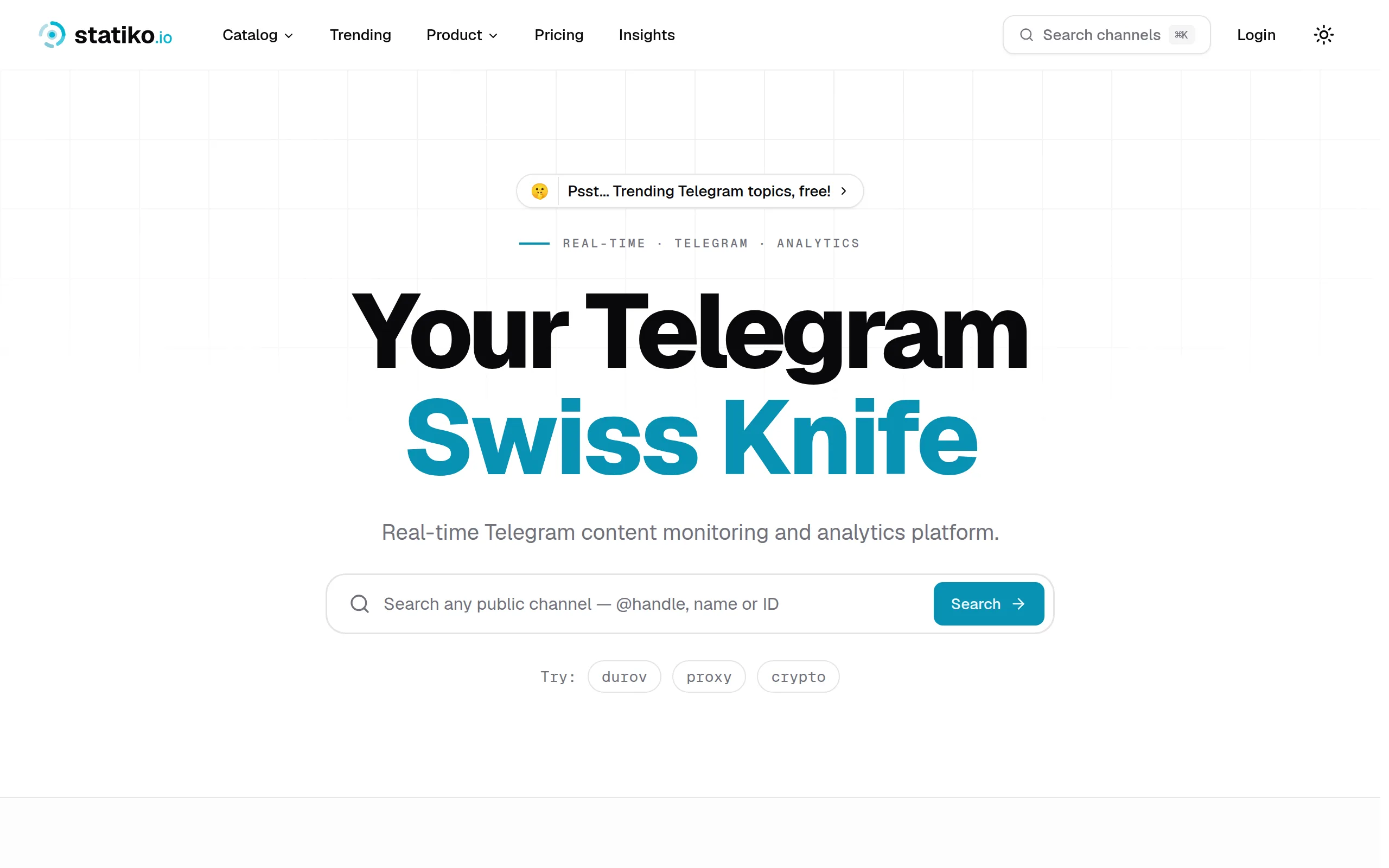
Statiko
Monitor any Telegram channel in real time - track posts, edits, deletions, and growth with AI recaps 📡
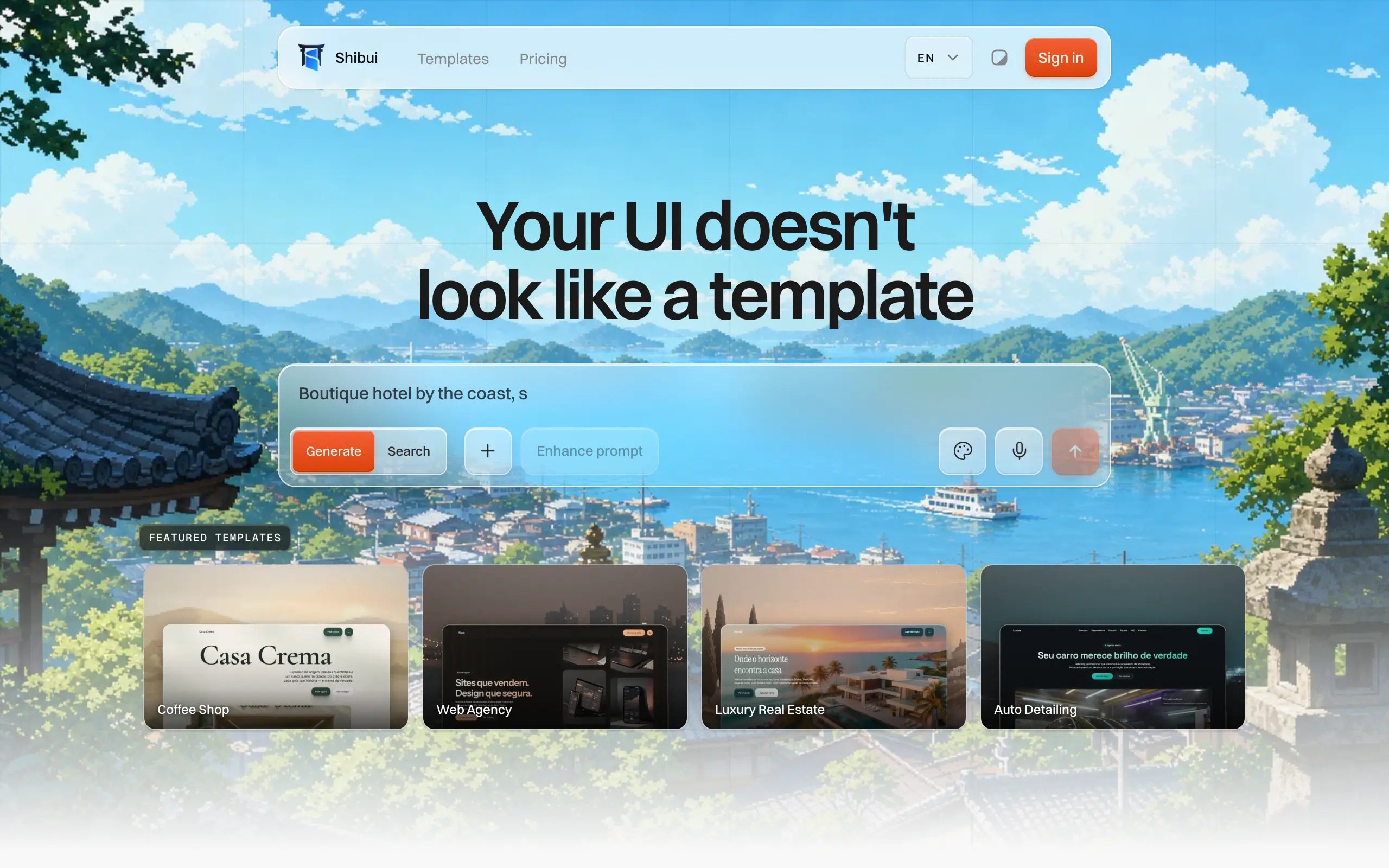
Shibui
AI website builder - describe your business, pick a niche template, edit by chatting, and publish instantly ✨
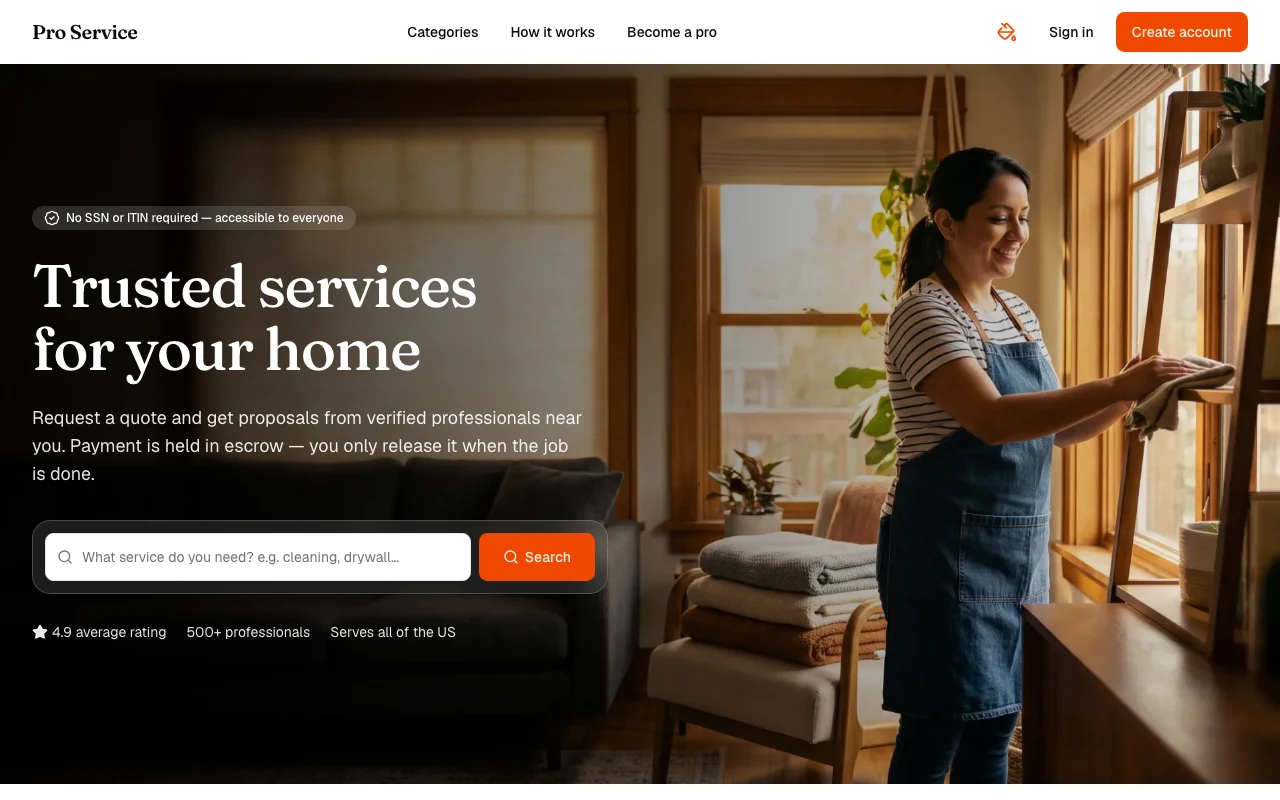
Pro Service
Find verified home service professionals, compare quotes, and pay securely through escrow - built for Brazilians across the US 🏠
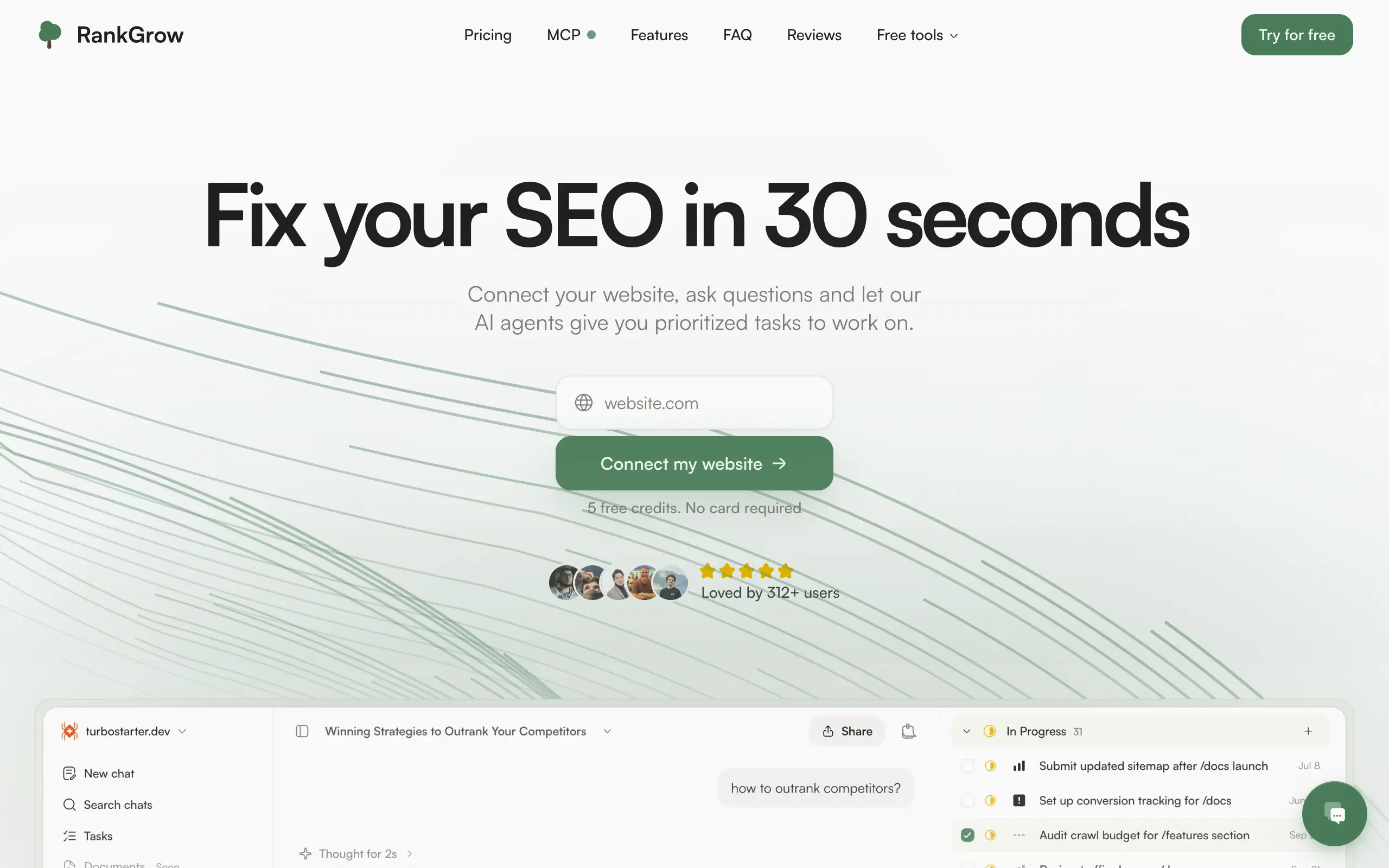
RankGrow
Fix your SEO with AI agents - connect Search Console, get prioritized tasks, and grow organic traffic 📈
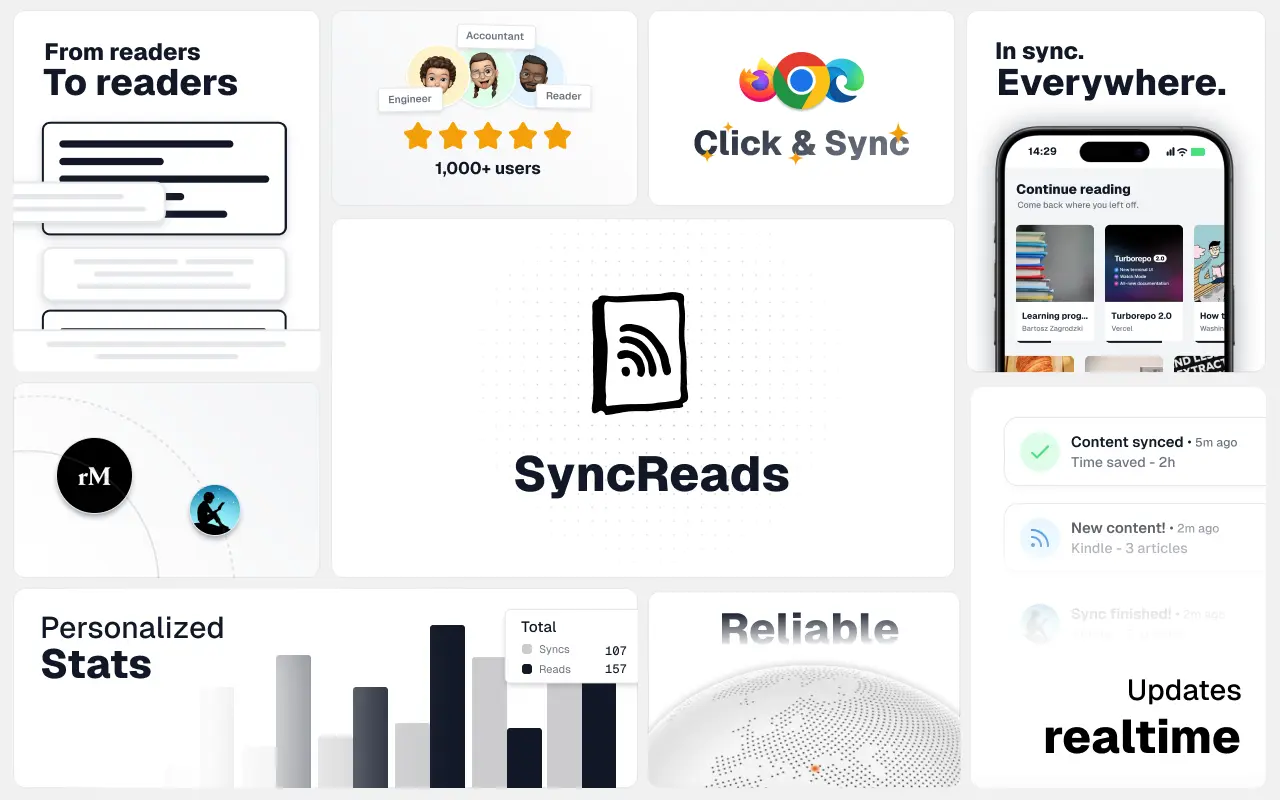
SyncReads
Sync your favorite content for distraction-free reading, save time and replace multiple apps. Anytime, anywhere 🔄
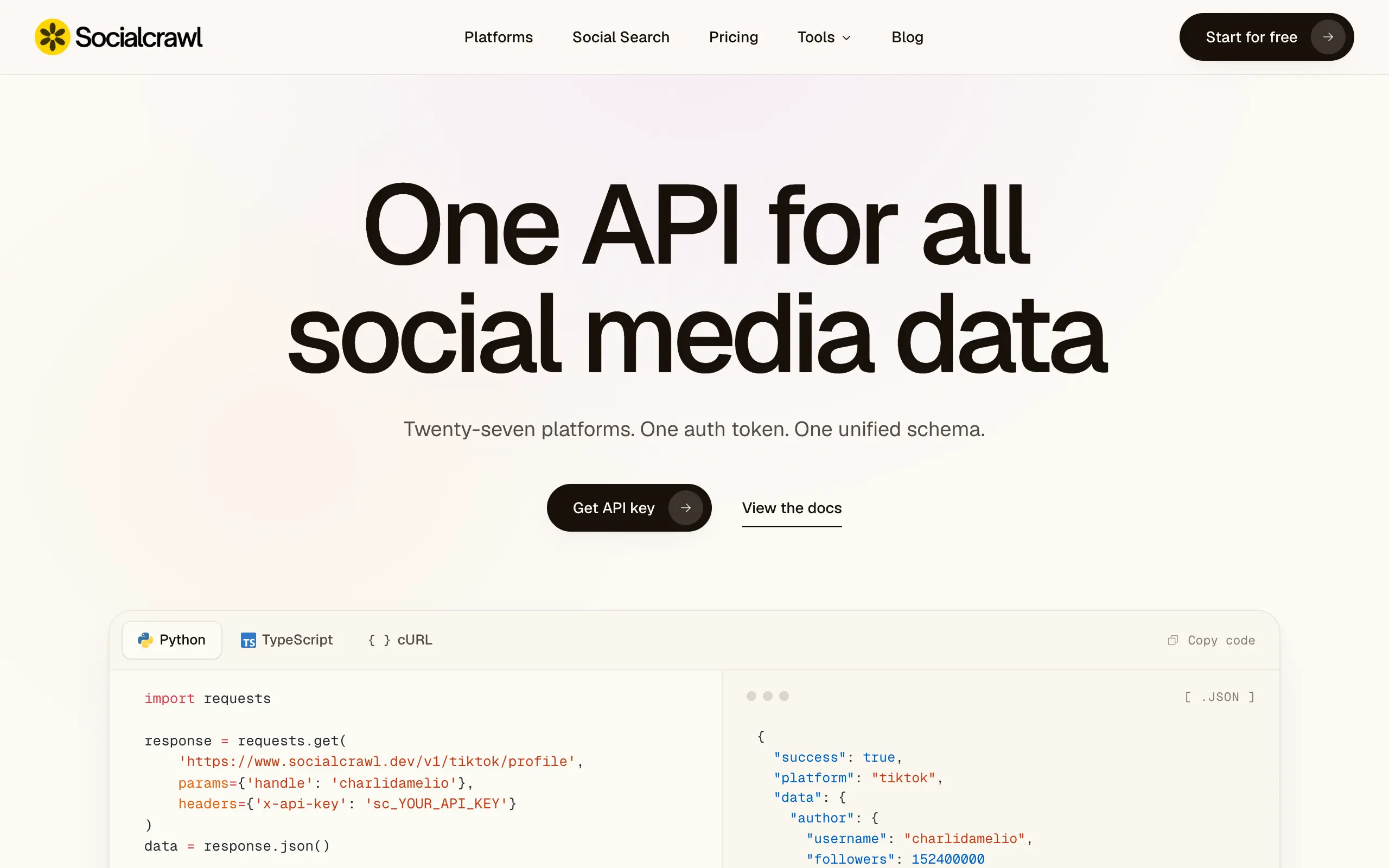
Socialcrawl
Get clean, structured data from 21 platforms like TikTok, Instagram, and YouTube with a single request 📊
Statiko
Monitor any Telegram channel in real time - track posts, edits, deletions, and growth with AI recaps 📡
Shibui
AI website builder - describe your business, pick a niche template, edit by chatting, and publish instantly ✨
Pro Service
Find verified home service professionals, compare quotes, and pay securely through escrow - built for Brazilians across the US 🏠
RankGrow
Fix your SEO with AI agents - connect Search Console, get prioritized tasks, and grow organic traffic 📈
SyncReads
Sync your favorite content for distraction-free reading, save time and replace multiple apps. Anytime, anywhere 🔄
Socialcrawl
Get clean, structured data from 21 platforms like TikTok, Instagram, and YouTube with a single request 📊
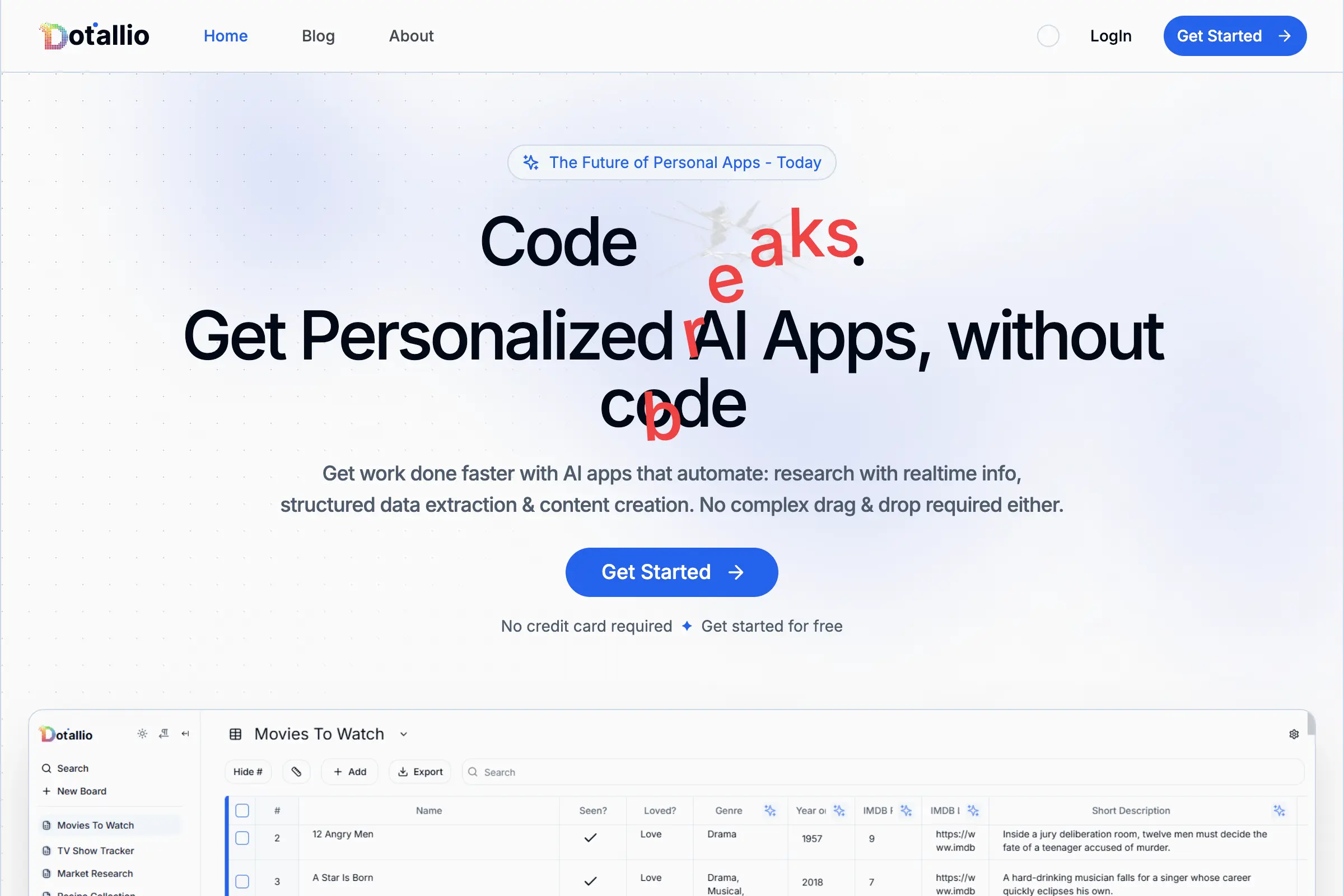
Dotallio
Personalized AI apps that automate research, data extraction, and content creation without code 🤖
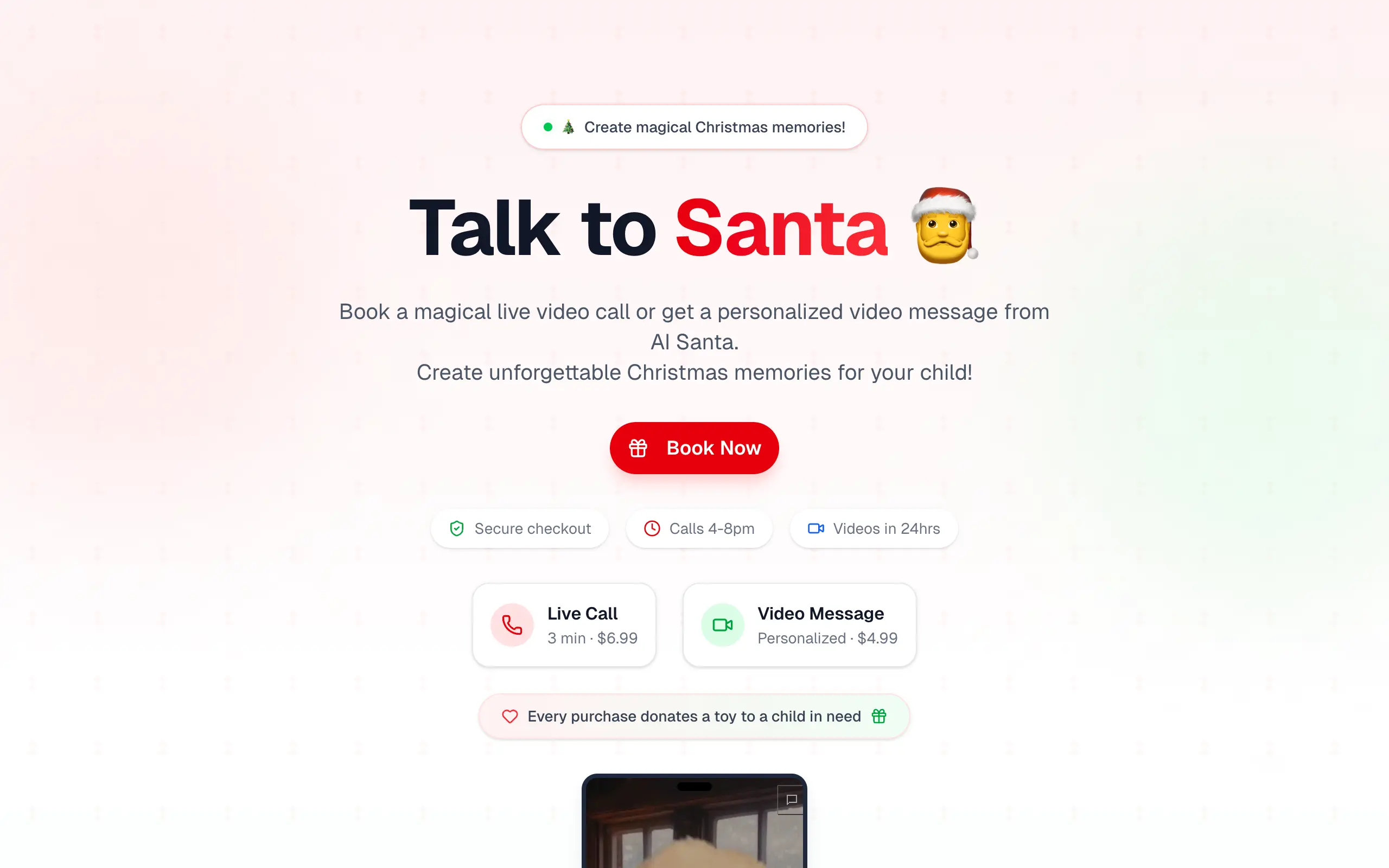
Talk to Santa
Enjoy a magical live video chat or receive a unique AI-generated video greeting from Santa Claus 🎅
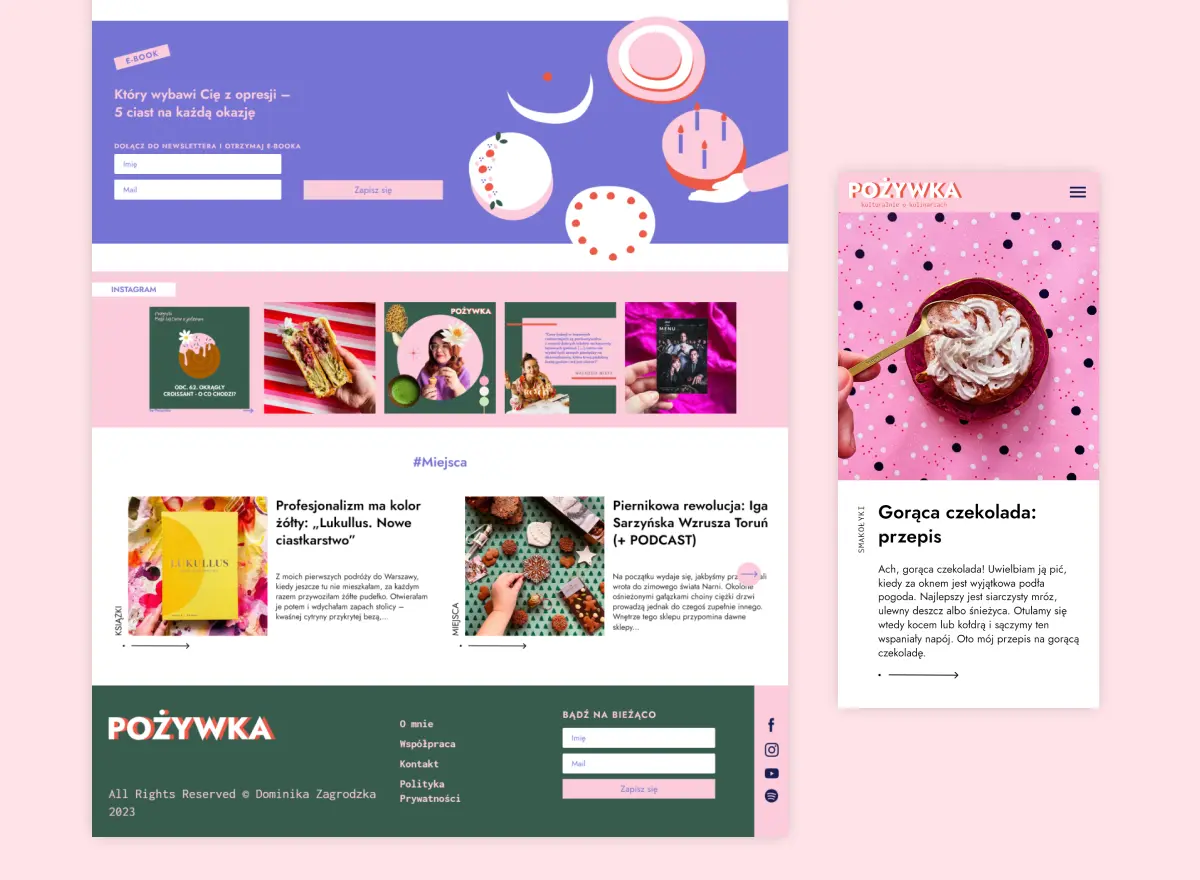
pozywka.pl
Scalable blog for food journalist, focused on performance and user experience 🌭
zagrodzki.me
Personal blog and portfolio of Bart Zagrodzki, where he shares his knowledge and work 💼
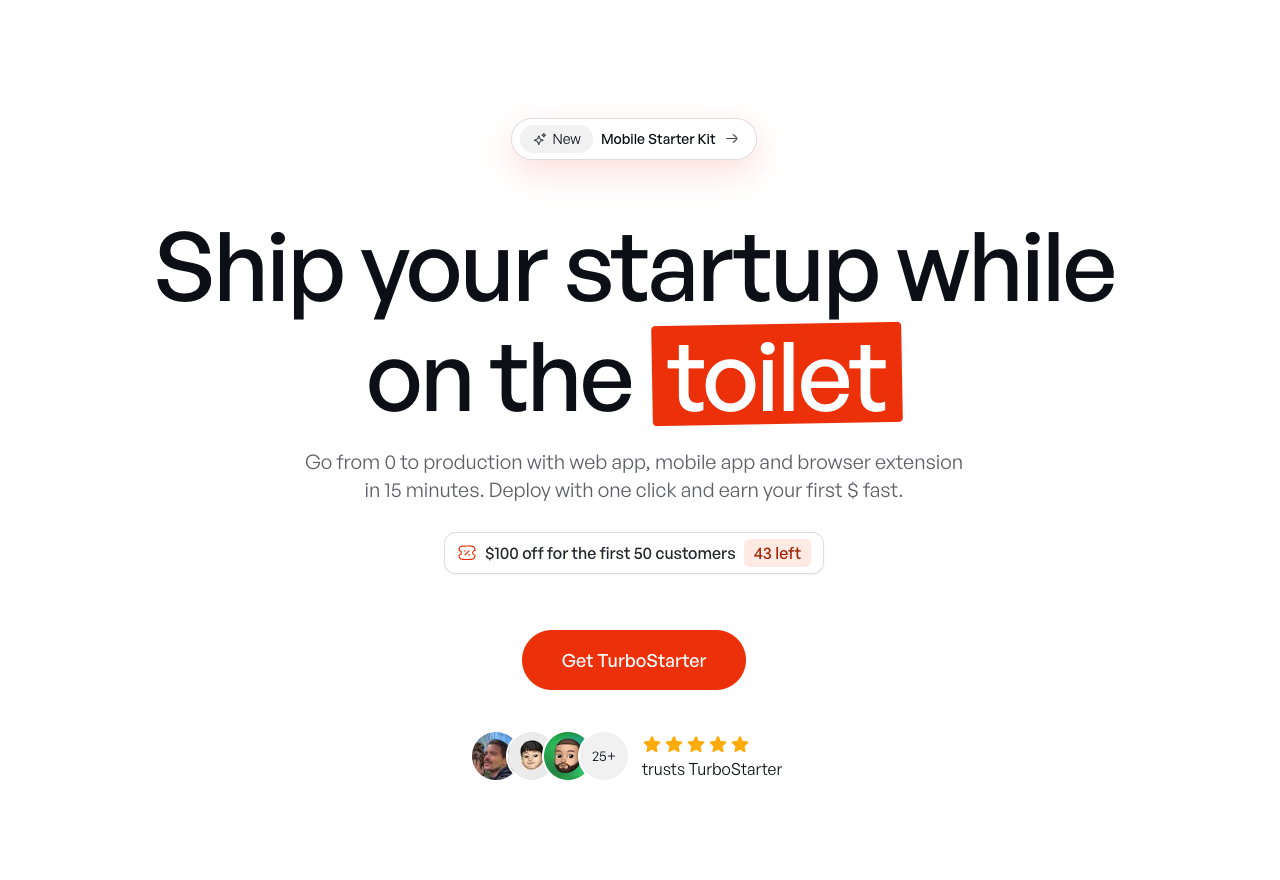
TurboStarter
Ship your startup everywhere. In minutes.
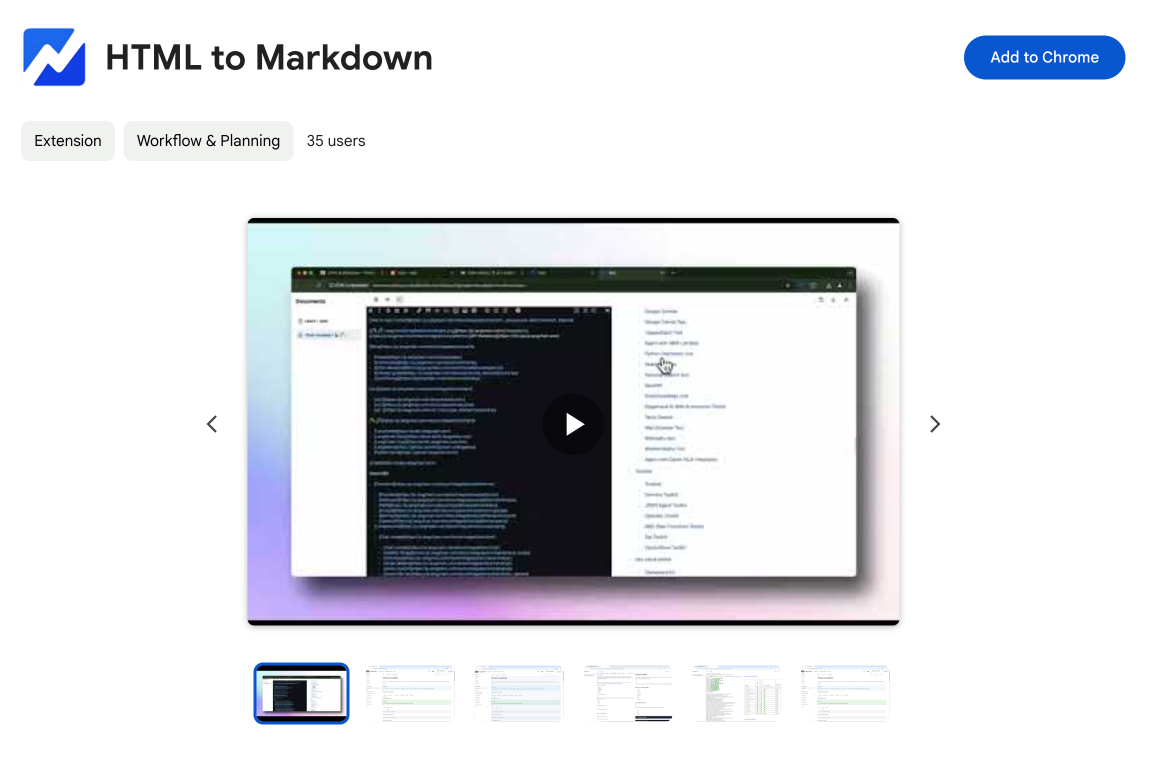
HTML to Markdown
Convert HTML to Markdown with ease, directly in your browser 📄
Dotallio
Personalized AI apps that automate research, data extraction, and content creation without code 🤖
Talk to Santa
Enjoy a magical live video chat or receive a unique AI-generated video greeting from Santa Claus 🎅
pozywka.pl
Scalable blog for food journalist, focused on performance and user experience 🌭
zagrodzki.me
Personal blog and portfolio of Bart Zagrodzki, where he shares his knowledge and work 💼
TurboStarter
Ship your startup everywhere. In minutes.
HTML to Markdown
Convert HTML to Markdown with ease, directly in your browser 📄
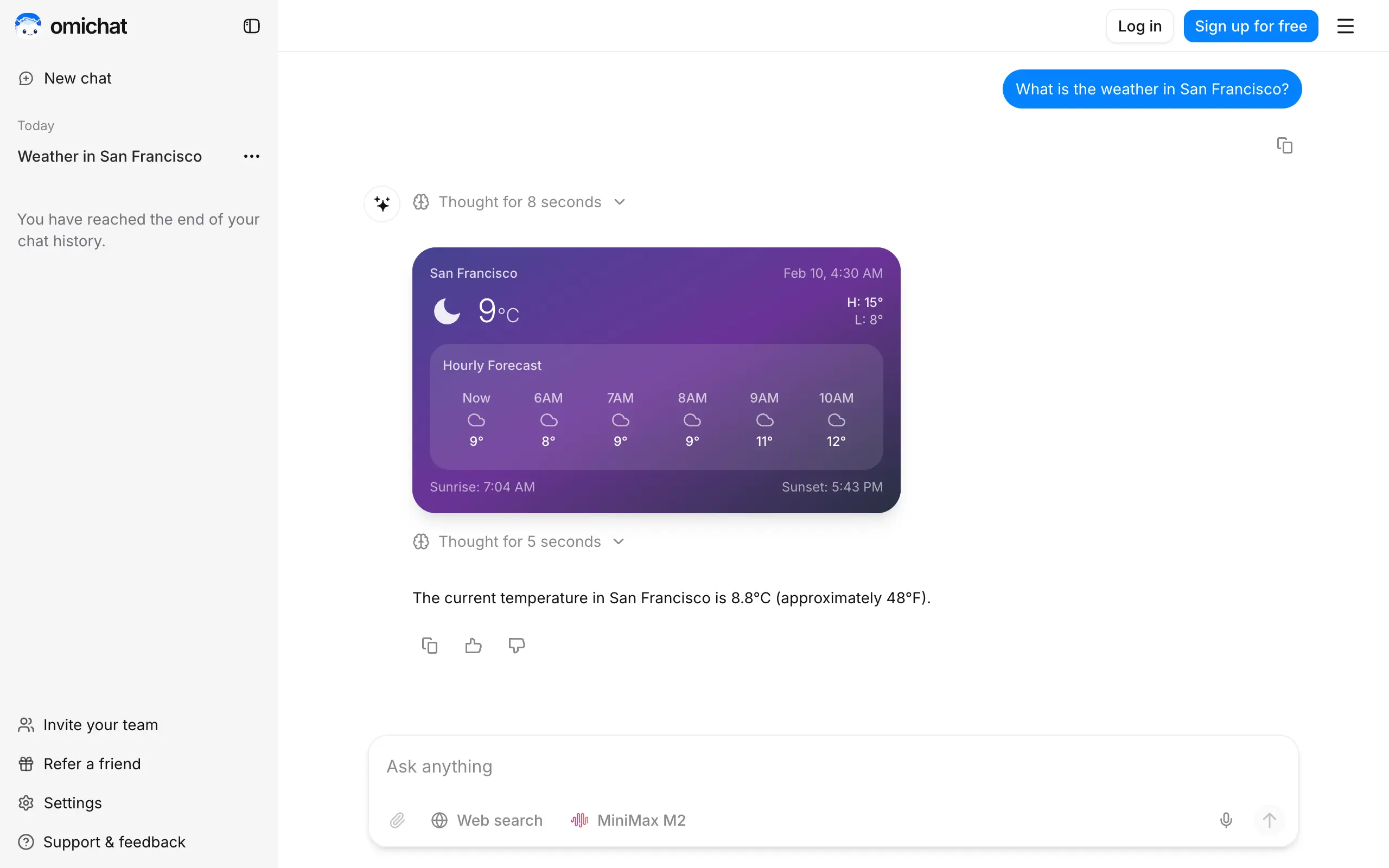
Omichat
Chat with 50+ AI models, including ChatGPT and Claude, in one place - switch models anytime without losing context 🤖
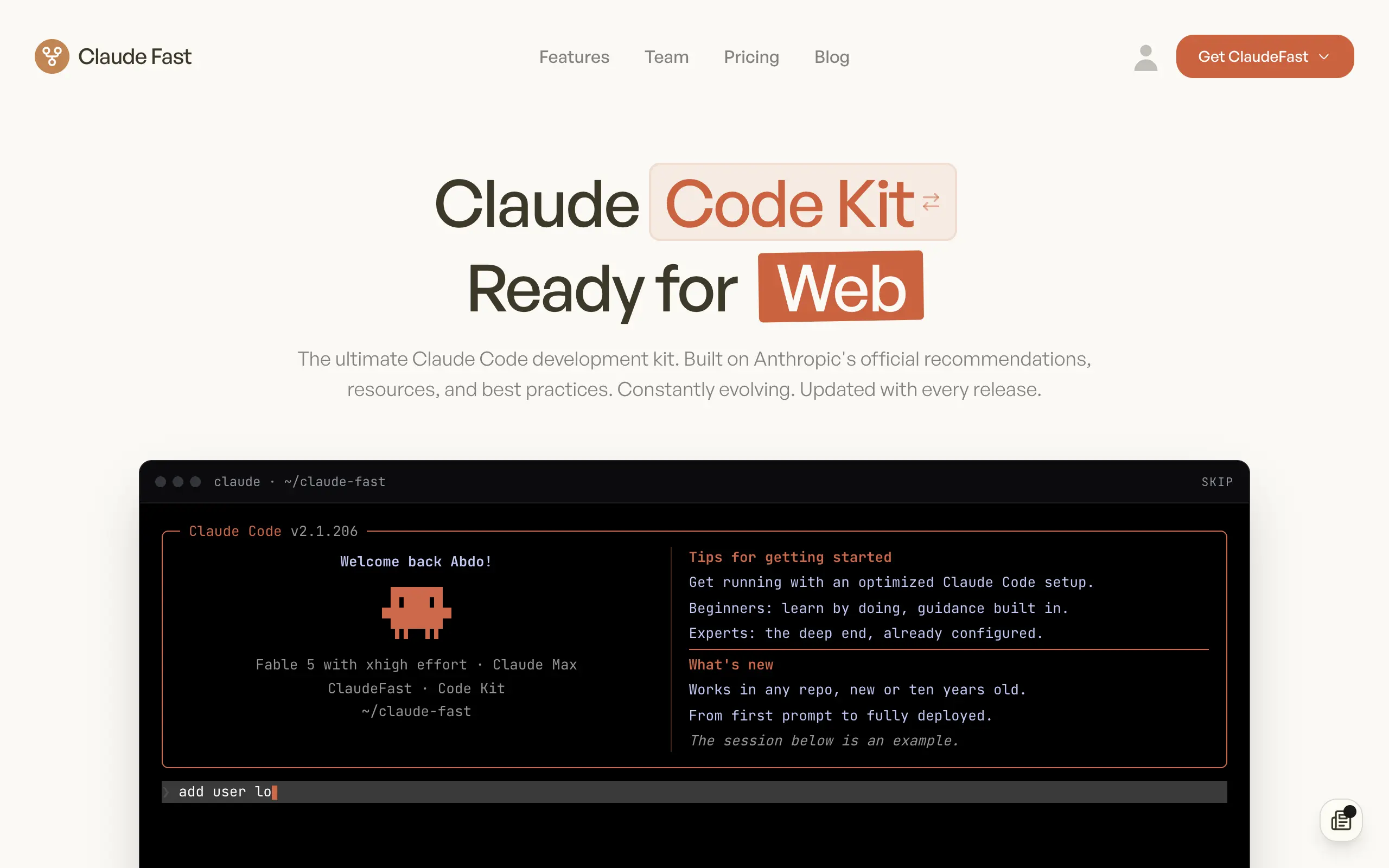
Claude Fast
Supercharge your Claude Code with 6x effective context window and specialized AI agents 🤖
EmojAI
AI-powered emoji picker with smart, context-aware suggestions 🤖
Solohacker
Autonomous company launcher - AI agents work 24/7, escalate what matters, and you stay in control 🤖
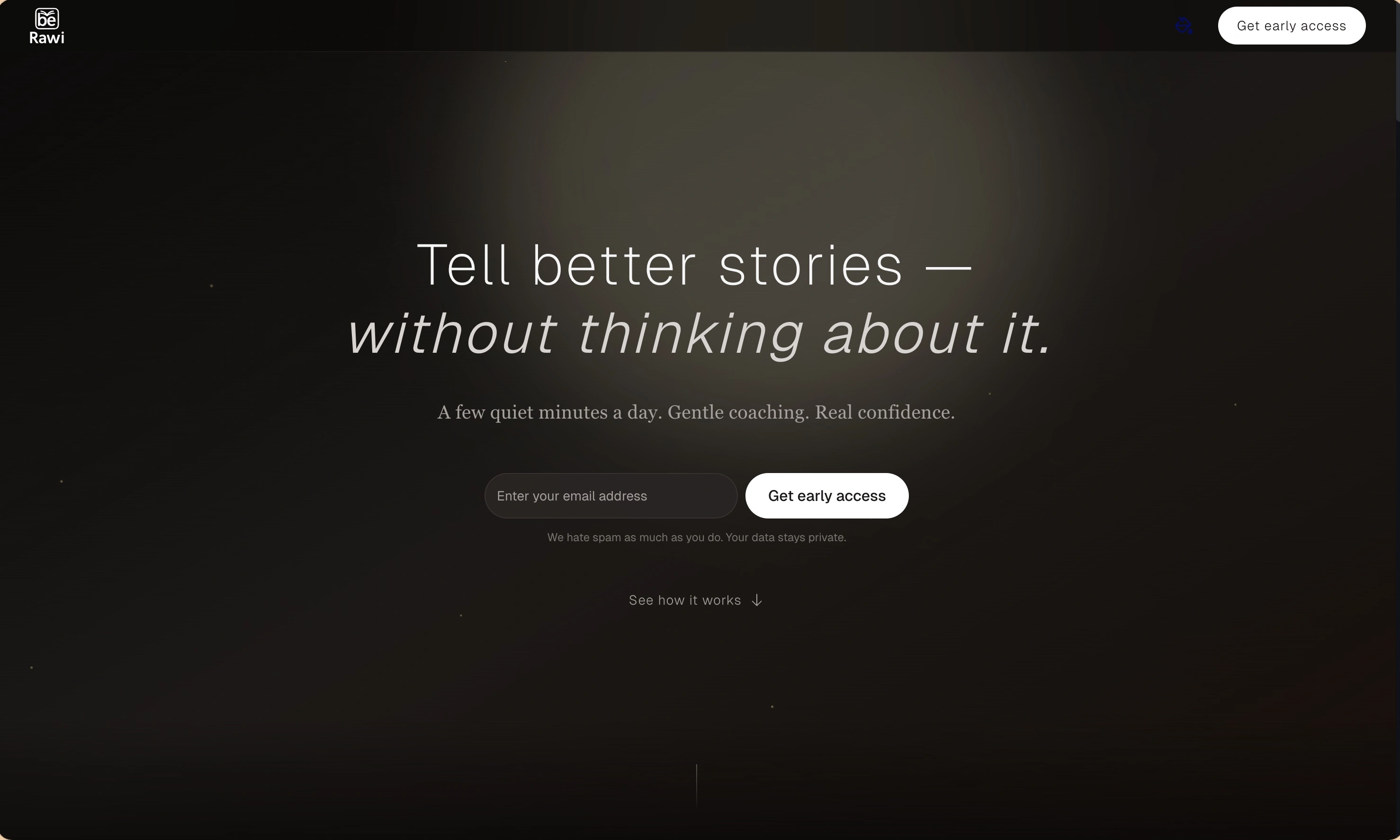
BeRawi: Storytelling Coach
Practice storytelling daily with instant feedback to sound clearer, more engaging, and confident 🎤
Omichat
Chat with 50+ AI models, including ChatGPT and Claude, in one place - switch models anytime without losing context 🤖
Claude Fast
Supercharge your Claude Code with 6x effective context window and specialized AI agents 🤖
EmojAI
AI-powered emoji picker with smart, context-aware suggestions 🤖
Solohacker
Autonomous company launcher - AI agents work 24/7, escalate what matters, and you stay in control 🤖
BeRawi: Storytelling Coach
Practice storytelling daily with instant feedback to sound clearer, more engaging, and confident 🎤

Connect with like-minded people
Join our community to get feedback, support, and grow together with 1,000+ builders on board, let's ship it!
Join usShip your startup everywhere. In minutes.
Don't burn tokens on setup and start building features on day one.