FridgeFirst
Track food expiry dates with quick barcode scans and get simple meal ideas from what needs using first, reducing household food waste.
FridgeFirst is a mobile-first food expiry tracker app designed to help households use groceries before they spoil. By combining fast barcode scanning, simple expiry-date tracking, and meal suggestions based on ingredients that need using first, it addresses a costly daily problem: food gets forgotten in the fridge, pantry, and freezer until it is too late.
The product opportunity is stronger than a generic grocery list or recipe app. FridgeFirst sits at the point where convenience, household budgeting, sustainability, and meal planning meet. Its core promise is easy to understand:
Scan food when it comes in, get reminded before it expires, and receive practical meal ideas that help use it up.
For consumers, the benefit is less food waste and fewer last-minute “what can I cook?” decisions. For the business, the value comes from creating a daily-use household utility with clear premium upgrade paths.
Why a food expiry tracker app is a timely SaaS opportunity
Household food waste is not usually caused by people intentionally throwing food away. It happens because busy people lose visibility into what they already own, misunderstand date labels, buy duplicates, and struggle to turn random ingredients into a meal.
A traditional kitchen organization process often looks like this:
- Groceries are unpacked quickly.
- Fresh food is placed in drawers, shelves, or the freezer.
- Receipts are discarded or forgotten.
- Ingredients become hidden behind newer purchases.
- Food is rediscovered after its best quality window has passed.
A food expiry tracker app solves the visibility problem. FridgeFirst can make food inventory feel lightweight instead of tedious by minimizing manual entry and focusing attention only on ingredients that require action.
Recent consumer behavior also supports this category:
- Households are more conscious of grocery prices and value preservation.
- Sustainability has shifted from a niche concern to a practical purchasing consideration.
- Mobile barcode scanning is familiar because shoppers already use it in retail, loyalty, and nutrition apps.
- AI-assisted meal planning makes it easier to convert an inventory list into usable cooking ideas.
- Families increasingly share digital tools for calendars, tasks, shopping lists, and home management.
For credibility in investor materials or landing-page copy, cite current food-waste research from organizations such as the UN Environment Programme, national environmental agencies, or recognized food-waste nonprofits. Use the most recent edition available rather than relying on dated market statistics.
The product should reduce effort, not create another chore
The strongest food inventory apps do not expect users to catalog every spice jar perfectly. FridgeFirst should make useful recommendations after a few seconds of scanning and offer flexible ways to add items later.
The core audience for FridgeFirst
The ideal FridgeFirst customer is not every person who buys groceries. The best early adopters have a frequent pain point, enough recurring food spend to notice waste, and a willingness to use a mobile app at grocery unpacking time.
Primary audience: busy households and families
Families and shared households are the highest-potential segment because more people create more food inventory complexity. Multiple shoppers may buy the same item. Leftovers become unclaimed. Produce is easily forgotten, particularly when children’s schedules are busy.
Their primary jobs to be done include:
- Knowing what is already in the kitchen before shopping.
- Avoiding duplicate purchases.
- Using perishable groceries before they expire.
- Finding family-friendly meals without planning from scratch.
- Coordinating food decisions across household members.
A shared household inventory is especially valuable here. One person can scan a carton of milk while another receives a notification that it should be used soon.
Secondary audience: budget-conscious solo shoppers
Single-person households often struggle with pack sizes. A bag of greens, a loaf of bread, or a multi-pack of yogurt may be difficult to finish before quality declines.
FridgeFirst can help this audience by offering:
- Smaller-batch recipe suggestions.
- Freezer reminders.
- “Use it this week” meal plans.
- Simple serving-size adjustments.
- Shopping guidance based on existing stock.
This group may be less likely to pay for a family plan, but it can be highly engaged with a low-cost premium tier.
Secondary audience: sustainability-minded consumers
Eco-conscious users already understand that food waste has environmental consequences. They may adopt FridgeFirst because it gives them measurable evidence of progress.
For this segment, useful product experiences include:
- Estimated food items saved from disposal.
- Waste-reduction streaks.
- Weekly kitchen waste summaries.
- Seasonal produce tips.
- Educational guidance about “best before” versus safety-related dates, localized for regional labeling practices.
Future audience: meal-prep enthusiasts and health-focused users
Meal planners, fitness users, and people who cook at home frequently may use FridgeFirst as an inventory intelligence layer. They do not necessarily need a sustainability pitch first. They want to know what to cook, what to freeze, and what to buy next.
This segment is attractive for future integrations with nutrition tracking, meal-prep templates, and grocery delivery services. However, it should not distract from the initial product promise of reducing overlooked food.
The market gap: why existing food apps fall short
The food organization market is fragmented. Grocery list apps focus on buying. Recipe apps focus on discovery. Pantry apps focus on inventory. Nutrition apps focus on consumption. FridgeFirst can occupy the overlooked workflow between purchase and use.
| Category | Primary job | Expiry visibility | Use-it-first meals | Household coordination |
|---|---|---|---|---|
| Grocery list app | Plan purchases | Limited | Rare | Usually strong |
| Recipe discovery app | Find meals | Rare | Partial | Usually limited |
| Pantry inventory app | Track stock | Often manual | Inconsistent | Varies |
| FridgeFirst | Prevent waste and decide meals | Core workflow | Core workflow | Core workflow |
The biggest gap is not a lack of food databases or recipes. It is the lack of a low-friction action loop:
- Add an item quickly.
- Know when it needs attention.
- Get a specific recommendation.
- Mark it used, frozen, shared, or discarded.
- Learn from the outcome.
Many inventory tools fail because they demand too much data entry before giving users value. FridgeFirst should invert that model. A user who scans three groceries should immediately see a “use first” list and one or two meal options.
FridgeFirst’s unique selling proposition
FridgeFirst is not simply an expiry date reminder app. Its differentiator is expiry-aware meal decision support.
Instead of showing users a long spreadsheet-like inventory, the app can answer the more useful question:
What should I use first, and what can I make with it today?
That distinction matters. Reminders alone identify a problem. Meal ideas provide a path to action.
The product’s unique selling proposition can be expressed as:
FridgeFirst turns overlooked groceries into timely, realistic meal decisions through barcode-first food tracking and expiry-prioritized suggestions.
This positioning creates several advantages:
- Barcode scanning lowers onboarding friction.
- Expiry prioritization gives the app a clear daily purpose.
- Meal ideas connect inventory data to behavior change.
- Shared household views solve a coordination issue that solo inventory apps often ignore.
- Waste insights create emotional and financial reinforcement over time.
Core features for an effective food expiry tracker app
A successful MVP should focus on the smallest set of capabilities that produces a reliable weekly habit. The goal is not to create a complete kitchen operating system on day one. It is to make food tracking valuable enough that users keep scanning groceries.
Barcode scanning and product lookup
Barcode scanning is the fastest way to move from physical grocery items to a digital inventory. The scanning experience should open in one tap from the home screen and return useful product information immediately.
A practical scanner flow includes:
- Scan the barcode.
- Retrieve the product name, brand, category, and package size when available.
- Ask the user for an expiry date, storage location, and quantity.
- Apply a smart default shelf-life suggestion when no printed date is available.
- Save the item and return to scan mode for the next product.
The app should never assume that a barcode provides a correct expiry date. Most retail barcodes identify the product, not the specific batch. FridgeFirst should make expiry capture quick with a date picker, voice input, optional image-assisted text recognition, and category-based defaults.
For products without barcodes, users need a fallback path:
- Search by name.
- Add from favorites.
- Add from recent items.
- Create a custom item.
- Scan a receipt in a later product phase.
- Use a quick “leftovers” entry with a prepared date.
Smart expiry date tracking
Expiry handling requires nuance. Food date labels vary by country, product category, and retailer. FridgeFirst should avoid presenting generalized storage guidance as medical or food-safety certainty.
Instead, the app can present date information clearly:
- Use by for dates where the label itself signals a stricter deadline.
- Best before for quality-oriented dates.
- Opened on for items with a limited post-opening window.
- Prepared on for cooked meals and leftovers.
- Frozen on for items moved to freezer storage.
Users should be able to choose storage zones such as fridge, freezer, pantry, counter, or custom locations. The home screen should prioritize urgency using approachable language rather than alarmist warnings.
Examples include:
- “Use today”
- “Plan this next”
- “Good for a few more days”
- “Check before using”
- “Frozen and saved”
Expiry-prioritized meal ideas
Meal suggestions are FridgeFirst’s key retention engine. The feature should begin with simple rules before expanding into personalized AI meal generation.
A useful recommendation engine considers:
- Ingredients expiring soon.
- Household dietary preferences.
- Available cooking time.
- Number of servings.
- Food category combinations.
- Pantry staples the user marks as usually available.
- Previously saved or disliked recipes.
- Ingredient substitutions.
For example, if the user has spinach, mushrooms, yogurt, eggs, and tortillas nearing expiry, FridgeFirst can offer a breakfast wrap, a frittata, or a creamy mushroom and spinach pasta. Each suggestion should visibly explain why it appears, such as “uses 3 items that need attention this week.”
That explanation increases trust and makes the recommendation feel intentional rather than random.
Start with deterministic rules, recipe templates, ingredient matching, and a limited recipe library. This is easier to test, cheaper to operate, and more predictable for food-safety review.
Add AI-assisted meal generation after product-market fit. Use structured ingredient data, dietary constraints, recipe safety rules, and clear user review controls rather than allowing unbounded recipe output.
Notifications that lead to action
Notifications can make or break the experience. Too many alerts cause users to disable them. Too few alerts make the app forgettable.
FridgeFirst should send notifications based on urgency and user behavior:
- A daily digest for items that need attention.
- A weekly “use first” plan.
- A household notification when several items are approaching expiry.
- A reminder to freeze an item if the user commonly does so.
- A follow-up prompt after a meal suggestion is viewed but not acted on.
Every notification should lead to a useful next step. “Your spinach expires soon” is less effective than “Your spinach needs using soon. See two 15-minute meal ideas.”
Household sharing and accountability
A shared kitchen is a major acquisition and retention opportunity. FridgeFirst should support household spaces where members can add food, see shared inventory, and receive role-appropriate notifications.
Important collaboration features include:
- Household invitations.
- Member permissions.
- Shared versus personal inventory.
- Activity history.
- “Used,” “frozen,” and “discarded” actions.
- Optional shopping list integration.
- Conflict-safe quantity updates.
The interface should make shared inventory feel helpful rather than surveillance-oriented. Activity labels such as “Alex marked yogurt as used” are useful, while excessive item-level notifications are not.
Waste insights and habit-building
Users need evidence that their effort matters. A simple weekly dashboard can show:
- Items used before expiry.
- Items frozen or preserved.
- Items discarded.
- Most frequently wasted categories.
- Approximate grocery value saved, when users opt in to price estimates.
- A household “use it first” score.
Avoid overstating environmental impact unless the calculation methodology is transparent. If FridgeFirst later estimates emissions avoided, it should document assumptions and cite reputable lifecycle assessment sources.
Fast capture
Barcode-first entry, recent items, favorites, and quick leftover logging reduce friction.
Useful urgency
A focused use-first queue helps households prioritize food without inventory overload.
Meal action
Meal suggestions turn expiry alerts into a realistic decision about what to cook next.
Designing the mobile experience around real kitchen behavior
The best food expiry tracker app is designed for a kitchen, not a desk. Users may be carrying grocery bags, managing children, or cooking with messy hands. Every interaction should be brief, forgiving, and understandable at a glance.
Prioritize the home screen
The FridgeFirst home screen should avoid showing every item equally. A strong default hierarchy is:
- Items to use today.
- Suggested meals that use urgent ingredients.
- Items to use this week.
- Recently added inventory.
- Household activity and waste insights.
The inventory list remains important, but it should be a secondary navigation destination. The first screen should answer “what needs my attention now?”
Make status changes effortless
An item that has been eaten should disappear in one tap. An ingredient that gets moved to the freezer should be updated nearly as quickly. Every extra confirmation dialog reduces data accuracy.
Consider swipe actions or large contextual buttons:
- Use
- Freeze
- Extend
- Discard
- Edit
“Extend” should not imply that food is always safe after a listed date. It can instead mean the user has checked the item and wants a personal reminder later.
Build accessibility into the first release
Mobile accessibility is a product quality requirement, not a later enhancement. FridgeFirst should support:
- Large tap targets for scanning and status actions.
- Screen-reader labels for urgency states.
- High-contrast color combinations.
- Icons paired with text.
- Notification settings that are easy to understand.
- Language and regional date-format support.
Color alone should never communicate whether an item is urgent. Include text labels, icons, and date context.
Recommended tech stack for FridgeFirst
FridgeFirst is a mobile product with scanning, push notifications, shared real-time data, and potentially AI-assisted recommendations. A cross-platform architecture is the most practical starting point.
Mobile application layer
React Native is a strong choice for FridgeFirst because it supports iOS and Android development from a shared codebase while retaining access to native device capabilities. It is particularly suitable for a product that needs camera access, local notifications, background sync, and mobile-first UI patterns.
Expo can accelerate the early build through managed workflows, development tooling, camera APIs, over-the-air updates, and notification services.
The trade-off is that highly specialized native barcode processing or custom background behavior may eventually require native modules or an Expo prebuild workflow. That is a manageable trade-off for an MVP, especially when speed of iteration matters.
A practical front-end combination includes:
- React Native for the app interface.
- Expo for mobile tooling and deployment workflows.
- TypeScript for safer data contracts.
- TanStack Query for server-state caching and sync.
- A lightweight local store for temporary scan state and offline queues.
- Native or Expo-compatible camera and barcode-scanning libraries.
Backend and database layer
A relational database is ideal because FridgeFirst has clear relationships between users, households, inventory items, food products, notifications, recipes, and actions.
PostgreSQL is a reliable core database choice. It supports structured relational data, transactions, indexing, full-text capabilities, and flexible JSON fields for product metadata.
Supabase is an appealing launch option because it combines hosted Postgres, authentication, file storage, real-time features, and server-side functions. It can reduce backend setup time significantly.
Core data entities should include:
type InventoryItem = {
  id: string;
  householdId: string;
  productId?: string;
  name: string;
  quantity: number;
  unit?: string;
  storageLocation: "fridge" | "freezer" | "pantry" | "counter";
  dateType: "use_by" | "best_before" | "opened_on" | "prepared_on";
  expiryDate?: string;
  openedAt?: string;
  status: "active" | "used" | "frozen" | "discarded";
  createdAt: string;
};
The product catalog should be treated as a separate, imperfect data layer. Barcode records may have missing names, incorrect categories, duplicates, or regional differences. Design the database so users can correct product details without corrupting a shared canonical record.
Recommendation and AI layer
The early meal recommendation engine should use a hybrid architecture:
- Deterministic scoring for expiry urgency.
- Recipe-to-ingredient matching.
- Category and dietary filters.
- A curated recipe template library.
- Optional AI generation only for personalized variations.
This approach keeps recommendations explainable and avoids expensive AI calls for basic use cases. If generative AI is introduced, it should receive constrained structured inputs, such as food items, dietary exclusions, available time, and servings.
Do not allow the model to make food-safety claims or infer that expired food is safe. Add a content policy layer that prevents unsafe language and encourages users to inspect food and follow local guidance.
Notifications, analytics, and observability
Push notifications are central to retention. Use a provider that supports segmentation, scheduled delivery, delivery tracking, and user-level preferences.
For analytics, track meaningful product events:
- Barcode scan started.
- Barcode scan completed.
- Item added.
- Expiry reminder opened.
- Meal suggestion viewed.
- Meal suggestion saved.
- Inventory item marked used.
- Inventory item marked discarded.
- Household invitation accepted.
Do not collect more personal data than the product needs. Privacy-conscious analytics is a competitive advantage, particularly for a household app that may reveal routines and dietary preferences.
For production readiness, implement:
- Error monitoring.
- API latency tracking.
- Notification delivery monitoring.
- Database backup verification.
- Feature flags for recommendation changes.
- Audit logs for account and household permission changes.
Monetization strategies for FridgeFirst
A freemium model is the most natural fit. Food waste reduction has broad consumer appeal, but users need to experience the value before committing to a subscription.
Free plan
The free plan should provide enough functionality to prove the central benefit:
- One household or limited members.
- Barcode scanning.
- A capped number of active inventory items.
- Basic expiry reminders.
- A limited number of meal suggestions per week.
- Simple waste insights.
Avoid making the free plan so restrictive that users cannot form a habit. If scanning groceries for one weekly trip immediately hits a cap, the app will feel frustrating rather than useful.
Premium individual plan
A paid individual plan can offer:
- Unlimited inventory items.
- Advanced meal suggestions.
- Dietary preference filtering.
- Freezer and leftovers tracking.
- Detailed waste trends.
- Custom notification schedules.
- Receipt scanning or image-assisted expiry capture.
- Exportable pantry data.
Premium household plan
The household plan should be the primary revenue driver because its value rises with multiple members. It can include:
- Multiple household members.
- Shared shopping list features.
- Collaborative meal planning.
- Household activity history.
- Family notification controls.
- Multiple storage locations.
- Enhanced household waste reports.
Pricing should be tested by region and positioned against the estimated value of preventing even a modest amount of recurring food waste. A monthly plan, annual discount, and free trial are sensible starting points.
Additional revenue opportunities
Potential future revenue streams include:
- Grocery retailer partnerships.
- Affiliate recommendations for storage containers or food-preservation products.
- White-label offerings for sustainability programs.
- Employee wellness or benefits partnerships.
- Premium recipe collections from trusted creators.
- Smart kitchen integrations.
These should be considered only after the core consumer experience is validated. Retail partnerships can create conflicts if they prioritize selling more food over helping people use what they already have.
Competitive advantage and defensibility
The initial feature set of a food expiry tracker app can be copied. FridgeFirst’s defensibility will come from product execution, habit data, recommendation quality, and trusted household workflows.
Build a proprietary “use-first” intelligence layer
Over time, FridgeFirst can learn patterns such as:
- Which categories a household frequently wastes.
- How long users usually keep opened products.
- Which meal suggestions result in items being marked used.
- Which reminders users dismiss.
- When a household is most likely to act.
- Which ingredients are commonly frozen instead of discarded.
This creates a feedback loop that improves recommendations. The app becomes more useful because it understands the household’s actual food behavior, not just a generic recipe database.
Win through trust and clarity
Trust is especially important around food dates. FridgeFirst should clearly distinguish user-entered dates, label types, suggested storage windows, and personalized reminders.
The product should not make clinical or legal claims about food safety. It can provide educational guidance while reminding users to follow package instructions and local health authority recommendations.
This transparent approach supports long-term brand credibility and reduces the risk of dangerous overconfidence.
Create a habit, not a one-time utility
The durable behavior loop is:
- Scan groceries.
- See what needs using.
- Cook or preserve food.
- Mark it complete.
- See savings and reduced waste.
- Repeat next grocery trip.
The app should celebrate practical wins without shaming users for discarded items. A user who logs waste is providing valuable data and should be encouraged to improve, not punished.
Risks and mitigation strategies
Every consumer SaaS product faces adoption, data, and retention risks. FridgeFirst has several category-specific challenges that should be addressed early.
Mitigate this with editable product details, manual entry, recent-item shortcuts, a user correction flow, and category-level defaults. Product lookup should accelerate entry, not become a hard dependency.
Minimize data entry, make scanning fast, show value immediately, and focus notifications on actionable meal decisions. Track activation based on items used before expiry, not just items added.
Offer daily digest options, quiet hours, urgency controls, and household-level preferences. Test notification timing and measure opt-out rates alongside open rates.
Avoid definitive safety claims, distinguish label types, use careful language, and have food-safety content reviewed by qualified experts. Document content sources and review them periodically.
Begin with curated recipes and constrained recommendation logic. Add AI only with ingredient validation, dietary safeguards, quality evaluation, and an easy way for users to report poor suggestions.
Security and privacy must also be treated as core product requirements. Household memberships, push tokens, dietary preferences, and usage patterns are sensitive. Follow least-privilege access controls, encrypt data in transit, protect authentication flows, and review mobile security guidance from reputable standards bodies such as OWASP.
Go-to-market strategy for a barcode food expiry tracker app
FridgeFirst should lead with a practical, emotionally resonant promise: waste less food without manually managing a complicated pantry.
Positioning messages to test
Different audiences may respond to different benefits. Test landing pages and app-store creative around:
- “Know what to cook before it goes bad.”
- “Scan groceries and use food before it is forgotten.”
- “Your shared fridge, organized around what needs using first.”
- “Spend less by using the food you already bought.”
- “Turn expiring ingredients into easy dinner ideas.”
Avoid making sustainability the only message. It is important, but saving time and money is often a more immediate conversion driver.
Early acquisition channels
Strong early channels include:
- App Store Optimization for terms such as “food expiry tracker,” “fridge inventory app,” “food waste app,” and “barcode pantry app.”
- Short-form cooking content featuring “use what you have” meal transformations.
- Partnerships with meal-prep creators and budget cooking communities.
- Referral rewards for household invitations.
- Content marketing around food storage, leftovers, freezer planning, and date-label education.
- Localized seasonal campaigns around holidays and high-waste periods.
The strongest organic content will solve specific queries. Examples include “how to keep track of food expiry dates,” “what to cook with vegetables about to expire,” and “how to reduce food waste at home.”
Actionable implementation plan
A disciplined rollout can validate the FridgeFirst concept without overbuilding expensive features.
For a fast SaaS foundation, TurboStarter can help teams avoid rebuilding standard product infrastructure from scratch while they focus on FridgeFirst’s differentiated mobile workflow, inventory intelligence, and recommendation experience.
Final recommendation
FridgeFirst has a credible opportunity to become more than a food expiry date tracker. Its best version is a household decision assistant that helps people notice what they own, use perishable ingredients in time, and make dinner planning easier.
The product should start narrow:
- Make grocery capture fast.
- Make expiry urgency clear.
- Make meal suggestions genuinely useful.
- Make shared household participation effortless.
Once these fundamentals work, FridgeFirst can expand into personalized meal planning, shopping intelligence, waste analytics, and retail partnerships. The long-term advantage will not come from tracking every food item perfectly. It will come from helping households make one better food decision at the exact moment it matters.
More 📱 Mobile App SaaS ideas
Discover more innovative mobile app SaaS ideas that are trending in 2026. Each idea is AI-generated with market validation and growth potential to help you find your next profitable venture faster than competitors.
Your competitors are building with TurboStarter
Below are some of the SaaS ideas that have been generated and built with our starter kit.
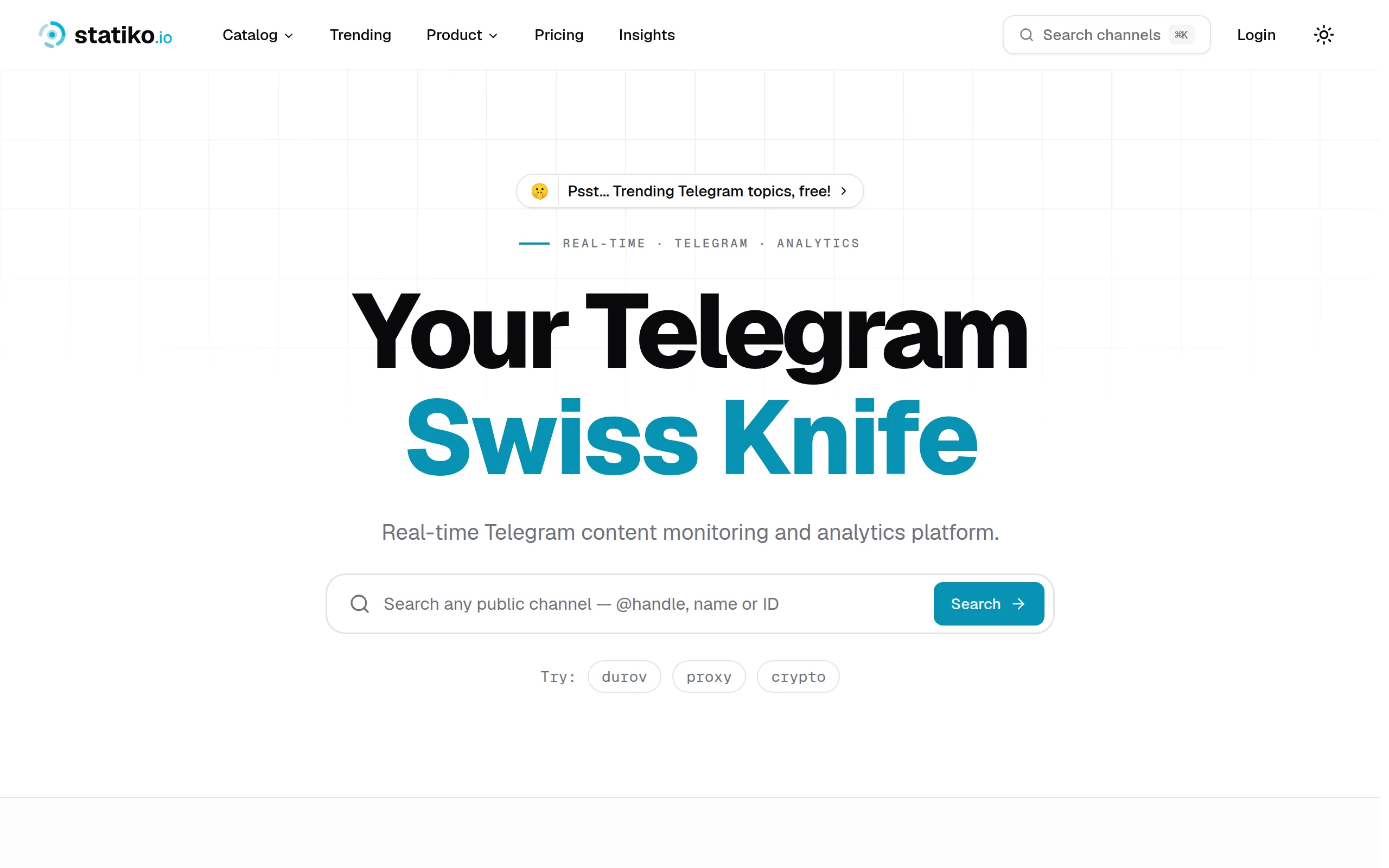
Statiko
Monitor any Telegram channel in real time - track posts, edits, deletions, and growth with AI recaps 📡

Shibui
AI website builder - describe your business, pick a niche template, edit by chatting, and publish instantly ✨
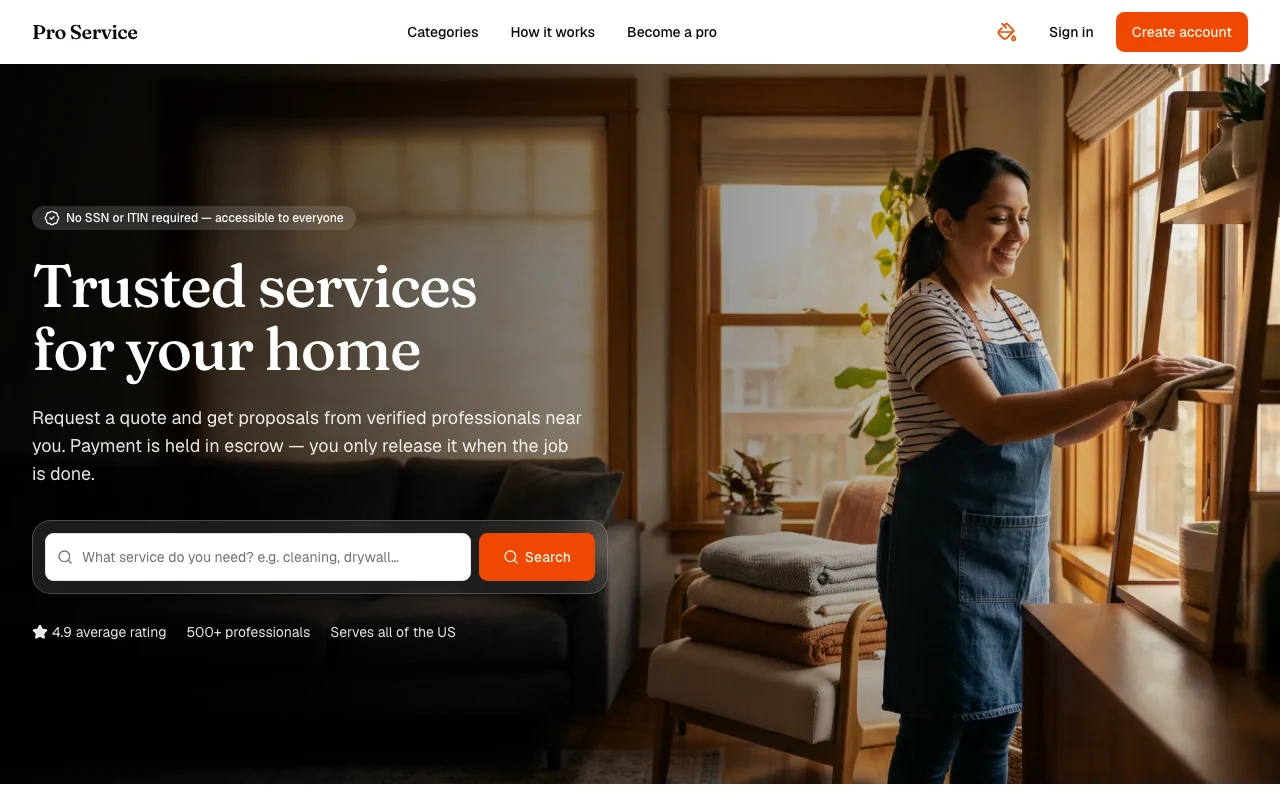
Pro Service
Find verified home service professionals, compare quotes, and pay securely through escrow - built for Brazilians across the US 🏠
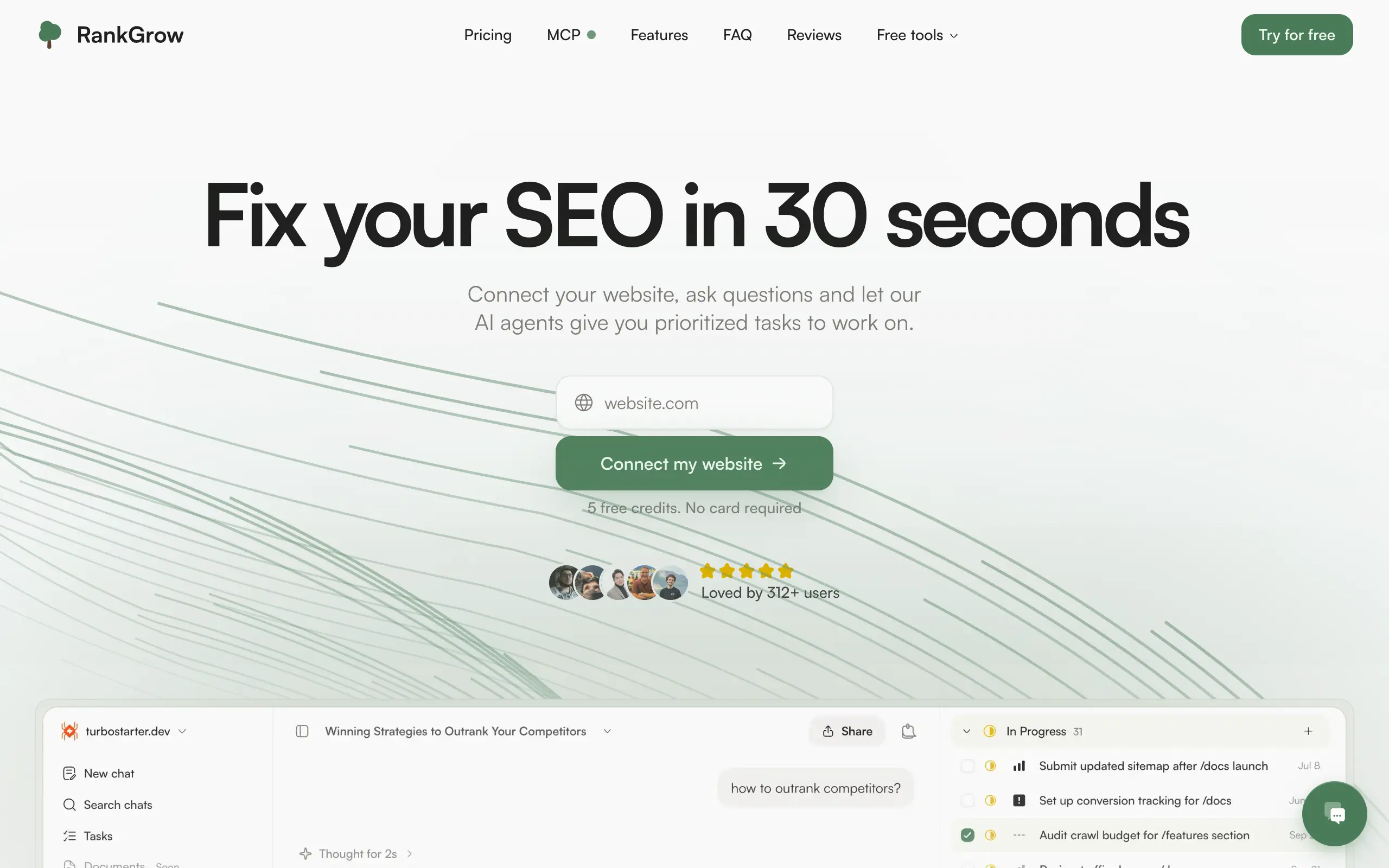
RankGrow
Fix your SEO with AI agents - connect Search Console, get prioritized tasks, and grow organic traffic 📈
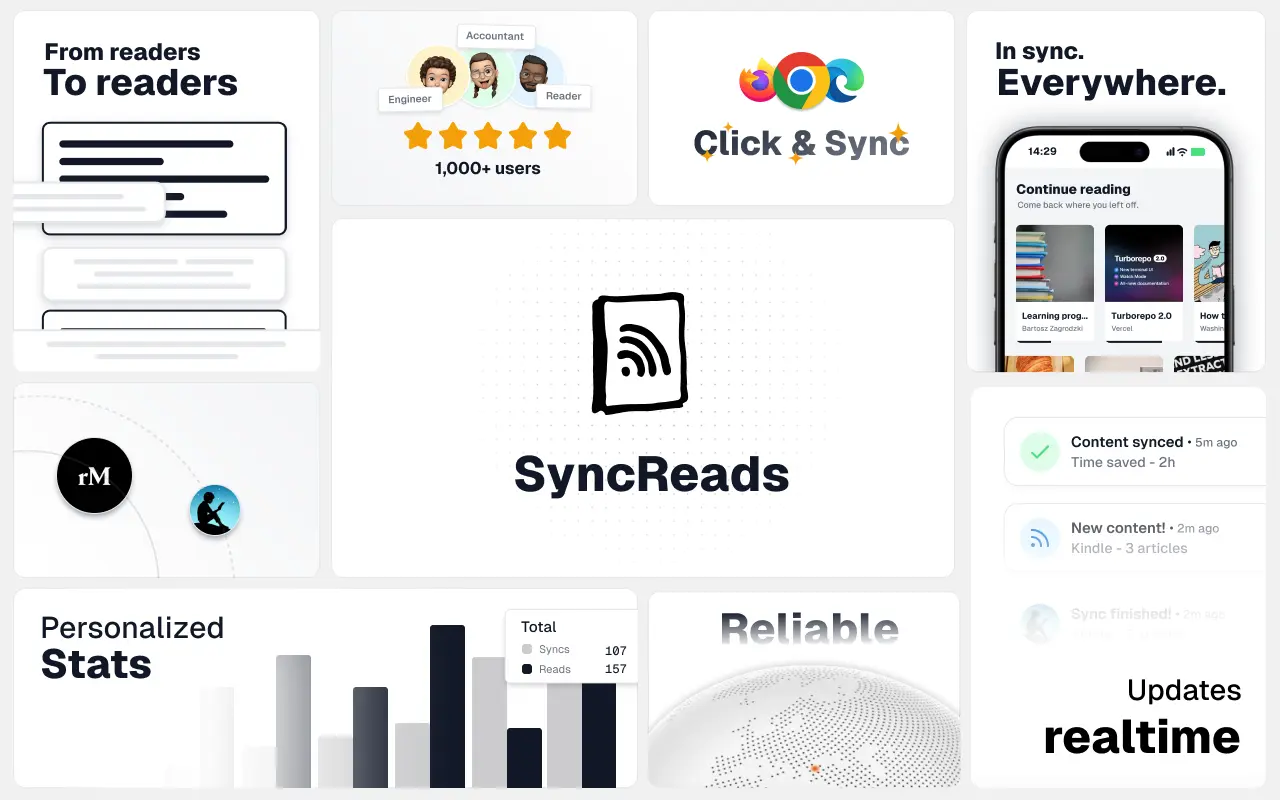
SyncReads
Sync your favorite content for distraction-free reading, save time and replace multiple apps. Anytime, anywhere 🔄
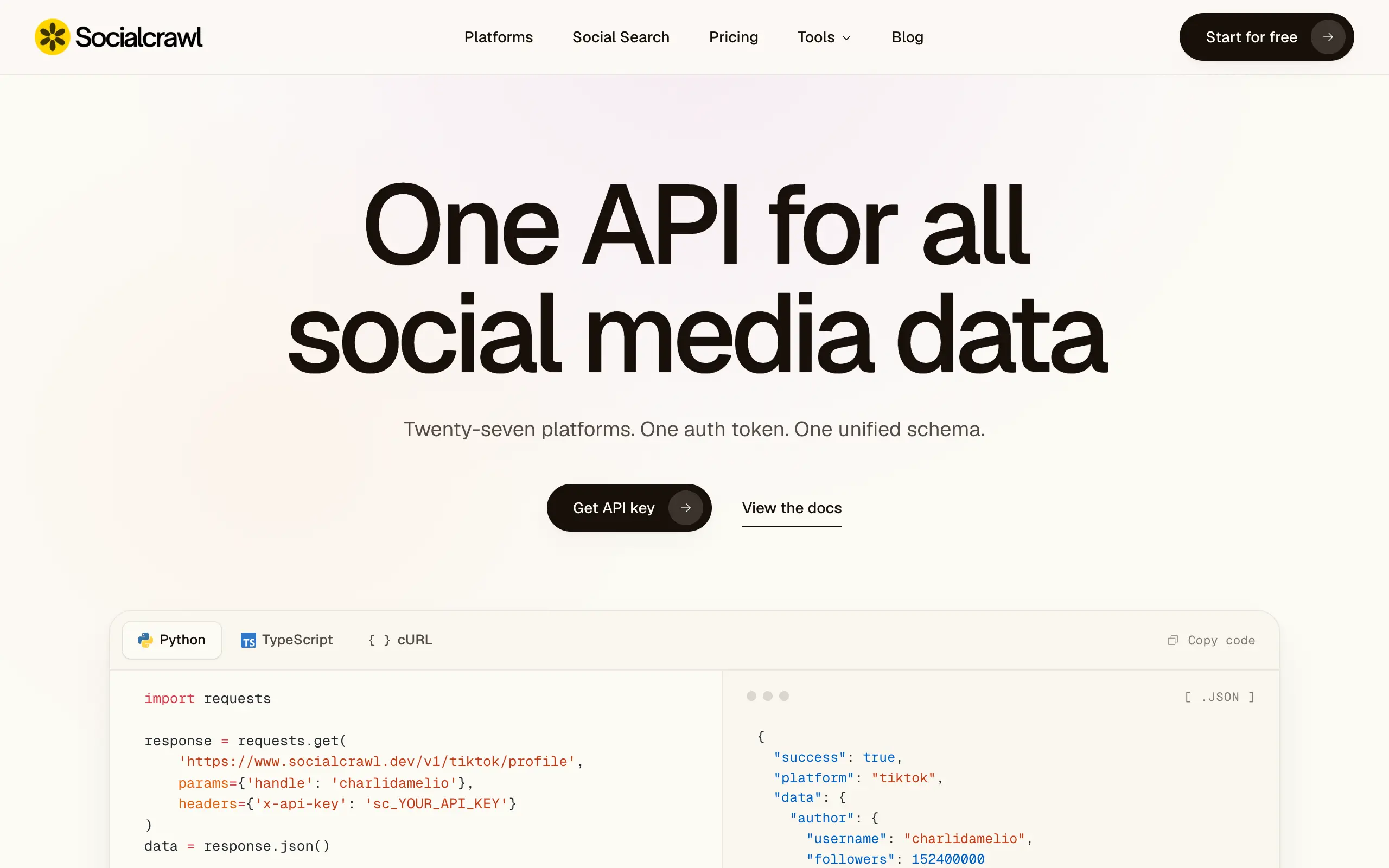
Socialcrawl
Get clean, structured data from 21 platforms like TikTok, Instagram, and YouTube with a single request 📊
Statiko
Monitor any Telegram channel in real time - track posts, edits, deletions, and growth with AI recaps 📡
Shibui
AI website builder - describe your business, pick a niche template, edit by chatting, and publish instantly ✨
Pro Service
Find verified home service professionals, compare quotes, and pay securely through escrow - built for Brazilians across the US 🏠
RankGrow
Fix your SEO with AI agents - connect Search Console, get prioritized tasks, and grow organic traffic 📈
SyncReads
Sync your favorite content for distraction-free reading, save time and replace multiple apps. Anytime, anywhere 🔄
Socialcrawl
Get clean, structured data from 21 platforms like TikTok, Instagram, and YouTube with a single request 📊
Statiko
Monitor any Telegram channel in real time - track posts, edits, deletions, and growth with AI recaps 📡
Shibui
AI website builder - describe your business, pick a niche template, edit by chatting, and publish instantly ✨
Pro Service
Find verified home service professionals, compare quotes, and pay securely through escrow - built for Brazilians across the US 🏠
RankGrow
Fix your SEO with AI agents - connect Search Console, get prioritized tasks, and grow organic traffic 📈
SyncReads
Sync your favorite content for distraction-free reading, save time and replace multiple apps. Anytime, anywhere 🔄
Socialcrawl
Get clean, structured data from 21 platforms like TikTok, Instagram, and YouTube with a single request 📊
Statiko
Monitor any Telegram channel in real time - track posts, edits, deletions, and growth with AI recaps 📡
Shibui
AI website builder - describe your business, pick a niche template, edit by chatting, and publish instantly ✨
Pro Service
Find verified home service professionals, compare quotes, and pay securely through escrow - built for Brazilians across the US 🏠
RankGrow
Fix your SEO with AI agents - connect Search Console, get prioritized tasks, and grow organic traffic 📈
SyncReads
Sync your favorite content for distraction-free reading, save time and replace multiple apps. Anytime, anywhere 🔄
Socialcrawl
Get clean, structured data from 21 platforms like TikTok, Instagram, and YouTube with a single request 📊
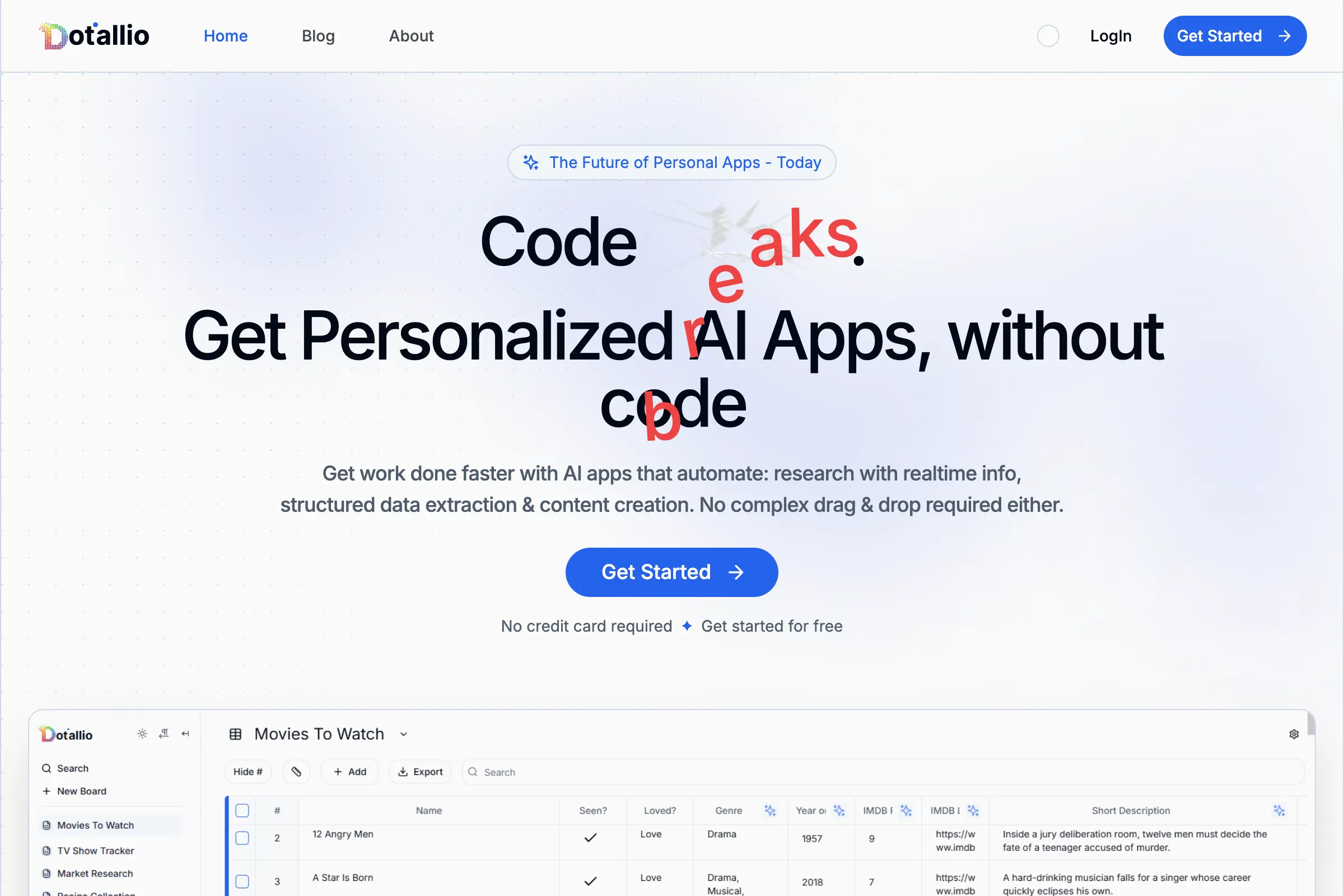
Dotallio
Personalized AI apps that automate research, data extraction, and content creation without code 🤖
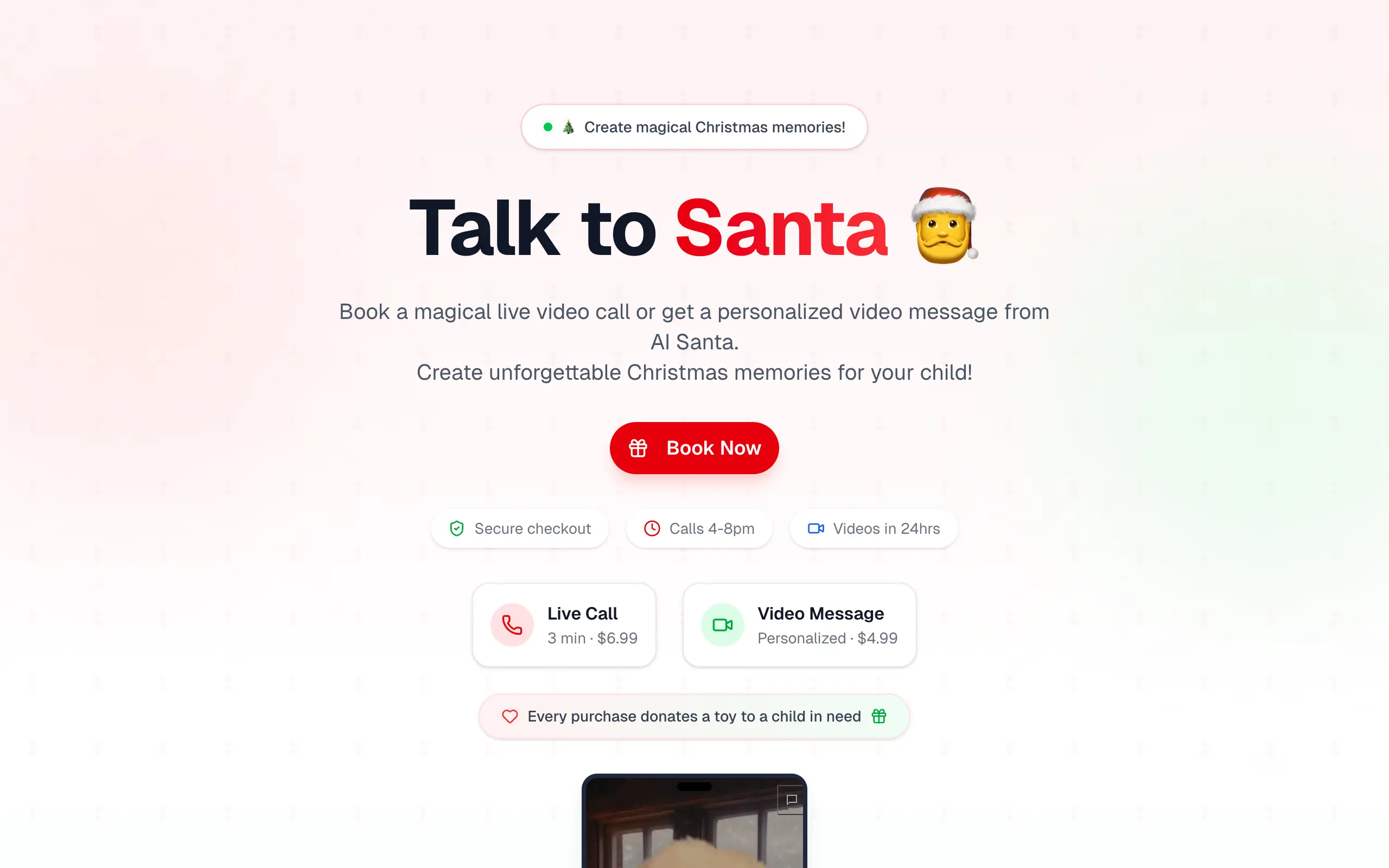
Talk to Santa
Enjoy a magical live video chat or receive a unique AI-generated video greeting from Santa Claus 🎅
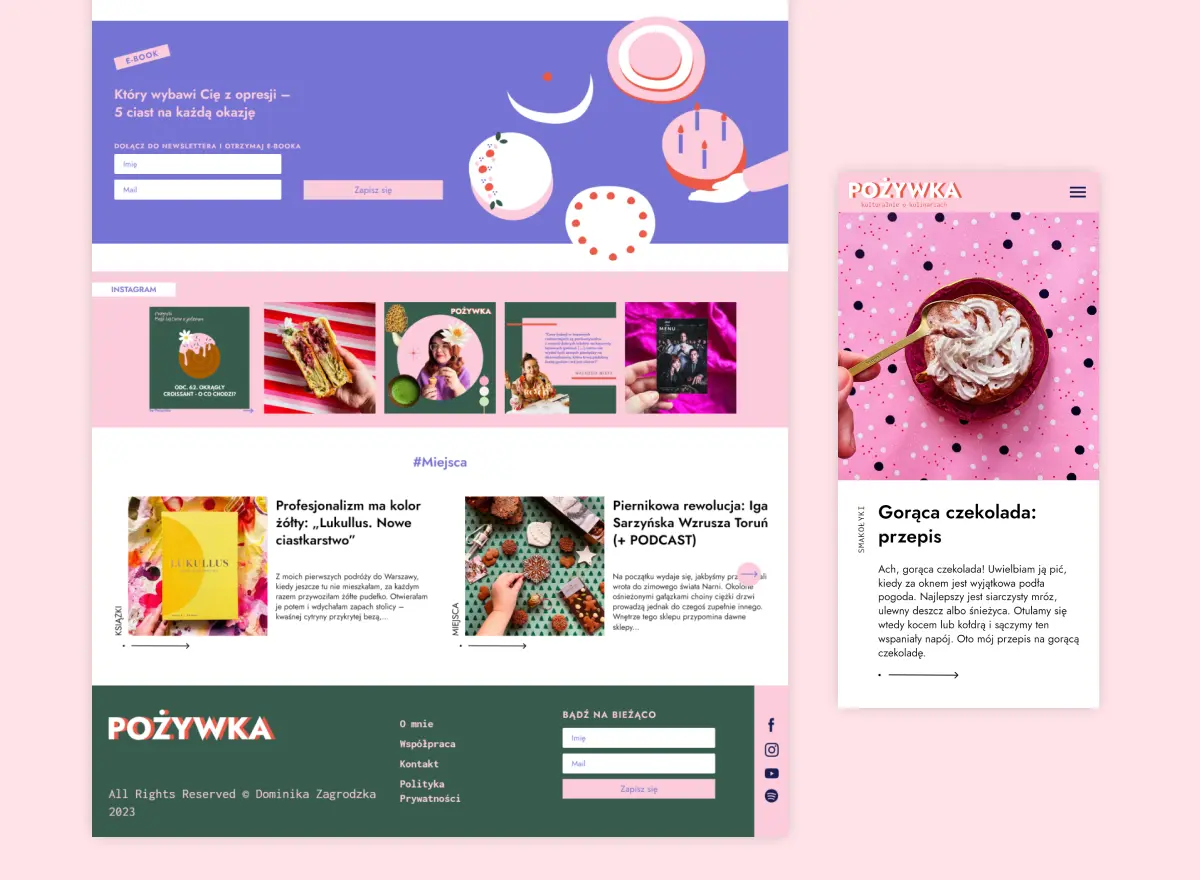
pozywka.pl
Scalable blog for food journalist, focused on performance and user experience 🌭
zagrodzki.me
Personal blog and portfolio of Bart Zagrodzki, where he shares his knowledge and work 💼
TurboStarter
Ship your startup everywhere. In minutes.
HTML to Markdown
Convert HTML to Markdown with ease, directly in your browser 📄
Dotallio
Personalized AI apps that automate research, data extraction, and content creation without code 🤖
Talk to Santa
Enjoy a magical live video chat or receive a unique AI-generated video greeting from Santa Claus 🎅
pozywka.pl
Scalable blog for food journalist, focused on performance and user experience 🌭
zagrodzki.me
Personal blog and portfolio of Bart Zagrodzki, where he shares his knowledge and work 💼
TurboStarter
Ship your startup everywhere. In minutes.
HTML to Markdown
Convert HTML to Markdown with ease, directly in your browser 📄
Dotallio
Personalized AI apps that automate research, data extraction, and content creation without code 🤖
Talk to Santa
Enjoy a magical live video chat or receive a unique AI-generated video greeting from Santa Claus 🎅
pozywka.pl
Scalable blog for food journalist, focused on performance and user experience 🌭
zagrodzki.me
Personal blog and portfolio of Bart Zagrodzki, where he shares his knowledge and work 💼
TurboStarter
Ship your startup everywhere. In minutes.
HTML to Markdown
Convert HTML to Markdown with ease, directly in your browser 📄
Dotallio
Personalized AI apps that automate research, data extraction, and content creation without code 🤖
Talk to Santa
Enjoy a magical live video chat or receive a unique AI-generated video greeting from Santa Claus 🎅
pozywka.pl
Scalable blog for food journalist, focused on performance and user experience 🌭
zagrodzki.me
Personal blog and portfolio of Bart Zagrodzki, where he shares his knowledge and work 💼
TurboStarter
Ship your startup everywhere. In minutes.
HTML to Markdown
Convert HTML to Markdown with ease, directly in your browser 📄
Omichat
Chat with 50+ AI models, including ChatGPT and Claude, in one place - switch models anytime without losing context 🤖
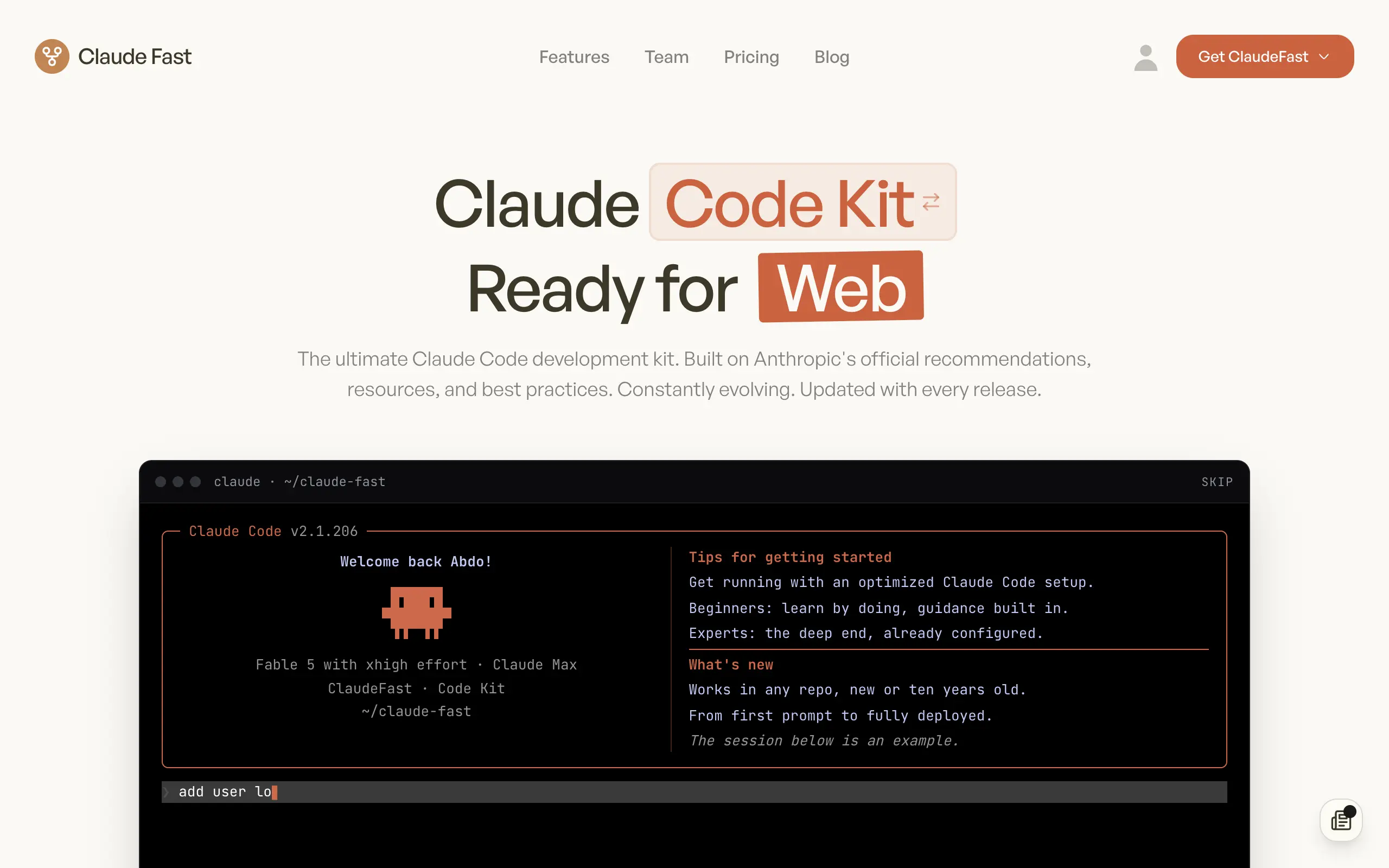
Claude Fast
Supercharge your Claude Code with 6x effective context window and specialized AI agents 🤖
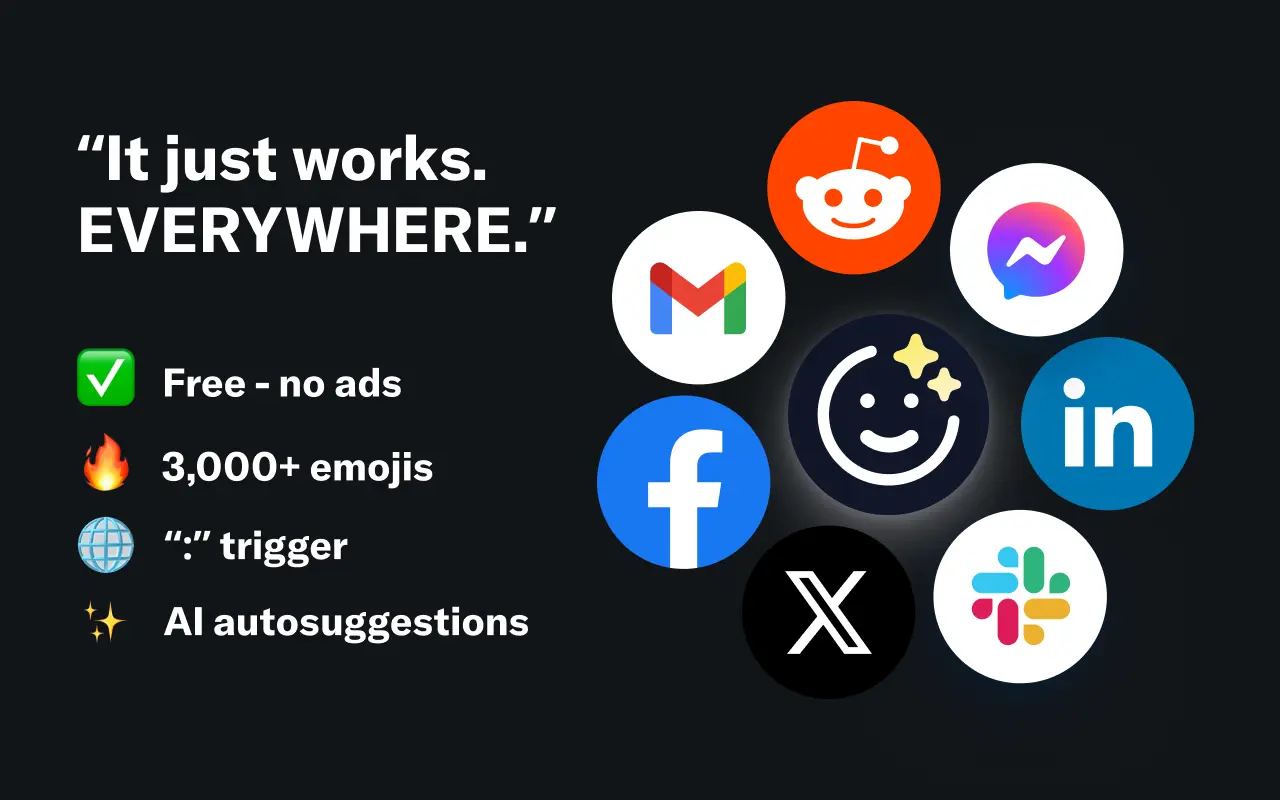
EmojAI
AI-powered emoji picker with smart, context-aware suggestions 🤖
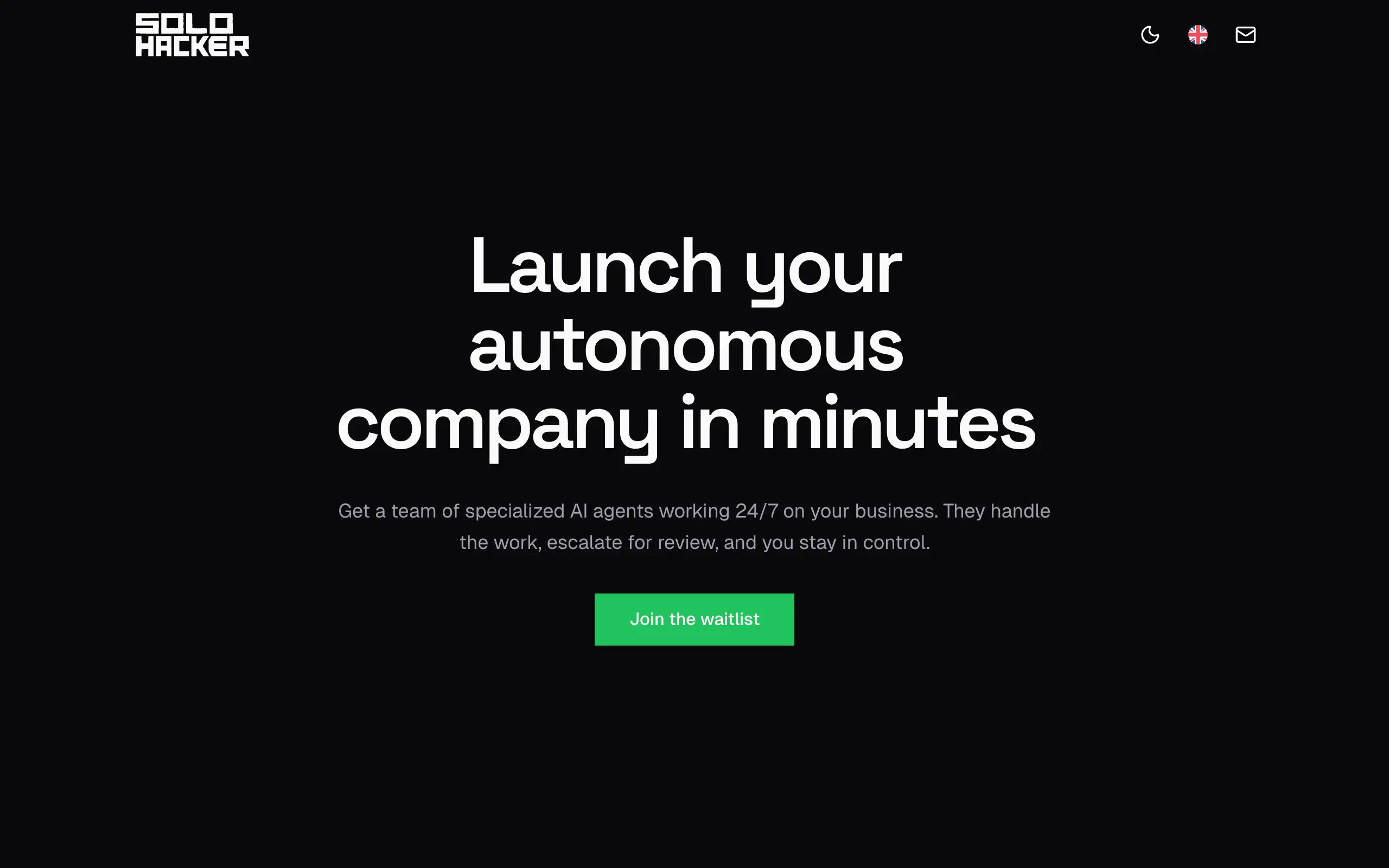
Solohacker
Autonomous company launcher - AI agents work 24/7, escalate what matters, and you stay in control 🤖
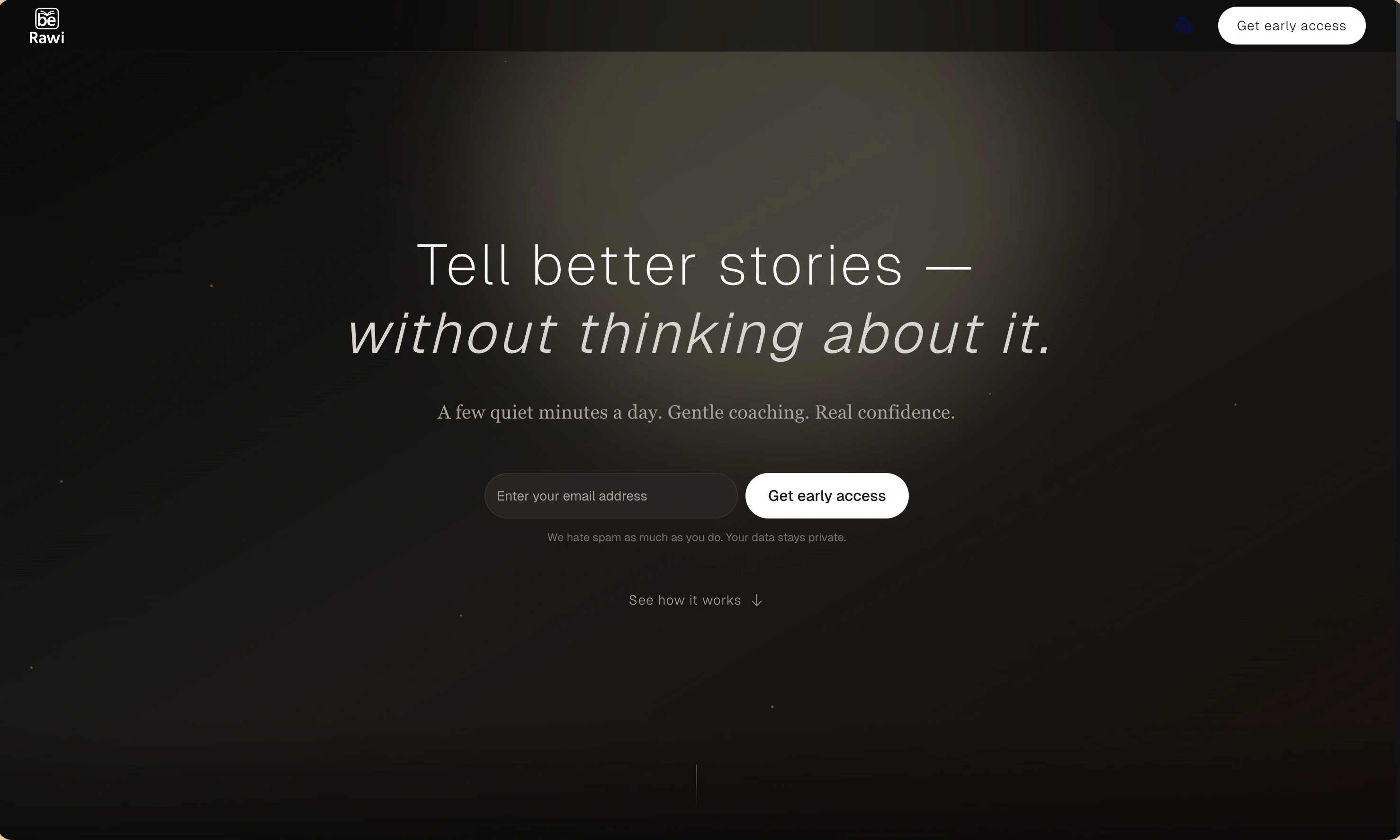
BeRawi: Storytelling Coach
Practice storytelling daily with instant feedback to sound clearer, more engaging, and confident 🎤
Omichat
Chat with 50+ AI models, including ChatGPT and Claude, in one place - switch models anytime without losing context 🤖
Claude Fast
Supercharge your Claude Code with 6x effective context window and specialized AI agents 🤖
EmojAI
AI-powered emoji picker with smart, context-aware suggestions 🤖
Solohacker
Autonomous company launcher - AI agents work 24/7, escalate what matters, and you stay in control 🤖
BeRawi: Storytelling Coach
Practice storytelling daily with instant feedback to sound clearer, more engaging, and confident 🎤
Omichat
Chat with 50+ AI models, including ChatGPT and Claude, in one place - switch models anytime without losing context 🤖
Claude Fast
Supercharge your Claude Code with 6x effective context window and specialized AI agents 🤖
EmojAI
AI-powered emoji picker with smart, context-aware suggestions 🤖
Solohacker
Autonomous company launcher - AI agents work 24/7, escalate what matters, and you stay in control 🤖
BeRawi: Storytelling Coach
Practice storytelling daily with instant feedback to sound clearer, more engaging, and confident 🎤
Omichat
Chat with 50+ AI models, including ChatGPT and Claude, in one place - switch models anytime without losing context 🤖
Claude Fast
Supercharge your Claude Code with 6x effective context window and specialized AI agents 🤖
EmojAI
AI-powered emoji picker with smart, context-aware suggestions 🤖
Solohacker
Autonomous company launcher - AI agents work 24/7, escalate what matters, and you stay in control 🤖
BeRawi: Storytelling Coach
Practice storytelling daily with instant feedback to sound clearer, more engaging, and confident 🎤

Connect with like-minded people
Join our community to get feedback, support, and grow together with 1,000+ builders on board, let's ship it!
Join usShip your startup everywhere. In minutes.
Don't burn tokens on setup and start building features on day one.