GemeindeMatch
Match with churches that fit your beliefs, language, and schedule. Smart recommendations help users find a community that truly suits them.
finding the right church in a digital-first world
In an era where nearly every life decision—from dating to career moves—is supported by intelligent recommendation systems, finding a church community still largely depends on word-of-mouth, outdated directories, or trial-and-error visits. This gap presents a compelling opportunity for a mobile-first SaaS platform like GemeindeMatch—a smart church matching app that aligns users with communities based on beliefs, language, schedule, and personal preferences.
This article explores the full strategic, technical, and market landscape behind building a church matching app, including how to validate, build, and scale it successfully.
understanding user intent behind “church matching app”
People searching for solutions like GemeindeMatch typically fall into a few key intent categories:
- Newcomers relocating who want to quickly find a church
- Young adults or students seeking community alignment
- Expats or immigrants looking for language-specific services
- Spiritually curious individuals unsure where to begin
- Families prioritizing programs, childcare, or values alignment
Their core problem is not just “finding a church”—it’s finding the right church efficiently, without friction or awkward trial experiences.
GemeindeMatch directly addresses this by combining personalization, discovery, and trust-building into one seamless mobile experience.
target audience analysis
primary audience segments
1. digitally native believers (ages 18–40)
- Comfortable using apps for life decisions
- Value personalization and convenience
- Often dissatisfied with traditional discovery methods
2. people relocating or traveling
- Need quick onboarding into a new community
- Lack local knowledge or connections
3. multilingual and multicultural users
- Require language-specific services
- Seek culturally relevant communities
4. faith explorers
- Interested in spirituality but unsure where to start
- Prefer low-pressure, informative discovery
user pain points
- Lack of centralized, updated church information
- Difficulty understanding doctrinal differences
- Uncertainty about service style or atmosphere
- Time-consuming trial visits
- Limited filtering by language or schedule
Key insight
The biggest friction is not access—it’s alignment. Users don’t just want nearby churches; they want compatible ones.
market opportunity and gap analysis
current landscape
Most existing solutions fall into three categories:
- Static directories (e.g., denominational websites)
- Google Maps / Yelp listings
- Word-of-mouth recommendations
These lack personalization, structured filtering, and intelligent matching.
emerging trends supporting this idea
- Growth of AI-driven recommendation systems
- Increased reliance on mobile-first discovery
- Rise of niche community platforms
- Growing demand for personalized spiritual experiences
According to widely cited industry reports (e.g., Pew Research Center), religious affiliation patterns are shifting, with many individuals actively seeking communities that align with specific values and lifestyles rather than traditional affiliations.
gap GemeindeMatch fills
| Feature | Traditional Directories | Google Maps | GemeindeMatch |
|---|---|---|---|
| Belief-based matching | ❌ | ❌ | ✅ |
| Language filtering | ❌ | ⚠️ limited | ✅ |
| Schedule compatibility | ❌ | ❌ | ✅ |
| Personalized suggestions | ❌ | ❌ | ✅ |
| Community insights | ⚠️ limited | ⚠️ limited | ✅ |
core features of GemeindeMatch
1. intelligent onboarding quiz
A dynamic onboarding flow collects key user preferences:
- Beliefs (denomination, theology)
- Language(s)
- Preferred service times
- Worship style (traditional vs modern)
- Community priorities (youth programs, small groups, etc.)
2. smart matching algorithm
Using weighted scoring, the app recommends churches based on compatibility.
Example logic:
type UserPreferences = {
  language: string[]
  serviceTime: string
  denomination: string[]
  worshipStyle: "modern" | "traditional"
}

type ChurchProfile = {
  languages: string[]
  services: string[]
  denomination: string
  style: "modern" | "traditional"
}

function matchScore(user: UserPreferences, church: ChurchProfile) {
  let score = 0

  if (church.languages.some(l => user.language.includes(l))) score += 30
  if (church.services.includes(user.serviceTime)) score += 25
  if (user.denomination.includes(church.denomination)) score += 25
  if (church.style === user.worshipStyle) score += 20

  return score
}
3. detailed church profiles
Each listing includes:
- Service times
- Languages offered
- Denominational background
- Photos and videos
- Community reviews
- Programs (kids, youth, outreach)
4. personalized recommendations feed
Users receive curated matches similar to:
- “Top matches for you”
- “New churches near you”
- “Trending communities”
5. scheduling and reminders
- Add services to calendar
- Receive reminders
- RSVP or check-in features (future expansion)
6. multilingual support
Critical for global scalability and inclusivity.
recommended tech stack
frontend (mobile-first)
- React Native for cross-platform mobile apps
- Expo for faster development and deployment
- TailwindCSS (via NativeWind) for styling
backend
- Node.js with NestJS
- GraphQL or REST API depending on scalability needs
- PostgreSQL for structured data
recommendation engine
- Start with rule-based scoring (as shown above)
- Transition to ML models using Python + TensorFlow or PyTorch
authentication & infrastructure
- Firebase Auth or Auth0
- AWS or Vercel for hosting
- Cloudinary for media storage
trade-offs
-
React Native vs native apps
- RN is faster to build, but may limit deep device integrations later
-
Rule-based vs AI matching
- Rule-based is faster to launch
- AI provides long-term differentiation
monetization strategies
1. freemium model
- Free for users
- Premium features:
- Advanced filters
- Priority recommendations
- Saved searches
2. church subscriptions (B2B SaaS)
Churches pay for:
- Featured placement
- Enhanced profiles
- Analytics dashboard (visitor insights)
3. sponsored listings
Ethically implemented promoted placements with clear labeling.
4. donations and partnerships
- Faith-based organizations
- Nonprofits
competitive advantage
GemeindeMatch stands out through deep personalization and trust-building, not just listings.
Personalized matching
Not just search—users get curated recommendations tailored to beliefs and lifestyle.
Multilingual inclusivity
Designed for global, diverse communities from day one.
Mobile-first UX
Optimized for how modern users discover communities—on their phones.
risks and mitigation strategies
risk 1: sensitive nature of religion
- Users may be skeptical of algorithmic matching
Mitigation:
- Transparent matching logic
- Allow manual exploration
- Provide clear explanations of recommendations
risk 2: data accuracy
Church information may become outdated.
Mitigation:
- Self-service dashboards for churches
- Community reporting features
- Regular automated checks
risk 3: adoption challenges
Churches may be slow to adopt digital tools.
Mitigation:
- Simple onboarding for churches
- Free tier to encourage participation
- Demonstrate ROI (attendance insights)
risk 4: bias in recommendations
Algorithms could unintentionally favor certain groups.
Mitigation:
- Regular audits of recommendation fairness
- Diverse dataset inputs
- User feedback loops
go-to-market strategy
phase 1: niche launch
Start in a specific region or demographic:
- Example: German-speaking cities (aligning with "Gemeinde")
- Focus on expat communities
phase 2: community-driven growth
- Partner with churches
- Encourage referrals
- Offer incentives for onboarding
phase 3: content + SEO
- Publish guides like:
- “How to find a church in [city]”
- “Best churches for young adults”
implementation roadmap
UX considerations for higher retention
onboarding experience
- Keep it under 2 minutes
- Use conversational UI
- Provide instant results
trust signals
- Verified church badges
- Real user reviews
- Transparent data usage
engagement loops
- Weekly recommendations
- Notifications for new matches
- Event reminders
future expansion opportunities
AI-powered insights
- “Why this church matches you”
- Predictive engagement scoring
social features
- Friend recommendations
- Group discovery
event integration
- Bible studies
- Community events
- Volunteer opportunities
global expansion
- Localization by region
- Cultural customization
why this idea works now
Several macro trends make GemeindeMatch especially timely:
- Increased digital reliance for life decisions
- Growing demand for personalized experiences
- Fragmentation of traditional religious affiliation
- Rise of community-seeking behavior post-pandemic
competitive landscape overview
- Static church directories
- Minimal filtering
- No personalization
- Google Maps
- Yelp reviews
- Limited relevance to beliefs
- Smart matching algorithm
- Deep personalization
- Community-first design
building faster with the right foundation
Launching a SaaS like GemeindeMatch from scratch can be time-consuming. Using a modern starter kit like TurboStarter can significantly accelerate development by providing:
- Prebuilt authentication
- SaaS billing integration
- Scalable architecture
- Clean UI components
This allows you to focus on your core differentiator—the matching engine and user experience—rather than boilerplate setup.
actionable next steps
- Define your initial niche audience
- Build a landing page with value proposition
- Validate with early adopters
- Develop MVP with core matching logic
- Partner with 10–20 churches
- Launch beta version
- Iterate based on user feedback
conclusion
GemeindeMatch is more than a directory—it’s a personalized discovery engine for spiritual communities. By focusing on alignment rather than proximity alone, it solves a deeply human problem with modern technology.
The combination of mobile-first design, intelligent matching, and community trust creates a strong foundation for a scalable SaaS business with meaningful real-world impact.
With the right execution, this platform can redefine how people connect with faith communities—making the process more accessible, efficient, and genuinely personal.
More 📱 Mobile App SaaS ideas
Discover more innovative mobile app SaaS ideas that are trending in 2026. Each idea is AI-generated with market validation and growth potential to help you find your next profitable venture faster than competitors.
Your competitors are building with TurboStarter
Below are some of the SaaS ideas that have been generated and built with our starter kit.
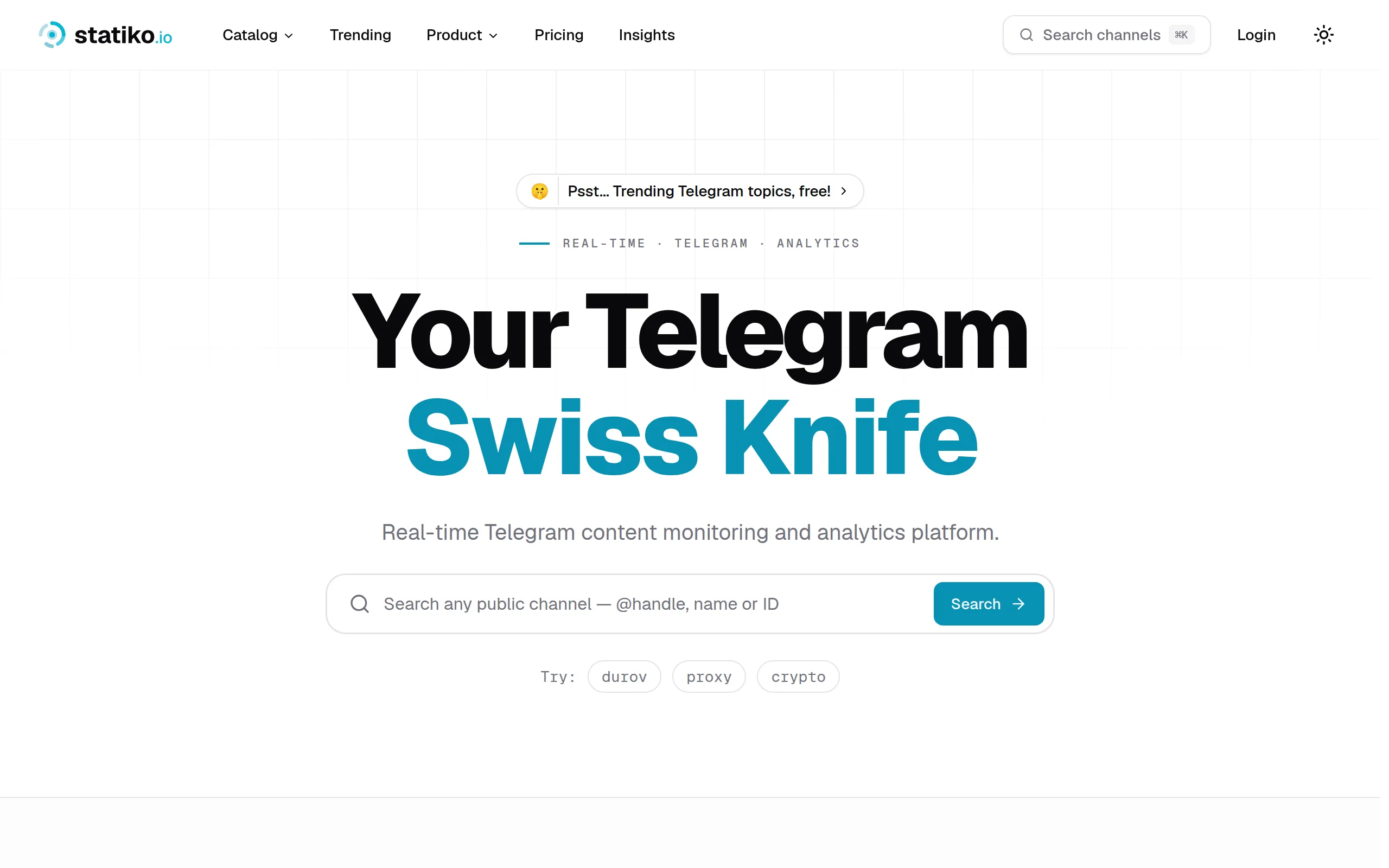
Statiko
Monitor any Telegram channel in real time - track posts, edits, deletions, and growth with AI recaps 📡

Shibui
AI website builder - describe your business, pick a niche template, edit by chatting, and publish instantly ✨

Pro Service
Find verified home service professionals, compare quotes, and pay securely through escrow - built for Brazilians across the US 🏠
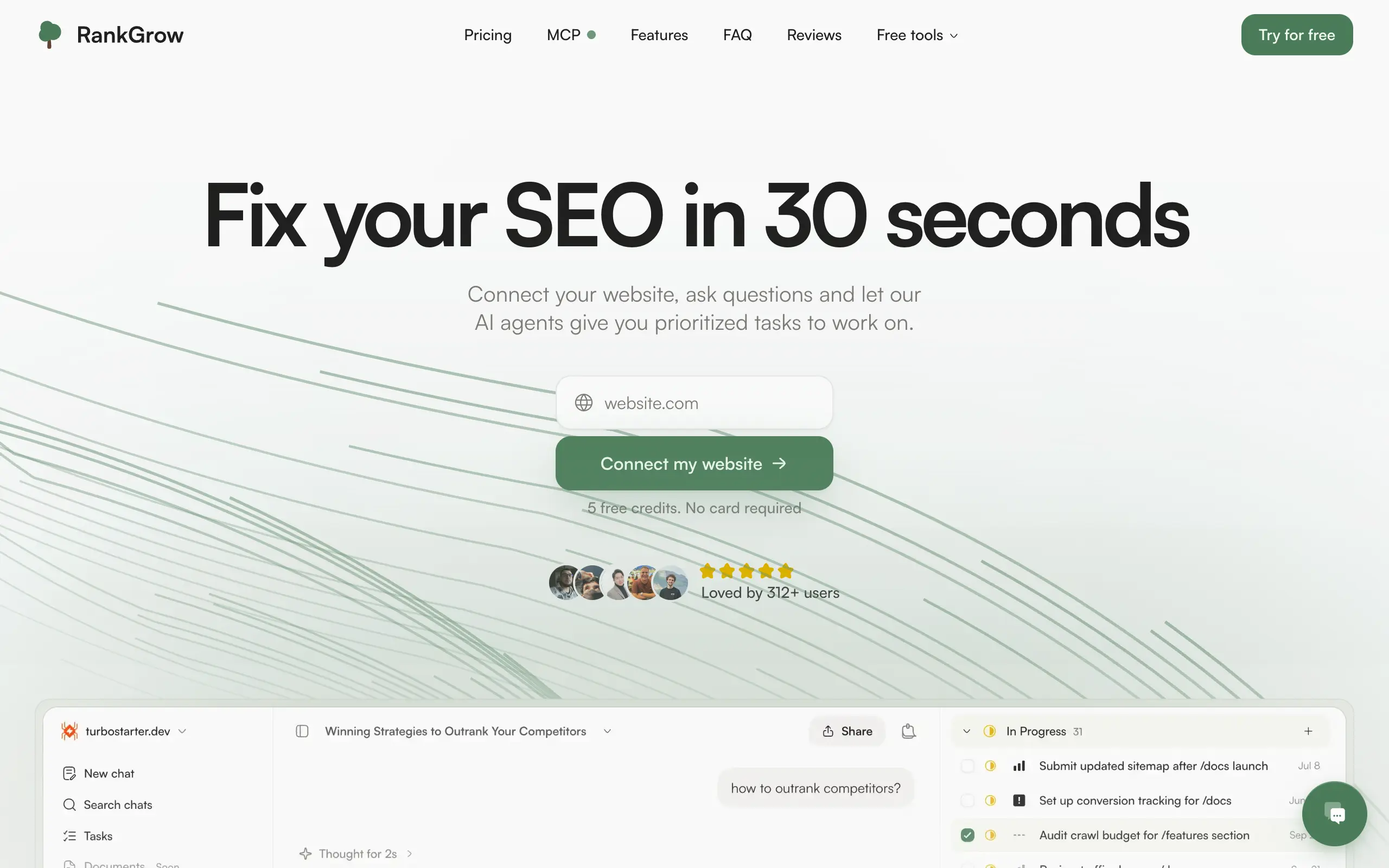
RankGrow
Fix your SEO with AI agents - connect Search Console, get prioritized tasks, and grow organic traffic 📈
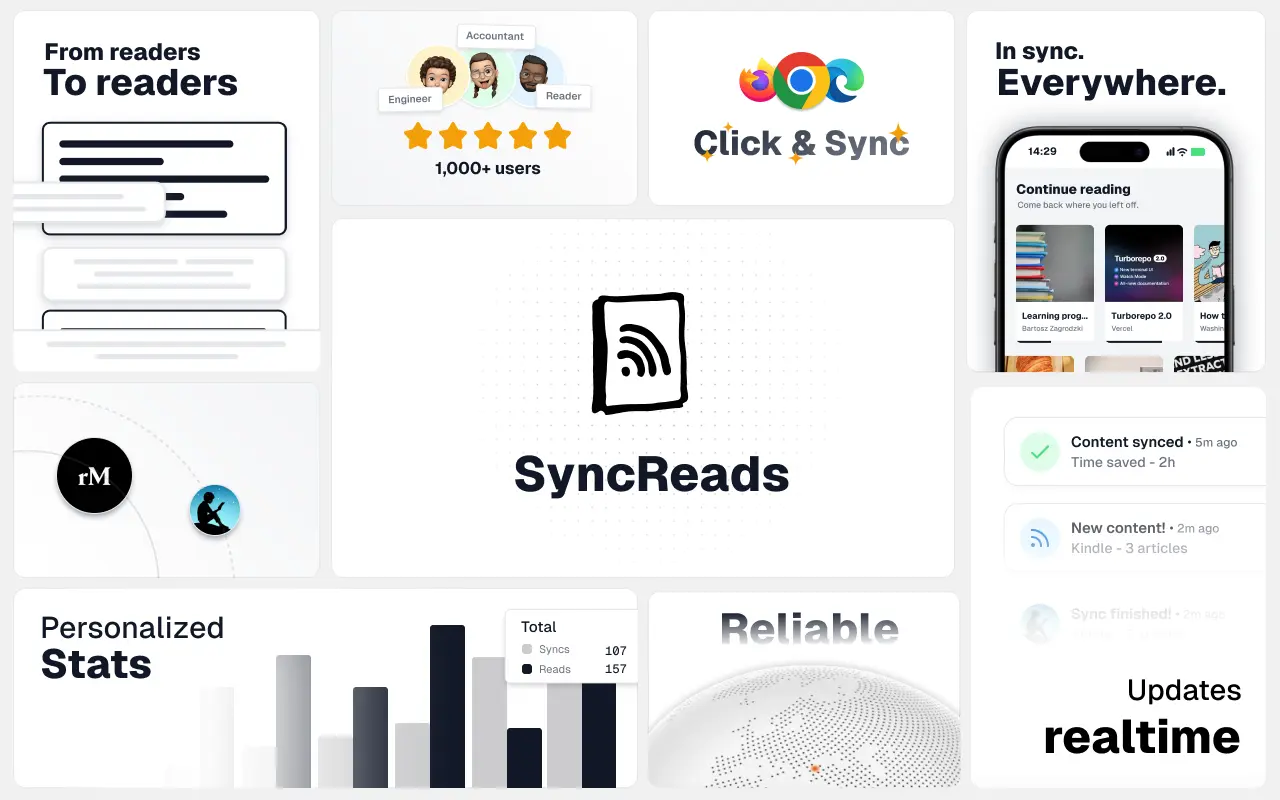
SyncReads
Sync your favorite content for distraction-free reading, save time and replace multiple apps. Anytime, anywhere 🔄
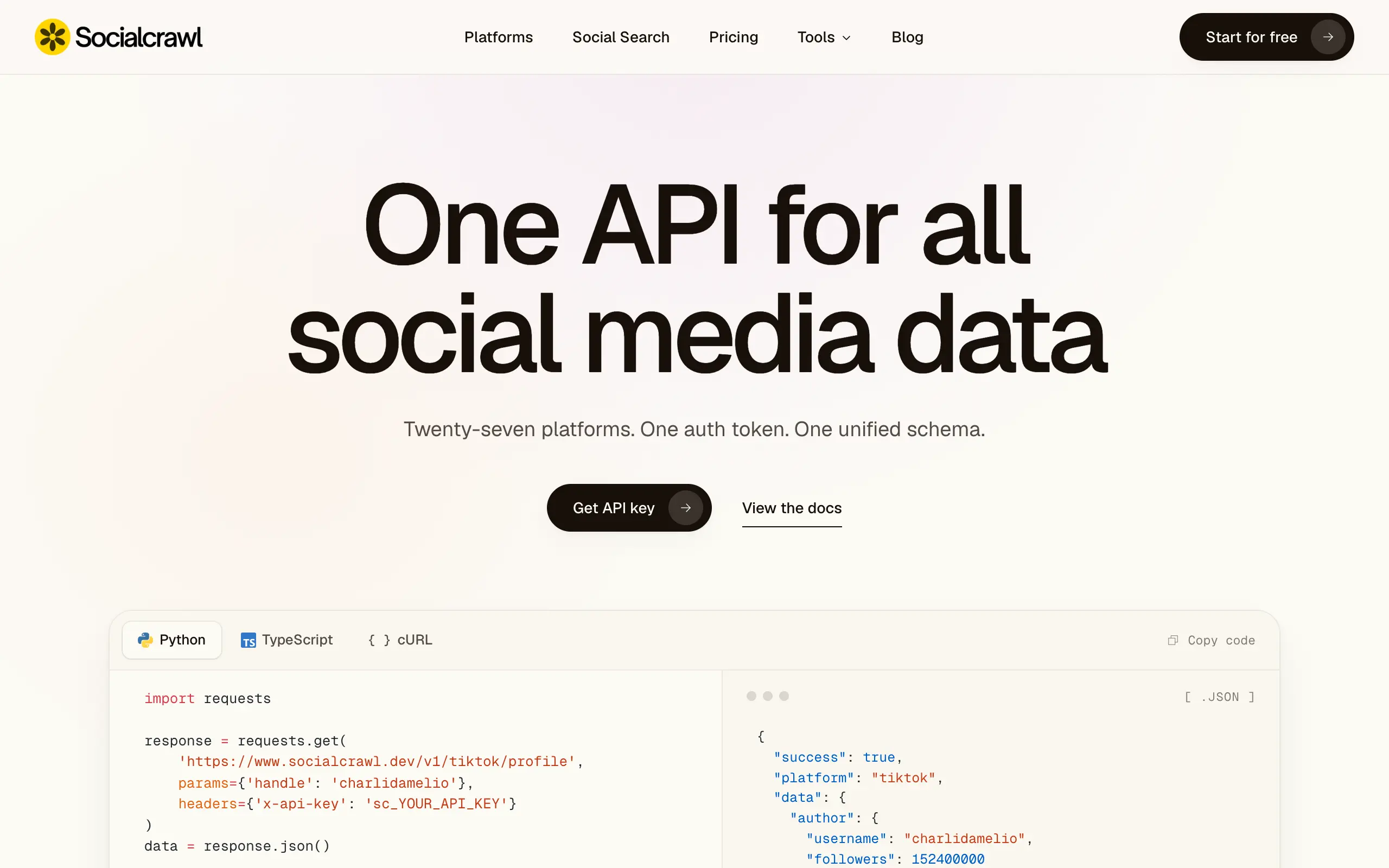
Socialcrawl
Get clean, structured data from 21 platforms like TikTok, Instagram, and YouTube with a single request 📊
Statiko
Monitor any Telegram channel in real time - track posts, edits, deletions, and growth with AI recaps 📡
Shibui
AI website builder - describe your business, pick a niche template, edit by chatting, and publish instantly ✨
Pro Service
Find verified home service professionals, compare quotes, and pay securely through escrow - built for Brazilians across the US 🏠
RankGrow
Fix your SEO with AI agents - connect Search Console, get prioritized tasks, and grow organic traffic 📈
SyncReads
Sync your favorite content for distraction-free reading, save time and replace multiple apps. Anytime, anywhere 🔄
Socialcrawl
Get clean, structured data from 21 platforms like TikTok, Instagram, and YouTube with a single request 📊
Statiko
Monitor any Telegram channel in real time - track posts, edits, deletions, and growth with AI recaps 📡
Shibui
AI website builder - describe your business, pick a niche template, edit by chatting, and publish instantly ✨
Pro Service
Find verified home service professionals, compare quotes, and pay securely through escrow - built for Brazilians across the US 🏠
RankGrow
Fix your SEO with AI agents - connect Search Console, get prioritized tasks, and grow organic traffic 📈
SyncReads
Sync your favorite content for distraction-free reading, save time and replace multiple apps. Anytime, anywhere 🔄
Socialcrawl
Get clean, structured data from 21 platforms like TikTok, Instagram, and YouTube with a single request 📊
Statiko
Monitor any Telegram channel in real time - track posts, edits, deletions, and growth with AI recaps 📡
Shibui
AI website builder - describe your business, pick a niche template, edit by chatting, and publish instantly ✨
Pro Service
Find verified home service professionals, compare quotes, and pay securely through escrow - built for Brazilians across the US 🏠
RankGrow
Fix your SEO with AI agents - connect Search Console, get prioritized tasks, and grow organic traffic 📈
SyncReads
Sync your favorite content for distraction-free reading, save time and replace multiple apps. Anytime, anywhere 🔄
Socialcrawl
Get clean, structured data from 21 platforms like TikTok, Instagram, and YouTube with a single request 📊
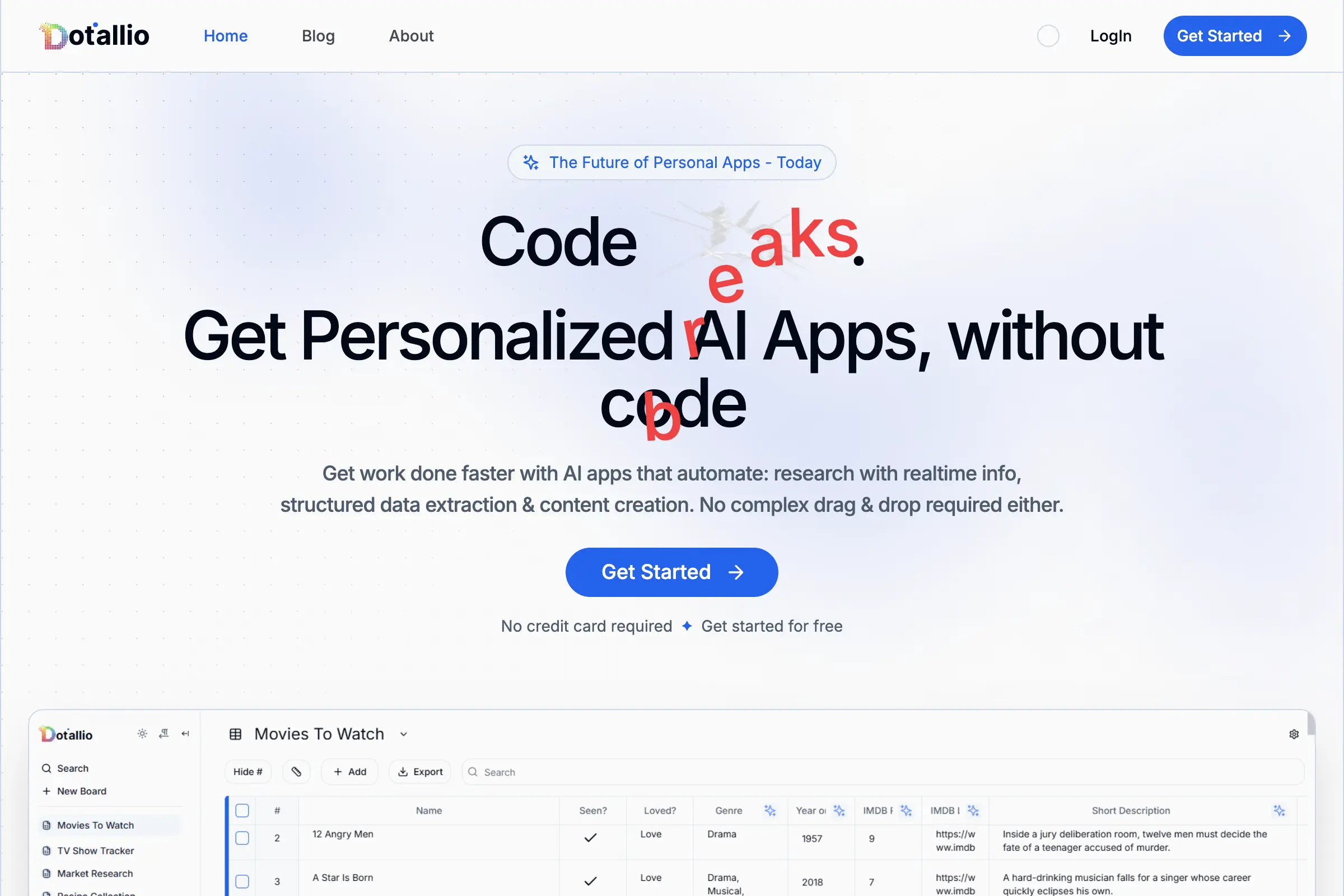
Dotallio
Personalized AI apps that automate research, data extraction, and content creation without code 🤖
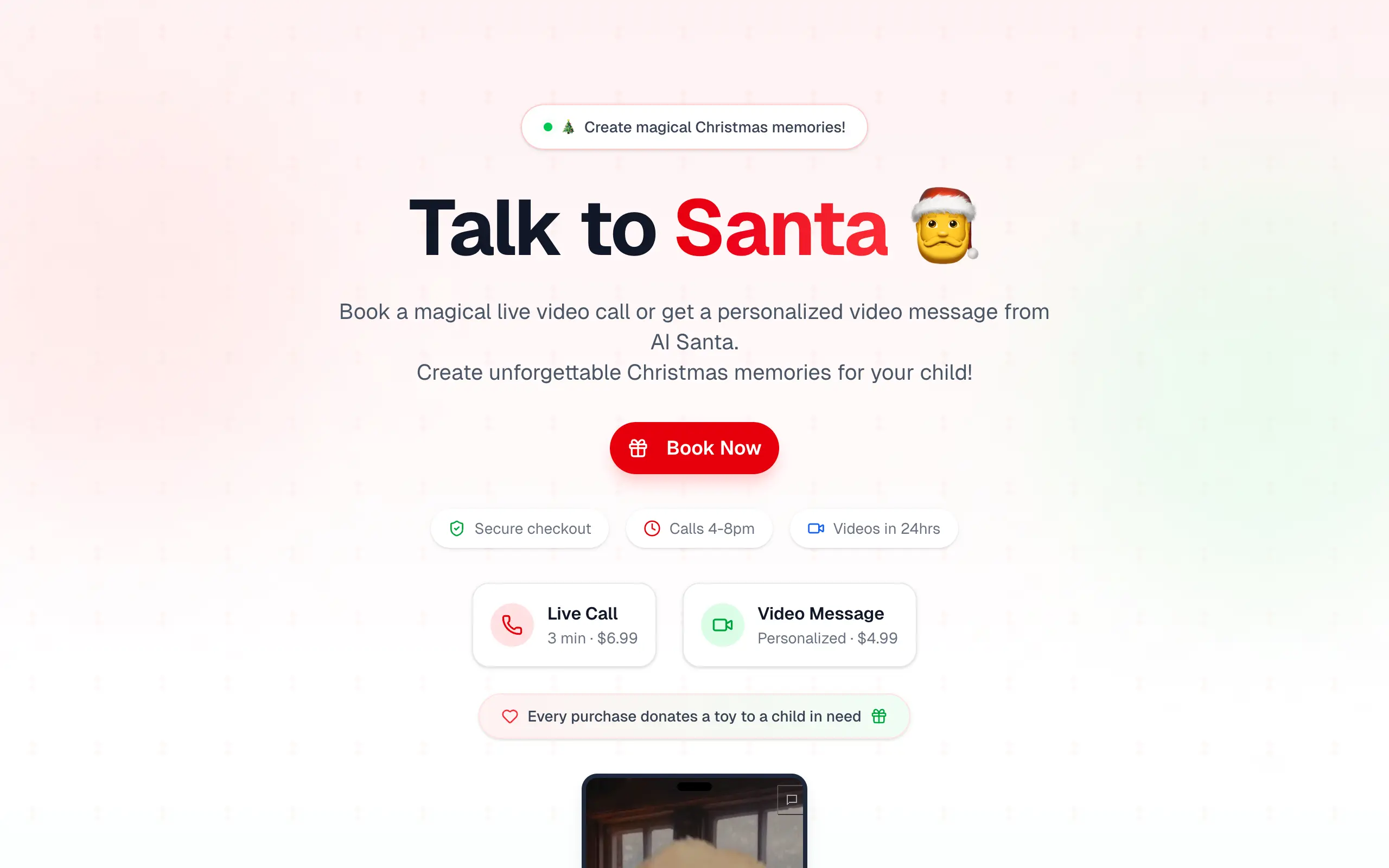
Talk to Santa
Enjoy a magical live video chat or receive a unique AI-generated video greeting from Santa Claus 🎅
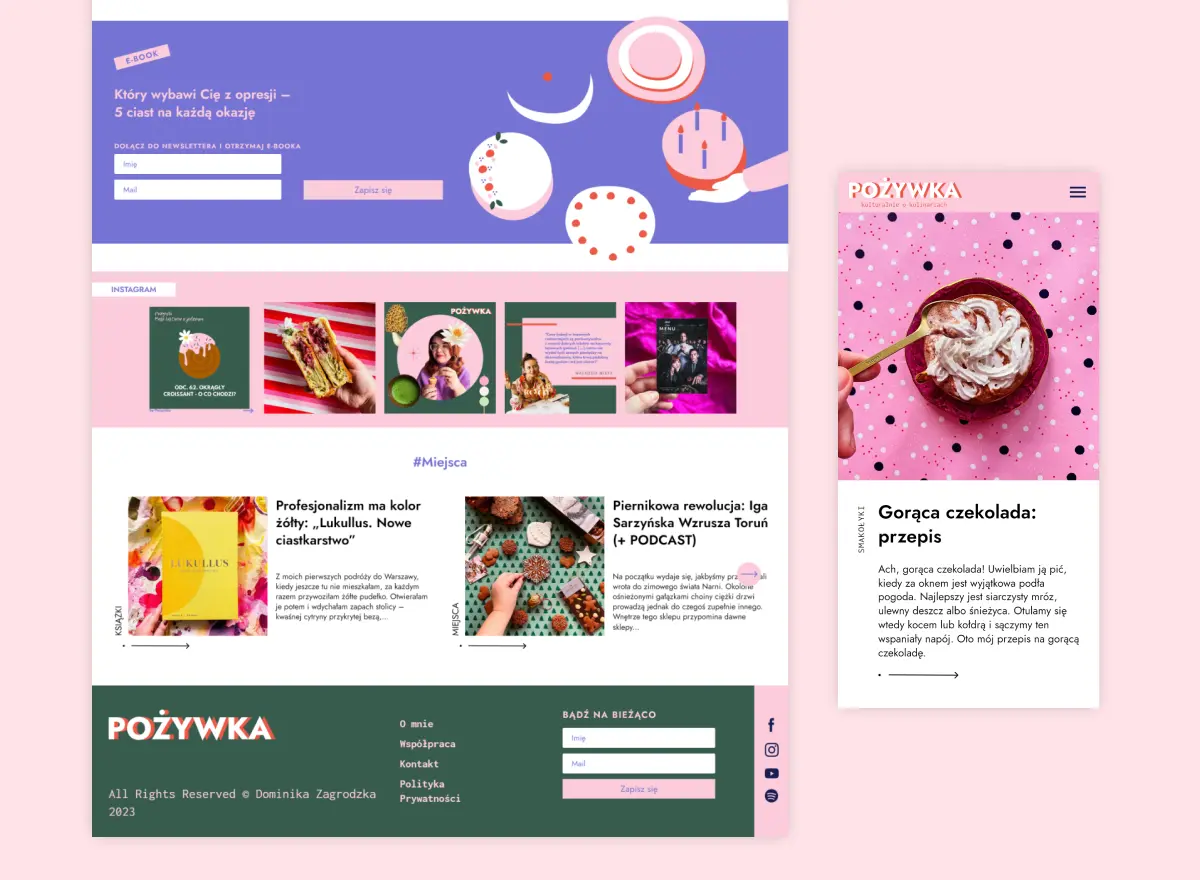
pozywka.pl
Scalable blog for food journalist, focused on performance and user experience 🌭
zagrodzki.me
Personal blog and portfolio of Bart Zagrodzki, where he shares his knowledge and work 💼
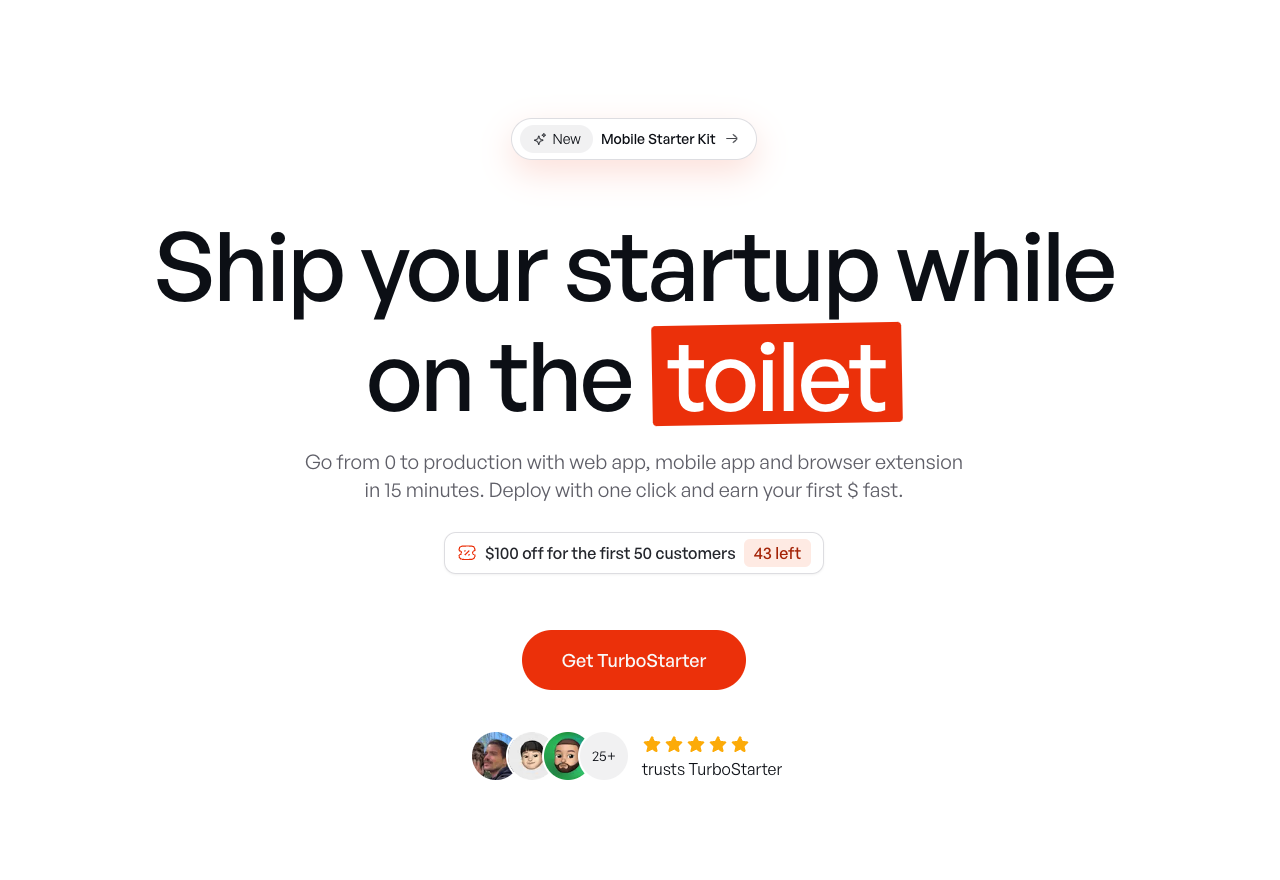
TurboStarter
Ship your startup everywhere. In minutes.
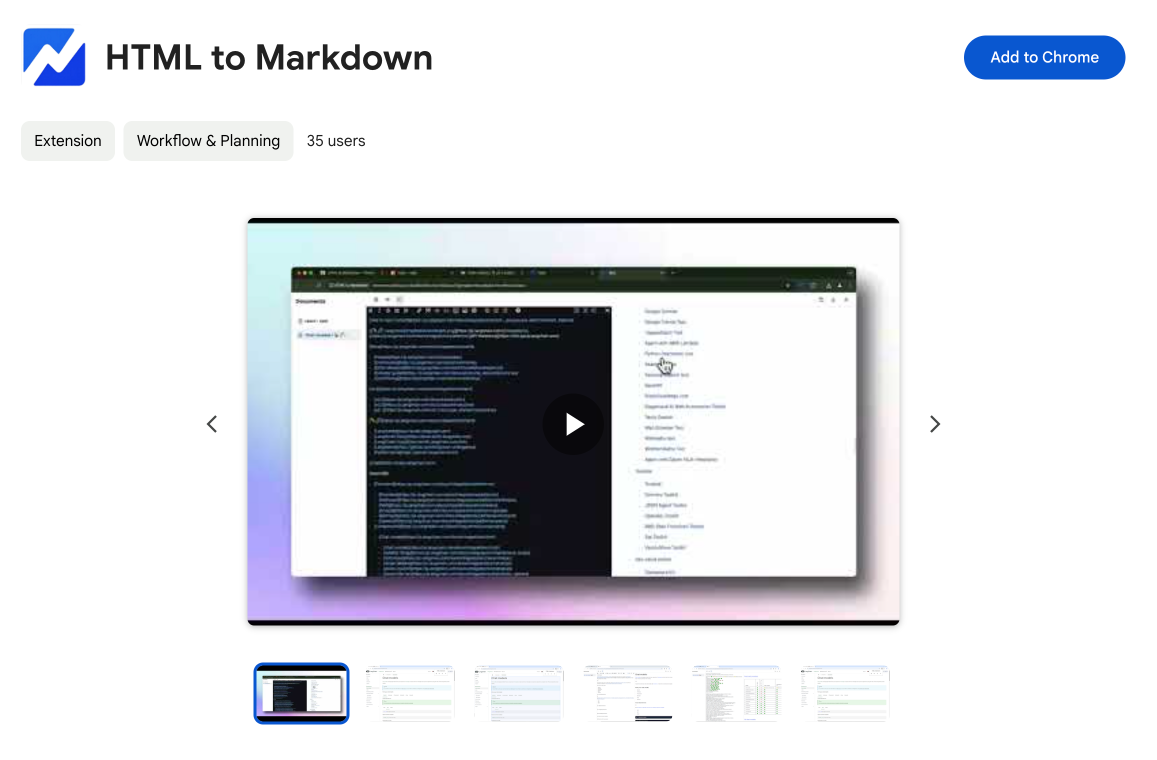
HTML to Markdown
Convert HTML to Markdown with ease, directly in your browser 📄
Dotallio
Personalized AI apps that automate research, data extraction, and content creation without code 🤖
Talk to Santa
Enjoy a magical live video chat or receive a unique AI-generated video greeting from Santa Claus 🎅
pozywka.pl
Scalable blog for food journalist, focused on performance and user experience 🌭
zagrodzki.me
Personal blog and portfolio of Bart Zagrodzki, where he shares his knowledge and work 💼
TurboStarter
Ship your startup everywhere. In minutes.
HTML to Markdown
Convert HTML to Markdown with ease, directly in your browser 📄
Dotallio
Personalized AI apps that automate research, data extraction, and content creation without code 🤖
Talk to Santa
Enjoy a magical live video chat or receive a unique AI-generated video greeting from Santa Claus 🎅
pozywka.pl
Scalable blog for food journalist, focused on performance and user experience 🌭
zagrodzki.me
Personal blog and portfolio of Bart Zagrodzki, where he shares his knowledge and work 💼
TurboStarter
Ship your startup everywhere. In minutes.
HTML to Markdown
Convert HTML to Markdown with ease, directly in your browser 📄
Dotallio
Personalized AI apps that automate research, data extraction, and content creation without code 🤖
Talk to Santa
Enjoy a magical live video chat or receive a unique AI-generated video greeting from Santa Claus 🎅
pozywka.pl
Scalable blog for food journalist, focused on performance and user experience 🌭
zagrodzki.me
Personal blog and portfolio of Bart Zagrodzki, where he shares his knowledge and work 💼
TurboStarter
Ship your startup everywhere. In minutes.
HTML to Markdown
Convert HTML to Markdown with ease, directly in your browser 📄
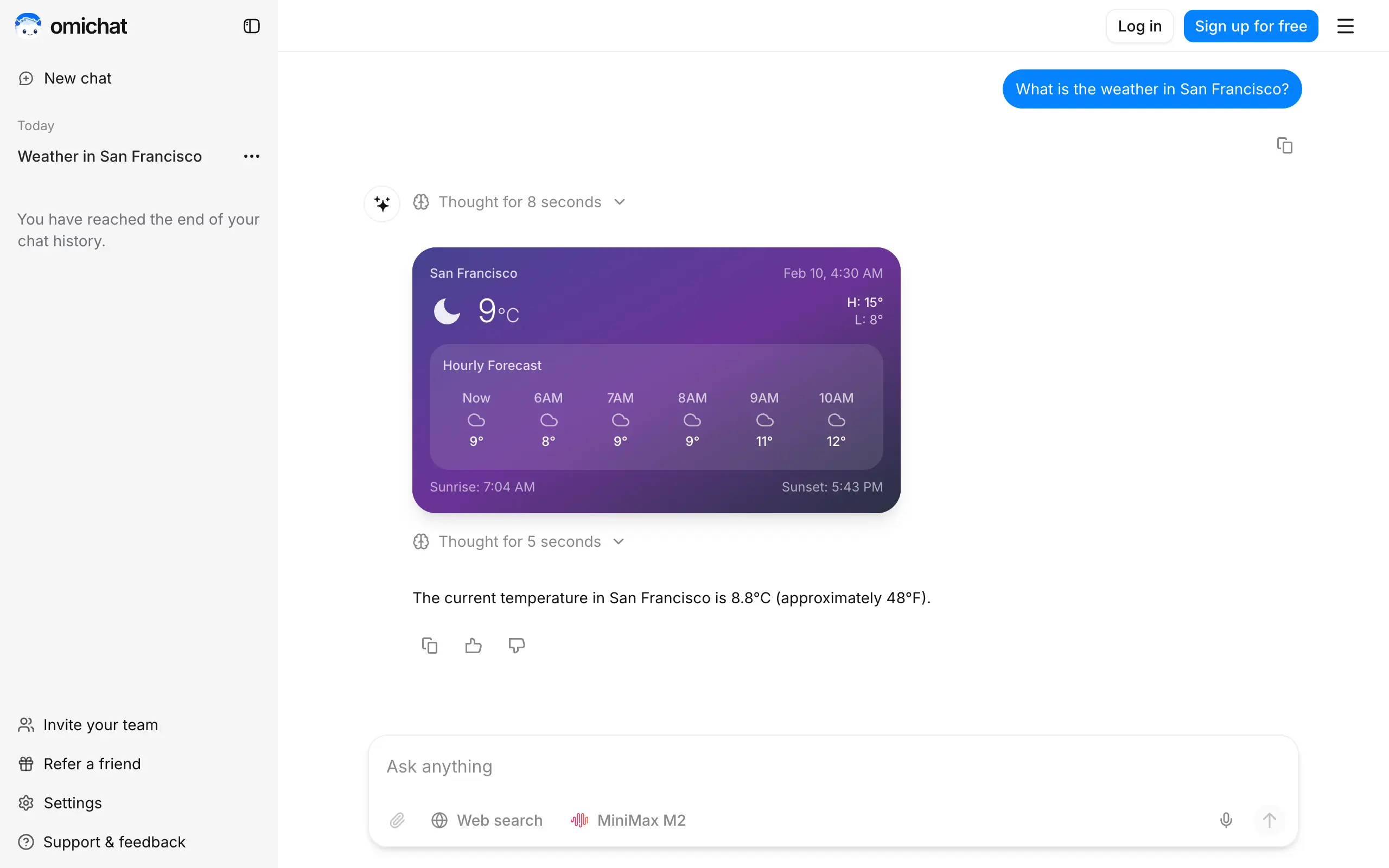
Omichat
Chat with 50+ AI models, including ChatGPT and Claude, in one place - switch models anytime without losing context 🤖
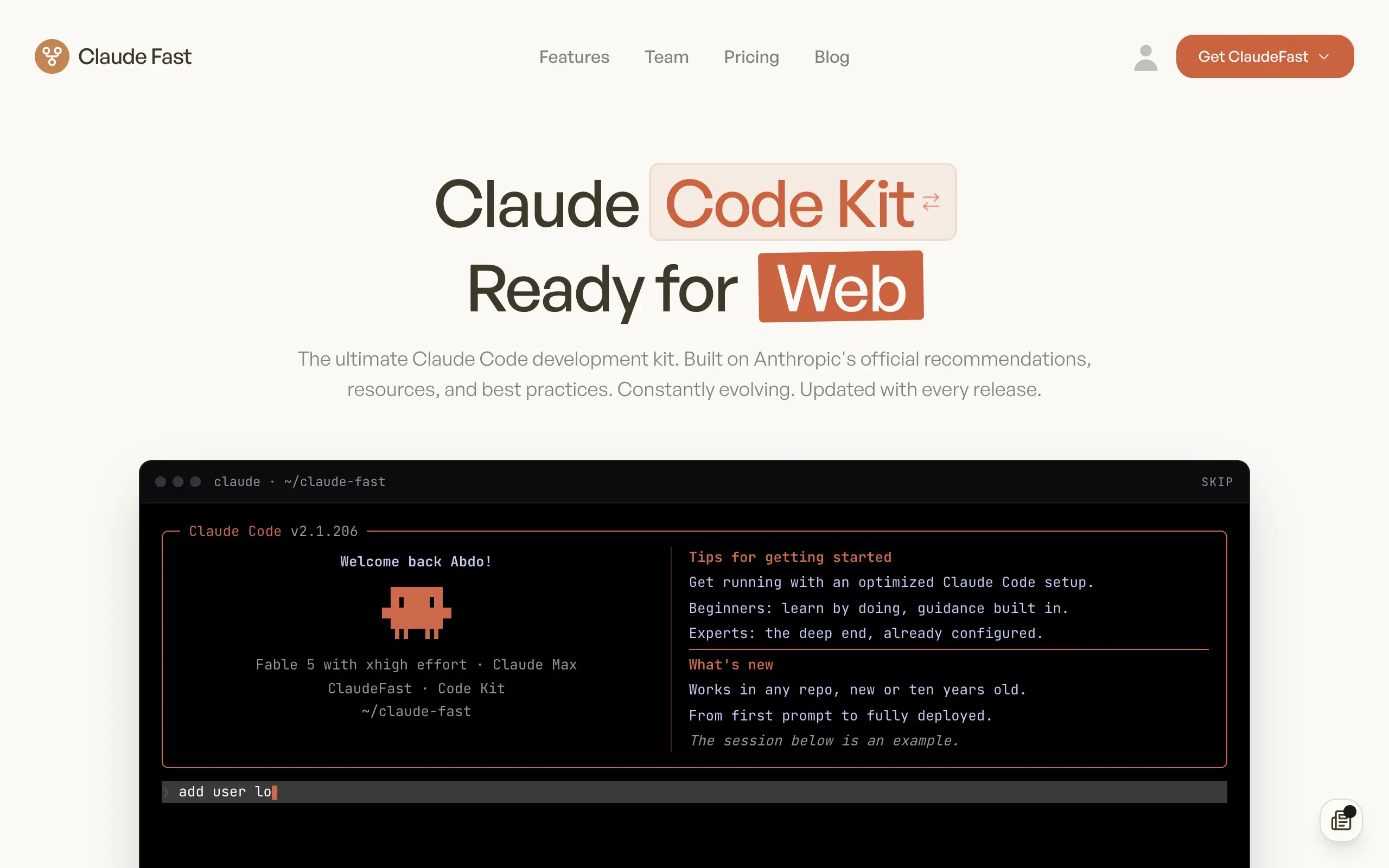
Claude Fast
Supercharge your Claude Code with 6x effective context window and specialized AI agents 🤖
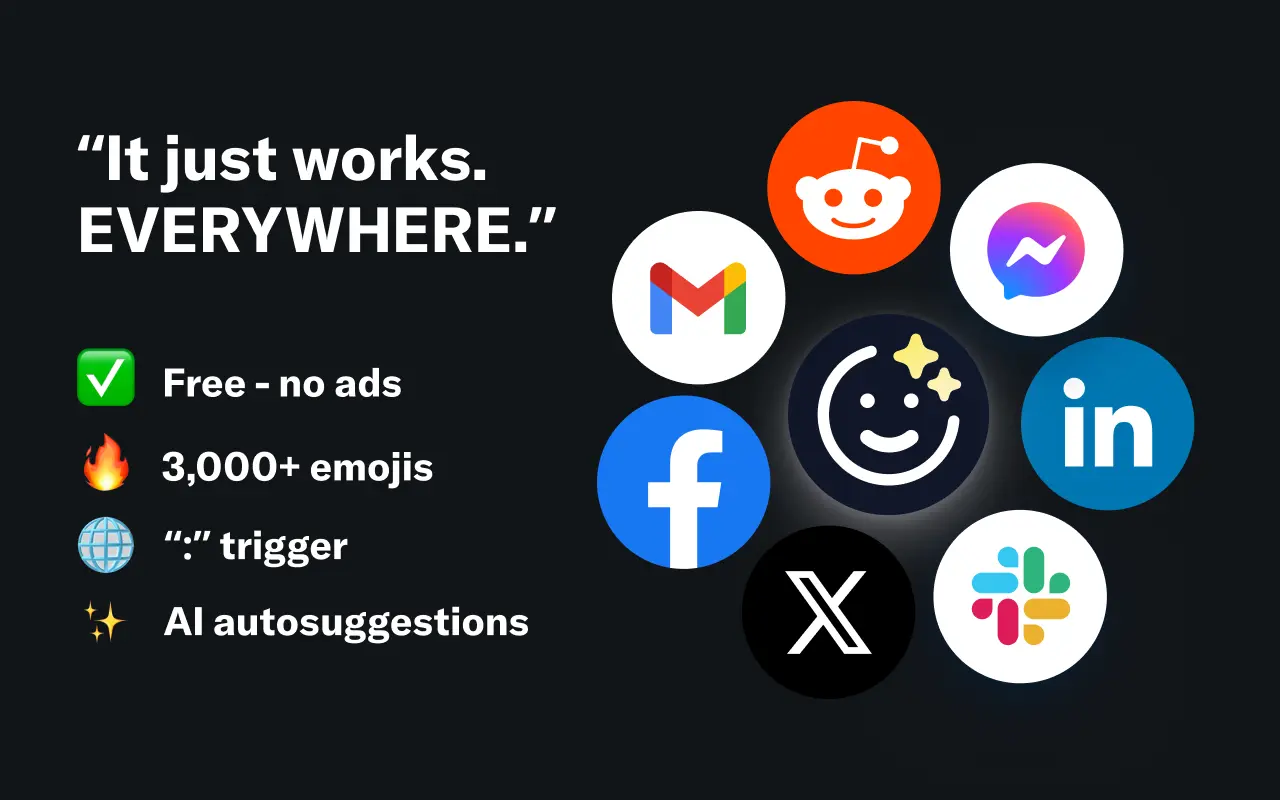
EmojAI
AI-powered emoji picker with smart, context-aware suggestions 🤖
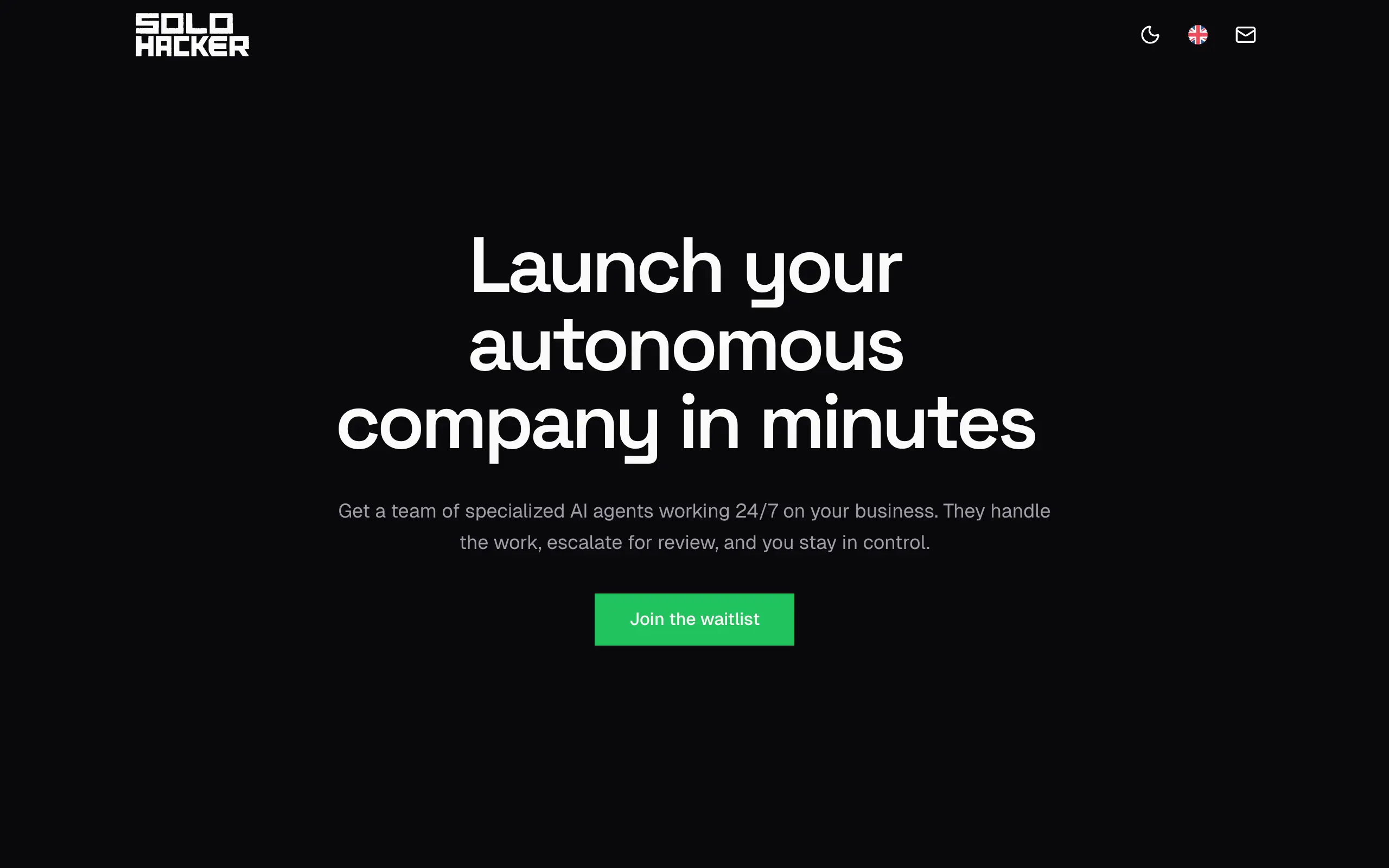
Solohacker
Autonomous company launcher - AI agents work 24/7, escalate what matters, and you stay in control 🤖
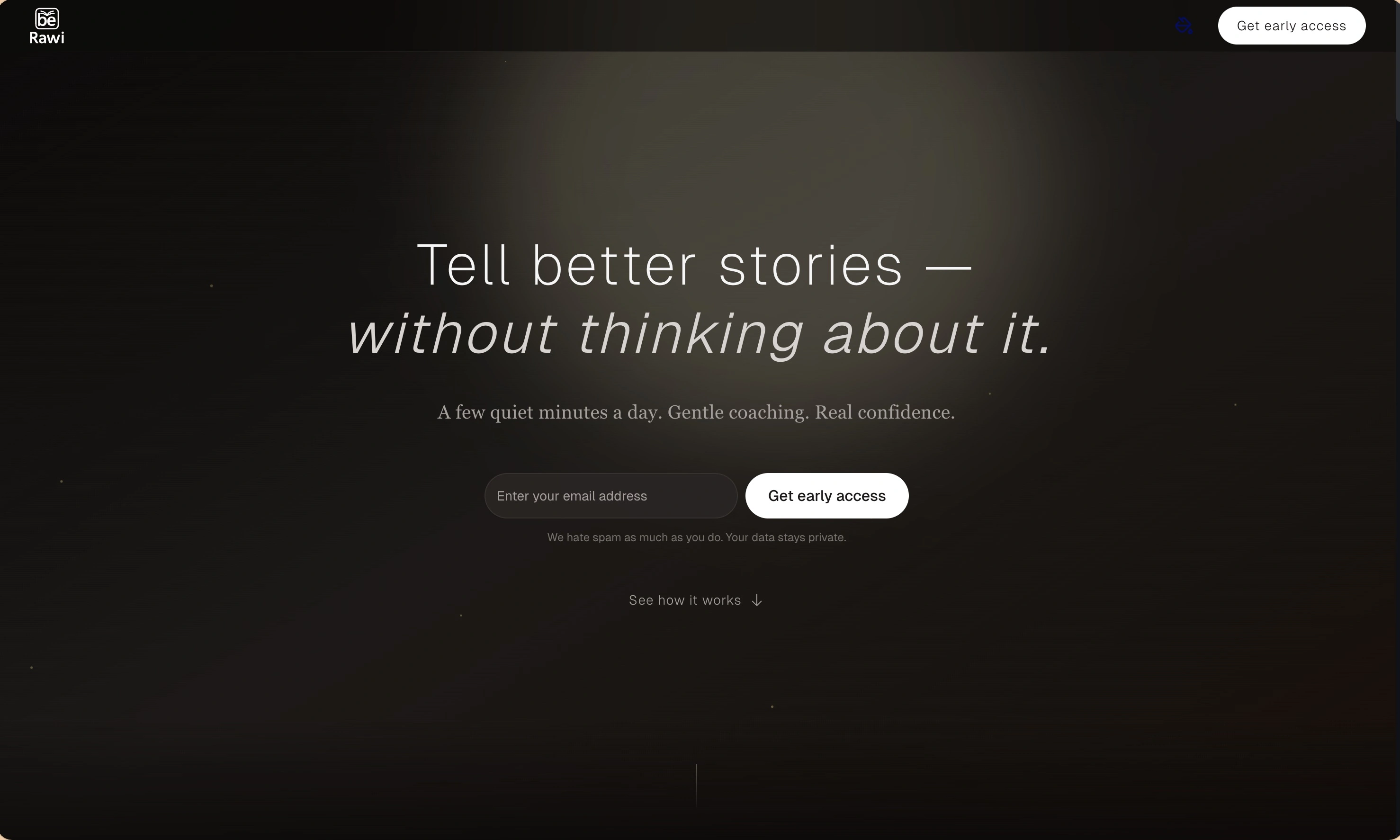
BeRawi: Storytelling Coach
Practice storytelling daily with instant feedback to sound clearer, more engaging, and confident 🎤
Omichat
Chat with 50+ AI models, including ChatGPT and Claude, in one place - switch models anytime without losing context 🤖
Claude Fast
Supercharge your Claude Code with 6x effective context window and specialized AI agents 🤖
EmojAI
AI-powered emoji picker with smart, context-aware suggestions 🤖
Solohacker
Autonomous company launcher - AI agents work 24/7, escalate what matters, and you stay in control 🤖
BeRawi: Storytelling Coach
Practice storytelling daily with instant feedback to sound clearer, more engaging, and confident 🎤
Omichat
Chat with 50+ AI models, including ChatGPT and Claude, in one place - switch models anytime without losing context 🤖
Claude Fast
Supercharge your Claude Code with 6x effective context window and specialized AI agents 🤖
EmojAI
AI-powered emoji picker with smart, context-aware suggestions 🤖
Solohacker
Autonomous company launcher - AI agents work 24/7, escalate what matters, and you stay in control 🤖
BeRawi: Storytelling Coach
Practice storytelling daily with instant feedback to sound clearer, more engaging, and confident 🎤
Omichat
Chat with 50+ AI models, including ChatGPT and Claude, in one place - switch models anytime without losing context 🤖
Claude Fast
Supercharge your Claude Code with 6x effective context window and specialized AI agents 🤖
EmojAI
AI-powered emoji picker with smart, context-aware suggestions 🤖
Solohacker
Autonomous company launcher - AI agents work 24/7, escalate what matters, and you stay in control 🤖
BeRawi: Storytelling Coach
Practice storytelling daily with instant feedback to sound clearer, more engaging, and confident 🎤

Connect with like-minded people
Join our community to get feedback, support, and grow together with 1,000+ builders on board, let's ship it!
Join usShip your startup everywhere. In minutes.
Don't burn tokens on setup and start building features on day one.