GoTrail Builder
A developer-friendly mobile app that lets runners create, test, and share custom trail tools and automations using Go-powered plugins.
What is a Go-powered trail builder for runners?
The idea behind a Go-powered trail builder mobile app is simple but powerful: give runners and outdoor enthusiasts the ability to create, customize, and automate their own trail experiences using developer-friendly plugins written in Go.
Instead of relying solely on static running apps, this platform enables users to:
- Build custom trail logic (e.g., pace adjustments, route triggers)
- Automate navigation behaviors
- Share reusable plugins with the community
- Test trail scenarios in real-time
This transforms running apps from passive trackers into programmable environments—closer to a “developer ecosystem for outdoor movement.”
The concept aligns with two strong trends:
- The rise of developer-centric extensibility platforms
- The growing demand for personalized fitness and outdoor experiences
Why this idea matters now
The outdoor fitness market is expanding rapidly, fueled by increased health awareness and wearable tech adoption. Apps like Strava and AllTrails dominate, but they lack deep programmability.
At the same time, developers increasingly expect:
- Open ecosystems
- API-first tools
- Custom automation capabilities
GoTrail Builder bridges these two worlds.
Key insight
Most running apps optimize for simplicity. GoTrail Builder optimizes for flexibility and programmability—unlocking an underserved niche of technical runners, creators, and indie developers.
Target audience breakdown
Understanding the audience is critical for product-market fit. GoTrail Builder sits at the intersection of fitness and developer tooling.
Primary audience: technical runners
These are users who:
- Enjoy running but also have coding experience
- Want to customize their running workflows
- Are frustrated by rigid fitness apps
Examples:
- Software engineers who run regularly
- Indie hackers interested in quantified self tools
- Data-driven athletes
Secondary audience: outdoor app developers
These users:
- Want to build trail-related tools without starting from scratch
- Need a mobile-first runtime for plugins
- Prefer Go for performance and simplicity
Tertiary audience: community creators
- Influencers creating custom running experiences
- Coaches designing adaptive training routes
- Trail organizers building interactive race maps
Search intent this article satisfies
This content addresses multiple layers of user intent:
- Exploratory: “What is a programmable running app?”
- Validation: “Is there a market for developer-friendly fitness apps?”
- Technical: “How would a Go plugin system work in mobile?”
- Execution: “How do I build this SaaS?”
Market gap and opportunity
Current solutions fall short
Let’s compare existing platforms:
| Platform | Custom logic | Plugin ecosystem | Developer focus | Automation |
|---|---|---|---|---|
| Strava | ❌ | ❌ | ❌ | Limited |
| AllTrails | ❌ | ❌ | ❌ | ❌ |
| Garmin Connect | ⚠️ | ⚠️ | ❌ | Limited |
| GoTrail Builder | ✅ | ✅ | ✅ | ✅ |
The opportunity
There is a clear gap for:
- A developer-first fitness platform
- A plugin-driven trail automation engine
- A mobile-native runtime for custom logic
This creates a strong positioning advantage.
Core product features
1. Go-based plugin system
At the heart of GoTrail Builder is its plugin architecture.
Developers can:
- Write plugins in Go
- Define triggers (e.g., location, pace, elevation)
- Execute actions (e.g., alerts, rerouting, data logging)
Example:
package main

import "gotrail/sdk"

func OnLocationUpdate(ctx sdk.Context) {
    if ctx.Pace < 5.0 {
        ctx.Notify("You're slowing down, pick up the pace!")
    }
}
2. Real-time trail simulation
Before hitting the trail, users can:
- Simulate runs
- Test plugin behavior
- Debug edge cases
This dramatically improves reliability.
3. Visual trail builder
Non-developers can:
- Drag and drop trail segments
- Attach plugin logic visually
- Configure conditions without code
4. Community marketplace
A built-in ecosystem where users can:
- Share plugins
- Sell premium tools
- Discover trending automations
5. Offline-first execution
Trail environments often lack connectivity. The app must:
- Run plugins locally
- Sync data when online
- Cache maps and logic
6. Wearable integration
Support for:
- Apple Watch
- Garmin devices
- Android Wear
How the plugin system works
Developers interact with:
- SDK (Go-based)
- CLI tools
- Plugin packaging system
They define:
- Event listeners
- Conditions
- Actions
Plugins are compiled into lightweight modules for mobile execution.
Users:
- Install plugins from marketplace
- Attach them to trails
- Configure settings with UI
Everything runs seamlessly in the background during runs.
Recommended tech stack
Mobile app
- Framework: React Native or Swift/Kotlin (for performance)
- State management: Zustand or Redux Toolkit
- Maps: Mapbox SDK
Backend
- Language: Go (aligns with plugin ecosystem)
- Framework: Fiber or Gin
- Database: PostgreSQL
Plugin runtime
- WASM (WebAssembly) for sandboxing Go plugins
- gRPC for communication between app and plugins
Dev tooling
- CLI written in Go
- Plugin SDK
- Local testing environment
Trade-off to consider
Running Go plugins on mobile requires careful sandboxing. WASM adds safety but introduces performance overhead. Native execution is faster but riskier.
Monetization strategy
1. Subscription model
- Free tier: basic trails + limited plugins
- Pro tier:
- Unlimited plugins
- Advanced automation
- Offline maps
2. Plugin marketplace revenue
Take a percentage from:
- Paid plugins
- Premium trail packs
3. Developer tools subscription
Offer:
- Advanced SDK features
- Analytics dashboard
- Deployment tools
4. B2B partnerships
- Fitness brands
- Race organizers
- Outdoor tourism platforms
Competitive advantage
1. Developer-first positioning
Most fitness apps ignore developers. This is your moat.
2. Go ecosystem leverage
Go is:
- Fast
- Simple
- Widely adopted in backend systems
This lowers friction for developers.
3. Extensibility as a growth engine
Users create value:
- Plugins
- Templates
- Trails
This reduces reliance on internal feature development.
4. Community-driven network effects
More plugins → more users → more developers → more plugins.
Potential risks and mitigation
Risk: too niche
If targeting only developers, growth may stall.
Mitigation:
- Build no-code tools alongside SDK
- Target hybrid users (tech + fitness)
Risk: complexity
Programmability can overwhelm users.
Mitigation:
- Provide templates
- Offer guided onboarding
- Create starter packs
Risk: performance issues
Mobile + plugins = potential lag.
Mitigation:
- Use WASM optimization
- Limit plugin resource usage
- Precompile modules
Risk: competition copying features
Mitigation:
- Build strong community early
- Focus on ecosystem, not just features
Go-to-market strategy
Phase 1: developer launch
- Launch on Product Hunt
- Share on Hacker News
- Target indie hackers
Phase 2: niche fitness communities
- Trail running forums
- Reddit (r/running, r/trailrunning)
- Strava groups
Phase 3: creator partnerships
- YouTube fitness creators
- Running coaches
- Tech influencers
Step-by-step implementation plan
Example user journey
Writes a Go plugin, tests it locally, uploads it to marketplace, earns revenue when users install it.
Downloads a pacing assistant plugin, attaches it to a trail, receives real-time feedback during run.
Creates a custom trail with embedded logic for intervals, shares it with clients.
SEO keyword strategy
Primary keyword:
- Go-powered trail builder
Secondary keywords:
- programmable running app
- trail automation software
- fitness app plugin system
- developer-friendly mobile fitness app
- custom running tools
Long-tail opportunities:
- how to build a plugin-based fitness app
- Go mobile plugin architecture
- best apps for custom running automation
Future expansion opportunities
AI integration
- Smart pacing recommendations
- Auto-generated trails
- Predictive fatigue modeling
AR overlays
- Real-time visual cues on trails
- Gamified running experiences
Social features
- Collaborative trail building
- Shared challenges
Implementation tips from real-world SaaS experience
- Start with one killer feature: plugin system
- Avoid overbuilding UI early
- Focus on developer experience (DX) first
- Ship fast, iterate based on usage
Building faster with the right tools
If you're planning to build GoTrail Builder, using a pre-structured SaaS starter kit can significantly accelerate development.
TurboStarter provides:
- Authentication
- Billing integration
- Scalable architecture
This lets you focus on:
- Plugin runtime
- Trail builder UX
- Community features
Final thoughts
GoTrail Builder represents a new category: programmable fitness platforms.
It blends:
- Developer tooling
- Mobile fitness
- Community-driven ecosystems
This combination creates a defensible, scalable SaaS opportunity with strong differentiation.
If executed well, it won’t just compete with running apps—it could redefine how people interact with outdoor experiences.
The key is to:
- Prioritize extensibility
- Build a strong developer community
- Deliver real value to runners from day one
More 📱 Mobile App SaaS ideas
Discover more innovative mobile app SaaS ideas that are trending in 2026. Each idea is AI-generated with market validation and growth potential to help you find your next profitable venture faster than competitors.
Your competitors are building with TurboStarter
Below are some of the SaaS ideas that have been generated and built with our starter kit.

Statiko
Monitor any Telegram channel in real time - track posts, edits, deletions, and growth with AI recaps 📡

Shibui
AI website builder - describe your business, pick a niche template, edit by chatting, and publish instantly ✨

Pro Service
Find verified home service professionals, compare quotes, and pay securely through escrow - built for Brazilians across the US 🏠
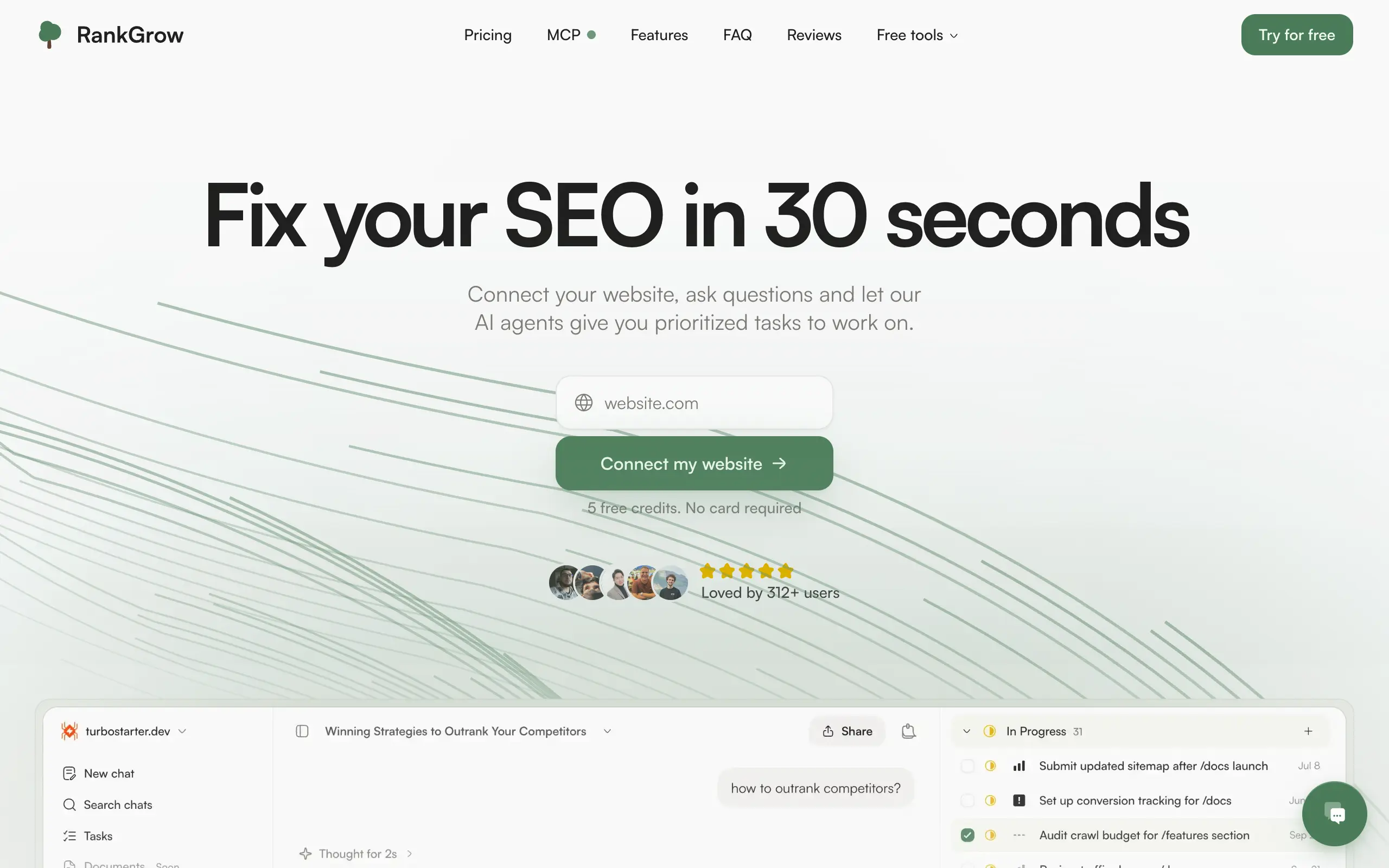
RankGrow
Fix your SEO with AI agents - connect Search Console, get prioritized tasks, and grow organic traffic 📈
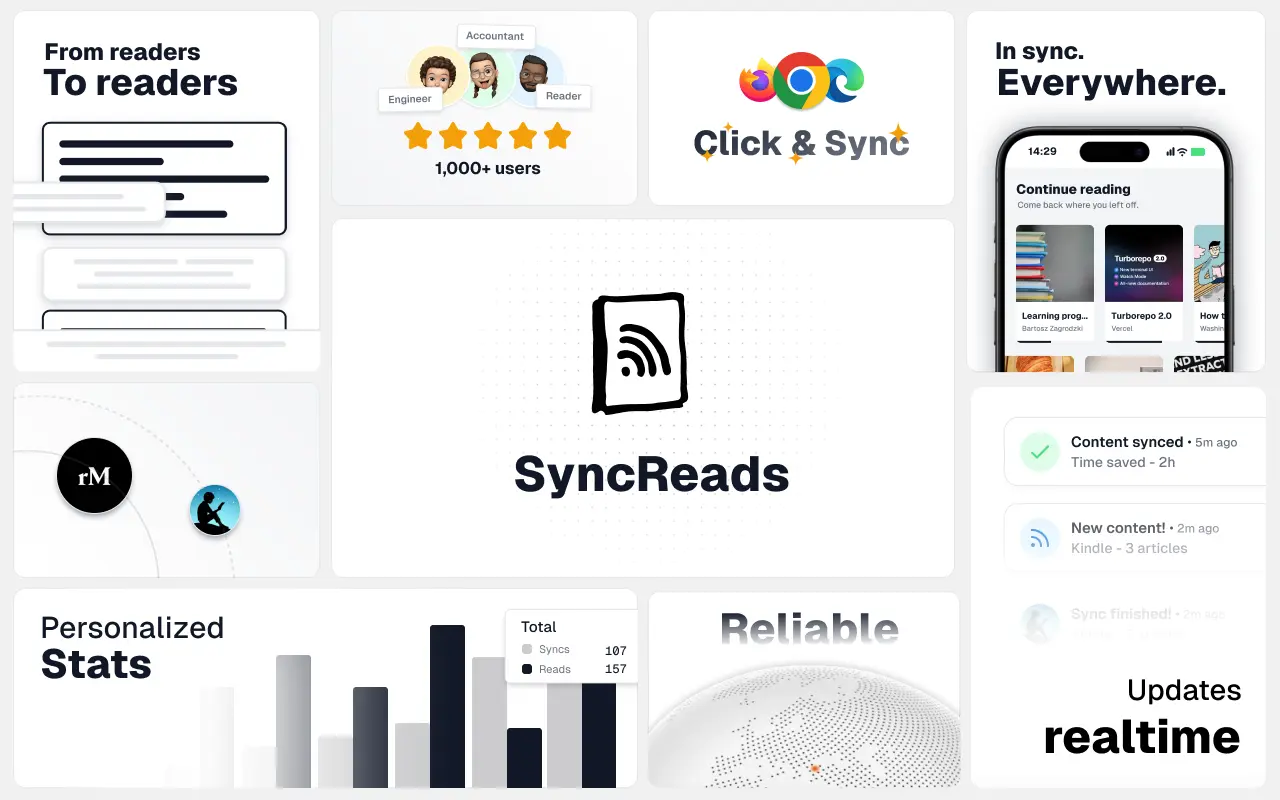
SyncReads
Sync your favorite content for distraction-free reading, save time and replace multiple apps. Anytime, anywhere 🔄
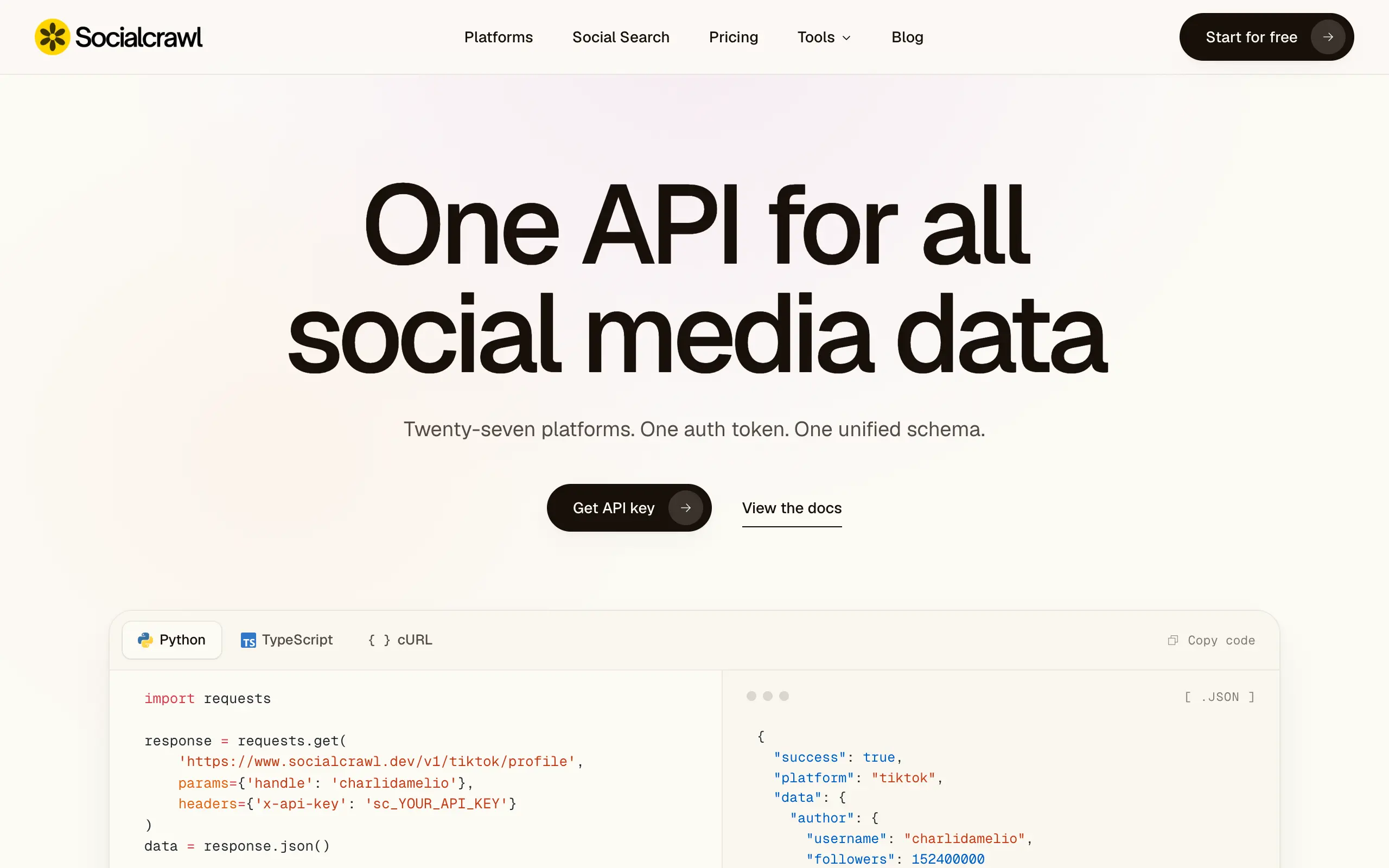
Socialcrawl
Get clean, structured data from 21 platforms like TikTok, Instagram, and YouTube with a single request 📊
Statiko
Monitor any Telegram channel in real time - track posts, edits, deletions, and growth with AI recaps 📡
Shibui
AI website builder - describe your business, pick a niche template, edit by chatting, and publish instantly ✨
Pro Service
Find verified home service professionals, compare quotes, and pay securely through escrow - built for Brazilians across the US 🏠
RankGrow
Fix your SEO with AI agents - connect Search Console, get prioritized tasks, and grow organic traffic 📈
SyncReads
Sync your favorite content for distraction-free reading, save time and replace multiple apps. Anytime, anywhere 🔄
Socialcrawl
Get clean, structured data from 21 platforms like TikTok, Instagram, and YouTube with a single request 📊
Statiko
Monitor any Telegram channel in real time - track posts, edits, deletions, and growth with AI recaps 📡
Shibui
AI website builder - describe your business, pick a niche template, edit by chatting, and publish instantly ✨
Pro Service
Find verified home service professionals, compare quotes, and pay securely through escrow - built for Brazilians across the US 🏠
RankGrow
Fix your SEO with AI agents - connect Search Console, get prioritized tasks, and grow organic traffic 📈
SyncReads
Sync your favorite content for distraction-free reading, save time and replace multiple apps. Anytime, anywhere 🔄
Socialcrawl
Get clean, structured data from 21 platforms like TikTok, Instagram, and YouTube with a single request 📊
Statiko
Monitor any Telegram channel in real time - track posts, edits, deletions, and growth with AI recaps 📡
Shibui
AI website builder - describe your business, pick a niche template, edit by chatting, and publish instantly ✨
Pro Service
Find verified home service professionals, compare quotes, and pay securely through escrow - built for Brazilians across the US 🏠
RankGrow
Fix your SEO with AI agents - connect Search Console, get prioritized tasks, and grow organic traffic 📈
SyncReads
Sync your favorite content for distraction-free reading, save time and replace multiple apps. Anytime, anywhere 🔄
Socialcrawl
Get clean, structured data from 21 platforms like TikTok, Instagram, and YouTube with a single request 📊
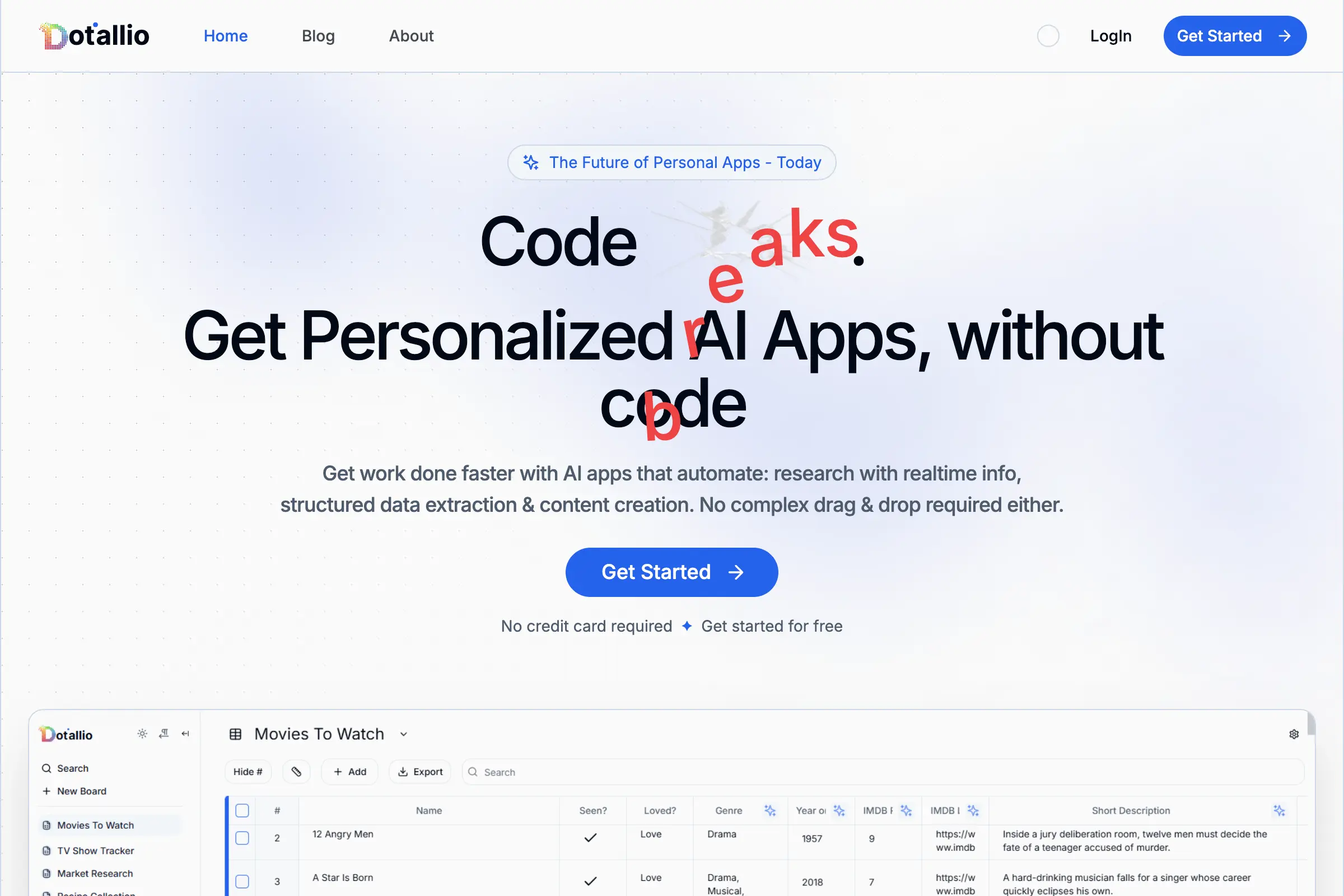
Dotallio
Personalized AI apps that automate research, data extraction, and content creation without code 🤖
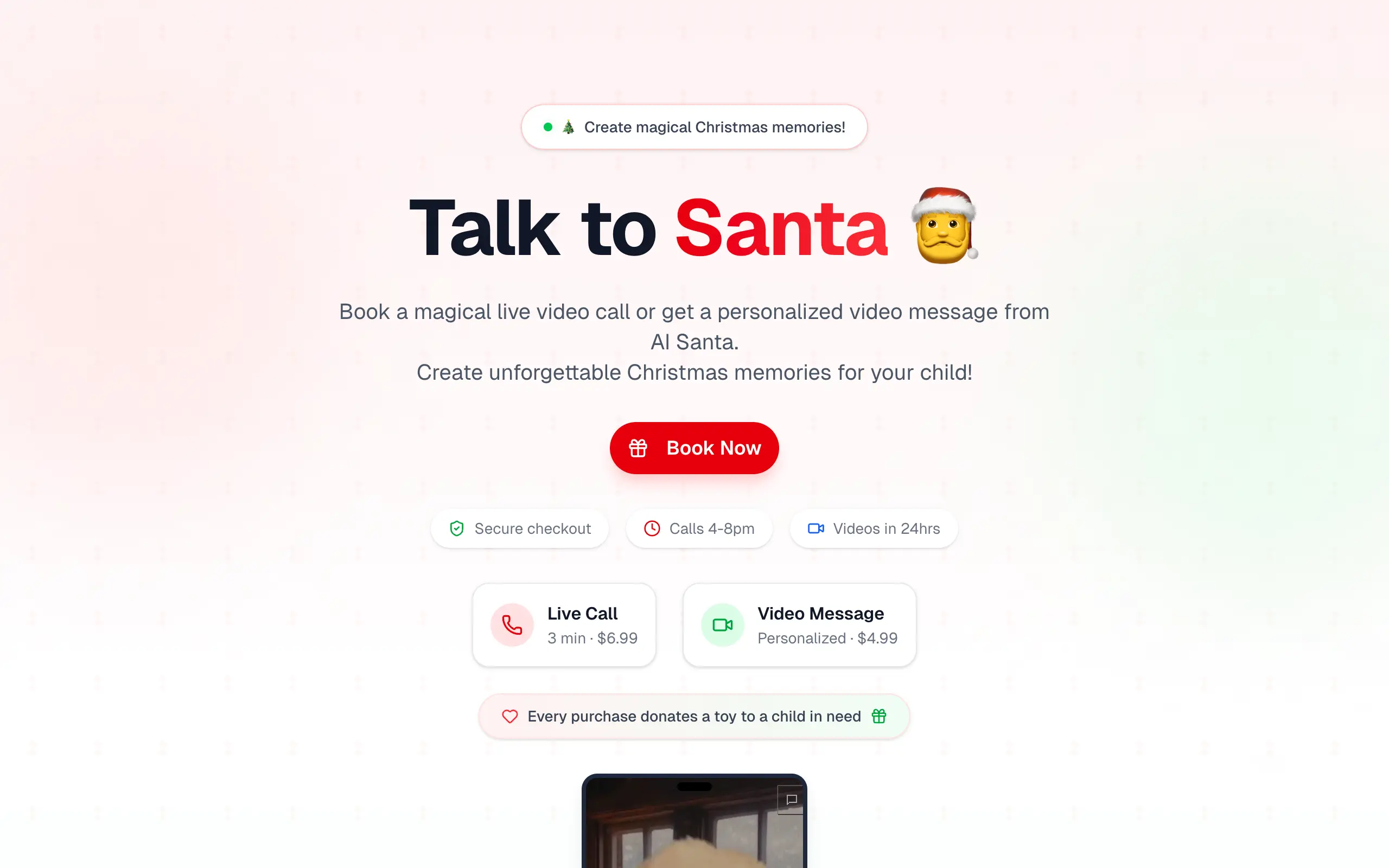
Talk to Santa
Enjoy a magical live video chat or receive a unique AI-generated video greeting from Santa Claus 🎅
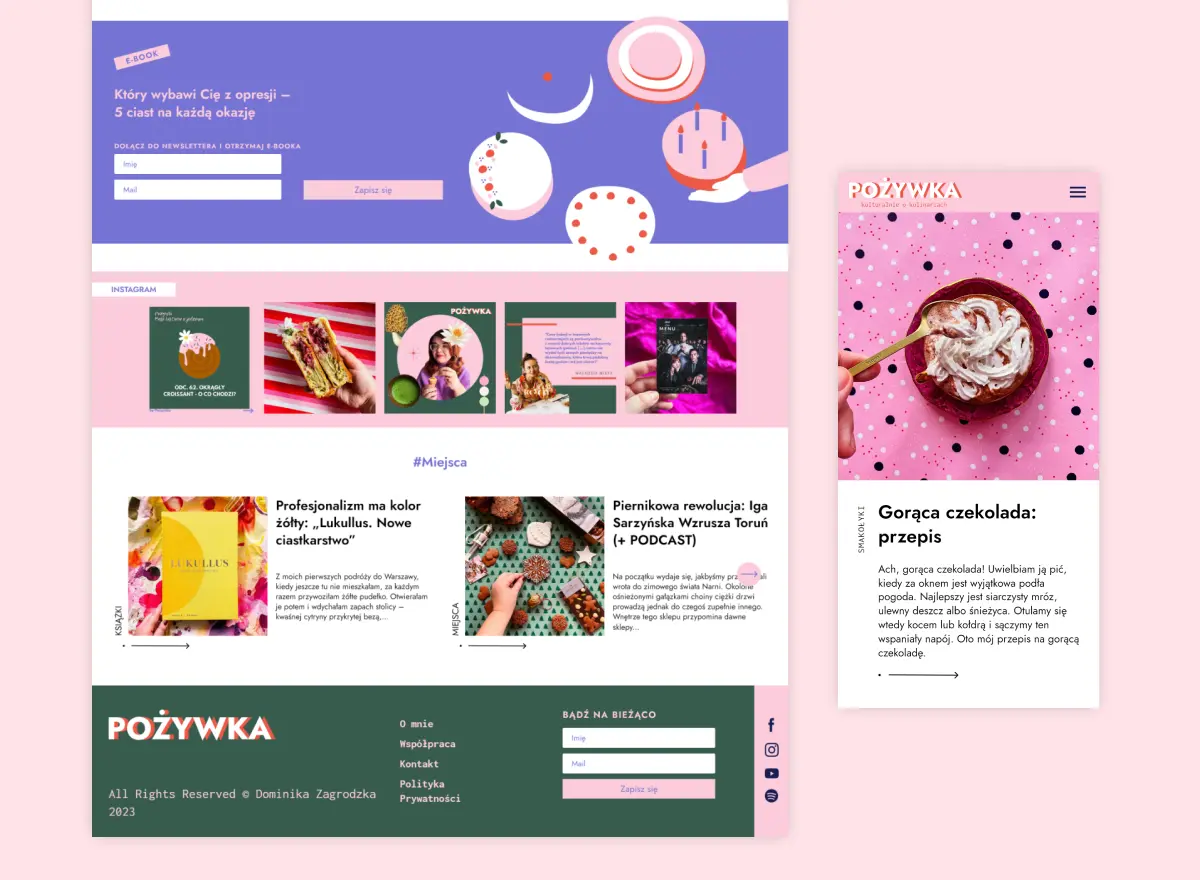
pozywka.pl
Scalable blog for food journalist, focused on performance and user experience 🌭
zagrodzki.me
Personal blog and portfolio of Bart Zagrodzki, where he shares his knowledge and work 💼
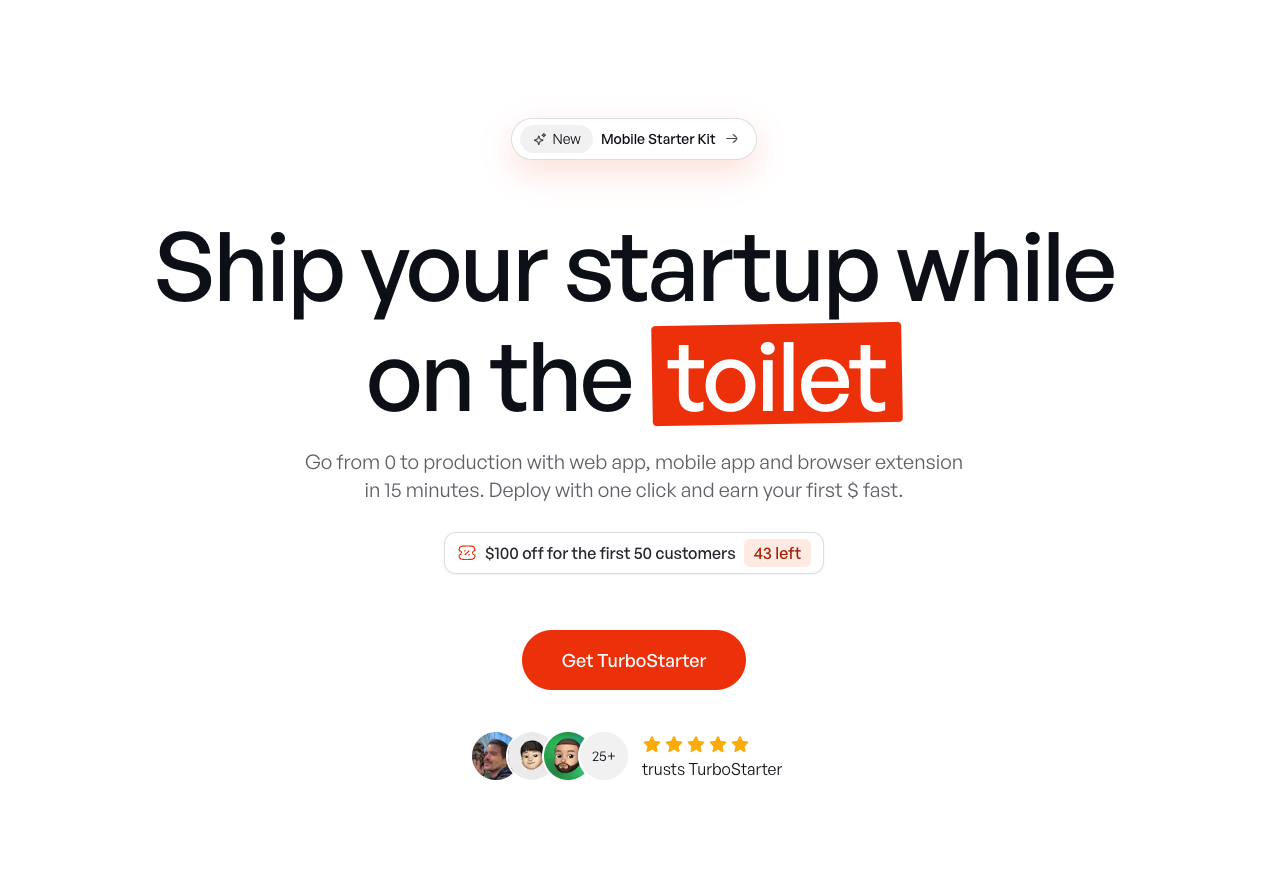
TurboStarter
Ship your startup everywhere. In minutes.
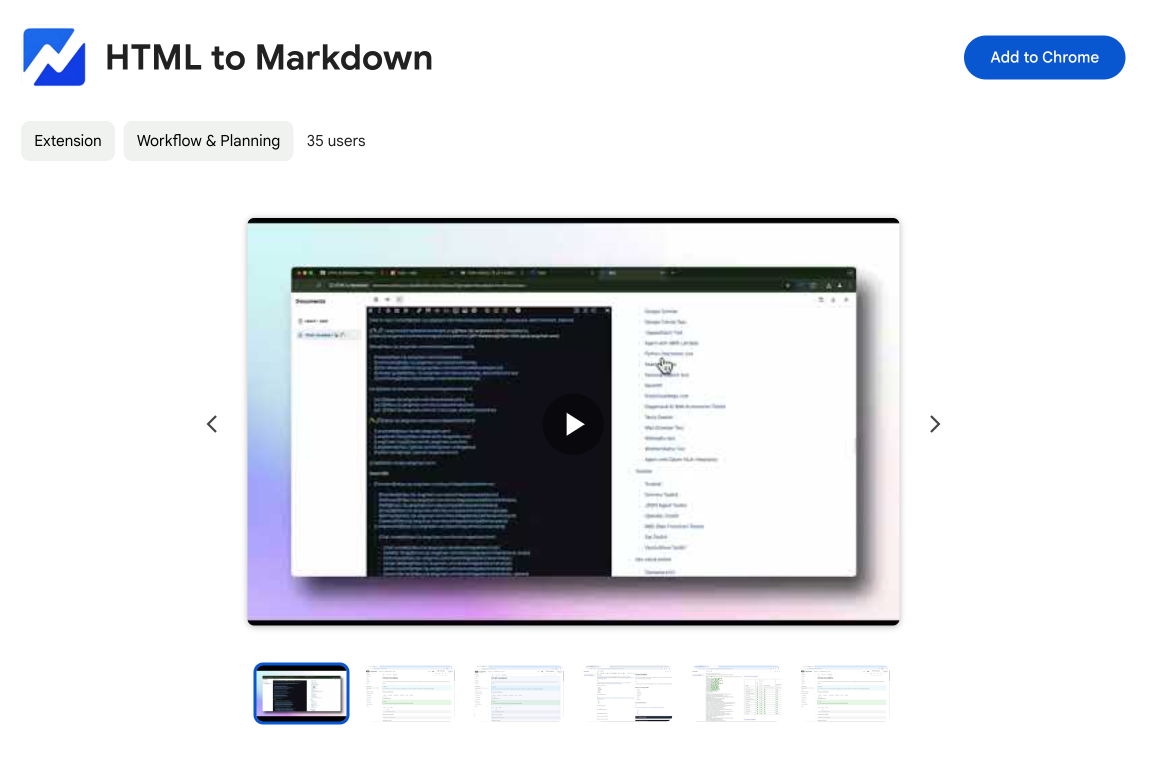
HTML to Markdown
Convert HTML to Markdown with ease, directly in your browser 📄
Dotallio
Personalized AI apps that automate research, data extraction, and content creation without code 🤖
Talk to Santa
Enjoy a magical live video chat or receive a unique AI-generated video greeting from Santa Claus 🎅
pozywka.pl
Scalable blog for food journalist, focused on performance and user experience 🌭
zagrodzki.me
Personal blog and portfolio of Bart Zagrodzki, where he shares his knowledge and work 💼
TurboStarter
Ship your startup everywhere. In minutes.
HTML to Markdown
Convert HTML to Markdown with ease, directly in your browser 📄
Dotallio
Personalized AI apps that automate research, data extraction, and content creation without code 🤖
Talk to Santa
Enjoy a magical live video chat or receive a unique AI-generated video greeting from Santa Claus 🎅
pozywka.pl
Scalable blog for food journalist, focused on performance and user experience 🌭
zagrodzki.me
Personal blog and portfolio of Bart Zagrodzki, where he shares his knowledge and work 💼
TurboStarter
Ship your startup everywhere. In minutes.
HTML to Markdown
Convert HTML to Markdown with ease, directly in your browser 📄
Dotallio
Personalized AI apps that automate research, data extraction, and content creation without code 🤖
Talk to Santa
Enjoy a magical live video chat or receive a unique AI-generated video greeting from Santa Claus 🎅
pozywka.pl
Scalable blog for food journalist, focused on performance and user experience 🌭
zagrodzki.me
Personal blog and portfolio of Bart Zagrodzki, where he shares his knowledge and work 💼
TurboStarter
Ship your startup everywhere. In minutes.
HTML to Markdown
Convert HTML to Markdown with ease, directly in your browser 📄
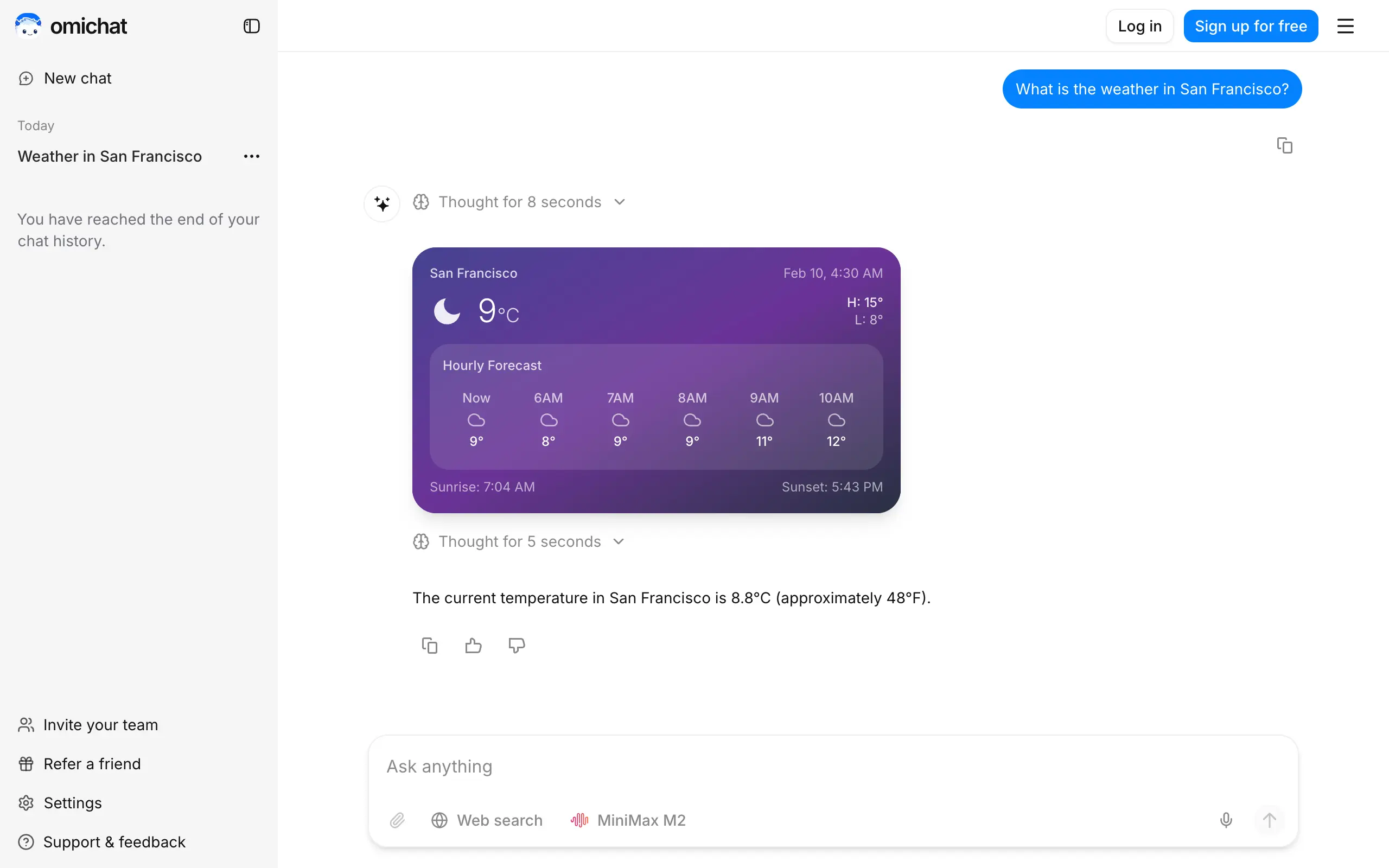
Omichat
Chat with 50+ AI models, including ChatGPT and Claude, in one place - switch models anytime without losing context 🤖
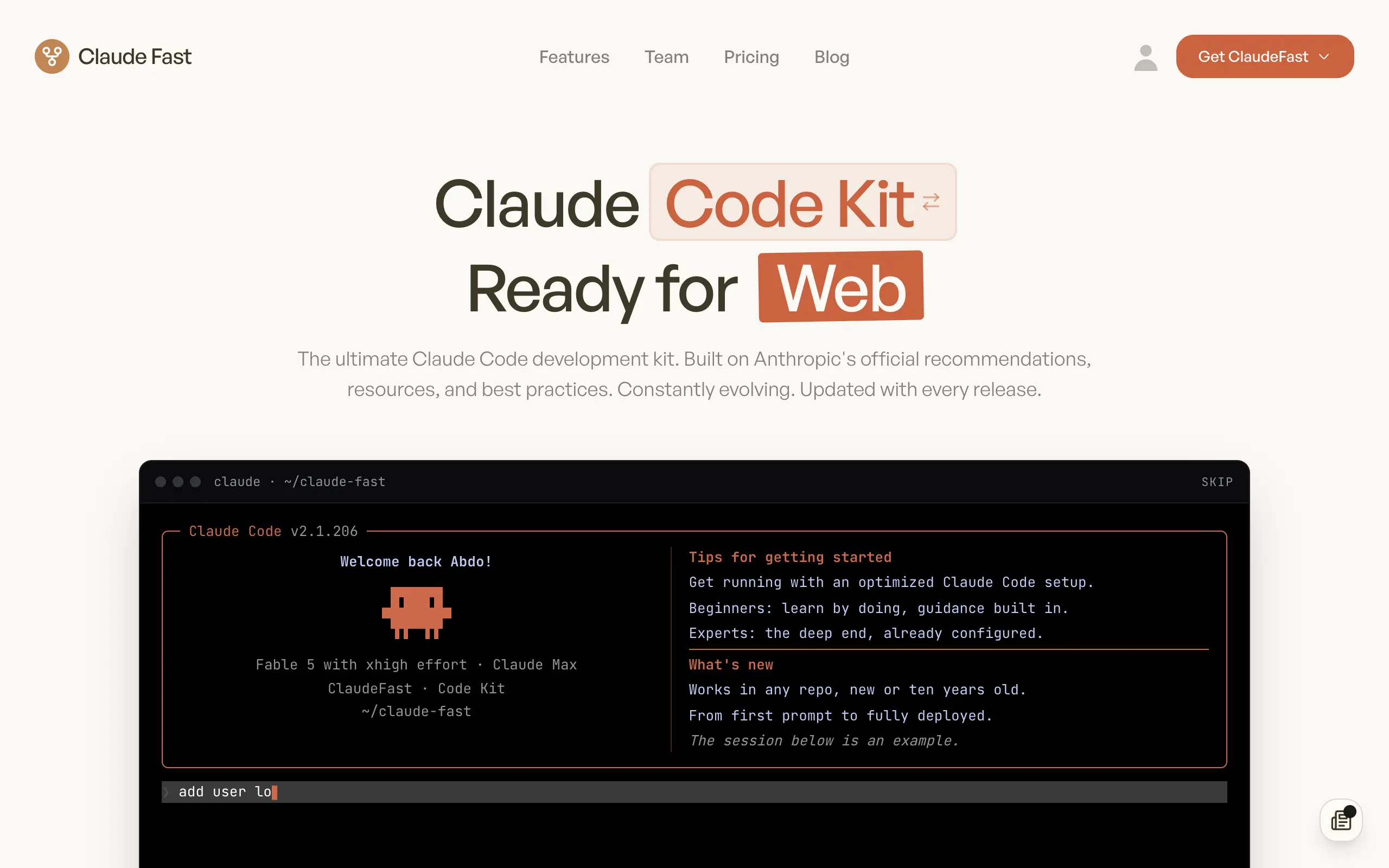
Claude Fast
Supercharge your Claude Code with 6x effective context window and specialized AI agents 🤖
EmojAI
AI-powered emoji picker with smart, context-aware suggestions 🤖
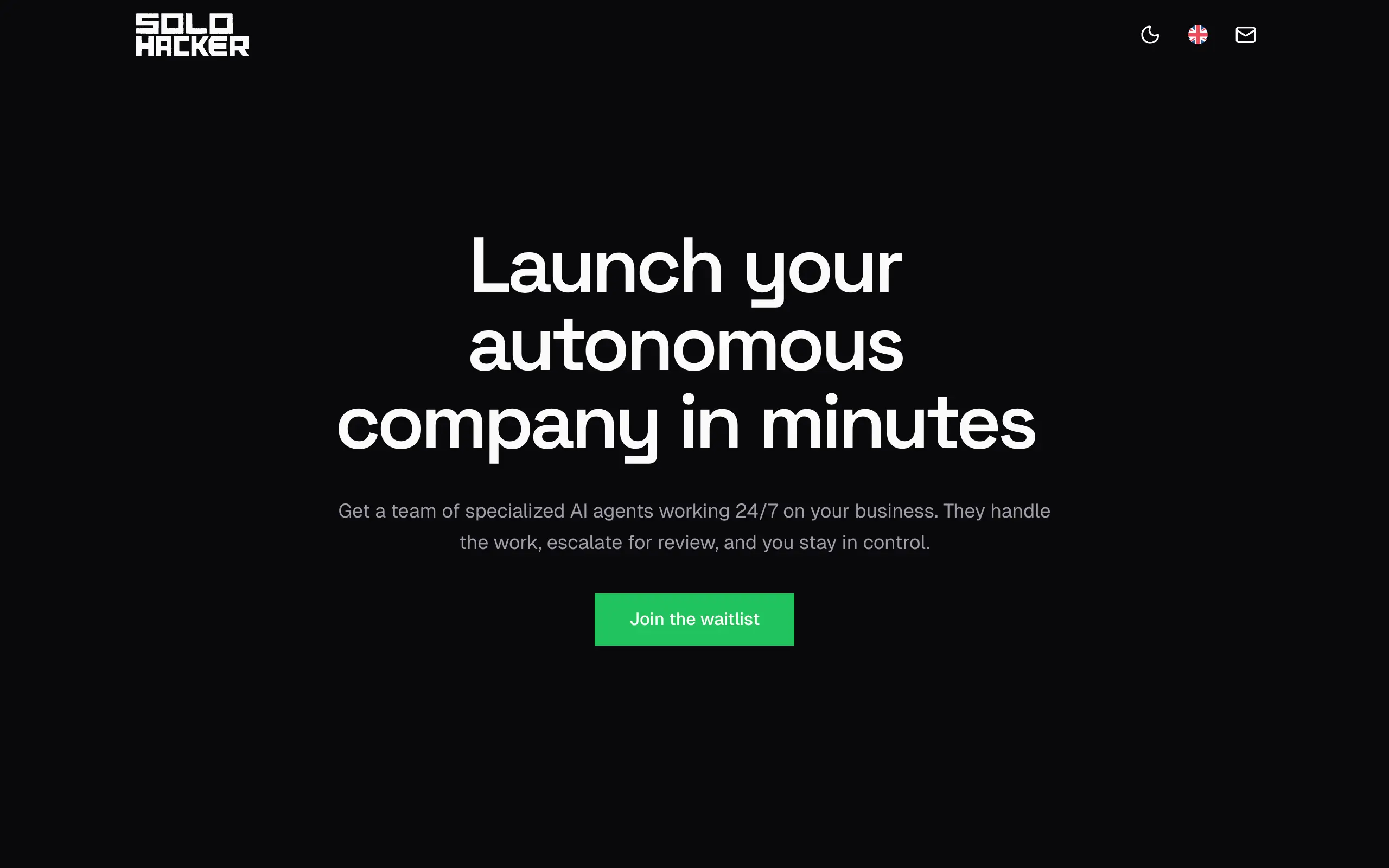
Solohacker
Autonomous company launcher - AI agents work 24/7, escalate what matters, and you stay in control 🤖
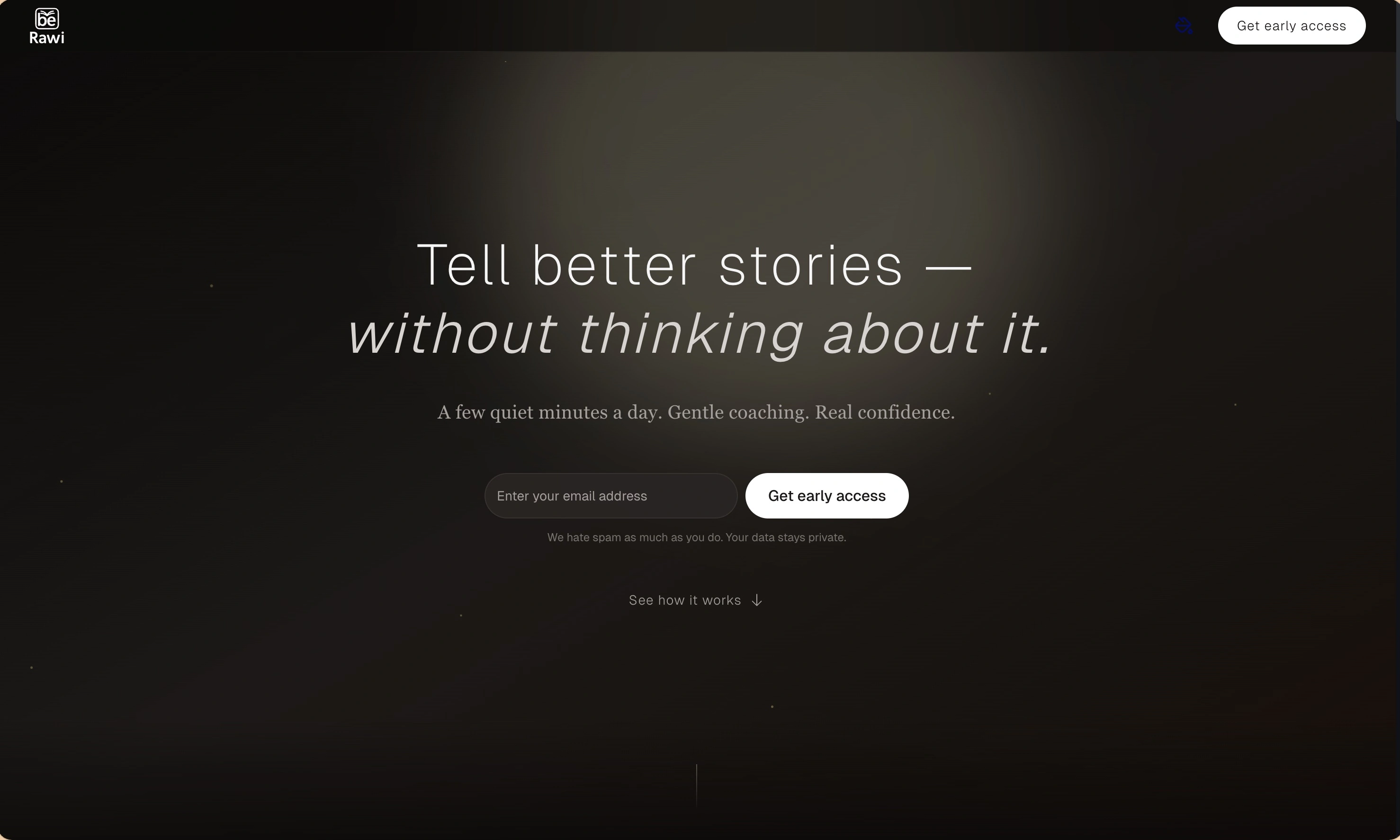
BeRawi: Storytelling Coach
Practice storytelling daily with instant feedback to sound clearer, more engaging, and confident 🎤
Omichat
Chat with 50+ AI models, including ChatGPT and Claude, in one place - switch models anytime without losing context 🤖
Claude Fast
Supercharge your Claude Code with 6x effective context window and specialized AI agents 🤖
EmojAI
AI-powered emoji picker with smart, context-aware suggestions 🤖
Solohacker
Autonomous company launcher - AI agents work 24/7, escalate what matters, and you stay in control 🤖
BeRawi: Storytelling Coach
Practice storytelling daily with instant feedback to sound clearer, more engaging, and confident 🎤
Omichat
Chat with 50+ AI models, including ChatGPT and Claude, in one place - switch models anytime without losing context 🤖
Claude Fast
Supercharge your Claude Code with 6x effective context window and specialized AI agents 🤖
EmojAI
AI-powered emoji picker with smart, context-aware suggestions 🤖
Solohacker
Autonomous company launcher - AI agents work 24/7, escalate what matters, and you stay in control 🤖
BeRawi: Storytelling Coach
Practice storytelling daily with instant feedback to sound clearer, more engaging, and confident 🎤
Omichat
Chat with 50+ AI models, including ChatGPT and Claude, in one place - switch models anytime without losing context 🤖
Claude Fast
Supercharge your Claude Code with 6x effective context window and specialized AI agents 🤖
EmojAI
AI-powered emoji picker with smart, context-aware suggestions 🤖
Solohacker
Autonomous company launcher - AI agents work 24/7, escalate what matters, and you stay in control 🤖
BeRawi: Storytelling Coach
Practice storytelling daily with instant feedback to sound clearer, more engaging, and confident 🎤

Connect with like-minded people
Join our community to get feedback, support, and grow together with 1,000+ builders on board, let's ship it!
Join usShip your startup everywhere. In minutes.
Don't burn tokens on setup and start building features on day one.