GroceryRadar
Scan or search products to track supermarket prices near you, discover deals, and get alerts when prices drop on your favorite items.
The rise of grocery price tracking apps and why now is the right time
Grocery prices have become one of the most volatile and sensitive household expenses in recent years. Inflation spikes, supply chain disruptions, and regional price differences have made it difficult for consumers to know whether they’re truly getting the best deal. At the same time, shoppers are more digitally empowered than ever before.
This is where GroceryRadar, a mobile grocery price tracking app, steps in.
GroceryRadar allows users to:
- Scan or search products
- Track supermarket prices near them
- Discover real-time deals
- Receive alerts when prices drop on favorite items
The primary keyword focus here is grocery price tracking app, supported by related semantic keywords such as:
- supermarket price comparison app
- grocery deal alerts
- price drop notifications
- local grocery price tracker
- barcode scanner grocery app
This article provides a comprehensive, expert-level breakdown of GroceryRadar’s market opportunity, product strategy, monetization model, tech stack, competitive advantage, and implementation roadmap.
Understanding user search intent behind grocery price tracking
Before building or marketing a grocery price tracking app, it's critical to understand why users search for such tools.
Core user intents
- Save money on groceries
- Compare supermarket prices near me
- Find best deals this week
- Track price drops on specific products
- Avoid overpaying due to hidden price differences
Users are not just casually browsing—they’re actively trying to reduce recurring household costs. That makes this a high-intent, high-retention use case.
High-frequency usage advantage
Groceries are purchased weekly (or even multiple times per week). This frequency creates strong retention potential compared to one-time purchase comparison tools.
Unlike electronics price trackers, grocery tracking is habitual. That makes GroceryRadar uniquely positioned for daily or weekly engagement.
Target audience analysis
A successful grocery price comparison app must segment its audience clearly.
1. Budget-conscious households
- Families managing tight budgets
- Students
- Retirees
- Individuals affected by inflation
Pain points:
- Unpredictable price changes
- Difficulty comparing across stores
- Time-consuming deal hunting
2. Urban professionals
- Limited time
- Shop at multiple supermarkets
- Prefer convenience over extreme couponing
They want:
- Quick scanning
- Instant comparisons
- Clean UX
- Push notifications
3. Smart shoppers & deal hunters
- Already use coupon apps
- Actively track promotions
- Likely to adopt price alerts feature
4. Health-focused consumers
- Track specific brands (organic, gluten-free, vegan)
- Willing to switch stores if price difference is meaningful
Market opportunity and gap analysis
Growing demand for price transparency
Consumers increasingly expect:
- Real-time pricing
- Location-based deals
- Transparent comparisons
Existing players often fall into one of these categories:
- Static weekly flyer aggregators
- Coupon-focused apps
- Cashback platforms
- Retailer-specific apps
What’s missing?
✅ Real-time, product-level price tracking across multiple supermarkets
✅ Barcode scanning + historical price trends
✅ Personalized alerts for specific items
That’s GroceryRadar’s opportunity.
Competitive landscape comparison
Below is a simplified positioning matrix.
| Feature | Retailer Apps | Coupon Apps | Deal Aggregators | GroceryRadar |
|---|---|---|---|---|
| Cross-store price comparison | ❌ | ❌ | ⚠️ Limited | ✅ |
| Barcode scanning | ⚠️ Limited | ❌ | ❌ | ✅ |
| Price drop alerts | ❌ | ❌ | ⚠️ | ✅ |
| Historical price tracking | ❌ | ❌ | ❌ | ✅ |
GroceryRadar’s competitive advantage lies in combining scanning, tracking, alerts, and cross-store intelligence into one seamless mobile experience.
Core features of GroceryRadar
Let’s break down the core functionality required to build a powerful grocery price tracking app.
1. Barcode scanning
Users scan a product in-store or at home.
Key components:
- Camera-based barcode recognition
- UPC/EAN database lookup
- Instant price comparison across nearby stores
2. Product search
Search by:
- Product name
- Brand
- Category
- Dietary filters
3. Location-based supermarket mapping
- GPS-based store detection
- Radius customization (e.g., 5–20 miles)
- Store-specific price display
4. Price history tracking
Show:
- 30-day trend
- 90-day trend
- Historical lows
This adds authority and helps users make better decisions.
5. Price drop alerts
Users can:
- “Watch” products
- Set target price thresholds
- Receive push notifications
6. Smart shopping list optimization
The app can:
- Suggest the cheapest store for full basket
- Split shopping list across stores
- Calculate potential savings
Recommended tech stack for GroceryRadar (mobile SaaS)
Since GroceryRadar is a mobile-first SaaS product, performance and scalability are critical.
Frontend (Mobile App)
- React Native for cross-platform iOS & Android
- OR native Swift (iOS) + Kotlin (Android) for performance-critical builds
Trade-off:
- React Native = faster development, lower cost
- Native = better performance, deeper OS integration
Backend
- Node.js with Express or NestJS
- OR serverless architecture (AWS Lambda)
Database
- PostgreSQL (structured price data)
- Redis (caching frequent product queries)
Infrastructure
- AWS or GCP
- Cloudflare for edge caching
- S3 for static assets
Notifications
- Firebase Cloud Messaging (FCM)
- Apple Push Notification Service (APNs)
Example API design for price tracking
Here’s a simplified example of how a price alert endpoint might look:
// POST /api/alerts
{
  "userId": "123",
  "productId": "456",
  "targetPrice": 3.99,
  "storeRadius": 10
}
Server logic:
if (currentPrice <= targetPrice) {
  sendPushNotification(userId, productName, currentPrice)
}
Efficient background jobs (e.g., cron workers) would continuously compare new price updates against alert thresholds.
Data acquisition strategy
This is the most critical technical and legal consideration.
Possible approaches:
1. Retailer APIs (ideal but limited)
Some supermarkets expose pricing APIs.
2. Web scraping (legal considerations required)
Must comply with:
- Terms of service
- Robots.txt
- Regional data laws
3. Crowdsourced price reporting
Users scan receipts or submit prices.
4. Hybrid model
Combine:
- Public data
- Retailer partnerships
- Crowdsourcing
Legal risk awareness
Consult legal experts before implementing scraping or automated price aggregation. Data rights and compliance vary by region.
Monetization strategies for GroceryRadar
A grocery price comparison app has multiple monetization paths.
1. Freemium model
Free:
- Basic scanning
- Limited alerts
Premium:
- Unlimited alerts
- Historical insights
- Advanced savings analytics
2. Affiliate commissions
Earn from:
- Click-through purchases
- Online grocery redirects
3. Sponsored placements
Supermarkets pay for:
- Featured deals
- Promoted items
4. Data insights (B2B)
Aggregate anonymized pricing trends and sell:
- Competitive pricing insights
- Market intelligence dashboards
Revenue model comparison
Recurring revenue. Predictable. Best for long-term SaaS stability.
Performance-based. Lower barrier to entry. Dependent on traffic volume.
High-margin. Requires scale and compliance infrastructure.
A hybrid model is typically strongest.
Unique selling proposition (USP)
What makes GroceryRadar stand out?
- Real-time product-level price tracking
- Personalized price drop alerts
- Cross-supermarket basket optimization
- Historical trend intelligence
- Mobile-first barcode scanning simplicity
This isn’t just a deals app—it’s a grocery intelligence platform.
Potential risks and mitigation
1. Data reliability risk
Mitigation:
- Multiple data sources
- Confidence scoring
- User reporting tools
2. Legal compliance risk
Mitigation:
- Retailer partnerships
- Clear compliance framework
3. User acquisition cost
Mitigation:
- Organic SEO around “grocery prices near me”
- App store optimization
- Referral program
4. Price update latency
Mitigation:
- Efficient caching
- Incremental updates
- Distributed infrastructure
Growth strategy and SEO positioning
Even though GroceryRadar is a mobile app, SEO still matters.
Target keywords:
- grocery price tracking app
- compare supermarket prices near me
- grocery deal alerts
- track grocery prices
- supermarket price comparison app
Content marketing ideas:
- “How to save $500 a year on groceries”
- “Best time to buy milk, eggs, and staples”
- “Weekly price trend reports”
These drive organic traffic and app installs.
Implementation roadmap
MVP Feature Set
- Product search
- 5–10 local supermarkets
- Manual + API-based price input
- Push notifications
- Basic analytics dashboard
Development acceleration with the right foundation
Building a scalable SaaS mobile backend from scratch is time-consuming.
Using a structured SaaS starter kit like TurboStarter can significantly reduce:
- Authentication setup time
- Subscription logic implementation
- Database modeling complexity
- Deployment friction
That allows you to focus on your core differentiation: grocery intelligence.
Long-term vision: from app to ecosystem
Future expansion opportunities:
- AI-powered price prediction
- Meal planning integration
- Smart pantry inventory
- Household savings dashboard
- Embedded financial budgeting tools
GroceryRadar could evolve into a household savings operating system.
Final thoughts
The grocery price tracking app market is primed for disruption. Consumers want transparency, control, and automation in managing recurring expenses.
GroceryRadar’s opportunity lies in combining:
- Real-time price comparison
- Intelligent alerts
- Historical insights
- Cross-store optimization
With a thoughtful tech architecture, clear monetization strategy, and strong legal compliance foundation, GroceryRadar can become a category-defining mobile SaaS platform.
The next step is execution—validate locally, launch lean, optimize based on real-world price behavior, and scale intelligently.
More 📱 Mobile App SaaS ideas
Discover more innovative mobile app SaaS ideas that are trending in 2026. Each idea is AI-generated with market validation and growth potential to help you find your next profitable venture faster than competitors.
Your competitors are building with TurboStarter
Below are some of the SaaS ideas that have been generated and built with our starter kit.
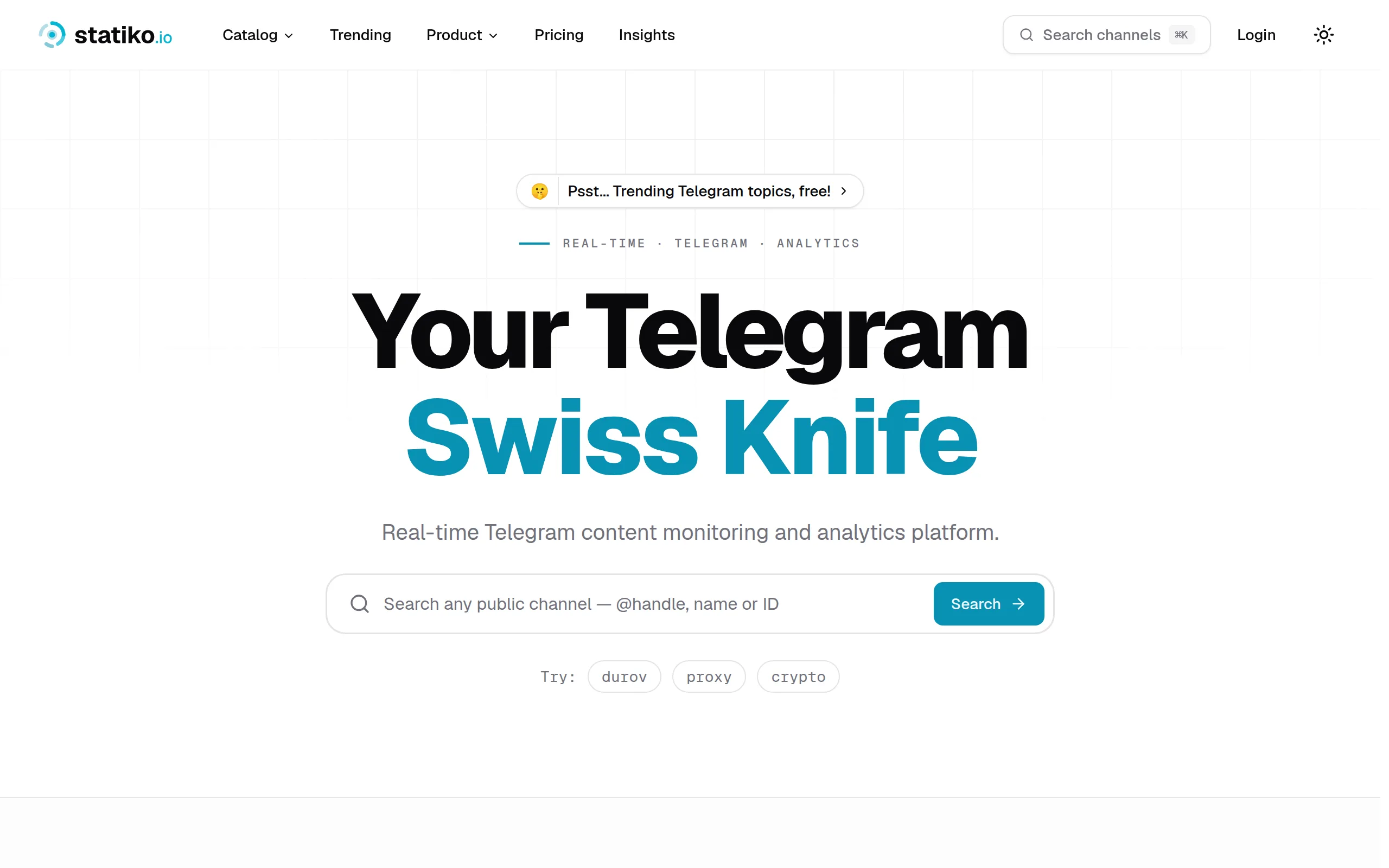
Statiko
Monitor any Telegram channel in real time - track posts, edits, deletions, and growth with AI recaps 📡

Shibui
AI website builder - describe your business, pick a niche template, edit by chatting, and publish instantly ✨

Pro Service
Find verified home service professionals, compare quotes, and pay securely through escrow - built for Brazilians across the US 🏠
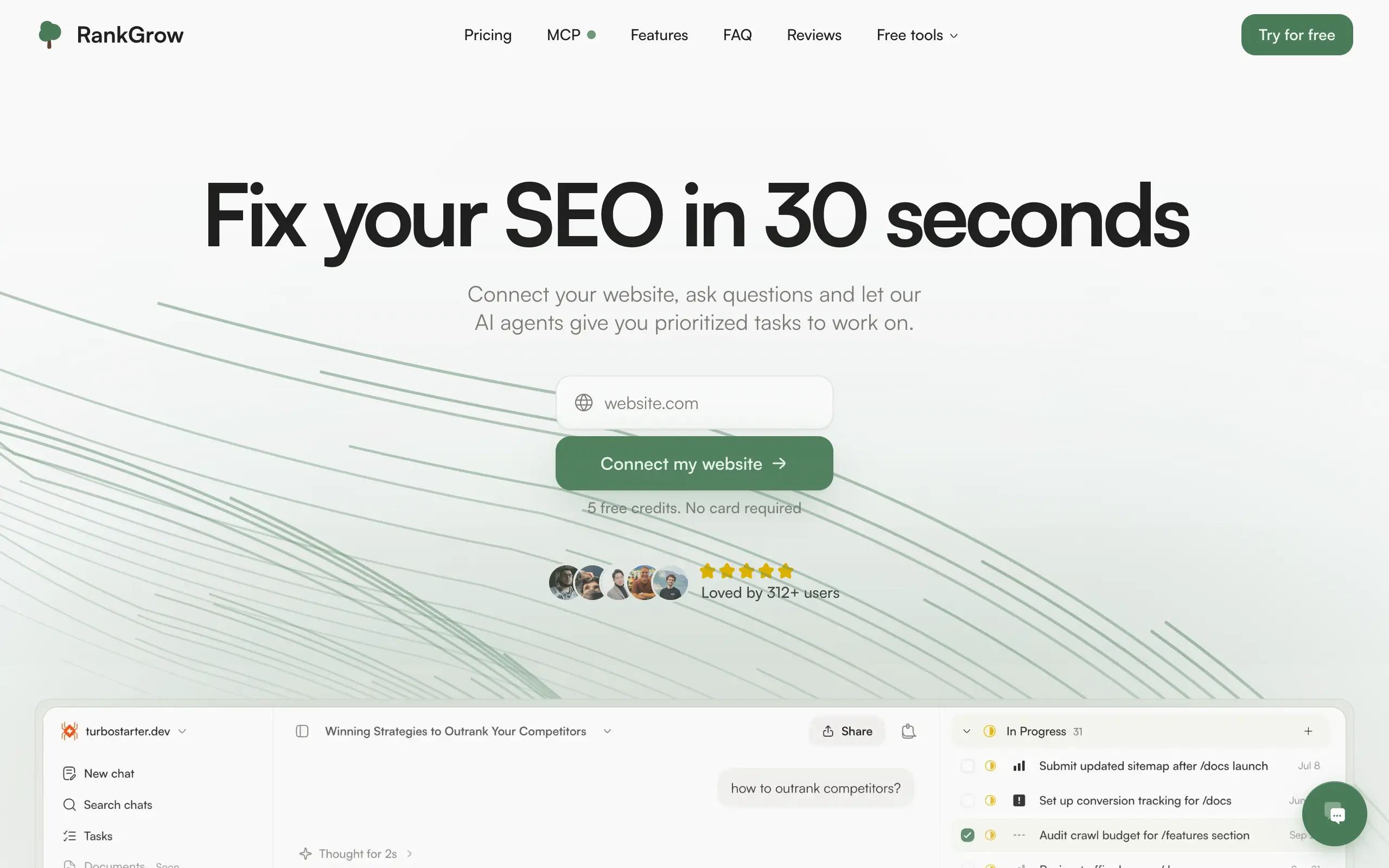
RankGrow
Fix your SEO with AI agents - connect Search Console, get prioritized tasks, and grow organic traffic 📈
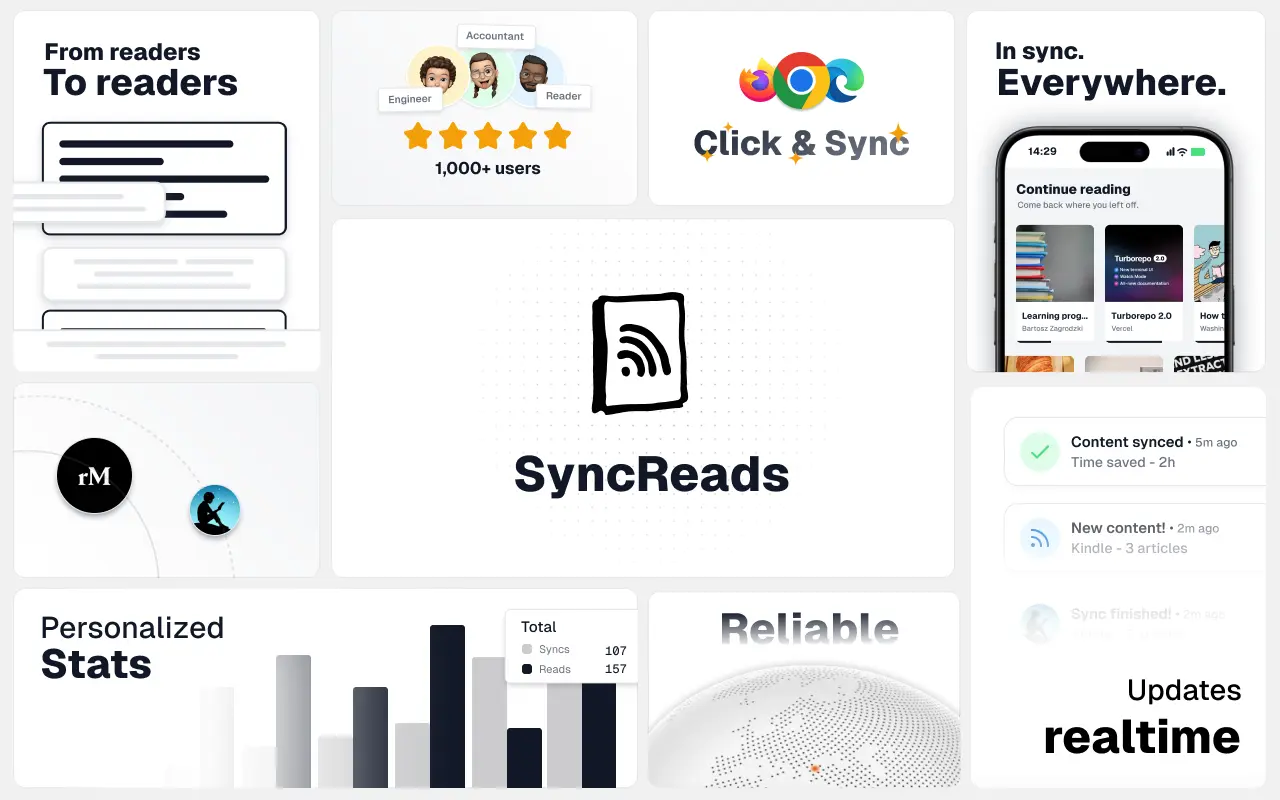
SyncReads
Sync your favorite content for distraction-free reading, save time and replace multiple apps. Anytime, anywhere 🔄
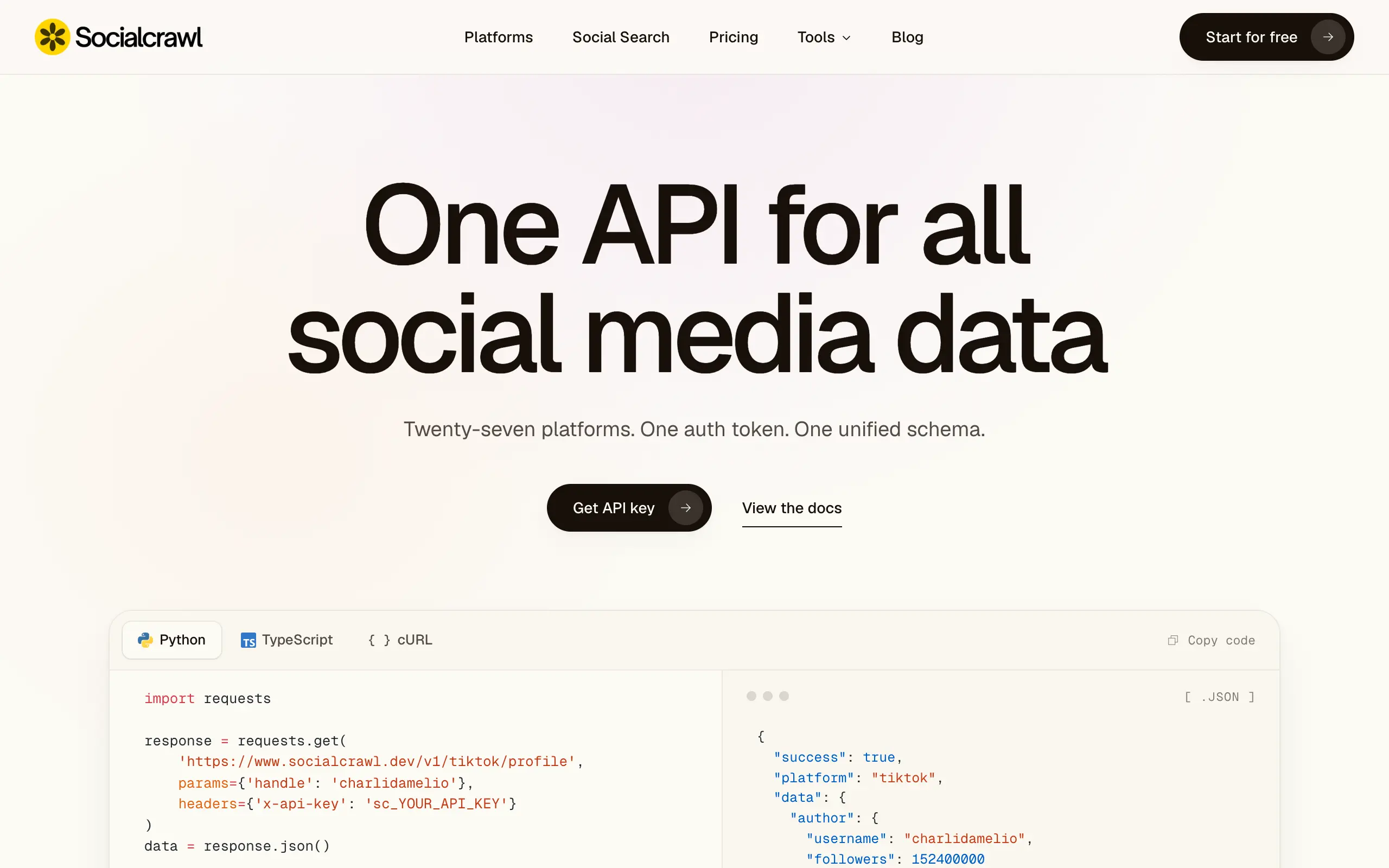
Socialcrawl
Get clean, structured data from 21 platforms like TikTok, Instagram, and YouTube with a single request 📊
Statiko
Monitor any Telegram channel in real time - track posts, edits, deletions, and growth with AI recaps 📡
Shibui
AI website builder - describe your business, pick a niche template, edit by chatting, and publish instantly ✨
Pro Service
Find verified home service professionals, compare quotes, and pay securely through escrow - built for Brazilians across the US 🏠
RankGrow
Fix your SEO with AI agents - connect Search Console, get prioritized tasks, and grow organic traffic 📈
SyncReads
Sync your favorite content for distraction-free reading, save time and replace multiple apps. Anytime, anywhere 🔄
Socialcrawl
Get clean, structured data from 21 platforms like TikTok, Instagram, and YouTube with a single request 📊
Statiko
Monitor any Telegram channel in real time - track posts, edits, deletions, and growth with AI recaps 📡
Shibui
AI website builder - describe your business, pick a niche template, edit by chatting, and publish instantly ✨
Pro Service
Find verified home service professionals, compare quotes, and pay securely through escrow - built for Brazilians across the US 🏠
RankGrow
Fix your SEO with AI agents - connect Search Console, get prioritized tasks, and grow organic traffic 📈
SyncReads
Sync your favorite content for distraction-free reading, save time and replace multiple apps. Anytime, anywhere 🔄
Socialcrawl
Get clean, structured data from 21 platforms like TikTok, Instagram, and YouTube with a single request 📊
Statiko
Monitor any Telegram channel in real time - track posts, edits, deletions, and growth with AI recaps 📡
Shibui
AI website builder - describe your business, pick a niche template, edit by chatting, and publish instantly ✨
Pro Service
Find verified home service professionals, compare quotes, and pay securely through escrow - built for Brazilians across the US 🏠
RankGrow
Fix your SEO with AI agents - connect Search Console, get prioritized tasks, and grow organic traffic 📈
SyncReads
Sync your favorite content for distraction-free reading, save time and replace multiple apps. Anytime, anywhere 🔄
Socialcrawl
Get clean, structured data from 21 platforms like TikTok, Instagram, and YouTube with a single request 📊
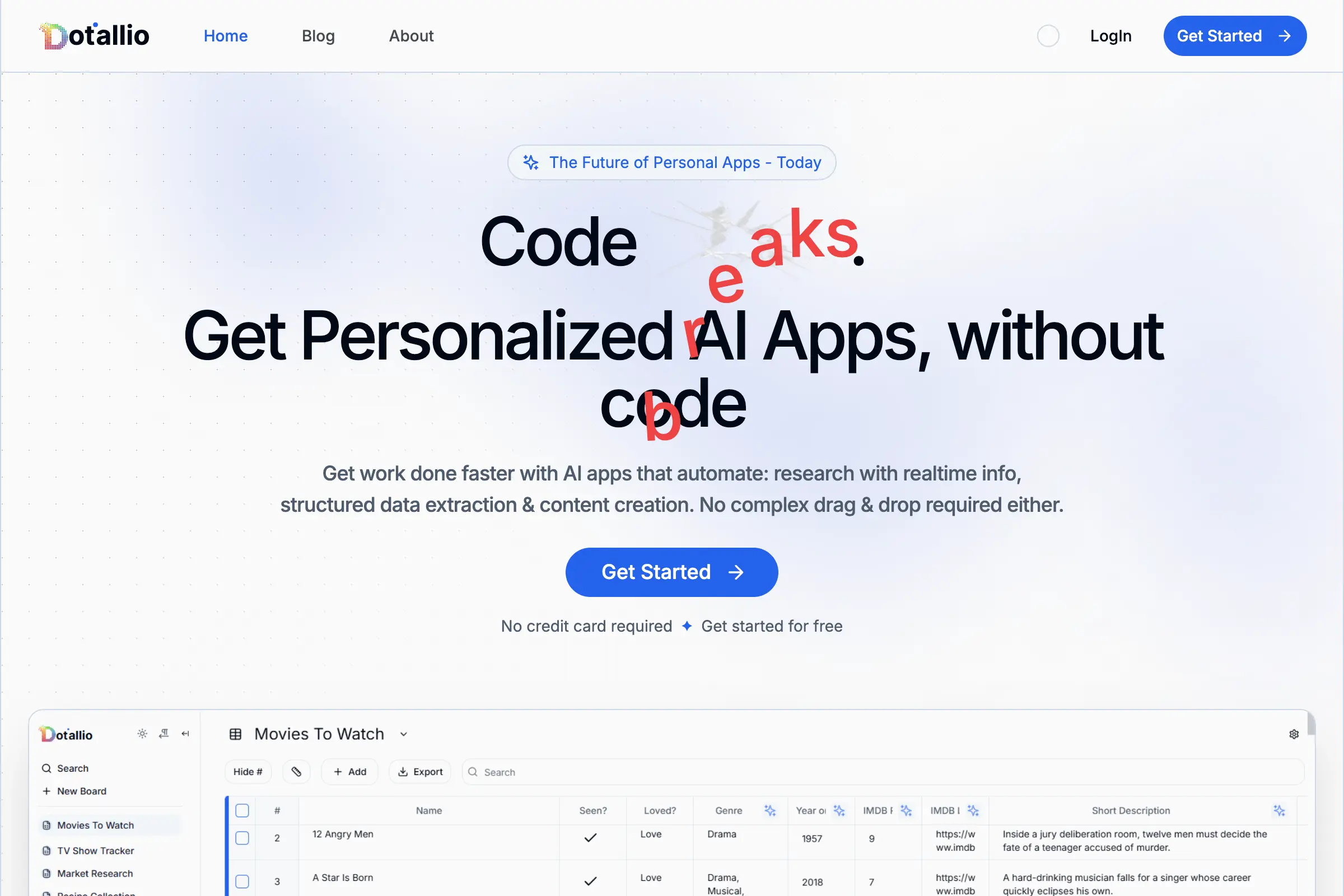
Dotallio
Personalized AI apps that automate research, data extraction, and content creation without code 🤖

Talk to Santa
Enjoy a magical live video chat or receive a unique AI-generated video greeting from Santa Claus 🎅

pozywka.pl
Scalable blog for food journalist, focused on performance and user experience 🌭
zagrodzki.me
Personal blog and portfolio of Bart Zagrodzki, where he shares his knowledge and work 💼
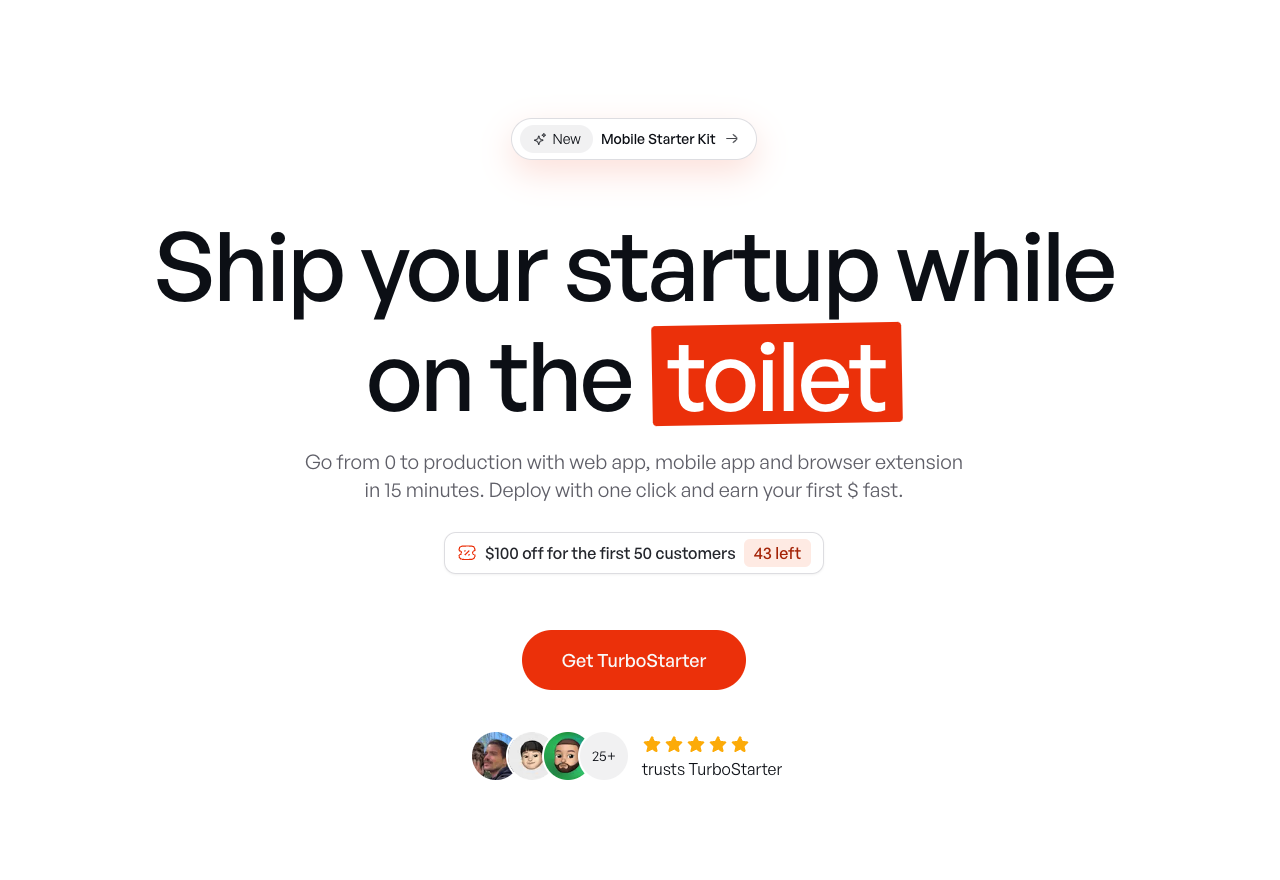
TurboStarter
Ship your startup everywhere. In minutes.
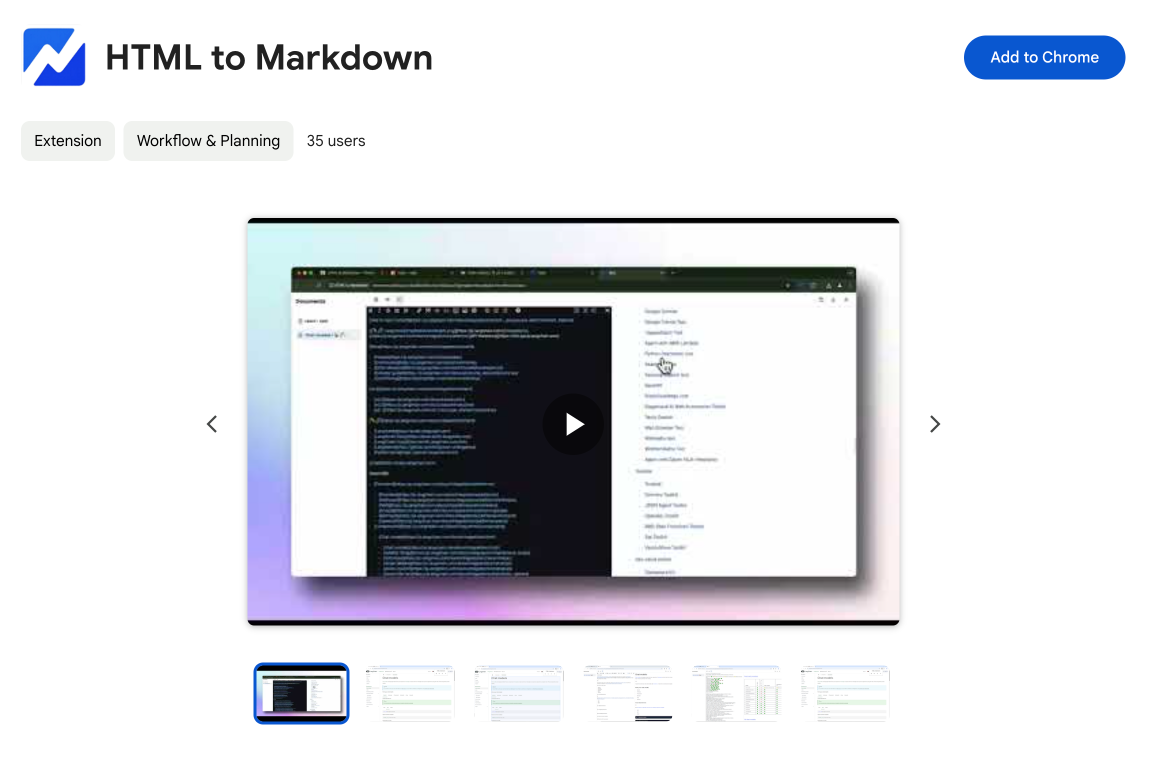
HTML to Markdown
Convert HTML to Markdown with ease, directly in your browser 📄
Dotallio
Personalized AI apps that automate research, data extraction, and content creation without code 🤖
Talk to Santa
Enjoy a magical live video chat or receive a unique AI-generated video greeting from Santa Claus 🎅
pozywka.pl
Scalable blog for food journalist, focused on performance and user experience 🌭
zagrodzki.me
Personal blog and portfolio of Bart Zagrodzki, where he shares his knowledge and work 💼
TurboStarter
Ship your startup everywhere. In minutes.
HTML to Markdown
Convert HTML to Markdown with ease, directly in your browser 📄
Dotallio
Personalized AI apps that automate research, data extraction, and content creation without code 🤖
Talk to Santa
Enjoy a magical live video chat or receive a unique AI-generated video greeting from Santa Claus 🎅
pozywka.pl
Scalable blog for food journalist, focused on performance and user experience 🌭
zagrodzki.me
Personal blog and portfolio of Bart Zagrodzki, where he shares his knowledge and work 💼
TurboStarter
Ship your startup everywhere. In minutes.
HTML to Markdown
Convert HTML to Markdown with ease, directly in your browser 📄
Dotallio
Personalized AI apps that automate research, data extraction, and content creation without code 🤖
Talk to Santa
Enjoy a magical live video chat or receive a unique AI-generated video greeting from Santa Claus 🎅
pozywka.pl
Scalable blog for food journalist, focused on performance and user experience 🌭
zagrodzki.me
Personal blog and portfolio of Bart Zagrodzki, where he shares his knowledge and work 💼
TurboStarter
Ship your startup everywhere. In minutes.
HTML to Markdown
Convert HTML to Markdown with ease, directly in your browser 📄
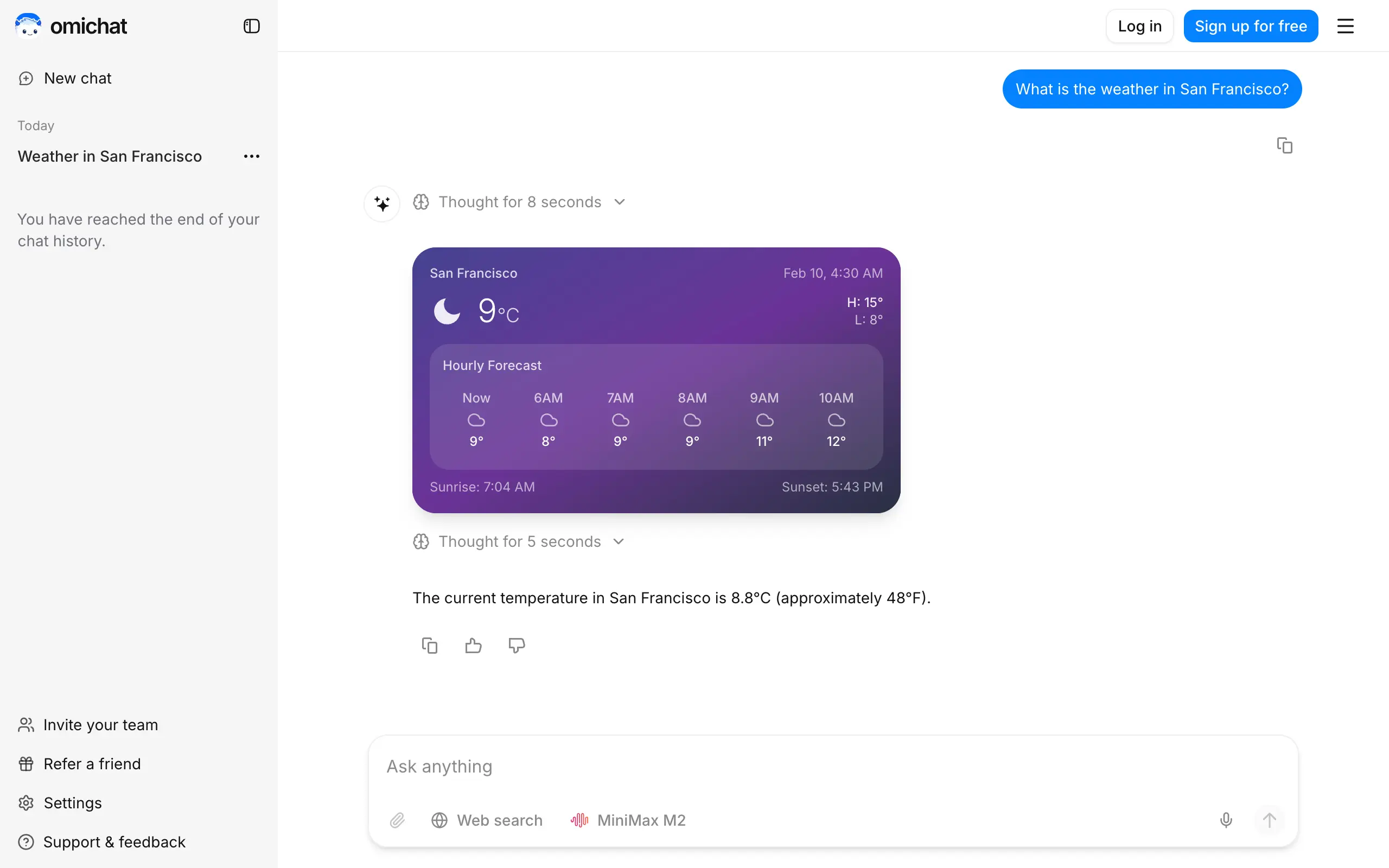
Omichat
Chat with 50+ AI models, including ChatGPT and Claude, in one place - switch models anytime without losing context 🤖
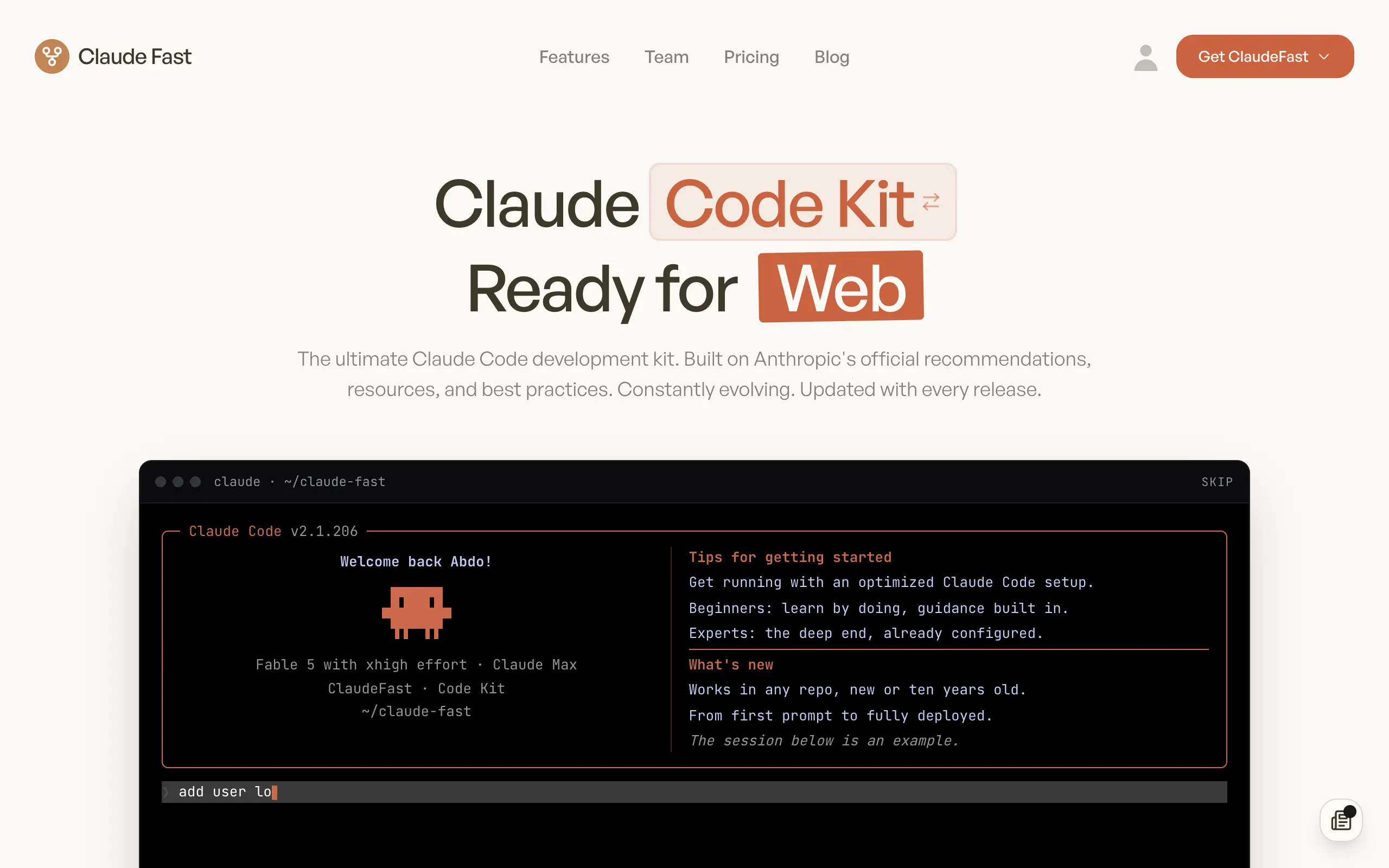
Claude Fast
Supercharge your Claude Code with 6x effective context window and specialized AI agents 🤖
EmojAI
AI-powered emoji picker with smart, context-aware suggestions 🤖
Solohacker
Autonomous company launcher - AI agents work 24/7, escalate what matters, and you stay in control 🤖

BeRawi: Storytelling Coach
Practice storytelling daily with instant feedback to sound clearer, more engaging, and confident 🎤
Omichat
Chat with 50+ AI models, including ChatGPT and Claude, in one place - switch models anytime without losing context 🤖
Claude Fast
Supercharge your Claude Code with 6x effective context window and specialized AI agents 🤖
EmojAI
AI-powered emoji picker with smart, context-aware suggestions 🤖
Solohacker
Autonomous company launcher - AI agents work 24/7, escalate what matters, and you stay in control 🤖
BeRawi: Storytelling Coach
Practice storytelling daily with instant feedback to sound clearer, more engaging, and confident 🎤
Omichat
Chat with 50+ AI models, including ChatGPT and Claude, in one place - switch models anytime without losing context 🤖
Claude Fast
Supercharge your Claude Code with 6x effective context window and specialized AI agents 🤖
EmojAI
AI-powered emoji picker with smart, context-aware suggestions 🤖
Solohacker
Autonomous company launcher - AI agents work 24/7, escalate what matters, and you stay in control 🤖
BeRawi: Storytelling Coach
Practice storytelling daily with instant feedback to sound clearer, more engaging, and confident 🎤
Omichat
Chat with 50+ AI models, including ChatGPT and Claude, in one place - switch models anytime without losing context 🤖
Claude Fast
Supercharge your Claude Code with 6x effective context window and specialized AI agents 🤖
EmojAI
AI-powered emoji picker with smart, context-aware suggestions 🤖
Solohacker
Autonomous company launcher - AI agents work 24/7, escalate what matters, and you stay in control 🤖
BeRawi: Storytelling Coach
Practice storytelling daily with instant feedback to sound clearer, more engaging, and confident 🎤

Connect with like-minded people
Join our community to get feedback, support, and grow together with 1,000+ builders on board, let's ship it!
Join usShip your startup everywhere. In minutes.
Don't burn tokens on setup and start building features on day one.