HelpMe Circle
A private support network app where users can ask for help, advice, or feedback from trusted circles. Combines social trust with on-demand assistance.
understanding the rise of private support networks
The explosion of social media over the past decade has made it easier than ever to ask questions, seek advice, and share experiences. But there’s a growing paradox: while we are more connected than ever, meaningful, trustworthy support has become harder to find.
Public platforms like Reddit, X (Twitter), and Facebook Groups offer scale—but not always trust. Users often hesitate to ask vulnerable or personal questions due to privacy concerns, fear of judgment, or lack of context from strangers.
This is where a concept like a private support network app—such as HelpMe Circle—creates a powerful opportunity.
HelpMe Circle is positioned at the intersection of:
- Social networking
- Mental wellness and peer support
- Micro-communities and trust-based interactions
- On-demand advice platforms
It taps into a clear user need: “I want help, but only from people I trust.”
what is HelpMe Circle and why it matters
HelpMe Circle is a mobile-first private support network app that allows users to:
- Create trusted circles (friends, mentors, peers)
- Ask for help, advice, or feedback
- Receive contextual, personalized responses
- Maintain privacy and control over who sees what
Unlike traditional social media, it’s not about broadcasting—it’s about intentional sharing within trusted micro-networks.
key value proposition
- Trust-first design: You choose who is in your circle
- Safe vulnerability: Ask sensitive or personal questions without public exposure
- Actionable feedback: Get advice from people who know you
- Context-aware support: Responses come from those who understand your background
target audience analysis
Understanding the target audience is critical for building a product that resonates and converts.
primary audience segments
1. young professionals (ages 22–35)
- Seeking career advice, life decisions, and feedback
- Often feel isolated despite being digitally connected
- Value privacy and curated relationships
2. students and early-career individuals
- Need mentorship and guidance
- Frequently ask questions about academics, internships, and personal growth
- Prefer mobile-first, intuitive platforms
3. creators and freelancers
- Require feedback on work (designs, writing, ideas)
- Want quick input from trusted peers instead of public criticism
4. mental wellness seekers
- Looking for emotional support from known individuals
- Avoid public forums due to stigma or privacy concerns
5. small communities and teams
- Friend groups, startup teams, mastermind groups
- Need structured ways to exchange advice and support
user intent and behavioral insight
The primary search intent behind a product like HelpMe Circle includes:
- “Where can I ask for advice privately?”
- “Apps to get feedback from friends”
- “Private social network for support”
- “Safe space to ask personal questions”
These users are not looking for entertainment—they’re looking for trust, clarity, and meaningful interaction.
behavioral patterns
- Users prefer small, high-trust groups over large audiences
- They value quality over quantity of responses
- They want fast, contextual answers
- They are more likely to engage if psychological safety is guaranteed
market opportunity and gap analysis
The market is crowded—but the gap is clear.
existing solutions
| Platform | Privacy | Trust Level | Use Case Fit | Weakness |
|---|---|---|---|---|
| ❌ | ❌ | ✅ | Anonymous, low trust | |
| Facebook Groups | ❌ | ⚠️ | ✅ | No real intimacy |
| ✅ | ✅ | ❌ | Unstructured conversations | |
| Slack/Discord | ✅ | ⚠️ | ⚠️ | Not built for advice-seeking |
identified gap
There is no dominant platform focused specifically on structured, private advice-seeking within trusted circles.
This creates a strong opportunity for HelpMe Circle to:
- Own a new category: “private support networks”
- Build defensibility through social graphs and trust layers
- Leverage behavioral stickiness (users return when they need help)
core features and product design
To succeed, HelpMe Circle must go beyond messaging and deliver structured, meaningful interactions.
1. circle-based architecture
Users can create multiple circles:
- Close friends
- Mentors
- Work colleagues
- Specialized groups (fitness, business, etc.)
Each circle can have:
- Custom permissions
- Visibility settings
- Notification preferences
2. structured help requests
Instead of free-form chats, users submit requests like:
- “Need advice”
- “Looking for feedback”
- “Quick opinion”
- “Emotional support”
Each request can include:
- Context
- Attachments (images, documents)
- Urgency level
3. response prioritization
Responses are ranked based on:
- Relationship strength
- Past helpfulness
- Expertise signals
This ensures users get high-quality answers first.
4. anonymity within circles (optional)
Users can:
- Ask questions anonymously within a trusted group
- Reduce social pressure while maintaining trust
5. feedback loops and reactions
- Mark responses as helpful
- Highlight top contributors
- Build reputation within circles
6. AI-assisted suggestions (future feature)
- Suggest who to ask based on context
- Draft better questions
- Summarize responses
technical architecture and stack recommendations
Building a scalable and responsive mobile app requires careful stack decisions.
frontend (mobile-first)
- React Native – cross-platform development
- Expo – faster iteration and deployment
- TailwindCSS (via NativeWind) – consistent styling
backend
- Node.js with Express or Fastify
- GraphQL (Apollo) for flexible data querying
- WebSockets for real-time responses
database
- PostgreSQL for relational data (users, circles, permissions)
- Redis for caching and real-time features
- Optional: Neo4j for relationship graph modeling
authentication & security
- Firebase Auth or Auth0
- End-to-end encryption for sensitive requests
- Role-based access control
infrastructure
- Vercel for frontend deployment
- AWS or Google Cloud for backend
- CDN for media handling
trade-offs to consider
- React Native vs native development: faster launch vs performance tuning
- GraphQL vs REST: flexibility vs complexity
- Real-time features: user value vs infrastructure cost
monetization strategies
Monetization must align with user trust—this is critical.
freemium model
- Free: basic circles, limited requests
- Premium:
- Unlimited circles
- Priority responses
- Advanced analytics (who responds most, etc.)
subscription tiers
- Individual premium ($5–10/month)
- Team plans for small groups or organizations
expert marketplace (future expansion)
- Connect users with vetted experts
- Paid consultations
- Revenue split model
in-app boosts
- Highlight urgent requests
- Increase visibility within circles
Trust vs monetization
Over-monetization can break user trust. Avoid ads and intrusive promotions—this product thrives on psychological safety.
competitive advantage and differentiation
HelpMe Circle’s moat lies in trust, structure, and intentionality.
unique selling points (USP)
- Private by design (not an afterthought)
- Structured help requests instead of chaotic conversations
- Circle-based trust model
- Emotional + practical support in one platform
defensibility factors
- Social graph lock-in (users won’t migrate easily)
- Behavioral habits (users return when they need help)
- Data insights (understanding advice patterns)
potential risks and mitigation strategies
1. low engagement
Risk: Users don’t get enough responses
Mitigation:
- Smart notifications
- AI suggestions for best responders
- Gamification (badges, recognition)
2. trust breakdown
Risk: Negative or harmful responses
Mitigation:
- Reporting system
- Moderation tools
- Circle-level controls
3. onboarding friction
Risk: Users don’t invite others
Mitigation:
- Seamless invite flow
- Contact syncing
- Incentives for early network building
4. privacy concerns
Risk: Users fear data misuse
Mitigation:
- Transparent policies
- Encryption
- Clear visibility controls
go-to-market strategy
phase 1: niche communities
Start with:
- Startup founders
- Student groups
- Creator communities
These groups already value feedback and support.
phase 2: referral loops
- Invite-based onboarding
- Incentives for adding circles
- Viral growth within micro-networks
phase 3: content + SEO
Target keywords like:
- “private support network app”
- “ask friends for advice app”
- “feedback from trusted people”
Publish blog content, case studies, and user stories.
implementation roadmap
example feature flow (code-level thinking)
type HelpRequest = {
  id: string;
  userId: string;
  circleId: string;
  type: "advice" | "feedback" | "support";
  content: string;
  isAnonymous: boolean;
  createdAt: Date;
};

function createHelpRequest(request: HelpRequest) {
  // Validate circle permissions
  // Store request in DB
  // Notify circle members
}
future expansion opportunities
AI integration
- Smart summaries of responses
- Personalized advice suggestions
- Sentiment analysis
enterprise use cases
- Internal team feedback tools
- Leadership coaching circles
- HR support systems
integrations
- Slack
- Notion
- Google Workspace
why now is the right time
Several macro trends support this idea:
- Increased focus on mental wellness
- Shift toward private digital spaces
- Fatigue with public social media
- Growth of micro-communities
According to sources like Pew Research (suggest citing latest reports), users are increasingly concerned about privacy and meaningful interaction—making this category highly relevant.
building faster with the right tools
If you're planning to build HelpMe Circle or a similar SaaS product, starting from scratch can slow you down significantly.
Using a production-ready SaaS starter like TurboStarter can help you:
- Skip boilerplate setup
- Focus on core features
- Launch faster with best practices baked in
This is especially valuable for:
- Authentication
- Payments
- Scalable architecture
final thoughts and execution strategy
HelpMe Circle is more than just another app—it represents a shift toward intentional, trust-based digital interaction.
To succeed:
- Focus relentlessly on user trust
- Keep the experience simple and meaningful
- Prioritize quality over scale in early stages
- Build strong network effects through circles
The biggest mistake would be trying to become “another social network.” This is not about broadcasting—it’s about connection with purpose.
If executed well, HelpMe Circle can define a new category and become a daily utility for millions of users seeking real, trusted support.
More 📱 Mobile App SaaS ideas
Discover more innovative mobile app SaaS ideas that are trending in 2026. Each idea is AI-generated with market validation and growth potential to help you find your next profitable venture faster than competitors.
Your competitors are building with TurboStarter
Below are some of the SaaS ideas that have been generated and built with our starter kit.
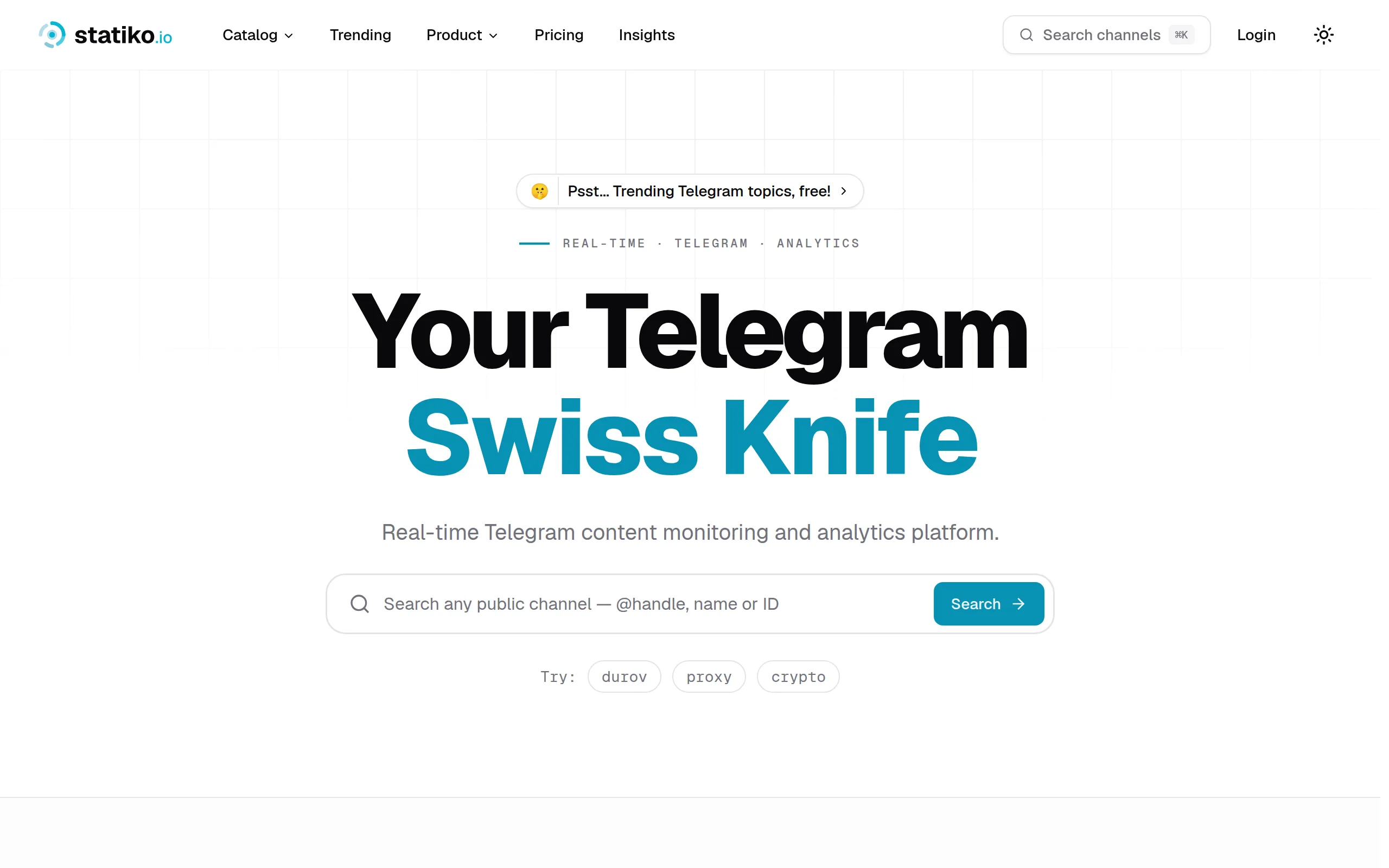
Statiko
Monitor any Telegram channel in real time - track posts, edits, deletions, and growth with AI recaps 📡

Shibui
AI website builder - describe your business, pick a niche template, edit by chatting, and publish instantly ✨
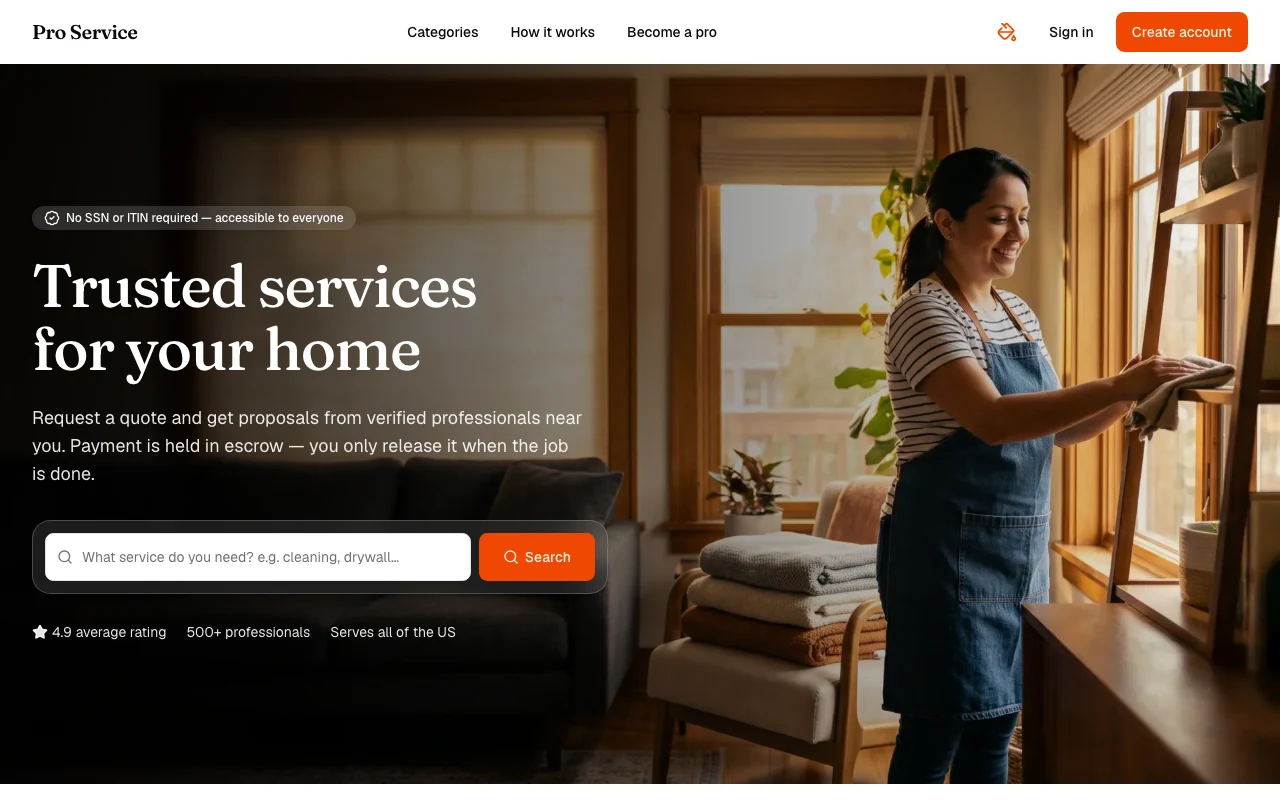
Pro Service
Find verified home service professionals, compare quotes, and pay securely through escrow - built for Brazilians across the US 🏠
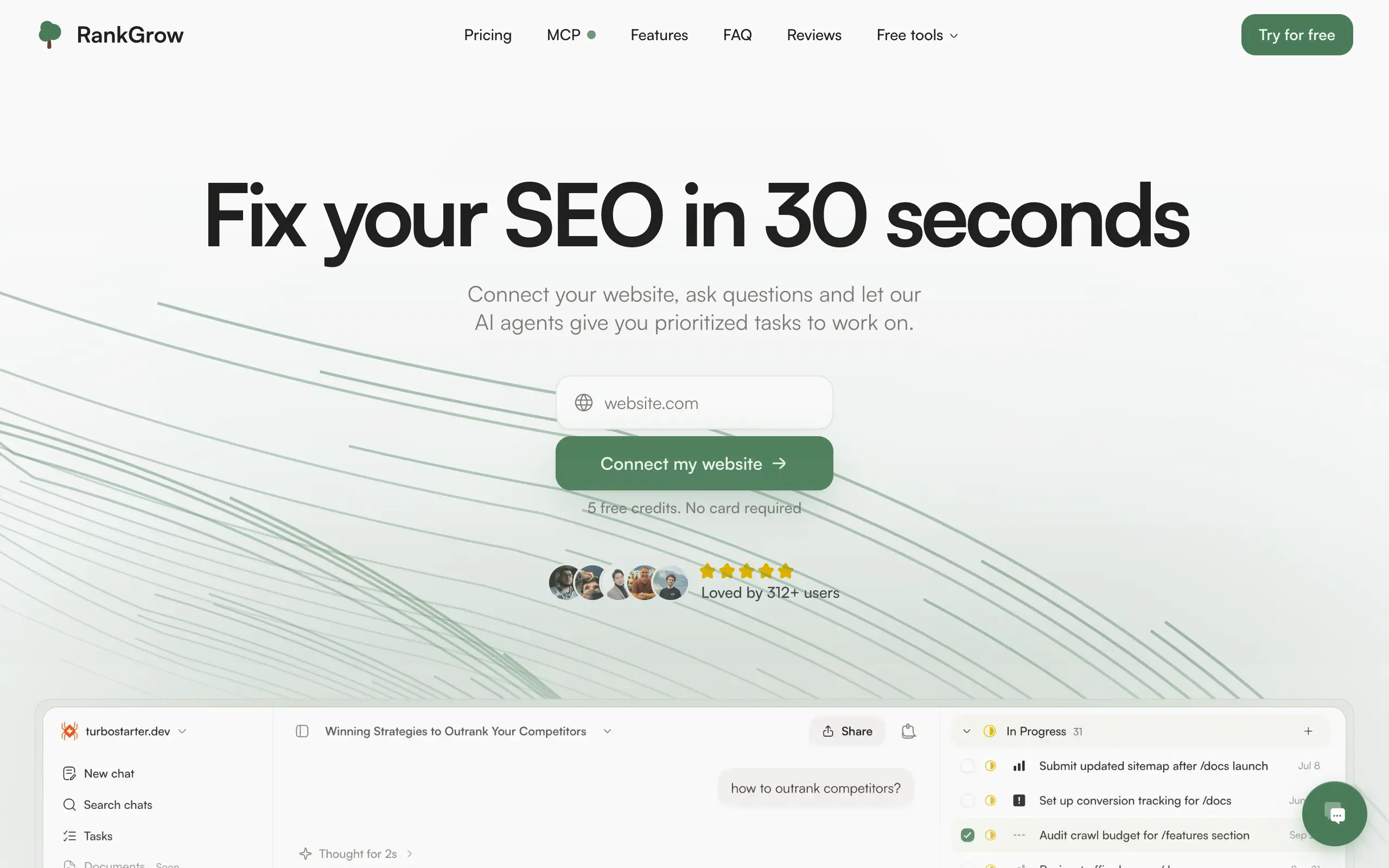
RankGrow
Fix your SEO with AI agents - connect Search Console, get prioritized tasks, and grow organic traffic 📈
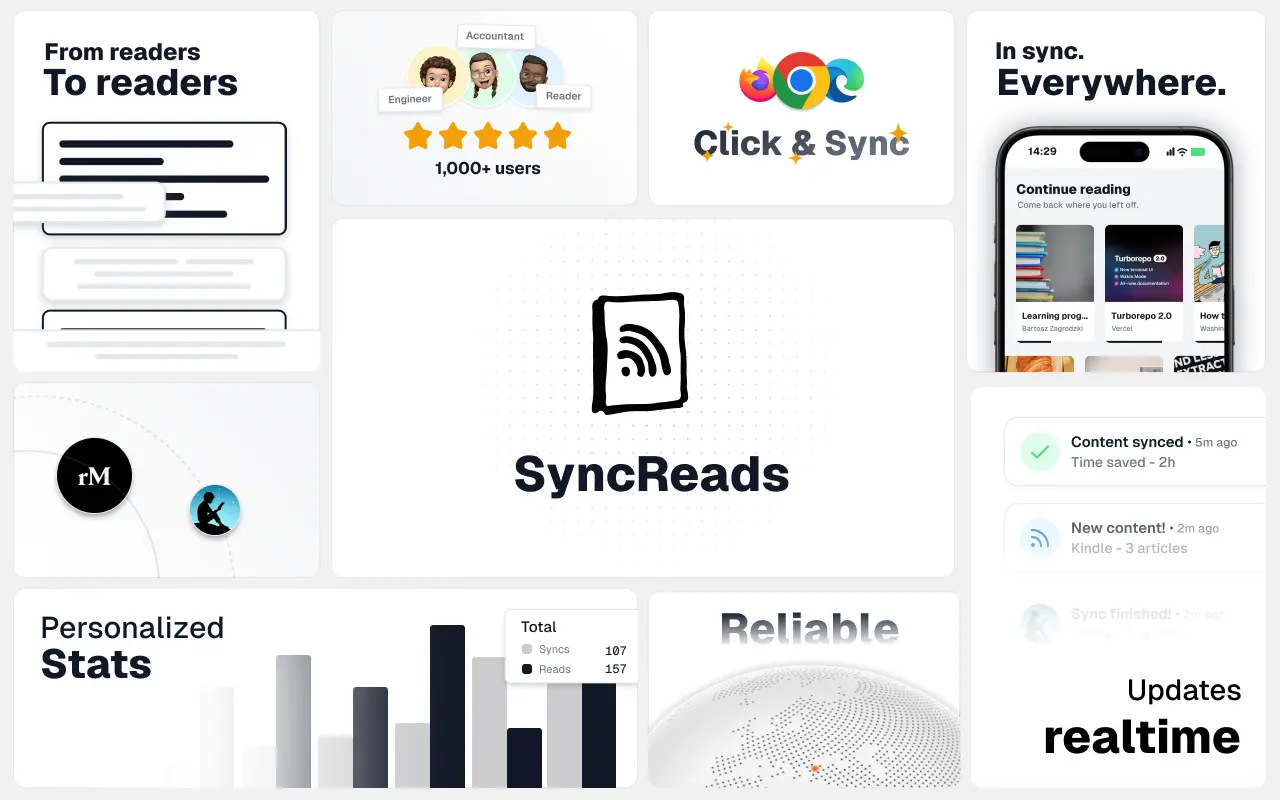
SyncReads
Sync your favorite content for distraction-free reading, save time and replace multiple apps. Anytime, anywhere 🔄
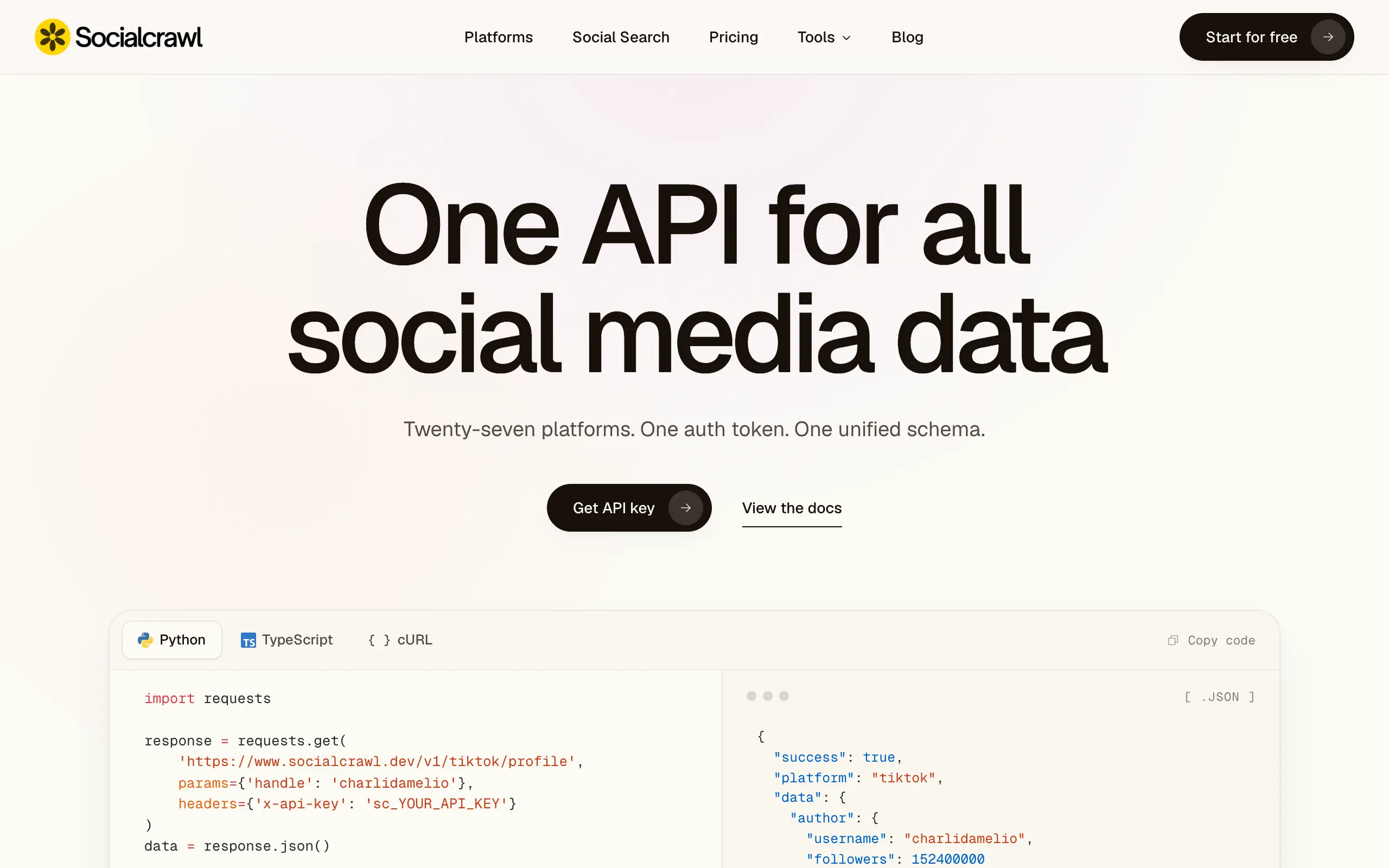
Socialcrawl
Get clean, structured data from 21 platforms like TikTok, Instagram, and YouTube with a single request 📊
Statiko
Monitor any Telegram channel in real time - track posts, edits, deletions, and growth with AI recaps 📡
Shibui
AI website builder - describe your business, pick a niche template, edit by chatting, and publish instantly ✨
Pro Service
Find verified home service professionals, compare quotes, and pay securely through escrow - built for Brazilians across the US 🏠
RankGrow
Fix your SEO with AI agents - connect Search Console, get prioritized tasks, and grow organic traffic 📈
SyncReads
Sync your favorite content for distraction-free reading, save time and replace multiple apps. Anytime, anywhere 🔄
Socialcrawl
Get clean, structured data from 21 platforms like TikTok, Instagram, and YouTube with a single request 📊
Statiko
Monitor any Telegram channel in real time - track posts, edits, deletions, and growth with AI recaps 📡
Shibui
AI website builder - describe your business, pick a niche template, edit by chatting, and publish instantly ✨
Pro Service
Find verified home service professionals, compare quotes, and pay securely through escrow - built for Brazilians across the US 🏠
RankGrow
Fix your SEO with AI agents - connect Search Console, get prioritized tasks, and grow organic traffic 📈
SyncReads
Sync your favorite content for distraction-free reading, save time and replace multiple apps. Anytime, anywhere 🔄
Socialcrawl
Get clean, structured data from 21 platforms like TikTok, Instagram, and YouTube with a single request 📊
Statiko
Monitor any Telegram channel in real time - track posts, edits, deletions, and growth with AI recaps 📡
Shibui
AI website builder - describe your business, pick a niche template, edit by chatting, and publish instantly ✨
Pro Service
Find verified home service professionals, compare quotes, and pay securely through escrow - built for Brazilians across the US 🏠
RankGrow
Fix your SEO with AI agents - connect Search Console, get prioritized tasks, and grow organic traffic 📈
SyncReads
Sync your favorite content for distraction-free reading, save time and replace multiple apps. Anytime, anywhere 🔄
Socialcrawl
Get clean, structured data from 21 platforms like TikTok, Instagram, and YouTube with a single request 📊
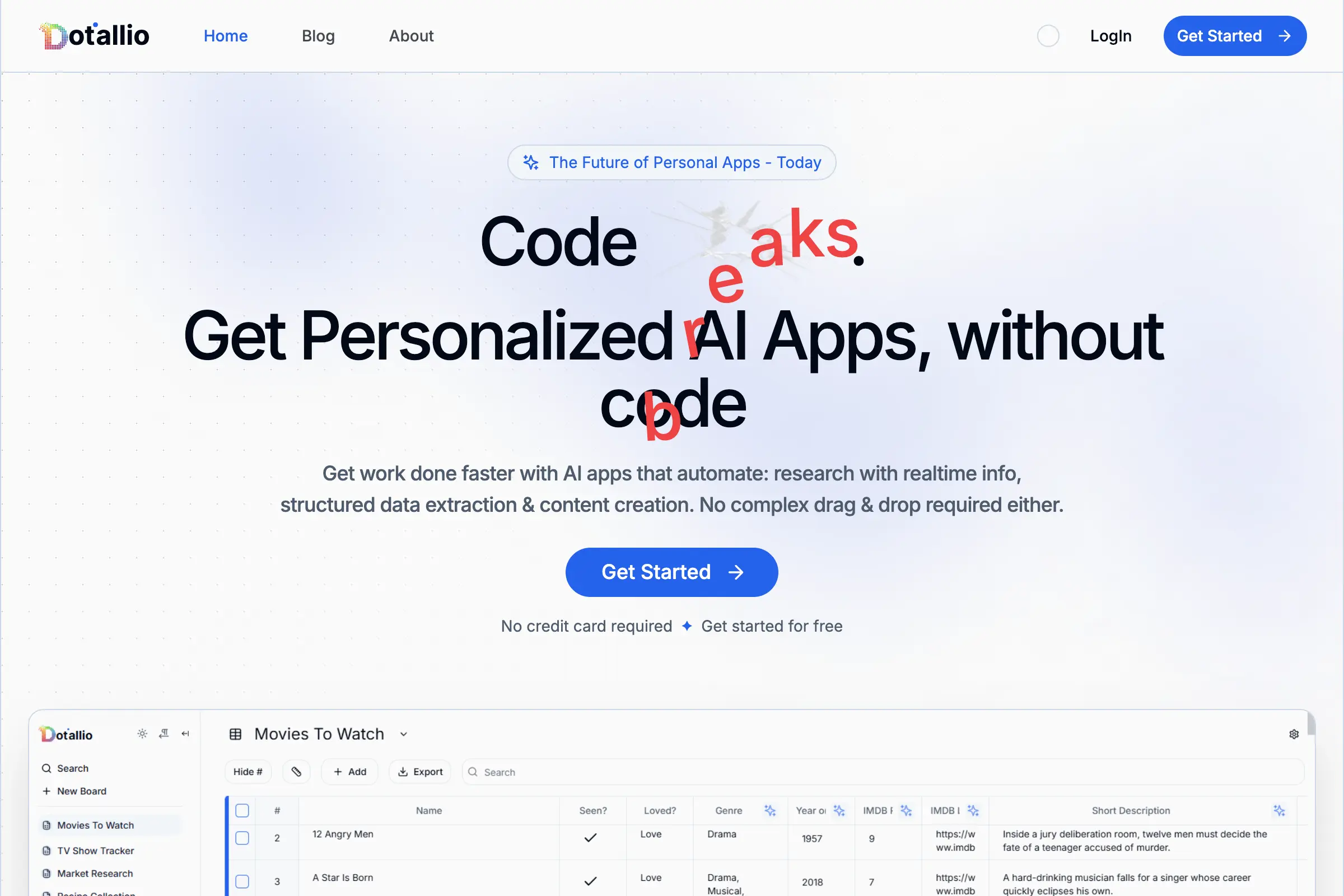
Dotallio
Personalized AI apps that automate research, data extraction, and content creation without code 🤖
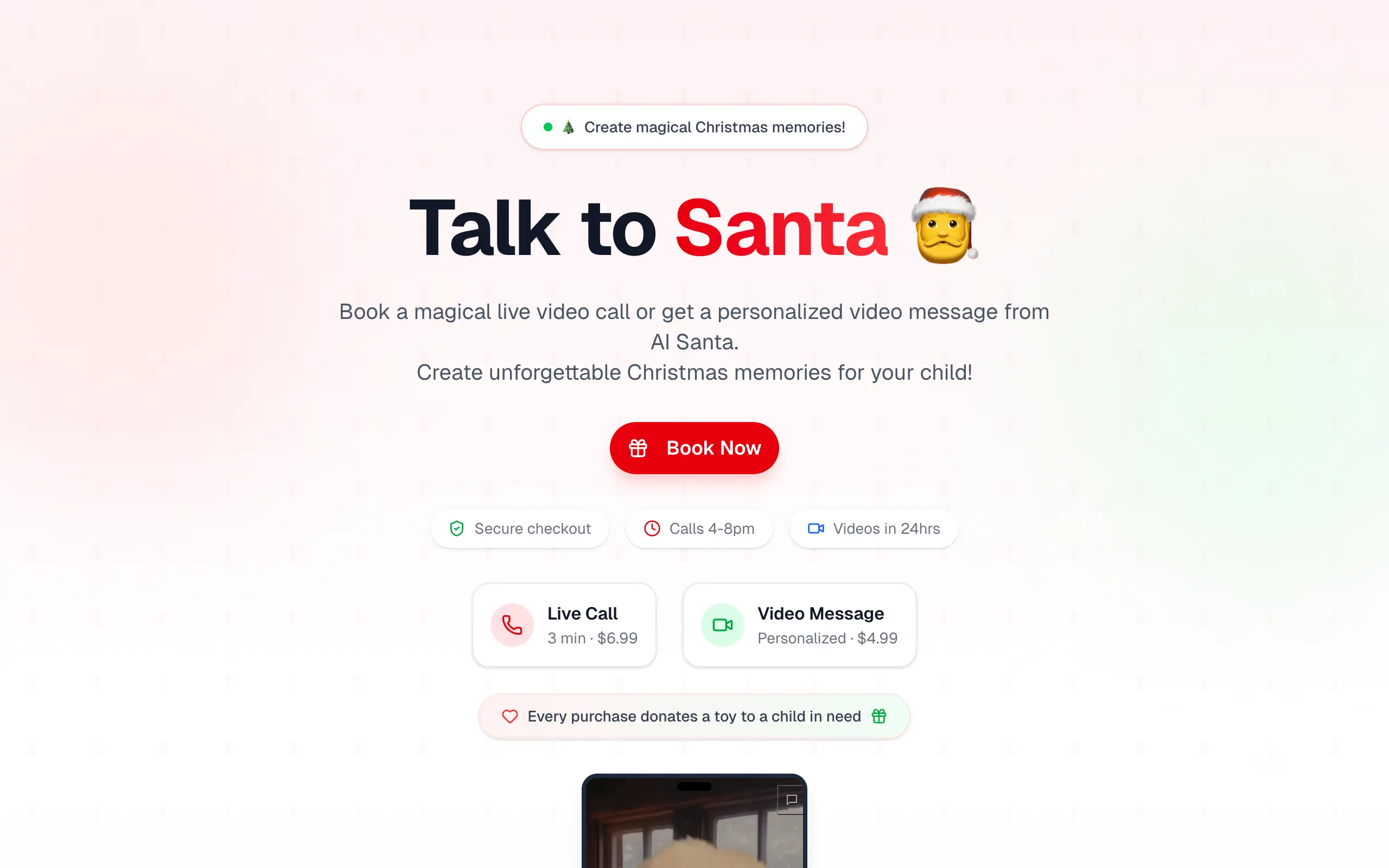
Talk to Santa
Enjoy a magical live video chat or receive a unique AI-generated video greeting from Santa Claus 🎅
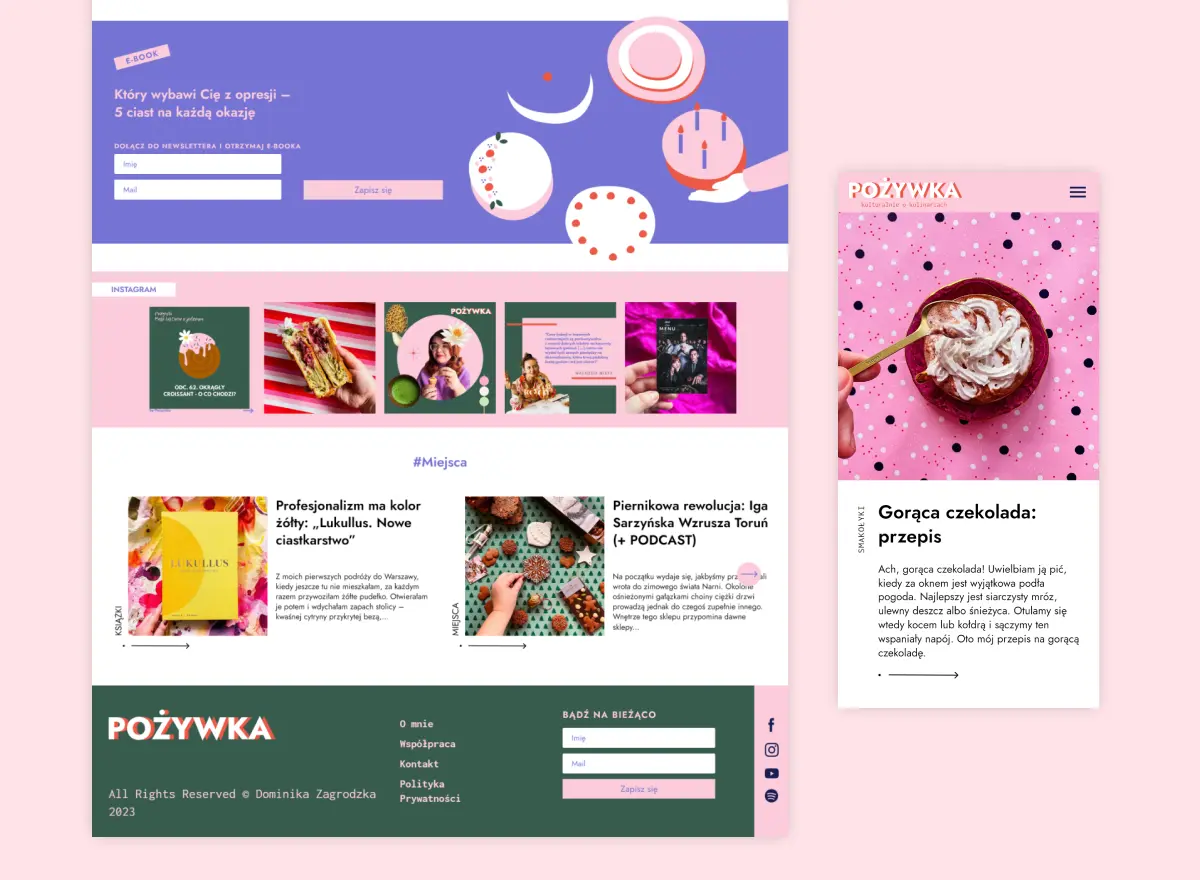
pozywka.pl
Scalable blog for food journalist, focused on performance and user experience 🌭
zagrodzki.me
Personal blog and portfolio of Bart Zagrodzki, where he shares his knowledge and work 💼
TurboStarter
Ship your startup everywhere. In minutes.
HTML to Markdown
Convert HTML to Markdown with ease, directly in your browser 📄
Dotallio
Personalized AI apps that automate research, data extraction, and content creation without code 🤖
Talk to Santa
Enjoy a magical live video chat or receive a unique AI-generated video greeting from Santa Claus 🎅
pozywka.pl
Scalable blog for food journalist, focused on performance and user experience 🌭
zagrodzki.me
Personal blog and portfolio of Bart Zagrodzki, where he shares his knowledge and work 💼
TurboStarter
Ship your startup everywhere. In minutes.
HTML to Markdown
Convert HTML to Markdown with ease, directly in your browser 📄
Dotallio
Personalized AI apps that automate research, data extraction, and content creation without code 🤖
Talk to Santa
Enjoy a magical live video chat or receive a unique AI-generated video greeting from Santa Claus 🎅
pozywka.pl
Scalable blog for food journalist, focused on performance and user experience 🌭
zagrodzki.me
Personal blog and portfolio of Bart Zagrodzki, where he shares his knowledge and work 💼
TurboStarter
Ship your startup everywhere. In minutes.
HTML to Markdown
Convert HTML to Markdown with ease, directly in your browser 📄
Dotallio
Personalized AI apps that automate research, data extraction, and content creation without code 🤖
Talk to Santa
Enjoy a magical live video chat or receive a unique AI-generated video greeting from Santa Claus 🎅
pozywka.pl
Scalable blog for food journalist, focused on performance and user experience 🌭
zagrodzki.me
Personal blog and portfolio of Bart Zagrodzki, where he shares his knowledge and work 💼
TurboStarter
Ship your startup everywhere. In minutes.
HTML to Markdown
Convert HTML to Markdown with ease, directly in your browser 📄
Omichat
Chat with 50+ AI models, including ChatGPT and Claude, in one place - switch models anytime without losing context 🤖
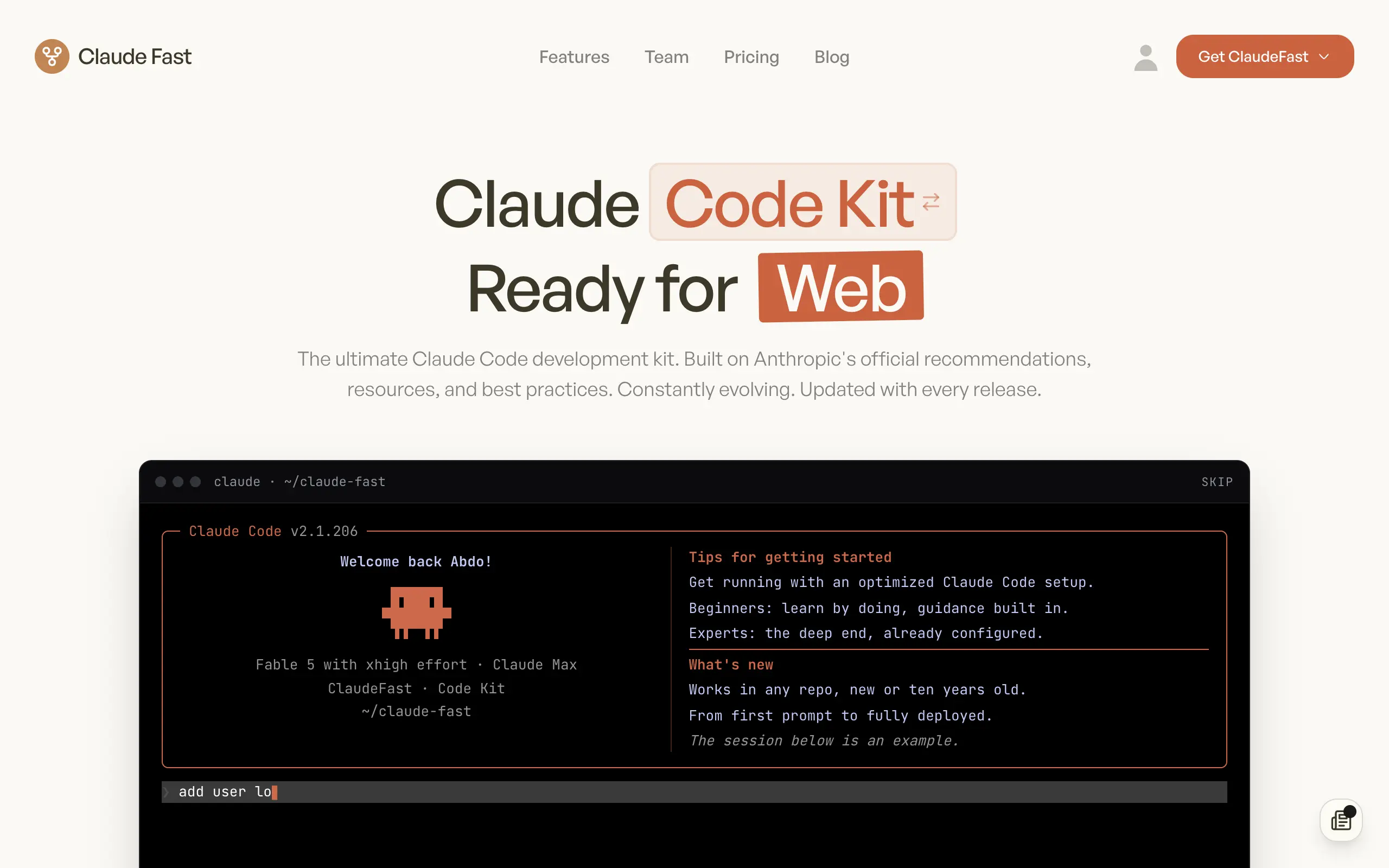
Claude Fast
Supercharge your Claude Code with 6x effective context window and specialized AI agents 🤖
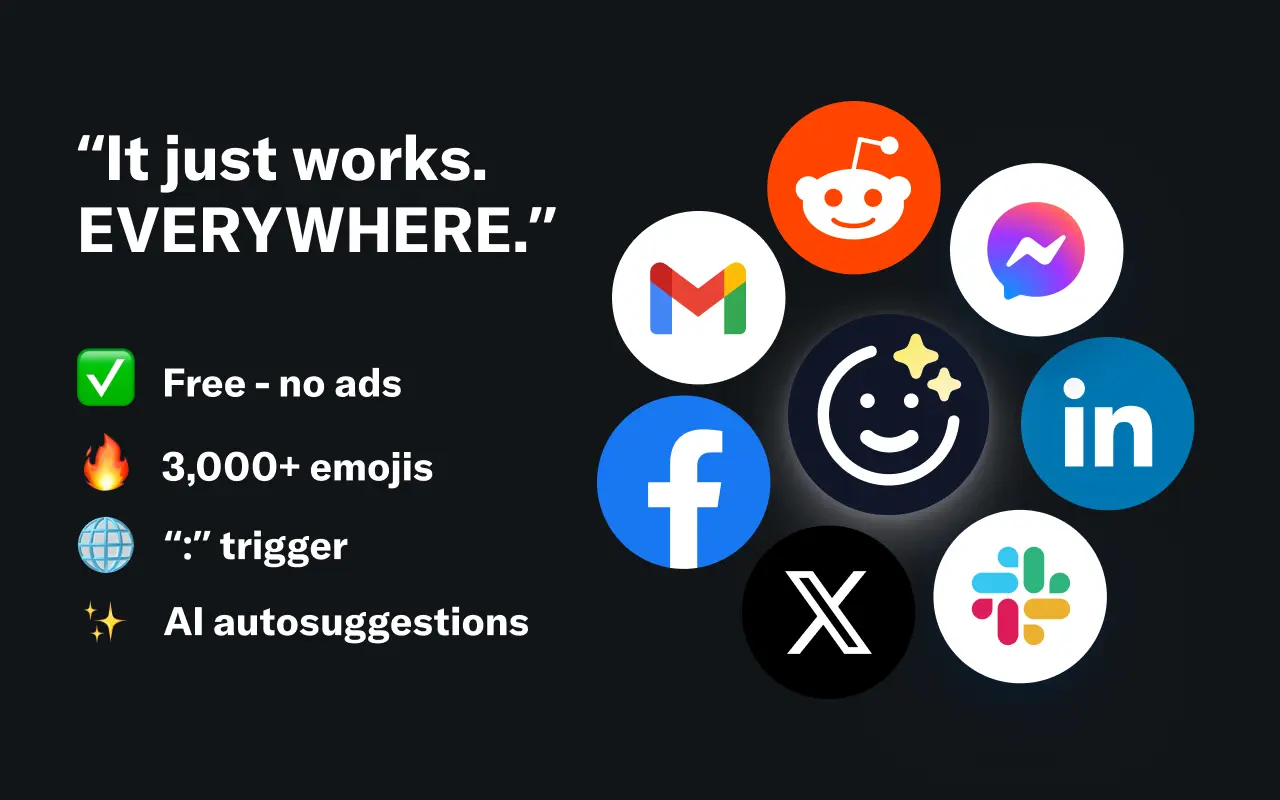
EmojAI
AI-powered emoji picker with smart, context-aware suggestions 🤖
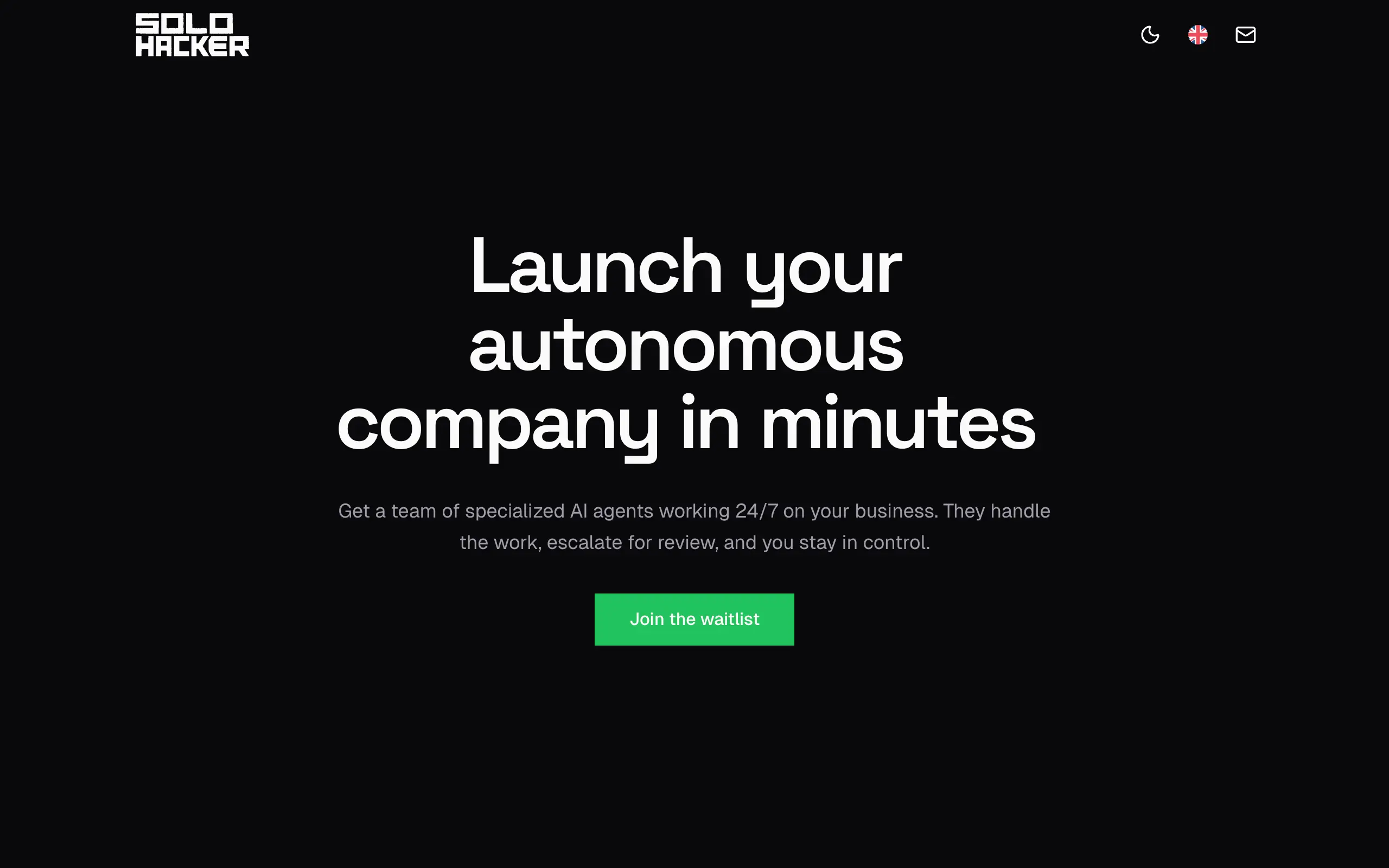
Solohacker
Autonomous company launcher - AI agents work 24/7, escalate what matters, and you stay in control 🤖
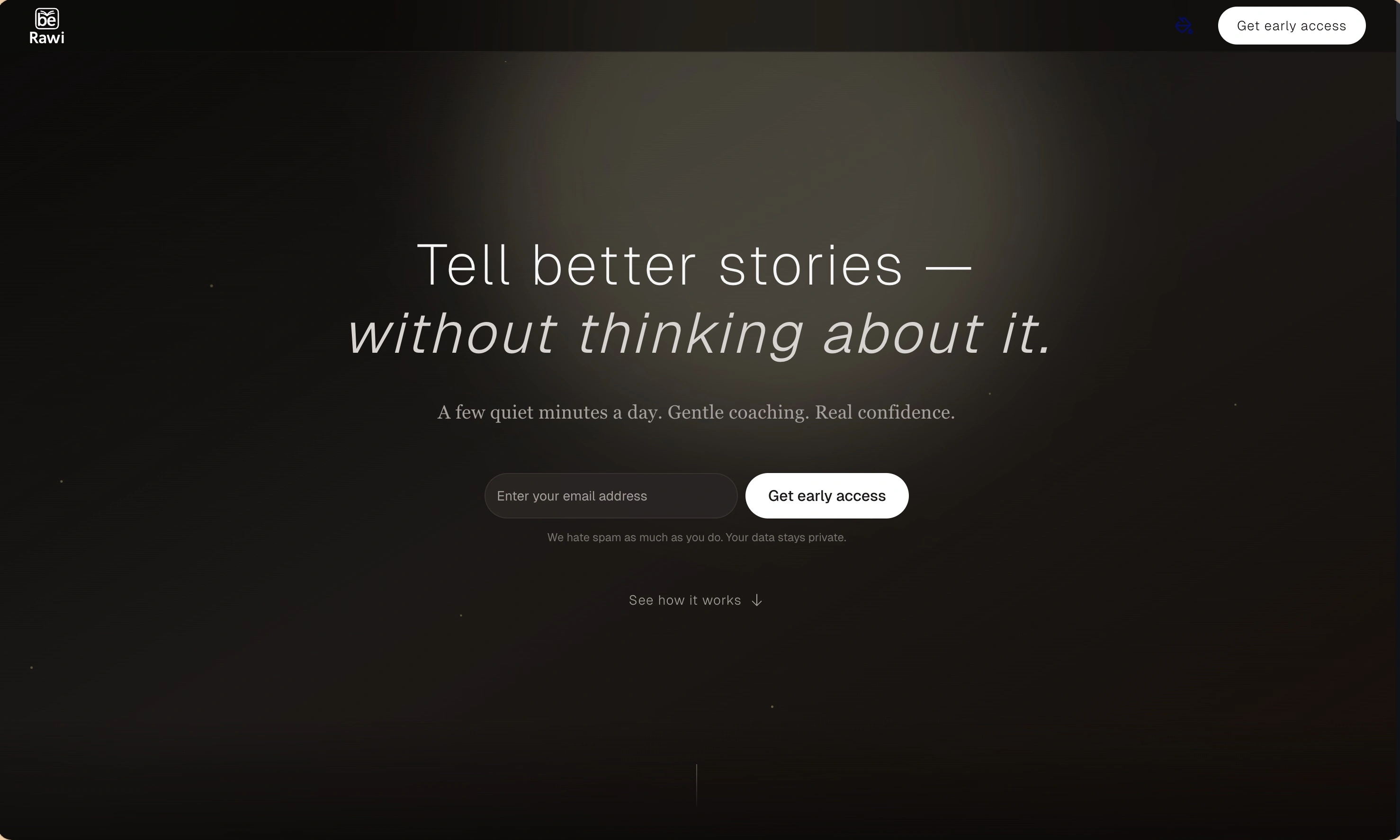
BeRawi: Storytelling Coach
Practice storytelling daily with instant feedback to sound clearer, more engaging, and confident 🎤
Omichat
Chat with 50+ AI models, including ChatGPT and Claude, in one place - switch models anytime without losing context 🤖
Claude Fast
Supercharge your Claude Code with 6x effective context window and specialized AI agents 🤖
EmojAI
AI-powered emoji picker with smart, context-aware suggestions 🤖
Solohacker
Autonomous company launcher - AI agents work 24/7, escalate what matters, and you stay in control 🤖
BeRawi: Storytelling Coach
Practice storytelling daily with instant feedback to sound clearer, more engaging, and confident 🎤
Omichat
Chat with 50+ AI models, including ChatGPT and Claude, in one place - switch models anytime without losing context 🤖
Claude Fast
Supercharge your Claude Code with 6x effective context window and specialized AI agents 🤖
EmojAI
AI-powered emoji picker with smart, context-aware suggestions 🤖
Solohacker
Autonomous company launcher - AI agents work 24/7, escalate what matters, and you stay in control 🤖
BeRawi: Storytelling Coach
Practice storytelling daily with instant feedback to sound clearer, more engaging, and confident 🎤
Omichat
Chat with 50+ AI models, including ChatGPT and Claude, in one place - switch models anytime without losing context 🤖
Claude Fast
Supercharge your Claude Code with 6x effective context window and specialized AI agents 🤖
EmojAI
AI-powered emoji picker with smart, context-aware suggestions 🤖
Solohacker
Autonomous company launcher - AI agents work 24/7, escalate what matters, and you stay in control 🤖
BeRawi: Storytelling Coach
Practice storytelling daily with instant feedback to sound clearer, more engaging, and confident 🎤

Connect with like-minded people
Join our community to get feedback, support, and grow together with 1,000+ builders on board, let's ship it!
Join usShip your startup everywhere. In minutes.
Don't burn tokens on setup and start building features on day one.