IdeaSprint Coach
Turn rough business ideas into simple action plans with guided prompts, local resource maps, and peer feedback for aspiring founders.
Why a mobile business idea coaching app solves a real founder problem
Most aspiring founders do not fail because they lack ideas. They stall because the path from “I have an idea” to “I know what to do this week” is unclear, intimidating, and full of fragmented advice.
A person may have a concept for a local service, creator product, marketplace, digital course, food business, or SaaS tool. They can find endless startup content online, but they still need practical answers:
- Is this problem worth solving?
- Who would pay for it?
- What should I validate before building?
- Which local licenses, grants, mentors, or communities are relevant?
- How do I turn feedback into a simple next action?
- What can I do if I only have a few hours per week?
IdeaSprint Coach is a mobile business idea coaching app designed to close that gap. It turns rough concepts into clear, manageable action plans through guided prompts, local resource maps, lightweight validation workflows, and structured peer feedback.
The opportunity is not to replace accelerators, consultants, accountants, or legal professionals. The opportunity is to become the accessible, always-available planning companion that helps people take the first meaningful steps before they are ready for more expensive support.
Core positioning
IdeaSprint Coach should position itself as a practical founder momentum tool, not another generic AI business plan generator. Its value is helping users make better decisions and complete the next action.
The strongest search intent around a business idea coaching app is usually action-oriented. Users want startup idea validation, business plan guidance, local entrepreneurship resources, founder accountability, and a clear roadmap. The product and its content strategy should meet that intent with useful, concrete outcomes rather than broad motivational language.
The target audience for IdeaSprint Coach
A successful founder coaching app should avoid treating all early-stage entrepreneurs as one group. Their goals, constraints, and confidence levels differ substantially.
Primary audience: first-time aspiring founders
The primary audience is adults who have an early business idea but no repeatable startup process. They may be students, career changers, side-hustlers, laid-off professionals, creators, freelancers, parents returning to work, or employees exploring entrepreneurship.
They generally share a few characteristics:
- They have a rough concept but struggle to articulate the customer problem.
- They are unfamiliar with lean validation, customer discovery, market sizing, and business model design.
- They need low-cost or free help before committing capital.
- They often feel overwhelmed by terminology and contradictory online advice.
- They need encouragement, structure, and accountability as much as information.
- They primarily use their phones for planning, messaging, research, and community participation.
For this group, IdeaSprint Coach must feel welcoming and non-judgmental. A user should never feel that they need an MBA, investor network, polished pitch deck, or technical background to begin.
Secondary audience: community entrepreneurship programs
A second high-value segment includes organizations that support founders:
- Small business development centers
- Libraries and community colleges
- Workforce development programs
- Nonprofits supporting underrepresented entrepreneurs
- Local chambers of commerce
- University entrepreneurship centers
- Coworking spaces and incubators
- Municipal economic development organizations
These organizations already provide resources, workshops, and mentorship. Their operational challenge is engagement between sessions. A white-label or partner version of a mobile business idea coaching app could help participants prepare for meetings, follow action plans, find local support, and report progress.
Tertiary audience: mentors and founder communities
Experienced founders, coaches, operators, and domain experts want to help emerging entrepreneurs, but unstructured feedback can become time-consuming. A well-designed feedback workflow can make mentorship more useful without requiring mentors to write long-form advice for every submission.
IdeaSprint Coach can provide prompts that frame feedback around specific decisions, such as:
- Whether the customer problem is clear
- Whether a proposed target segment is narrow enough
- Which assumption should be tested first
- Whether a validation task can be completed in a week
- Which local resource may be most relevant
This is more efficient than an open-ended “What do you think of my idea?” request.
Aspiring founders
Need clarity, confidence, practical guidance, and a realistic first action.
Community programs
Need scalable participant support, structured progress, and local resource discovery.
Mentors and peers
Need focused prompts that make feedback faster, safer, and more constructive.
The market gap in startup idea validation tools
The startup software market contains many adjacent tools, but there is still a meaningful gap between inspiration and execution.
Generic note-taking apps help people capture ideas, but they do not teach users what to validate. AI chat tools can generate broad business plans, but they may produce plausible-sounding recommendations without grounding them in customer evidence, geography, or the founder’s actual capacity. Accelerator programs offer high-touch value, but they are selective, time-bound, and inaccessible to many beginners.
This creates an underserved category: mobile-first startup idea validation with local context and guided accountability.
Where existing tools often fall short
Many early-stage tools are built for people who already know startup language. They ask users to fill in a Lean Canvas, define their total addressable market, or select acquisition channels before they have spoken with one potential customer.
That approach creates several issues:
- It rewards polished answers over honest uncertainty.
- It encourages users to write plans before collecting evidence.
- It can make early-stage founders feel inadequate or excluded.
- It rarely adapts to location-specific resources.
- It treats feedback as a comment thread rather than a structured learning loop.
- It focuses on documents instead of founder progress.
The differentiator for IdeaSprint Coach is that it can sequence guidance around decisions. Rather than asking someone to complete a business plan, it helps them answer one question at a time and connects each answer to a practical experiment.
The local resource map is a defensible wedge
Local relevance is especially important for business ideas involving physical services, food, retail, childcare, trades, events, health-adjacent services, tourism, and community businesses.
A founder starting a dog grooming service in one city may need different permits, licensing guidance, commercial kitchen rules, financing programs, mentorship options, or small-business events than someone launching in another city. National startup advice is useful, but it is not sufficient.
A localized resource map can include categories such as:
- Government small-business portals
- Licensing and permit offices
- Startup grants and local funding programs
- Small business development support
- Free workshops and mentorship
- Coworking spaces and incubators
- Networking events
- Legal clinics
- Community lenders and credit unions
- Industry associations
- Supplier directories
- University entrepreneurship programs
The initial version does not need perfect coverage of every geography. It needs a trustworthy system for launching city by city, verifying listings, showing update dates, and allowing users or partners to suggest corrections.
The unique value proposition of IdeaSprint Coach
The core value proposition should be direct:
IdeaSprint Coach helps aspiring founders turn a rough business idea into a locally relevant, evidence-based action plan without overwhelming them with startup jargon.
This promise has four linked pillars.
Guided prompts turn ambiguity into decisions
The app should use progressive prompts instead of a long, intimidating questionnaire. Each prompt should explain why the question matters, provide examples, and let users answer in plain language.
For example, a founder may start with:
I want to build a mobile car wash service for busy parents.
The app can guide them through focused follow-ups:
- What specific inconvenience are busy parents experiencing?
- When does that inconvenience happen most often?
- What are they doing today instead?
- Which type of parent is most likely to try a new solution first?
- What small test could reveal whether convenience is valuable enough to pay for?
This makes business idea validation feel achievable.
Action plans create momentum
The product should not stop at insight. Every session should result in an action that can be completed within a realistic period, ideally a day to a week.
Examples include:
- Draft a five-question customer interview script.
- Ask three people in the target segment about their current workaround.
- Post a simple interest survey in a relevant local community.
- Compare three competing offerings on price, speed, and convenience.
- Contact a local mentor or attend a relevant workshop.
- Create a landing page waitlist before building software.
- Calculate the cost of delivering one unit of the service manually.
A mobile startup planner succeeds when it makes the next step obvious.
Local resource maps bridge digital advice and real-world support
A resource map turns generic guidance into locally actionable help. If a user marks their idea as a food business, the app could surface relevant local food entrepreneurship resources, commercial kitchen directories, licensing pages, and upcoming workshops.
The map should be useful without implying legal, financial, or regulatory certainty. For high-stakes topics, it should clearly direct users to official agencies or qualified professionals.
Peer feedback improves learning and accountability
Peer feedback should be designed around quality, not popularity. The product should avoid a shallow voting system where the most polished ideas win.
Instead, feedback can use structured prompts:
- “What customer pain feels most believable?”
- “What assumption would you test before spending money?”
- “Which target customer description needs more specificity?”
- “What alternative would a customer use today?”
- “What is one encouraging observation and one actionable question?”
This format produces useful feedback while helping reviewers learn the validation framework themselves.
Core features for an MVP business idea coaching app
An MVP should focus on delivering one complete value loop: a user describes an idea, receives guided structure, chooses an experiment, completes it, and reflects on what they learned.
Avoid launching with every possible entrepreneurship feature. A broad platform is difficult to explain and expensive to maintain. A strong initial product should make one founder outcome reliably better.
Idea intake and founder profile
The onboarding experience should capture only the information needed to personalize guidance:
- Idea category
- Founder location
- Stage of progress
- Available weekly time
- Budget range
- Business type, such as local service, ecommerce, SaaS, creator business, or marketplace
- Personal goal, such as side income, full-time transition, community impact, or venture-scale growth
This information supports better action recommendations. A founder with two hours per week and no budget needs a different plan from a full-time founder preparing for launch.
Adaptive guided sprint flow
The core experience should be a sequence of short sprints. Each sprint should have a specific objective, a few prompts, an output, and one action.
A practical early workflow may include:
This is more valuable than immediately generating a long business plan. Long plans are often based on untested assumptions; short sprints can generate evidence.
AI-assisted coaching with transparent limits
AI can make the experience more adaptive, but it should be used carefully. The AI coach can summarize user inputs, recommend follow-up questions, identify assumptions, suggest interview questions, and translate complex startup concepts into accessible language.
However, the app should not present AI-generated output as verified market research, legal advice, tax advice, or investment advice.
A safe product design includes:
- Confidence-aware language such as “consider testing” or “a useful next question may be”
- Clear labels for generated suggestions
- Sources or research tasks when making market-related claims
- Human review pathways for community partners and mentors
- User controls to edit every generated output
- Data minimization and transparent privacy settings
Do not overpromise with AI
An AI founder coach should guide discovery, not claim to validate demand automatically. Real validation comes from customer conversations, observed behavior, pre-orders, pilot commitments, and other evidence.
Experiment library
A curated experiment library can help users choose tests that match their idea stage and constraints.
Useful experiment templates include:
- Customer discovery interview
- Problem ranking survey
- Competitor comparison
- Concierge MVP
- Landing page and waitlist
- Local pop-up test
- Pre-order or deposit test
- Pilot proposal
- Social content interest test
- Cold outreach test
- Pricing interview
- Manual service delivery trial
Each template should explain:
- What the test is designed to learn
- When to use it
- What materials are needed
- How long it usually takes
- What success and failure signals look like
- Common mistakes to avoid
- What to do after the result
Local resource discovery and map
The map should support both browsing and recommendation. Users should be able to filter resources by location, founder stage, business type, cost, accessibility, language, and event format.
Trust matters here. Every resource listing should show an update date, owner or source type, and a way to report inaccurate information.
A thoughtful launch strategy is to begin with a limited number of cities where resource data can be actively maintained. Partnerships with local programs can improve data quality while creating a distribution channel.
Peer feedback circles
A peer feedback feature can become powerful if it protects user trust. Founders may be reluctant to share ideas publicly, especially when they are early and unpolished.
Offer clear visibility settings:
- Private, visible only to the founder
- Invite-only, visible to selected people
- Small feedback circle
- Community-visible, with moderation rules
- Anonymous or pseudonymous feedback where appropriate
Feedback should be tied to a milestone, not the entire idea. For example, a user can request feedback on their customer segment, interview script, landing page message, or proposed experiment.
Progress dashboard and evidence log
Users need a simple way to see that they are moving forward. The dashboard should show completed sprints, active assumptions, upcoming actions, feedback requests, and evidence collected.
An evidence log is especially important. It changes the product from an idea journal into a learning system.
A founder can record items such as:
- “Five of seven interviewees mentioned scheduling as the main frustration.”
- “Three people said they would use the service, but none agreed to a paid pilot.”
- “A local mentor advised that permits may be required before serving at events.”
- “Competitor pricing is lower than expected, so convenience must be the differentiator.”
Feature prioritization for a focused launch
| Feature | User value | Build complexity | MVP priority | Why it matters |
|---|---|---|---|---|
| Guided idea sprints | High | Medium | High | Creates the core transformation from vague idea to action. |
| Experiment templates | High | Low | High | Helps users validate ideas without needing startup experience. |
| Evidence log | High | Low | High | Builds a repeatable learning habit and retention loop. |
| Local resource map | High | Medium | Medium | Creates differentiation but requires data quality operations. |
| Peer feedback circles | Medium | High | Medium | Can drive retention once moderation and safety are ready. |
| Marketplace for paid experts | Medium | High | Low | Add later after trust, demand, and supply are established. |
Recommended tech stack for a mobile founder coaching platform
The right tech stack depends on the founding team, budget, speed requirements, and expected use of AI features. For an early-stage mobile SaaS product, the priority should be fast iteration, reliable authentication, secure data handling, and strong analytics.
Mobile application layer
React Native is a strong option for building iOS and Android applications from a shared codebase. It supports rapid iteration and gives the team a large ecosystem of libraries.
Expo can further reduce early development overhead by simplifying builds, updates, notifications, device permissions, and common mobile workflows.
Trade-off: React Native and Expo can accelerate launch, but advanced native functionality may eventually require custom native modules or more platform-specific engineering. For IdeaSprint Coach, this is an acceptable trade-off because the initial product centers on forms, workflows, maps, notifications, content, and community features rather than highly specialized device hardware.
Web and administration layer
A responsive web application is valuable for administrators, partner organizations, mentors, and users who prefer larger-screen planning. Next.js is well suited to an admin portal, marketing site, SEO content hub, and authenticated web dashboard.
A companion web experience also makes it easier to support partner reporting and resource management without forcing every workflow into a mobile interface.
Backend, authentication, and database
Supabase is a practical choice for an MVP because it provides PostgreSQL, authentication, storage, real-time capabilities, and row-level security. PostgreSQL is particularly useful because the product has structured data relationships across users, ideas, sprints, experiments, feedback, locations, and resources.
A relational data model can include:
create table ideas (
  id uuid primary key,
  user_id uuid not null,
  title text not null,
  category text,
  stage text not null,
  location_id uuid,
  created_at timestamptz default now()
);

create table experiments (
  id uuid primary key,
  idea_id uuid not null,
  hypothesis text not null,
  method text not null,
  success_criteria text,
  status text not null,
  result_summary text,
  completed_at timestamptz
);

create table evidence_entries (
  id uuid primary key,
  experiment_id uuid not null,
  evidence_type text not null,
  note text not null,
  confidence_score integer,
  created_at timestamptz default now()
);
Trade-off: A managed backend speeds delivery, but the team should establish clear data access policies from the first release. Founder ideas, personal information, and peer discussions can be sensitive. Security architecture should not be treated as a later enhancement.
Mapping and location services
Mapbox is a strong option for interactive maps, geocoding, location search, and customizable map styling.
For the earliest release, the product does not need a complex geographic intelligence platform. It can begin with searchable resource listings plus map pins, then add richer recommendations based on user category, distance, eligibility, and event timing.
AI orchestration
AI features should sit behind a server-side API layer rather than exposing provider credentials in the mobile app. The service layer can handle prompt templates, safety policies, rate limits, logging, model routing, and output moderation.
Build AI prompts around structured outputs. For example, instead of asking for a generic startup plan, request fields such as:
{
  "customer_problem": "string",
  "assumptions": ["string"],
  "recommended_experiment": "string",
  "next_action": "string",
  "risk_note": "string"
}
Structured responses are easier to display, review, store, and evaluate over time.
Analytics and observability
Use product analytics from the earliest beta. Key questions include whether users finish onboarding, complete their first sprint, conduct interviews, request feedback, return after receiving feedback, and move from idea description to evidence collection.
PostHog can support product analytics, feature flags, session replay, and experimentation.
For error monitoring, Sentry is useful for tracking mobile and web application issues.
Styling and product delivery
For a web-based admin platform or marketing site, Tailwind CSS can speed consistent UI development. A starter kit can reduce time spent recreating authentication flows, billing foundations, dashboards, account settings, and SaaS infrastructure. TurboStarter is worth evaluating when the team wants to launch a production-ready SaaS foundation faster.
Monetization strategies for IdeaSprint Coach
Freemium is the most natural starting model because early-stage founders are cost-sensitive and need to experience value before subscribing.
Freemium individual subscription
The free tier should help a founder reach a meaningful early win. For example, it could include one active idea, foundational guided sprints, a limited experiment library, a basic evidence log, and selected local resources.
A paid tier can unlock:
- Multiple active ideas
- Advanced guided paths by business type
- Deeper AI coaching
- Saved templates and exports
- Priority feedback circles
- Detailed progress reports
- Local events and opportunity alerts
- Mentor office-hour credits or discounts
- Collaboration with co-founders
The key pricing principle is that users should pay for acceleration, depth, and continuity, not for the basic ability to think through an idea.
B2B and B2B2C partnerships
Partner organizations may pay for cohort management, branded onboarding, local resource curation, program dashboards, and aggregated progress reporting.
Potential pricing structures include:
- Per active participant per month
- Annual organization plan
- Paid cohort package
- White-label implementation fee
- Resource directory sponsorship with clear disclosure
- Premium partner analytics
This model can become more stable than individual subscriptions because entrepreneurship programs often have defined cohorts and support budgets.
Expert marketplace, later
A marketplace can connect users to vetted experts for paid reviews, but it should not be an MVP priority. Marketplace businesses require supply quality, matching, payments, dispute handling, and careful expectations.
Once the app has engaged users and a clear taxonomy of founder needs, IdeaSprint Coach could offer optional sessions with specialists in areas such as bookkeeping, branding, legal formation, food business compliance, ecommerce, local marketing, or customer research.
Risks and practical mitigation strategies
Every founder platform faces risks. Identifying them early improves product credibility and reduces expensive rework.
Risk: AI-generated advice is inaccurate or overconfident
AI can provide useful structure, but it can also hallucinate local programs, regulations, competitors, or market claims.
Mitigation
- Use guarded prompts that prohibit unsupported certainty.
- Separate general coaching from verified resource information.
- Require source-backed data for local listings.
- Add clear disclaimers for legal, financial, tax, and regulatory topics.
- Encourage users to verify high-stakes decisions with official sources or qualified professionals.
- Enable users to flag problematic outputs.
Risk: local resource information becomes outdated
Local grants, events, programs, and requirements change frequently.
Mitigation
- Display the last verified date on each listing.
- Assign ownership for resource updates.
- Let trusted partners manage their listings.
- Build a user reporting workflow for broken links or outdated details.
- Start with a small geographic footprint and expand only when operational quality is proven.
Risk: low-quality peer feedback harms trust
Unhelpful comments, self-promotion, or idea theft concerns can reduce participation.
Mitigation
- Use structured feedback prompts.
- Add moderation tools and community standards.
- Offer private and invite-only modes.
- Rate feedback helpfulness rather than simply ranking ideas.
- Gate broader community posting behind onboarding or completed starter sprints.
- Provide reporting and blocking controls.
Risk: users abandon after initial inspiration
Many planning products have strong onboarding but weak retention because users do not complete real-world actions.
Mitigation
- Design for short, achievable weekly actions.
- Use reminders based on user-selected availability.
- Celebrate evidence collection, not just app activity.
- Send useful follow-ups after an experiment is due.
- Offer “stuck” flows that reduce a task into a smaller next step.
- Build accountability through optional feedback circles or partner cohorts.
Risk: the app becomes too broad
It is tempting to add pitch deck creation, incorporation services, funding databases, financial projections, CRM features, website builders, and course libraries. This can blur the product’s value.
Mitigation
Maintain a disciplined product principle: every feature must help a user make a better early-stage decision, run a validation activity, access relevant local support, or sustain momentum.
Competitive advantage and defensibility
The competitive advantage of IdeaSprint Coach will not come from having prompts alone. Prompts can be copied. Sustainable differentiation comes from the product system around them.
A localized learning graph
As users move through guided sprints, record evidence, access resources, and request feedback, the platform can learn which actions help specific founder profiles progress.
For instance, the product may identify patterns such as:
- Service founders in a specific city often need licensing guidance before pilot testing.
- Ecommerce founders with low budgets benefit more from customer interviews than paid ad tests.
- Users who receive feedback after their first experiment are more likely to complete a second one.
- Certain local workshops correlate with stronger cohort completion.
This should be handled responsibly and with privacy-preserving aggregation, but it can become a meaningful product advantage.
Workflow depth over content volume
The internet has unlimited founder advice. The differentiated experience is helping a user apply the right piece of advice at the right time.
A user does not need another article explaining customer discovery after they already understand the concept. They need a practical interview script, a reminder to schedule conversations, a place to log what they hear, and guidance on how those answers affect their next decision.
Trustworthy local partnerships
Partnerships can be difficult for competitors to replicate quickly. A local entrepreneurship organization that contributes verified resources, mentors, events, and community pathways creates value for users and strengthens distribution.
Evidence-based founder progress
Many platforms measure engagement with vanity metrics such as modules completed or ideas posted. IdeaSprint Coach should measure real founder progress:
- Interviews completed
- Experiments launched
- Evidence entries recorded
- Assumptions confirmed or disproven
- Pilot conversations initiated
- Local support connections made
- Next actions completed
This aligns the product with the user’s actual goal: moving from uncertainty toward informed action.
Go-to-market strategy for the business idea coaching app
The initial go-to-market strategy should combine direct founder acquisition with local institutional partnerships.
Start with a focused founder niche
A narrow initial niche makes messaging clearer. Good early segments may include:
- Aspiring local service business owners
- Community college entrepreneurship students
- Workforce transition program participants
- Women-led side-business communities
- First-time ecommerce founders in a defined metro area
- Creators exploring service or digital product businesses
A focused audience allows the team to tailor resource maps, sprint language, examples, and partnerships.
Build an SEO content engine around founder questions
Organic search content should target practical long-tail questions such as:
- How to validate a business idea without spending money
- How to find customers for a local service business
- Business idea validation checklist
- Questions to ask potential customers before starting a business
- How to test a side hustle idea
- Local small business resources for new entrepreneurs
- How to get feedback on a startup idea
- How to create a simple action plan for a business idea
Each article should lead readers toward a relevant in-app workflow. For example, an article about customer interviews can connect naturally to an interview sprint template.
For market statistics, cite authoritative sources in the final published version. Suitable reference categories include government small-business agencies, recognized research firms, academic entrepreneurship research, and reputable industry reports. Avoid using unsourced market-size claims simply to make the opportunity appear larger.
Use partnerships as a distribution engine
Partner organizations can offer IdeaSprint Coach to cohorts before, during, and after workshops. The app becomes a continuity layer that extends program value beyond a single session.
A partner pilot could include:
- A co-branded onboarding flow
- A curated local resource collection
- A four-week founder sprint
- Weekly progress prompts
- Group feedback circles
- A final outcome report for program managers
A practical 90-day implementation roadmap
The fastest path is to validate the product concept before building a large platform.
Days 1 through 30: validate the problem and workflow
Interview at least 20 to 30 aspiring founders across the selected niche. Focus on recent behavior rather than hypothetical preferences.
Ask about:
- The last time they tried to move a business idea forward
- Where they got stuck
- Tools, communities, or advisors they already used
- What they found confusing or discouraging
- How they currently track tasks and learning
- Whether local resources were difficult to find
- What feedback they wanted but could not access
Create a clickable prototype for the first guided sprint. Test whether users understand the prompts, finish the flow, and feel confident about the resulting action plan.
Days 31 through 60: build the smallest complete loop
Build:
- Authentication and onboarding
- Idea intake
- A guided problem and customer sprint
- Three to five experiment templates
- Evidence logging
- A simple progress dashboard
- A limited local resource directory
- Basic analytics instrumentation
Do not launch AI coaching until the non-AI workflow is useful on its own. This ensures the core product is not dependent on expensive or unreliable generation.
Days 61 through 90: run a cohort beta
Recruit 30 to 100 beta users from one community or region. Give them a defined four-week challenge rather than an open-ended invitation to explore the app.
Measure:
- Onboarding completion rate
- First sprint completion rate
- First experiment selection rate
- Experiment completion rate
- Evidence log usage
- Week-two and week-four retention
- Feedback request rate
- Qualitative confidence improvement
- Willingness to pay or partner interest
Use interviews and behavioral data to refine the sprint sequence. If users repeatedly hesitate at one step, simplify it or provide better examples.
Final recommendation
IdeaSprint Coach has the potential to occupy a valuable position in the early-stage entrepreneurship ecosystem: a mobile business idea coaching app that transforms inspiration into locally informed, evidence-based action.
Its strongest differentiators are not generic AI output or a library of startup articles. They are:
- Guided sprints that reduce uncertainty into a next action
- Validation workflows that prioritize evidence over assumptions
- Local resource maps that connect founders to real-world support
- Structured peer feedback that is useful and psychologically safe
- Progress tracking built around experiments and learning, not just planning
The best version of this product will help users become more capable founders even if they decide to pivot, pause, or abandon their first idea. That is a trustworthy outcome. A founder who learns how to identify a customer problem, test an assumption, seek useful feedback, and take the next step has gained a durable entrepreneurial skill set.
Start with one narrow audience, one geography, and one complete validation journey. Earn trust through practical guidance, transparent AI limits, verified local resources, and measurable user progress. Then expand the platform from a helpful mobile startup planner into a trusted operating system for first-time founders.
More 📱 Mobile App SaaS ideas
Discover more innovative mobile app SaaS ideas that are trending in 2026. Each idea is AI-generated with market validation and growth potential to help you find your next profitable venture faster than competitors.
Your competitors are building with TurboStarter
Below are some of the SaaS ideas that have been generated and built with our starter kit.
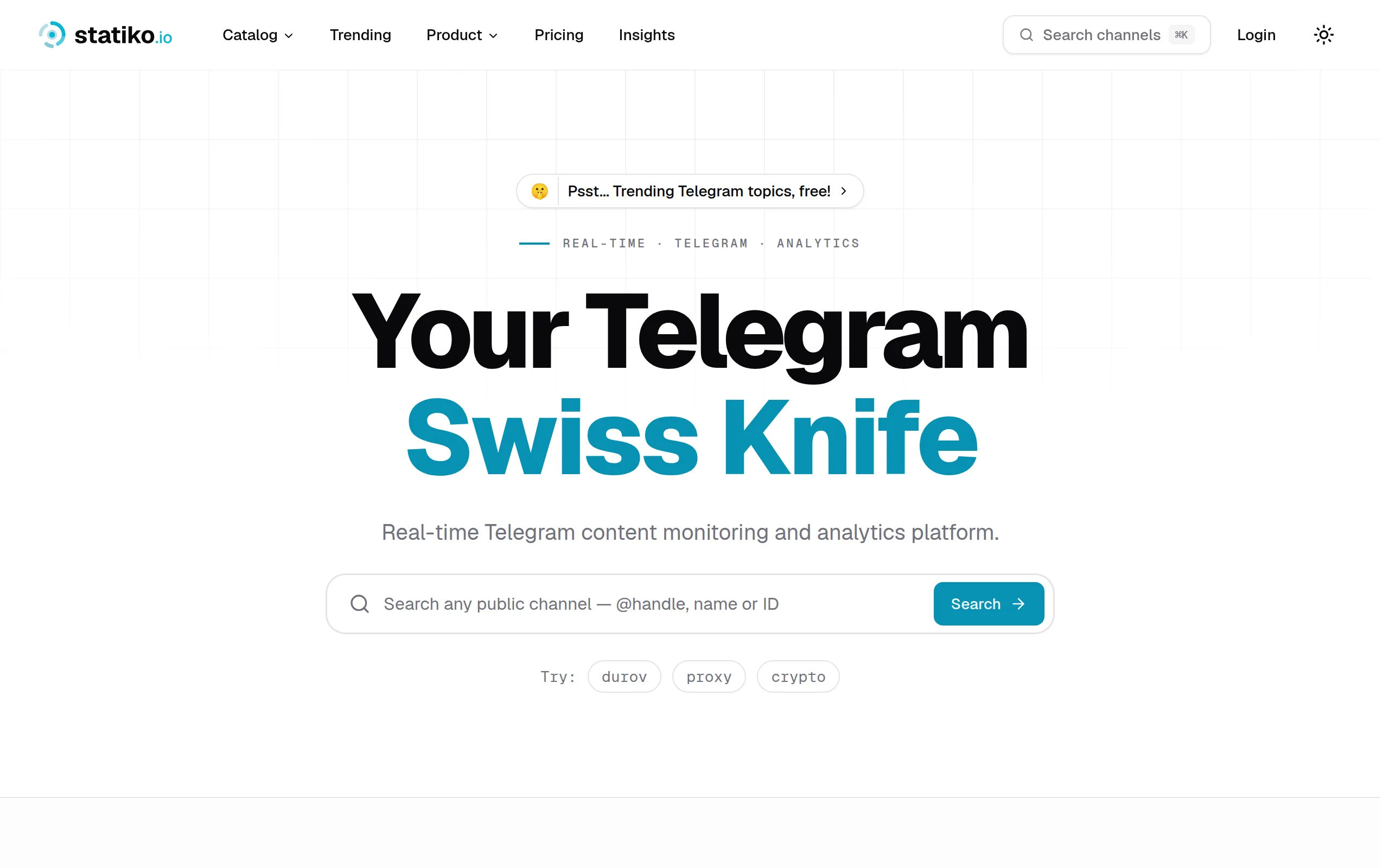
Statiko
Monitor any Telegram channel in real time - track posts, edits, deletions, and growth with AI recaps 📡

Shibui
AI website builder - describe your business, pick a niche template, edit by chatting, and publish instantly ✨

Pro Service
Find verified home service professionals, compare quotes, and pay securely through escrow - built for Brazilians across the US 🏠
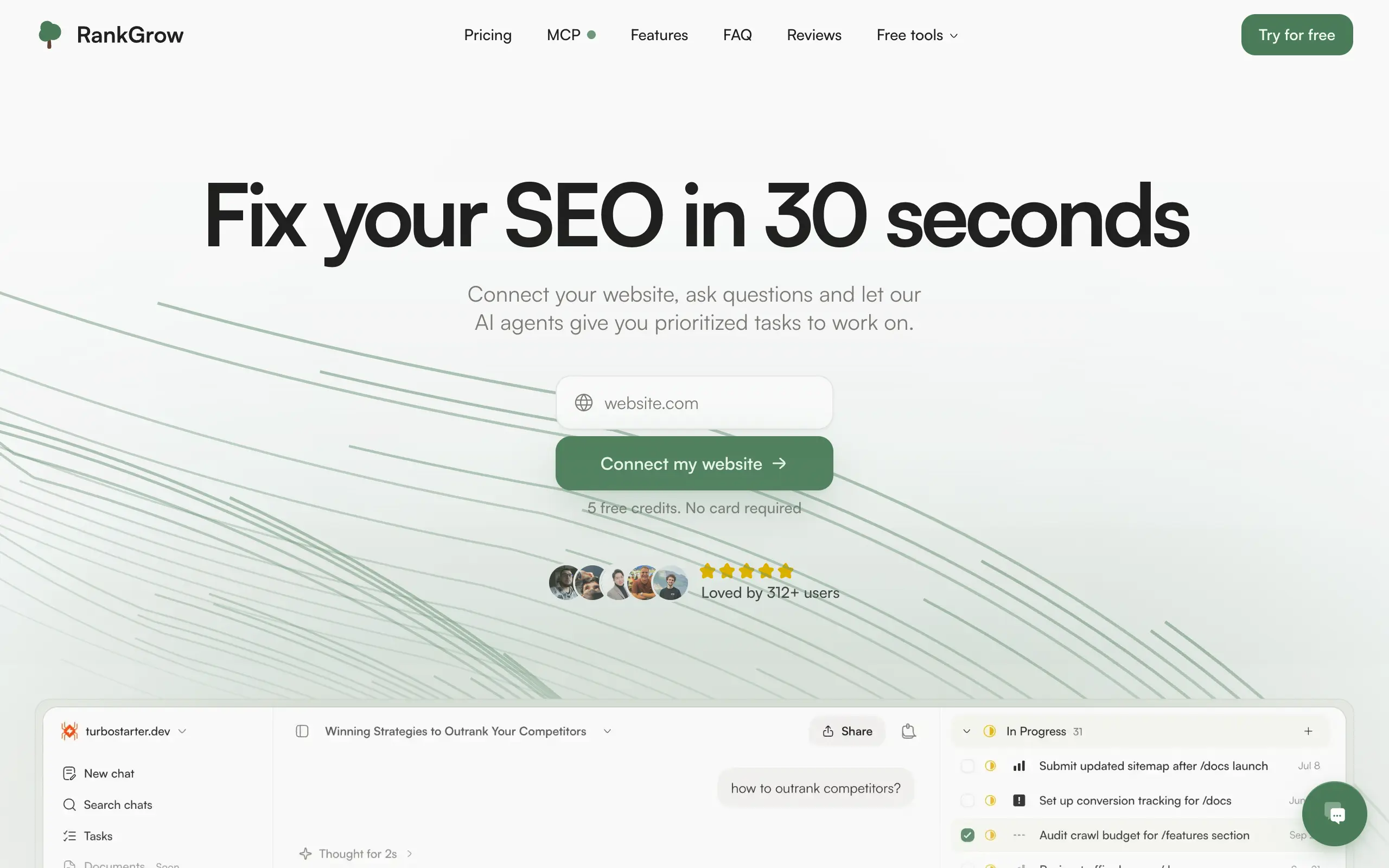
RankGrow
Fix your SEO with AI agents - connect Search Console, get prioritized tasks, and grow organic traffic 📈
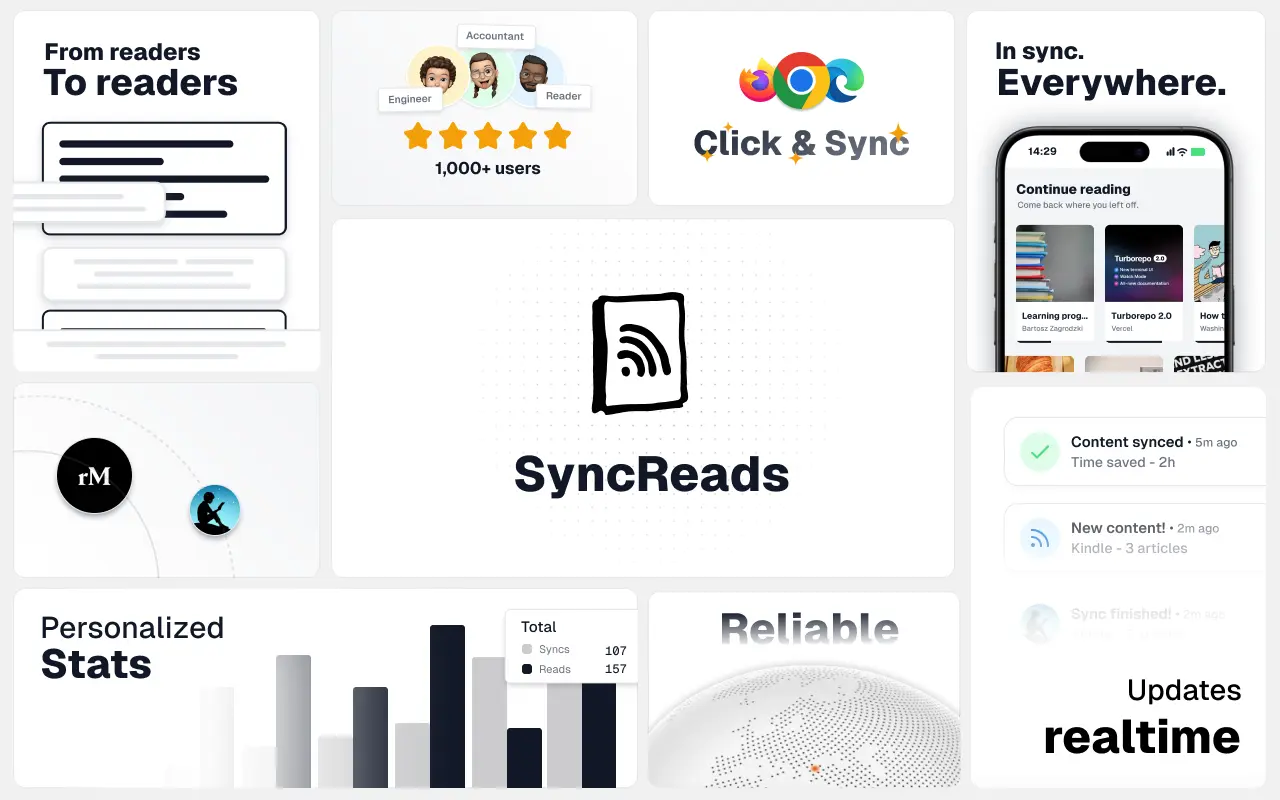
SyncReads
Sync your favorite content for distraction-free reading, save time and replace multiple apps. Anytime, anywhere 🔄
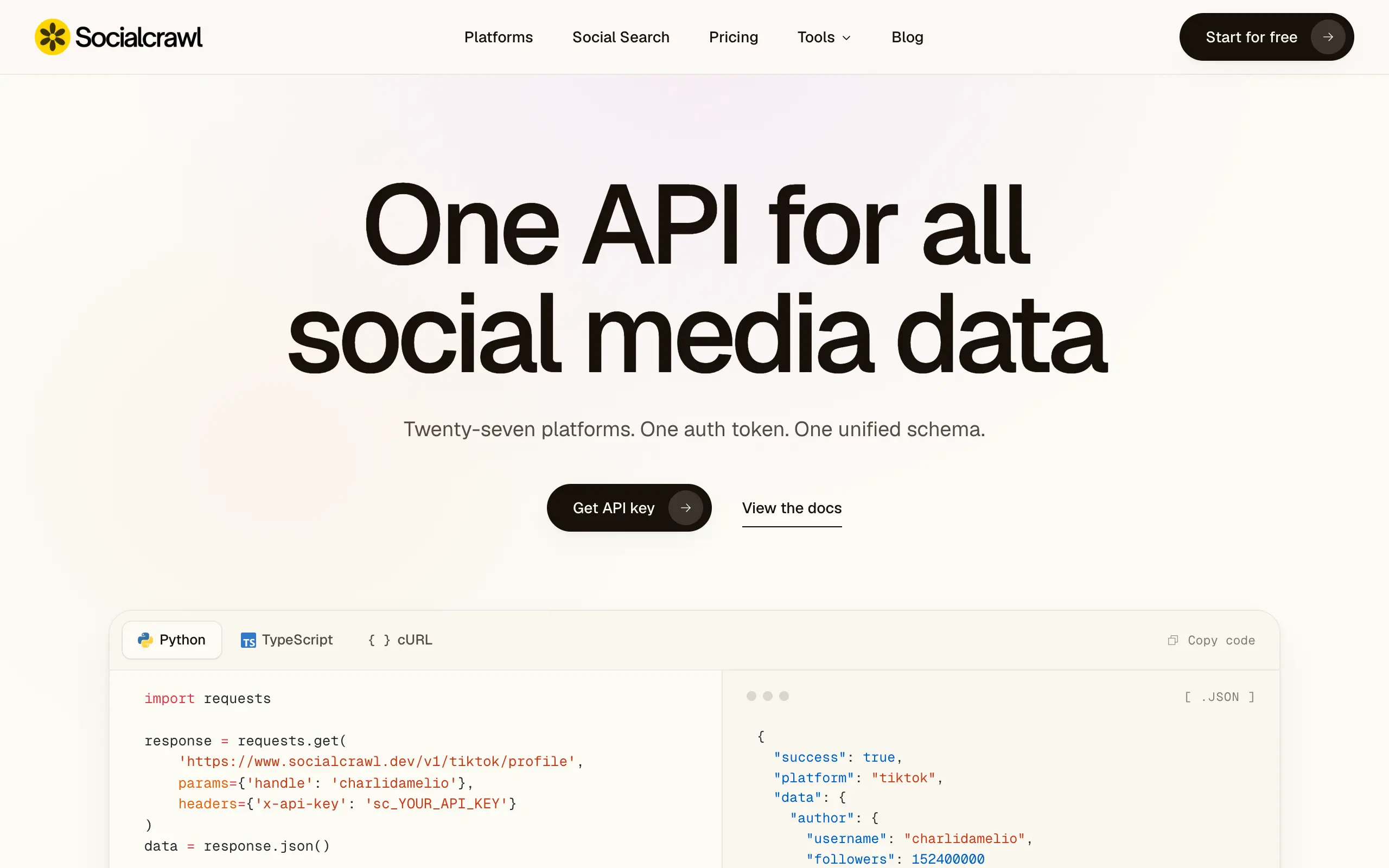
Socialcrawl
Get clean, structured data from 21 platforms like TikTok, Instagram, and YouTube with a single request 📊
Statiko
Monitor any Telegram channel in real time - track posts, edits, deletions, and growth with AI recaps 📡
Shibui
AI website builder - describe your business, pick a niche template, edit by chatting, and publish instantly ✨
Pro Service
Find verified home service professionals, compare quotes, and pay securely through escrow - built for Brazilians across the US 🏠
RankGrow
Fix your SEO with AI agents - connect Search Console, get prioritized tasks, and grow organic traffic 📈
SyncReads
Sync your favorite content for distraction-free reading, save time and replace multiple apps. Anytime, anywhere 🔄
Socialcrawl
Get clean, structured data from 21 platforms like TikTok, Instagram, and YouTube with a single request 📊
Statiko
Monitor any Telegram channel in real time - track posts, edits, deletions, and growth with AI recaps 📡
Shibui
AI website builder - describe your business, pick a niche template, edit by chatting, and publish instantly ✨
Pro Service
Find verified home service professionals, compare quotes, and pay securely through escrow - built for Brazilians across the US 🏠
RankGrow
Fix your SEO with AI agents - connect Search Console, get prioritized tasks, and grow organic traffic 📈
SyncReads
Sync your favorite content for distraction-free reading, save time and replace multiple apps. Anytime, anywhere 🔄
Socialcrawl
Get clean, structured data from 21 platforms like TikTok, Instagram, and YouTube with a single request 📊
Statiko
Monitor any Telegram channel in real time - track posts, edits, deletions, and growth with AI recaps 📡
Shibui
AI website builder - describe your business, pick a niche template, edit by chatting, and publish instantly ✨
Pro Service
Find verified home service professionals, compare quotes, and pay securely through escrow - built for Brazilians across the US 🏠
RankGrow
Fix your SEO with AI agents - connect Search Console, get prioritized tasks, and grow organic traffic 📈
SyncReads
Sync your favorite content for distraction-free reading, save time and replace multiple apps. Anytime, anywhere 🔄
Socialcrawl
Get clean, structured data from 21 platforms like TikTok, Instagram, and YouTube with a single request 📊
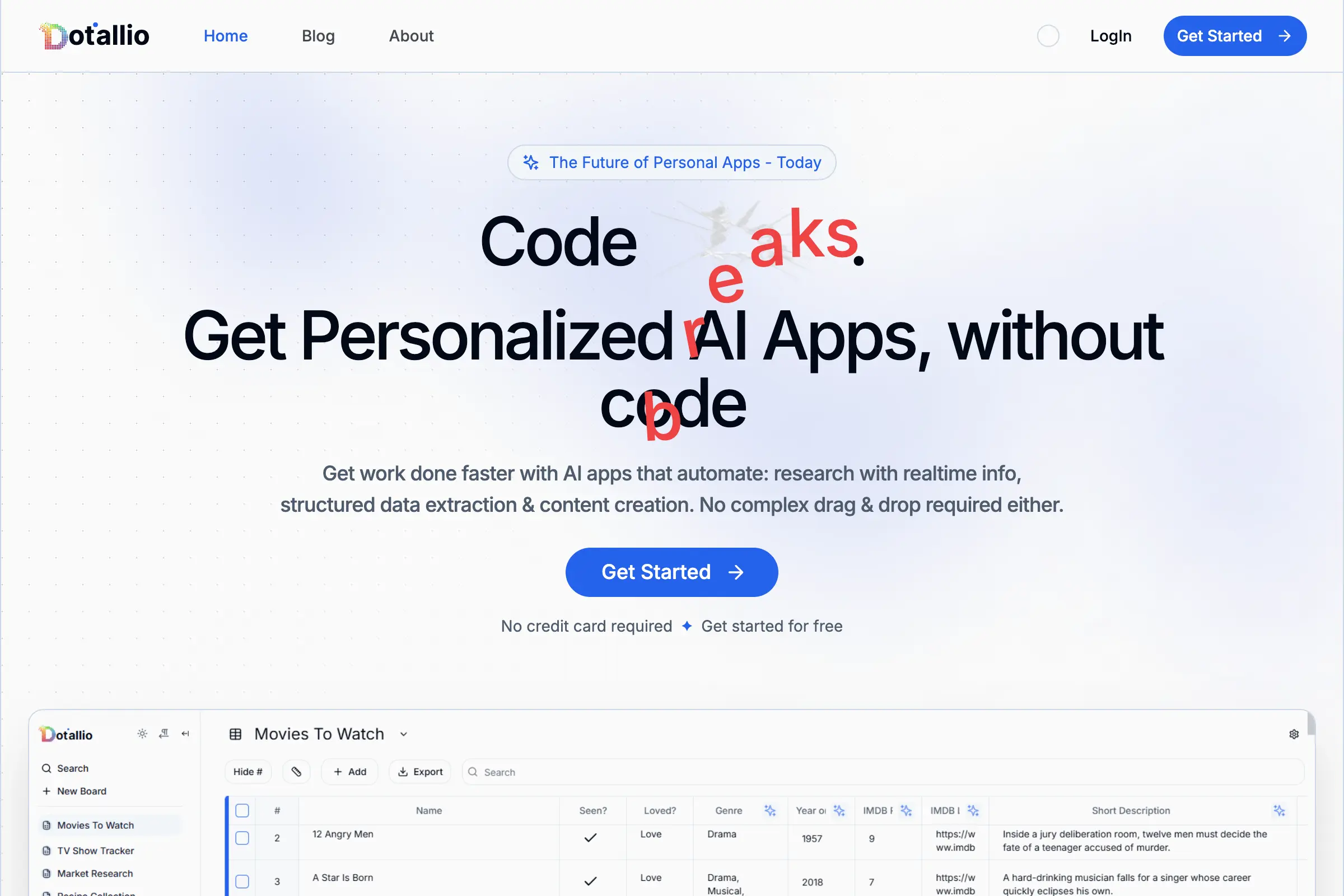
Dotallio
Personalized AI apps that automate research, data extraction, and content creation without code 🤖
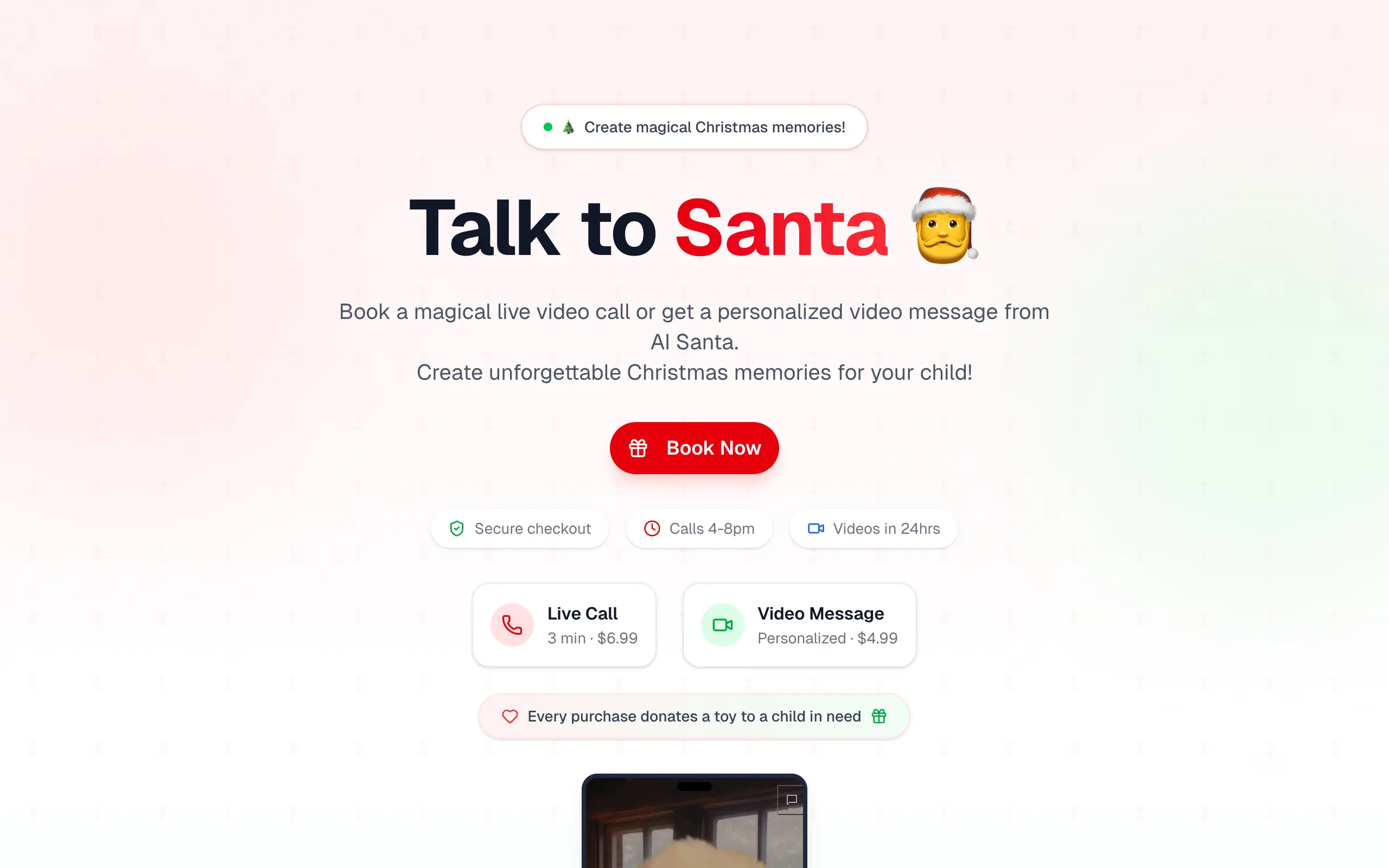
Talk to Santa
Enjoy a magical live video chat or receive a unique AI-generated video greeting from Santa Claus 🎅
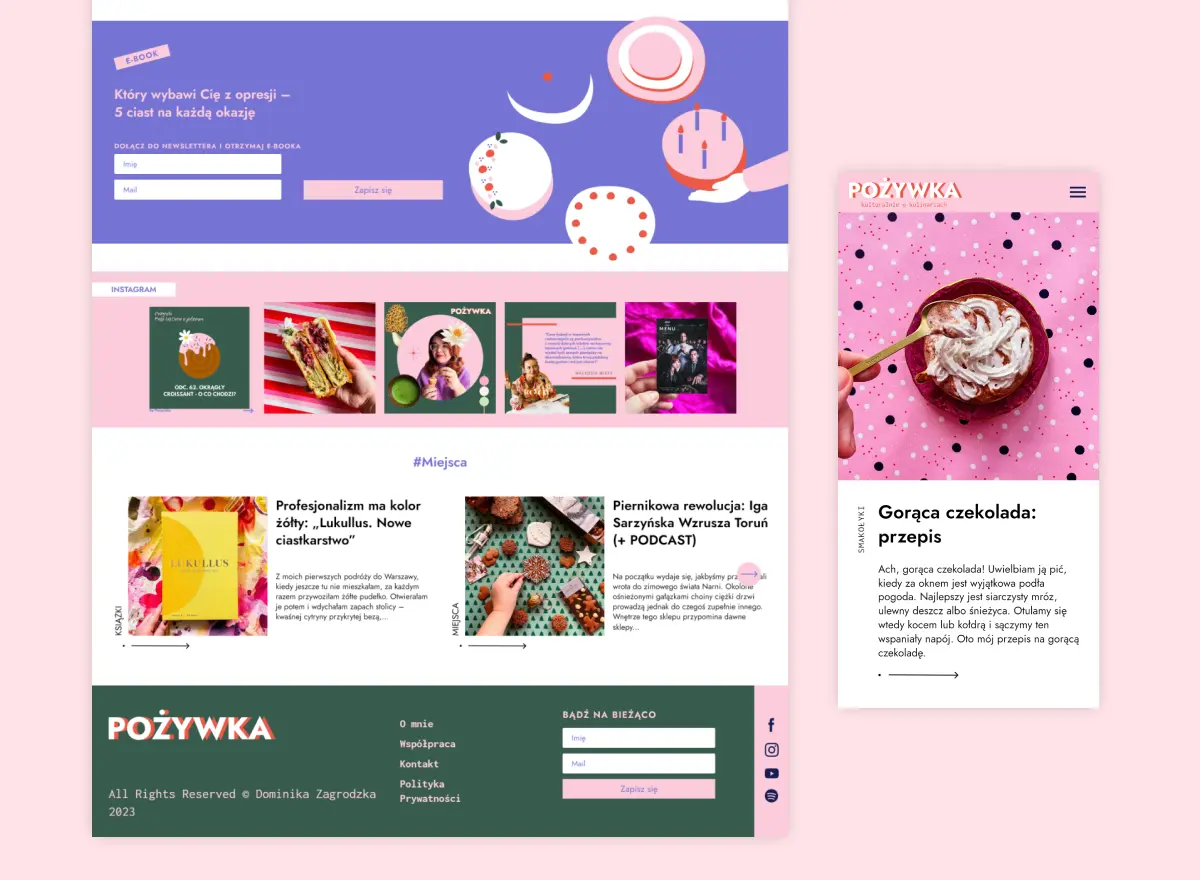
pozywka.pl
Scalable blog for food journalist, focused on performance and user experience 🌭
zagrodzki.me
Personal blog and portfolio of Bart Zagrodzki, where he shares his knowledge and work 💼
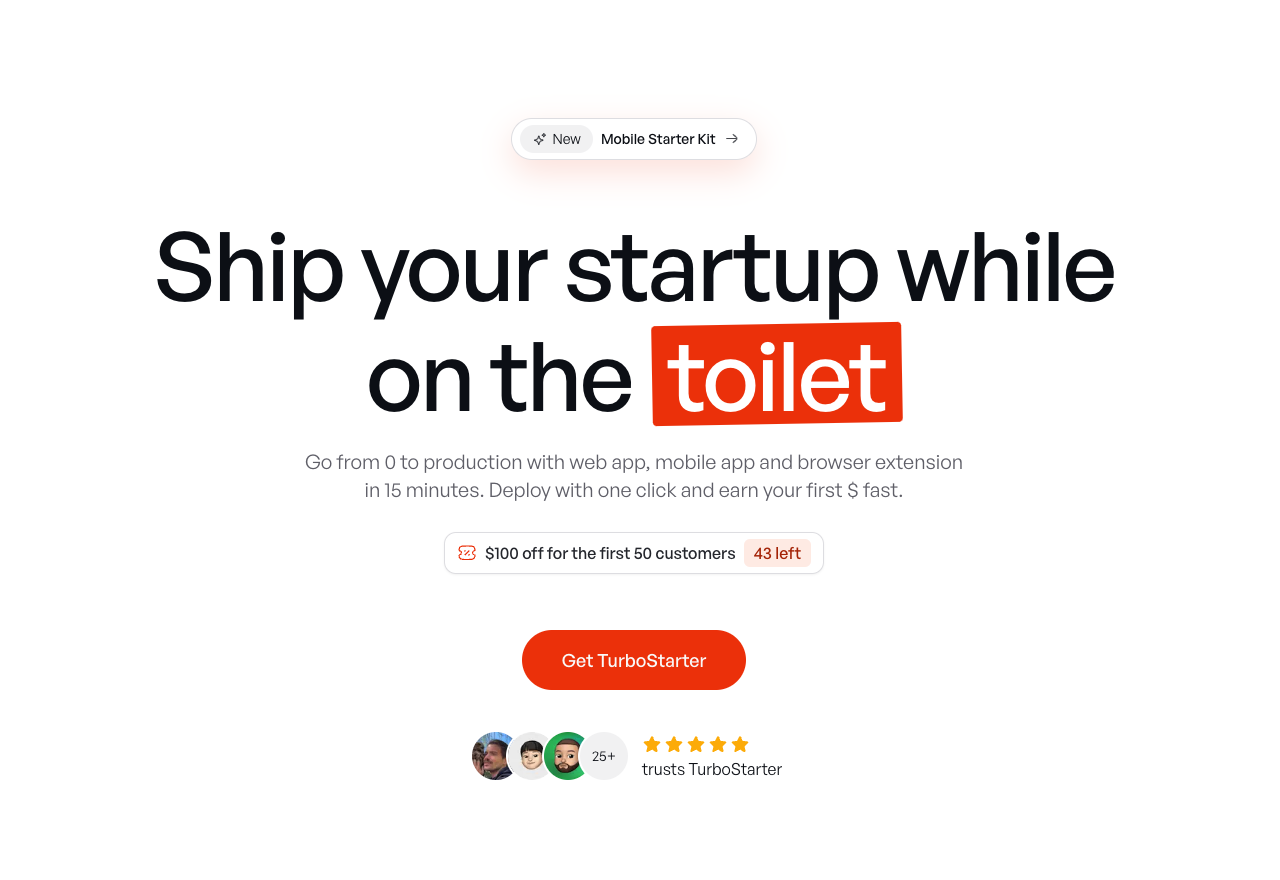
TurboStarter
Ship your startup everywhere. In minutes.
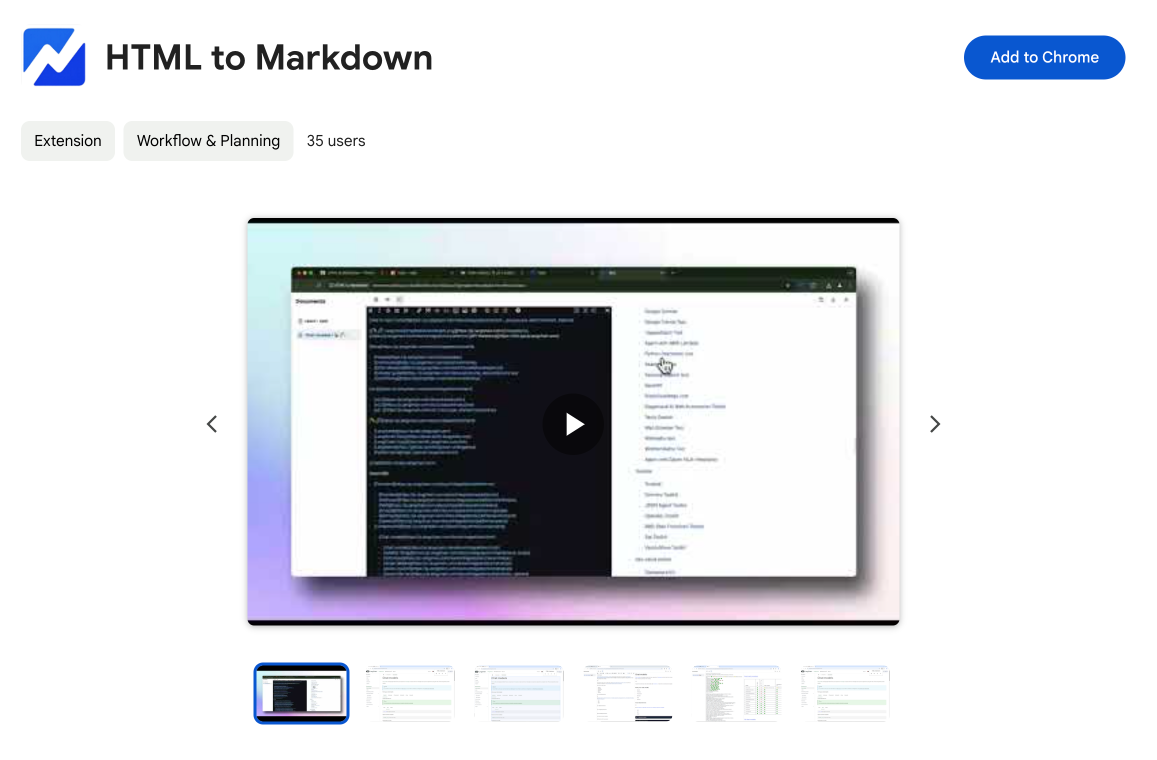
HTML to Markdown
Convert HTML to Markdown with ease, directly in your browser 📄
Dotallio
Personalized AI apps that automate research, data extraction, and content creation without code 🤖
Talk to Santa
Enjoy a magical live video chat or receive a unique AI-generated video greeting from Santa Claus 🎅
pozywka.pl
Scalable blog for food journalist, focused on performance and user experience 🌭
zagrodzki.me
Personal blog and portfolio of Bart Zagrodzki, where he shares his knowledge and work 💼
TurboStarter
Ship your startup everywhere. In minutes.
HTML to Markdown
Convert HTML to Markdown with ease, directly in your browser 📄
Dotallio
Personalized AI apps that automate research, data extraction, and content creation without code 🤖
Talk to Santa
Enjoy a magical live video chat or receive a unique AI-generated video greeting from Santa Claus 🎅
pozywka.pl
Scalable blog for food journalist, focused on performance and user experience 🌭
zagrodzki.me
Personal blog and portfolio of Bart Zagrodzki, where he shares his knowledge and work 💼
TurboStarter
Ship your startup everywhere. In minutes.
HTML to Markdown
Convert HTML to Markdown with ease, directly in your browser 📄
Dotallio
Personalized AI apps that automate research, data extraction, and content creation without code 🤖
Talk to Santa
Enjoy a magical live video chat or receive a unique AI-generated video greeting from Santa Claus 🎅
pozywka.pl
Scalable blog for food journalist, focused on performance and user experience 🌭
zagrodzki.me
Personal blog and portfolio of Bart Zagrodzki, where he shares his knowledge and work 💼
TurboStarter
Ship your startup everywhere. In minutes.
HTML to Markdown
Convert HTML to Markdown with ease, directly in your browser 📄
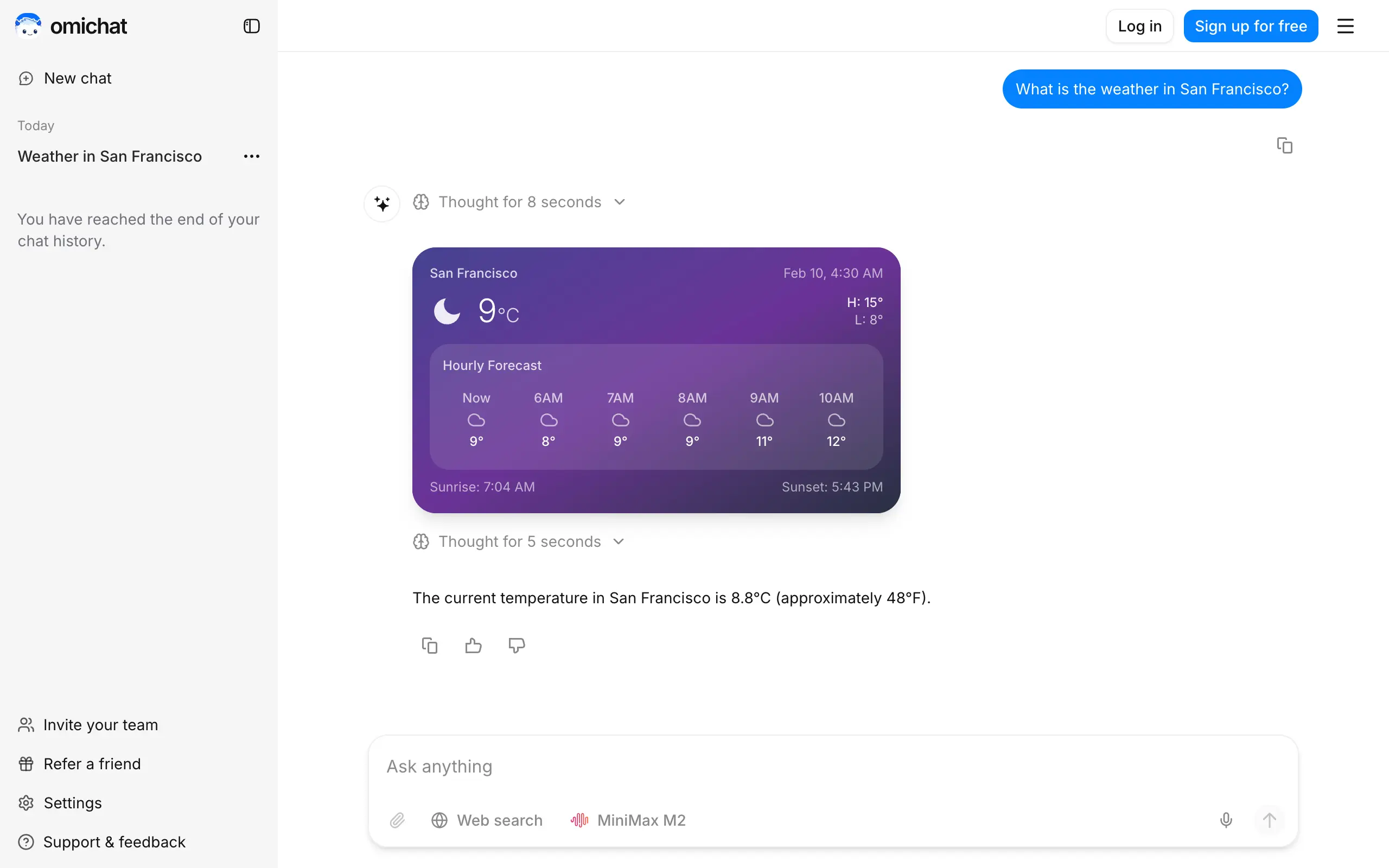
Omichat
Chat with 50+ AI models, including ChatGPT and Claude, in one place - switch models anytime without losing context 🤖
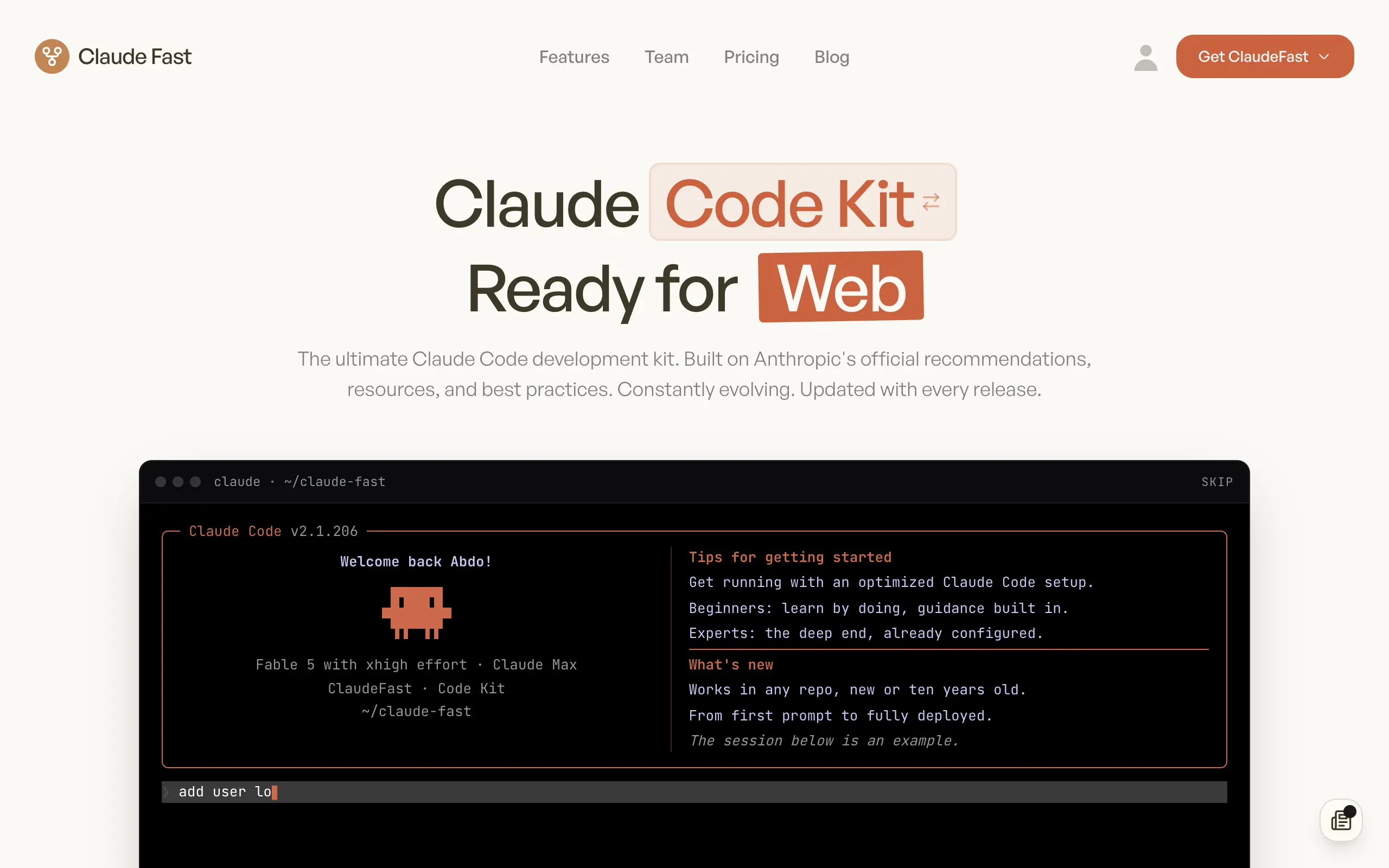
Claude Fast
Supercharge your Claude Code with 6x effective context window and specialized AI agents 🤖
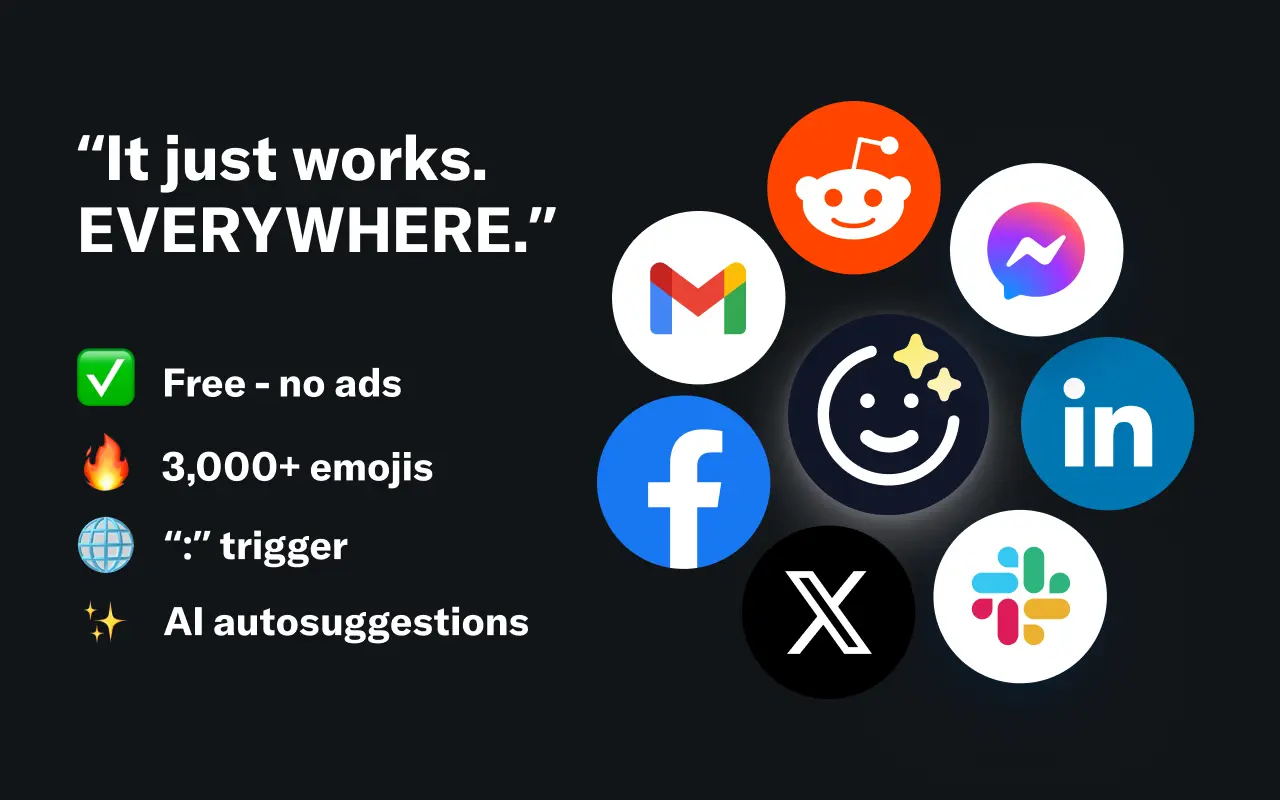
EmojAI
AI-powered emoji picker with smart, context-aware suggestions 🤖
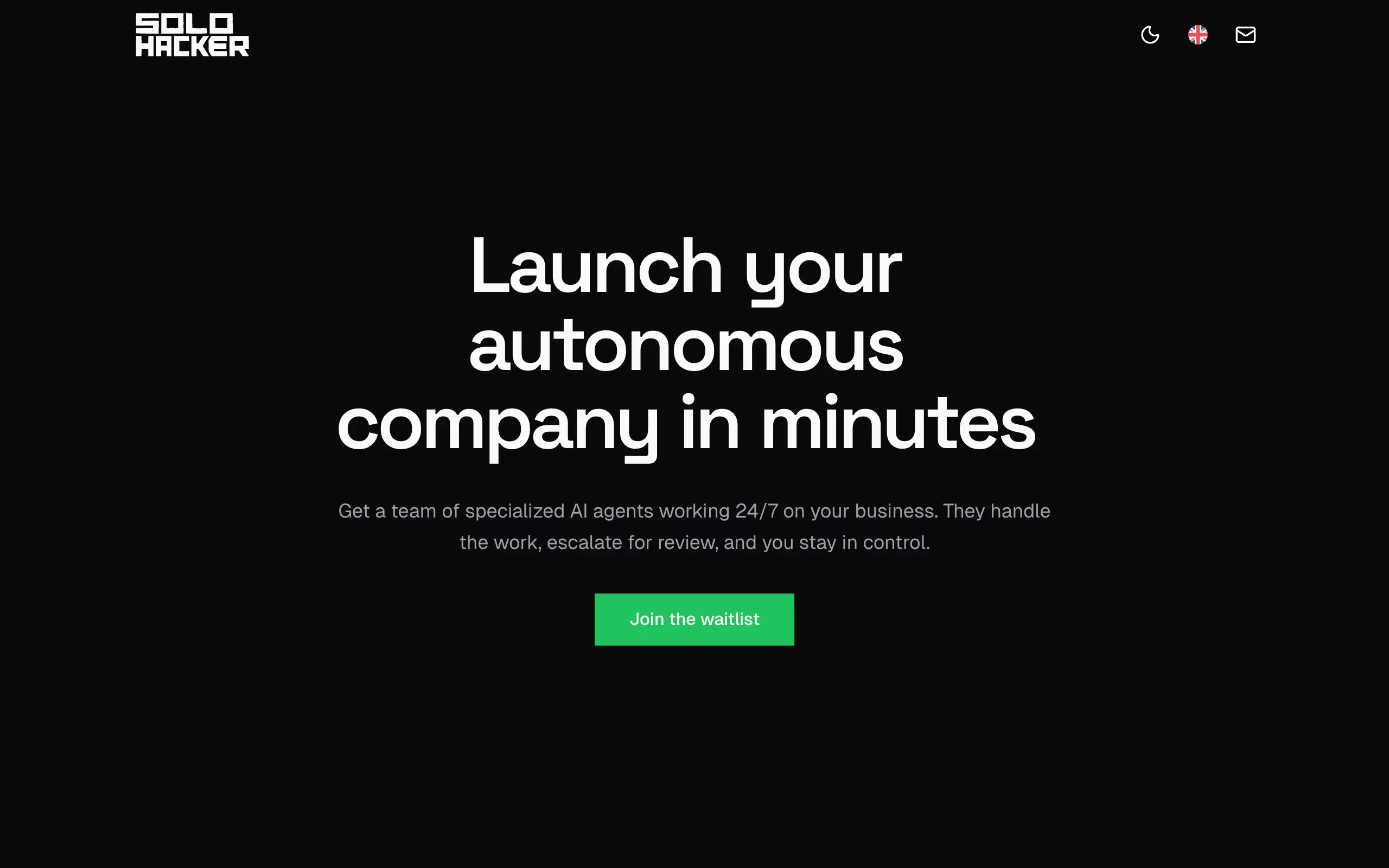
Solohacker
Autonomous company launcher - AI agents work 24/7, escalate what matters, and you stay in control 🤖
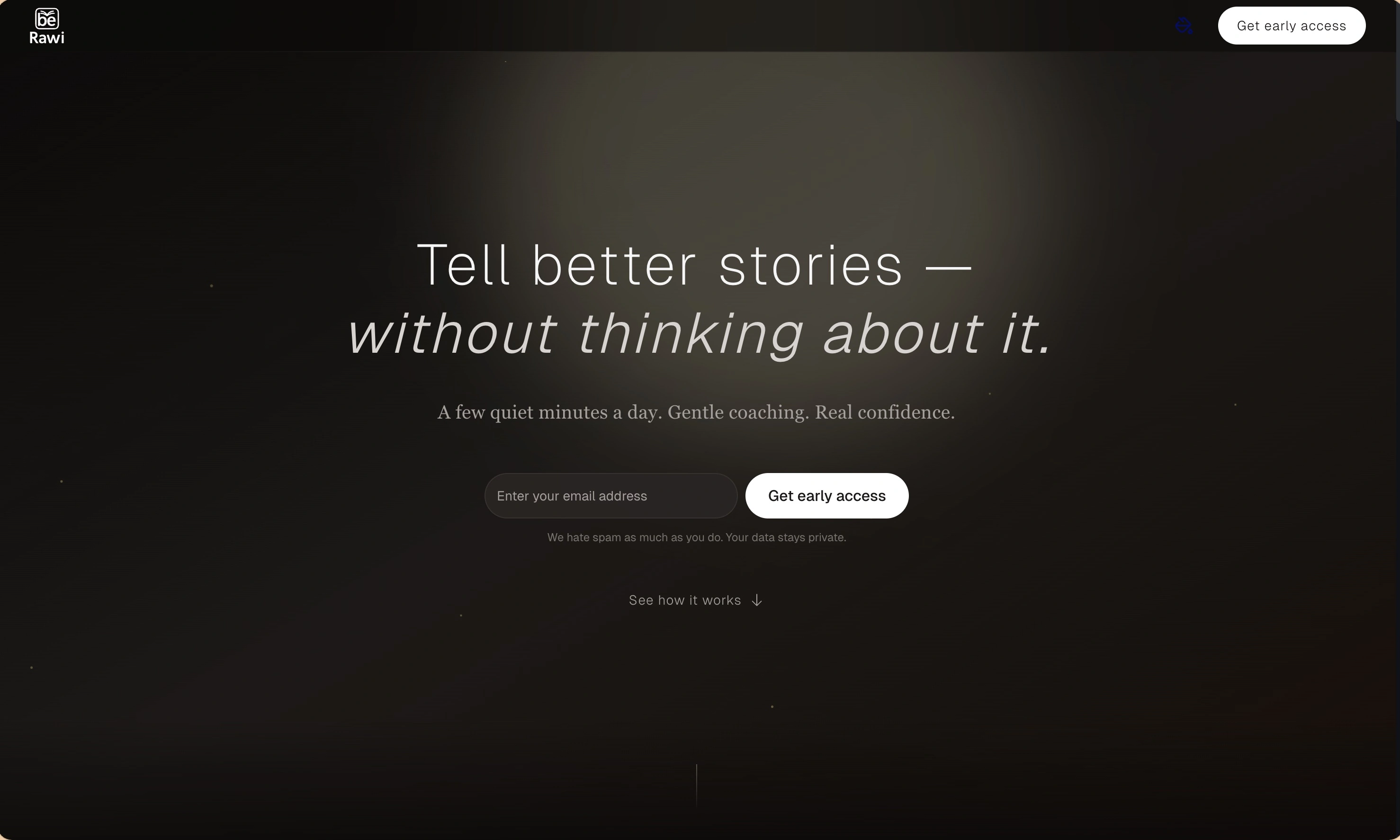
BeRawi: Storytelling Coach
Practice storytelling daily with instant feedback to sound clearer, more engaging, and confident 🎤
Omichat
Chat with 50+ AI models, including ChatGPT and Claude, in one place - switch models anytime without losing context 🤖
Claude Fast
Supercharge your Claude Code with 6x effective context window and specialized AI agents 🤖
EmojAI
AI-powered emoji picker with smart, context-aware suggestions 🤖
Solohacker
Autonomous company launcher - AI agents work 24/7, escalate what matters, and you stay in control 🤖
BeRawi: Storytelling Coach
Practice storytelling daily with instant feedback to sound clearer, more engaging, and confident 🎤
Omichat
Chat with 50+ AI models, including ChatGPT and Claude, in one place - switch models anytime without losing context 🤖
Claude Fast
Supercharge your Claude Code with 6x effective context window and specialized AI agents 🤖
EmojAI
AI-powered emoji picker with smart, context-aware suggestions 🤖
Solohacker
Autonomous company launcher - AI agents work 24/7, escalate what matters, and you stay in control 🤖
BeRawi: Storytelling Coach
Practice storytelling daily with instant feedback to sound clearer, more engaging, and confident 🎤
Omichat
Chat with 50+ AI models, including ChatGPT and Claude, in one place - switch models anytime without losing context 🤖
Claude Fast
Supercharge your Claude Code with 6x effective context window and specialized AI agents 🤖
EmojAI
AI-powered emoji picker with smart, context-aware suggestions 🤖
Solohacker
Autonomous company launcher - AI agents work 24/7, escalate what matters, and you stay in control 🤖
BeRawi: Storytelling Coach
Practice storytelling daily with instant feedback to sound clearer, more engaging, and confident 🎤

Connect with like-minded people
Join our community to get feedback, support, and grow together with 1,000+ builders on board, let's ship it!
Join usShip your startup everywhere. In minutes.
Don't burn tokens on setup and start building features on day one.