KickStart
KickStart simplifies the process of organizing futsal games by automatically charging a monthly fee to all registered members. This app guarantees that the venue is funded every week, while also offering an optional attendance tracker to see who plans to play.
Target Audience and User Engagement
The app is engineered for sports enthusiasts and community organizers who enjoy the thrill of scheduling futsal games without the headache of manual payments. Its target audience spans various groups:
- Futsal Teams and Leagues: Organized groups looking for a streamlined way to manage recurring venues and memberships.
- Local Community Centers: Facilities that host sports events and require assured funding each week.
- Fitness and Sports Enthusiasts: Individuals keen on joining regular games without the hassle of handling payments separately.
- Mobile-First Users: Individuals who prefer accessing applications via smartphones for on-the-go management and real-time updates.
In this dynamic era of mobile technology, having a simple and automated solution is essential to ensure that both the venue and the players benefit from streamlined management processes.
User Insight
The simplicity in scheduled payments and attendance-tracking ensures users stay committed and organized, fueling community growth.
Market Opportunity in the Sports Tech Sector
With an increasing number of sports enthusiasts regularly organizing informal and formal futsal games, there lies a significant market opportunity:
- Recurring Revenue Models: Utilizing automatic monthly fees ensures predictable cash flow for venue owners.
- Growth of Mobile Payments: The surge in mobile payment systems has made recurring subscriptions a viable business model.
- Community Building: Enhanced engagement through attendance tracking encourages community participation and retention.
- Local Market Penetration: Many cities have a high concentration of community sports leagues yet lack effective payment solutions.
Market research indicates that a streamlined, automated process addresses multiple pain points in sports event organization. By automating billing and incorporating optional attendance tracking, this solution allows organizers to focus on enhancing the player experience rather than administrative tasks.
Recent studies show a growth rate in sports management apps with features like attendance tracking upwards of 20% per annum. This growth is further bolstered by the increasing acceptance of mobile subscriptions and the desire for hassle-free solutions.
The evolving sports tech market is characterized by a move toward digital solutions that simplify operational overhead while expanding the scope for community interactions.
In-Depth Look at the Tech Stack
For a robust and scalable solution, the tech stack plays a central role in delivering a quality user experience. The mobile-first approach in this application is underpinned by modern technologies designed for agility and reliability. Considering rapid implementation needs, developers may opt for starter kits such as TurboStarter to accelerate the development process.
Key elements include:
- Frontend:
- React Native for cross-platform mobile development, enabling consistent performance on both iOS and Android.
- GraphQL for efficient data retrieval, ensuring a smooth interaction between the mobile app and the backend server.
- Backend:
- Node.js with Express as the server, ensuring scalable and fast performance.
- MongoDB or PostgreSQL database for storing user and attendance data securely.
- Payment Integration:
- Stripe API for seamless recurring payments and invoicing.
- PayPal SDK as an alternate, ensuring broad support for payment processing.
- Real-Time Features:
- Firebase for real-time notifications and dynamic data updates.
- DevOps and CI/CD:
- Docker for containerization of applications.
- GitHub Actions or Jenkins for Continuous Integration and Delivery.
The following code snippet illustrates an example of a simple function handling payment confirmation:
const confirmPayment = async (paymentId: string) => {
  try {
    const response = await fetch(`/api/payments/confirm/${paymentId}`);
    const result = await response.json();
    console.log("Payment confirmation:", result);
  } catch (error) {
    console.error("Payment failed to confirm:", error);
  }
}
This example is one piece of a broader, well-architected tech stack ensuring the app’s performance and scalability are finely tuned for the demands of modern mobile users.
Focus on a highly responsive user interface built with React Native. Integration with real-time updates ensures that players always have up-to-date game status information.
A robust Node.js backend with a secure database and payment integrations creates a seamless experience behind the scenes.
Monetization Strategy and Financial Sustainability
The core of the monetization strategy lies in creating a predictable and recurring revenue stream, ensuring both financial sustainability and growth. The app implements:
- Monthly Subscription Fees:
- Automatically charged fees for registered members.
- Ensures regular payments to fund the venue, reducing the administrative hassle of repeated manual transactions.
- Transaction Fees:
- A small processing fee for every successful recurring payment, ensuring additional revenue without drastically impacting the customer base.
- Optional Premium Features:
- For users who want enhanced tracking or exclusive game insights, premium add-ons can boost revenue.
- Ad Integration and Sponsored Listings:
- Display targeted ads or sponsored content for local sports equipment stores or fitness centers, adding another revenue stream.
- Affiliate Programs:
- Partnering with local sports businesses or equipment vendors to provide discounts for users, with commissions on each referral.
This diversified revenue model makes the app self-sustaining and attractive to investors. A deep focus on customer satisfaction, combined with predictable cash flow from subscriptions, positions this service for rapid growth in the community sports market.
Key Revenue Insight
Recurring subscription models allow for predictable revenue, even in competitive markets.
Assessing and Managing Risks
Every business comes with its set of challenges. Identifying, assessing, and managing potential risks is crucial for long-term success:
- Market Adoption Risks:
- The transition from traditional payment methods to automatic subscriptions might face initial resistance from users used to manual payments.
- Technical Risks:
- Ensuring system reliability during high load times (game weekends) is essential.
- Payment gateway integrations need to be robust and secure against fraudulent transactions.
- Regulatory and Compliance Challenges:
- Handling recurring transactions mandates strict adherence to financial regulations, especially in handling personal data and payment information.
- Competition in the Sports Tech Space:
- Several innovations are emerging for sports management and event scheduling. Maintaining a competitive edge requires continuous iteration and feature enhancements.
- User Engagement Risks:
- Insufficient user engagement or low adoption rates of premium features can hinder revenue expectations. Continuous feedback and iterative development are necessary.
To mitigate these risks, the development cycle includes:
- Rigorous testing, especially focusing on payment and real-time notification systems.
- Frequent backups and secure data-transmission protocols to preserve user trust.
- Continuous market research to stay ahead of emerging competition.
Risk Management
Always prioritize data security and transparent communication about fee structures to build lasting trust with your users.
Competitive Advantages and Unique Selling Points
A multitude of potential apps focus on scheduling and payment management, but this solution shines due to its unique features:
-
Automation of Recurring Payments:
Ensures venues are funded every week without manual fallbacks. This automated billing process significantly reduces overhead. -
Optional Attendance Tracking:
Beyond regular payments, implementing a feature to monitor who plans to play fosters accountability and improves overall event management. -
Mobile-First Experience:
Designed with the mobile user in mind from the outset, ensuring accessibility and responsiveness across devices. -
Community Engagement Focus:
Facilitates a sense of unity among users by providing community-building tools (e.g., group notifications, scoreboards, and real-time updates). -
Flexible Monetization Model:
- Allows for both subscription-based and token-based transactions.
- Can easily adapt to additional premium features without massive backend changes.
-
Scalable Tech Stack:
Built on modern frameworks and robust backend infrastructure to scale as user demand grows. For accelerated development cycles, projects can leverage a solution like TurboStarter, ensuring robust foundations with less setup time.
The following comparison table outlines the competitive edge in key areas:
Automated recurring payments guarantee a consistent revenue stream, eliminating manual interventions.
Community-oriented features such as attendance tracker and real-time updates enable increased user engagement.
By focusing on these advantages, the app positions itself firmly in a niche that balances both operational convenience and enhanced user experience.
Detailed Breakdown: Features, Benefits, and Use Cases
To further illustrate how the solution operates, let’s break down the main features along with their benefits:
-
Automated Payment System:
- Benefit: Guarantees that venues receive funding every week.
- Use Case: Monthly subscription charges are processed on the same date every cycle, ensuring predictable revenue.
-
Optional Attendance Tracker:
- Benefit: Offers insights into which members are active, enabling data-driven decisions for future events.
- Use Case: Organizers can quickly generate attendance reports to optimize game planning.
-
Real-Time Notifications:
- Benefit: Keeps players informed about changes or updates.
- Use Case: Push notifications alert users about confirmed game schedules or cancellations instantly.
-
User-Friendly Interface:
- Benefit: Ensures that even non-technical users can navigate effortlessly.
- Use Case: Simple design paradigms and clear calls-to-action reduce friction during both onboarding and regular usage.
-
Secure Payment Gateways:
- Benefit: Enhances trust through secure and encrypted transactions.
- Use Case: Integration of platforms like Stripe ensures that sensitive payment data is handled according to industry standards.
-
Integrated Reporting:
- Benefit: Enables organizers to track financial history and attendance trends.
- Use Case: Automatic generation of reports for monthly reviews helps in planning future events and negotiations with venues.
This section provides a granular look at how the integration with payment gateways and the attendance tracker works seamlessly together to deliver an efficient user experience.
A snippet to simulate attendance tracking functionality might resemble the following:
const trackAttendance = (playerId: string, gameId: string) => {
  // Log attendance for a specific game
  console.log(`Tracking attendance for player ${playerId} in game ${gameId}`);
}
Integrating the Tech Stack with a Rapid Implementation Approach
A crucial factor for success in tech projects is rapid time-to-market. The suggested tech stack, combined with accelerators like TurboStarter, provides a compelling proposition for developers and entrepreneurs:
-
Rapid Prototyping:
- Use TurboStarter to kick off the project with a pre-built web, mobile, and browser extension foundation.
- Focus on customizing components rather than building from scratch.
-
Iterative Development:
- Start with the core features like recurring payments and attendance tracking before layering additional functionalities.
- Regular feedback cycles from early adopters ensure that the development is aligned with user expectations.
-
Modular Architecture:
- Ensure that critical components such as payment processing, user management, and notifications are decoupled.
- This modularity minimizes risk and allows for independent scaling, debugging, and feature enhancements.
-
Security-First Design:
- Implement robust authentication and data encryption mechanisms.
- Regular penetration testing and security audits become pivotal to ensure user data privacy.
Accelerated prototyping through proven starter kits shortens the development cycle significantly.
A layered security approach helps mitigate risks and build trust with end-users.
Strategic Roadmap to Success
With a well-rounded view of the features, market, and technical landscape, executing this idea requires a clear roadmap:
-
Phase 1: Concept Validation and Market Entry
- Action Items:
- Validate the idea through community polls and beta testing.
- Engage early adopters by offering incentives and discounts for early subscriptions.
- Outcome: Establish a solid user base and demonstrate proof of concept.
- Action Items:
-
Phase 2: Development and Feature Enhancement
- Action Items:
- Roll out the core payment system and attendance tracker.
- Leverage a rapid development framework to reduce time-to-market.
- Integrate marketing and analytics tools to monitor user engagement.
- Outcome: A fully functional app with core features that handle payment and attendance reliably.
- Action Items:
-
Phase 3: Scaling and Monetization Optimization
- Action Items:
- Optimize performance under load during peak game times.
- Introduce premium features and partnerships with local businesses.
- Explore affiliate marketing and ad integration to diversify revenue.
- Outcome: A scalable platform that not only retains users but also diversifies its revenue model effectively.
- Action Items:
-
Phase 4: Continuous Improvement and Expansion
- Action Items:
- Collect feedback and iterate on new feature developments.
- Expand into additional markets or related sports categories.
- Regularly update security protocols and maintain system reliability.
- Outcome: Sustained growth and the ability to pivot based on emergent market trends.
- Action Items:
Implementation Tip
Consider integrating a modular architecture from the onset to make scaling and adding future features straightforward. This flexibility is vital in a fast-paced market.
Conclusion and Implementation Steps
To wrap up the strategic and technical insights from the idea context, key implementation steps include:
Each of these steps is designed to guide you through the journey of transforming innovative ideas into a tangible, market-ready product. With a strong focus on community building, consistent revenue streams through automated payments, and the flexibility to scale, this solution not only solves a core problem in the sports event market but also paves the way for future innovations.
By following these structured yet flexible strategies, incorporating robust APIs, and layering security throughout, you'll be well-positioned to dominate the niche of futsal game management and recurring billing solutions while delivering undeniable value to your user base.
More 📱 Mobile App SaaS ideas
Discover more innovative mobile app SaaS ideas that are trending in 2026. Each idea is AI-generated with market validation and growth potential to help you find your next profitable venture faster than competitors.
Your competitors are building with TurboStarter
Below are some of the SaaS ideas that have been generated and built with our starter kit.
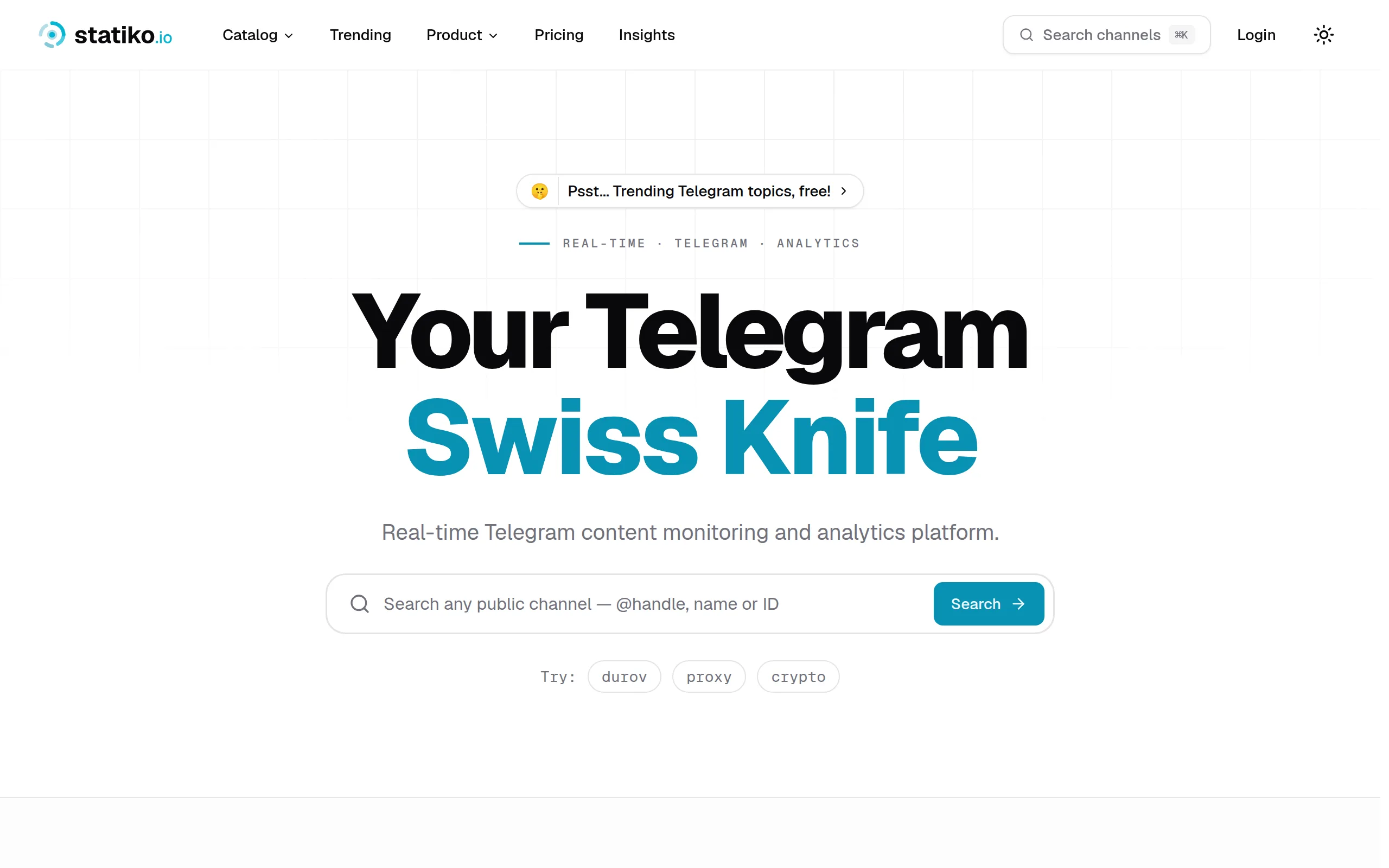
Statiko
Monitor any Telegram channel in real time - track posts, edits, deletions, and growth with AI recaps 📡

Shibui
AI website builder - describe your business, pick a niche template, edit by chatting, and publish instantly ✨

Pro Service
Find verified home service professionals, compare quotes, and pay securely through escrow - built for Brazilians across the US 🏠
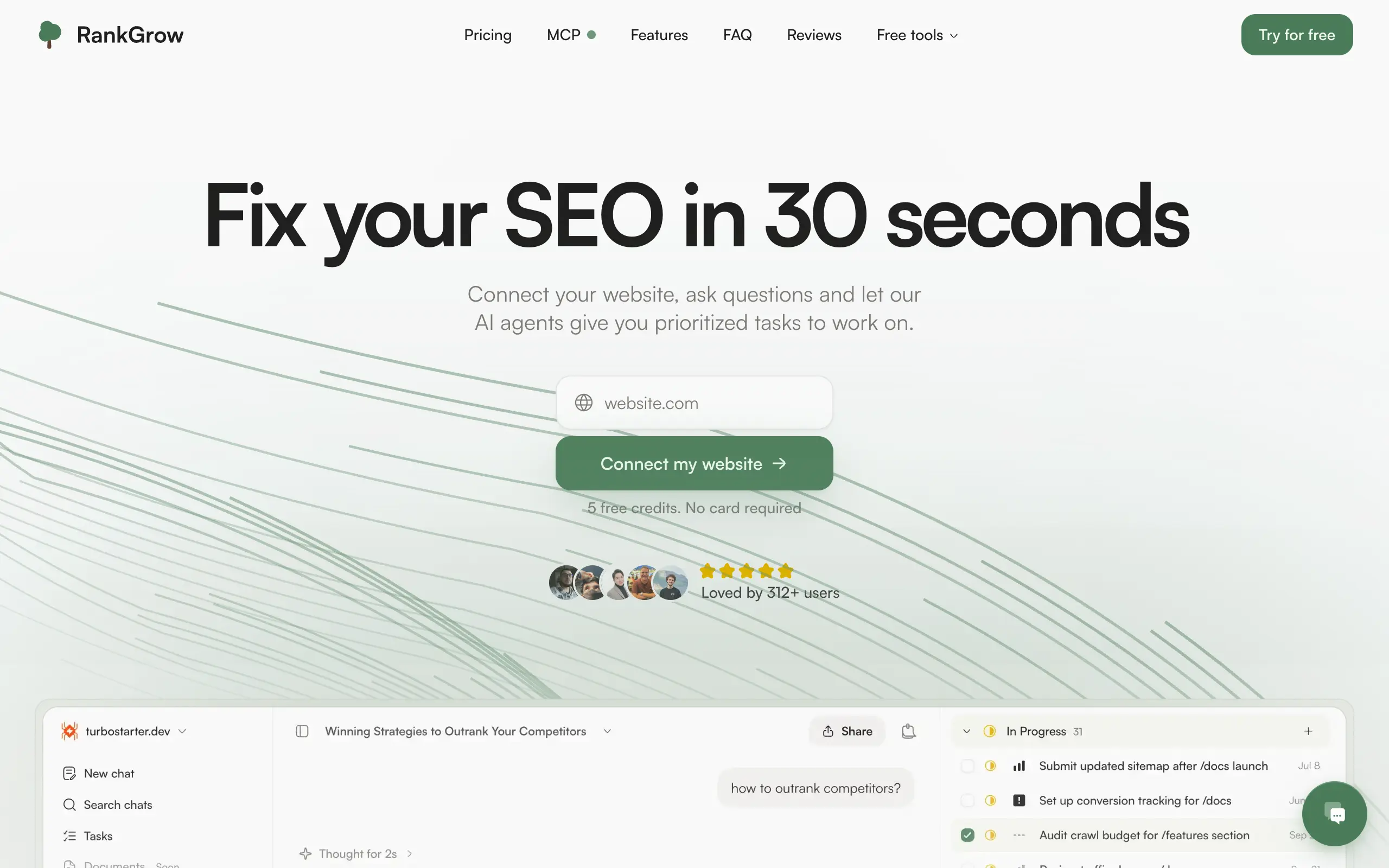
RankGrow
Fix your SEO with AI agents - connect Search Console, get prioritized tasks, and grow organic traffic 📈
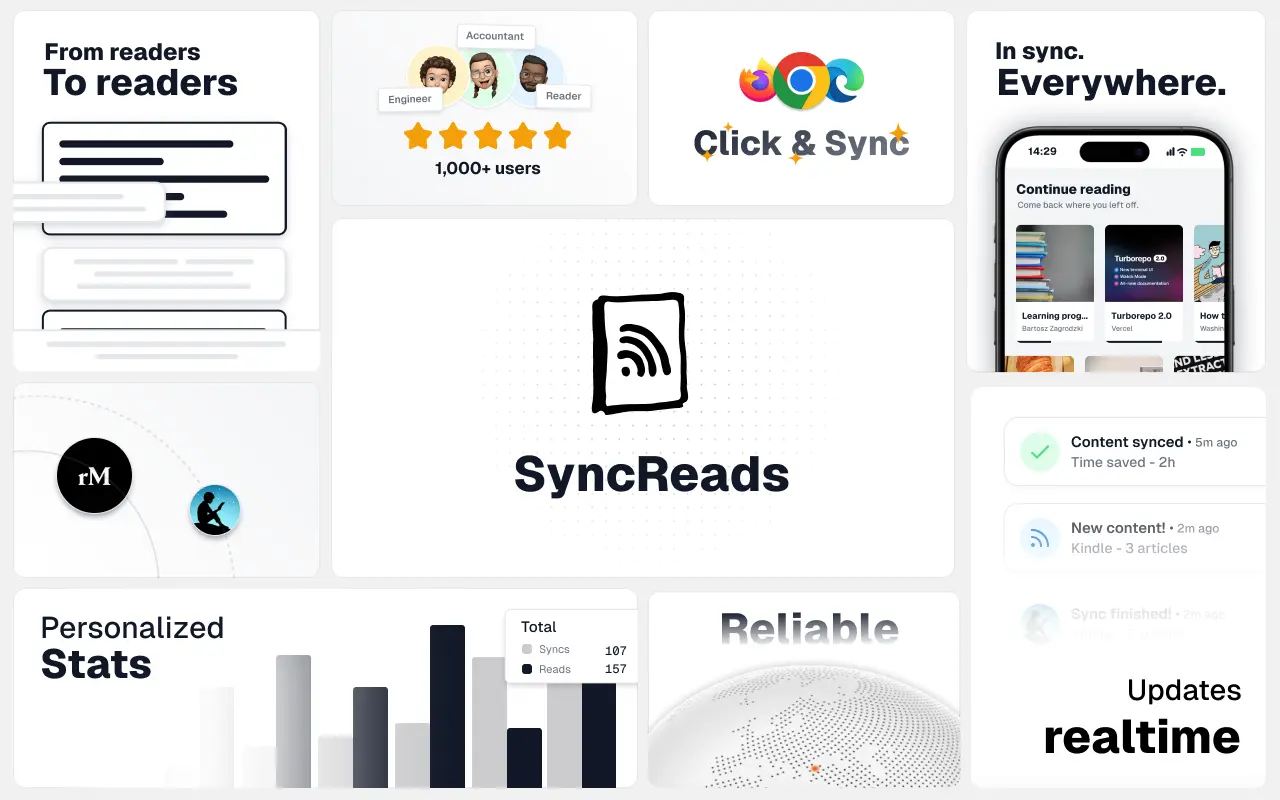
SyncReads
Sync your favorite content for distraction-free reading, save time and replace multiple apps. Anytime, anywhere 🔄
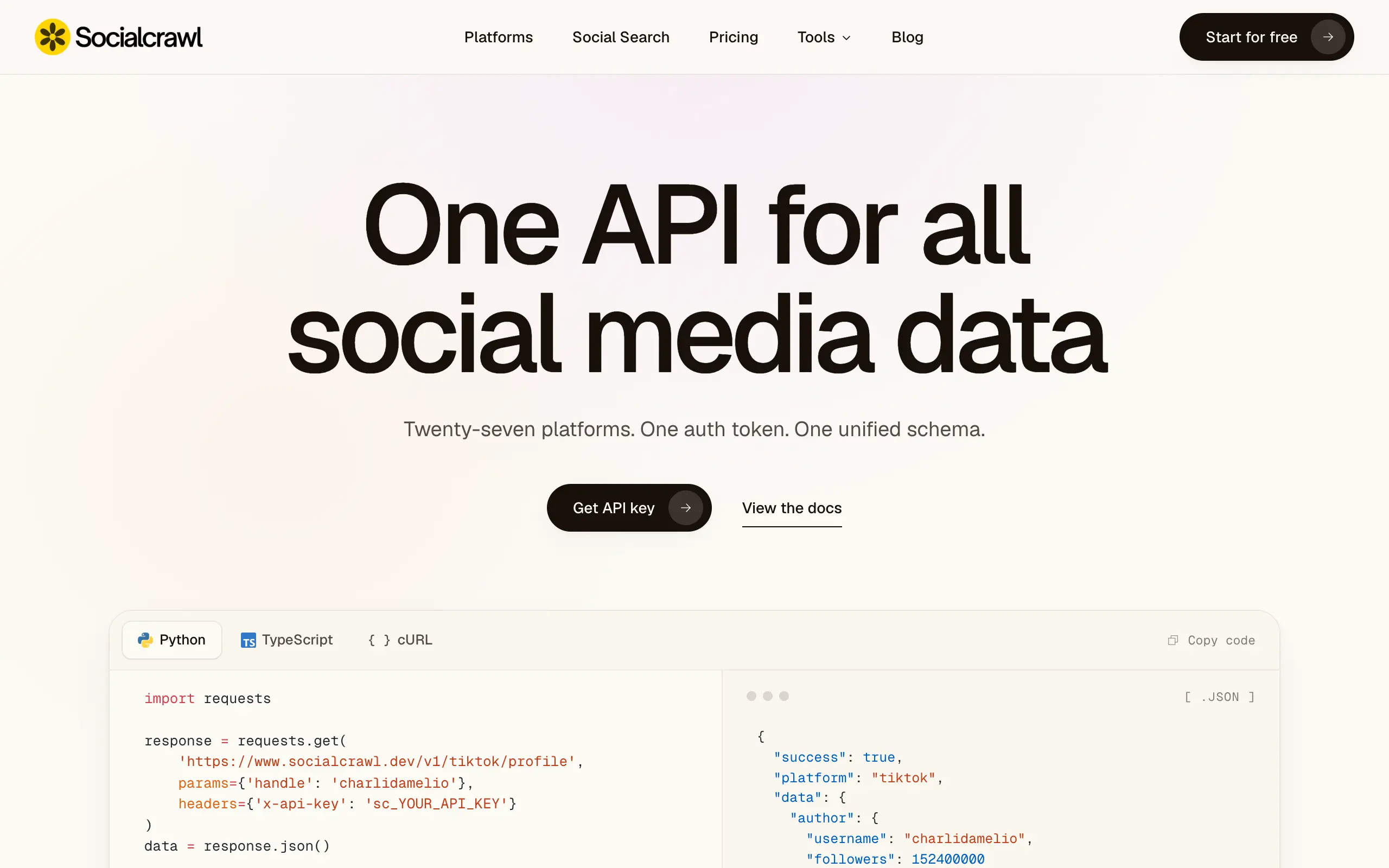
Socialcrawl
Get clean, structured data from 21 platforms like TikTok, Instagram, and YouTube with a single request 📊
Statiko
Monitor any Telegram channel in real time - track posts, edits, deletions, and growth with AI recaps 📡
Shibui
AI website builder - describe your business, pick a niche template, edit by chatting, and publish instantly ✨
Pro Service
Find verified home service professionals, compare quotes, and pay securely through escrow - built for Brazilians across the US 🏠
RankGrow
Fix your SEO with AI agents - connect Search Console, get prioritized tasks, and grow organic traffic 📈
SyncReads
Sync your favorite content for distraction-free reading, save time and replace multiple apps. Anytime, anywhere 🔄
Socialcrawl
Get clean, structured data from 21 platforms like TikTok, Instagram, and YouTube with a single request 📊
Statiko
Monitor any Telegram channel in real time - track posts, edits, deletions, and growth with AI recaps 📡
Shibui
AI website builder - describe your business, pick a niche template, edit by chatting, and publish instantly ✨
Pro Service
Find verified home service professionals, compare quotes, and pay securely through escrow - built for Brazilians across the US 🏠
RankGrow
Fix your SEO with AI agents - connect Search Console, get prioritized tasks, and grow organic traffic 📈
SyncReads
Sync your favorite content for distraction-free reading, save time and replace multiple apps. Anytime, anywhere 🔄
Socialcrawl
Get clean, structured data from 21 platforms like TikTok, Instagram, and YouTube with a single request 📊
Statiko
Monitor any Telegram channel in real time - track posts, edits, deletions, and growth with AI recaps 📡
Shibui
AI website builder - describe your business, pick a niche template, edit by chatting, and publish instantly ✨
Pro Service
Find verified home service professionals, compare quotes, and pay securely through escrow - built for Brazilians across the US 🏠
RankGrow
Fix your SEO with AI agents - connect Search Console, get prioritized tasks, and grow organic traffic 📈
SyncReads
Sync your favorite content for distraction-free reading, save time and replace multiple apps. Anytime, anywhere 🔄
Socialcrawl
Get clean, structured data from 21 platforms like TikTok, Instagram, and YouTube with a single request 📊
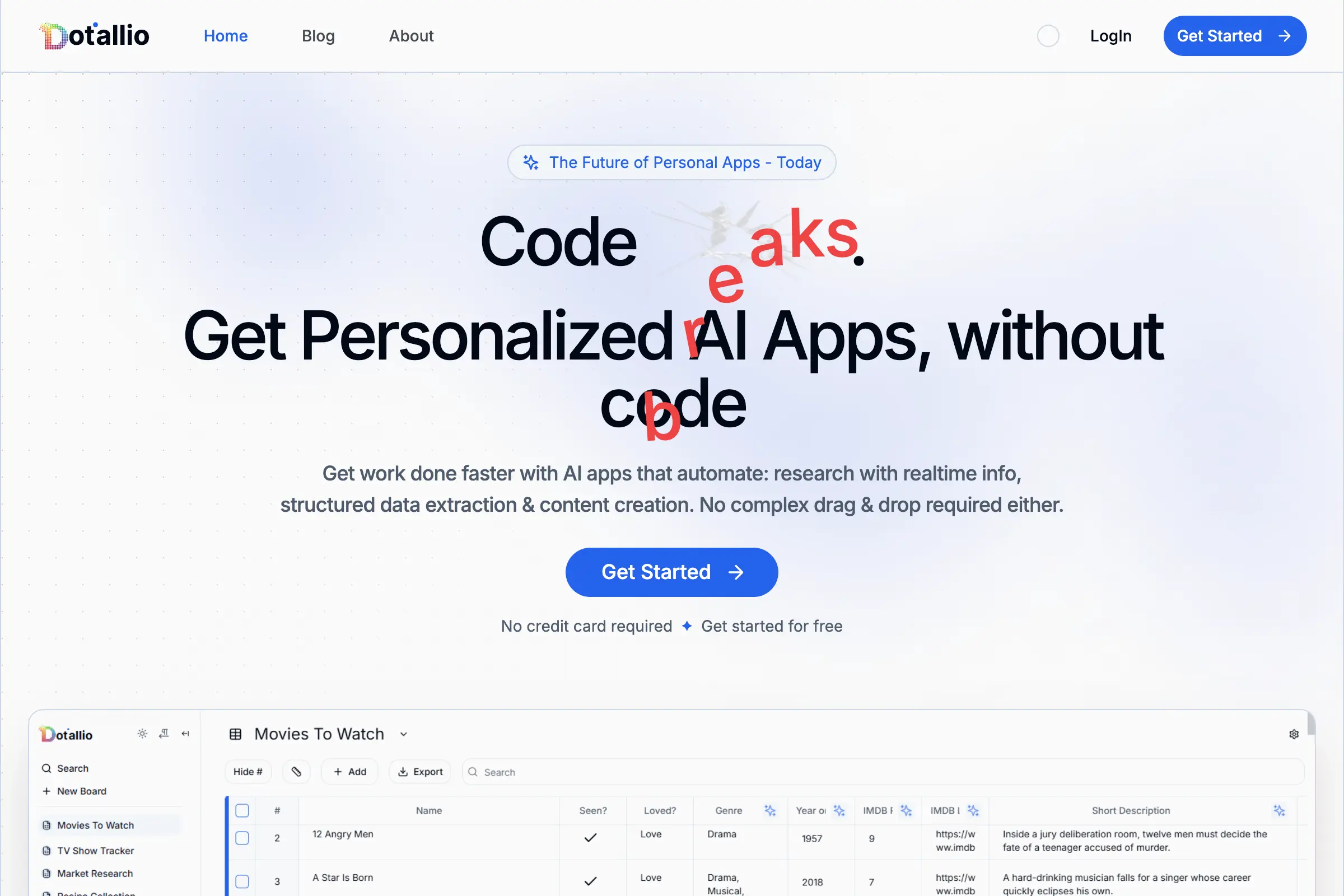
Dotallio
Personalized AI apps that automate research, data extraction, and content creation without code 🤖

Talk to Santa
Enjoy a magical live video chat or receive a unique AI-generated video greeting from Santa Claus 🎅

pozywka.pl
Scalable blog for food journalist, focused on performance and user experience 🌭
zagrodzki.me
Personal blog and portfolio of Bart Zagrodzki, where he shares his knowledge and work 💼
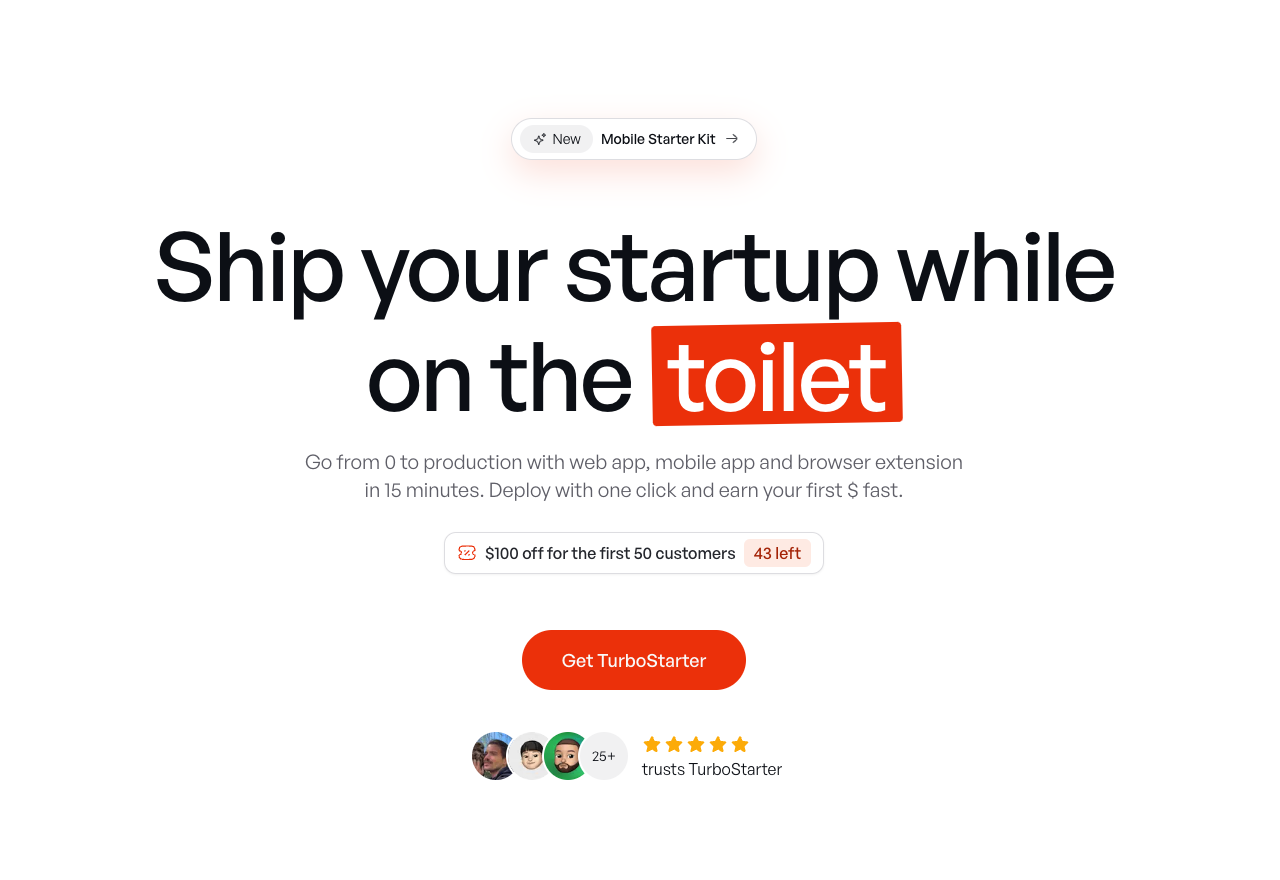
TurboStarter
Ship your startup everywhere. In minutes.
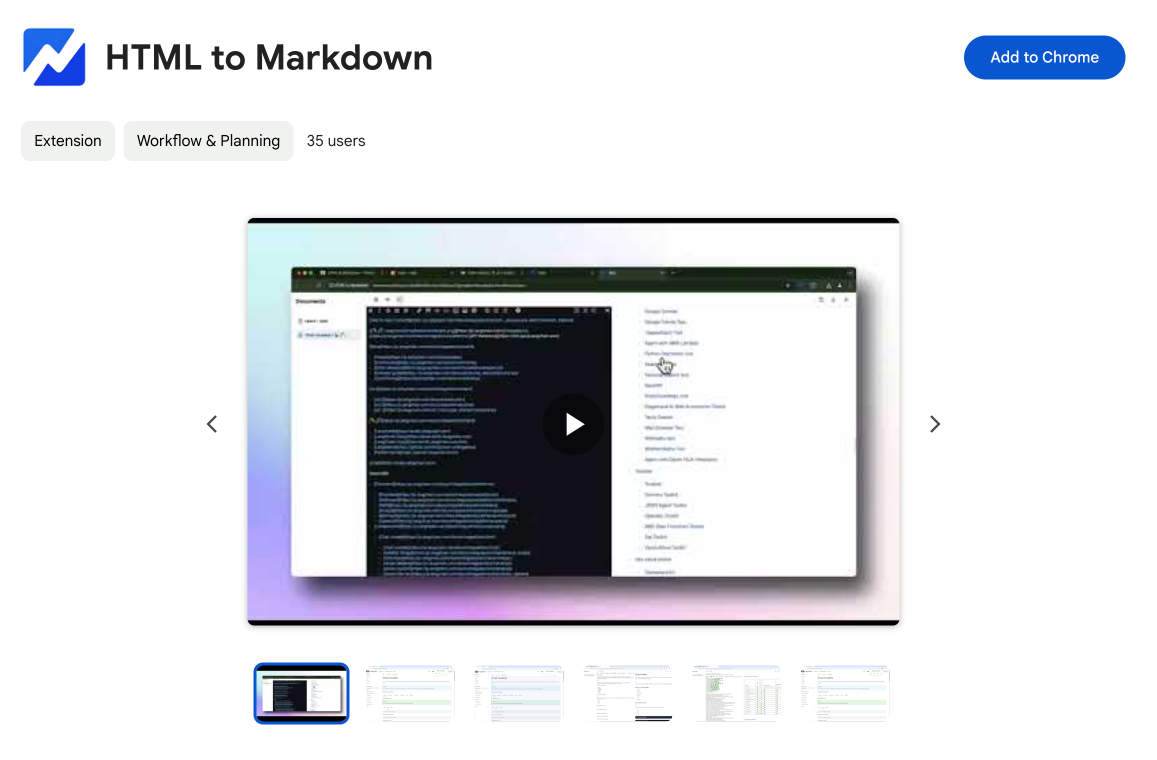
HTML to Markdown
Convert HTML to Markdown with ease, directly in your browser 📄
Dotallio
Personalized AI apps that automate research, data extraction, and content creation without code 🤖
Talk to Santa
Enjoy a magical live video chat or receive a unique AI-generated video greeting from Santa Claus 🎅
pozywka.pl
Scalable blog for food journalist, focused on performance and user experience 🌭
zagrodzki.me
Personal blog and portfolio of Bart Zagrodzki, where he shares his knowledge and work 💼
TurboStarter
Ship your startup everywhere. In minutes.
HTML to Markdown
Convert HTML to Markdown with ease, directly in your browser 📄
Dotallio
Personalized AI apps that automate research, data extraction, and content creation without code 🤖
Talk to Santa
Enjoy a magical live video chat or receive a unique AI-generated video greeting from Santa Claus 🎅
pozywka.pl
Scalable blog for food journalist, focused on performance and user experience 🌭
zagrodzki.me
Personal blog and portfolio of Bart Zagrodzki, where he shares his knowledge and work 💼
TurboStarter
Ship your startup everywhere. In minutes.
HTML to Markdown
Convert HTML to Markdown with ease, directly in your browser 📄
Dotallio
Personalized AI apps that automate research, data extraction, and content creation without code 🤖
Talk to Santa
Enjoy a magical live video chat or receive a unique AI-generated video greeting from Santa Claus 🎅
pozywka.pl
Scalable blog for food journalist, focused on performance and user experience 🌭
zagrodzki.me
Personal blog and portfolio of Bart Zagrodzki, where he shares his knowledge and work 💼
TurboStarter
Ship your startup everywhere. In minutes.
HTML to Markdown
Convert HTML to Markdown with ease, directly in your browser 📄
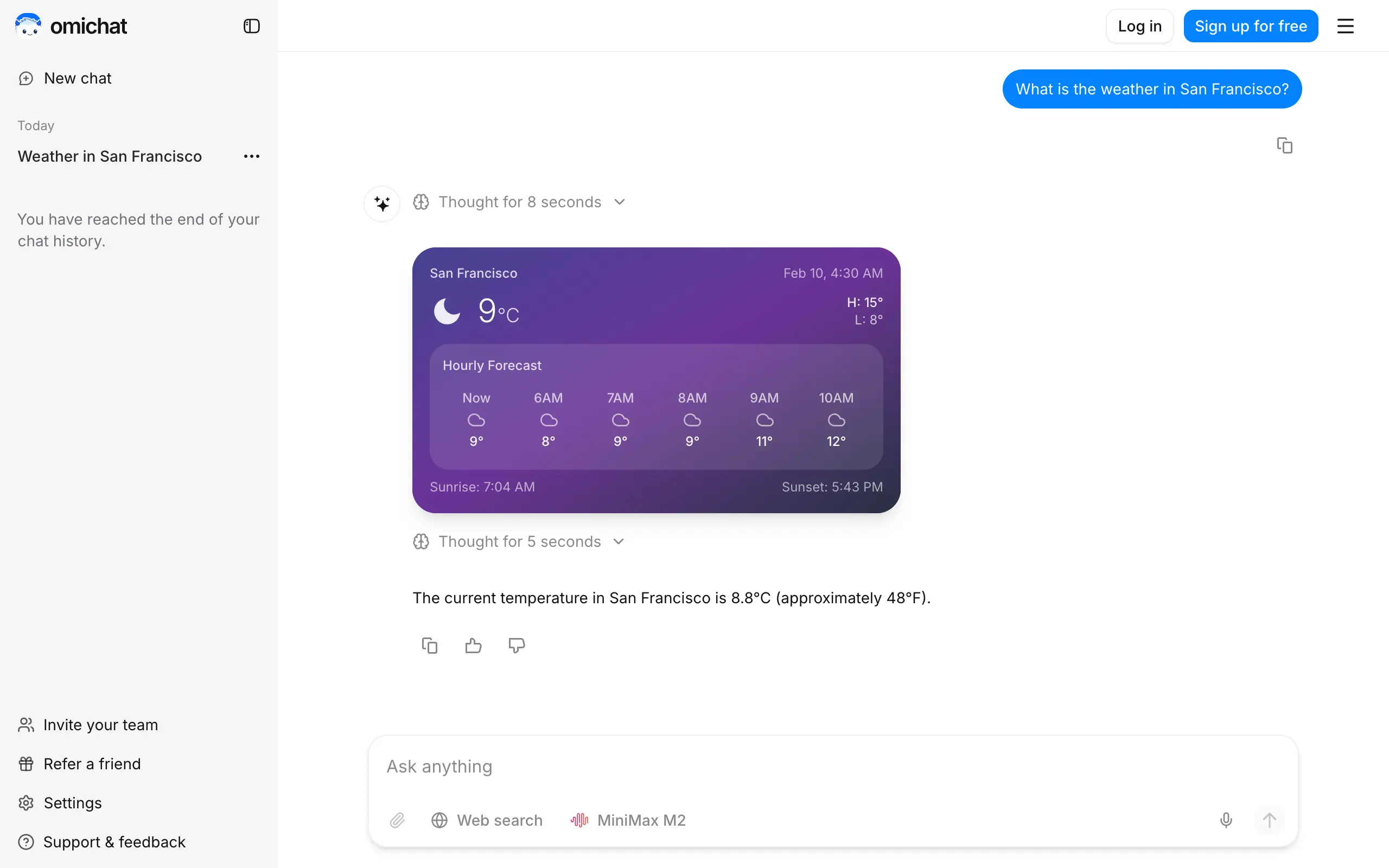
Omichat
Chat with 50+ AI models, including ChatGPT and Claude, in one place - switch models anytime without losing context 🤖
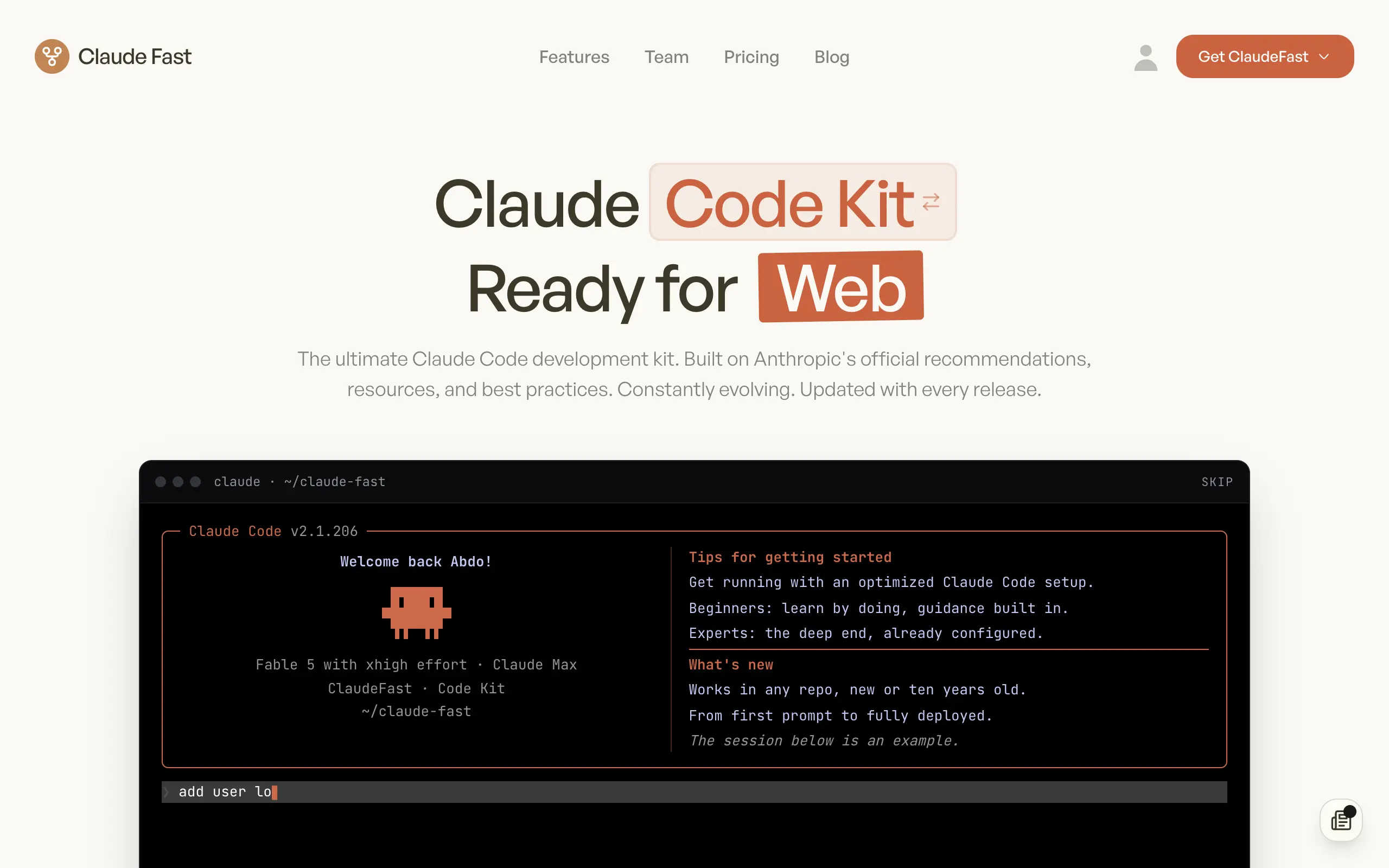
Claude Fast
Supercharge your Claude Code with 6x effective context window and specialized AI agents 🤖
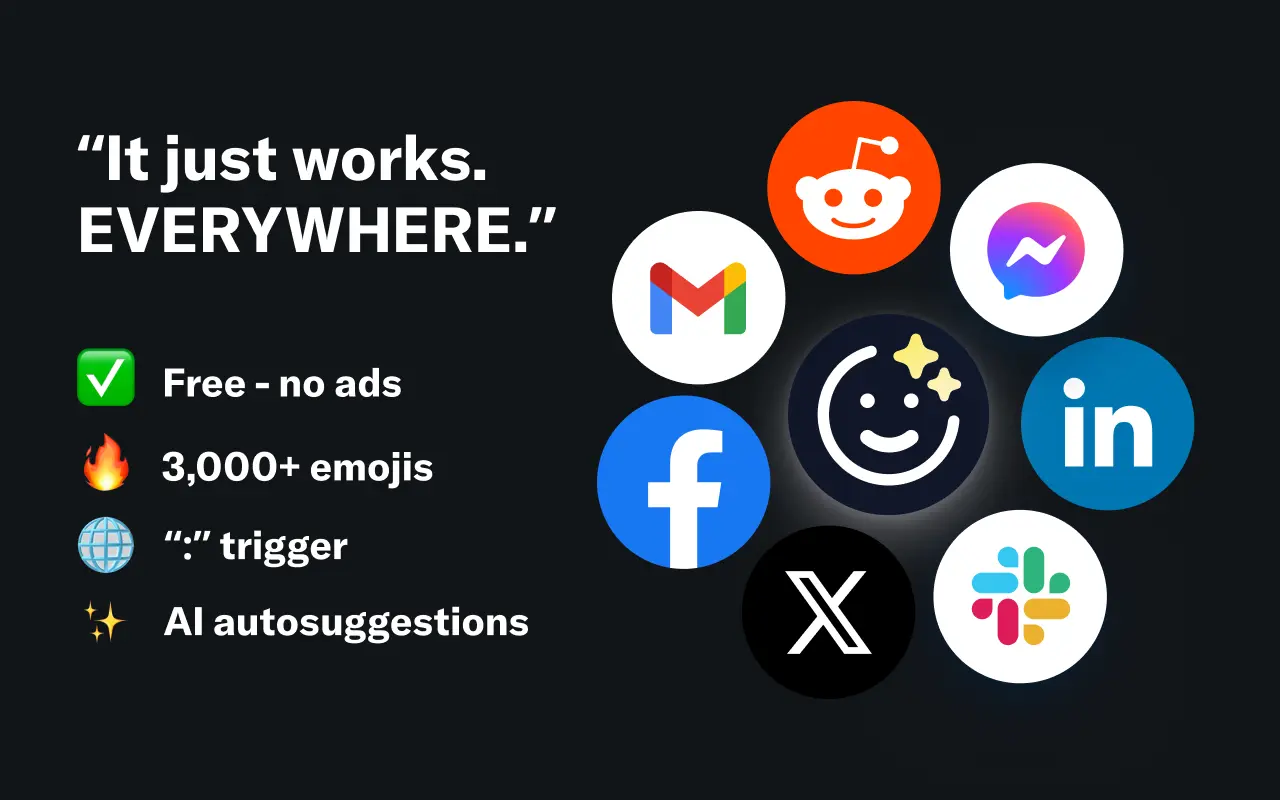
EmojAI
AI-powered emoji picker with smart, context-aware suggestions 🤖
Solohacker
Autonomous company launcher - AI agents work 24/7, escalate what matters, and you stay in control 🤖

BeRawi: Storytelling Coach
Practice storytelling daily with instant feedback to sound clearer, more engaging, and confident 🎤
Omichat
Chat with 50+ AI models, including ChatGPT and Claude, in one place - switch models anytime without losing context 🤖
Claude Fast
Supercharge your Claude Code with 6x effective context window and specialized AI agents 🤖
EmojAI
AI-powered emoji picker with smart, context-aware suggestions 🤖
Solohacker
Autonomous company launcher - AI agents work 24/7, escalate what matters, and you stay in control 🤖
BeRawi: Storytelling Coach
Practice storytelling daily with instant feedback to sound clearer, more engaging, and confident 🎤
Omichat
Chat with 50+ AI models, including ChatGPT and Claude, in one place - switch models anytime without losing context 🤖
Claude Fast
Supercharge your Claude Code with 6x effective context window and specialized AI agents 🤖
EmojAI
AI-powered emoji picker with smart, context-aware suggestions 🤖
Solohacker
Autonomous company launcher - AI agents work 24/7, escalate what matters, and you stay in control 🤖
BeRawi: Storytelling Coach
Practice storytelling daily with instant feedback to sound clearer, more engaging, and confident 🎤
Omichat
Chat with 50+ AI models, including ChatGPT and Claude, in one place - switch models anytime without losing context 🤖
Claude Fast
Supercharge your Claude Code with 6x effective context window and specialized AI agents 🤖
EmojAI
AI-powered emoji picker with smart, context-aware suggestions 🤖
Solohacker
Autonomous company launcher - AI agents work 24/7, escalate what matters, and you stay in control 🤖
BeRawi: Storytelling Coach
Practice storytelling daily with instant feedback to sound clearer, more engaging, and confident 🎤

Connect with like-minded people
Join our community to get feedback, support, and grow together with 1,000+ builders on board, let's ship it!
Join usShip your startup everywhere. In minutes.
Don't burn tokens on setup and start building features on day one.