LaunchBuddy
A mobile accountability hub where unemployed creators validate ideas, set weekly launch tasks, and support each other through peer circles.
Why a mobile accountability hub for unemployed creators matters now
LaunchBuddy is a mobile accountability app designed for unemployed creators who want to turn uncertain career periods into a structured path toward launching viable products, services, and creative businesses. It combines idea validation, weekly launch tasks, peer accountability circles, and momentum-building feedback into one focused community experience.
The core problem is not a lack of ideas. Many unemployed designers, developers, writers, marketers, videographers, and independent creators already have more ideas than they can pursue. The difficult part is choosing one worth testing, breaking it into manageable steps, staying accountable without a manager, and receiving honest feedback before investing months of effort.
This is where a creator accountability platform can create genuine value.
When someone loses a traditional job, they often lose the external systems that shaped their week:
- A calendar with fixed deadlines
- Coworkers who create ambient accountability
- Managers who clarify priorities
- Customers or internal stakeholders who validate work
- A predictable routine that separates planning from execution
At the same time, unemployment can create pressure to move fast. Creators may feel they need to find freelance work, build a portfolio, start a business, learn new tools, post content, apply for jobs, and develop a product all at once. That combination of time, financial stress, and unlimited possible directions can lead to paralysis.
LaunchBuddy addresses this gap by making progress social, visible, and deliberately small. Instead of positioning itself as another generic productivity app, it can become a launch accountability community for creators: a place where members validate an idea, commit to a weekly milestone, report progress, and receive practical encouragement from peers with similar goals.
The central product insight
The highest-value outcome is not more tasks completed. It is helping a creator move from “I have an idea” to “I tested it with real people and launched a first version.”
Who LaunchBuddy should serve first
A broad “creator” audience is attractive but difficult to serve well at launch. Creators have different needs, timelines, skills, and definitions of success. LaunchBuddy should begin with a narrow initial segment that experiences the accountability problem acutely and is likely to benefit from community-led momentum.
Primary audience: recently unemployed digital creators
The strongest initial target is people who have recently left, lost, or paused full-time work in digital roles and want to create an independent income path.
This group can include:
- Product designers building templates, audit services, or small SaaS products
- Developers validating micro-SaaS, apps, plugins, or automation services
- Content creators launching newsletters, digital products, memberships, or consulting offers
- Marketers packaging their expertise into retainers, courses, or growth products
- Writers, photographers, and videographers testing productized creative services
- No-code builders creating focused tools for niche professional audiences
These users do not necessarily identify as “founders” yet. Some may be trying entrepreneurship for the first time. They are more likely to describe their goal in practical terms such as “replace part of my income,” “land three freelance clients,” “launch my portfolio,” or “see whether this idea has demand.”
Their pain points are highly actionable:
- They lack a reliable structure after leaving employment.
- They need encouragement without empty motivational content.
- They need help prioritizing the next meaningful action.
- They need external feedback before building too much.
- They may feel isolated while friends and former colleagues remain employed.
- They need a low-cost support system while managing financial uncertainty.
Secondary audience: aspiring indie makers and career-transition professionals
Once LaunchBuddy establishes a strong community loop, it can expand to adjacent audiences:
- Employed creators preparing to launch a side business
- Freelancers who need consistency between client work
- Career changers building proof-of-work portfolios
- Students and recent graduates pursuing independent projects
- Community managers running structured launch cohorts
- Creator coaches who need a lightweight accountability layer for clients
The product should not initially try to serve every startup founder, executive, or enterprise innovation team. Their needs often involve investor reporting, company formation, team management, and long sales cycles. LaunchBuddy’s advantage comes from supporting individual creators in the earliest and most emotionally difficult stage of building.
Jobs to be done for a creator accountability app
The most useful way to shape product decisions is through jobs to be done. Users do not want “a task list” in isolation. They hire LaunchBuddy to create an environment that makes launching feel achievable.
Choose a direction
Help me assess whether an idea is worth testing so I stop endlessly switching between projects.
Create momentum
Help me turn a vague ambition into a realistic weekly commitment that I can actually complete.
Stay accountable
Help me follow through when nobody at work is expecting an update from me.
Get practical feedback
Help me hear from supportive peers before I overbuild or launch into silence.
A successful onboarding flow should identify which of these jobs matters most to each member. A creator who has ten ideas needs a different experience from a creator who already has a landing page but has not spoken with a potential customer.
The market gap in creator accountability and idea validation
The productivity market is crowded. Task managers, habit trackers, project management tools, founder communities, and online courses are widely available. Yet the overlap between idea validation, weekly accountability, and peer-led emotional support remains underserved.
Most alternatives solve only one part of the journey.
| Category | What it does well | Where it falls short | LaunchBuddy opportunity | Best user stage |
|---|---|---|---|---|
| Task manager | Personal organization | Little social commitment or validation guidance | Turn tasks into public launch promises | Weekly execution |
| Founder community | Networking and discussion | Often noisy, broad, or hard to build relationships | Use small recurring peer circles | Early exploration |
| Online course | Frameworks and education | Low completion rates and limited live accountability | Pair guidance with recurring commitments | Learning and action |
| Business coach | Personalized feedback | Too expensive for many unemployed creators | Offer accessible peer support with optional experts | Decision-making |
The key market gap is not simply “people need productivity.” It is that creators need a system that recognizes the social and psychological reality of launching something while their professional identity is in transition.
Generic productivity tools assume users already know what to do. LaunchBuddy can help them decide what to do next.
Generic communities offer broad encouragement. LaunchBuddy can establish a repeatable commitment loop.
Generic startup accelerators can be selective, time-intensive, and oriented toward venture-scale outcomes. LaunchBuddy can support modest but meaningful goals, including a paid template, a niche consulting offer, a portfolio relaunch, or the first ten users of a small app.
Why mobile is strategically important
A mobile-first accountability hub is more than a design preference. It aligns with the behavior LaunchBuddy needs to encourage.
Weekly launch progress often happens in short bursts:
- A creator thinks of a customer interview question while walking.
- They receive feedback and need to capture it immediately.
- They need a quick nudge before procrastination becomes avoidance.
- They want to check in after completing one uncomfortable action.
- They need to see peers making progress at moments when motivation dips.
Desktop-first tools are useful for deep planning, but mobile is better for lightweight commitments, check-ins, peer encouragement, and behavioral prompts. The product should make it easy to complete a meaningful action in under two minutes, while still allowing deeper planning when needed.
For market context, the founding team should cite current reports from credible organizations such as government labor agencies, creator economy research firms, and established freelance marketplaces. Any claims about creator-economy size, unemployment trends, or mobile engagement should be dated and sourced in the published version rather than relying on static figures that quickly become outdated.
LaunchBuddy’s unique value proposition
LaunchBuddy’s unique selling proposition is simple:
A mobile launch accountability community that helps unemployed creators validate one idea, commit to weekly action, and reach a real-world launch with a trusted peer circle.
This positioning is stronger than “productivity for creators” because it names a specific user, a clear desired outcome, and a differentiated mechanism.
The differentiation comes from combining four systems in one intentional workflow:
- Guided idea validation that pushes creators toward evidence, not assumptions.
- Weekly launch planning that reduces an overwhelming ambition into one decisive commitment.
- Small peer circles that create recurring, relationship-based accountability.
- Progress proof that rewards customer conversations, published work, prototypes, and launches over busywork.
This final point is important. If the app rewards only task completion, users can appear productive while avoiding market-facing work. LaunchBuddy should reward evidence of learning and exposure to real demand.
Examples of high-value progress proof include:
- Completing five customer interviews
- Publishing a simple waitlist page
- Sending ten personalized outreach messages
- Sharing a prototype with three target users
- Pre-selling a service or digital product
- Delivering a first paid engagement
- Releasing a minimum viable product to a defined audience
Core features for a mobile accountability app
The first version of LaunchBuddy should feel focused rather than overloaded. Every feature should support the core loop of choosing an idea, making a commitment, reporting progress, and receiving peer support.
Idea validation workspace
The validation workspace should help users move beyond intuition. It does not need to become a full business-plan tool. Its job is to make an idea testable.
A strong validation flow can ask creators to define:
- The audience with a specific, reachable description
- The painful problem the audience experiences
- The current workaround or competing solution
- The proposed offer or product
- The riskiest assumption to test first
- The smallest experiment that can generate evidence
- The success signal that would justify continuing
For example, instead of allowing a vague goal like “build an AI tool for marketers,” the app can guide a member toward a more testable statement:
“I will interview five solo B2B marketers who publish LinkedIn content weekly to learn whether repurposing workflows are painful enough to pay for automation.”
This creates a concrete activity that a peer circle can evaluate.
Weekly launch sprint planning
The weekly planning experience should be the product’s behavioral center. A sprint is not a massive project plan. It is one week’s highest-leverage commitment.
Each weekly sprint should include:
- One primary launch outcome
- Up to three supporting tasks
- A confidence rating from one to five
- An estimated time requirement
- A stated obstacle or dependency
- A check-in deadline
- A definition of done that is observable
The app should encourage users to reduce scope when confidence is low. A creator who selects a five-out-of-five difficult task may be signaling optimism rather than readiness. The system can prompt them to choose a smaller experiment.
type WeeklyCommitment = {
  outcome: string;
  proofOfProgress: string;
  confidence: 1 | 2 | 3 | 4 | 5;
  checkInDay: "Wednesday" | "Friday" | "Sunday";
  peerCircleId: string;
};

const commitment: WeeklyCommitment = {
  outcome: "Book three customer interviews",
  proofOfProgress: "Three calendar confirmations or completed calls",
  confidence: 4,
  checkInDay: "Friday",
  peerCircleId: "circle_designers_12",
};
The product should prominently distinguish between an output and an outcome. “Work on my website” is not a strong commitment. “Publish a one-page service offer and send it to ten ideal clients” is measurable and connected to market learning.
Peer accountability circles
Peer circles are the heart of LaunchBuddy’s community model. They should be intentionally small, ideally three to six members, with a recurring cadence and shared expectations.
Good matching signals may include:
- Creator type or professional background
- Stage of the launch journey
- Weekly availability
- Preferred feedback style
- Time zone
- Goal category such as SaaS, freelance services, content, or digital products
- Commitment intensity
A circle should not become a passive chat group. The app needs rituals.
A simple weekly rhythm could work well:
Monday commitment: each member posts one measurable outcome and identifies their likely blocker.
Midweek check-in: members report whether they are on track, blocked, or changing scope.
Friday proof post: members share evidence such as a link, screenshot, customer insight, or completed outreach.
Sunday review: members reflect on what worked, what did not, and the next experiment.
Circle quality needs active product design. Allowing unlimited chat, unclear expectations, or large groups will weaken accountability. Members should know that they are expected to contribute thoughtful feedback, celebrate specific progress, and respectfully challenge avoidant goals.
Smart nudges and compassionate accountability
Notifications should be useful, not guilt-driven. Unemployed creators may already be dealing with stress, rejection, and financial pressure. The tone should be direct but supportive.
Effective nudges might include:
- “Your check-in is due today. What is the smallest honest update you can share?”
- “Your task has been untouched for three days. Want to reduce the scope rather than abandon the week?”
- “Two circle members posted progress. Leave a specific encouragement before planning your next task.”
- “You said customer interviews are your riskiest assumption. Have you contacted anyone yet?”
Avoid streak mechanics that punish members harshly for missing a day. A missed week should trigger a reset flow that helps the user recommit, reassess workload, or ask their circle for support.
Progress evidence and launch portfolio
LaunchBuddy can create long-term value by turning activity into a record of progress. Members should be able to see a private timeline of their experiments, validated assumptions, customer insights, and launches.
This history can become a valuable “proof of work” asset for creators applying for jobs, seeking freelance clients, or explaining how they developed a product idea.
Potential evidence types include:
- Links to landing pages and published content
- Prototype screenshots
- Customer interview notes
- Revenue milestones
- Testimonials
- Launch announcements
- Retrospective lessons
Privacy must be the default. Some ideas, financial milestones, and personal circumstances should remain visible only to the user or their circle.
Optional expert office hours
A later-stage premium feature can connect creators with vetted experts for limited, high-value feedback. This is not a replacement for peer accountability. It is a targeted intervention for moments when a member needs specialist input.
Useful expert categories might include:
- Product positioning and messaging
- Customer research
- Freelance offer design
- Landing page conversion
- Pricing strategy
- Technical architecture
- Creator distribution and content strategy
The experience should be structured around a clear question and a short pre-read, preventing sessions from turning into vague coaching conversations.
Recommended technology stack for LaunchBuddy
The recommended stack should optimize for mobile speed, reliable notifications, secure community interactions, and a small team’s ability to iterate quickly.
Mobile application and shared code
For a mobile-first SaaS product, React Native is a practical choice. It enables iOS and Android development with a shared JavaScript or TypeScript codebase while still supporting native capabilities such as push notifications, deep linking, camera access, and platform-specific UI patterns.
Expo can accelerate development, especially for a small founding team. Its managed workflow simplifies builds, updates, notification setup, and common device integrations.
Recommended client-side tools include:
- TypeScript for safer application code
- React for component architecture and ecosystem depth
- Expo for mobile delivery and development velocity
- TanStack Query for server-state caching and synchronization
- Zustand for small, predictable local state needs
The main trade-off is that React Native and Expo may require native customization as the app adds highly specialized functionality. For LaunchBuddy’s initial needs, however, the speed of iteration is more valuable than prematurely optimizing for edge-case native features.
Backend, authentication, and real-time features
A managed backend can help LaunchBuddy reach market quickly. Supabase is well suited to this type of product because it provides PostgreSQL, authentication, storage, row-level security, real-time capabilities, and server-side functions.
A relational database is especially helpful for community products because the data model includes meaningful relationships:
- Users belong to one or more circles.
- Circles have members, schedules, and norms.
- Members create commitments and check-ins.
- Commitments can have evidence and peer comments.
- Moderators may review reports and manage safety actions.
The trade-off is that the team must design authorization carefully. Row-level security policies should be tested as seriously as application code. An accountability app contains personal goals, professional uncertainty, and potentially sensitive employment information. Data leaks would undermine trust immediately.
For a more customized backend, Node.js with a framework such as NestJS can offer clearer control over business logic and integrations. This route creates more operational overhead but may make sense when the product reaches scale or requires highly custom matching algorithms.
Web marketing site and administrative dashboard
LaunchBuddy will need a public landing site, content hub, and internal moderation tools. Next.js is a strong choice for the web layer because it supports search-friendly rendering, fast landing pages, and a mature React ecosystem.
For styling, Tailwind CSS helps a small team create a consistent visual system quickly. It works well for the landing site and internal dashboard, though the mobile application may use a separate styling approach adapted to React Native.
A starter architecture can significantly reduce boilerplate work around authentication, billing, marketing pages, and production readiness. Teams evaluating a faster SaaS launch path can use TurboStarter as a foundation for the web-facing parts of the product.
Notifications, analytics, and observability
Notifications are core product infrastructure, not a marketing add-on. They should be event-based and preference-aware.
Track product events such as:
- Completed onboarding
- Created first idea validation experiment
- Joined a peer circle
- Posted weekly commitment
- Completed midweek check-in
- Shared progress proof
- Received peer feedback
- Renewed a subscription
- Returned after a missed week
Use analytics to answer behavioral questions, not merely to count downloads. For example, determine whether users who receive a peer response within 24 hours are more likely to complete a weekly commitment.
For production reliability, implement error tracking, performance monitoring, audit logs for moderation actions, database backups, and notification delivery monitoring from the earliest release.
Monetization strategies for LaunchBuddy
LaunchBuddy should use monetization that respects its audience’s financial reality. Unemployed creators are price-sensitive, but they will pay for a product that helps them create opportunities, avoid isolation, and build a consistent launch habit.
Freemium subscription model
The best starting model is likely a freemium subscription.
The free tier can include:
- One active idea workspace
- A basic weekly commitment flow
- Access to a matched peer circle
- Limited progress history
- Standard reminders
- Community guidelines and safety support
A paid individual tier can unlock:
- Multiple active ideas or launch tracks
- Advanced validation templates
- Deeper progress analytics
- Circle rematching preferences
- Private accountability partnerships
- Expert office-hour credits
- Enhanced launch portfolio exports
- Premium cohorts and focused challenges
The free experience must be capable of delivering a genuine first win. If users cannot experience peer accountability or complete a first sprint without paying, activation will suffer.
Cohort-based launch programs
Cohort programs can create an additional revenue stream and improve engagement. Examples include a four-week “validate your first offer” sprint or a six-week “ship your micro-SaaS” program.
Cohorts can include:
- Structured weekly curriculum
- Curated circles
- Live kickoff and review sessions
- Templates for outreach and customer interviews
- Guest expert feedback
- A final demo or launch day
This model has higher operational requirements, but it gives LaunchBuddy a way to learn directly from motivated users and refine the core product.
Partnerships and sponsored access
Workforce development organizations, creator communities, alumni networks, coworking spaces, and career-transition programs may sponsor access for members. This can create a B2B2C channel without turning the product into enterprise project management software.
The product should preserve user trust. Sponsored access must never mean sponsors can inspect private circle discussions, personal reflections, or sensitive progress data without explicit and informed user consent.
Monetization principles to protect trust
Avoid monetization approaches that conflict with the product’s mission:
- Do not sell sensitive user data.
- Do not make people pay to receive basic safety support.
- Do not use manipulative countdown timers around financial hardship.
- Do not prioritize ad impressions over meaningful peer interactions.
- Do not lock a user’s personal progress history behind an impossible-to-cancel plan.
Trust is a competitive advantage in a product serving people during a vulnerable career moment.
Competitive advantage and defensibility
A new creator community can be copied at the feature level. Check-ins, profiles, chat, and task lists are not durable moats by themselves. LaunchBuddy’s defensibility should come from the quality of its accountability system and the outcomes it can demonstrate.
A focused behavioral loop
The strongest product loop is:
- A member identifies one risky assumption.
- They select a small market-facing action.
- Their circle sees the commitment.
- The member shares evidence or a blocker.
- Peers provide timely, useful responses.
- The member learns, adjusts, and commits again.
As this loop repeats, the product gains a differentiated dataset about which actions help certain creator profiles move toward a launch. Over time, LaunchBuddy can offer more helpful guidance without pretending to replace human judgment.
High-quality circle matching
Community quality is hard to reproduce when it depends on thoughtful matching, clear norms, consistent facilitation, and enough density in each niche. A generic social feed is easier to build but less likely to change behavior.
LaunchBuddy should measure circle health through signals such as:
- Percentage of members posting weekly commitments
- Median response time to a check-in
- Completion rate for stated commitments
- Retention after four and eight weeks
- Member-reported usefulness of feedback
- Frequency of rematching requests
- Reports of spam, harassment, or self-promotion
These metrics will reveal whether circles create real accountability or merely add another notification channel.
Evidence-based launch guidance
Most motivational communities encourage creators to “keep going.” LaunchBuddy can be more valuable by teaching members what progress looks like at each stage.
For example:
- At the idea stage, progress means identifying and testing assumptions.
- At the validation stage, progress means conversations and observable demand signals.
- At the build stage, progress means delivering the smallest usable version.
- At the launch stage, progress means reaching a defined audience and learning from response.
- At the growth stage, progress means repeating a channel or offer that produces value.
This framework helps prevent a common failure mode: spending weeks polishing a product without verifying that anyone needs it.
Risks and mitigation strategies
A creator accountability platform has meaningful product, community, and business risks. Addressing them early is essential.
Mitigate this with small groups, clear weekly rituals, onboarding expectations, automated reminders, circle-health monitoring, and an easy rematch process. Consider trained community hosts for high-value cohorts.
Use compassionate reset flows rather than punitive streaks. Let members mark a week as blocked, reduce scope, or ask for help. Reward honest reflection and market learning, not only completed tasks.
Make privacy controls explicit. Allow private ideas, circle-only posts, redacted public updates, and clear ownership terms. Emphasize that execution, customer access, and learning are usually more valuable than a raw idea.
Require community standards, reporting tools, moderator workflows, rate limits, identity signals where appropriate, and firm enforcement. Protecting psychological safety is a product requirement, not only a support task.
Design for the second and third week. Give users a visible progress narrative, helpful rematch options, smaller recommitments, and personalized prompts based on their current launch stage.
There is also a risk of positioning the app as a cure for unemployment. LaunchBuddy should not make income guarantees or imply that consistent task completion will necessarily result in a job, business, or funding. The product can confidently promise structure, community, and better launch habits while remaining honest about uncertain outcomes.
Metrics that prove product-market fit
Vanity metrics such as downloads and registrations are not enough. The most important metrics should measure whether LaunchBuddy helps users participate in the accountability loop and make tangible launch progress.
Early metrics to monitor include:
- Activation rate for users who create a first commitment within 24 hours
- Percentage of new users who join a circle within their first week
- Weekly commitment completion rate
- Percentage of commitments with attached proof or reflection
- Median peer response time
- Four-week and eight-week retention
- Number of customer conversations, prototypes, offers, or launches reported per active member
- Paid conversion after a user experiences a first completed sprint
- Net promoter score segmented by circle quality and creator stage
A particularly strong north-star metric could be:
Weekly active members who complete a market-facing launch action and receive a meaningful peer response.
This is better than measuring tasks checked off because it ties usage to the product’s distinctive promise.
An actionable implementation plan
LaunchBuddy should launch with a narrow, manually supported MVP rather than trying to automate every aspect of community matching and personalized guidance.
Phase one: validate the accountability model
Start with a small invitation-only cohort of approximately 25 to 50 unemployed or recently unemployed creators. Recruit through creator communities, professional networks, career-transition groups, and direct outreach.
The initial product can be simple:
- Mobile-friendly onboarding
- One idea-validation template
- Weekly commitment creation
- Small manually matched circles
- Check-in reminders
- Basic comments and progress proof
- Admin visibility into circle activity
At this stage, the founding team should personally observe onboarding, matching, and failed commitments. Conduct short interviews after weeks one, three, and six. Ask users what they did differently because LaunchBuddy existed.
Phase two: improve the weekly loop
Use early feedback to improve the moments that determine retention:
- Make the first commitment easier to create.
- Improve the quality of suggested next actions.
- Add better prompts when a user is stuck.
- Make it effortless to give a peer useful feedback.
- Detect inactive circles earlier.
- Add rematching only when it solves a demonstrated problem.
Do not add a broad public feed until the small-circle experience works. Social feeds can create activity, but they can also distract from the core promise of accountable execution.
Phase three: test willingness to pay
After members complete multiple cycles and report a clear benefit, test a paid plan with a small group. Position payment around deeper value, such as premium cohorts, advanced launch guidance, expert feedback, and richer progress records.
Measure whether paid users become more active and whether the experience produces outcomes they can clearly describe. If payment feels like a tax on basic community participation, revisit the model.
Phase four: build scalable community operations
Once circles show strong retention, invest in systems for:
- Matching quality
- Moderator training
- Community safety review
- Cohort operations
- Expert vetting
- Outcome tracking
- Privacy and consent management
The goal is not to remove human judgment too early. The goal is to use software to make a high-quality accountability experience repeatable.
Final perspective
LaunchBuddy has the potential to become more than a creator productivity app. Its real opportunity is to provide structure and belonging at a moment when creators often have neither.
For unemployed creators, progress is rarely a straight line. A customer interview may invalidate an idea. A landing page may receive no signups. A peer may point out that a proposed offer is too broad. These are not failures when they produce useful evidence. They are the work of launching.
The best version of LaunchBuddy makes that work visible, manageable, and shared. It helps members choose a direction, take one meaningful action at a time, and build the confidence that comes from showing up for their goals in front of people who understand the journey.
More 📱 Mobile App SaaS ideas
Discover more innovative mobile app SaaS ideas that are trending in 2026. Each idea is AI-generated with market validation and growth potential to help you find your next profitable venture faster than competitors.
Your competitors are building with TurboStarter
Below are some of the SaaS ideas that have been generated and built with our starter kit.
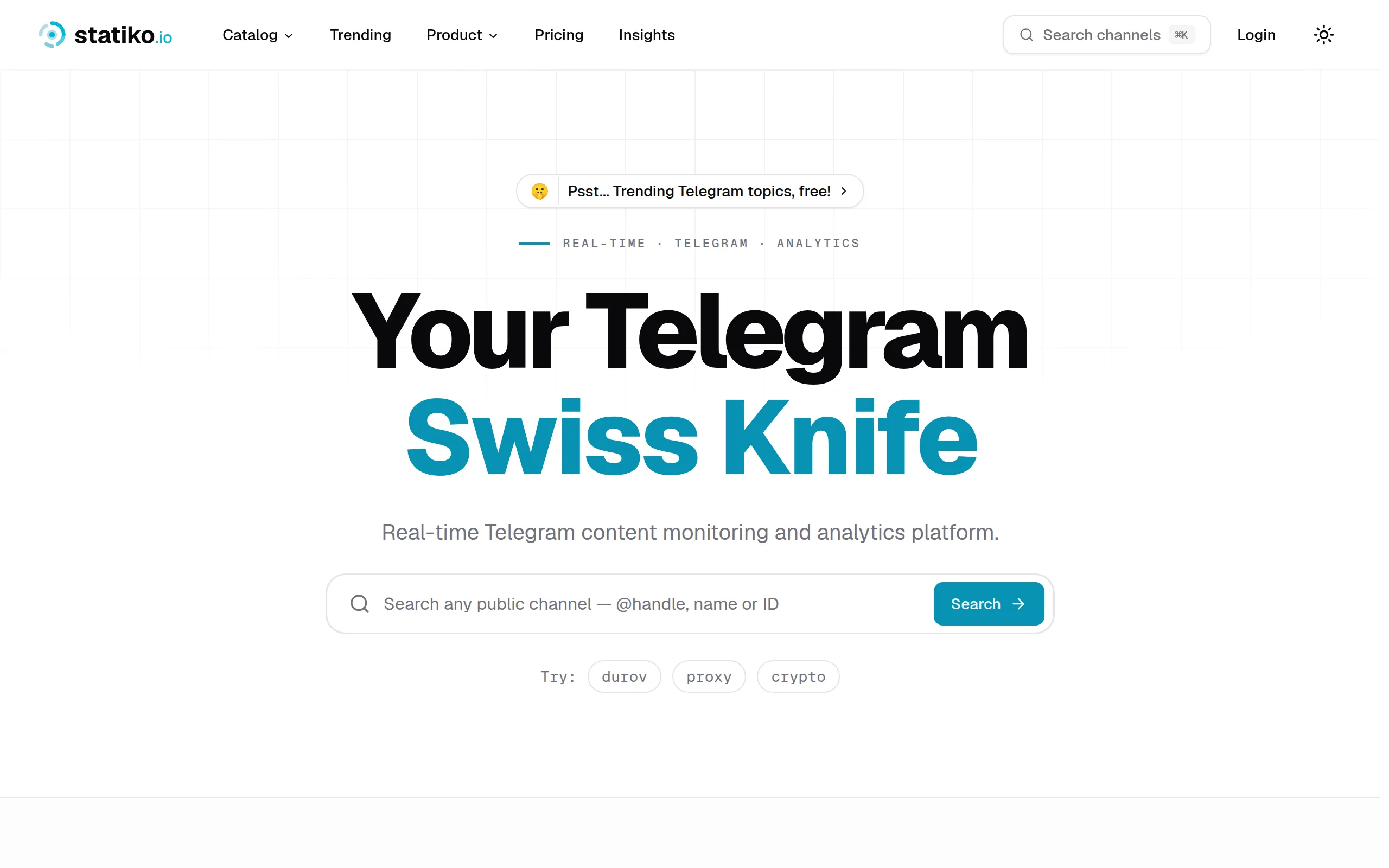
Statiko
Monitor any Telegram channel in real time - track posts, edits, deletions, and growth with AI recaps 📡
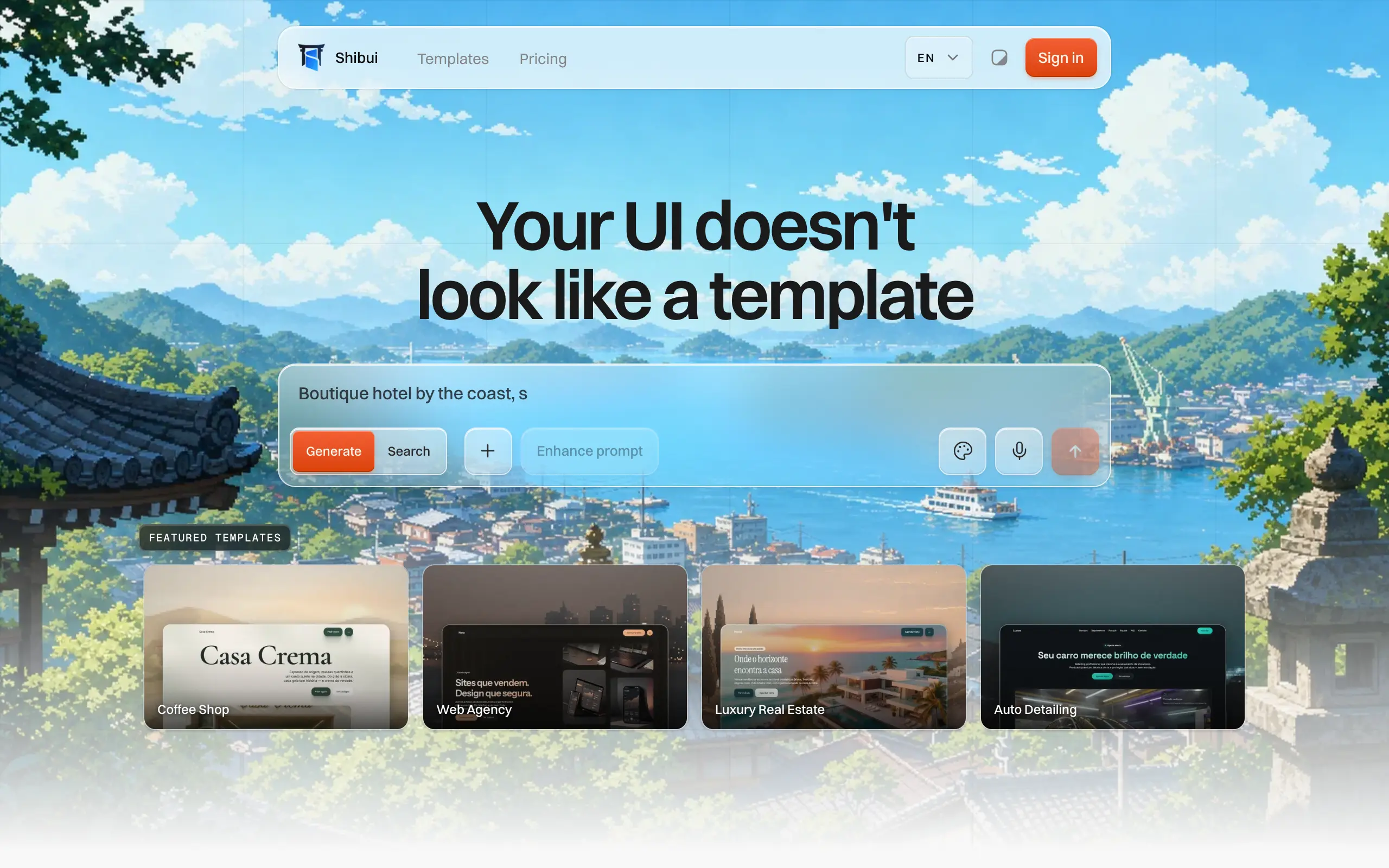
Shibui
AI website builder - describe your business, pick a niche template, edit by chatting, and publish instantly ✨

Pro Service
Find verified home service professionals, compare quotes, and pay securely through escrow - built for Brazilians across the US 🏠
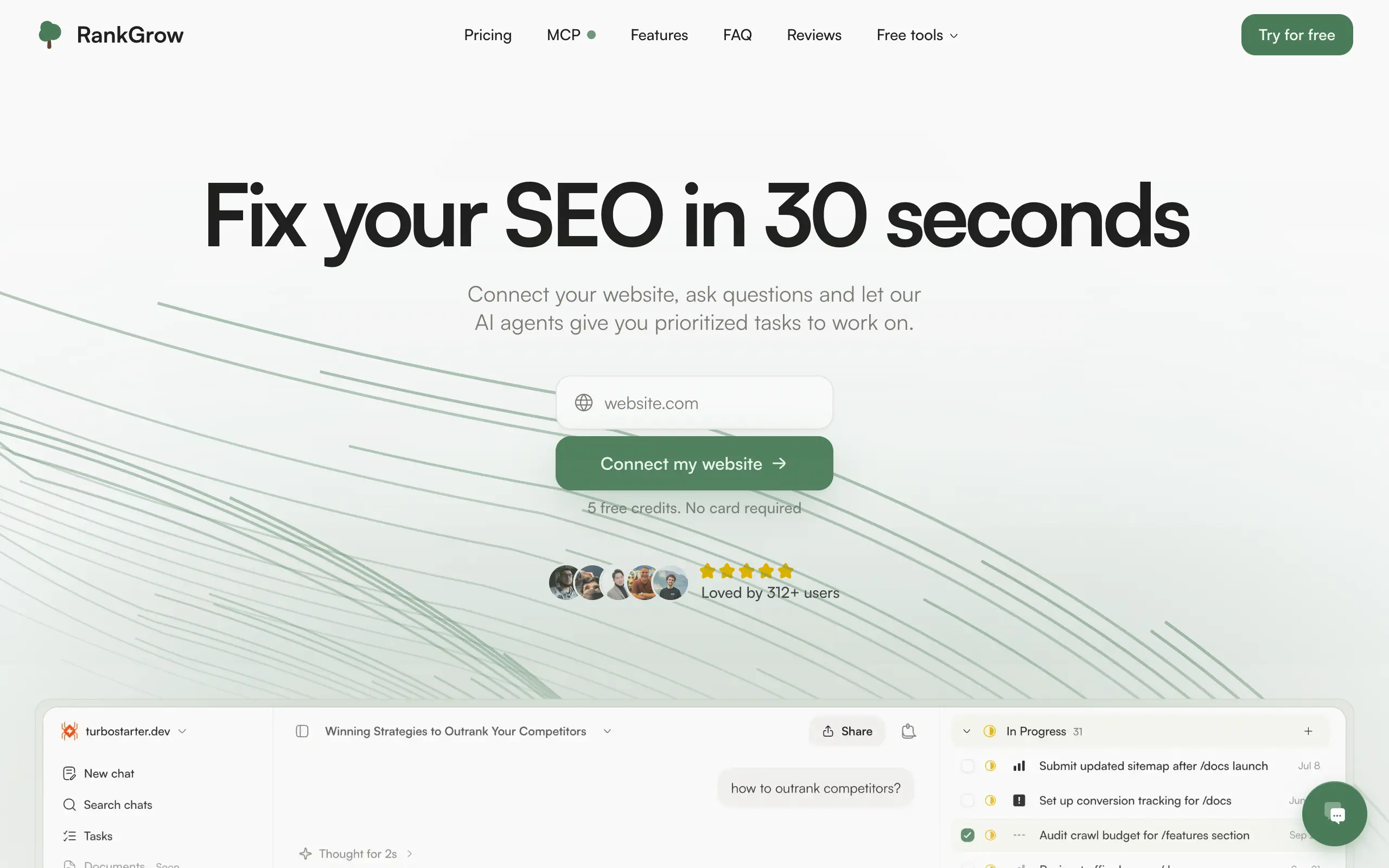
RankGrow
Fix your SEO with AI agents - connect Search Console, get prioritized tasks, and grow organic traffic 📈
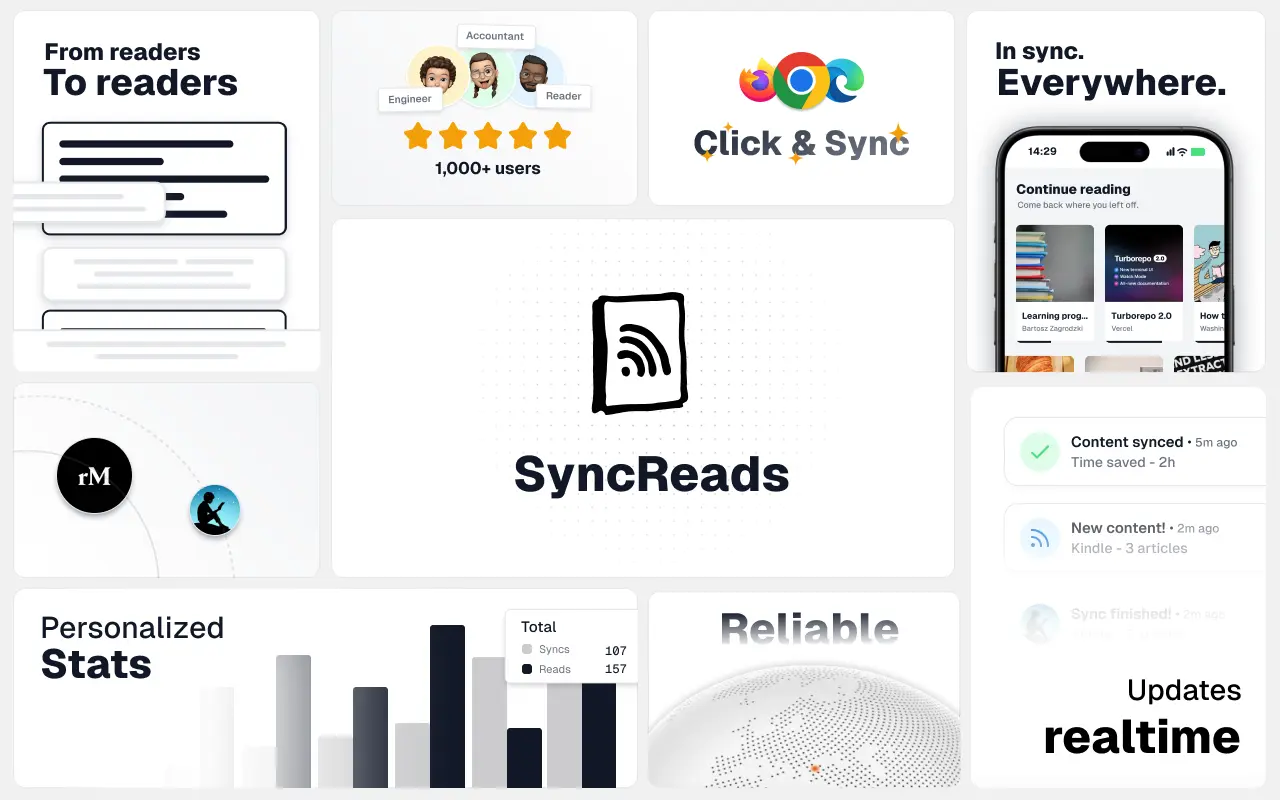
SyncReads
Sync your favorite content for distraction-free reading, save time and replace multiple apps. Anytime, anywhere 🔄
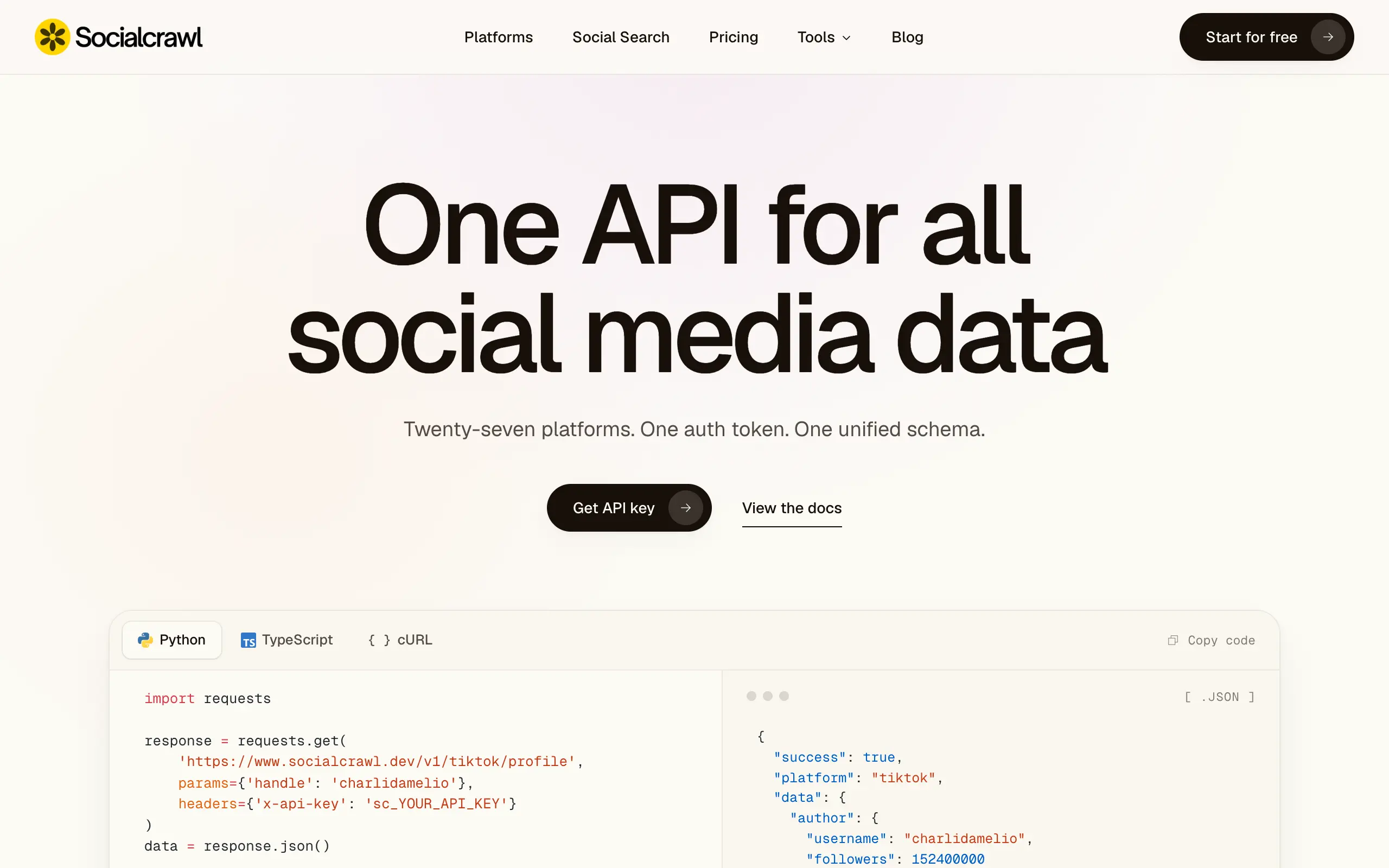
Socialcrawl
Get clean, structured data from 21 platforms like TikTok, Instagram, and YouTube with a single request 📊
Statiko
Monitor any Telegram channel in real time - track posts, edits, deletions, and growth with AI recaps 📡
Shibui
AI website builder - describe your business, pick a niche template, edit by chatting, and publish instantly ✨
Pro Service
Find verified home service professionals, compare quotes, and pay securely through escrow - built for Brazilians across the US 🏠
RankGrow
Fix your SEO with AI agents - connect Search Console, get prioritized tasks, and grow organic traffic 📈
SyncReads
Sync your favorite content for distraction-free reading, save time and replace multiple apps. Anytime, anywhere 🔄
Socialcrawl
Get clean, structured data from 21 platforms like TikTok, Instagram, and YouTube with a single request 📊
Statiko
Monitor any Telegram channel in real time - track posts, edits, deletions, and growth with AI recaps 📡
Shibui
AI website builder - describe your business, pick a niche template, edit by chatting, and publish instantly ✨
Pro Service
Find verified home service professionals, compare quotes, and pay securely through escrow - built for Brazilians across the US 🏠
RankGrow
Fix your SEO with AI agents - connect Search Console, get prioritized tasks, and grow organic traffic 📈
SyncReads
Sync your favorite content for distraction-free reading, save time and replace multiple apps. Anytime, anywhere 🔄
Socialcrawl
Get clean, structured data from 21 platforms like TikTok, Instagram, and YouTube with a single request 📊
Statiko
Monitor any Telegram channel in real time - track posts, edits, deletions, and growth with AI recaps 📡
Shibui
AI website builder - describe your business, pick a niche template, edit by chatting, and publish instantly ✨
Pro Service
Find verified home service professionals, compare quotes, and pay securely through escrow - built for Brazilians across the US 🏠
RankGrow
Fix your SEO with AI agents - connect Search Console, get prioritized tasks, and grow organic traffic 📈
SyncReads
Sync your favorite content for distraction-free reading, save time and replace multiple apps. Anytime, anywhere 🔄
Socialcrawl
Get clean, structured data from 21 platforms like TikTok, Instagram, and YouTube with a single request 📊
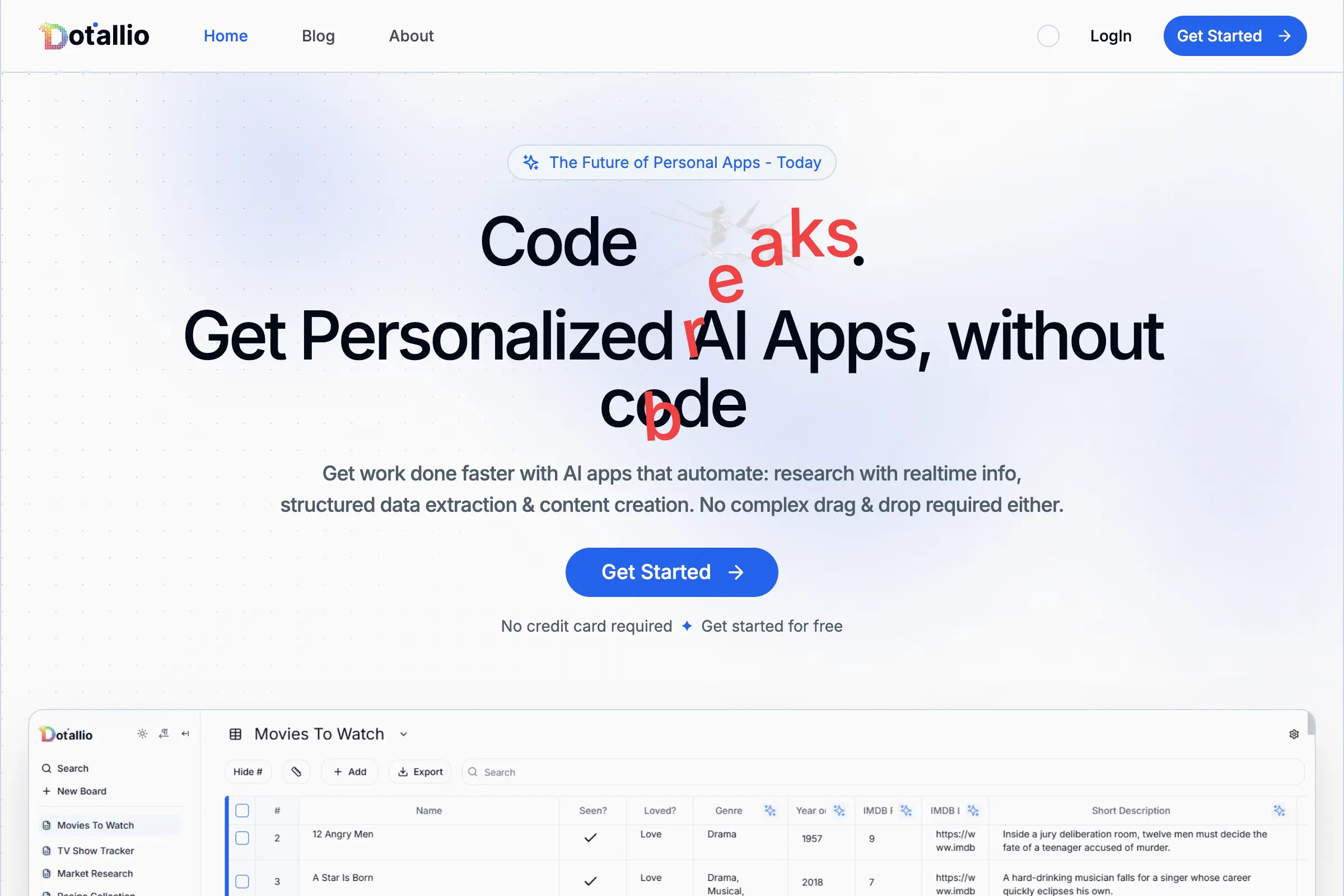
Dotallio
Personalized AI apps that automate research, data extraction, and content creation without code 🤖
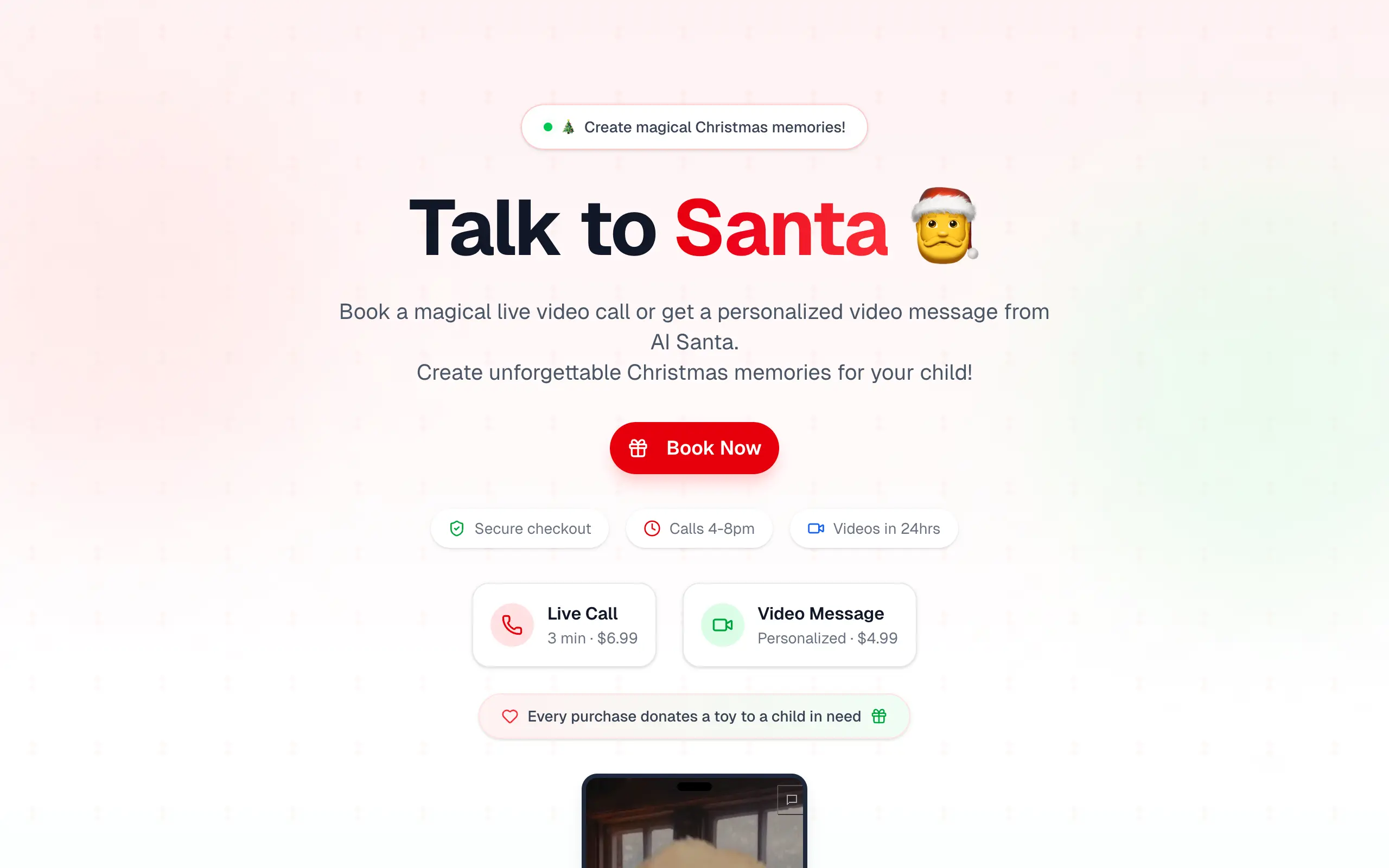
Talk to Santa
Enjoy a magical live video chat or receive a unique AI-generated video greeting from Santa Claus 🎅
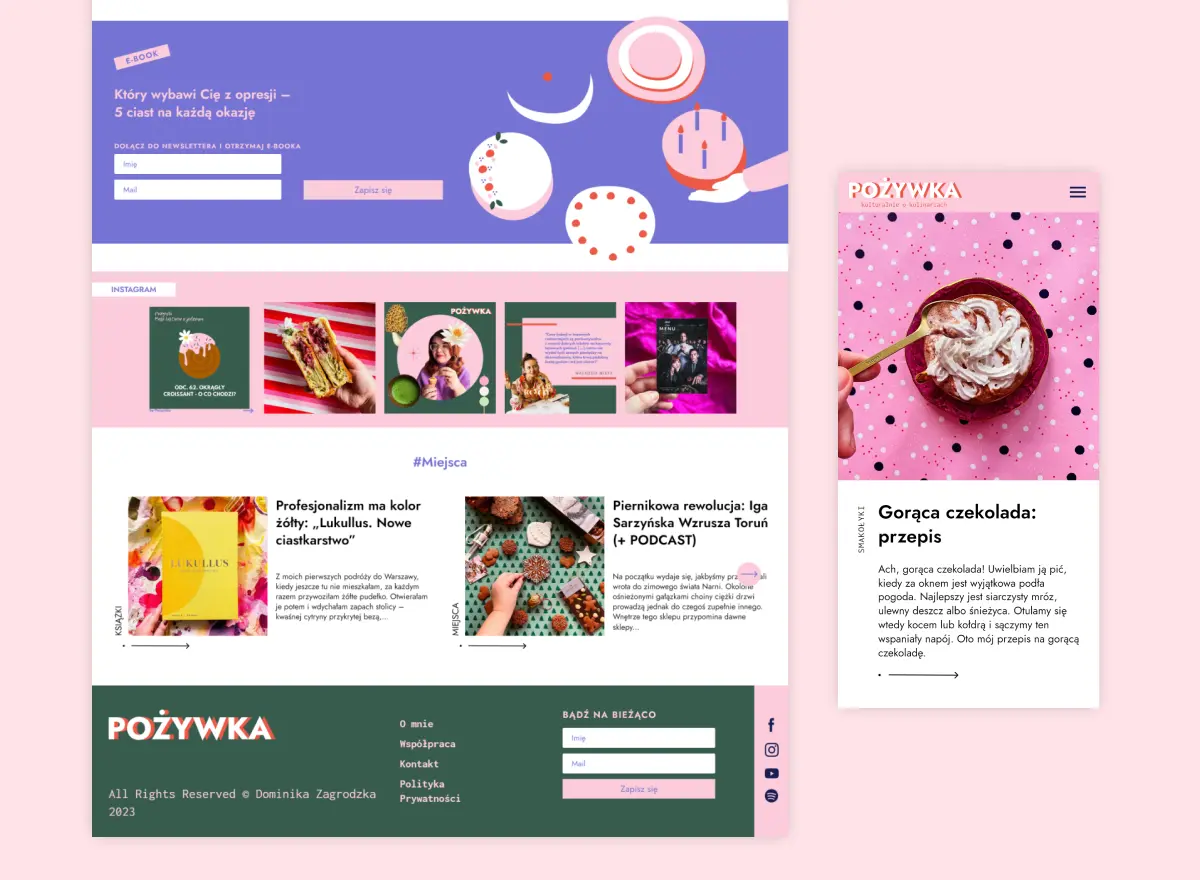
pozywka.pl
Scalable blog for food journalist, focused on performance and user experience 🌭
zagrodzki.me
Personal blog and portfolio of Bart Zagrodzki, where he shares his knowledge and work 💼
TurboStarter
Ship your startup everywhere. In minutes.
HTML to Markdown
Convert HTML to Markdown with ease, directly in your browser 📄
Dotallio
Personalized AI apps that automate research, data extraction, and content creation without code 🤖
Talk to Santa
Enjoy a magical live video chat or receive a unique AI-generated video greeting from Santa Claus 🎅
pozywka.pl
Scalable blog for food journalist, focused on performance and user experience 🌭
zagrodzki.me
Personal blog and portfolio of Bart Zagrodzki, where he shares his knowledge and work 💼
TurboStarter
Ship your startup everywhere. In minutes.
HTML to Markdown
Convert HTML to Markdown with ease, directly in your browser 📄
Dotallio
Personalized AI apps that automate research, data extraction, and content creation without code 🤖
Talk to Santa
Enjoy a magical live video chat or receive a unique AI-generated video greeting from Santa Claus 🎅
pozywka.pl
Scalable blog for food journalist, focused on performance and user experience 🌭
zagrodzki.me
Personal blog and portfolio of Bart Zagrodzki, where he shares his knowledge and work 💼
TurboStarter
Ship your startup everywhere. In minutes.
HTML to Markdown
Convert HTML to Markdown with ease, directly in your browser 📄
Dotallio
Personalized AI apps that automate research, data extraction, and content creation without code 🤖
Talk to Santa
Enjoy a magical live video chat or receive a unique AI-generated video greeting from Santa Claus 🎅
pozywka.pl
Scalable blog for food journalist, focused on performance and user experience 🌭
zagrodzki.me
Personal blog and portfolio of Bart Zagrodzki, where he shares his knowledge and work 💼
TurboStarter
Ship your startup everywhere. In minutes.
HTML to Markdown
Convert HTML to Markdown with ease, directly in your browser 📄
Omichat
Chat with 50+ AI models, including ChatGPT and Claude, in one place - switch models anytime without losing context 🤖
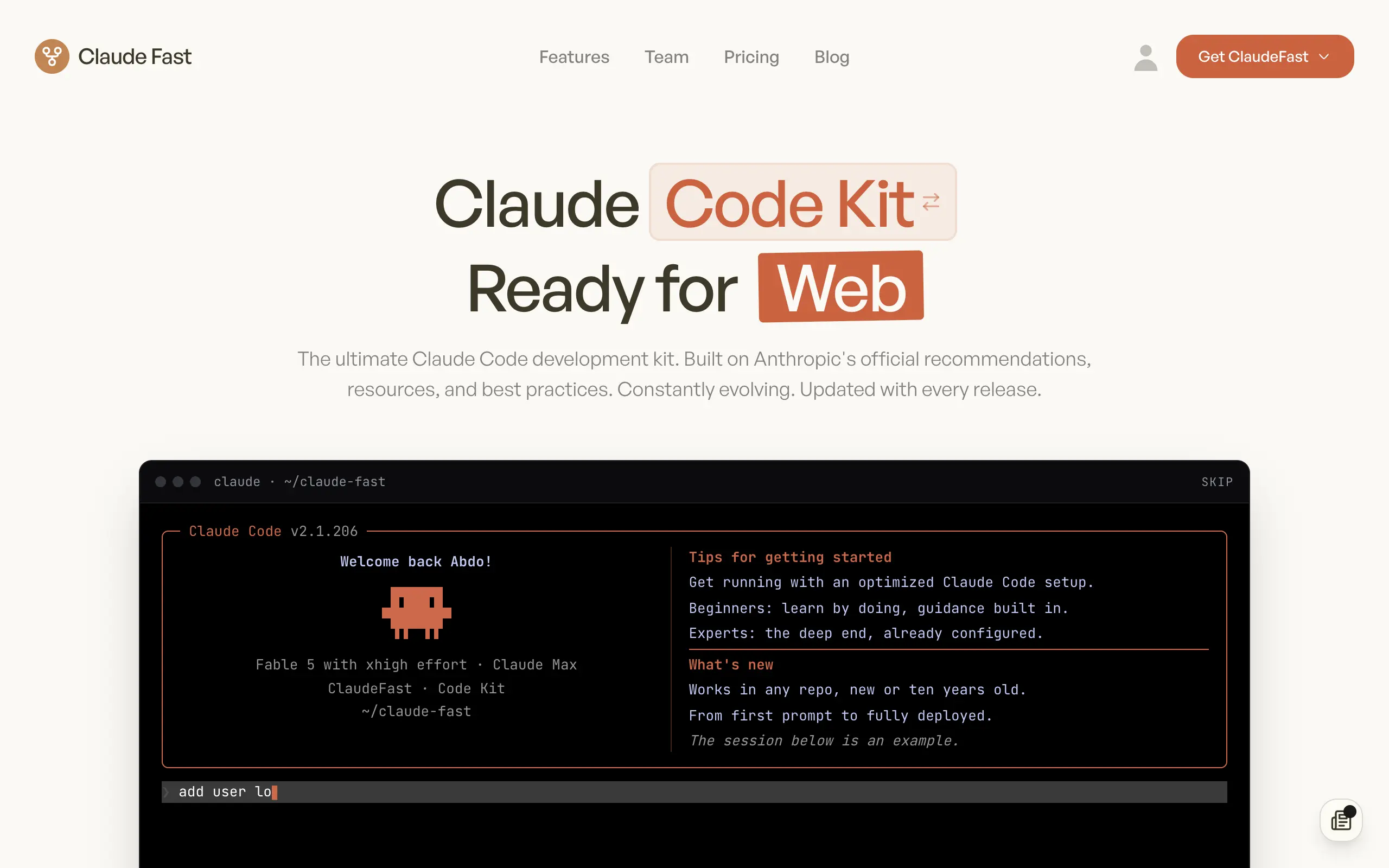
Claude Fast
Supercharge your Claude Code with 6x effective context window and specialized AI agents 🤖
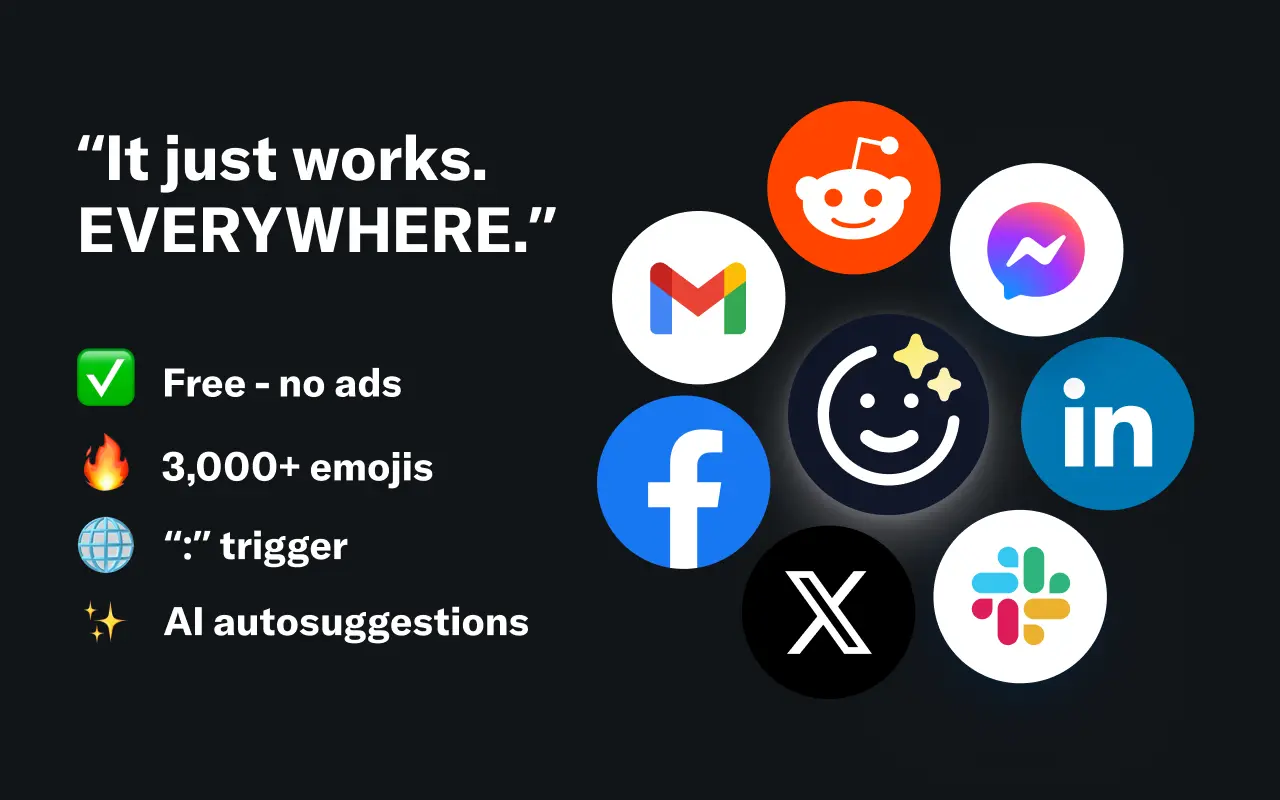
EmojAI
AI-powered emoji picker with smart, context-aware suggestions 🤖
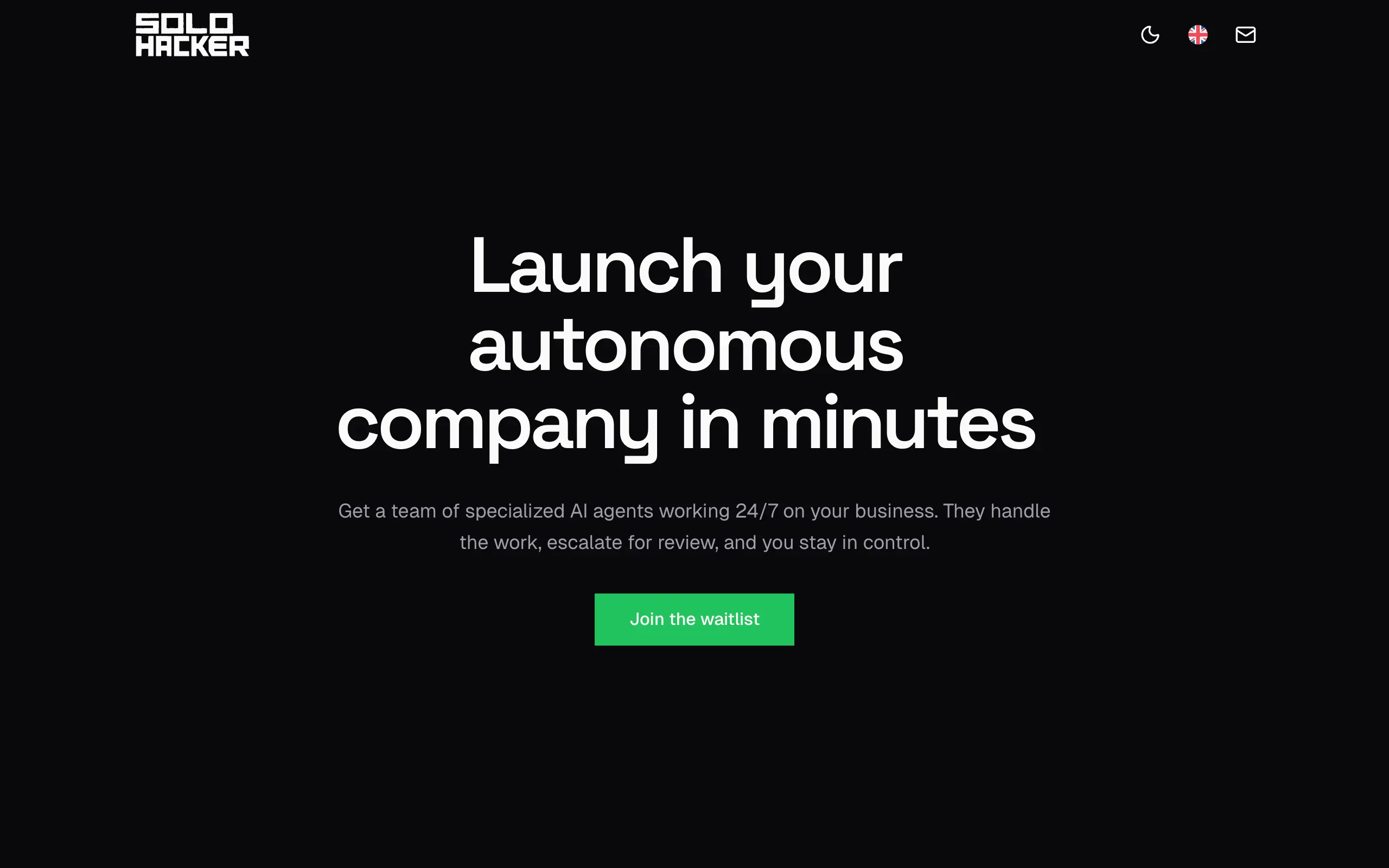
Solohacker
Autonomous company launcher - AI agents work 24/7, escalate what matters, and you stay in control 🤖
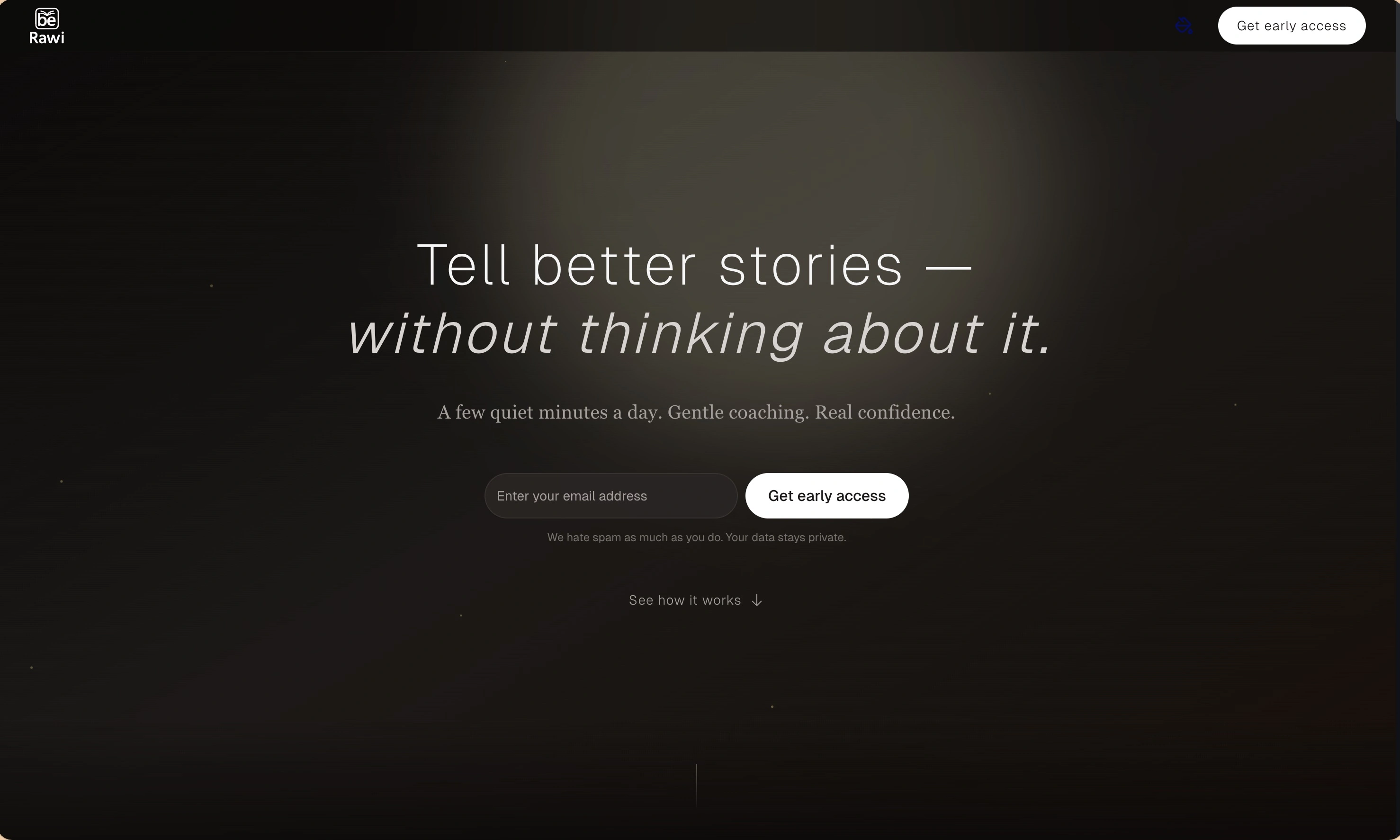
BeRawi: Storytelling Coach
Practice storytelling daily with instant feedback to sound clearer, more engaging, and confident 🎤
Omichat
Chat with 50+ AI models, including ChatGPT and Claude, in one place - switch models anytime without losing context 🤖
Claude Fast
Supercharge your Claude Code with 6x effective context window and specialized AI agents 🤖
EmojAI
AI-powered emoji picker with smart, context-aware suggestions 🤖
Solohacker
Autonomous company launcher - AI agents work 24/7, escalate what matters, and you stay in control 🤖
BeRawi: Storytelling Coach
Practice storytelling daily with instant feedback to sound clearer, more engaging, and confident 🎤
Omichat
Chat with 50+ AI models, including ChatGPT and Claude, in one place - switch models anytime without losing context 🤖
Claude Fast
Supercharge your Claude Code with 6x effective context window and specialized AI agents 🤖
EmojAI
AI-powered emoji picker with smart, context-aware suggestions 🤖
Solohacker
Autonomous company launcher - AI agents work 24/7, escalate what matters, and you stay in control 🤖
BeRawi: Storytelling Coach
Practice storytelling daily with instant feedback to sound clearer, more engaging, and confident 🎤
Omichat
Chat with 50+ AI models, including ChatGPT and Claude, in one place - switch models anytime without losing context 🤖
Claude Fast
Supercharge your Claude Code with 6x effective context window and specialized AI agents 🤖
EmojAI
AI-powered emoji picker with smart, context-aware suggestions 🤖
Solohacker
Autonomous company launcher - AI agents work 24/7, escalate what matters, and you stay in control 🤖
BeRawi: Storytelling Coach
Practice storytelling daily with instant feedback to sound clearer, more engaging, and confident 🎤

Connect with like-minded people
Join our community to get feedback, support, and grow together with 1,000+ builders on board, let's ship it!
Join usShip your startup everywhere. In minutes.
Don't burn tokens on setup and start building features on day one.