LifePing
A mobile app that nudges you to maintain relationships by tracking interactions and suggesting the right time to reconnect.
Why relationship maintenance is a growing problem in the digital age
In an era of constant notifications, remote work, and geographically distributed families, maintaining meaningful relationships has paradoxically become harder. While social networks keep us “connected,” they rarely help us nurture real, consistent human bonds.
LifePing is a mobile app designed to solve this problem by gently nudging users to maintain their relationships. It tracks interactions and intelligently suggests the right time to reconnect — helping people strengthen personal and professional relationships without feeling overwhelmed.
This article provides a comprehensive breakdown of the LifePing SaaS opportunity, including:
- Target audience analysis
- Market gap and validation
- Core features and UX strategy
- Recommended tech stack (with trade-offs)
- Monetization models
- Competitive positioning
- Risks and mitigation
- Step-by-step implementation plan
The goal is to demonstrate how a relationship tracking mobile app like LifePing can become a high-retention, emotionally resonant SaaS product.
Understanding user intent: what people really want
Users searching for tools like LifePing are typically looking for:
- A relationship management app
- A way to remember to reach out to friends or family
- A personal CRM for social connections
- A solution for staying in touch consistently
- A better alternative to traditional contact apps
The underlying emotional driver is not productivity — it’s connection.
LifePing succeeds when it positions itself as:
- A gentle companion, not a task manager
- A memory amplifier, not a surveillance tool
- A human-centered reminder system, not a CRM spreadsheet
Target audience analysis
LifePing appeals to multiple segments. Each has slightly different motivations.
1. Busy professionals
- Remote workers
- Founders and solopreneurs
- Corporate professionals with large networks
Pain points:
- Forgetting to follow up
- Losing touch with mentors
- Weakening professional relationships
Opportunity: Position LifePing as a lightweight personal CRM for human relationships.
2. Millennials and Gen Z adults
- Digitally native
- Highly mobile
- Often geographically separated from friends and family
Pain points:
- Friendships fading due to inactivity
- Emotional guilt for not reaching out
- Social overwhelm
Opportunity: Frame LifePing as a “friendship health” app.
3. Expats and global families
- International workers
- Long-distance families
- Students abroad
Pain points:
- Time zone differences
- Irregular communication
- Relationship drift
Opportunity: Smart time-zone-aware nudges and culturally sensitive reminders.
4. Relationship-focused individuals
- Therapists’ clients working on social health
- People rebuilding social circles
- Introverts who struggle with proactive outreach
Opportunity: Integration with self-improvement goals and habit-building.
Market opportunity and gap analysis
The gap in the current ecosystem
There are three adjacent product categories:
| Category | Example | Limitation |
|---|---|---|
| Social networks | Instagram, Facebook | Passive consumption, not proactive maintenance |
| CRM tools | HubSpot, Notion | Built for business, not emotional relationships |
| Reminder apps | Todoist, Apple Reminders | Task-focused, not context-aware |
No mainstream mobile app focuses solely on relationship health tracking in a consumer-friendly way.
Rising macro trends
Several macro trends validate the opportunity:
- Increased loneliness (widely reported by health organizations)
- Remote work normalization
- Digital fatigue from social feeds
- Growth in self-improvement and mental wellness apps
- Popularity of habit-tracking tools
LifePing fits at the intersection of:
- Wellness
- Social connection
- Behavioral nudging
- Lightweight personal CRM
Core value proposition
LifePing’s USP is simple but powerful:
“Never let important relationships fade unintentionally.”
Instead of reacting to missed birthdays or feeling guilty about long silences, users get proactive nudges based on real interaction patterns.
Core features and product architecture
1. Relationship interaction tracking
Users can:
- Log calls, texts, in-person meetings
- Sync communication metadata (with permission)
- Tag relationship types (friend, family, mentor, client)
Key principle: Manual input should be optional, not mandatory.
2. Smart reconnection suggestions
LifePing’s defining feature is its intelligent nudging engine.
Possible logic:
- If no interaction in X days → suggest outreach
- Adjust frequency by relationship priority
- Consider previous cadence patterns
Example:
function shouldPing(lastInteractionDate, preferredFrequencyDays) {
  const daysSince = (Date.now() - lastInteractionDate) / (1000 * 60 * 60 * 24)
  return daysSince >= preferredFrequencyDays
}
In later versions, this can evolve into machine learning–based timing optimization.
3. Relationship health score
Each connection gets a dynamic “health score” based on:
- Recency of interaction
- Consistency
- User-defined importance
- Interaction depth (optional)
This gamifies connection without trivializing it.
4. Gentle nudging system
The tone matters.
Bad example:
“You haven’t called Mom in 23 days.”
Good example:
“It might be a good time to check in with Mom ❤️”
Subtle emotional UX increases retention and reduces churn.
5. Contact segmentation and tagging
Users can:
- Create inner circle lists
- Separate personal and professional
- Apply custom labels
This enables:
- Tiered reminders
- Different frequencies
- Personalized messaging templates
6. Privacy-first architecture
Because this is sensitive data, trust is critical.
Trust as a growth driver
Privacy is not just a compliance issue — it’s a marketing advantage. A transparent, privacy-first approach increases long-term retention.
Core privacy features:
- No selling data
- End-to-end encryption (optional premium)
- Local-first storage for interaction logs
- Clear opt-in permissions
Recommended tech stack (mobile SaaS)
Because LifePing is a mobile-first product, the tech stack must prioritize performance, scalability, and data security.
Frontend (mobile)
Two strong approaches:
React Native
- Large ecosystem
- JavaScript/TypeScript
- Easy integration with web dashboard
- Strong community support
Official: https://reactnative.dev
Flutter
- High performance
- Strong UI consistency
- Growing ecosystem
- Dart-based
Official: https://flutter.dev
Recommendation: React Native for faster iteration and TypeScript synergy.
Backend
- Node.js with TypeScript
- Express or Fastify
- PostgreSQL (relationship data is relational)
- Redis for scheduling nudges
- Background job queue (BullMQ or similar)
Optional:
- Supabase for faster MVP
- Firebase for real-time notifications
Push notification system
- Firebase Cloud Messaging (Android)
- Apple Push Notification Service (iOS)
Notifications are the core engagement engine.
AI and intelligence layer
Phase 1:
- Rule-based heuristics
Phase 2:
- ML model predicting ideal contact timing
- Personalized frequency learning
Phase 3:
- LLM-assisted message suggestions (opt-in)
Competitive advantage analysis
Let’s compare LifePing against alternatives.
| Feature | LifePing | Todo App | CRM | Social Media | Contacts App |
|---|---|---|---|---|---|
| Relationship health scoring | ✅ | ❌ | ❌ | ❌ | ❌ |
| Smart reconnection nudges | ✅ | ❌ | ✅ (business only) | ❌ | ❌ |
| Emotion-centered UX | ✅ | ❌ | ❌ | ❌ | ❌ |
Key differentiator
LifePing is:
- Personal, not corporate
- Proactive, not passive
- Intelligent, not static
Monetization strategy
A mobile relationship management app has strong monetization potential due to emotional value.
1. Freemium model (recommended)
Free:
- Limited number of tracked relationships
- Basic reminders
- Manual logging
Premium ($6–$12/month):
- Unlimited contacts
- AI-based timing
- Relationship health analytics
- Custom message suggestions
- Advanced privacy controls
2. Annual plan with discount
Psychological pricing:
- $79/year
- Framed as “less than one coffee per month to maintain your relationships”
3. Add-on features
- Couples mode
- Team mode for founders
- Therapist-recommended edition
4. B2B extension (future)
Companies could use LifePing to:
- Maintain alumni networks
- Track mentor programs
- Improve internal connection health
Retention and growth strategy
LifePing is retention-sensitive. Without proper UX, users churn quickly.
Retention levers:
- Emotional reinforcement
- Weekly insights report
- “You strengthened 3 relationships this week” summary
- Positive feedback loops
Viral growth loops
- Shareable “connection streak” badges
- Invite friends to join your circle
- Gentle co-reminder feature
Risks and mitigation
Risk 1: Notification fatigue
Mitigation:
- Smart frequency learning
- User-adjustable intensity
- Digest mode
Risk 2: Privacy concerns
Mitigation:
- Transparent data policy
- No third-party data selling
- Clear explanation of permissions
Risk 3: Emotional misfires
Poorly timed nudges can feel insensitive.
Mitigation:
- Mood tagging
- Snooze options
- Adaptive reminder delays
Step-by-step implementation roadmap
MVP feature prioritization
Must have
Contact tracking, basic nudges, tagging, push notifications.
Should have
Health score, priority tiers, simple analytics.
Nice to have
AI timing optimization, message suggestions, streaks.
Why LifePing can become a sticky SaaS product
Strong SaaS products often share these traits:
- High emotional value
- Habit-forming mechanics
- Low switching incentive
- Daily or weekly engagement
LifePing qualifies on all four.
Unlike productivity apps, which users churn from, relationship-based tools become embedded in identity.
If positioned correctly, LifePing can evolve from:
- A reminder tool
To - A relationship intelligence layer
Long-term vision
Future expansions:
- AI-generated birthday video suggestions
- Memory timeline of shared moments
- Automatic life-event detection
- Relationship burnout alerts
- Integration with calendar and messaging apps
Eventually, LifePing could become:
The operating system for personal relationship health.
Building LifePing faster
If you're building this as a SaaS founder, speed matters.
Instead of assembling infrastructure from scratch, you can use a production-ready SaaS starter kit like TurboStarter to accelerate authentication, payments, and backend setup.
This lets you focus on:
- The nudging algorithm
- UX refinement
- Emotional positioning
- User acquisition
Final thoughts
LifePing addresses a universal problem:
Relationships don’t fail from conflict — they often fade from neglect.
By combining:
- Intelligent nudging
- Emotional design
- Privacy-first architecture
- Mobile-first convenience
LifePing can carve out a defensible niche in the growing relationship management app market.
The opportunity is not just technological — it’s human.
If executed thoughtfully, LifePing won’t just be another productivity app.
It will help people preserve what matters most.
More 📱 Mobile App SaaS ideas
Discover more innovative mobile app SaaS ideas that are trending in 2026. Each idea is AI-generated with market validation and growth potential to help you find your next profitable venture faster than competitors.
Your competitors are building with TurboStarter
Below are some of the SaaS ideas that have been generated and built with our starter kit.
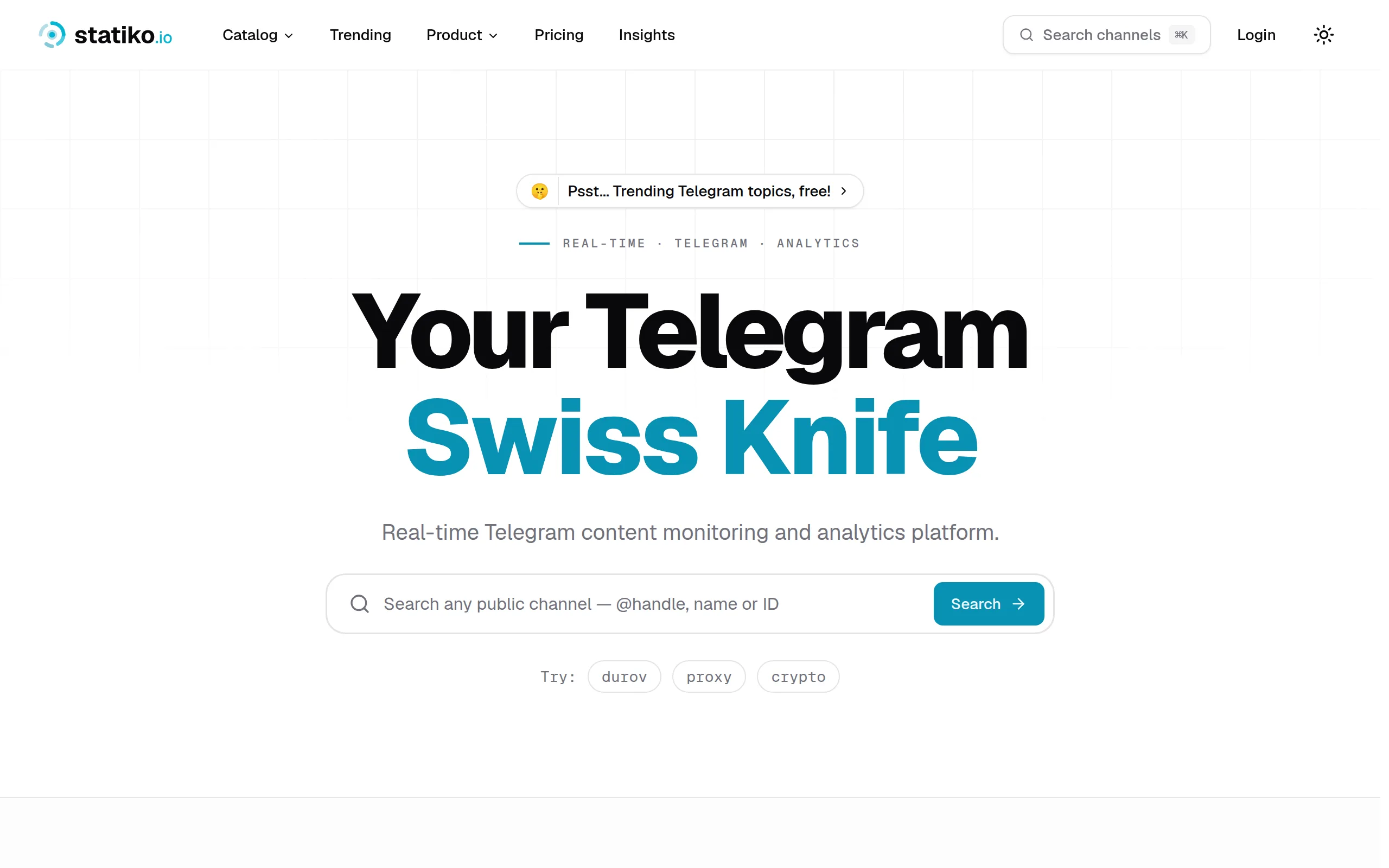
Statiko
Monitor any Telegram channel in real time - track posts, edits, deletions, and growth with AI recaps 📡

Shibui
AI website builder - describe your business, pick a niche template, edit by chatting, and publish instantly ✨

Pro Service
Find verified home service professionals, compare quotes, and pay securely through escrow - built for Brazilians across the US 🏠
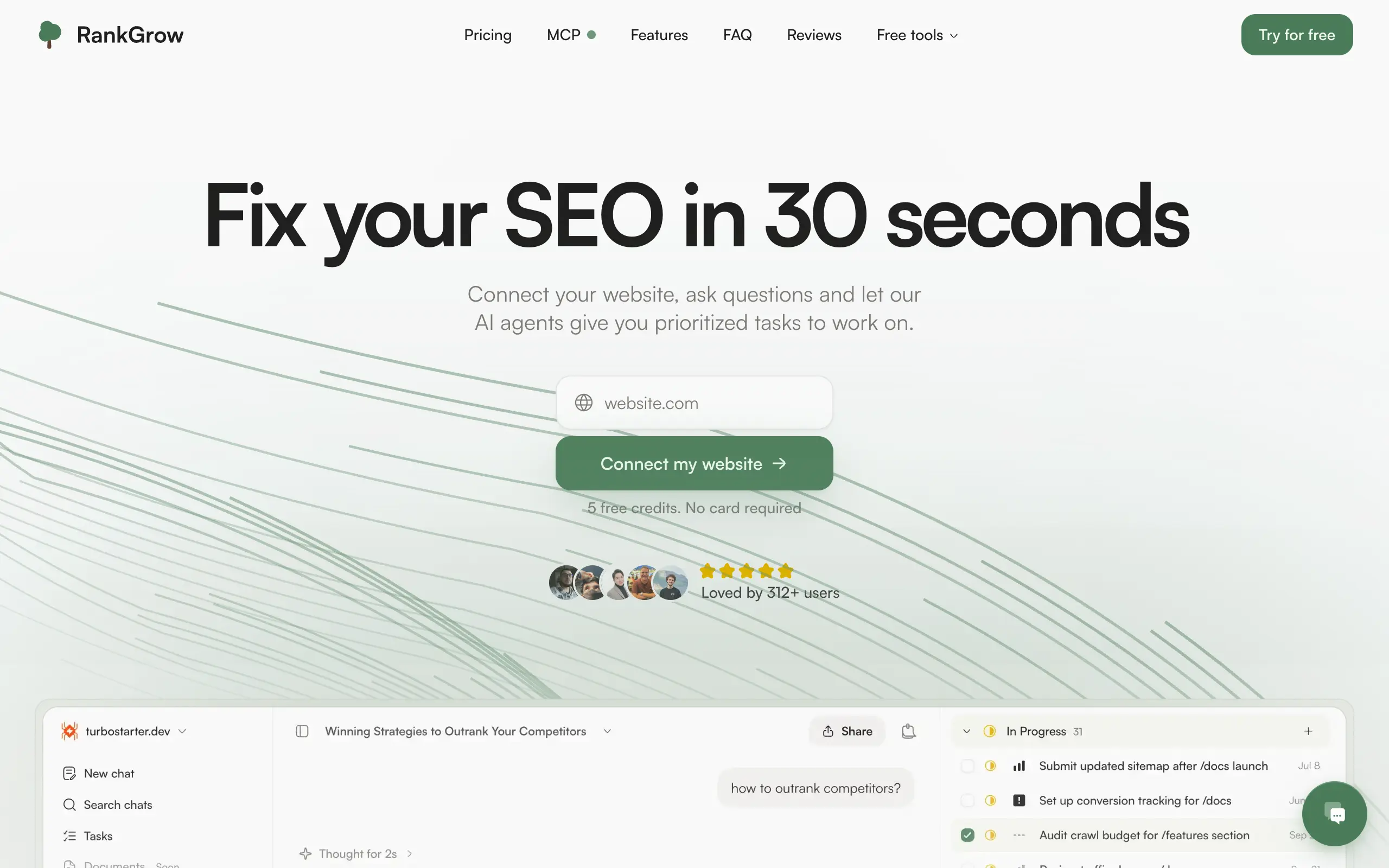
RankGrow
Fix your SEO with AI agents - connect Search Console, get prioritized tasks, and grow organic traffic 📈
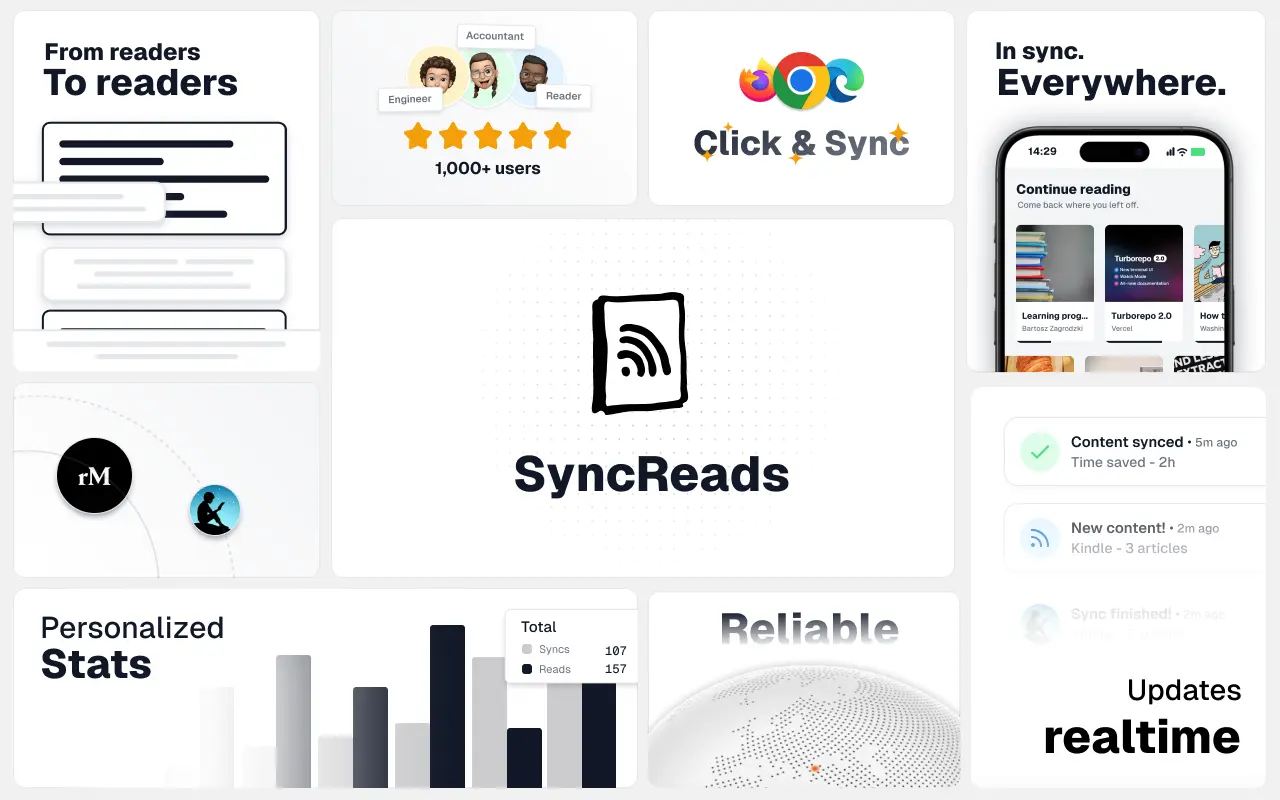
SyncReads
Sync your favorite content for distraction-free reading, save time and replace multiple apps. Anytime, anywhere 🔄
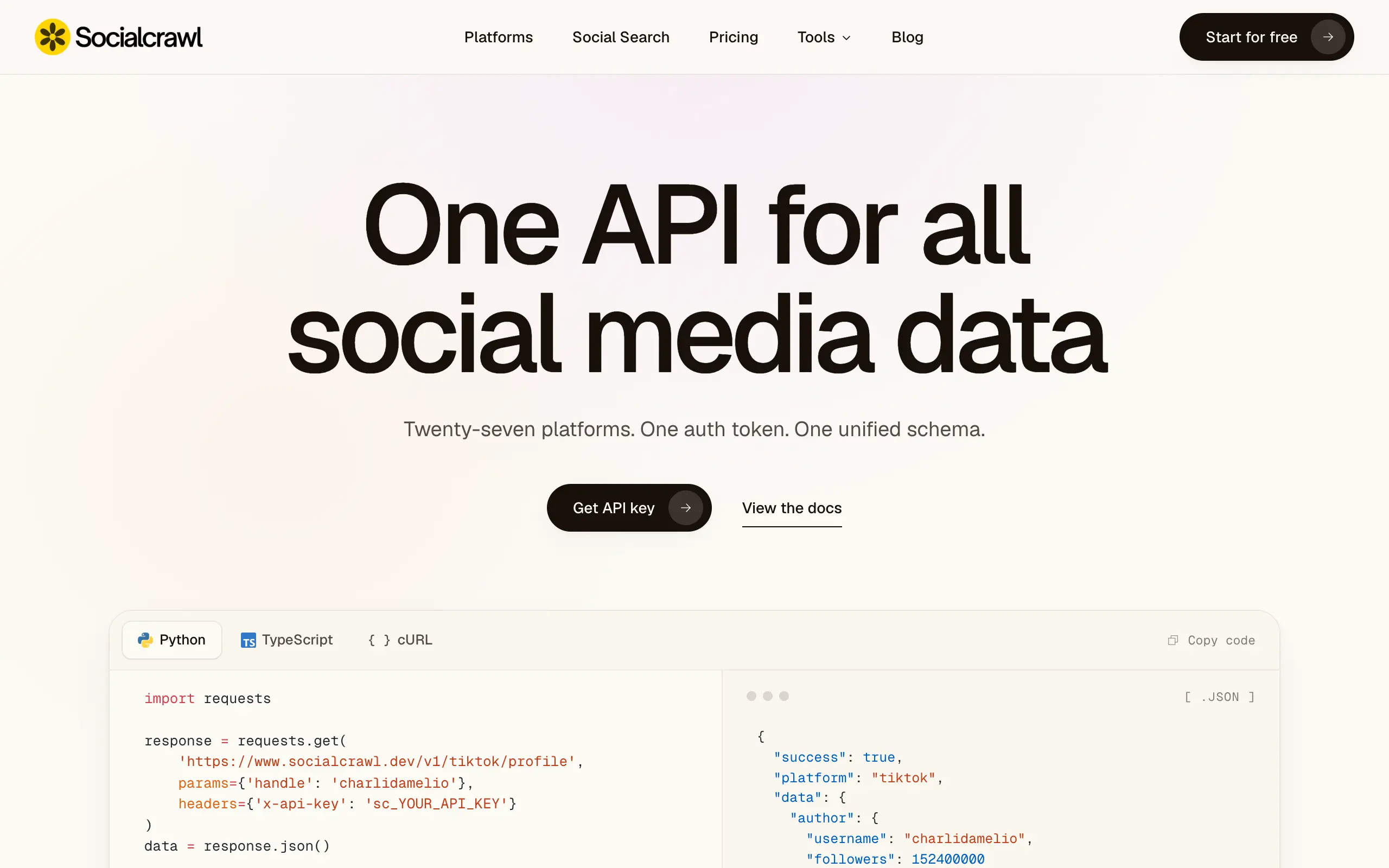
Socialcrawl
Get clean, structured data from 21 platforms like TikTok, Instagram, and YouTube with a single request 📊
Statiko
Monitor any Telegram channel in real time - track posts, edits, deletions, and growth with AI recaps 📡
Shibui
AI website builder - describe your business, pick a niche template, edit by chatting, and publish instantly ✨
Pro Service
Find verified home service professionals, compare quotes, and pay securely through escrow - built for Brazilians across the US 🏠
RankGrow
Fix your SEO with AI agents - connect Search Console, get prioritized tasks, and grow organic traffic 📈
SyncReads
Sync your favorite content for distraction-free reading, save time and replace multiple apps. Anytime, anywhere 🔄
Socialcrawl
Get clean, structured data from 21 platforms like TikTok, Instagram, and YouTube with a single request 📊
Statiko
Monitor any Telegram channel in real time - track posts, edits, deletions, and growth with AI recaps 📡
Shibui
AI website builder - describe your business, pick a niche template, edit by chatting, and publish instantly ✨
Pro Service
Find verified home service professionals, compare quotes, and pay securely through escrow - built for Brazilians across the US 🏠
RankGrow
Fix your SEO with AI agents - connect Search Console, get prioritized tasks, and grow organic traffic 📈
SyncReads
Sync your favorite content for distraction-free reading, save time and replace multiple apps. Anytime, anywhere 🔄
Socialcrawl
Get clean, structured data from 21 platforms like TikTok, Instagram, and YouTube with a single request 📊
Statiko
Monitor any Telegram channel in real time - track posts, edits, deletions, and growth with AI recaps 📡
Shibui
AI website builder - describe your business, pick a niche template, edit by chatting, and publish instantly ✨
Pro Service
Find verified home service professionals, compare quotes, and pay securely through escrow - built for Brazilians across the US 🏠
RankGrow
Fix your SEO with AI agents - connect Search Console, get prioritized tasks, and grow organic traffic 📈
SyncReads
Sync your favorite content for distraction-free reading, save time and replace multiple apps. Anytime, anywhere 🔄
Socialcrawl
Get clean, structured data from 21 platforms like TikTok, Instagram, and YouTube with a single request 📊
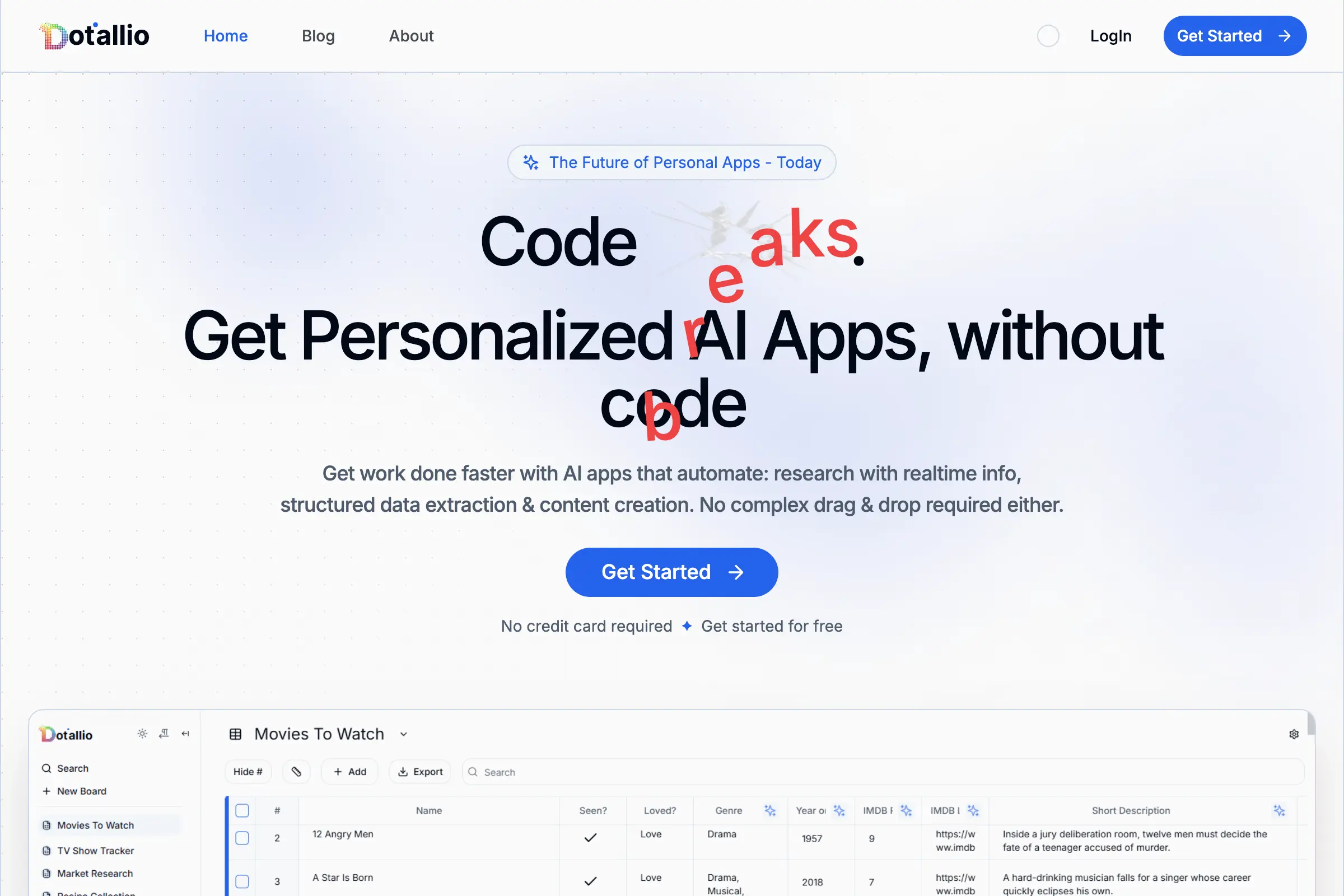
Dotallio
Personalized AI apps that automate research, data extraction, and content creation without code 🤖
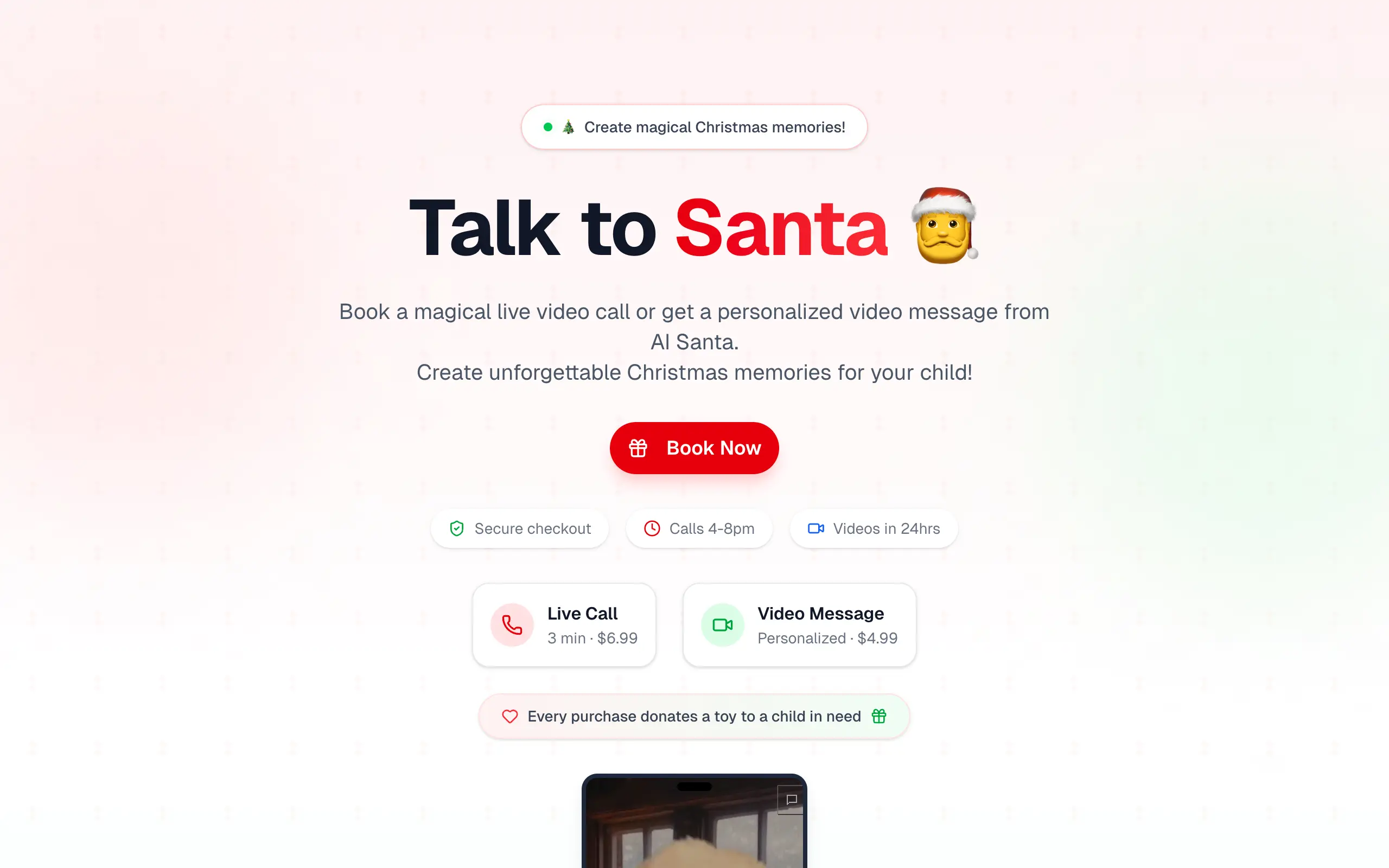
Talk to Santa
Enjoy a magical live video chat or receive a unique AI-generated video greeting from Santa Claus 🎅
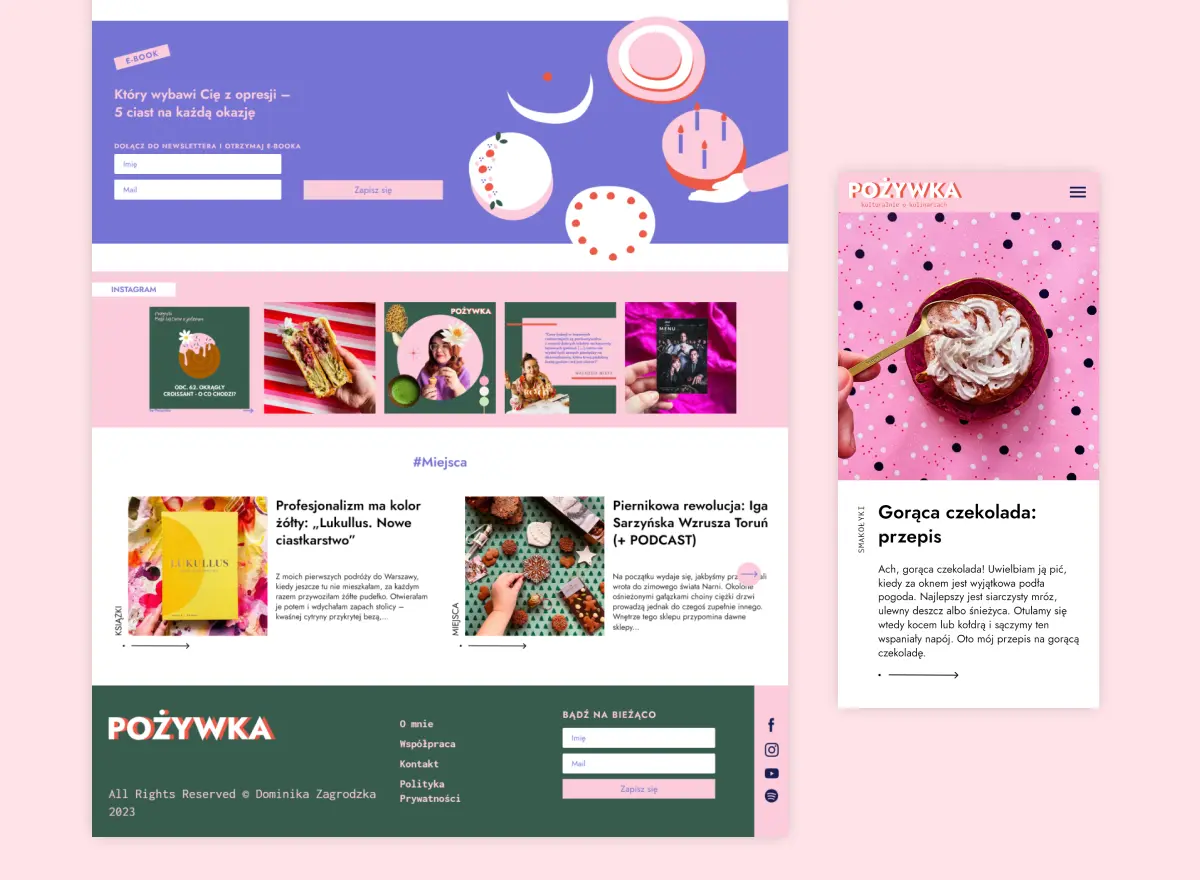
pozywka.pl
Scalable blog for food journalist, focused on performance and user experience 🌭
zagrodzki.me
Personal blog and portfolio of Bart Zagrodzki, where he shares his knowledge and work 💼
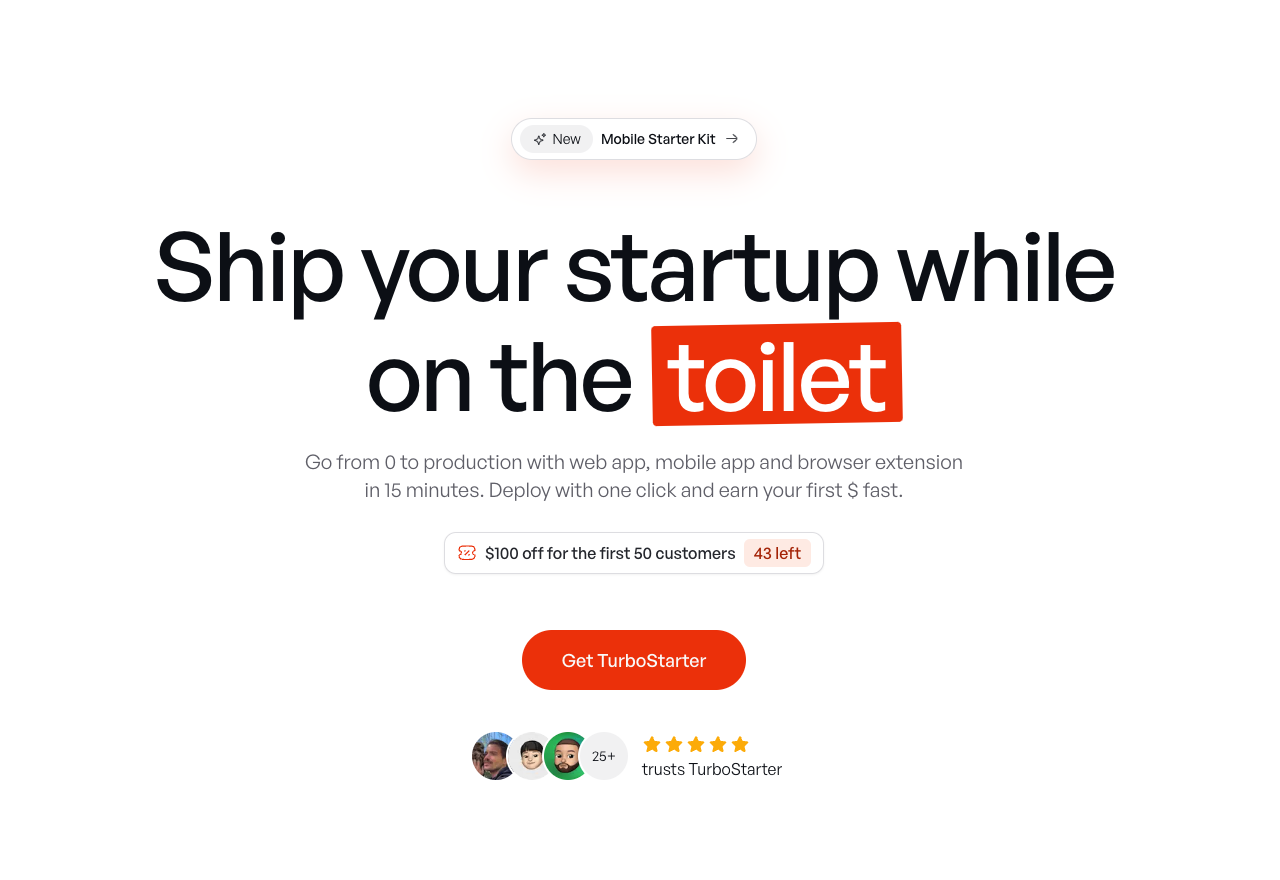
TurboStarter
Ship your startup everywhere. In minutes.
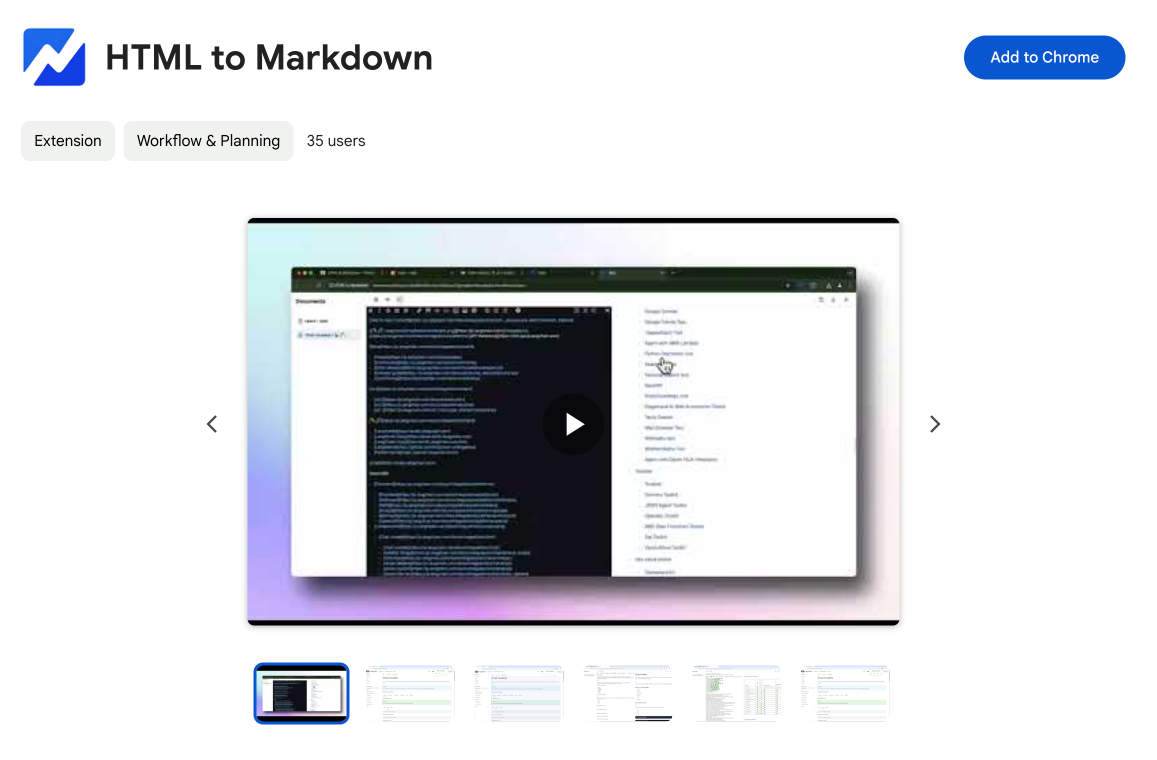
HTML to Markdown
Convert HTML to Markdown with ease, directly in your browser 📄
Dotallio
Personalized AI apps that automate research, data extraction, and content creation without code 🤖
Talk to Santa
Enjoy a magical live video chat or receive a unique AI-generated video greeting from Santa Claus 🎅
pozywka.pl
Scalable blog for food journalist, focused on performance and user experience 🌭
zagrodzki.me
Personal blog and portfolio of Bart Zagrodzki, where he shares his knowledge and work 💼
TurboStarter
Ship your startup everywhere. In minutes.
HTML to Markdown
Convert HTML to Markdown with ease, directly in your browser 📄
Dotallio
Personalized AI apps that automate research, data extraction, and content creation without code 🤖
Talk to Santa
Enjoy a magical live video chat or receive a unique AI-generated video greeting from Santa Claus 🎅
pozywka.pl
Scalable blog for food journalist, focused on performance and user experience 🌭
zagrodzki.me
Personal blog and portfolio of Bart Zagrodzki, where he shares his knowledge and work 💼
TurboStarter
Ship your startup everywhere. In minutes.
HTML to Markdown
Convert HTML to Markdown with ease, directly in your browser 📄
Dotallio
Personalized AI apps that automate research, data extraction, and content creation without code 🤖
Talk to Santa
Enjoy a magical live video chat or receive a unique AI-generated video greeting from Santa Claus 🎅
pozywka.pl
Scalable blog for food journalist, focused on performance and user experience 🌭
zagrodzki.me
Personal blog and portfolio of Bart Zagrodzki, where he shares his knowledge and work 💼
TurboStarter
Ship your startup everywhere. In minutes.
HTML to Markdown
Convert HTML to Markdown with ease, directly in your browser 📄
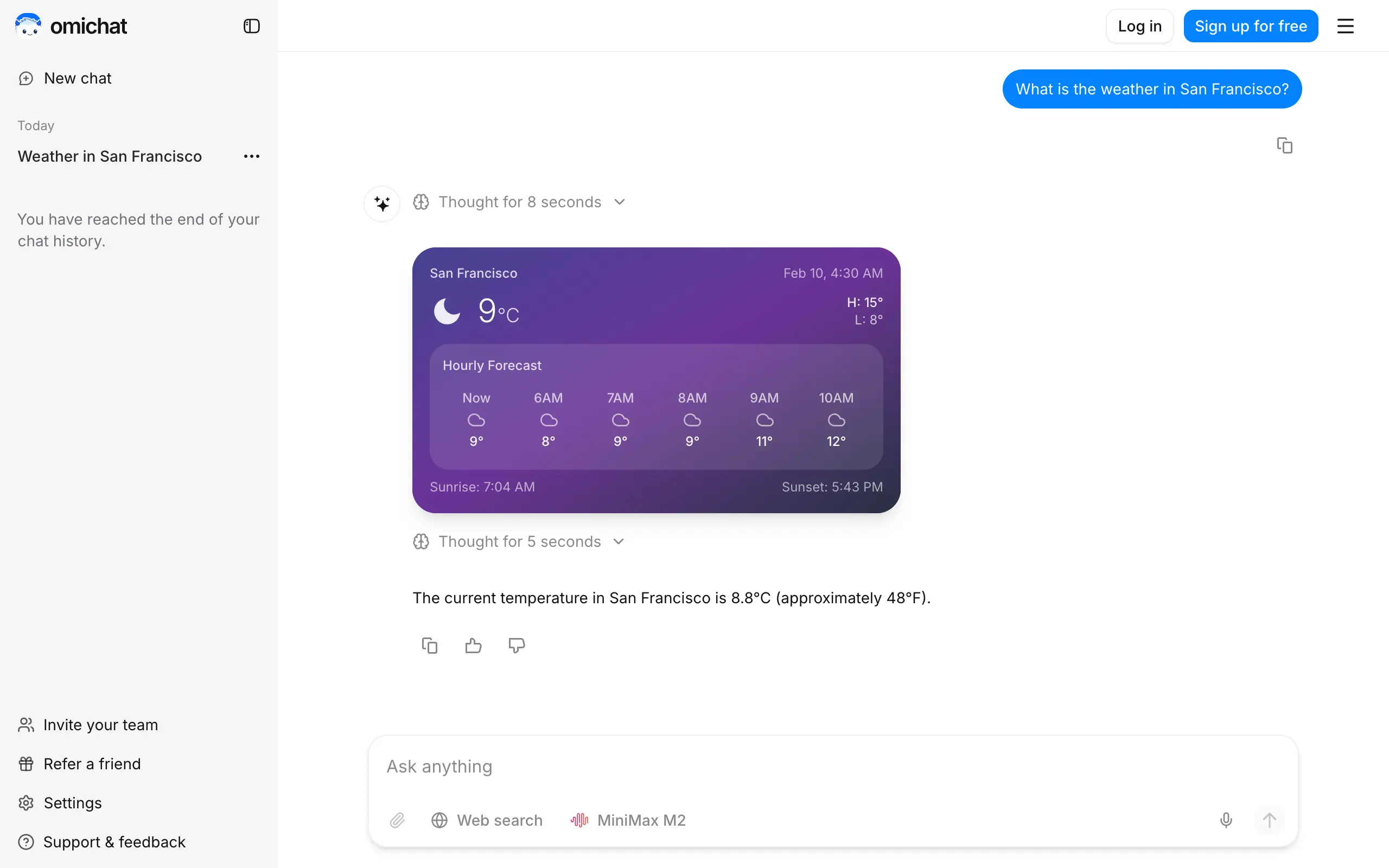
Omichat
Chat with 50+ AI models, including ChatGPT and Claude, in one place - switch models anytime without losing context 🤖
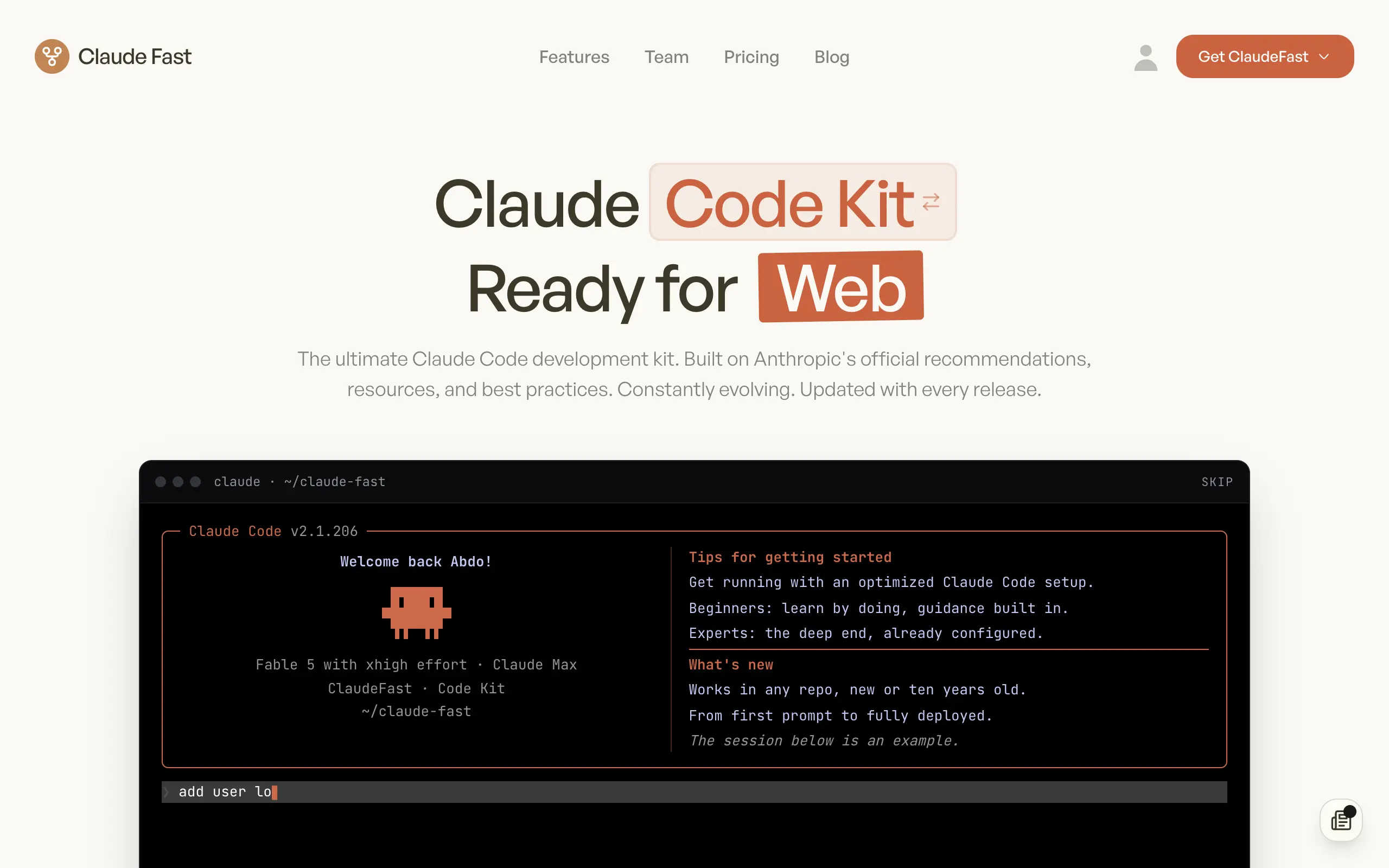
Claude Fast
Supercharge your Claude Code with 6x effective context window and specialized AI agents 🤖
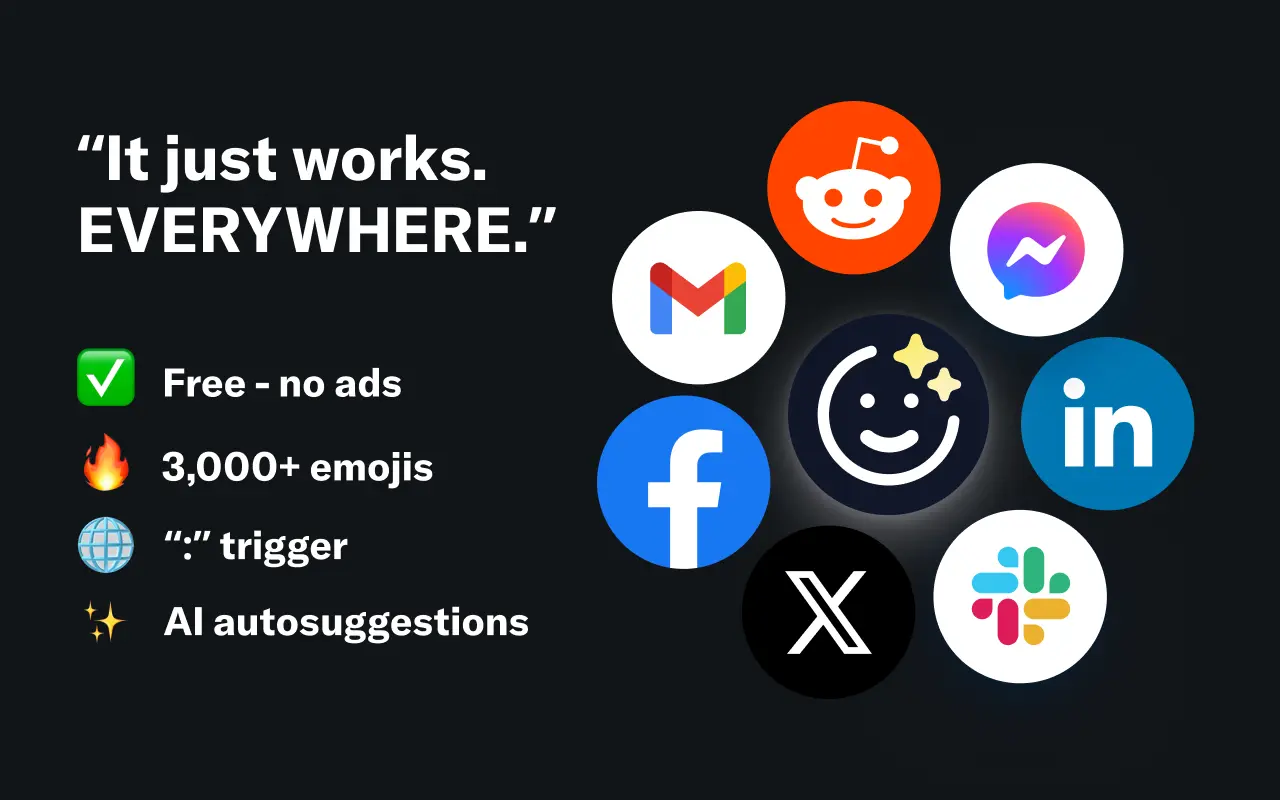
EmojAI
AI-powered emoji picker with smart, context-aware suggestions 🤖
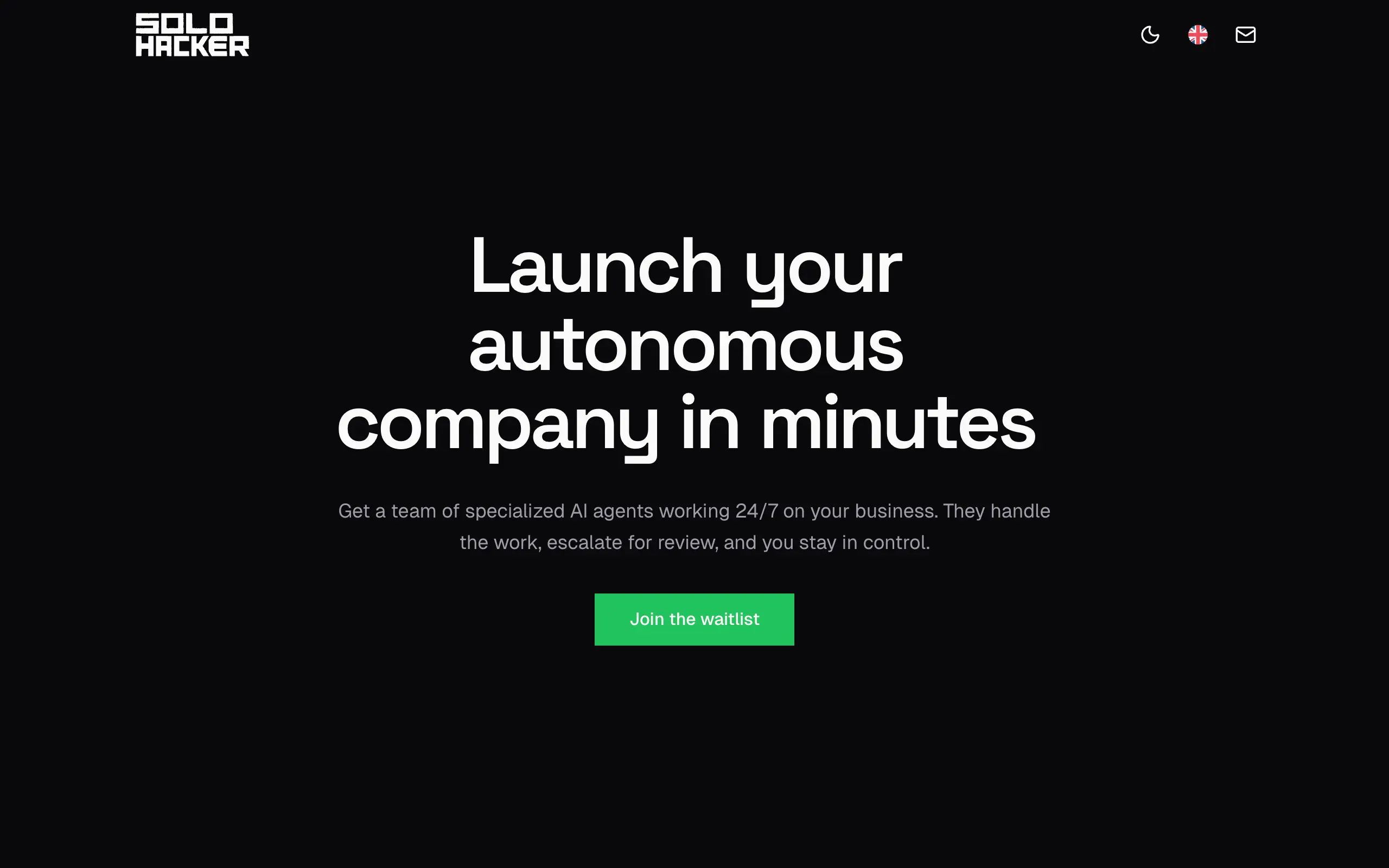
Solohacker
Autonomous company launcher - AI agents work 24/7, escalate what matters, and you stay in control 🤖
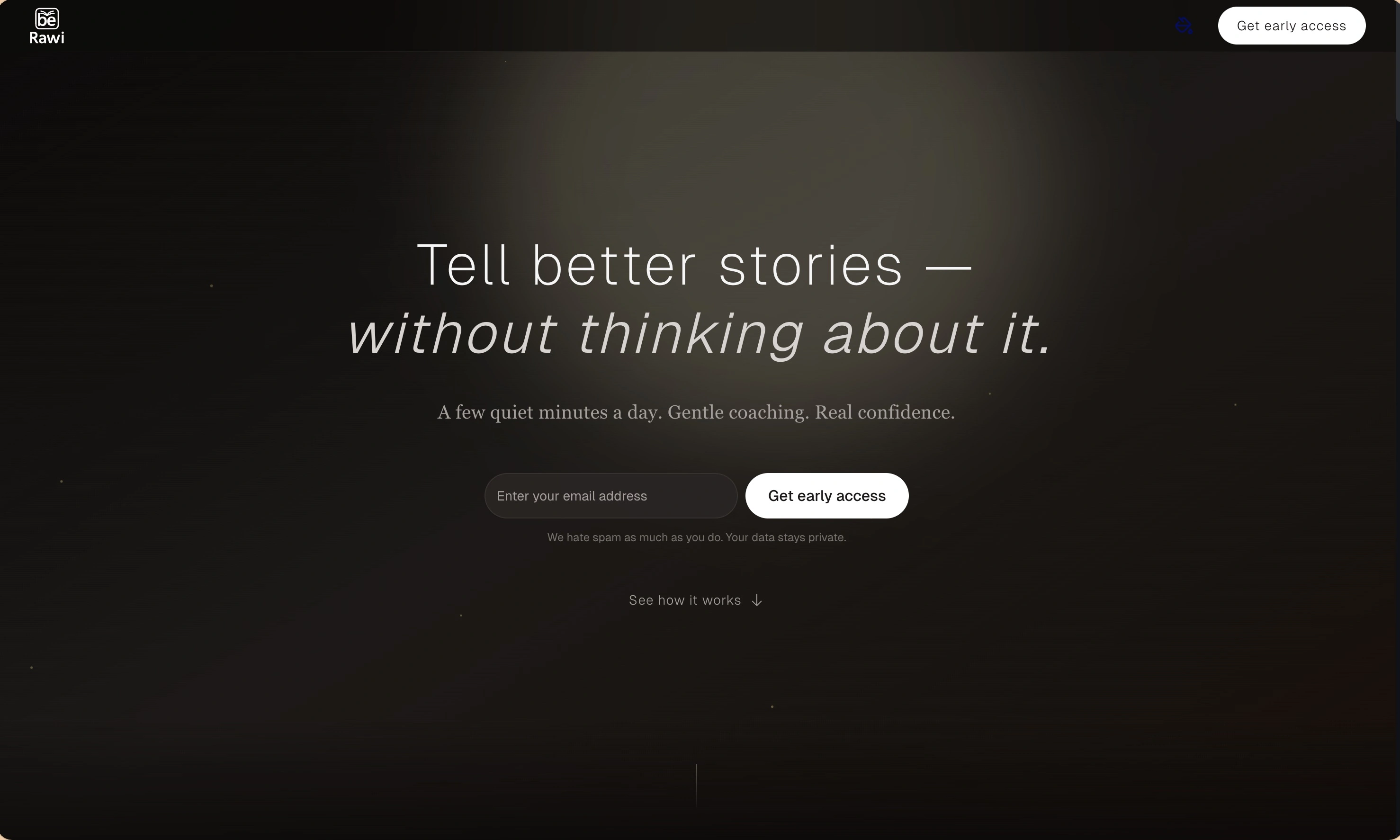
BeRawi: Storytelling Coach
Practice storytelling daily with instant feedback to sound clearer, more engaging, and confident 🎤
Omichat
Chat with 50+ AI models, including ChatGPT and Claude, in one place - switch models anytime without losing context 🤖
Claude Fast
Supercharge your Claude Code with 6x effective context window and specialized AI agents 🤖
EmojAI
AI-powered emoji picker with smart, context-aware suggestions 🤖
Solohacker
Autonomous company launcher - AI agents work 24/7, escalate what matters, and you stay in control 🤖
BeRawi: Storytelling Coach
Practice storytelling daily with instant feedback to sound clearer, more engaging, and confident 🎤
Omichat
Chat with 50+ AI models, including ChatGPT and Claude, in one place - switch models anytime without losing context 🤖
Claude Fast
Supercharge your Claude Code with 6x effective context window and specialized AI agents 🤖
EmojAI
AI-powered emoji picker with smart, context-aware suggestions 🤖
Solohacker
Autonomous company launcher - AI agents work 24/7, escalate what matters, and you stay in control 🤖
BeRawi: Storytelling Coach
Practice storytelling daily with instant feedback to sound clearer, more engaging, and confident 🎤
Omichat
Chat with 50+ AI models, including ChatGPT and Claude, in one place - switch models anytime without losing context 🤖
Claude Fast
Supercharge your Claude Code with 6x effective context window and specialized AI agents 🤖
EmojAI
AI-powered emoji picker with smart, context-aware suggestions 🤖
Solohacker
Autonomous company launcher - AI agents work 24/7, escalate what matters, and you stay in control 🤖
BeRawi: Storytelling Coach
Practice storytelling daily with instant feedback to sound clearer, more engaging, and confident 🎤

Connect with like-minded people
Join our community to get feedback, support, and grow together with 1,000+ builders on board, let's ship it!
Join usShip your startup everywhere. In minutes.
Don't burn tokens on setup and start building features on day one.