LoreWalk
Turn neighborhood walks into AI-crafted audio adventures, with AR creatures and branching stories that change with your route and discoveries.
What LoreWalk is and why it could work
LoreWalk is a mobile app concept that turns an ordinary neighborhood walk into an interactive audio adventure. It combines location-aware storytelling, AI-assisted narrative design, route discovery, and optional augmented reality (AR) encounters. Instead of simply listening to a podcast while walking, users explore a story that responds to where they go and what they find.
The core promise is simple: make familiar places feel worth exploring again. A walk past a historic building might unlock a character’s memory. A turn down a side street could reveal a new story branch. Reaching a park might trigger an audio scene or an AR creature visible through the phone camera.
That promise gives LoreWalk room to serve several needs at once:
- People looking for more engaging ways to walk, exercise, or spend time outdoors
- Families and educators seeking place-based activities
- Travelers who want experiences beyond standard sightseeing tours
- Writers, artists, museums, and local organizations interested in location-based storytelling
- Cities and neighborhood groups hoping to encourage discovery of local places
The opportunity is compelling, but the product will need to solve practical problems that immersive apps often face: keeping users safe while moving, making stories genuinely responsive rather than randomly generated, and delivering a worthwhile experience even when GPS or mobile connectivity is unreliable.
The user problem behind an AI-powered audio walking app
Walking is accessible, but it can feel repetitive. Audio entertainment is plentiful, but most podcasts and audiobooks do not respond to a listener’s surroundings. Traditional walking tours can be informative, yet they typically follow a fixed route and may require a scheduled guide or a paid booking.
LoreWalk sits between those experiences. It can make a user’s location part of the narrative without requiring a human guide to accompany them.
The product should not assume that adding AI or AR automatically creates value. Users are more likely to return when the experience is:
- Easy to start: They can find a nearby walk and begin without complicated setup.
- Worth finishing: The story has a satisfying arc, not just a string of disconnected audio clips.
- Responsive to exploration: Their choices and route meaningfully affect what happens.
- Comfortable outdoors: The app works with headphones, respects walking pace, and does not demand constant screen attention.
- Trustworthy: It handles location data carefully and avoids sending people into unsafe or inaccessible places.
A useful positioning statement is: LoreWalk turns local walks into adaptive audio adventures, with stories that unfold around the places people choose to explore.
This framing communicates the user benefit first. “AI-crafted” and “AR creatures” can support the product story, but they should not obscure the main job: helping someone enjoy a walk.
Target audience for LoreWalk
An early product should serve a defined audience rather than trying to build every type of walking experience at once. The following segments offer different routes to adoption and revenue.
Curious local explorers
These users want to see familiar streets differently. They may be looking for a weekend activity, a more interesting way to walk a dog, or a reason to explore a nearby neighborhood.
They are likely to value:
- Short experiences that fit into a 20- to 60-minute walk
- Nearby recommendations based on their current location
- Stories rooted in local landmarks, architecture, folklore, or nature
- The ability to pause, resume, or take a detour without losing progress
This is a strong audience for an initial consumer launch because the product can deliver value without requiring a trip, school program, or event booking.
Families and caregivers
Families may use LoreWalk to turn a walk into a shared activity. Children can follow a quest, look for clues, or listen for a character while adults manage the route.
For this segment, the design priorities are different:
- Clear age guidance and content controls
- Routes appropriate for children and caregivers
- Simple controls that do not require a child to stare at a screen
- A way for a group to listen together
- Strong safety messaging around roads, crossings, and private property
A family experience should not depend on children using a camera while walking. AR encounters can be optional stopping points, with an audio-first version available.
Travelers and visitors
Visitors often want to explore without joining a scheduled tour. LoreWalk could offer themed experiences around a city’s history, street art, local legends, or literary connections.
This audience may be willing to pay for individual premium walks, especially if the experience is polished and locally distinctive. The challenge is that travelers have limited time and may not install an app for a single activity. A web-based preview, clear duration information, and straightforward checkout could reduce that friction.
Schools, museums, and cultural organizations
Educational and cultural partners can provide stories, expertise, and distribution. A museum might commission an outdoor companion experience, while a school could use a walk to connect local history with a curriculum.
These partners need more than a consumer app. They may ask for:
- Editorial review and source attribution
- Content management and approval workflows
- Accessibility options
- Group or classroom access
- Reporting that avoids collecting unnecessary student data
Institutional sales can be attractive, but the sales cycle is usually more involved than a direct-to-consumer subscription. It is better treated as a later expansion unless a founding team already has relationships in this space.
Market opportunity and the product gap
LoreWalk’s market opportunity comes from combining familiar behaviors rather than inventing a new one. People already walk, listen to audio, use maps, and explore attractions. The product connects those behaviors into a more interactive experience.
The gap is not simply “there are no walking apps.” Maps, tour guides, audio tours, fitness apps, and location-based games already cover parts of the experience. The product opportunity is to make story progression feel naturally connected to a person’s chosen route.
A standard audio tour typically assumes a fixed sequence of stops. A podcast ignores the listener’s location. A location-based game may prioritize collecting or competition over narrative. LoreWalk can differentiate itself by treating the route as a story input rather than only a path from one point to another.
A useful validation question
Would someone choose a LoreWalk experience because it makes their walk more meaningful, even if the app uses no AR and does not mention AI? If the answer is no, the product may be relying too heavily on technology rather than user value.
Where the market gap may be strongest
The strongest initial opportunity is likely in short, replayable, locally grounded experiences. Long-form tours require significant production and user commitment. A concise story can be easier to test, easier to complete, and easier to recommend.
Potential high-value use cases include:
- A neighborhood mystery that changes based on which streets a user explores
- A family nature walk with story clues tied to trees, ponds, or public landmarks
- A historical route that presents multiple perspectives on the same place
- A visitor experience that blends local context with fictional storytelling
- A seasonal adventure that gives residents a reason to revisit a park or district
These are hypotheses, not proven demand. LoreWalk should test them through interviews, small pilots, and repeat-use data before investing heavily in a broad content library.
Core features for the LoreWalk MVP
The first version should prove that a location-responsive audio story can be enjoyable, safe, and technically reliable. It does not need a sophisticated AI authoring platform or an elaborate AR world on day one.
1. Nearby story discovery
Show users a small number of experiences that are relevant to their location or selected destination. Each listing should answer practical questions before the user starts:
- How long does it take?
- How far is the route?
- Is it suitable for children?
- Does it require walking on particular terrain?
- Can the user complete it offline?
- Is the experience free, included in a plan, or paid separately?
Clear expectations help users choose an experience that fits their available time and mobility needs.
2. Route-aware story progression
The app should support a curated route while allowing reasonable detours. Story events can be triggered by entering a geofenced area, reaching a landmark, or selecting a route branch.
A useful rule is to avoid making the user follow a single narrow line unless the story truly depends on it. If the experience breaks when someone crosses the street or takes a short detour, it will feel fragile.
The route engine should distinguish between:
- Required story locations, which advance the main plot
- Optional discovery points, which add context or collectibles
- Safe waiting areas, where the app can invite the user to stop and interact
- Alternative paths, which preserve the story when a route is blocked or inaccessible
3. Audio-first playback
Audio should be the primary interaction mode while a user is walking. The app can use short narration, environmental cues, dialogue, and occasional sound design, but it should not require constant visual attention.
Important controls include:
- Large play, pause, and replay buttons
- Adjustable playback speed and volume
- Captions or transcripts
- A clear “pause adventure” option
- Optional audio ducking for navigation or safety prompts
- Headphone guidance that does not assume every user has the same device
The experience should remain understandable if a user misses a line or pauses to talk with someone.
4. Meaningful branching
A branching story should have consequences that users can perceive. Asking someone to choose a character’s response is not meaningful if every choice leads to the same scene.
Early branching can be modest:
- A choice changes how a character responds
- A route decision reveals one of two scenes
- A discovery adds a new clue to the ending
- A user’s pace or order of exploration changes the narrator’s perspective
The aim is not to create an infinite story. It is to create a coherent story with a manageable number of authored paths.
5. Optional AR encounters
AR creatures can create memorable moments, but they should be treated as an enhancement rather than the core product. Outdoor AR can be affected by lighting, device compatibility, camera permissions, battery life, and the user’s surroundings.
A safe interaction pattern is:
- The app announces an encounter through audio.
- It asks the user to stop in a suitable place.
- The user can view the AR scene while stationary.
- The app offers an audio or illustrated alternative.
This gives the experience a distinctive visual layer without making the user walk while looking through a camera.
6. Offline-ready experiences
Connectivity may be inconsistent in parks, historic districts, or rural locations. Downloadable audio, route information, and story state can make the experience more reliable.
An offline mode should clearly tell users what is downloaded and what may not work without a connection. The app should also safely sync progress when the device reconnects, without duplicating story rewards or losing completed scenes.
7. Creator and editorial tools
Even a small pilot benefits from a basic content workflow. The team needs to edit story text, audio assets, trigger locations, content warnings, and route notes without shipping a new mobile app version for every change.
For the MVP, creator tools can be internal. A later creator platform might let writers, museums, or local organizations build experiences with templates, preview routes, and editorial review.
How LoreWalk’s AI should work
AI can help reduce the cost and time involved in producing variations, but it should not be treated as a substitute for writers, local experts, or safety review.
A sensible division of labor looks like this:
- Human creators define the premise, voice, factual claims, characters, and story structure.
- AI tools help draft alternate dialogue, adapt approved material to different reading levels, or suggest optional narrative variations.
- Editorial reviewers check accuracy, tone, continuity, accessibility, and local sensitivity.
- The product engine chooses from approved story content based on location and user choices.
For a first release, deterministic branching is often safer than generating a new story scene live while someone walks. The app can still use AI during production while delivering reviewed, prewritten content at runtime.
If dynamic generation is introduced later, it should be constrained by a defined character voice, approved facts, content rules, and a limited set of narrative goals. The system should also have a fallback scene if generation fails or takes too long.
A useful principle is AI-assisted production, human-approved experience. This helps preserve quality and makes the product easier to explain to families, schools, and cultural partners.
Recommended technology stack
The right stack depends on the team’s mobile expertise, mapping requirements, and AR ambitions. The initial architecture should minimize risk around location, audio playback, content updates, and privacy.
Mobile application
React Native can support a shared codebase across iOS and Android, which may help a small team ship and maintain the product efficiently. A React Native approach is particularly suitable if the team already has JavaScript or TypeScript experience.
Expo can simplify development and deployment for many mobile features. However, the team should validate its needs early, especially if the product depends on advanced background location behavior, native audio controls, or AR capabilities. Some features may require native configuration or custom native modules.
The trade-off is straightforward:
- A cross-platform stack can speed up iteration and reduce duplicated application work.
- Native development can provide more direct control over platform-specific behavior.
- AR and background location requirements may narrow the practical advantages of a fully managed setup.
Build a small technical prototype before committing to the complete stack. Test location triggers, audio playback with a locked screen, permission flows, and any required AR feature on representative devices.
Backend and content data
A relational database is a good fit for structured entities such as users, routes, story nodes, trigger zones, audio assets, purchases, and progress. PostgreSQL is a strong option for this kind of data. If the team needs geospatial queries, PostGIS adds spatial capabilities to PostgreSQL.
A backend should support:
- Versioned story content
- Route and trigger configuration
- User progress and entitlements
- Audio asset references
- Editorial approval status
- Basic analytics events
- Administrative permissions
Managed services can reduce infrastructure work, but the team should confirm data location, backup, access control, and export options before storing sensitive data.
Mapping and location
The mapping provider should be selected based on geographic coverage, licensing, offline needs, map styling, pricing, and the team’s ability to implement route behavior. Avoid choosing a provider solely because its map looks attractive in a demo.
The MVP should separate the story logic from the map display. This makes it easier to change map providers or adjust trigger logic without rewriting the content model.
Audio and media delivery
Audio files can be stored in object storage and delivered through a content delivery network. The application should support caching and resumable downloads where practical. Keep text transcripts available so users can access content when audio is unsuitable or unavailable.
AI services
If an external model provider is used for internal drafting or limited runtime features, keep model access on the server rather than embedding secret credentials in the app. Record the version and approval status of generated content, and do not send precise location histories to a model unless there is a clearly justified need and a transparent user-facing policy.
A practical MVP architecture
type StoryNode = {
  id: string;
  experienceId: string;
  trigger: {
    type: "geofence" | "choice" | "manual";
    latitude?: number;
    longitude?: number;
    radiusMeters?: number;
    choiceId?: string;
  };
  audioUrl?: string;
  transcript: string;
  nextNodeIds: string[];
  requiresStop: boolean;
};

type Experience = {
  id: string;
  title: string;
  estimatedMinutes: number;
  routeId: string;
  storyNodeIds: string[];
  offlineAvailable: boolean;
};
This kind of model keeps the experience’s narrative structure explicit. It also makes it easier to test story paths without relying on live AI generation.
Competitive advantage and differentiation
LoreWalk will compete for attention with more than direct walking-tour apps. Its alternatives include podcasts, map-based attractions, city tours, outdoor games, and simply taking a walk without a phone.
The competitive question is not “Does another app have audio or AR?” It is “Why would someone choose LoreWalk for this particular outing?”
| Experience type | Main strength | Common limitation | LoreWalk opportunity |
|---|---|---|---|
| Audio tour | Clear information about a place | Often follows a fixed sequence | Make story progression respond to route choices |
| Podcast or audiobook | Familiar, convenient listening | Usually unrelated to the listener’s location | Connect narrative moments to nearby discoveries |
| Guided tour | Human expertise and social interaction | Requires scheduling and a guide | Offer flexible, self-paced experiences |
| Location-based game | Exploration and play | May emphasize tasks over narrative depth | Combine discovery with character-led storytelling |
| Map application | Reliable navigation and place search | Not designed as a story experience | Add a narrative layer to exploration |
The table describes product categories, not a claim that every product in each category has the same limitations. LoreWalk’s differentiation depends on execution.
A defensible USP
LoreWalk’s strongest potential unique selling proposition is:
A location-aware audio storytelling platform where the route and discoveries shape the narrative, with optional AR moments that are designed for safe outdoor use.
This proposition combines three things:
- Place-responsive narrative, rather than audio that plays identically everywhere
- Flexible exploration, rather than a rigid tour route
- Audio-first interaction, with AR reserved for moments when users can safely stop
Over time, the company could build additional defensibility through high-quality local content, creator relationships, route-testing processes, and a library of reusable story tools. AI alone is unlikely to be a durable moat because generative tools are increasingly accessible. The more defensible asset is the combination of trusted content, thoughtful interaction design, and a reliable distribution network.
Monetization options
The best business model depends on which audience proves most engaged. Avoid imposing a subscription before users have a reason to return regularly.
Freemium with paid experiences
Offer a small number of free walks and sell premium stories individually. This model is easy for users to understand and supports destination-specific purchases.
It works best when:
- A premium experience has a clear beginning and end
- The price is visible before download
- Free experiences are valuable enough to demonstrate quality
- Paid content has distinct editorial or production value
Subscription
A monthly or annual plan could provide access to a rotating library of walks, family experiences, or premium story collections. Subscription is more suitable if LoreWalk can offer frequent reasons to return, such as new local content, seasonal stories, or a substantial catalog across multiple locations.
The risk is subscriber churn if a user finishes the available experiences quickly. Measure repeat use and content consumption before making subscription the primary revenue model.
Sponsored experiences
A tourism organization, local business association, cultural institution, or destination marketing group could fund a walk. Sponsorship can offset production costs, but it must not compromise editorial trust.
Sponsored content should be clearly identified. It should not send users to a business through a story in a way that feels deceptive or unsafe.
Institutional licensing
Schools, museums, libraries, and other organizations could license experiences for programs or events. This may produce larger contracts than individual purchases, but it requires support, procurement readiness, and appropriate privacy practices.
Creator marketplace
A later version could let qualified creators publish paid experiences and share revenue with LoreWalk. This model could broaden the content catalog, but it introduces quality control, rights management, moderation, refunds, and creator support.
A sensible progression is to start with a limited set of free and paid pilot experiences, then test institutional or sponsored work after the product demonstrates completion and repeat-use value.
Risks and how to mitigate them
Physical safety
A person who is listening or looking at a screen may be less aware of traffic, uneven ground, or other hazards.
Mitigation: Keep interactions audio-first, use clear stop-before-viewing prompts for AR, avoid triggers near hazardous crossings, and provide route notes. Test routes in person rather than assuming map data fully reflects real-world conditions.
Location privacy
Precise location data can reveal sensitive patterns. Collecting continuous location history when only occasional geofence checks are needed creates unnecessary risk.
Mitigation: Request location access only when relevant, explain why it is needed, minimize retention, avoid storing raw location trails by default, and provide clear deletion controls. Have privacy counsel review policies and permissions before launch.
GPS drift and trigger reliability
Buildings, dense streets, trees, and device differences can make location triggers inaccurate. A story that fires too early or never fires will damage trust.
Mitigation: Use trigger radii appropriate to the location, allow manual activation when users reach a stop, test on multiple devices, and provide recovery controls such as “I’m here” or “skip this stop.”
AI errors and cultural sensitivity
Generated content can invent facts, repeat stereotypes, or misrepresent a neighborhood’s history and communities.
Mitigation: Separate fact-based content from fictional framing, cite sources in the editorial workflow, require human approval, and invite local experts or community partners to review stories. Provide a correction channel and update content when issues are found.
Accessibility and inclusion
A walking product can exclude people if it assumes a particular pace, hearing ability, vision, mobility, language, or comfort with outdoor navigation.
Mitigation: Offer transcripts, adjustable text, clear route difficulty information, alternative routes where possible, and non-AR interactions. Describe accessibility limits honestly instead of implying that every route suits every user.
Content costs
High-quality writing, voice acting, sound design, local research, and route testing require time and money. A large catalog can become expensive before demand is proven.
Mitigation: Launch with a small number of carefully tested experiences. Reuse a flexible authoring system, commission content in focused pilots, and measure completion and satisfaction before expanding the catalog.
Platform and battery constraints
Location tracking, audio playback, maps, and camera use can drain battery or behave differently across devices.
Mitigation: Prototype the hardest technical cases early. Let users download audio, reduce unnecessary location polling, explain battery expectations, and treat AR as optional.
How to validate LoreWalk before scaling
Validation should focus on behavior, not compliments. People may say an idea sounds fun without actually completing a walk or paying for one.
Start with a manually produced pilot. Choose one neighborhood, one clear audience, and a story that can be completed in under an hour. The first pilot can use pre-recorded audio and a simple route rather than a complete AI content platform.
Measure:
- How many people start after viewing the experience details
- How many reach the ending
- Where users pause, detour, or abandon the route
- Whether they understand how location triggers work
- Whether audio remains usable outdoors
- Whether users want to try another experience
- Whether they would pay, recommend it, or bring someone else
Use interviews to understand why people behaved as they did. A high completion rate does not automatically mean the story was compelling; users may have completed it because they were already committed to the walk. Pair product metrics with short follow-up questions.
For market research, review current app store categories, tourism offerings, local tour providers, and location-based entertainment products in the target launch area. If including market-size or adoption statistics in a business plan, cite a current and credible source such as a government publication, academic study, or established industry research report. Avoid repeating unsourced market figures.
Actionable implementation steps
Choose one launch audience and one location. Decide whether the first experience is for local adults, families, visitors, or another clearly defined segment. Select a route that can be inspected and tested by the team.
Interview potential users and local partners. Ask about their current walking habits, preferred experience length, accessibility needs, privacy concerns, and willingness to pay. Look for evidence of existing behavior, not only enthusiasm for the concept.
Write a complete pilot story before building the platform. Map the route, story nodes, choices, audio, safety prompts, and fallback paths. Have local reviewers check factual material and route assumptions.
Prototype the highest-risk mobile features. Test geofence behavior, background audio, offline downloads, permission requests, battery use, and AR only if the pilot requires it. Validate on real devices and in the actual environment.
Run a small, supervised field test. Observe where users hesitate, whether they look at the phone while walking, whether audio is clear, and how the route behaves when someone takes a detour.
Launch a limited MVP and measure outcomes. Track starts, completions, technical failures, repeat use, and willingness to pay. Use privacy-conscious analytics and avoid collecting more location data than necessary.
Improve the experience before expanding the catalog. Fix route and playback issues first. Add more stories only when the core format produces reliable completion and clear user value.
For a faster starting point, TurboStarter can help a team get core SaaS foundations in place, leaving more time to validate LoreWalk’s distinctive mobile experience. Evaluate any starter platform against the app’s specific needs, especially native location behavior, audio handling, and AR integration.
The outlook for LoreWalk
LoreWalk has a promising product premise because it connects storytelling to a real-world activity people already understand. Its success will depend less on the novelty of AI or AR than on whether each experience feels well written, easy to start, safe to use, and meaningfully shaped by place.
The most practical route is to begin with a small, human-reviewed audio adventure in one location. Prove that users finish it, enjoy the interaction, and want another walk. Then invest in creator tooling, broader distribution, subscriptions, or AR based on observed demand.
That approach gives LoreWalk a credible path from an appealing concept to a focused product: start with the story, make the walk work, and scale the technology only when it improves the experience.
More 📱 Mobile App SaaS ideas
Discover more innovative mobile app SaaS ideas that are trending in 2026. Each idea is AI-generated with market validation and growth potential to help you find your next profitable venture faster than competitors.
Your competitors are building with TurboStarter
Below are some of the SaaS ideas that have been generated and built with our starter kit.

Statiko
Monitor any Telegram channel in real time - track posts, edits, deletions, and growth with AI recaps 📡

Shibui
AI website builder - describe your business, pick a niche template, edit by chatting, and publish instantly ✨
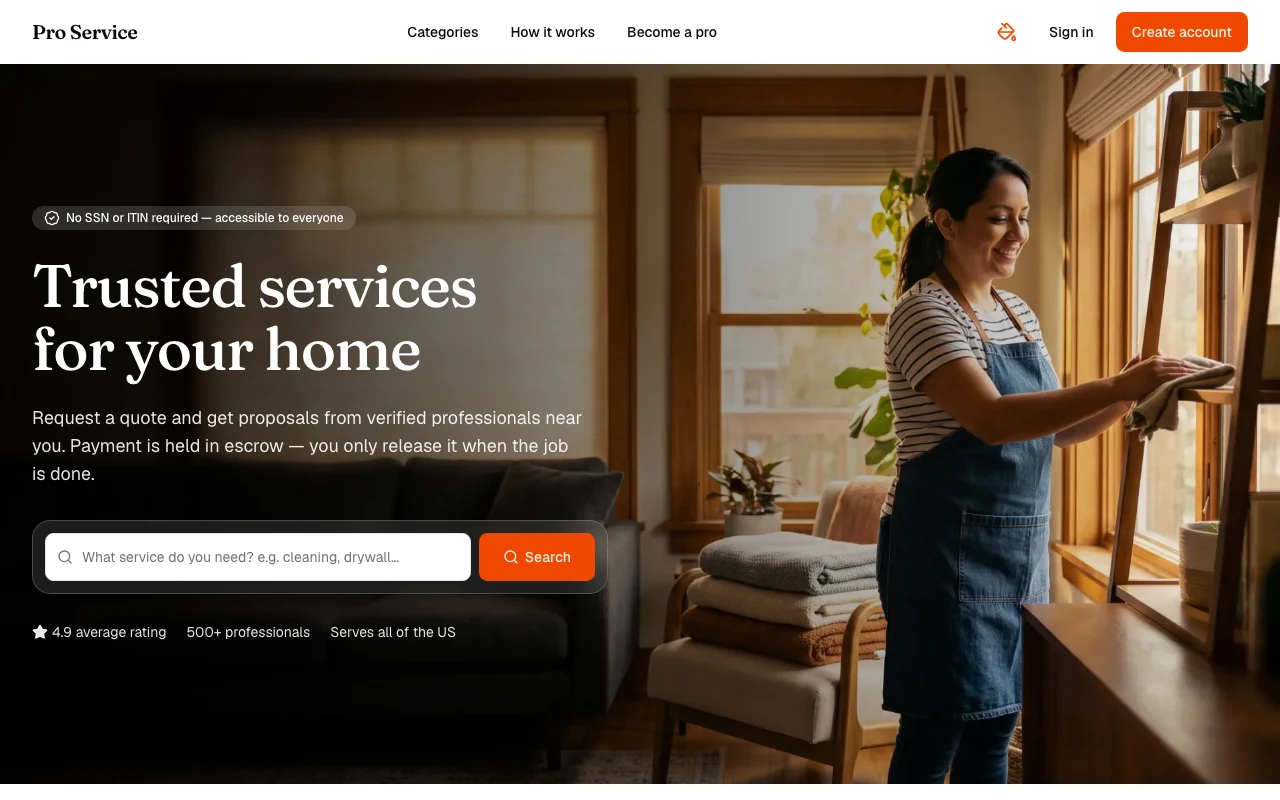
Pro Service
Find verified home service professionals, compare quotes, and pay securely through escrow - built for Brazilians across the US 🏠
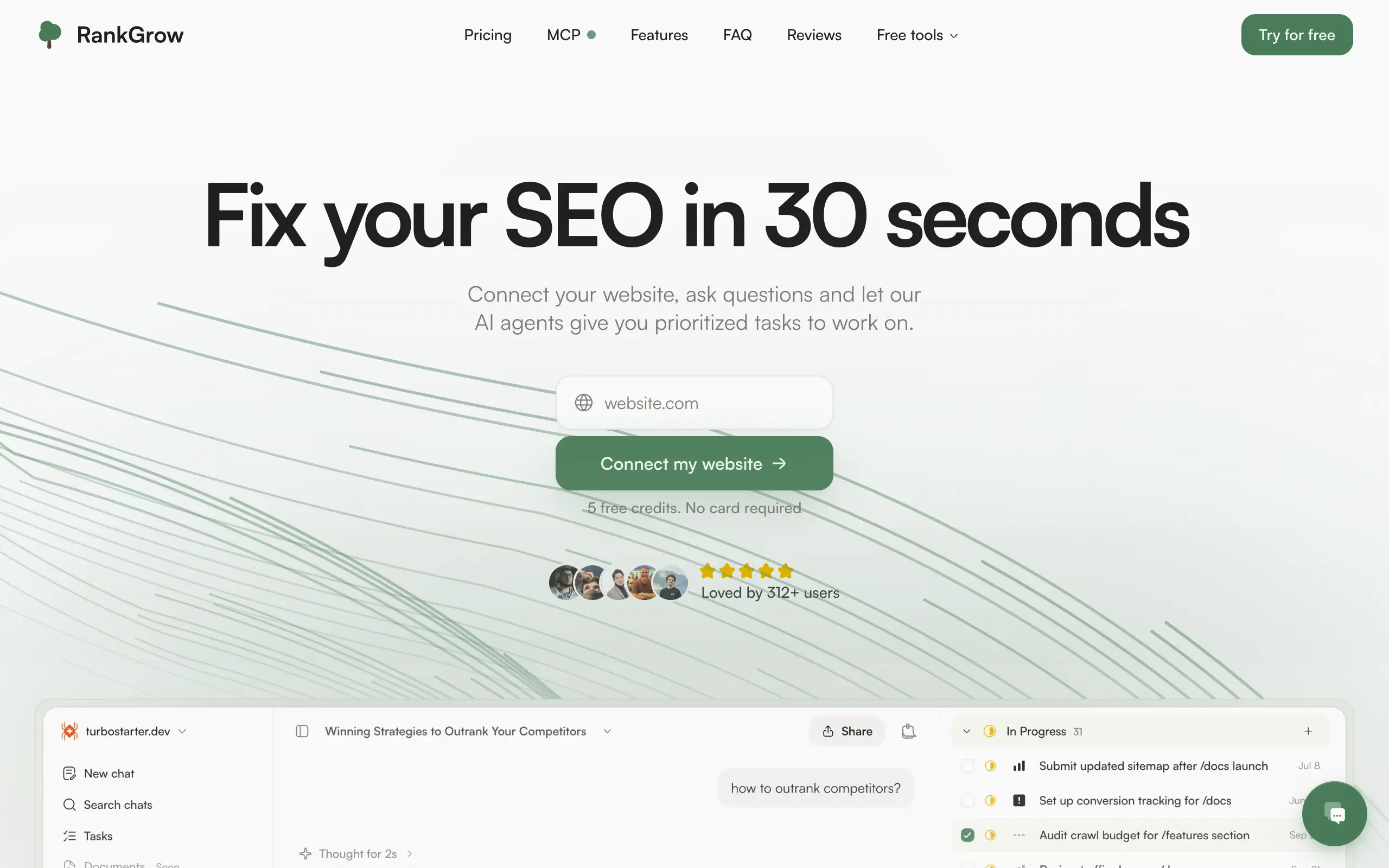
RankGrow
Fix your SEO with AI agents - connect Search Console, get prioritized tasks, and grow organic traffic 📈
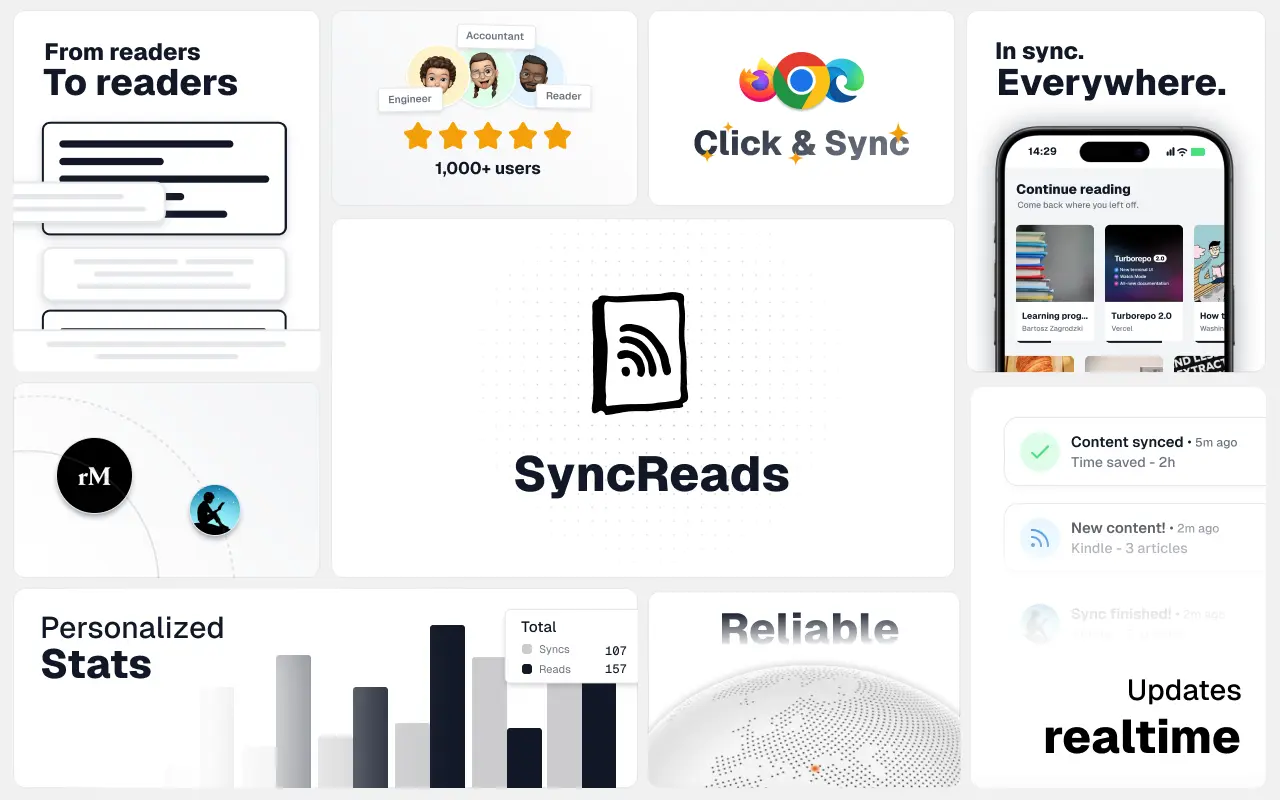
SyncReads
Sync your favorite content for distraction-free reading, save time and replace multiple apps. Anytime, anywhere 🔄
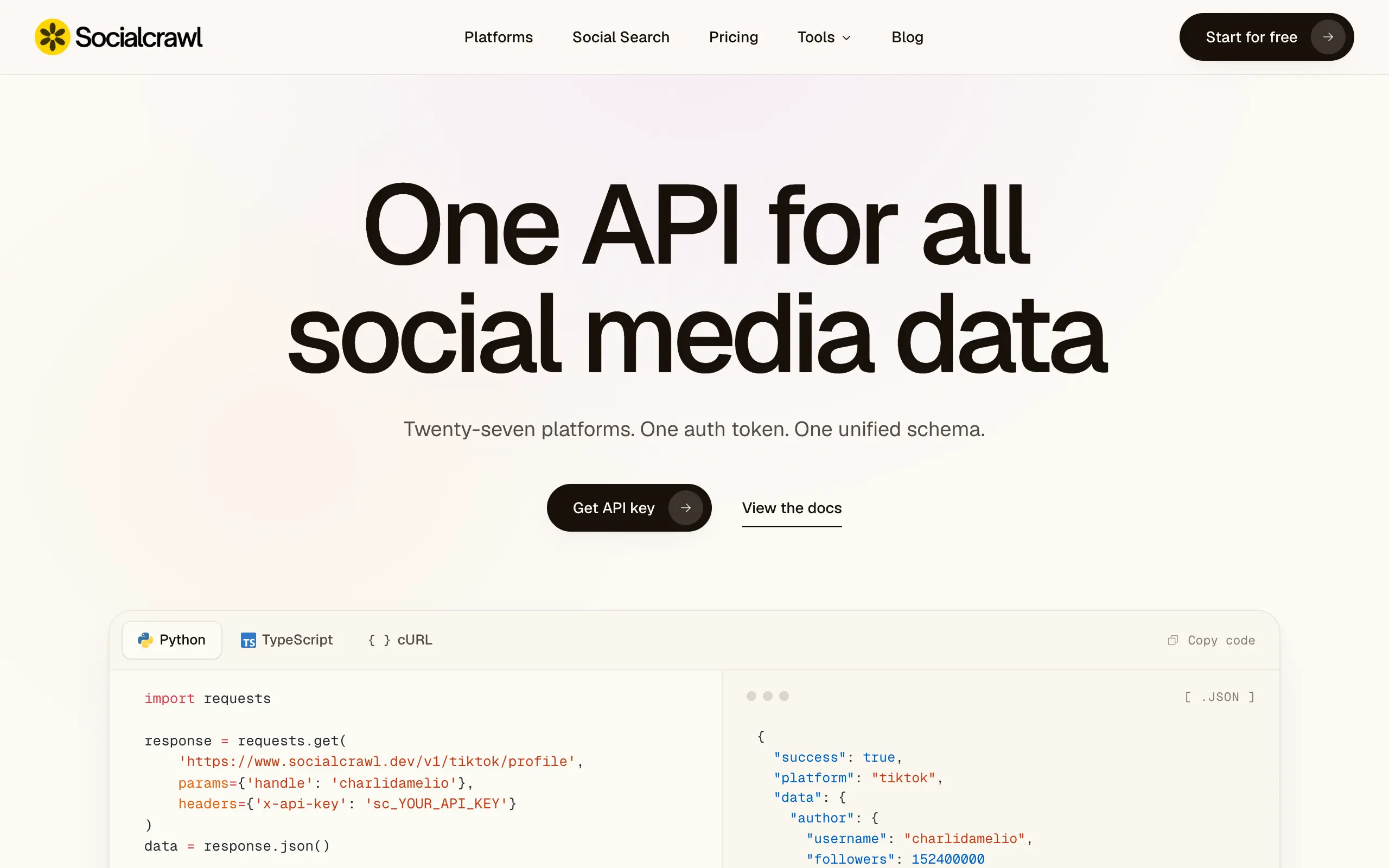
Socialcrawl
Get clean, structured data from 21 platforms like TikTok, Instagram, and YouTube with a single request 📊
Statiko
Monitor any Telegram channel in real time - track posts, edits, deletions, and growth with AI recaps 📡
Shibui
AI website builder - describe your business, pick a niche template, edit by chatting, and publish instantly ✨
Pro Service
Find verified home service professionals, compare quotes, and pay securely through escrow - built for Brazilians across the US 🏠
RankGrow
Fix your SEO with AI agents - connect Search Console, get prioritized tasks, and grow organic traffic 📈
SyncReads
Sync your favorite content for distraction-free reading, save time and replace multiple apps. Anytime, anywhere 🔄
Socialcrawl
Get clean, structured data from 21 platforms like TikTok, Instagram, and YouTube with a single request 📊
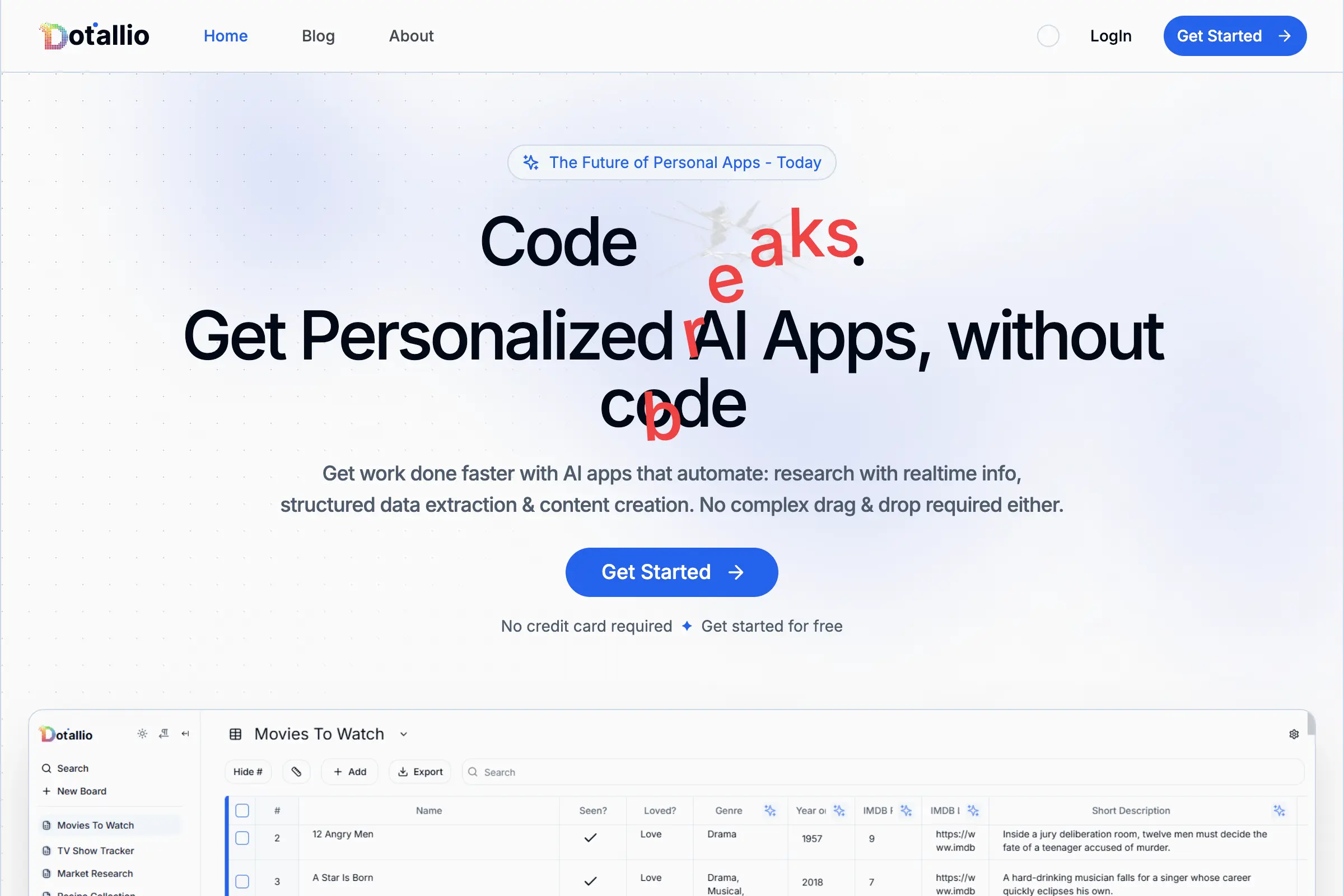
Dotallio
Personalized AI apps that automate research, data extraction, and content creation without code 🤖
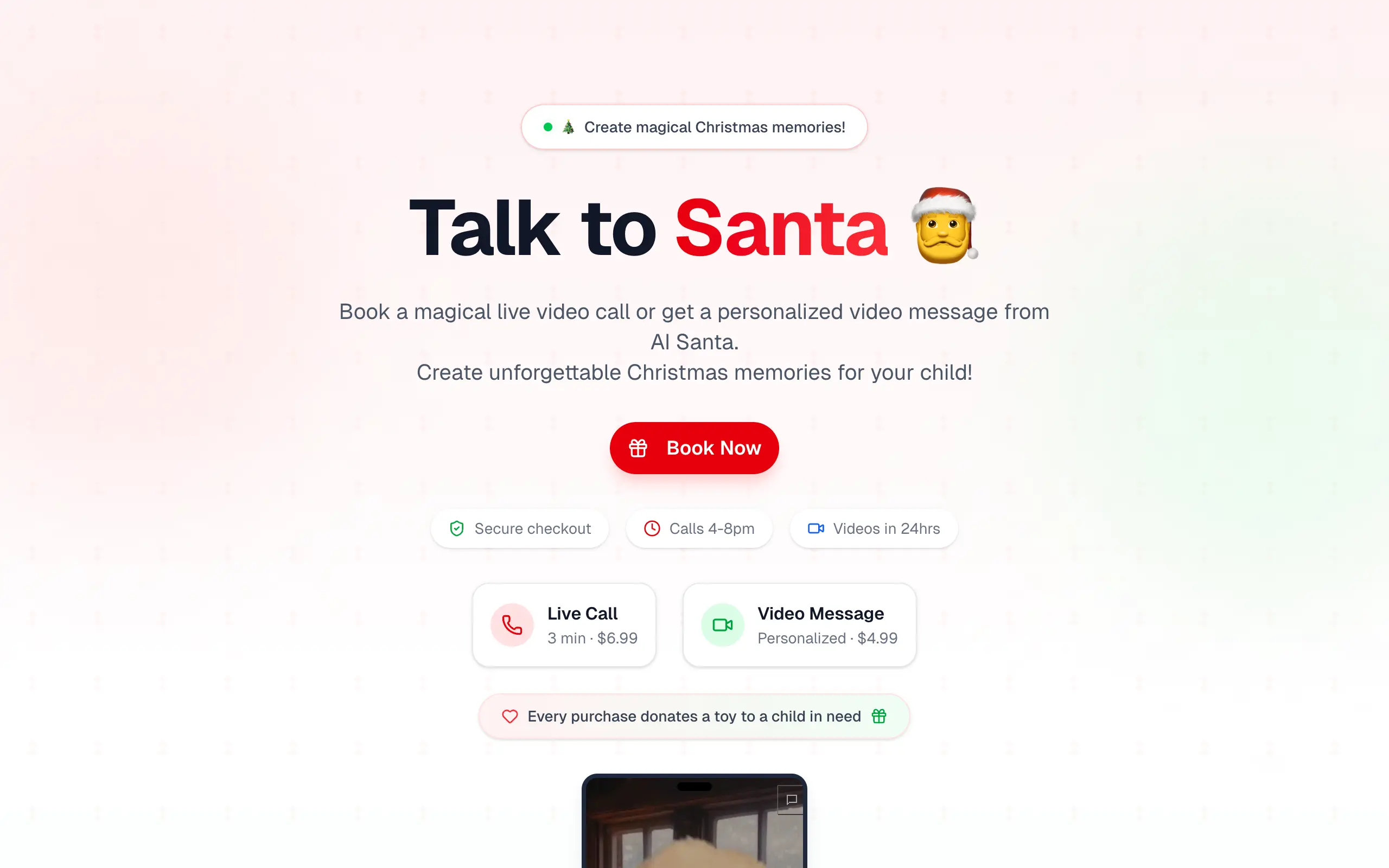
Talk to Santa
Enjoy a magical live video chat or receive a unique AI-generated video greeting from Santa Claus 🎅
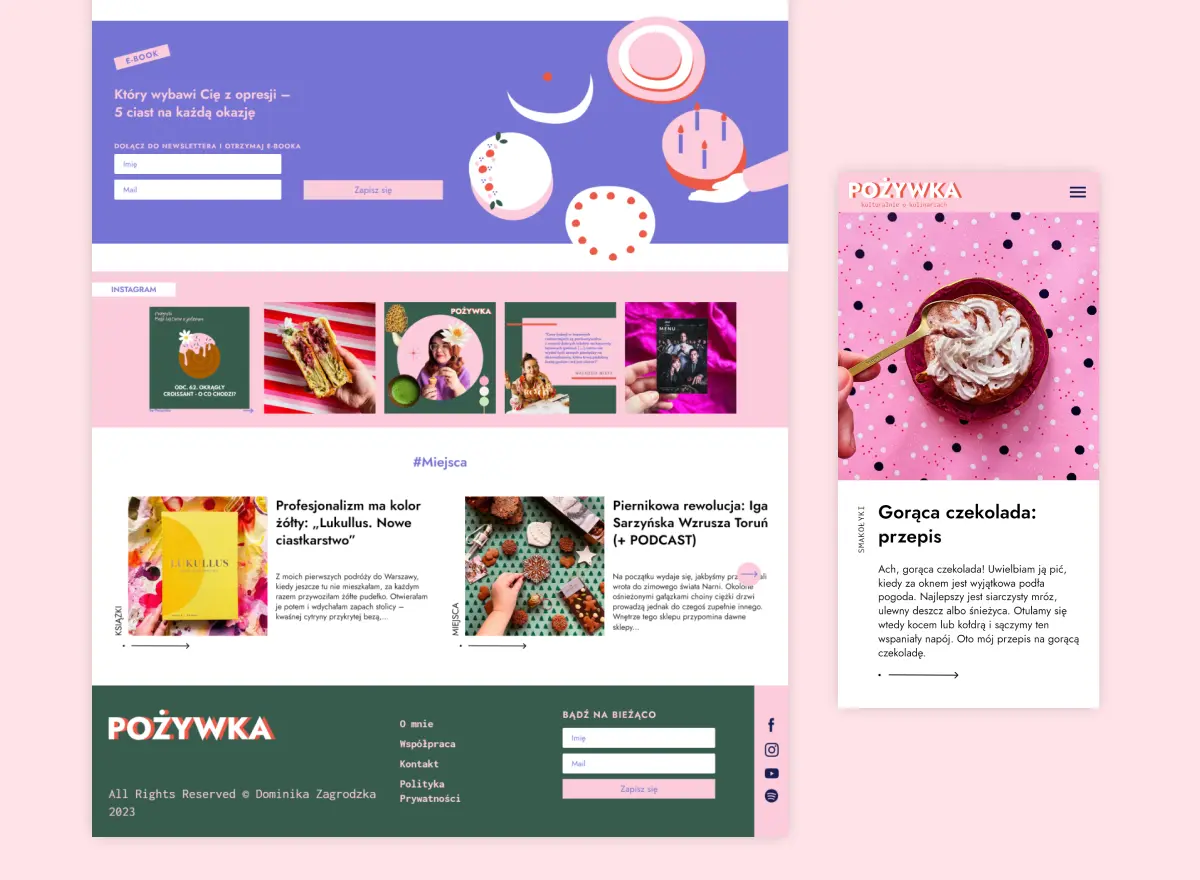
pozywka.pl
Scalable blog for food journalist, focused on performance and user experience 🌭
zagrodzki.me
Personal blog and portfolio of Bart Zagrodzki, where he shares his knowledge and work 💼
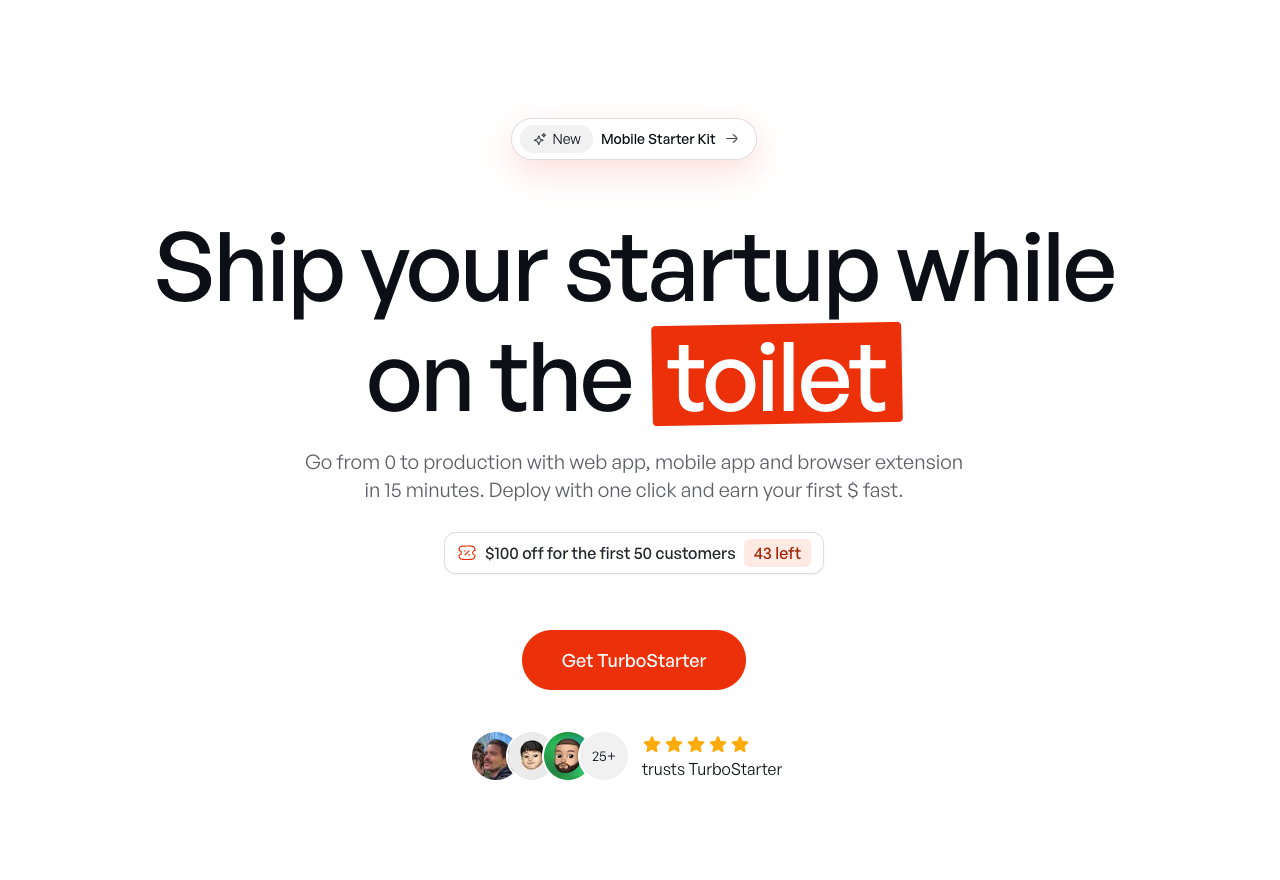
TurboStarter
Ship your startup everywhere. In minutes.
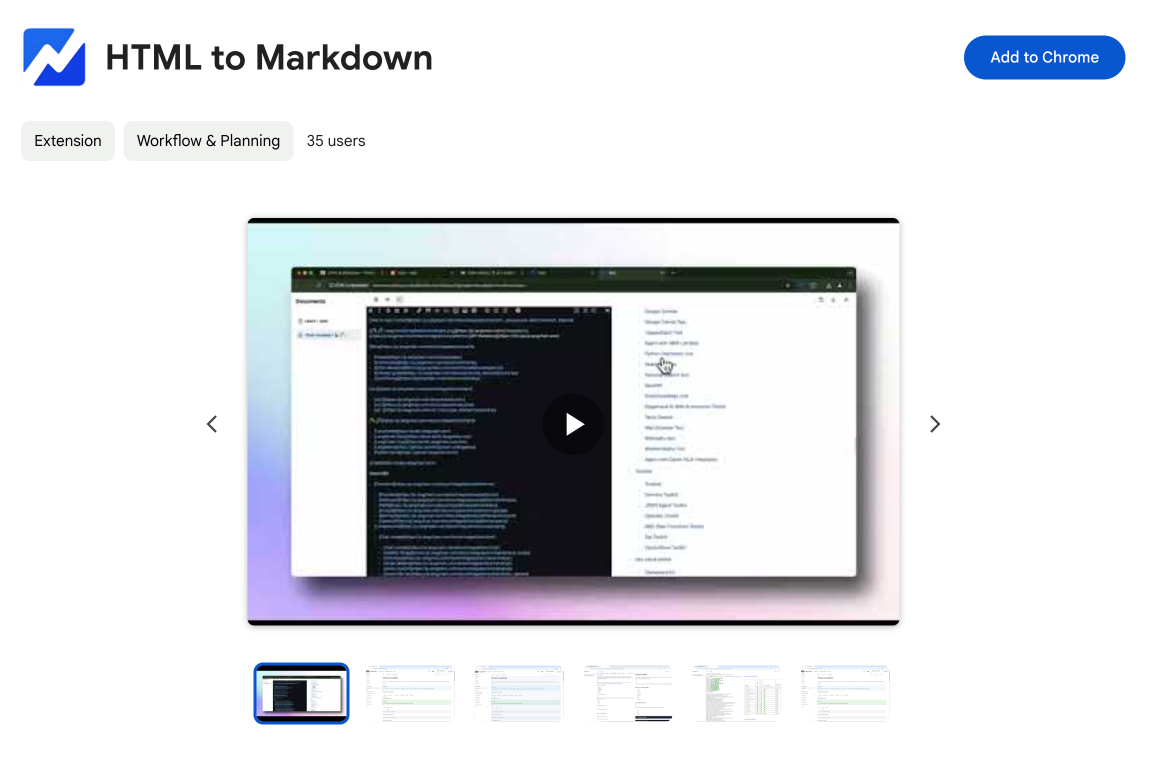
HTML to Markdown
Convert HTML to Markdown with ease, directly in your browser 📄
Dotallio
Personalized AI apps that automate research, data extraction, and content creation without code 🤖
Talk to Santa
Enjoy a magical live video chat or receive a unique AI-generated video greeting from Santa Claus 🎅
pozywka.pl
Scalable blog for food journalist, focused on performance and user experience 🌭
zagrodzki.me
Personal blog and portfolio of Bart Zagrodzki, where he shares his knowledge and work 💼
TurboStarter
Ship your startup everywhere. In minutes.
HTML to Markdown
Convert HTML to Markdown with ease, directly in your browser 📄
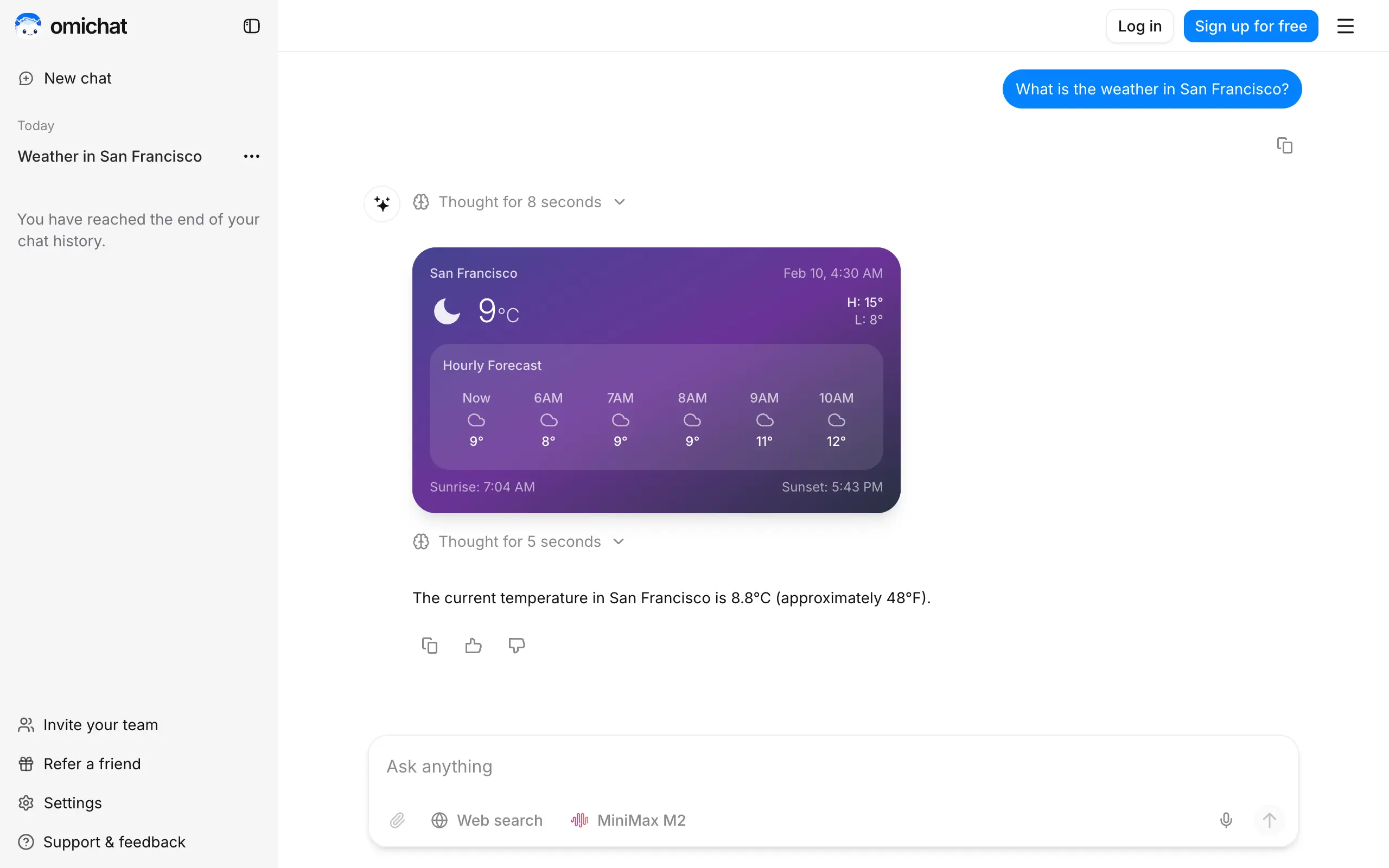
Omichat
Chat with 50+ AI models, including ChatGPT and Claude, in one place - switch models anytime without losing context 🤖
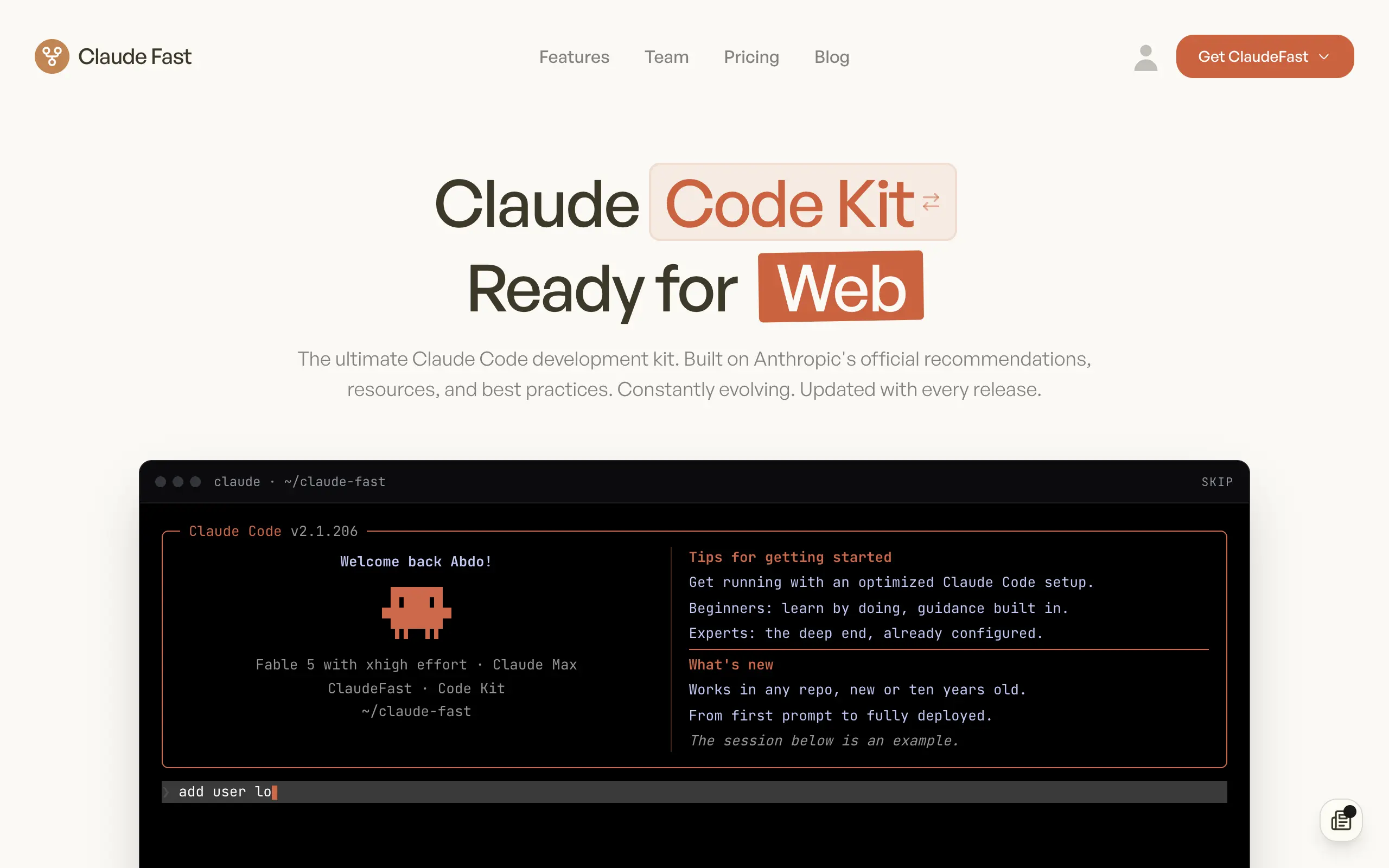
Claude Fast
Supercharge your Claude Code with 6x effective context window and specialized AI agents 🤖
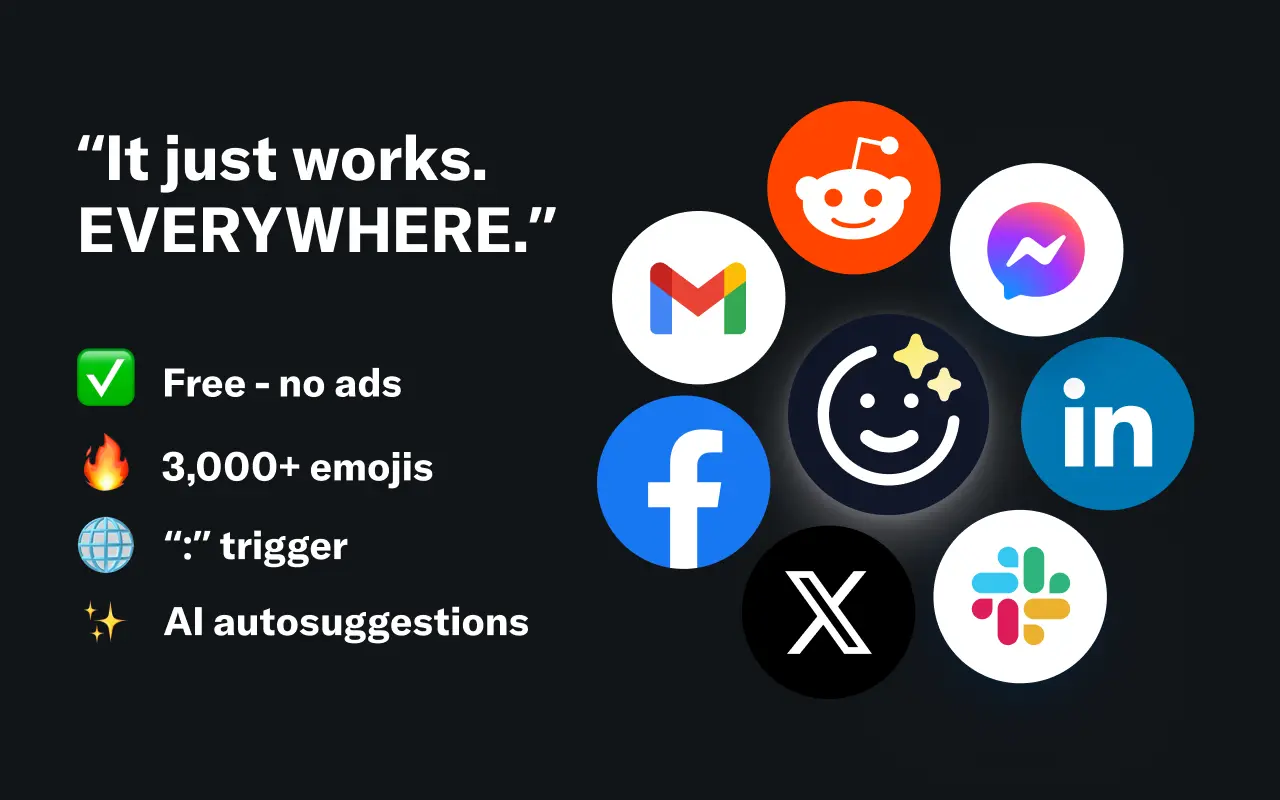
EmojAI
AI-powered emoji picker with smart, context-aware suggestions 🤖
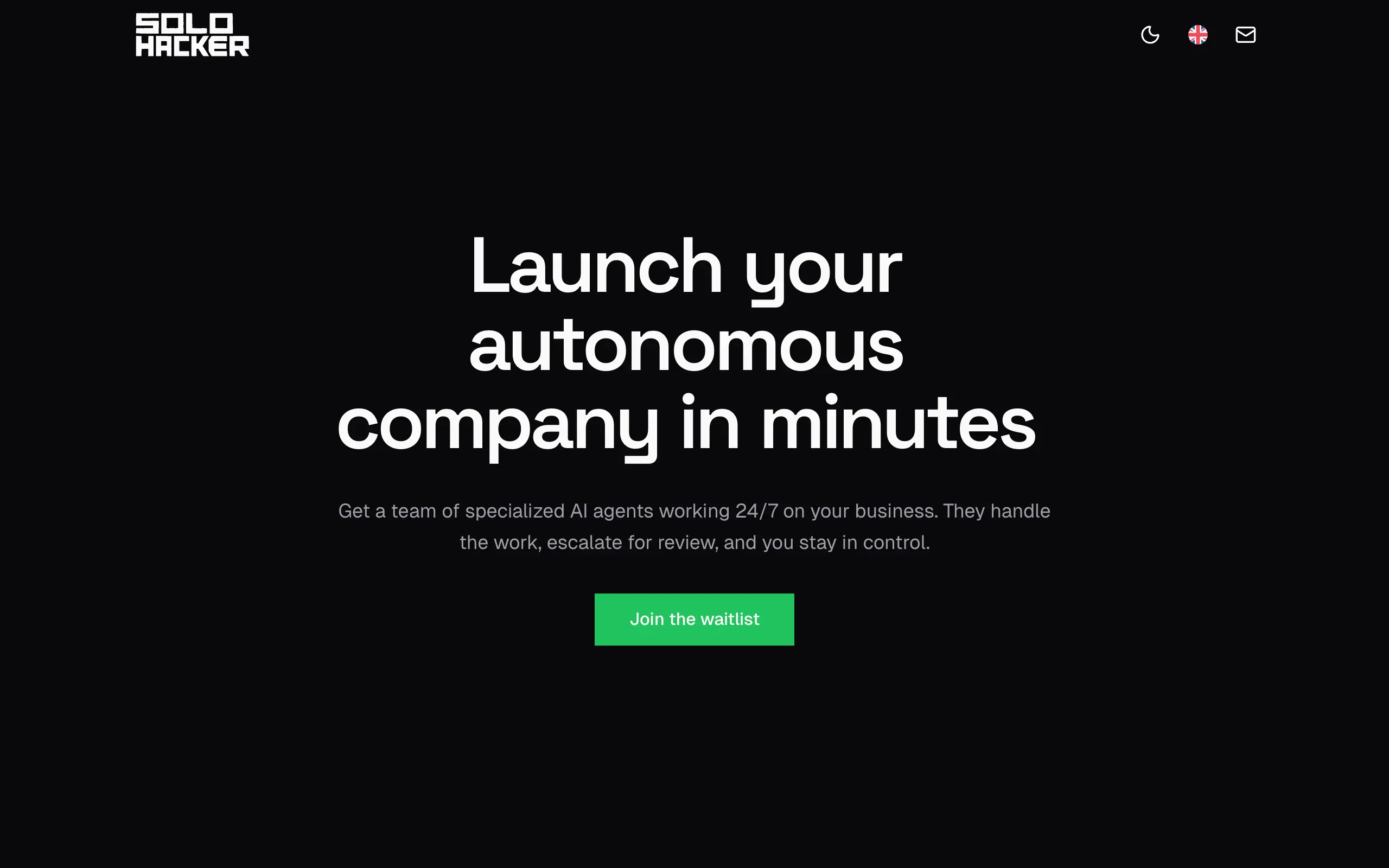
Solohacker
Autonomous company launcher - AI agents work 24/7, escalate what matters, and you stay in control 🤖
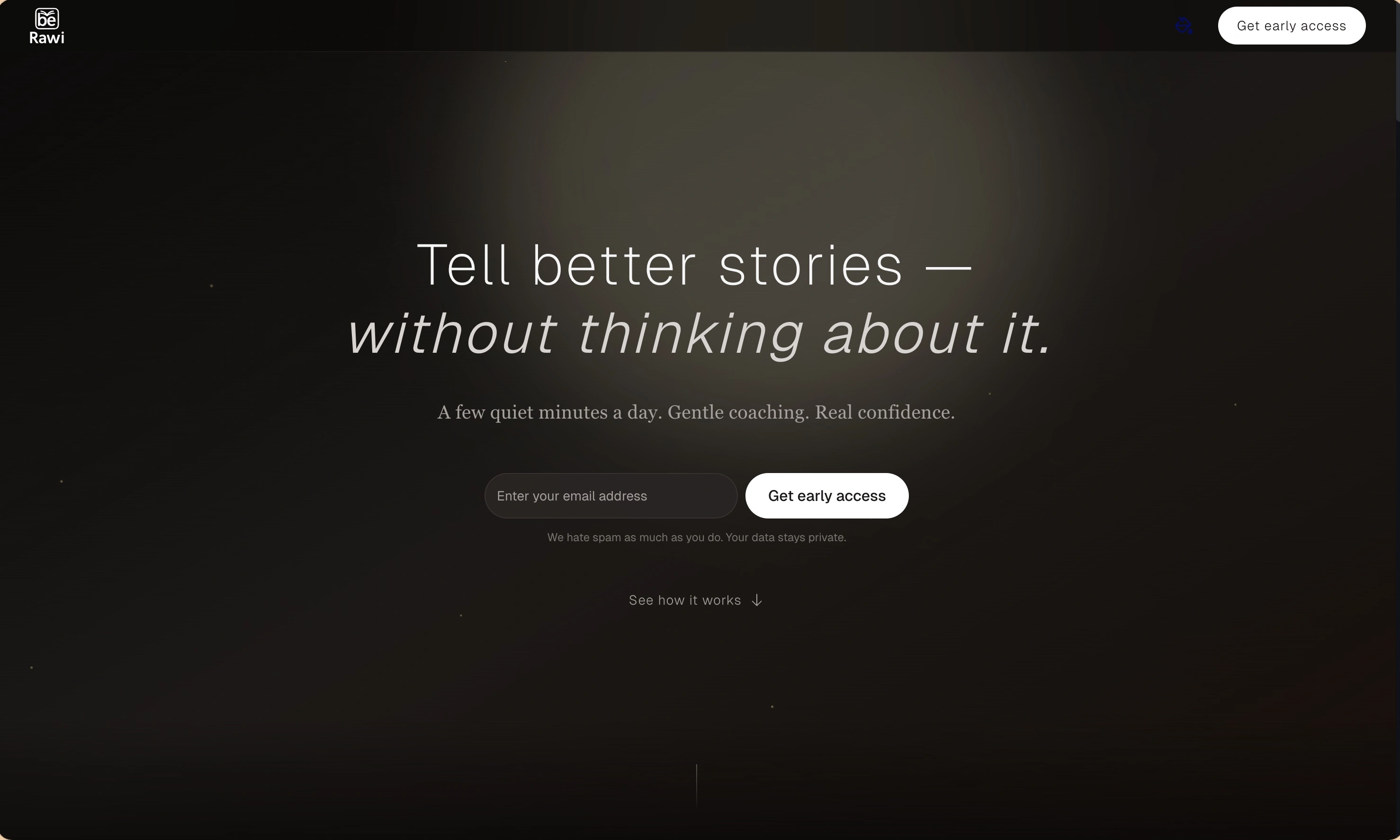
BeRawi: Storytelling Coach
Practice storytelling daily with instant feedback to sound clearer, more engaging, and confident 🎤
Omichat
Chat with 50+ AI models, including ChatGPT and Claude, in one place - switch models anytime without losing context 🤖
Claude Fast
Supercharge your Claude Code with 6x effective context window and specialized AI agents 🤖
EmojAI
AI-powered emoji picker with smart, context-aware suggestions 🤖
Solohacker
Autonomous company launcher - AI agents work 24/7, escalate what matters, and you stay in control 🤖
BeRawi: Storytelling Coach
Practice storytelling daily with instant feedback to sound clearer, more engaging, and confident 🎤

Connect with like-minded people
Join our community to get feedback, support, and grow together with 1,000+ builders on board, let's ship it!
Join usShip your startup everywhere. In minutes.
Don't burn tokens on setup and start building features on day one.