MealMatch
Personalized meal planning app that uses AI to suggest recipes, generate shopping lists, and adapt to dietary restrictions and local grocery deals.
Understanding the MealMatch opportunity: why smart meal planning matters
The modern consumer faces a daily challenge: how to eat healthily, save money, and reduce food waste—all while juggling a busy lifestyle. MealMatch is a mobile SaaS solution designed to address these pain points by intelligently suggesting recipes based on what’s in your fridge, your dietary needs, and local grocery deals. This comprehensive guide explores the MealMatch concept, its market fit, technical considerations, and actionable steps for launching a standout smart meal planner app.
Who needs MealMatch? Target audience analysis
Understanding your core users is essential for building a product that resonates and drives engagement. MealMatch targets several overlapping user segments:
- Busy professionals and families: People with limited time to plan meals or shop, seeking convenience and efficiency.
- Health-conscious individuals: Users with specific dietary needs (e.g., vegan, gluten-free, keto) who want tailored meal suggestions.
- Budget-conscious shoppers: Those looking to save money by leveraging local grocery deals and minimizing food waste.
- Eco-conscious consumers: Individuals motivated to reduce their environmental impact by using up what’s already in their fridge.
- Students and young adults: Often on tight budgets, with limited cooking experience and a desire for simple, affordable recipes.
Time-strapped professionals
Need quick, healthy meal ideas that fit their schedule and pantry.
Diet-specific users
Require recipes that respect allergies, preferences, or health goals.
Budget-focused families
Want to maximize grocery savings and reduce waste.
Eco-conscious individuals
Motivated to minimize food waste and environmental impact.
User intent: Most users searching for a smart meal planner like MealMatch are looking for practical, actionable solutions to everyday problems—namely, what to cook tonight, how to use up ingredients, and how to save money. They expect a seamless, personalized experience that delivers real value.
Market opportunity and gap analysis
The food waste and meal planning problem
Globally, over 1.3 billion tons of food are wasted each year, representing nearly one-third of all food produced (FAO). In the US alone, the average family throws away $1,500 worth of food annually. At the same time, consumers are increasingly aware of the environmental and financial impact of food waste.
Existing meal planning apps often fall short in several areas:
- Static recipe suggestions: Many apps suggest recipes without considering what users already have at home.
- Limited personalization: Few solutions offer deep customization for dietary needs or local deals.
- Lack of real-time grocery integration: Most apps don’t connect with local grocery offers, missing out on potential savings.
Why MealMatch stands out
MealMatch addresses these gaps by combining:
- Ingredient-based recipe suggestions: Reducing waste by using what’s already in the fridge.
- Personalized dietary filters: Catering to allergies, preferences, and health goals.
- Local grocery deal integration: Helping users save money by surfacing relevant discounts.
Industry trend
The rise of AI-powered personalization and the growing demand for sustainable living solutions make now an ideal time to launch a smart meal planner like MealMatch.
Core features and solution details
A successful smart meal planner must deliver a seamless, intuitive experience. Here’s how MealMatch can achieve this:
1. Smart ingredient scanning and inventory management
- Fridge and pantry tracking: Users can manually input or scan barcodes/receipts to log ingredients.
- AI-powered image recognition: Use the phone camera to identify items in the fridge.
- Expiration date reminders: Notifications to use items before they spoil.
2. Personalized recipe recommendations
- Ingredient-based suggestions: Recipes that use up what’s on hand.
- Dietary filters: Vegan, vegetarian, gluten-free, keto, allergies, etc.
- Meal type and prep time filters: Breakfast, lunch, dinner, snacks; quick meals for busy nights.
3. Local grocery deal integration
- Real-time deal aggregation: Pulls in offers from local grocery stores.
- Recipe suggestions based on deals: Recommends meals that maximize savings.
- Shopping list generation: Automatically compiles a list based on selected recipes and missing ingredients.
4. Food waste tracking and analytics
- Waste reduction dashboard: Visualizes how much food and money users have saved.
- Tips and challenges: Gamified features to encourage further waste reduction.
5. Seamless user experience
- Intuitive mobile UI: Clean, easy-to-navigate design.
- Push notifications: Reminders for expiring items, new deals, or meal suggestions.
- Social sharing: Let users share recipes or savings milestones.
By analyzing ingredient availability, dietary preferences, and local deals, AI can surface highly relevant, creative recipes that maximize value and minimize waste.
Yes, with appropriate APIs, MealMatch can integrate with smart appliances and third-party grocery delivery services for a more automated experience.
Recommended tech stack for MealMatch mobile app
Choosing the right technology stack is crucial for scalability, performance, and rapid development. Here’s a recommended approach for building MealMatch:
Frontend (mobile app)
- React Native: Enables cross-platform development for iOS and Android, reducing time-to-market.
- Expo: Simplifies React Native development, especially for camera and barcode scanning features.
- Redux Toolkit: For state management, especially ingredient inventory and user preferences.
- Tailwind CSS (via NativeWind): For rapid, consistent UI styling.
Backend
- Node.js: Fast, scalable backend for API development.
- Express.js: Lightweight framework for RESTful APIs.
- MongoDB: Flexible NoSQL database for user data, recipes, and inventory.
- Firebase: For real-time notifications, authentication, and analytics.
AI and integrations
- TensorFlow Lite: For on-device image recognition (ingredient scanning).
- OpenAI API: For advanced recipe generation and personalization.
- Grocery deal APIs: Integrate with local grocery chains or use web scraping (with caution and legal compliance).
DevOps and rapid prototyping
- TurboStarter: Accelerates SaaS MVP development with prebuilt authentication, payments, and deployment pipelines.
- Docker: For containerized deployment.
- GitHub Actions: CI/CD automation.
| Tech | Pros | Cons | Use Case | Alternatives |
|---|---|---|---|---|
| React Native | ✅ Cross-platform | ❌ Native performance trade-offs | Mobile UI | Flutter |
| MongoDB | ✅ Flexible schema | ❌ Not ideal for complex transactions | User/recipe data | PostgreSQL |
Why TurboStarter?
TurboStarter can dramatically reduce your time-to-market by providing a robust SaaS boilerplate, including user authentication, payments, and deployment best practices.
Monetization strategies for MealMatch
A sustainable SaaS business model is essential. Here are proven monetization options for a smart meal planner app:
1. Freemium model
- Free tier: Basic features (ingredient tracking, limited recipe suggestions).
- Premium tier: Advanced features (AI-powered suggestions, unlimited dietary filters, local deal integration, analytics dashboard).
2. Subscription plans
- Monthly/annual subscriptions: Unlock all features, ad-free experience, and exclusive recipes.
3. Affiliate partnerships
- Grocery store commissions: Earn a percentage from users who purchase through integrated grocery deals.
- Sponsored recipes or products: Feature branded ingredients or kitchen tools.
4. In-app purchases
- Recipe packs: Curated meal plans for specific diets or occasions.
- Personalized coaching: Access to nutritionists or meal planning experts.
5. Data insights (with user consent)
- Aggregated, anonymized data: Offer insights to grocery chains or food brands about consumer trends (ensure strict privacy compliance).
Potential risks and mitigation strategies
Launching a SaaS like MealMatch comes with challenges. Here’s how to address them:
1. Data privacy and security
- Risk: Handling sensitive user data (dietary preferences, location, purchase history).
- Mitigation: Implement robust encryption, comply with GDPR and CCPA, and be transparent about data usage.
2. Integration with grocery APIs
- Risk: Inconsistent or unavailable APIs from local stores.
- Mitigation: Start with major chains, use web scraping only where legally permitted, and offer manual deal input as a fallback.
3. Recipe accuracy and dietary safety
- Risk: Incorrect suggestions could trigger allergies or health issues.
- Mitigation: Allow users to set strict dietary exclusions, provide clear disclaimers, and regularly update recipe data.
4. User engagement and retention
- Risk: Users may lose interest if the app doesn’t deliver ongoing value.
- Mitigation: Use gamification, personalized notifications, and regular feature updates to keep users engaged.
5. Competition
- Risk: Established meal planning apps or recipe platforms.
- Mitigation: Focus on unique features (ingredient-based suggestions, local deals, waste tracking) and superior user experience.
Competitive advantage: what makes MealMatch unique?
MealMatch’s unique selling proposition (USP) lies in its holistic, AI-driven approach to meal planning:
- Ingredient-first logic: Most competitors start with recipes; MealMatch starts with what’s in your fridge, directly addressing food waste.
- Hyper-personalization: Deep dietary customization and local deal integration.
- Sustainability focus: Visualizes waste reduction and savings, appealing to eco- and budget-conscious users.
- Seamless mobile experience: Designed for on-the-go use, with intuitive scanning and notifications.
Ingredient-based planning
Reduces waste by prioritizing what users already have.
Local deal integration
Helps users save money with real-time grocery offers.
Personalized dietary filters
Ensures every meal fits the user's needs.
Gamified waste tracking
Motivates users to keep improving.
Actionable steps to build and launch MealMatch
Ready to bring MealMatch to life? Here’s a step-by-step roadmap:
Implementation tips and best practices
- Start small, iterate fast: Focus on a core set of features and expand based on user feedback.
- Leverage existing solutions: Use platforms like TurboStarter to accelerate development and avoid reinventing the wheel.
- Prioritize privacy: Make data security a core part of your value proposition.
- Build community: Encourage users to share recipes, tips, and savings milestones.
- Stay current: Regularly update the app with new recipes, deals, and features to maintain engagement.
Conclusion: why MealMatch is the future of smart meal planning
MealMatch is more than just another recipe app—it’s a comprehensive, AI-powered solution that addresses real-world problems: food waste, dietary complexity, and rising grocery costs. By focusing on what users already have, personalizing every suggestion, and integrating local deals, MealMatch stands out in a crowded market.
With the right tech stack, a user-centric approach, and a commitment to sustainability, MealMatch has the potential to become the go-to smart meal planner for modern consumers. Whether you’re an entrepreneur, developer, or investor, now is the time to seize this opportunity and help shape the future of food.
Ready to build?
Start validating your idea, assemble your team, and leverage rapid development tools to bring MealMatch to market faster than ever.
More 📱 Mobile App SaaS ideas
Discover more innovative mobile app SaaS ideas that are trending in 2026. Each idea is AI-generated with market validation and growth potential to help you find your next profitable venture faster than competitors.
Your competitors are building with TurboStarter
Below are some of the SaaS ideas that have been generated and built with our starter kit.
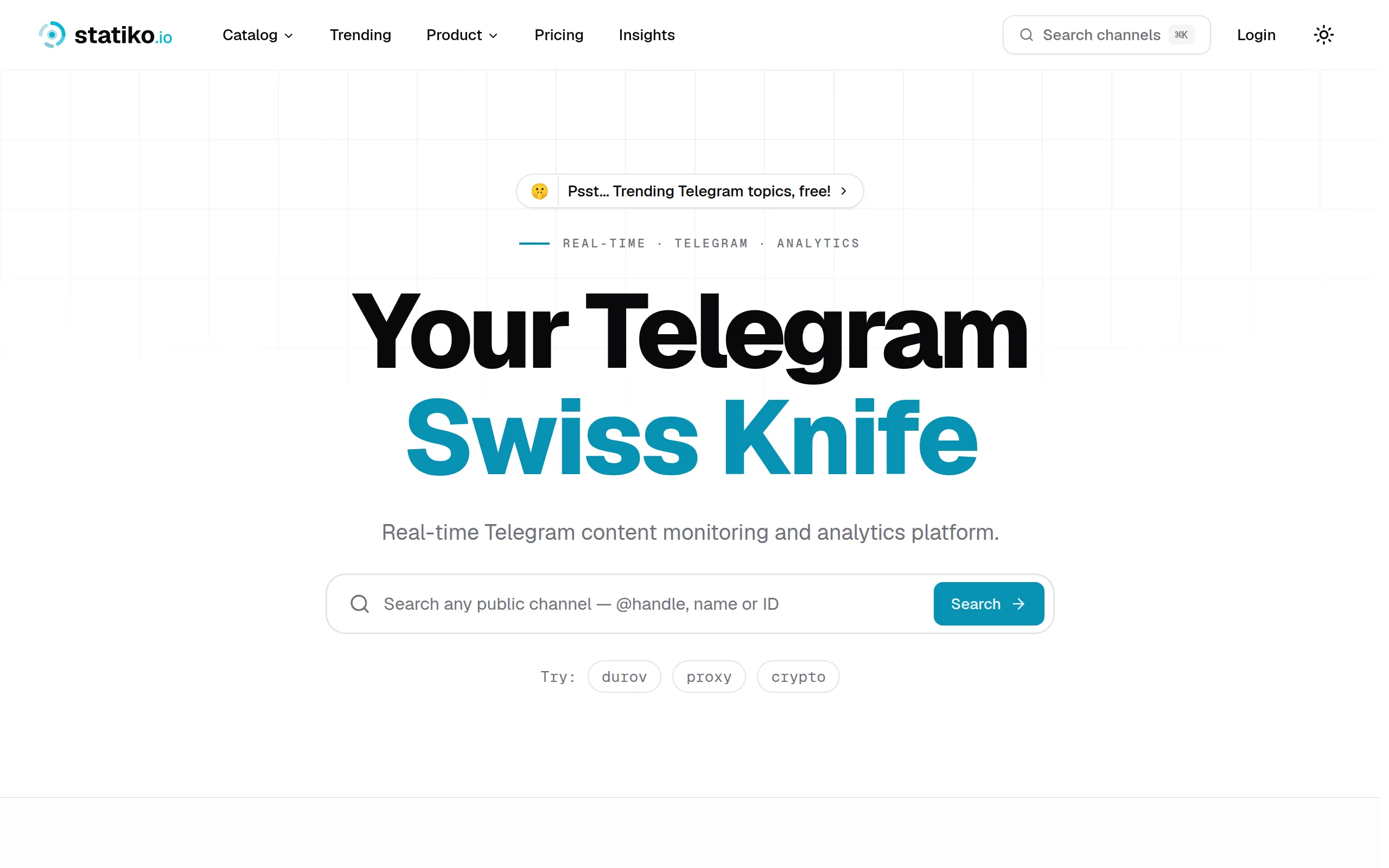
Statiko
Monitor any Telegram channel in real time - track posts, edits, deletions, and growth with AI recaps 📡

Shibui
AI website builder - describe your business, pick a niche template, edit by chatting, and publish instantly ✨

Pro Service
Find verified home service professionals, compare quotes, and pay securely through escrow - built for Brazilians across the US 🏠
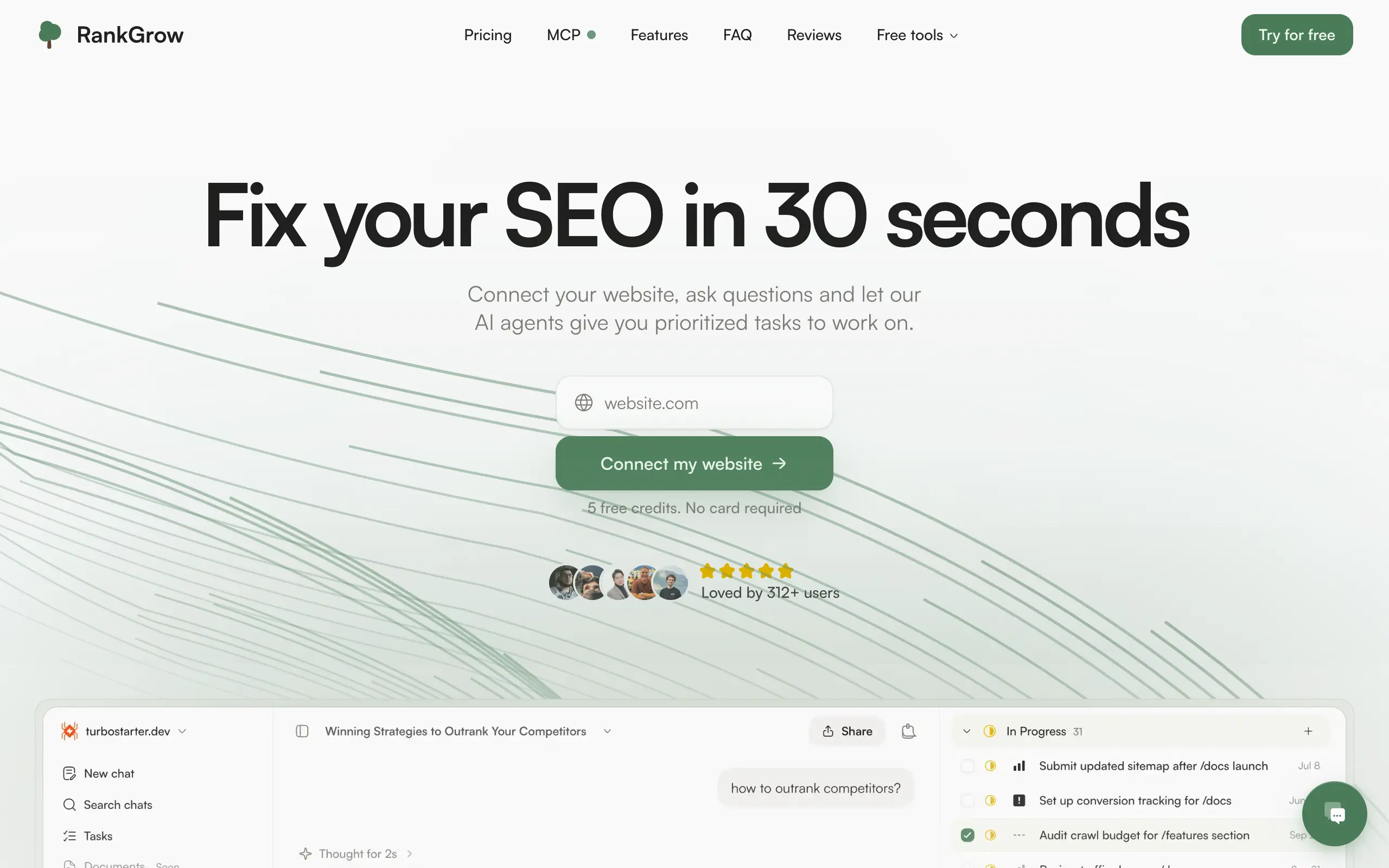
RankGrow
Fix your SEO with AI agents - connect Search Console, get prioritized tasks, and grow organic traffic 📈
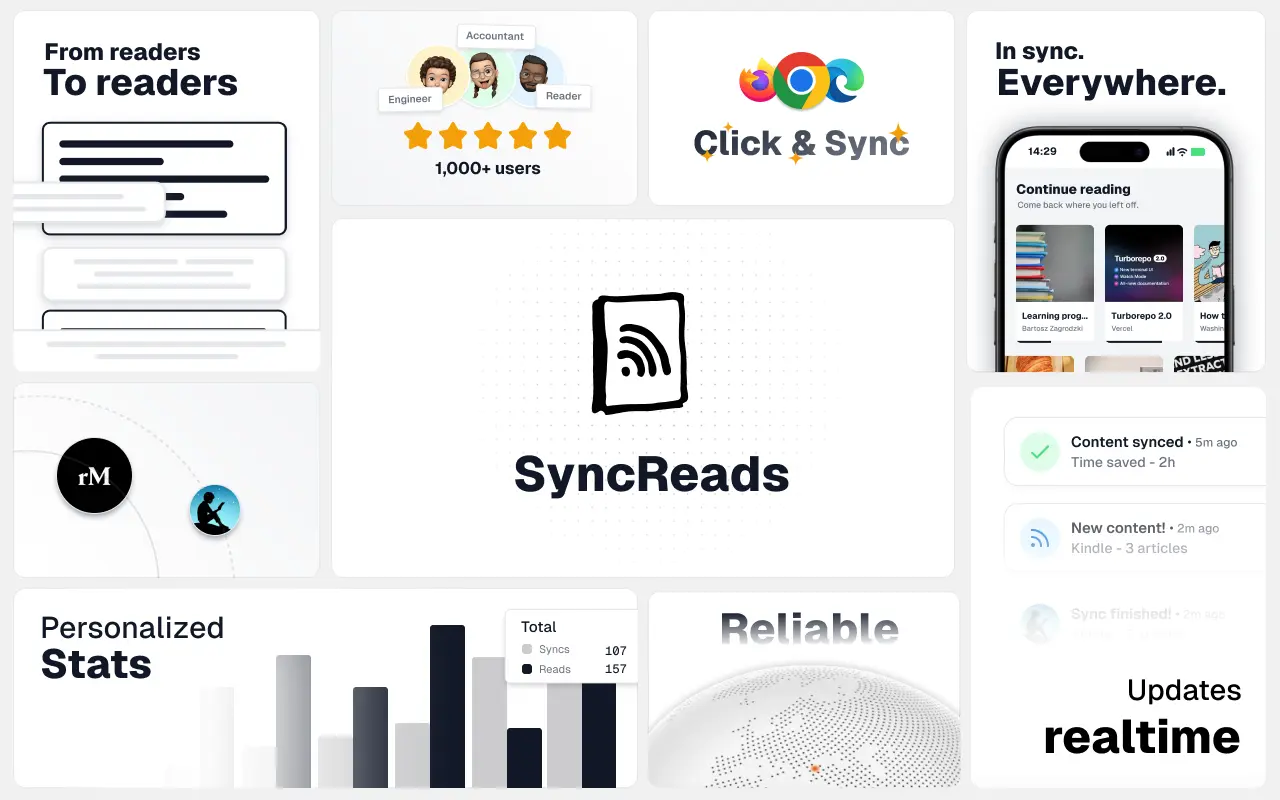
SyncReads
Sync your favorite content for distraction-free reading, save time and replace multiple apps. Anytime, anywhere 🔄
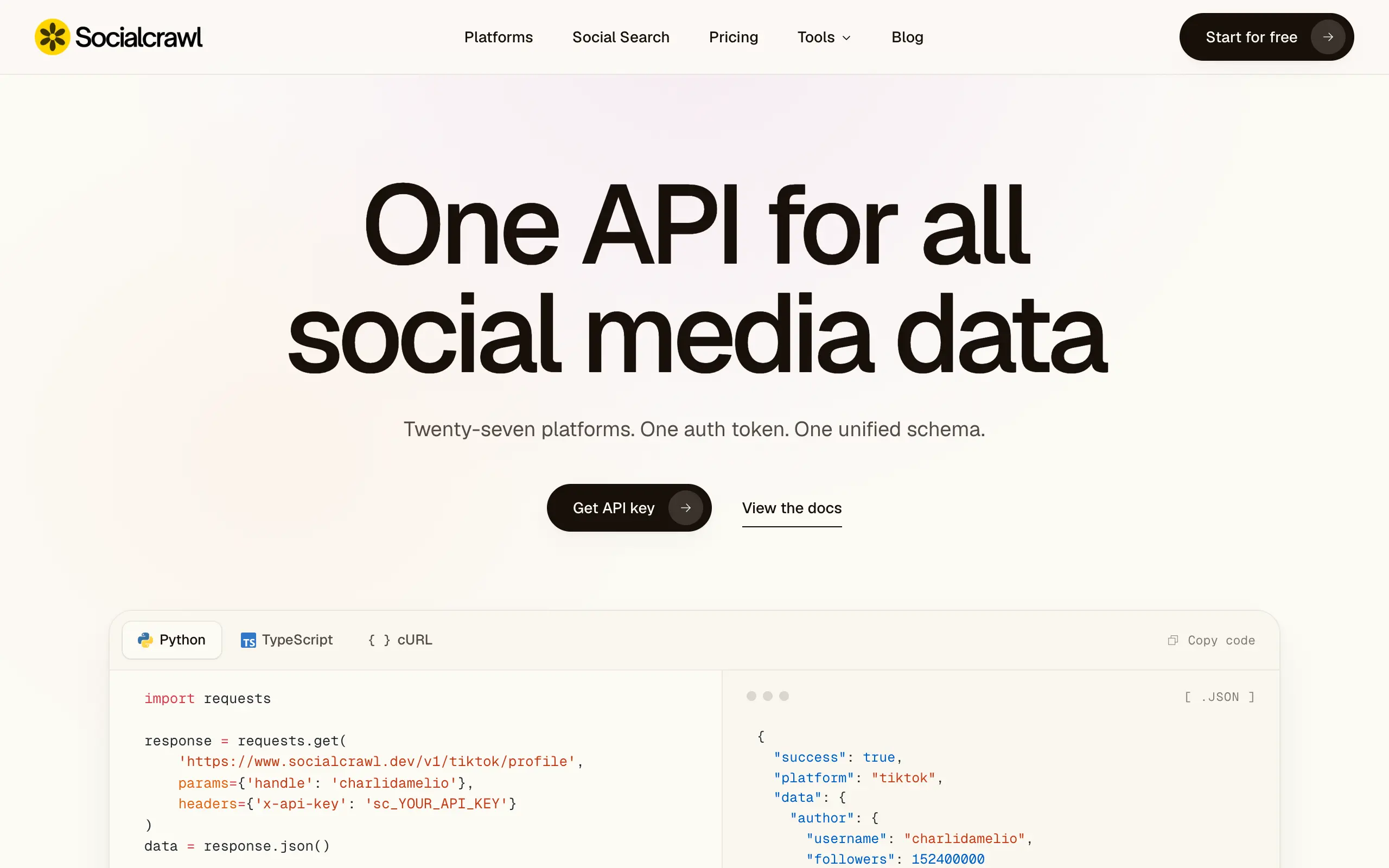
Socialcrawl
Get clean, structured data from 21 platforms like TikTok, Instagram, and YouTube with a single request 📊
Statiko
Monitor any Telegram channel in real time - track posts, edits, deletions, and growth with AI recaps 📡
Shibui
AI website builder - describe your business, pick a niche template, edit by chatting, and publish instantly ✨
Pro Service
Find verified home service professionals, compare quotes, and pay securely through escrow - built for Brazilians across the US 🏠
RankGrow
Fix your SEO with AI agents - connect Search Console, get prioritized tasks, and grow organic traffic 📈
SyncReads
Sync your favorite content for distraction-free reading, save time and replace multiple apps. Anytime, anywhere 🔄
Socialcrawl
Get clean, structured data from 21 platforms like TikTok, Instagram, and YouTube with a single request 📊
Statiko
Monitor any Telegram channel in real time - track posts, edits, deletions, and growth with AI recaps 📡
Shibui
AI website builder - describe your business, pick a niche template, edit by chatting, and publish instantly ✨
Pro Service
Find verified home service professionals, compare quotes, and pay securely through escrow - built for Brazilians across the US 🏠
RankGrow
Fix your SEO with AI agents - connect Search Console, get prioritized tasks, and grow organic traffic 📈
SyncReads
Sync your favorite content for distraction-free reading, save time and replace multiple apps. Anytime, anywhere 🔄
Socialcrawl
Get clean, structured data from 21 platforms like TikTok, Instagram, and YouTube with a single request 📊
Statiko
Monitor any Telegram channel in real time - track posts, edits, deletions, and growth with AI recaps 📡
Shibui
AI website builder - describe your business, pick a niche template, edit by chatting, and publish instantly ✨
Pro Service
Find verified home service professionals, compare quotes, and pay securely through escrow - built for Brazilians across the US 🏠
RankGrow
Fix your SEO with AI agents - connect Search Console, get prioritized tasks, and grow organic traffic 📈
SyncReads
Sync your favorite content for distraction-free reading, save time and replace multiple apps. Anytime, anywhere 🔄
Socialcrawl
Get clean, structured data from 21 platforms like TikTok, Instagram, and YouTube with a single request 📊
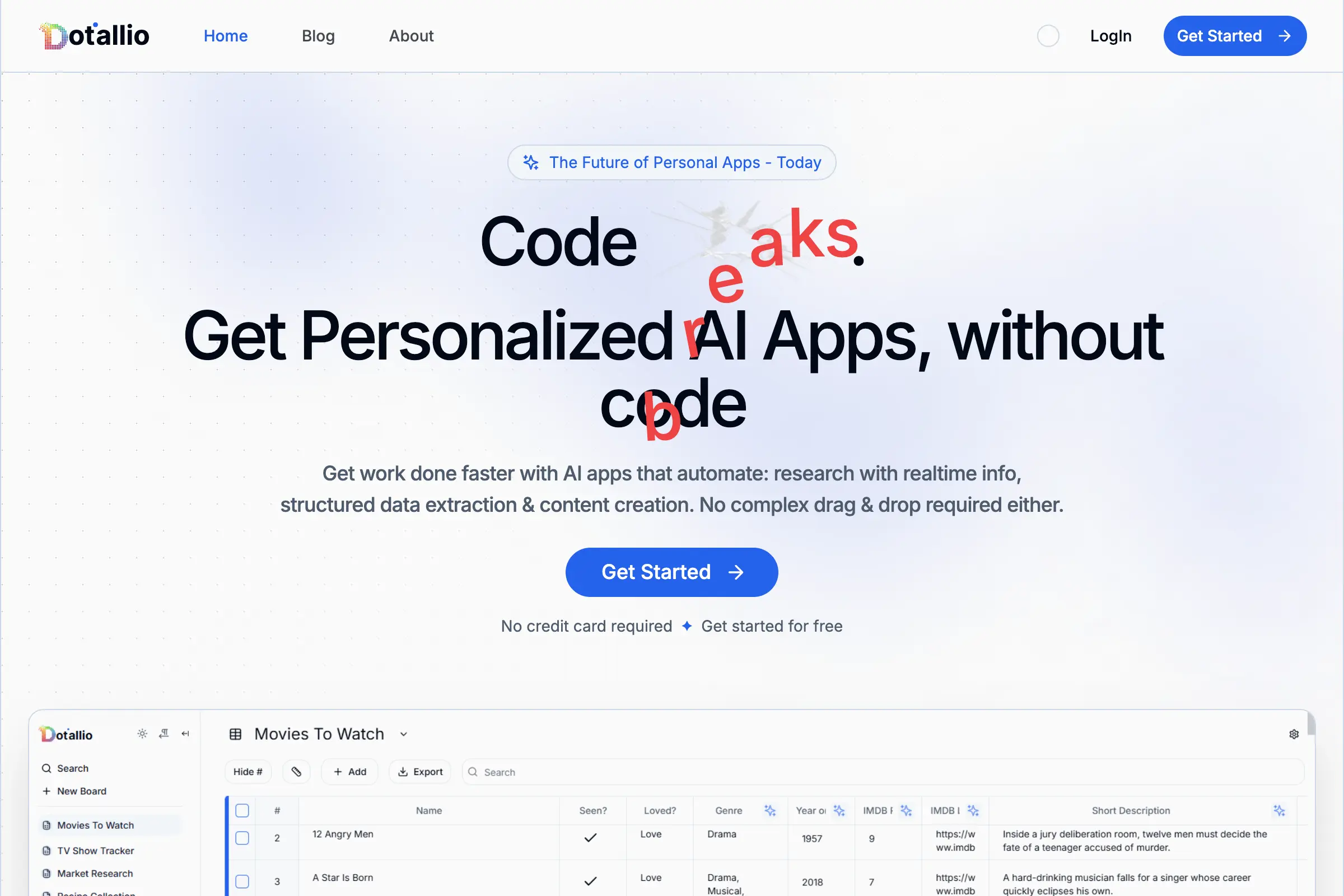
Dotallio
Personalized AI apps that automate research, data extraction, and content creation without code 🤖

Talk to Santa
Enjoy a magical live video chat or receive a unique AI-generated video greeting from Santa Claus 🎅
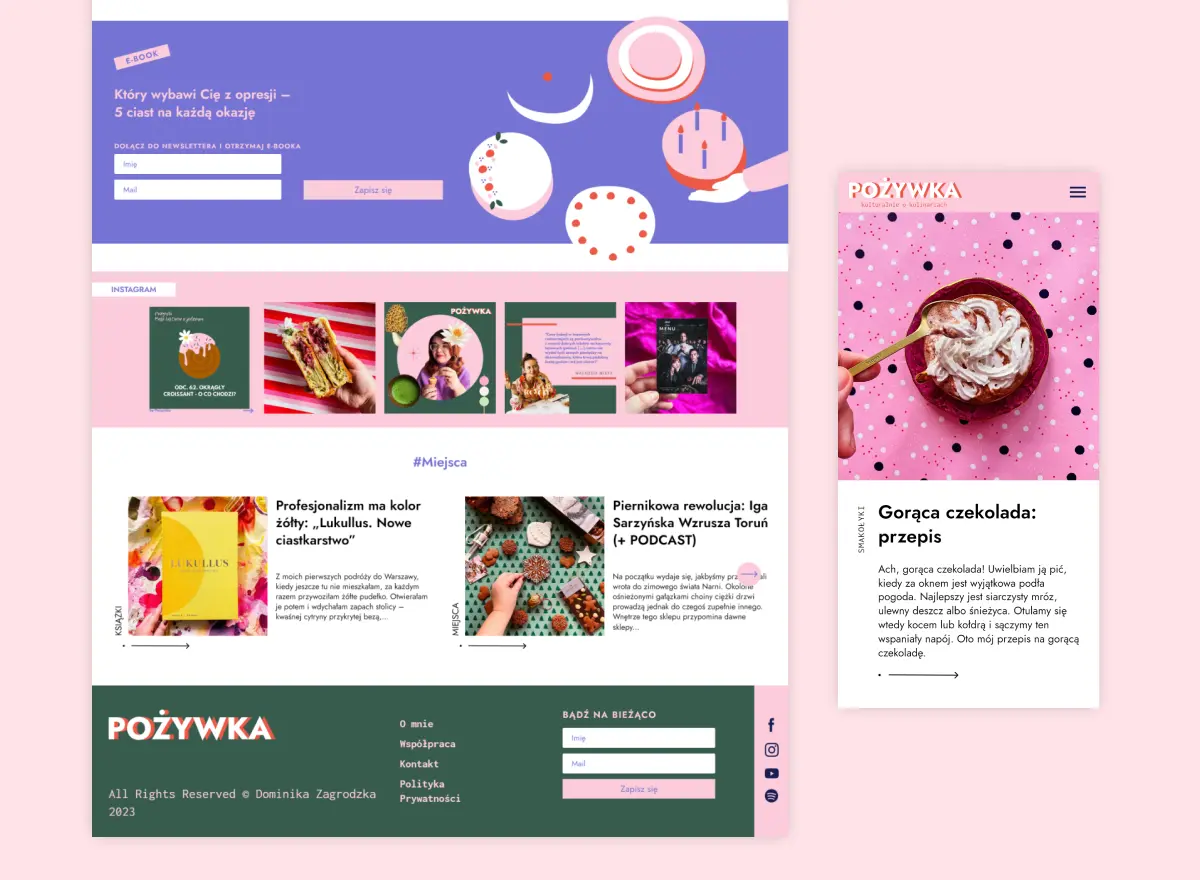
pozywka.pl
Scalable blog for food journalist, focused on performance and user experience 🌭
zagrodzki.me
Personal blog and portfolio of Bart Zagrodzki, where he shares his knowledge and work 💼
TurboStarter
Ship your startup everywhere. In minutes.
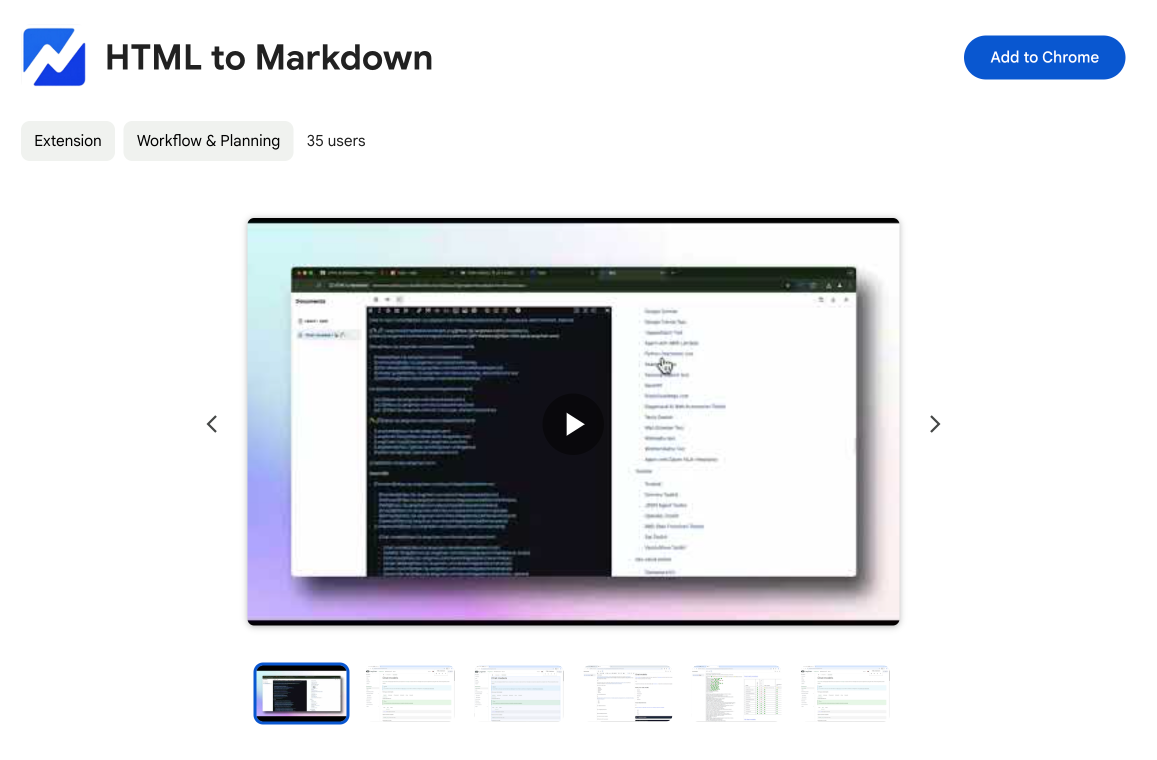
HTML to Markdown
Convert HTML to Markdown with ease, directly in your browser 📄
Dotallio
Personalized AI apps that automate research, data extraction, and content creation without code 🤖
Talk to Santa
Enjoy a magical live video chat or receive a unique AI-generated video greeting from Santa Claus 🎅
pozywka.pl
Scalable blog for food journalist, focused on performance and user experience 🌭
zagrodzki.me
Personal blog and portfolio of Bart Zagrodzki, where he shares his knowledge and work 💼
TurboStarter
Ship your startup everywhere. In minutes.
HTML to Markdown
Convert HTML to Markdown with ease, directly in your browser 📄
Dotallio
Personalized AI apps that automate research, data extraction, and content creation without code 🤖
Talk to Santa
Enjoy a magical live video chat or receive a unique AI-generated video greeting from Santa Claus 🎅
pozywka.pl
Scalable blog for food journalist, focused on performance and user experience 🌭
zagrodzki.me
Personal blog and portfolio of Bart Zagrodzki, where he shares his knowledge and work 💼
TurboStarter
Ship your startup everywhere. In minutes.
HTML to Markdown
Convert HTML to Markdown with ease, directly in your browser 📄
Dotallio
Personalized AI apps that automate research, data extraction, and content creation without code 🤖
Talk to Santa
Enjoy a magical live video chat or receive a unique AI-generated video greeting from Santa Claus 🎅
pozywka.pl
Scalable blog for food journalist, focused on performance and user experience 🌭
zagrodzki.me
Personal blog and portfolio of Bart Zagrodzki, where he shares his knowledge and work 💼
TurboStarter
Ship your startup everywhere. In minutes.
HTML to Markdown
Convert HTML to Markdown with ease, directly in your browser 📄
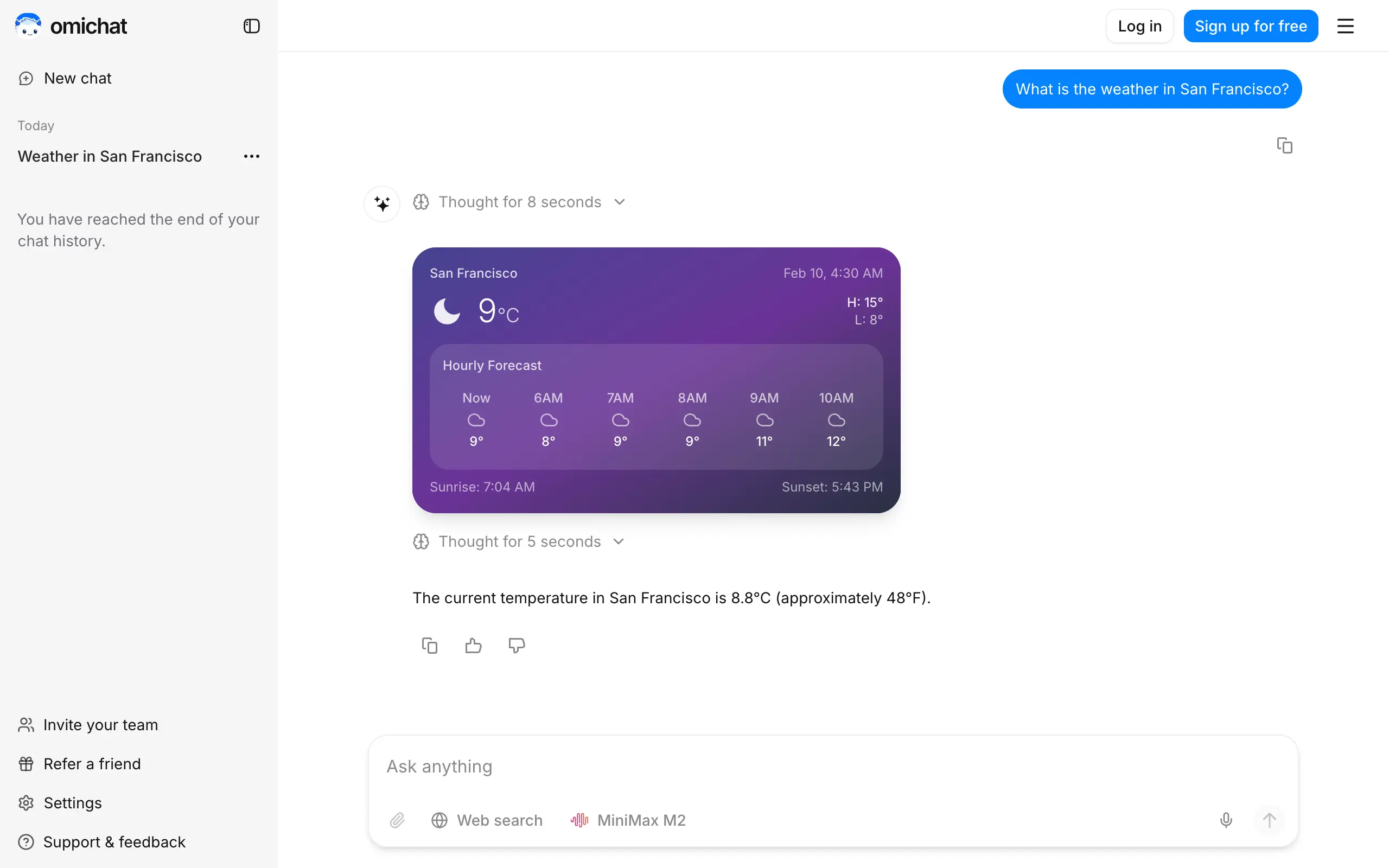
Omichat
Chat with 50+ AI models, including ChatGPT and Claude, in one place - switch models anytime without losing context 🤖
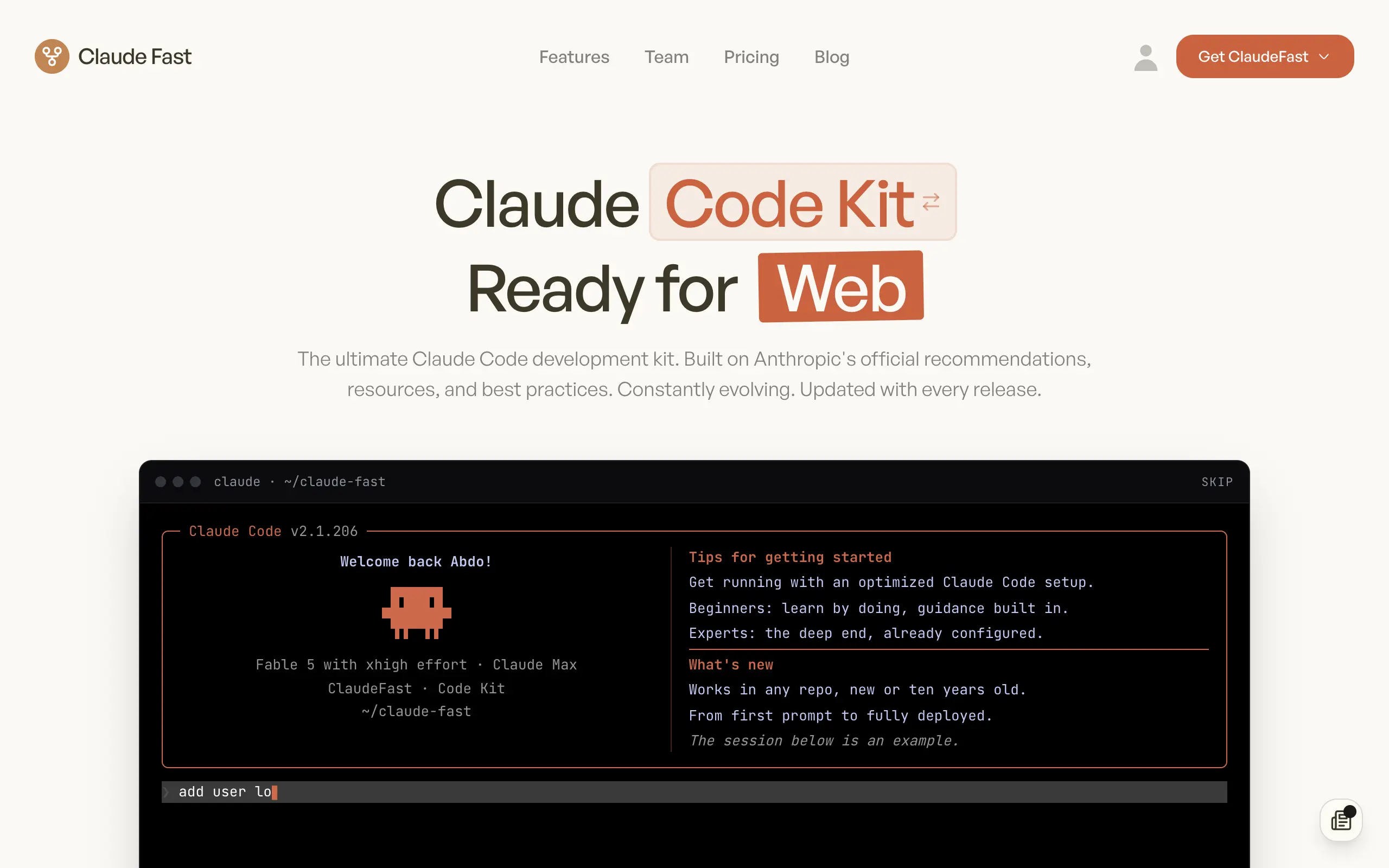
Claude Fast
Supercharge your Claude Code with 6x effective context window and specialized AI agents 🤖
EmojAI
AI-powered emoji picker with smart, context-aware suggestions 🤖
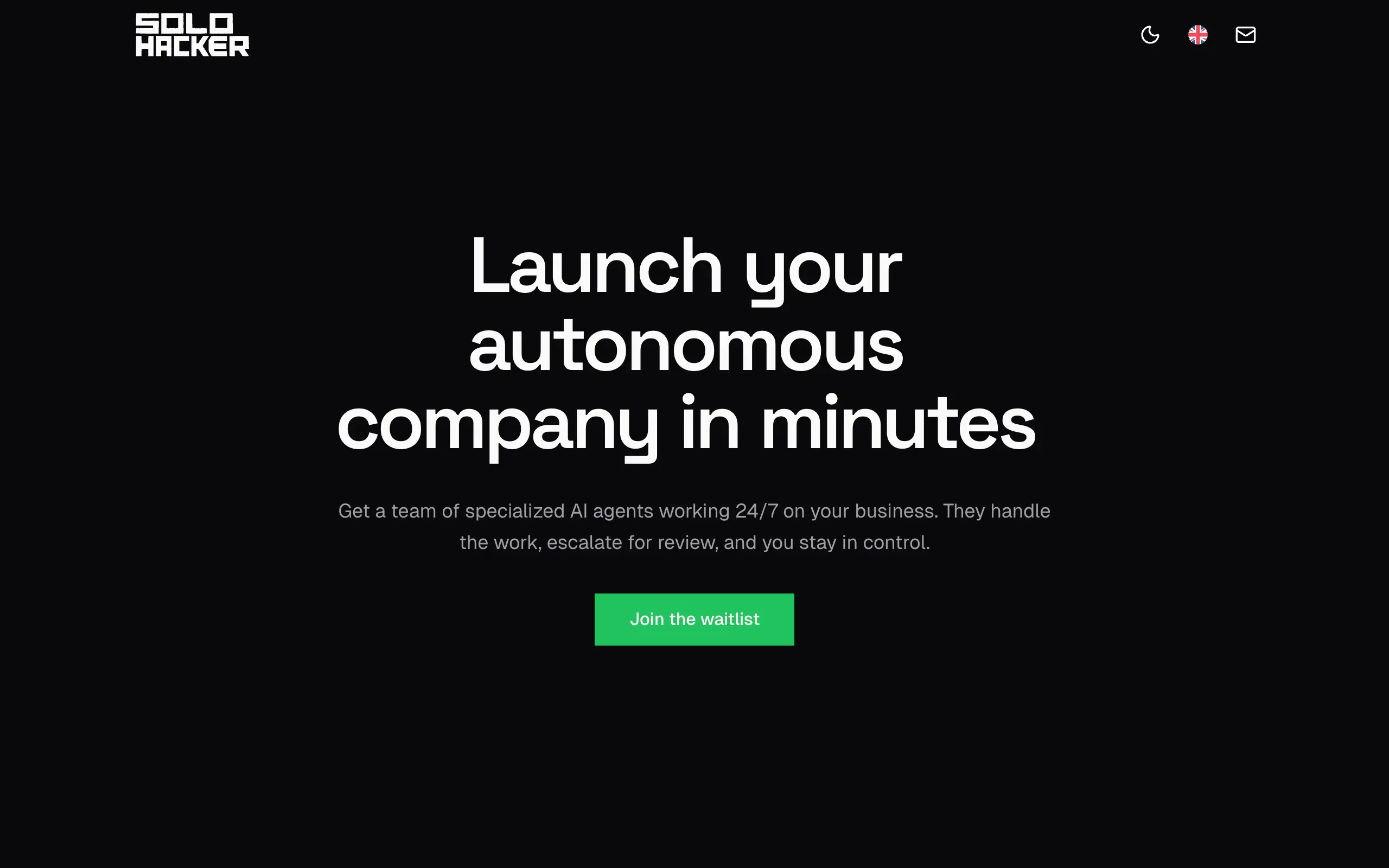
Solohacker
Autonomous company launcher - AI agents work 24/7, escalate what matters, and you stay in control 🤖
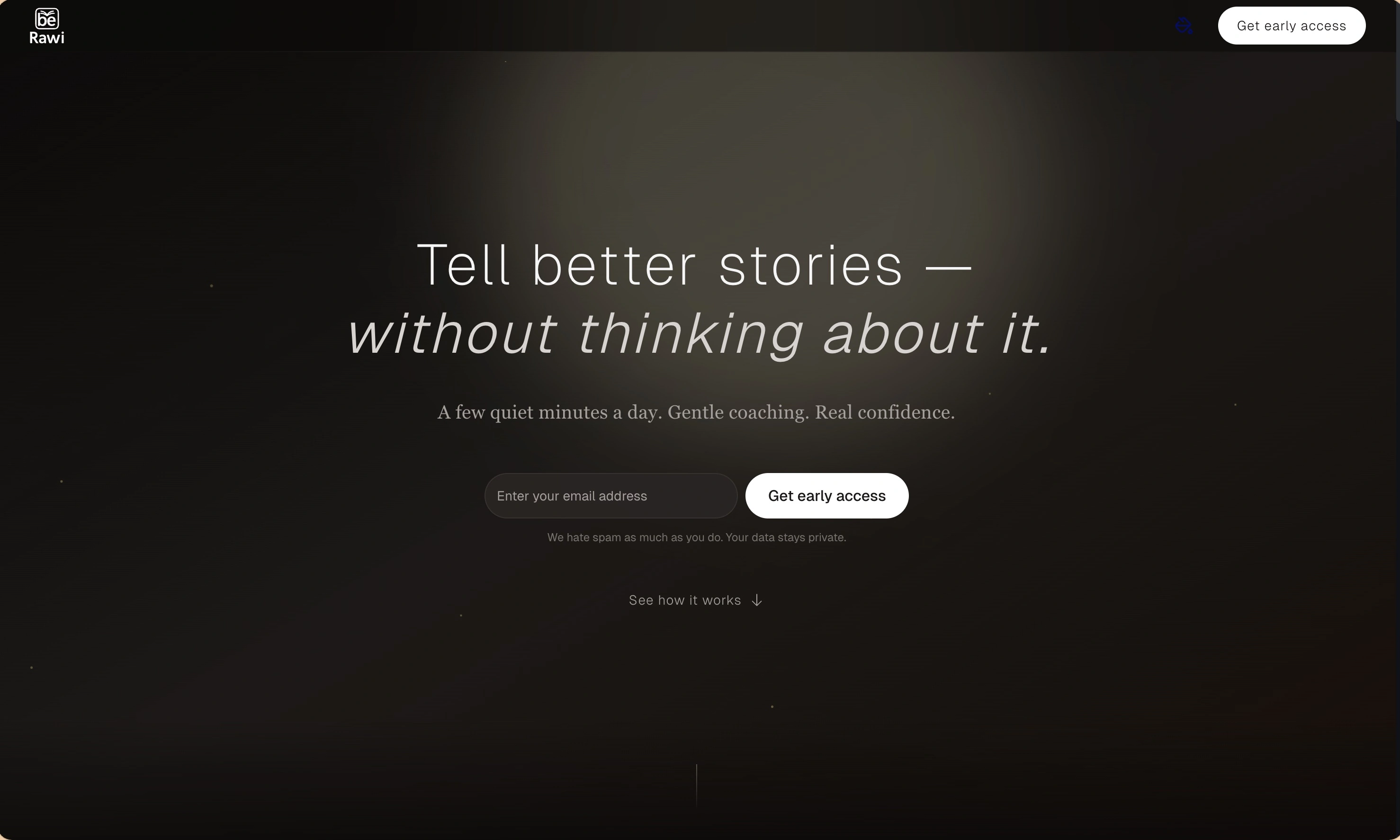
BeRawi: Storytelling Coach
Practice storytelling daily with instant feedback to sound clearer, more engaging, and confident 🎤
Omichat
Chat with 50+ AI models, including ChatGPT and Claude, in one place - switch models anytime without losing context 🤖
Claude Fast
Supercharge your Claude Code with 6x effective context window and specialized AI agents 🤖
EmojAI
AI-powered emoji picker with smart, context-aware suggestions 🤖
Solohacker
Autonomous company launcher - AI agents work 24/7, escalate what matters, and you stay in control 🤖
BeRawi: Storytelling Coach
Practice storytelling daily with instant feedback to sound clearer, more engaging, and confident 🎤
Omichat
Chat with 50+ AI models, including ChatGPT and Claude, in one place - switch models anytime without losing context 🤖
Claude Fast
Supercharge your Claude Code with 6x effective context window and specialized AI agents 🤖
EmojAI
AI-powered emoji picker with smart, context-aware suggestions 🤖
Solohacker
Autonomous company launcher - AI agents work 24/7, escalate what matters, and you stay in control 🤖
BeRawi: Storytelling Coach
Practice storytelling daily with instant feedback to sound clearer, more engaging, and confident 🎤
Omichat
Chat with 50+ AI models, including ChatGPT and Claude, in one place - switch models anytime without losing context 🤖
Claude Fast
Supercharge your Claude Code with 6x effective context window and specialized AI agents 🤖
EmojAI
AI-powered emoji picker with smart, context-aware suggestions 🤖
Solohacker
Autonomous company launcher - AI agents work 24/7, escalate what matters, and you stay in control 🤖
BeRawi: Storytelling Coach
Practice storytelling daily with instant feedback to sound clearer, more engaging, and confident 🎤

Connect with like-minded people
Join our community to get feedback, support, and grow together with 1,000+ builders on board, let's ship it!
Join usShip your startup everywhere. In minutes.
Don't burn tokens on setup and start building features on day one.