MoodBite
A mobile app that maps your mood to nutrient-rich meals and snacks, helping stabilize emotions with personalized plans and quick grocery lists.
Understanding the rise of mood-based nutrition apps
The intersection of mental health and nutrition is no longer niche—it’s becoming a major frontier in digital health. With growing awareness of the gut-brain axis, blood sugar stability, and micronutrient deficiencies, users are actively searching for ways to improve their mood through food.
A mobile app like MoodBite—which maps emotional states to nutrient-rich meals and snacks—sits squarely at the center of several high-growth trends:
- Personalized wellness
- Preventative mental health
- AI-driven nutrition planning
- Habit-building mobile experiences
The primary keyword cluster for this concept includes:
- mood-based nutrition app
- food for mood improvement
- personalized meal planning for mental health
- nutrition and emotional wellbeing
These keywords reflect strong user intent: people aren’t just curious—they’re actively seeking solutions.
Why mood-based nutrition is a real market opportunity
The idea behind MoodBite is not speculative—it’s grounded in established science and consumer demand.
The science behind food and mood
Research consistently shows that nutrition impacts mental health. For example:
- Omega-3 fatty acids are linked to reduced depression symptoms
- Magnesium deficiency is associated with anxiety
- Blood sugar spikes can lead to mood swings
- Gut microbiome diversity affects serotonin production
You can validate these claims through sources like:
- Harvard Health Publishing
- National Institutes of Health (NIH)
- Mayo Clinic
This scientific backing gives MoodBite a strong E-E-A-T advantage right from the start.
Target audience: who will actually use MoodBite?
Understanding the user is critical for building and marketing this SaaS effectively.
Primary audience segments
1. Young professionals (ages 22–40)
- High stress, irregular eating habits
- Interested in productivity and mental clarity
- Likely to use apps like Headspace or MyFitnessPal
2. Mental health-conscious users
- Already tracking mood or therapy progress
- Looking for non-medication support tools
- Open to experimentation with diet
3. Fitness and wellness enthusiasts
- Already tracking macros or nutrients
- Interested in optimization beyond physical performance
- Likely to adopt quickly if benefits are clear
4. Students and creators
- Experience fluctuating energy and focus
- Need affordable, quick meal solutions
- High mobile app engagement
The core problem MoodBite solves
Most nutrition apps focus on:
- Weight loss
- Calorie counting
- Muscle gain
Almost none focus on emotional regulation through food.
Current gaps in the market
- No real-time mood-to-food mapping
- Lack of actionable recommendations (people don’t want theory—they want meals)
- Poor integration of mental health data with nutrition
- Overly complex meal planning tools
MoodBite’s unique value proposition
MoodBite translates emotional states into:
- Nutritional insights
- Meal recommendations
- Immediate actions (what to eat right now)
That’s a powerful shift from tracking → to intervention.
How MoodBite works: core product experience
Let’s break down the user journey.
Step 1: mood input
Users log their current mood using:
- Quick emoji selection
- Sliders (stress, energy, focus)
- Optional journaling
Step 2: nutrient analysis
The app maps mood to likely deficiencies or imbalances:
- Low energy → iron, B vitamins
- Anxiety → magnesium, omega-3
- Brain fog → hydration, glucose stability
Step 3: meal recommendations
Users receive:
- Quick snacks (under 5 minutes)
- Full meals
- Grocery-based suggestions
Step 4: instant grocery list
Automatically generated based on:
- Pantry assumptions
- Budget preferences
- Dietary restrictions
Feature breakdown
Mood-to-meal engine
AI-powered mapping of emotional states to specific nutrients and meals.
Smart grocery lists
Dynamic lists based on your weekly mood patterns and meal selections.
Quick fix snacks
Immediate suggestions for mood stabilization in under 5 minutes.
Mood tracking insights
Visual trends linking diet patterns to emotional states.
Advanced features to differentiate MoodBite
1. Predictive mood stabilization
Using historical data, the app can:
- Predict when a user is likely to feel low
- Suggest preemptive meals
2. Wearable integration
Integration with:
- Apple Health
- Fitbit
- Oura Ring
This allows:
- Sleep + mood + nutrition correlation
- Real-time recommendations
3. AI nutrition coach
A conversational assistant that:
- Explains why certain foods help
- Adjusts recommendations dynamically
- Acts like a “diet therapist”
4. Budget-aware meal planning
Users can set:
- Weekly grocery budget
- Time constraints
The app adapts accordingly.
Recommended tech stack (with trade-offs)
Frontend (mobile app)
- React Native
- Pros: Cross-platform, faster development
- Cons: Performance limitations for complex animations
Alternative:
- Swift (iOS) + Kotlin (Android) for performance-first builds
Backend
- Node.js with NestJS
- Scalable and structured
- Firebase (for rapid MVP)
- Real-time database, auth, easy setup
Trade-off:
- Firebase is fast to launch but harder to scale long-term
AI and recommendation engine
- Python microservices (FastAPI)
- OpenAI or similar LLM APIs for:
- Natural language explanations
- Personalization logic
Database
- PostgreSQL for structured user data
- Redis for caching recommendations
Dev acceleration
Use TurboStarter to:
- Bootstrap SaaS architecture quickly
- Reduce time-to-market significantly
- Focus on core product differentiation instead of boilerplate
Monetization strategy
MoodBite has multiple viable revenue streams.
Freemium model
Free tier:
- Basic mood tracking
- Limited meal suggestions
Premium ($8–15/month):
- Full personalization
- Predictive insights
- Grocery automation
Additional revenue streams
- Affiliate grocery links (Instacart, Amazon Fresh)
- Sponsored healthy brands
- Corporate wellness partnerships
- Nutritionist-led premium plans
Competitive landscape analysis
Let’s compare MoodBite with existing tools:
| Feature | MoodBite | MyFitnessPal | Noom | Headspace | Calm |
|---|---|---|---|---|---|
| Mood-based meals | ✅ | ❌ | ❌ | ❌ | ❌ |
| Nutrition tracking | ✅ | ✅ | ✅ | ❌ | ❌ |
| Mental health focus | ✅ | ❌ | ✅ | ✅ | ✅ |
| Real-time food suggestions | ✅ | ❌ | ❌ | ❌ | ❌ |
| Grocery automation | ✅ | ❌ | ❌ | ❌ | ❌ |
Key takeaway
MoodBite doesn’t compete directly—it bridges categories:
- Nutrition apps
- Mental health apps
- Productivity tools
SEO growth strategy for MoodBite
To rank for “mood-based nutrition app” and related keywords:
Content marketing
Create blog content like:
- “Best foods for anxiety and stress”
- “What to eat when you feel depressed”
- “How diet affects your mood (science explained)”
App store optimization (ASO)
Include keywords:
- mood tracker with food suggestions
- mental health diet app
- foods that improve mood
Social media strategy
Focus on:
- TikTok: quick “eat this when you feel…” videos
- Instagram: mood-food infographics
- YouTube: deeper educational content
Potential risks and how to mitigate them
1. Overpromising mental health benefits
Risk: Users may expect clinical outcomes
Mitigation:
- Use clear disclaimers
- Position as a support tool, not treatment
2. Scientific credibility
Risk: Users question accuracy
Mitigation:
- Reference credible sources
- Collaborate with nutritionists
3. User retention
Risk: Drop-off after initial novelty
Mitigation:
- Gamification
- Daily streaks
- Personalized insights
4. Data privacy concerns
Risk: Sensitive emotional data
Mitigation:
- Strong encryption
- Transparent policies
- Optional anonymization
Building the MVP: what to include first
Skip:
- AI predictions
- Wearable integrations
- Complex personalization
Those come later.
Example: mood-to-meal logic (simplified)
const moodMap = {
  anxious: ["magnesium", "omega-3"],
  tired: ["iron", "vitamin B12"],
  stressed: ["vitamin C", "complex carbs"],
};

function getMealSuggestions(mood) {
  const nutrients = moodMap[mood];

  return meals.filter(meal =>
    nutrients.some(n => meal.nutrients.includes(n))
  );
}
This can evolve into a machine learning model later.
Go-to-market strategy
Phase 1: validation
- Launch landing page
- Collect emails
- Offer early access
Phase 2: beta launch
- Target niche communities:
- Reddit (r/nutrition, r/anxiety)
- Wellness Discord groups
Phase 3: scale
- Influencer partnerships
- App store ads
- SEO content engine
Long-term expansion opportunities
- B2B SaaS for corporate wellness
- Integration with therapy platforms
- API for health apps
- Smart kitchen integrations
Frequently asked questions
Yes, growing research supports the connection between diet and mental health, particularly through the gut-brain axis, nutrient deficiencies, and blood sugar regulation.
MoodBite focuses on emotional outcomes rather than weight or calories, making it more actionable for mental wellbeing.
No. It should be positioned as a complementary tool, not a replacement for professional care.
Final thoughts: why MoodBite has breakout potential
MoodBite sits at the intersection of multiple fast-growing trends:
- Personalized health
- Mental wellness
- AI-driven recommendations
What makes it especially compelling is its immediacy: It doesn’t just tell users what’s wrong—it tells them what to eat right now to feel better.
That’s a powerful user promise.
Actionable next steps to build MoodBite
- Validate demand with a simple landing page
- Build MVP using React Native + Firebase
- Develop rule-based recommendation engine
- Launch beta with niche communities
- Iterate based on real user feedback
- Add AI personalization layer
- Scale content and SEO acquisition
If executed well, MoodBite can evolve from a simple mobile app into a full-fledged digital nutrition companion for emotional wellbeing—a category that’s still wide open.
More 📱 Mobile App SaaS ideas
Discover more innovative mobile app SaaS ideas that are trending in 2026. Each idea is AI-generated with market validation and growth potential to help you find your next profitable venture faster than competitors.
Your competitors are building with TurboStarter
Below are some of the SaaS ideas that have been generated and built with our starter kit.
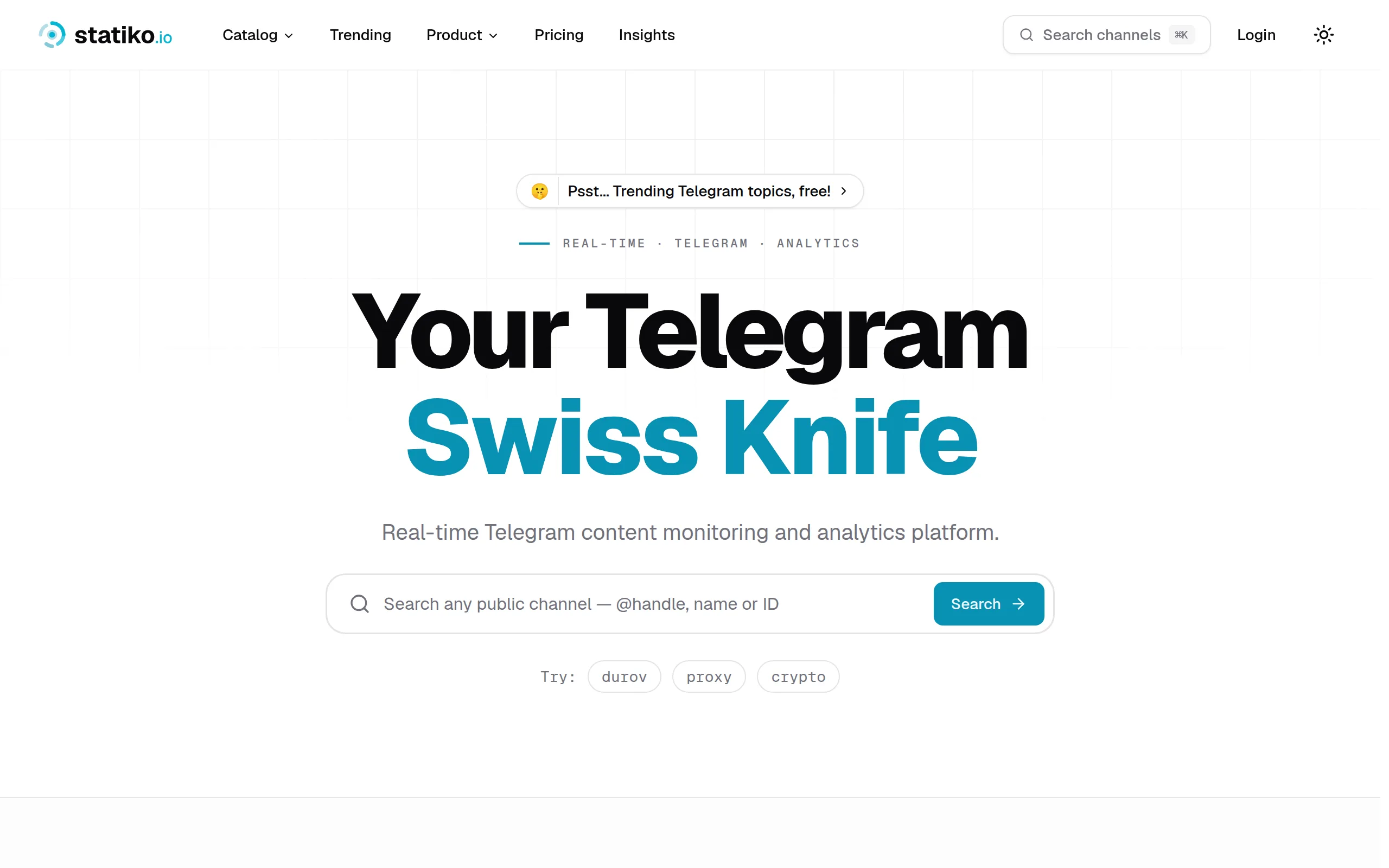
Statiko
Monitor any Telegram channel in real time - track posts, edits, deletions, and growth with AI recaps 📡

Shibui
AI website builder - describe your business, pick a niche template, edit by chatting, and publish instantly ✨

Pro Service
Find verified home service professionals, compare quotes, and pay securely through escrow - built for Brazilians across the US 🏠
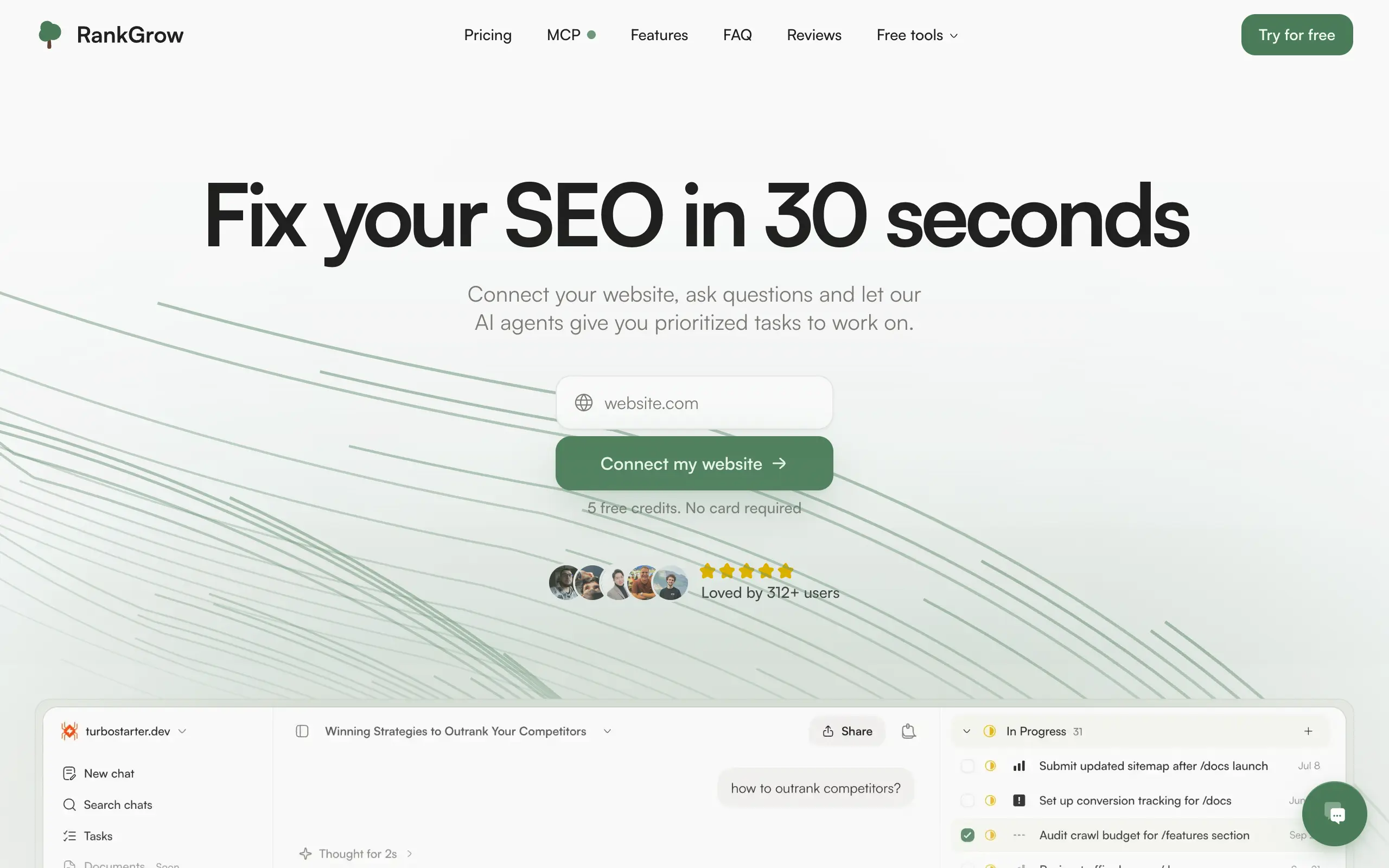
RankGrow
Fix your SEO with AI agents - connect Search Console, get prioritized tasks, and grow organic traffic 📈
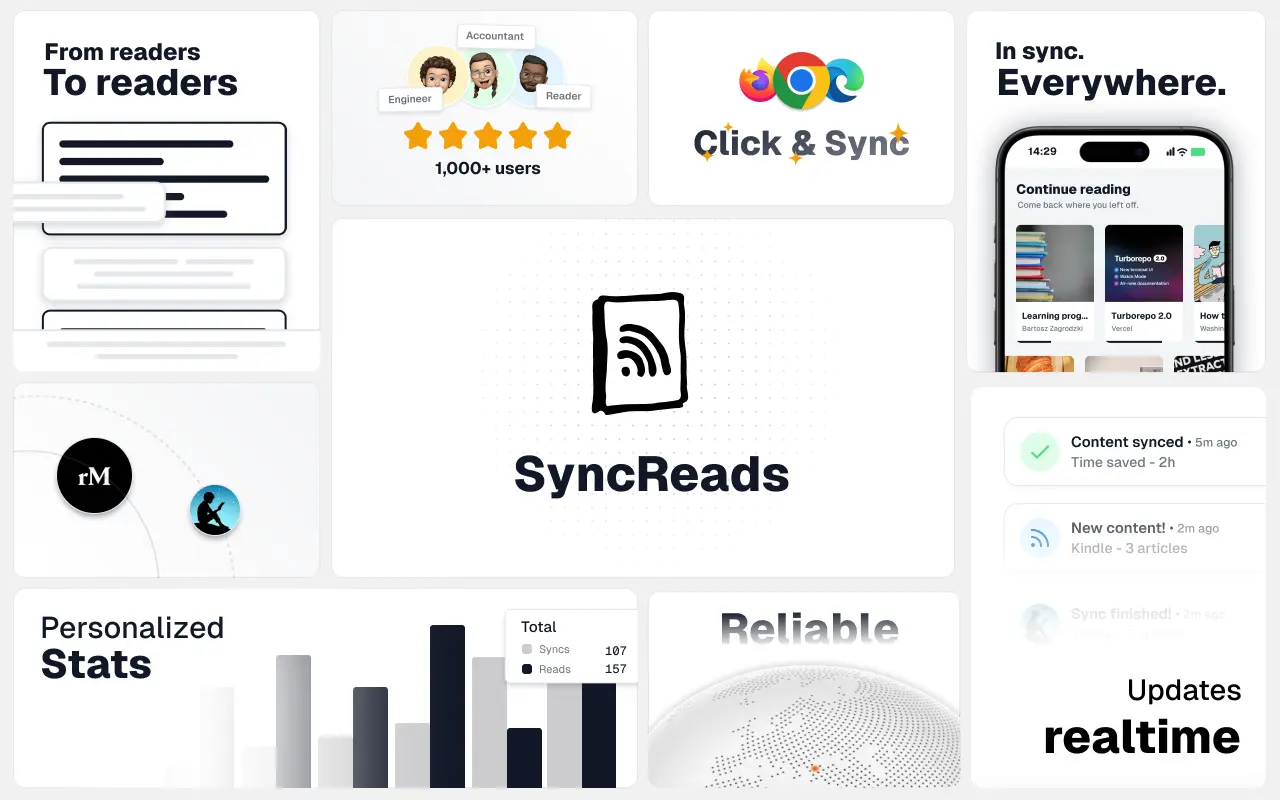
SyncReads
Sync your favorite content for distraction-free reading, save time and replace multiple apps. Anytime, anywhere 🔄
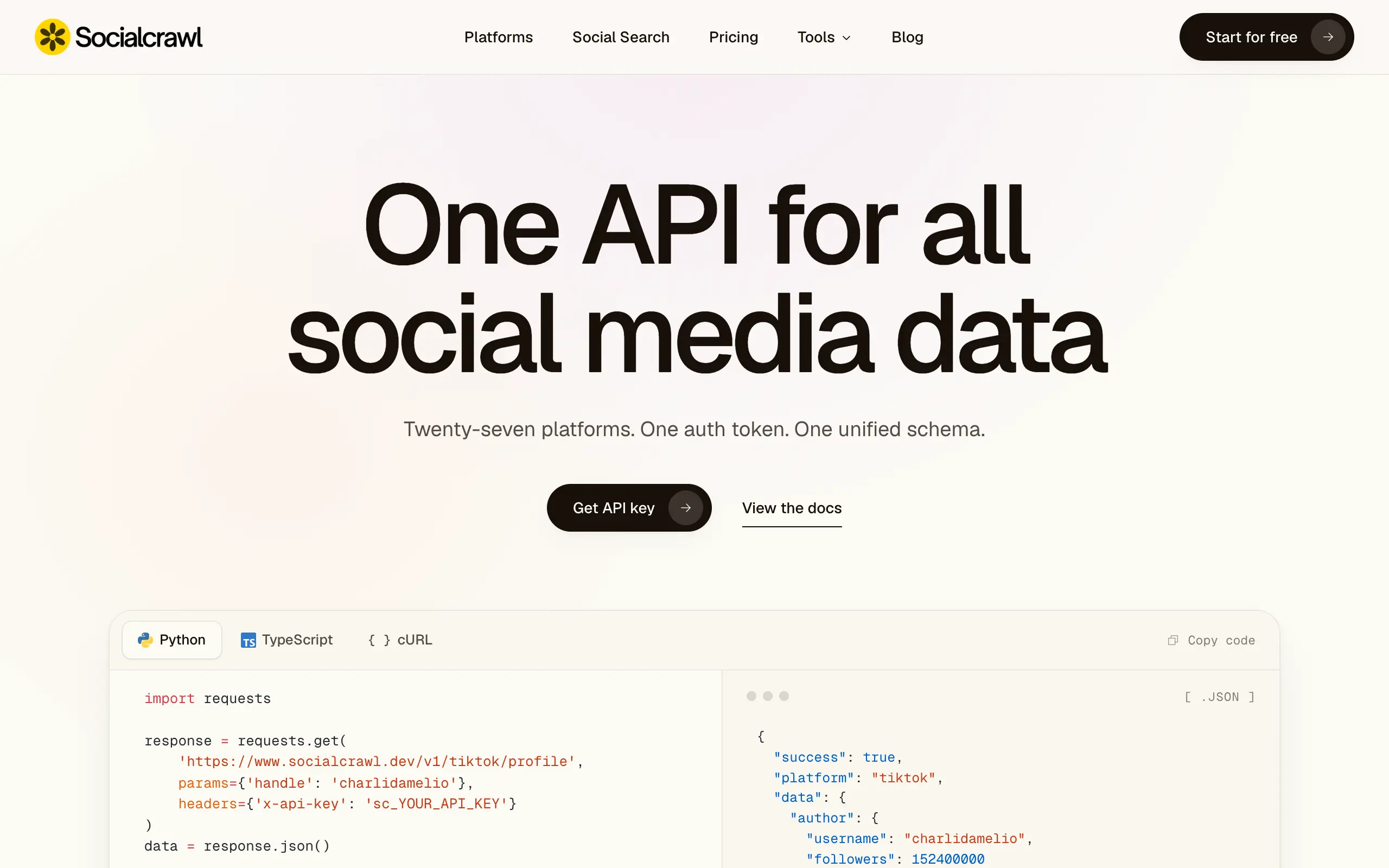
Socialcrawl
Get clean, structured data from 21 platforms like TikTok, Instagram, and YouTube with a single request 📊
Statiko
Monitor any Telegram channel in real time - track posts, edits, deletions, and growth with AI recaps 📡
Shibui
AI website builder - describe your business, pick a niche template, edit by chatting, and publish instantly ✨
Pro Service
Find verified home service professionals, compare quotes, and pay securely through escrow - built for Brazilians across the US 🏠
RankGrow
Fix your SEO with AI agents - connect Search Console, get prioritized tasks, and grow organic traffic 📈
SyncReads
Sync your favorite content for distraction-free reading, save time and replace multiple apps. Anytime, anywhere 🔄
Socialcrawl
Get clean, structured data from 21 platforms like TikTok, Instagram, and YouTube with a single request 📊
Statiko
Monitor any Telegram channel in real time - track posts, edits, deletions, and growth with AI recaps 📡
Shibui
AI website builder - describe your business, pick a niche template, edit by chatting, and publish instantly ✨
Pro Service
Find verified home service professionals, compare quotes, and pay securely through escrow - built for Brazilians across the US 🏠
RankGrow
Fix your SEO with AI agents - connect Search Console, get prioritized tasks, and grow organic traffic 📈
SyncReads
Sync your favorite content for distraction-free reading, save time and replace multiple apps. Anytime, anywhere 🔄
Socialcrawl
Get clean, structured data from 21 platforms like TikTok, Instagram, and YouTube with a single request 📊
Statiko
Monitor any Telegram channel in real time - track posts, edits, deletions, and growth with AI recaps 📡
Shibui
AI website builder - describe your business, pick a niche template, edit by chatting, and publish instantly ✨
Pro Service
Find verified home service professionals, compare quotes, and pay securely through escrow - built for Brazilians across the US 🏠
RankGrow
Fix your SEO with AI agents - connect Search Console, get prioritized tasks, and grow organic traffic 📈
SyncReads
Sync your favorite content for distraction-free reading, save time and replace multiple apps. Anytime, anywhere 🔄
Socialcrawl
Get clean, structured data from 21 platforms like TikTok, Instagram, and YouTube with a single request 📊
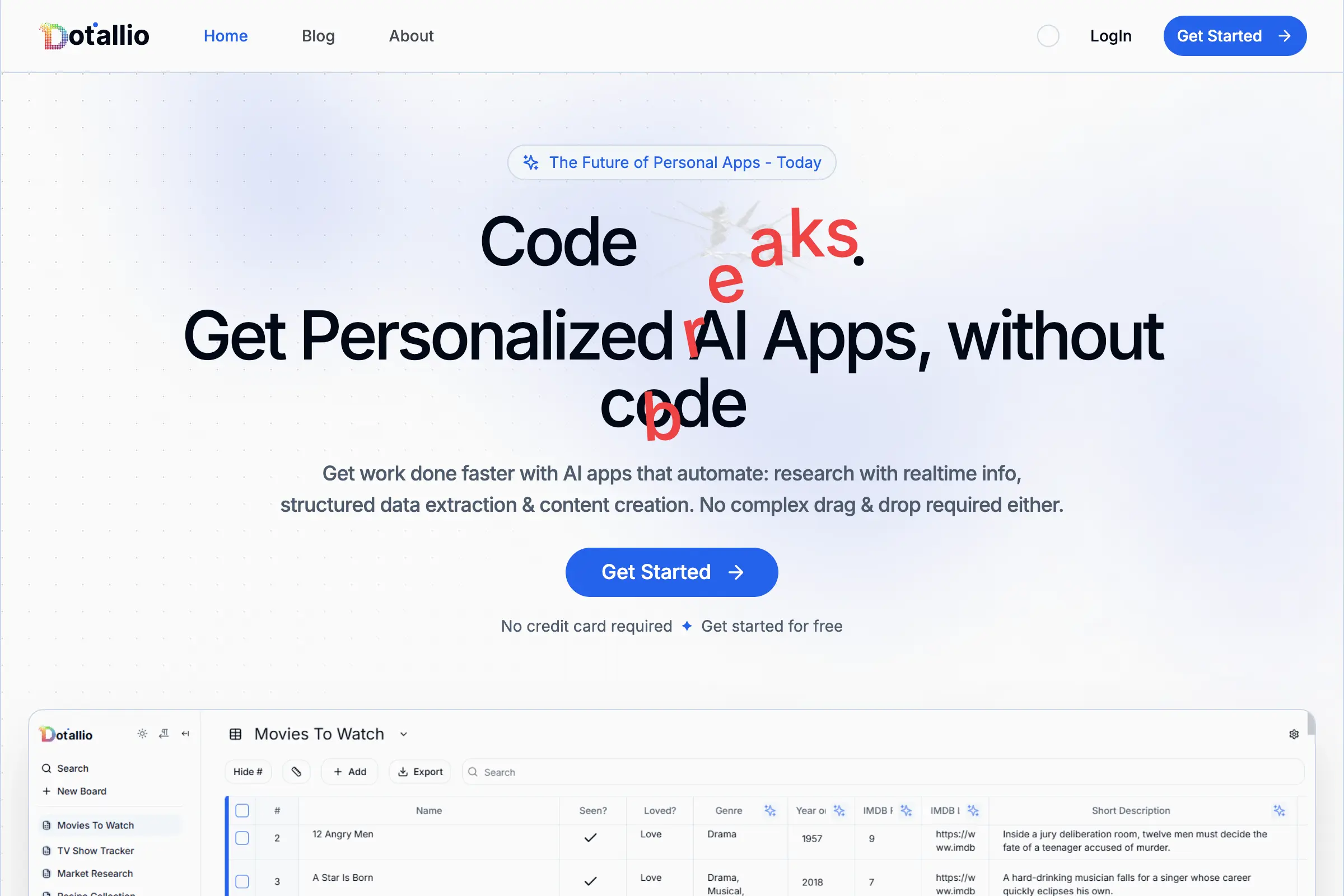
Dotallio
Personalized AI apps that automate research, data extraction, and content creation without code 🤖
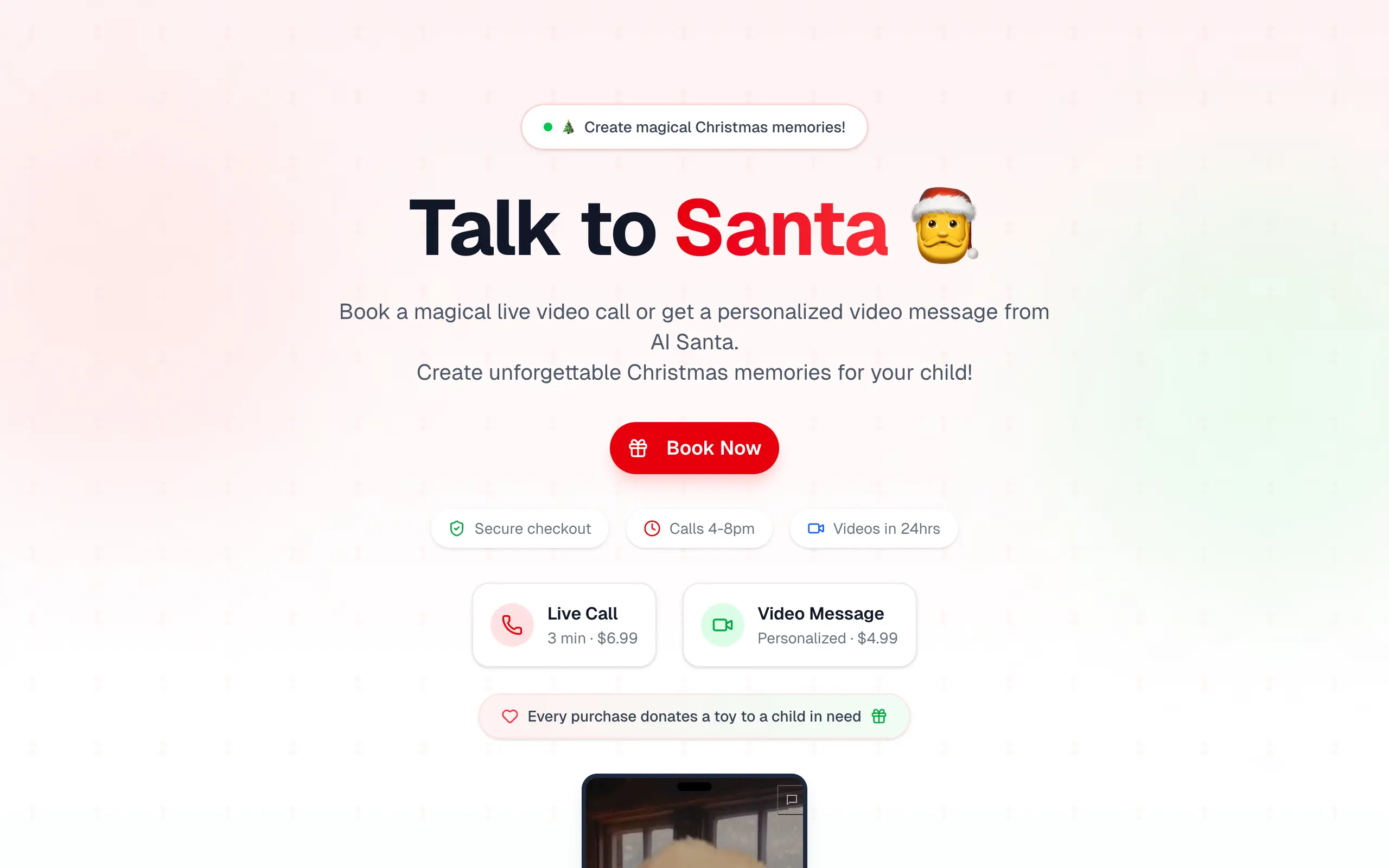
Talk to Santa
Enjoy a magical live video chat or receive a unique AI-generated video greeting from Santa Claus 🎅
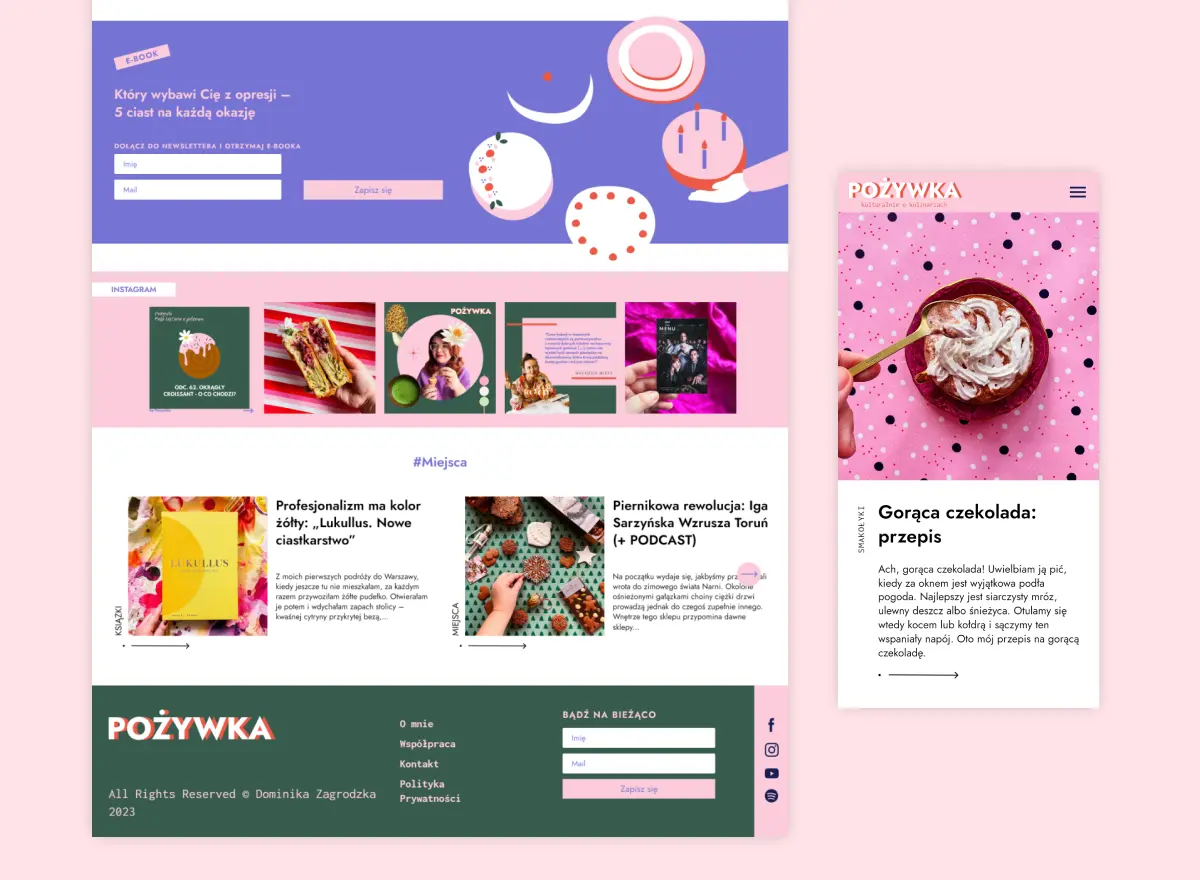
pozywka.pl
Scalable blog for food journalist, focused on performance and user experience 🌭
zagrodzki.me
Personal blog and portfolio of Bart Zagrodzki, where he shares his knowledge and work 💼
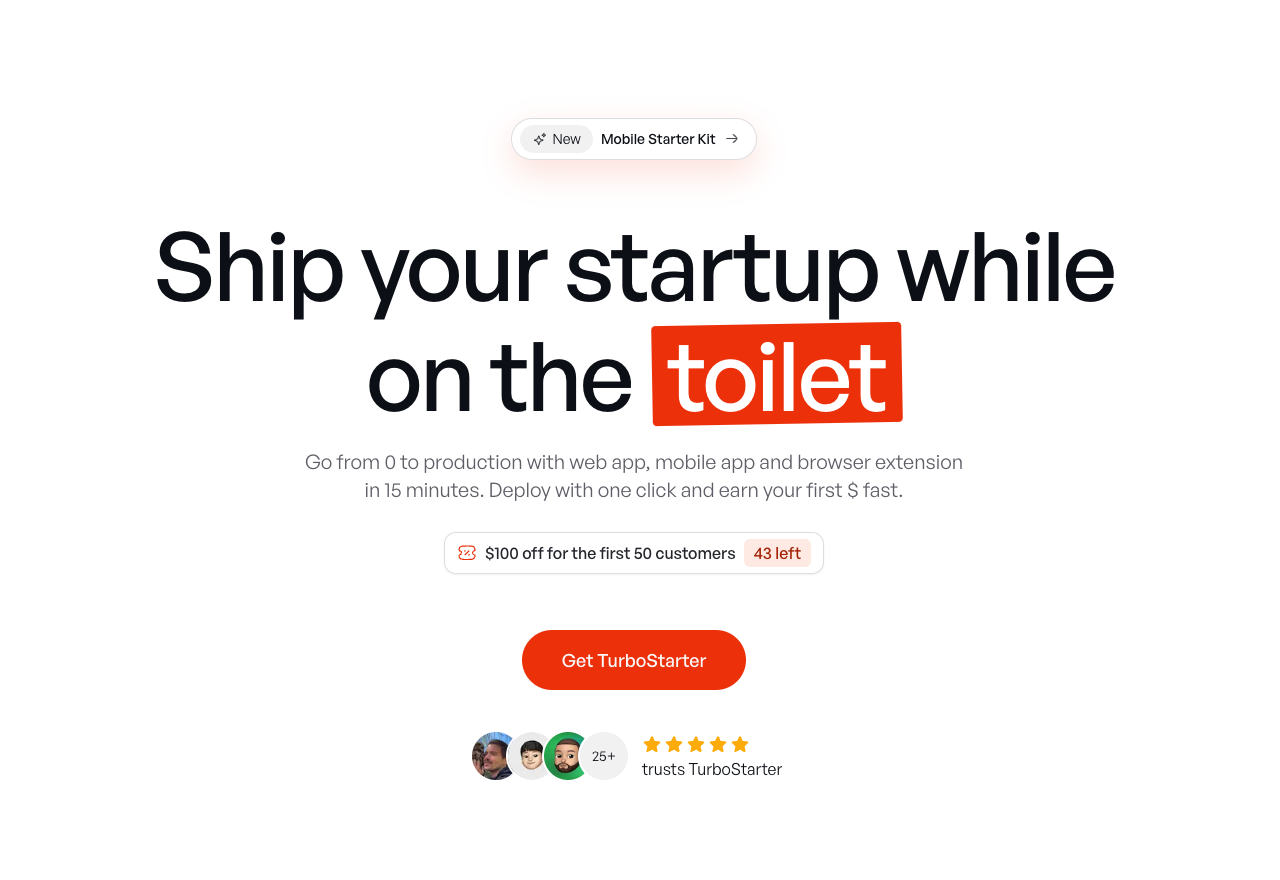
TurboStarter
Ship your startup everywhere. In minutes.
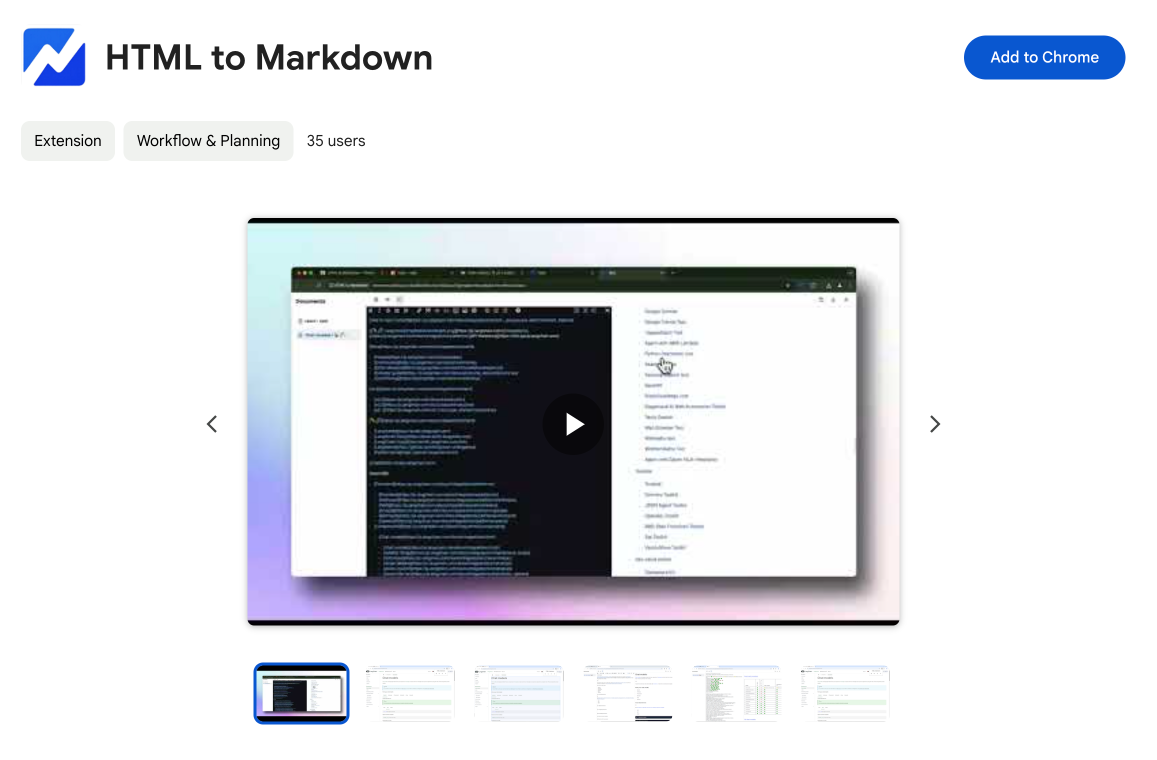
HTML to Markdown
Convert HTML to Markdown with ease, directly in your browser 📄
Dotallio
Personalized AI apps that automate research, data extraction, and content creation without code 🤖
Talk to Santa
Enjoy a magical live video chat or receive a unique AI-generated video greeting from Santa Claus 🎅
pozywka.pl
Scalable blog for food journalist, focused on performance and user experience 🌭
zagrodzki.me
Personal blog and portfolio of Bart Zagrodzki, where he shares his knowledge and work 💼
TurboStarter
Ship your startup everywhere. In minutes.
HTML to Markdown
Convert HTML to Markdown with ease, directly in your browser 📄
Dotallio
Personalized AI apps that automate research, data extraction, and content creation without code 🤖
Talk to Santa
Enjoy a magical live video chat or receive a unique AI-generated video greeting from Santa Claus 🎅
pozywka.pl
Scalable blog for food journalist, focused on performance and user experience 🌭
zagrodzki.me
Personal blog and portfolio of Bart Zagrodzki, where he shares his knowledge and work 💼
TurboStarter
Ship your startup everywhere. In minutes.
HTML to Markdown
Convert HTML to Markdown with ease, directly in your browser 📄
Dotallio
Personalized AI apps that automate research, data extraction, and content creation without code 🤖
Talk to Santa
Enjoy a magical live video chat or receive a unique AI-generated video greeting from Santa Claus 🎅
pozywka.pl
Scalable blog for food journalist, focused on performance and user experience 🌭
zagrodzki.me
Personal blog and portfolio of Bart Zagrodzki, where he shares his knowledge and work 💼
TurboStarter
Ship your startup everywhere. In minutes.
HTML to Markdown
Convert HTML to Markdown with ease, directly in your browser 📄
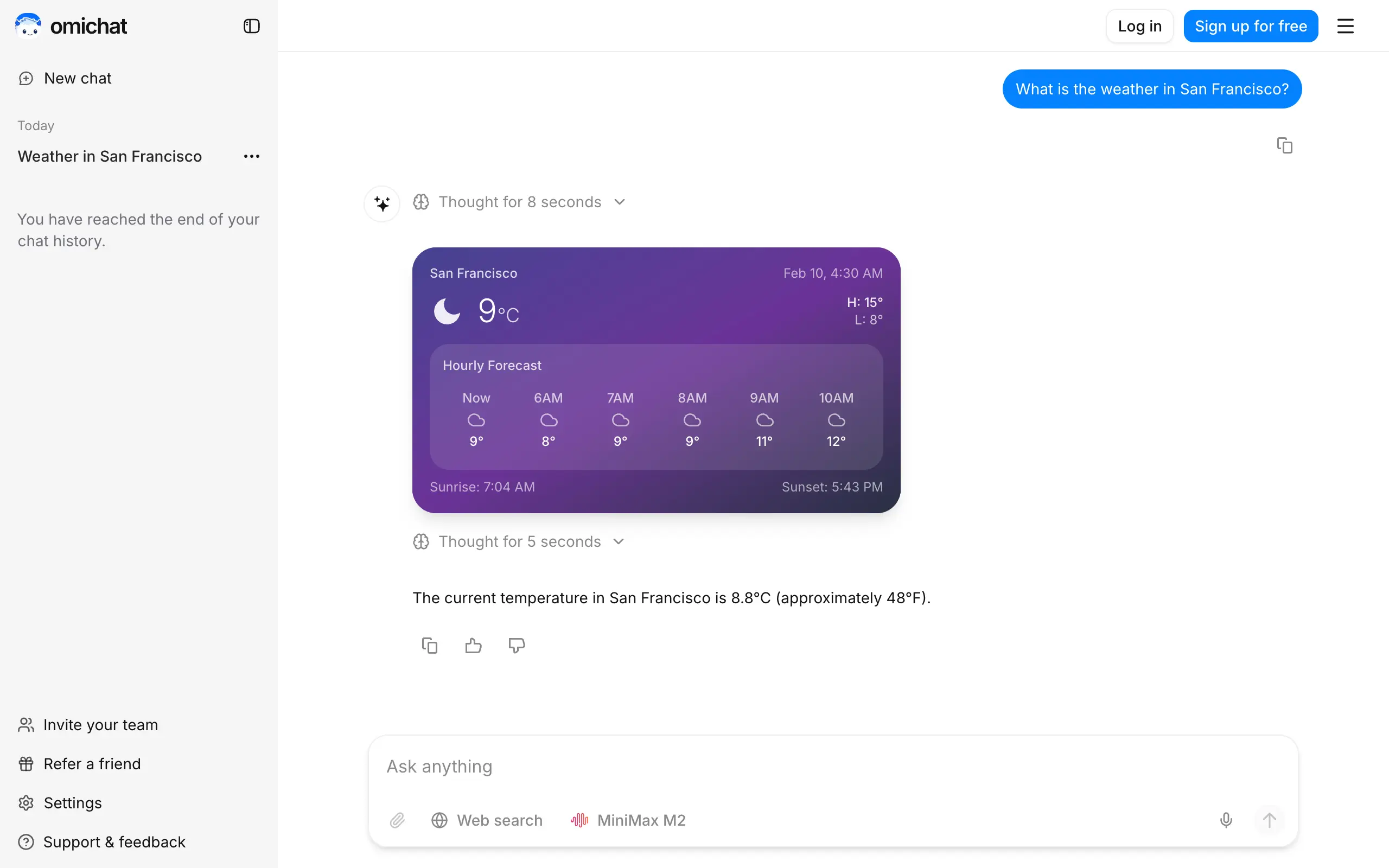
Omichat
Chat with 50+ AI models, including ChatGPT and Claude, in one place - switch models anytime without losing context 🤖
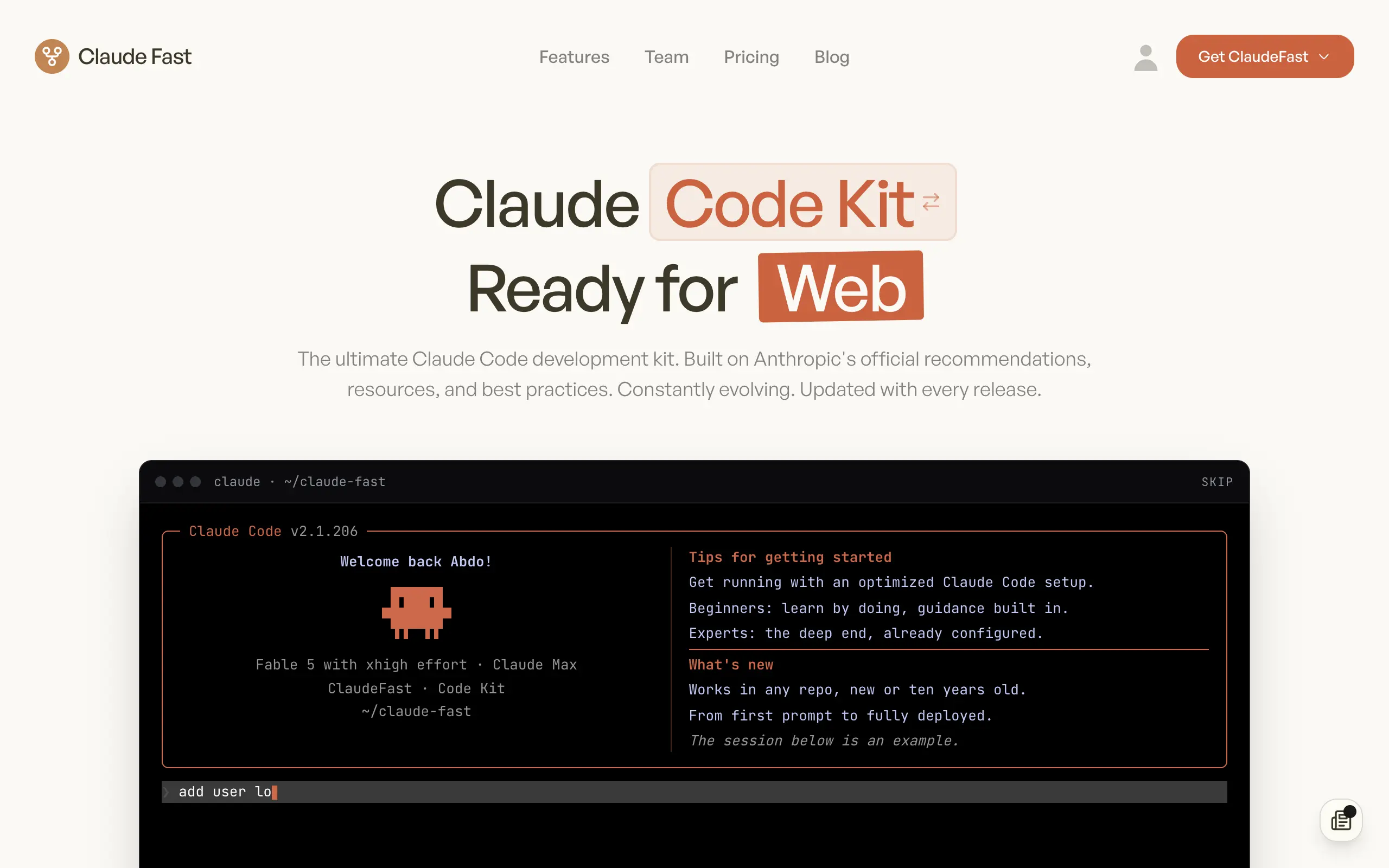
Claude Fast
Supercharge your Claude Code with 6x effective context window and specialized AI agents 🤖
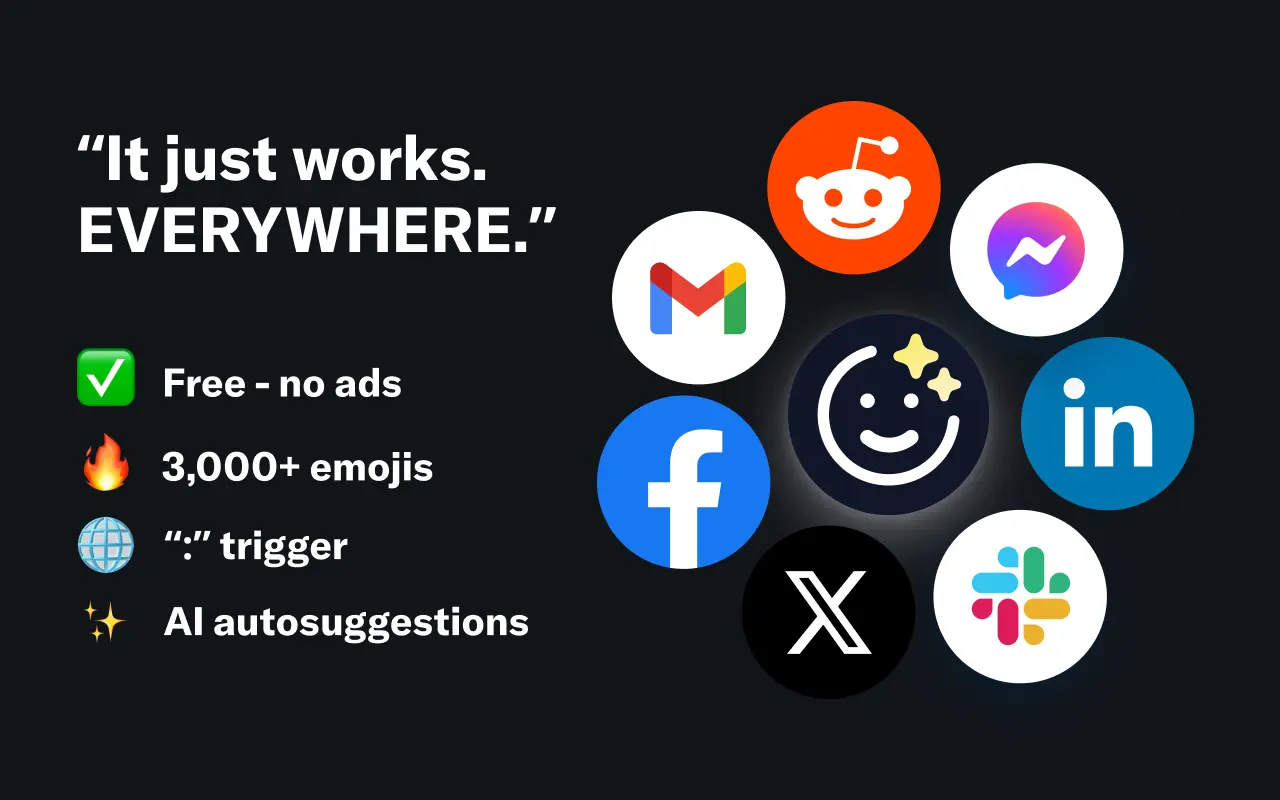
EmojAI
AI-powered emoji picker with smart, context-aware suggestions 🤖
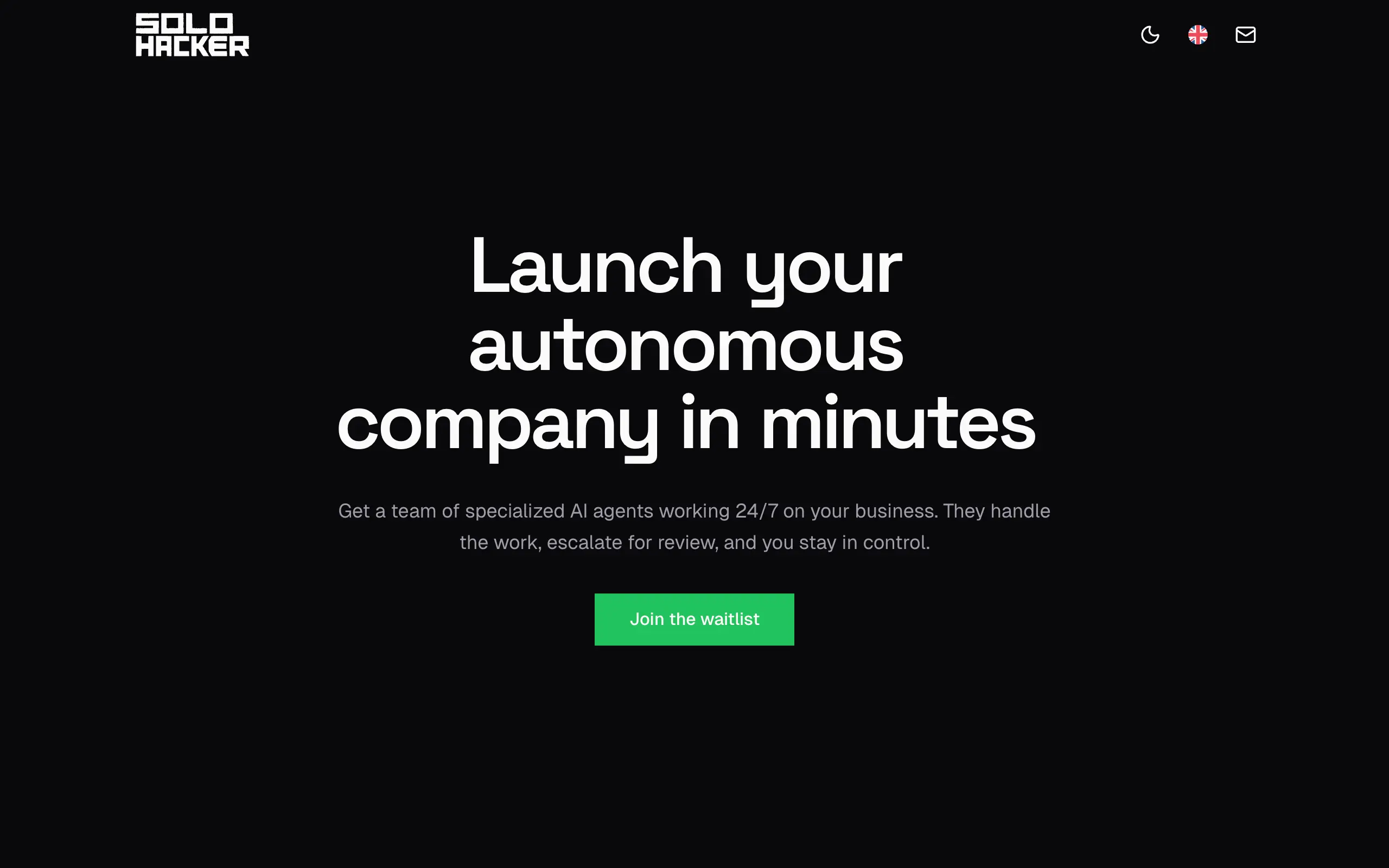
Solohacker
Autonomous company launcher - AI agents work 24/7, escalate what matters, and you stay in control 🤖
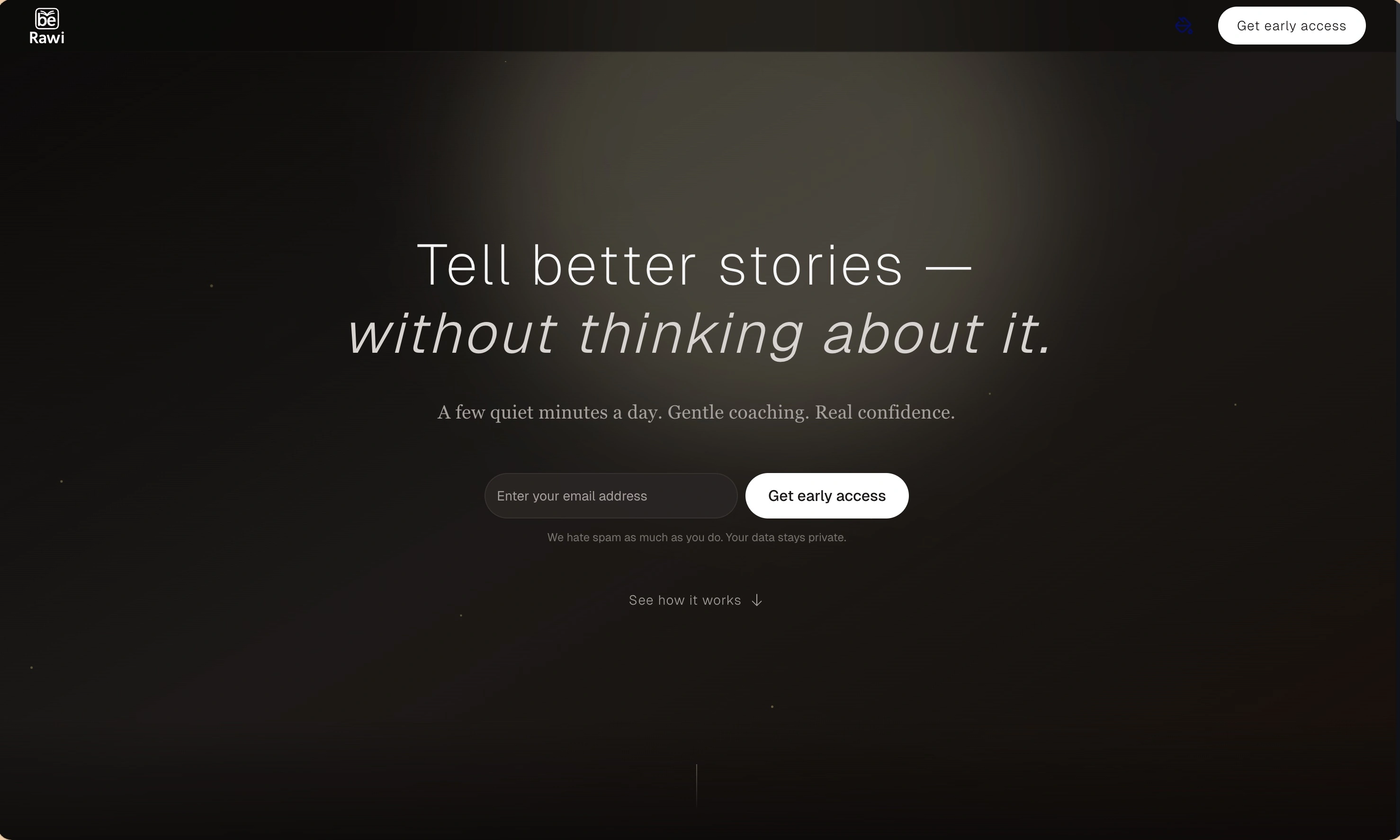
BeRawi: Storytelling Coach
Practice storytelling daily with instant feedback to sound clearer, more engaging, and confident 🎤
Omichat
Chat with 50+ AI models, including ChatGPT and Claude, in one place - switch models anytime without losing context 🤖
Claude Fast
Supercharge your Claude Code with 6x effective context window and specialized AI agents 🤖
EmojAI
AI-powered emoji picker with smart, context-aware suggestions 🤖
Solohacker
Autonomous company launcher - AI agents work 24/7, escalate what matters, and you stay in control 🤖
BeRawi: Storytelling Coach
Practice storytelling daily with instant feedback to sound clearer, more engaging, and confident 🎤
Omichat
Chat with 50+ AI models, including ChatGPT and Claude, in one place - switch models anytime without losing context 🤖
Claude Fast
Supercharge your Claude Code with 6x effective context window and specialized AI agents 🤖
EmojAI
AI-powered emoji picker with smart, context-aware suggestions 🤖
Solohacker
Autonomous company launcher - AI agents work 24/7, escalate what matters, and you stay in control 🤖
BeRawi: Storytelling Coach
Practice storytelling daily with instant feedback to sound clearer, more engaging, and confident 🎤
Omichat
Chat with 50+ AI models, including ChatGPT and Claude, in one place - switch models anytime without losing context 🤖
Claude Fast
Supercharge your Claude Code with 6x effective context window and specialized AI agents 🤖
EmojAI
AI-powered emoji picker with smart, context-aware suggestions 🤖
Solohacker
Autonomous company launcher - AI agents work 24/7, escalate what matters, and you stay in control 🤖
BeRawi: Storytelling Coach
Practice storytelling daily with instant feedback to sound clearer, more engaging, and confident 🎤

Connect with like-minded people
Join our community to get feedback, support, and grow together with 1,000+ builders on board, let's ship it!
Join usShip your startup everywhere. In minutes.
Don't burn tokens on setup and start building features on day one.