MoodMeal Map
Visual mood-based meal planner that recommends recipes and builds smart shopping lists to support mental wellness through targeted nutrition.
what is a mood-based meal planner and why it matters
A mood-based meal planner is a new generation of nutrition software that connects what you eat with how you feel. Instead of simply tracking calories or macros, it focuses on mental wellness nutrition, using food as a lever to support mood stability, energy levels, focus, and emotional balance.
MoodMeal Map, a mobile-first SaaS platform, sits at the intersection of nutrition science, mental health awareness, and personalized technology. It recommends meals based on emotional states—like stress, anxiety, fatigue, or low motivation—and automatically generates smart shopping lists to make execution effortless.
This concept taps into a growing shift: people no longer want generic diet plans. They want context-aware, emotionally intelligent tools that adapt to their real lives.
Key insight
Search trends show increasing interest in “foods for anxiety,” “nutrition for depression,” and “how diet affects mood.” This indicates strong user intent for solutions like MoodMeal Map.
target audience analysis
Understanding the users is critical for building a successful mood-based meal planning app. This product appeals to multiple overlapping segments:
1. health-conscious millennials and Gen Z
These users:
- Already use wellness apps (meditation, fitness, sleep trackers)
- Are highly aware of mental health
- Prefer intuitive, mobile-first experiences
- Value personalization over rigid plans
They are likely to search for:
- “foods to improve mood”
- “meal plan for mental health”
- “healthy recipes for stress”
2. busy professionals dealing with stress
This group struggles with:
- Decision fatigue around meals
- Stress eating or skipping meals
- Lack of time to plan
They need:
- Quick, mood-specific recommendations
- Automated grocery lists
- Minimal friction
3. people managing mild mental health challenges
Important distinction: this product does not replace therapy, but supports it.
These users look for:
- Nutrition support for anxiety or low mood
- Structured routines
- Small, manageable lifestyle improvements
4. fitness and biohacking community
They are interested in:
- Cognitive performance
- Energy optimization
- Gut-brain connection
market opportunity and gap
The digital health and wellness market is massive and still expanding. According to widely cited industry reports (e.g., McKinsey, Statista), wellness is a multi-trillion-dollar global market, with personalized nutrition as one of its fastest-growing segments.
existing solutions fall short
Most current apps fall into one of these categories:
- Calorie trackers (e.g., MyFitnessPal)
- Recipe apps (e.g., Yummly)
- Mental health apps (e.g., Headspace)
What’s missing?
A unified experience that connects mood → nutrition → action.
| Feature | Calorie Apps | Recipe Apps | Mental Health Apps | MoodMeal Map |
|---|---|---|---|---|
| Mood-based recommendations | ❌ | ❌ | ✅ | ✅ |
| Automated meal planning | ✅ | ❌ | ❌ | ✅ |
| Smart grocery lists | ✅ | ✅ | ❌ | ✅ |
| Mental wellness focus | ❌ | ❌ | ✅ | ✅ |
the opportunity
MoodMeal Map fills a clear gap:
- Bridges nutrition science and emotional well-being
- Translates abstract advice into actionable meals
- Removes friction with automation
how moodmeal map works (core product experience)
At its core, MoodMeal Map turns emotional states into personalized meal recommendations.
step-by-step user journey
mood-to-nutrition mapping
This is the product’s secret sauce.
Examples:
- Anxiety → magnesium-rich foods, complex carbs, omega-3s
- Fatigue → iron, B vitamins, protein-rich meals
- Low mood → serotonin-supporting foods (tryptophan + carbs)
- Stress → anti-inflammatory foods, hydration reminders
personalization layer
The app evolves over time by learning:
- Food preferences
- Dietary restrictions
- Cultural cuisine preferences
- Feedback on meals and mood outcomes
core features that drive engagement
1. visual mood interface
Instead of dropdowns, users interact with:
- Mood maps
- Color-coded emotional states
- Emoji-based inputs
This reduces friction and increases engagement.
2. adaptive meal recommendations
Meals are:
- Context-aware
- Nutritionally aligned with mood
- Easy to prepare
3. intelligent grocery list builder
Automatically:
- Aggregates ingredients
- Removes duplicates
- Suggests substitutions
4. mood tracking + feedback loop
Users can:
- Log mood before and after meals
- See trends over time
- Understand what works for them
5. habit-building nudges
Push notifications like:
- “Feeling low? Try this 10-minute serotonin-boost meal”
- “You skipped meals yesterday—want a quick plan today?”
recommended tech stack for a mobile SaaS
Building MoodMeal Map as a mobile-first SaaS platform requires scalability, performance, and flexibility.
frontend (mobile)
- React Native or Expo for cross-platform development
- TailwindCSS (via NativeWind) for styling
backend
- Node.js with NestJS or Express
- GraphQL API for flexible data querying
database
- PostgreSQL for structured user data
- Redis for caching recommendations
AI and recommendation engine
- Python microservices for nutrition modeling
- Lightweight ML models for personalization
- Optional integration with LLM APIs for recipe generation
infrastructure
- AWS or Vercel for deployment
- Supabase or Firebase for rapid MVP builds
example API route
// Example: mood-based meal recommendation endpoint
app.post('/api/recommend-meals', async (req, res) => {
  const { mood, dietaryPreferences } = req.body;

  const meals = await getMealsByMood(mood, dietaryPreferences);

  res.json({
    success: true,
    recommendations: meals
  });
});
monetization strategy
A strong SaaS monetization model is essential for sustainability.
freemium model
- Free tier:
- Basic mood tracking
- Limited meal plans
- Premium tier:
- Advanced personalization
- Unlimited plans
- Detailed mood analytics
subscription pricing
Typical range:
- $5–$12/month depending on features
additional revenue streams
- Affiliate grocery integrations
- Sponsored healthy brands
- Premium nutrition plans (expert-curated)
Freemium entry
Lower barrier to adoption, encourages viral growth
Subscription core
Predictable recurring revenue and retention focus
Upsell features
Advanced analytics and personalization for power users
competitive advantage and differentiation
1. emotional-first design
Most apps are:
- Food-first
- Fitness-first
MoodMeal Map is emotion-first, which aligns with real user behavior.
2. actionable outcomes
It doesn’t just tell users what’s good—it:
- Recommends meals
- Builds plans
- Generates shopping lists
3. habit loop integration
Combines:
- Mood tracking
- Nutrition feedback
- Behavioral nudges
4. strong positioning in mental wellness
This aligns with a macro trend:
- Users increasingly seek holistic wellness tools
potential risks and mitigation strategies
risk 1: perceived medical claims
Users may interpret recommendations as medical advice.
mitigation:
- Clear disclaimers
- Position as wellness support, not treatment
- Reference general nutrition science
risk 2: low retention
Meal planning apps often struggle with long-term engagement.
mitigation:
- Gamification
- Personalized insights
- Weekly summaries
risk 3: data quality and accuracy
Bad recommendations could harm trust.
mitigation:
- Use validated nutrition datasets
- Continuous feedback loops
- Expert-reviewed content
risk 4: competition from large platforms
Big players could replicate features.
mitigation:
- Focus on niche positioning
- Build strong brand identity
- Invest in community and UX
seo strategy for moodmeal map
To rank for mood-based meal planner and related keywords:
primary keywords
- mood-based meal planner
- meals for mental health
- food for mood improvement
secondary keywords
- nutrition for anxiety
- foods that boost serotonin
- meal planning for mental wellness
content strategy
- Blog posts:
- “Best foods for anxiety and stress”
- “7-day mood-boosting meal plan”
- SEO landing pages:
- Mood-specific plans
- Ingredient-based benefits
topical authority
Build clusters around:
- Gut-brain connection
- Nutritional psychiatry
- Functional foods
implementation roadmap
phase 1: MVP (0–3 months)
- Basic mood input
- Static meal recommendations
- Manual meal planning
phase 2: automation (3–6 months)
- Smart grocery lists
- Personalized recommendations
- Feedback tracking
phase 3: intelligence (6–12 months)
- AI-driven personalization
- Predictive mood insights
- Advanced analytics
Focus on delivering value quickly: mood input → meal output. Everything else can evolve.
No. Start rule-based, then layer AI once you have user data.
building faster with the right tools
Launching a SaaS like MoodMeal Map doesn’t have to take years. Using a production-ready starter kit like TurboStarter can accelerate development by handling:
- Authentication
- Billing
- Infrastructure setup
- SaaS architecture
This lets you focus on:
- Core product logic
- User experience
- Differentiation
future trends shaping mood-based nutrition apps
1. personalized nutrition via AI
Hyper-personalized recommendations based on:
- Biometrics
- Wearables
- Behavior patterns
2. integration with health ecosystems
Connections with:
- Apple Health
- Google Fit
- Mental health apps
3. microbiome-driven insights
Emerging research shows gut health directly impacts mood.
4. real-time adaptive systems
Apps that adjust recommendations dynamically based on:
- Sleep
- Stress
- Activity
actionable steps to launch moodmeal map
final thoughts
MoodMeal Map represents a powerful shift in how people approach nutrition. Instead of rigid diets or calorie counting, it offers a human-centered, emotionally intelligent system that meets users where they are.
The combination of:
- Mental wellness awareness
- Personalized technology
- Actionable meal planning
creates a compelling product with strong market potential.
The key to success lies in execution:
- Keep it simple at first
- Focus on real user problems
- Build trust through consistency and accuracy
If done right, this isn’t just another meal planner—it’s a daily companion for better living.
More 📱 Mobile App SaaS ideas
Discover more innovative mobile app SaaS ideas that are trending in 2026. Each idea is AI-generated with market validation and growth potential to help you find your next profitable venture faster than competitors.
Your competitors are building with TurboStarter
Below are some of the SaaS ideas that have been generated and built with our starter kit.
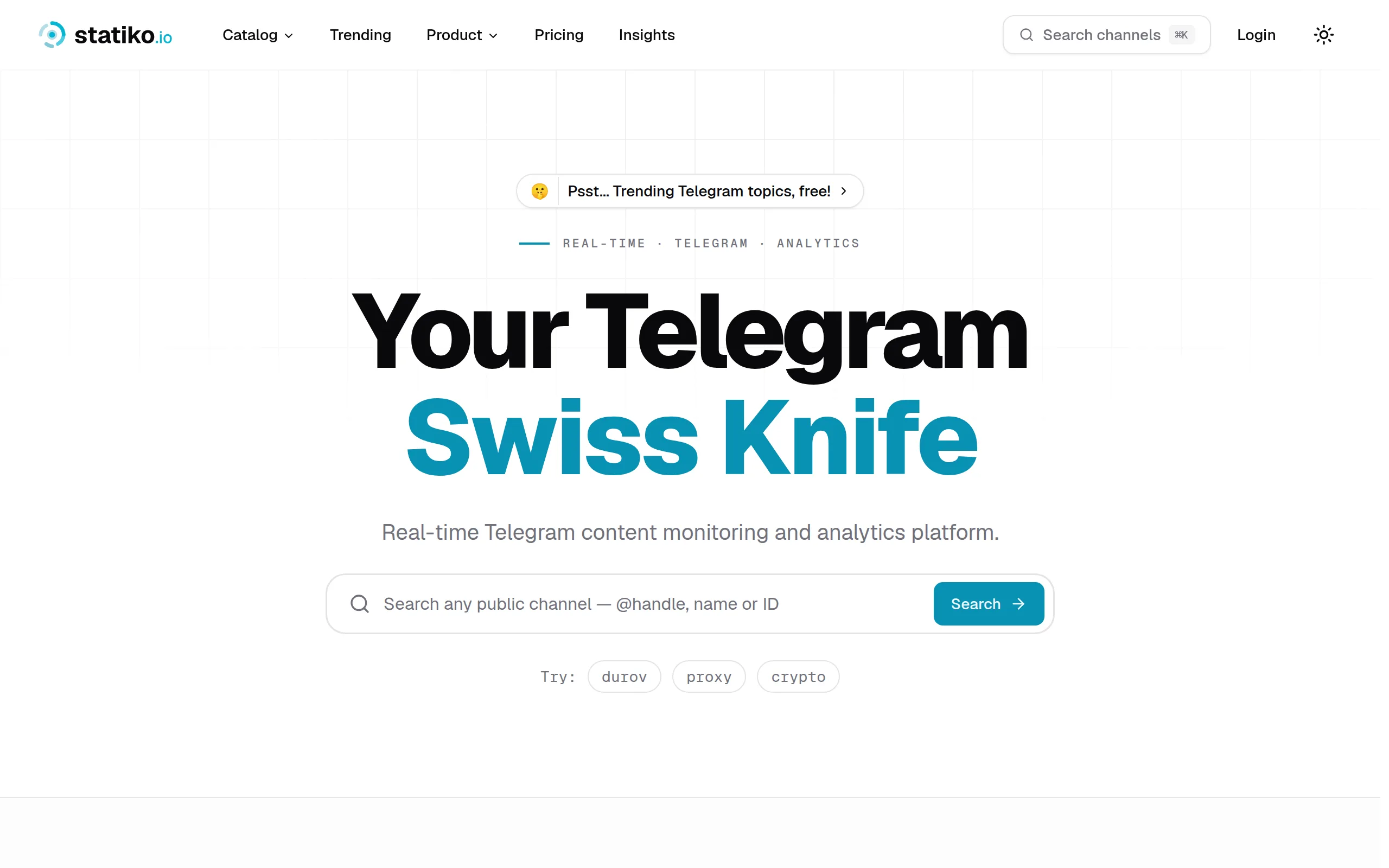
Statiko
Monitor any Telegram channel in real time - track posts, edits, deletions, and growth with AI recaps 📡

Shibui
AI website builder - describe your business, pick a niche template, edit by chatting, and publish instantly ✨

Pro Service
Find verified home service professionals, compare quotes, and pay securely through escrow - built for Brazilians across the US 🏠
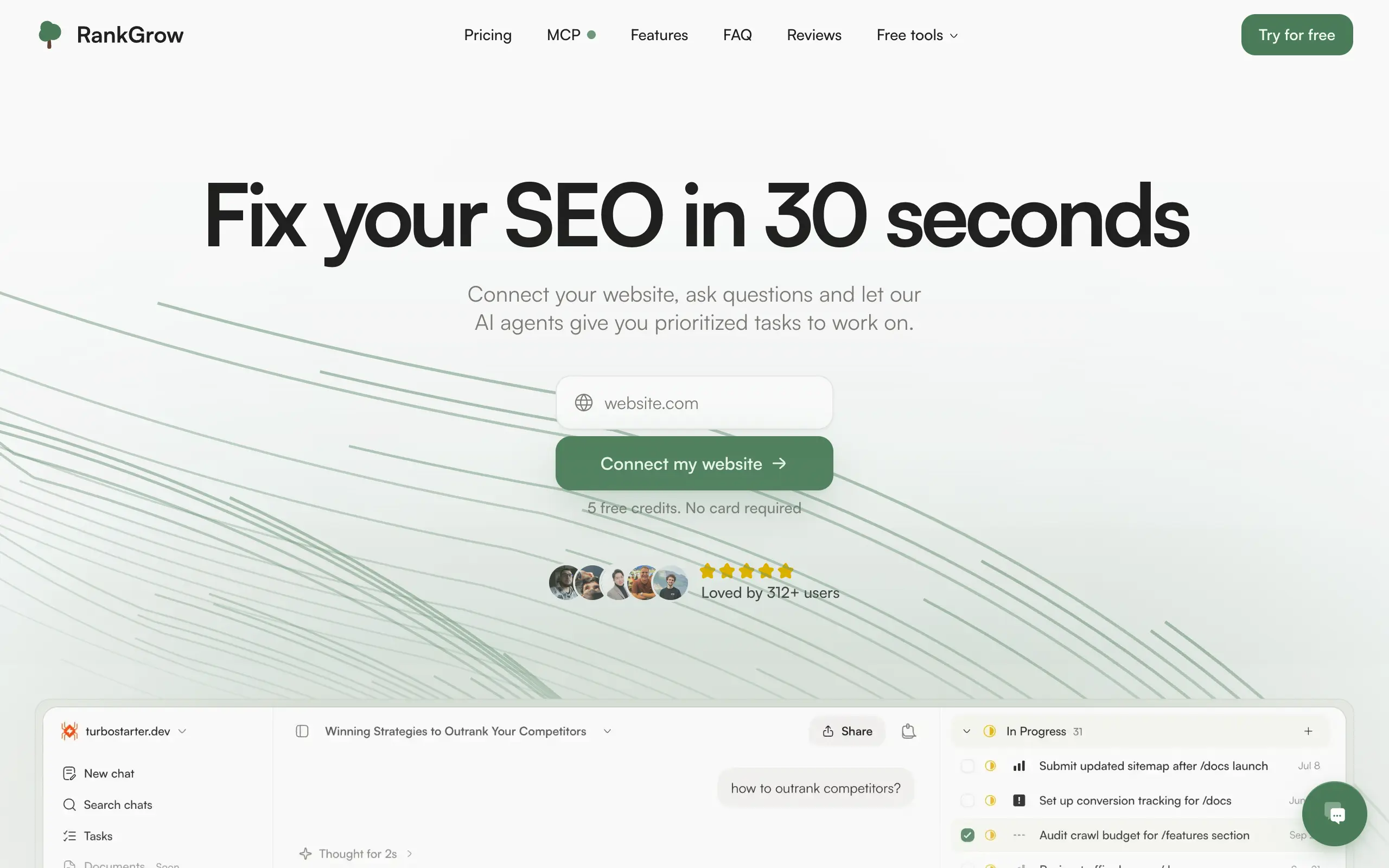
RankGrow
Fix your SEO with AI agents - connect Search Console, get prioritized tasks, and grow organic traffic 📈
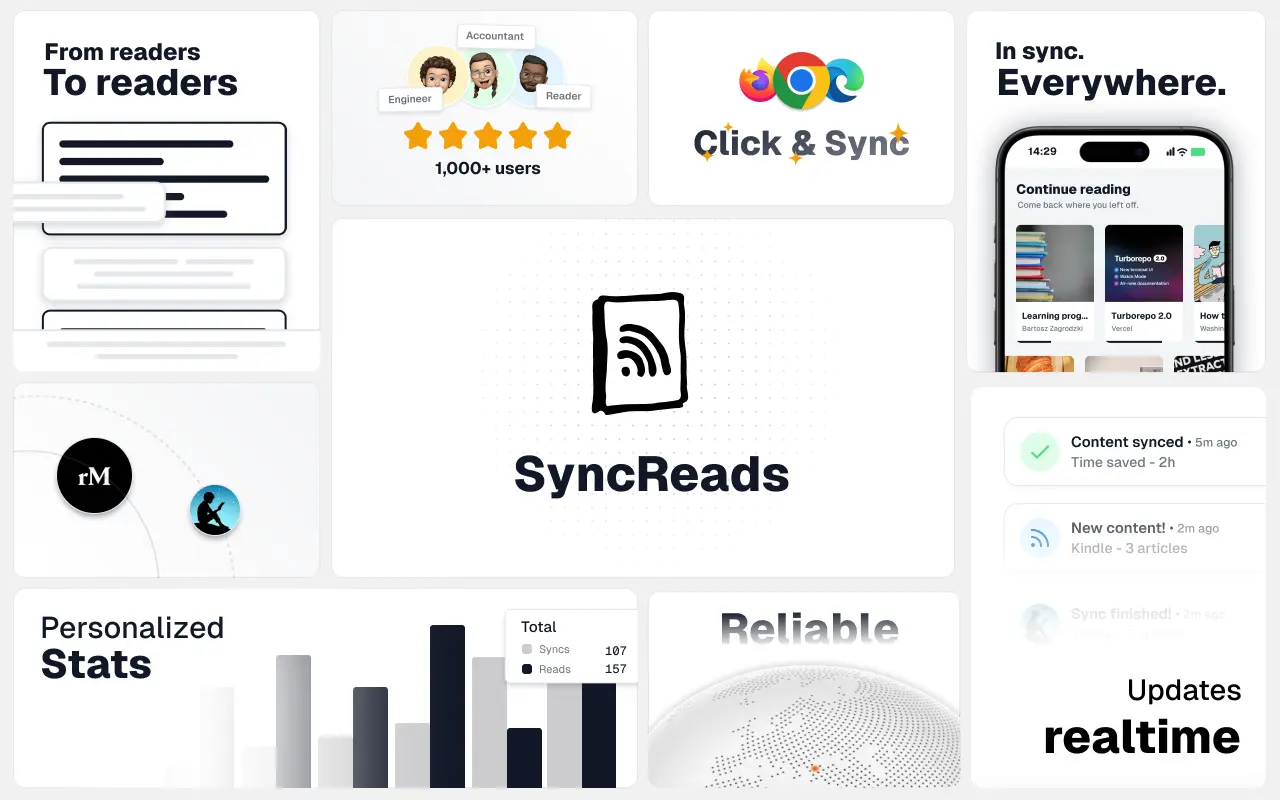
SyncReads
Sync your favorite content for distraction-free reading, save time and replace multiple apps. Anytime, anywhere 🔄
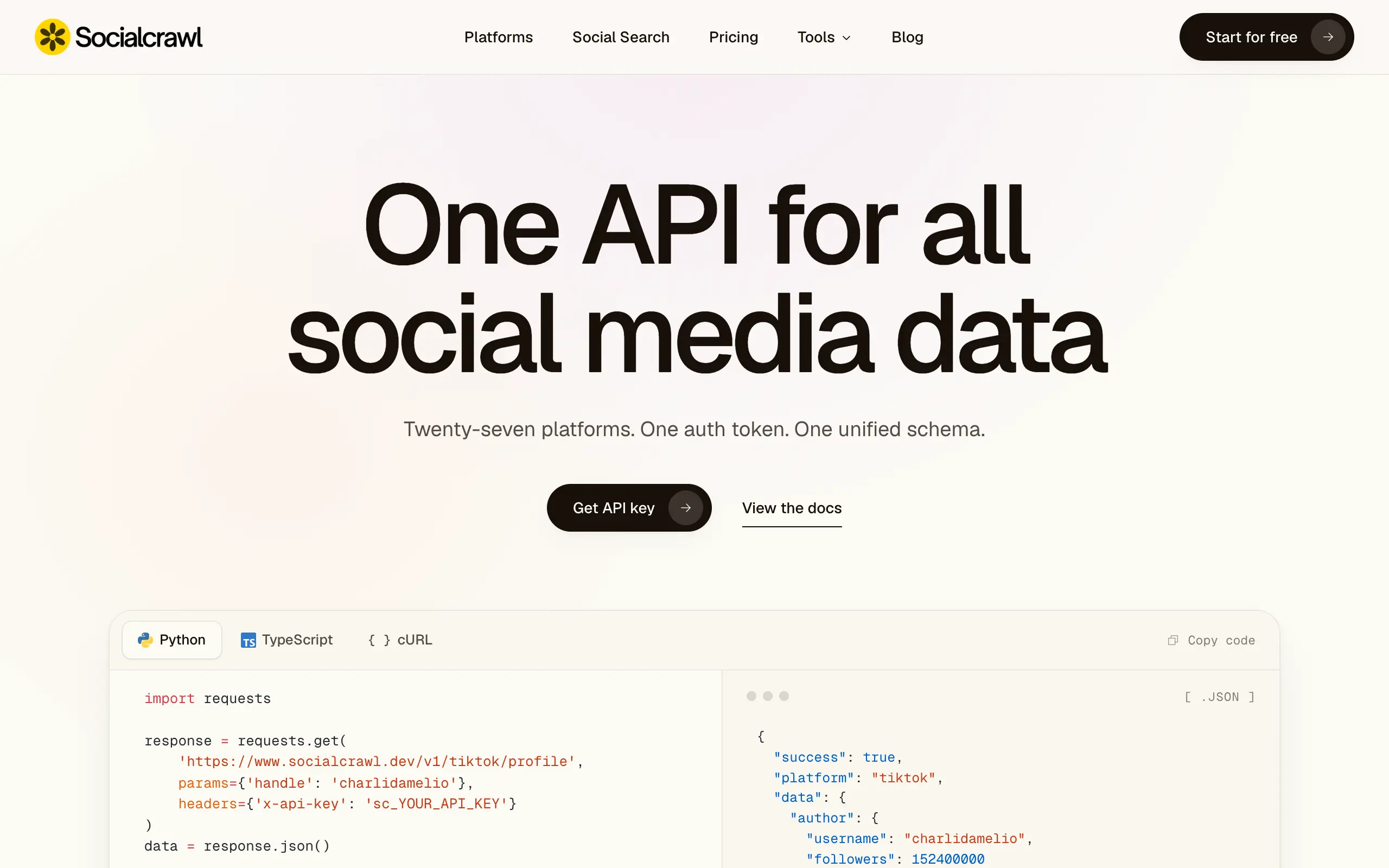
Socialcrawl
Get clean, structured data from 21 platforms like TikTok, Instagram, and YouTube with a single request 📊
Statiko
Monitor any Telegram channel in real time - track posts, edits, deletions, and growth with AI recaps 📡
Shibui
AI website builder - describe your business, pick a niche template, edit by chatting, and publish instantly ✨
Pro Service
Find verified home service professionals, compare quotes, and pay securely through escrow - built for Brazilians across the US 🏠
RankGrow
Fix your SEO with AI agents - connect Search Console, get prioritized tasks, and grow organic traffic 📈
SyncReads
Sync your favorite content for distraction-free reading, save time and replace multiple apps. Anytime, anywhere 🔄
Socialcrawl
Get clean, structured data from 21 platforms like TikTok, Instagram, and YouTube with a single request 📊
Statiko
Monitor any Telegram channel in real time - track posts, edits, deletions, and growth with AI recaps 📡
Shibui
AI website builder - describe your business, pick a niche template, edit by chatting, and publish instantly ✨
Pro Service
Find verified home service professionals, compare quotes, and pay securely through escrow - built for Brazilians across the US 🏠
RankGrow
Fix your SEO with AI agents - connect Search Console, get prioritized tasks, and grow organic traffic 📈
SyncReads
Sync your favorite content for distraction-free reading, save time and replace multiple apps. Anytime, anywhere 🔄
Socialcrawl
Get clean, structured data from 21 platforms like TikTok, Instagram, and YouTube with a single request 📊
Statiko
Monitor any Telegram channel in real time - track posts, edits, deletions, and growth with AI recaps 📡
Shibui
AI website builder - describe your business, pick a niche template, edit by chatting, and publish instantly ✨
Pro Service
Find verified home service professionals, compare quotes, and pay securely through escrow - built for Brazilians across the US 🏠
RankGrow
Fix your SEO with AI agents - connect Search Console, get prioritized tasks, and grow organic traffic 📈
SyncReads
Sync your favorite content for distraction-free reading, save time and replace multiple apps. Anytime, anywhere 🔄
Socialcrawl
Get clean, structured data from 21 platforms like TikTok, Instagram, and YouTube with a single request 📊
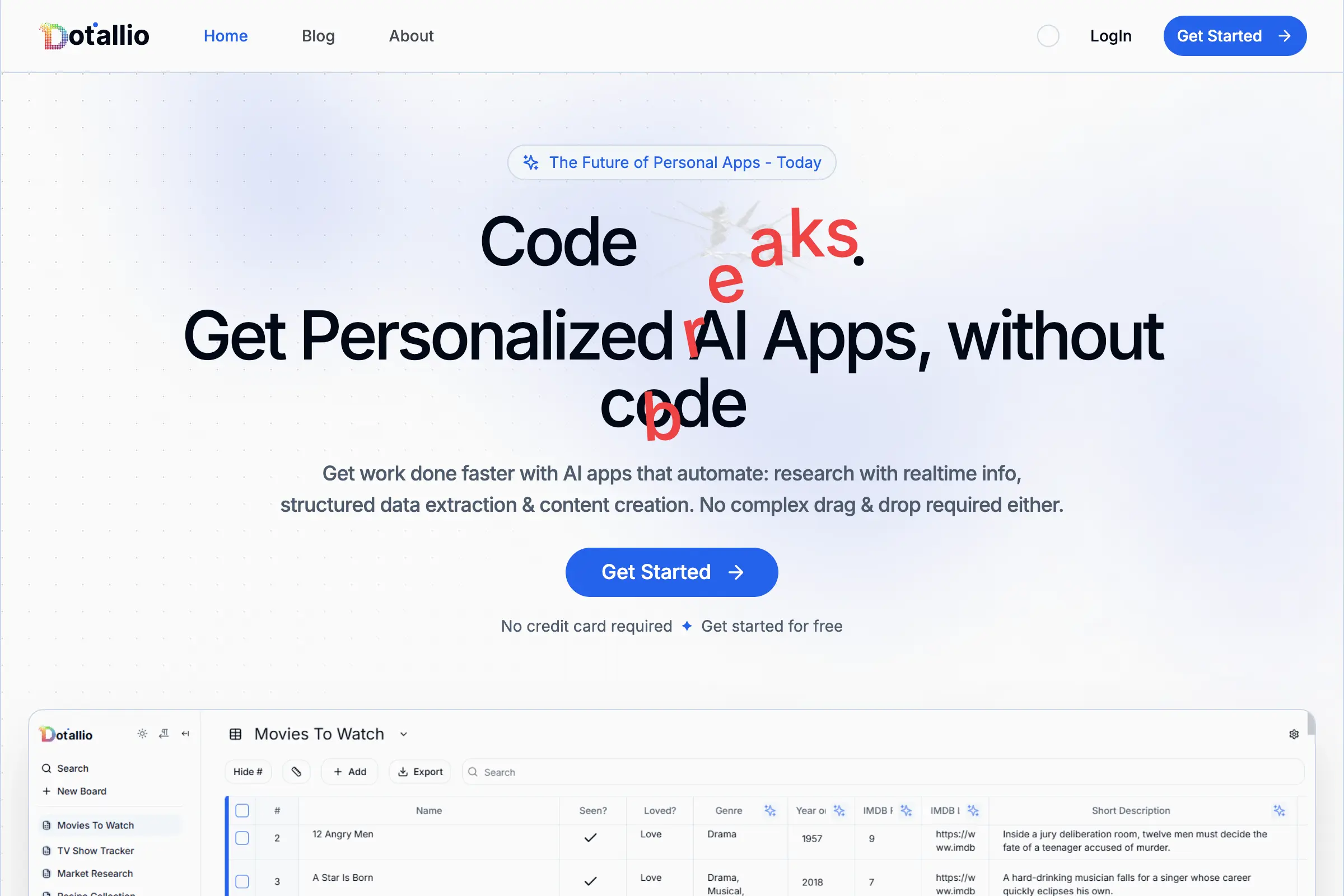
Dotallio
Personalized AI apps that automate research, data extraction, and content creation without code 🤖
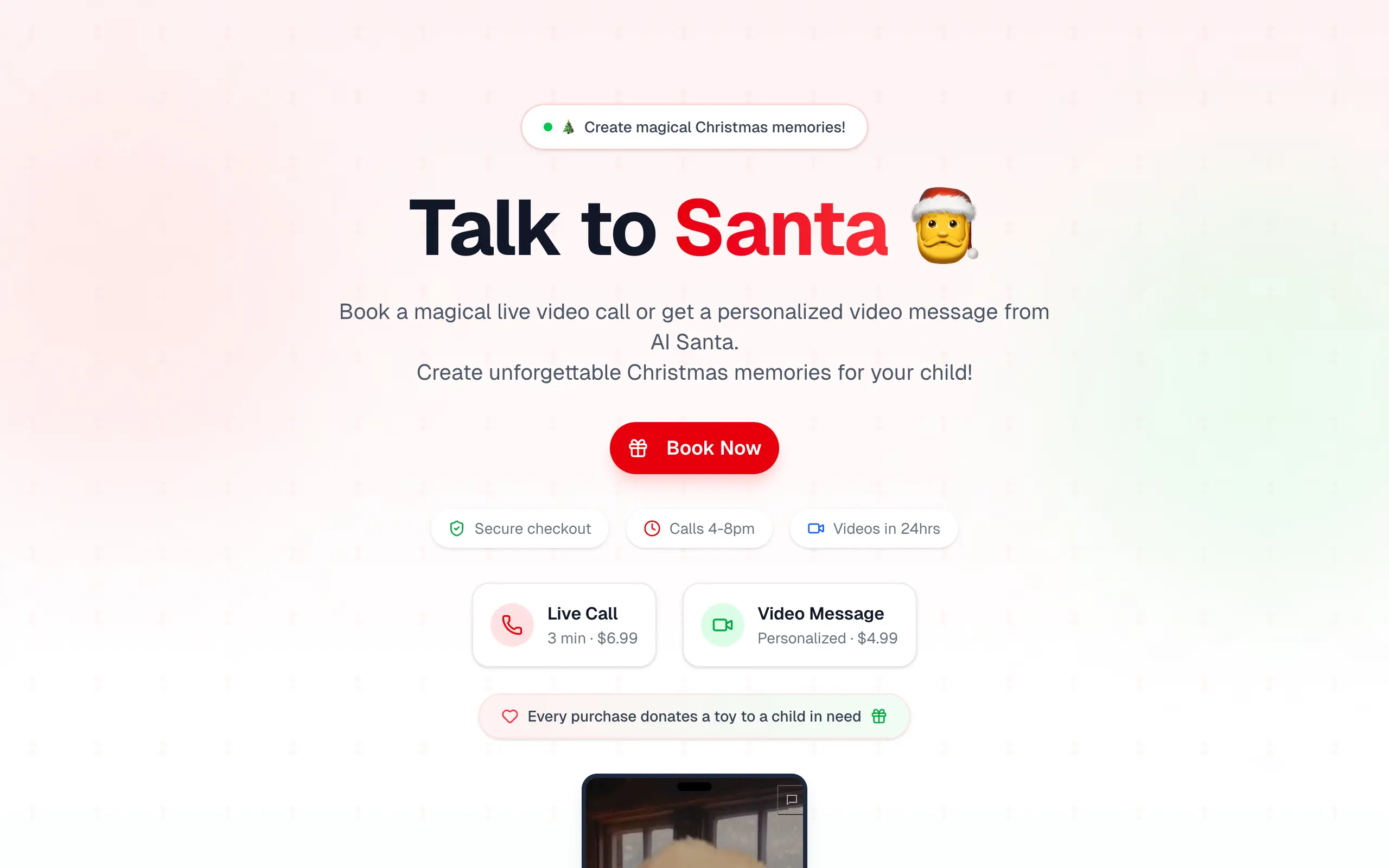
Talk to Santa
Enjoy a magical live video chat or receive a unique AI-generated video greeting from Santa Claus 🎅
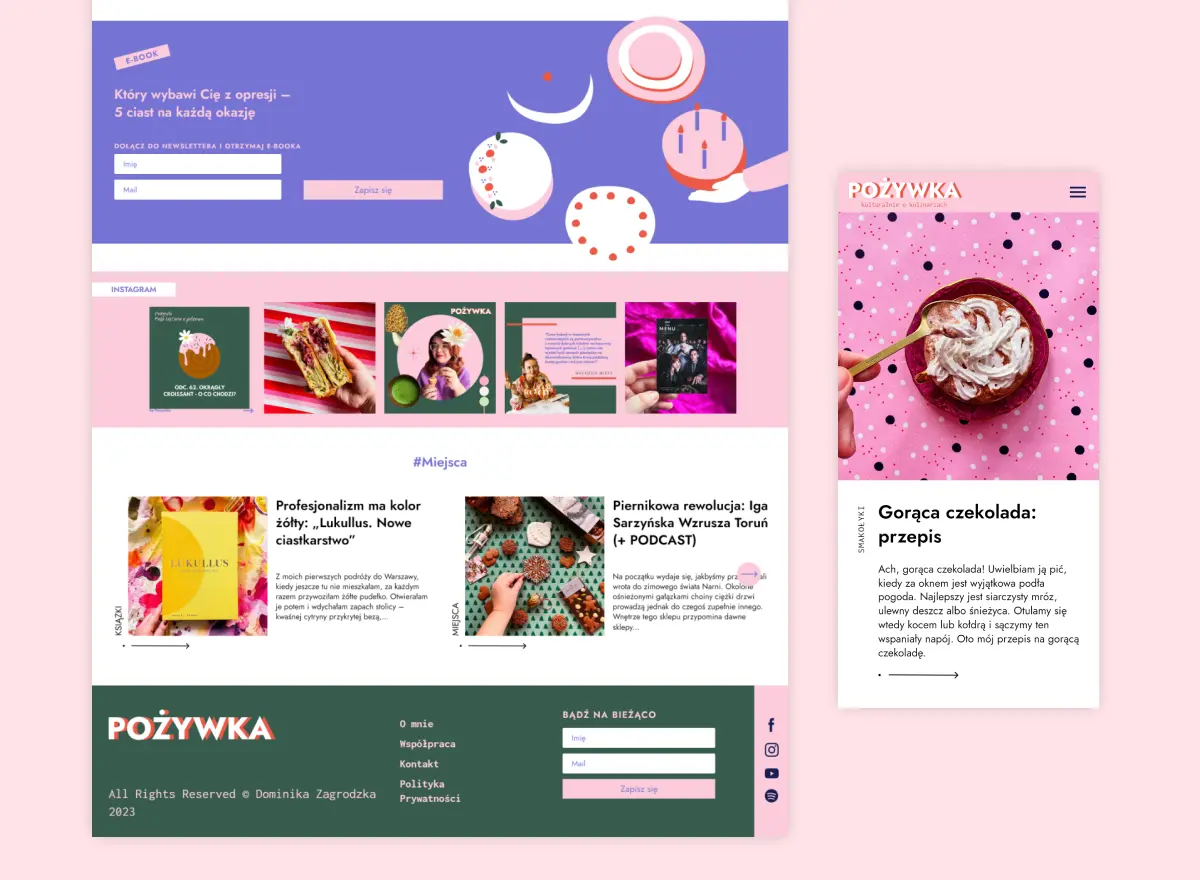
pozywka.pl
Scalable blog for food journalist, focused on performance and user experience 🌭
zagrodzki.me
Personal blog and portfolio of Bart Zagrodzki, where he shares his knowledge and work 💼
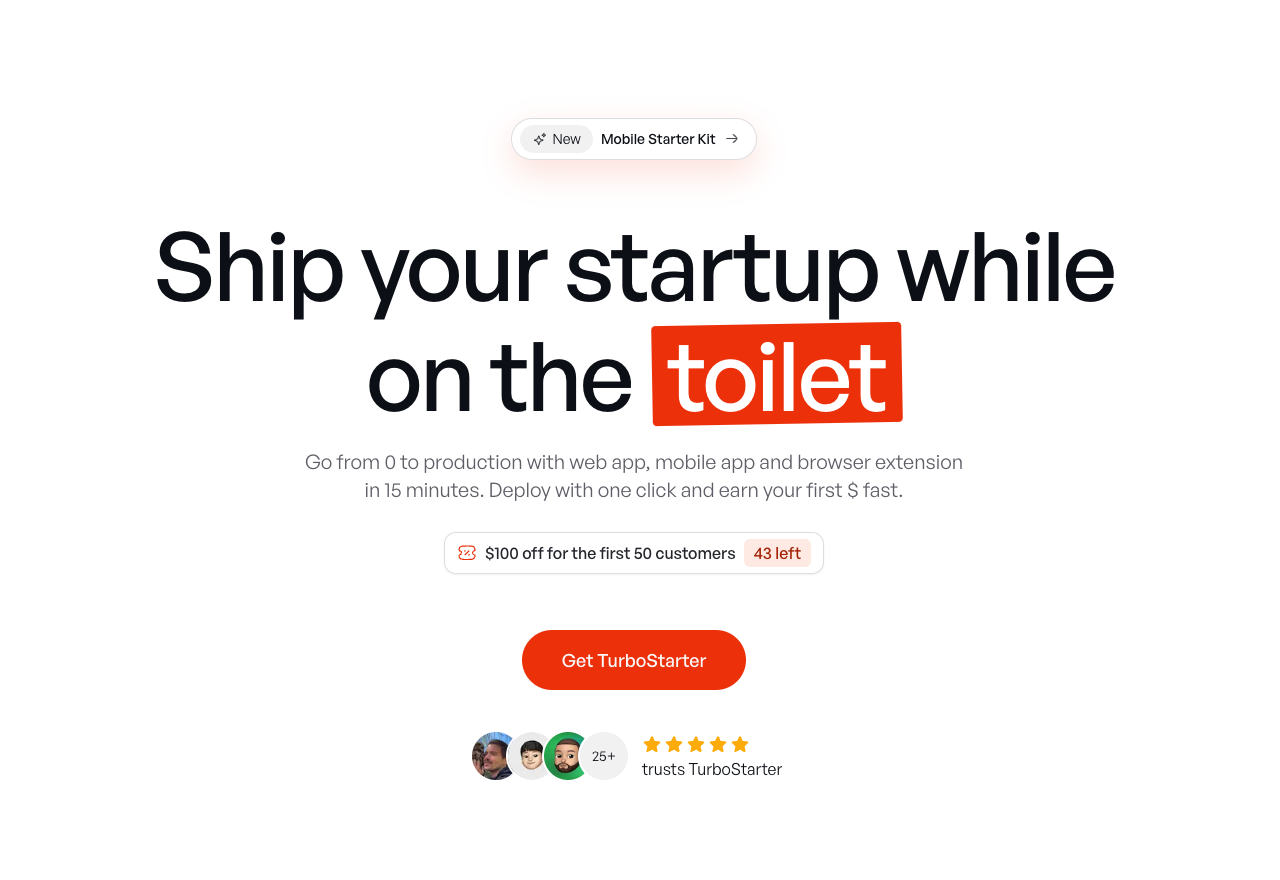
TurboStarter
Ship your startup everywhere. In minutes.
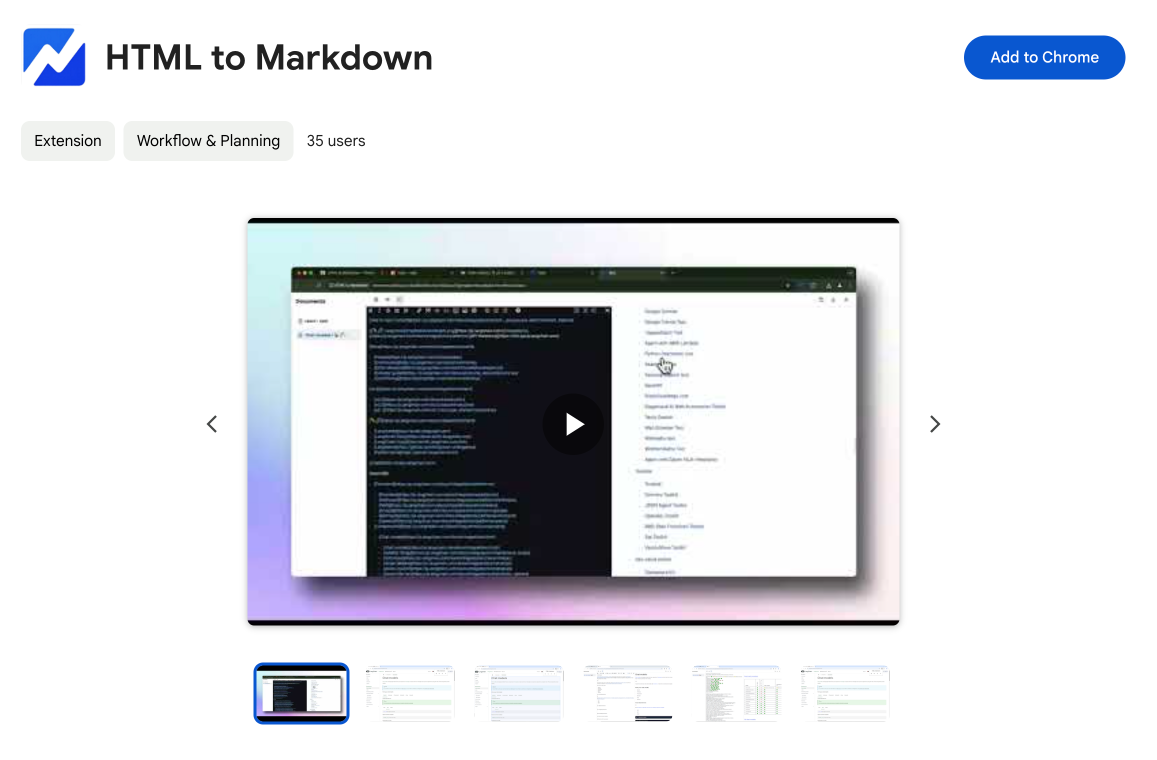
HTML to Markdown
Convert HTML to Markdown with ease, directly in your browser 📄
Dotallio
Personalized AI apps that automate research, data extraction, and content creation without code 🤖
Talk to Santa
Enjoy a magical live video chat or receive a unique AI-generated video greeting from Santa Claus 🎅
pozywka.pl
Scalable blog for food journalist, focused on performance and user experience 🌭
zagrodzki.me
Personal blog and portfolio of Bart Zagrodzki, where he shares his knowledge and work 💼
TurboStarter
Ship your startup everywhere. In minutes.
HTML to Markdown
Convert HTML to Markdown with ease, directly in your browser 📄
Dotallio
Personalized AI apps that automate research, data extraction, and content creation without code 🤖
Talk to Santa
Enjoy a magical live video chat or receive a unique AI-generated video greeting from Santa Claus 🎅
pozywka.pl
Scalable blog for food journalist, focused on performance and user experience 🌭
zagrodzki.me
Personal blog and portfolio of Bart Zagrodzki, where he shares his knowledge and work 💼
TurboStarter
Ship your startup everywhere. In minutes.
HTML to Markdown
Convert HTML to Markdown with ease, directly in your browser 📄
Dotallio
Personalized AI apps that automate research, data extraction, and content creation without code 🤖
Talk to Santa
Enjoy a magical live video chat or receive a unique AI-generated video greeting from Santa Claus 🎅
pozywka.pl
Scalable blog for food journalist, focused on performance and user experience 🌭
zagrodzki.me
Personal blog and portfolio of Bart Zagrodzki, where he shares his knowledge and work 💼
TurboStarter
Ship your startup everywhere. In minutes.
HTML to Markdown
Convert HTML to Markdown with ease, directly in your browser 📄
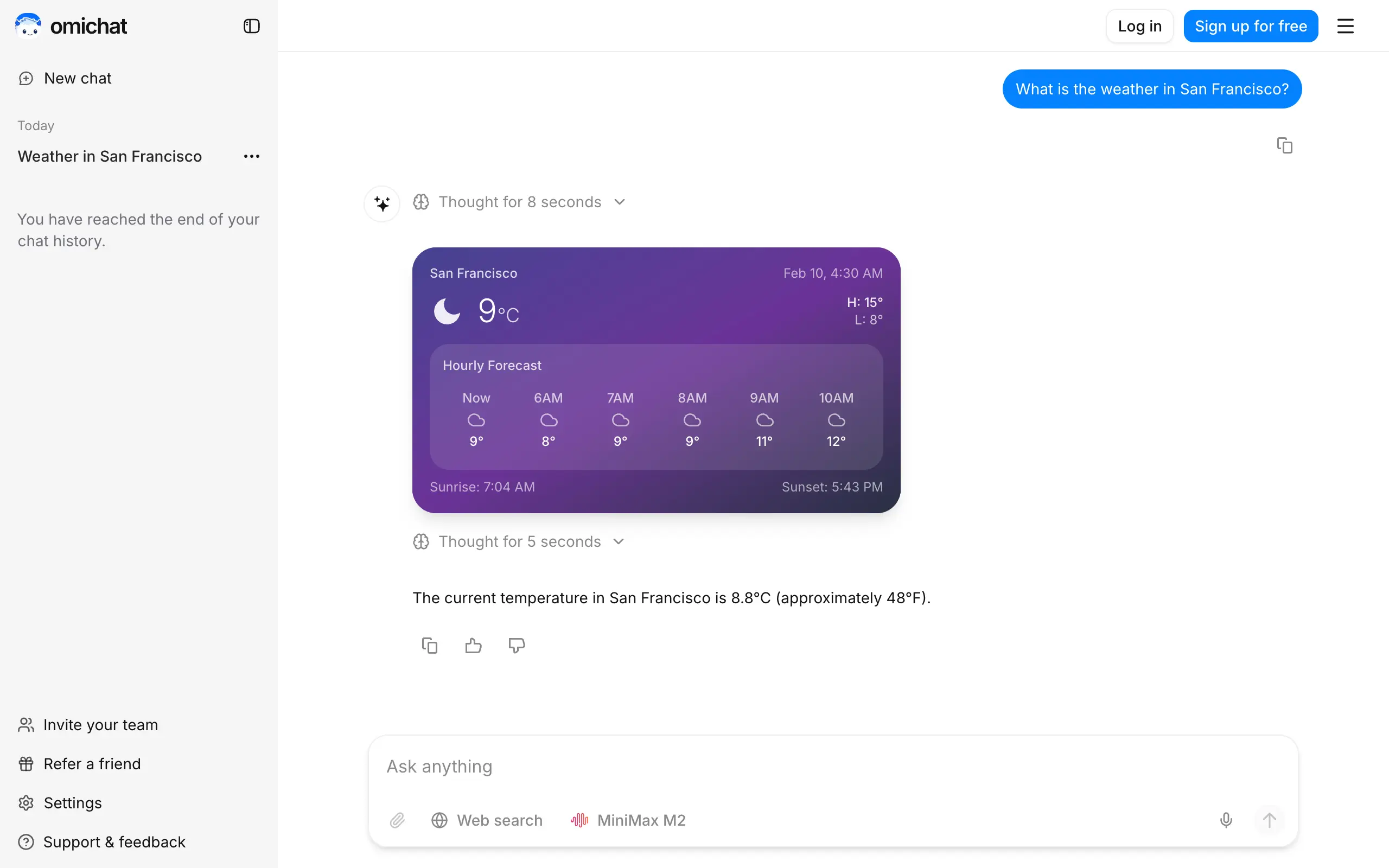
Omichat
Chat with 50+ AI models, including ChatGPT and Claude, in one place - switch models anytime without losing context 🤖
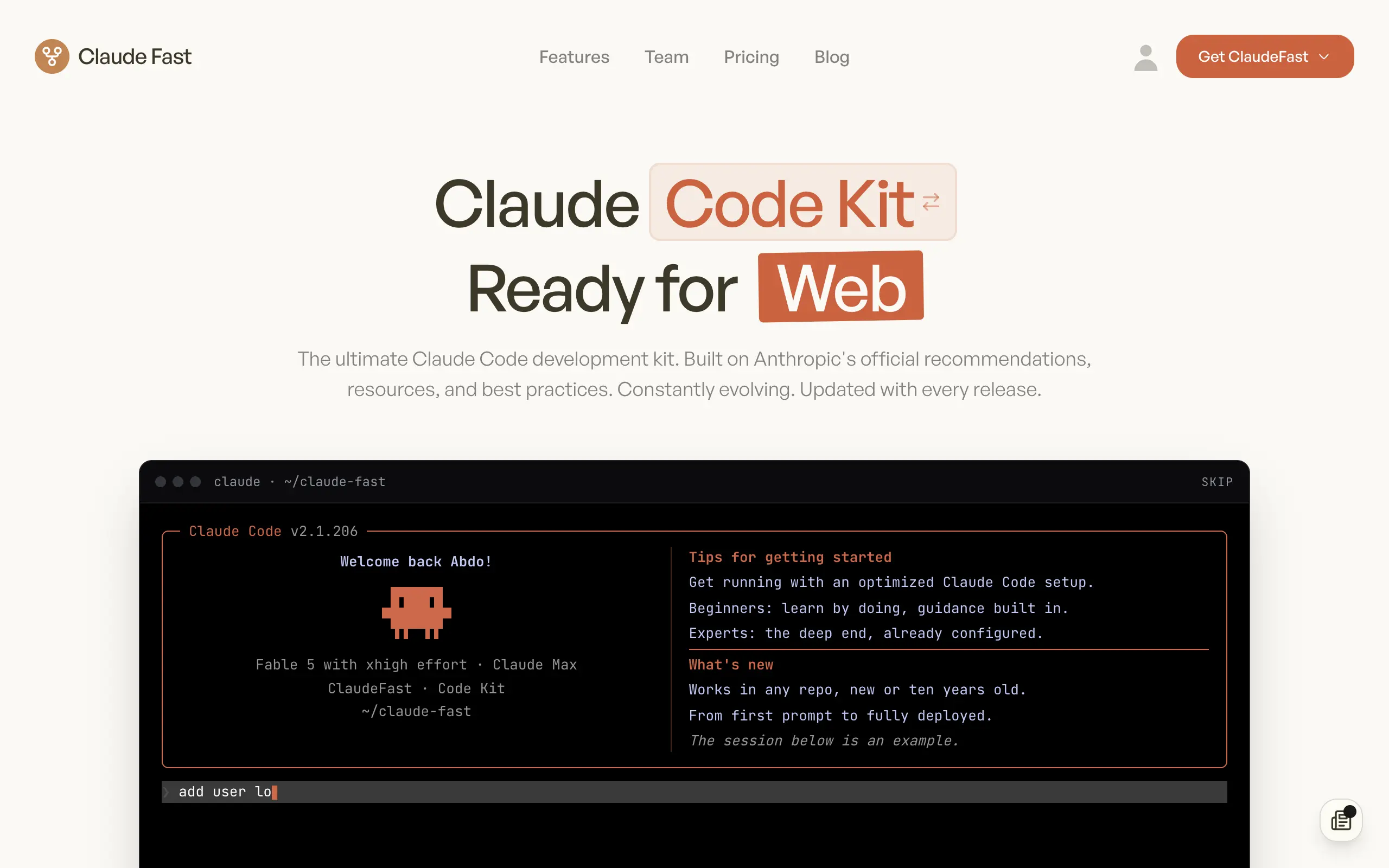
Claude Fast
Supercharge your Claude Code with 6x effective context window and specialized AI agents 🤖
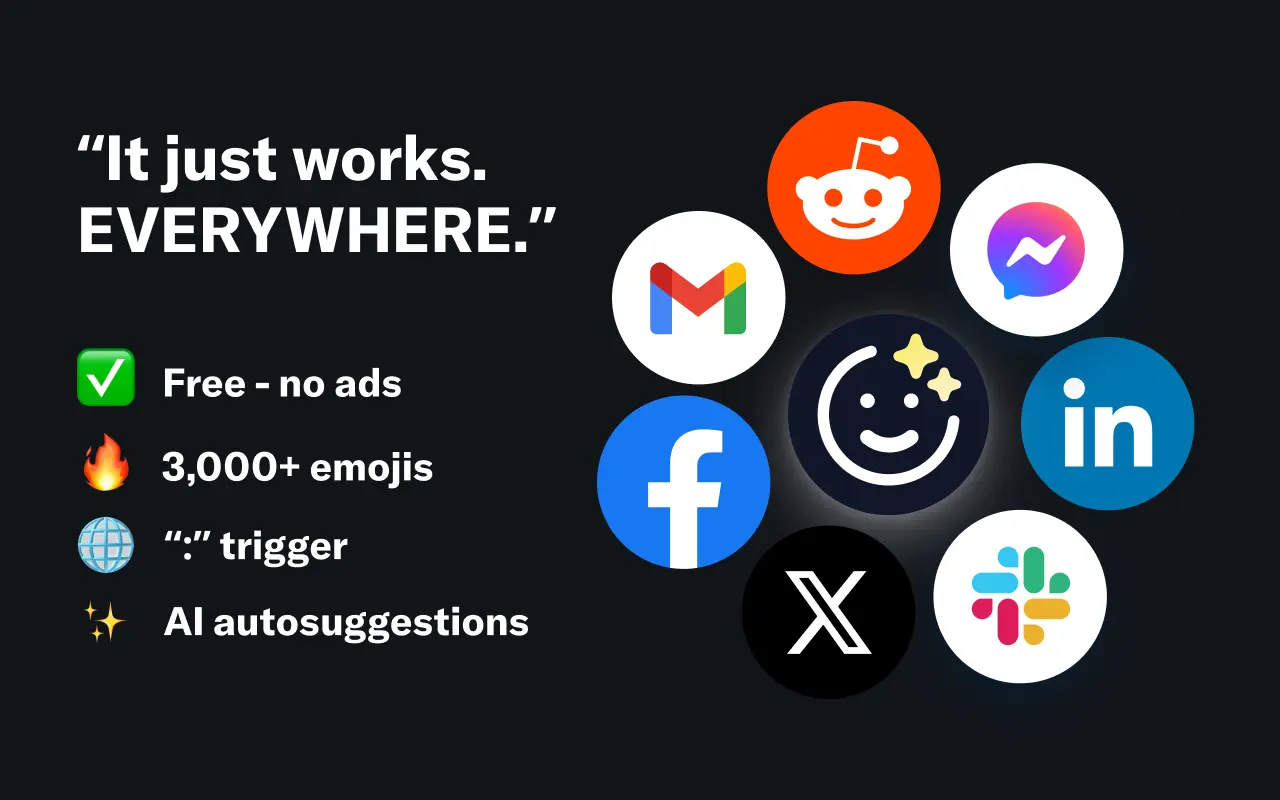
EmojAI
AI-powered emoji picker with smart, context-aware suggestions 🤖
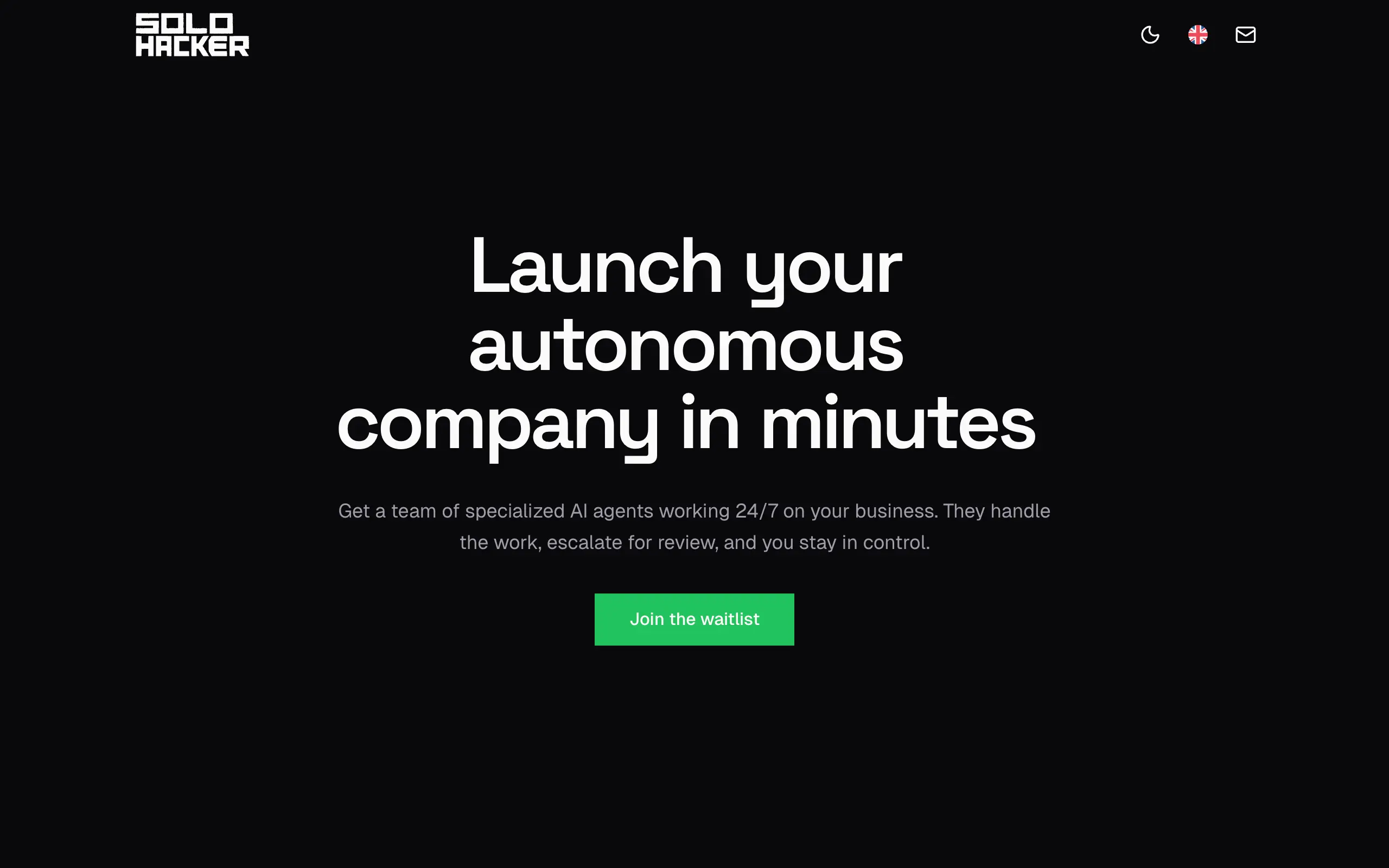
Solohacker
Autonomous company launcher - AI agents work 24/7, escalate what matters, and you stay in control 🤖
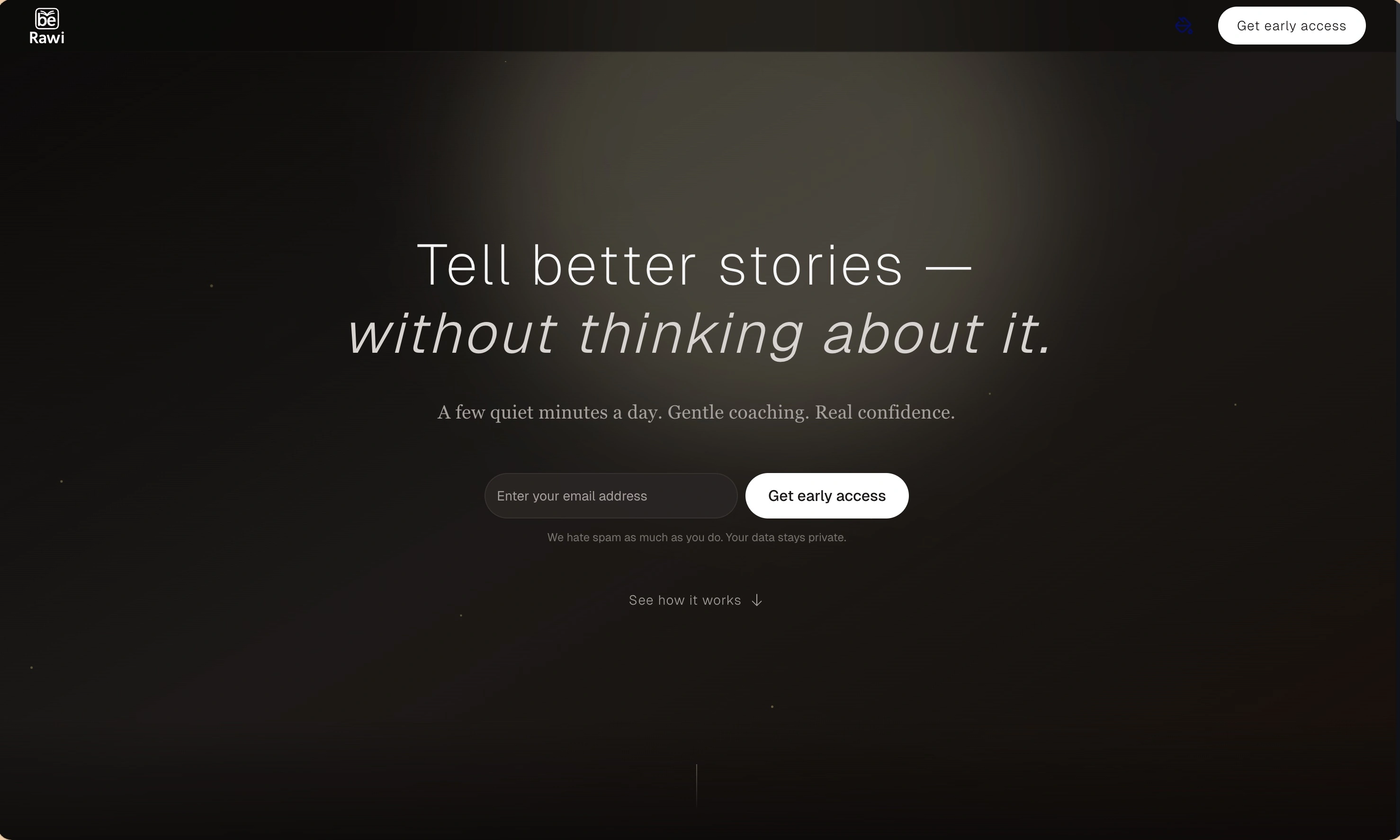
BeRawi: Storytelling Coach
Practice storytelling daily with instant feedback to sound clearer, more engaging, and confident 🎤
Omichat
Chat with 50+ AI models, including ChatGPT and Claude, in one place - switch models anytime without losing context 🤖
Claude Fast
Supercharge your Claude Code with 6x effective context window and specialized AI agents 🤖
EmojAI
AI-powered emoji picker with smart, context-aware suggestions 🤖
Solohacker
Autonomous company launcher - AI agents work 24/7, escalate what matters, and you stay in control 🤖
BeRawi: Storytelling Coach
Practice storytelling daily with instant feedback to sound clearer, more engaging, and confident 🎤
Omichat
Chat with 50+ AI models, including ChatGPT and Claude, in one place - switch models anytime without losing context 🤖
Claude Fast
Supercharge your Claude Code with 6x effective context window and specialized AI agents 🤖
EmojAI
AI-powered emoji picker with smart, context-aware suggestions 🤖
Solohacker
Autonomous company launcher - AI agents work 24/7, escalate what matters, and you stay in control 🤖
BeRawi: Storytelling Coach
Practice storytelling daily with instant feedback to sound clearer, more engaging, and confident 🎤
Omichat
Chat with 50+ AI models, including ChatGPT and Claude, in one place - switch models anytime without losing context 🤖
Claude Fast
Supercharge your Claude Code with 6x effective context window and specialized AI agents 🤖
EmojAI
AI-powered emoji picker with smart, context-aware suggestions 🤖
Solohacker
Autonomous company launcher - AI agents work 24/7, escalate what matters, and you stay in control 🤖
BeRawi: Storytelling Coach
Practice storytelling daily with instant feedback to sound clearer, more engaging, and confident 🎤

Connect with like-minded people
Join our community to get feedback, support, and grow together with 1,000+ builders on board, let's ship it!
Join usShip your startup everywhere. In minutes.
Don't burn tokens on setup and start building features on day one.